Get Premium
Dark mode theme is available exclusively for premium users. Learn more about the benefits of subscribing.
No fees, cancel anytime.

 Dark Mode Ad-Free Browsing Unlimited Content
 Ad-Free Browsing Unlimited Content Dark Mode
Join 1.2 million Panda readers who get the best art, memes, and fun stories every week!
It’s hard to realize that jobs that don’t exist anymore were someone’s bread and butter but have now been replaced by heartless machines powered by energy sources other than coffee. However, unlike rare animals going extinct, there’s no reason to grieve over more jobs becoming obsolete. Quite the contrary.
If we think about it, the growing list of obsolete jobs is a good indicator of human progress and technological improvement. It means that old jobs are replaced with new positions more adapted to human needs. Hence, if we look at all the jobs that don’t exist anymore due to technology, we’ll notice they’ve all been replaced by something much more beneficial to humans. All to make specific tasks easier and faster to accomplish and, hopefully, to have more time and energy to do things we genuinely enjoy.
However, the great paradox of our time is that the world is better than it has ever been, but it has also never been worse. Electronic devices are making our lives easier, but they are also the reason we waste so much of our time online. However, that topic deserves a separate post, so let’s leave it for another time.
Below, we’ve compiled a list of obsolete jobs you probably won’t be able to apply for because, well, they’re no longer hiring. Or exist. But you probably wouldn’t want to either way because the options we have today are so much better. Have you ever heard of any of these weird jobs before? Let us know in the comments.
This post may include affiliate links.
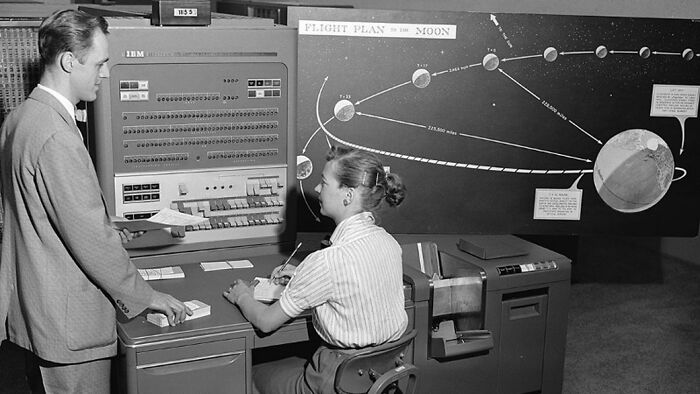
The word "computer" originally meant "one who computes." Before electronic computers became commercially available, human computers—often women—were responsible for mathematical calculations.

Mary Jackson, Katherine Johnson and Dorothy Vaughan were some of these, watch the excellent movie Hidden Figures to see more about them.
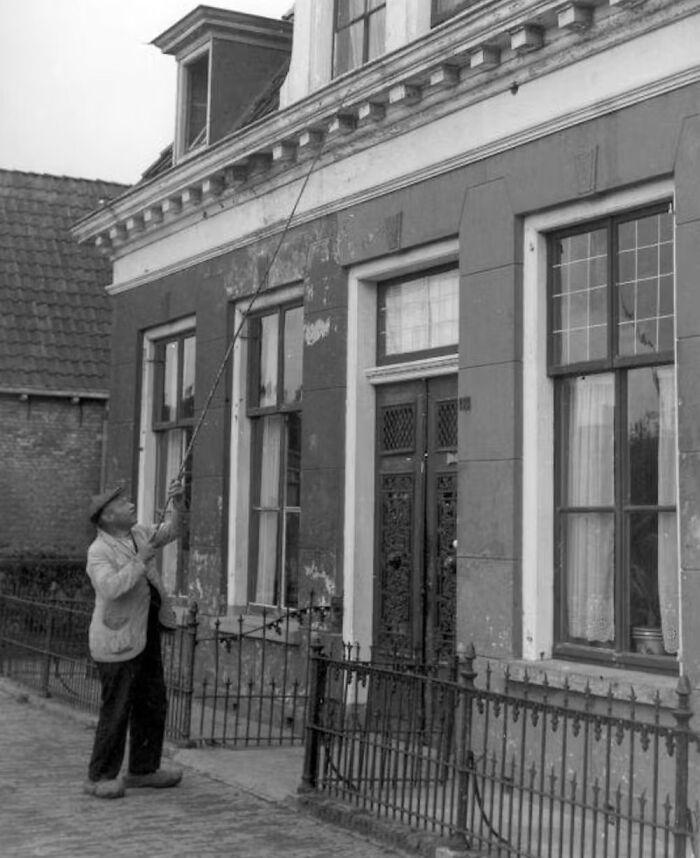
Before electronic alarm clocks, the folk was woken up by knocker-uppers. In the 1800s, citizens employed knocker-uppers to tap on their windows with a long pole or shoot peas at their windows to wake them up so they could get to work on time.
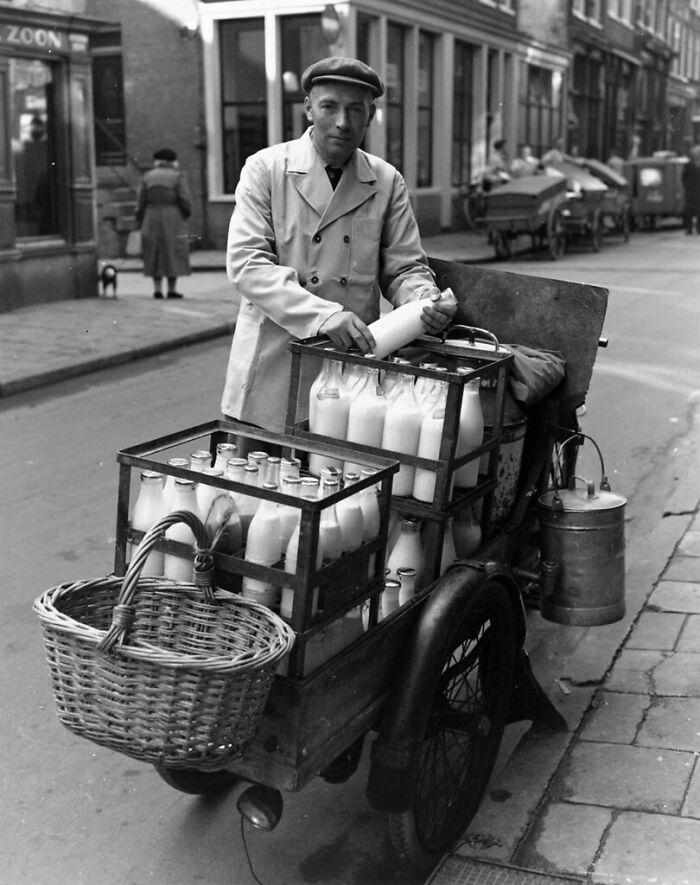
Before pasteurized milk and home refrigerators, milkmen delivered milk straight to customers' doors every day to avoid spoilage.
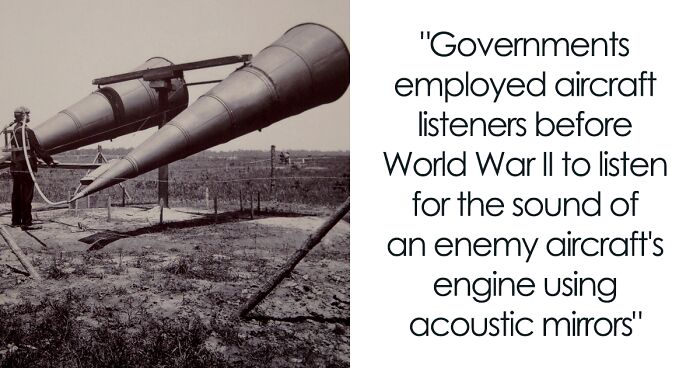
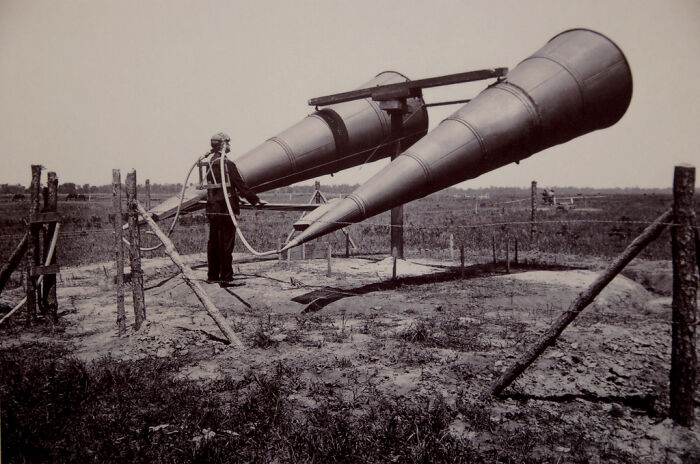
Governments employed aircraft listeners before World War II to listen for the sound of an enemy aircraft's engine using acoustic mirrors. Although acoustic reflectors effectively picked up sound, the enemy aircraft often got too close to take preventative measures by the time the listeners delivered a warning.
In ancient Egyptian and Mediterranean cultures, moirologists, or professional mourners, were women employed by families to express their sorrow over the loss of someone and grieve them. They would also watch over the body before burial and advise mourners as they went through the grief process.
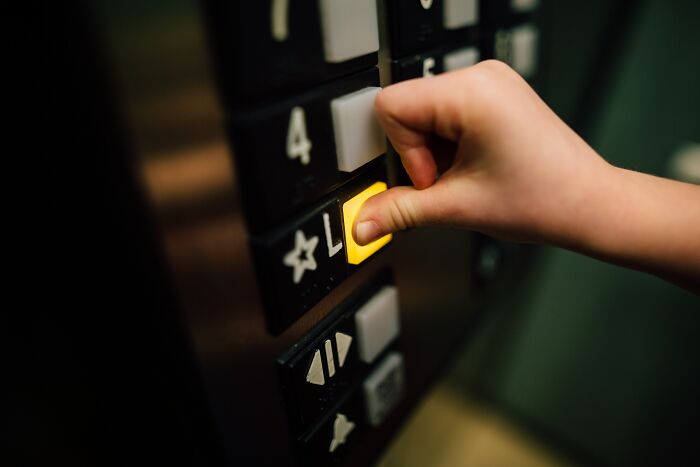
An elevator operator was in charge of manually closing and opening the doors, managing the pace of the elevator, and informing passengers of the businesses located on each floor. In most contemporary buildings, visitors can now operate the elevator themselves with a press of a button.
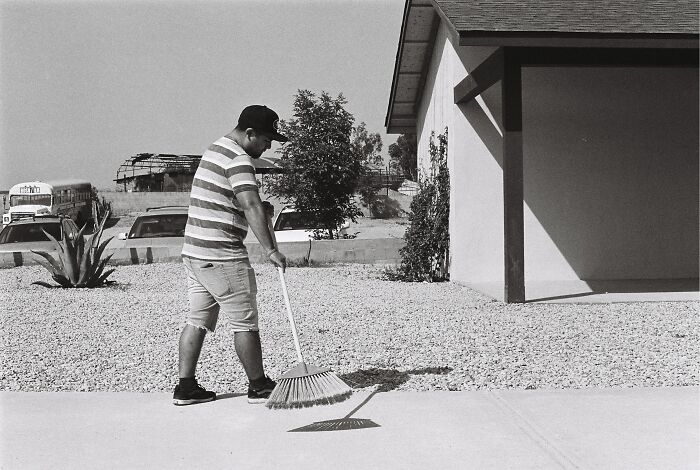
A person who swept dirt ahead of the path people were crossing was known as a crossing sweeper. Wealthy people were often the ones to pay them. They paid crossing sweepers to protect their long skirts or other garments from getting dirty.
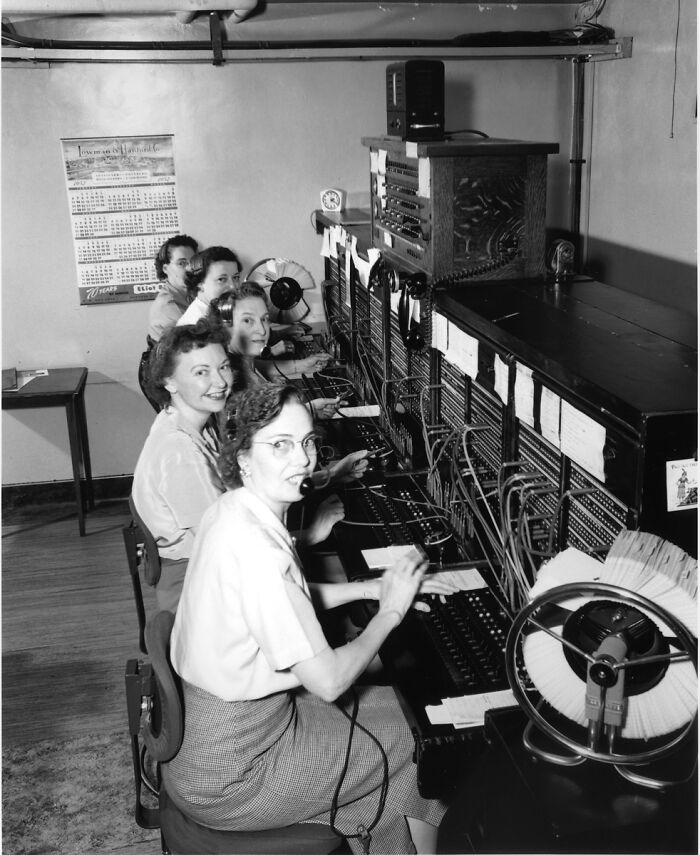
Switchboards, manual telephone devices that could handle numerous calls on different lines, were employed by switchboard operators. They answered incoming calls and directed callers to whom they needed. Switchboards were subsequently replaced by digital telephones, making switchboard operators no longer needed.

My grandmother started off at Bell South as a switchboard operator. She worked in various departments doing a myriad of jobs for over 30 years. She actually helped map telephone lines for much of south Georgia, USA. She passed away last year, so my sister and I made a lamp out of one of her telephone insulators.
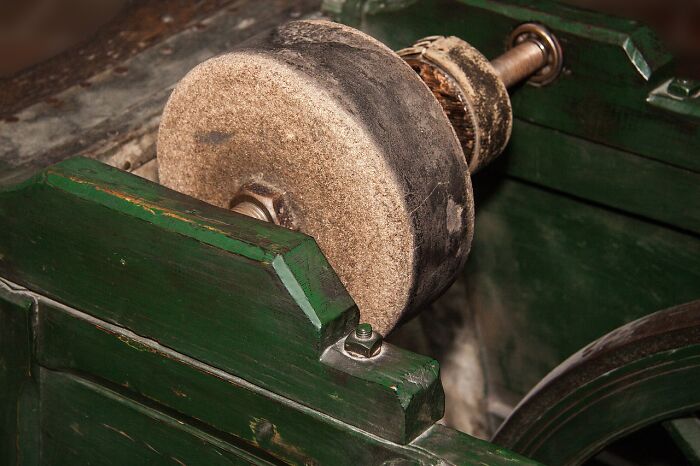
Knives, scissors, and other tools were sharpened using an abrasive wheel by a scissor grinder. It was often a service performed door to door.

Still exists there in my city ( Caen, France) . A guy ringing a bell, yelling ''Rémouleur!" (''sharpener'' in French) , with a little carrier thought the streets
A young person, usually male, known as a "billy boy," was responsible for preparing tea for those who worked in blacksmith shops, construction sites, and railroad yards.
A town crier provided the townsfolk in medieval England with the most recent announcements, news, and information since many people were illiterate or could not read. Following the town crier's vocal delivery, a note was posted on a nearby pub or inn door. This job has now been replaced by the media.
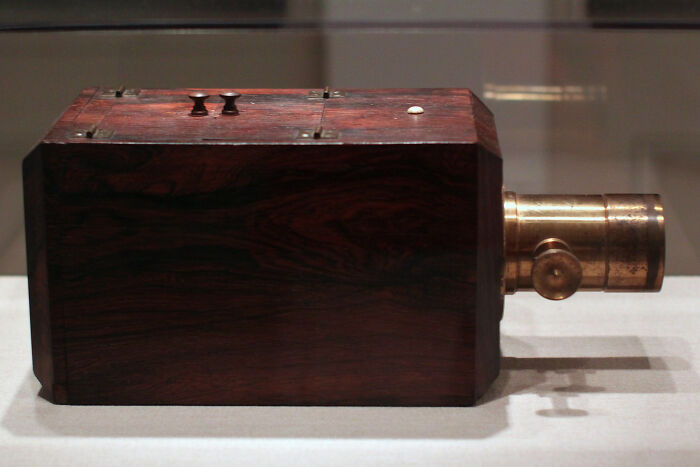
Daguerreotypists took photos on the very first type of camera made available to the public, the daguerreotype. In the middle of the 19th century, the daguerreotype was extremely popular and often used for capturing politicians and celebrities of the day.
In the 16th and 17th centuries, an herb strewer would scatter fresh herbs inside and outside a castle or palace to absorb odors. The job was no longer needed when perfumes were introduced, along with more advanced plumbing and sewage systems.

Oh I thought they walked in front of you scattering herbs and maybe rose petals. I could use someone to do that for me.
Starting from the 1920s, cigarette girls were essentially salespeople in bars and clubs. They often wore a pillbox hat and carried a tray around their neck filled with several kinds of cigarettes that patrons could purchase. Their trays could also have chewing gum, sweets, and cigars.
Except the cigarettes, we had the same people in cinemas in France untill the mid 90's , selling ice creams, snacks...Still exists on certain beaches on summer
Up to the turn of the 20th century, gong farmers were employed to remove all the feces from a home's privy and take it to a dump where it might be used for construction materials or fertilizer. Risking exposure to diseases, gong farmers sometimes lived far from the rest of a hamlet or town and could only work at night.
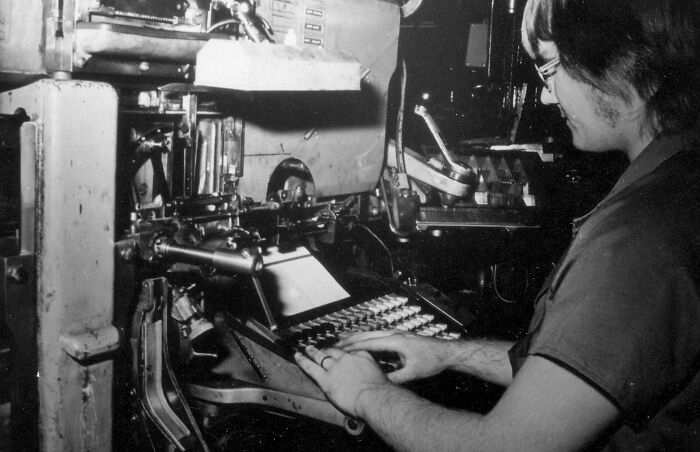
The Linotype machine, a hot-metal typesetting device used in the 19th century to print newspapers and magazines, was operated by Linotype operators. They arranged the letters, spaces, and numbers to create text molds. The occupation became obsolete in the 20th century when digital printing gained popularity.
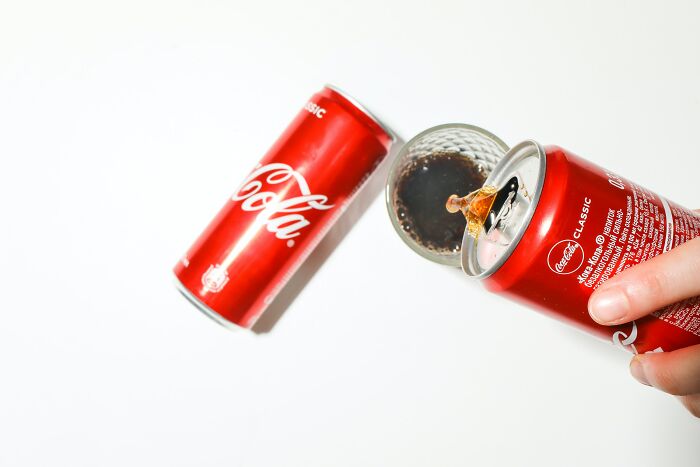
Maintenance of soda fountains and pouring soda into glasses from a spigot behind a counter fell to soda jerks. Soda fountains, together with soda jerks, lost favor as the dining and food industries evolved.
My great aunt and uncle were the only soda distributors in our town. They always had soda for great nieces walking home from school. On Halloween, they'd set up a soda fountain with three or four flavors, and the trick or treaters got a little cup of soda.
Before the infrastructure or technology was available to transport logs by timber lorry or logging truck, log drivers (also called river pigs or river hogs) would use the current of a river to transport them from a forest to pup mills and sawmills downstream.
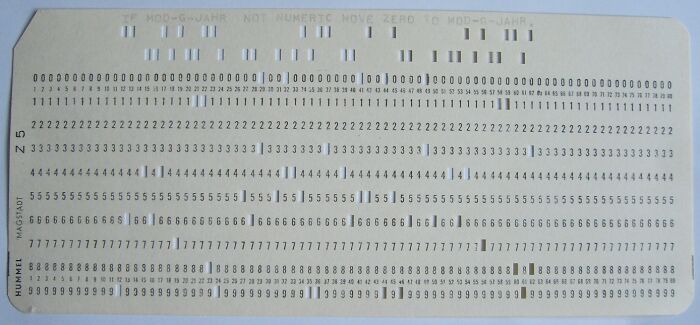
Before the rise of modern computers, many companies utilized paper punch cards to record and store data. These punch cards were beneficial in accounting duties like managing budgets and keeping payroll records. When punch cards were still in use, there was a huge demand for punch card (or keypunch) operators, usually women, all performing data input.
Not 'before the rise of computers'. This technology was used for nearly all computer systems well into the 1980s. Yes, a large company might have a room full of 'punch girls' as they were known, but there were other people from programmers to computer operators who used them as a primary source of input before CRT terminals were widespread. Learning to program on punchcards helped instil a 'get-it-right' attitude, as it could take hours to get a card deck recreated every time you had to make a few changes to it.
Bematists lived in ancient Greece and Egypt and measured their steps to determine distances between well-known points. They often published their calculations in books. As mapping and measurement technologies progressed, the job became obsolete.
In the 19th century, physiognomists used to evaluate a person's character or personality based on their outward appearance. They thought bodily characteristics were enough to recognize personality traits like sincerity and openness.
Phrenology is fascinating. Historically. In practice it must have been a horrible time to be alive for a lot of people.
Telegram messengers went to people's homes or places of employment to deliver printed messages sent through telegraph. They could have brought the reply with them when they returned to the telegraph office so that the answer could be telegraphed back to the original sender.
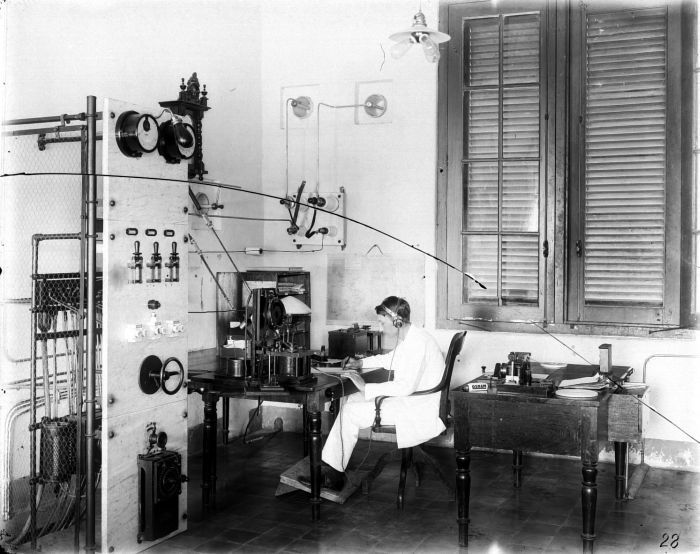
A telegraphist, also known as a telegraph operator, was in charge of transmitting and receiving Morse code using telegraph equipment to communicate over landlines and radio.
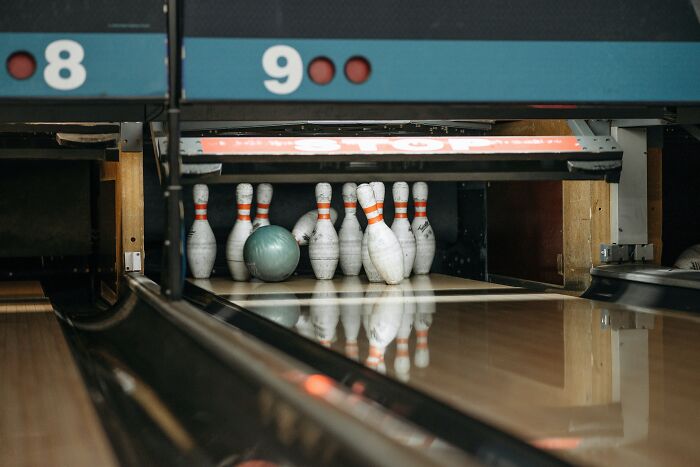
Pinsetters used to remove and replace pins between each round before bowling alleys had automated pin setup and retrieval machines. They waited at the end of the lanes and manually reset the pins.
We still have these in south west England where a type of bowling called skittles is played! They are called "sticker-uppers" and are usually around 14 yrs old and paid well for their efforts. Skittle alleys are usually in local pubs - skittles began as a way for farmers to socialise during the winter months.
In medieval times, clock keepers tracked time and maintained clocks and other timekeeping equipment. Since ensuring the accuracy of a clock required some basic mathematical skills before those were common, clock keepers often got large payments for their services.
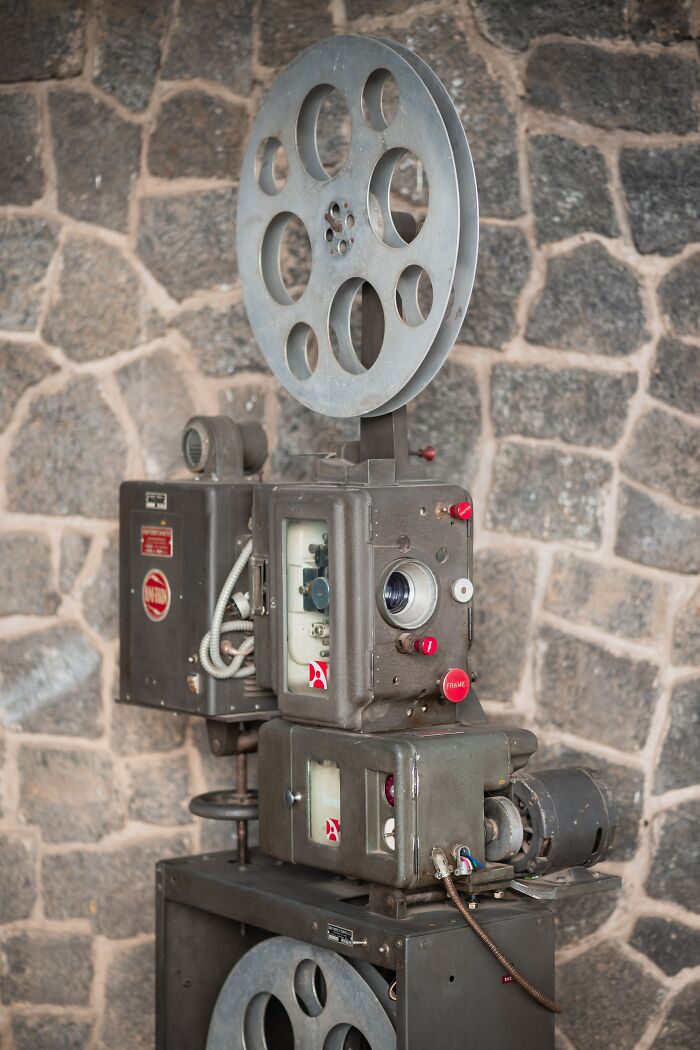
Operating a movie projector in a theater fell to a film projectionist. With the introduction of digital projection, the use of film to display movies in theaters has become increasingly rare, making this job no longer in demand.
During the Victorian era, toshers entered the sewage system of London in quest of valuables like coins, bone fragments, or metal scraps. After it was made illegal to enter sewers in 1840, sewer-hunting declined, and the job was rendered obsolete.
Sadly still exists in India, saw a documentary about it it was heartbreaking
A typewriter mechanic was a specialist who identified problems with and fixed mechanical typewriters, which were once used to print written texts by pressing a series of keys. Typewriters and related occupations became obsolete as more people shifted to computers and digital printers.
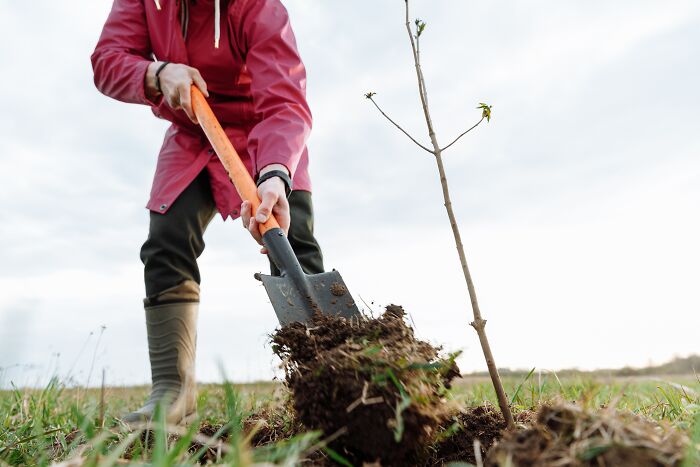
A gandy dancer was a part of the railroad crew who handled any track-related job. Although the exact origins of the name are unknown, the term "gandy dancer" may refer to the workers' dance-like movements or waddling like ganders while running on railroad ties.

The railroads would only buy shovels from the Gandy Mfg Co. Of Chicago, Illinois. (They were the only shovels that could stand up to the daily abuse.) Positioning the rail involved sliding the shovel under the rail and standing on the handle of the shovel. Using that leverage, the rail could be moved up, down, in, out, left and right by "dancing" on the handle - hence the name.
Before reliable cooling systems were introduced, ice cutters would gather surface ice from rivers and lakes. The ice could be used for cold food storage during the warmer winter months.
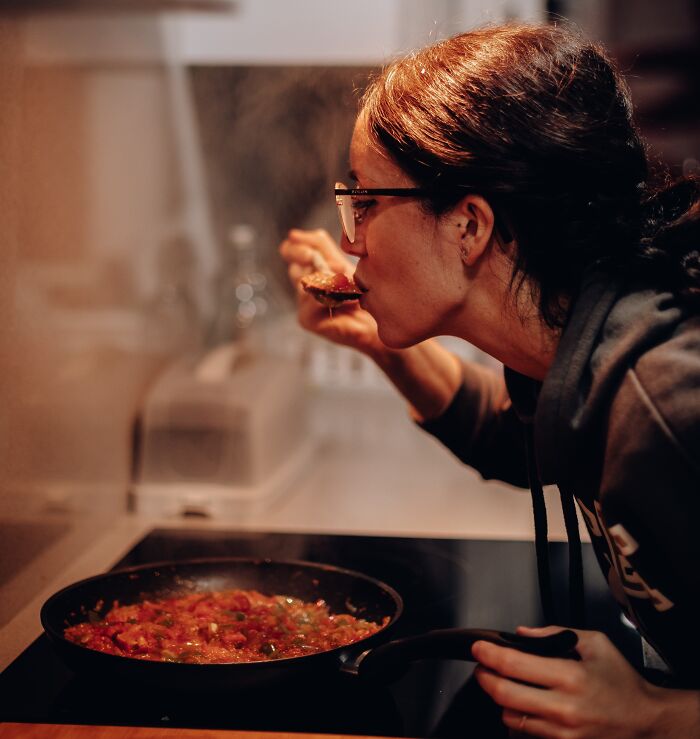
A food taster was responsible for testing the food prepared for an important figure to ensure it was poison-free. One such figure was the Führer. According to The Denver Post, about 15 young women were hired to taste Hitler's meals.
Sure it's still exists on modern dictatorships ( Russia, North Korea and certain African countries)
In ancient Rome, a nomenclator was a person who whispered the names of people to the person who hired them. Politicians were often the ones who employed nomenclators. During political rallies, these nomenclators whispered the names of guests or bystanders as they drew near to make the politician seem more knowledgeable and approachable.

They still exist, but I think they're just called Personal Assistants now
In the early 19th century, industries employed a lector to read books or newspapers aloud to keep workers entertained. The lector would often read the news while standing or sitting on a raised surface so the entire factory could hear.
During World Wars I and II, a dispatch rider delivered important communications between forces. Motorcycle couriers were needed in these dire circumstances because radio transmissions were unreliable and prone to interception during the war.

A very old butcher I once worked with did this job during, or shortly after, the second world war. He said after a couple days he told his superiors "nope" and asked to be reasigned- motorcycles of the era had narrow tyres that slid on the gravel roads, no real suspension, and barely-functional drum brakes. Helmets were also unknown.
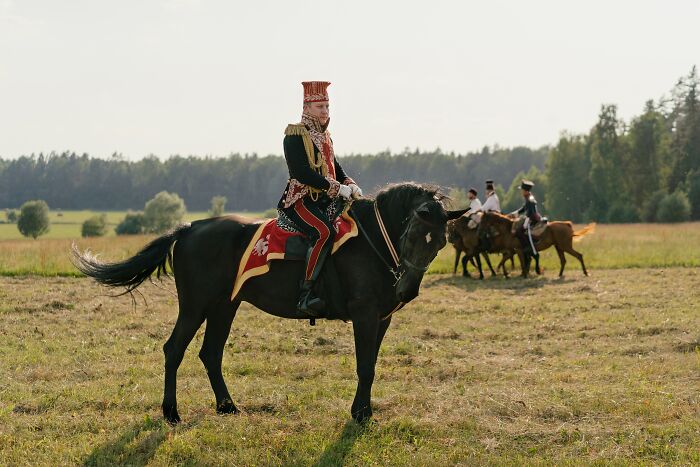
Although they could also ride camels or elephants, cavalry soldiers generally relied on horses. The last significant conflicts that utilized cavalry were World Wars I and II.
In 17th-century London, before the advent of street lights, young boys were hired to carry torches to light the way and walk customers home from pubs or other locations at night. Sometimes, linkboys led customers into dark alleyways into the arms of robbers.
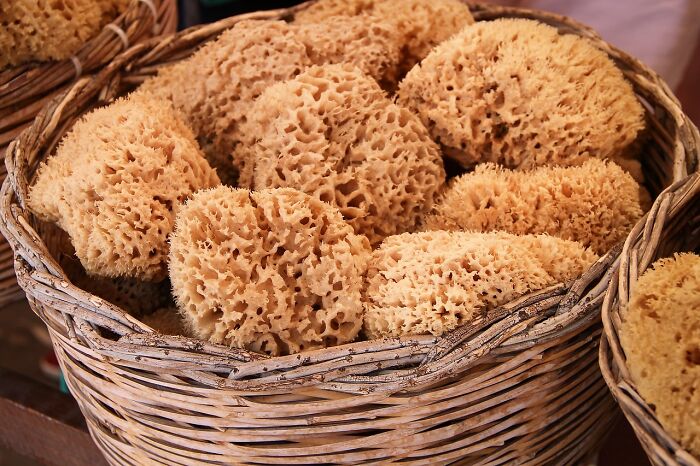
Beginning sometime in the 18th century, men of Kalymnos Island in Greece made a living by collecting sea sponges. This job was only suitable for the physically robust and daring because men had to dive deep (up to 30 meters) underwater with a heavy piece of marble strapped to them.
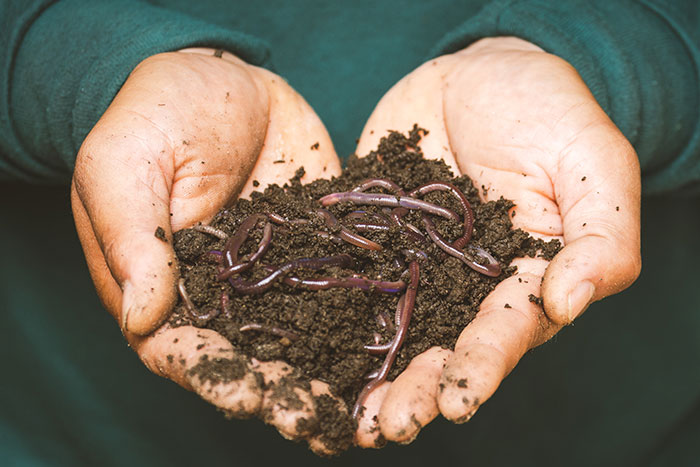
In 19th-century Europe, there was a high demand for blood-sucking worms used for medicinal purposes. Because they were challenging for medical practitioners to obtain, leech collecting became a specialty. Leech collectors would use their own legs or the legs of other animals to lure leeches from creeks and rivers.

today the lab grow leeches for medical use. And yes, Leeches are used on wounds in the medical world today. Say there is a severed limb, after a while the blood and nerve vessels shut down, giving doctors limited lime to re-attach it. Leeches keep the blood flowing, extending those times. Many hospitals have medical grade leeches on hand for that.
An alchemist was a philosopher who tried to transform substances into gold. Since they frequently tried to create unique elixirs to treat illnesses or bestow immortality, people often put them under the same umbrella as astrologers, conjurors, and other "magicians."

Those of them who were striving for more practical uses , like making gunpowder, for one, also laid the bases for modern chemistry.
Phrenologists specialized in analyzing the human brain. They used observation and mechanical devices to prove their theory, which held that a person's head shape was directly related to their level of intelligence. However, modern findings have disproved this theory.
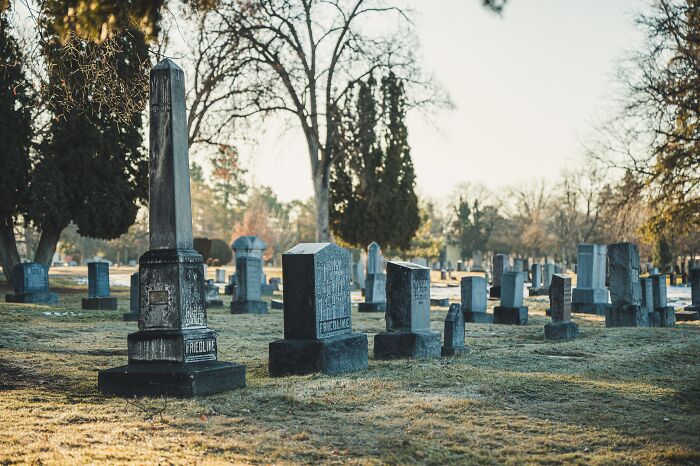
In the 18th century, resurrectionists exhumed recently deceased victims' remains and delivered them to clinics and medical schools. As modern medical science progressed, the need for corpses grew, and so did the resurrectionists.
During the American Civil War, mud clerks were support workers on steamboats. They ran errands for the captain and officers and did basic maintenance duties like cleaning and repairs. They often assisted in removing the boats after they sank into the mud, earning the moniker of the job.
VHS repairmen went to customers' homes to repair broken VHS players and also fixed ones customers brought into their shops. This position became irrelevant when DVDs took off and VHS cassettes lost popularity. There might still be a handful of handymen that would take on fixing a VHS, but it's no longer a job one could make a living off since the demand is so low.
Until the 1940s, horse meat was a dietary staple both in the UK and the US. Caddy butchers specialized in processing and selling horse meat, which, at the time, was an affordable alternative to venison or beef.
Still exists in France. By the way, 90% of horse meat comes from the horse entertainment industry ( race horse, poney club etc), you know, those who pretend to love their animal untill it costs too much to look after when they seem useless or harmed. Also, we had a big lasagna scandal in France, filled with horse meat instead of beef
A water carrier would collect drinkable water and return it to the village, where it would be distributed to those who needed it. But, as pipe systems advanced, human labor was no longer needed.
Before there were electric streetlights, a lamplighter would go around town putting out and re-lighting gas-burning streetlamps. Lamplighters were no longer needed once cities switched to electric light bulbs.
In the Victorian era, rat catchers were primarily young people who tracked and captured rats. This catcher job was popular at the time because rats, notorious for carrying many diseases, were everywhere in places like London.
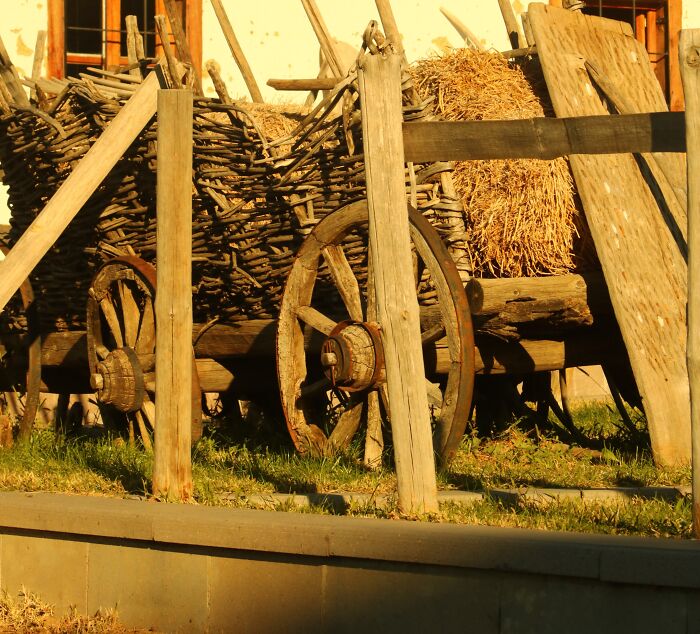
A handyman who made and traded wooden wheels was known as a wheelwright. These wheels were mainly made for use on farm equipment and steam-powered machinery. As wooden wheels lost popularity, wheelwrights became much less common in the late 20th century.
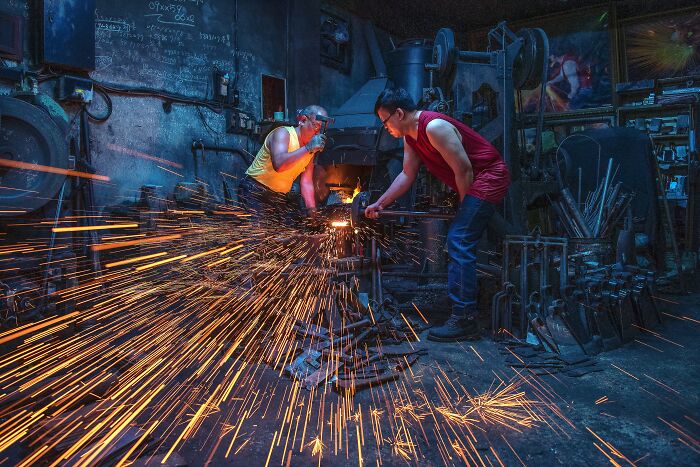
Redsmiths were so named for their proficiency with working copper and brass, an alloy of copper and zinc, similar to their relatives, the blacksmiths, who worked with iron.
To the wonder of audiences, people known as stone eaters traveled around and ate pebbles and stones. Some exhibitions actively urged visitors to bring their own rocks as a way to encourage them to attend the performance. However, news outlets announced stone eating a hoax, people started questioning the practice, and it soon lost popularity.
Baked potato sellers were a typical sight on the streets of London in the mid-18th century. Although most were bought for eating, baked potatoes were sometimes used to keep the hands warm on chilly winter days.
When it was prohibited to purchase, sell, or consume alcohol in the US during Prohibition, a hush shopkeeper would discreetly sell alcohol to clients they knew and trusted. They gained their moniker by keeping their illegal operation under wraps.
Toad doctors used to treat patients using, you guessed it, toads. Toads were first used in medicine in the 1600s because, at the time, medical practitioners thought they had healing qualities. Their main concern was healing a scrofula skin disease (then called "the King's Evil"). They treated the sick by placing a live toad (or its leg) in a muslin bag around their neck.
In the 17th century UK, drysalters were salespeople who traded chemical products, including dry chemicals and dyes used in salted, tinned, and dried food or edible oils. Some drysalters also sold hemp, flax, hempseed, and potash.
Plague doctors were medical practitioners who treated those suffering from the Bubonic Plague. They often checked patients without even touching them by using a wooden cane and wearing masks. Essentially, plague doctors only recorded casualties and the number of sick for demographic purposes.
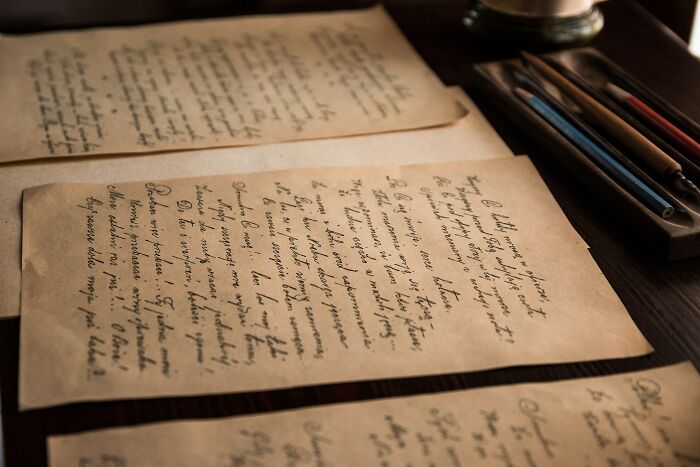
Scribes made manuscripts by hand, transcribing each word while listening to speeches and events. Thanks to the development of computers, word processors, and recording software, this occupation is no longer necessary.
Court jesters were essentially entertainers for royals and their guests. However, even though they were often regarded as jokesters who donned goofy hats, their role was not always all fun. A major health warning came with being chosen as one; jesters were often required to accompany their masters to the battlefield and deliver messages between the commanders of opposing armies.

Around the 1930s, New Zealand's government employed professional deer cullers to hunt deer and slow their spread due to concerns about the sharp increase in the deer population. With the advent of commercial hunting in the 1970s, government-funded culling was abandoned.
If people hadn't killed all of the tasmanian tigers, there would have been a predator to do this job.

This has been taken up again recently in Australia because our deer population has gotten out of control. We also have camel and kangaroo cullers.
No one mentioned Cooper, barrel-makers. Hugely important until the 1950s
No one mentioned Cooper, barrel-makers. Hugely important until the 1950s






















 No fees, cancel anytime