Get Premium
Dark mode theme is available exclusively for premium users. Learn more about the benefits of subscribing.
No fees, cancel anytime.

 Dark Mode Ad-Free Browsing Unlimited Content
 Ad-Free Browsing Unlimited Content Dark Mode
Join 1.2 million Panda readers who get the best art, memes, and fun stories every week!
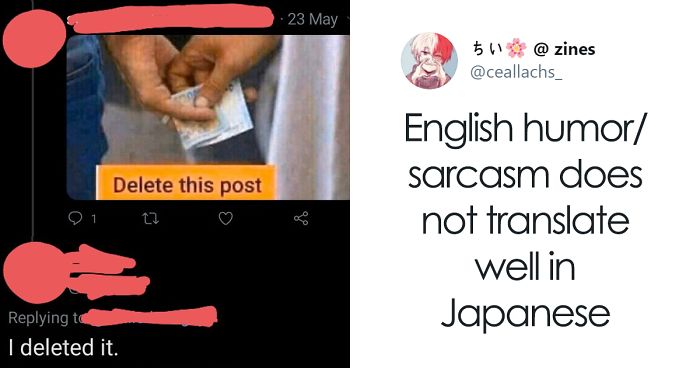
Every now and then, human communication encounters errors. ‘Cause it’s already hard enough to come across a simple, clear message. But it’s a whole different story when it comes to building bridges between cultures. One word at the wrong place and wrong time and you’re screwed.
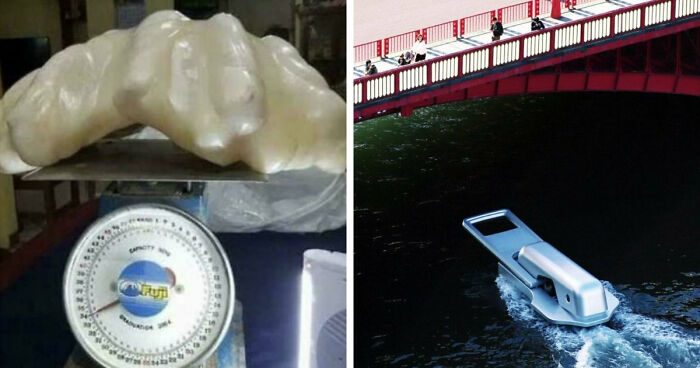
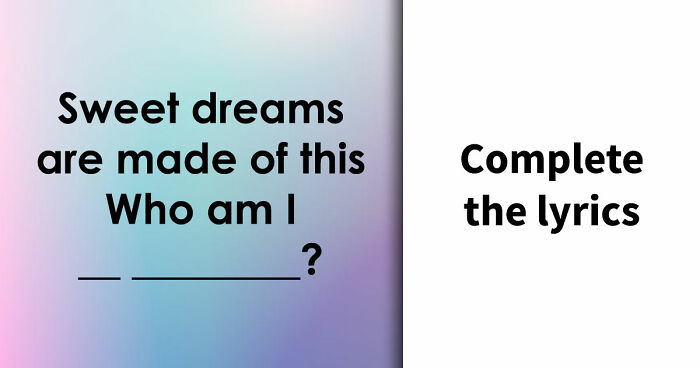
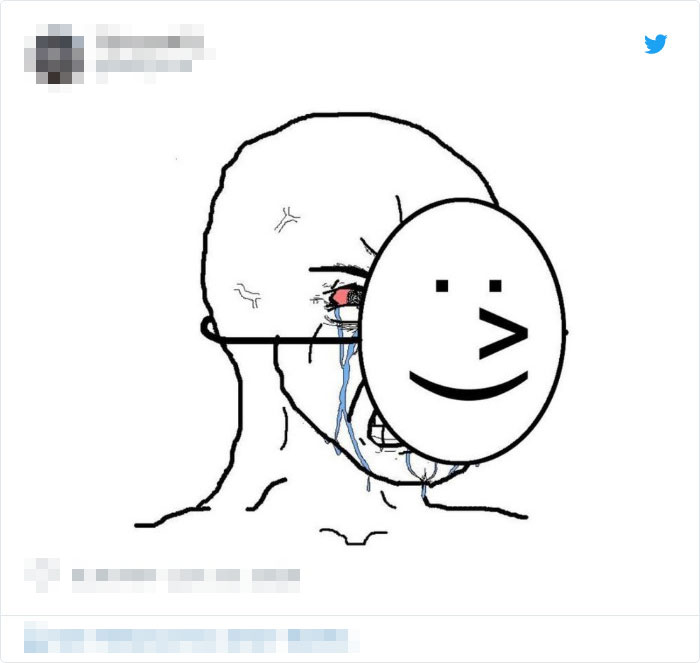
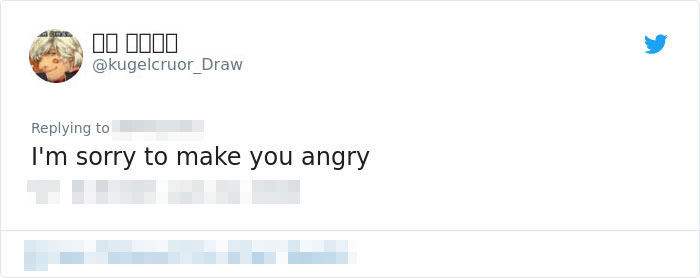
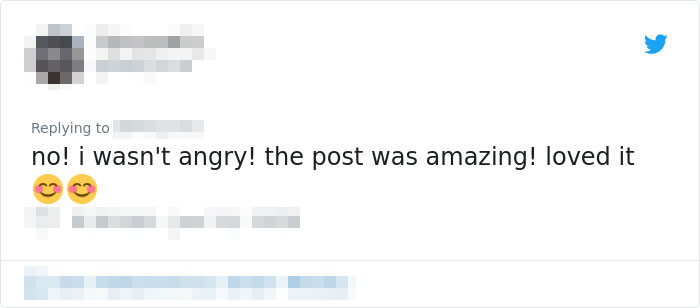
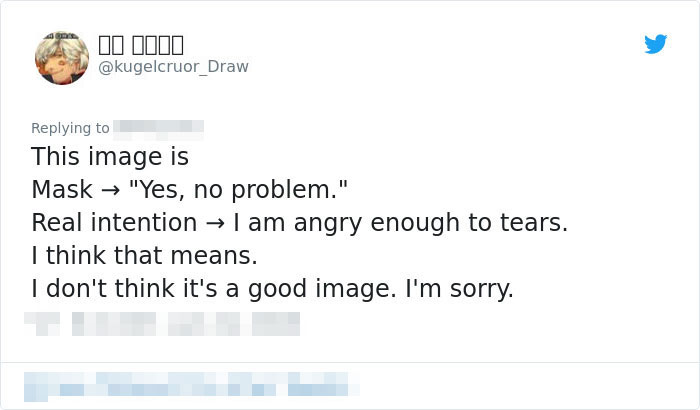
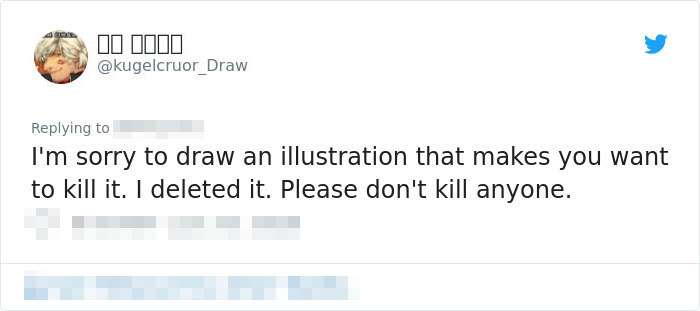
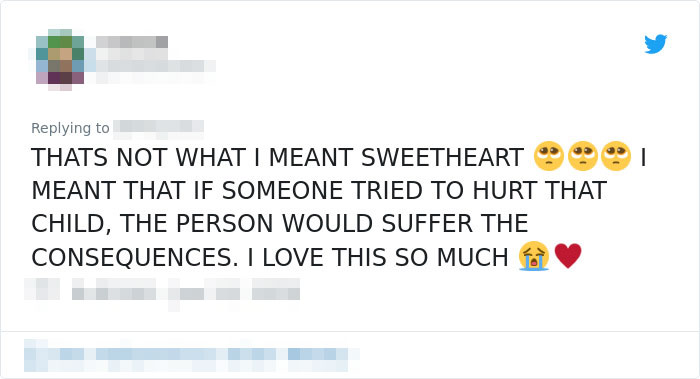
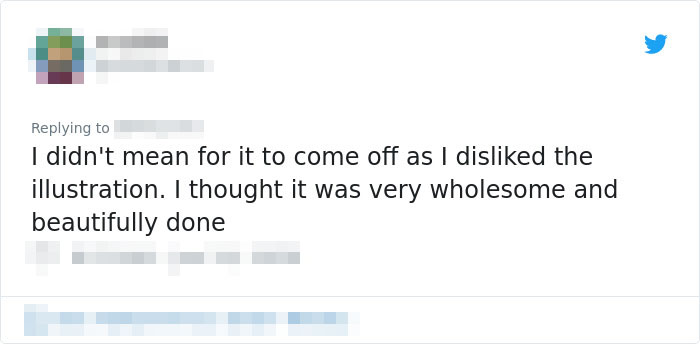
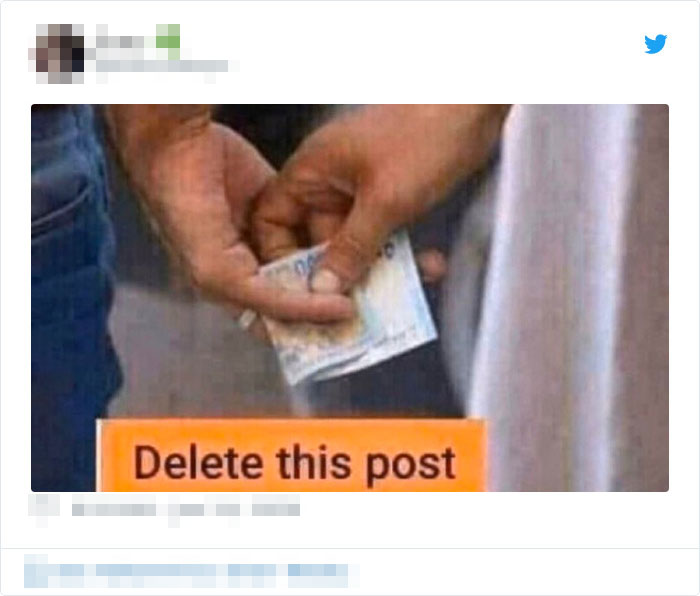
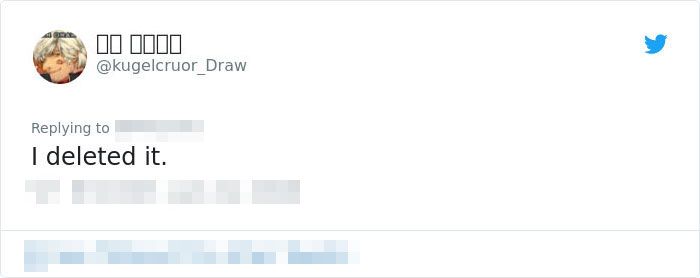
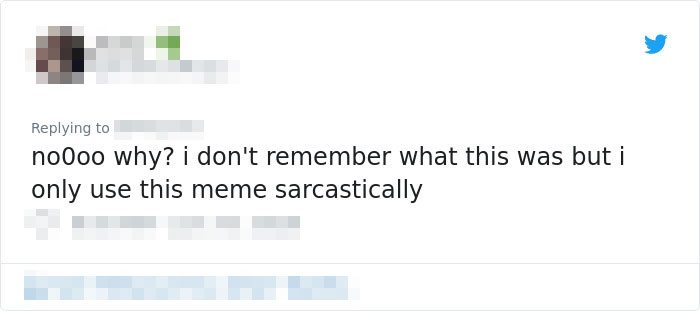
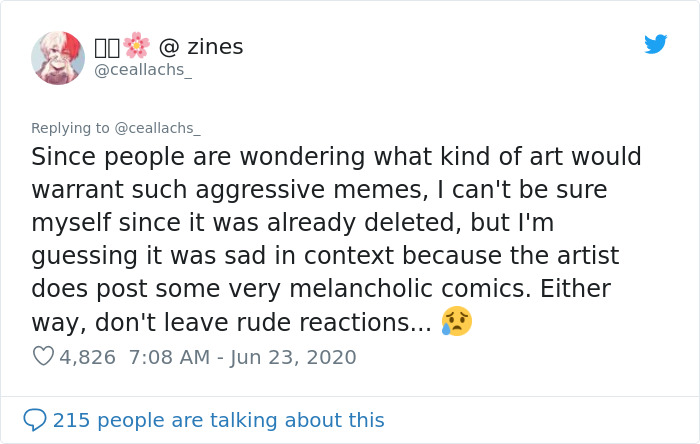
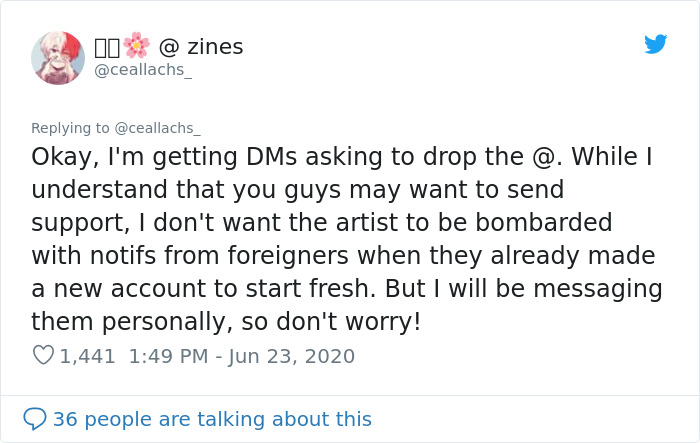
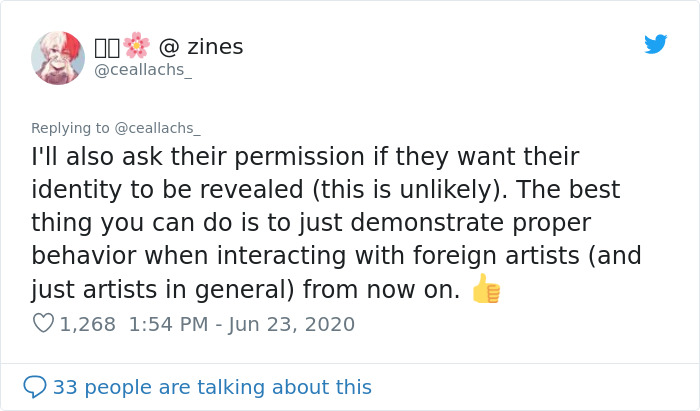
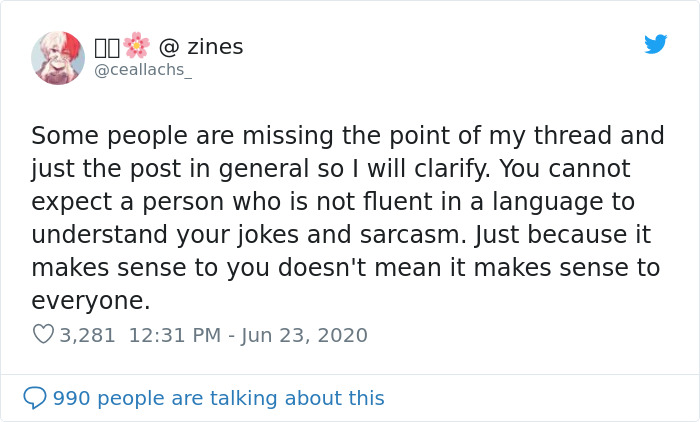
This is essentially why one Japanese artist felt it was vital to let their English fandom know what not to do while commenting on Japanese artists’ works. In an urgent tweet with the caption “Please read!”, Chii urged avoiding using particular memes because English sarcasm and humor may come across as insulting. Her tweet got a whopping 179.7K likes and 78.5K retweets, showing that so many people weren’t immune to her argument.
And honestly, chances are, you too have been unsure of whether a statement is indeed ironic. So the next time you pop the “Are you serious?” question, think of the cultures that just don’t enter that grey area.
Image credits: ceallachs_
Image credits: ceallachs_
Although in the English speaking world, irony and sarcasm is something everyone is pretty much used to when it comes to communicating, using them in Japanese may be quite a bad idea.
Patricia Pringle, a consultant at Japan Intercultural Consulting, explains that “Americans are mostly unaware of using verbal irony because it is all around us.” The nation is famous for wisecracking jokes since TV and social media are full of them.
Meanwhile, the Japanese face many challenges in trying to understand what Americans are saying. “When they are able to piece together the words or phrases, they might miss the intonations that signal irony to native speakers,” Patricia argues.
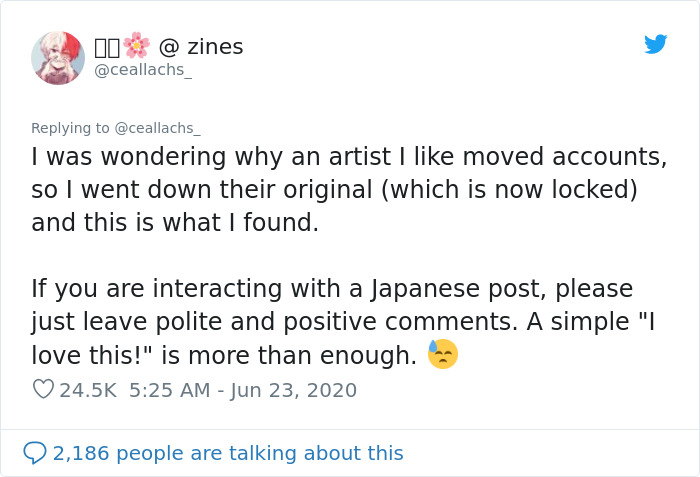
Image credits: ceallachs_
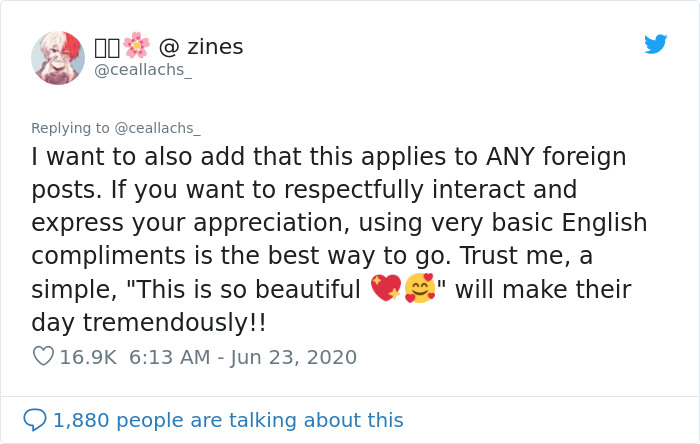
Image credits: ceallachs_
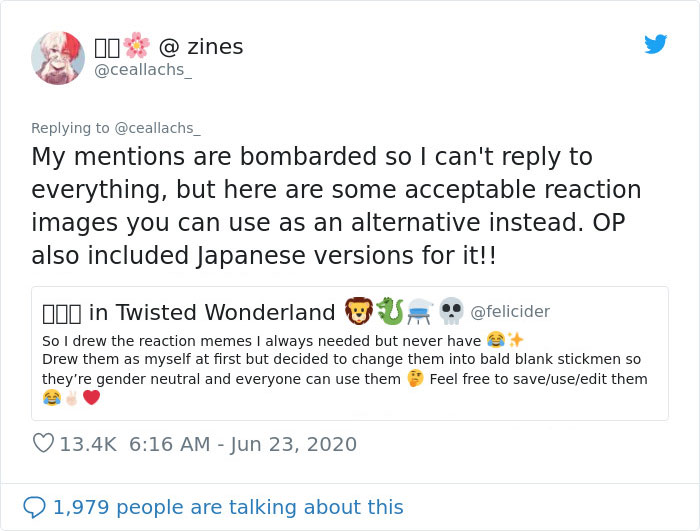
Image credits: felicider
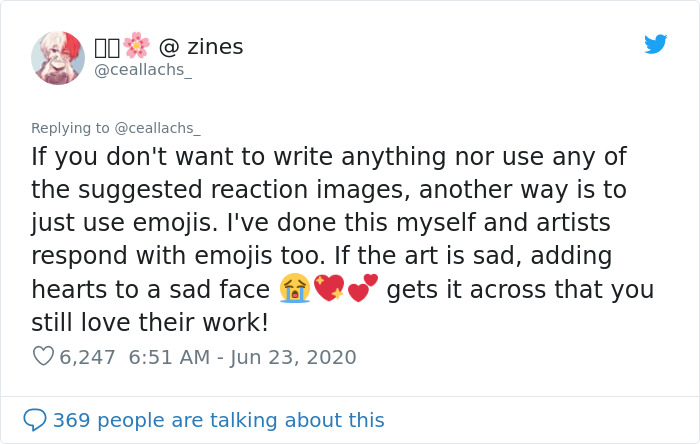
Image credits: ceallachs_
And even if Americans are being ironic and indeed funny to the ears of fellow Americans, Patricia claims that “it does not translate well to the Japanese”.
Being positive and tactful is the way to go when communicating with foreigners. “When they listen to Americans, they are not expecting irony. They are expecting direct speech,” the consultant concluded.
Image credits: ceallachs_
Image credits: ceallachs_
Image credits: ceallachs_
Image credits: ceallachs_
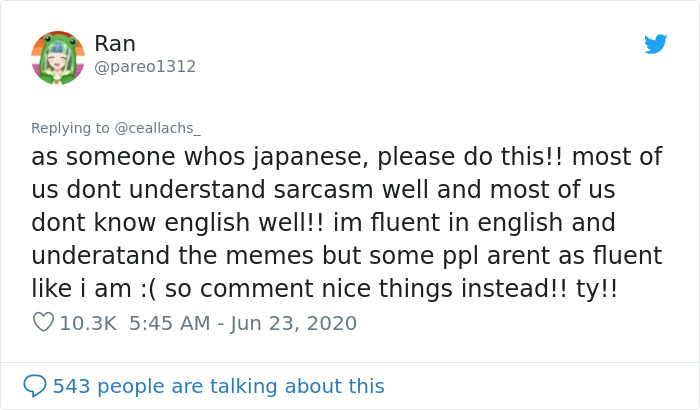
Image credits: pareo1312
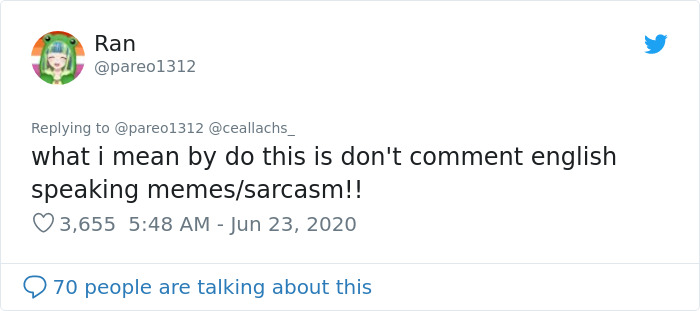
Image credits: pareo1312
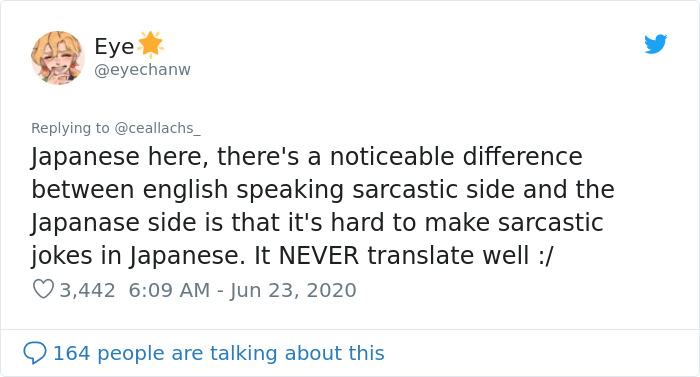
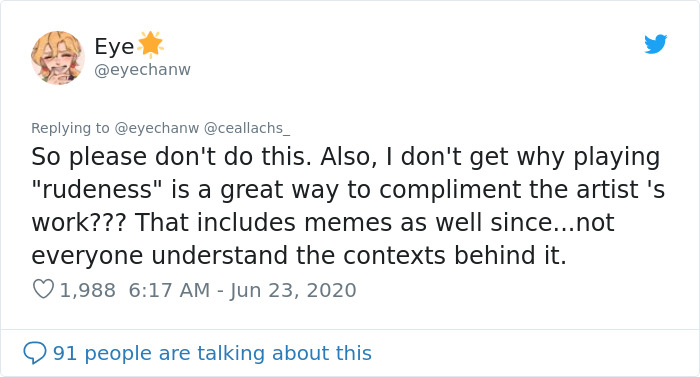
Image credits: eyechanw
Image credits: eyechanw
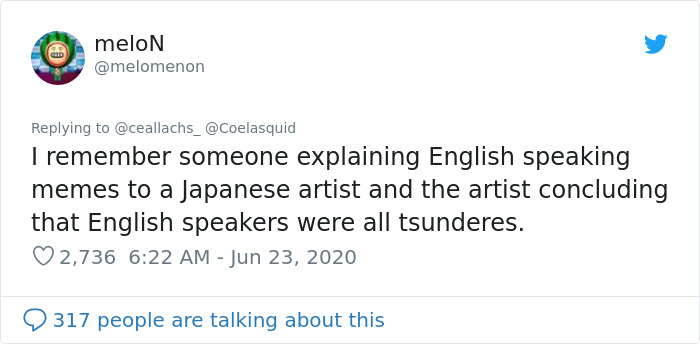
Image credits: melomenon
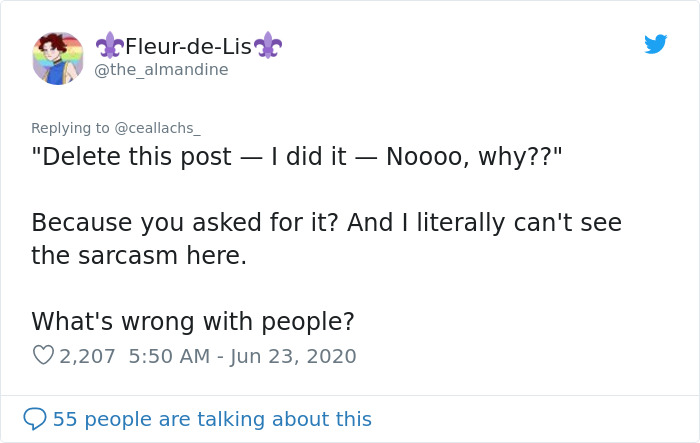
Image credits: the_almandine
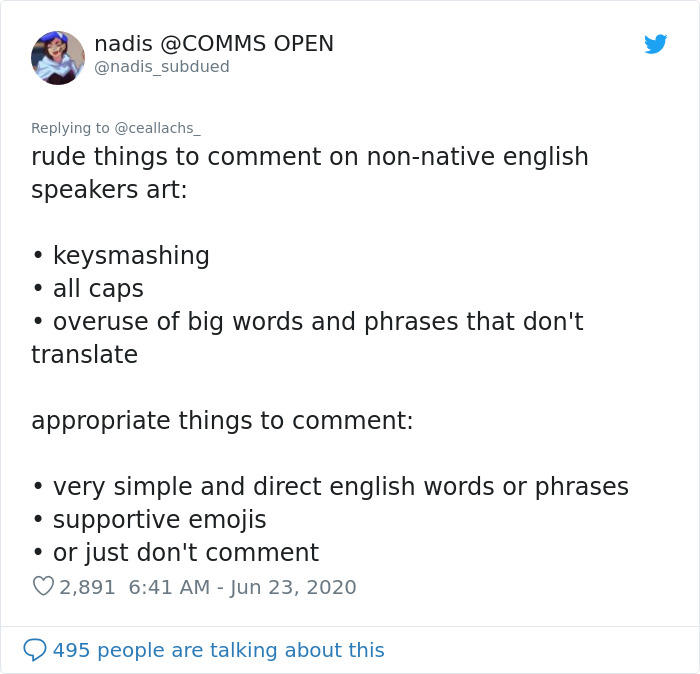
Image credits: nadis_subdued
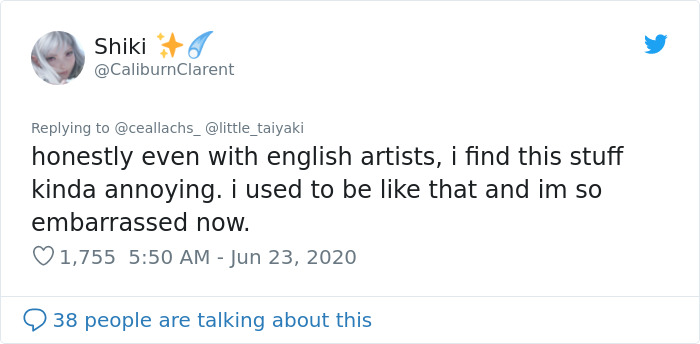
Image credits: CaliburnClarent

Tbh commenting with those sarcastic memes is rude regardless of the artist's nationality. Why can't people just give a normal compliment?


To be honest, I didnt understand what the memes really meant either and I'm a native English speaker and American. I dont think I would have posted them to something that I appreciated either. Personally I think almost all memes are meant as humor or criticism so why do that when you are trying to praise something. Life is too compicated at it is.

Some of you are so rude... Why are you so insensitive?? Japanese people are not used to this type of comments and because of their personality they are not going to fight back, but then you talk to other much more assertive cultures and you are offended. USA people (yes, because UK or Australian people don't usually do these things) tend to forget that you are not the center of the world.

Actually its not just USA people, the western world can be sarcastic. Funny of you to generalize all Americans as being the same. Just like its ridiculous of you to generalize all Japanese as being the same.
Load More Replies... Tbh commenting with those sarcastic memes is rude regardless of the artist's nationality. Why can't people just give a normal compliment?
To be honest, I didnt understand what the memes really meant either and I'm a native English speaker and American. I dont think I would have posted them to something that I appreciated either. Personally I think almost all memes are meant as humor or criticism so why do that when you are trying to praise something. Life is too compicated at it is.
Some of you are so rude... Why are you so insensitive?? Japanese people are not used to this type of comments and because of their personality they are not going to fight back, but then you talk to other much more assertive cultures and you are offended. USA people (yes, because UK or Australian people don't usually do these things) tend to forget that you are not the center of the world.
Actually its not just USA people, the western world can be sarcastic. Funny of you to generalize all Americans as being the same. Just like its ridiculous of you to generalize all Japanese as being the same.
Load More Replies...






















 No fees, cancel anytime













130
68