Get Premium
Dark mode theme is available exclusively for premium users. Learn more about the benefits of subscribing.
No fees, cancel anytime.

 Dark Mode Ad-Free Browsing Unlimited Content
 Ad-Free Browsing Unlimited Content Dark Mode
Join 1.2 million Panda readers who get the best art, memes, and fun stories every week!
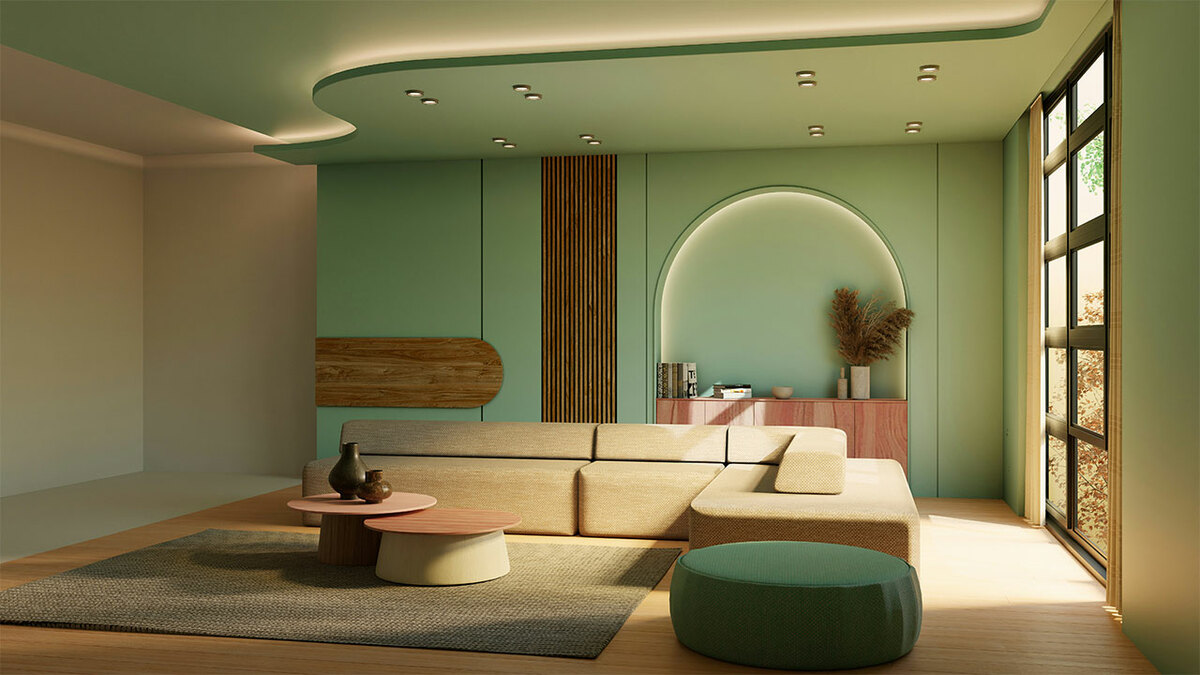
If you followed in Kim Kardashian’s Louboutins and splurged on beige vehicles to match your very sleek and minimalist interior, you might want to prepare yourself for some chest pains. The 2027 color of the year has been announced and it’s anything but vanilla.
Celery is apparently where it’s at, according to some experts. Others are hedging their bets on rose earth (aka terracotta), mossy olive and even luminous blue. Either way, they’re throwing shade on bland hues. There’s also a move away from ‘perfect’ interiors and a hop towards more workable, liveable, and functional homes.
To prepare for this seismic shift in interior design, we’ve traveled into the future to find out what’s hot and what’s not (and why) in 2027. Bored Panda also chatted to Marcia Margolius, an interior designer, decorator, author and Editor in Chief at SA Decor & Design about her predictions going into the new year.
“There is definitely an interesting shift happening in interiors as we head into 2027,” Marcia Margolius tells Bored Panda during an exclusive interview.
The design expert and influencer says that rather than one aesthetic replacing another, we’re seeing people become much more comfortable mixing styles, eras, colors and materials to create homes that feel personal and, importantly, liveable.
According to Margolius, one of the biggest themes for 2027 is coexistence.
“We are moving away from the idea that a home has to subscribe completely to one particular aesthetic – minimalist or maximalist, contemporary or traditional, neutral or colorful,” she explains. “Instead, we’ll see these seemingly opposing ideas living together.”
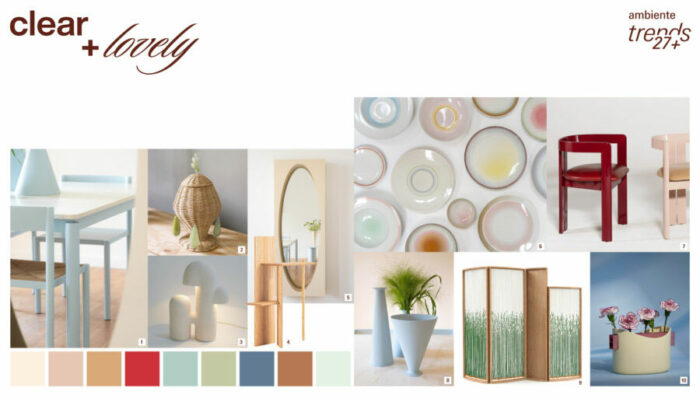
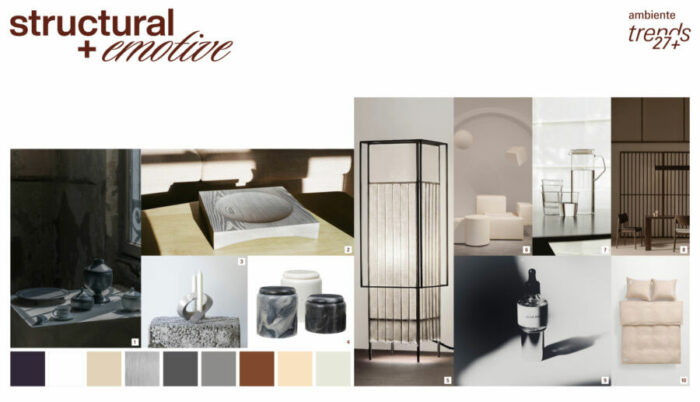
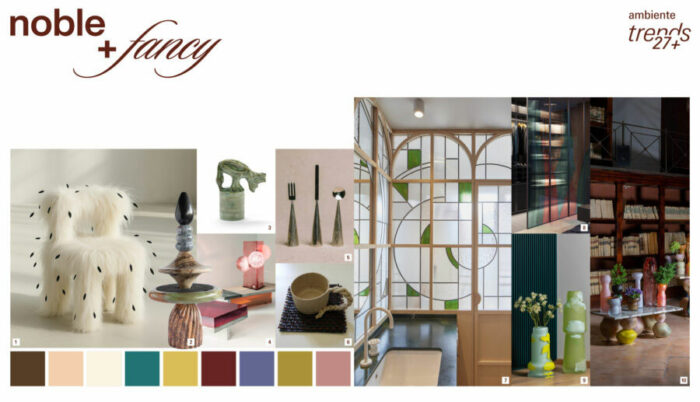
The SA Decor & Design Ambiente Trends 27+ forecast identifies three broad directions:
“Across all of these looks, texture and craftsmanship are hugely important,” says Margolius. “Natural wood grain, stone, ceramics, woven fibres, tactile fabrics, glass and handcrafted pieces are replacing the very flat, uniform finishes that have dominated in recent years.”
The designer adds that there is also a much greater emphasis on individuality. “The perfectly styled, almost showroom-like home is giving way to interiors that tell us something about the people who actually live there,” she explains.
Textile designer Saana Baker also says she sees a “seismic shift” coming in 2027.
“Interiors are getting more expressive, more individual, and a lot less afraid of maximalism and decoration,” the expert reveals. According to her, designers are increasingly drawing on history, mythology, architecture, maps, manuscripts, and other cultural references to create textiles and furnishings that reveal more over time.
Margolius tells us that perhaps the biggest interior trend for 2027 isn’t actually a color, material or furniture shape… It’s permission.
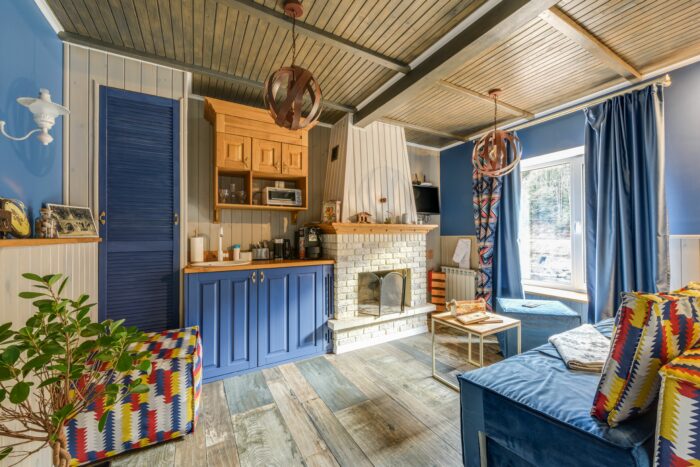
“Permission to mix an inherited table with a contemporary chair. To put something colourful into a beige room. To display books rather than hiding them. To combine something expensive with something found at a market. To let timber show its grain and stone show its imperfections. To have a home that changes as your life changes,” she explains.
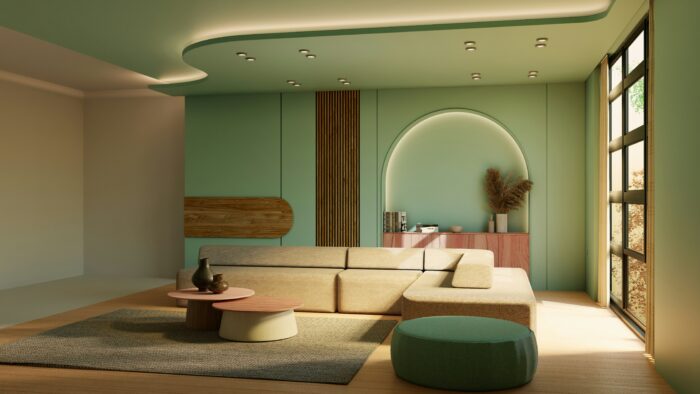
Meanwhile, the Sherwin-Williams Trendsight Team has named celery as its color of the year for 2027. It brings a “snap of freshness to otherwise still and settled spaces,” they say, “like stepping into a sunlit clearing where the mind calms, stories unfold and a quiet sense of belonging naturally follows.”
Like other experts, the team notes that there’s a growing desire for interiors that feel effortless rather than perfectly styled. And with its organic character and restorative presence, celery fits right in.
Dulux’s color of the year also takes a leaf out of nature’s book. The paint brand’s color experts believe Soulful Sage is the “ultimate mood saviour” when it comes to home decor.
“What I love most is how it encourages bolder styling, its softness allows you to introduce sharper contrasts and even unexpected pops of color,” says Daniel Smith, homeware pro and Danetti founder. “Think rich rust, deep navy or plum, those accents don’t compete with the shade, they energise it.”
Margolius says the exciting thing about 2027 is that there isn’t one prescribed color.
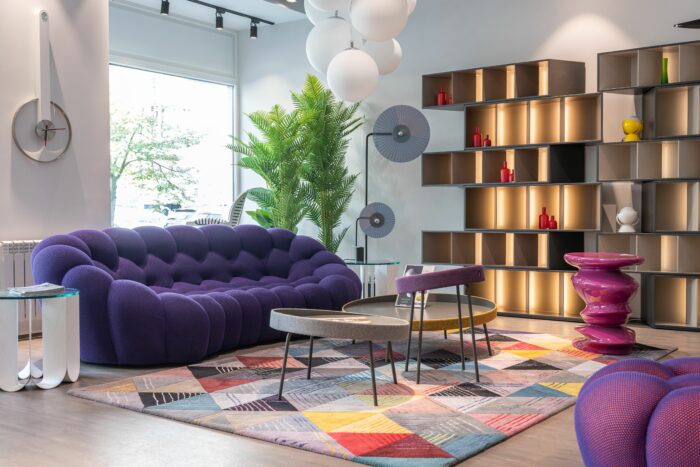
“We’re seeing deep, atmospheric shades such as earthy browns, muted forest and botanical greens, oxblood and wine tones, alongside softer colors including dusty rose, faded lilac, apricot, caramel, soft whites and mineral-inspired shades. Sky blue and even glossy red can appear as sharper accents,” she tells us.
The expert adds that there is also a beautiful category of muted, powdery colors emerging – shades that almost behave like neutrals but have a subtle color identity. Think tinted clay, faded pink, mushroom, sage, mineral blue and naturally dyed textiles.
But if you’re nervous about color, don’t panic just yet. Margolius says that you can still stay “on trend” without painting an entire room oxblood.
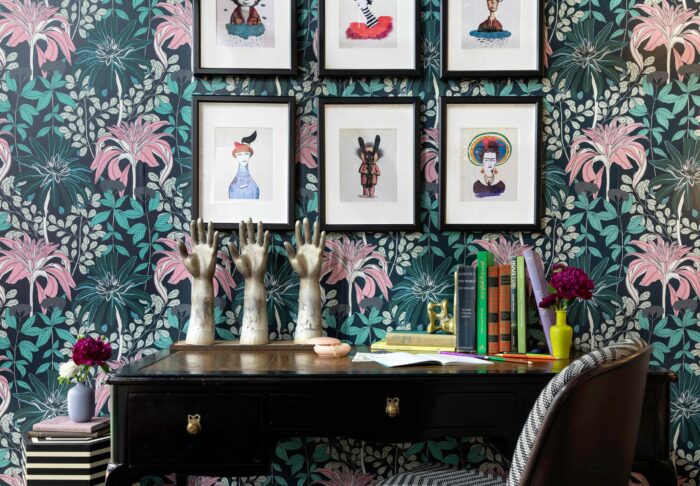
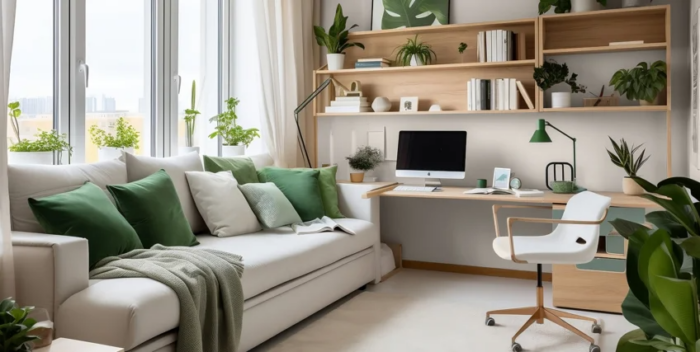
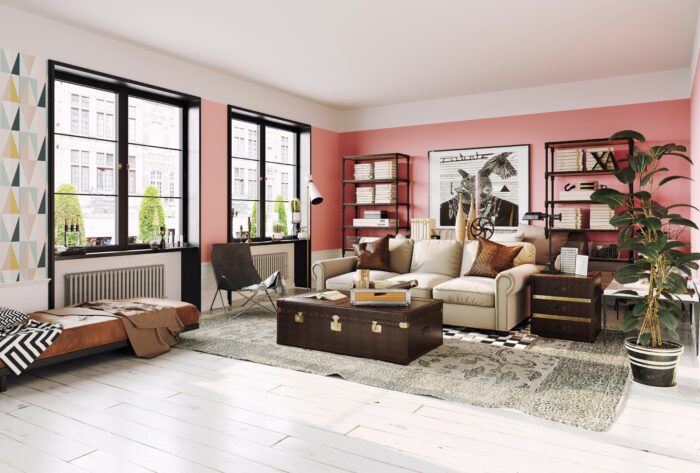
“Start small,” suggests the expert. “Introduce color through cushions, a rug, artwork, ceramics, lamps, occasional chairs or throws. A neutral sofa against a warm beige wall can suddenly feel completely different with olive cushions, a dusty rose throw and a richly colored artwork.”
Another approach, she reveals, is to use a deeper color in a contained space. For example, a study, powder room, entrance hall or one wall, and see how you respond to living with it.
“The aim shouldn’t be to follow a color trend exactly,” advises Margolius. “It should be to find colors that create the atmosphere you want your home to have.”
We asked Margolius where the obsession of living in a boring, beige minimalist bubble came from…
“There are very good reasons why minimalism became so successful – and many of those reasons are still valid,” she replied. “Neutral palettes create visual calm. Beige, ivory, cream and soft grey reflect light beautifully and make it relatively easy to combine furniture, art and finishes. In smaller spaces, restrained palettes can also contribute to a feeling of openness and continuity.”
The expert adds that minimalism also offered an antidote to visual overload. “In an increasingly busy, digitally saturated world, coming home to an uncluttered environment can feel restorative,” she explains, adding that social media undoubtedly amplified the aesthetic because beautifully controlled neutral rooms photograph extremely well and create a recognizable visual identity.
But minimalism itself isn’t the problem, she says. “It is when the look becomes formulaic that homes can begin to feel interchangeable.”
Margolius believes that’s a big reason why we’re now seeing warm minimalism evolve rather than minimalism simply disappearing altogether. “The clean lines and sense of calm remain, but they’re softened with timber, stone, linen, antiques, handmade objects, warmer color and pieces with history,” she says.
Global future trends agency TrendBible predicts that in 2027, interior design will move away from perfection and ornamentation in favor of authenticity and intelligent functionality. This extends to what people put out on social media.
“The polished, picture-perfect renovation reveal is giving way to a more honest portrayal of what it really takes to make a house feel like home,” the agency explains. “This shift aligns with the growing ‘slow, low or no-renovation’ movement, where progress is more valued than perfection.”
And with more people working from home nowadays, spaces need to serve multiple functions.
“From workplace to social hub and everything in between, adaptability is becoming a defining feature of interior design,” notes the TrendBible team, adding that in 2027, people are prioritising spaces that can effortlessly evolve to meet the changing needs of every member of the household.
Is this somewhat of a by-product of the Covid pandemic?
“Absolutely,” says Margolius. “Covid accelerated something that was already beginning to happen: our homes started having to work much harder. A dining room was suddenly also an office. A spare bedroom became a Zoom room. Living rooms became classrooms, gyms and workplaces. That experience fundamentally changed what many people expect from residential design.”
She adds that the temporary laptop-on-the-kitchen-counter solution has evolved into a much more sophisticated idea of the hybrid home.
“A room may now need to transition from working to entertaining to relaxing within the same day,” the designer tells us. “That means we’re thinking about modular furniture, hidden storage, lighting, acoustics, comfortable seating, durable surfaces and ways of visually zoning an open-plan space without necessarily putting up walls.”
The TrendsBible team shares that sentiment. “Adaptable furniture, modular layouts and compact, fold-away solutions allow spaces to transition seamlessly between different moments: the work meeting, the morning coffee break, the games night or the family meal,” they say. “Rather than designing rooms around a single purpose, householders are investing in interiors that evolve with their lifestyles, creating homes that are as dynamic as the people who live in them.”
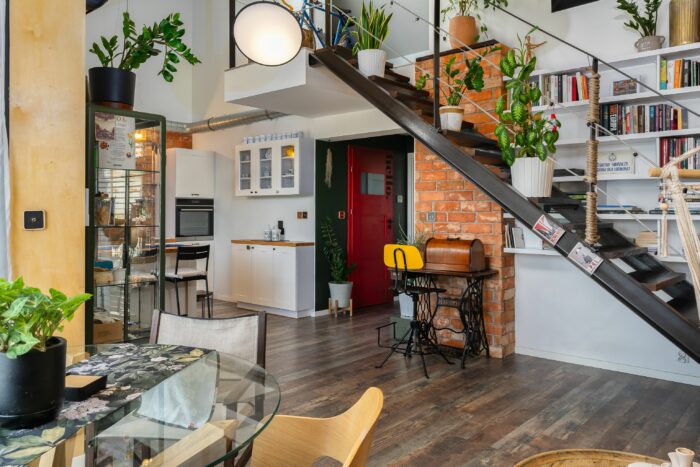
Margolius tells Bored Panda that there has also been renewed interest in what’s known as “broken-plan” living. She defines this as retaining the openness and connection we enjoy in open-plan homes, while creating smaller zones that offer privacy and different functions.
But the expert says this move isn’t only about working from home. People are adapting their spaces in response to changing family structures, multi-generational living and evolving lifestyles.
“The result is a much more human approach to interiors,” she tells us, adding that instead of asking only, “Does this photograph beautifully?”, we’re increasingly asking, “Does this work beautifully for the people who live here?”
Those of you deeply attached to your neutrals might be happy to hear that Margolius believes the beige bubble hasn’t burst completely.
“I wouldn’t say beige or minimalism is disappearing. In fact, beige and warm earth tones remain extremely relevant,” she told Bored Panda. “What we are moving away from is the extreme version of minimalism – interiors where everything is beige, every surface is perfectly smooth, possessions are hidden away and there is very little evidence of the people who live there.”
She says that people want more emotional connection from their homes now.
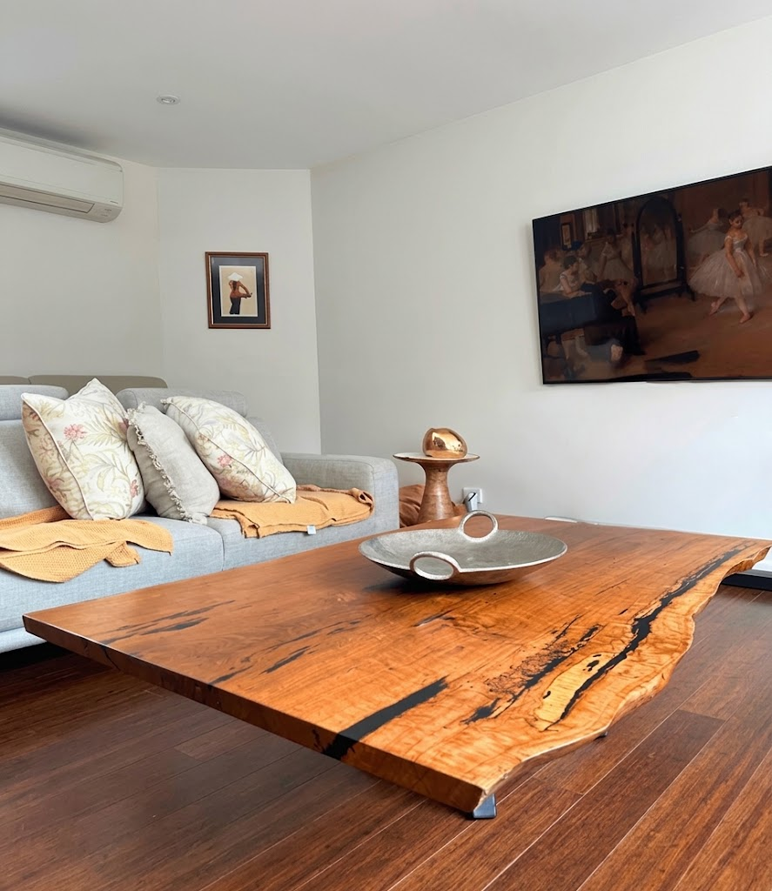
“We’re seeing warm timber, visible grain, linen, stone, woven fibres, handmade ceramics, artwork, books, collected objects and color being layered into previously neutral interiors. A home can still feel calm and restrained without feeling sterile,” reveals the expert. “So rather than saying, ‘beige is out,’ I think it is more accurate to say that beige is becoming a foundation rather than the entire story.”
She adds that the new luxury is increasingly texture, authenticity and personality: “Homes are meant to feel collected rather than perfected.”
One trend that definitely isn’t going anywhere, anytime soon, is sustainability. In fact, some experts say sustainability is no longer a design trend — it’s becoming an expectation.
“Homeowners are investing in durable furniture, reclaimed timber, locally crafted pieces and energy-efficient technology instead of disposable décor,” reveals House And Garden’s team. They add that solar power, rainwater harvesting, passive cooling and environmentally conscious materials are all being integrated into new homes without compromising aesthetics.
And as we move into the future, AI is leading the way. But homeowners are trying to find a balance between technology, comfort and design. According to Naomi Pollard, the Director of Trend Services at Trendbible, while there’s a rise in intuitive technology powered by AI, there’s also a growing interest in simpler, low-tech forms of flexibility.
So you followed in Kim Kardashian’s Louboutins and went all-out beige and minimalist. What now? Should you scrap everything and go back to the drawing board?
“Definitely not,” says Margolius, adding that she would actively discourage people from throwing everything away simply because a new trend has arrived.
“A good neutral or Scandinavian interior is actually one of the easiest foundations to evolve,” the expert tells us. “Keep the beautiful timber table. Keep the cream sofa. Keep the neutral walls if you still love them. Instead, think about layering.”
Margolius suggests adding a vintage or antique piece beside contemporary furniture, introducing a patterned or richly textured rug, and/or changing a few cushions.
“Bring in artwork with stronger color. Add handmade ceramics, books and objects collected on travels,” she says. “Swap a very neutral lampshade for something sculptural or colorful. Introduce warmer timber or woven materials. Add curtains or tactile textiles.”
She adds that simply rearranging existing furniture can make a room feel less staged and more conversational.
“If you do want to paint, you don’t necessarily need to repaint the entire house,” says Margolius. “One beautifully chosen color in a study, bedroom or entrance can dramatically change how the existing neutrals feel.”
Most importantly, the expert told Bored Panda, don’t replace things you genuinely love just because a trend forecast tells you to.
“In fact, one of the strongest directions in interiors right now is authenticity, longevity and choosing things that have meaning,” she explains. “Throwing out an entire neutral interior to chase the next aesthetic would be almost the opposite of that philosophy.”
“After years of highly curated interiors, we’re rediscovering that a beautiful home doesn’t necessarily have to look perfect,” says the designer. “It needs to feel like somebody lives there.”

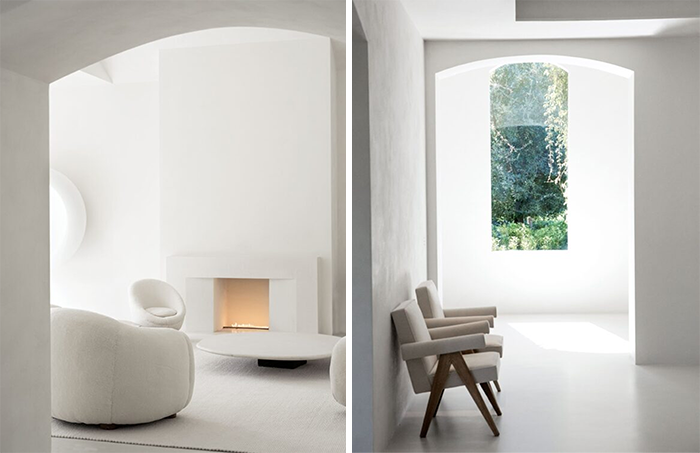
"There’s also a move away from ‘perfect’ interiors and a hop towards more workable, liveable, and functional homes." - Cue pictures of perfect interiors.
"There’s also a move away from ‘perfect’ interiors and a hop towards more workable, liveable, and functional homes." - Cue pictures of perfect interiors.



























 No fees, cancel anytime






27
1