Get Premium
Dark mode theme is available exclusively for premium users. Learn more about the benefits of subscribing.
No fees, cancel anytime.

 Dark Mode Ad-Free Browsing Unlimited Content
 Ad-Free Browsing Unlimited Content Dark Mode
Join 1.2 million Panda readers who get the best art, memes, and fun stories every week!
Being open-minded and staying curious about life are great qualities to have. That way, you feel motivated to keep learning new things and staying up-to-date with the important things going on globally, from scientific breakthroughs and cultural tidbits to crucial events and more.
That’s where the ‘Facts’ social media project comes in. True to its title, the Instagram account shares some of the most intriguing insights about the world we live in. We’ve collected some of the most captivating facts the curators have recently featured to pique your interest. Scroll down to give your brain a workout.
This post may include affiliate links.

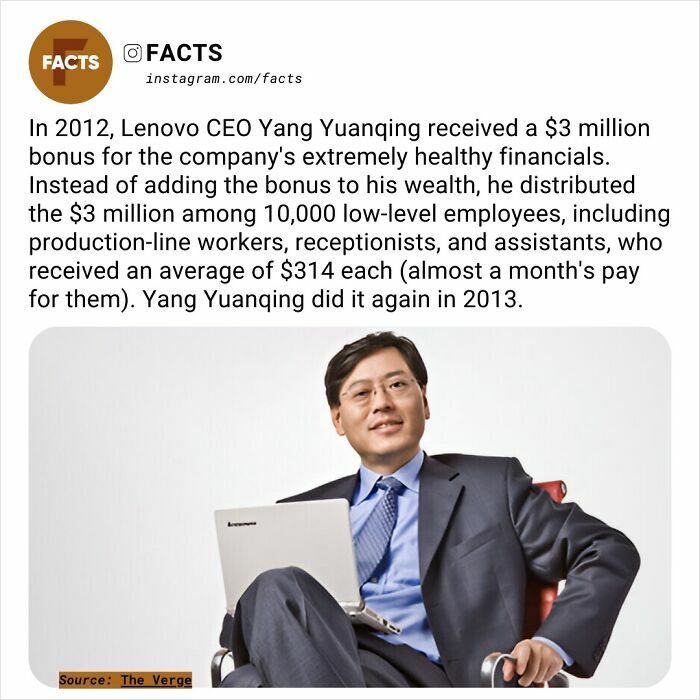
Think how much good people like Elon Musk could do if they had an organisation that did things like this.
The team running the ‘Facts’ project on Instagram is the ‘Memes Media Group’ which has a portfolio of more than 40 social brands with over 75 million followers, combined. Aside from the ‘Facts’ account, some of their other popular pages include ‘Memes,’ ‘Funny,’ ‘Guff,’ ‘Animal Memes,’ ‘Sarcasm Society,’ ‘Nostalgia,’ ‘Science,’ and ‘Cars.’
On Instagram alone, the ‘Facts’ account, which invites everyone to “enlighten yourself with facts,” has a solid following of 1.1 million internet users who check in for the most captivating, informative, and entertaining new posts.
Originally, the ‘Facts’ account was created back in May of 2015. Previously, it was known as ‘Facts by Guff.’
In this day and age, when the majority of the people living on our planet have access to the internet and social media, it’s more important than ever to prioritize media literacy. In a nutshell, media literacy is a skill that empowers people to navigate the news environment in such a way that they can make informed decisions.
Media literacy allows someone to critically analyze the stories and claims they find in the mass media in order to determine to what extent the information presented is accurate or credible. There is a vast gulf between objective facts and someone’s very subjective (and probably biased) opinion that masquerades as the truth.

A good rule of thumb is to always be at least slightly skeptical of anything you stumble across on social media. It’s good to be open-minded, but the other half of that coin is curiosity—the willingness to dig a little deeper into the topic instead of just taking the first claim you stumble across for granted.
In essence, you want to embody the philosophy of a scientist who wants to get as close to the truth as possible.
Generally, claims made online that are incredibly emotionally charged and sound far too good or bad to be true might present a biased perspective. Someone might have an agenda to promote certain ideas or opinions while ignoring other facts that contradict their narrative.
On the other hand, trustworthy sources will do their best to provide a fuller, nuanced, more complex picture of what’s going on.

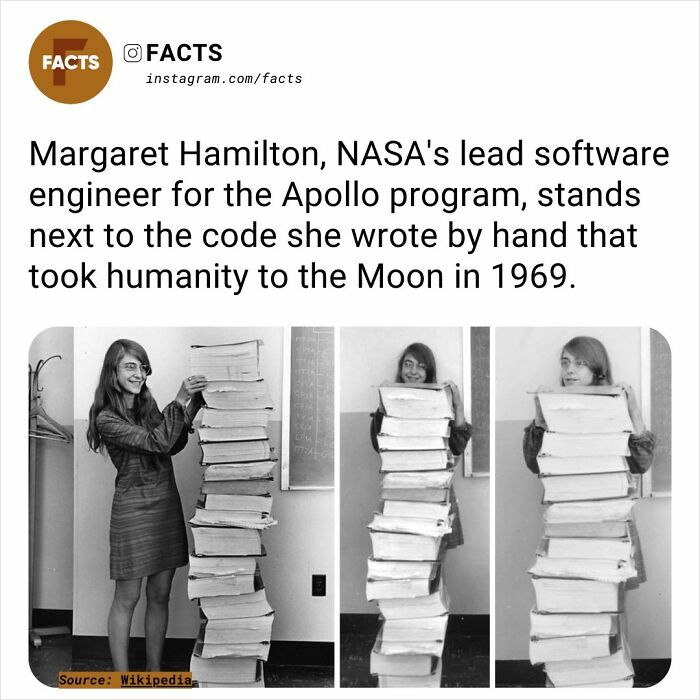
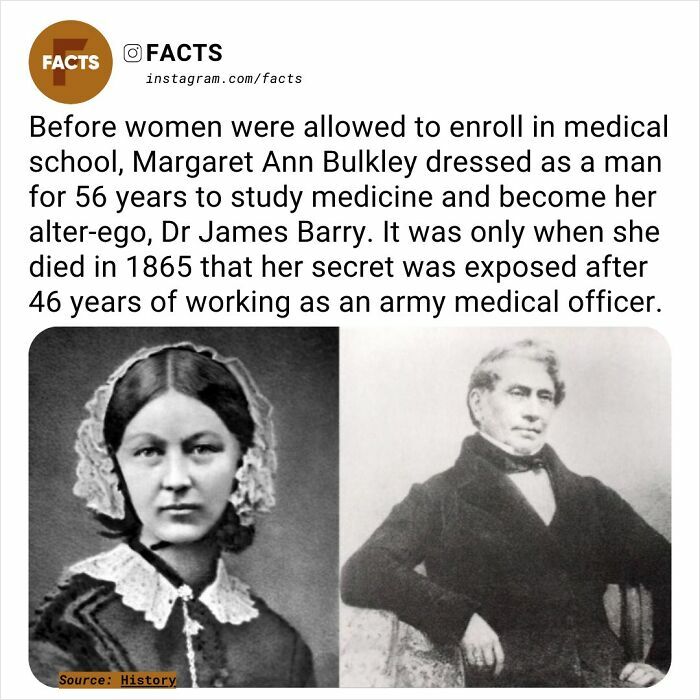
This submission is incorrect in photos. That is a picture of Florence Nightingale. Wrong picture and not Margaret.
Reliable, trustworthy news sources do their due diligence. They provide the sources they refer to so you can read them yourself, they correct any mistakes that they make, and they’re generally as transparent as possible. Meanwhile, the audience can and should double-check any iffy-sounding ‘facts’ online.
However checking every claim yourself can be very time-consuming, especially if you have other responsibilities in life (work, studies, family, etc.), so it’s usually best to focus on figuring out what media outlets are the most (un)reliable. And though everyone makes mistakes, reliable outlets have higher quality reporting and their reporters are willing to amend their articles if they have misrepresented the truth.

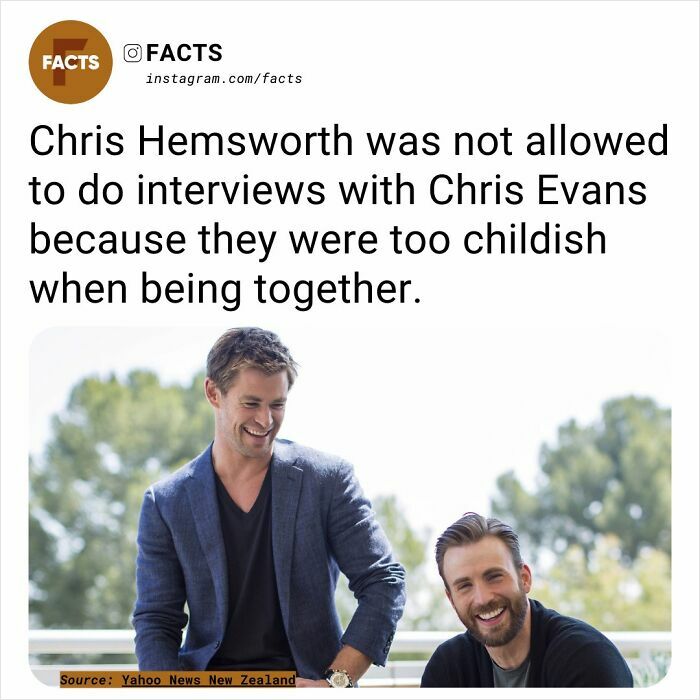
I've had a couple of gal buddies that were like that. There was just something about our chemistry when we got around one another that turned us into ridiculous, giggling school girls. it was literally uncontrollable.
According to Media Literacy Now, some of the potential areas where media messages can have negative impacts include online safety, misleading information, low self-esteem, mental health concerns, glamorizing risky behaviors, cyberbullying, negative body image, stereotype reinforcement, and screen overuse.

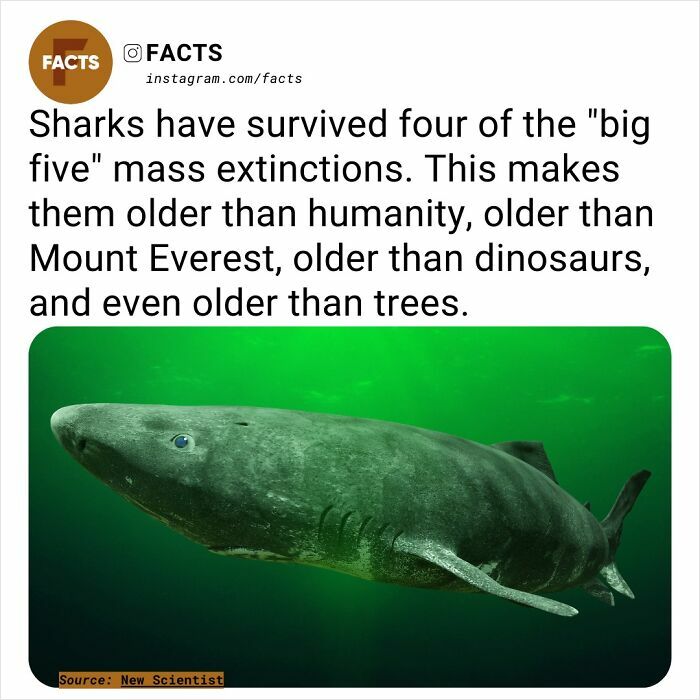
they must be from west Virginia because life old there older than the trees
Verywell Mind notes that children as young as 12 years old can be trained to recognize bias in media depictions of race and ethnicity and understand the harm it can cause. Media literacy can, in effect, make people more sensitive to prejudice and teach them to appreciate diversity.
What’s more, media literacy can reduce body dissatisfaction which can result from the consumption of media messages. Media literacy training could also help prevent eating disorders in high-risk individuals.
On top of that, media literacy can help everyone get better at detecting so-called ‘fake news’ and find which media claims are truthful or not. Being more aware of how media, biases, facts, and opinions interact can also make you less likely to reshare false information that you come across online. It’s usually best to do at least some research before reposting any claim you find.
At the end of the day, media literacy is about empowering the individual so that they can cut through the noise, enjoy media more, give them more control, and improve their health and happiness.
Which of the facts featured here in this list caught your attention the most, dear Pandas? Which ones genuinely surprised you and motivated you to learn more about the topic? Were there any facts that you actually knew before opening this post?
What one fact about the world would you want absolutely everyone to know if you could share it with the planet? Share your thoughts below!

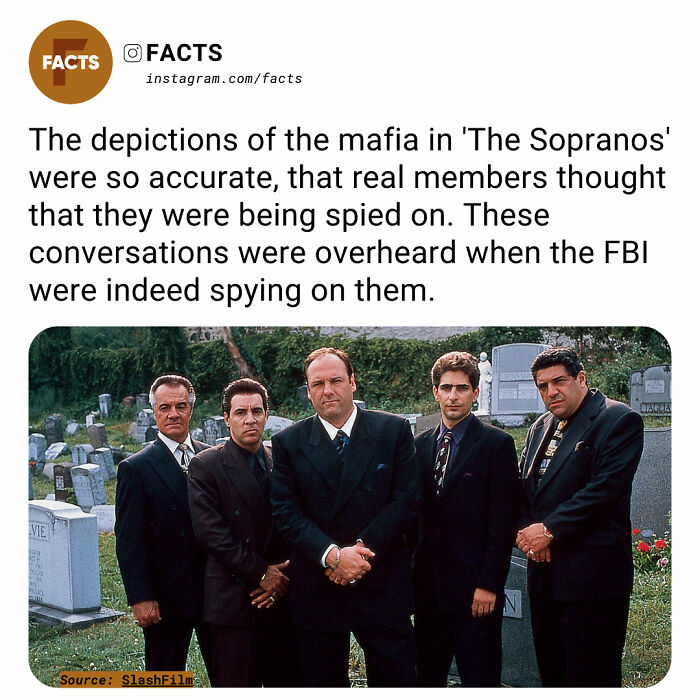
Yeah, if it weren’t for the murder, extortion, and selling d***s they’d be great guys!

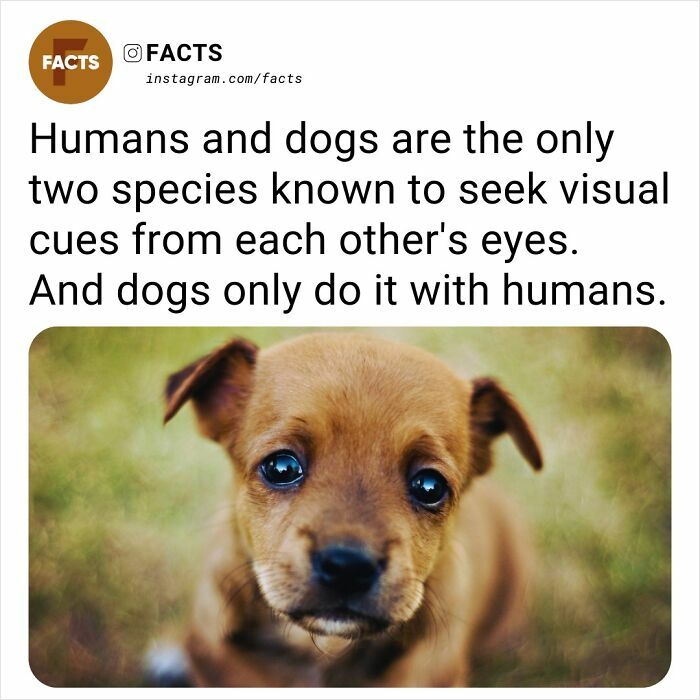
My dogs stare at me because I know when they have to go potty or just want extra treats etc...They are pretty easy to decode. Every so often I tell Lucy that I have no idea what she wants/needs. Ricky has learned from Lucy to bark if he needs to go potty or he looks over my computer and stares at me. I'm the only one to get them out the door. Which means I have to take them to the door and open it so my husband goes out with them. I can say "Let's go!" and they go. My husband can say let's go and they just stay with me. LOL!!
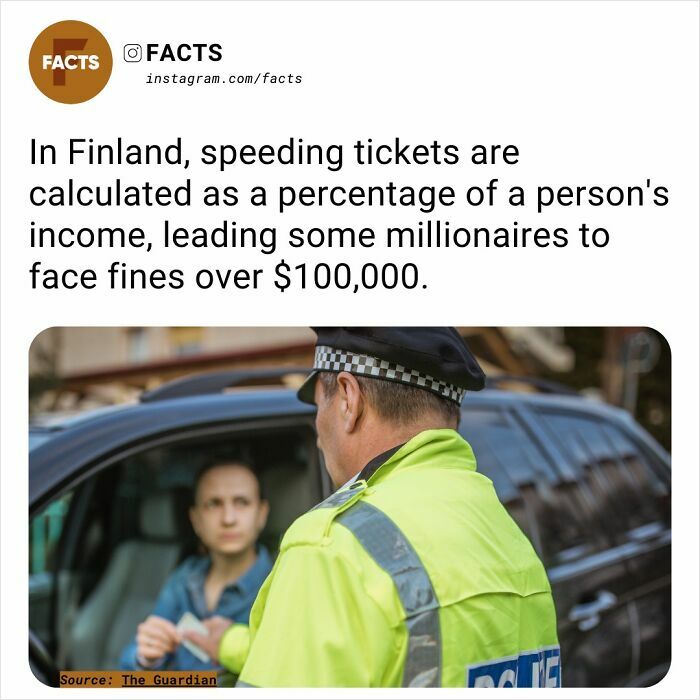
Something greatly missed here are the parties that agree to the pricing. It's all discussed and contractual. The "wealthy" people did not decide the price of tickets; they simply could afford it.
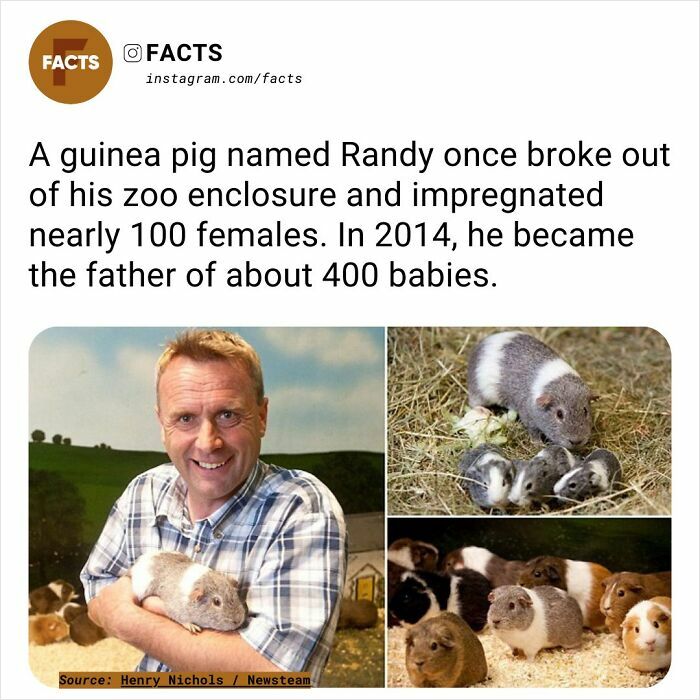
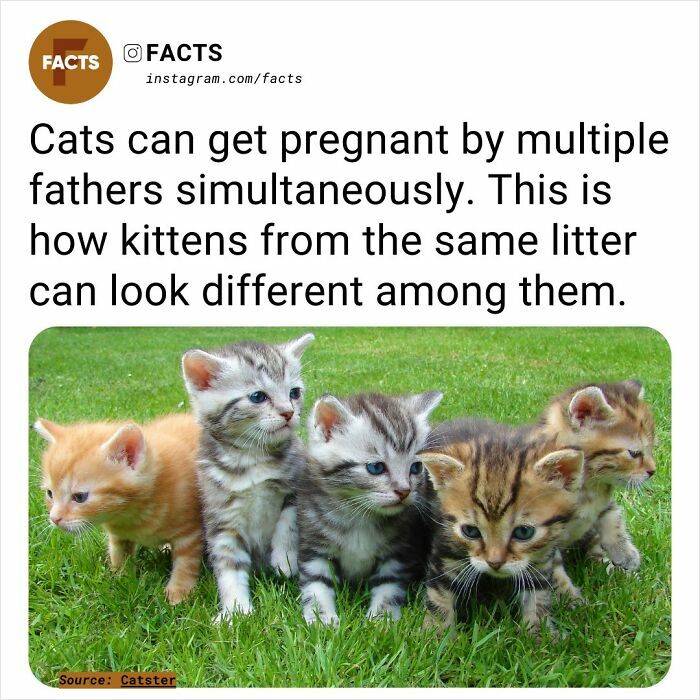
The same thing happened to an animal rescue centre neat my home about 20 years ago. 2 guinea pig boars managed to make it into the females' enclosure overnight and impregnated all the females in just a few hours. These guys don't mess about.

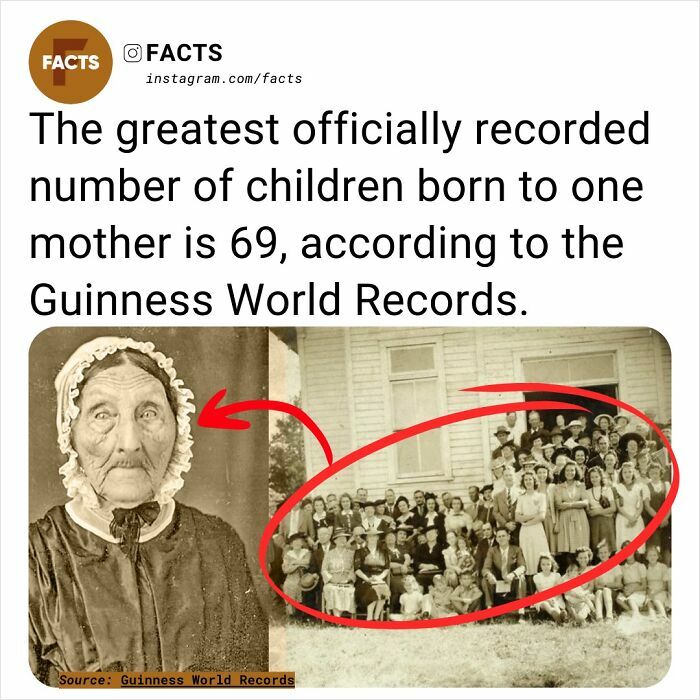
The Russian woman, Valentina Vassilyeva, is widely believed to hold the record for the most children born to one woman, with 69 offspring. She allegedly gave birth to 16 pairs of twins, 7 sets of triplets, and 4 sets of quadruplets between 1725 and 1765. While the claim is not universally accepted due to the lack of meticulous records at the time, it has become a prominent part of folklore and popular culture.

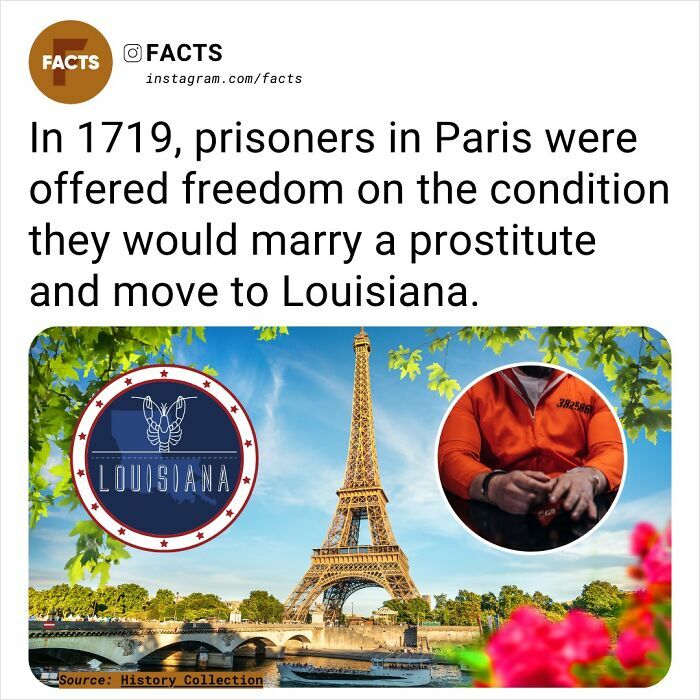
A pragmatic way to populate à new colony. Plus it gave people who were outcasts a chance to start anew somewhere else. England did the same in Australia.
They are both processed in the auditory processing centre of the brain, but trigger different areas. The female voice lights up the area that deals with semantic memory, male the area believed to deal with episodic memory (the area isn't studied well because it is often damaged in brains being studied due to how the people who have brains studied die). Annoyingly, the paper detailing the study is walled because I no longer have academic access so I can't read all of it.
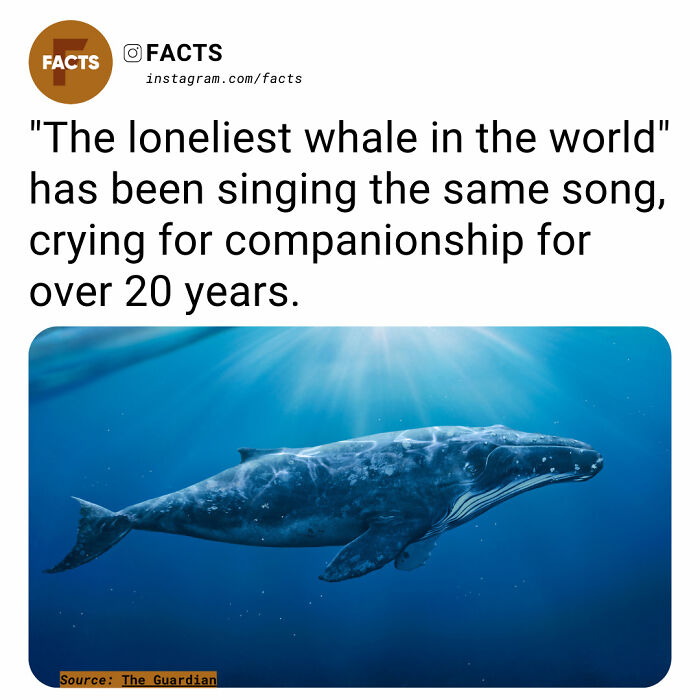
52-Blue. Sings at a pitch that no other whale can hear. Never been sighted, don't know the species of whale (migration pattern and song don't match to those of other species) just heard over hydrophonics systems. Speculation is that 52-Blue might a blue whale hybrid, or has a mutation or malformation, or might be deaf.
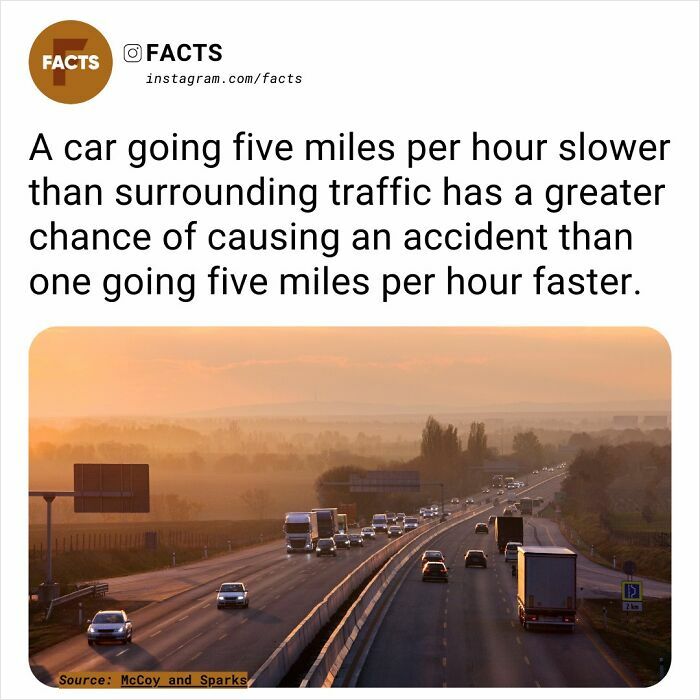
The Texas Driver's Handbook addresses this very thing including a funny drawing of a slow driver with a line of cars in a wreck behind it.

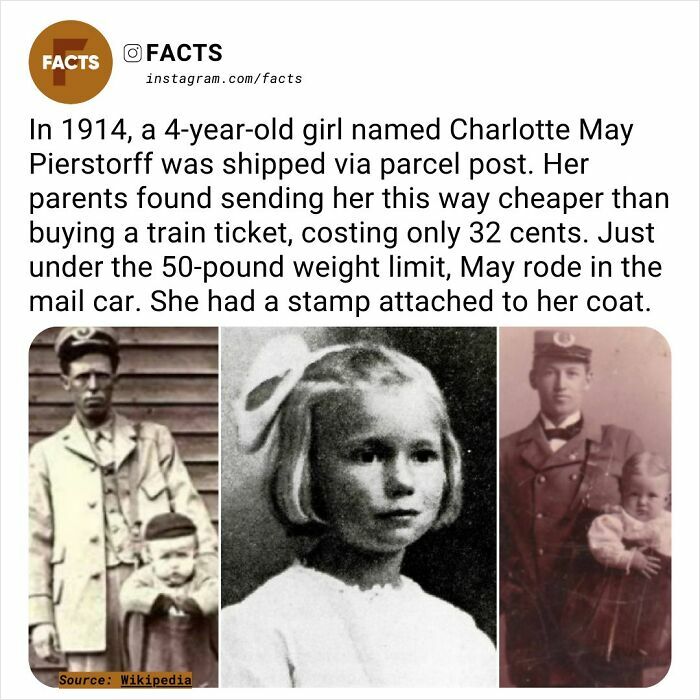
my grandmother traveled from Canada to the US this way in 1929. I have a copy of the postal manifest stating her name, the town they checked her into, the date, and both the sending and receiving parties names and addresses.

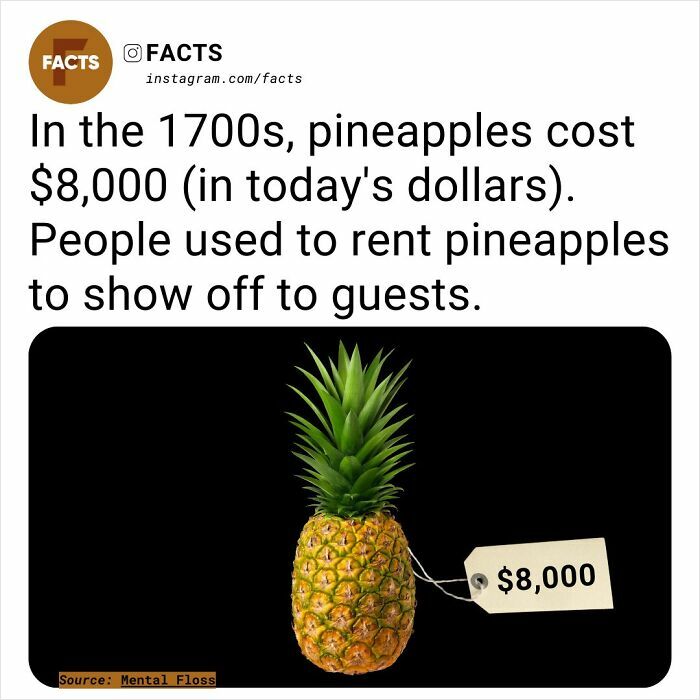
Is this why there are so many pineapples featured in interior design back then?


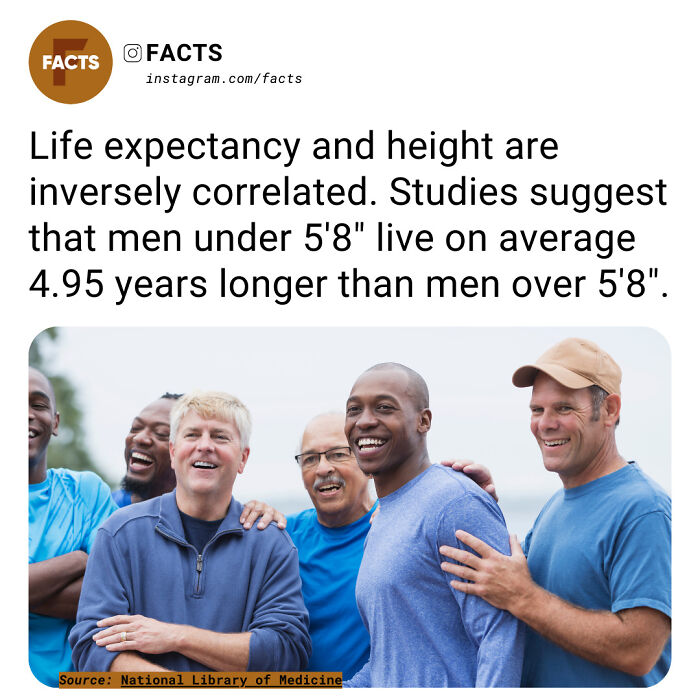
Shorter people have less cells, less chance of cancer, amongst other things. Might also partially explain why women, who are on average shorter than men, tend to live longer.
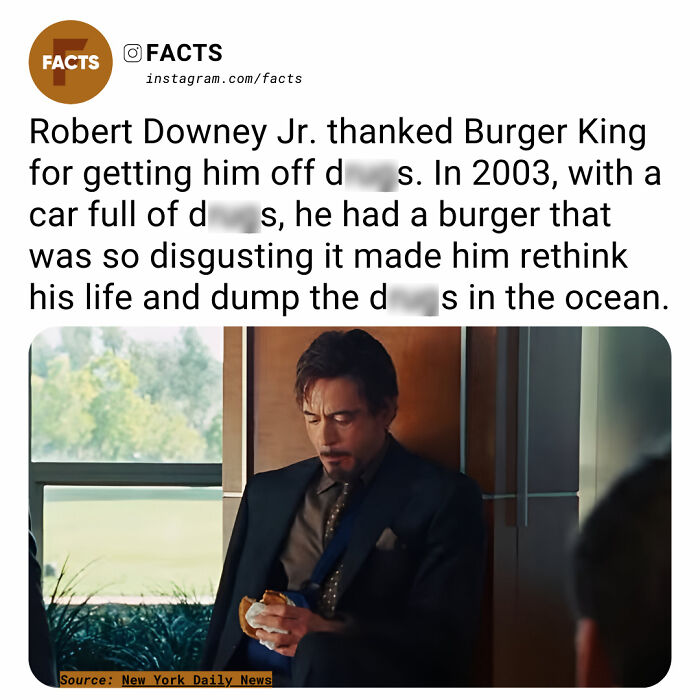
Wrong. He was so disgusted with himself while eating the burger that he decided to get sober
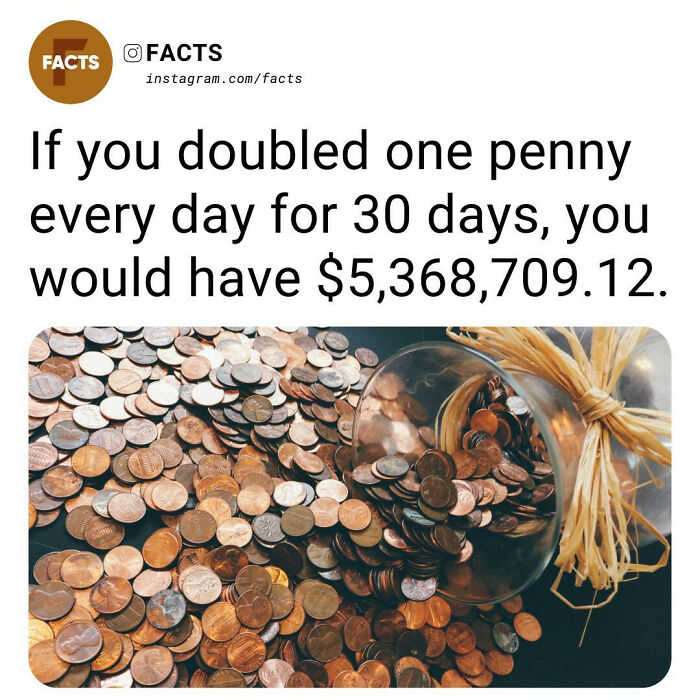
The old chess game story, only it was grains of rice in the original.

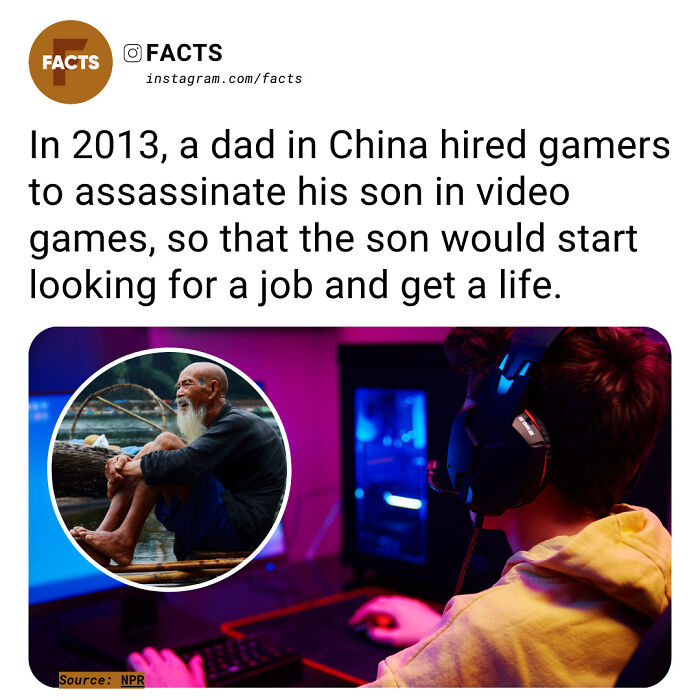
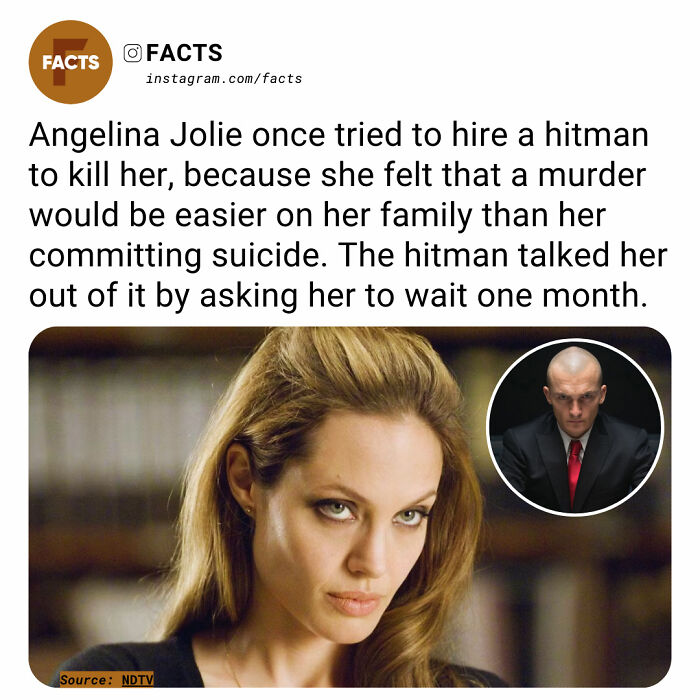
https://www.koimoi.com/hollywood-news/when-angelina-jolie-revealed-she-hired-a-hitman-to-k**l-herself-but-this-simple-question-changed-her-mind/
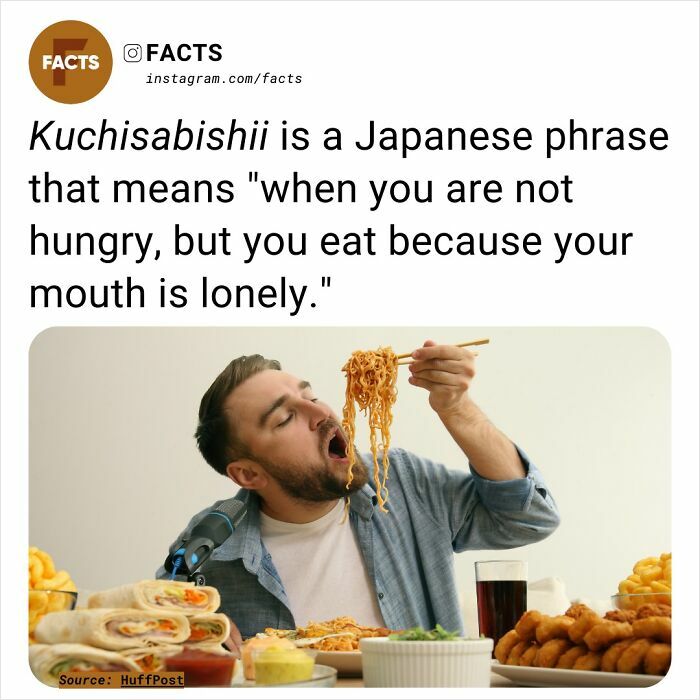
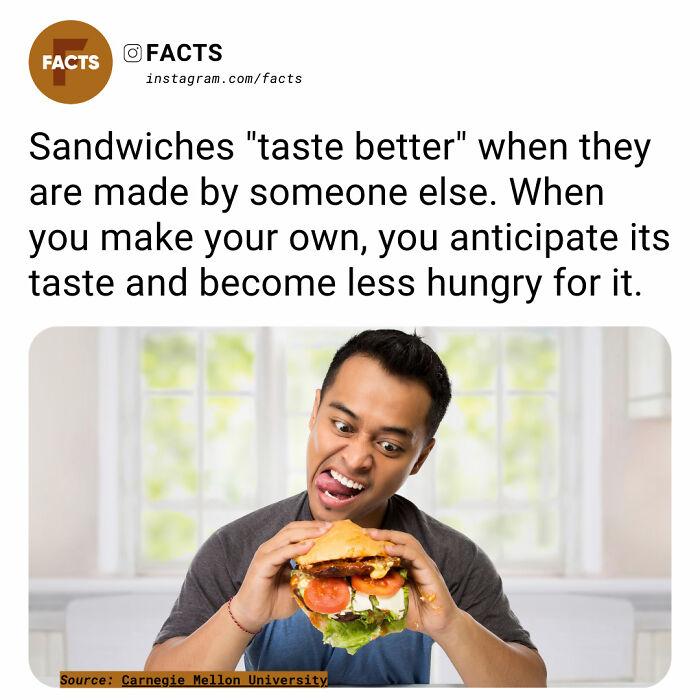
I don't understand this one. When I make a sandwich I can make it exactly to my own taste. Just the right amount of everything in the right proportions. The making of food is half the joy of it.
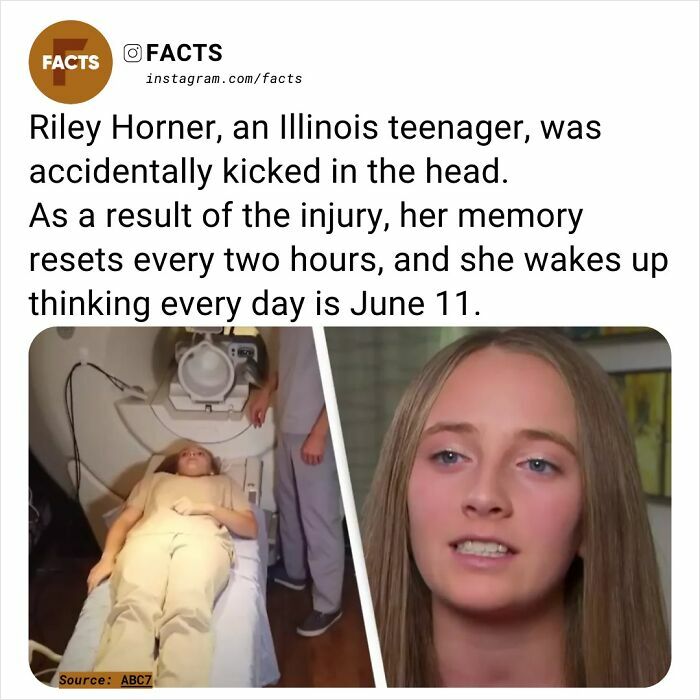
First of all, I understand that a crowd-surfing dude fell on her, she was not kicked. Secondly, her memory didn’t “reset every two hours” — what would that even mean? I believe it was more like she could hold on to short-term memory for about two hours. Thirdly and most importantly, she got healed by some amazing neurologists and has now graduated from Nursing School.

But why? Because that denotes a level of physical health and ability that is inherently less likely to suffer a heart attack? Because they're in a long term relationship meaning there's someone to raise the alarm if they're in poor health? Because men in relationships are more likely to visit the doctor? Because men in relationships are more likely to have a better diet?
















 No fees, cancel anytime