Get Premium
Dark mode theme is available exclusively for premium users. Learn more about the benefits of subscribing.
No fees, cancel anytime.

 Dark Mode Ad-Free Browsing Unlimited Content
 Ad-Free Browsing Unlimited Content Dark Mode
Join 1.2 million Panda readers who get the best art, memes, and fun stories every week!


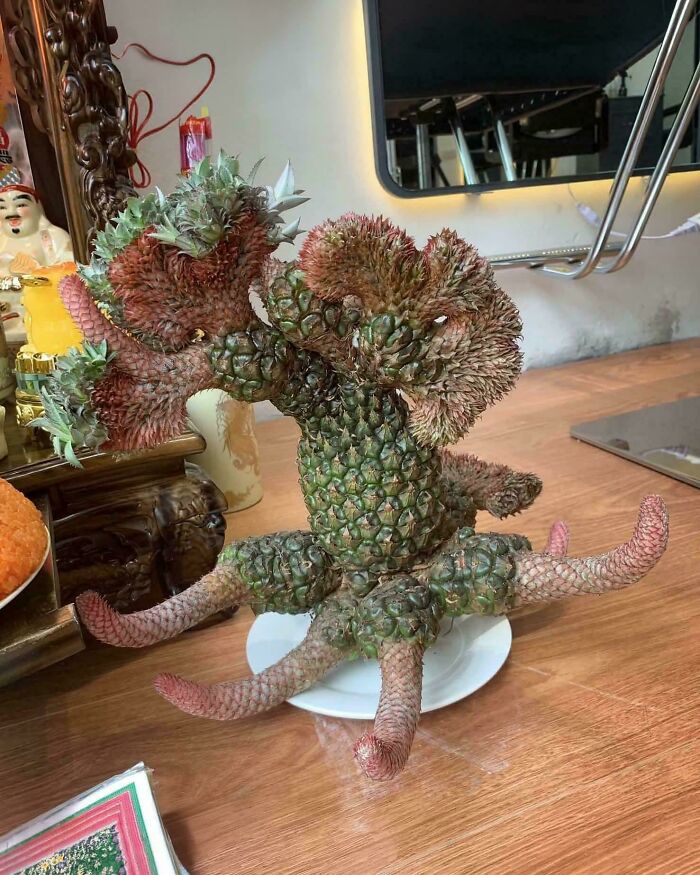
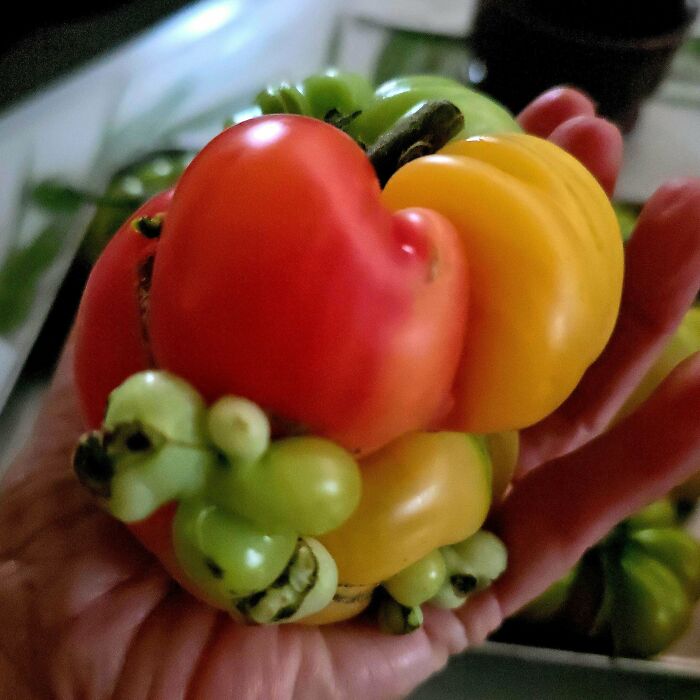
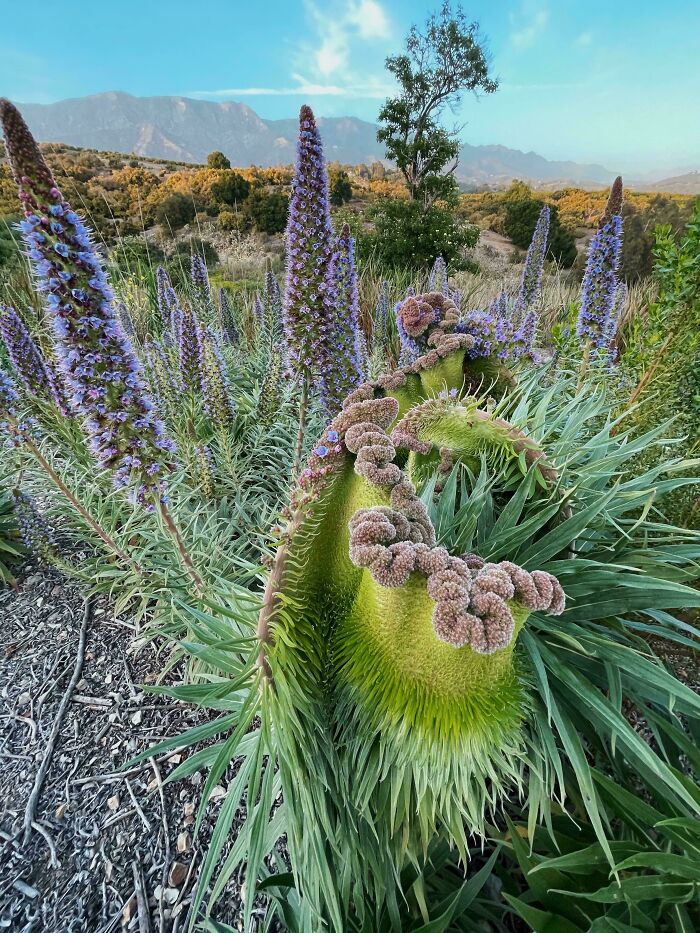
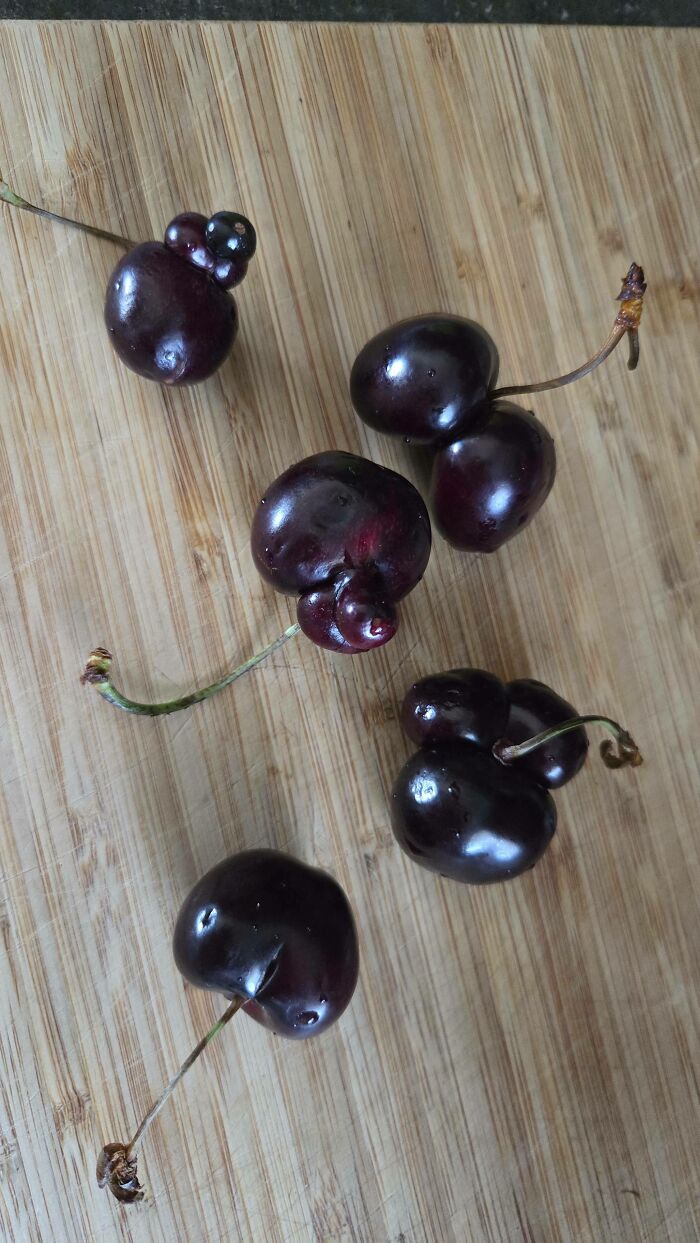
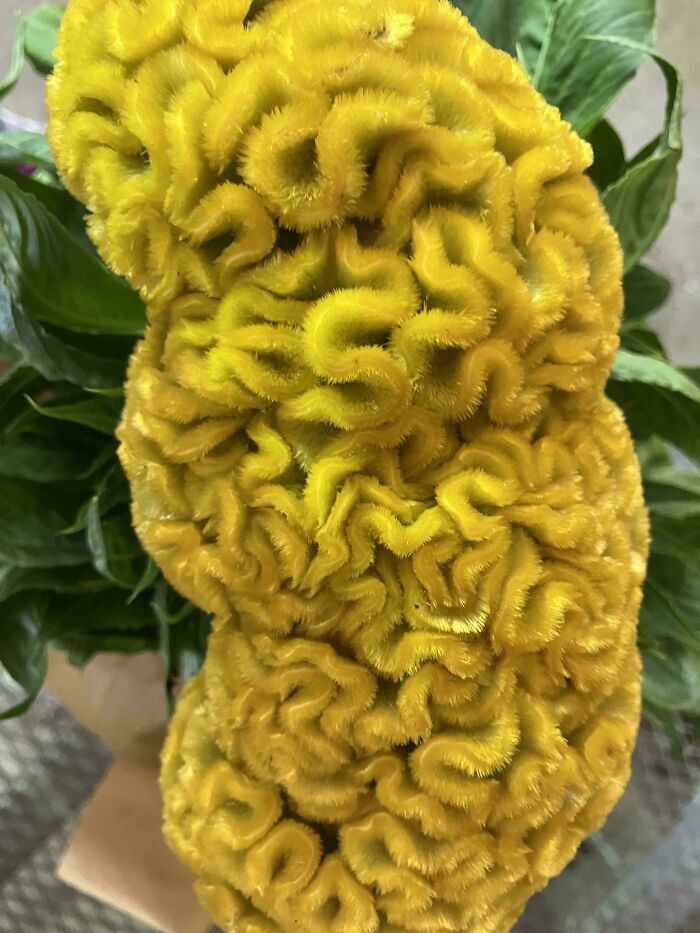
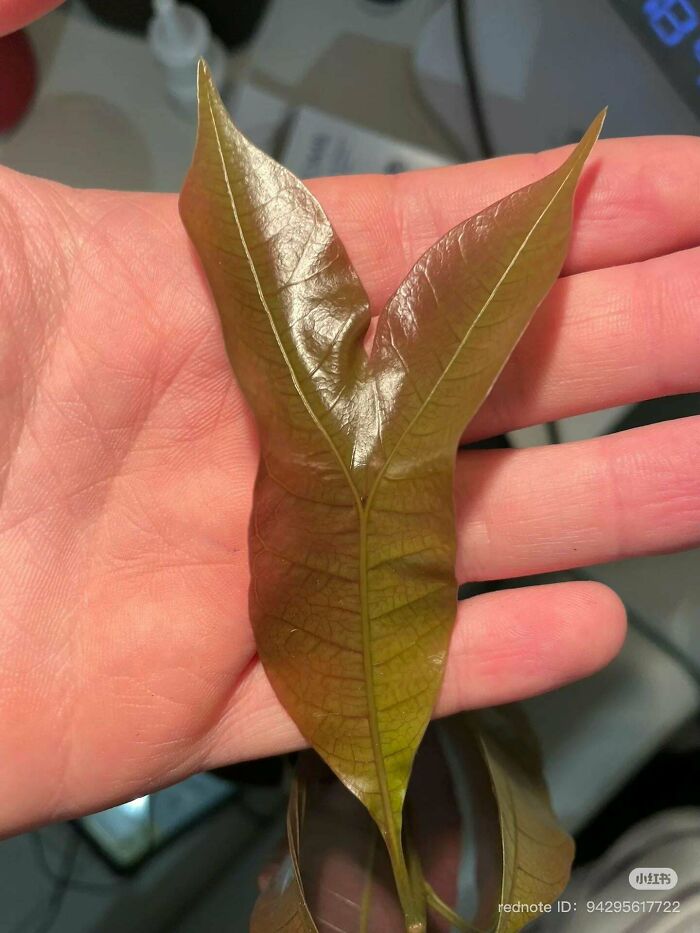
Not all plants are created equal. But generally, a rose looks like a rose, smells like a rose, and is a rose by any other name. Except, of course, when Mother Nature decides to stir things up a bit. Sometimes, plants pop up from the earth and appear to be from another planet. They might look weird, deformed, or even alarming. They may even be cute, ultra-beautiful, or other-worldly. Either way, they’re unique.
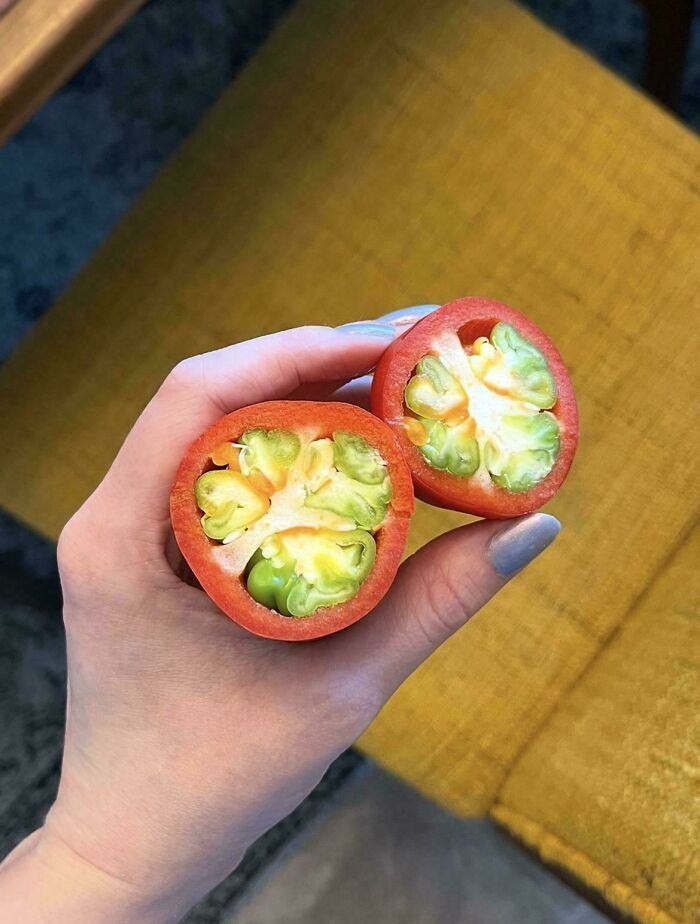
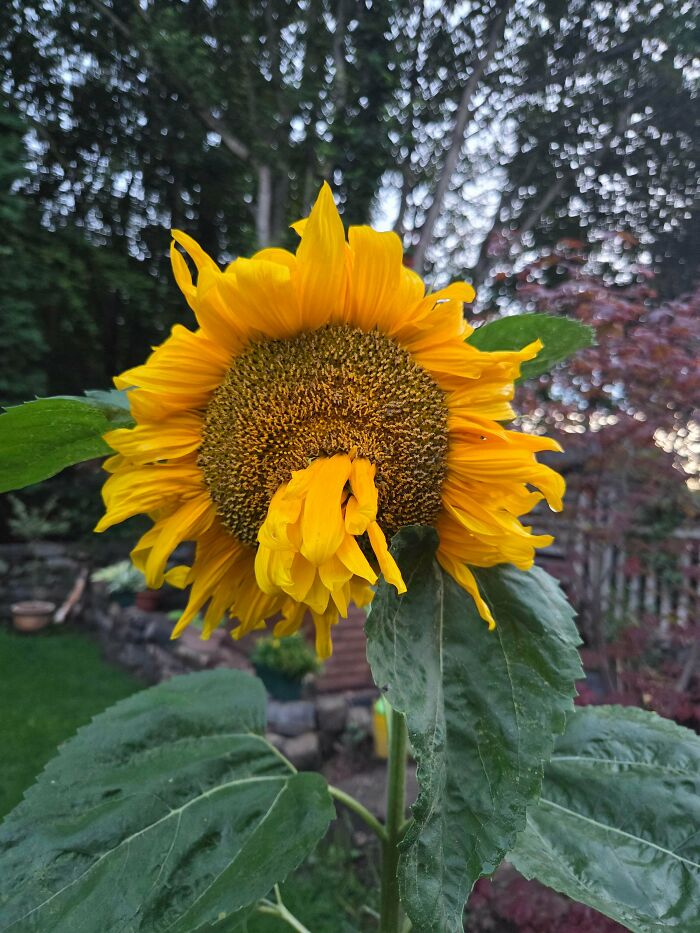
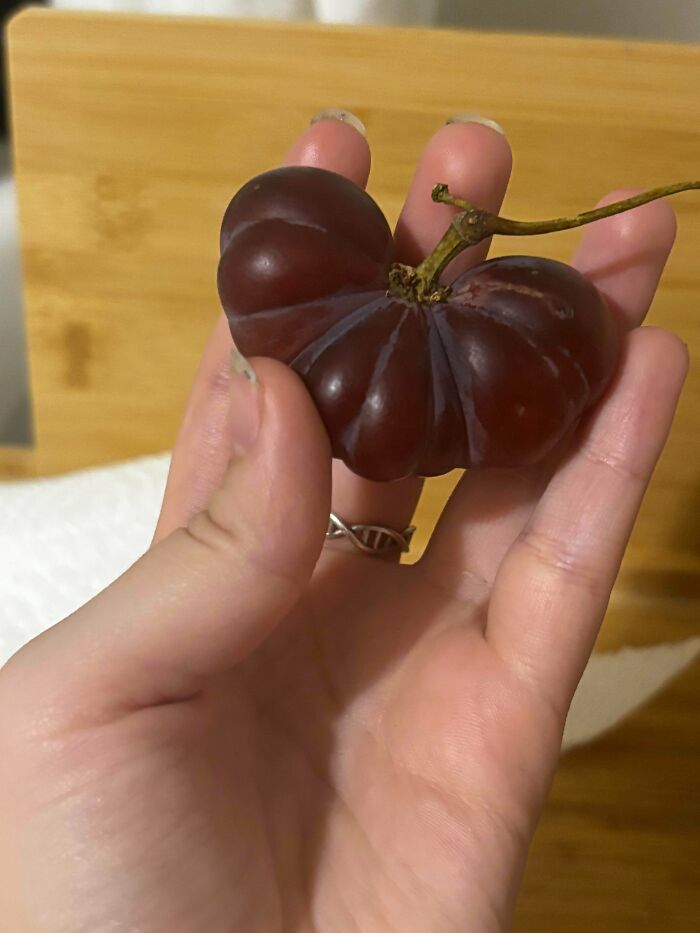
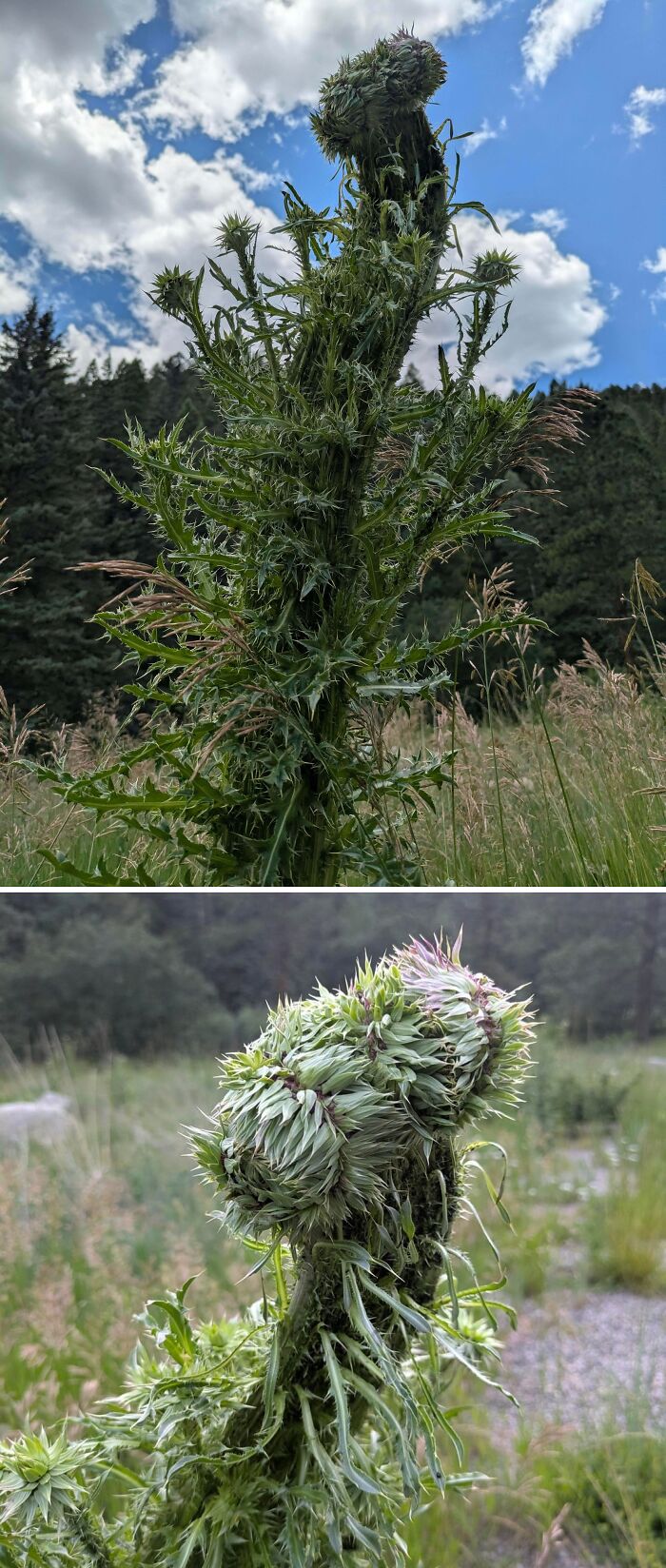
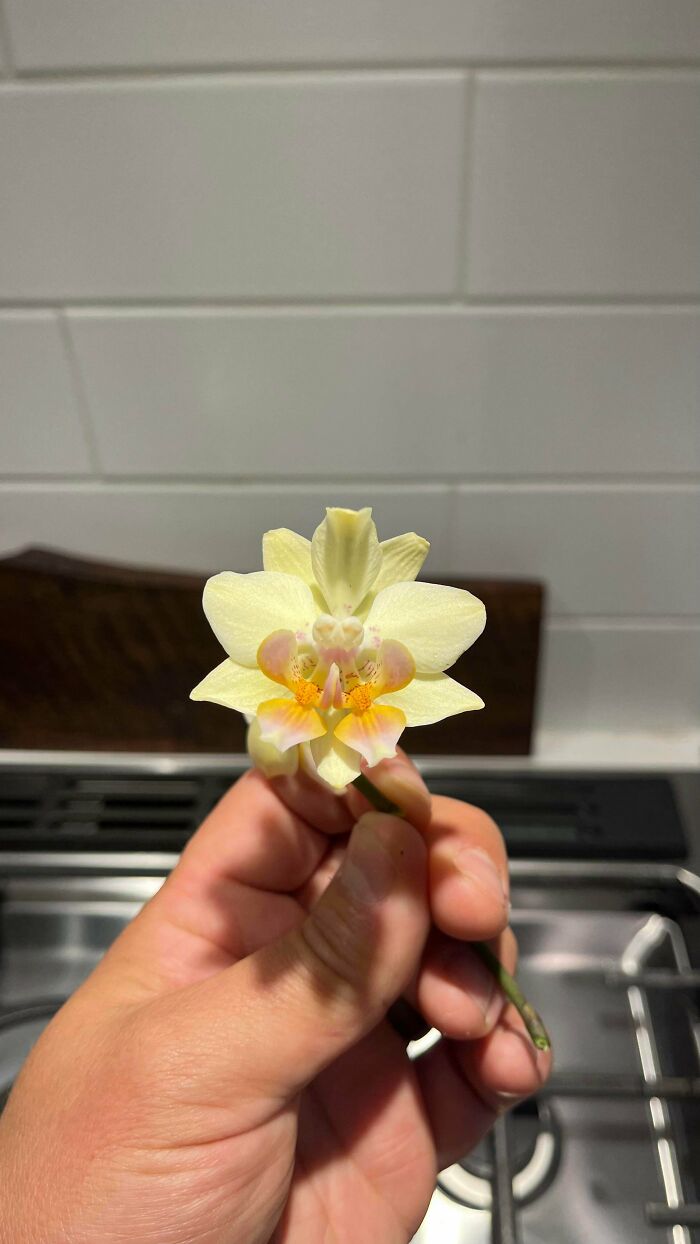
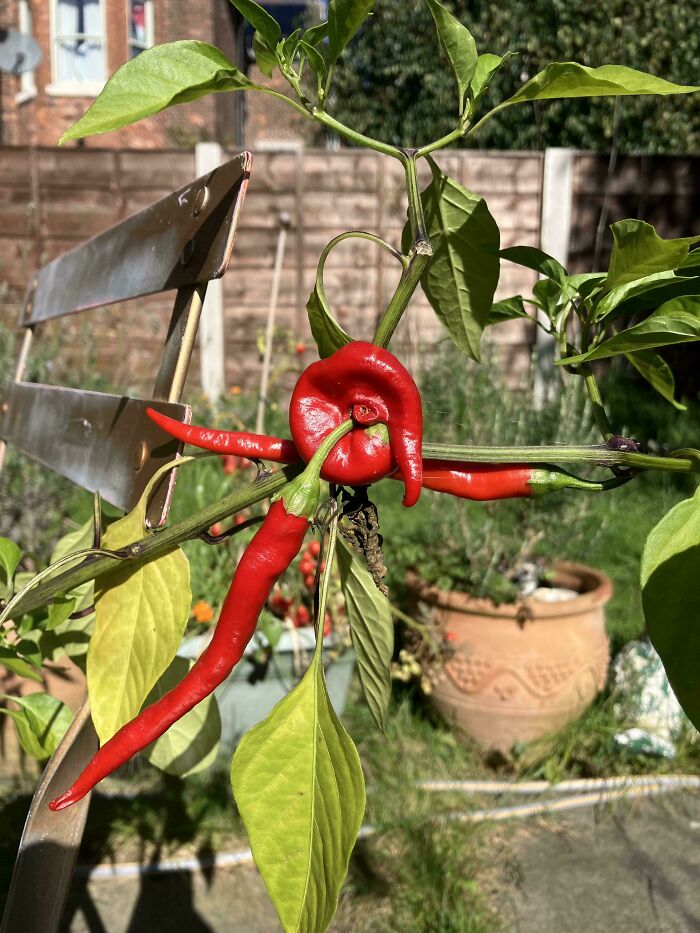
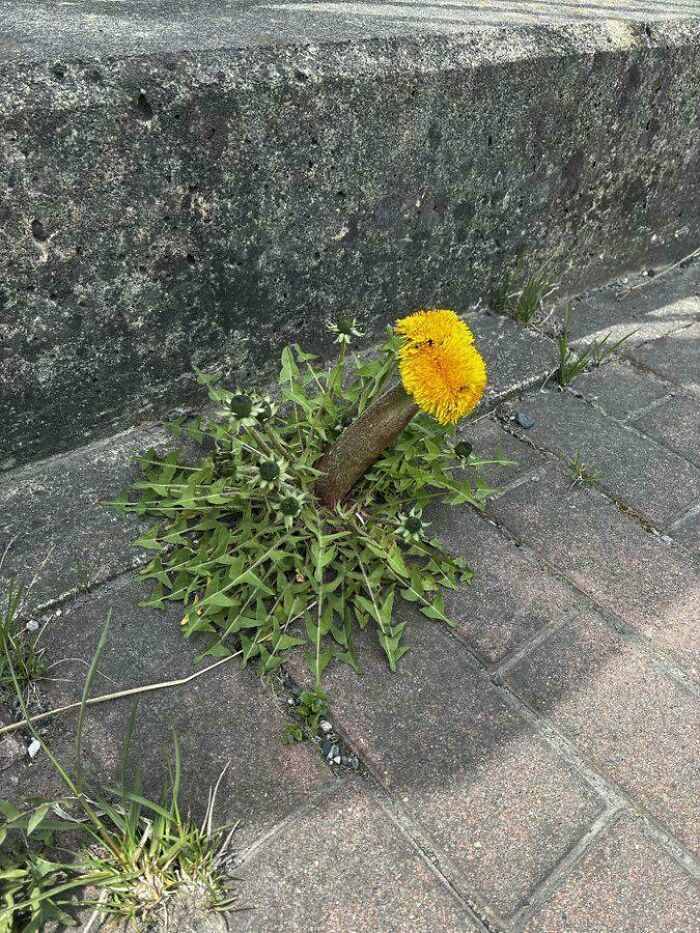
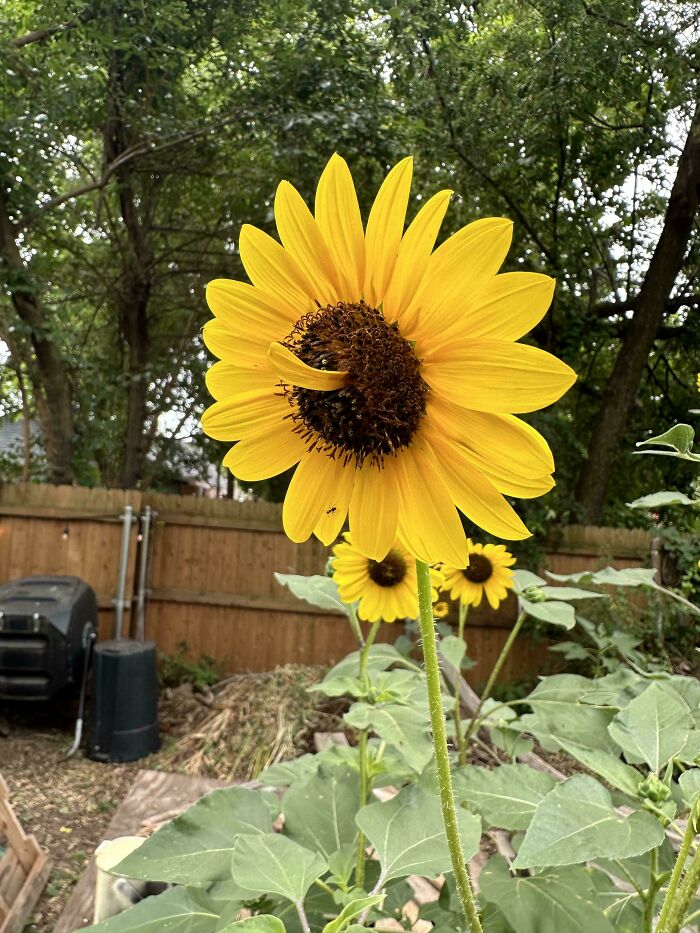
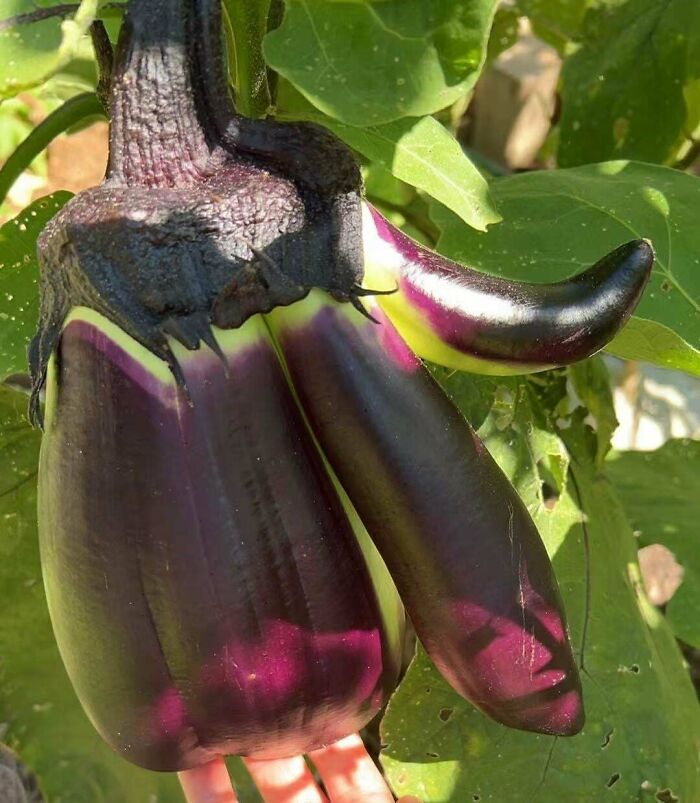
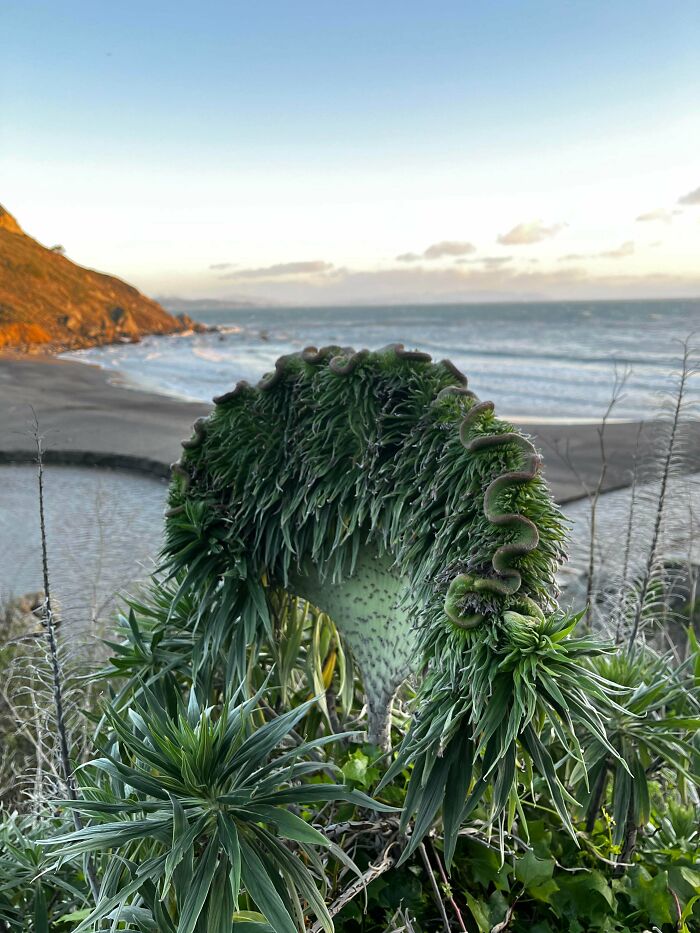
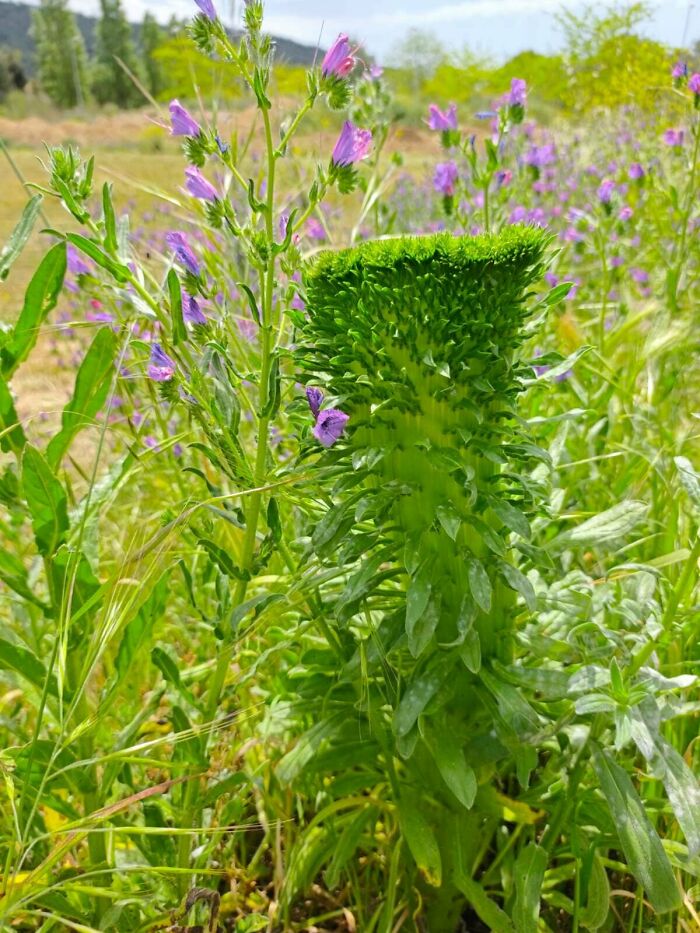
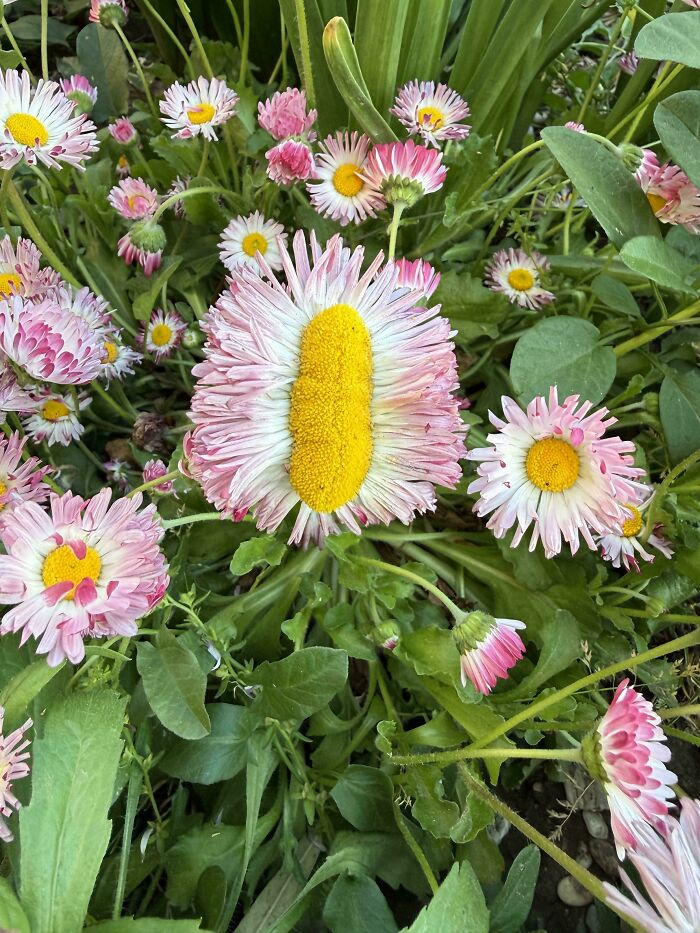
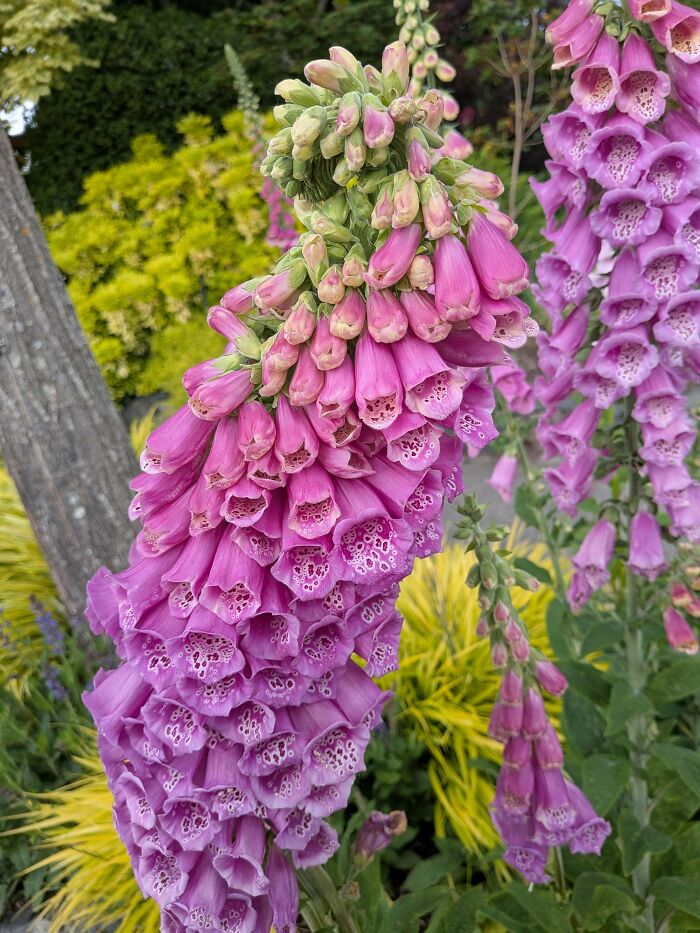
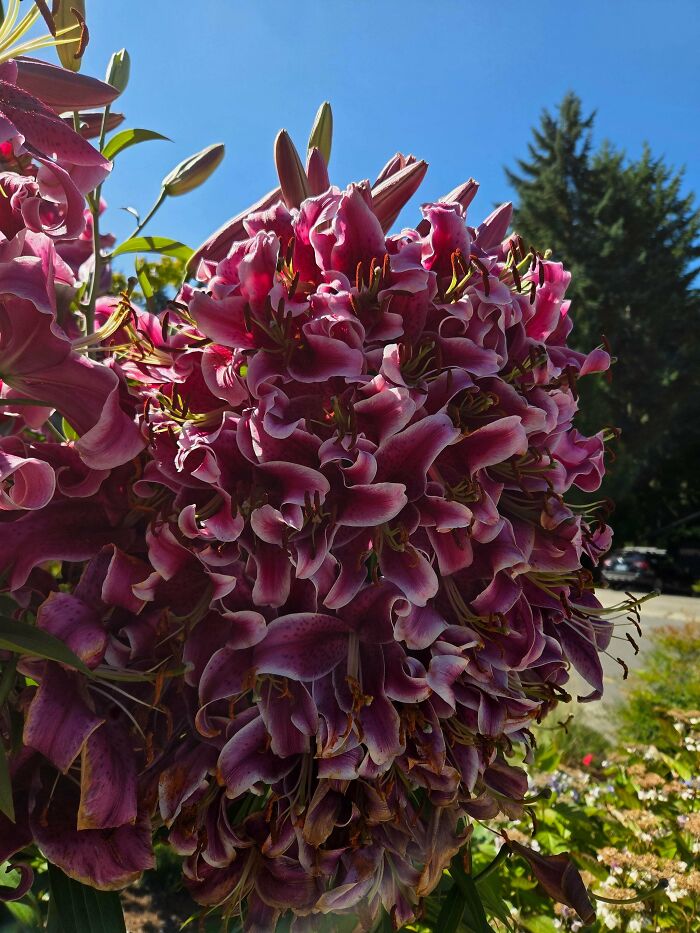
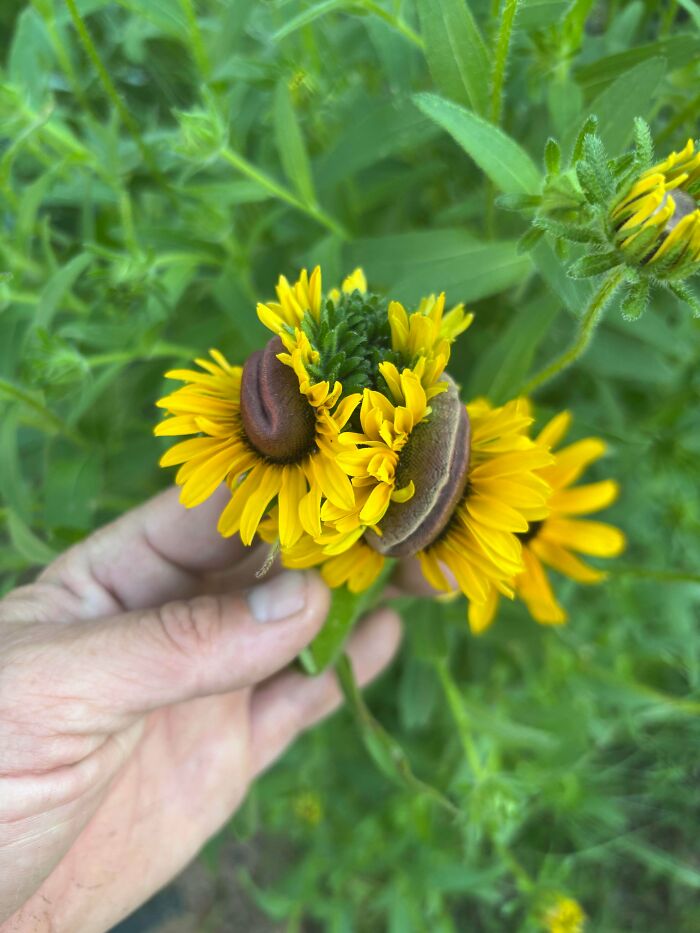
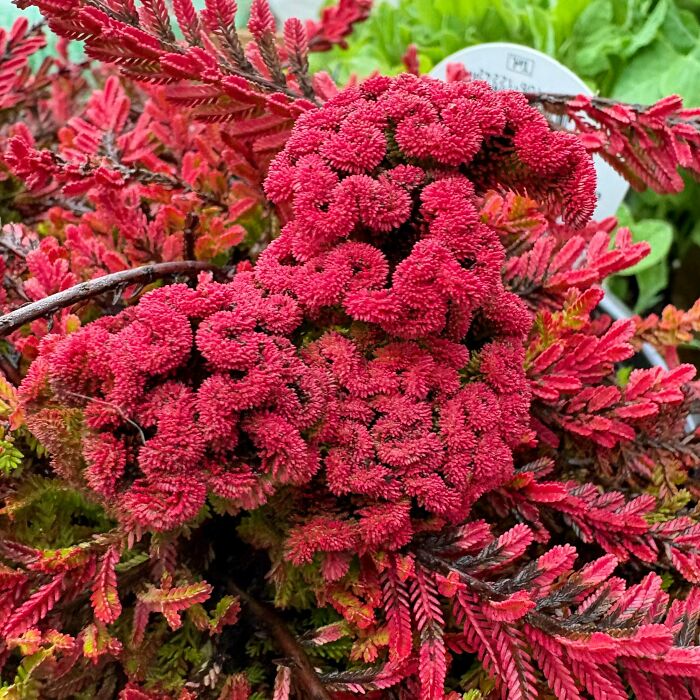
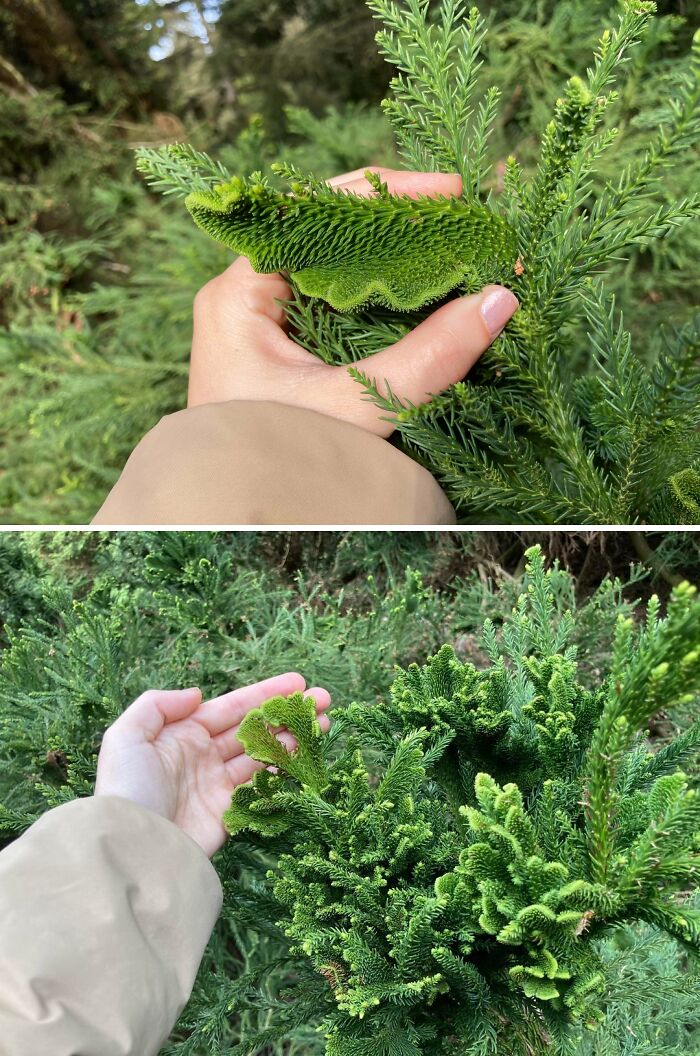
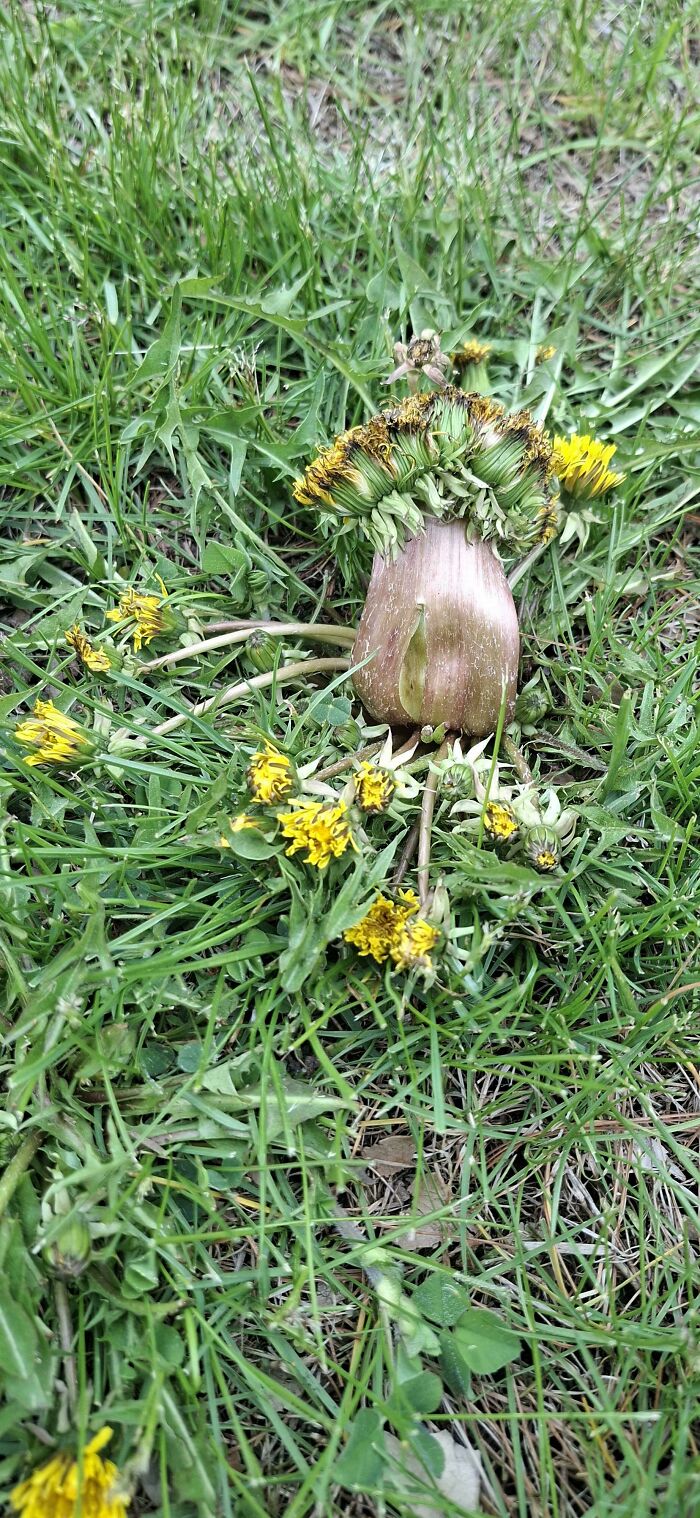
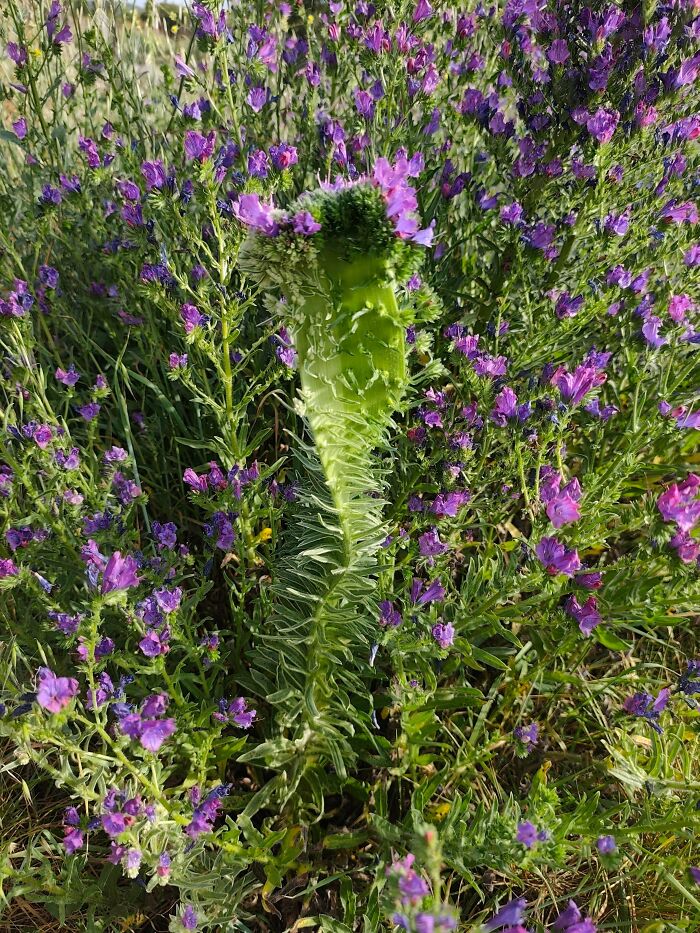
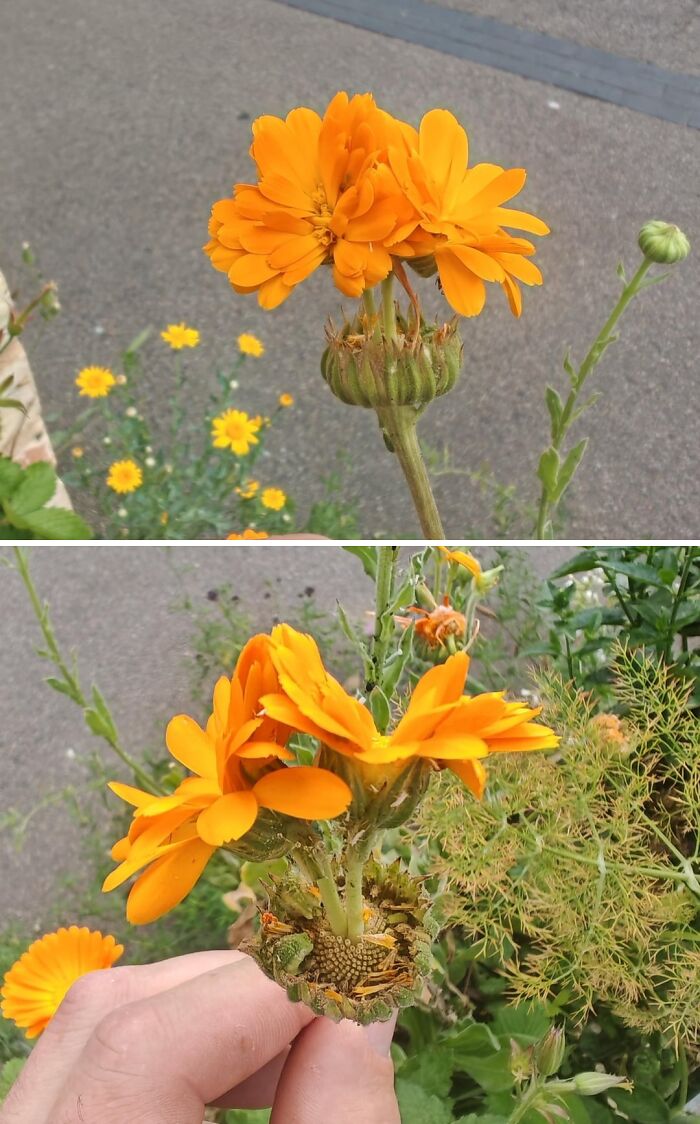
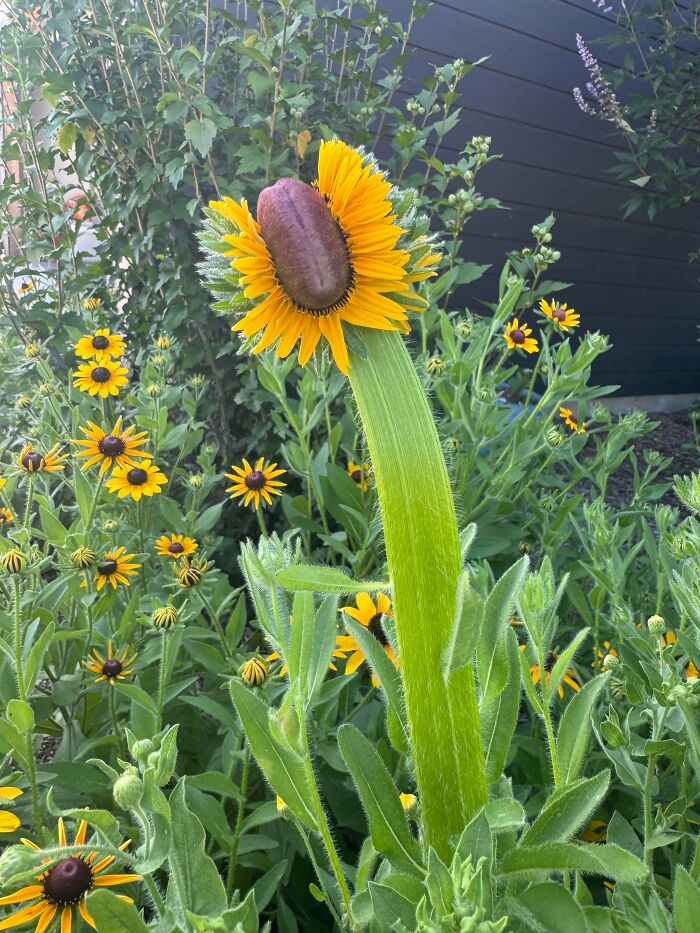
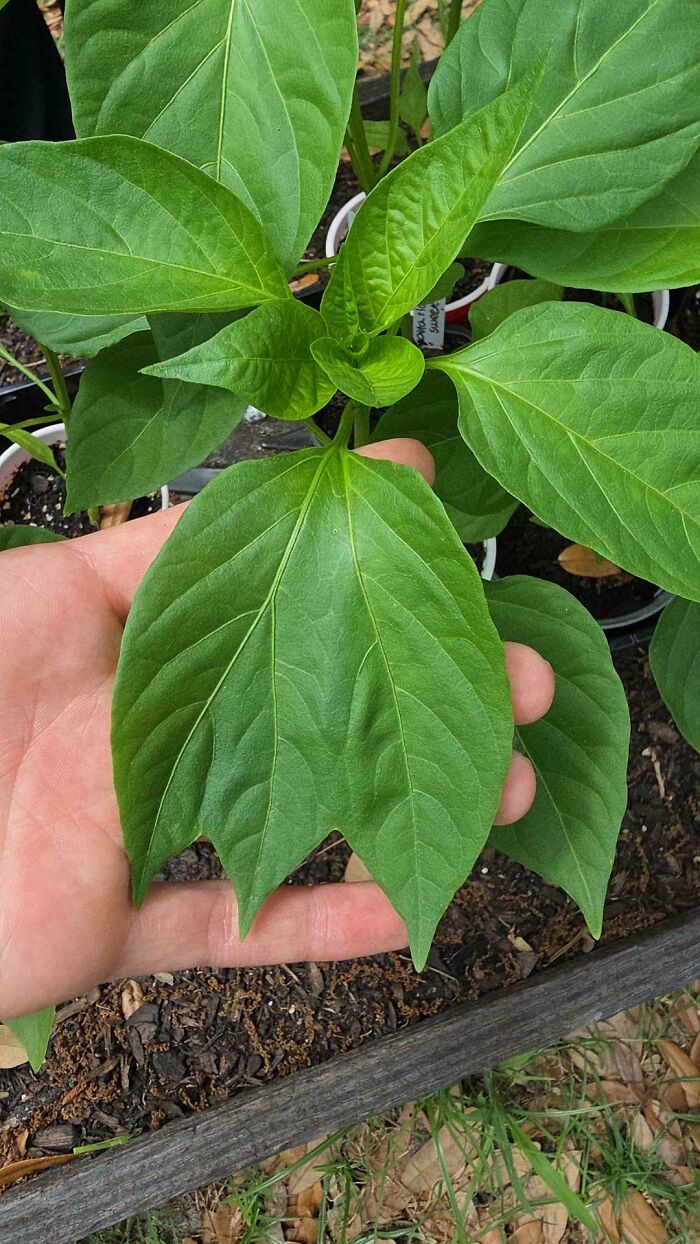
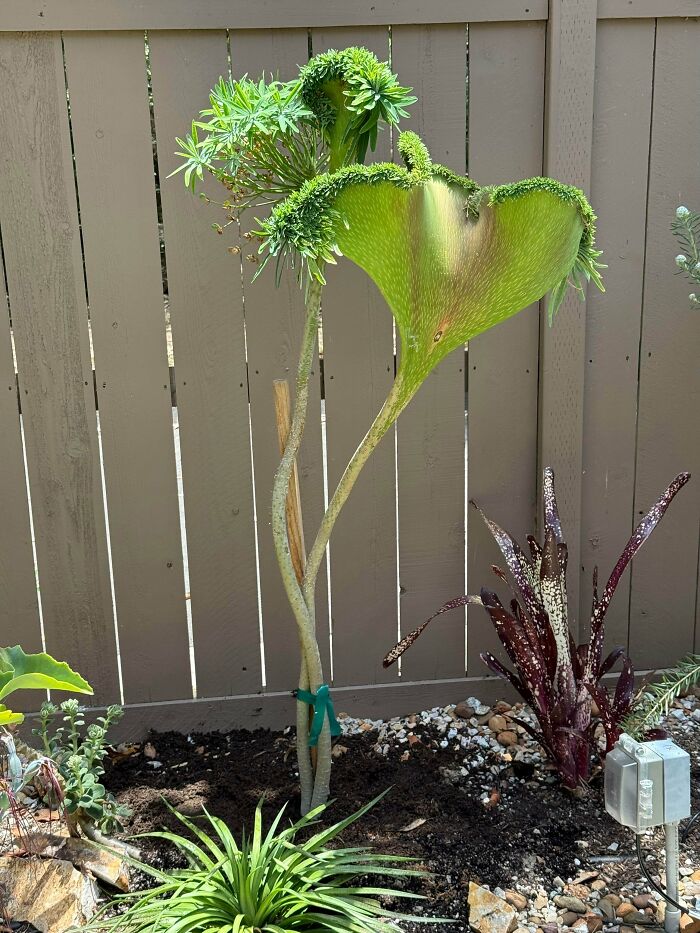
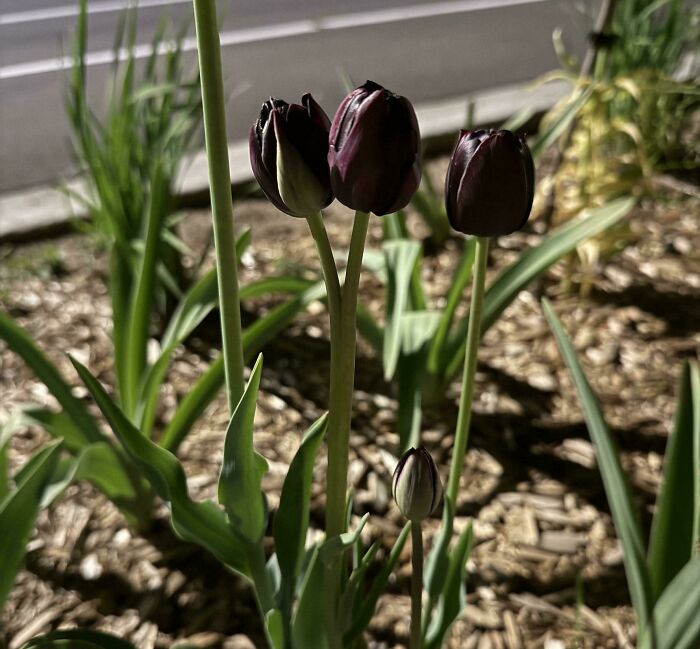
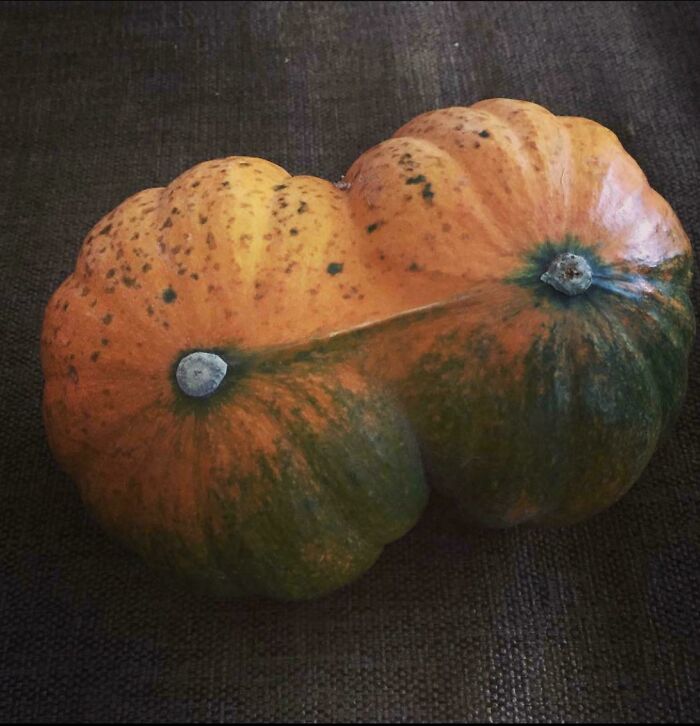
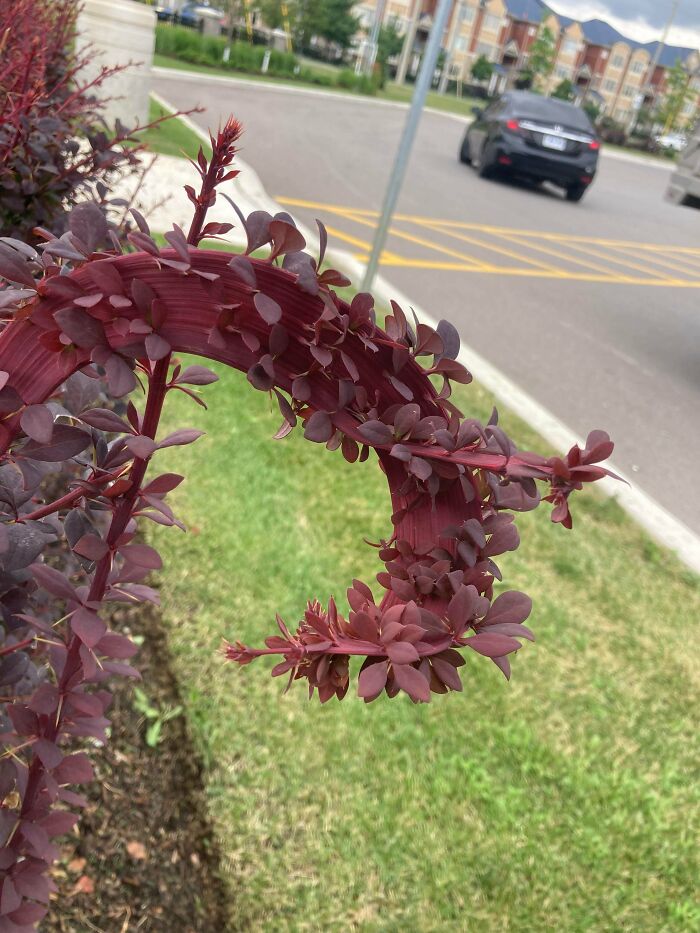
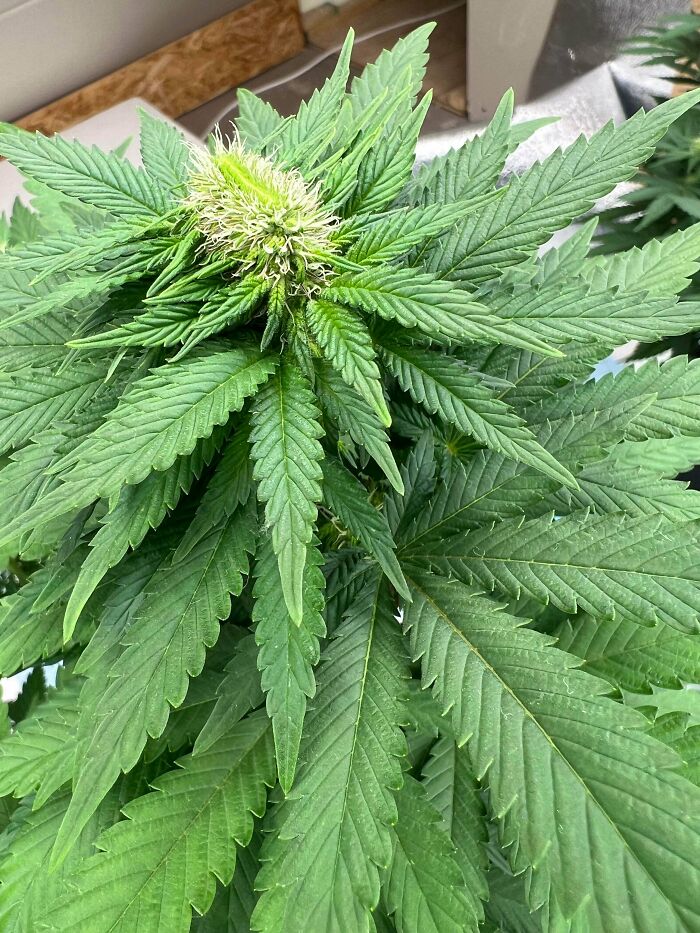
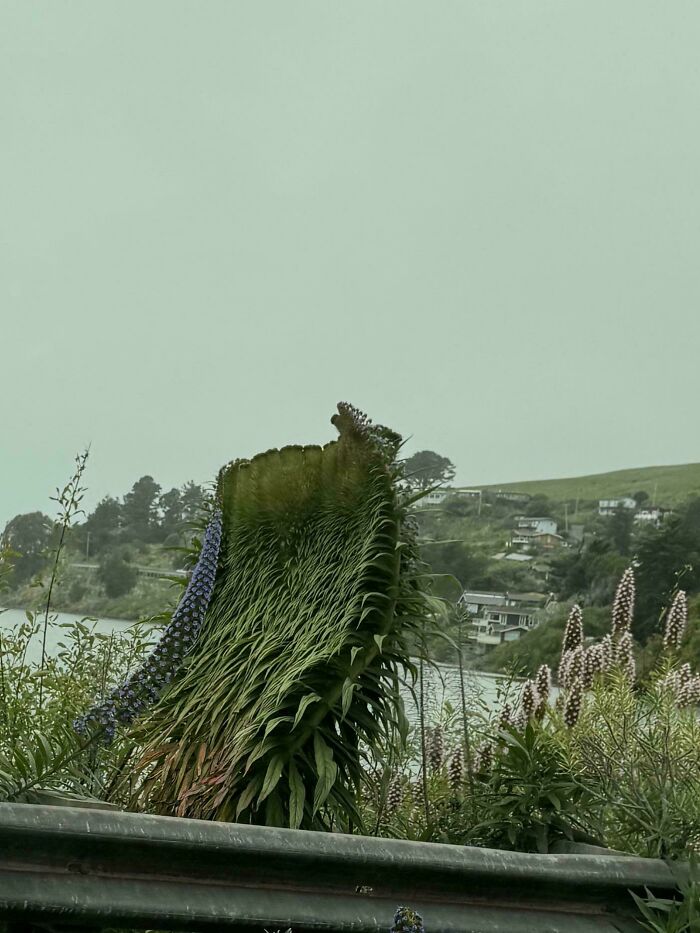
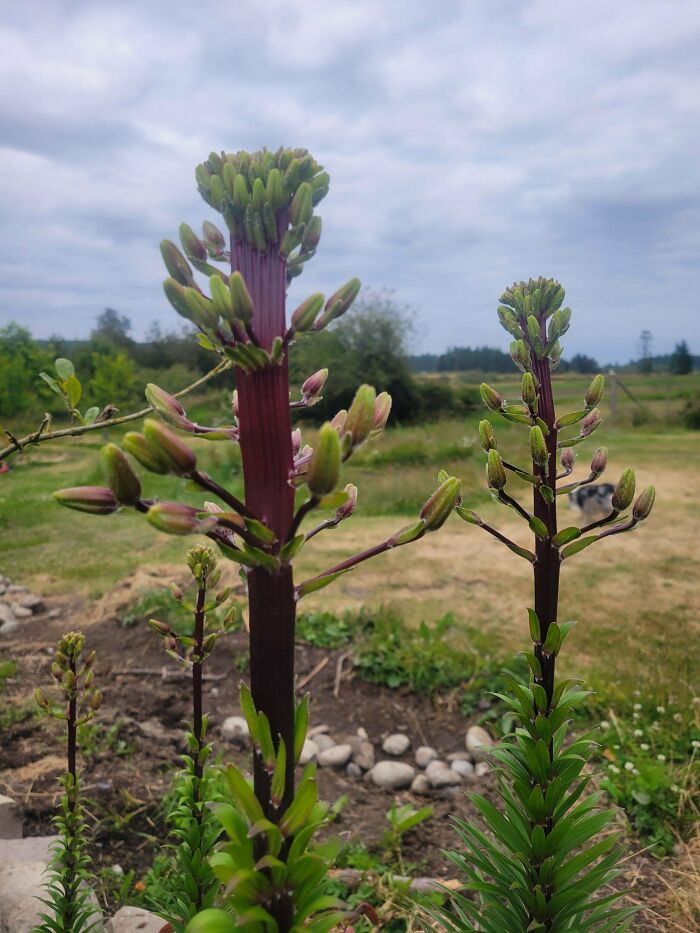
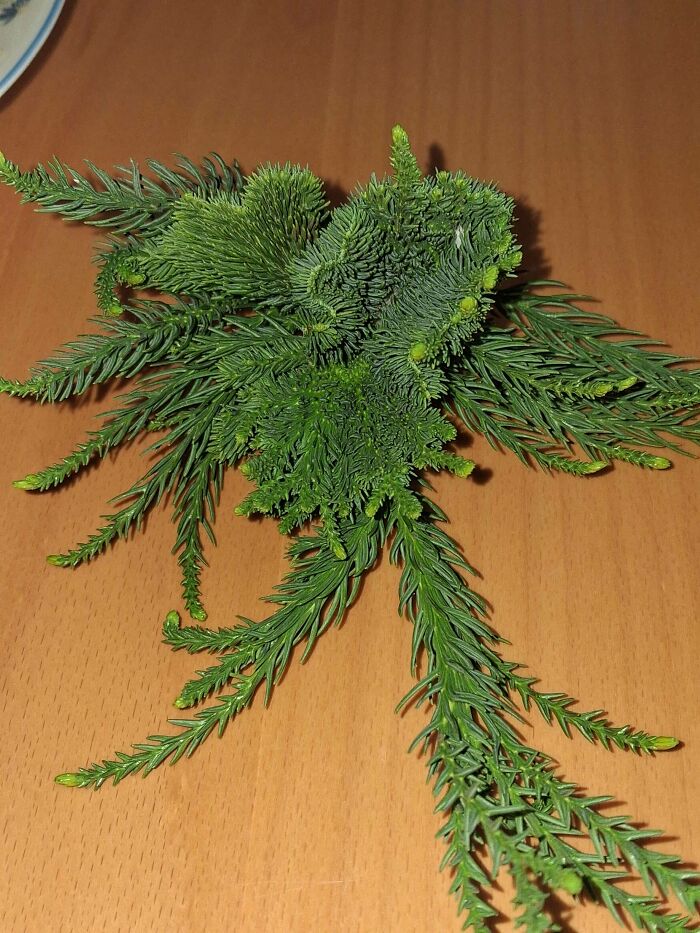
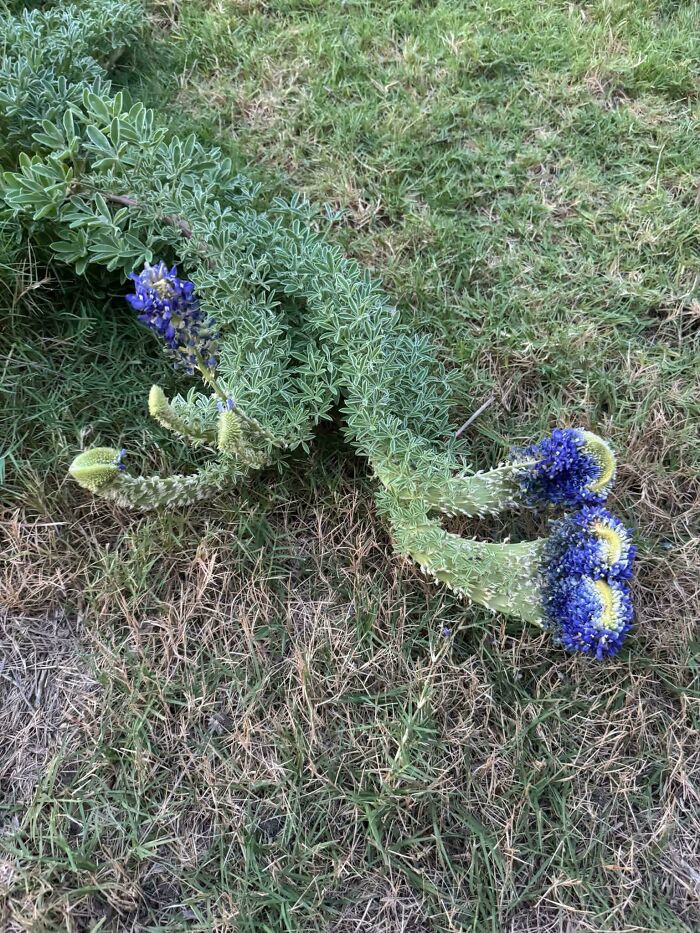
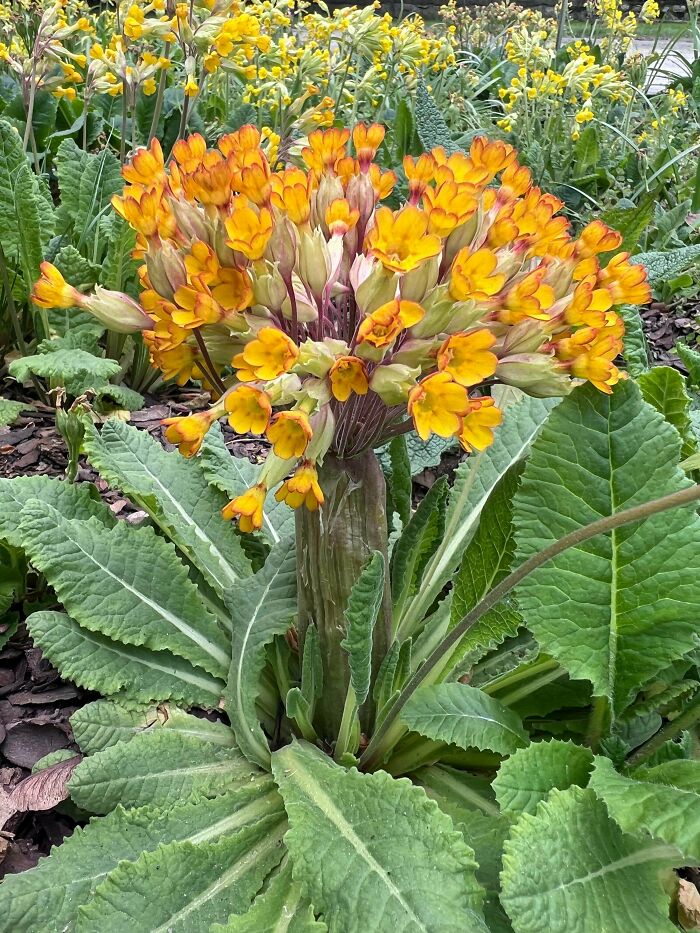
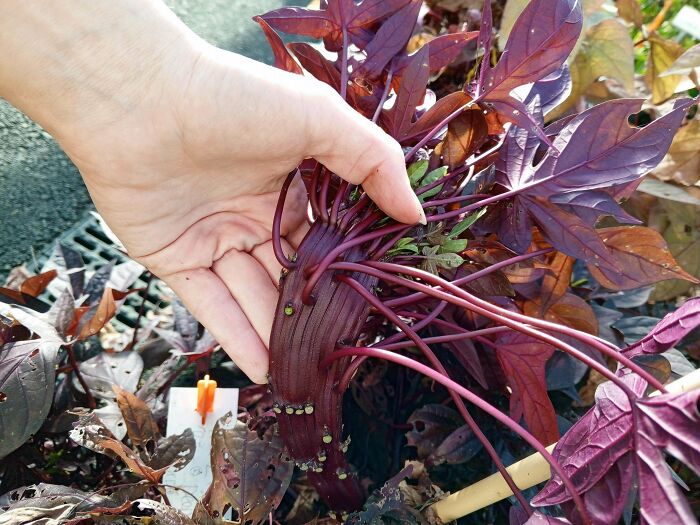
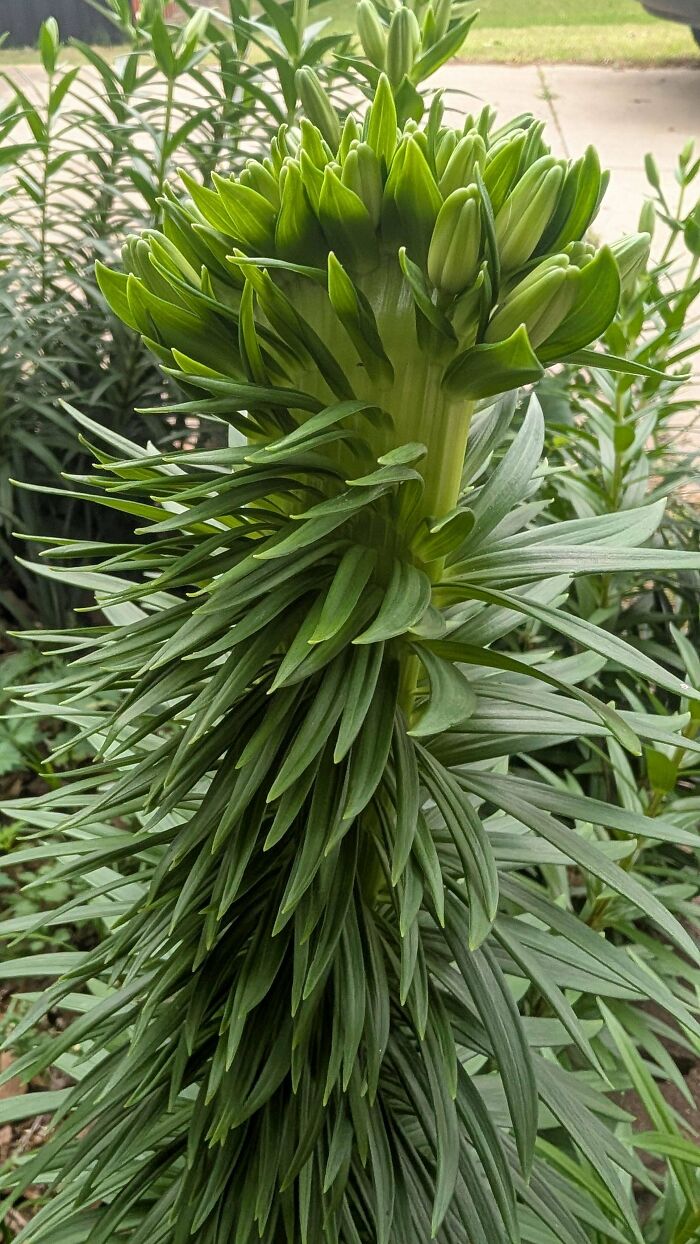
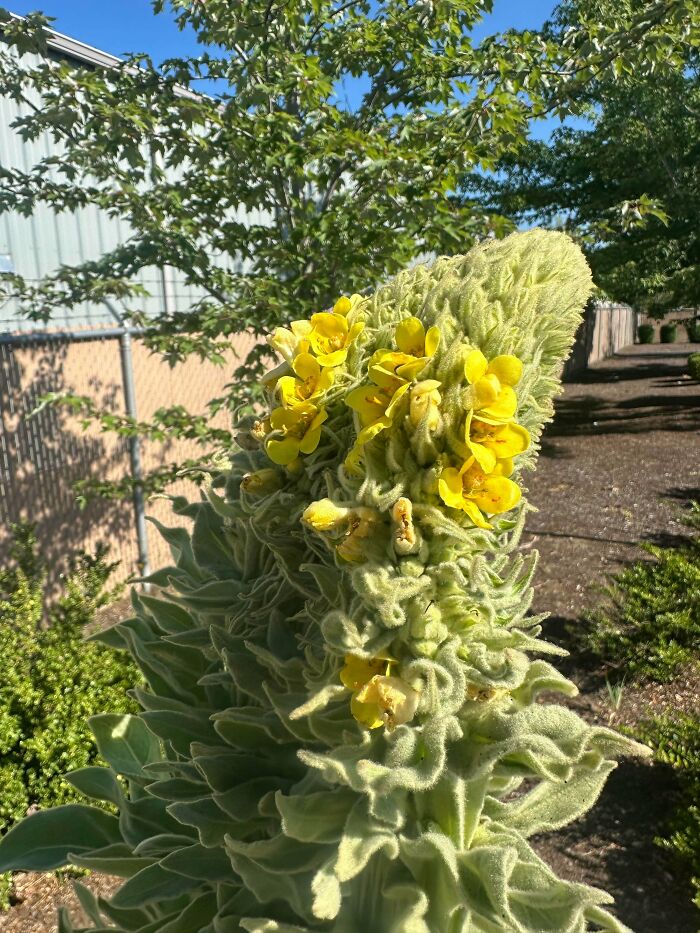
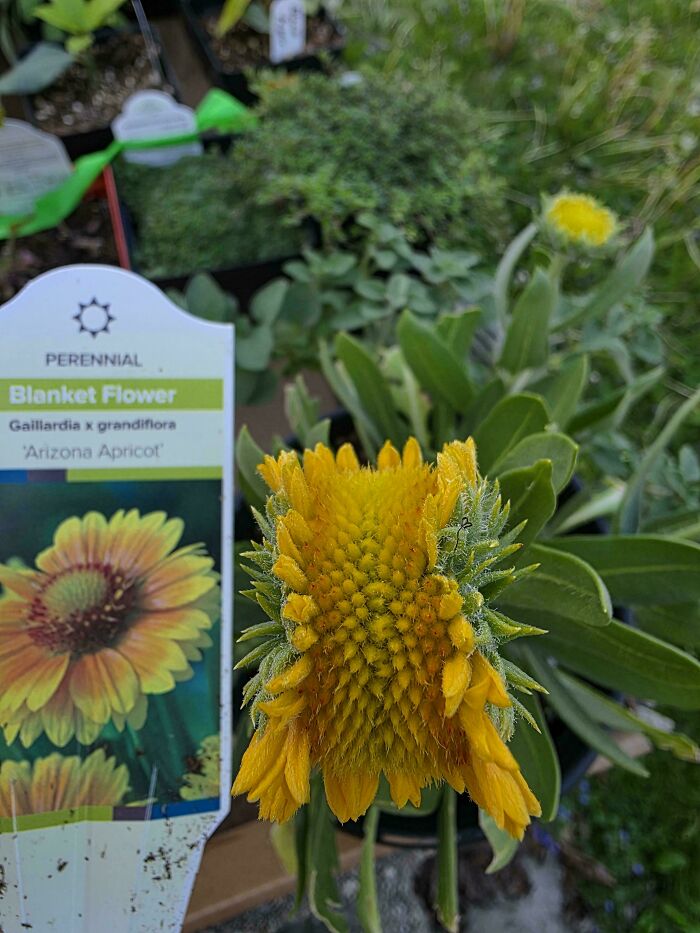
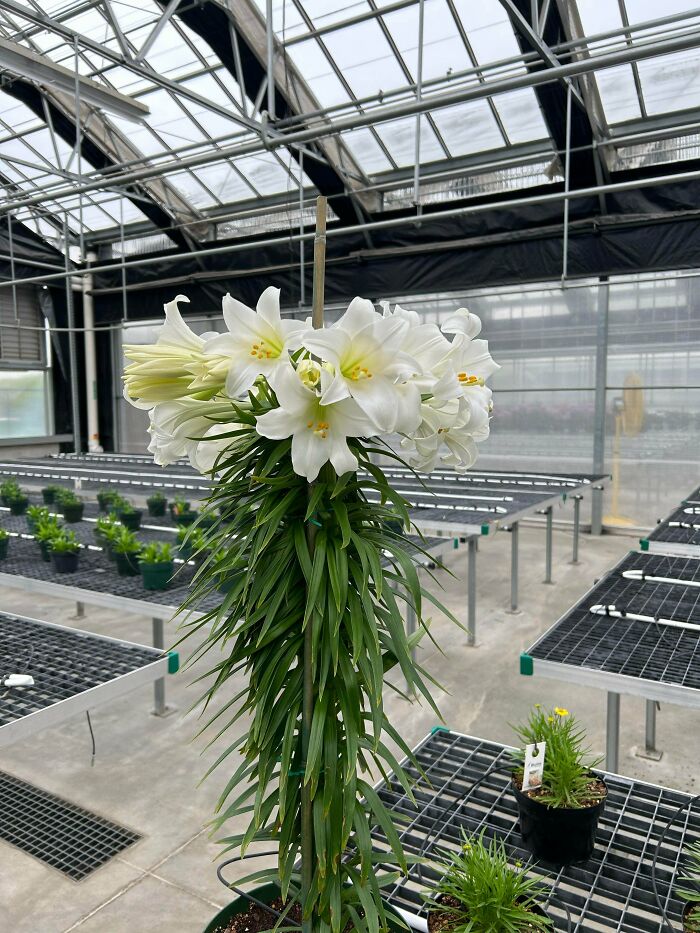
When plants don’t look like their ‘peers,’ and have things like twisted stems, Siamese twins, flattened flower stalks, or blooms that seem like alien growths, it’s often as a result of something called fasciation. These botanical mishaps are caused by abnormal activity in the growing tip of the plant. Science aside, they’re fascinating to look at.
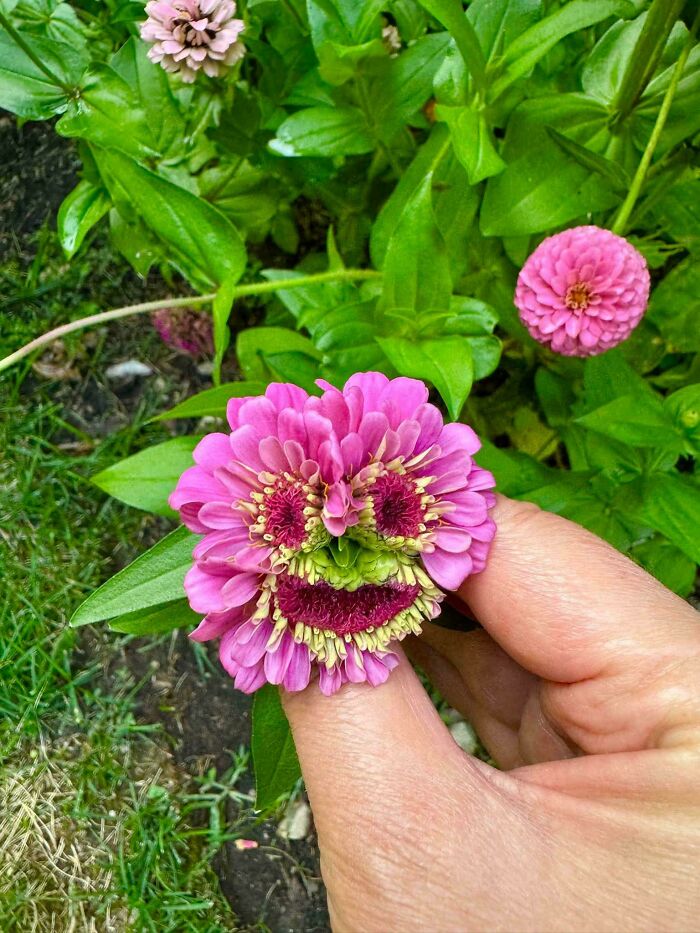
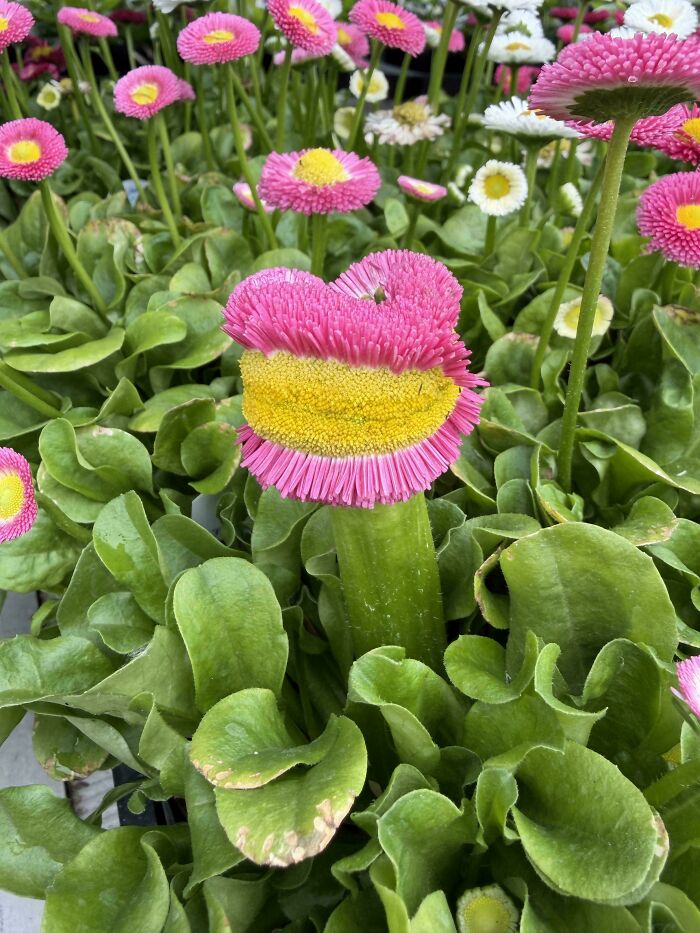
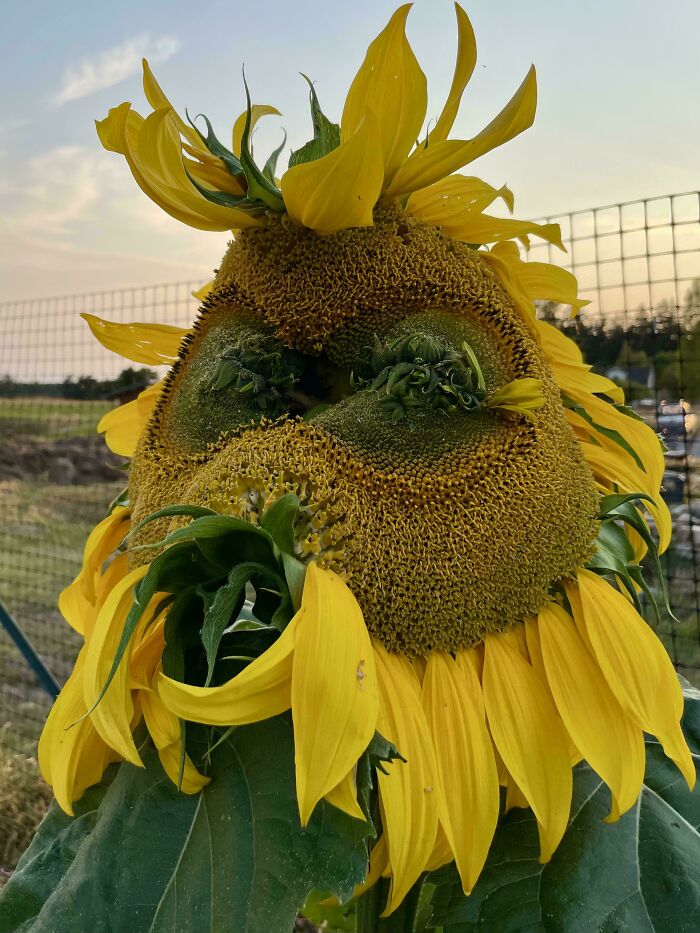
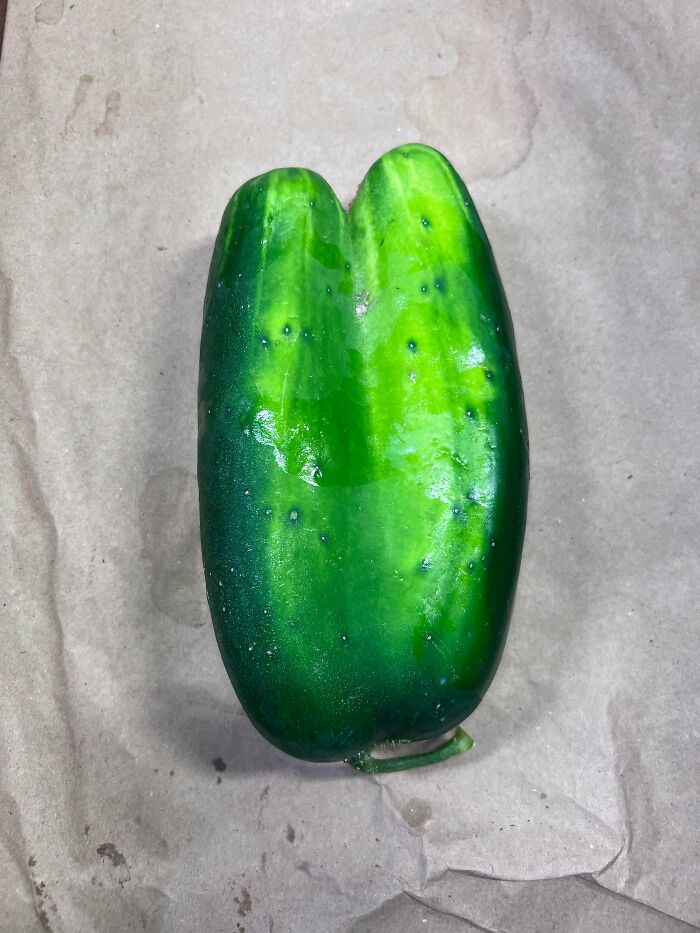
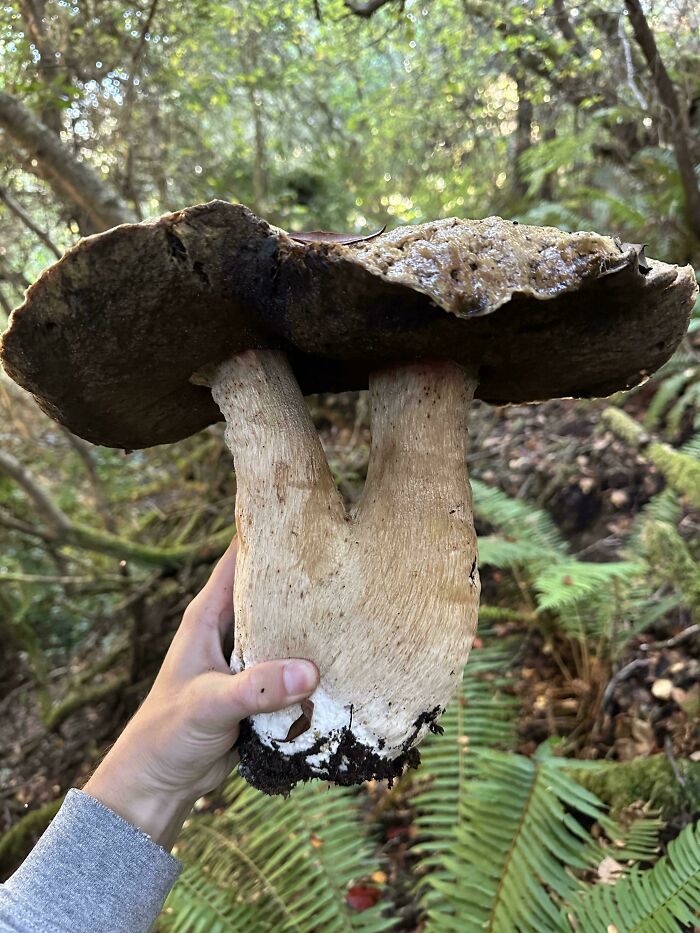
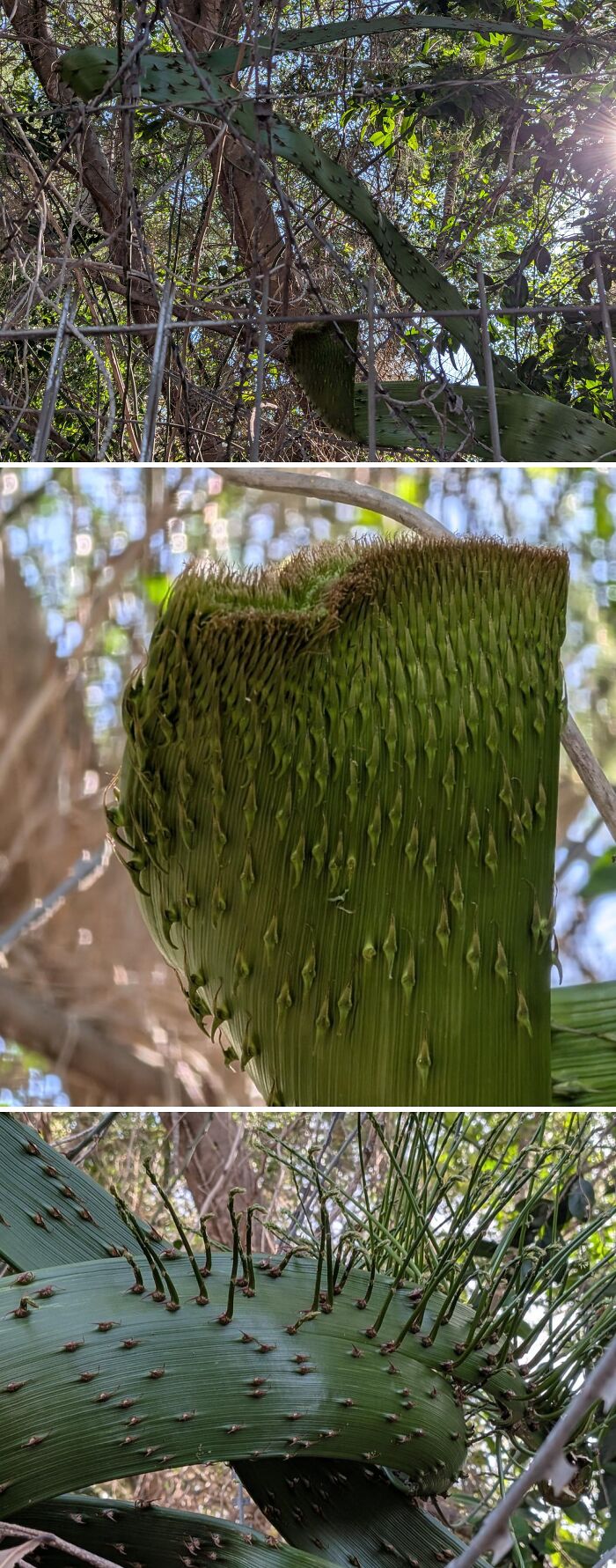
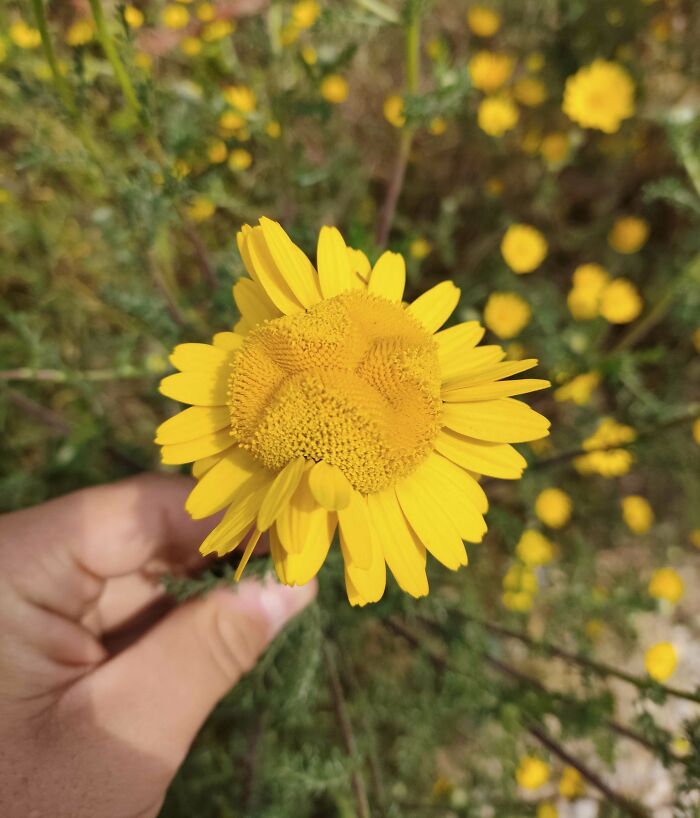
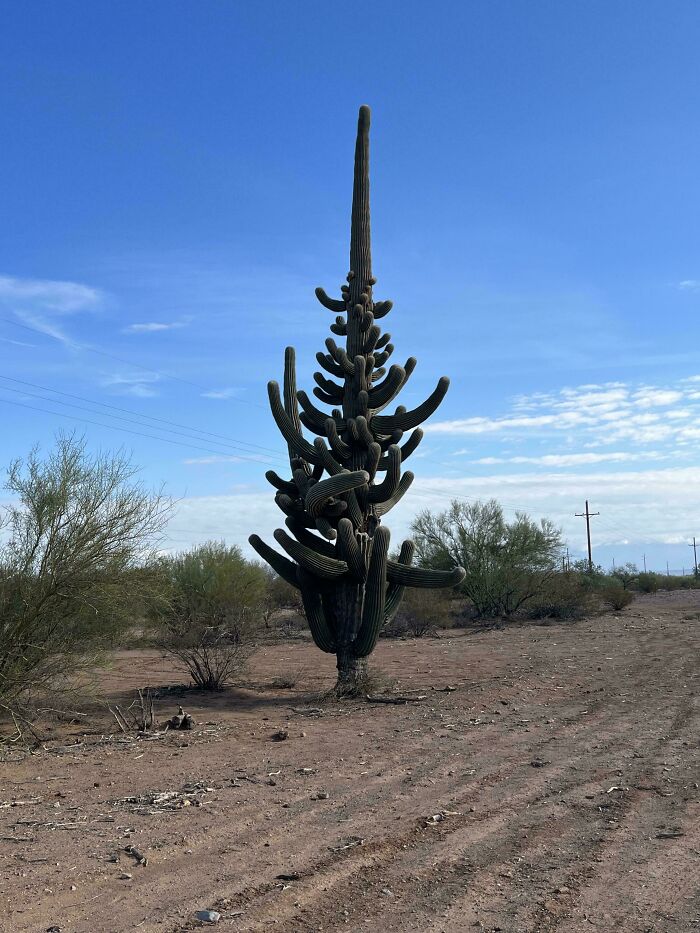
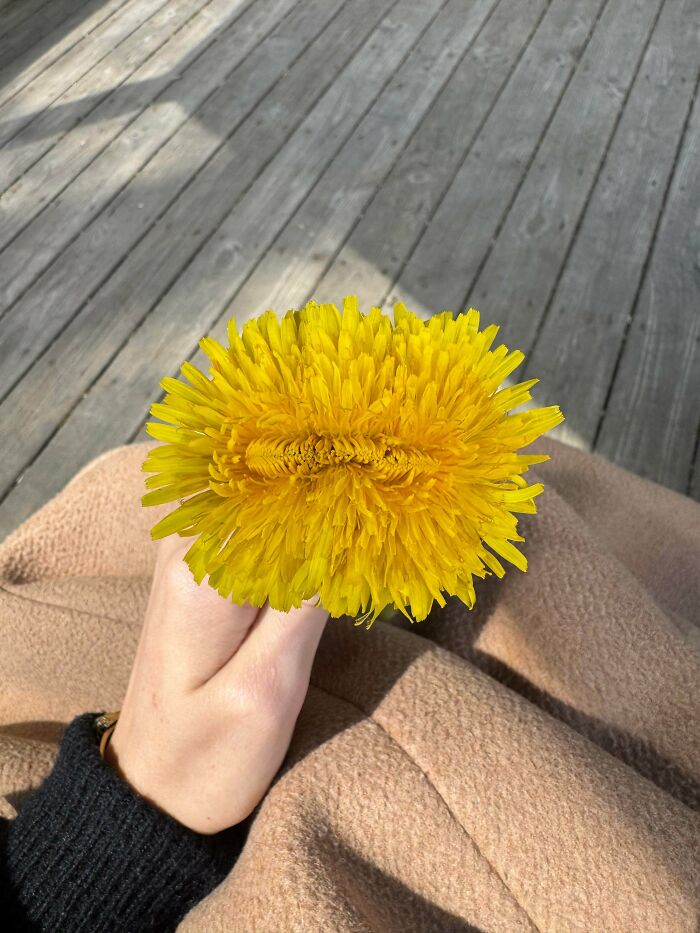
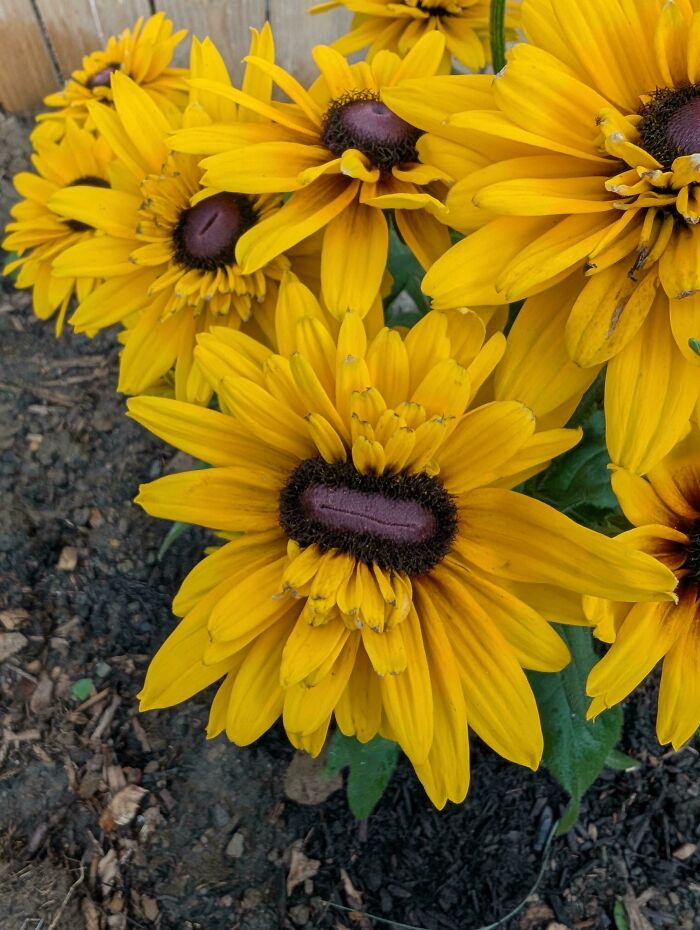
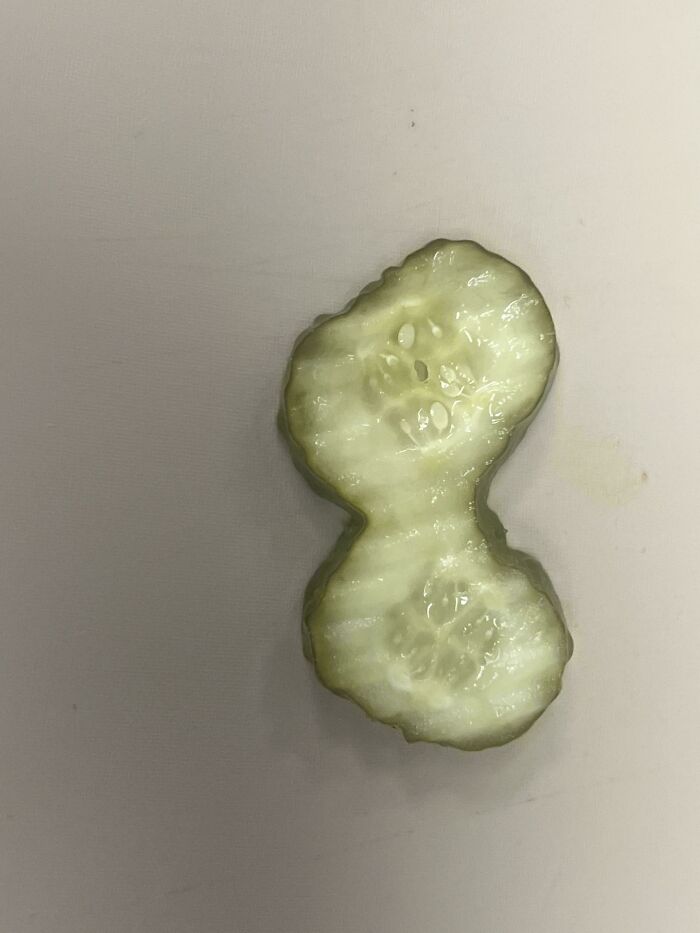
That’s probably why there’s an entire page dedicated to honoring these “freaks of nature.” Simply called Fasciation, the community shares photographs showcasing the wild phenomenon. From twocumbers to grinning flowers, Bored Panda has put together a list of the page’s best posts. Many are proof that Mother Nature has some tricks up her sleeve, and gardening can be quite an unpredictable business.
This post may include affiliate links.
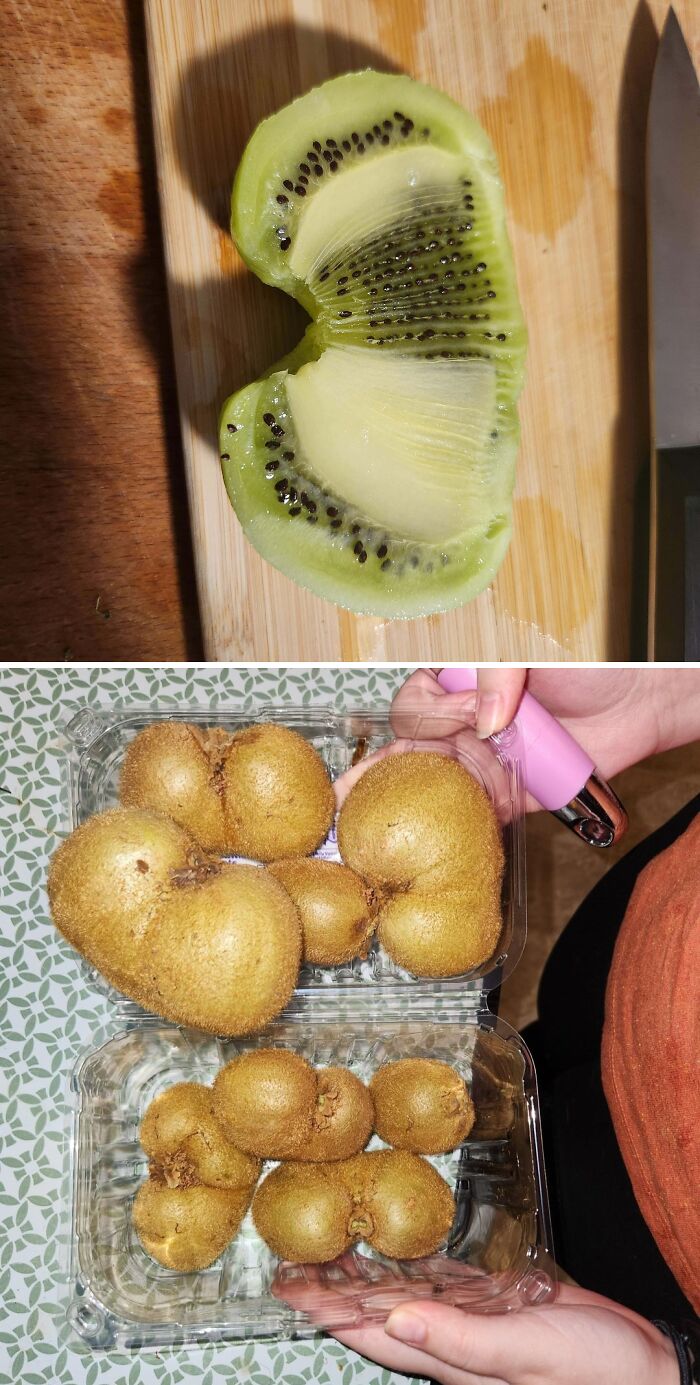
I bought some kiwi fruit the other day, and what appeared to be a very large one seemingly turned out to be conjoined quadruplets. It felt like a four-for-the-price-of-one jackpot special.
Fasciation is a rather fascinating phenomenon in the plant kingdom. The word comes from the Latin ‘fascia,’ which means ‘band’ or ‘bundle.’ On their blog, the Garden Professors define fasciation as a malformation or abnormal pattern of growth in the apical meristem (growing tip) of plants. In case you're wondering what an apical meristem is, it's basically the 'growing tip' of the plant.
"The apical meristem is undifferentiated tissue that triggers the growth of new cells (which extends roots and shoots, and gives rise to stems, leaves, and reproductive structures)," says Abiya (Abi) Saeed, the Extension Horticulture Specialist at Montana State University.
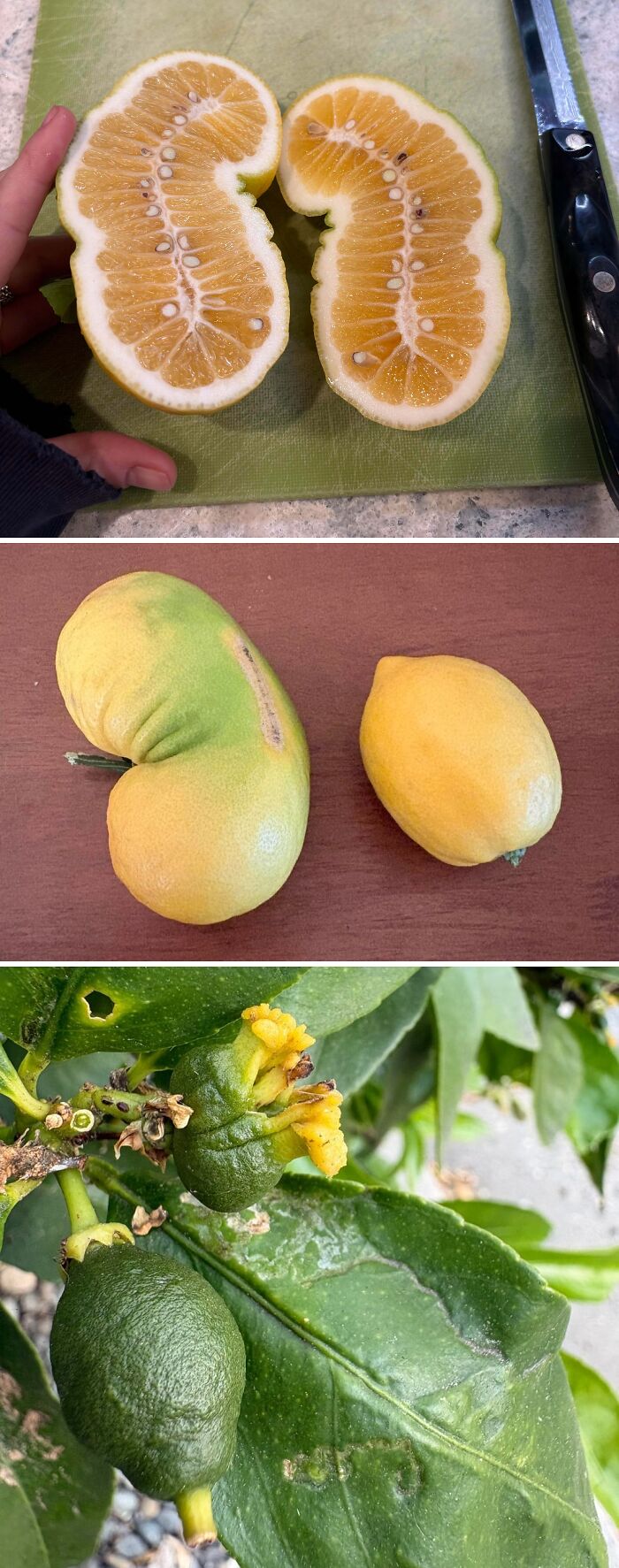
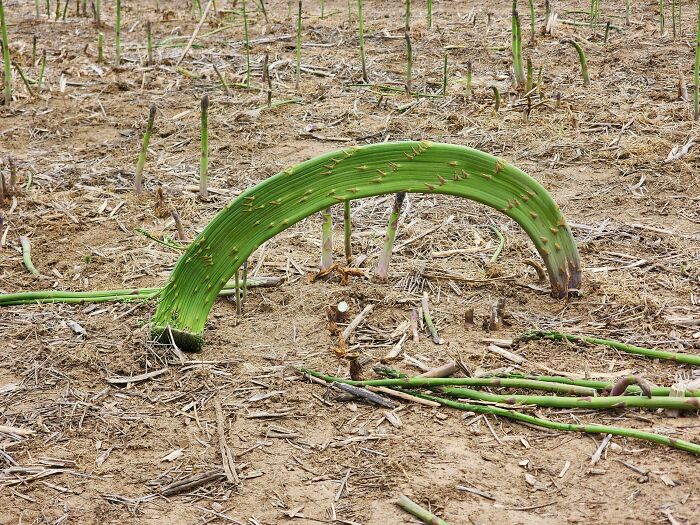
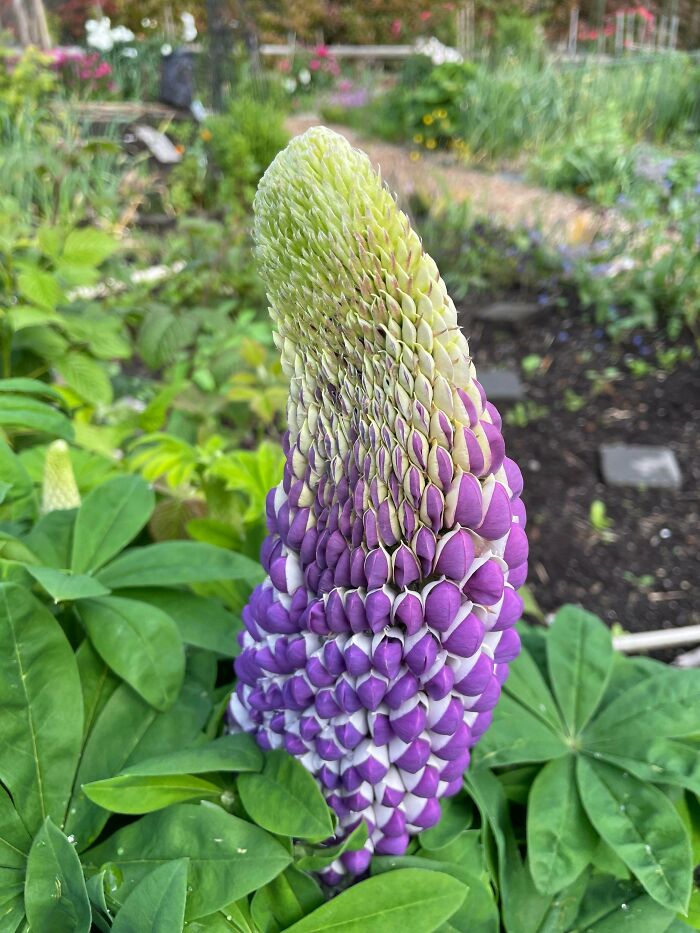
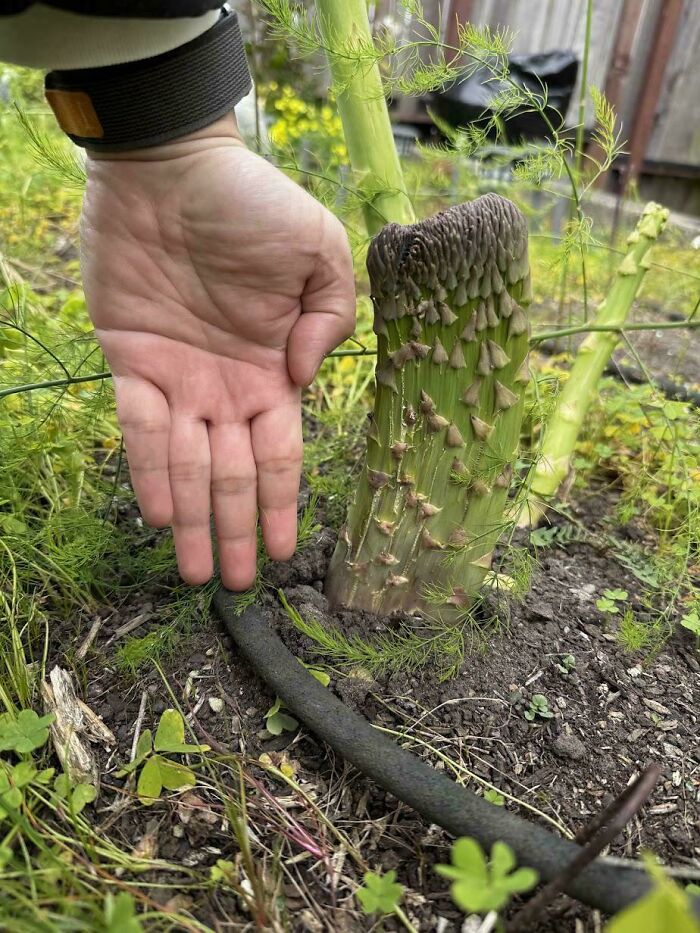
In the case of fasciation, explains the experts, this new growth is abnormal and often appears as flattening, ribboning, swelling, fusion, or elongation of plant parts.
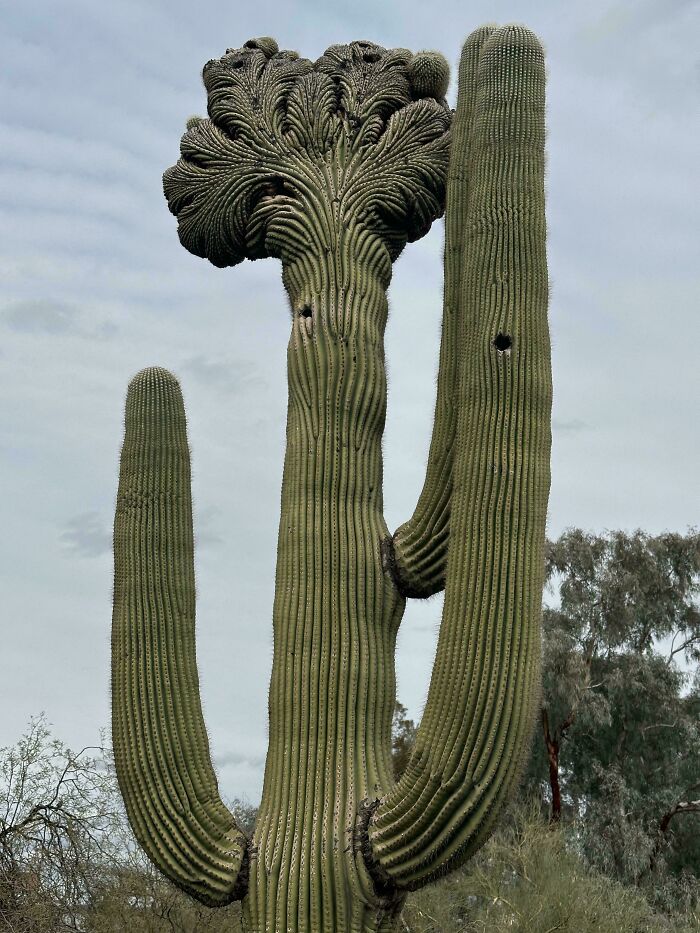
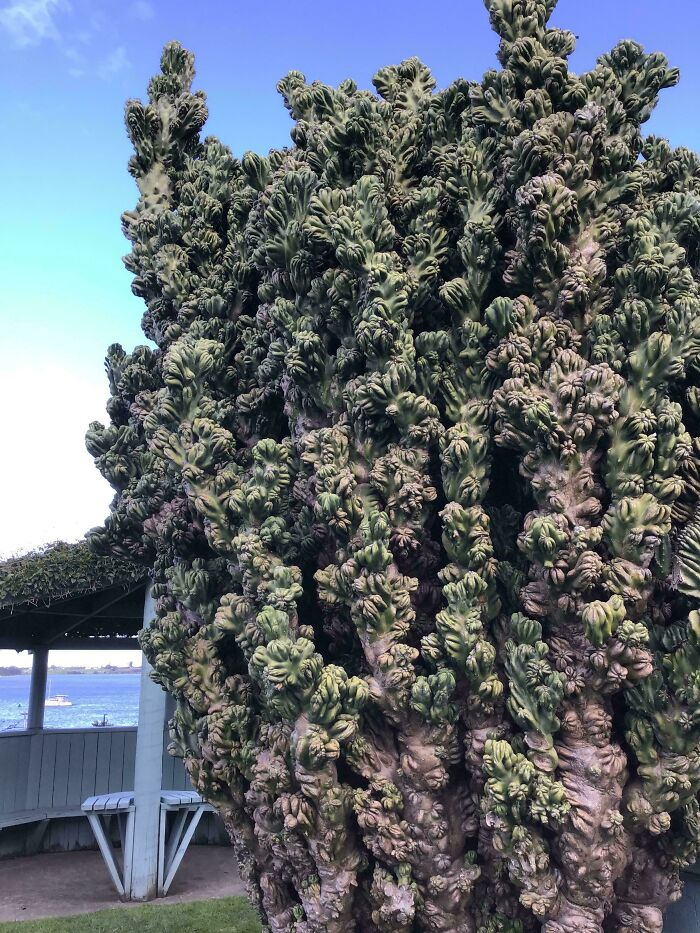
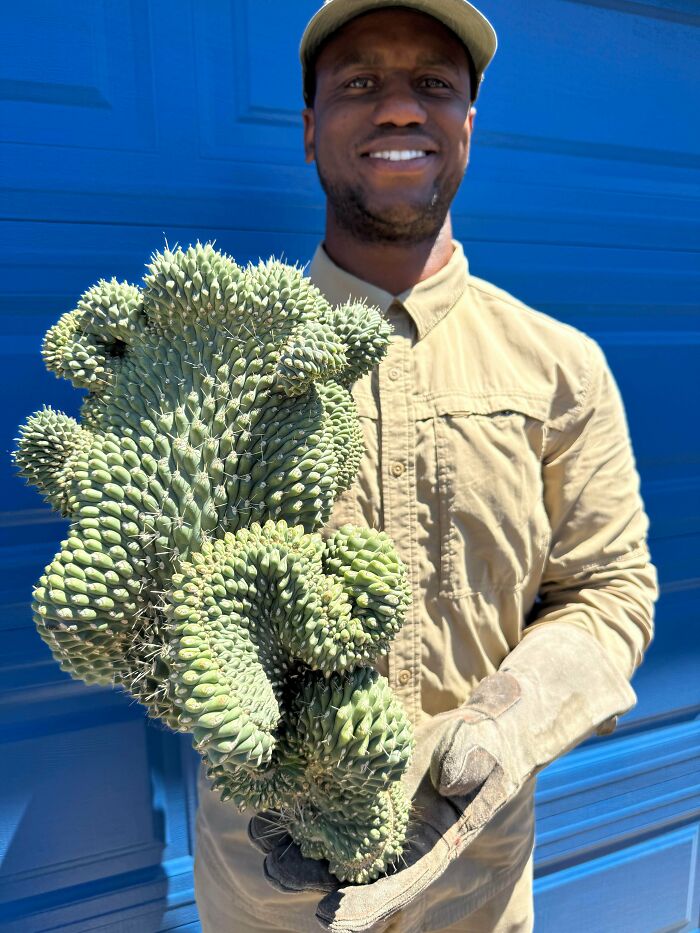
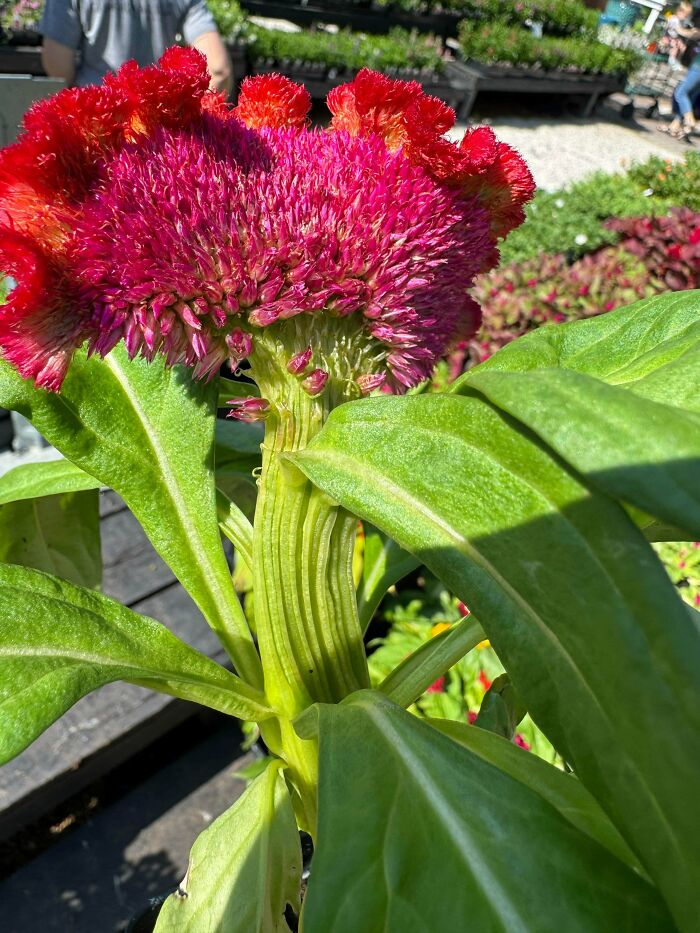
Fasciation is also sometimes called cresting. And Saeed explains that while it can occur anywhere on the plant, it is more likely to be seen in stems, flowers, and fruit.
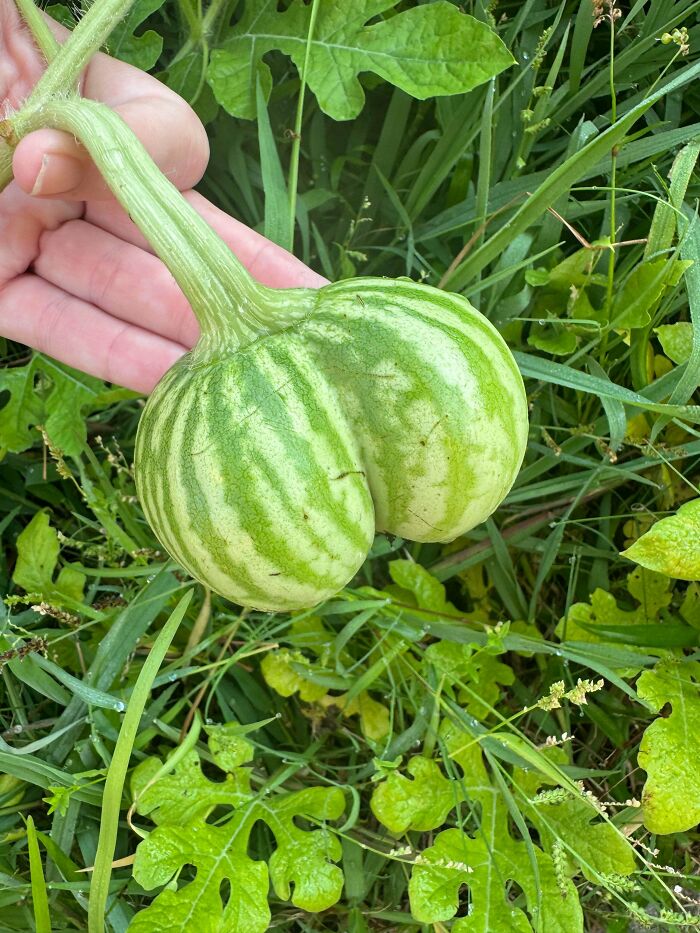
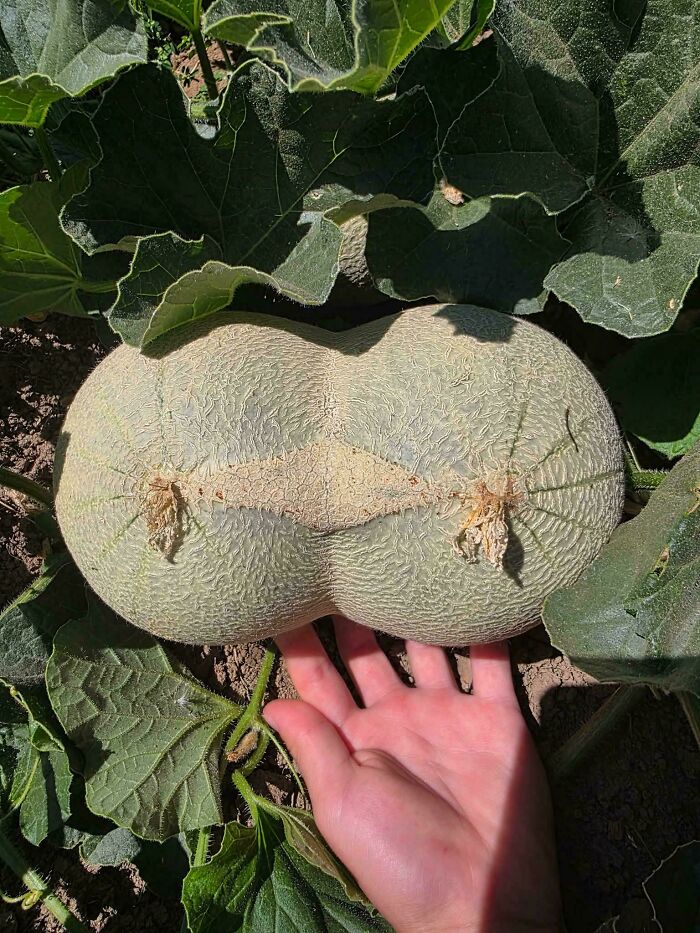
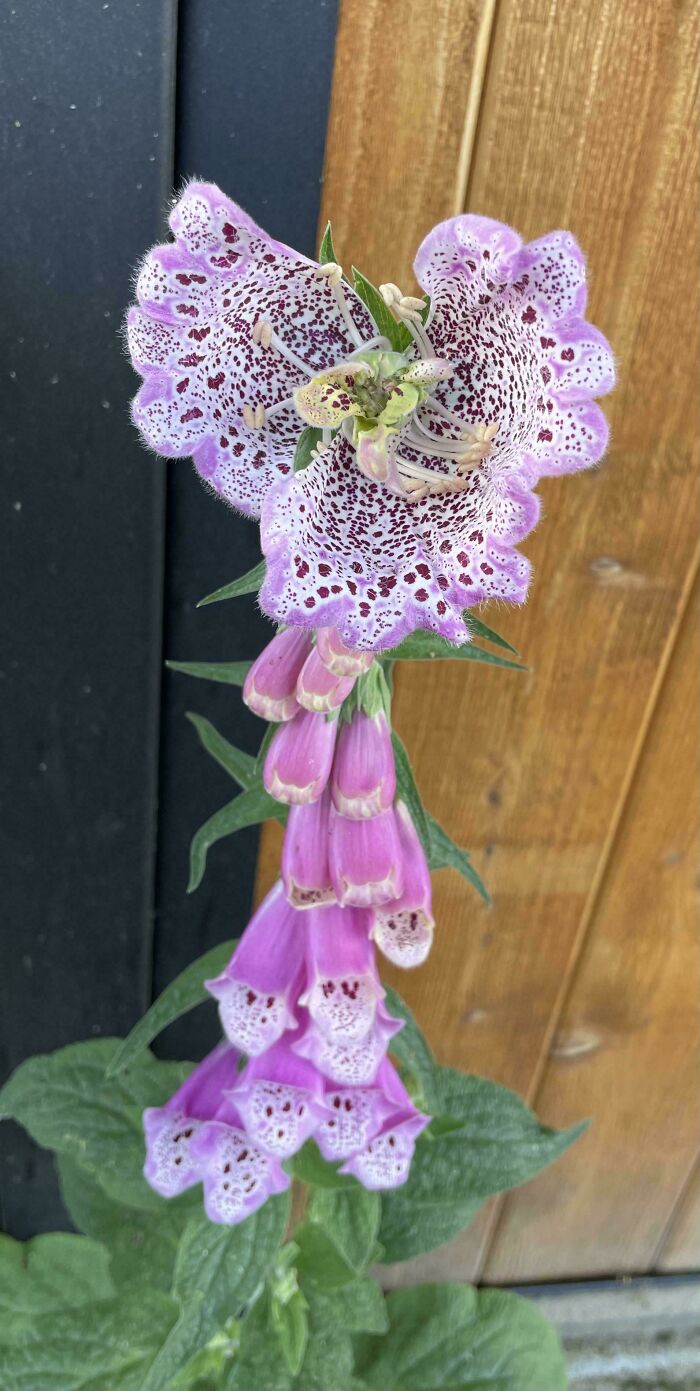
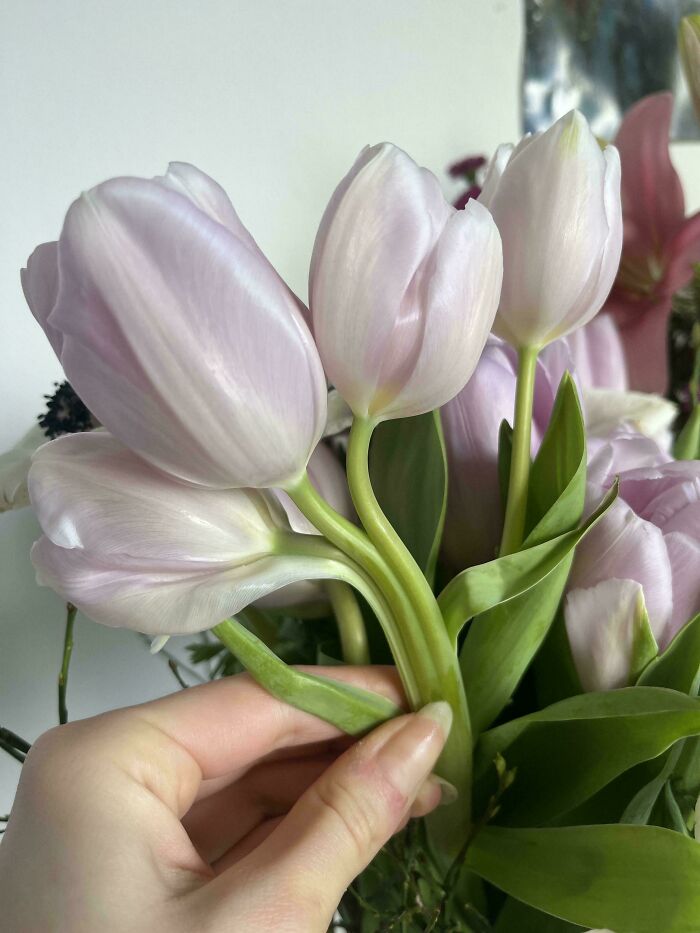
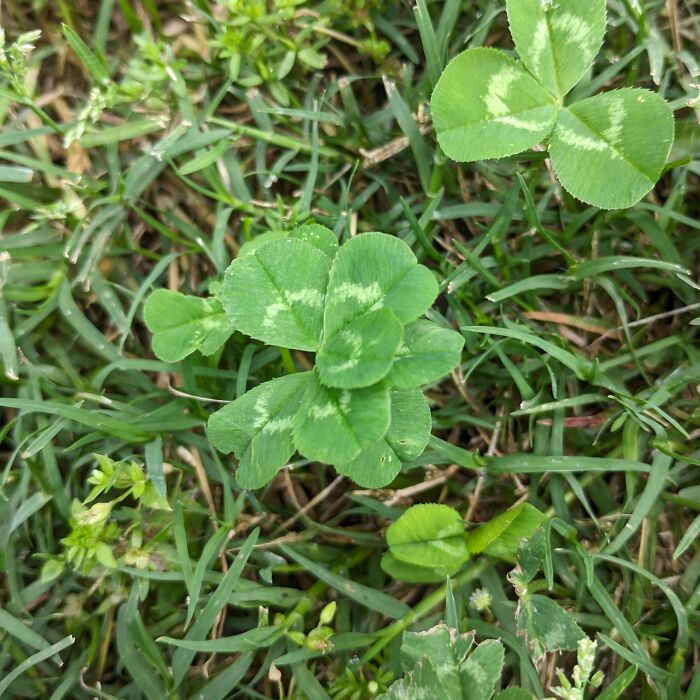
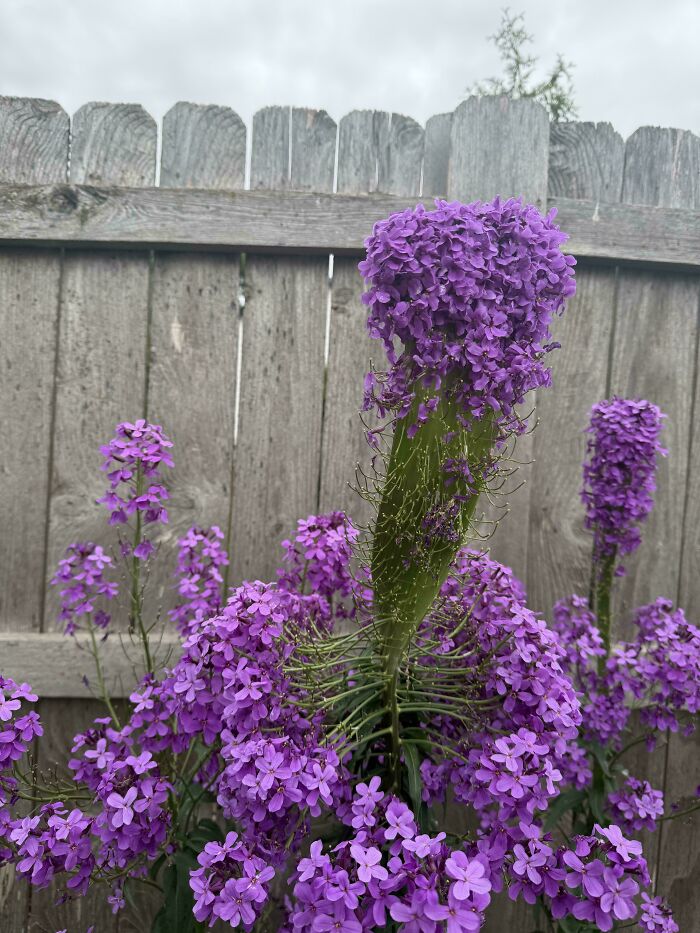
In some cases, she says, several stems grow together. In others, there's a multi-headed or misshapen flower, perpendicular or irregular growth, dense tuft-like growth, or coiled, contorted, and twisted stems. These can also have a bizarrely high concentration of leaves and flower buds.
So what causes plants to grow "out of the box"? According to experts at Penn State University, there are a number of internal and external factors that can damage cells in the growing tip of a plant, which in turn could lead to fasciation.
One is an infection by some kind of virus, bacteria, or other microbe. "One type of bacteria, Rhodococcus fascians, is known to cause fasciation as well as a disorder called 'leafy gall disease.' With these microscopic agents, the infection can be spread to other plants through contact or contamination," reveals the university's site.
Random genetic mutations within the dividing cells can also cause fasciation. As can attacks by insects, mites, or fungal growth. Exposure to chemicals or chemical imbalances within the cells is another potential culprit.
"Some types of herbicides, which mimic the action of plant hormones within cells, can cause damage to growing plant tissue that resembles fasciation," say Penn's plant experts. They add that sometimes, the growing point suffers mechanical damage, or is affected by environmental conditions, like exposure to cold or frost.
Saeed says fasciation is generally harmless and merely an aesthetic anomaly. It's quite rare, and hardly ever impacts the survival of affected plants. Especially, she adds, if they are established woody plants.
However, if fasciation is caused by certain pathogens, it is possible that parts of the affected plant will wither away. "Although infectious fasciation can spread to other susceptible plants, in the majority of cases fasciation is not infectious and will not spread," the expert notes.
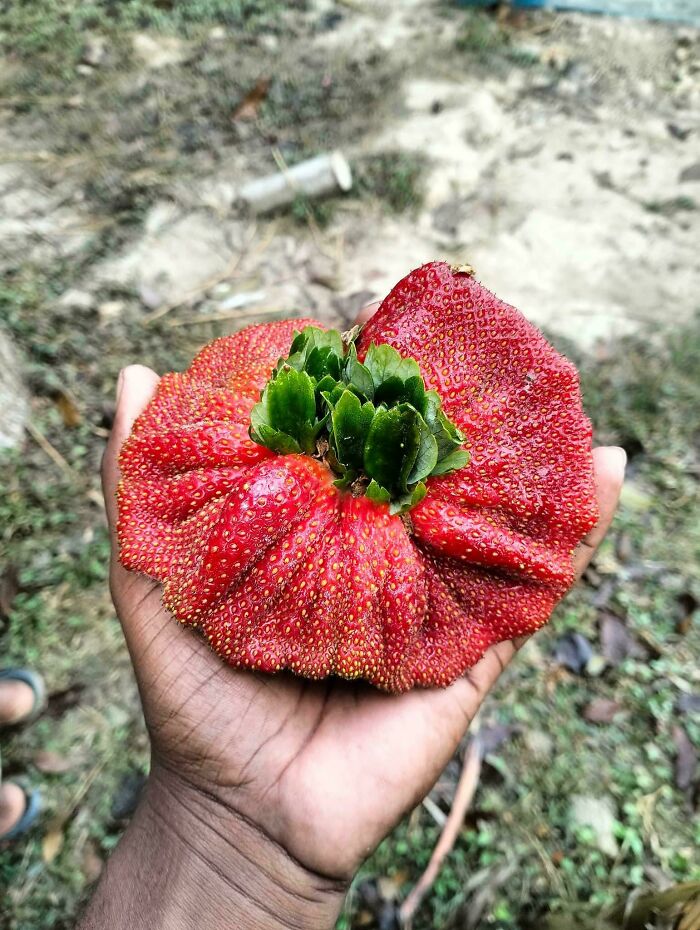
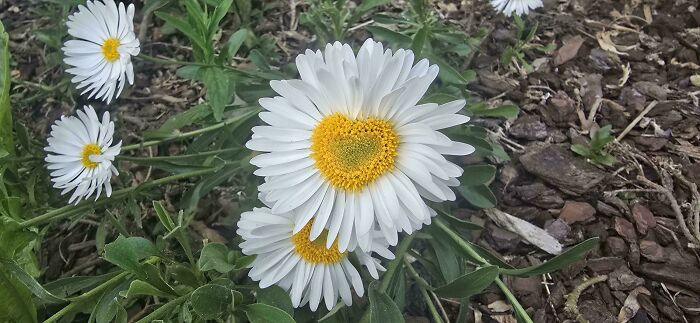
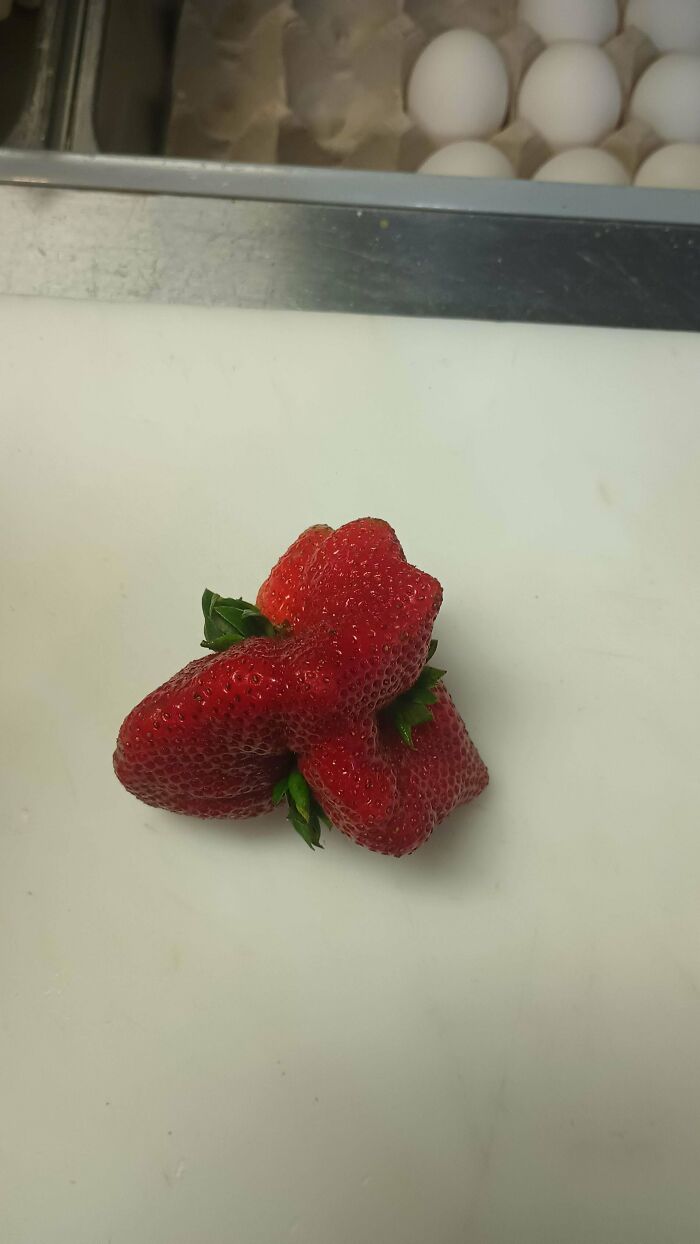
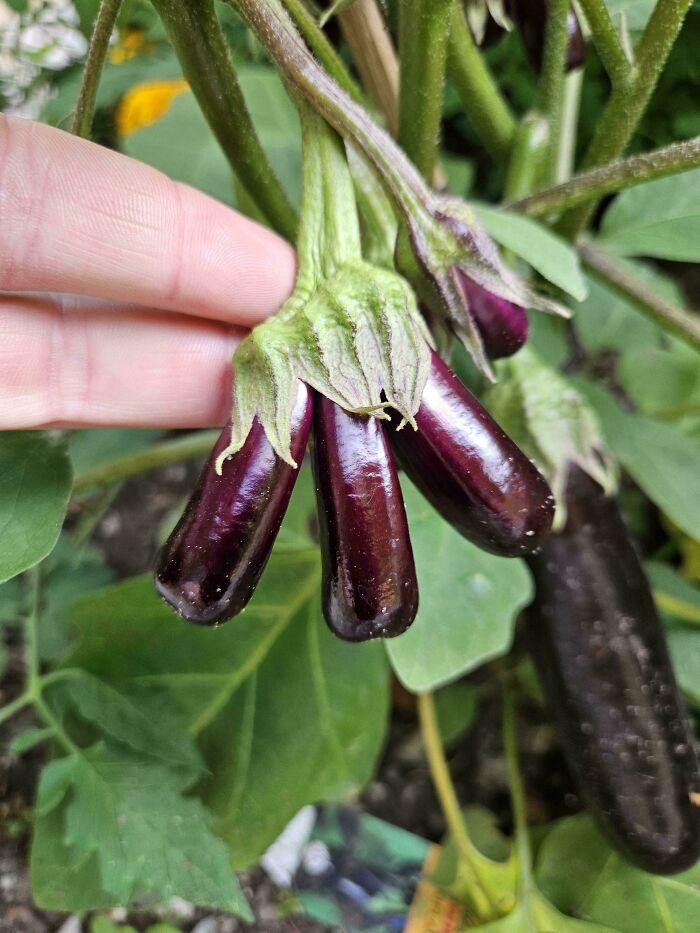
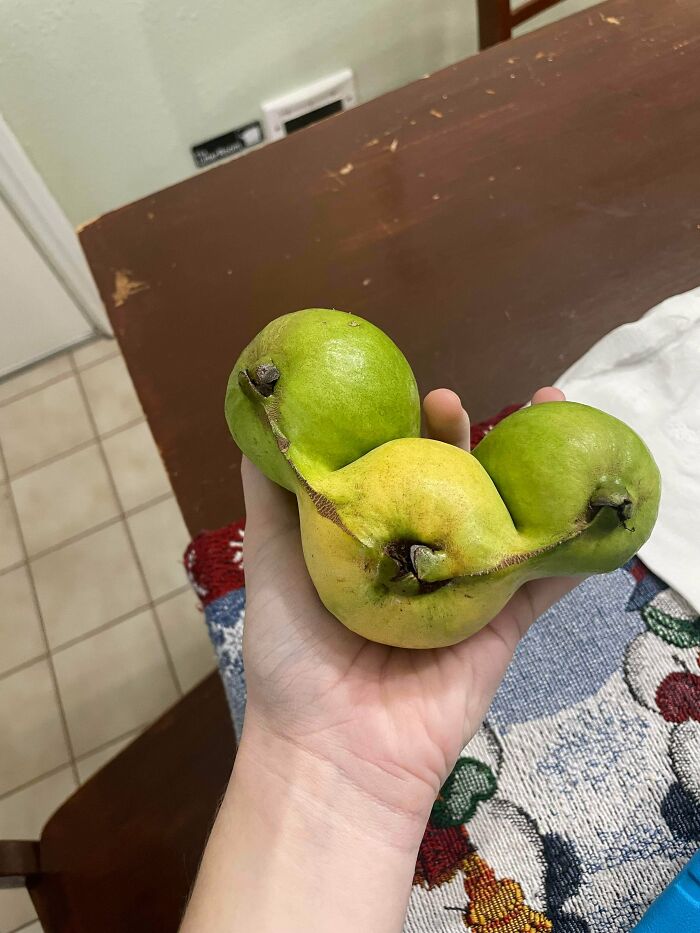
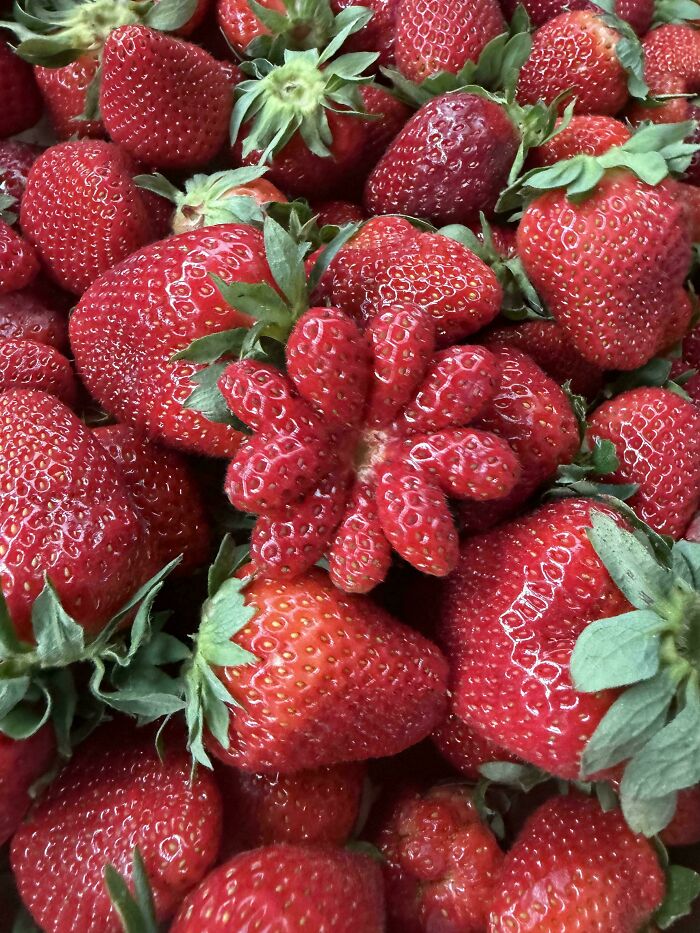
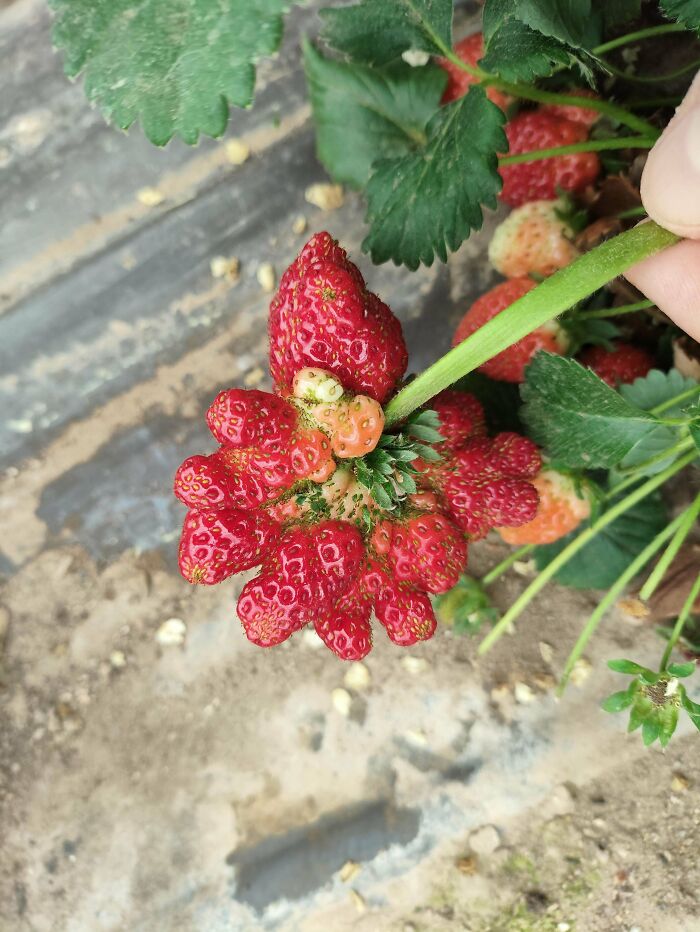
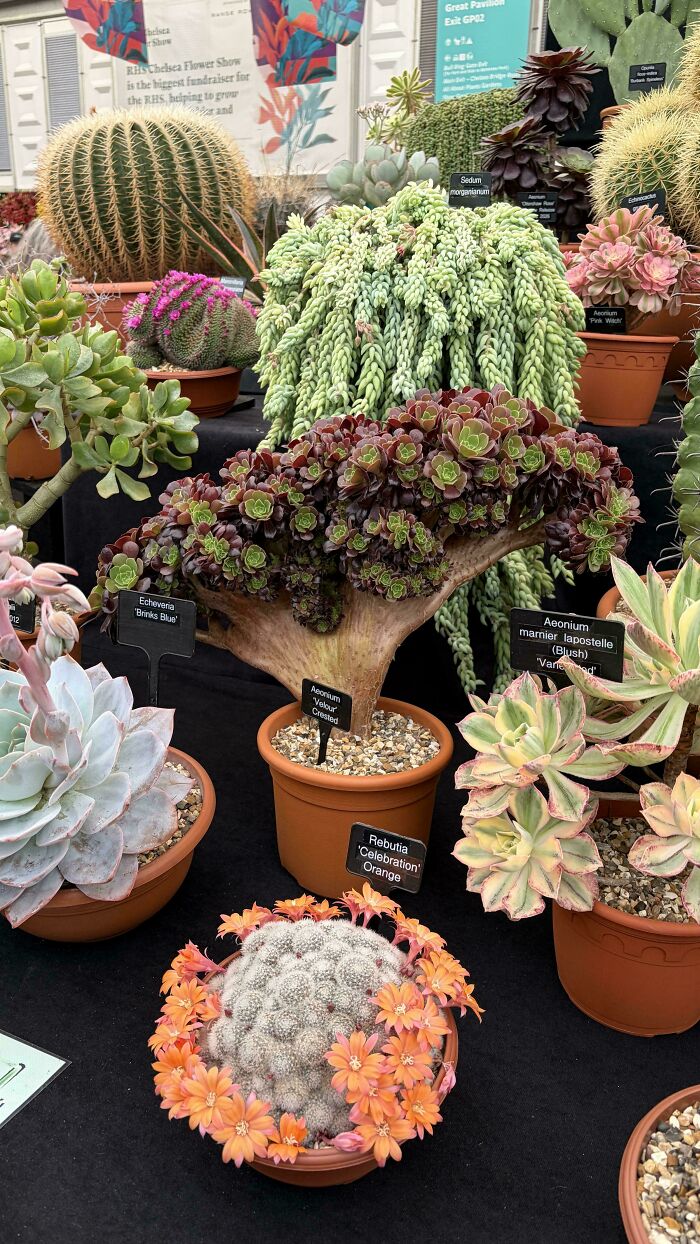
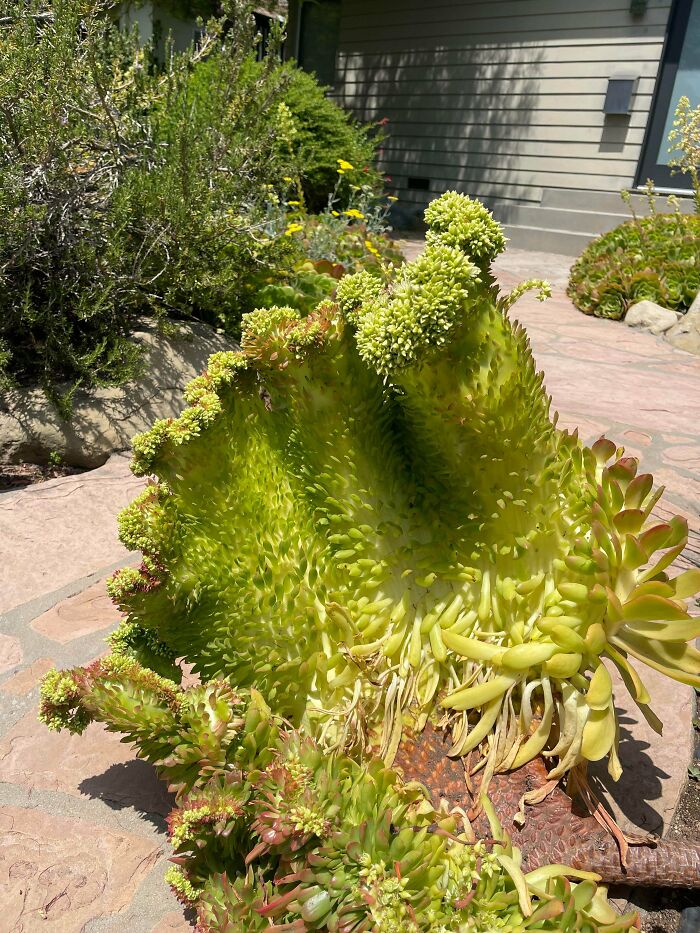
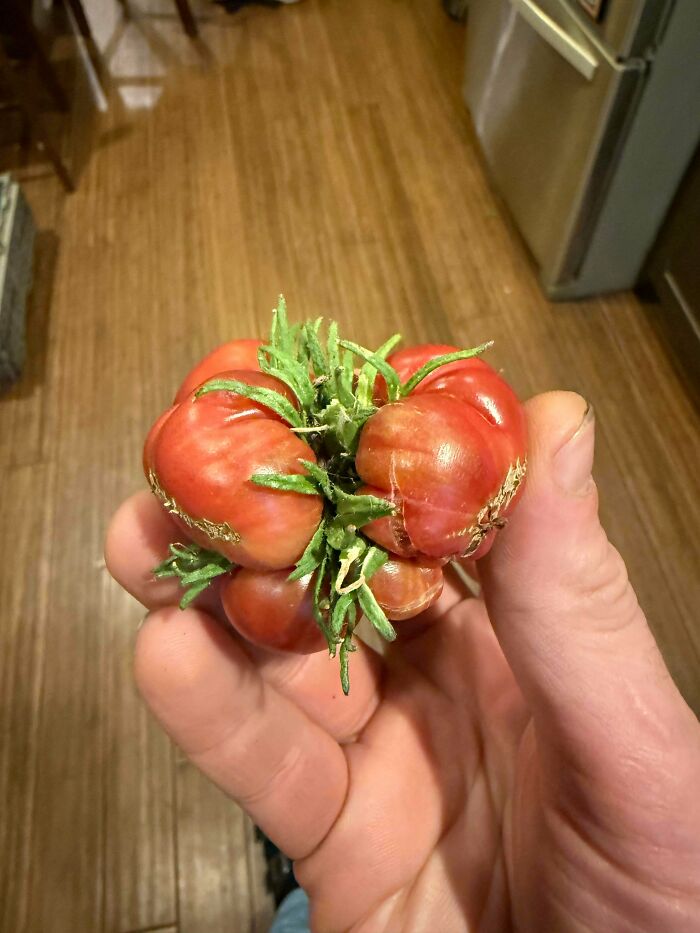
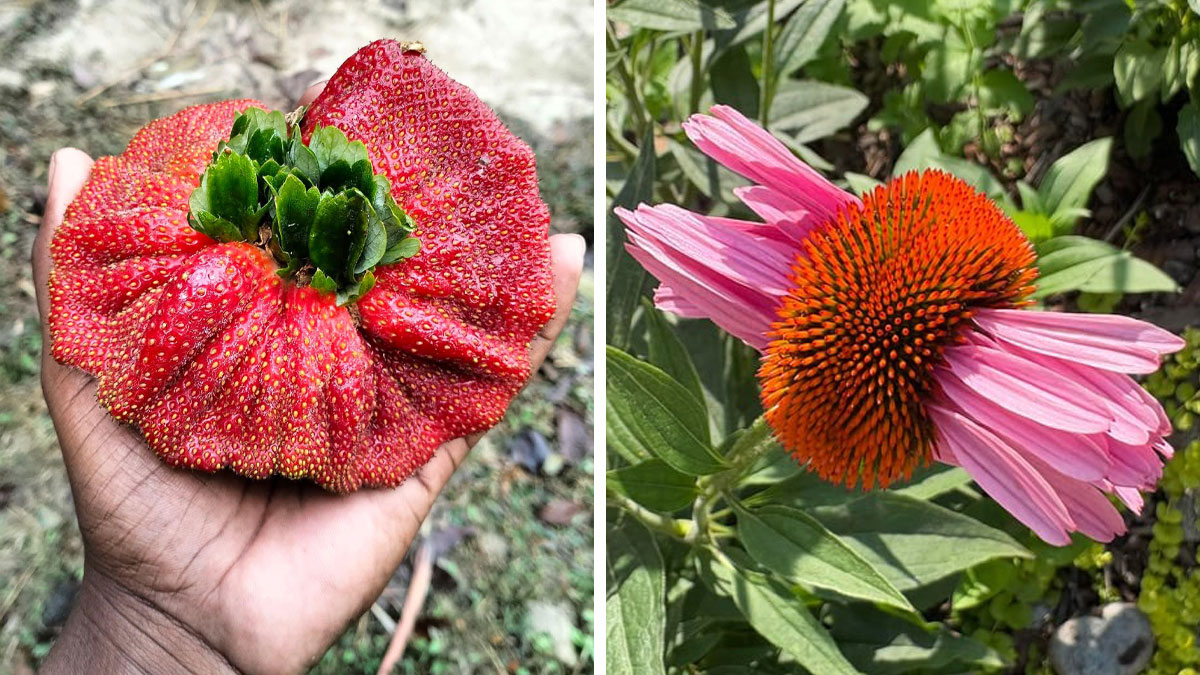
Botany experts say that fasciation can happen to any plant, but it's most frequently seen in cacti, daisies, asters, legumes, willows, and plants in the rose family. Some plants are prized for their tendency to fasciate. For example, heirloom tomatoes, beefsteaks, or the giant strawberries we sometimes see that appear to be fused together.

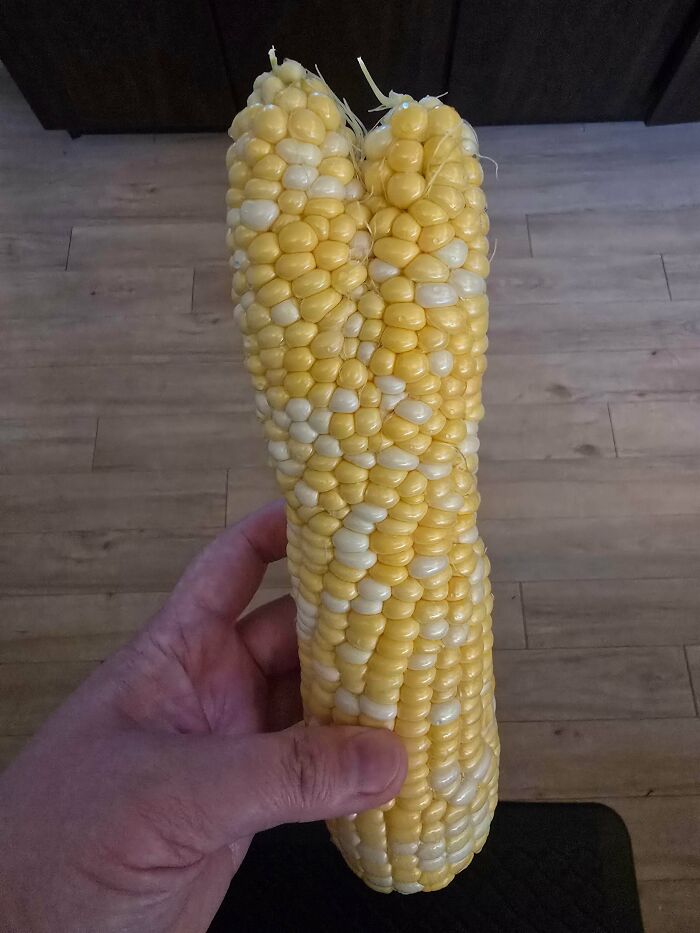
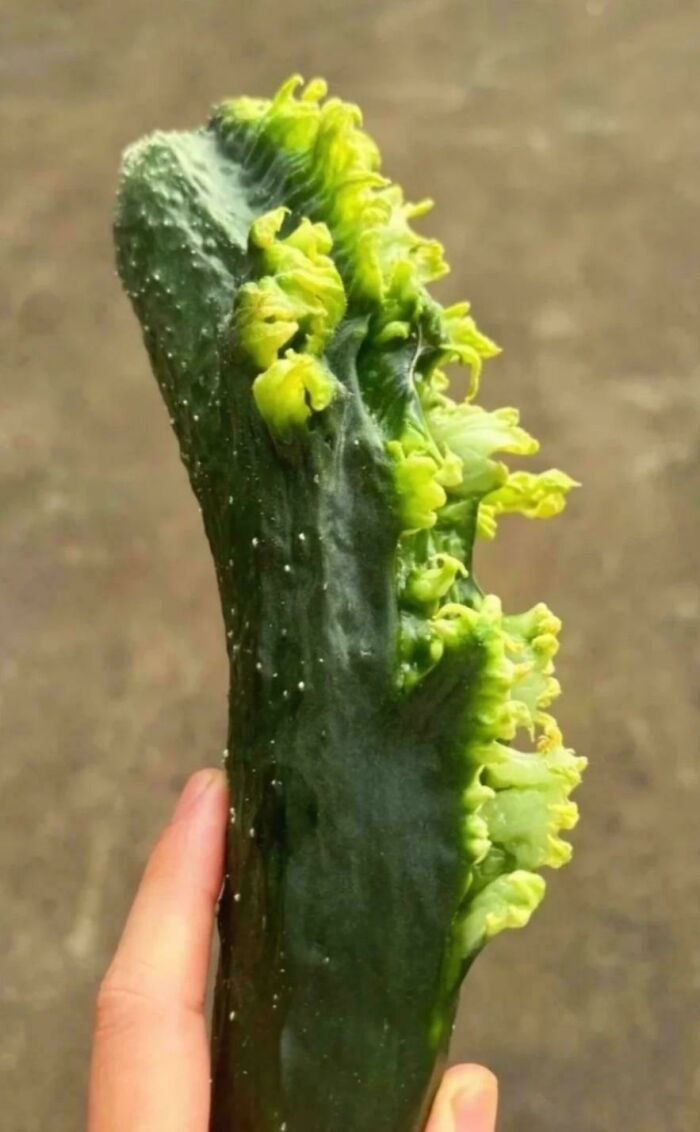
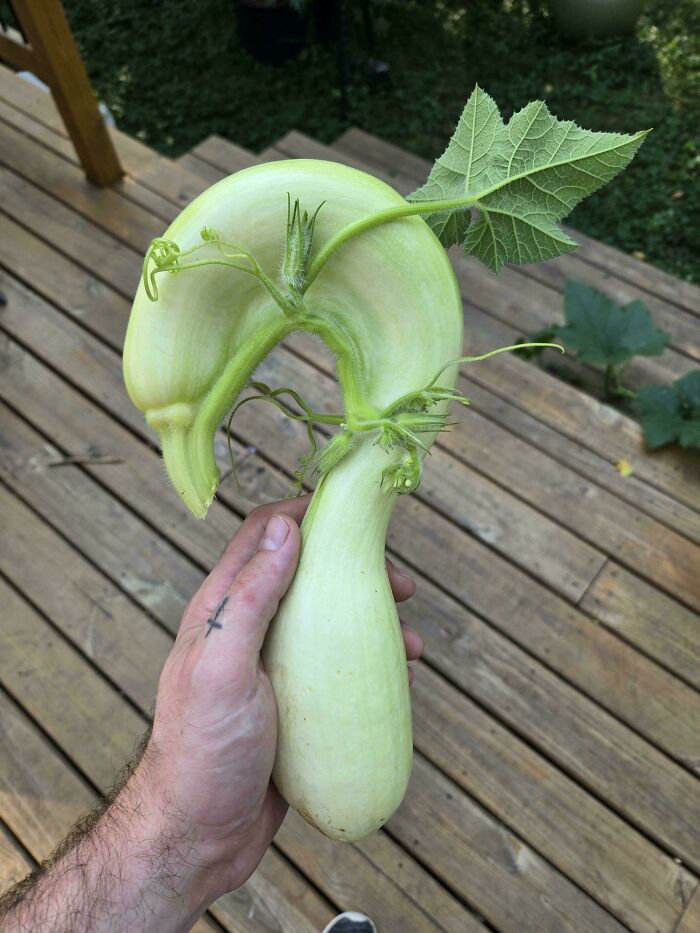
Indeed, it does look a bit, well, like it's happy to see you, but could use a bit of manscaping.

It reminds me of that dinosaur from Jurassic Park! The one who spits toxic sludge.

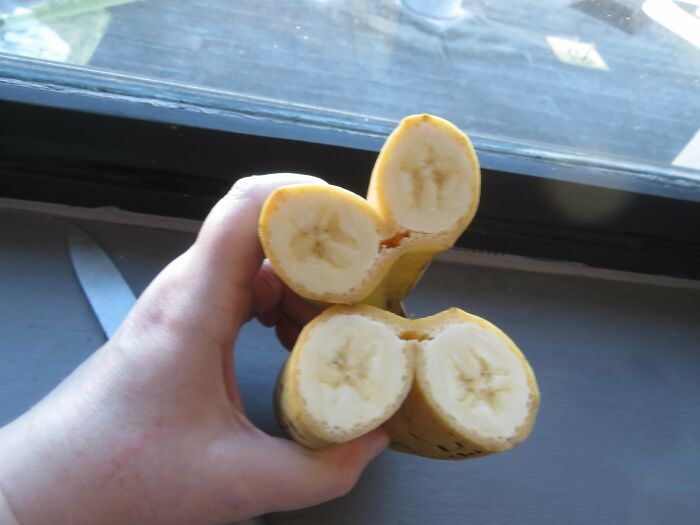
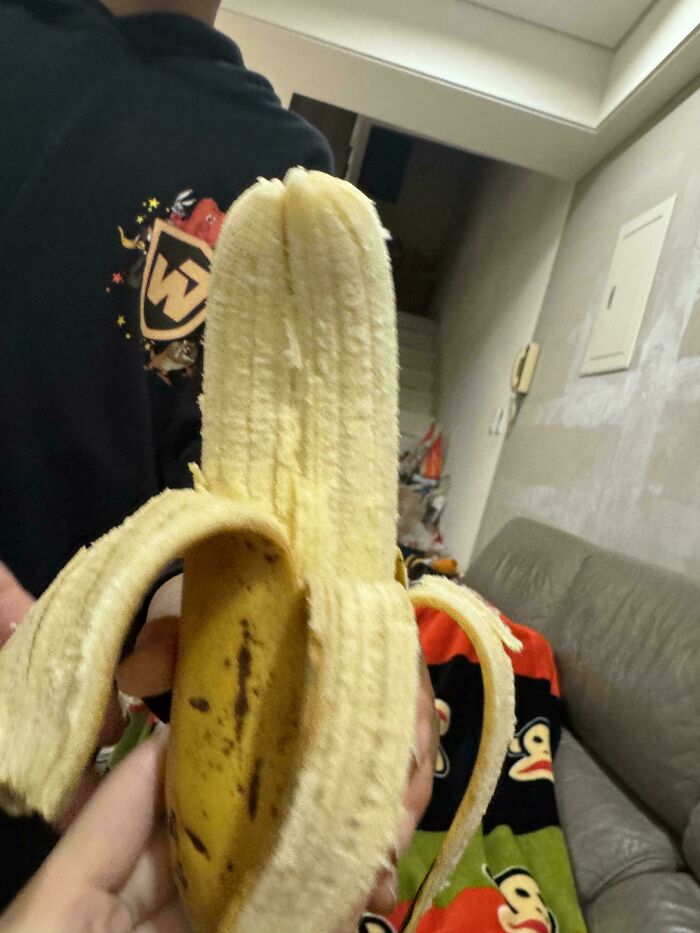
Nah; THIS is the bananana, which is what someone called that foursome.









































 No fees, cancel anytime