Get Premium
Dark mode theme is available exclusively for premium users. Learn more about the benefits of subscribing.
No fees, cancel anytime.

 Dark Mode Ad-Free Browsing Unlimited Content
 Ad-Free Browsing Unlimited Content Dark Mode
Join 1.2 million Panda readers who get the best art, memes, and fun stories every week!



There’s so much beauty in the world, but it’s easy to overlook when life moves fast. Between busy schedules, constant scrolling, and endless to-do lists, we rarely slow down long enough to truly notice it.
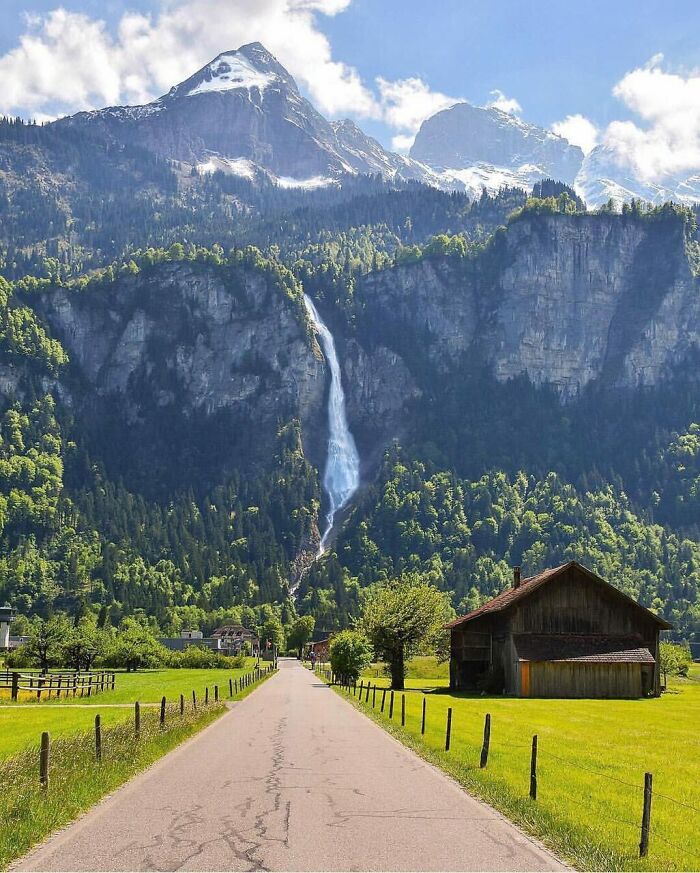
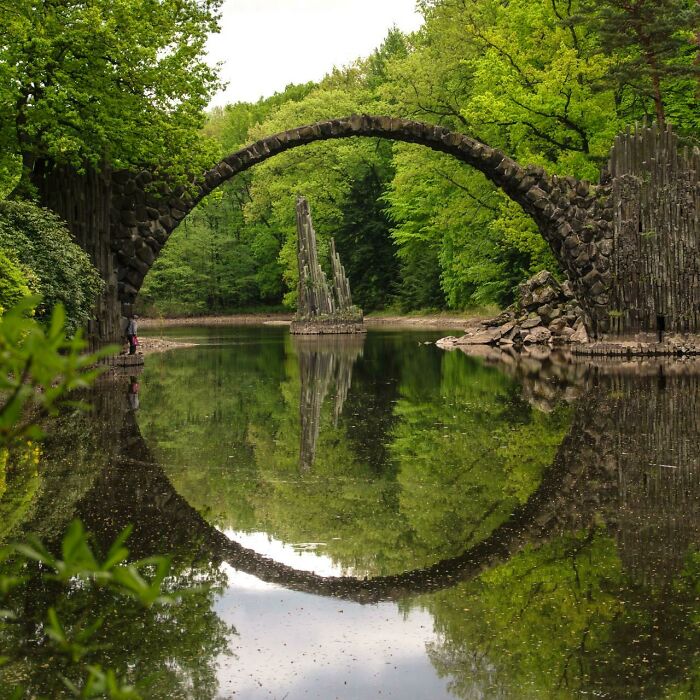
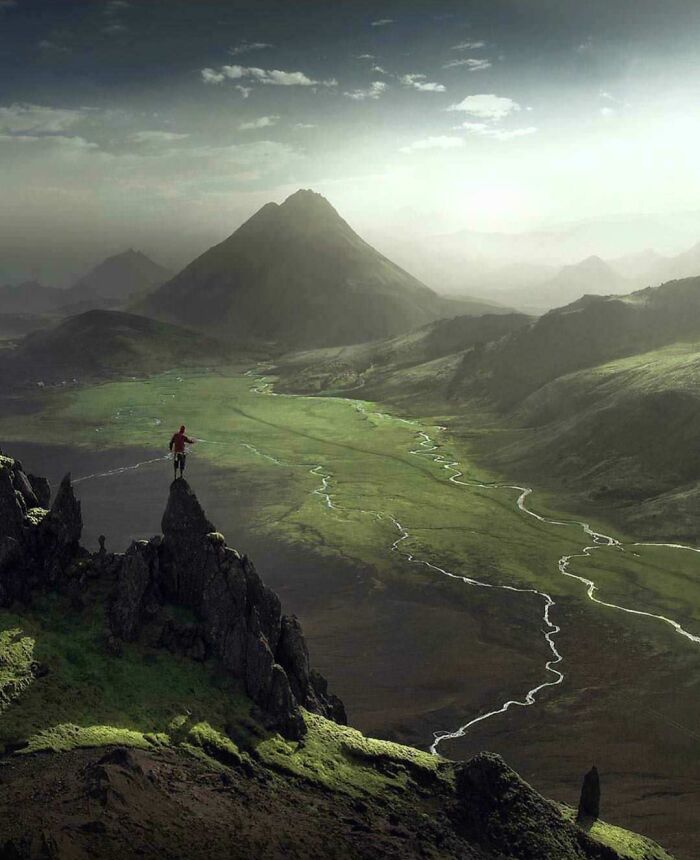
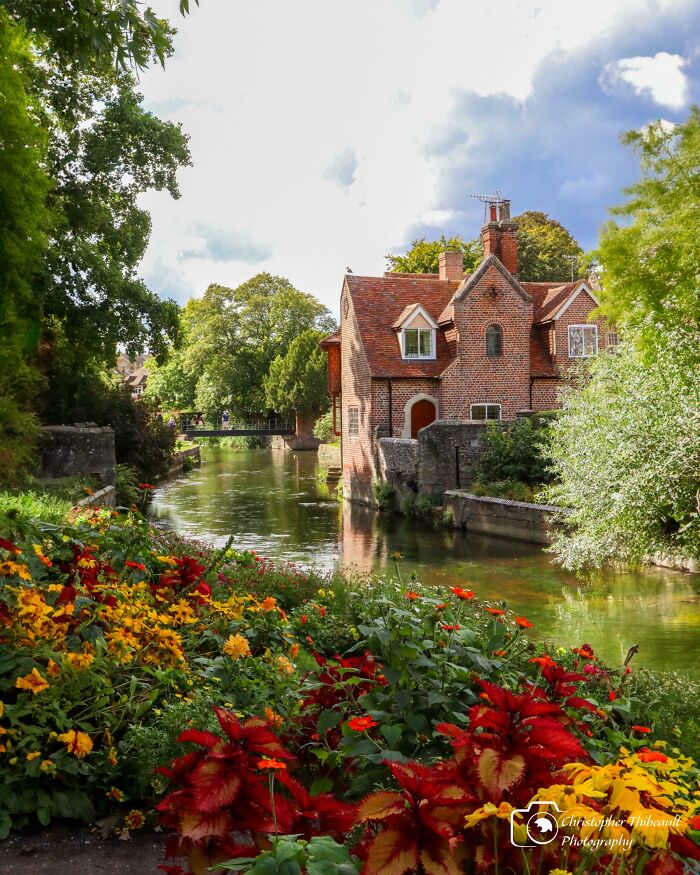
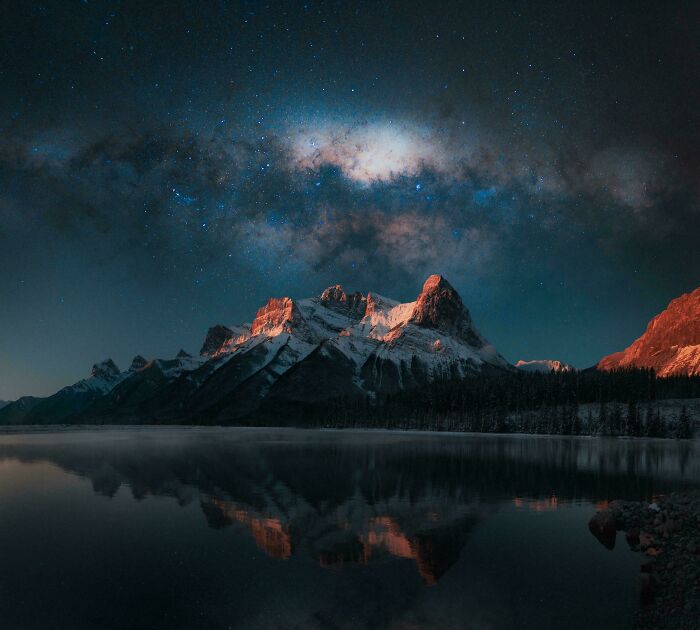
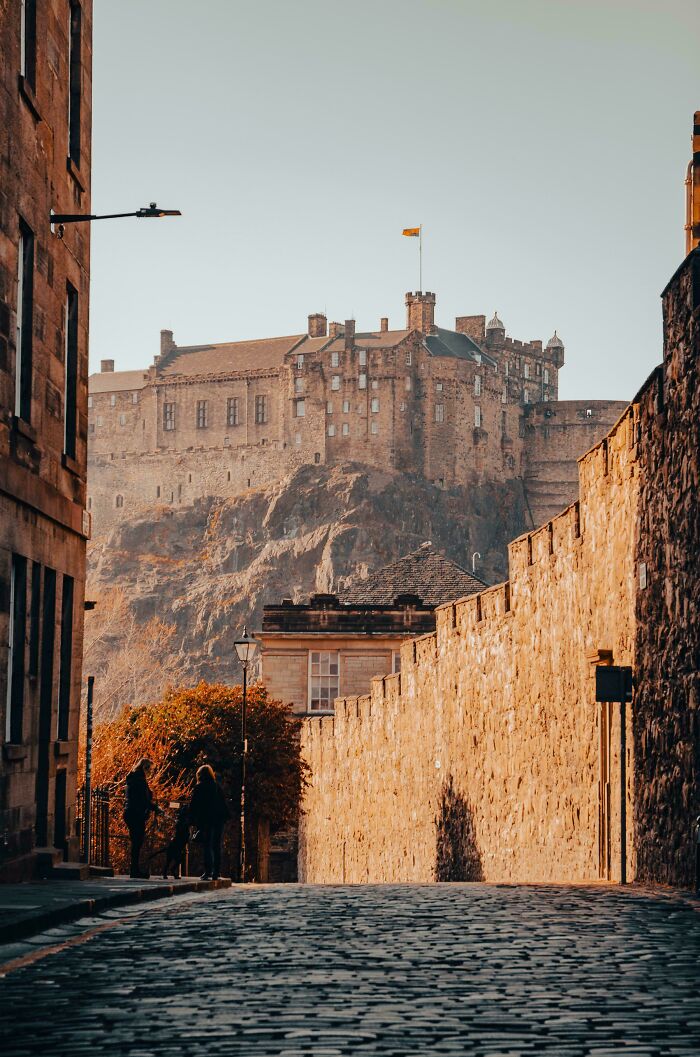
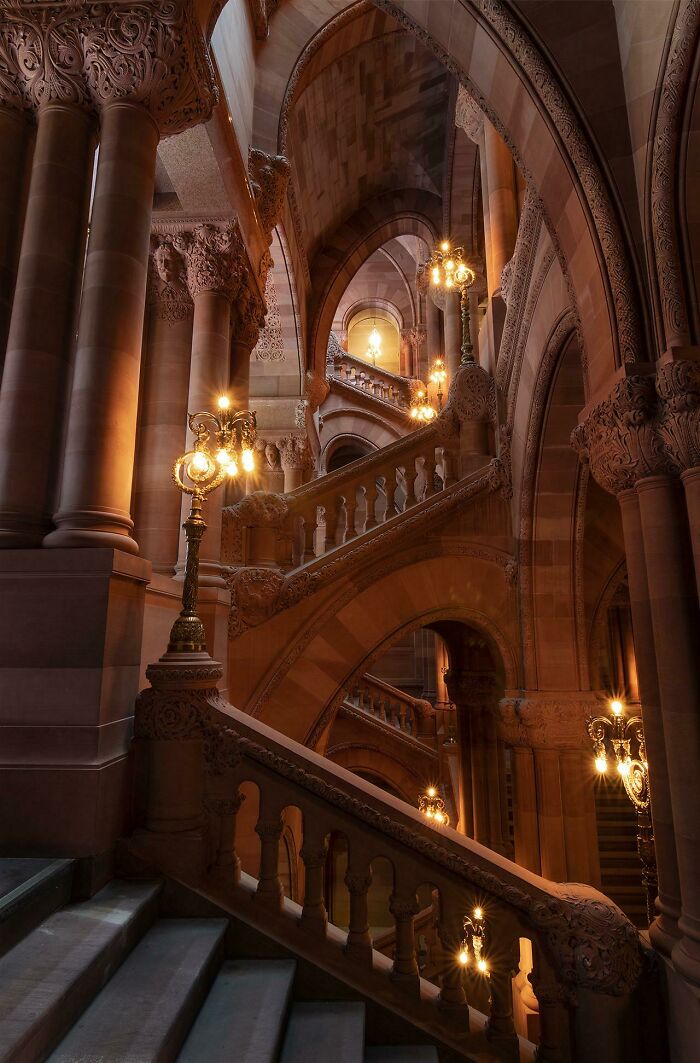
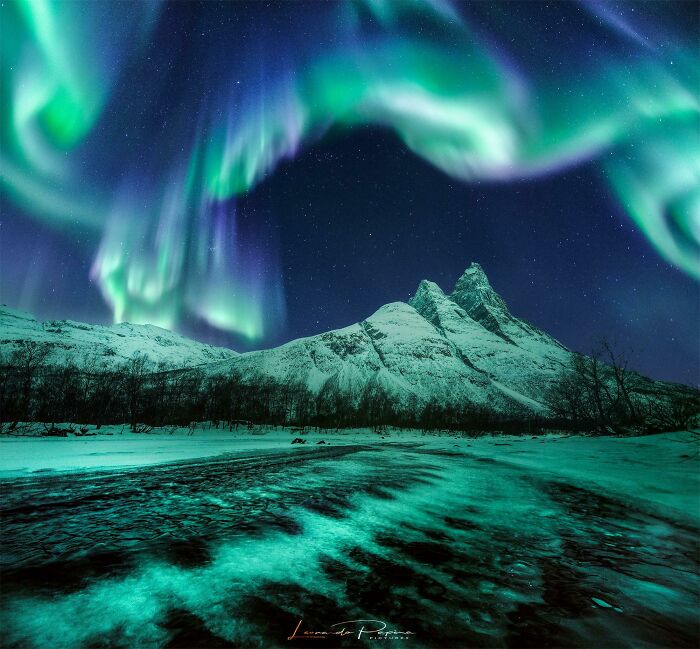
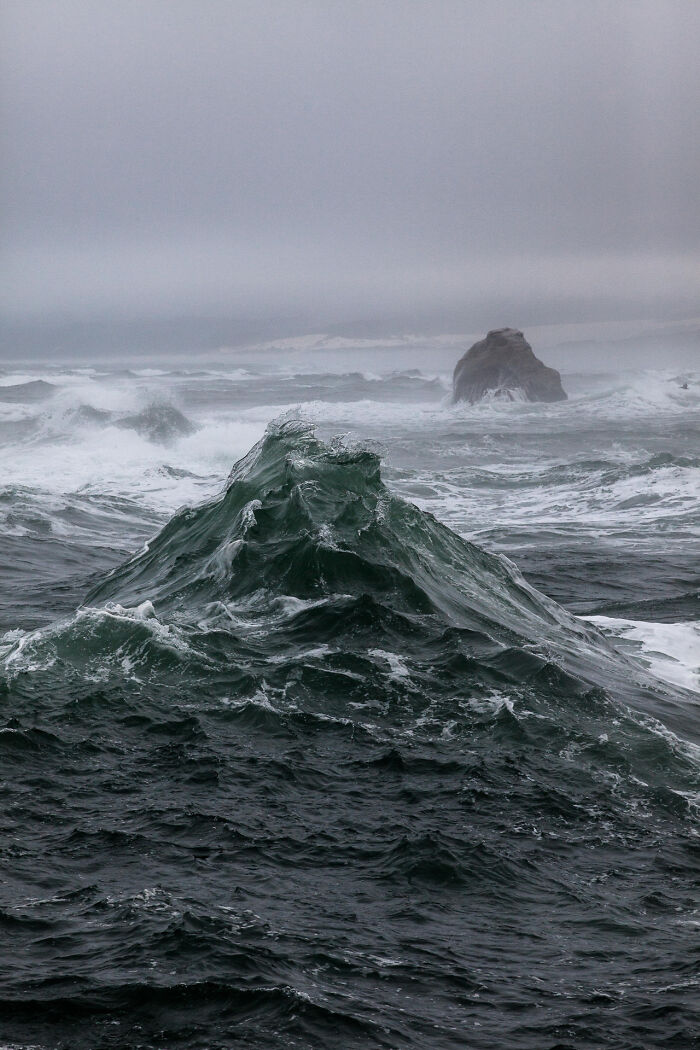
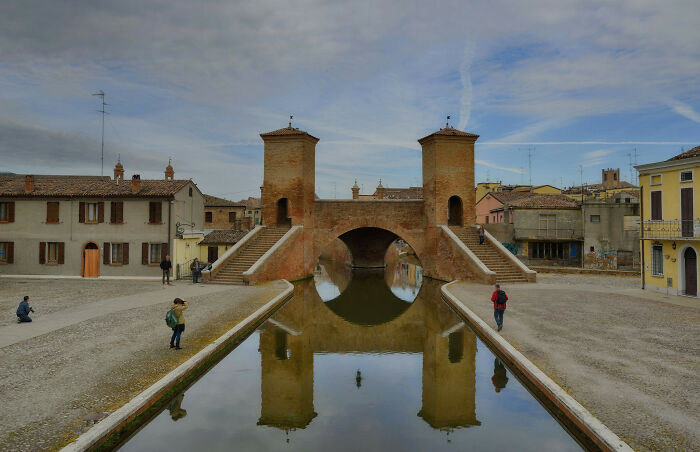
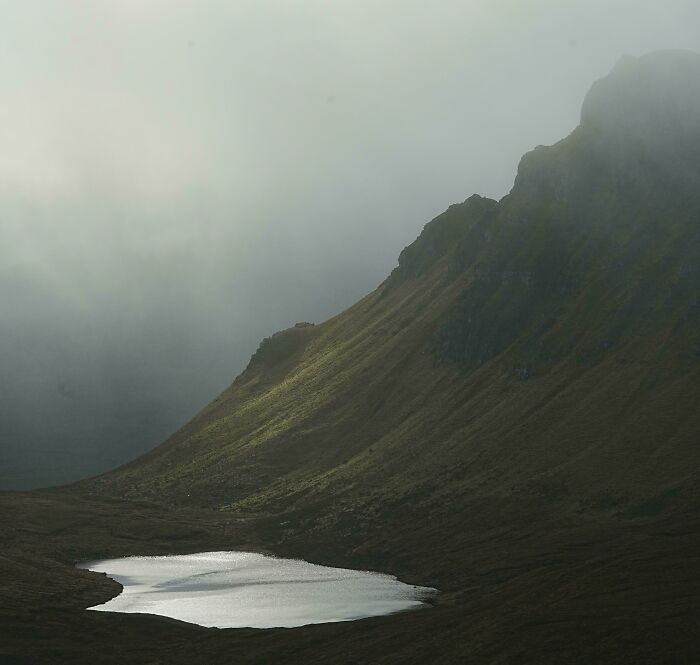
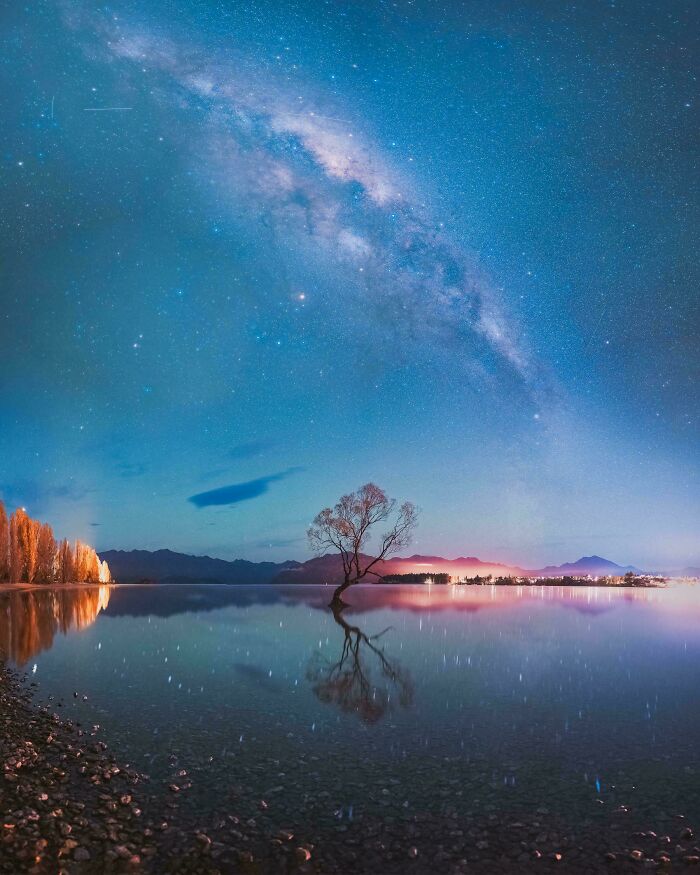
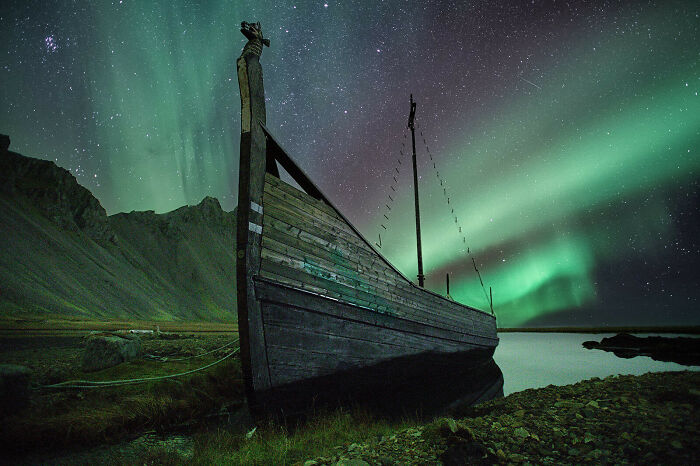
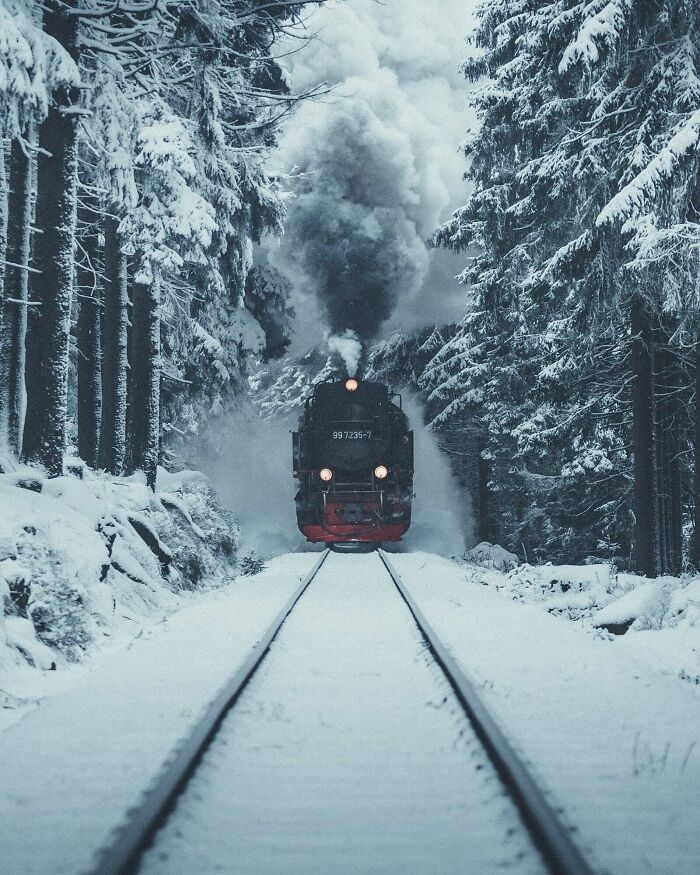
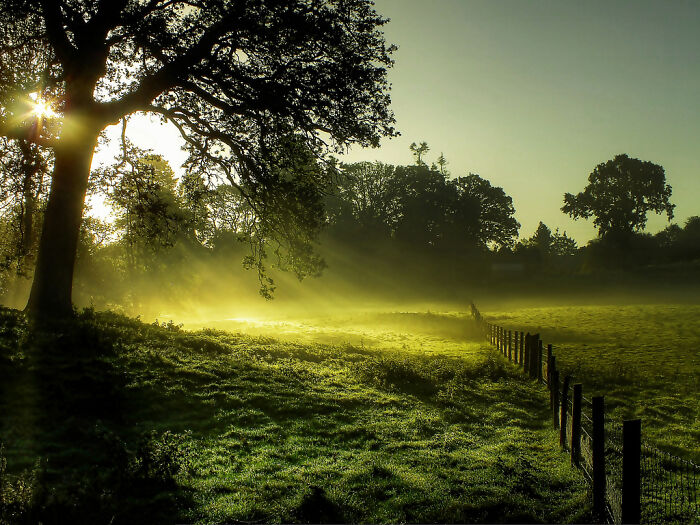
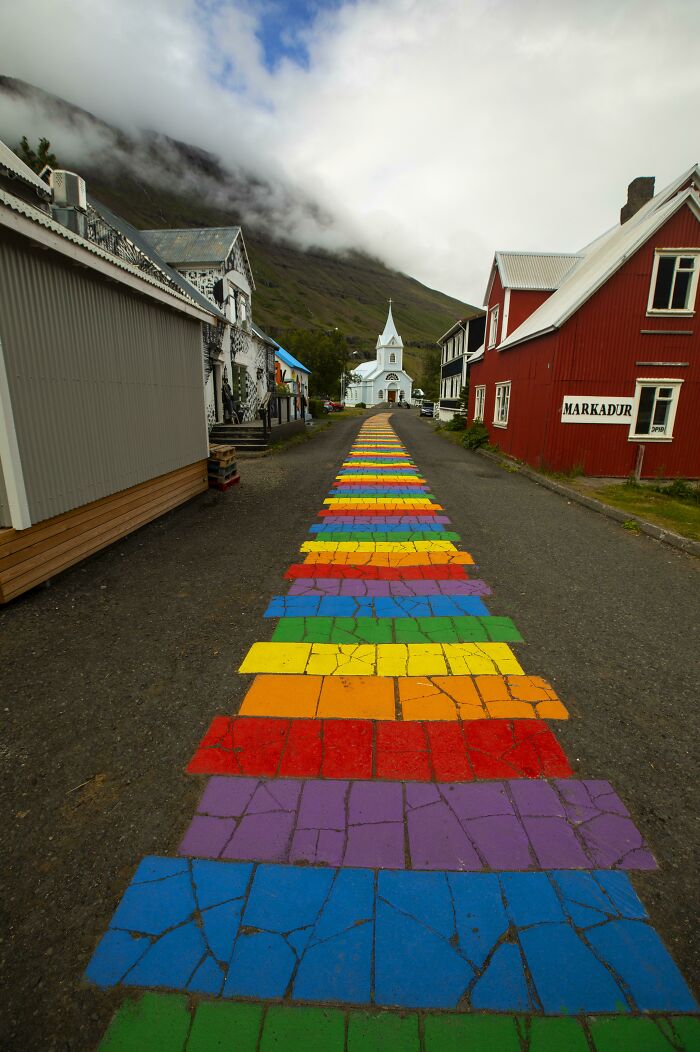
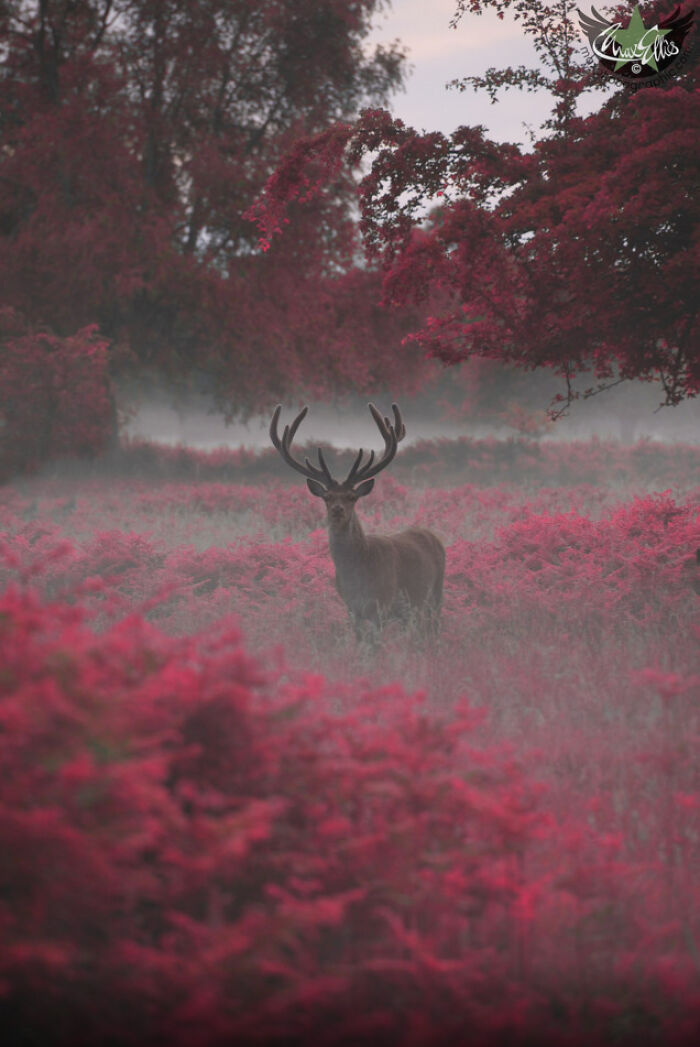
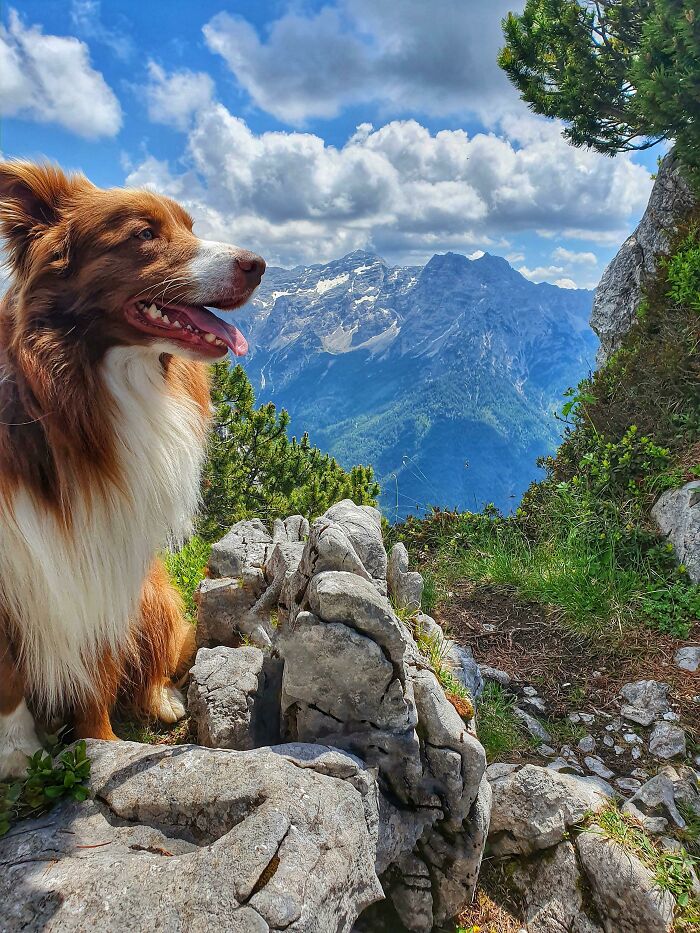
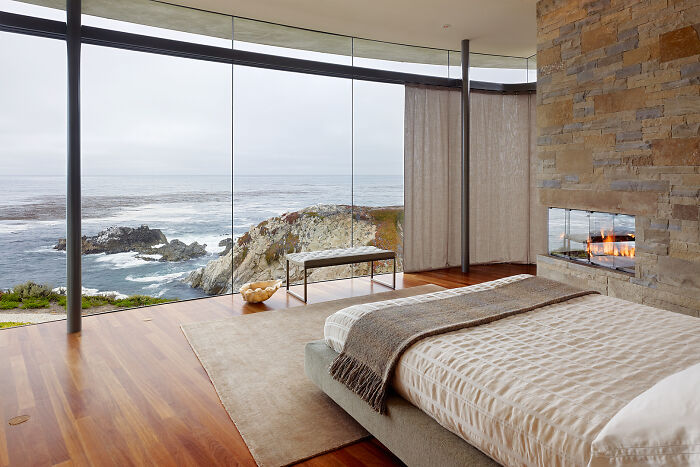
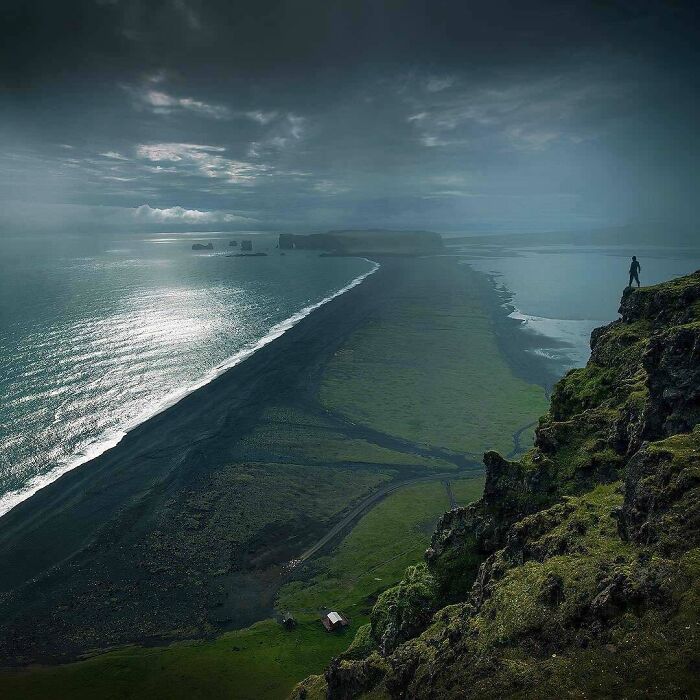
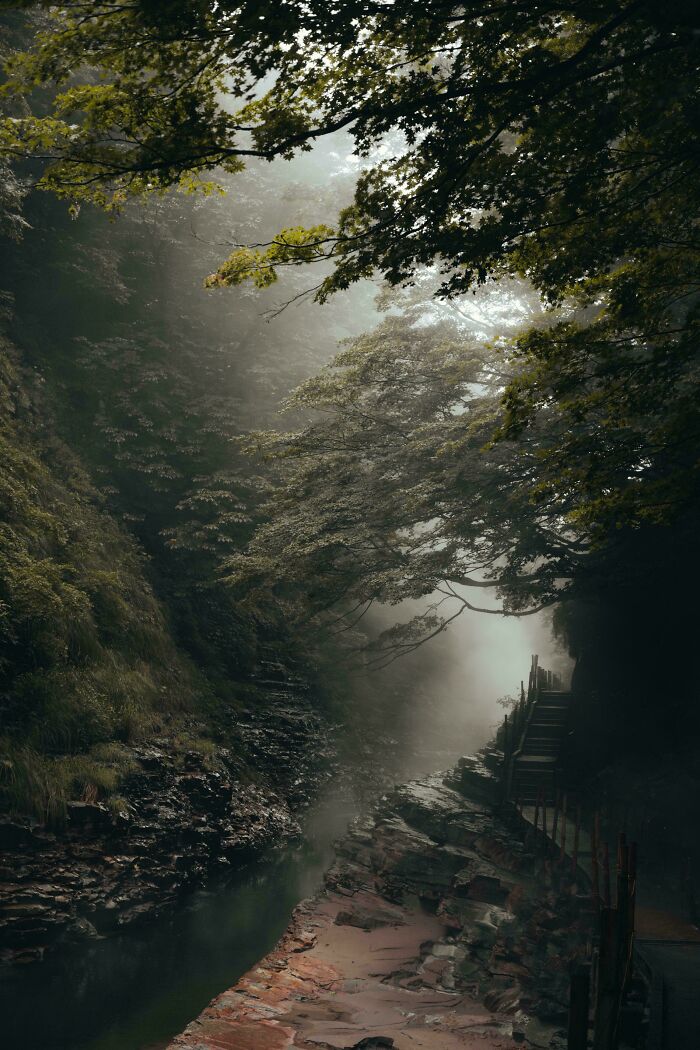
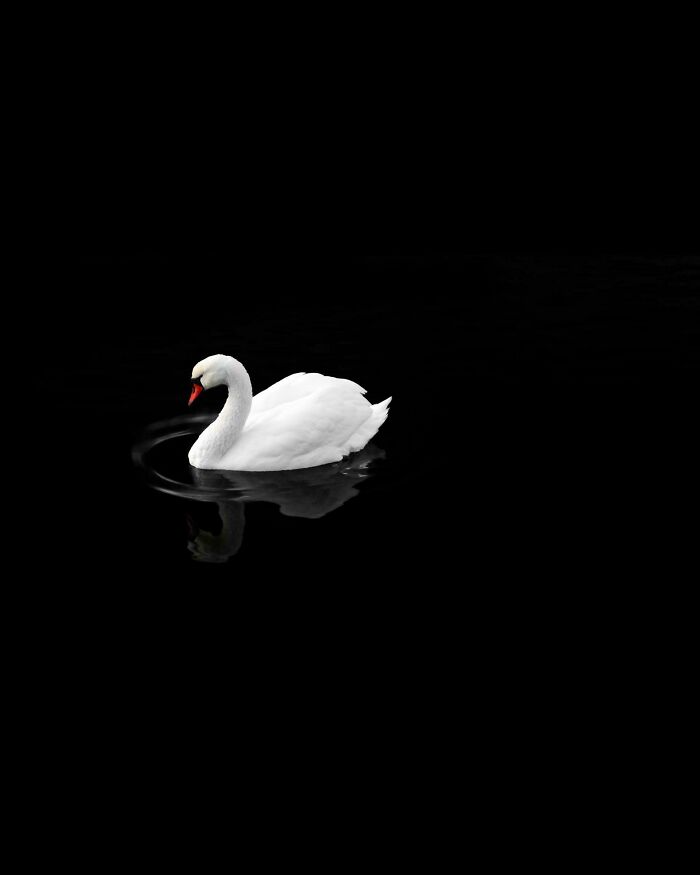
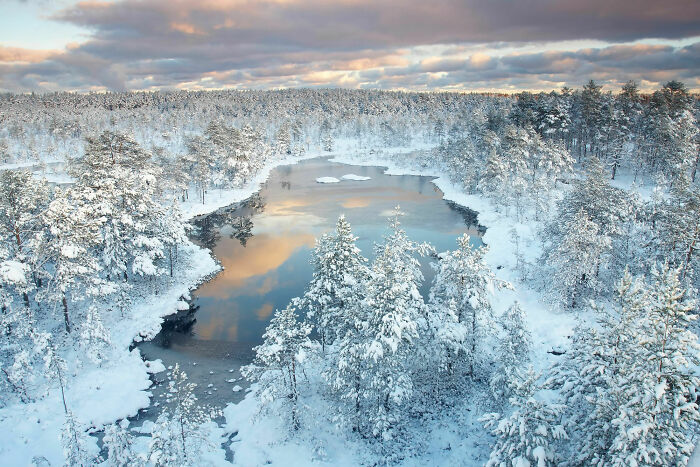
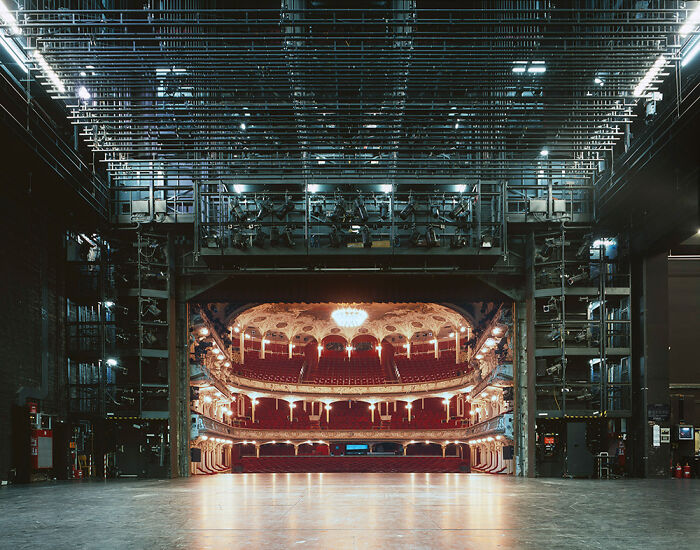
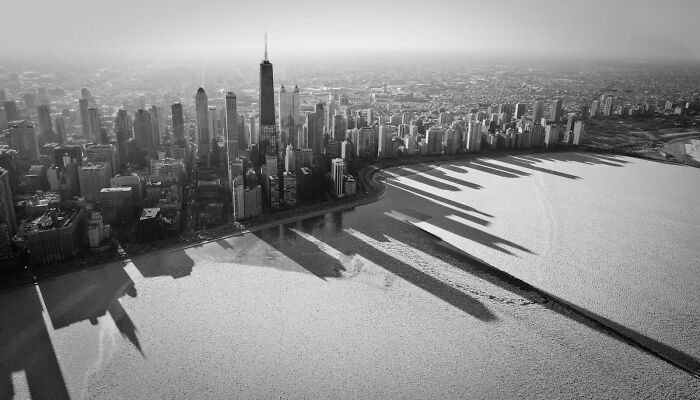
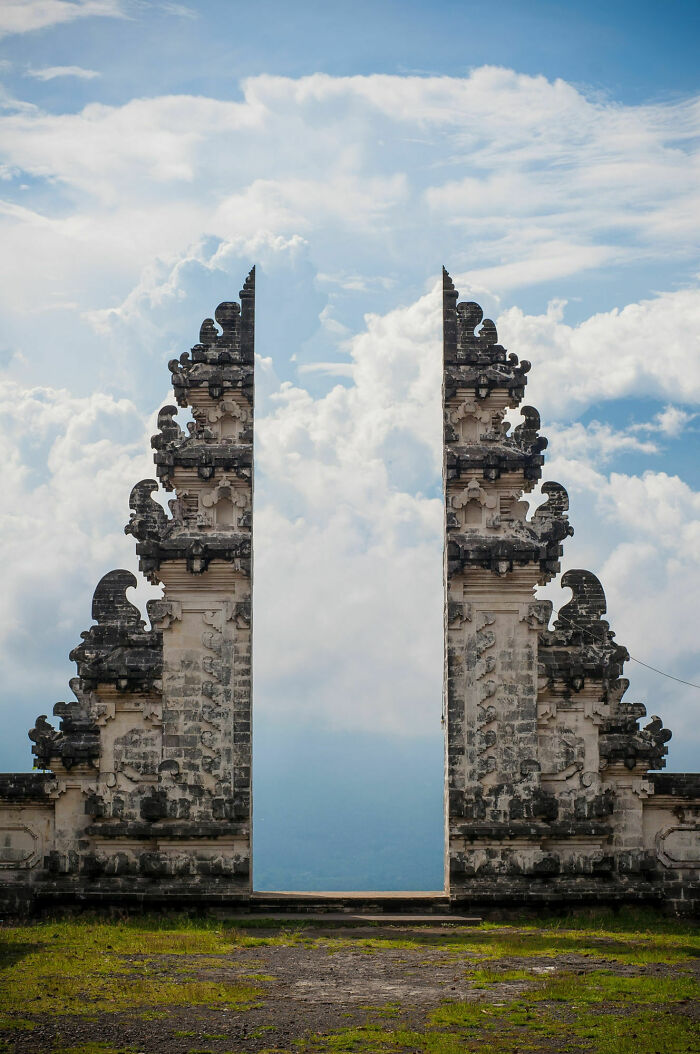
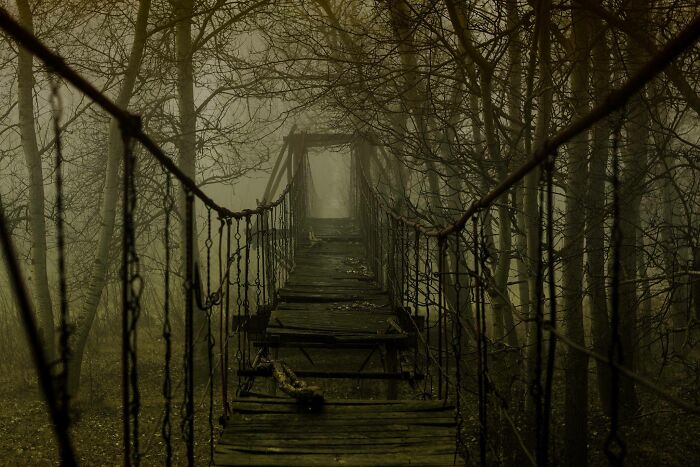
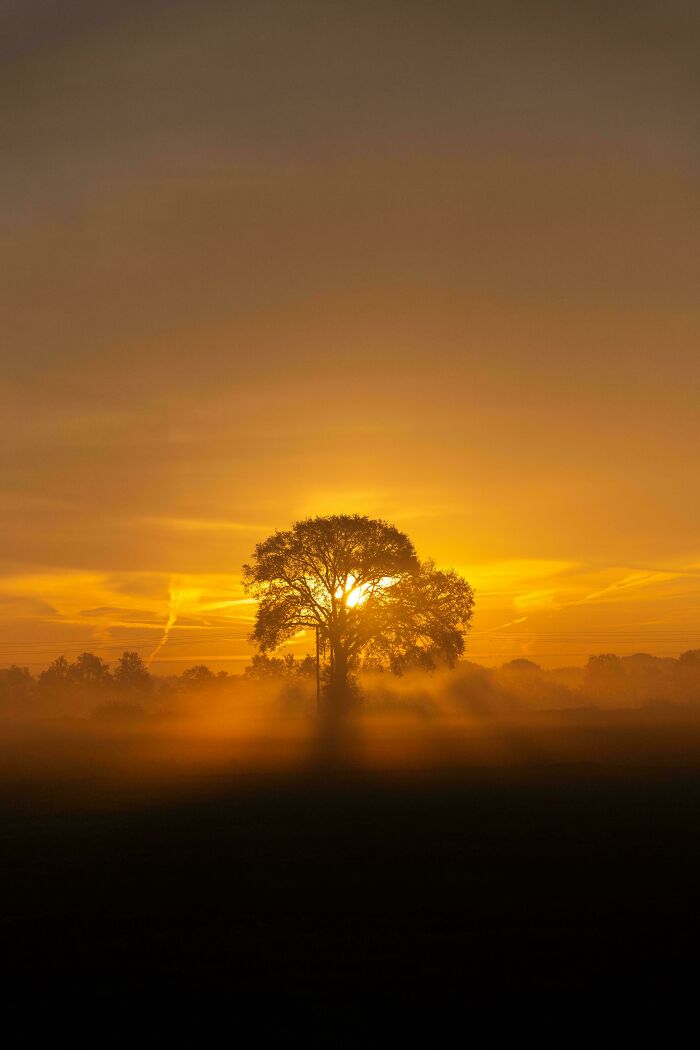
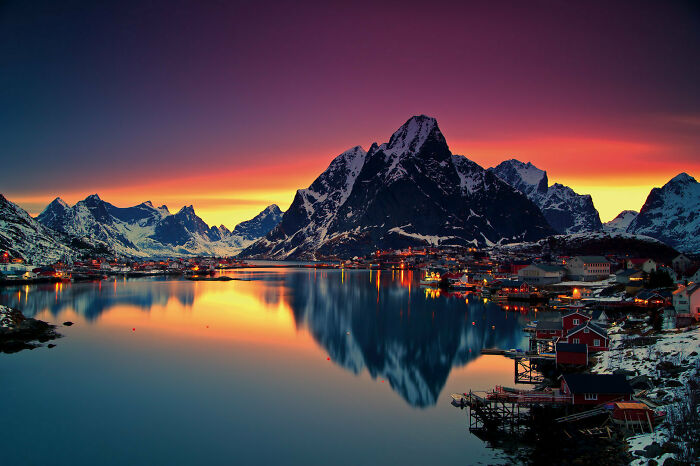
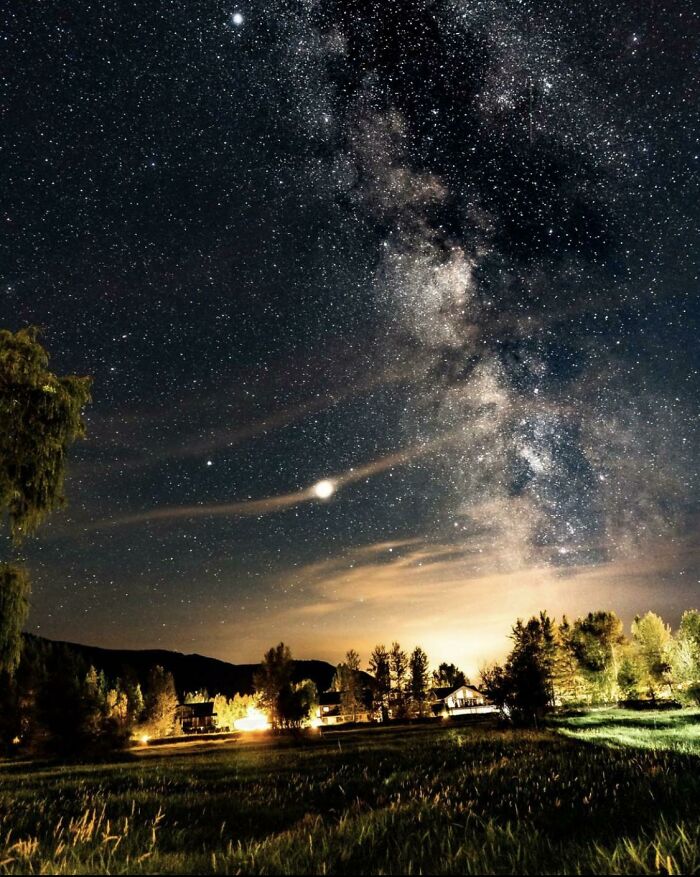
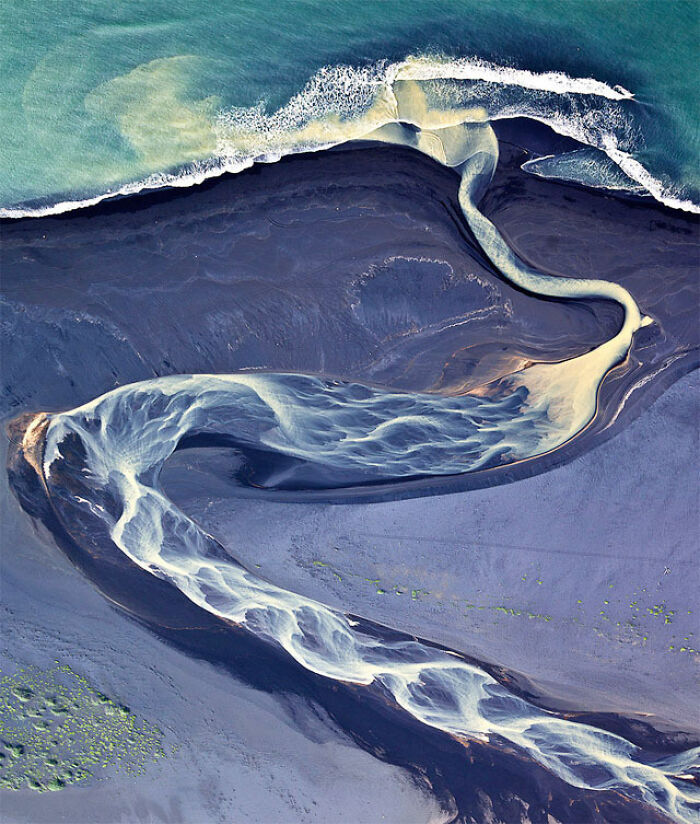
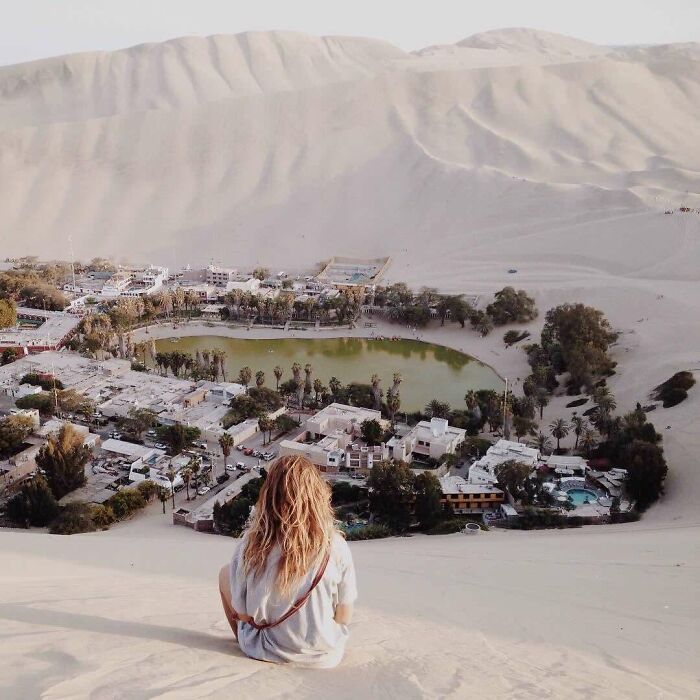
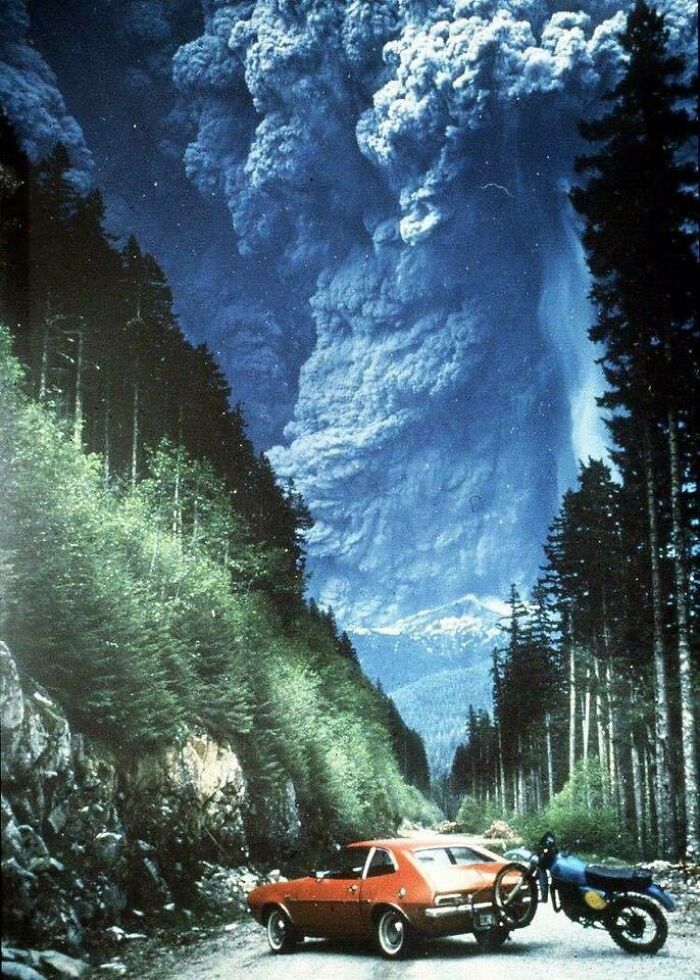
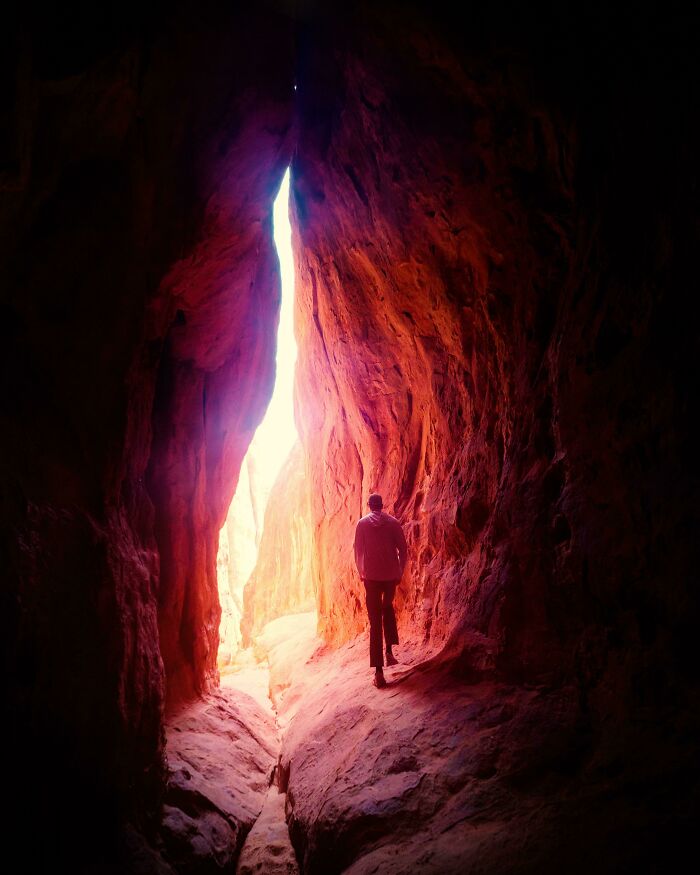
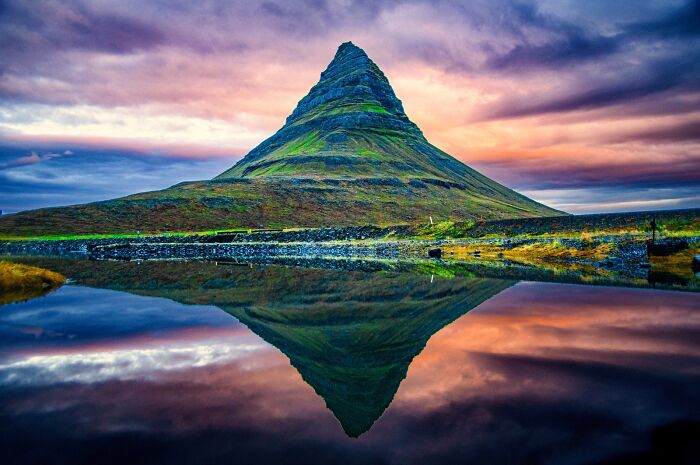
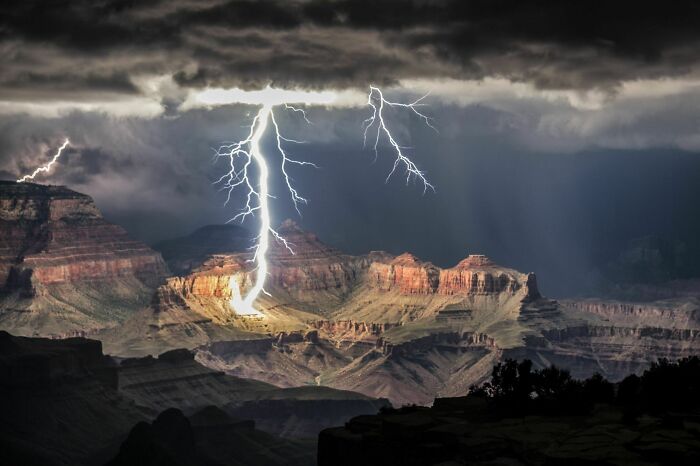
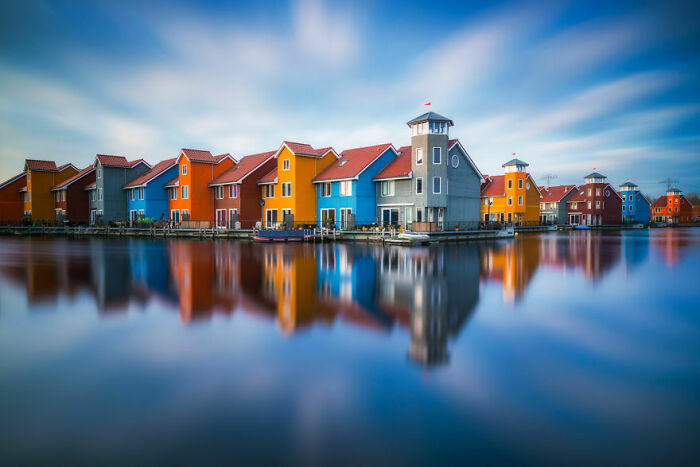
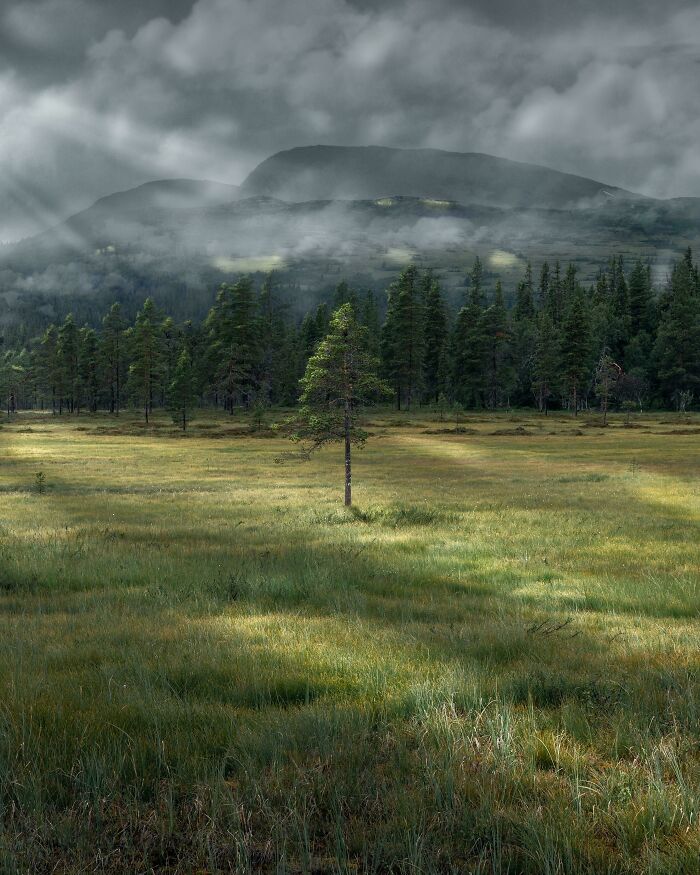
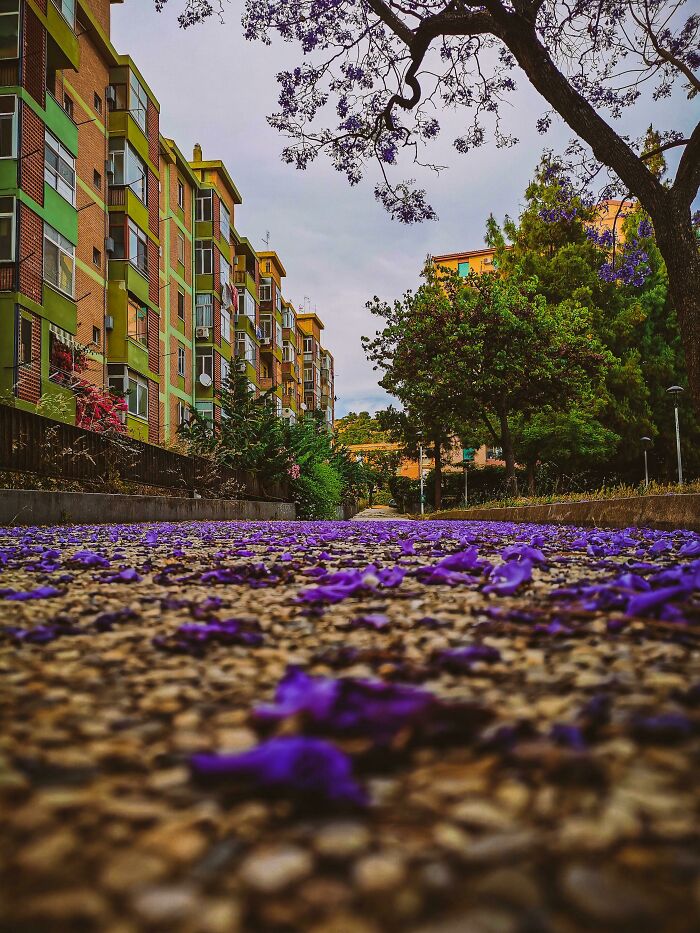
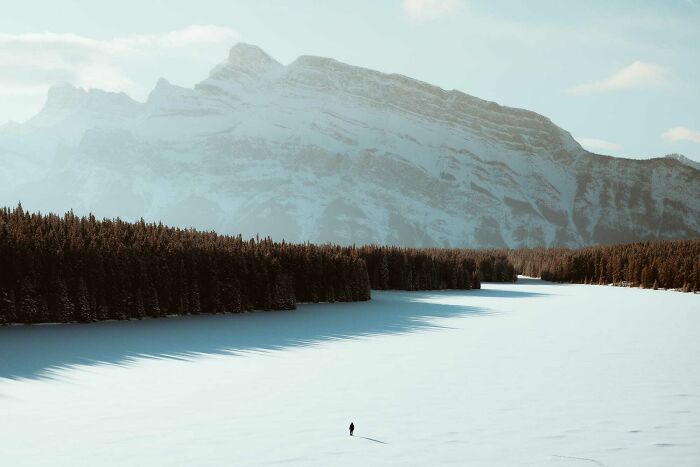
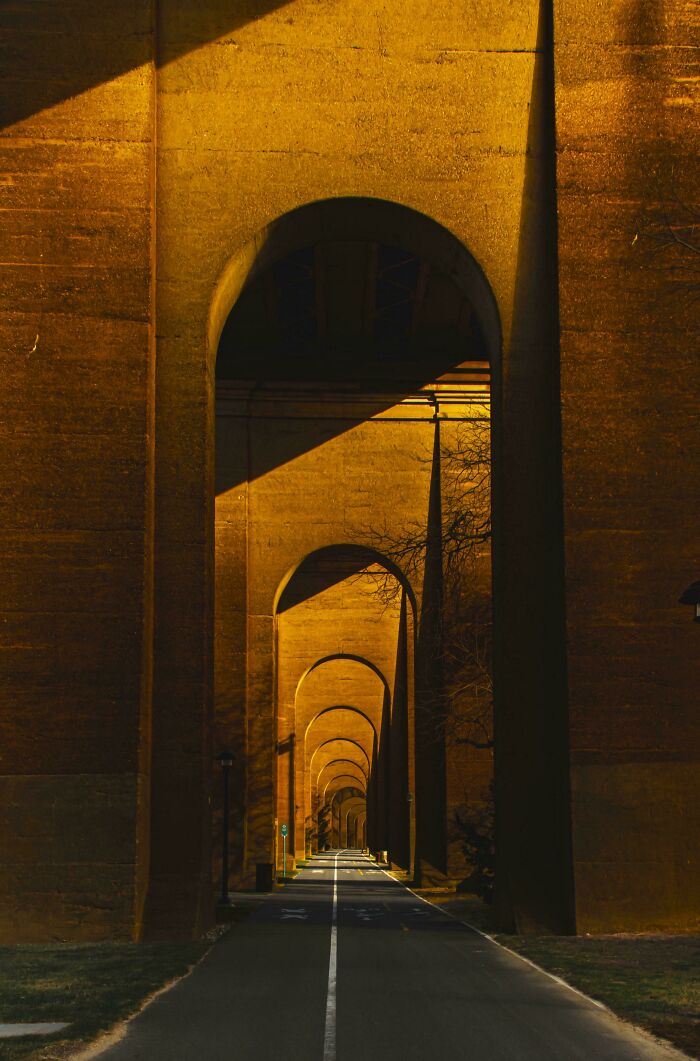
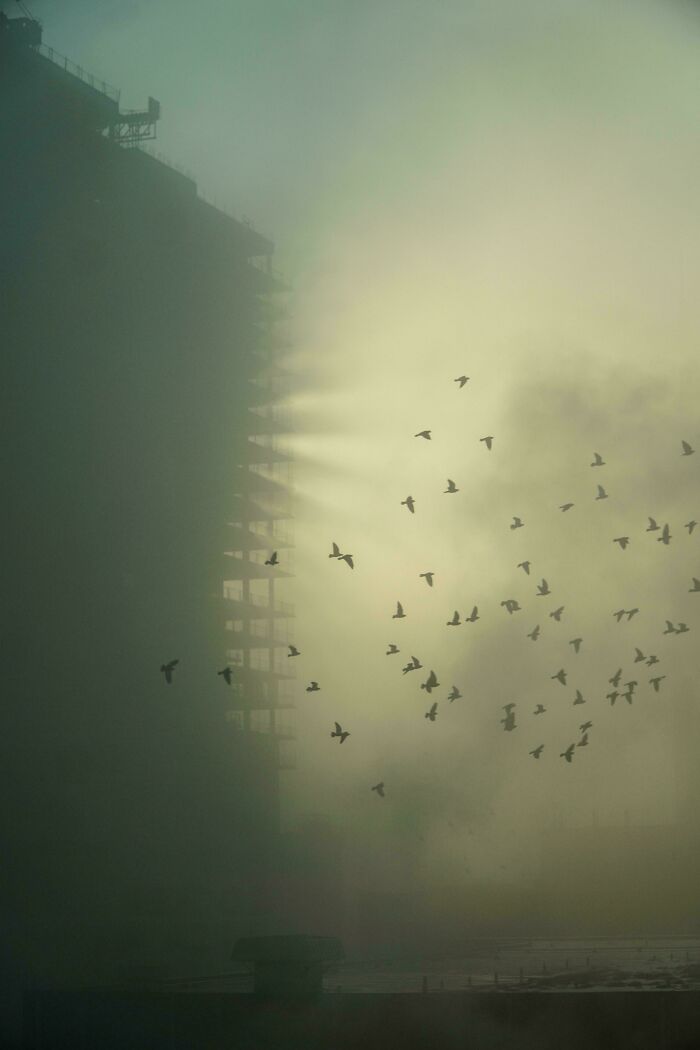
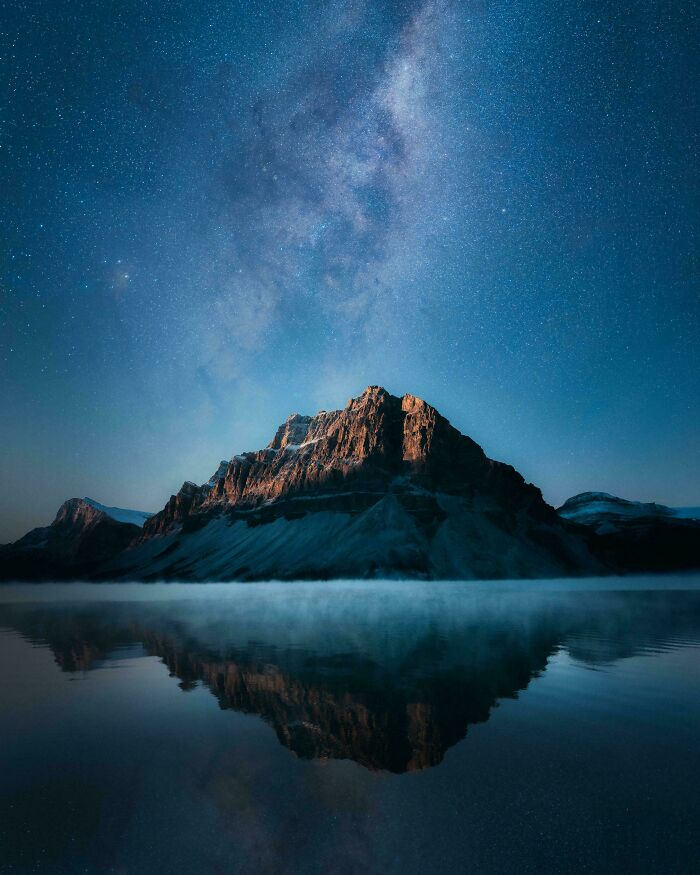
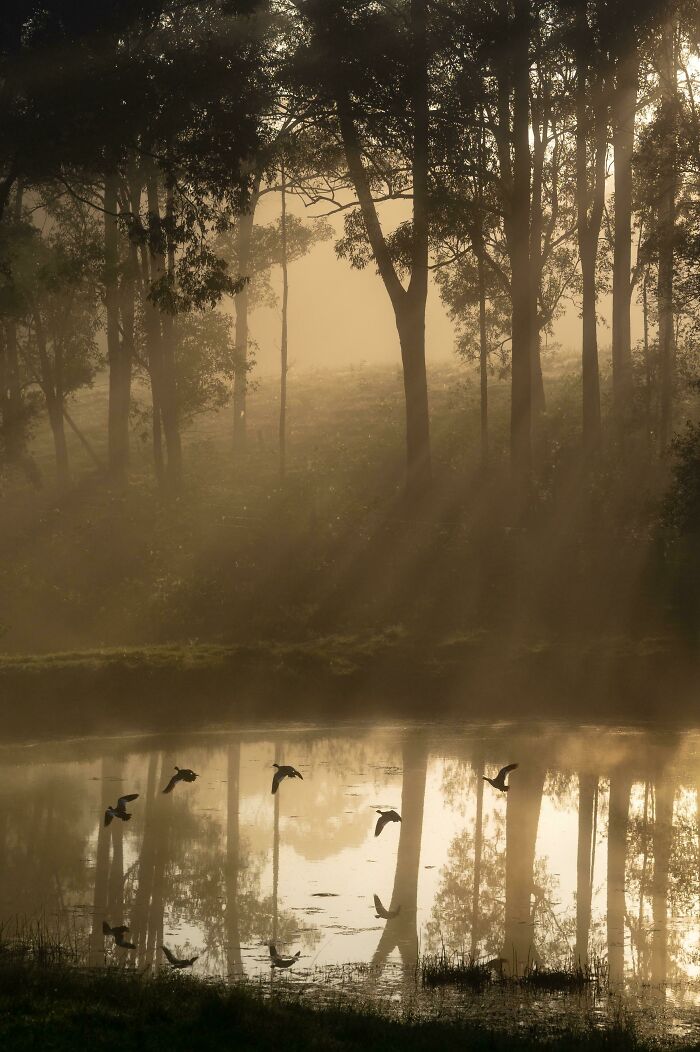
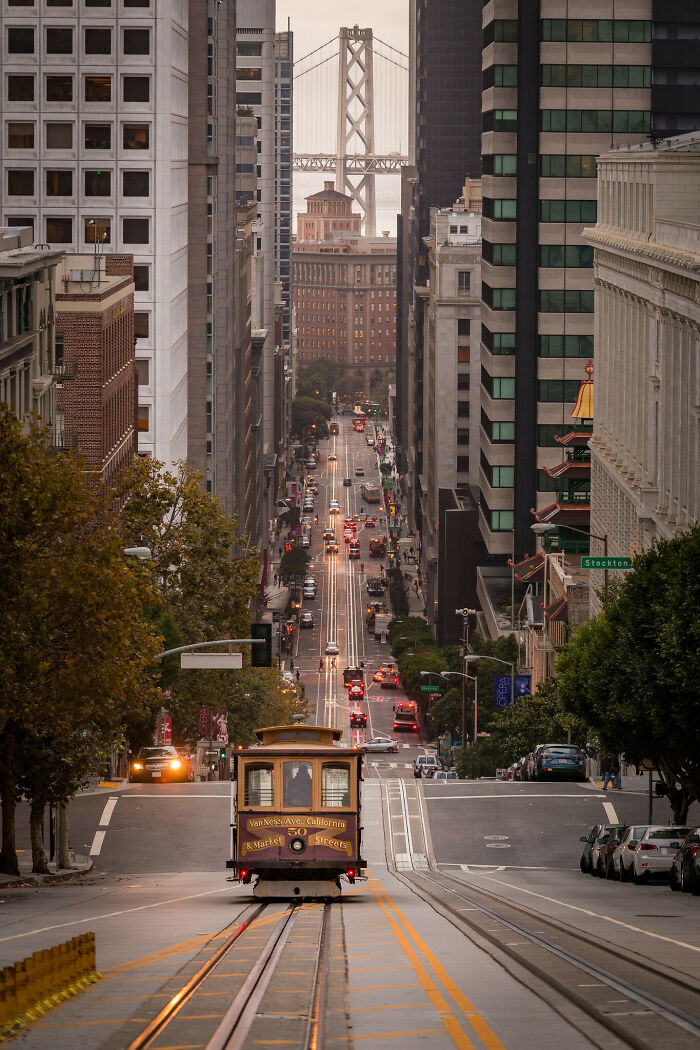
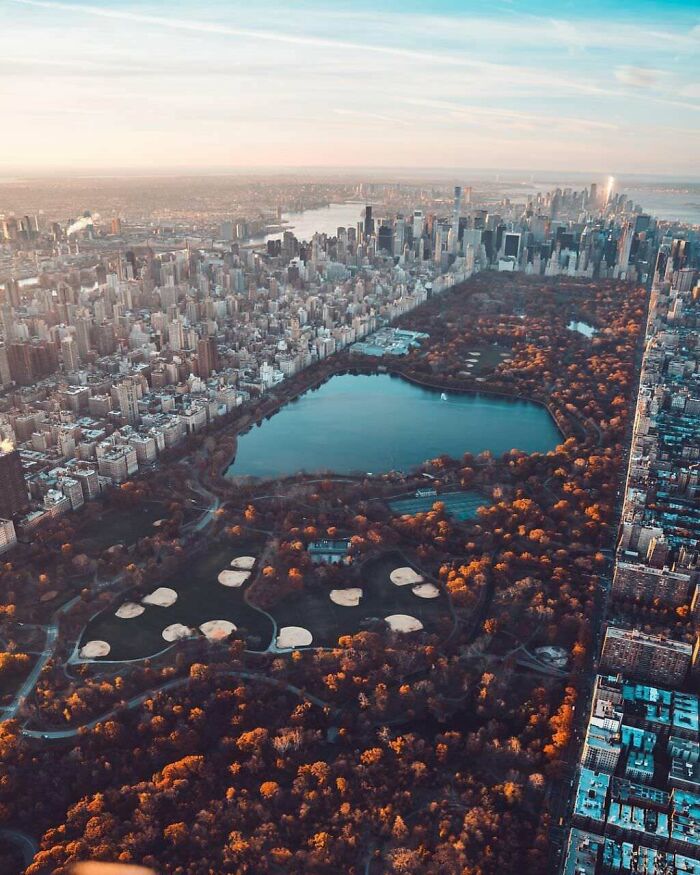
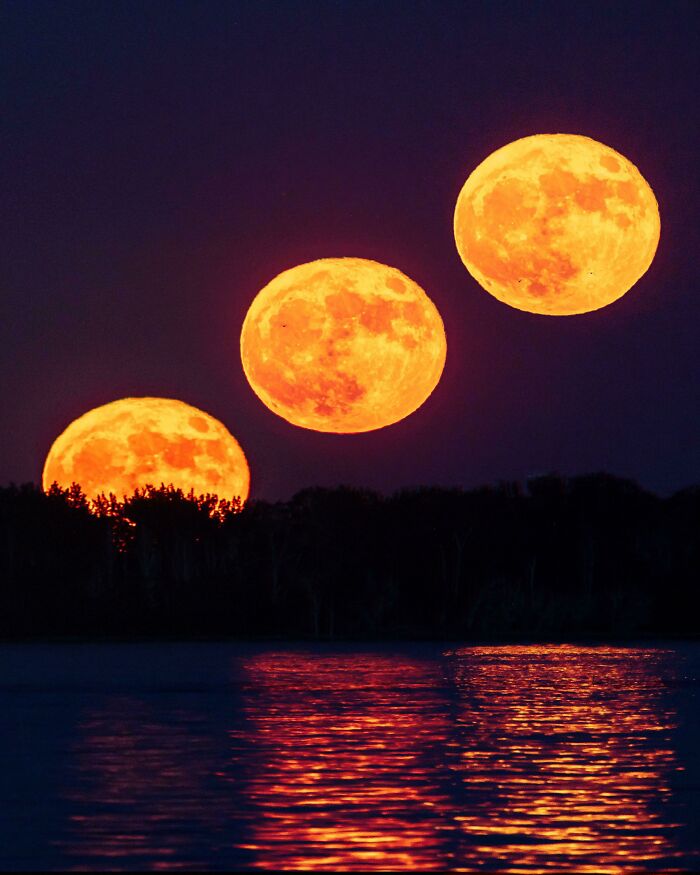
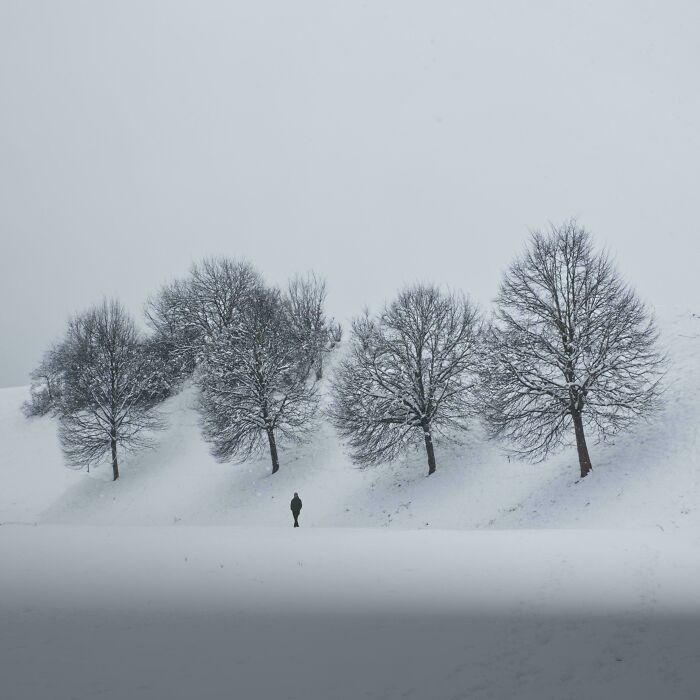
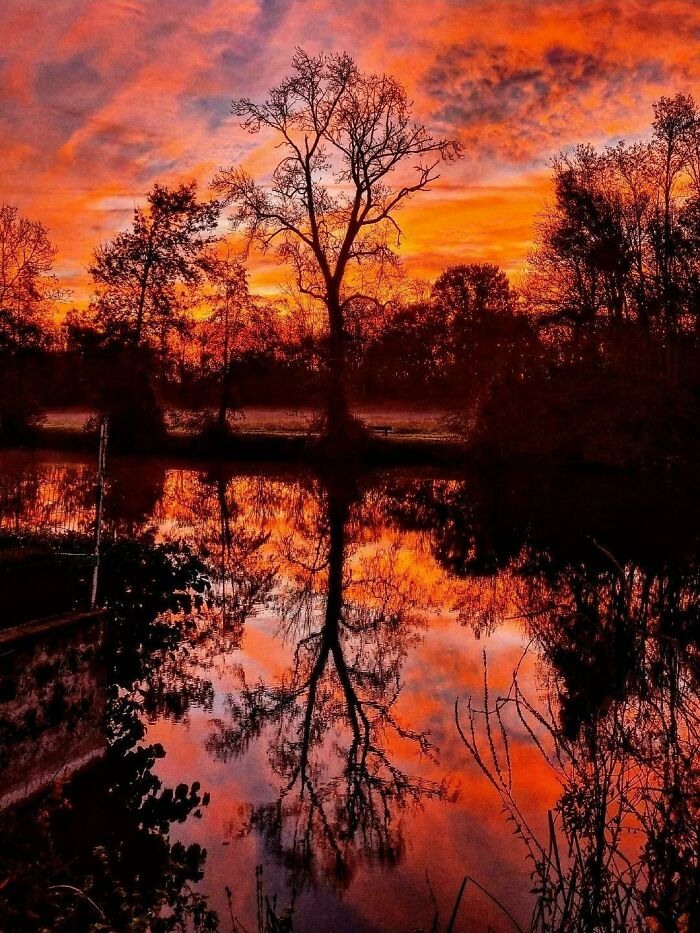
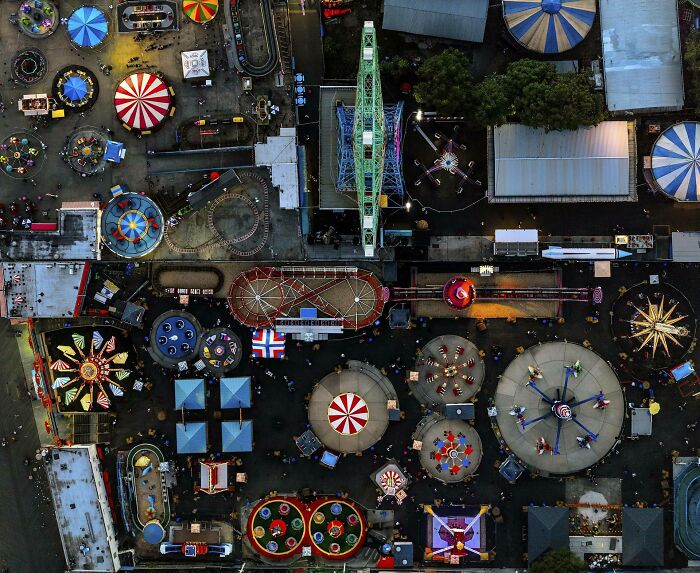
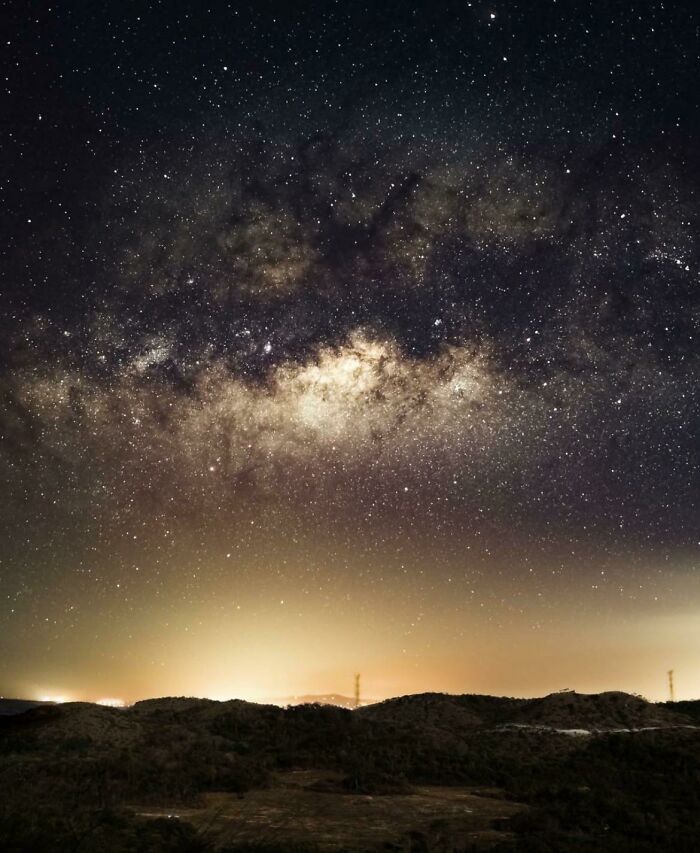
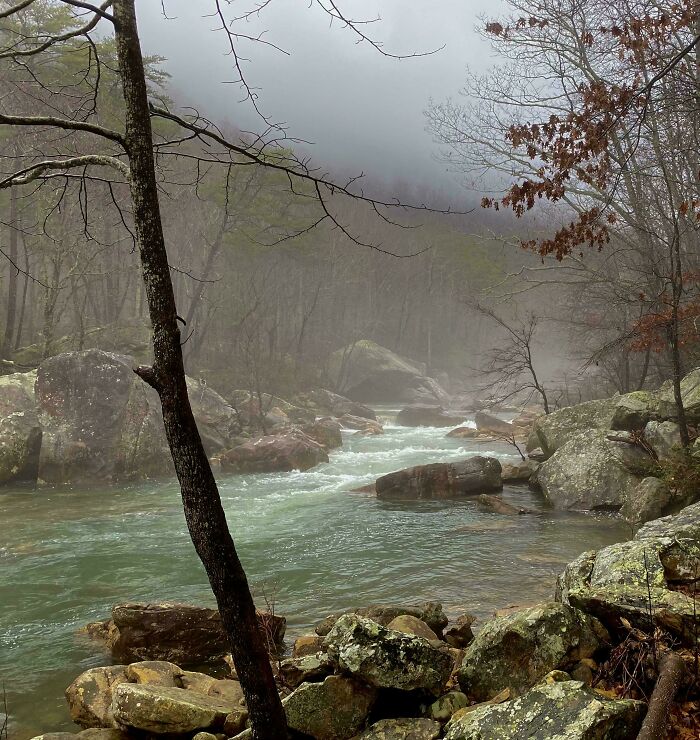
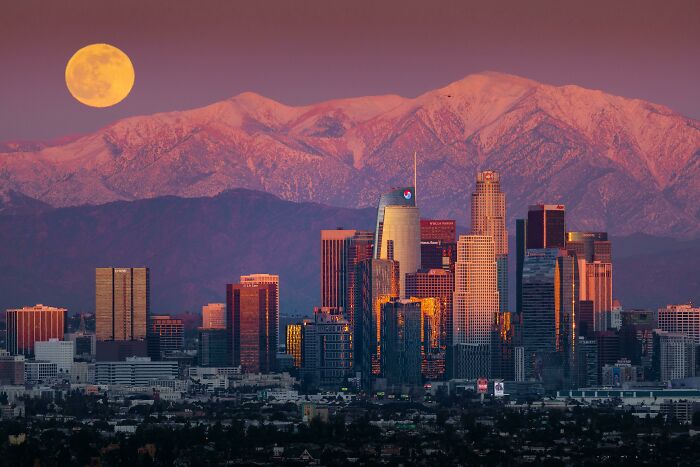
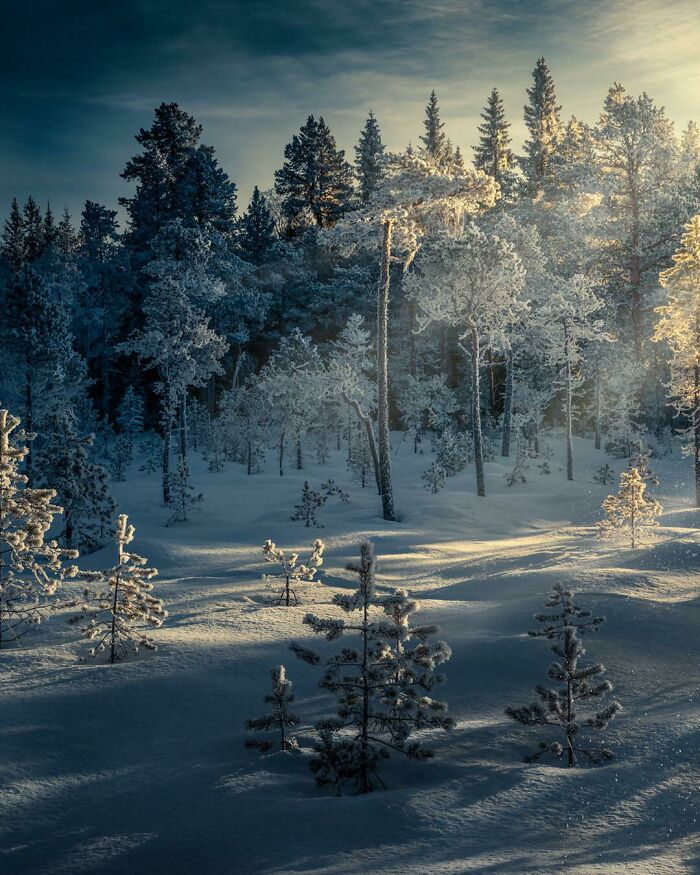
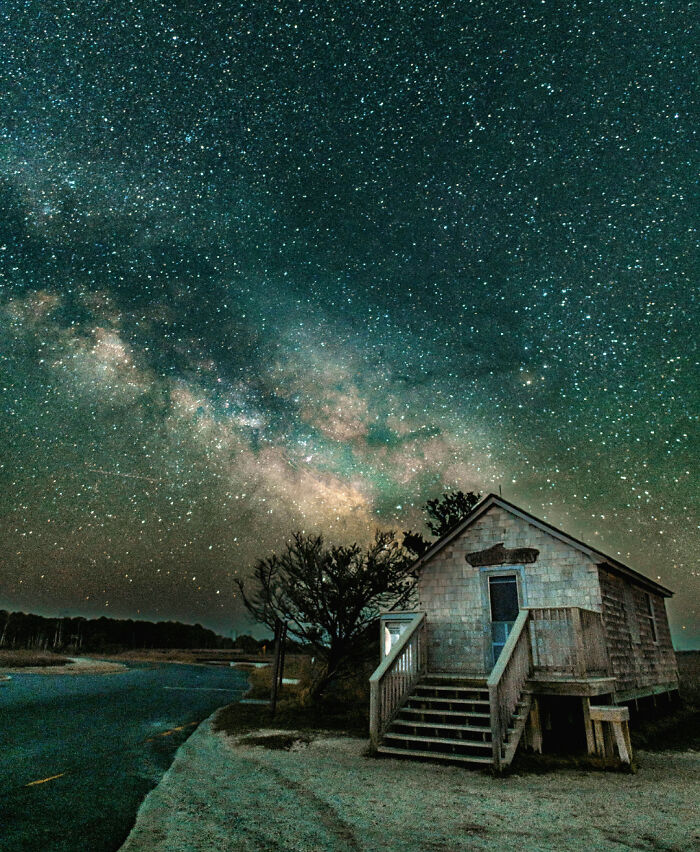
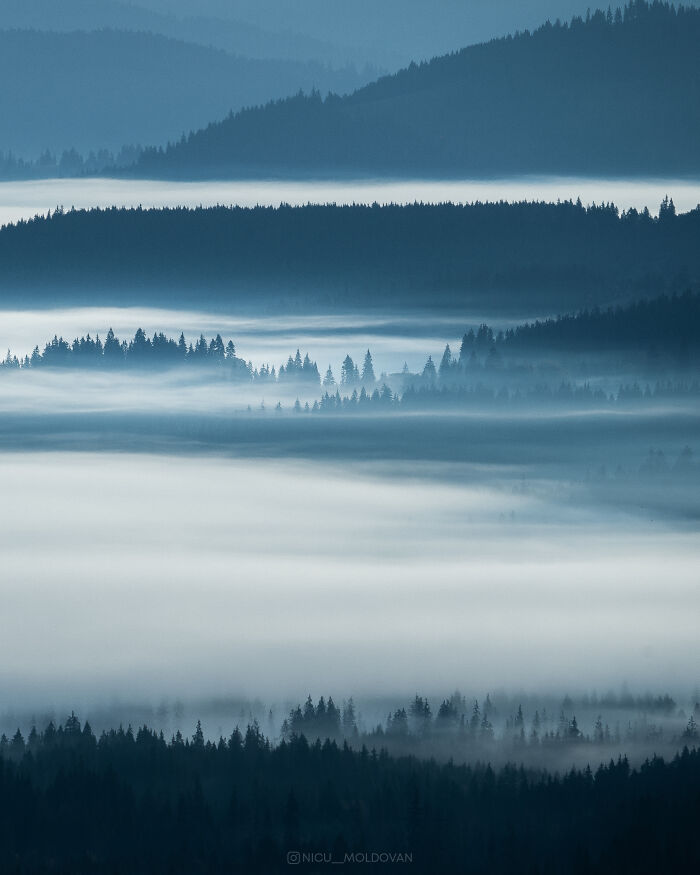
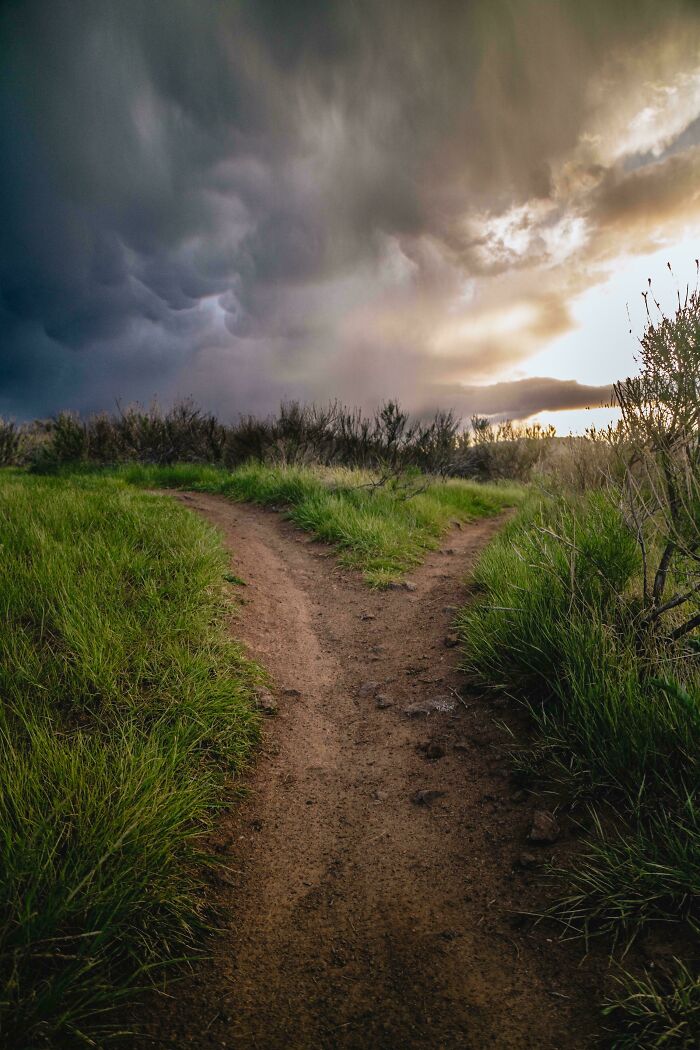
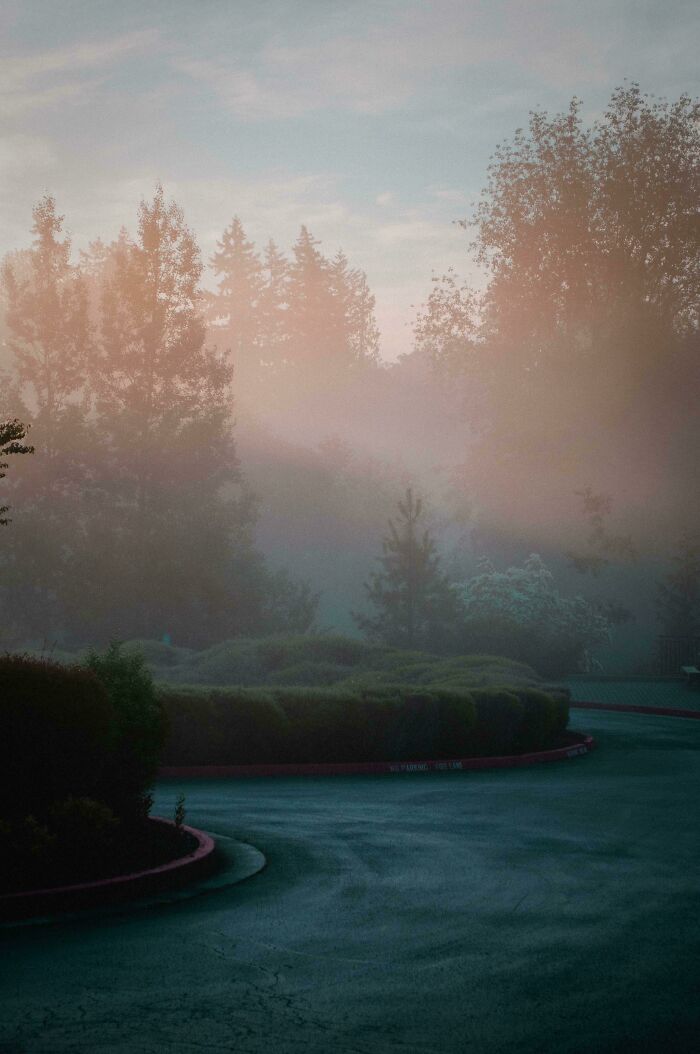
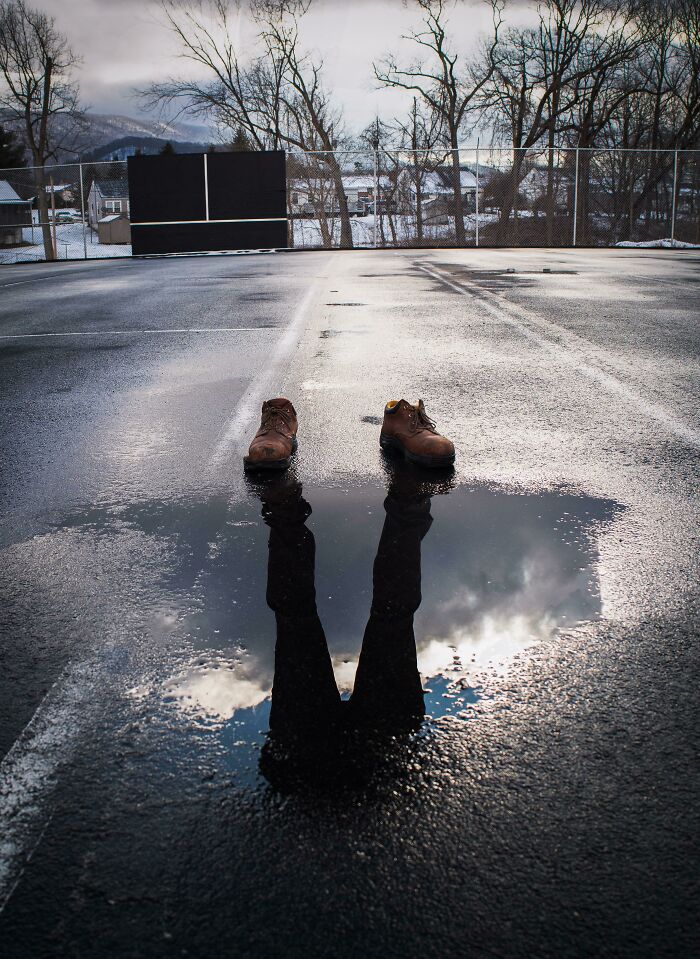
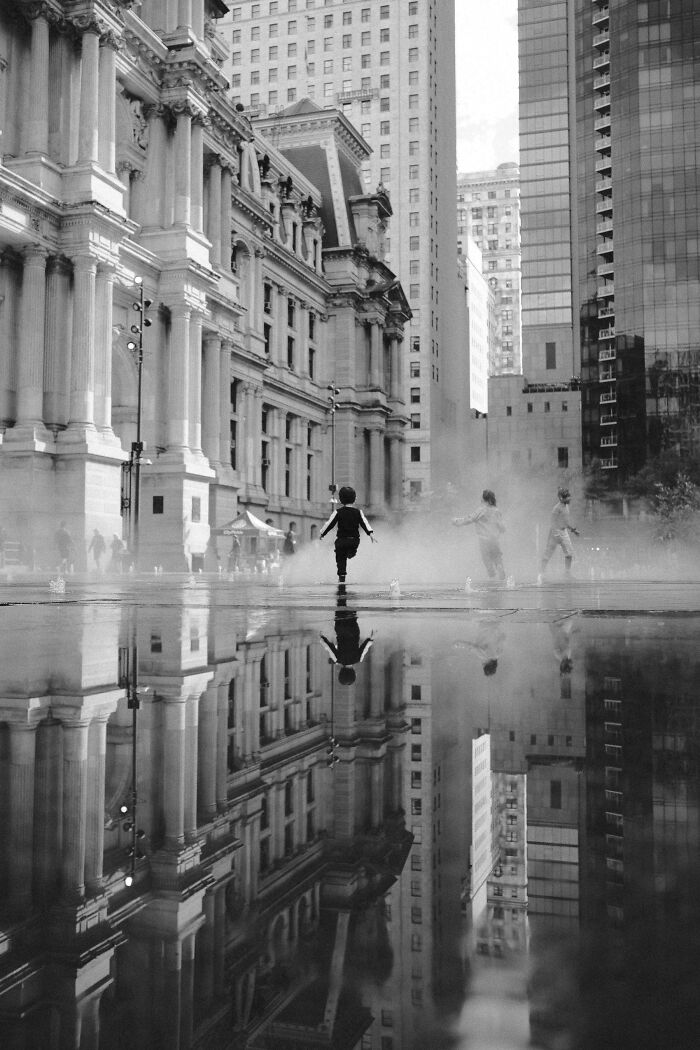
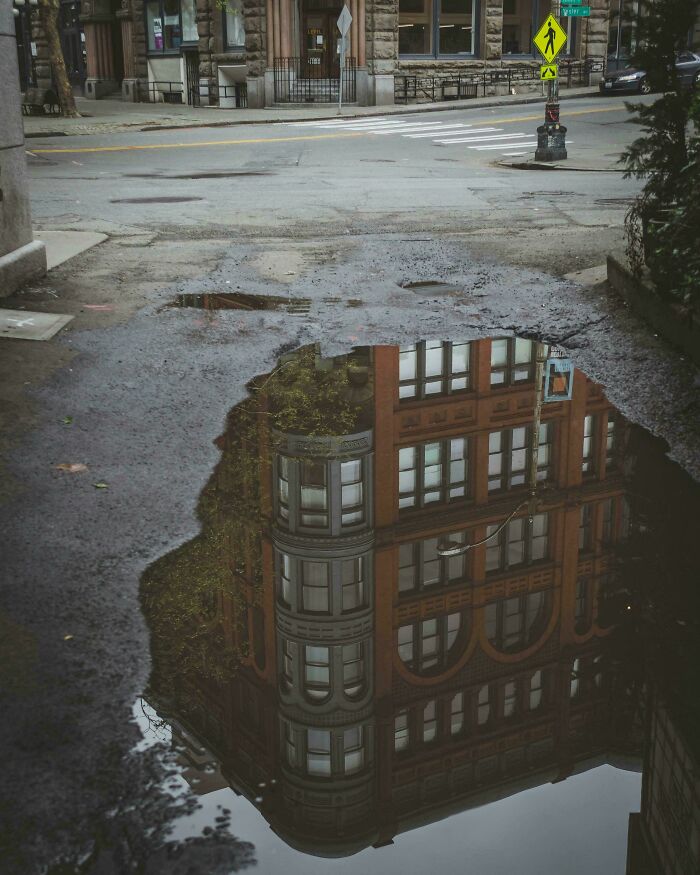
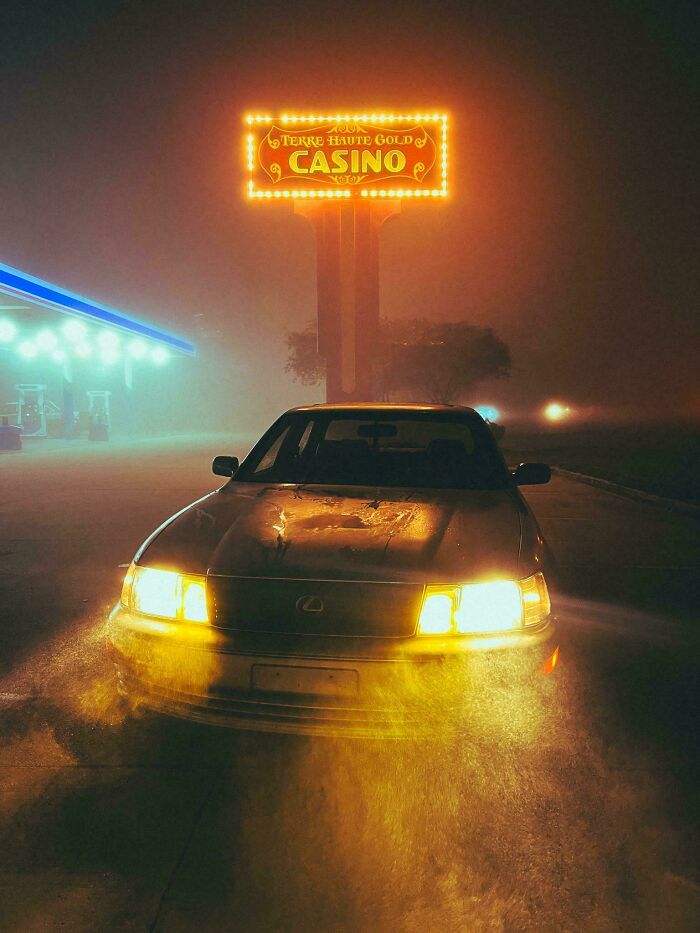
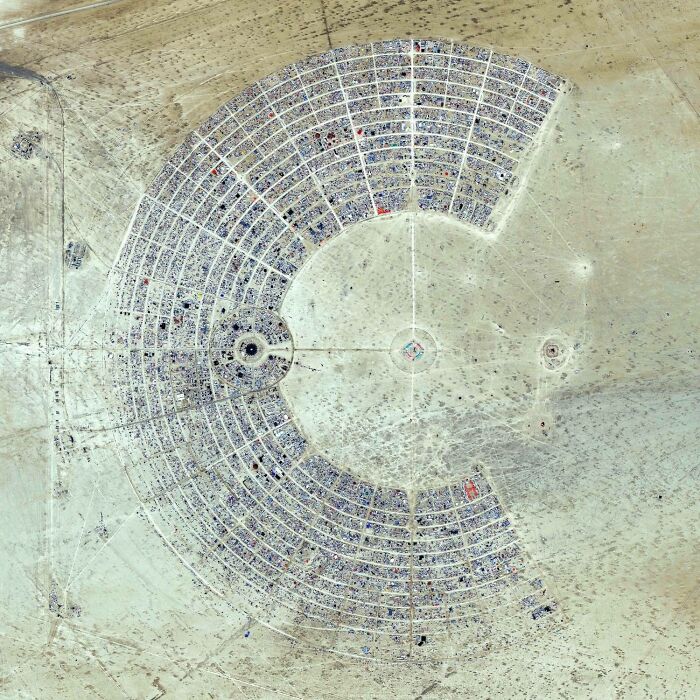
Thankfully, many talented people do. They capture those fleeting moments in stunning photos and share them on subreddits like r/pic and r/photographs. We’ve gathered some of the most gorgeous ones below—scroll down to enjoy them and upvote your favorites.
This post may include affiliate links.
These photos are mesmerizing. You look at them and immediately feel inspired to grab your camera or your phone and start snapping away. But somehow, what you see in front of you doesn’t always look the same once it’s on the screen.
The light feels off, the colors are flat, and that magic you wanted to capture is just… missing. So how do you get as good as the people who make it look effortless?
As Adobe explains, “everyone has different ideas about what makes a great photo.” For some, it’s about beauty. For others, it’s about surprise or emotion.
But the point is simple: if your image communicates what you wanted it to say, it’s a good photo. Getting there, however, takes a mix of technical understanding and creative instinct.
One of the most important things to grasp early on is exposure or, in other words, how your camera handles light. Shutter speed, aperture, and ISO all work together to create balance. Change one, and the others need to adjust.
A photo that’s too bright or too dark distracts from the emotion you’re trying to show. But when you find that balance, you unlock endless possibilities: a slower shutter speed can blur motion beautifully, while a wide aperture can isolate your subject in dreamy focus.
Of course, to get that kind of control, you have to know your equipment. “The more you know about a camera, the more you can take advantage of it and change things on the fly,” says photographer Jeff Carlson in Adobe’s guide.
It doesn’t mean you need an expensive setup. “Even if you just have an iPhone, you can still get creative with that,” adds photographer Sarah Marcella. The best camera, after all, is the one you have with you, and knowing how to use it well makes all the difference.
And then comes the part every professional swears by: practice. “My number one piece of advice is to practise. I learn something new every time I shoot. Every environment and every photoshoot is unique,” says photographer Jenn Byrne.
Every photo won’t be perfect, even the pros take bad ones. But as Carlson reminds us, “Shoot a lot of photos and recognize that you’re going to make a lot of really bad photos and that’s okay.” Trial and error is how you find your eye and develop your own style.
Light, however, remains the true heart of photography. As Adobe notes, good light is crucial. It sets the mood, defines your subject, and can completely change the way a shot feels.
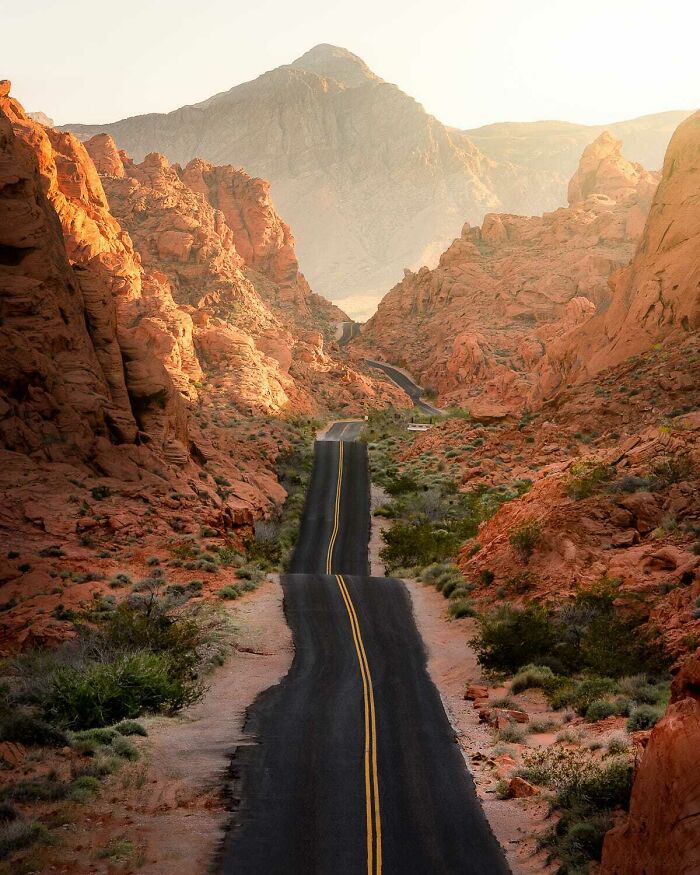
If you’re shooting outdoors, the golden hour (the hour after sunrise or before sunset) will give you the softest, most flattering tones. Harsh midday light, on the other hand, tends to wash everything out.
Professionals often plan their entire day around the right light because they know that sometimes, nature is the best filter.
Composition also plays a huge role in making an image stand out. Adobe’s experts suggest using the rule of thirds as a starting point: placing your subject off-center instead of right in the middle makes your photo instantly more dynamic.
Once that becomes second nature, experiment with angles, balance, and leading lines. A slightly lower perspective, a change in symmetry, or even just taking a few steps to the side can completely shift the mood of a picture.
That last part—taking a few steps—might sound simple, but it’s something photographers swear by. “Don’t be afraid to use your legs as the zoom,” photographer Lee told The Guardian.
Sometimes getting closer (or lower, or higher) can change your framing entirely. “You’ll notice most photographers when they work are crouching or bending in strange ways. I’m always surprised if I see a picture of myself working, because I’ve often got my bum up in the air,” Lee laughed.
Those tiny physical adjustments are what turn an okay photo into a great one.
And while there are rules worth learning, there are also rules worth breaking. Photographer Smith, also quoted in The Guardian, says she approaches photos in two ways: “One is emotionally driven and one is aesthetically driven.”
Sometimes, she ignores composition or light altogether to capture a feeling. And that’s the beauty of it. Photography isn’t always a science, it’s emotion, too.
Finally, patience and timing are everything. As landscape photographer Will Davies told The Guardian, “With landscape photography, the first step is to know when you’re going to have a chance of a great photo.”
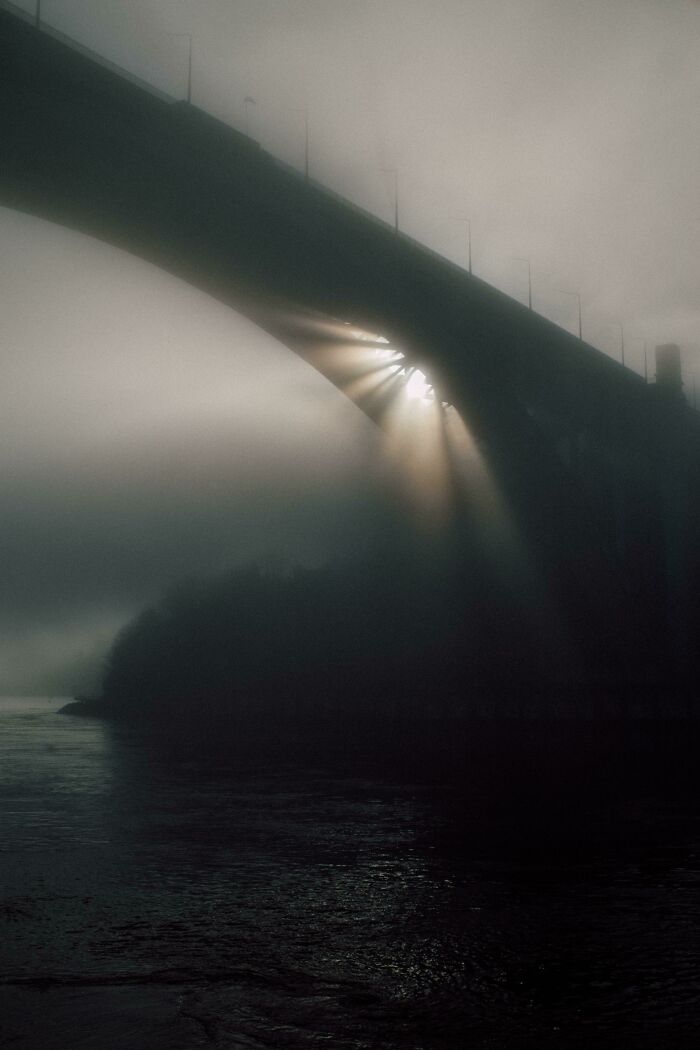
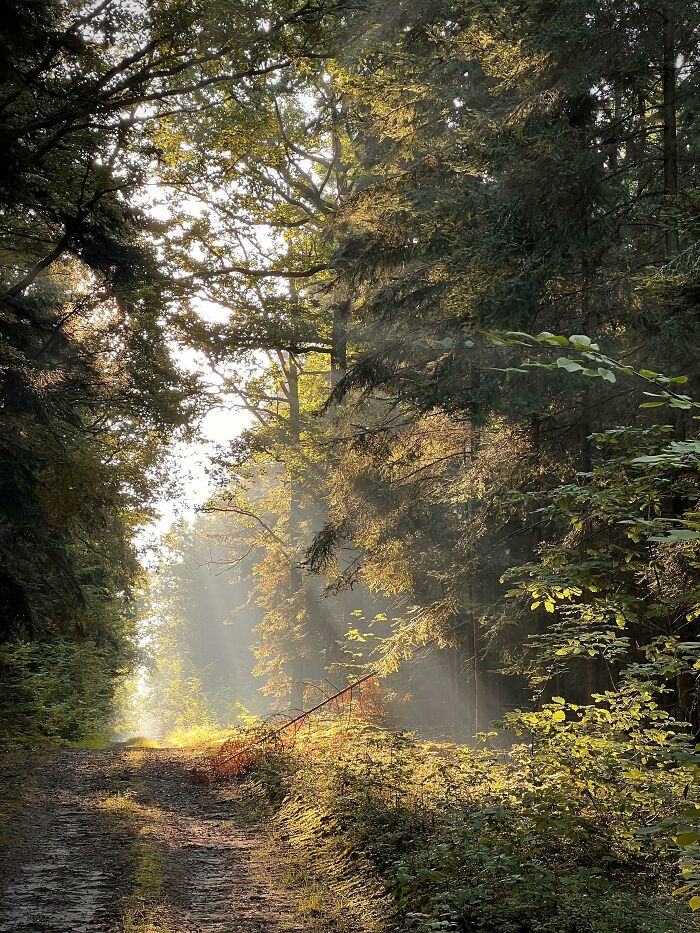
Misty autumn mornings, the moment when snow begins to melt, or just after a storm—those transitions are what make landscapes special. You can’t always control conditions, but you can learn to anticipate them.
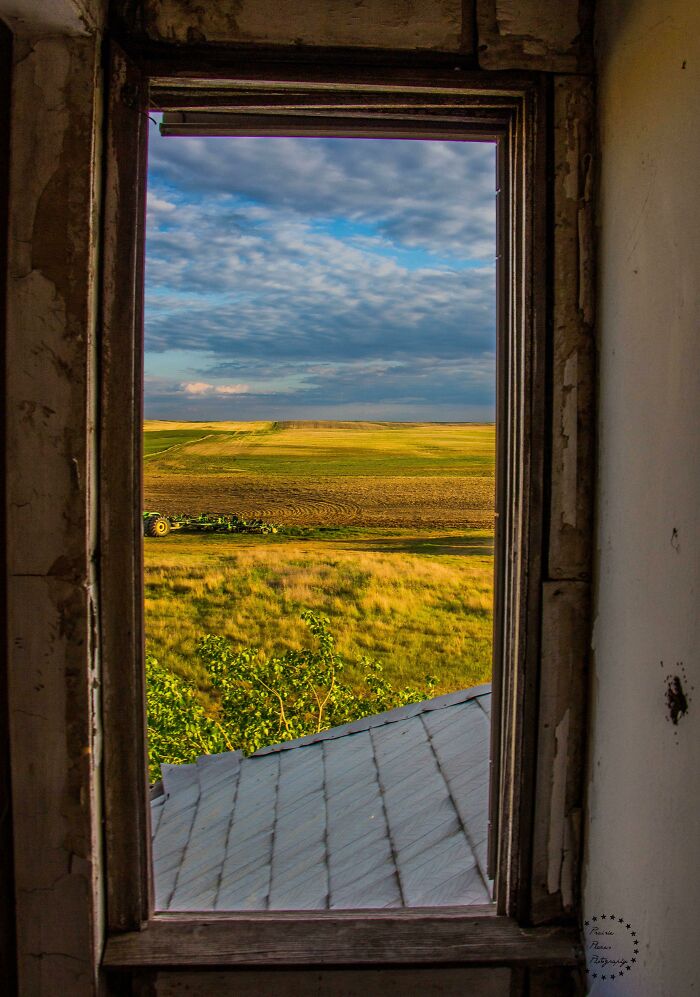
At the end of the day, every photographer, beginner or pro, is chasing the same thing: a moment worth remembering. Whether it’s a beam of light across a window, a stranger’s smile, or a calm horizon, the magic lies in noticing it and giving it space to shine.





























 No fees, cancel anytime