Get Premium
Dark mode theme is available exclusively for premium users. Learn more about the benefits of subscribing.
No fees, cancel anytime.

 Dark Mode Ad-Free Browsing Unlimited Content
 Ad-Free Browsing Unlimited Content Dark Mode
Join 1.2 million Panda readers who get the best art, memes, and fun stories every week!

46submissions
Finished
We all get bored at some point. One survey found that the average American adult experiences 131 days of boredom per year. And most of it happens at work. Another study revealed that employees are bored on the job for more than 10 hours per week. But it’s not a bad thing. Scientists say being bored gives our brain a moment to pause, rest and reset. It also creates space to daydream. And that in turn can boost our creativity. Long bouts of boredom could even set us on a different life path, if we end up pondering whether we are adding value to the world or merely wasting our time doing what we do.
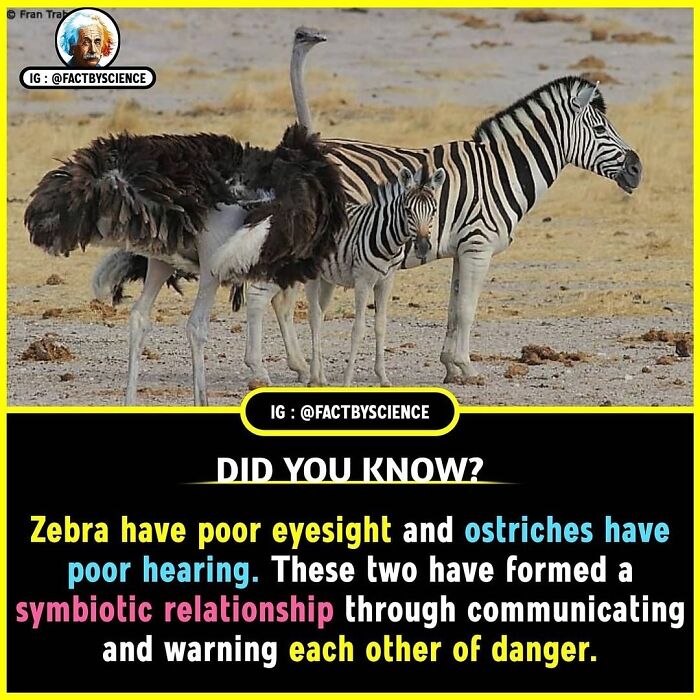
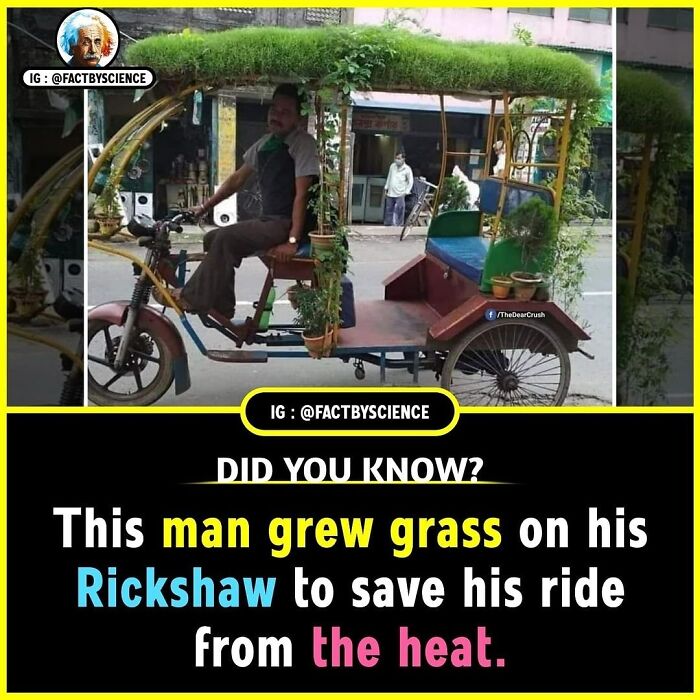
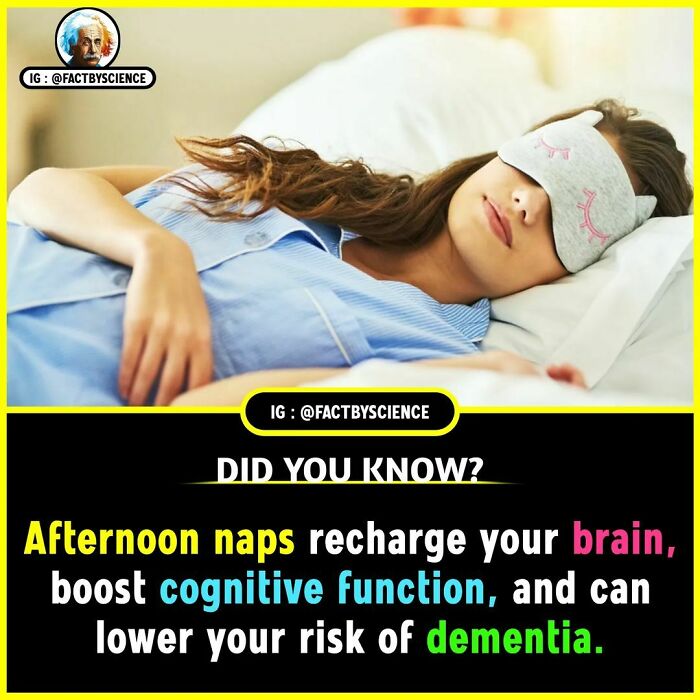
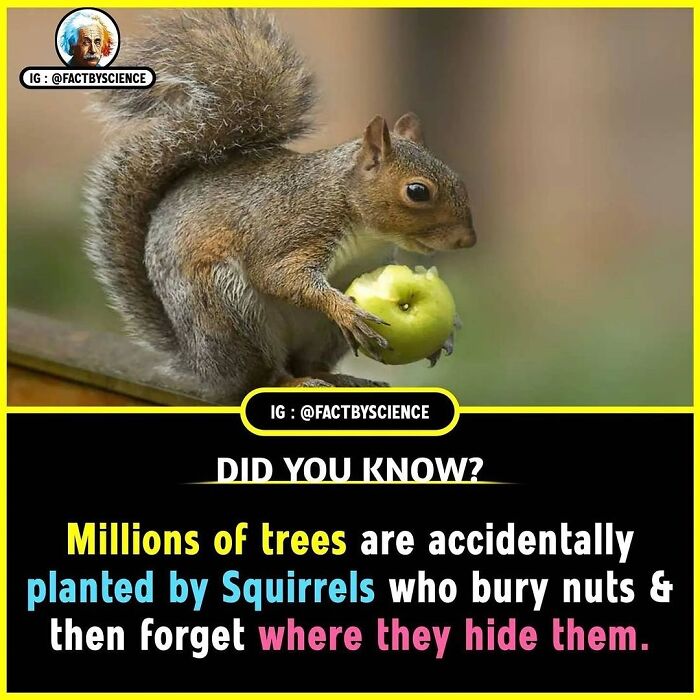
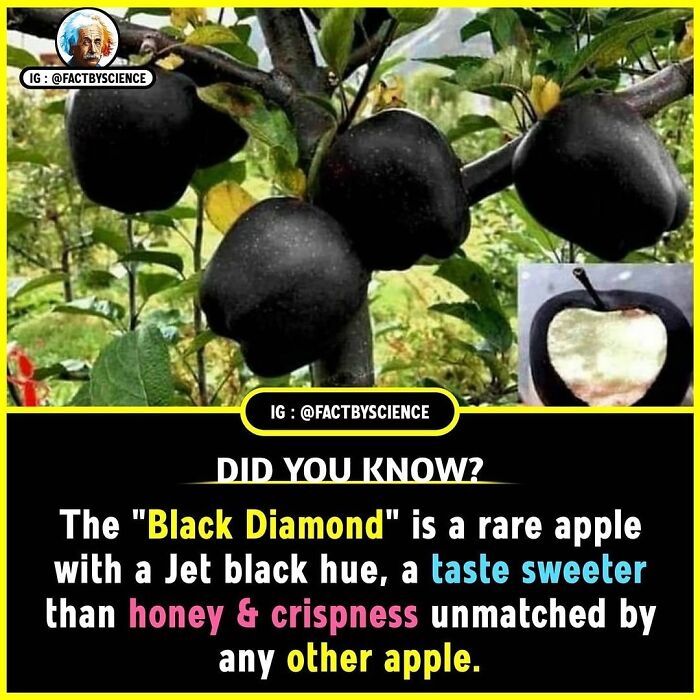
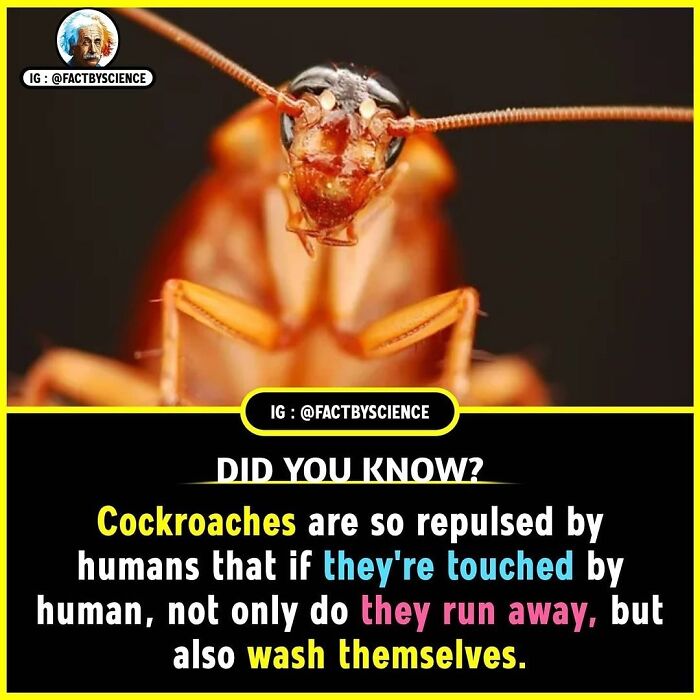
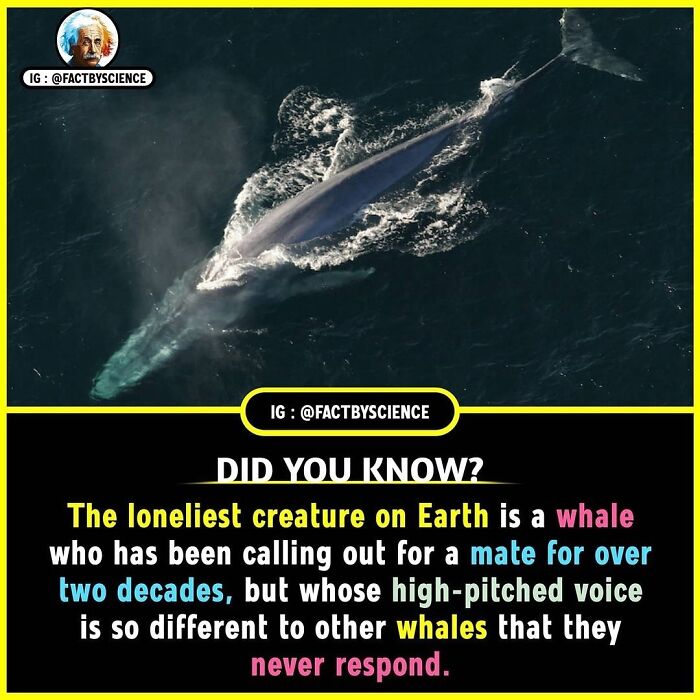
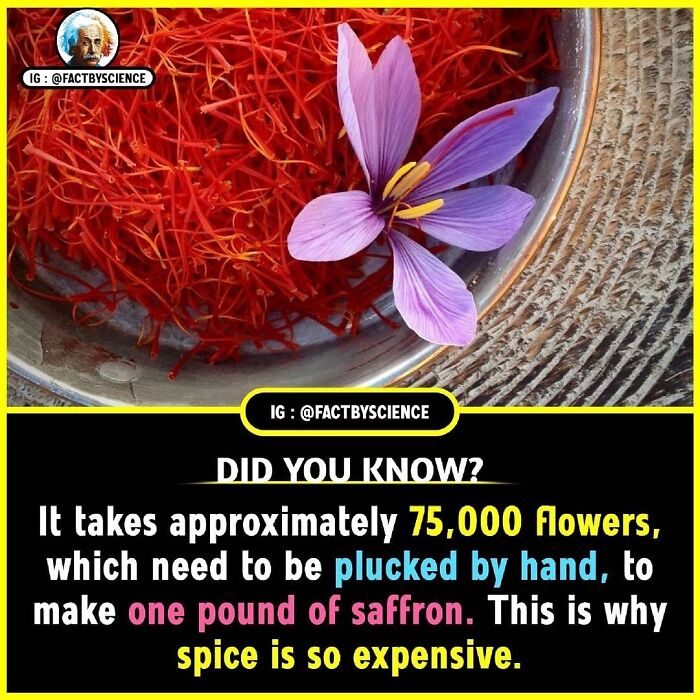
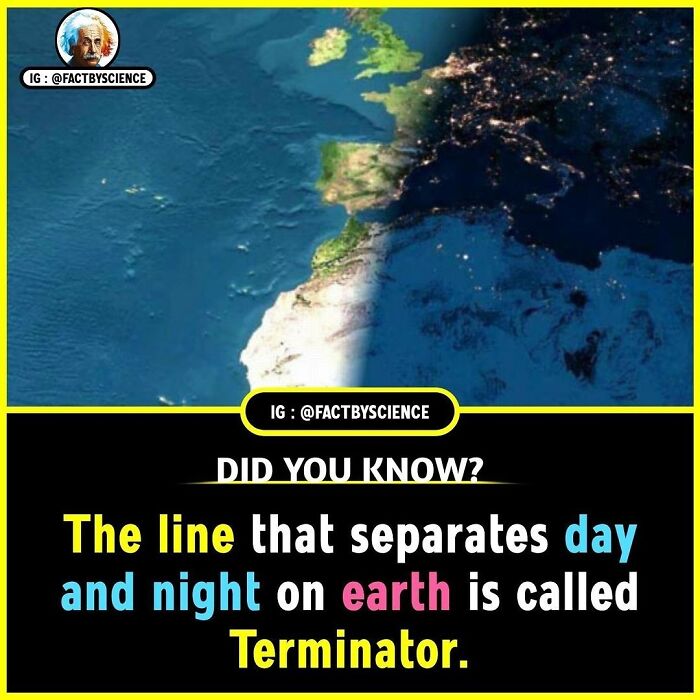
Of course, boredom can also lead you to places you might not have gone. And you'll find out things you might not have known before. If you ended up reading this as a result of being bored, your brain could be thanking you in a few minutes' time. We recently came across an Insta page called Facts By Science. It has over 566 thousand followers, and shares super interesting tidbits from around the world.
Keep scrolling for a list of our favorites, and upvote the ones that blew the boredom out of your mind. Don't miss the chat Bored Panda had with media psychologist Dr. Pamela Rutledge about the positives and negatives of using social media to combat boredom.
Click here & follow us for more lists, facts, and stories.
This post may include affiliate links.
Occasional boredom isn't bad, but according to Psychology Today, frequent boredom can be associated with mental health issues such as anxiety and depression, lower achievement at school or work, and involvement in unhealthy relationships. It can even drive people to indulge in substance abuse, or reckless and antisocial behaviors.
The site defines boredom as a “state of mind characterized by a lack of interest, motivation, and engagement with the world around us,” adding that “when we're bored, we may feel restless, irritable, and unfulfilled. We may also experience physical symptoms like fatigue, lethargy, and a lack of energy.”
Dr. Pamela Rutledge is the director of the Media Psychology Research Center. She describes herself as "a media psychologist: a social scientist who applies expertise in human behavior to media and technology." She's done extensive research on how social media impacts our mental wellbeing, and kindly agreed to share some insights with Bored Panda.
Doing things that keep you actively engaged can be a good way to beat boredom. "Boredom is an emotion, a natural response to a lack of stimulation," said Rutledge during our interview. "It is a motivational tool that tells us when something is too easy, too difficult, or lacks personal meaning. Being bored stimulates us to change what we’re doing."
We asked Rutledge why so many people tend to pick up their phones when they're bored. "Because phones and devices require little effort, we often turn to them to soothe boredom," she replied. "Social media is a readily available source of interactive content, so it provides more mental stimulation than more passive activities. Even when you’re 'just watching', you are still actively scrolling and considering if there is other content you might want to see."
And if the content you choose involves learning something new, even better. That’s why we recommend scrolling through this list of random but really interesting facts from around the world. If you're looking for more fun, informative, and cool facts afterward, you can find them here. But first, continue reading to find out what else experts have to say about boredom.
Rutledge tells Bored Panda that there are times when scrolling through social media can be relaxing and restorative. "Content that makes you laugh or smile or inspires you with new ideas changes your body chemistry by triggering the reward center and makes you feel better, lifting your mood and releasing stress," she said.
But she adds that the key to any social media use, positive or negative, is purposeful goal-driven intention rather than using it to bury emotions. "It doesn’t matter whether the goal is fact-finding, connecting with others, learning to do something, or taking a moment of entertainment to exhale. Without some level of intention or self-awareness, we are at the mercy of our emotional reactivity," she said during our chat.
You need to be mindful of what you seek out online to beat boredom. "Be intentional of your media use. Note how your mood changes with what you watch. Scrolling through social media can actually make your boredom worse," warned Rutledge. She suggests seeking out longer-form content, where you can become immersed in a story.
This allows for deeper engagement, she says, adding that it "increases the sense of meaning, resulting in a more positive experience." On the other hand, Rutledge warns that short-form videos often lack a compelling story arc, which leads to more scrolling, switching between content, and, ultimately, you guessed it: more boredom.
Rutledge adds that digital media can be a convenient way to alter our environment, or beat boredom—but not if we’re on autopilot. "Turning to digital media isn’t the best way to manage our boredom if our kneejerk response to boredom takes us further away from our goals rather than engaging in more intentional activities with more personal value," said Rutledge.
"Goal satisfaction often means overcoming our automatic emotional reactions (like reaching for your phone and scrolling mindlessly). When we respond to boredom by taking stock and being intentional about what we’re feeling, we are more likely to find activities/behaviors that will have a positive impact."
Dr. Alan Castel is a professor of cognitive psychology at the University of California. He says that boredom can lead to curiosity, and that curiosity is often piqued when we encounter something unusual, interesting, or unexpected—like when scrolling through our social media feeds. Castel adds that curiosity is great for the brain.
“Humans have a need to forage for information and a desire to learn,” he wrote. “This starts at an early age and can be fostered and maintained well into older age. Critically engaging in this process and satisfying our learning interests can keep our brains developing at any age.”
Castel adds that general knowledge quizzes or fact listicles can engage your brain and trigger dopamine responses. “There is a good reason why trivia night is so popular at pubs and senior centers and why people eagerly tune in to the popular game show Jeopardy!” he said. Or why articles like the one you're reading now are a hit with Pandas.
Rutledge says people shouldn't feel guilty when they're bored, adding that "boredom is a normal, but uncomfortable, emotion that signals a need for more stimulation." She says we should use moments of boredom mindfully. "When we’re bored, we are more vulnerable to random scrolling driven by 'FOMO'. This is the opposite of intentional engagement for a purpose—whether it’s entertainment, learning, or inspiration—and also makes you more susceptible to negative social comparison."
Erin Westgate is another expert on boredom. As an assistant professor of psychology at the University of Florida, she studies boredom, interest, and why some thoughts are more engaging than others. Westgate says the boredom is an emotion, just like anger or sadness, but one that people hate feeling. She once found that people despise being bored so much that they’d rather suffer an electric shock.
Westgate was conducting a study into boredom when she came across an interesting finding. Her team had gathered participants in a laboratory and asked them to daydream. “We tell them, ‘Sit down, try to think of a pleasure, but if you want, you can shock yourself with this little electric shock here.’ About 67% of the men and 25% of the women chose to shock themselves, rather than just sit and think," she revealed during a podcast. "When we asked them why, they looked at us like, 'Well, duh, it was really boring.'"
You might also like: 50 ‘Weird Facts’ About The World That Might Give You A Fresh Perspective


































 No fees, cancel anytime