Get Premium
Dark mode theme is available exclusively for premium users. Learn more about the benefits of subscribing.
No fees, cancel anytime.

 Dark Mode Ad-Free Browsing Unlimited Content
 Ad-Free Browsing Unlimited Content Dark Mode
Join 1.2 million Panda readers who get the best art, memes, and fun stories every week!
26submissions
Finished
We often think of history in black and white, quite literally. And that’s because most very old photographs are indeed monochrome, taken before a time when images could easily and affordably be developed in living color. While there’s a certain charm to black and white pics, they can sometimes give the impression that the past was a little duller, or less alive. Which couldn't be further from the truth.
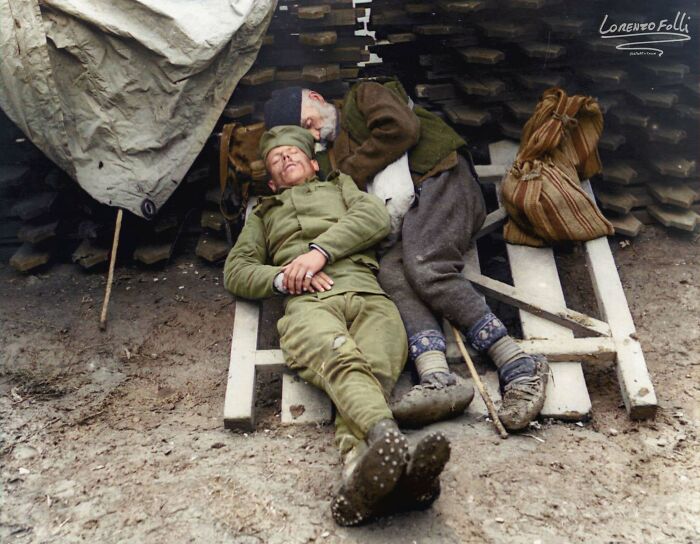
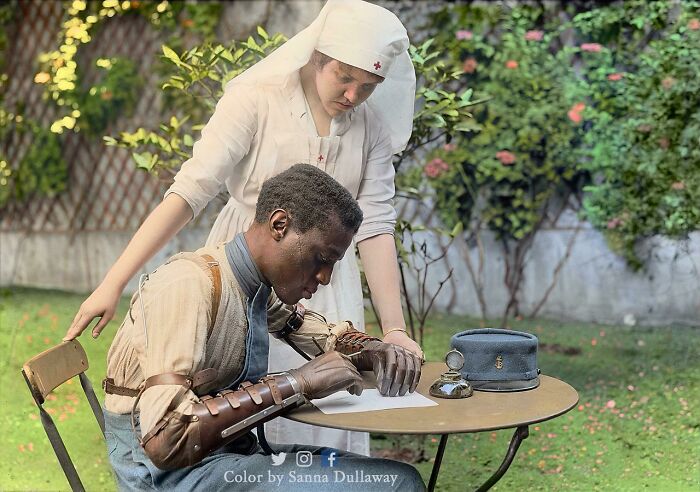
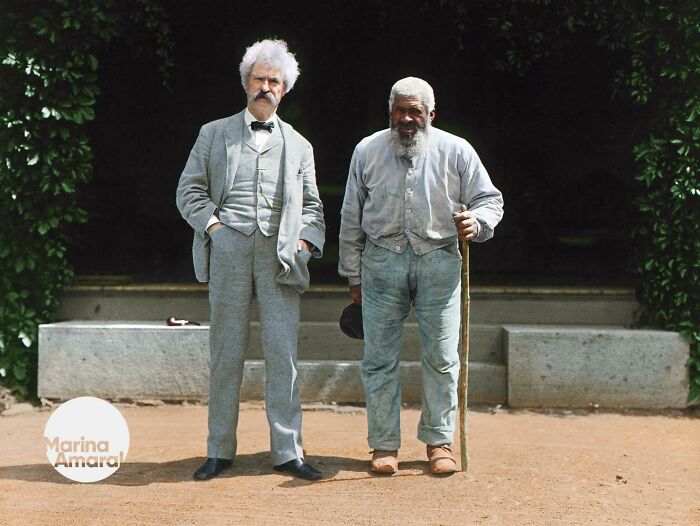
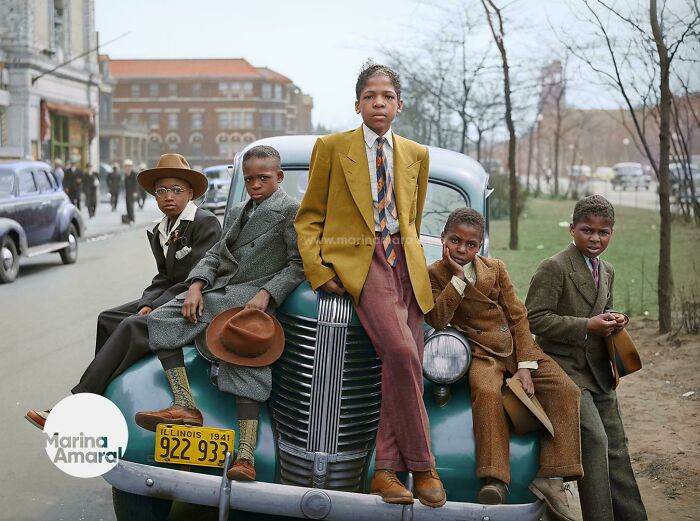
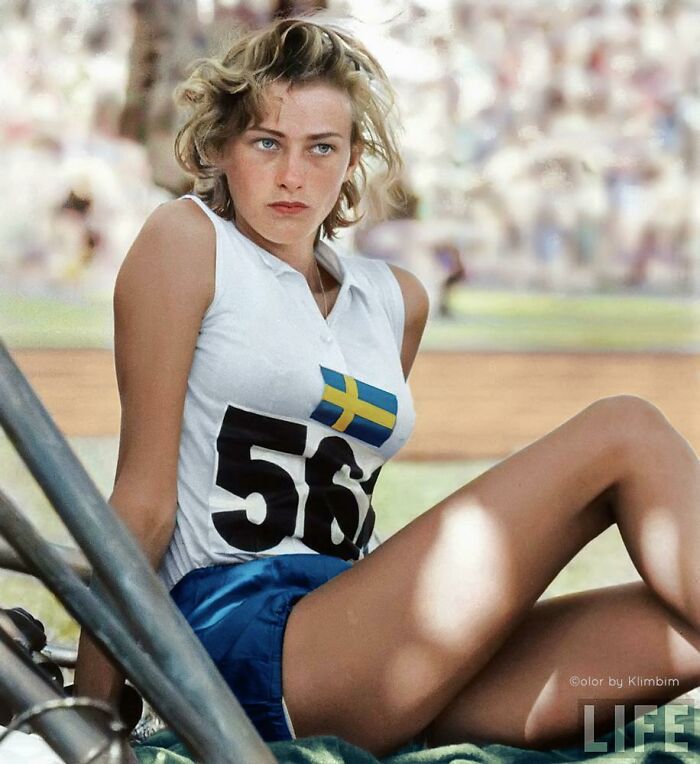
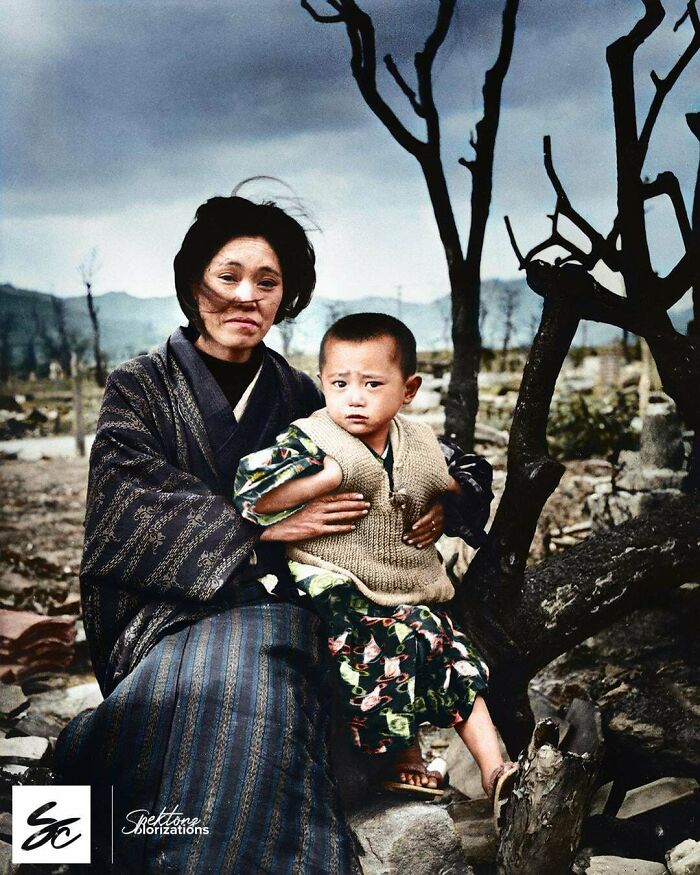
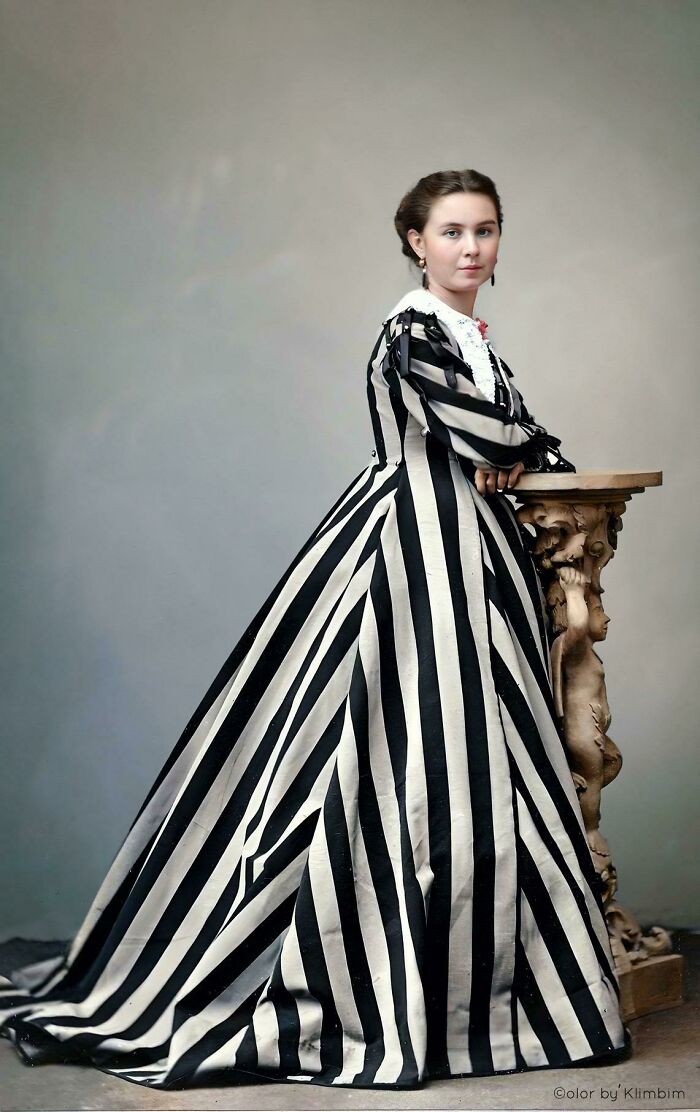
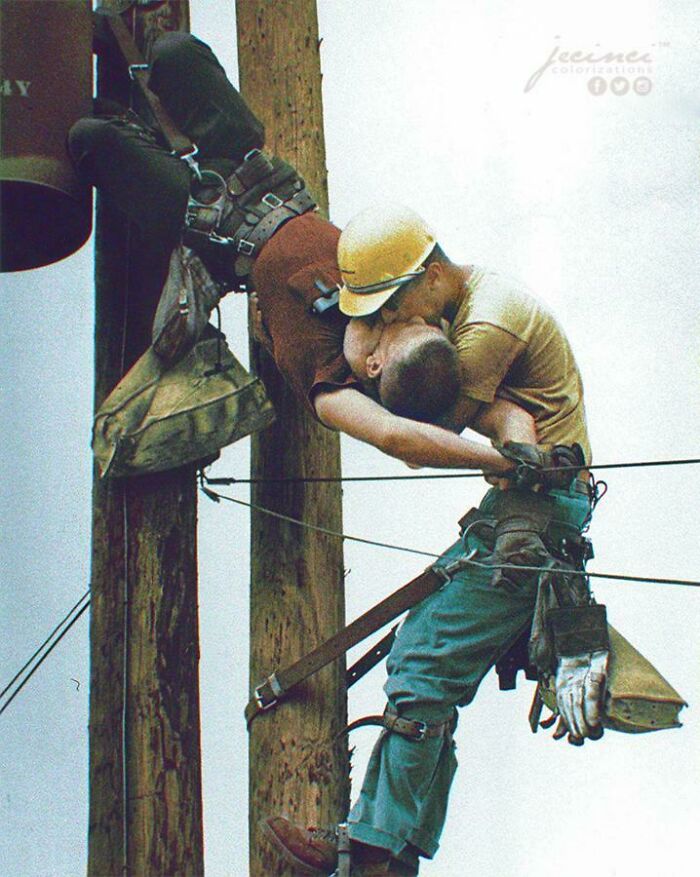
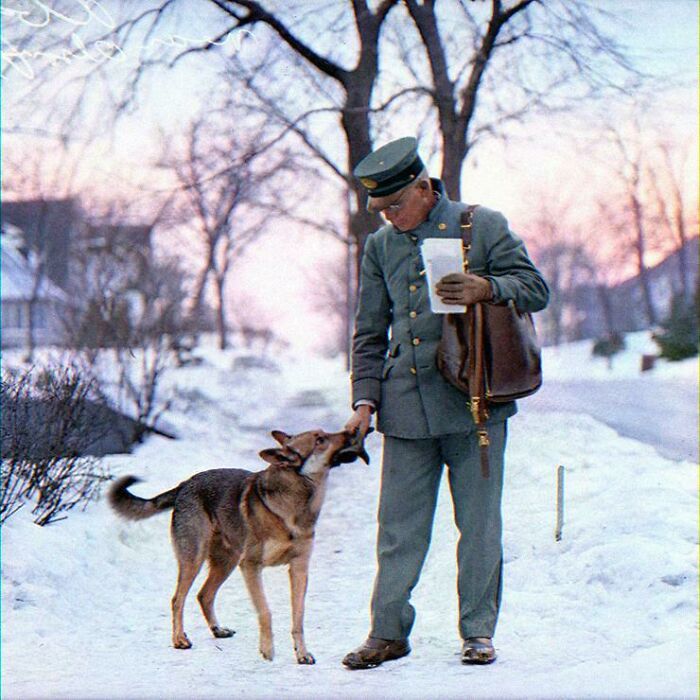
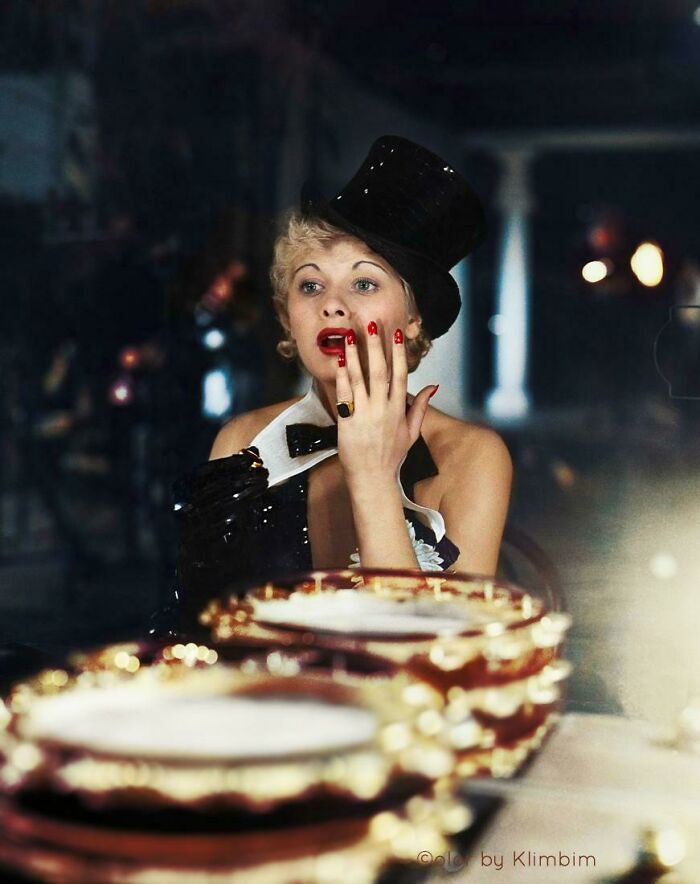
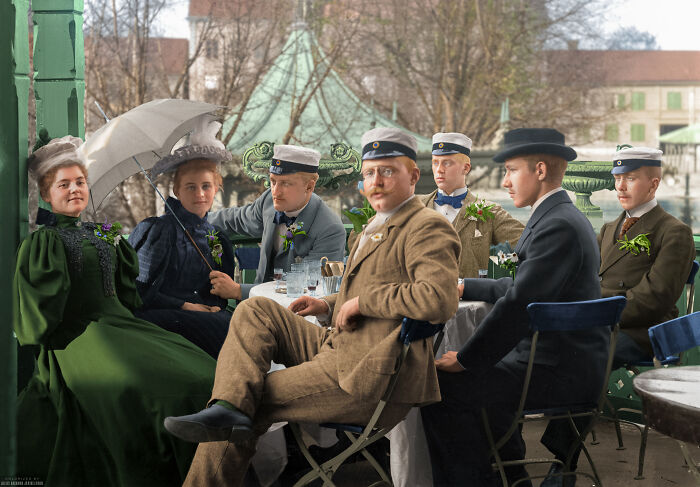
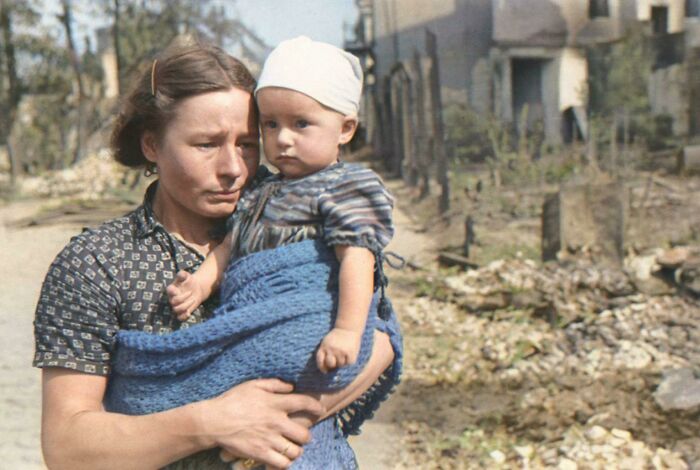
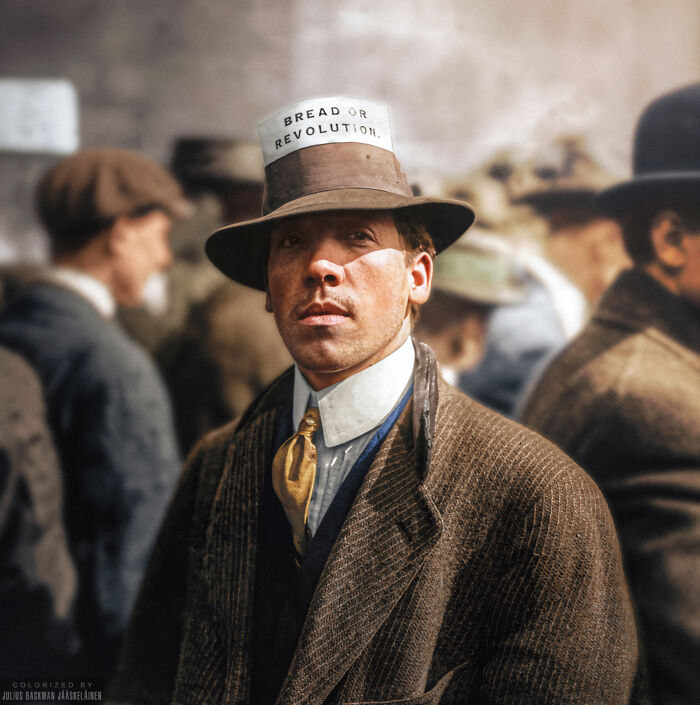
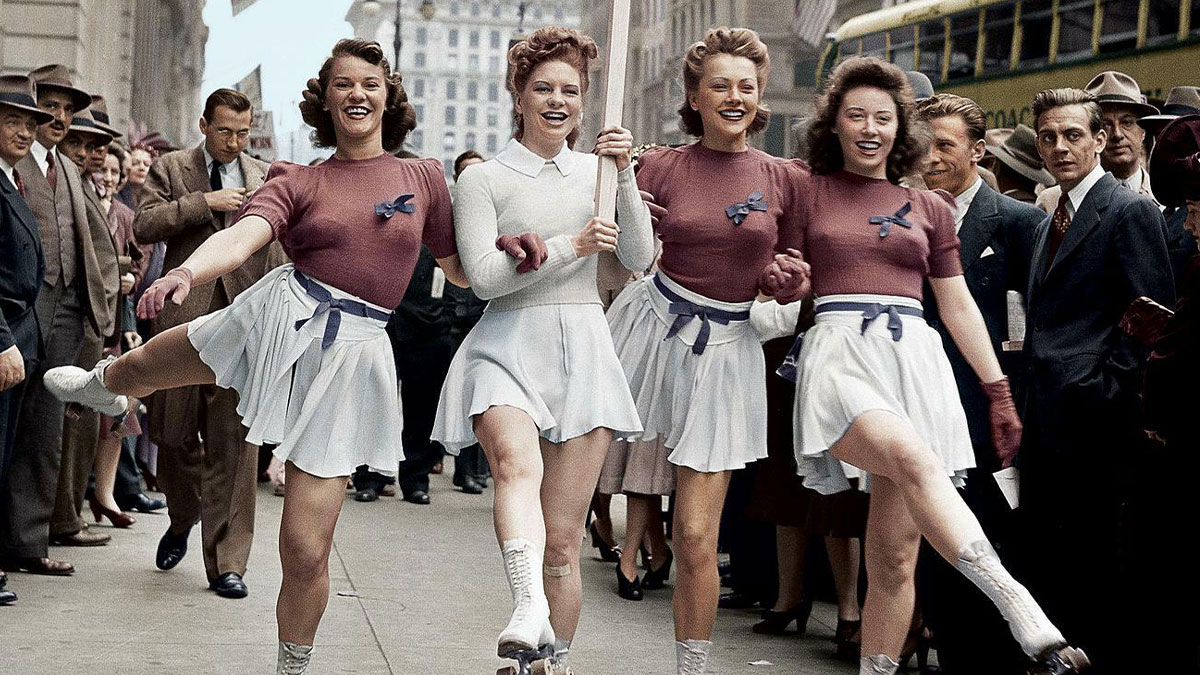
Enter colorized historical photos. A trend that adds splashes of color to frozen moments, warming up faces, giving eyes some sparkle, and breathing new life into everyday scenes from years gone by. The reimagined photographs remind us that the people who came before us were real humans, with colorful clothing, rosy cheeks, sunlit surroundings, and lives as vivid as our own.
There’s an online community dedicated to sharing gorgeous colorized historical photographs. r/ColorizedHistory has clocked up more than 631,000 members. And it’s not hard to see why. The posts put a new spin on old photography, and turn the static past into a stunning, colorful gallery that somehow helps to bridge the gap between “then” and “now.” Bored Panda has put together a list of our favorite ones. Keep scrolling and prepare to step back in time, while gaining a new perspective on history.
Click here & follow us for more lists, facts, and stories.
This post may include affiliate links.
Taking an old black and white photograph and adding some color can be truly captivating and beautiful. Color breathes life into a person from long ago, who might otherwise seem distant or abstract.
It can also increase our emotional connection with the subjects. And some argue that colorised images can make history more engaging, especially for younger generations. Those who are accustomed to high-definition, full-color images and video.
But not everyone agrees. Some critics believe there are some serious ethical and cultural implications when it comes to colorizing historical photos...
Some argue that colorising photos of traumatic or sacred historical moments can be disrespectful. They believe that “beautifying” suffering distract from the seriousness of certain events.
While others say that adding color can overwrite or erase marginalized narratives. If done wrong, adding color could distort the truth about race, class, or culture. For example, portraying a Black historical figure with light skin... is just plain wrong.
“The problem with colorisation, is it leads people to just think about photographs as a kind of uncomplicated window into the past, and that’s not what they are,” argues University of Dublin History professor, Emily Mark-Fitzgerald.
She believes that adding colour, extra frames, or removing dust and scratches, takes away from the original piece. In other words, it defeats the point of preservation.
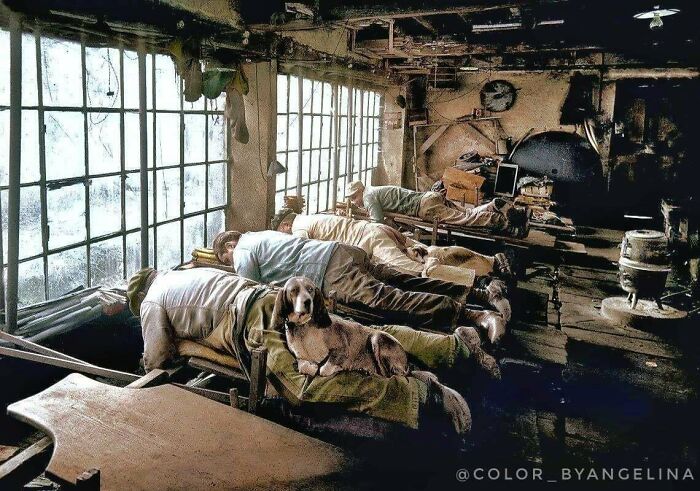
These knife grinders had the nickname of ventres jaunes or ‘yellow stomachs’ referring to the yellow dust released by the grinding wheels.
By laying face down, these yellow stomachs would save their backs from being hunched over all day. Workers were encourage to bring their dogs to not only keep them company but to act as heaters to keep them warm by having the dogs lie on their legs!
But not everyone agrees. The team at Little Dot Studios often add color to historical films and photographs. History is always evolving, they argue. And likewise the way we experience that history evolves, too.
"I agree with Professor Emily Mark-Fitzgerald that photographs are a complicated and imperfect window to the past," writes one of the junior content editors. "But, I also believe that lowering the barriers of understanding, allowing the window to be a window and not a wall, is a very important thing."
You might also like: Forgotten history: 83 rare images that reveal how people used to live























 No fees, cancel anytime