Get Premium
Dark mode theme is available exclusively for premium users. Learn more about the benefits of subscribing.
No fees, cancel anytime.

 Dark Mode Ad-Free Browsing Unlimited Content
 Ad-Free Browsing Unlimited Content Dark Mode
Join 1.2 million Panda readers who get the best art, memes, and fun stories every week!
Canadian poet William Chapman once said, “Words cut deeper than knives. A knife can be pulled out, words are embedded into our souls”. That rings true with every insult, and most of us can likely attest to that. Whether it’s bullying at school, uncalled-for remarks on the street, or other outbursts of people’s hostility, it’s nearly impossible to avoid it.
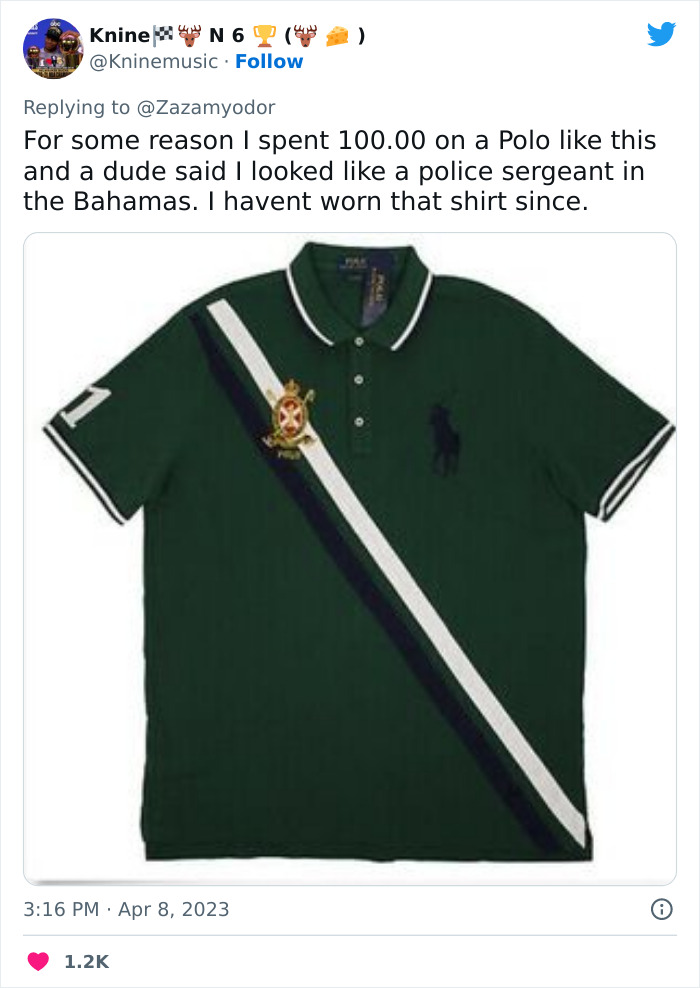
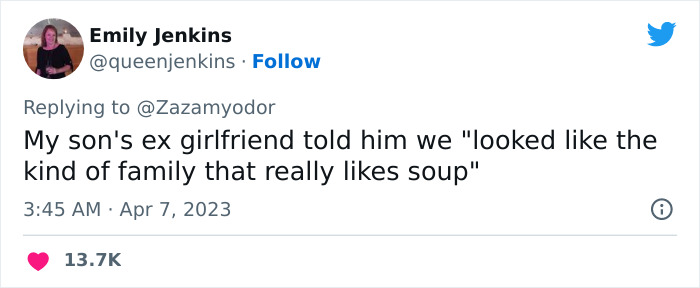
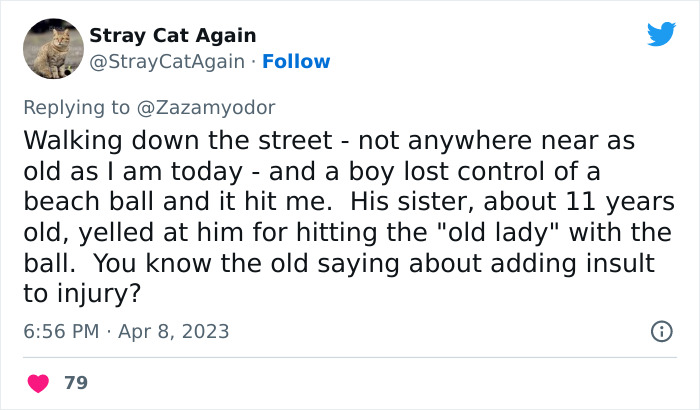
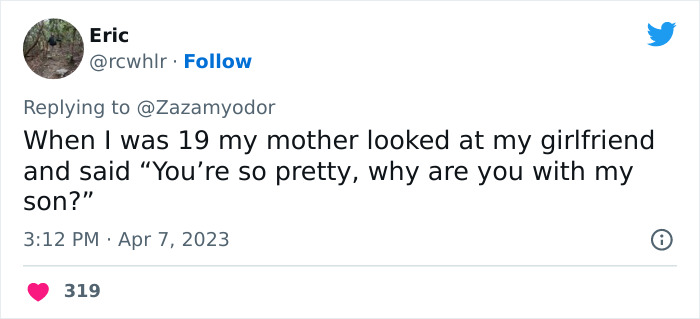
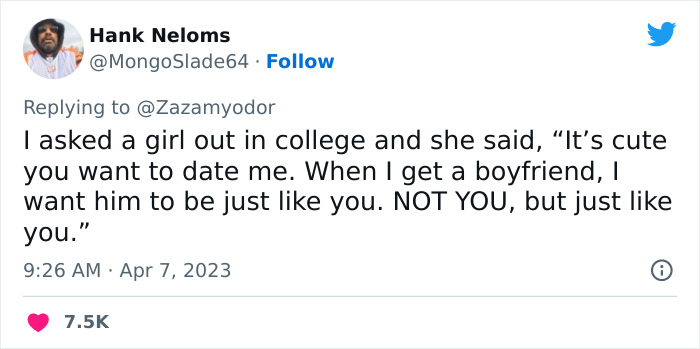
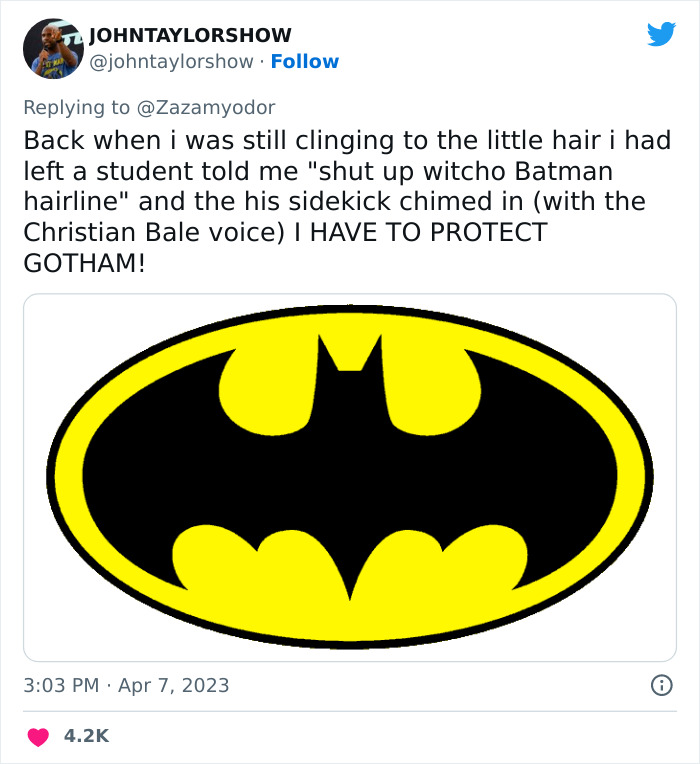
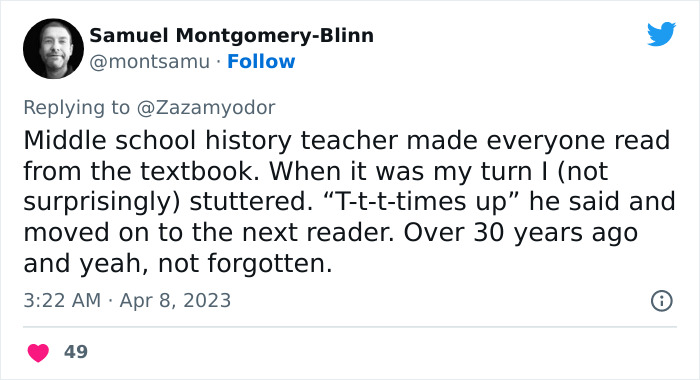
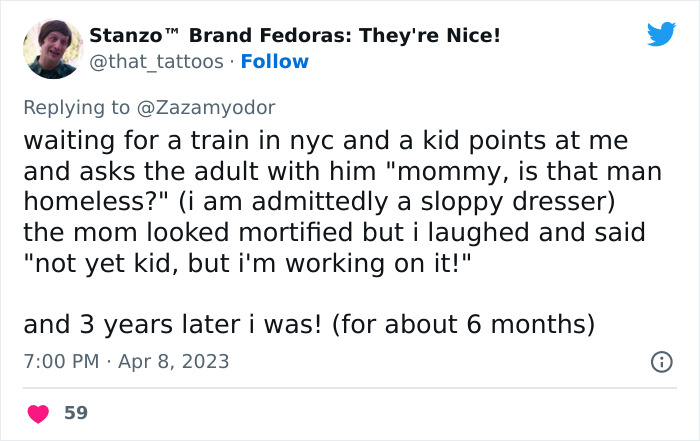
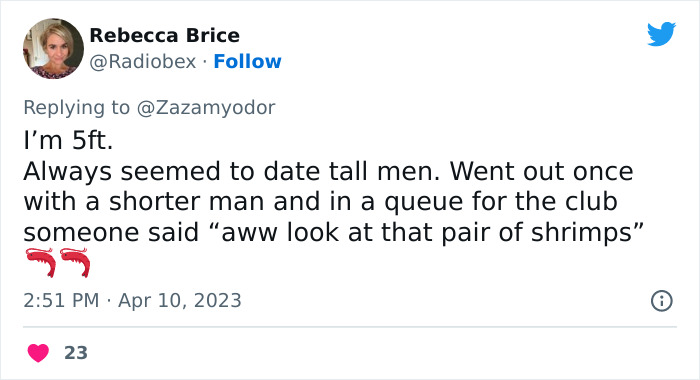
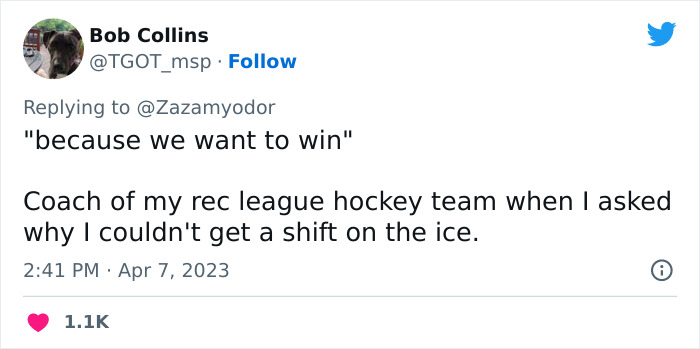
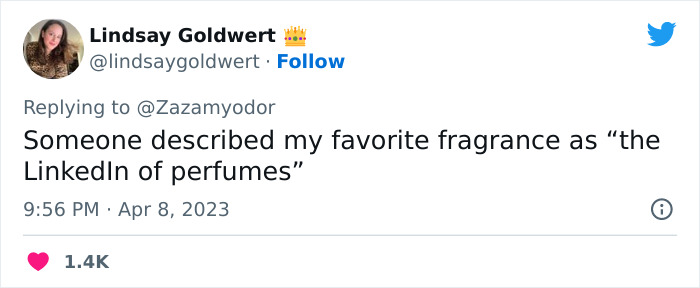
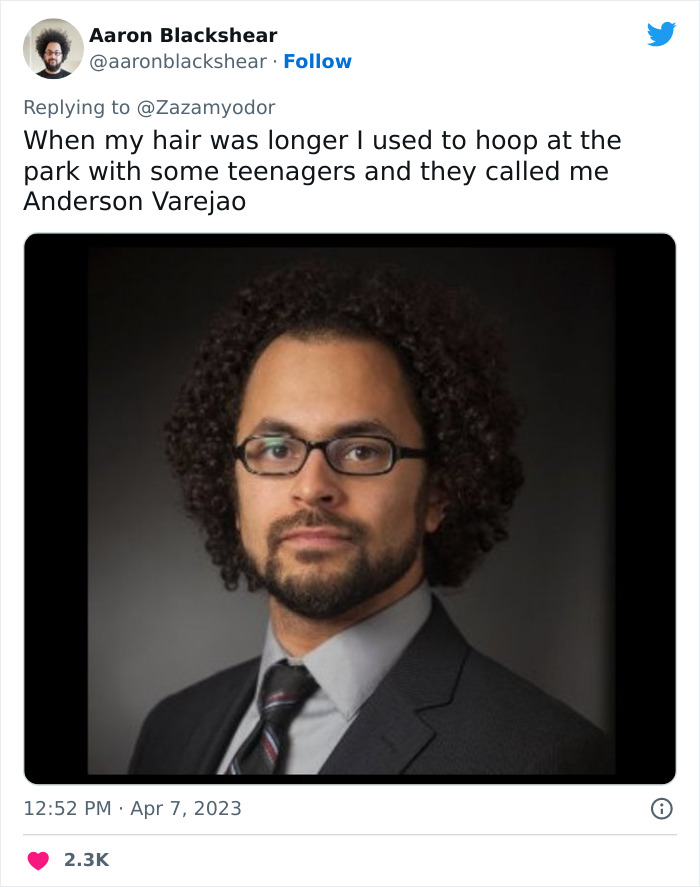
Some spiteful comments stick with the receiver for years, even decades after. This has been pointed out by Twitter’s community members, who have answered the user Zaza Man’s question: what’s an insult they’ll never forget. Their heart-wrenching answers show just how much damage a word can do; scroll down to find them and see for yourself.
In order to better understand the subtleties of how certain wording can affect a person and what drives someone to use insulting language, Bored Panda has reached out to the professor of rhetoric and linguistics at Soka University, James Williams, PhD. He was kind enough to answer a few of our questions; you will find the interview in the text below.
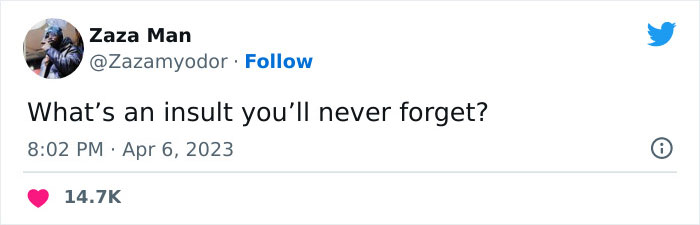
Image credits: Zazamyodor
Click here & follow us for more lists, facts, and stories.
This post may include affiliate links.
Professor of rhetoric and linguistics James Williams, PhD, explained how certain wording can influence a person: “Various studies have shown that positive thoughts and words have a powerful effect on the body, causing the brain to release endorphins and serotonin—hormones that reduce stress, relieve both physical and emotional pain, and produce a sense of well-being.
“Given that we are a highly social species, and given that living in groups, whether family-based or not, can result in difficulties and even conflict, there are incentives to use positive language when interacting with others,” he told Bored Panda.
“With good reason, many linguistic and psychological studies have explored the following question: If positive language results in positive thoughts and feelings, what are the effects of negative language? Various studies have found that negative language activates areas of the brain that are associated with mental distress and physical pain.”
Insults can have a long-lasting effect; it’s not just the moment you receive one that hurts. Quite a few examples on the list spoke about insults from years ago, which the receivers carry with them to this day. That reveals how deeply negative comments can ingrain into our brain.
Research reveals that hurtful words trigger sensations in our brain that can be compared to a “mini slap in the face”. By using electroencephalography (EEG) and skin conductance recordings, researchers determined that even under unnatural circumstances, such as a lab setting and no actual human interaction, insults have a strong negative effect on the receiver, which might not wear off even if repeated several times.
The fact that repeating insults doesn’t make them any less painful doesn’t sound all that surprising. In a way, when repeated, they become bullying, which, sadly, a lot of people have gone through at some point in their lives.
To make matters worse, it often happens at school, around the age young minds soak everything up like a sponge. Statistics show that one in five students aged 12 to 18 have experienced it. And kids can be surprisingly cruel when it comes to concocting some of the most painful word combinations.
In an article for Psychology Today, clinical psychologist Barbara Greenberg pointed out that most people vividly remember their childhood bullies. She provided possible explanations for that, such as, for instance, the fact that the bullies confirmed certain negative aspects they were already aware of before. Or they might have destroyed the receiver’s safe zone or planted a seed of self-doubt.
Another article in Psychology Today, written by Dr. Nigel Barber, pointed out that hurtful remarks are often motivated by anger that stems from insecurity about a certain status. Since a lot of insults are reactive, they might be evoked by real slights from people around the bully, as well as imaginative ones that are perceived as threats to their position.
Dr. James Williams pointed out that insults can negatively affect both sides of the far-from-pleasant conversation. “What should be understood is that this consequence affects both the target of negative language and the speaker. The more intensely the person uses negative language, the more agitated and angry he or she becomes through a psychophysiological feedback loop,” he told Bored Panda.
In Psychology Today, Dr. Nigel Barber also mentioned that a lot of hurtful rhetoric happens in the online world nowadays—it typically brings less consequences than it would in real life. According to Pew Research Center, as much as 25% of people have faced harassment online. It also pointed out that 75% of them experienced such troublesome situations over social media channels.
One of the reasons bitter internet users feel more at ease insulting others online is anonymity. Such keyboard warriors feel safe corresponding under their witty usernames, which shield them from consequences that might accompany harsh words said face to face.
“Some research has found that the anonymity that characterizes the internet automatically increases the aggressive linguistic behavior of participants,” professor of rhetoric and linguistics James Williams pointed out.
“The process is associated with what is called deindividuation—which is the breakdown of the social and inner constraints that inhibit anti-social behavior. Deindividuation exercises a powerful effect on the internet because even if users post their names on a given internet platform, the platform characteristics and the inability to link user names to known individuals increase anonymity and encourage aggressive behavior.”
Pew Research Center revealed that the vast majority (86%) of internet users agree that the online world enables people to stay more anonymous than they would be in real life. Moreover, 93% of them believe that the online environment encourages users to be more critical compared to how they would be offline.
“Most platforms allow for anonymous participation, which strips the normal social restrictions and guidelines that regulate and control personal interactions in the real world,” Dr. Williams told Bored Panda. “Instead of facing consequences for unacceptable language, those who use graphic and abusive language on internet platforms are rewarded with a ‘like’ and the resulting feel-good serotonin.
“These rewards trigger the same oxytocin and dopamine receptors as positive language even though the linguistic reward is essentially negative. The result is a feedback loop: to generate more ‘likes’, participants are motivated to use increasingly negative language.”





























 No fees, cancel anytime