Get Premium
Dark mode theme is available exclusively for premium users. Learn more about the benefits of subscribing.
No fees, cancel anytime.

 Dark Mode Ad-Free Browsing Unlimited Content
 Ad-Free Browsing Unlimited Content Dark Mode
Join 1.2 million Panda readers who get the best art, memes, and fun stories every week!
When I started working on PaciFIST, I didn’t expect the final result. I brought it to my first exhibition, free and open to everyone.
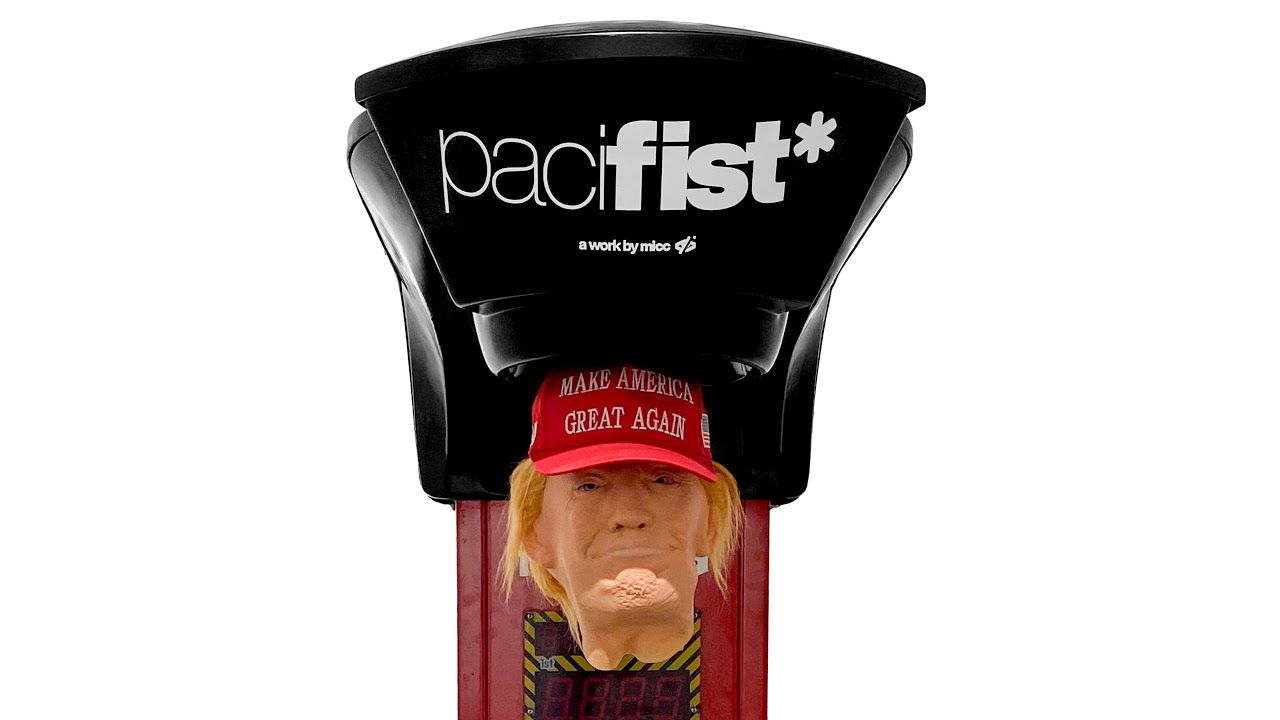
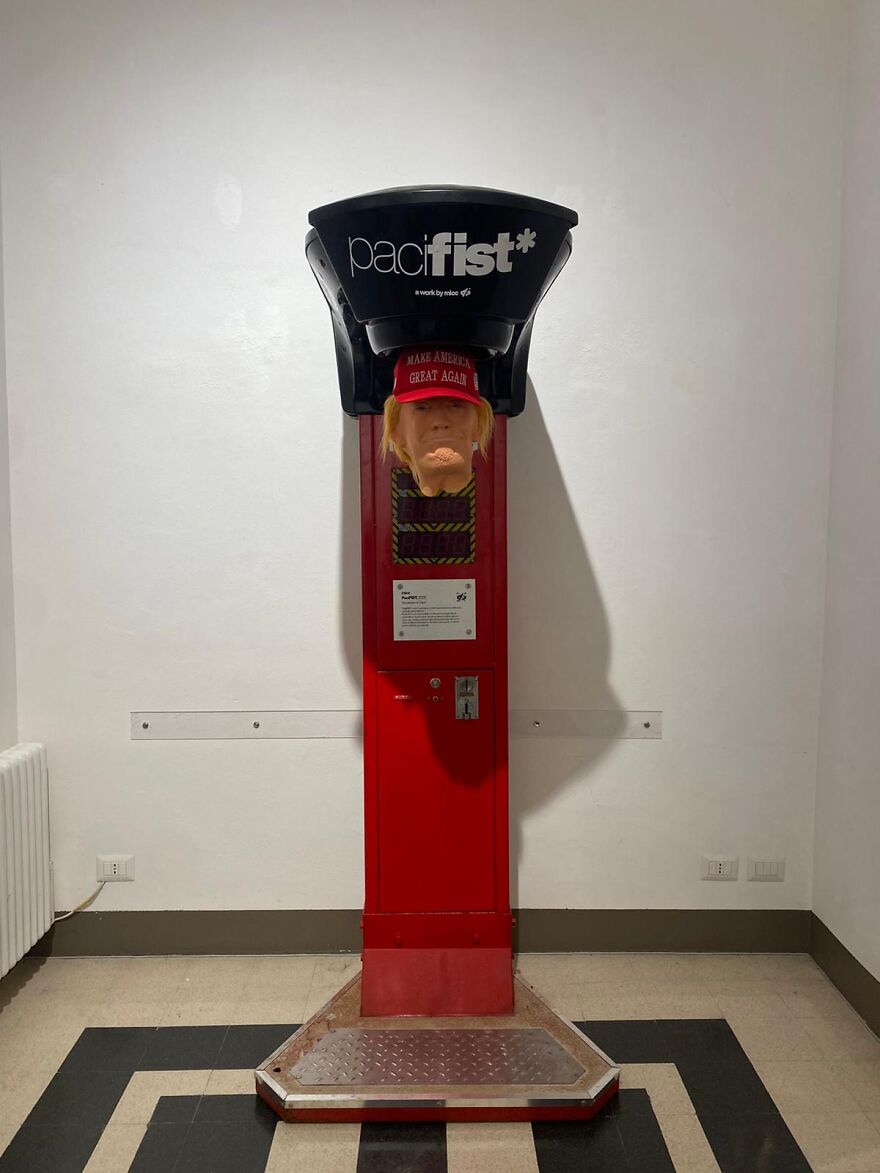
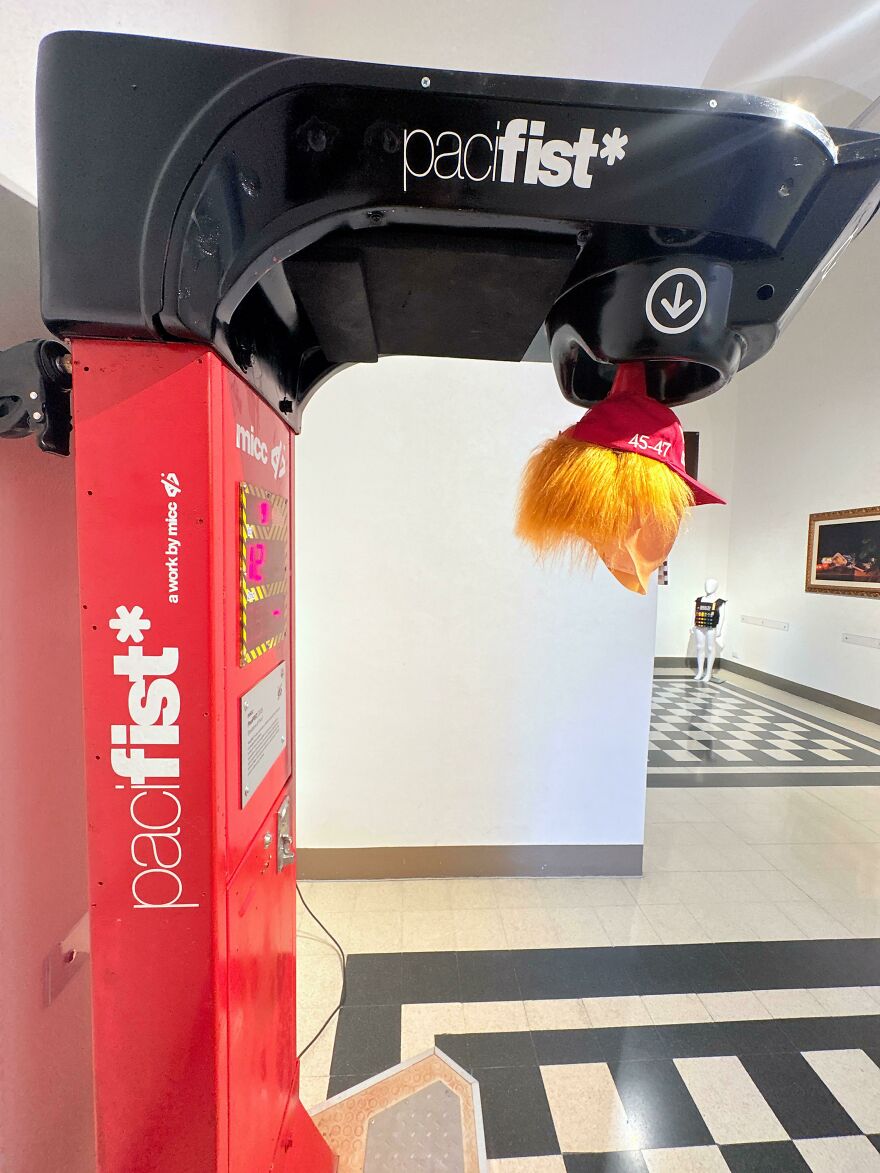
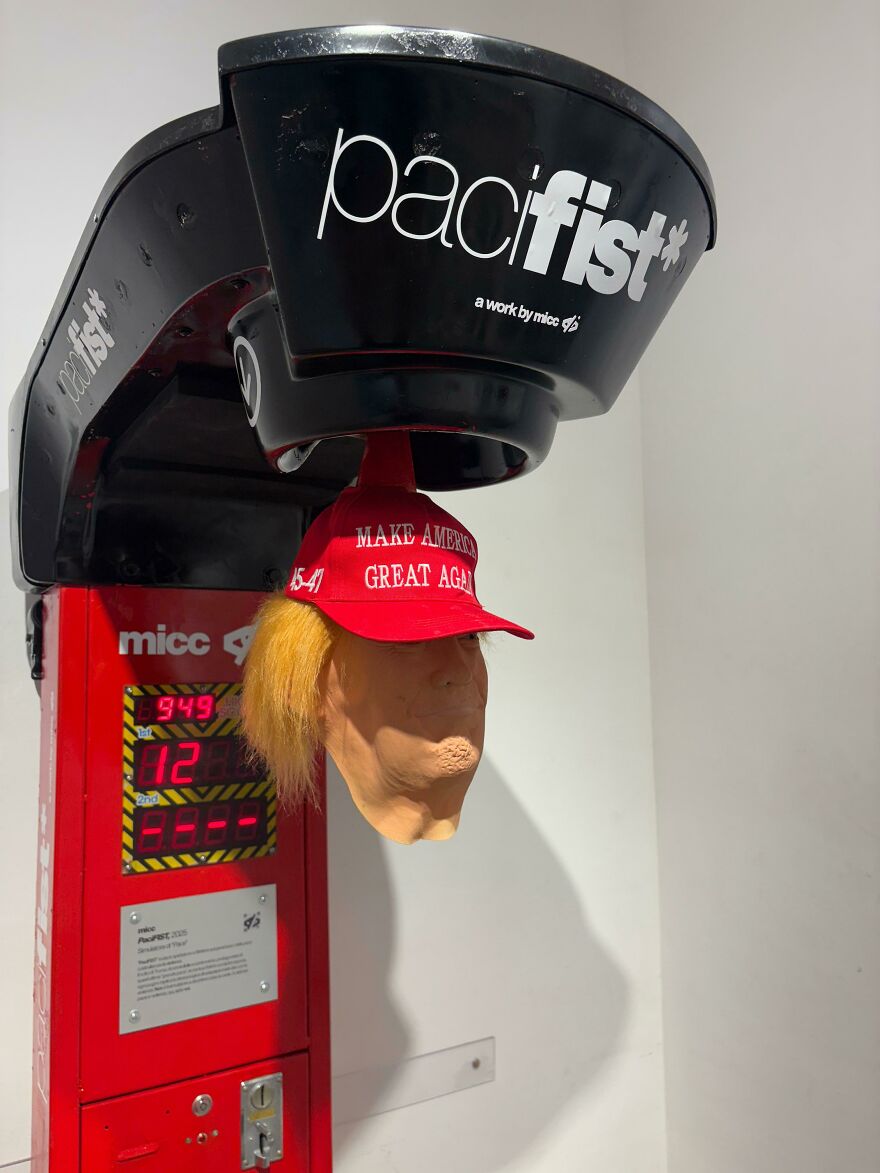
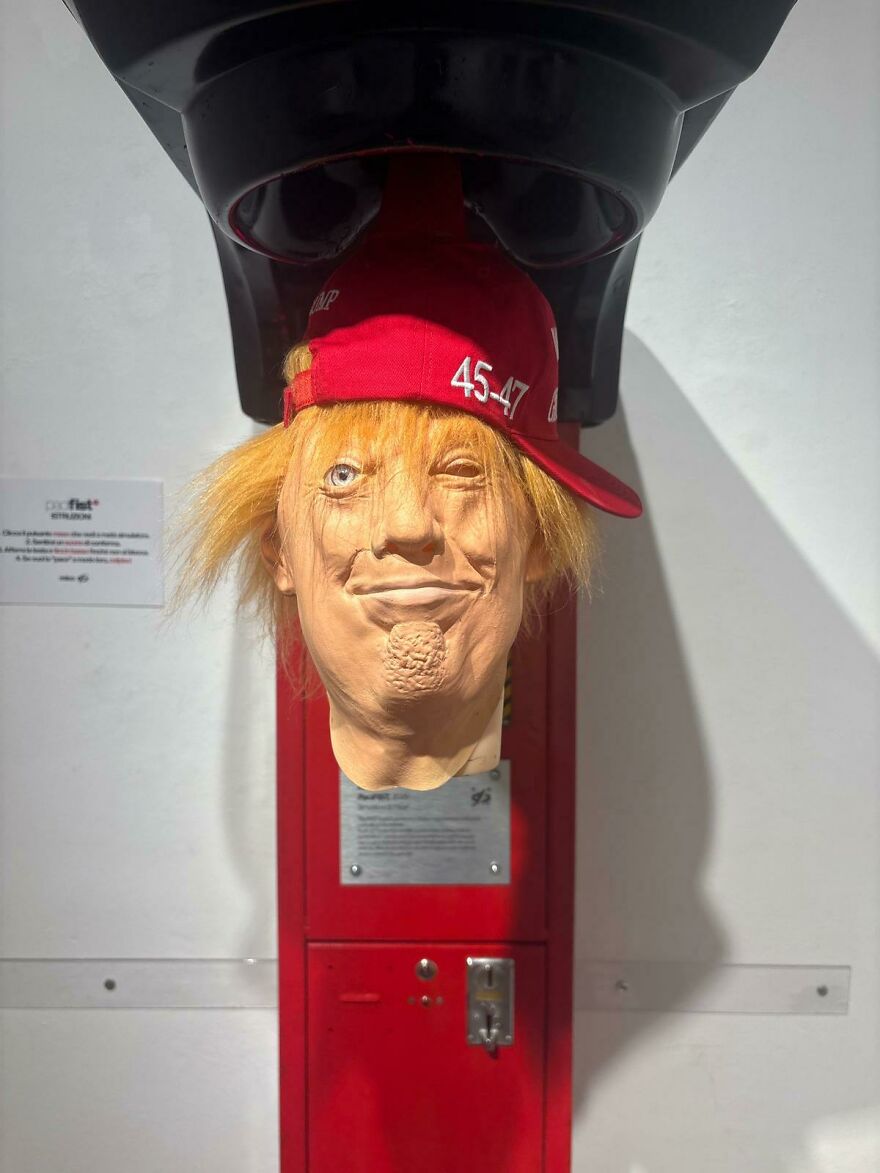
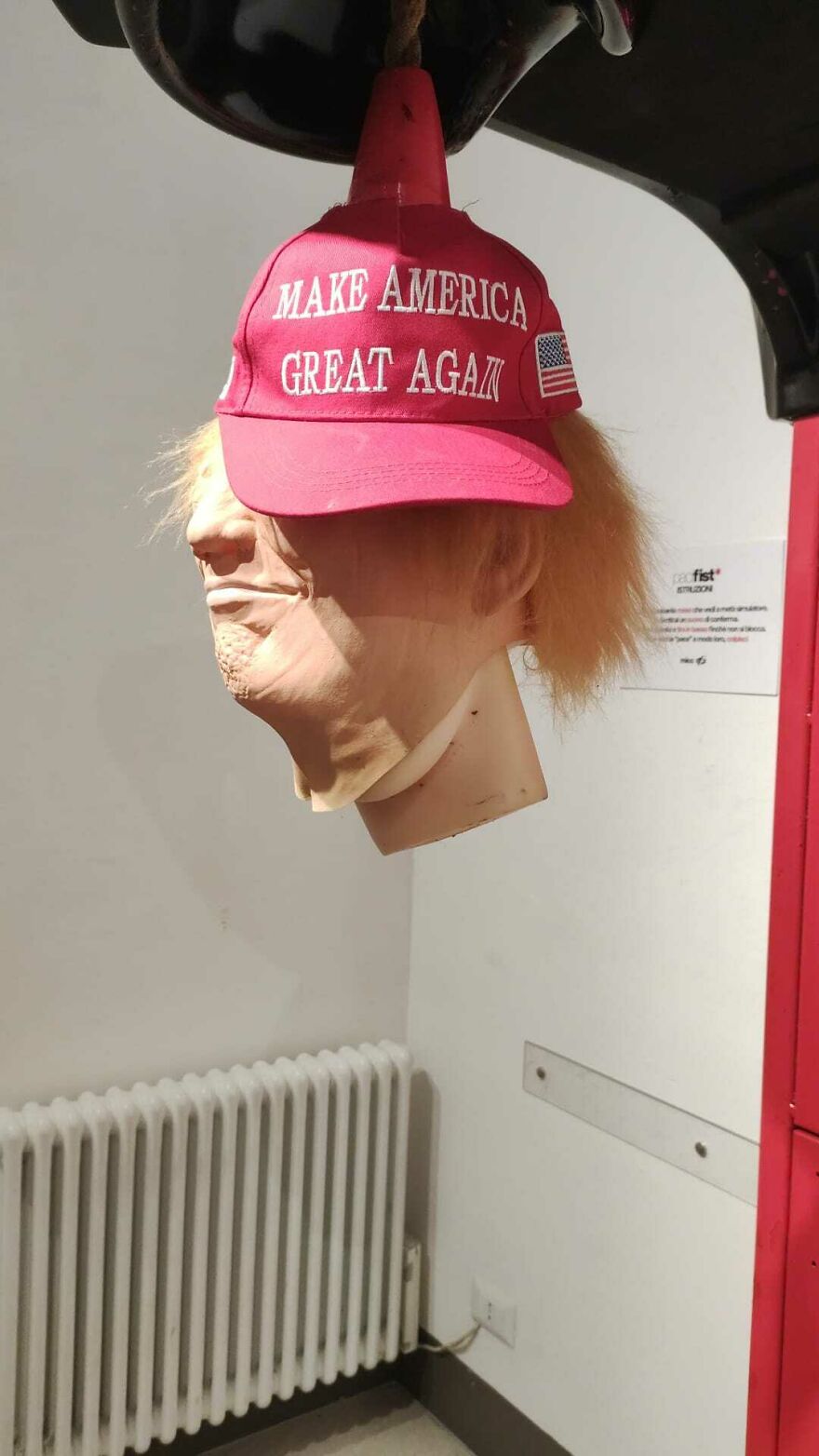
Before seeing the piece, visitors were presented with a small sign:“If you want peace, look at the artwork. If you want peace through the same violence you criticize, then hit.” In front of them stood a classic arcade punching machine. But instead of a bag, there was a silicone mask of Donald Trump’s face.
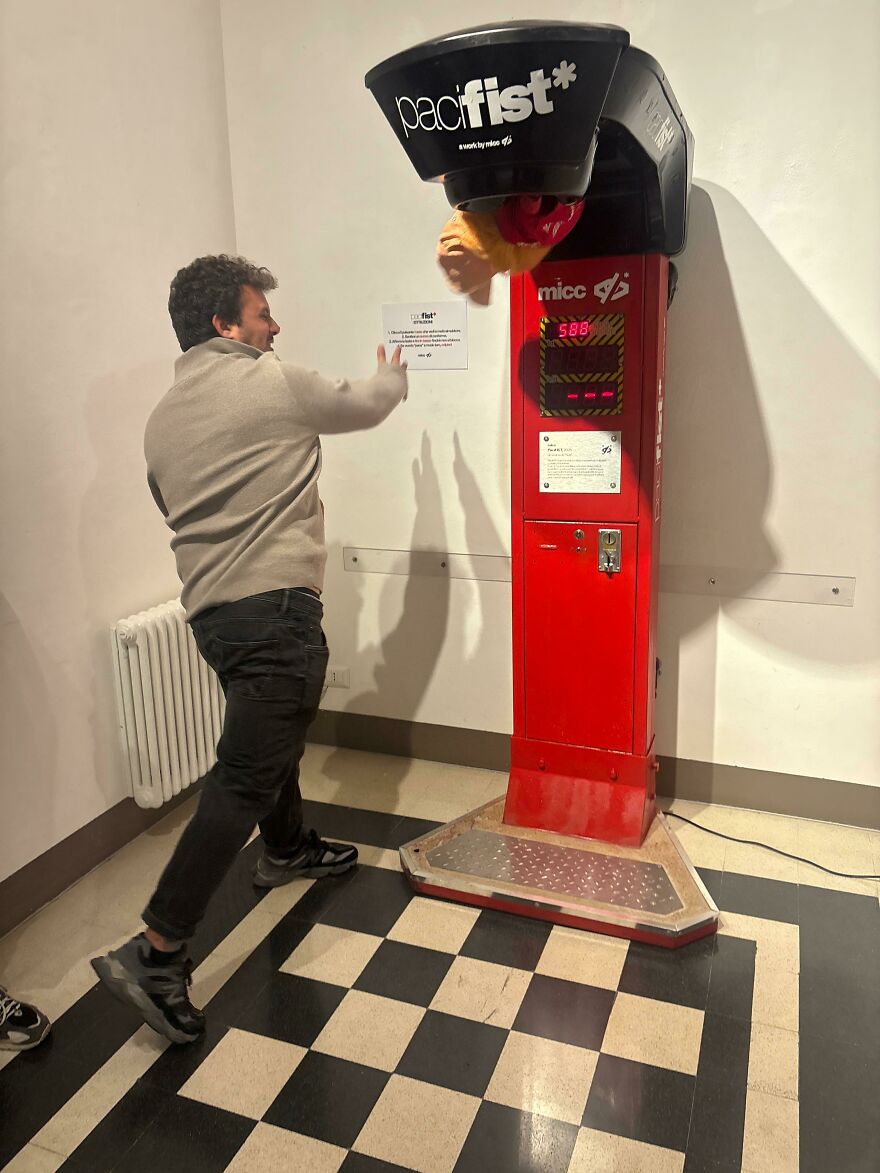
At first, I thought it was just an ironic provocation, a visual game about power and peace. Then I started observing people’s reactions.Few stopped and read the sign, standing still. All the others punched without hesitation.
I didn’t expect so much violence. So much desire to vent on a mask. That’s when paciFIST stopped being just an object and became a social experiment.
The piece invites viewers to reflect on the paradox of peace built through force. Trump’s face, recognizable and controversial, representing this so-called “great peace,” amplifies the instinct to hit, and yet, every punch repeats the same logic the work criticizes.It’s not the simulator that decides what happens, or what is peace and what is violence. It’s us.
In the end, I realized PaciFIST doesn’t measure the strength of the punch, but the awareness of the person delivering it.
And it’s in that choice, to hit or to pause, that the meaning of the artwork is revealed.
More info: Instagram








 No fees, cancel anytime





1
0