Get Premium
Dark mode theme is available exclusively for premium users. Learn more about the benefits of subscribing.
No fees, cancel anytime.

 Dark Mode Ad-Free Browsing Unlimited Content
 Ad-Free Browsing Unlimited Content Dark Mode
Join 1.2 million Panda readers who get the best art, memes, and fun stories every week!
Living with dogs can make it feel like we understand each other perfectly. But as close as that bond can be, dogs and humans still experience the world in very different ways. Many things that seem completely normal to us can be confusing, stressful, or even scary for our pets. Even everyday routines like showering, cooking, cleaning, getting dressed, or leaving for work can raise questions our dogs cannot exactly ask.
To better understand which human habits dogs may find the most confusing, Bored Panda reached out to Russell Hartstein, a Los Angeles-based Certified Dog Behaviorist and Trainer, ethologist, and founder of Fun Paw Care. Hartstein has over 30 years of experience in applied behavior analysis, dog behavior, training, and pet care, and his work focuses on science-based, positive reinforcement methods that help pets and their humans live more harmoniously together.
Below, you will find 18 human behaviors that may confuse dogs, along with Hartstein’s explanations of why these everyday actions can be so puzzling from a canine point of view.
What about your own pet? Has your dog ever reacted strangely to something completely normal you were doing, like sneezing, dancing, cleaning, or putting on a hat? Share the human habits that seem to confuse your furry friend the most in the comments.
More info: funpawcare.com | Instagram | linkedin.com

This post may include affiliate links.
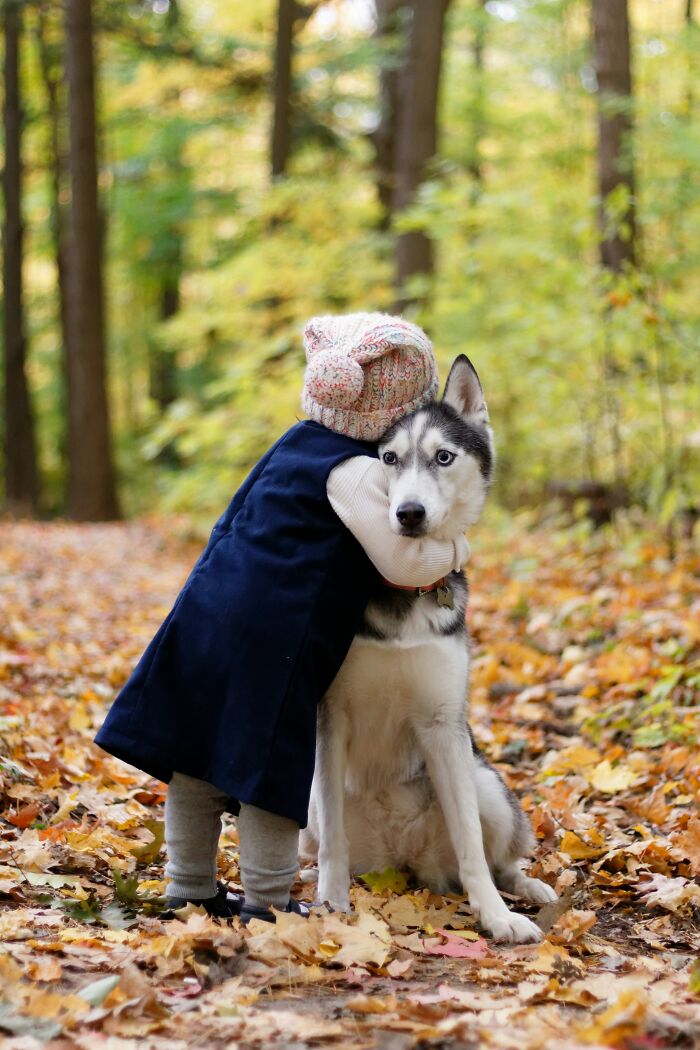
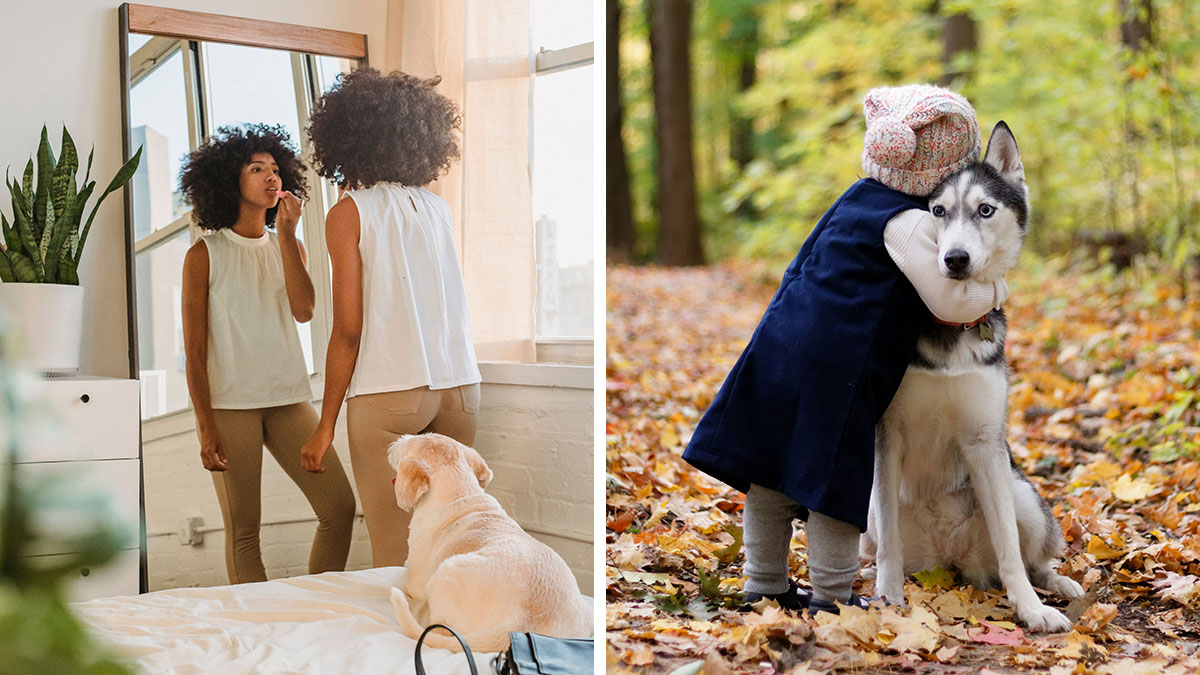
“I can’t count how many times I've seen a parent put their child on a dog in an Instagram photo, thinking that it's cute. Or someone hugging and squeezing their dog to show their love.
Dogs are incredibly adaptive and tolerant of our inappropriate behavior. However, they don't show love the same way that we do.
Restraining a dog, hugging a dog, or putting a scary object or person on a dog is not only dangerous, but can scare your dog and fracture your relationship.”

My 3 babies come to me and lay their head on my shoulder waiting for the hug. And if it is too short a hug, then I am pawed until the hug is deemed sufficient. I realised they do it more often when they are anxious and want to feel contained
According to Hartstein, one of the biggest misunderstandings comes from the fact that dogs do not learn through logic, explanations, or human-style reasoning. Instead, they are associative learners. They connect things that happen close together in time, which is why punishment after the fact, mixed signals, or inconsistent cues can leave them confused rather than informed.
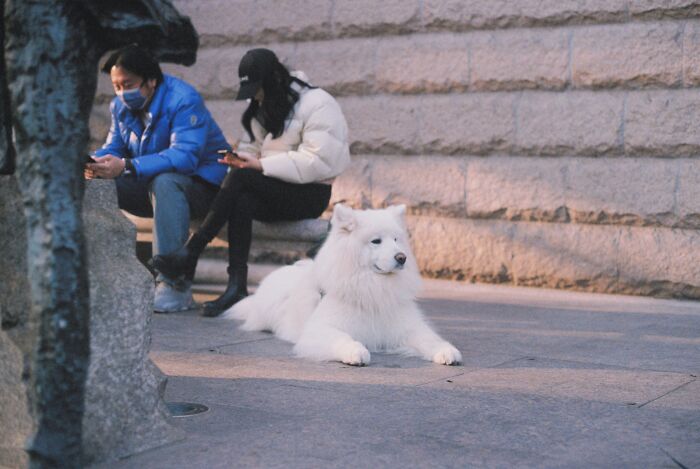
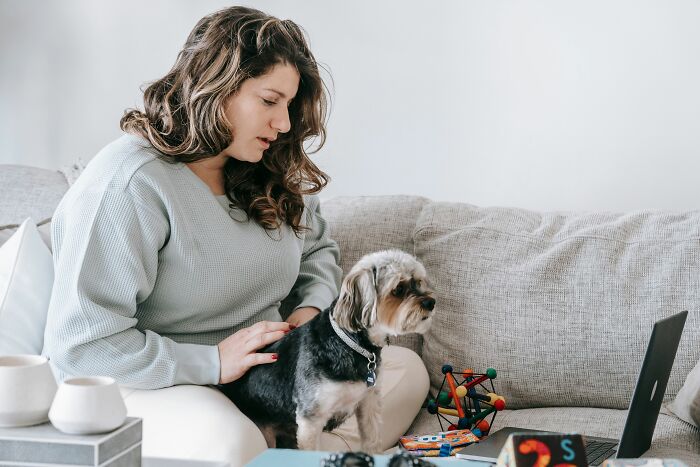
“Mom and Dad have two hands. Why are they both not petting me at all times? Why is Mom on her phone or computer?
When we do something else other than pet our dogs or pay attention to them, this can be confusing to them.”

I think this cuts both ways. Our pets are not stuffies and do not have to consent to being pulled around whenever we want to
“This classic, difficult-to-break habit of people is damaging to your relationship with your dog. Traditionally, this occurs when a dog is not potty-trained, and a parent drags their pet to the scene of the crime where they peed or pooped in your house, whilst scolding them. It is completely ineffective and harmful, and does absolutely nothing to teach a dog or to punish a dog that you don't want him to pee or poop in the house. If you don't see your dog in the act of peeing or pooping, then your punishment is useless. They don't understand why you're angry, and it does not stop the behavior from occurring in the future. It only serves to confuse your pet and cause your dog to pee and poop somewhere else in the house or do it when no one is around.”
There is a very short window between your dog performing a behaviour and them understanding that the consequences are as a result of that behaviour. It's around 10 seconds, but can be much shorter. If you don't catch them in the act, there's no point huffing and puffing, all you do is make them afraid of you.
The points Hartstein shared with us are a reminder that dogs are often incredibly tolerant of human behavior, but that does not mean they always understand it or enjoy it. From hugging too tightly and ignoring warning signals to teasing, yelling, or changing our appearance and smell, some of our habits can unintentionally make life more complicated for the animals who trust us most.
“While play is fun and very rewarding for both the dog and the parent, a habit many parents get into is removing food or some prized possession from a dog.
If you do not immediately replace what the dog had with something more valuable and/or the thing it just had, your dog will likely develop resource guarding or possessive aggression.
Do not take away your dog's favorite toy, put your hands in their food bowl, or remove a treat from your pet whenever you feel like it. Always be cognizant of replacing or improving the reinforcement and reward.
If it is safe, you ideally give back whatever you just took away from your dog in addition to offering your pet addition higher value items.
This way, your dog will learn that when Mom or Dad sticks their hand in the food bowl. They not only get a handful of incredibly delicious treats but also their food back immediately thereafter.”
Taking away the dogs food is proven to worsen or even cause resource guarding behaviour. Just because your current dog seems to be okay with it or allows it, does not mean that this is universal to all dogs. Please listen to the experts when they are trying to improve your relationships with your pets.
“The cacophony of smells and flavors in the kitchen can be confusing for a dog.
Where are these smells coming from? Why is there smoke coming from the oven or pan?
What is this refrigerator box that Mom and Dad keep opening to get food out of?
Your dog also could become sick if they scarf down something we drop when eating/cooking.
No need to trip over your dog when you have a hot plate in your hand. The kitchen is no place for pets.”
We had a couple of fur babies who loved to be near us at all times, which meant they often got underfoot, especially in the kitchen. I had a throw rug that was out of the way, but still within view of me moving around. We called it the zone. So when they started getting in the way, I'd tell them to get in the zone, and over time they learned that it was a great place to hang out because Mom wasn't tripping over them and they might even score a piece of roasted chicken or something. To reinforce it when I wasn't making a dinner that was good for dogs to eat, I'd give them one of their treats. It was a win-win.
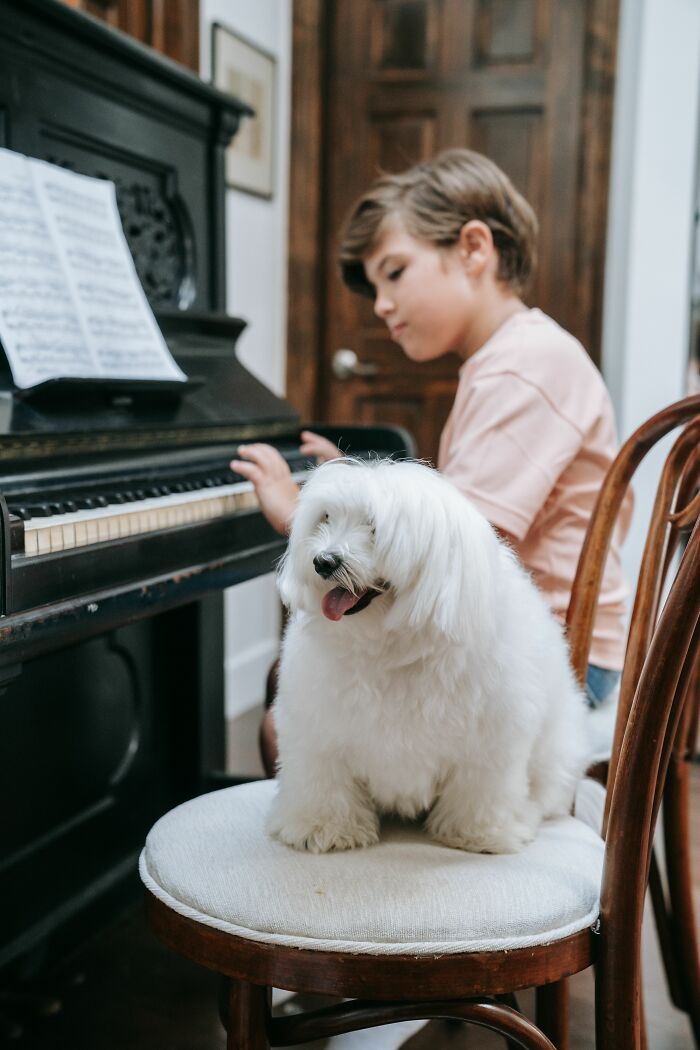
“While playing, certain types of music can certainly come and soothe pets. The opposite can be true as well.
Where is this noise and sound coming from? Why is it happening?
Noise and sound can certainly disorient, over-arouse and confuse a dog. However, it can also serve to soothe a dog with the correct canine classical sounds.”

"This is not my beautiful house. This is not my beautiful wife. How did I get here?"
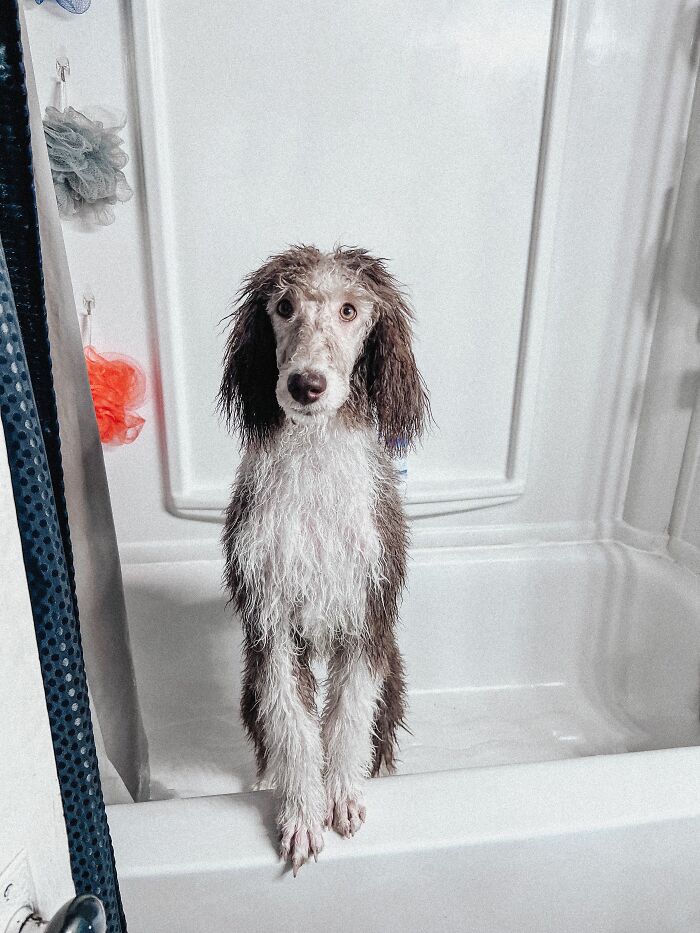
“Dogs don't shower. And many don't even like to be clean at all.
Some dogs like to follow their parents everywhere, including the bathroom.
However, why mom or dad is in the shower doesn't resonate with your pet.”

Mine loves taking a look in the shower to verify we are in there, then lay taking up the entire foot mat. It makes for interesting dismount.
“Ever shared a romantic moment while your pet was in the room? Sometimes they creepily stare at you. Sometimes you have to actually ask them to leave the room to have some alone time.
Have you ever hugged a person, and your pet tries to get in between you?
Sleeping together, hugging, and kissing can certainly be confusing to your dog.”
Eh, I am not so sure about this one. Yes, when getting intimate it’s probably a good idea for your pets to not be present. It’s awkward for you and for them—-they may even interpret it as an attack and react accordingly. But the last sentence only applies when your relationship, with your partner of your dog, is new and everyone is getting used to each other. Animals can be creatures of habit, so when they understand the dynamics of your relationship, they will settle in and understand your hugging, kissing, and cuddling with each other is all good, and they can relax around you.
“A cardinal rule in dog training is to be clear, concise, and consistent with your communication.
That means all people in the family have to practice the same verbal and gestural cues.
If you are not practicing cue discrimination, or you reward or punish inappropriate behaviors. Your dog will quickly be confused and learn more slowly or not at all.”
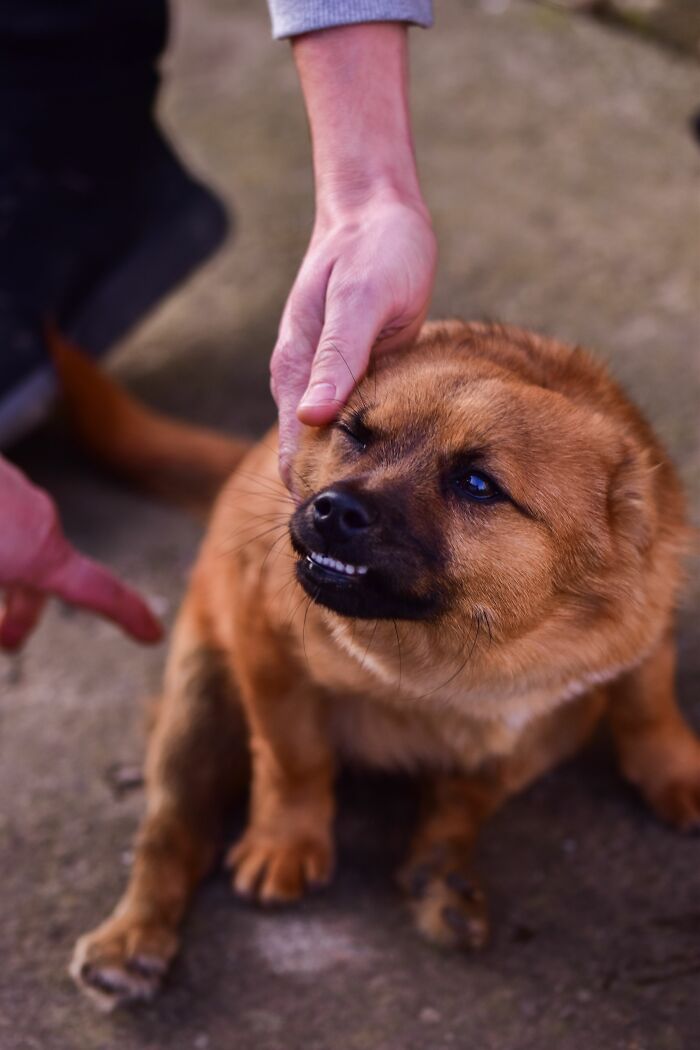
“In any relationship, whether it's with people or dogs, we have to check in with the other being to see if they are also benefiting and being enriched by the relationship.
If we simply force our love onto our dog without checking in with them to see if they're nervous, scared, or fearful, it would not be fair to your dog nor a healthy relationship.
Learn your dog's subtle cues to assess whether or not he or she would like to continue to be petted. Never restrain a pet in order to pet them. Instead, allow them the autonomy to move away when they're ready or want to.”
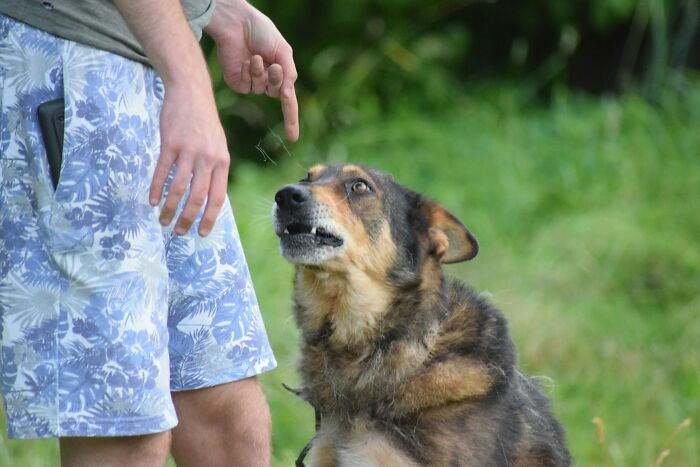
“Yelling, smacking, or getting upset at our pet. We live in a punishment-based society. Try to change your habit instead of waiting for your pet to do something wrong, then scolding them.
For example, capture all of the dozens of times your dog offers appropriate behaviors throughout the day, where your pet does something you want him to do (relax on this bed, chew an appropriate toy, be quiet instead of barking, calmly sit and pay attention to you, etc.)
While punishment might be effective in some rare situations, it's certainly used incorrectly by the majority of people and ends up confusing your dog and hurting the situation more than helping.”
I use a double click sound similar to that a training clicker makes. Train the dog (or any other pet, it works for everything, our local zoo uses it on Komodo dragons). You click the clicker (or make your choosen sound) and immediately reward with a treat. Rinse and repeat in small training sessions several times a day. Now you can start asking for a behaviour and giving the 'click' to signify that it will be rewarded. Over time, you can cut the treats right back and your pet now understands that a click means 'this behaviour is correct and approved of, you should continue to perform this behaviour'.
“While dogs also burp, sneeze, and fart, many pets can get scared when we do them since they don't expect it.”
“Getting dressed and putting on all sorts of clothes is confusing for a dog. When we change our appearance by putting on a jacket, a hat, and sunglasses, this can confuse our dog, and they might not even recognize us.
Dogs don't get dressed up, put on cologne, makeup, perfume, or change their outfits, so when a human does it can be confusing.”
“When we leave for work most days, our pets are confused as to why we are leaving them and where we're going.
Many pets also suffer from separation anxiety and isolation distress. Leaving for work can exacerbate that disorder.”
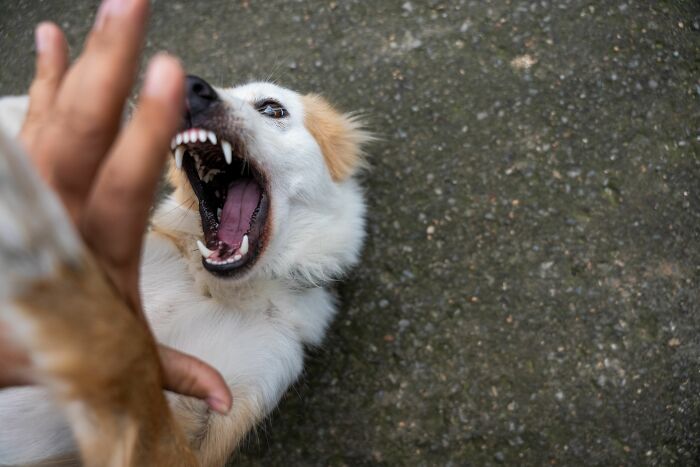
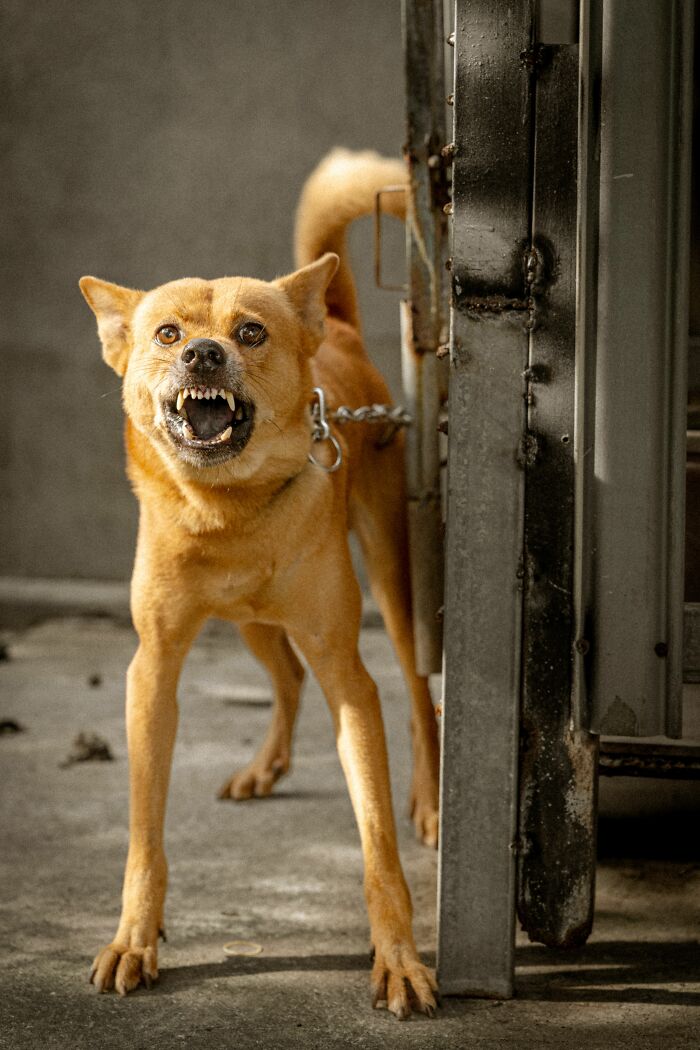
“Low-level expressions of fear, anxiety, stress, and arousal are vital to indicate a dog's mental. emotional and psychological state at that moment.
If you ignore these very valuable signals, such as barking, growling, showing teeth, moving away, hiding, etc., the dog is forced to show more serious signs to indicate that they are uncomfortable with the environment or stimuli.
As you work up the ladder of aggression and ignore more subtle cues, your dog will be more likely to bite.”

Wow, how have I managed to live with lots of dogs, cats and horses, without knowing these amazing guidelines?!
“A dog does not understand rationalization logic and concepts the way we do.
Dogs are associative learners, and pair stimuli together when they happen close together. Dog training, dog psychology, and dog behavior do not work via rationalization, logic, or concepts.
This is not how dogs sense the world or learn. They operate in a very different field of understanding.”
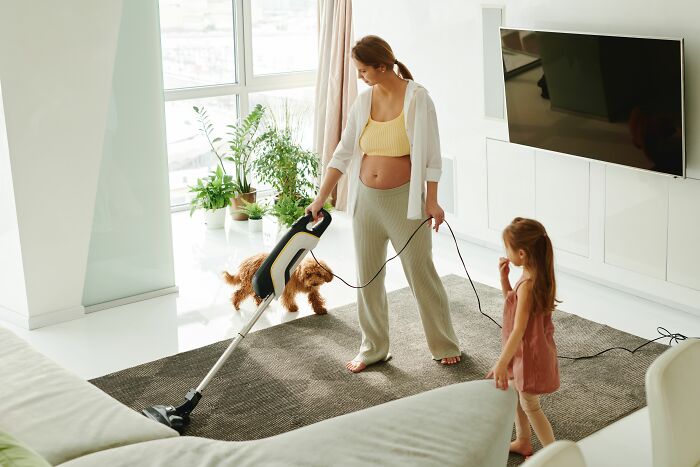
“Cleaning the house with a vacuum, mop, or doing any cleaning activity confuses dogs.
Many dogs are scared of the vacuum sound and motion and hide when you take it out.
Not only the chemicals that we clean the homes with, but the noise and the motion of the objects we use are confusing and potentially scary for dogs.”
I don't know about y'all but, I hate the smell of lysol and OMG the vaccum kills my brain cells!
“Ever tell your dog a joke? He doesn't get it. Dogs do not think as we do and do not have the ability to rationalize or tell what sarcasm or a joke is.”

I hate when I see someone pretending to throw a stick or ball for their dogs. It might be funny once (though I'm not very sure about it), but it gets old after that and I'm sure it's not that fun for the dogs.

I have had animals of all different species throughout my life and this article is BS. They are compartmentalizing, labeling all dogs the same. Yes some may not like it but others do. Here's a thought.... if you do any of these things look at animals body language and listen if they make a negative noise... use your brain! Be aware of how they react and feel just like if you were interacting with a human!

If I put on a hat my dog might not recognize me and become confused. Ok....
I have had animals of all different species throughout my life and this article is BS. They are compartmentalizing, labeling all dogs the same. Yes some may not like it but others do. Here's a thought.... if you do any of these things look at animals body language and listen if they make a negative noise... use your brain! Be aware of how they react and feel just like if you were interacting with a human!
If I put on a hat my dog might not recognize me and become confused. Ok....





























 No fees, cancel anytime