Get Premium
Dark mode theme is available exclusively for premium users. Learn more about the benefits of subscribing.
No fees, cancel anytime.

 Dark Mode Ad-Free Browsing Unlimited Content
 Ad-Free Browsing Unlimited Content Dark Mode
Join 1.2 million Panda readers who get the best art, memes, and fun stories every week!


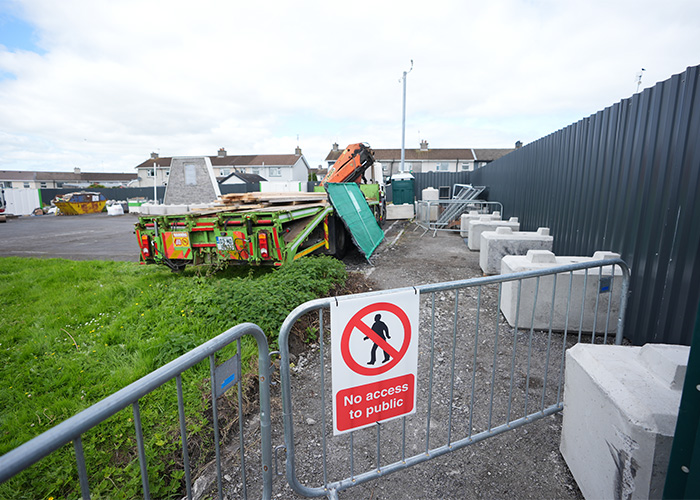
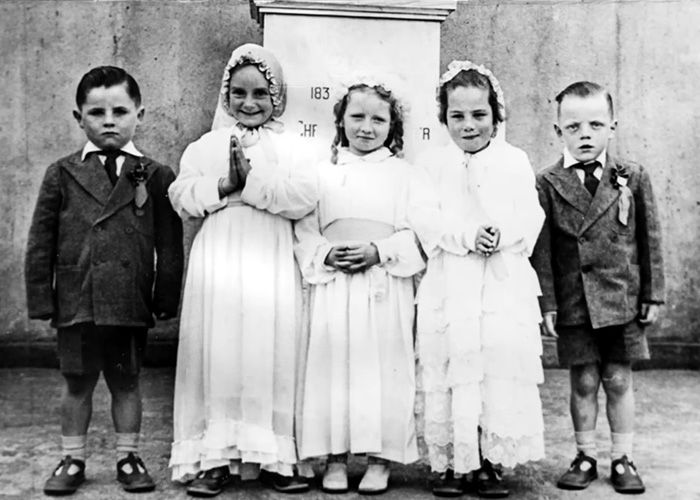
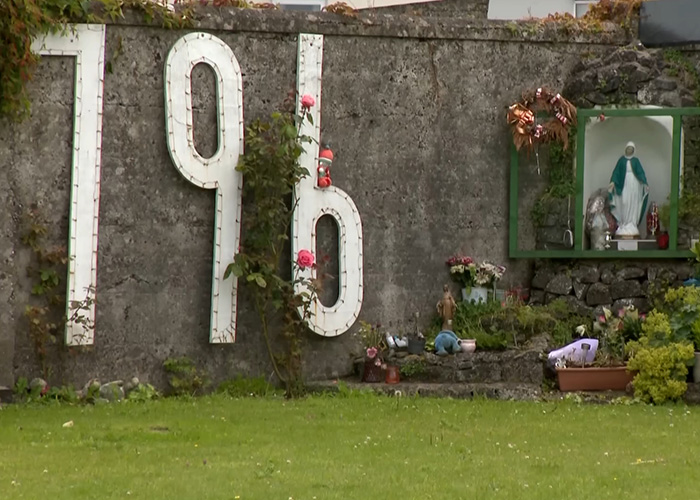
A shocking new chapter has emerged in one of Ireland’s darkest historical scandals. Excavations at the former Tuam mother-and-baby home have revealed a second infant graveyard, decades after the remains of nearly 800 children were found in a septic tank at the same site.
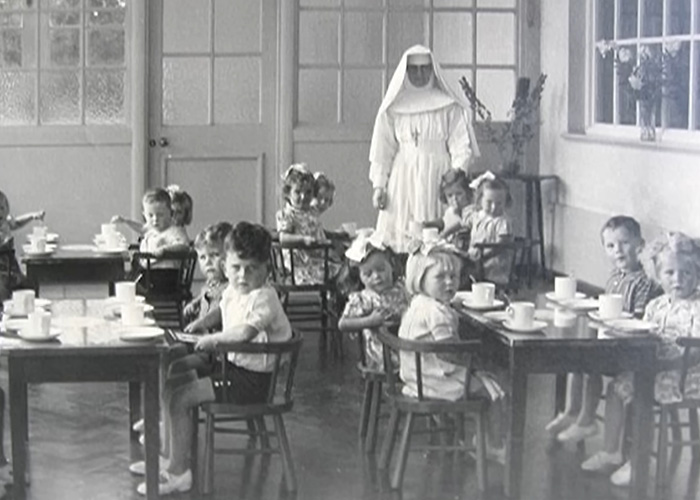
The facility was operated by Catholic nuns from 1925 to 1961, and it housed women who became pregnant outside marriage. Many of the women who were housed in the site were separated from their children after birth.
Image credits: Charles McQuillan/Getty Images
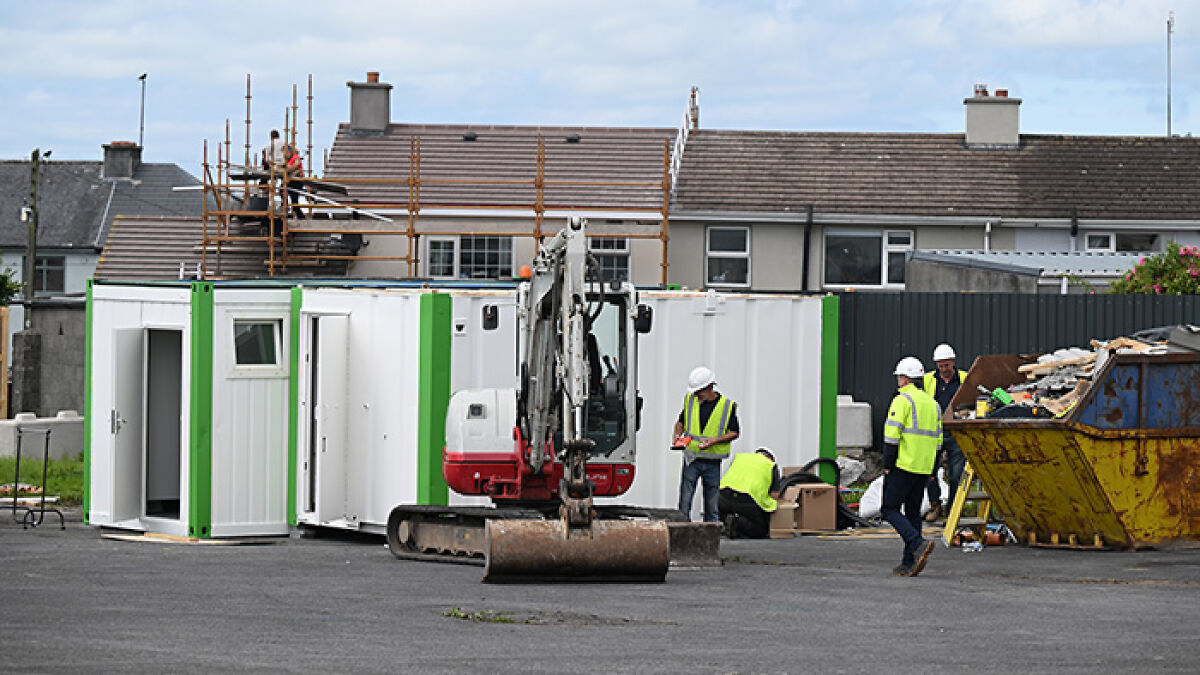
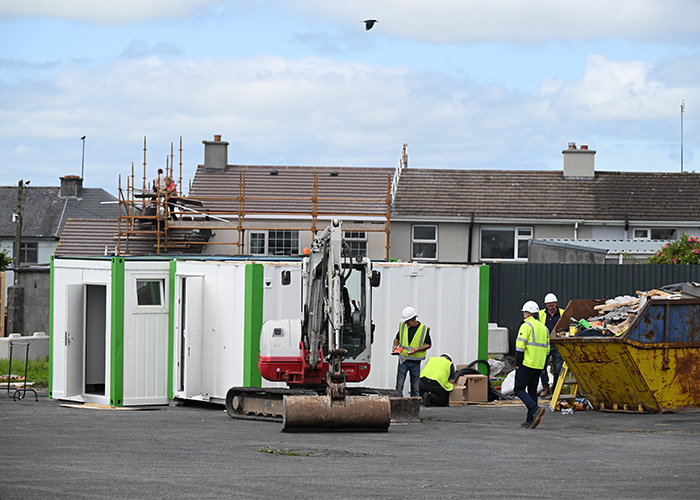
The Office of the Director of Authorised Intervention in Tuam (ODAIT) began a planned two-year excavation in July. So far, teams have uncovered 11 sets of infant remains in a previously unnoticed location about 15 meters from the existing memorial ground.
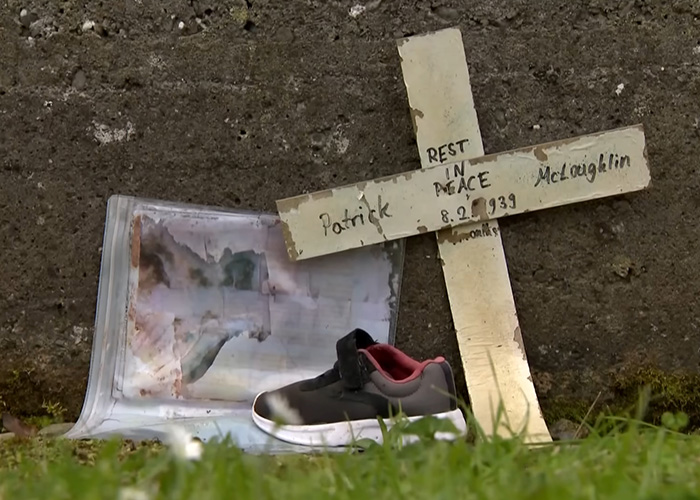
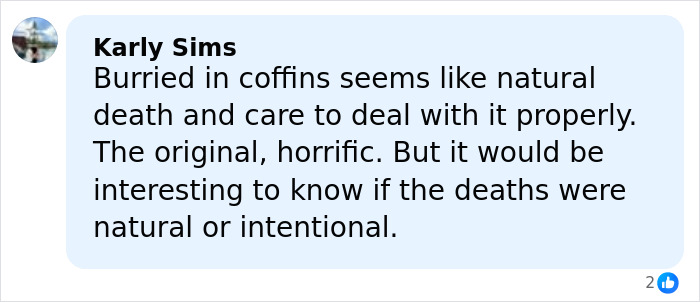
All were buried in coffins, dated between 1925 and 1961, and were buried less than a meter below a gravel-covered surface, according to news.com.au.
Daniel MacSweeney, who is leading the excavation, said, “We have indications of further potential graves of infant and child size, and over the coming weeks and months, we will excavate them and see what we find there.”
Image credits: FRANCE 24 English
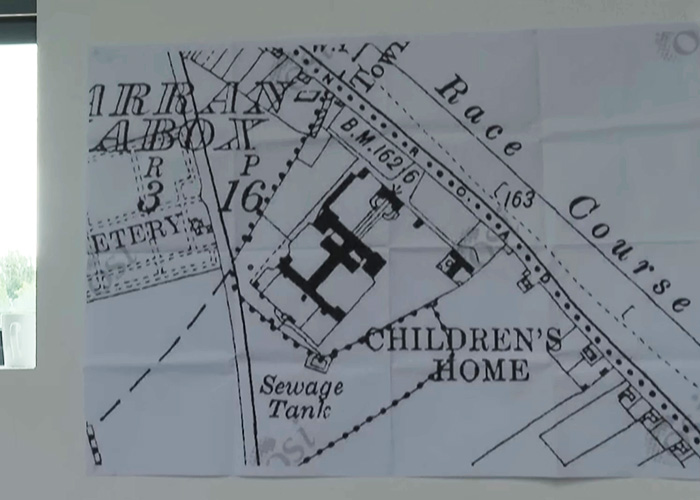
“There is also a historic map that shows a larger burial ground in this part of the site. We will also excavate there and see if there are further burials.”
MacSweeney also stated that ultimately, it was fortunate that the bodies in the second burial site were in coffins, as this made identifying the infants’ remains a lot easier.
Image credits: FRANCE 24 English
The original discovery of 796 infant remains in a septic tank dates back to 1975, when two boys came across a broken concrete slab while playing near the home. When they pulled up the slab, they found a hole filled with human bones.
Although the authorities were informed, the site was covered, and locals assumed the remains were from the Irish Famine in the 1840s. The location, before it became a mother-and-baby home, was a famine-era workhouse where numerous people had passed away.
Image credits: FRANCE 24 English
Historian Catherine Corless later identified the site as a “sewage tank” on old maps and requested records. She eventually uncovered the names of 796 children who had lost their lives at Tuam.
Her research sparked a six-year Irish Commission of Investigation, revealing that over 76 years, 56,000 unmarried women and 57,000 children passed through 18 similar homes, with 9,000 children passing away across the church and state-run institutions.
Image credits: Niall Carson/PA Images/Getty Images
Work on the site only began after legislation was passed in 2022, which allowed the exhumation, identification, and respectful reburial of the bodies in the site.
The Bon Secours order, an international Catholic health ministry, contributed financially to the project.
Image credits: FRANCE 24 English
Journalist Alison O’Reilly described the revelation as “the darkest secret in Irish history,” adding, “People need to know that it’s black and ugly and rotten and what they did to the children that were born in those homes was an absolute disgrace. You wouldn’t do it to a dog.”
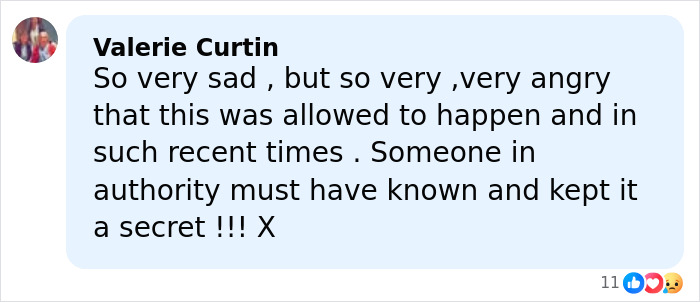
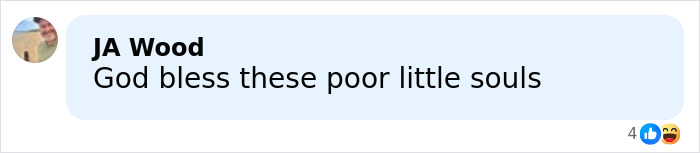
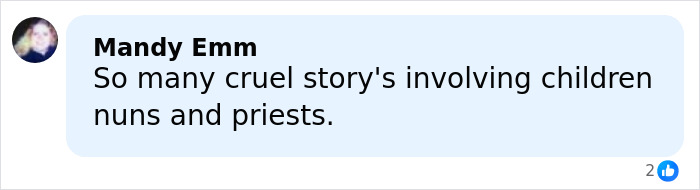
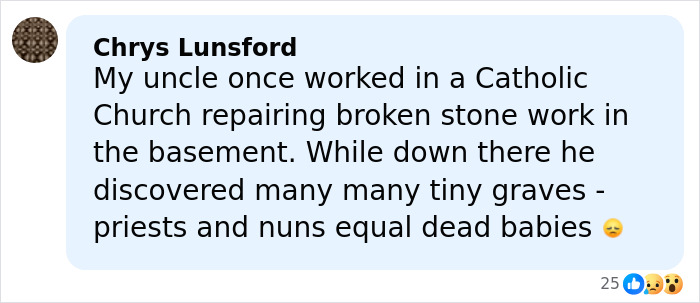
Netizens also reflected on both the historical cruelty and the ongoing need for accountability.
Image credits: FRANCE 24 English
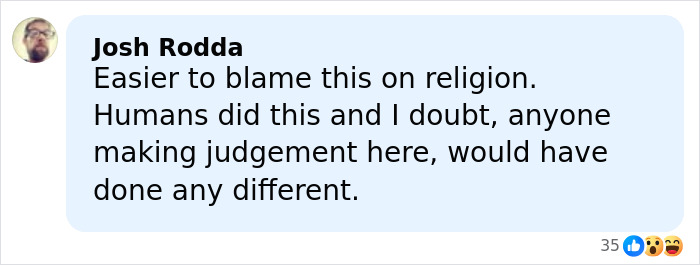
One commenter wrote, “It’s distressing to see that people were just as nasty that far back. Although I expect that orders from the top tier were given. Ignore it and it will go away at your own peril.”
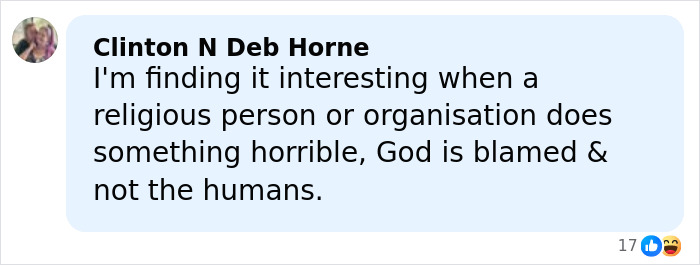
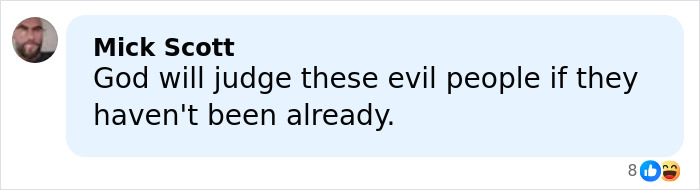
Another added, “Whoever did this is evil. It doesn’t reflect the whole church. However, exposing evil wherever it is found is good. Accountability of perpetrators is necessary. Evil people use trusted institutions as cover to this day. It’s sick.”
Image credits: FRANCE 24 English
Other users highlighted the importance of remembering the victims. “We must never forget the children who suffered here,” one comment read. “Their names and stories deserve recognition, and justice must continue even decades later.”

By entering your email and clicking Subscribe, you're agreeing to let us send you customized marketing messages about us and our advertising partners. You are also agreeing to our Privacy Policy.
Thank you! You've successfully subscribed to newsletters!


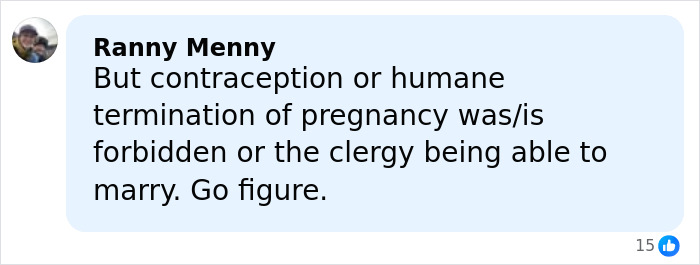
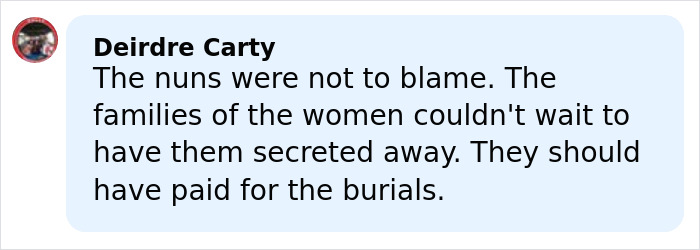
"The nuns were not to blame"? How is that, when most of these small children died from neglect?

9,000 deaths out of 57,000 children. That’s a 16% mortality rate. By comparison, the British Expeditionary Force lost 10% in the trenches of WWI
"The nuns were not to blame"? How is that, when most of these small children died from neglect?
9,000 deaths out of 57,000 children. That’s a 16% mortality rate. By comparison, the British Expeditionary Force lost 10% in the trenches of WWI





























 No fees, cancel anytime
 then open in external browser


 and click "Open in External Browser"














27
9