Get Premium
Dark mode theme is available exclusively for premium users. Learn more about the benefits of subscribing.
No fees, cancel anytime.

 Dark Mode Ad-Free Browsing Unlimited Content

 Ad-Free Browsing Unlimited Content Dark Mode

Join 1.2 million Panda readers who get the best art, memes, and fun stories every week!
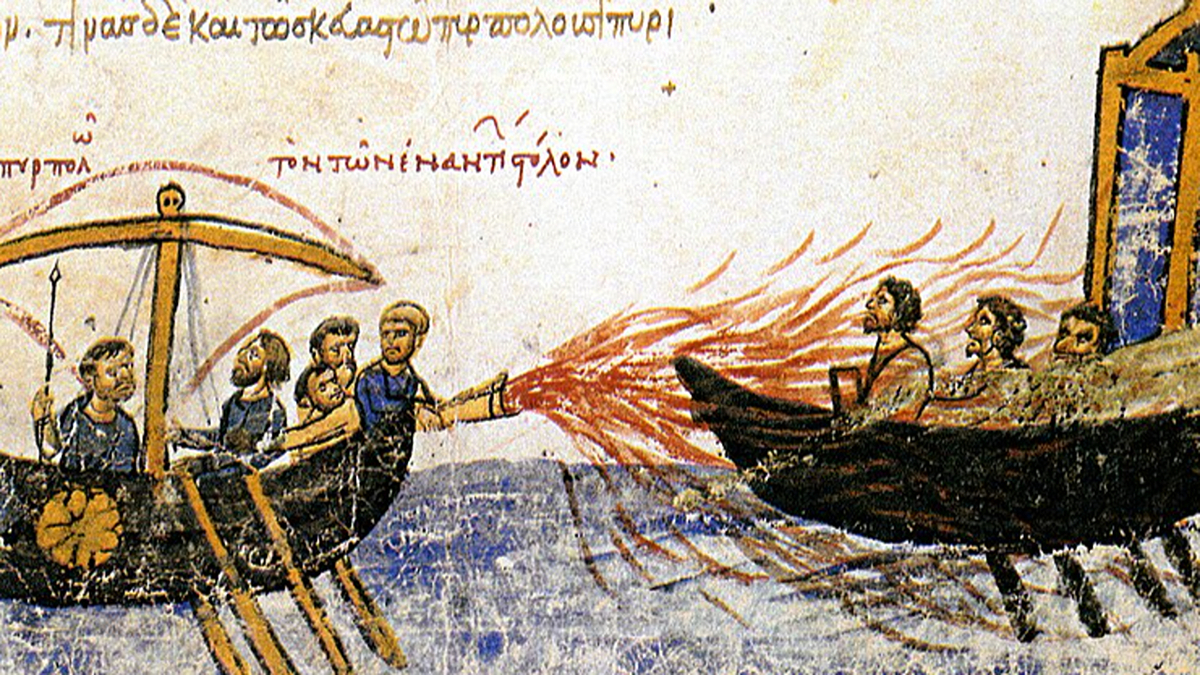
We typically learn about history through school textbooks or documentaries. While those are excellent sources, some argue that absorbing information that way can become uninteresting.
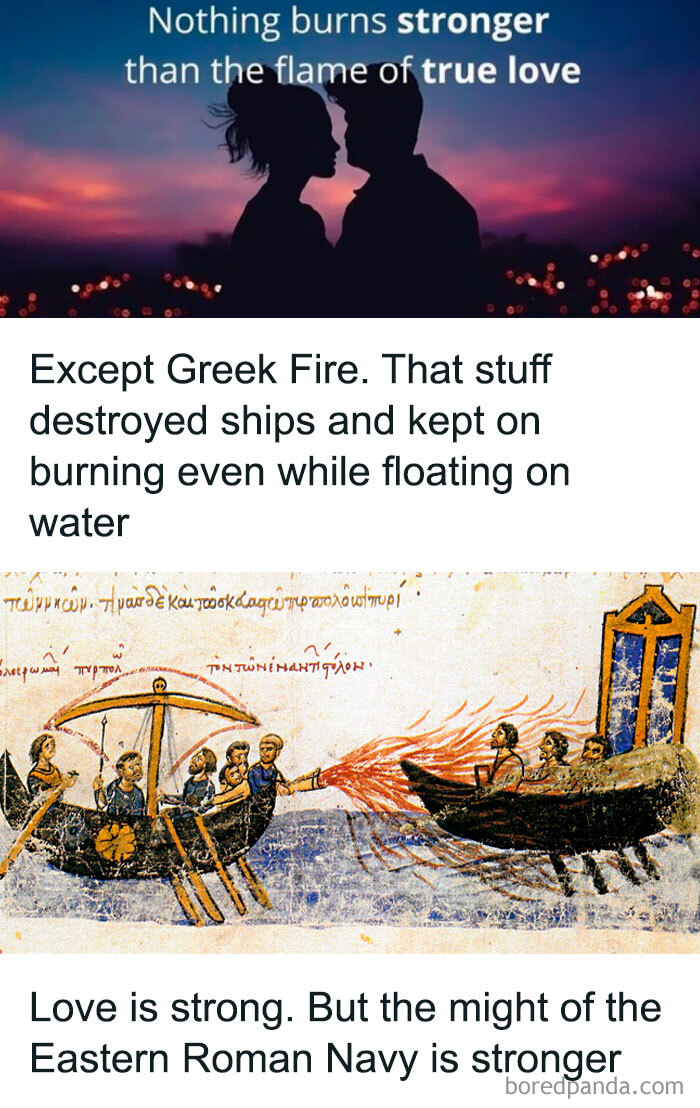
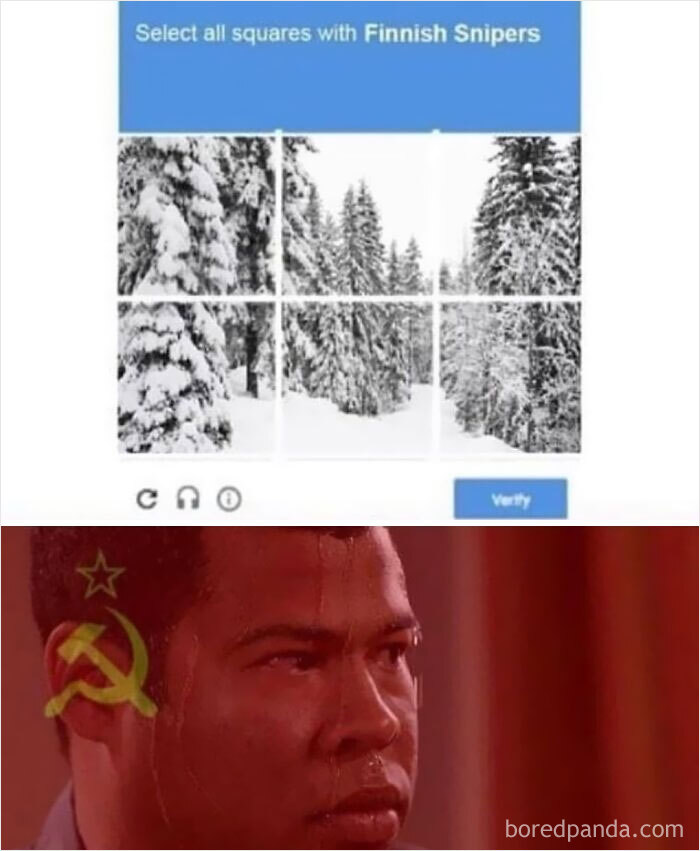
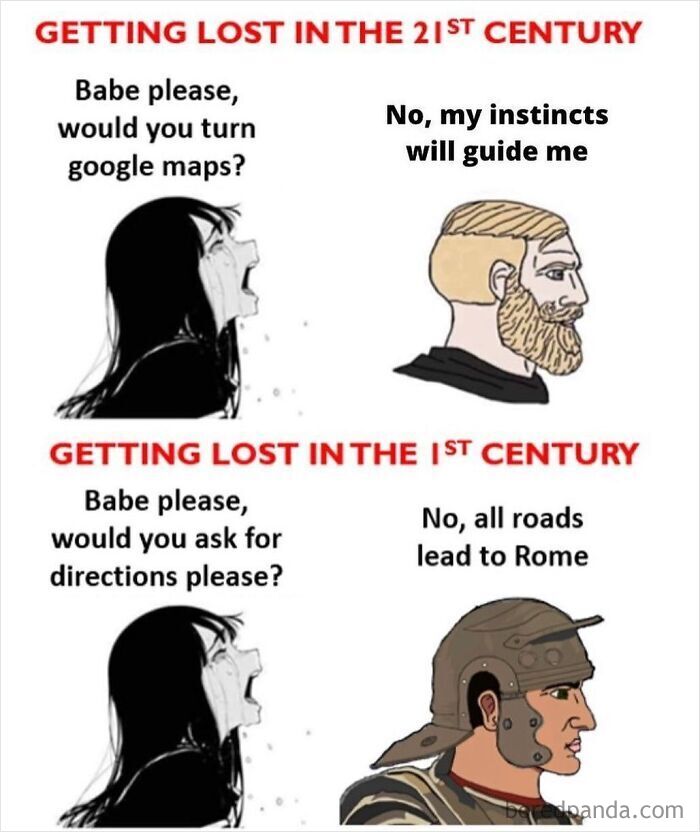
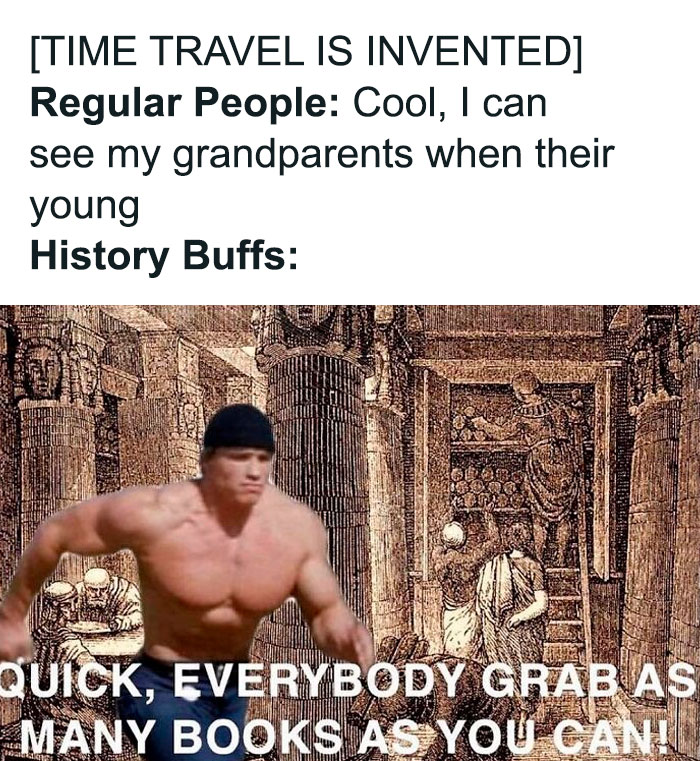
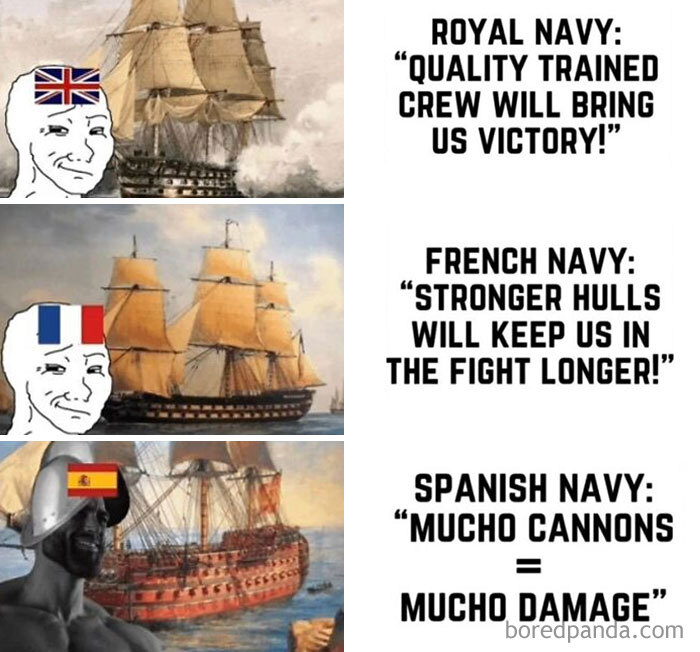
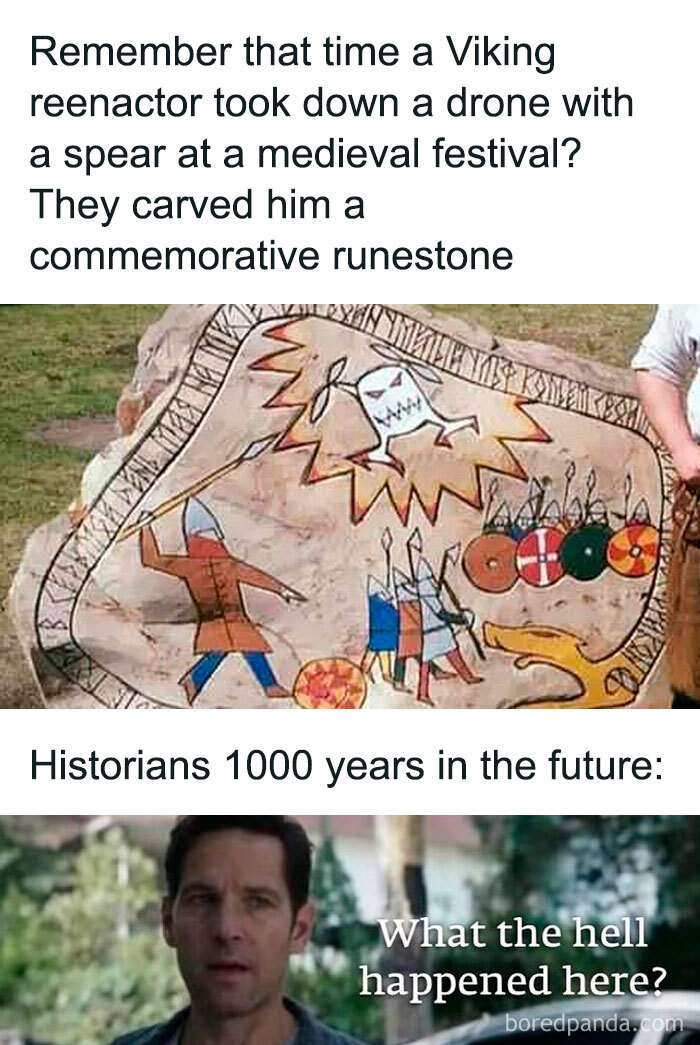
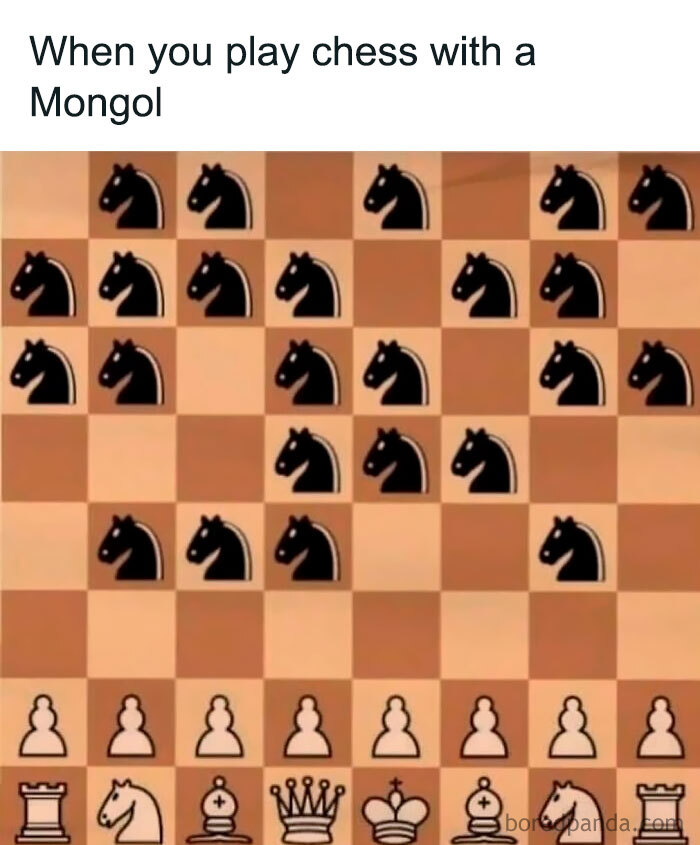
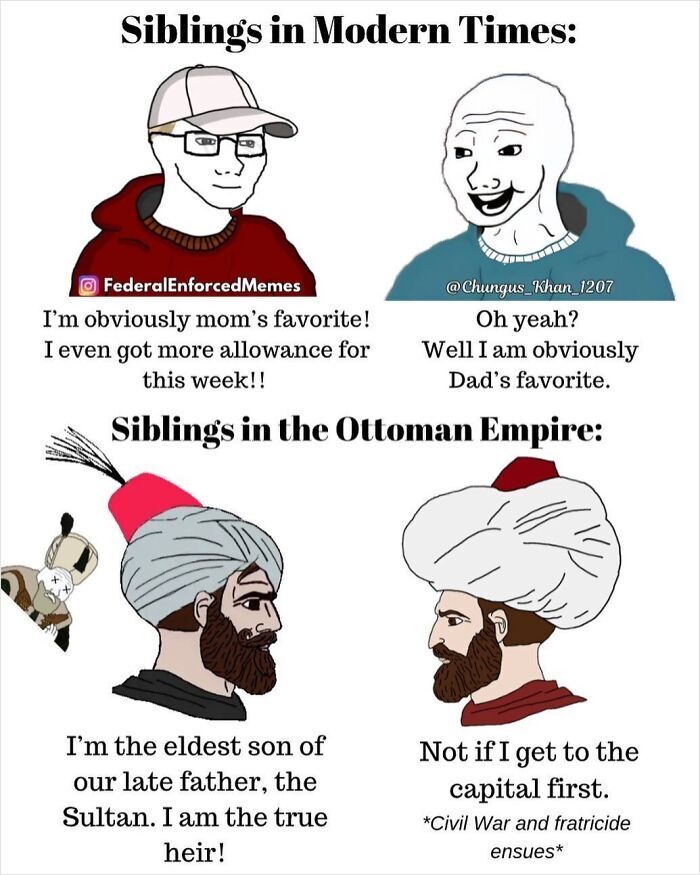
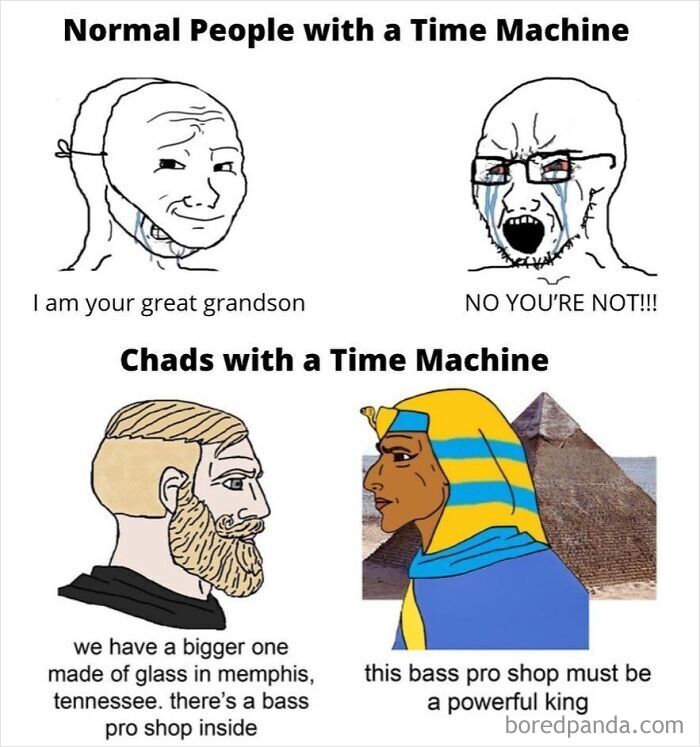
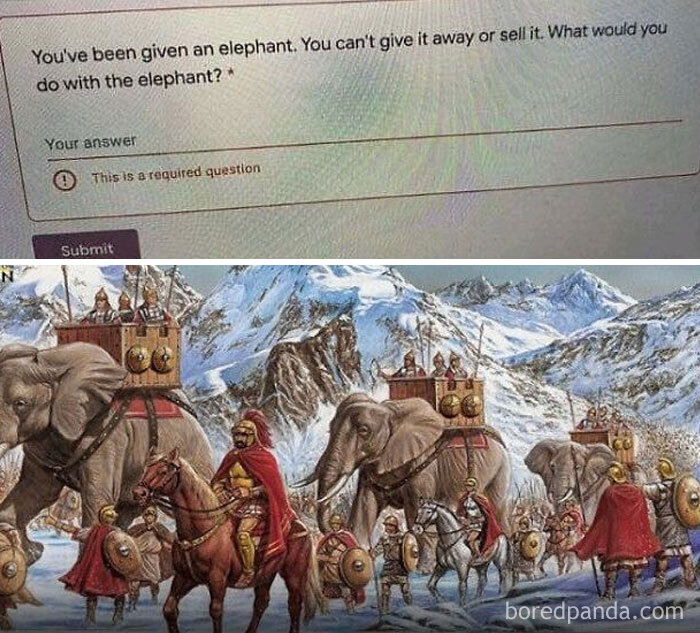
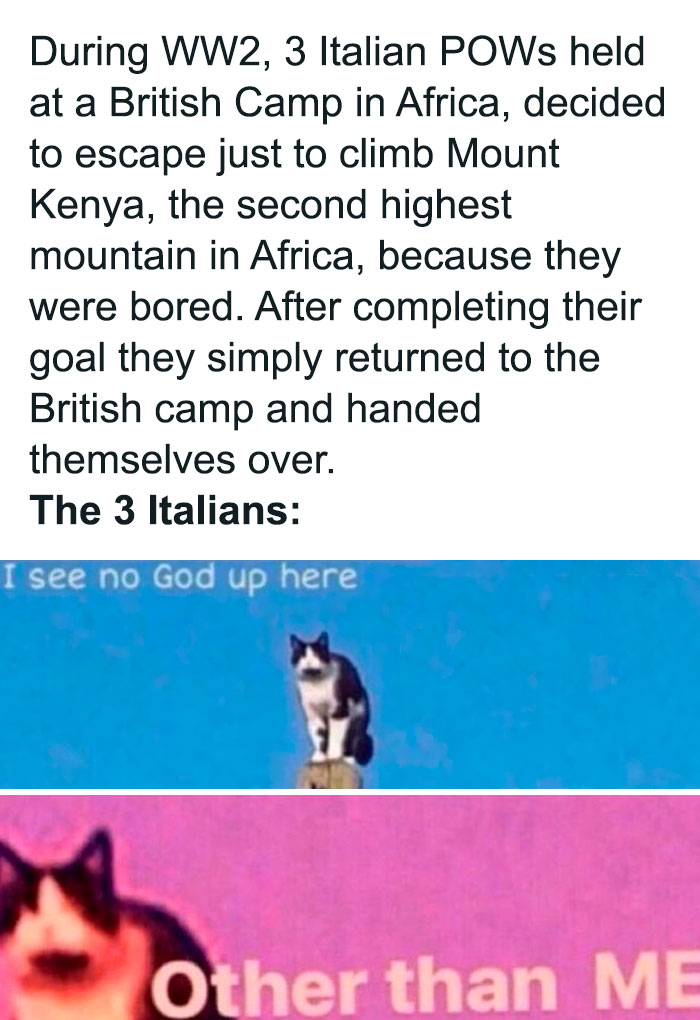
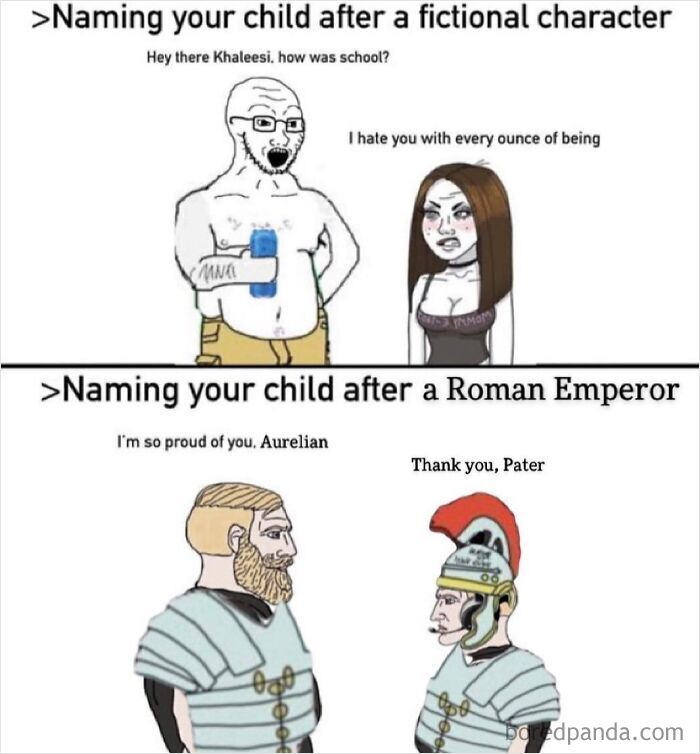
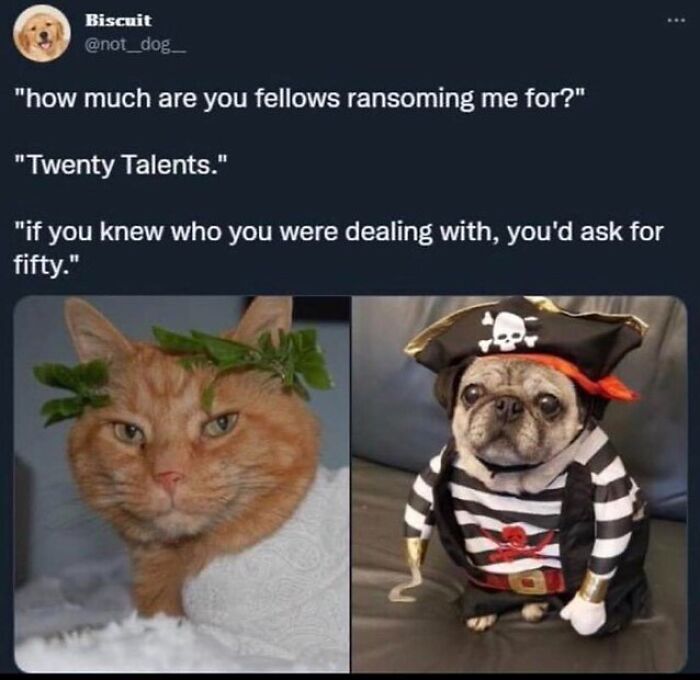
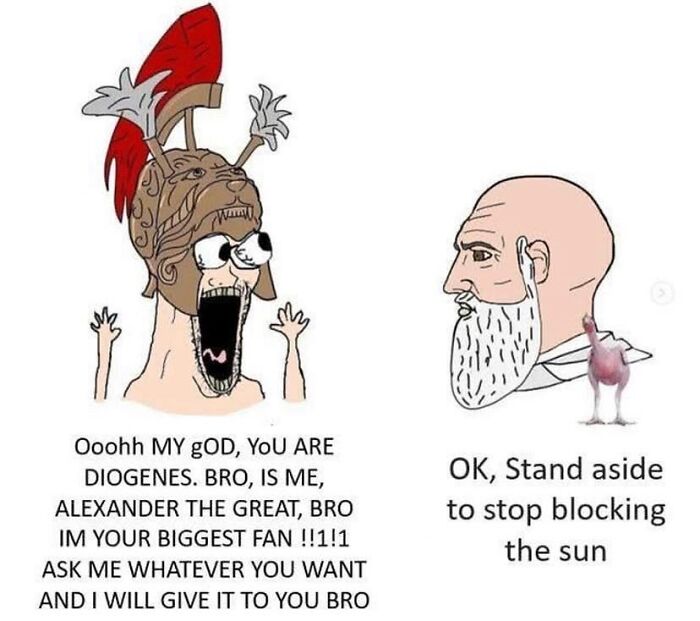
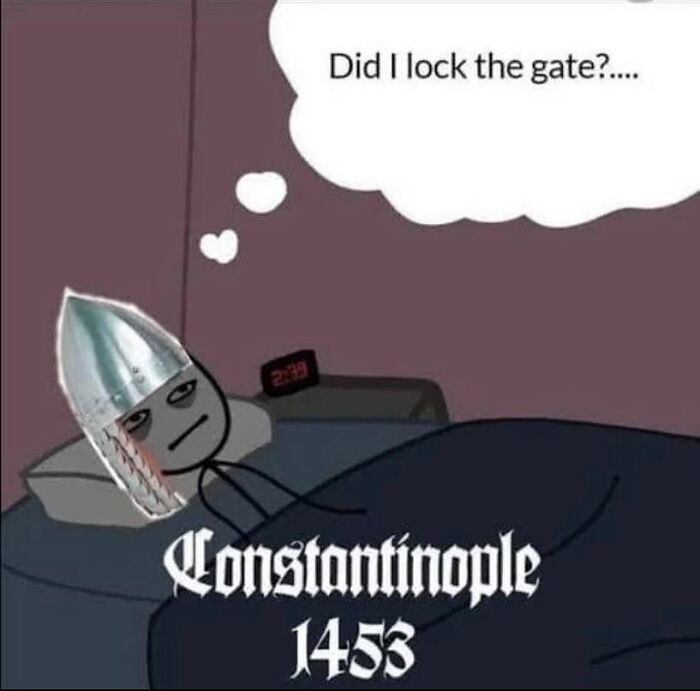
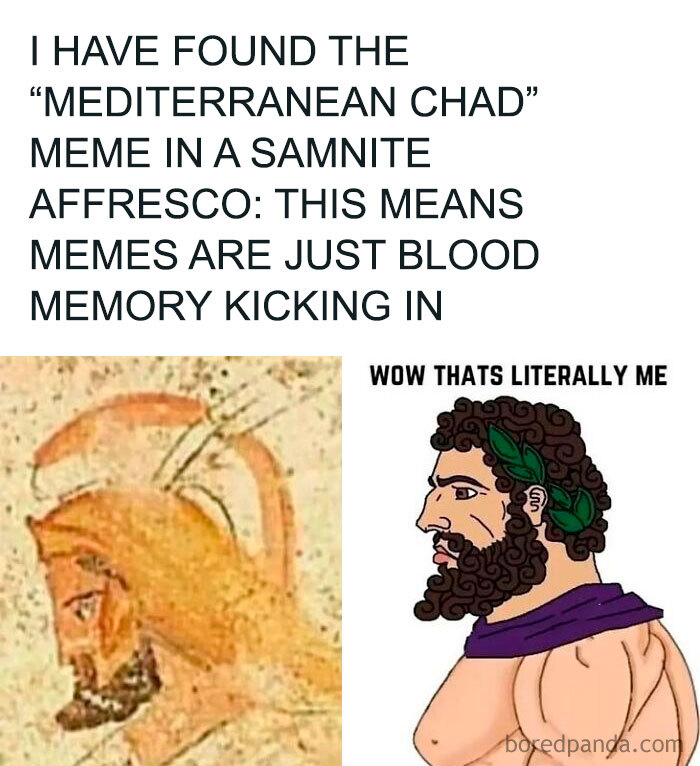
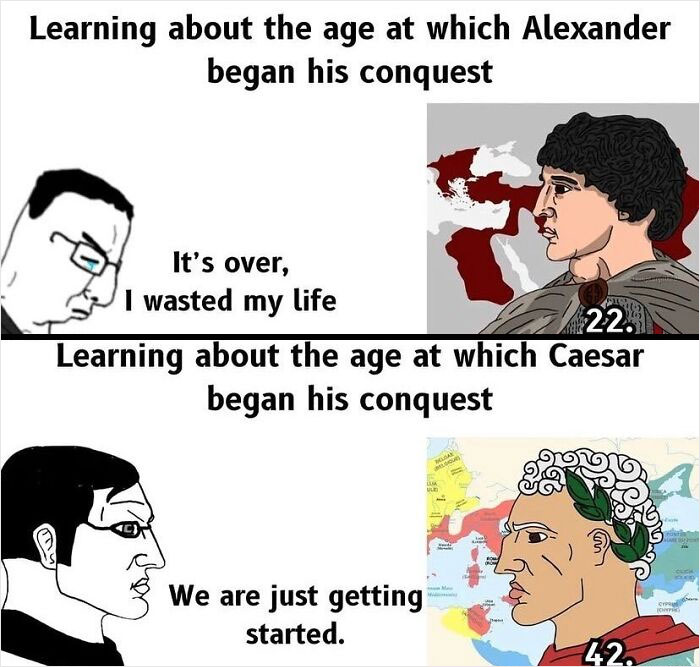
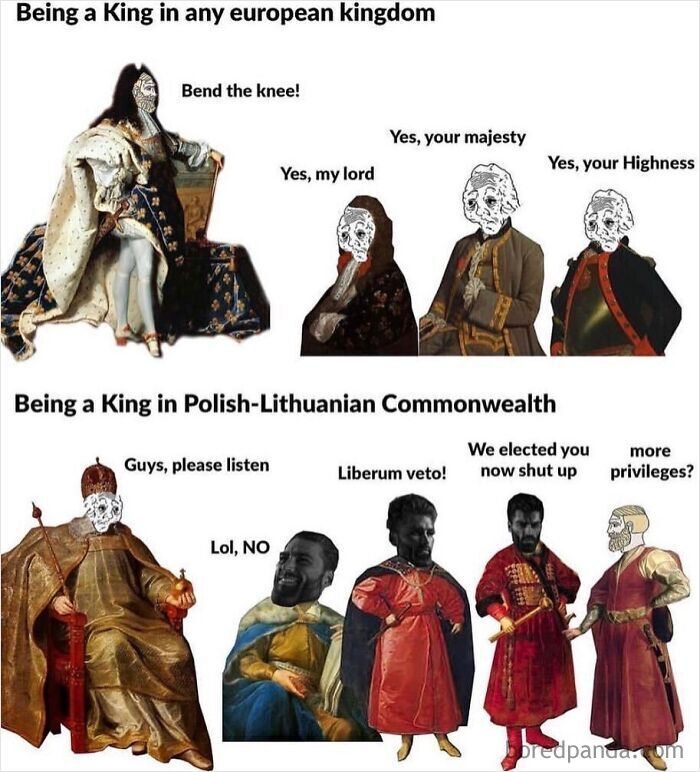
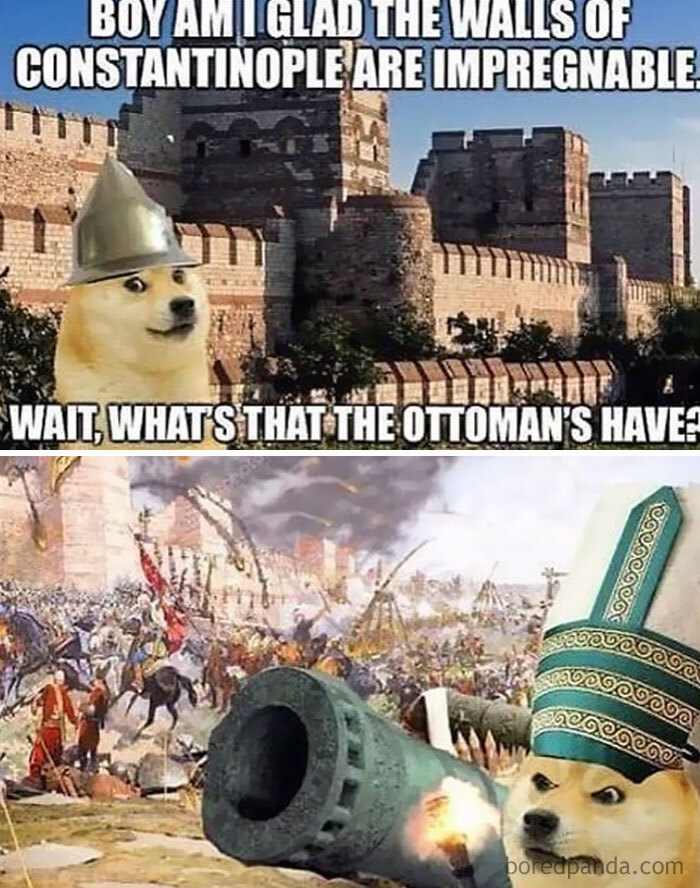
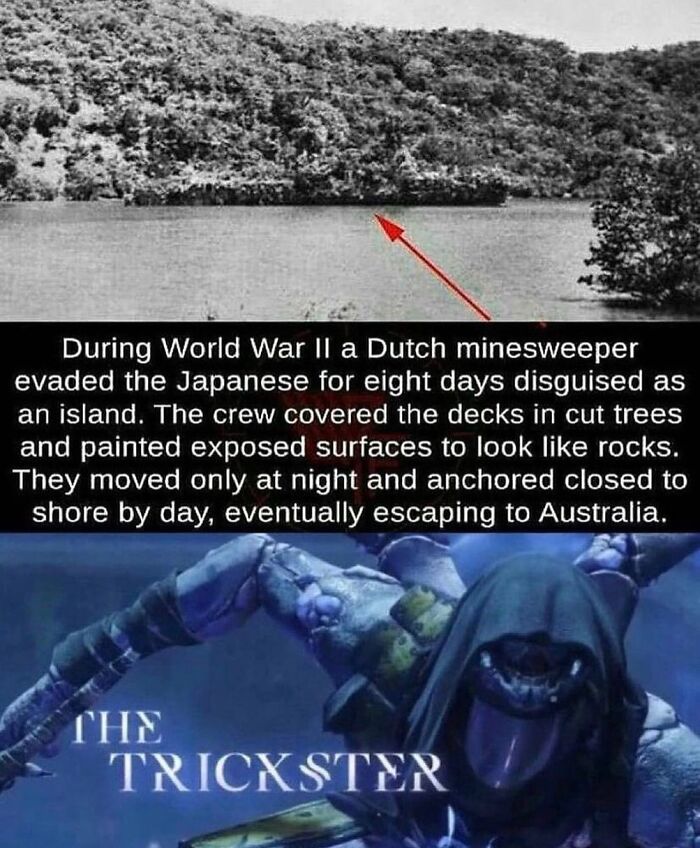
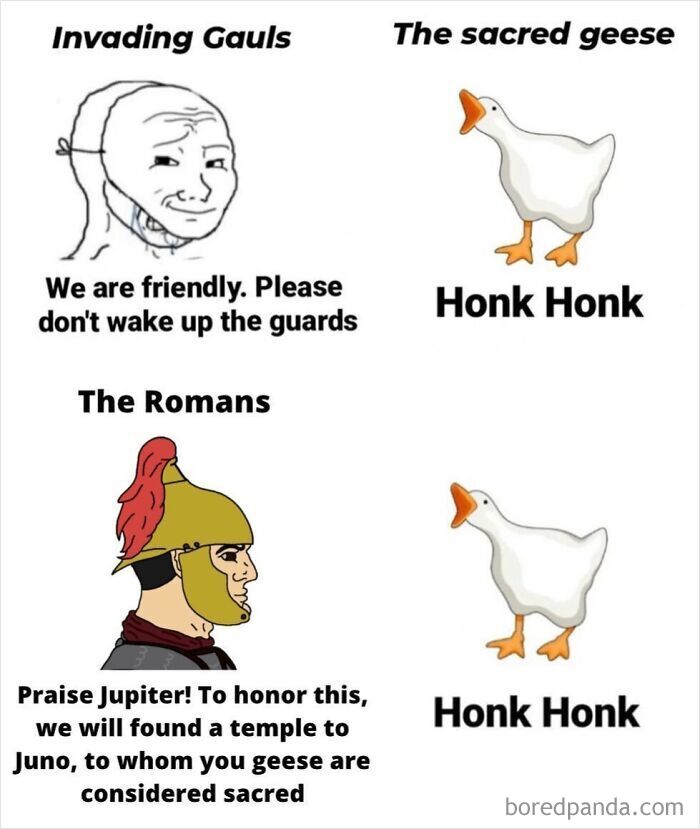
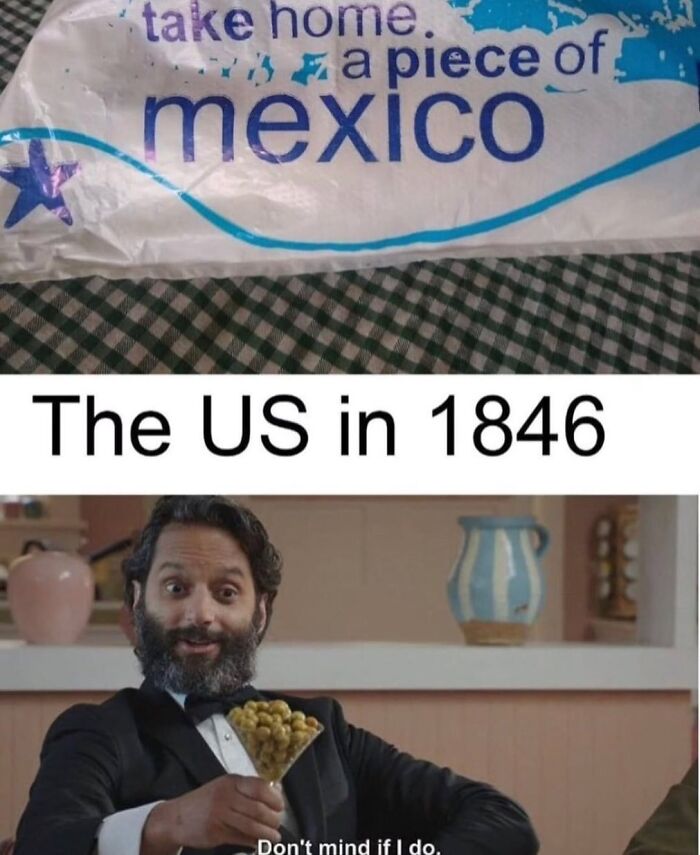
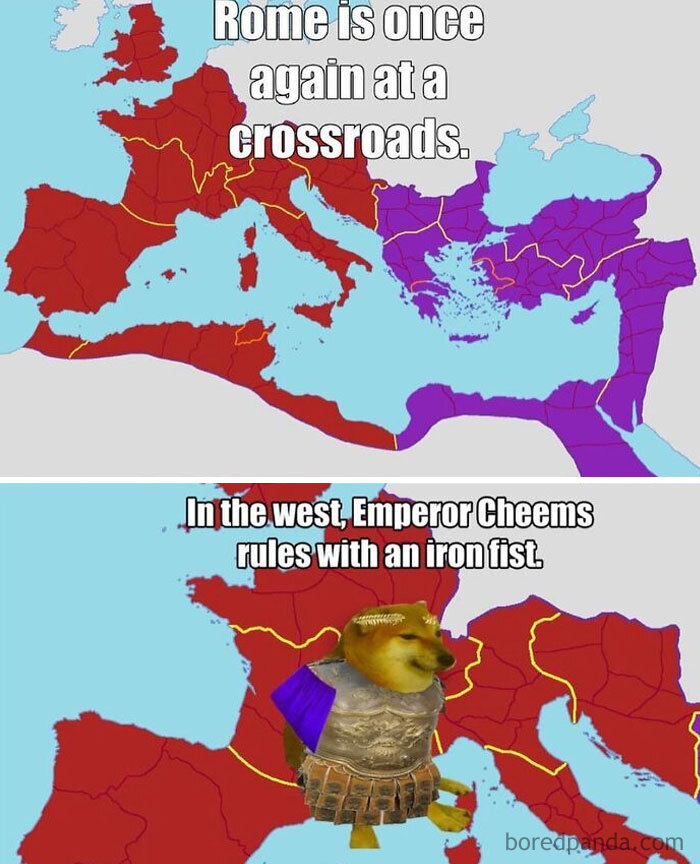
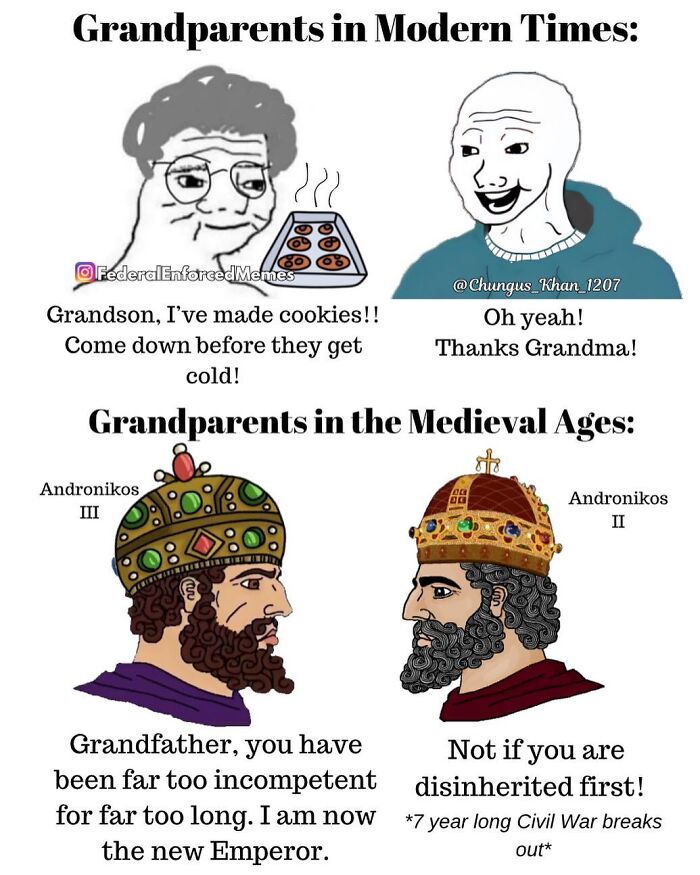
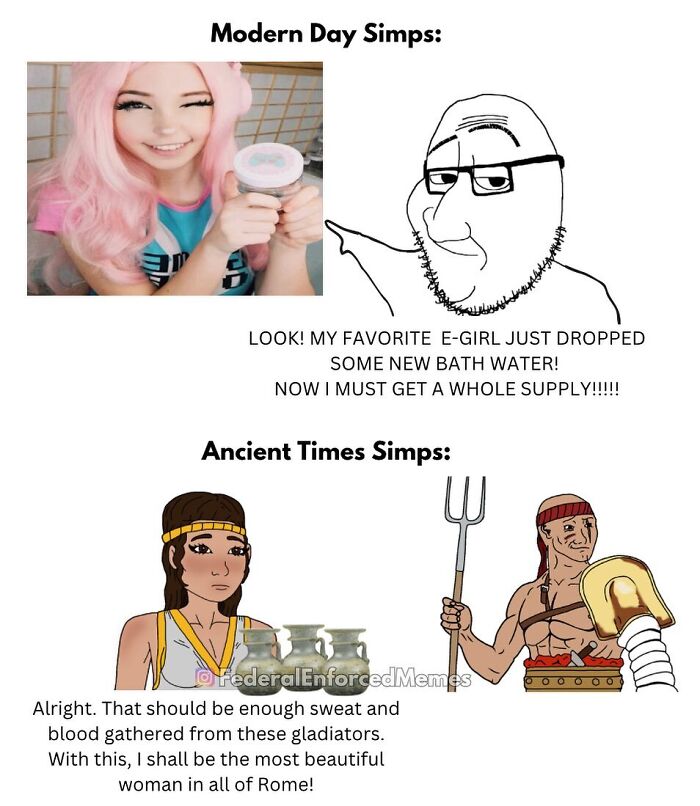
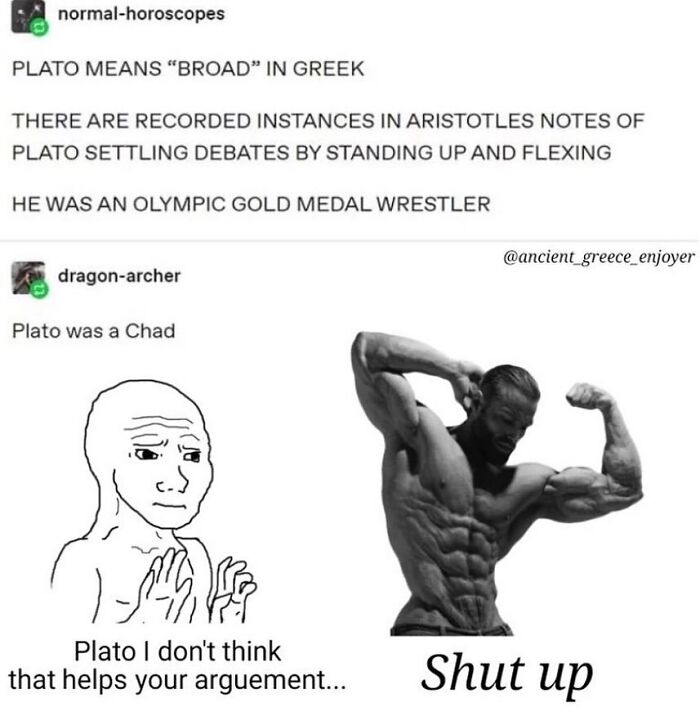
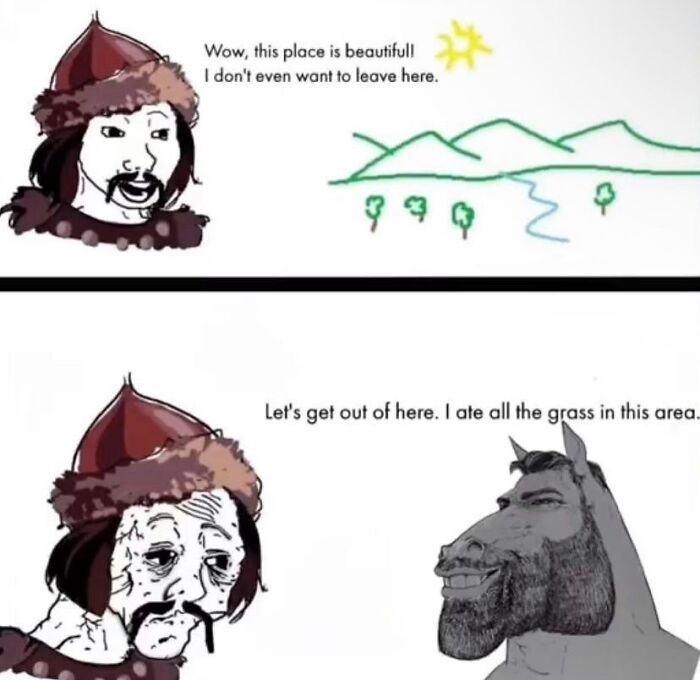
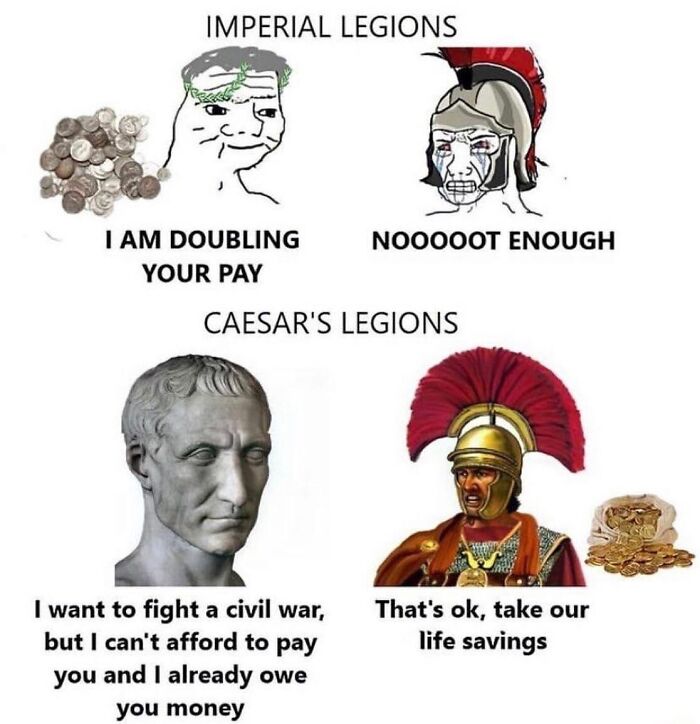
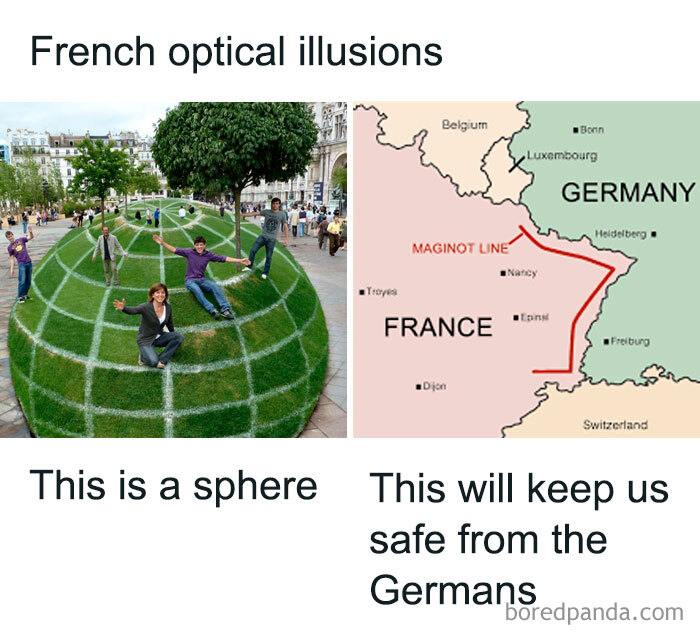
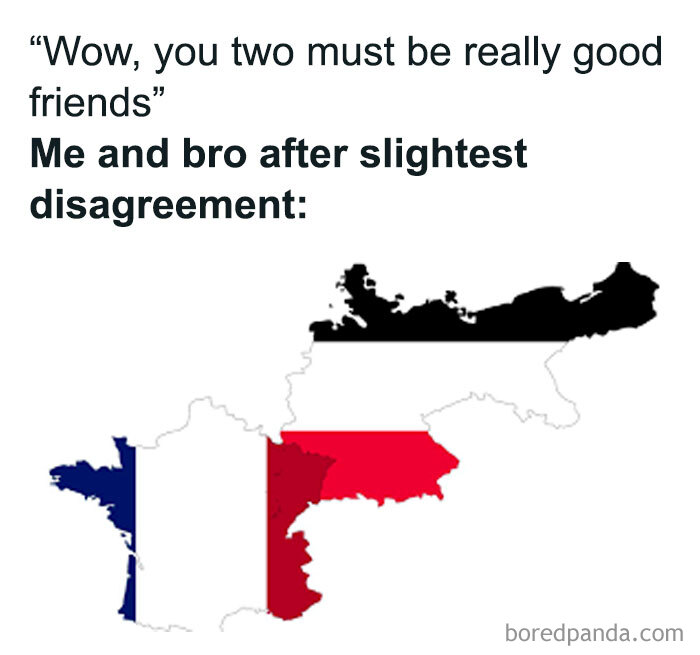
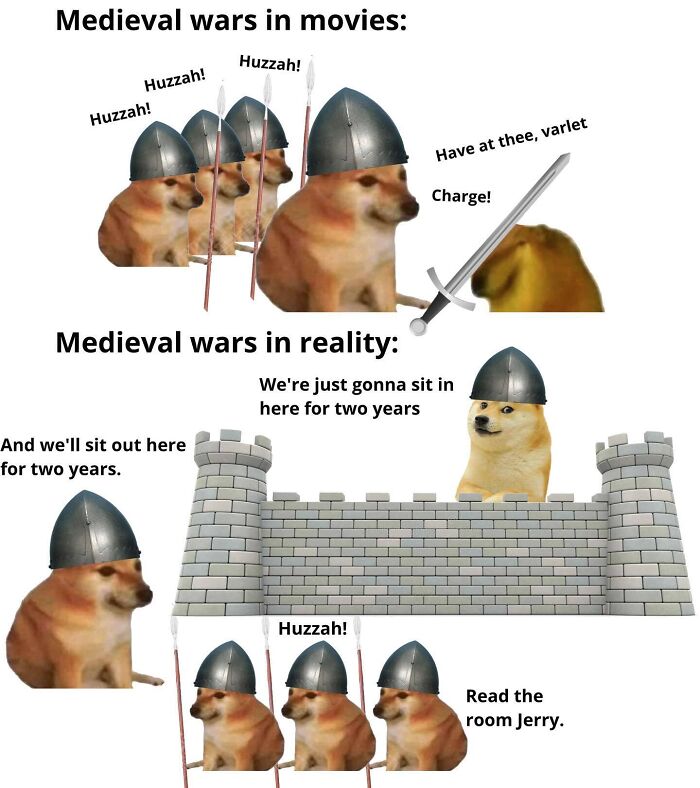
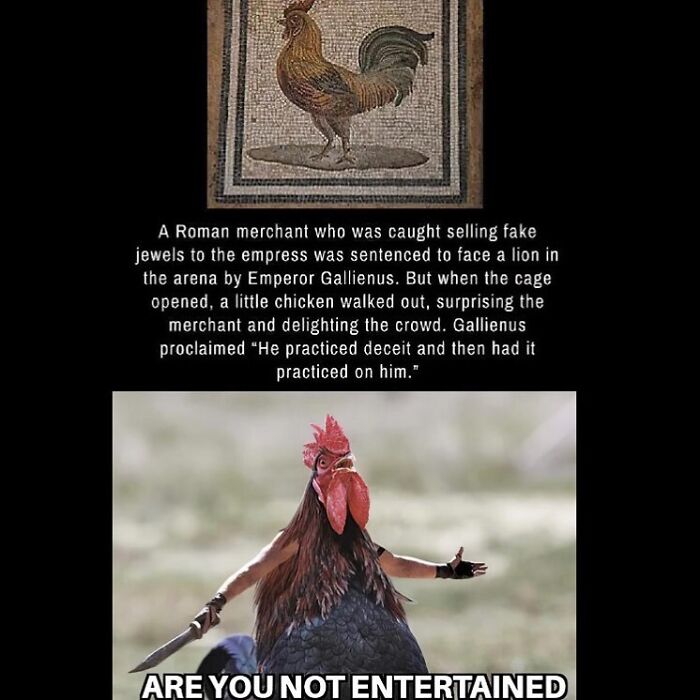
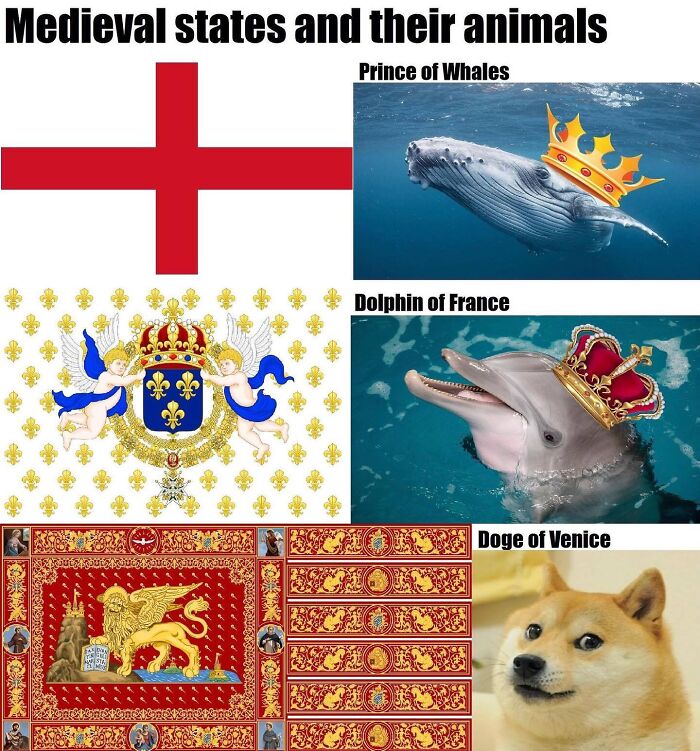
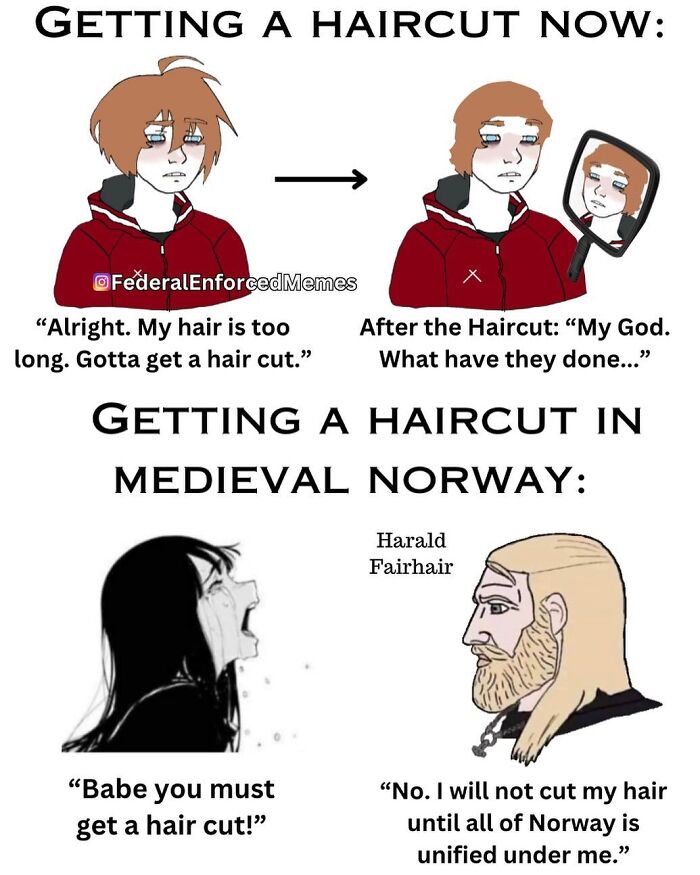
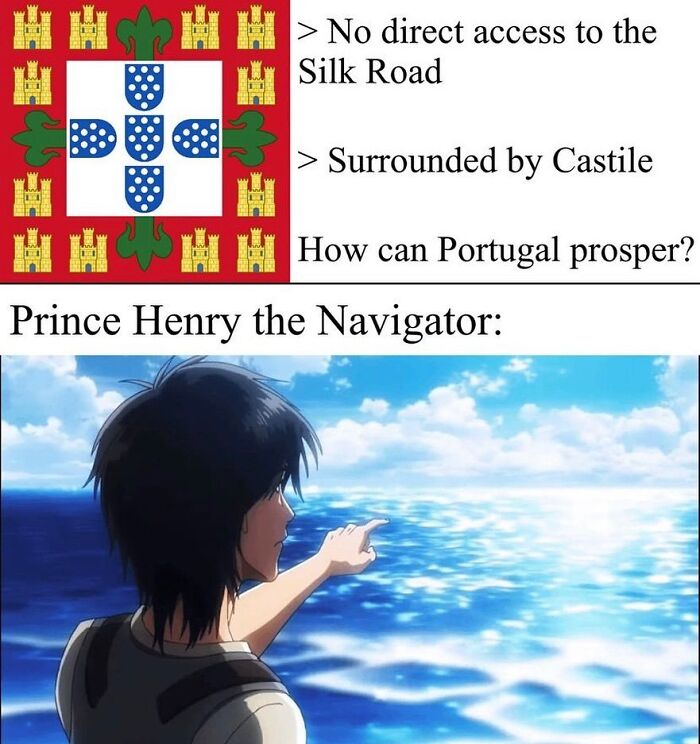
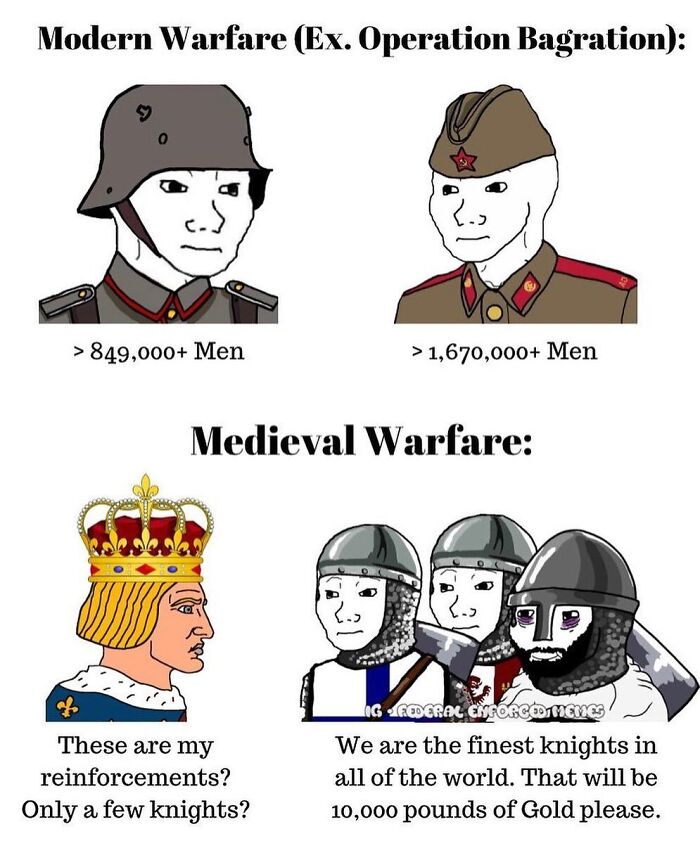
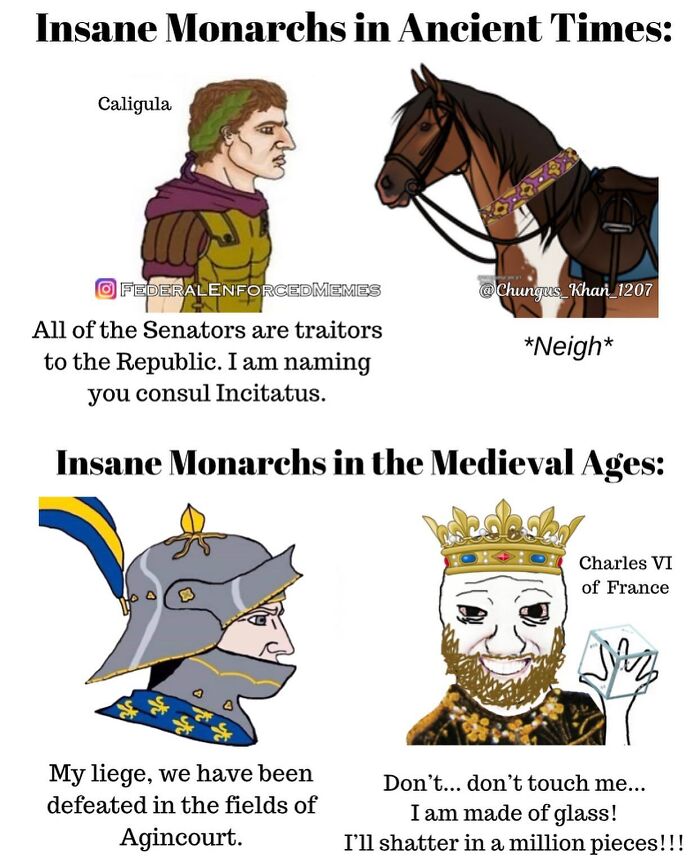
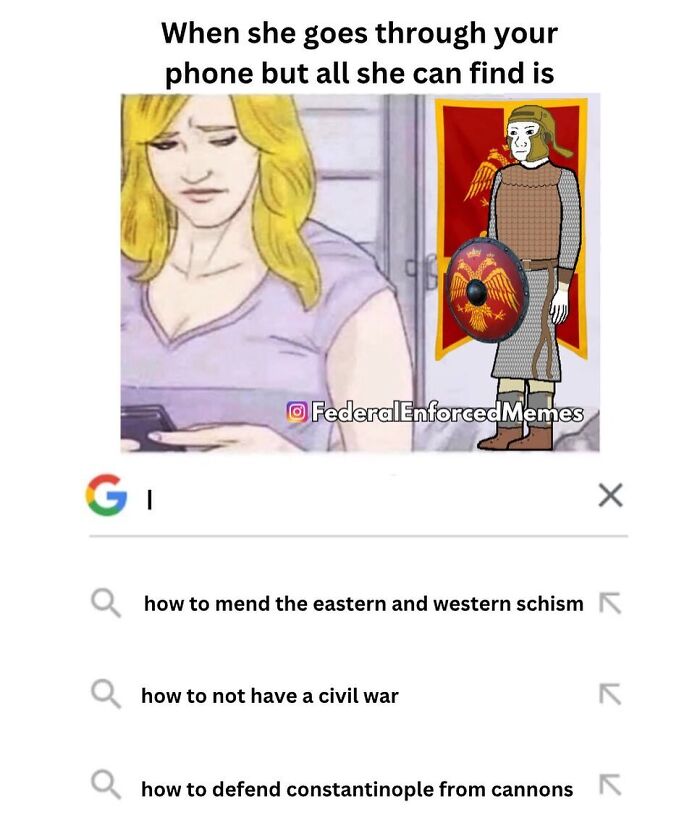
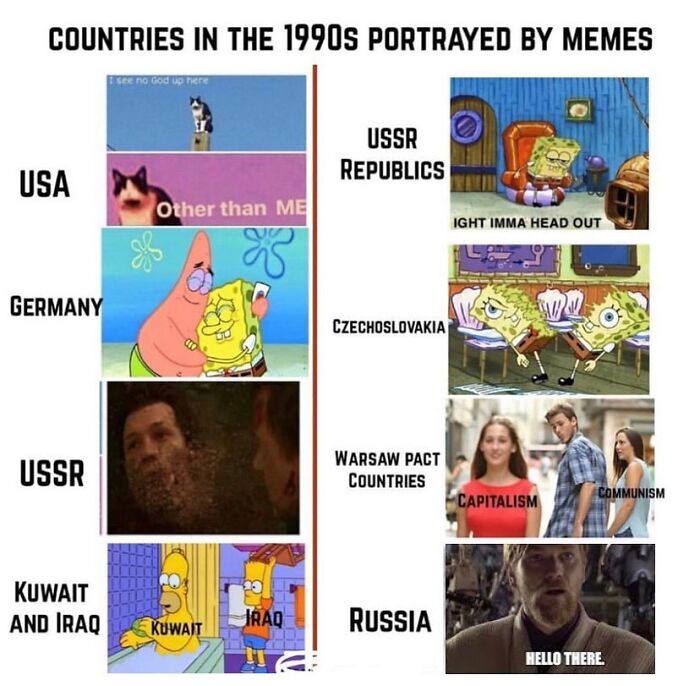
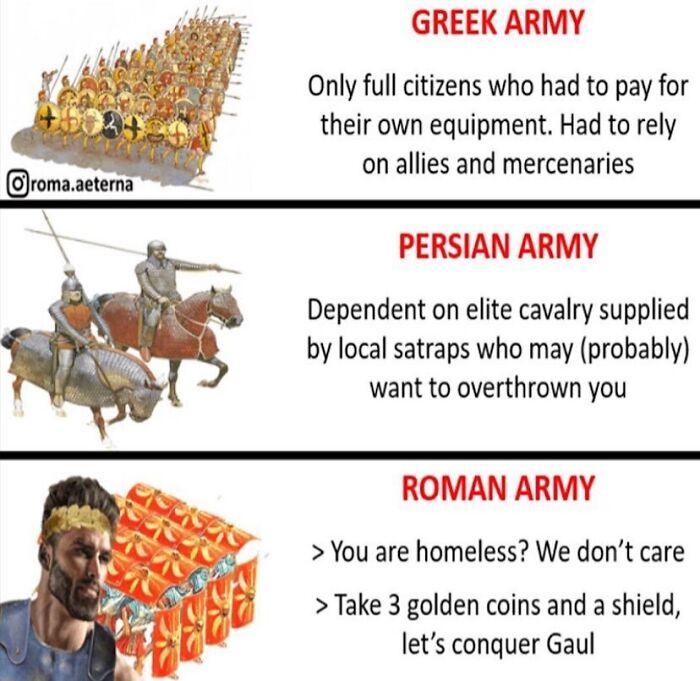
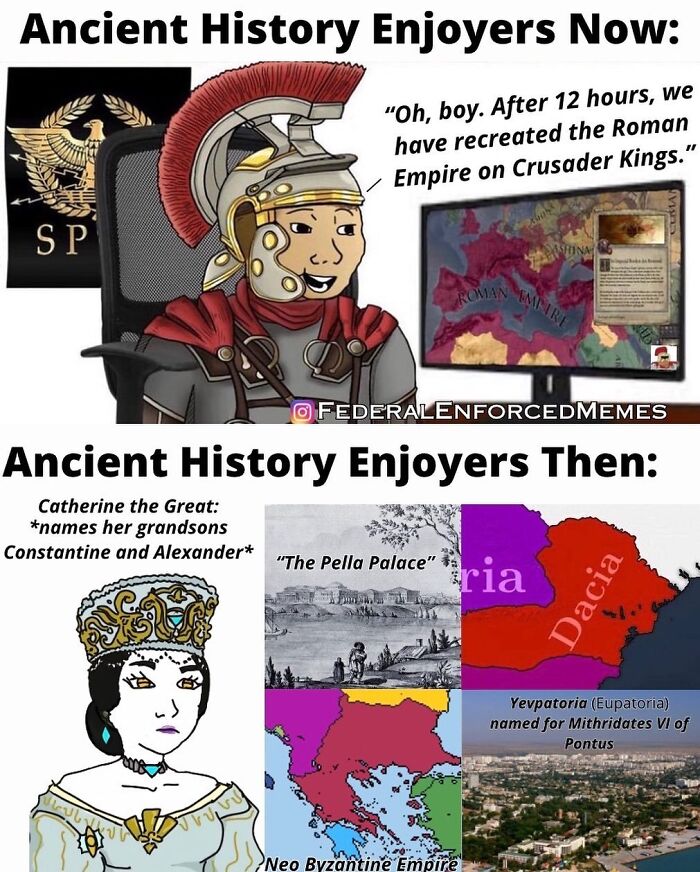
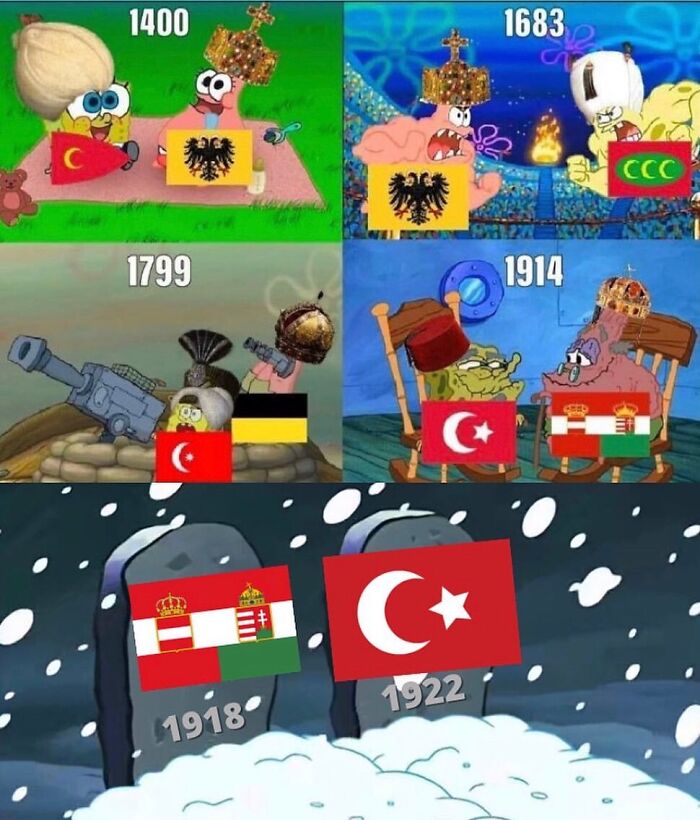
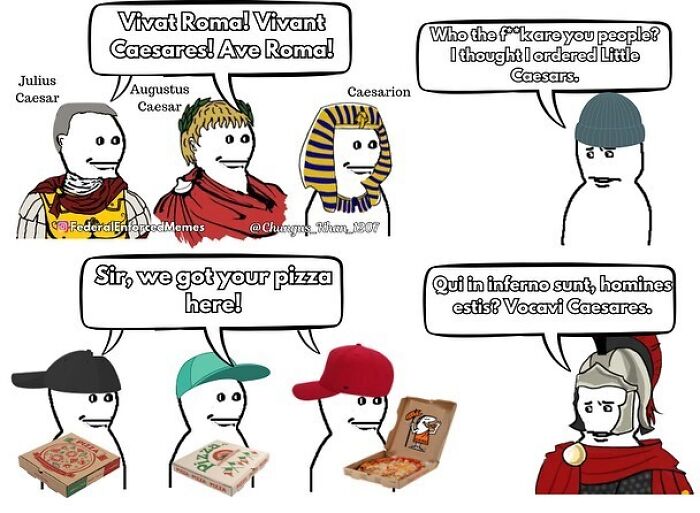
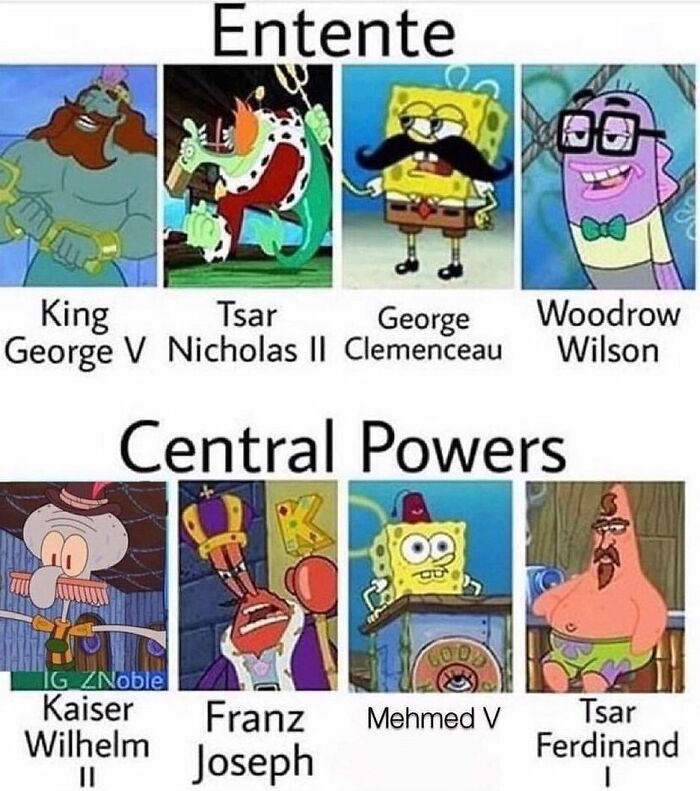
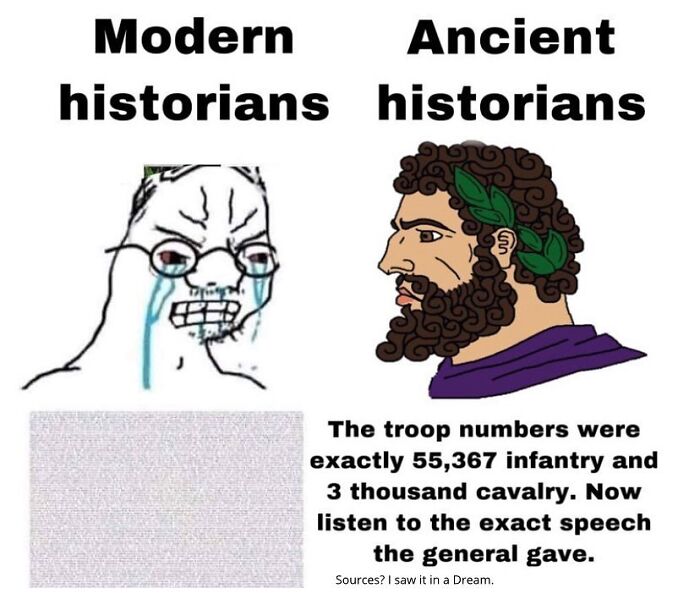
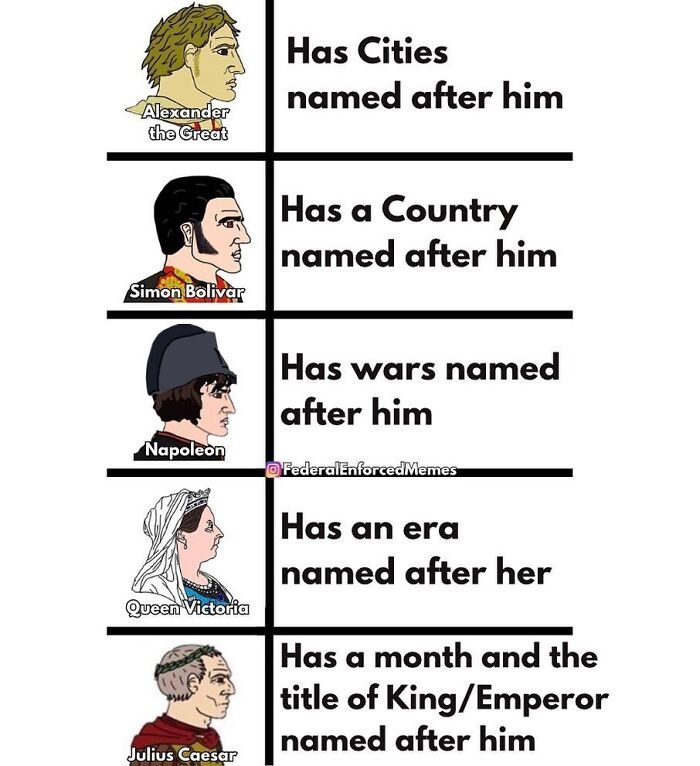
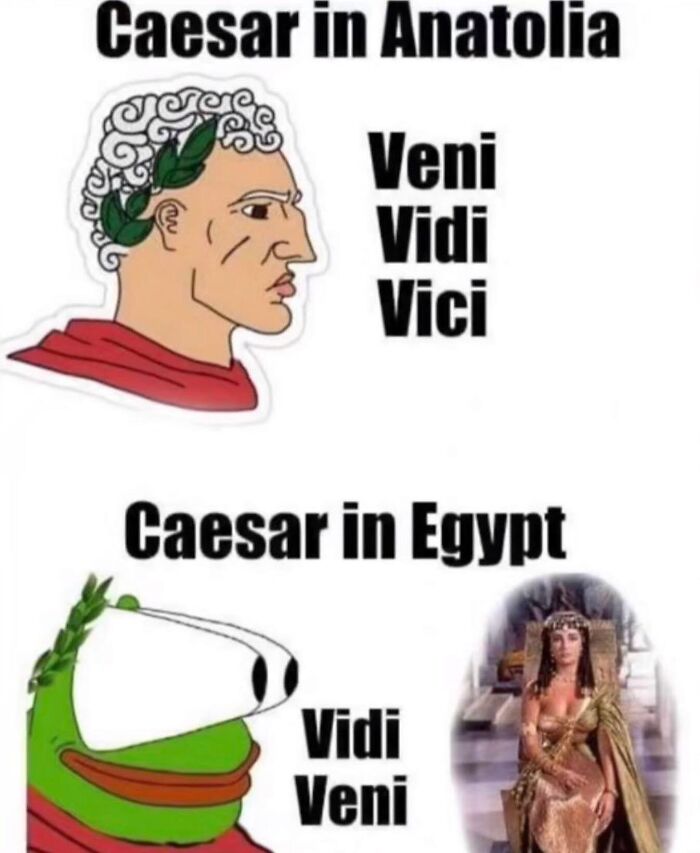
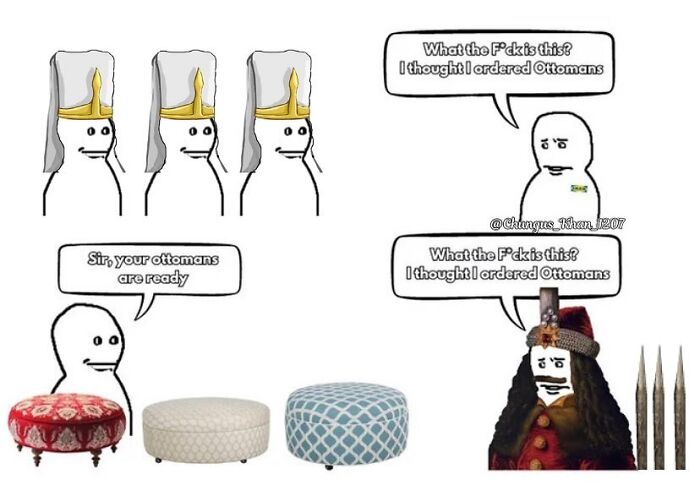
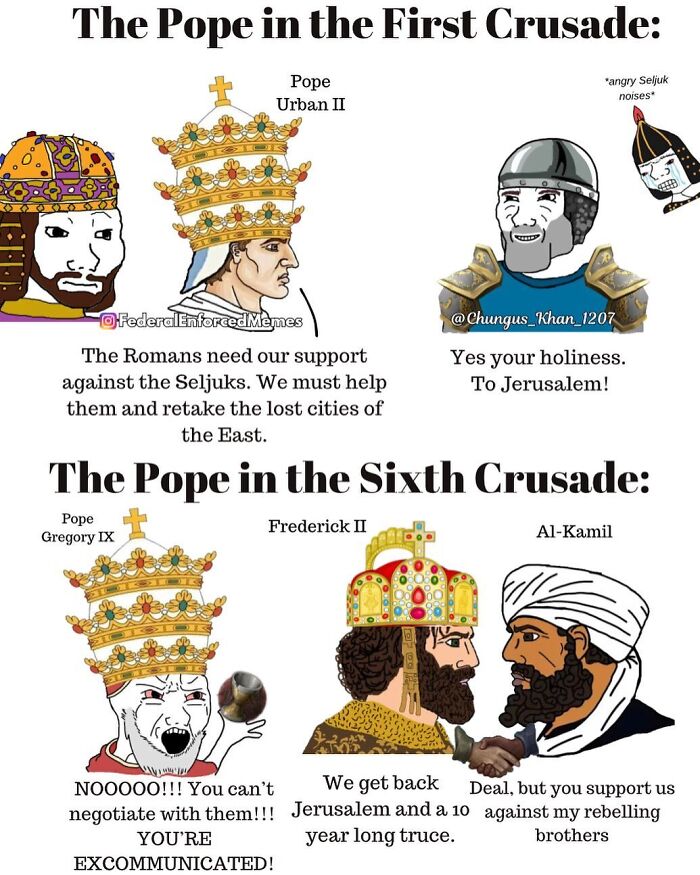
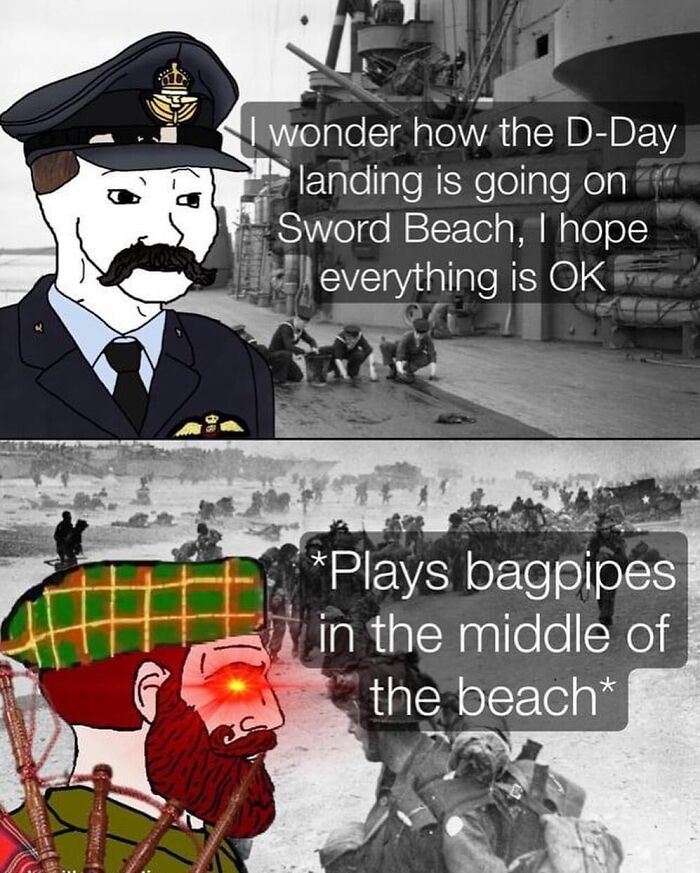
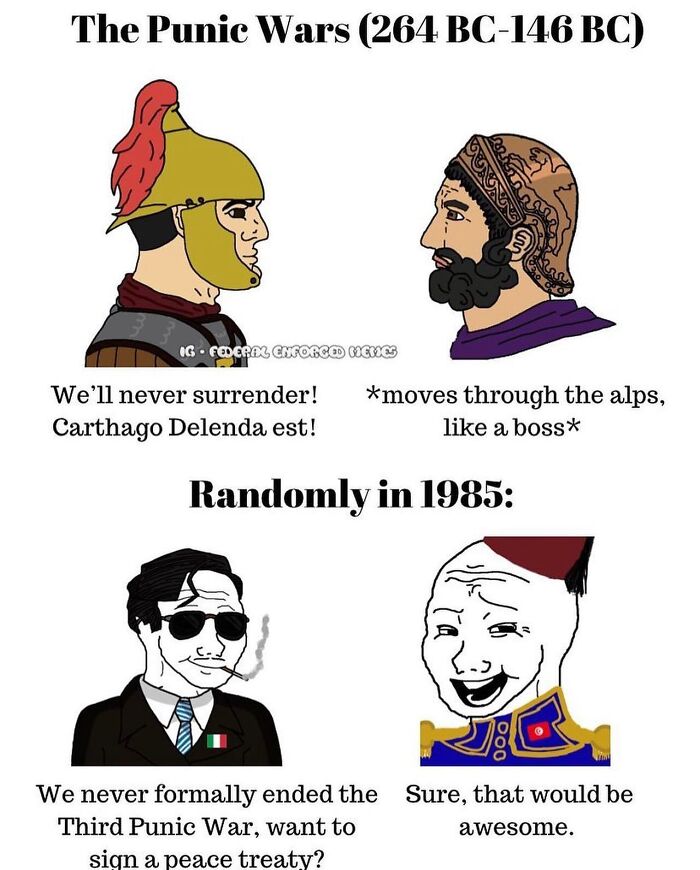
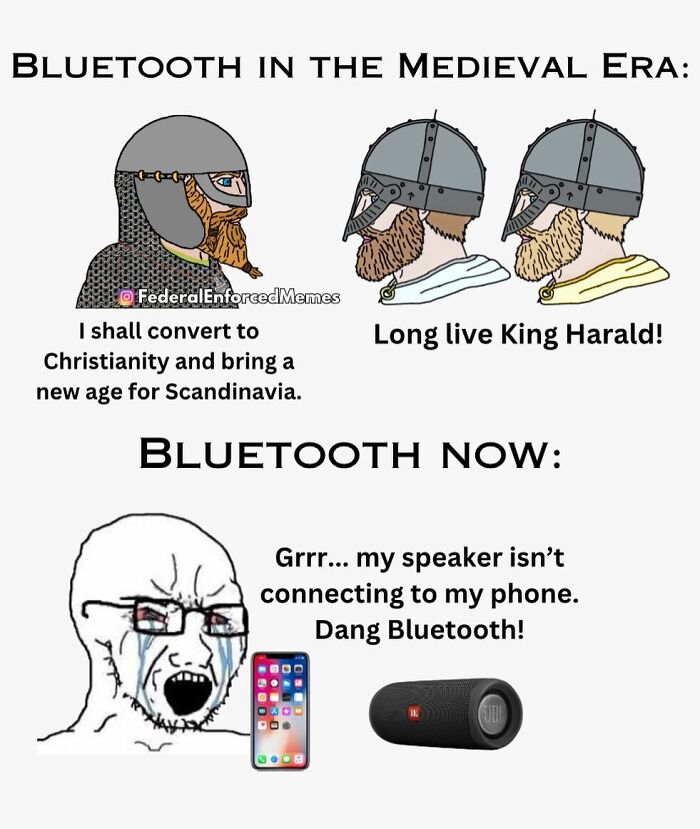
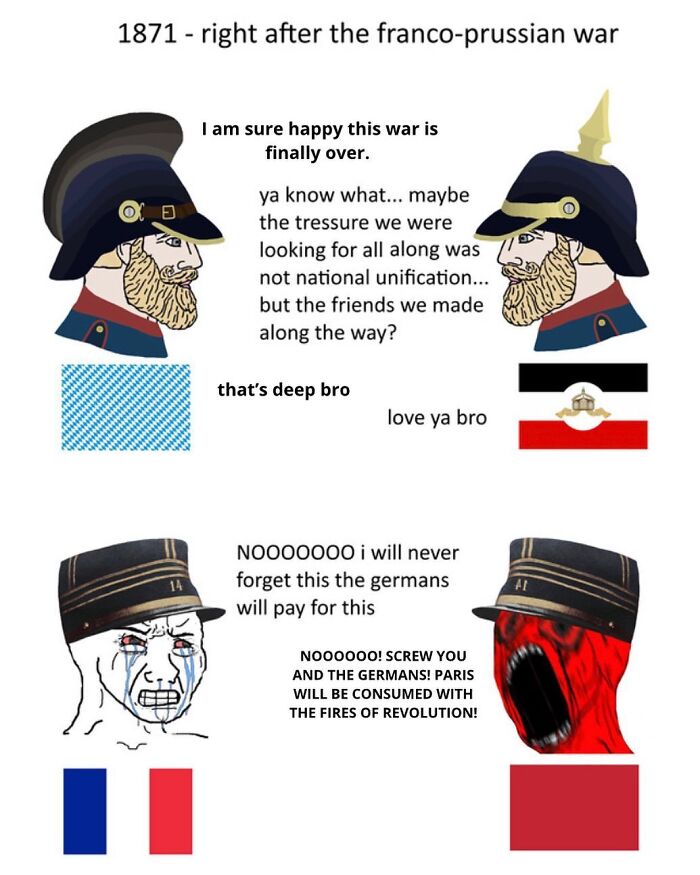
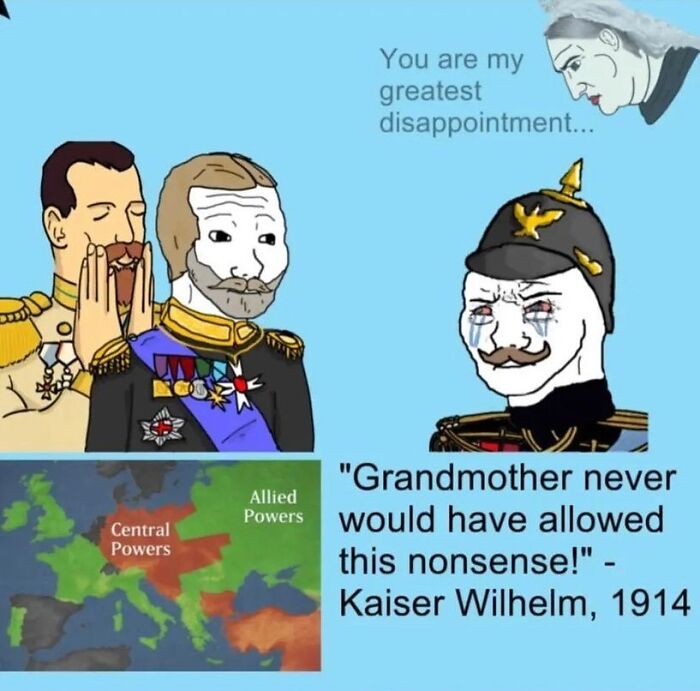
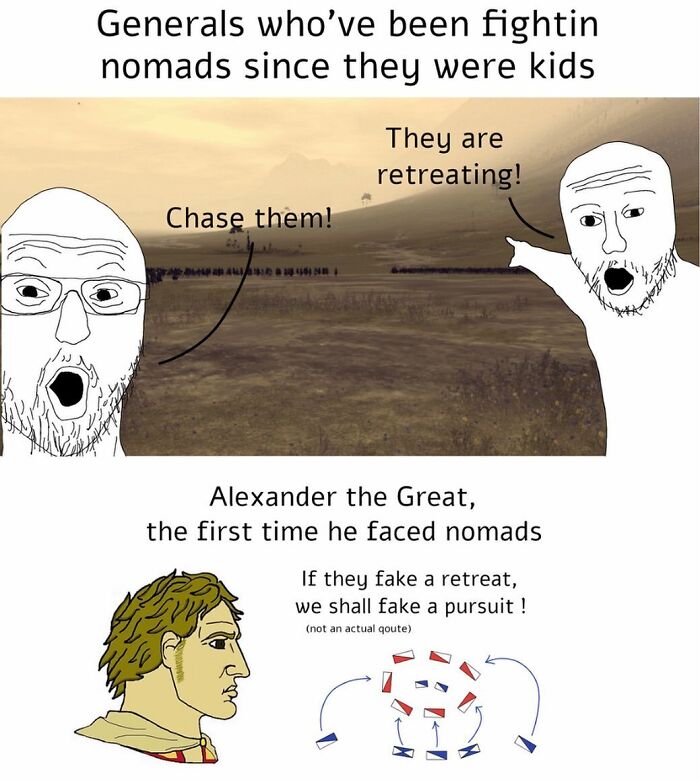
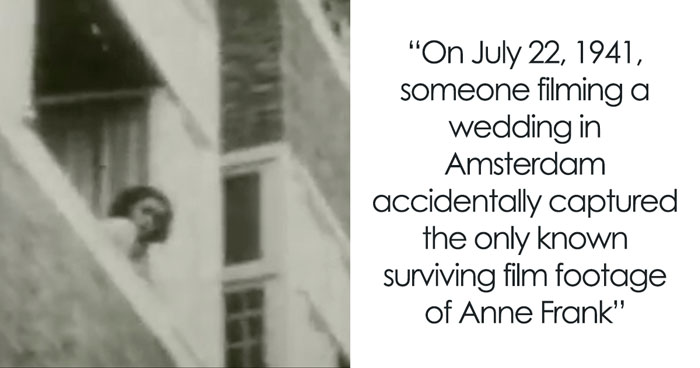
In today’s digital world, memes have also become a fun, lighthearted way for people to absorb information, or, in this case, snippets of significant past events. Here are some examples, courtesy of the Federal Enforced Memes Instagram account.
If you found history classes a bit boring, these images should spark some interest. Be sure to upvote those that you found most informative.
This post may include affiliate links.
Learning history through memes is like reading poetry in comic-book form. Some experts argue that memes are digital comic books that function similarly.
“Memes use a lot of the same visual and verbal elements that go into a comic, and those elements function in a very similar way. So yes, memes should absolutely be considered a type of comic,” said Ohio State University professor Michelle Ann Abate.
Memes are such a hit because they can express so much with a single image and a bit of text. You can see this in the examples on this list, which briefly and succinctly explain history. And Abate says we will likely see more examples in the future, because memes are here to stay.
“Memes have become such an important part of our lexicon in the 21st century. They are part of how we communicate, part of our sense of humor, and a key way that we connect with each other,” she said.
The following memes show that you can learn about history outside conventional methods like textbooks or class discussions. But why learn about these past events in the first place?
According to University of Iowa history professor Sarah E. Bond, it’s more about building empathy for others.
“We shouldn’t just think of gladiators as people who were combatants in the arena. Instead, we can reflect on the fact that most gladiators were slaves, because about 93% were. That’s where empathy comes in,” Bond said.
She adds that learning history is also a form of therapy for ourselves in the present. As Bond explains, the Greek tragedy, for example, can teach us about grief and finding humor in adversity.
Bond sees the value in mixing pop culture elements like memes into academic work. As she noted, public humanities subjects like history are a “dialogue rather than a monologue,” which should encourage conversations.
“Engaging with these media and formats doesn't degrade us as historians. I can still write a book, which I have done, and speak about TikTok. It doesn't turn me into a lesser academic because I speak to regular people,” she said.
History may be full of political blunders and larger-than-life figures who shaped humanity, but that doesn’t mean you can’t have fun looking back on them. Memes put a modern, entertaining spin on the past, making these significant events relatable and easier to understand.
Now, let’s flip the conversation to you, dear readers. Which meme made you laugh the most, and which historical fact did you find most ridiculous? Share your thoughts in the comments!

































 No fees, cancel anytime