Get Premium
Dark mode theme is available exclusively for premium users. Learn more about the benefits of subscribing.
No fees, cancel anytime.

 Dark Mode Ad-Free Browsing Unlimited Content
 Ad-Free Browsing Unlimited Content Dark Mode
Join 1.2 million Panda readers who get the best art, memes, and fun stories every week!
34submissions
1week left
Learning about history is an important part of understanding the world around us, but it can be daunting to know where to begin. Wouldn’t it be great if someone else curated historical facts in bite sized pieces to give to you every day? Look no further than the History Defined Instagram account! This page shares facts, stories and videos, so followers can “learn weird things about history” every single day just by logging onto Instagram. We’ve gathered some of the most interesting posts from History Defined, so you can have some historical fun facts in your back pocket to share with others. Then if you’re still hungry for more history lessons, we’ve got another Bored Panda piece featuring a similar Instagram page for you to check out next right here
Click here & follow us for more lists, facts, and stories.
This post may include affiliate links.
A Spanish man, Ivan Fernandez, was right behind him and, realizing what was going on started shouting to the Kenyan to keep running. Mutai did not know Spanish and did not understand. Realizing what was going on, Ivan Fernandez pushed Mutai to victory. A reporter asked Ivan, "Why did you do this?" Ivan replied My dream is that one day we can have some sort of community life where we push ourselves and help each other win." The reporter insisted "But why did you let the Kenyan win?" Ivan replied, "I didn't let him win, he was going to win. The race was his." The reporter insisted and asked again, "But you could have won!" Ivan looked at him and replied: "But what would be the merit of my victory? What would be the honor of this medal? What would my Mother think of it?"
While Instagram may not be the first place many people go for a history lesson, it’s becoming a popular one. History Defined has amassed 130k followers since its first post in September 2021. It’s probably safe to assume that most users follow the page just for fun, but accounts like this are a great way to show that Instagram can also be used as an educational tool to get students more excited about learning.
We live in a digital age, and we’re just not as likely to pick up a magazine or a book as we are to hop onto the internet. While magazines like National Geographic were once a great way for readers to pick up interesting facts, there are now other more effective platforms. Nat Geo has adapted to our tech-based world and now runs an Instagram account with over 220 million followers. Clearly, there is a demand on social media for learning interesting facts, so History Defined has come along at the perfect time.
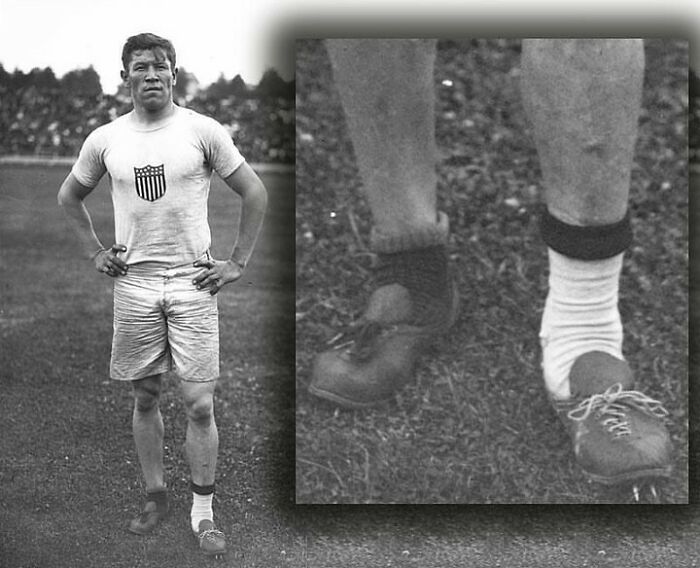
He found this mismatched pair of shoes in the garbage and ran in them to win two Olympic gold medals that day. He was also the first Native American to win a gold medal for the United States.
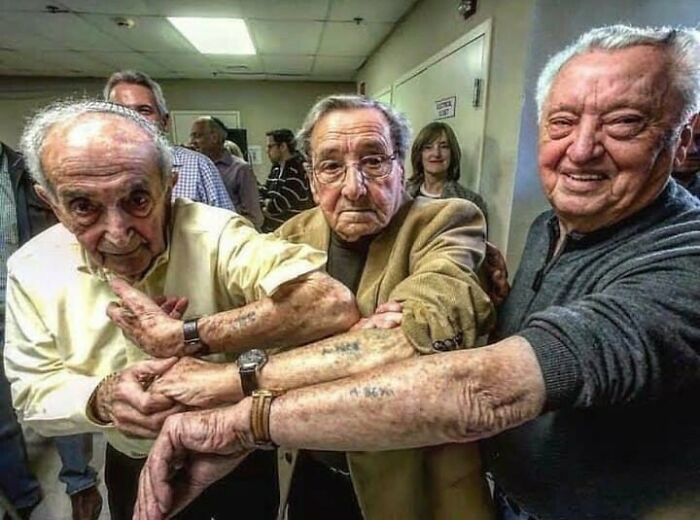
All these men survived the camp and their tattoos have the difference of the number 10, meaning they were all in the camp at the same time. All these men went onto have families and good lives.
One professor, Dr. Michael W. Kirst of Stanford University, even recommends utilizing Instagram in the classroom. On his blog The College Puzzle, Dr. Kirst writes that because Instagram is one of the most popular social media sites for young people, with 72% of teens using it, it makes sense to try to use it for educational purposes as well. Students are already spending time scrolling through the app, so they might as well learn something new while they’re at it.
Dr. Kirst mentions that Instagram also helps develop creativity, as users are always trying to think of new ideas for posts. Students also prefer unique methods of studying, including assignments that can be evaluated through Instagram or attending events that students can share about via Instagram. They’ll certainly find posting on social media more interesting than simply writing and submitting an essay. If you’re looking for more educational accounts to follow, NASA Goddard, The Smithsonian, The American Museum of Natural History and The British Library all run active Instagram pages as well.
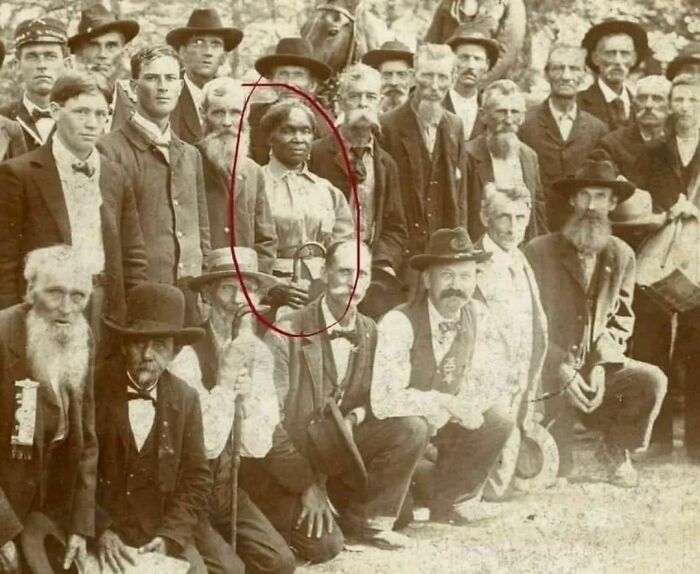
After the war, she moved north with the regiment and settled in Indiana, where she found work with some of the veterans of the 23rd. She applied for a pension after Congress passed the Army Nurses Pension Act of 1892 which allowed Civil War nurses to draw pensions for their service. The War Department had no record of her, so her pension was denied. Fifty-five surviving veterans of the 23rd petitioned Congress for the pension they felt she had rightfully earned, and it was granted. The photograph shows Nichols and other veterans of the Indiana regiment at a reunion in 1898. She died in 1915 and is buried in a cemetery in New Albany, Indiana.
Hamilton created the basic concept of modern-day software and her programming was so successful and effective that it was just as important as the astronauts aboard the spacecraft itself. After getting her degree in mathematics she is considered to be the first software engineer, a term which she created. Despite her role being one of the most important in the entire apollo mission, she was not credited as much as she should have been. Before she worked for NASA, she programmed software for the US airforce to detect enemy aircraft. She also made software for tracking satellites and to predict the weather. She took mankind to the moon and back. Fun fact: the device you are using to view this post (most likely a smartphone) has over a million times more computer power than the spacecraft that took us to the moon. Let that sink in what kind of computer power you are currently holding in your hand!
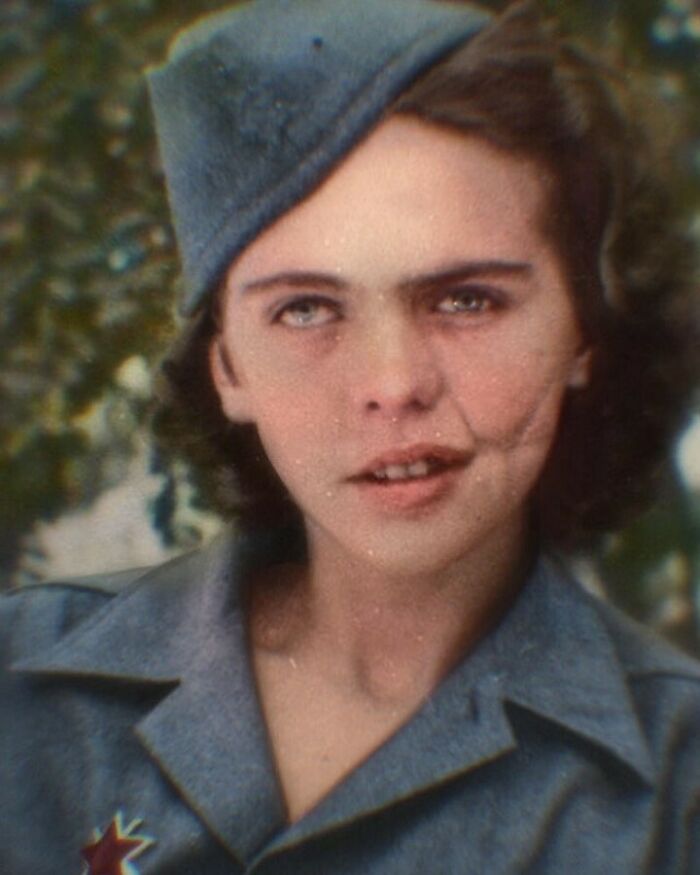
She joined the People's Liberation Movement at 16. She was wounded twice at 17. She was wounded again by an exploding mine three days after her 18th birthday. She continued fighting and working as a nurse for the rest of the war. She lived until the age of 75.
Maybe you’re not so interested in learning about history, and you need to be convinced as to why it might be a good idea to follow History Defined. Well, according to the Department of History at the University of Wisconsin, “Studying history helps us understand and grapple with complex questions and dilemmas by examining how the past has shaped (and continues to shape) global, national, and local relationships between societies and people.” No, you don’t need to go and get a degree in history. But wouldn’t it be nice to have a greater perspective on our world by knowing more about the past?
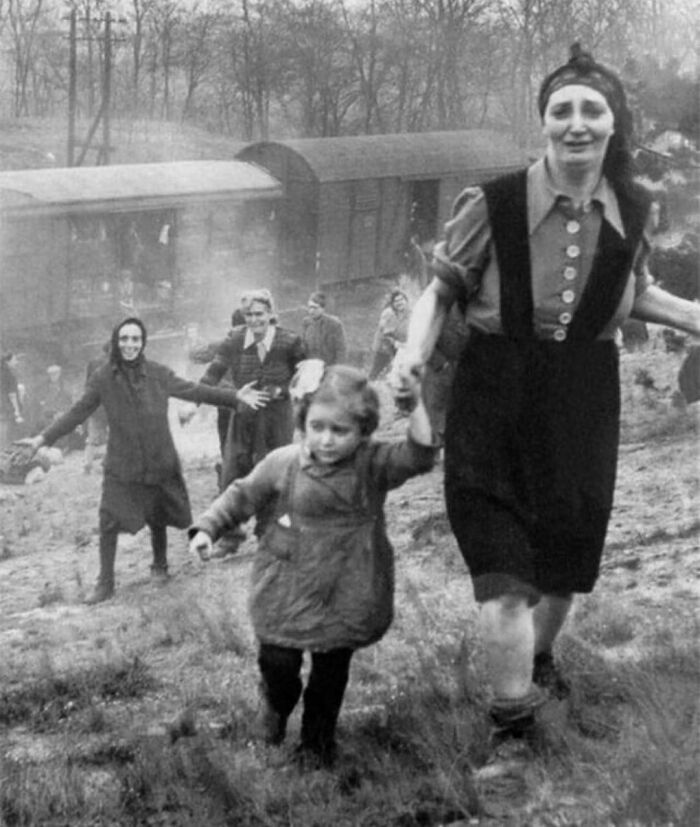
In this photo, they then realized that the train would not be heading to a Concentration Camp, they had been liberated. Taken on April of 1945, by Major Clarence Benjamin.
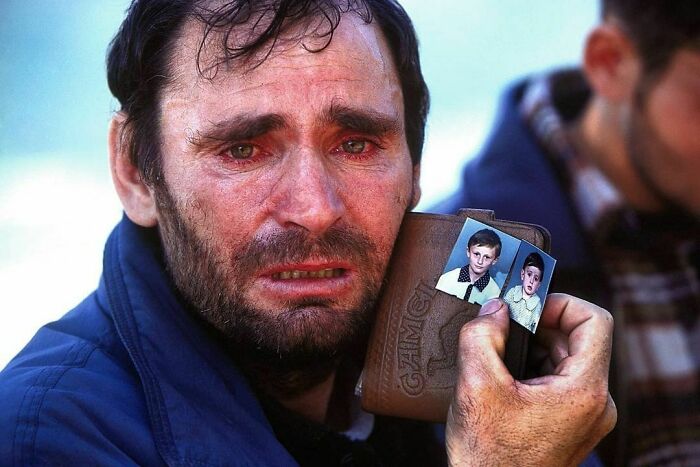
Mustafa Xaja, shows two of his sons photos who he fears were killed by Serbs, he had just recently been released from a Serbian prison, and was forced to cross over the border with Albania. Later, he found out his sons were safe.
The past teaches us about the present as well. We can analyze issues that occurred in the past, and use our understanding of those events to solve current and future problems. For example, the University of Wisconsin’s website notes that, “A course on the history of public health might emphasize how environmental pollution disproportionately affects less affluent communities – a major factor in the Flint water crisis. Understanding immigration patterns may provide crucial background for addressing ongoing racial or cultural tensions.” History can also help us build empathy through studying the lives and struggles of others. It’s easy to live in a bubble, but when we step outside of our own experiences and learn about others, we value and appreciate their lives and cultures more.
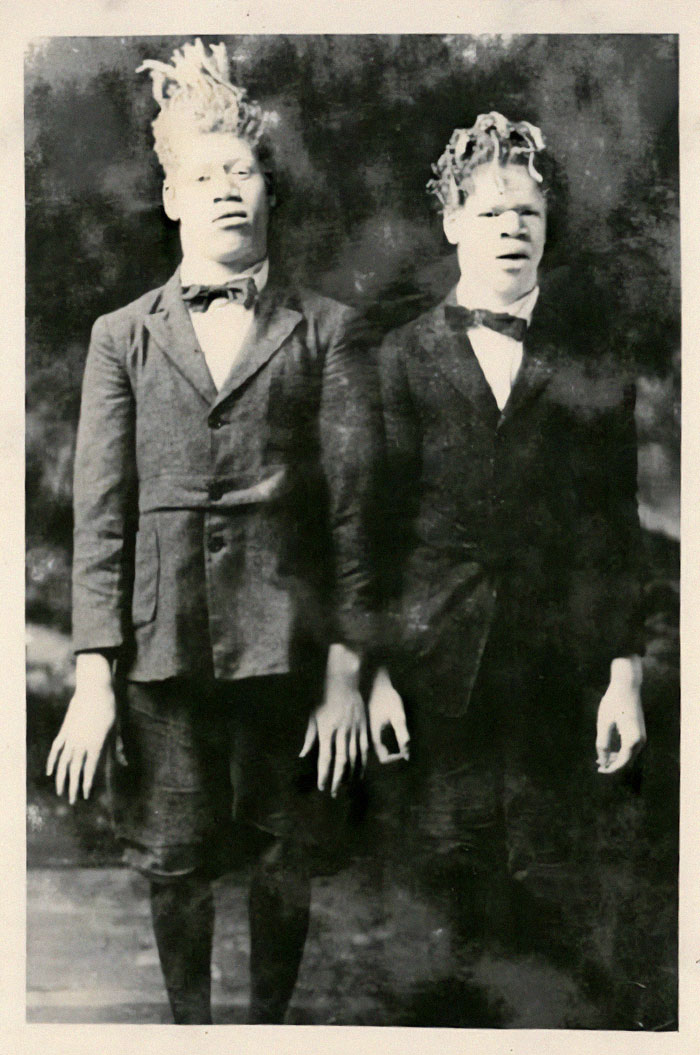
Born Black with a rare form of albinism, they were targeted by a traveling "freak hunter" when they were just boys and kidnapped from their Virginia home. Then they were forced to grow out their hair and sold to a series of traveling sideshows, including Ringling Bros. They weren’t allowed to go to school or learn to read, and they never saw a dime, though their handlers made a fortune off of them. They were even told that their mother was dead so that they would stop begging to go home. Their years of enslavement finally ended in 1927 when Ringling Bros. found its way back to Roanoke and George recognized their mother in the crowd. "There's our dear old mother," he said. "Look, Willie, she is not dead."
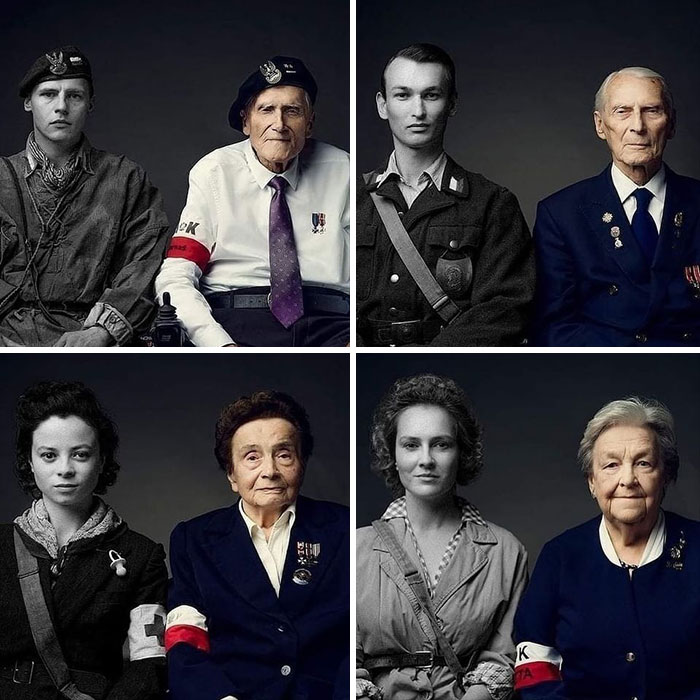
Polish Warsaw Uprising participants, AK on their shoulders standing for Armia Krajowa (Polish army). Polish Warsaw Uprising started 1st August 1944, lasted 63 days, 18 thousand Polish soldiers and 200 thousand of civilians were killed, some in mass murders.Then the city was distroyed, burnt down methodically by German troops with Soviet army waiting on the other bank of the Wisla river, waiting for them to finish up.
History can also teach us more about ourselves. When we learn about our ancestors, we have a greater understanding of our own lives. For example, knowing where our ancestors lived and what major events they lived through helps us piece together how we got here. On that same note, the University of Wisconsin’s site compares “doing history” to “completing a puzzle or solving a mystery”. “Imagine asking a question about the past, assembling a set of clues through documents, artifacts, or other sources, and then piecing those clues together to tell a story that answers your question and tells you something unexpected about a different time and place. That’s doing history.”
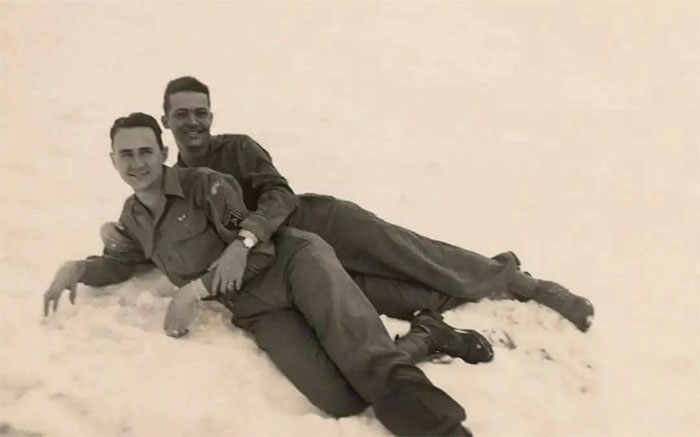
In 1945, these two soldiers had hiked up into the Austrian Alps and a friend took their picture as they embraced in the snow. One soldier kept these snapshots hidden in a shoebox until the early 1990s when he handed them to a relative, along with the ring that he was wearing in the Alps photo, with the request: “Please keep these safe for me.” According to the relative, the soldier, nearing the end of his life, wanted to preserve the one thing that meant more to him than anything else. He passed away two years later.
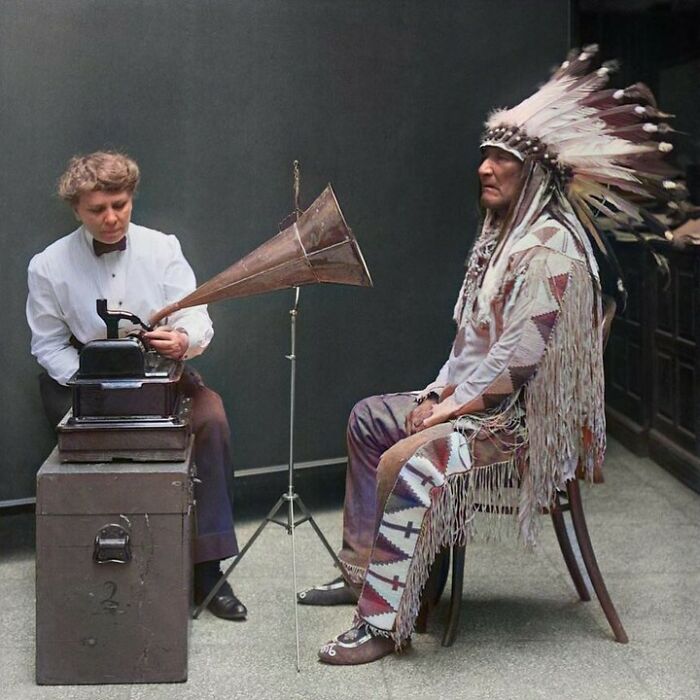
Densmore’s aim was to preserve Native languages and cultures for future generations. Currently, only 75 people in the world are reported to use the Plains Native American Sign language.
While history may be deemed a boring subject by many students in their school days, it’s understandable that people are eating up these fun facts and stories on Instagram. We love true stories (just look at how popular documentaries have become in recent years), and our brains get excited about learning new information, even if we don’t realize it. In the case of the History Defined Instagram account, followers are in luck if they want to recall what they’ve read. 65% of people consider themselves visual learners, so having interesting images and videos associated with the information shared on Instagram makes us more likely to remember what we’ve read.
There’s a valid reason so many people prefer visual learning. According to Dr. Lynell Burmark, education consultant and author of the book Visual Literacy: Learn to See, See to Learn, “Unless our words, concepts, ideas are hooked onto an image, they will go in one ear, sail through the brain, and go out the other ear. Words are processed by our short-term memory where we can only retain about seven bits of information (plus or minus 2). Images, on the other hand, go directly into long-term memory where they are indelibly etched.”
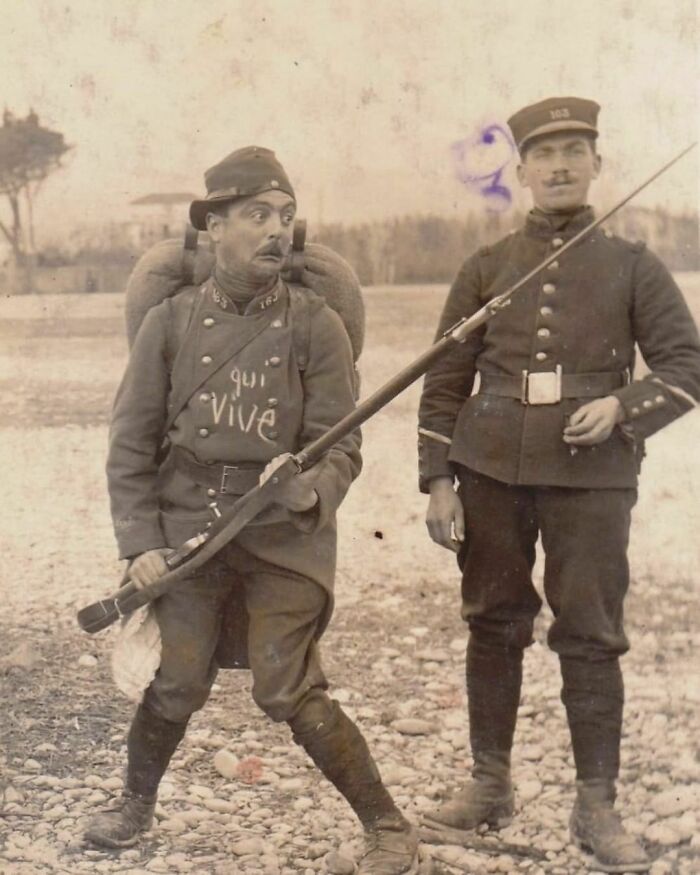
"My great grandfather goofing around before he headed to the front. He died on his first day of combat, just four days after he was mobilized” via reddit u/enraged-elephant.
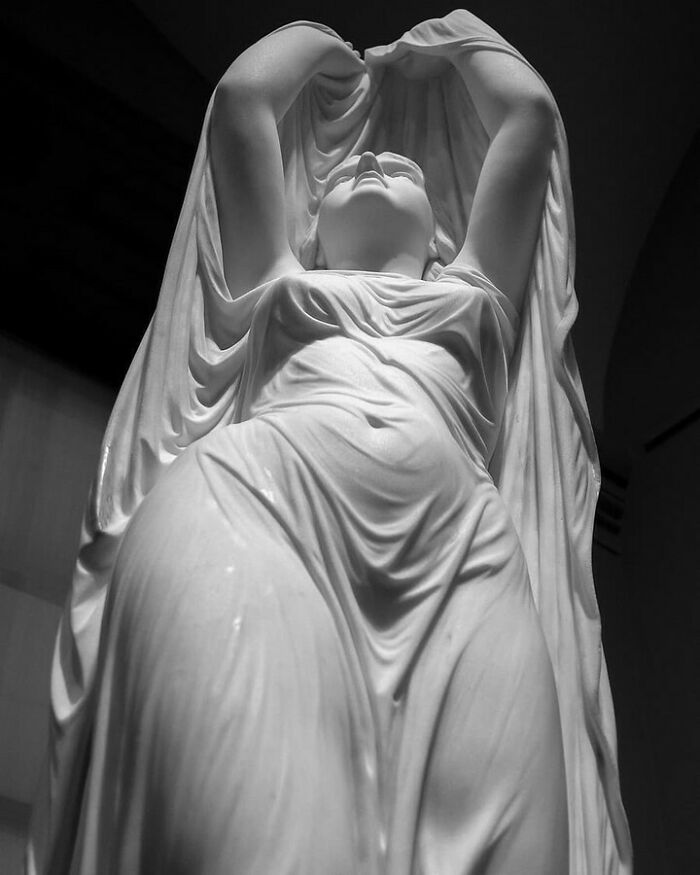
"According to medieval lore, undines were Mediterranean sea spirits who lived as soulless mortals. In the nineteenth century, this story gained prominence through Baron Heinrich Karl de la Motte Fouqué’s popular novel Undine, in which a water spirit gains a human form and soul by marrying the mortal knight she loves. When her husband proves unfaithful, the laws of the water spirits force her to [end] him. Chauncey Bradley Ives depicts the moment when the mournful Undine, cloaked in a white veil, rises like a fountain to claim her husband’s life. Exquisitely rendered, the diaphanous wet drapery is a masterful example of illusionistic carving." - Yale University Art Gallery
Our brains also register images incredibly fast. After seeing a picture for only 13 milliseconds, our brains can understand what we saw. 90% of information transmitted to the brain is also visual. When we see these interesting photos and videos on History Defined, we have a greater chance of remembering what we read than if someone had only told us the same information or if we had seen it in a book without any visual components.
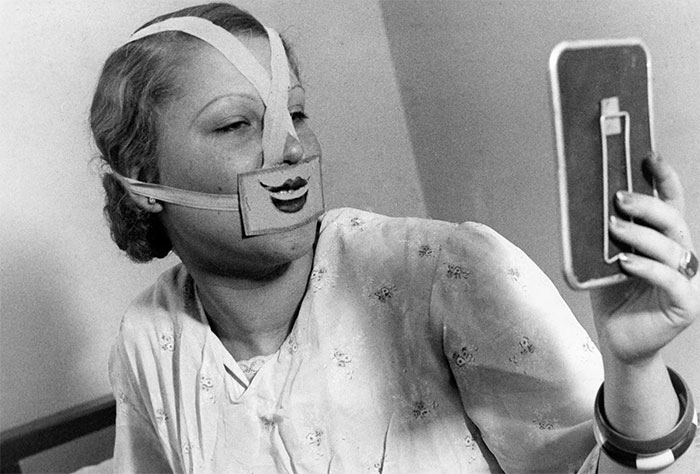
Women suffering from depression or demonstrating signs of “misbehavior”, such as not “taking proper care of her husband” were legally encouraged to submit into a psychiatric ward. Here, the narrow-minded 1930s would offer a smiling treatment used to condition a woman into always wearing a smile. Experts believed that if a woman saw herself smiling, it would become natural practice and she would be “cured.” This often went along with shock therapy.
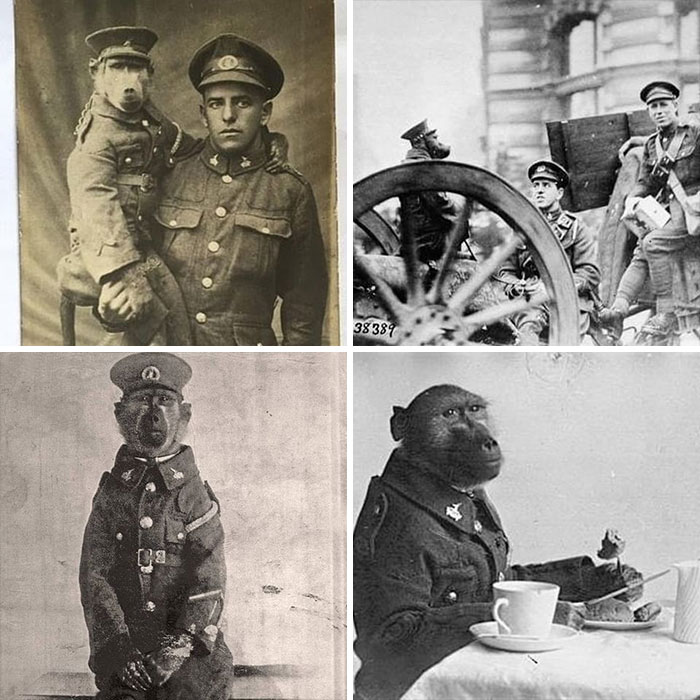
So Jackie was given an official style uniform with a cap, a ration set, and his own pay book. Jackie would salute to superior officers and light soldiers' cigarettes. He would even stand at ease in the style of a trained soldier. Due to his heightened senses, Jackie was useful to sentries on duty at night. The baboon would be the first to know when an attack was coming or enemy soldiers were moving around nearby. Jackie and Marr survived a battle where the casualty rate was 80%, in Delville Wood, early in the Somme Campaign. When Marr was serving in Egypt he was shot in the shoulder at the Battle of Agagia, 26 February 1916, while Jackie was with him, licking the wound as they awaited help. Jackie was given his own rations while with the army, and ate them with his own knife and fork, as well as his own washing basin. When the regiment was drilled and marched, Jackie would be with them. Jackie spent time in the trenches in France where he tried to build a wall around himself during extreme enemy fire, but a piece of shrapnel from an explosion flew over the wall hitting Jackie in the leg and arm. When stretcher bearers tried to take Jackie away he refused, desperate to finish his wall and hide. Doctors treated Jackie's wounds, but they decided his leg had to be amputated and were surprised that he even survived. Jackie was awarded a Medal of Valor for the event of his injuries, and promoted from private to corporal. After the war was over, Jackie was discharged with papers and went back to South Africa. He tragically died in a house fire in 1921.
Learning about history makes us more informed about our world and all the people in it. History Defined does a great job of finding some of the most fun facts from history and passing them along to wider audiences. We all know who Abraham Lincoln is, but seeing a photo of him is exciting. And how many people have seen a picture of teenagers swooning over Elvis Presley at one of his concerts in 1957? It may seem like a simple photo, but it provides us insight into the culture at that time. And it’s a reminder that teenagers have always and will always love going to see their favorite musicians live. History Defined is full of fun images providing us insight into specific moments in the past.
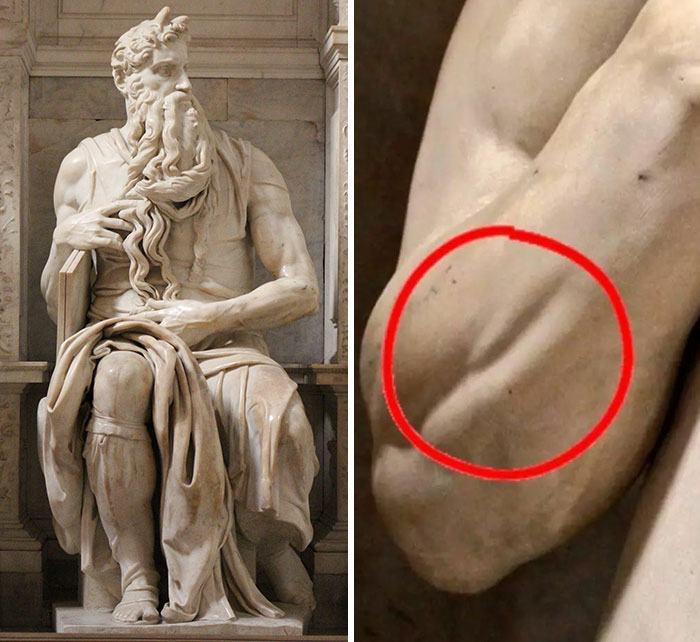
One of the many details of this masterpiece is one very small muscle in the forearms that contracts only when lifting the pinky, otherwise it is invisible. Moses is lifting the pinky, therefore that tiny muscle is contracted. Giorgio Vasari in the Life of Michelangelo wrote: "Michelangelo finished the Moses in marble, a statue of five braccia, unequaled by any modern or ancient work. Seated in a serious attitude, he rests with one arm on the tables, and with the other holds his long glossy beard, the hairs, so difficult to render in sculpture, being so soft and downy that it seems as if the iron chisel must have become a brush. The beautiful face, like that of a saint and mighty prince, seems as one regards it to need the veil to cover it, so splendid and shining does it appear, and so well has the artist presented in the marble the divinity with which God had endowed that holy countenance. The draperies fall in graceful folds, the muscles of the arms and bones of the hands are of such beauty and perfection, as are the legs and knees, the feet were adorned with excellent shoes, that Moses may now be called the friend of God more than ever, since God has permitted his body to be prepared for the resurrection before the others by the hand of Michelangelo. The Jews still go every Saturday in troops to visit and adore it as a divine, not a human thing." The English translation of Sigmund Freud's "The Moses of Michelangelo" also provides a basic description of the sculpture: "The Moses of Michelangelo is represented as seated; his body faces forward, his head with its mighty beard looks to the left, his right foot rests on the ground, and his left leg is raised so that only the toes touch the ground. His right arm links the Tables of the Law with something that looks like a book in the right palm of his hand with a portion of his beard; his left arm lies in his lap." The attention to detail is impeccable.
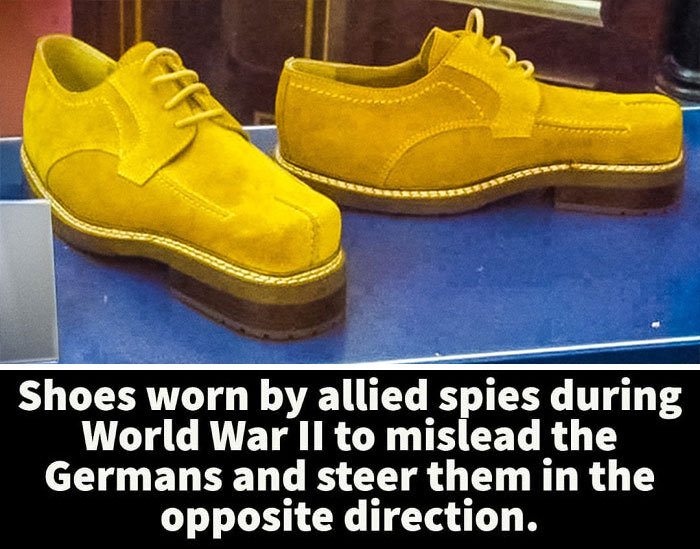
Aside from going out of their way to disguise their appearance as much as possible, which involved the perfect type of clothing that didn’t make them look too English, they sometimes had to resort to trick shoes like this to throw N**i forces off their tracks. These shoes work similarly to those employed by moonshiners during prohibition (which were likely the inspiration), the soles faced the opposite direction that the wearer was walking, making anyone tracing their footsteps believe that the wearer was walking towards them rather than away.
I think this list is a perfect example of how great learning about history can be, especially when we're not in middle school being forced to memorize information just for exams. We hope you enjoy the rest of these fascinating stories and images and that you learn at least a few fun facts from it. Don’t forget to upvote the posts you found most interesting, and let us know in the comments what little-known history facts you think should be featured on the page. And if you'd like to continue your journey of learning about history, be sure to go follow History Defined on Instagram.
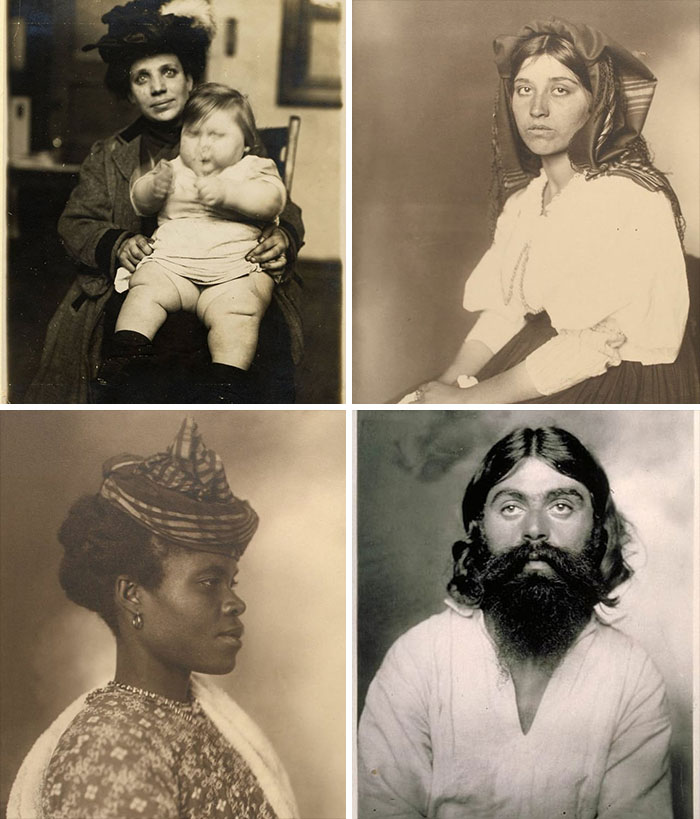
Sherman worked as a clerk on Ellis Island from 1892 to 1925. During his breaks, he would ask newly arrived immigrants to sit for an intimate portrait. In total, he took around 200 photos. Ellis Island was active for more than 60 years, from 1892 to 1954. During that time, more than 12 million people passed through, often escaping political and social turmoil back home. Others came seeking a better life and a fresh start in the so-called land of opportunity.
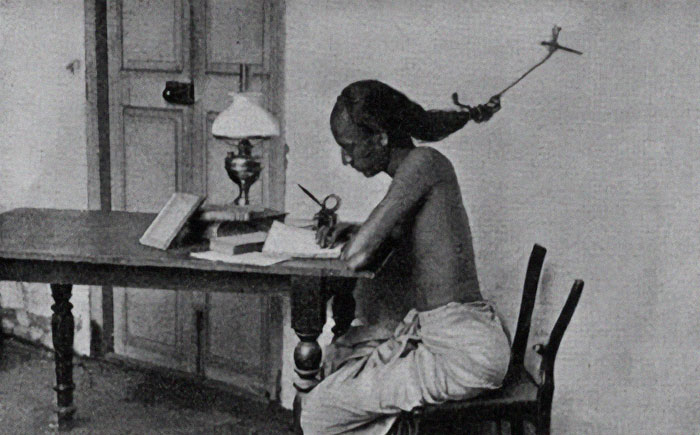
Students use to tie their hairs to a nail in the wall to prevent themselves from falling asleep while studying late at night.
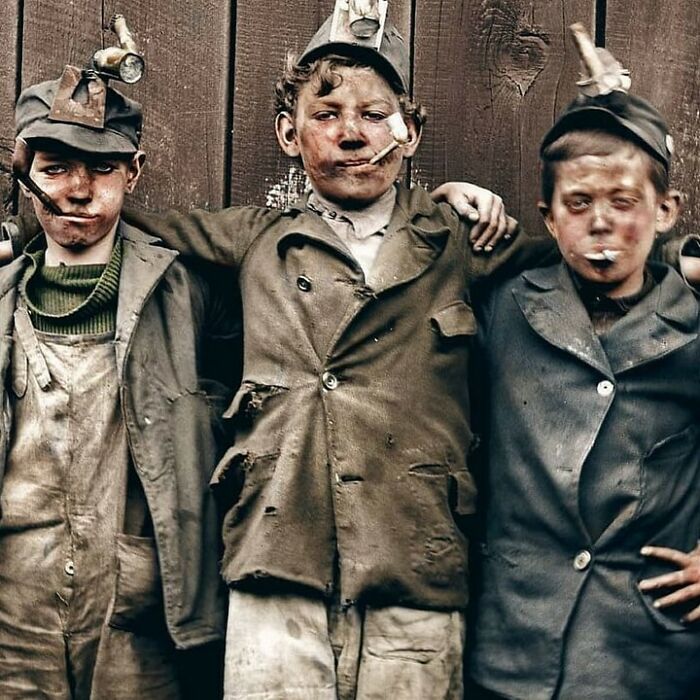
Breaker boys worked in the coal mines. Their main job was to separate chunks of coal by hand. As coal came down the conveyor belt, they would break up the coal into common sized pieces and also separate out any things like rocks, clay and soil. Boys were usually between the ages of 8 to 12, but sometimes were as young as 5 or 6. The breaker boys would work 10 hours a day, 6 days a week.
You might also like: Perfect online, different offline: 34 photos that tell another story








































 No fees, cancel anytime




![U.S. Army Technician Alvin Harley Of The 9th Armored Division Receives A Kiss From A Liberated French [intimacy] Saint Valentine’s Day. Abancourt, Oise, Picardy, France. February 14, 1945](https://static.boredpanda.com/blog/wp-content/uploads/2022/05/CX3_XyyL6cH-png__700.jpg "U.S. Army Technician Alvin Harley Of The 9th Armored Division Receives A Kiss From A Liberated French [intimacy] Saint Valentine’s Day. Abancourt, Oise, Picardy, France. February 14, 1945")