Get Premium
Dark mode theme is available exclusively for premium users. Learn more about the benefits of subscribing.
No fees, cancel anytime.

 Dark Mode Ad-Free Browsing Unlimited Content
 Ad-Free Browsing Unlimited Content Dark Mode
Join 1.2 million Panda readers who get the best art, memes, and fun stories every week!

63submissions
1week left

Nurses are the heart of healthcare. They’re usually the ones patients interact with the most, providing care around the clock and helping families understand what’s going on.
Plus, that role comes with physical demands, long hours, night shifts, stress, and many other challenges, making their dedication even more admirable.
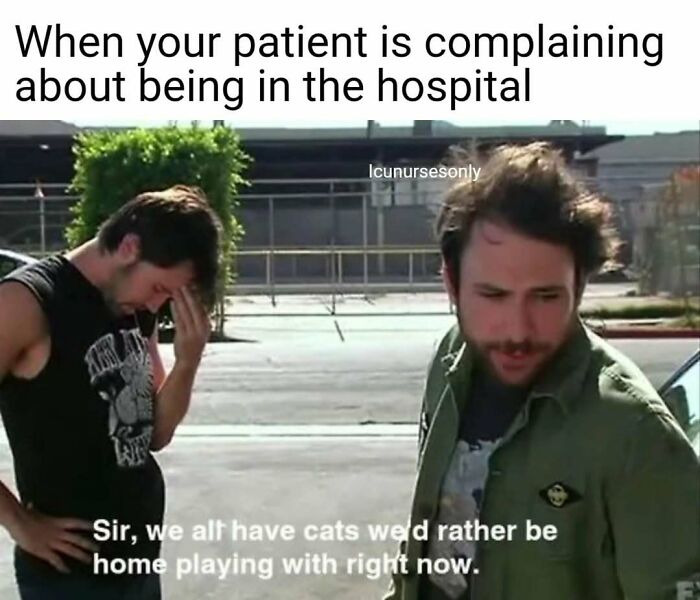
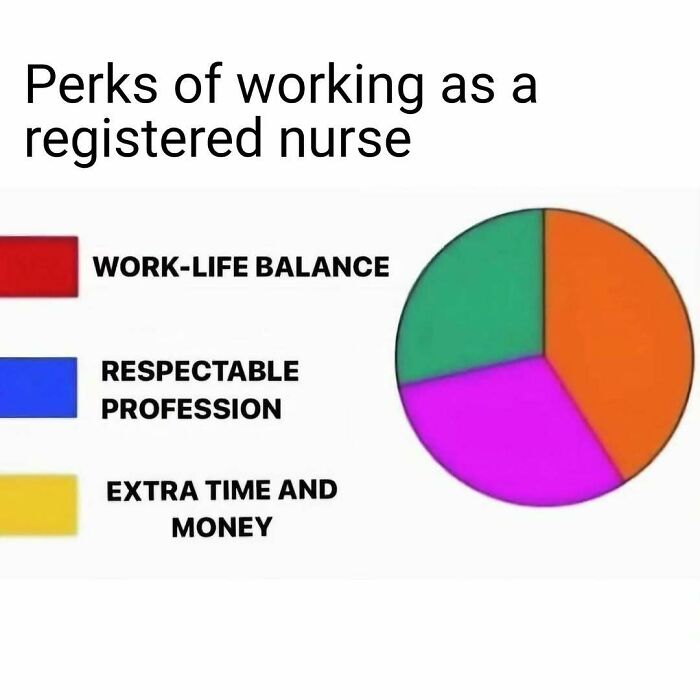
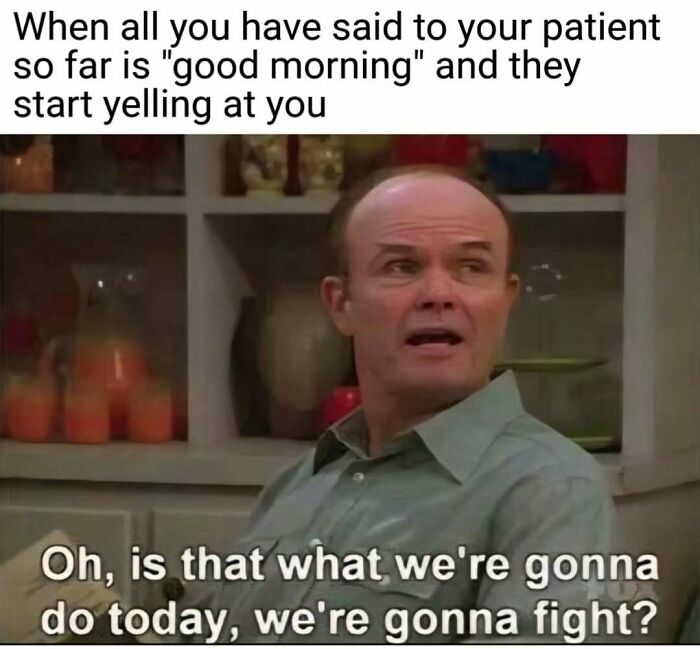
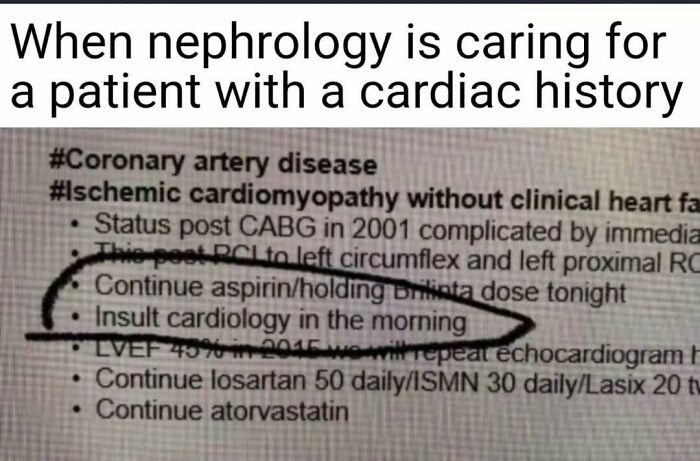
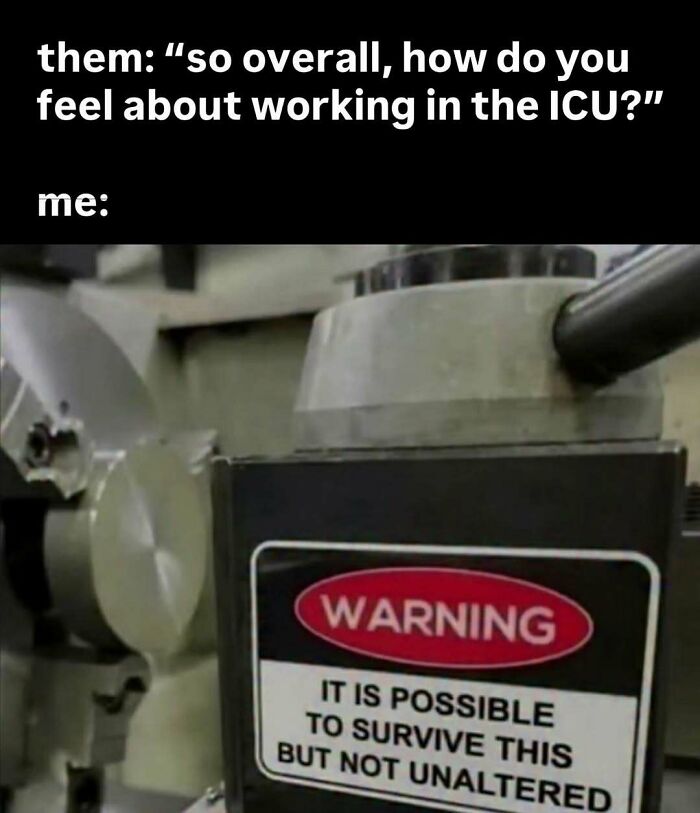
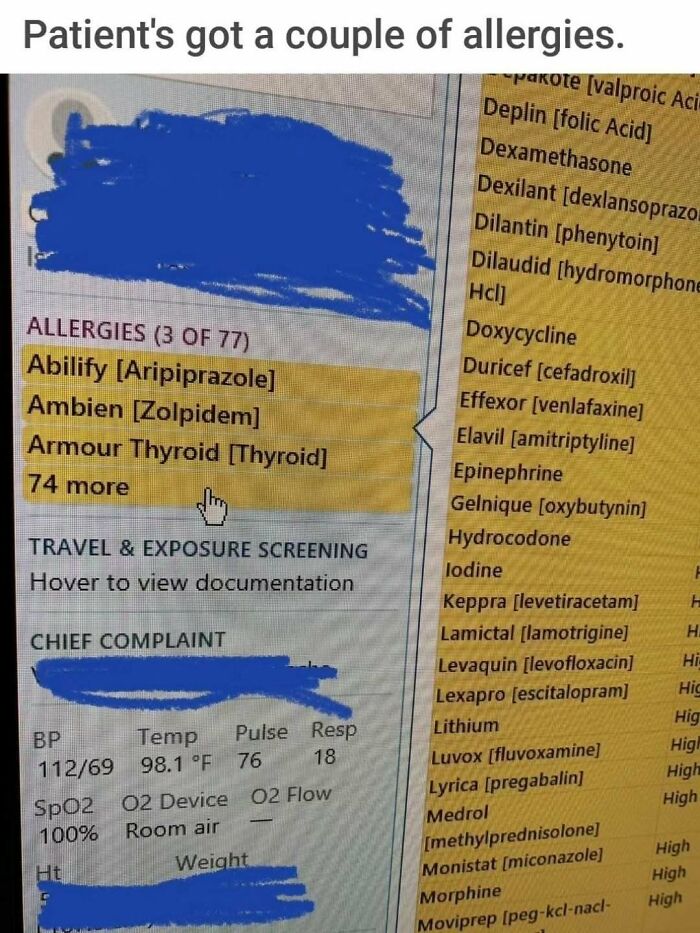
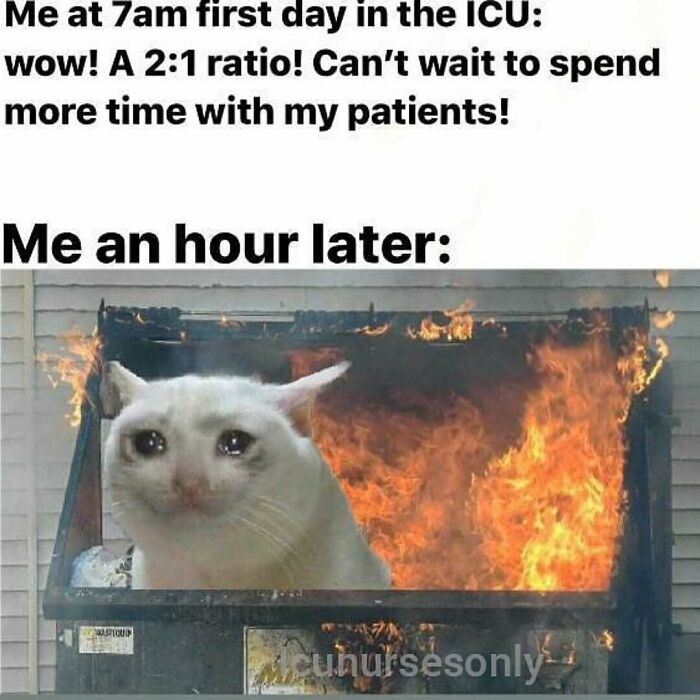
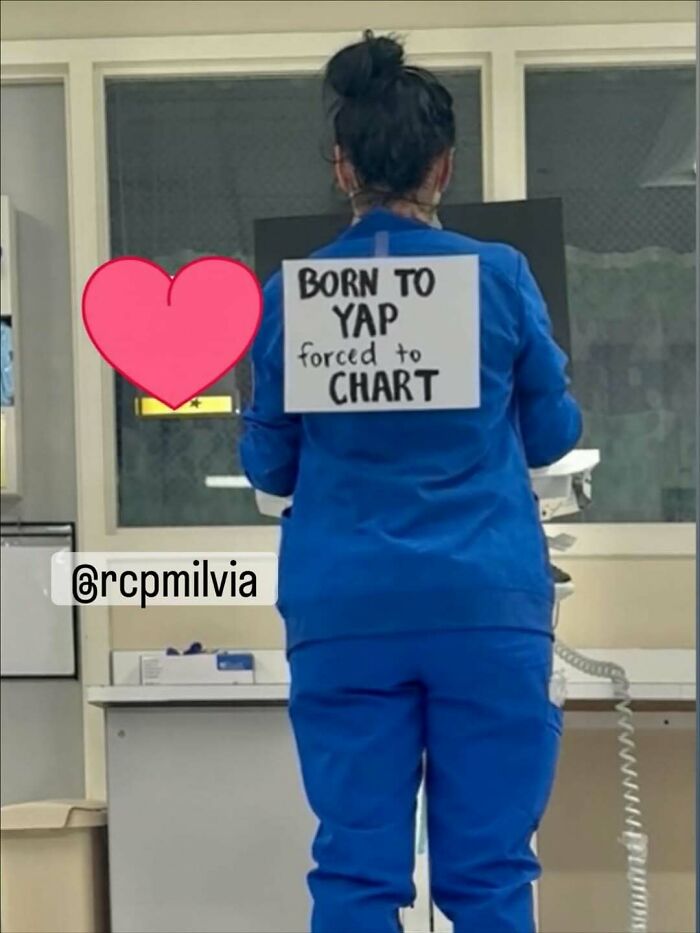
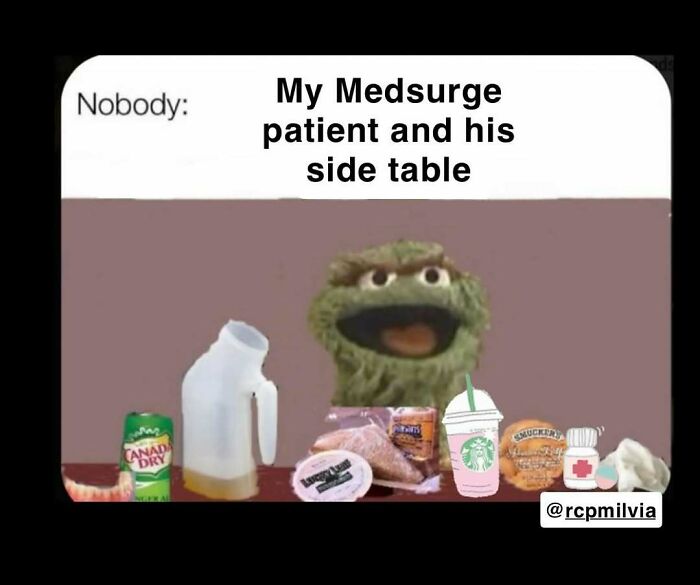
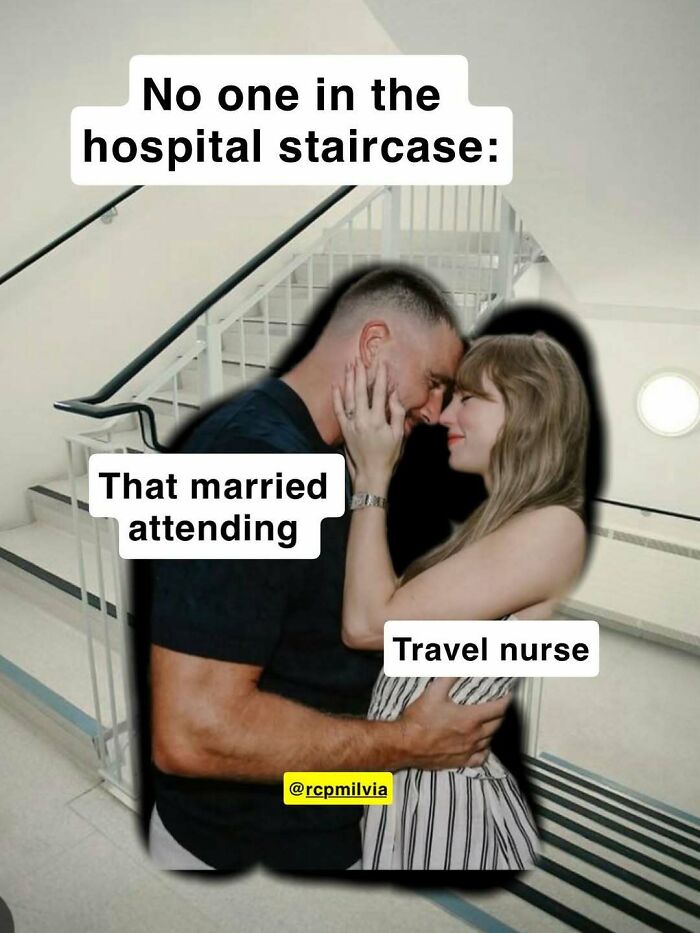
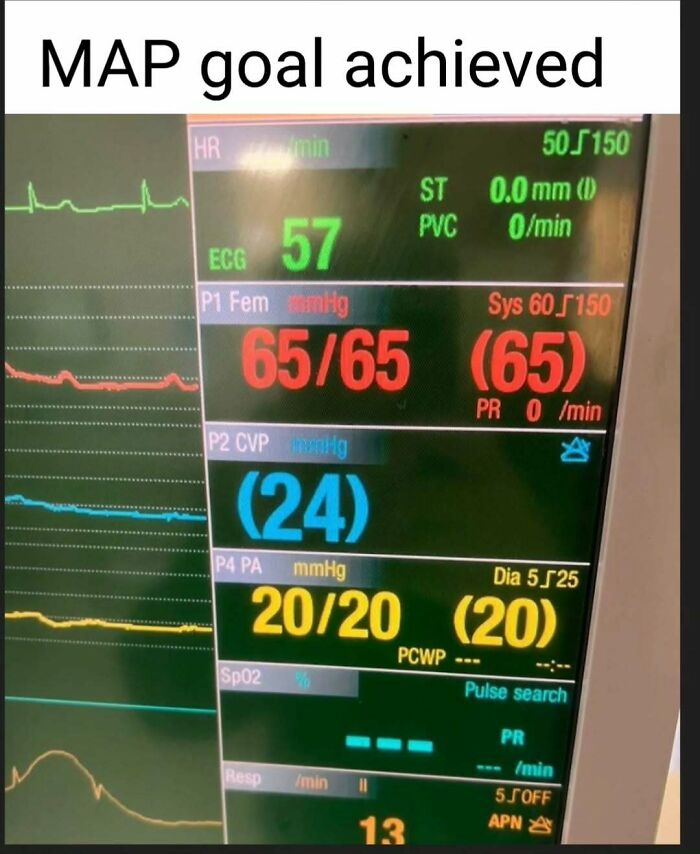
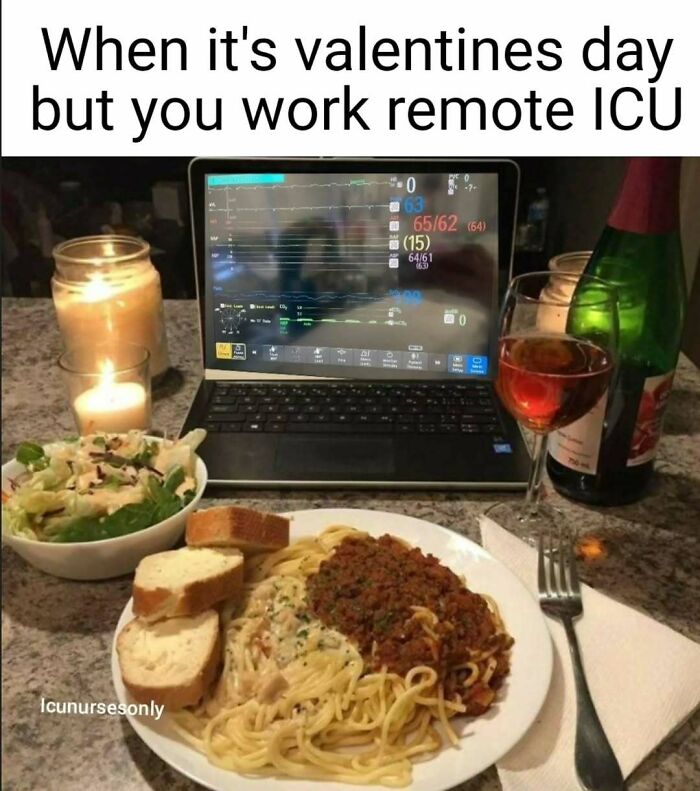
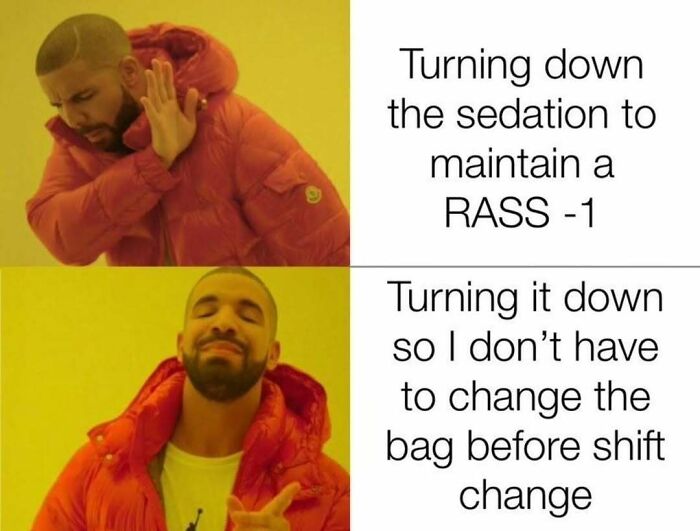
As a reminder to stay appreciative and respectful of our medical workers, we invite you to take a look at memes shared by one Instagram account that perfectly capture nurses’ chaotic lives in the hospital.
Click here & follow us for more lists, facts, and stories.
This post may include affiliate links.
The American Organization for Nursing Leadership (American Organization for Nursing Leadership) released a study in which 1,338 nurses from 430 hospitals identified the priorities and pressures shaping their profession today.
Staffing is the dominant issue, with 51% citing recruitment and retention as their top issue. Financial resource availability follows at 15%, reflecting ongoing budget constraints that affect hiring and support capacity. Change management ranks next at 13%, showing the strain of constant organizational and operational shifts in healthcare settings. Emotional health and wellbeing of staff is identified by 11%, pointing to rising concerns around burnout and fatigue.
Smaller but still present challenges include workplace violence and safety (4%), interpersonal relationships (3%), and technologies and innovation (3%).
When it comes to improving nurse satisfaction, results vary by tactic. The most effective approaches are professional development opportunities (55%), governance councils (46%), open communication (45%), and work-life balance initiatives (45%). Compensation is cited as successful by 40%, while flexible scheduling follows at 30%.
Lower-impact tactics include RN day off on an as-needed basis (27%), leader recognition (23%), and reducing meetings (20%). Even fewer systems report success with centralized scheduling and administrative support (both 18%), as well as shifting tasks to non-RN staff and covering reports for leaders (both 17%). Resiliency programs are cited by 12%, while reducing direct reports ranks lowest at 9%.
You might also like: 19 People Share The Most Ridiculous Things They Have Ever Seen In An ER

























 No fees, cancel anytime