Get Premium
Dark mode theme is available exclusively for premium users. Learn more about the benefits of subscribing.
No fees, cancel anytime.

 Dark Mode Ad-Free Browsing Unlimited Content
 Ad-Free Browsing Unlimited Content Dark Mode
Join 1.2 million Panda readers who get the best art, memes, and fun stories every week!
36submissions
Finished
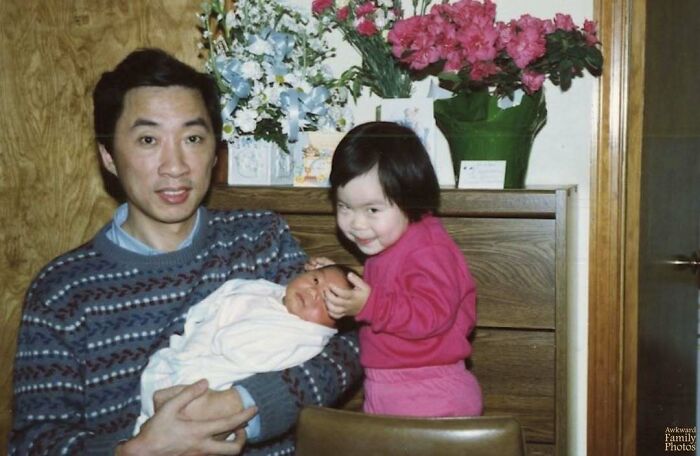
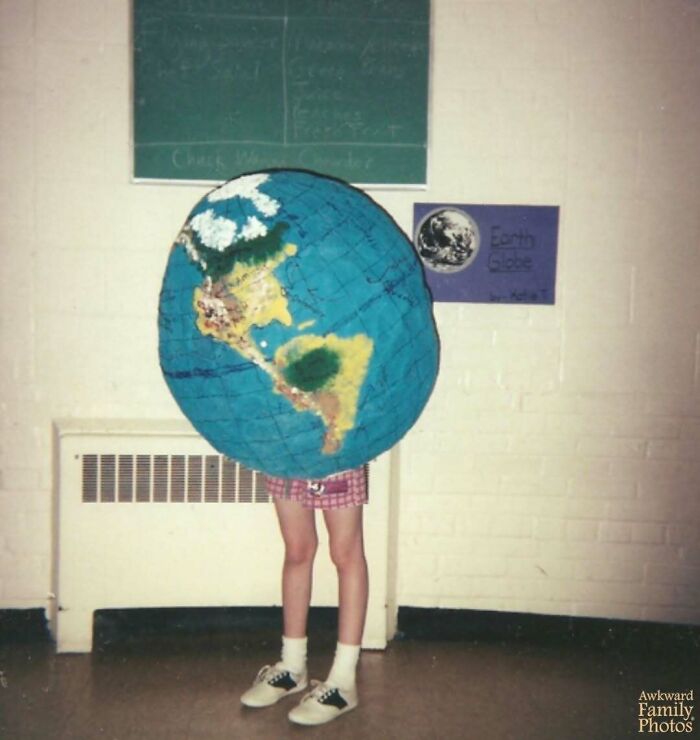
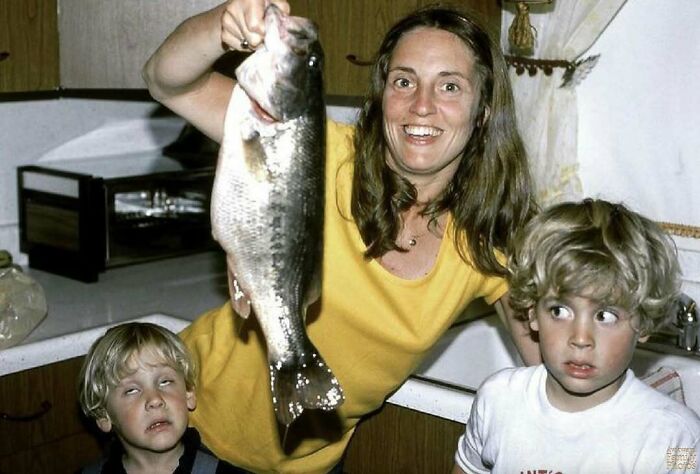
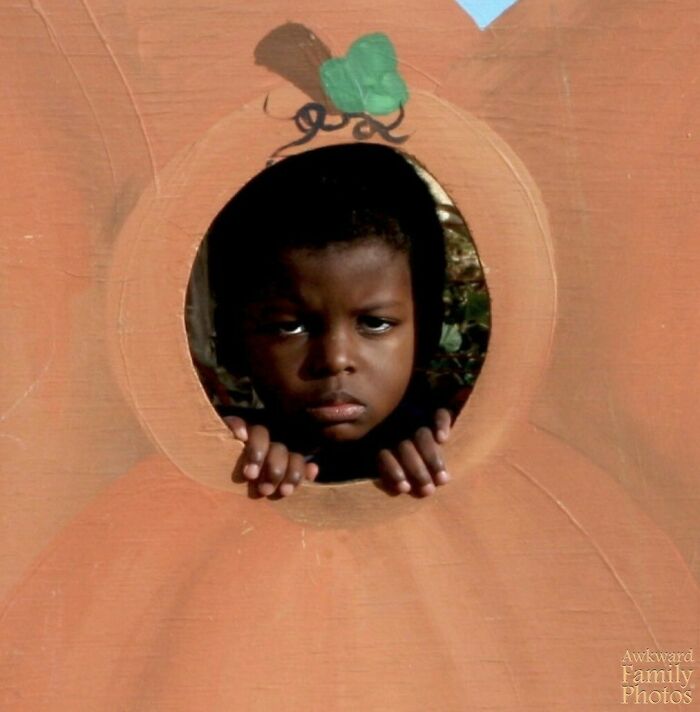
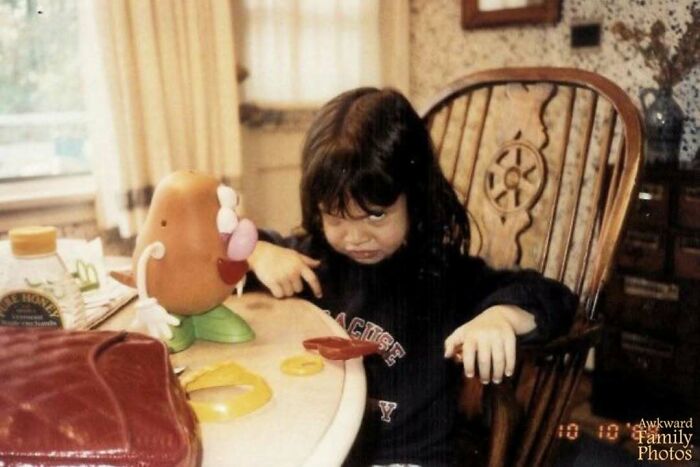
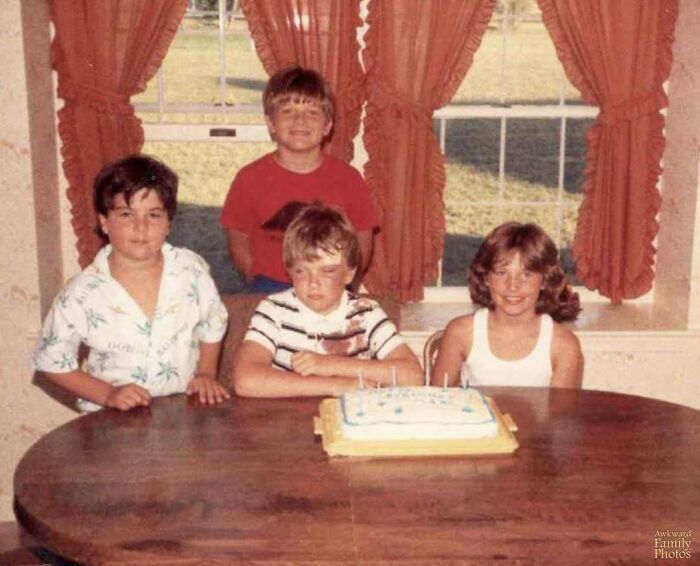
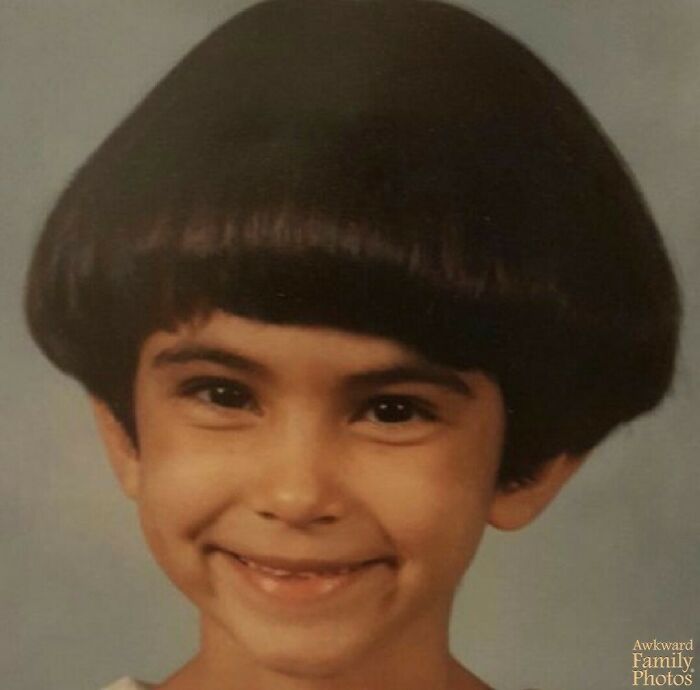
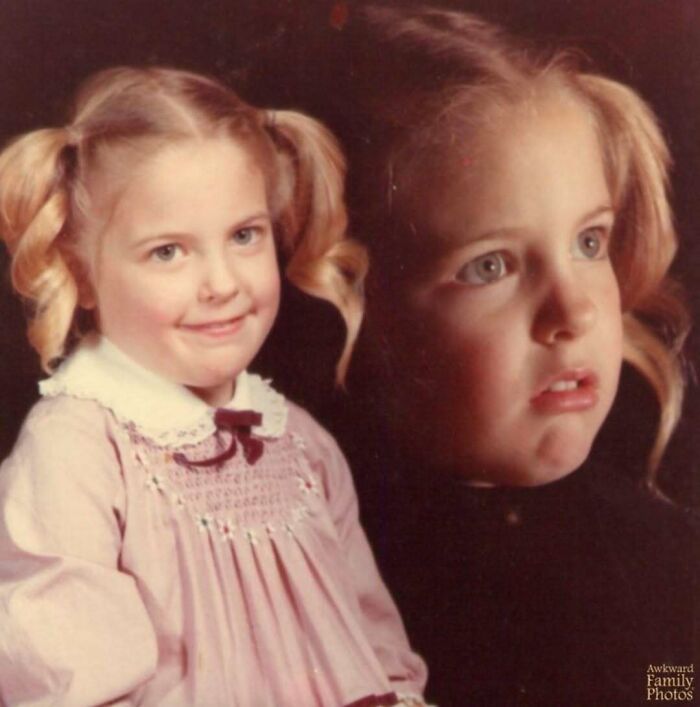
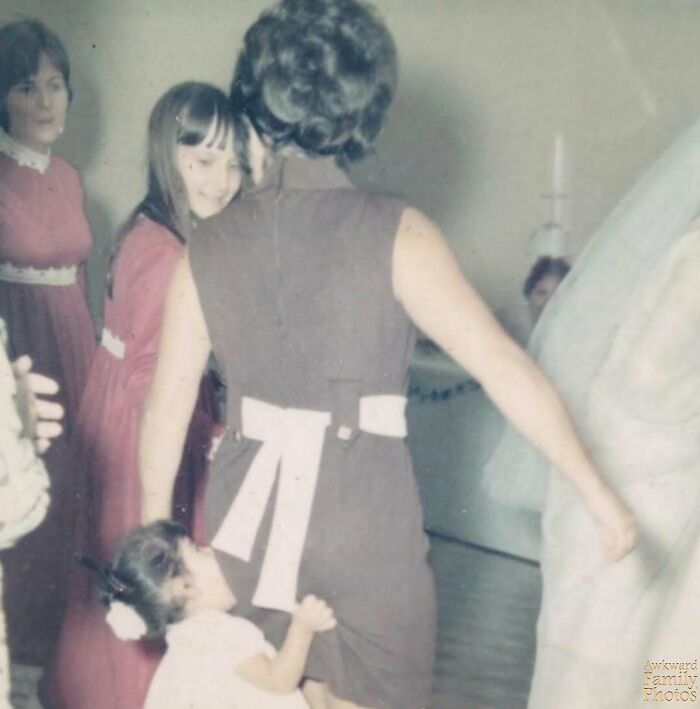
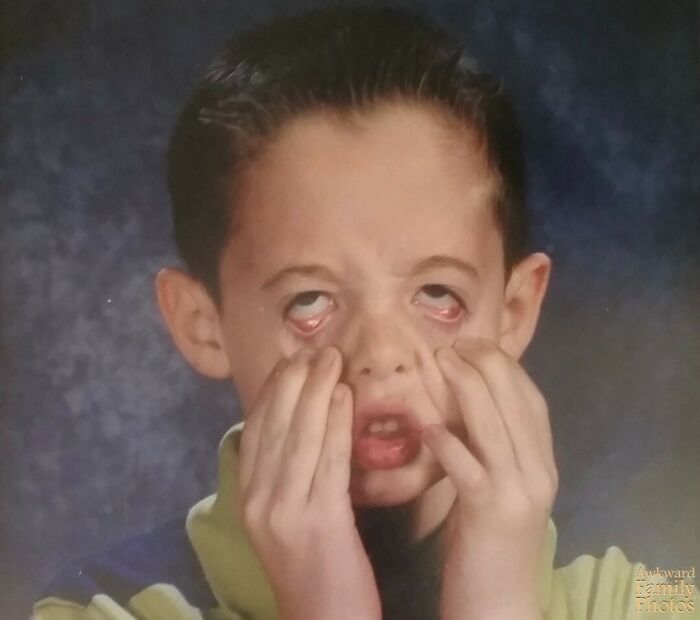
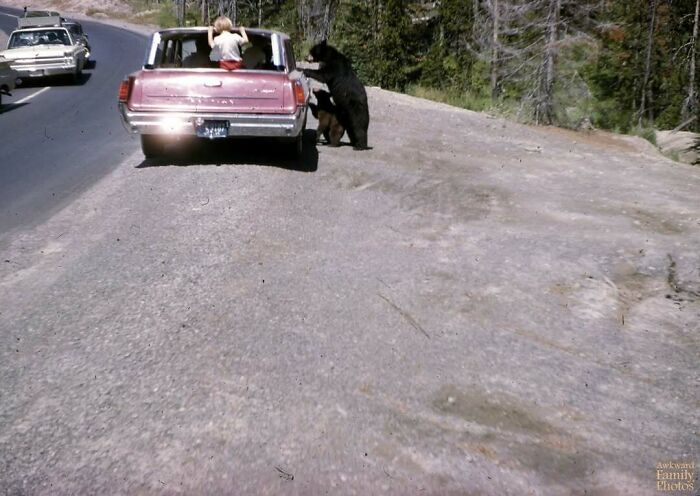
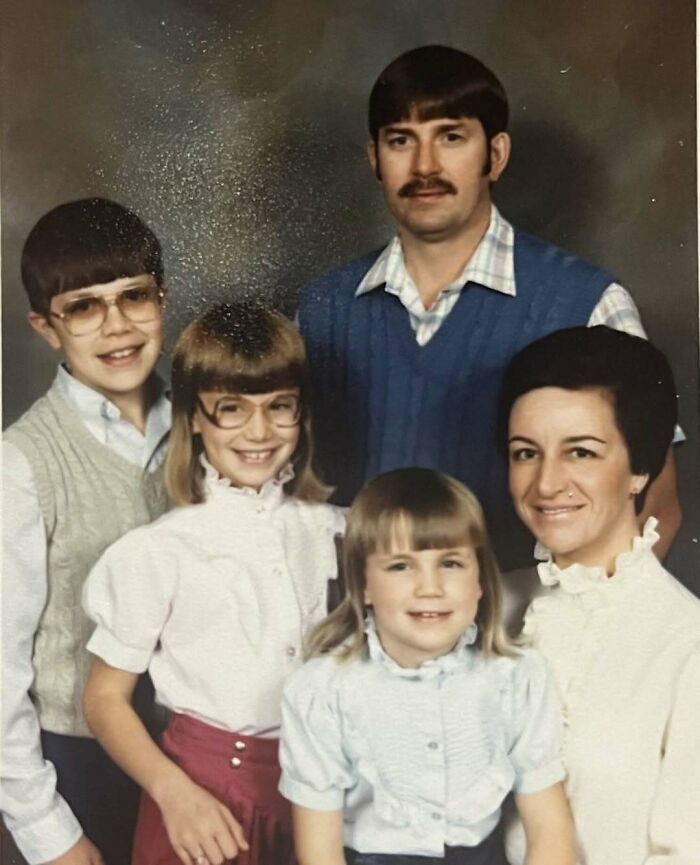
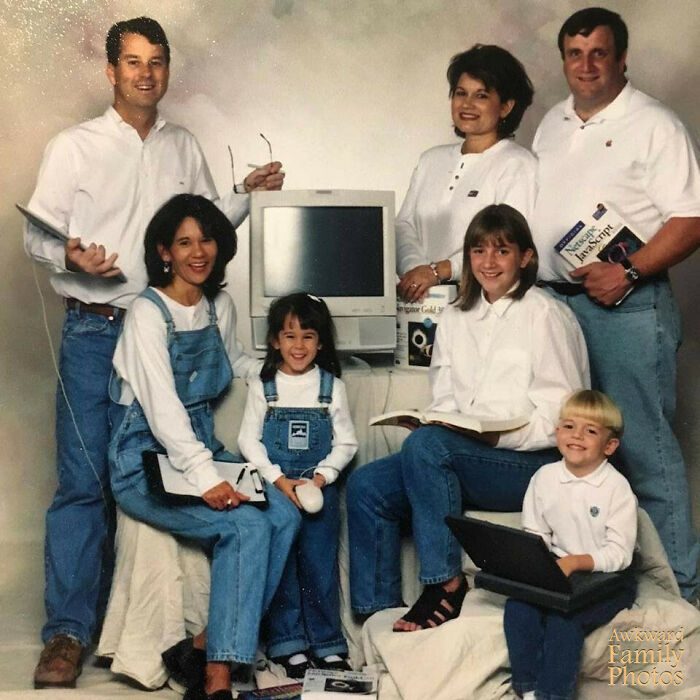
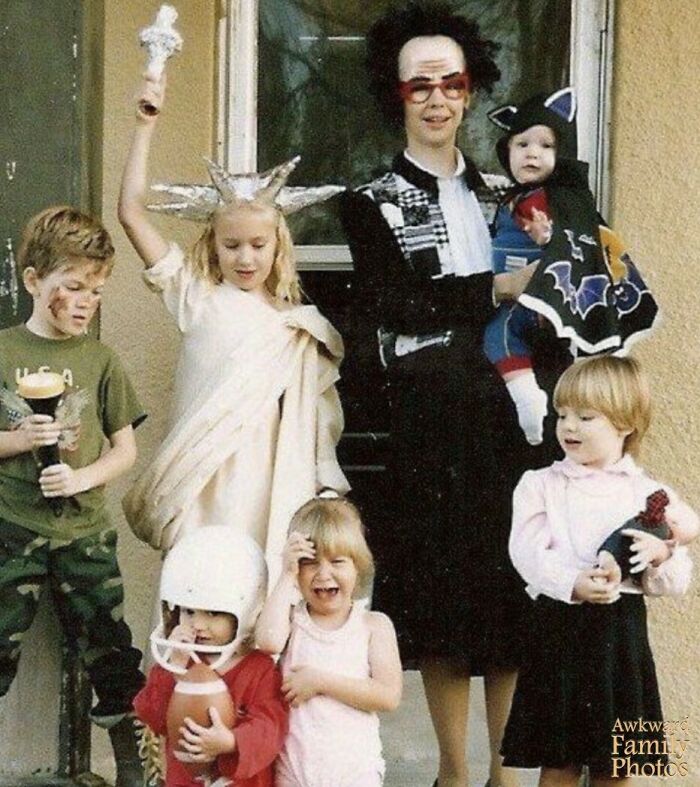
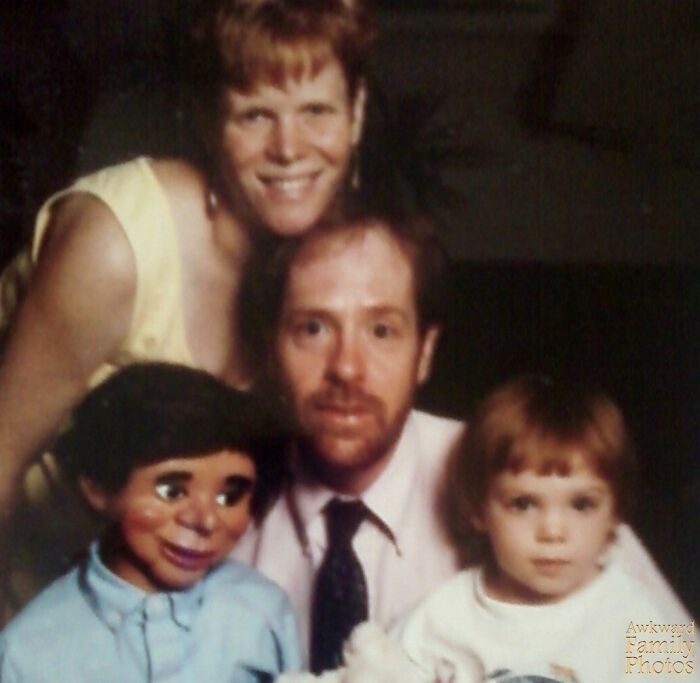
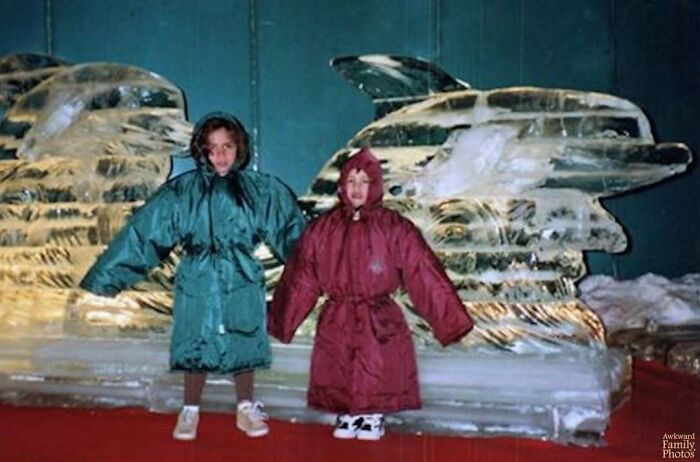
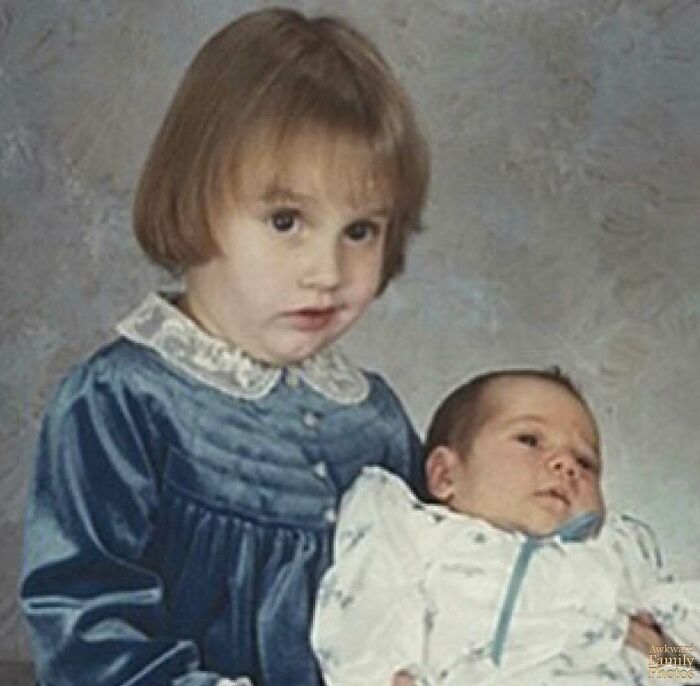
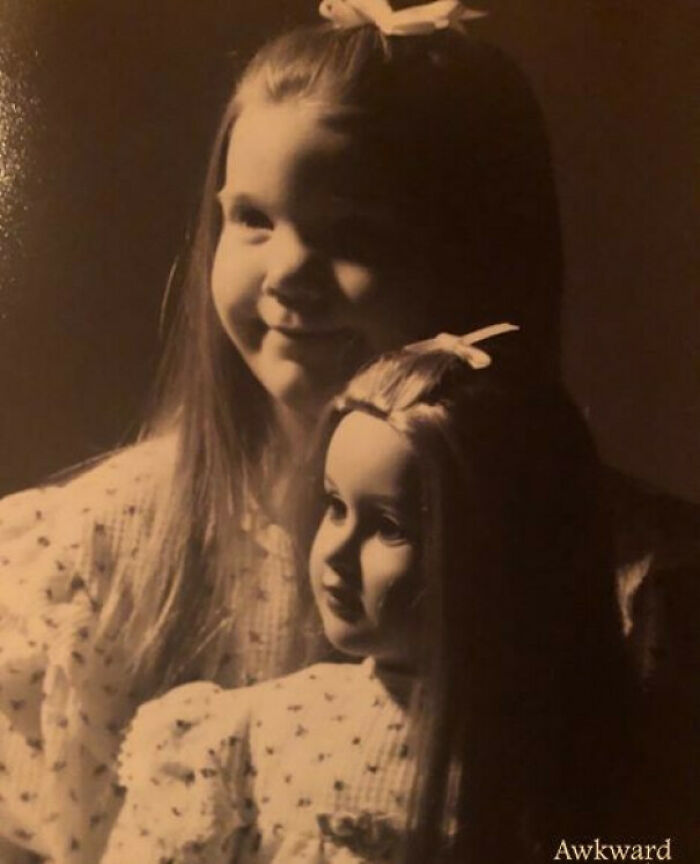
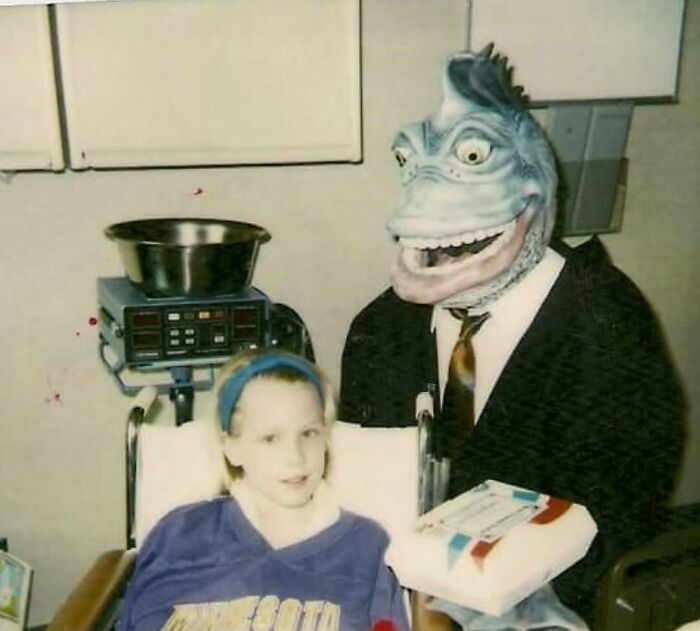
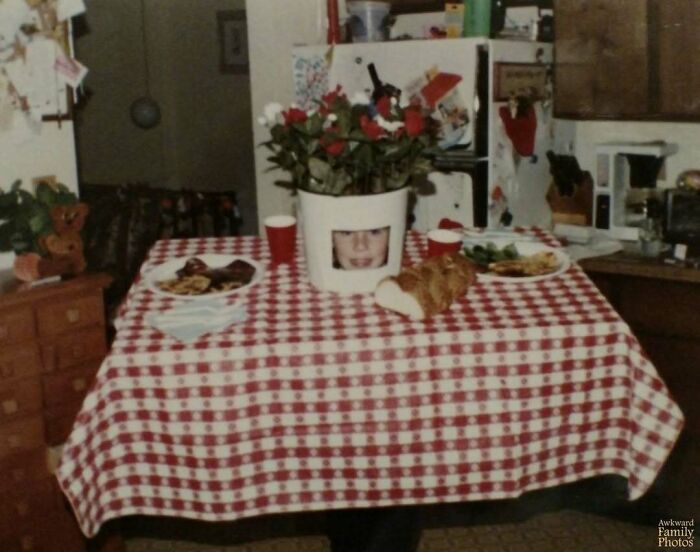
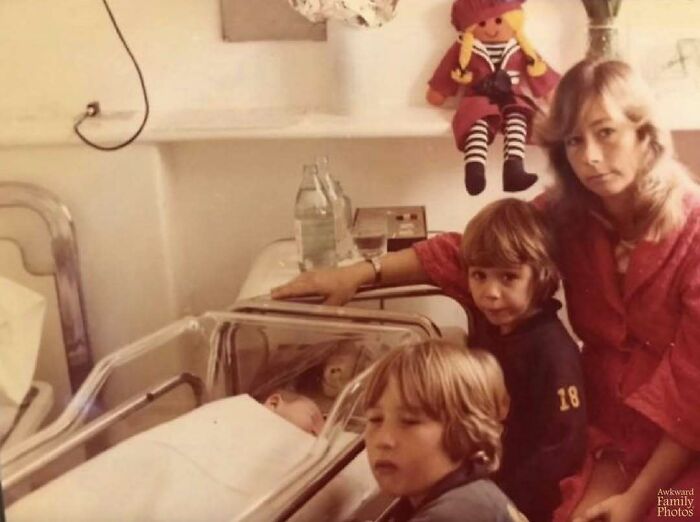
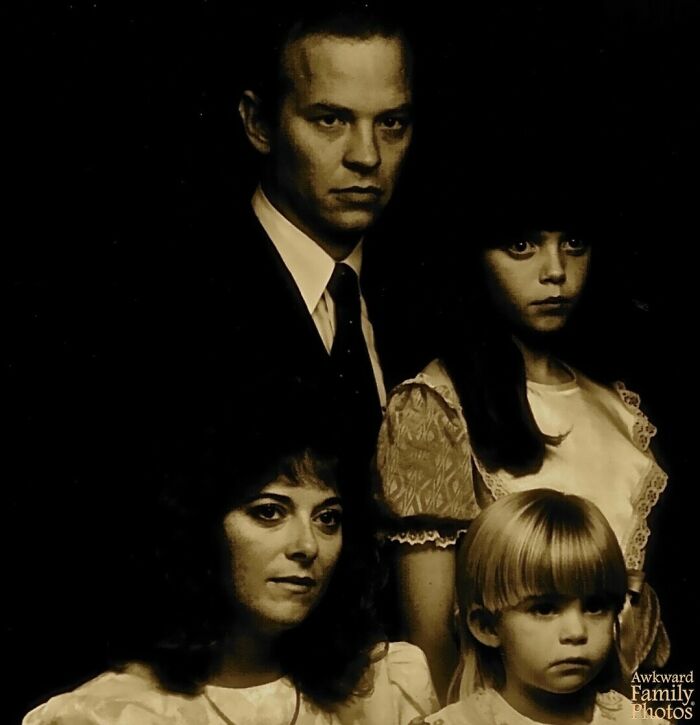
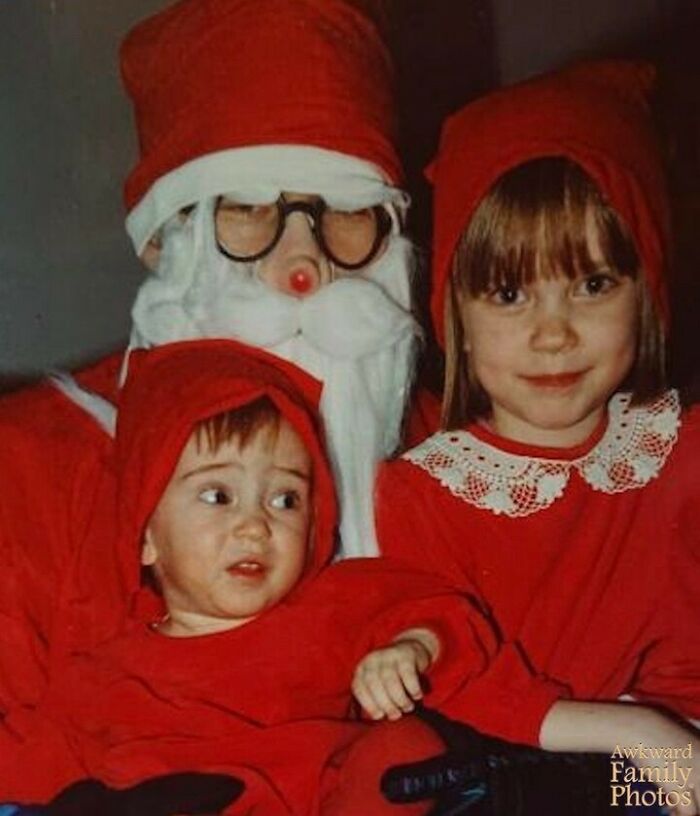
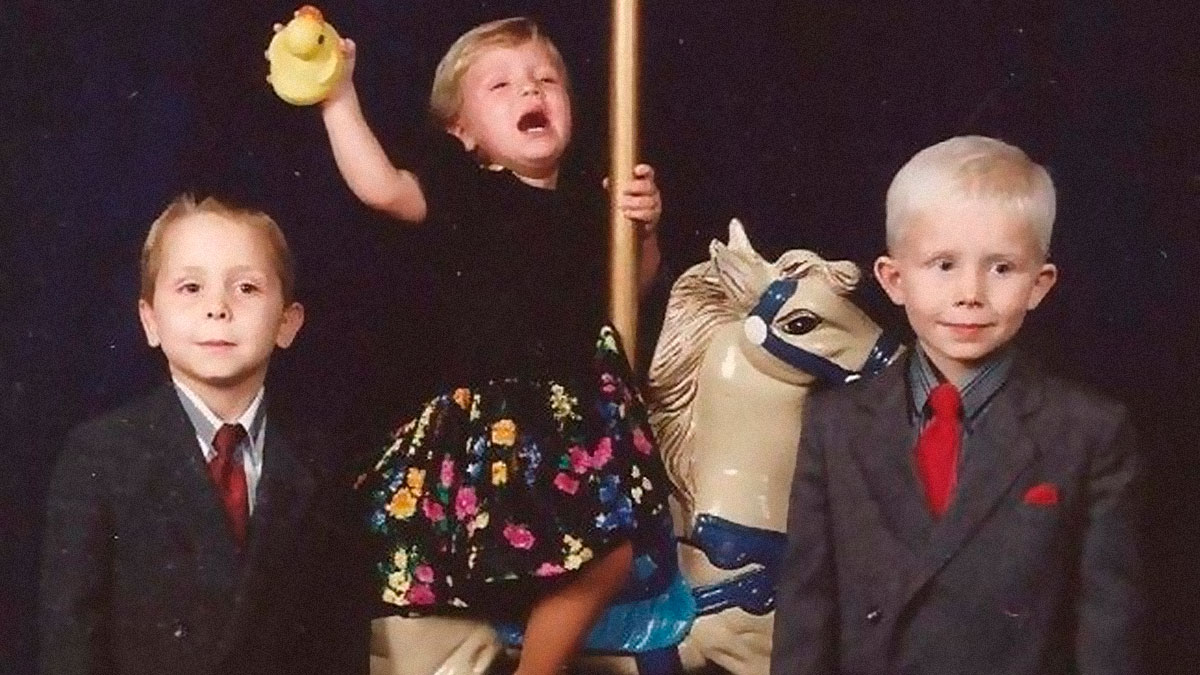
Out of everything we pass down to our descendants, photographs are among the most sought-after artifacts. They capture the clothes we wore, the homes we lived in, and the moments we shared, some of which can be quite... iconic.
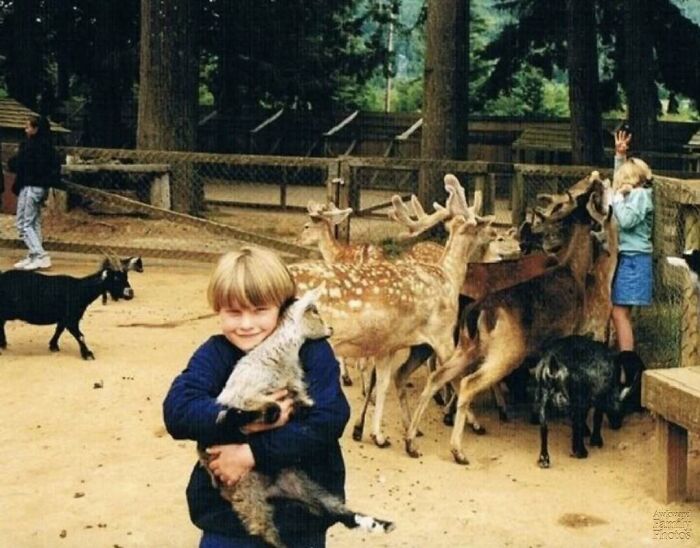
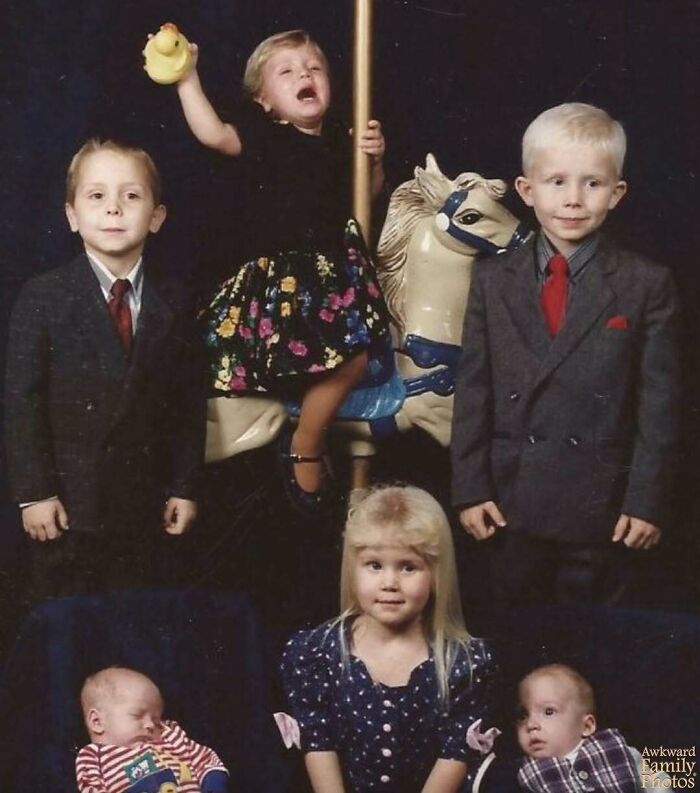
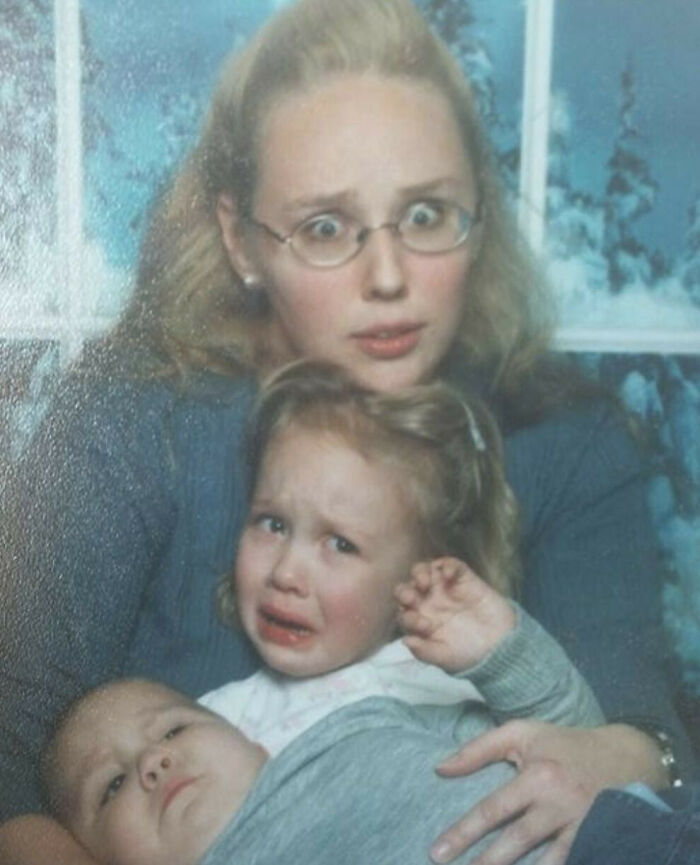
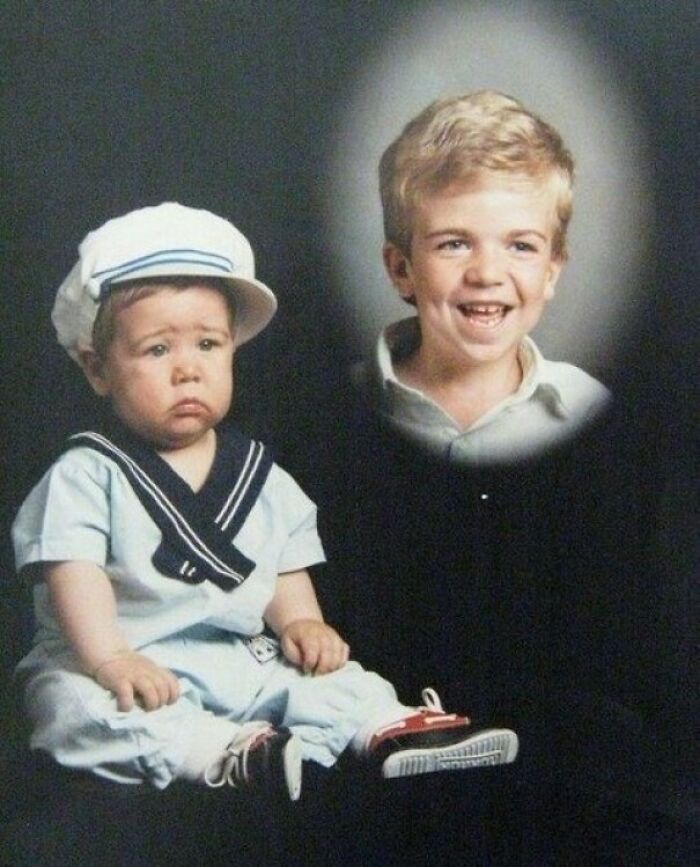
The blog Awkward Family Photos has been collecting cringey yet heartwarming snapshots since 2009. If there's one thing that unites us all, it's nostalgia. And if you want to understand the dynamics behind those family portraits, this is a good place to start.
(By the way, in case you didn’t know, we teamed up with one of the co-founders of Awkward Family Photos, Mike Bender, and released a picture book titled Bored Panda! To learn more about how that happened, check out this article.)
More info: awkwardfamilyphotos.com | Facebook | Instagram
Click here & follow us for more lists, facts, and stories.
This post may include affiliate links.
"One of the great things about awkwardness is that it is both universal and timeless," Mike Bender told Bored Panda.
He began the blog with his childhood friend Doug more than a decade ago, after he saw an awkward vacation photo hung in his parents' house.
The buddies understood there had to be plenty of other people who also had similar silly photographs and decided to create a friendly place where everyone could come together and share their images.
Mike and Doug kicked off the project by posting a few of their own childhood photos and those provided by friends, and the site quickly took off and became an instant internet classic.
However, after all this time working on it, Bender said, "I don't think the definition of awkward has changed. To me, it will always be defined by anything that makes the viewer uncomfortable in some way."
Krystine Batcho, Ph.D., who is a professor at Le Moyne College in Syracuse, New York, and studies nostalgia, says, "Viewing a childhood photo, someone might realize how very young they had been when they experienced a transformative event. They might suddenly understand how vulnerable and innocent they had been.”
"The recognition of who they were then can impact their current self-esteem or change their understanding of how their past contributed to who they had become."
According to Batcho, whether positive or negative, old photos often make us nostalgic for meaningful portions of our lives.
"Research has found that personal photographs decreased induced negative affect more effectively than did generic images and suggested that greater emotional benefit was due to the ability of personal photos to elicit personally relevant memories and nostalgia," she explains. "Bittersweet nostalgia has been associated with a heightened sense of coherence and self-continuity, as the connection between past and present is strengthened."
Personal photos trigger more vivid memories that contain richer perceptual-sensory information, allowing us to re-experience the past in a deeper way.
"The sense of being in the past can help to distance someone from current problems, sadness, or feelings of hopelessness or despair. The reverie facilitated by the perusal of personal photos can yield insights into the meaning and purpose of one's life," Batcho continues.
Mike Bender, the co-founder of the blog, said his favorite family photos are the genuine ones.
"I am definitely more self-aware than most people when taking family photos since I've catalogued thousands in my brain."
"I would say I'm aiming more for natural and authentic, but sometimes awkward is authentic, so I don't avoid it," Mike added.
For more from AFF, check out our earlier publication, People Are Sharing The Most Awkward Photos From Their Family Albums.
You Might Also Like: 49 things people said that were too stupid to forget











 No fees, cancel anytime