Get Premium
Dark mode theme is available exclusively for premium users. Learn more about the benefits of subscribing.
No fees, cancel anytime.

 Dark Mode Ad-Free Browsing Unlimited Content
 Ad-Free Browsing Unlimited Content Dark Mode
Join 1.2 million Panda readers who get the best art, memes, and fun stories every week!
We often associate danger with things that look obviously risky, but real life isn’t always that straightforward. Some hazards are hidden in plain sight, while others involve everyday situations most people would never think to question. And once you learn about them, it can be hard to look at them quite the same way again.
Below, people share things that may seem harmless at first but can actually be far more dangerous than expected. From surprising everyday risks to situations that can escalate quickly, these examples are equal parts eye-opening and cautionary. Keep scrolling to see which ones catch you completely off guard.
This post may include affiliate links.
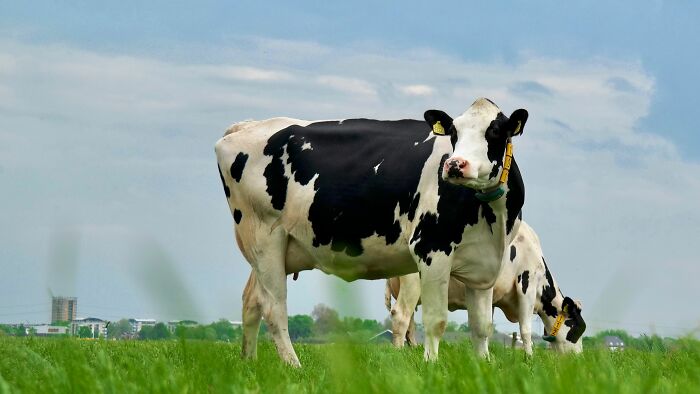 Don't mess around with cows y'all. They are a lot more powerful and faster than you would think.
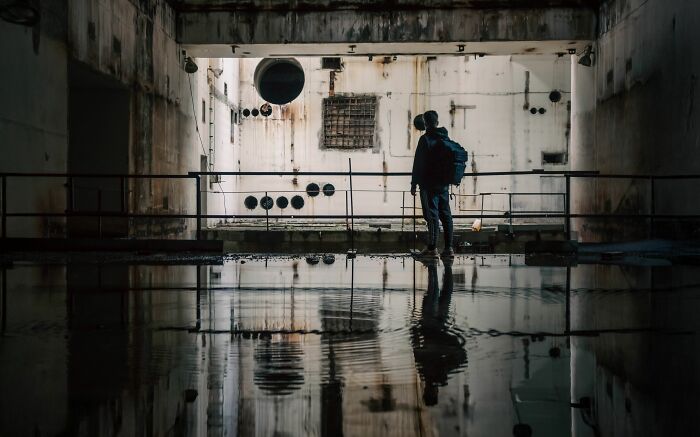 Urban exploration. Abandoned buildings and Ships. Anywhere that has potential for enclosed spaces with lots of rust. It creates dead air. Think Canary in the coal mine. Without the proper equipment, you could be dead before you realized your mistake.
Here’s a great example of deadd air.
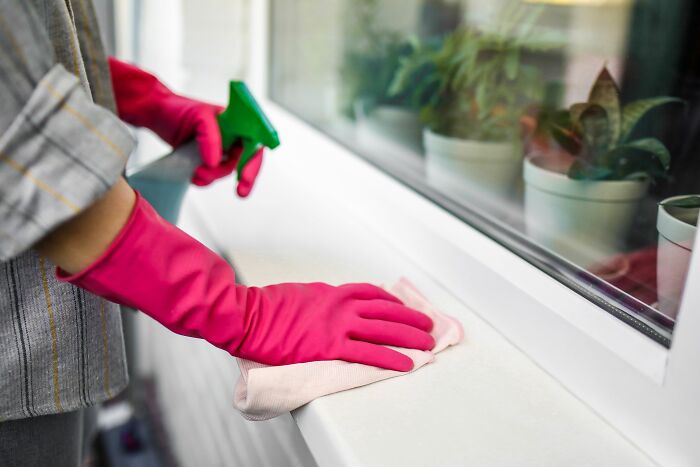 Mixing bleach and ammonia while cleaning. You won't even realize you are gassing yourself.
Today’s post highlights some everyday habits that might seem harmless at first, but can have consequences we don’t always think about. And we have a few more to add to the list. None of these means that doing something once will suddenly put your health at risk, of course, but they’re good reminders that small choices can add up over time. After all, when it comes to health, it’s usually better to be safe than sorry.
 Crowd crush. There are videos on the science of crowd crushes, it's a good tool to have in the kit, just in case.
marknotgeorge:
The largest single loss of civilian life in Britain during WW2 wasn't a b*mb during the Blitz. In 1943, a woman and a child fell over in the staircase of the unfinished Bethnal Green tube station, which was being used as a fallout shelter. The resulting crush k**led 173 people by asphyxiation.
 Large herbivores.

Dinosaur movies often suggest that the large herbivorous dinosaurs are just gentle giants and harmless. The screenwriters clearly never met an actual herbivore in their lives.
 Burning laurel leaves. Gives off Hydrogen Cyanide, which can be lethal if inhaled.
ThreeStep:
This is for a Cherry Laurel, not the common kitchen "bay leaf" laurel. As long as you don't go out looking for your own laurel leafs in a forest you should be okay.
A sedentary lifestyle has increasingly been described as a major, often overlooked health risk. Research has found that people who take more daily steps generally have lower risks of premature death, with benefits appearing well below the old-fashioned idea that everyone needs to hit exactly 10,000 steps a day. One study found that taking more steps was associated with lower all-cause, cardiovascular, and cancer mortality, with benefits continuing up to roughly 10,000 steps per day. So, if your work involves sitting at a desk for hours, even adding a few short walks throughout the day can be a worthwhile habit.
Being distracted while driving. People know this, yes, but don't realize that it just takes one split second of looking down at your phone at the wrong moment.
No one takes this as seriously as it should be taken.
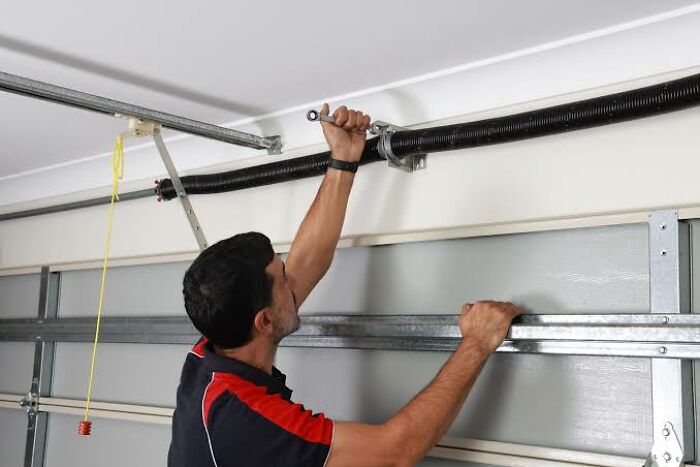 A garage door spring.

The tools and techniques are simple but the forces are great and you're on top of a ladder. I've done many and don't recommend it.
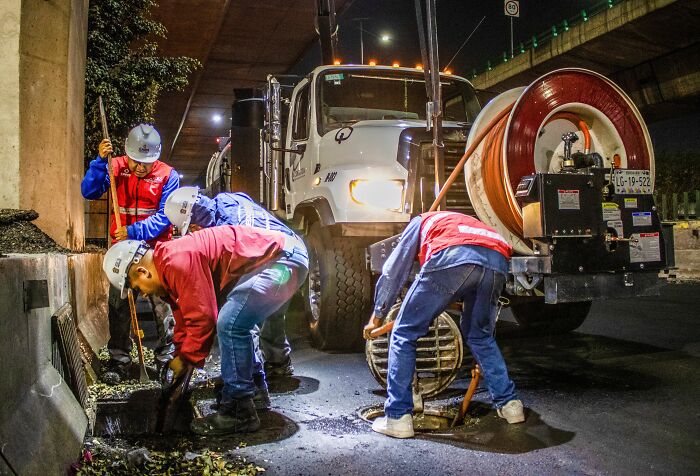 One of the case studies we review in our annual confined space training is about some workers who went to seal a crack in a manhole. 3 man crew is dispacted to complete the job using flexseal. 2 guys are couains and the boss is the dad/uncle.
First guy goes in the hole, sprays the flexseal then collapses. Second guys goes to save him, also down. The boss comes to check on them, sees them unconscious in the hole so he also goes in to rescue them.
No survivors, the flexseal spray dispaced all the oxygen in the manhole.
If you have a habit of crunching through the ice at the bottom of your drink, your teeth might not be particularly grateful. The American Dental Association warns that chewing hard substances such as ice can damage enamel and increase the risk of chipped or broken teeth. Repeated pressure can be especially problematic if a tooth already has a filling, crack, or other weakness. So perhaps let the ice melt rather than treating your drink like a bowl of crunchy snacks.
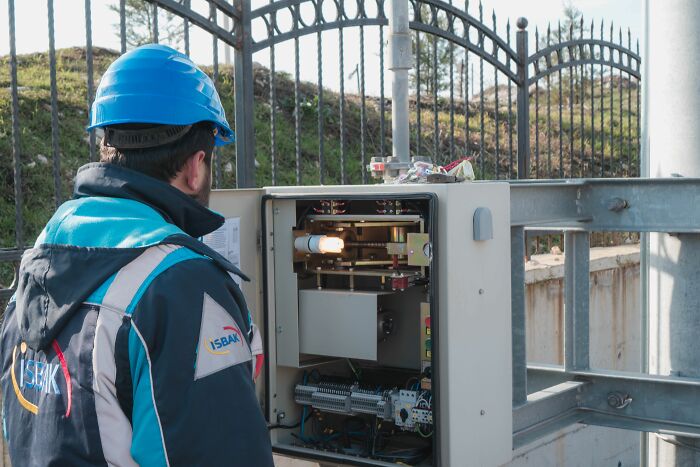 Electricity. You don’t need to see it for it to be dangerous respect it even when it looks harmless.
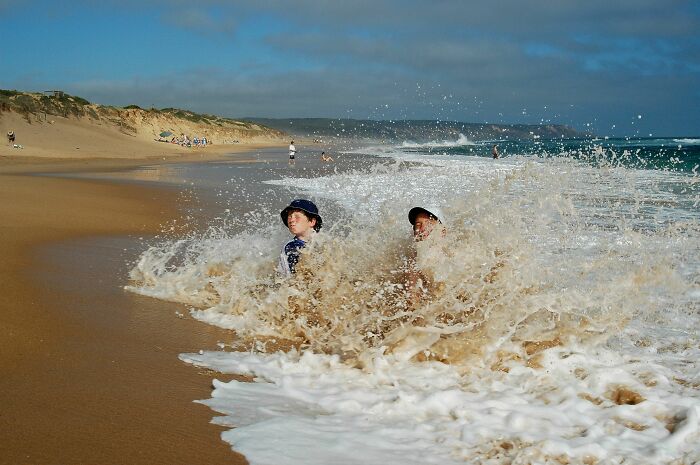 I brought my son and a friend of his to an ocean beach over the weekend. They are both 10 years old, and went into the water like they were invincible. it didn't take long for them to realize how scary water could be, when they both ended up (on separate occasions) getting destroyed by a wave they weren't prepared for.
Seeing grownups needing life guard help, and even the lifeguards needing a rope and others on shore to drag them through the undertow/current was really eye opening for them.
so.... water is my answer. Specifically moving water.
Went snorkeling on the north shore of Oahu, I was basically 5 feet from the shore but the waves and currents were so strong it took me 45 minutes to get out.
 Eating. Just the tiniest amount of food will end you quickly.
Lost a friend who was in his prime a few decades ago. In a time that should have been the happiest of his life, he passed away by choking on a crisp (potato chip) on his joint 21st/Engagement party. Surrounded by everyone he loved and who loved him, it was too embedded to be removed.
RIP Richard.
Speaking of dental health, there’s another habit worth paying attention to: mouth-breathing, especially while sleeping. In The Dental Diet: The Surprising Link between Your Teeth, Real Food, and Life-Changing Natural Health, Dr. Steven Lin discusses how chronic mouth-breathing can contribute to a dry mouth. That matters because saliva does much more than simply keep your mouth comfortable; it helps wash away food, neutralize acids, and protect and remineralize tooth enamel. When saliva flow is reduced, the risk of cavities, enamel demineralization, and other oral problems can increase.
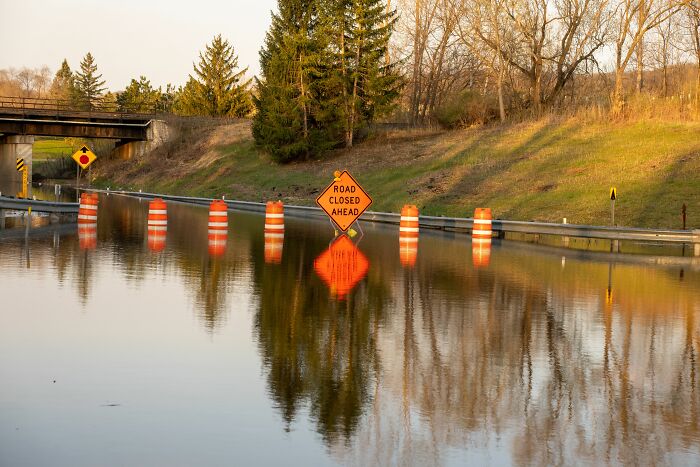 Flash flood from geological event. No warning, comes at you, and it is 10 seconds away.

Think of Nepal. Such a disaster, and most people didn't have a chance to escape.
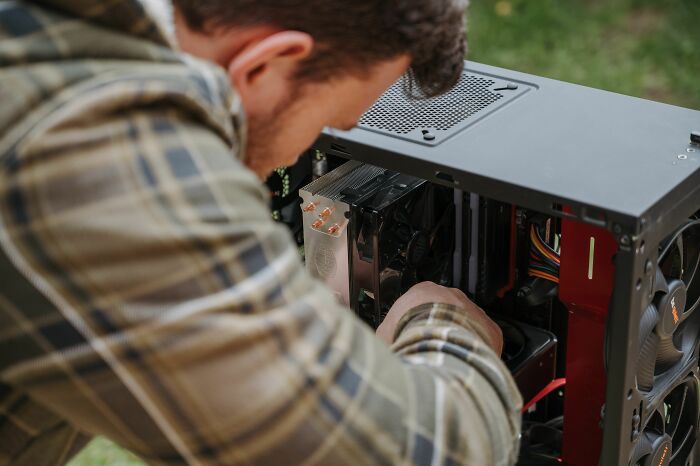 Some people huff PC duster by blowing it into a baloon and then rebreathing it. What a lot ofpeople don't know is that it gets you high my disolving the myelin sheaths of your neurons, this can lead to Sudden Sniffing Death syndrome where the heart just stops instantly.
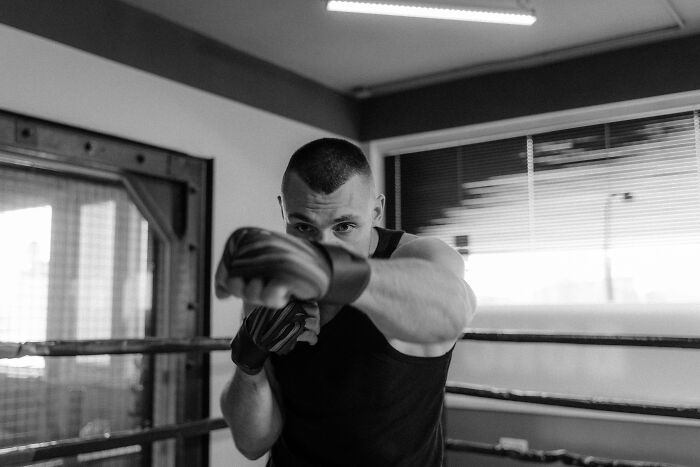 One punch to the head.
Everybody reading these words has approximately 3 minutes left to live but the counter starts anew with each breath. Sleep tight everyone!
Also, skipping flossing and regular dental care isn't just about ending up with a cavity. Gum disease is a chronic inflammatory condition, and bacteria from infected gum pockets can enter the bloodstream. The American Heart Association says periodontal disease is associated with cardiovascular problems, including heart attack and stroke, although researchers have not established that gum disease directly causes these conditions. In other words, looking after your teeth and gums is part of looking after your overall health, too.
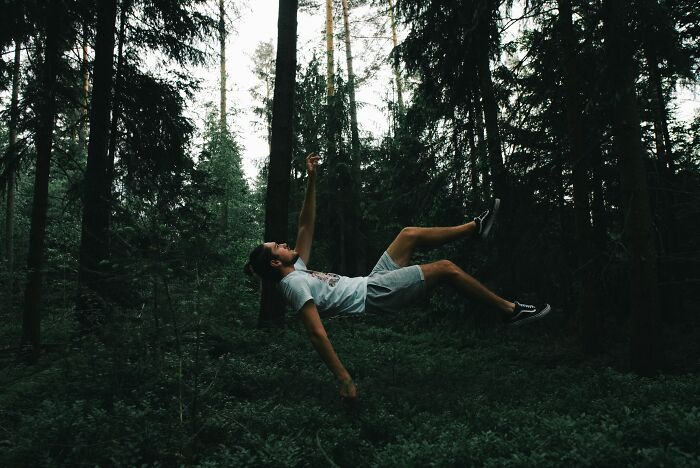 Falls from low heights. Falling backwards off a step stool creates a rotation where it is very hard to break your fall and you are more likely to strike the back of your head, which is very bad.

I took a step backwards at work off a raise when I was outside and slipped. There was small hill behind me and I knew I had a chance of a concussion and led with the wrists instead in a split second decision. I have osteoporosis, so I broke both wrists, but I would prefer that to a concussion.
Cave diving. Apparently many people either don’t know this or are just ignorant of it.
I've scuba'd in caves with a guide. It's pretty cool but not generally spectacular. They're caves. They're dark and murky by definition.
And while we're on the subject of everyday habits, what we eat (and how we store it) matters too. That leftover rice sitting on the kitchen counter may look perfectly innocent, but cooked rice can provide a good environment for Bacillus cereus, a bacterium that can survive as heat-resistant spores. If cooked rice is left at room temperature for too long, the bacteria can multiply and produce toxins. Some of these toxins can survive reheating, which is why simply throwing old rice into a hot pan isn't necessarily enough to make it safe. The good news is that this is easy to avoid: refrigerate cooked rice promptly rather than leaving it out for hours.
 Your toilet breaking while sitting on it.
Someone switching up milligrams and micrograms
It’s why d***s laced with fent will k**l you.
Food isn't the only thing that can affect us when we're not paying attention—our sleeping environment matters too. If you have a habit of falling asleep with the TV on or a light glowing nearby, you may want to reconsider. A glowing television, bright lamp, or other light source may seem too insignificant to matter while you're asleep, but nighttime light exposure can affect the body's normal sleep and metabolic processes. In a controlled laboratory study, people exposed to moderate room light while sleeping had higher heart rates, lower heart-rate variability, and greater insulin resistance the next morning than people sleeping in very dim light. That doesn't mean one night with the TV on will cause diabetes, but it does give us another reason to make the bedroom as dark as comfortably possible.
Then there are the habits we pick up when we're out and about. Noise-canceling headphones can be wonderful when you're trying to focus, commute, or simply escape someone's questionable playlist. But pedestrians still need to be aware of what is happening around them. Research examining pedestrian injuries and deaths found that many cases involving headphone use occurred around trains or motor vehicles, and some reports specifically mentioned warnings being sounded before crashes. The evidence doesn't support the dramatic claim that pedestrian deaths among headphone users simply “tripled,” but the basic safety lesson is worth remembering: if you're walking near traffic, being able to hear what's around you can matter.
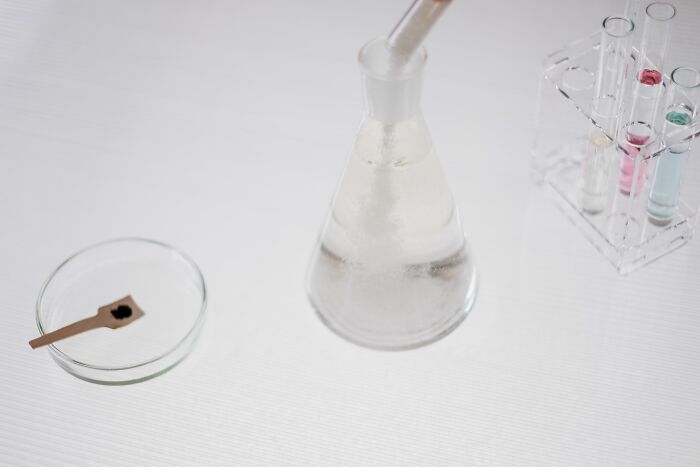 A liquid nitrogen leak. Tanks of the stuff are in thousands of labs and industrial plants all over the place. One sudden leak, especially in an enclosed room and it will displace the oxygen.

 Walking down the stairs looking at your phone.

Doing anything that requires our attention while looking at our phones.
And if you're guilty of spending far too much time staring down at your phone, you're definitely not alone. We've all done it: head tilted down, shoulders rounded, scrolling through one more video that somehow turns into another 40 minutes. This posture is often called “text neck,” although researchers note that the term covers a range of postural and musculoskeletal issues and that the evidence linking it directly to neck pain is still developing. Bending the neck forward does increase the mechanical load on the neck, so taking regular breaks, changing positions, and holding your phone closer to eye level can be sensible ways to reduce prolonged strain.
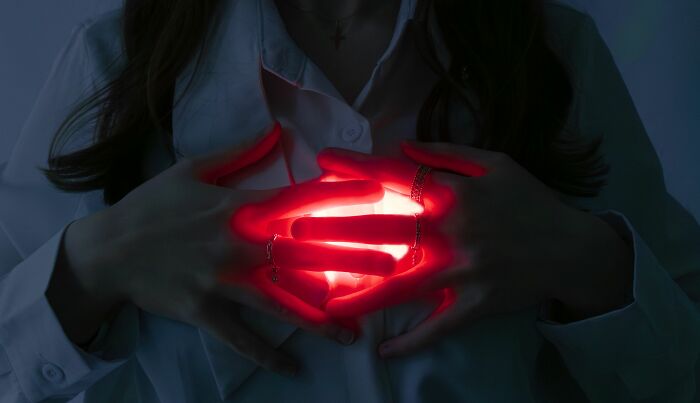 SADS.
SADS.
Sudden arrhythmic death syndrome.
Someone with hidden arrhythmic problems can go to sleep and never wake up.
 Methane from compost piles. If you find yourself in a pocket of the gas you'll just pass out and die. That's why most are always outside. But still.
 False vacuum decay.
It could have already happened and is racing across the universe at the speed of light and when it hits will cause all baryonic matter to cease to exist.
Either that or garage door springs.
Well, knowing about these everyday risks doesn't mean we need to become paranoid about every little habit. It's really about being a little more aware of the things we do without thinking—from how long we sit to how we sleep, eat, walk, and drive. Sometimes, a small change is all it takes to turn a potentially unhealthy habit into a healthier one.
And that's perhaps the most useful takeaway from today's post. These reminders aren't about getting everything perfect or worrying about every little thing we do. They're simply a nudge to pay a bit more attention to the habits we often take for granted. Which one surprised you the most, Pandas? And is there another everyday habit you think people should know more about?
Being in a room of fermenting wine or beer without fresh air , the build up of c02 coming out of the fermenters can take you down.
Big vehicles lurching backwards. Even at that low speed, all that mass is easily fatal.
Also, when people stop right at pedestrian crossings, rather than the white line before them- it doesn't matter how good of a driver you are, if one person driving behind you doesn't stop in time you will end up on top of the pedestrians. Everyone should have to take defensive driving lessons to get their licence.
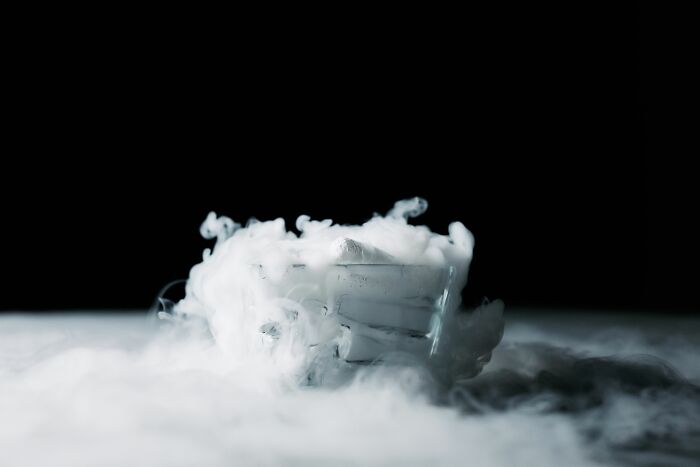 A closed room with a bunch of sublimating dry-ice.
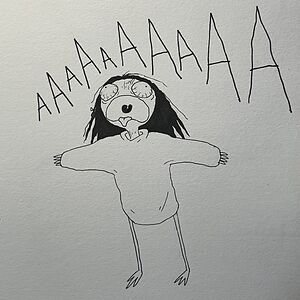
and for Fs sake don't drink that s**t. if it isn't properly dissolved in your trendy smoking cocktail it will k**l you
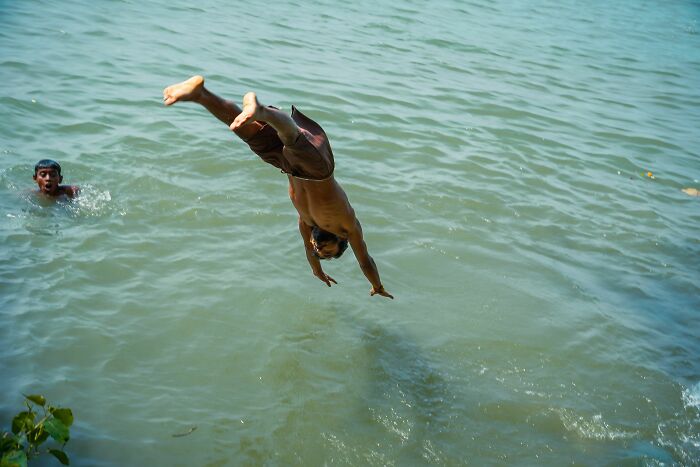 Cold water.
Jump into deep water on a summer day. You might not come back up.
Might cause a cardiac arrest or just involuntary open your mouth lungs fill with water and that's it.

Jumping into shallow water isn't particularly recommended, either - moderation in all things is best ;-)
A single punch.
Save fighting for when it’s necessary for your own safety because one bad decision made out of anger can change the course of your entire life.
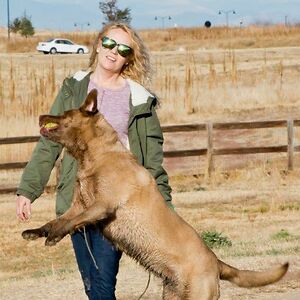
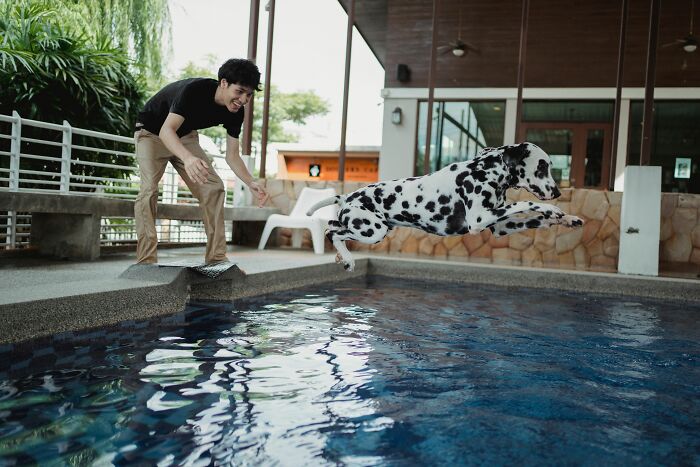 Letting your medium to large dogs act like idiots around pools/ponds/lakes/docks while people are swimming and allowing them to jump in towards people/on people without correction.
When I was a kid my best friend and her family had a lab that was obsessed with the pool, and would become insanely excited when the family would go swimming and would just hurdle itself at the people in the pool trying to play.
They all thought it was hilarious until one day the dog collided with the back of her dad’s head and snapped his neck. He died instantly in the pool right there in front of his kids.
I see people post videos of their dogs acting like that around pools all the time and they always think it’s so cute/funny… All I see is my friend’s dad lying dead in the pool.
Good dog training is not concerned with teaching silly tricks. It really doesn't matter if your dog can give paw or sit up and beg. The point of training is to teach them control and emotional regulation. The end result should be a dog that can find something incredibly exciting but still control themselves. No matter how tempting that corn dog the toddler is holding, your dog shouldn't be barging in and stealing it. No matter how much they love the water, they should respect people and not play too rough.
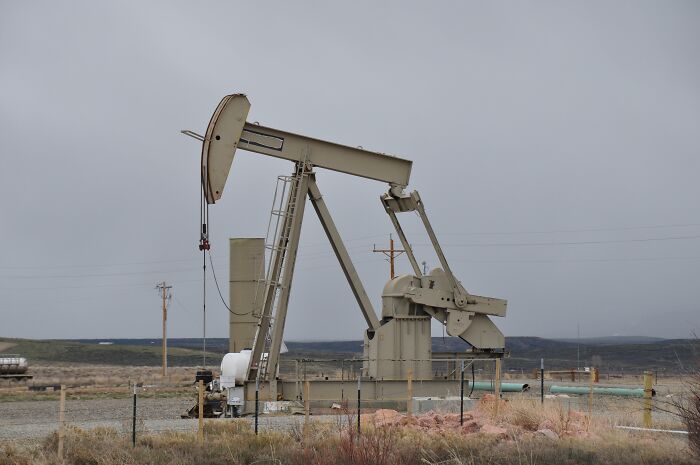 H2S, hydrogen sulfide, it’s the rotten egg smell around oil wells.

Sulfides are not very dangerous, if you have the sense to get out of there when you first smell them.
Submarine implosion.
I try to get my daily sub explosion over by noon. That gives my hair time to dry for tea.
Vending machines. Not the contents, the machine itself. People shake them if they the change is wrong and it falls on them.
More people d*e of vending machine shakeage each year than bears or wild cats.
Wild boars. My grandfather always said: If the woods smell like Lovage look for a tree to climb on.
It's a herb/root similar in odour to oregano. I found nothing relating to it and boars.
 Gravity.
Damn you, gravity! (shakes fist that floats away)
Scarf getting stuck while you are on a vehicle.
After Isadora Duncan's well-publicised fate almost 99 years ago exactly (14 September, 1927), you think we would all be aware of this by now. However, some of us can admittedly be fickle when we look especially jaunty in a well-turned scarf.
Shoveling snow and bring on a grabber and fast. I know 2 people that had heart attacks while shoveling snow and a bunch of others that were injured shoveling.
Going outside.


Looking at this it’s clear we all need wrapping up in cotton wool and locking in a padded room to keep us all safe 🤦♀️

I was thinking bubble wrap but some moron would be trying to pop me all day.
Load More Replies... Okay, but do we really need to have this list reformatted and reposted every week?

Looking at this it’s clear we all need wrapping up in cotton wool and locking in a padded room to keep us all safe 🤦♀️
I was thinking bubble wrap but some moron would be trying to pop me all day.
Load More Replies... Okay, but do we really need to have this list reformatted and reposted every week?

























 No fees, cancel anytime