Get Premium
Dark mode theme is available exclusively for premium users. Learn more about the benefits of subscribing.
No fees, cancel anytime.

 Dark Mode Ad-Free Browsing Unlimited Content
 Ad-Free Browsing Unlimited Content Dark Mode
Join 1.2 million Panda readers who get the best art, memes, and fun stories every week!
A home is a primary need for each and every one of us. We can live off ramen if need be, but not having a place where we can heat it up, a place where we can curl up in a blanket and scroll peacefully on social media whilst the food cools, is inconceivable. With rising prices, however, the options have become a lot more limited, prompting some to consider co-living.
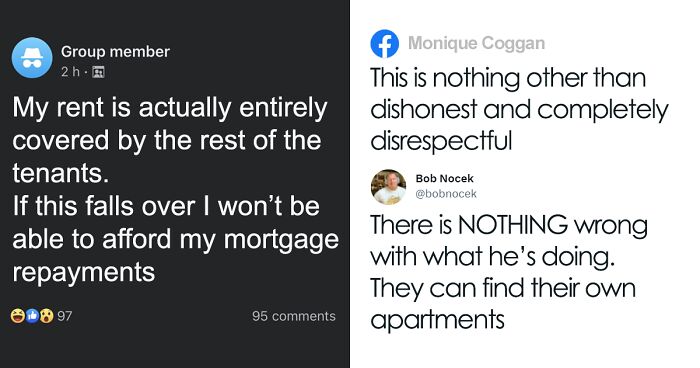
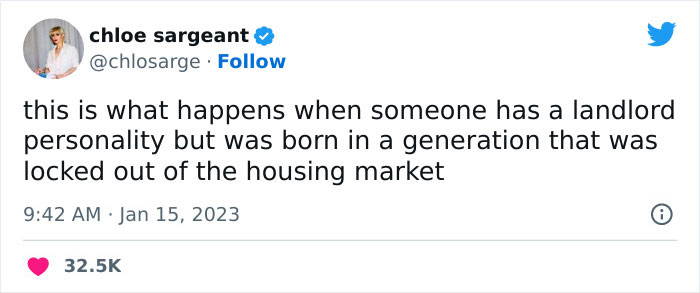
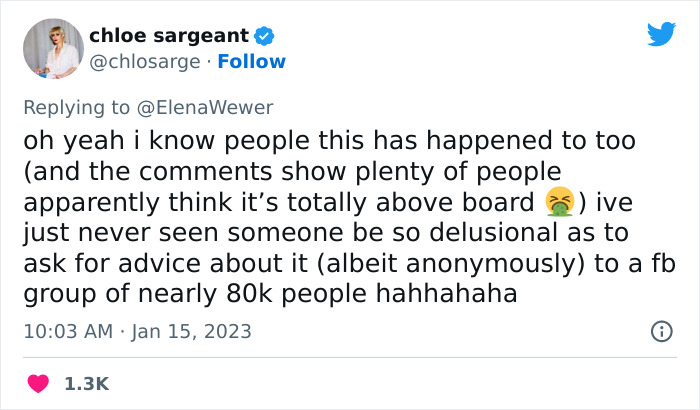
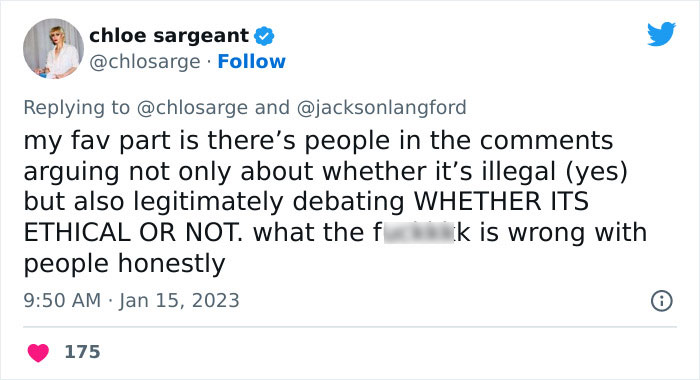
Sadly, some people see an opportunity to scam fellow roommates out of their money by pulling a few strings in the agreement. This is exactly the situation we’re speaking of today, as Twitter user @chlosarge shared a post she found by the scammer in question, and the internet had more than a few words to say.
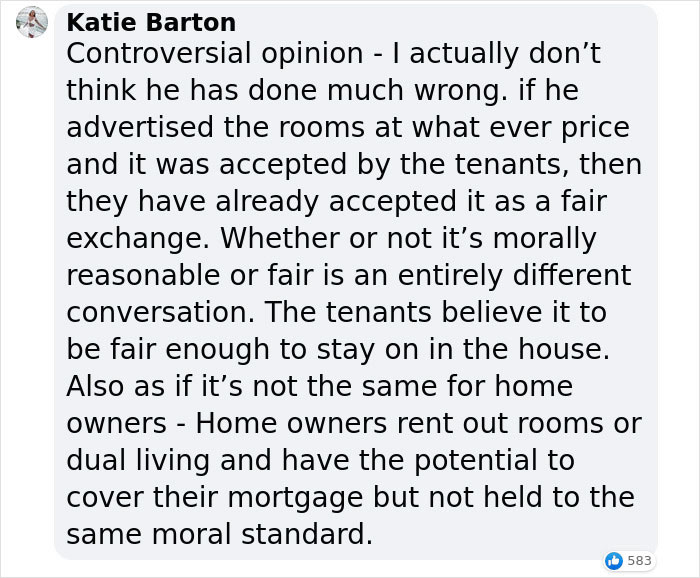
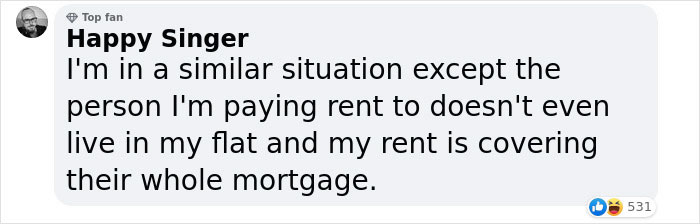
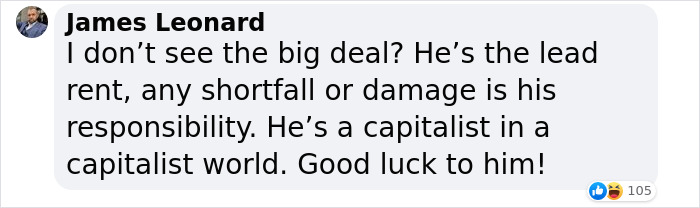
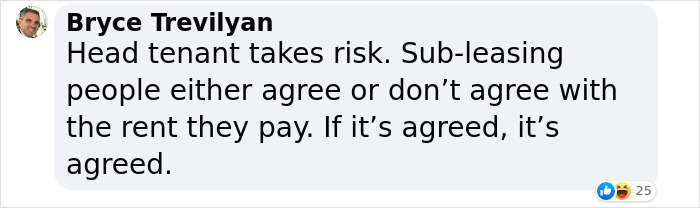
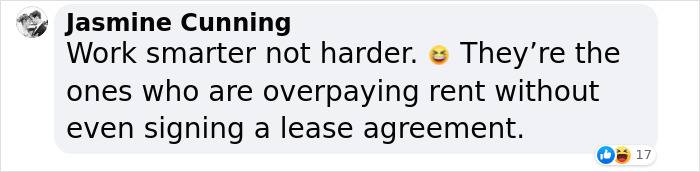
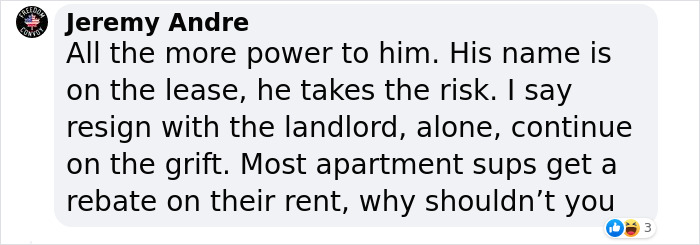
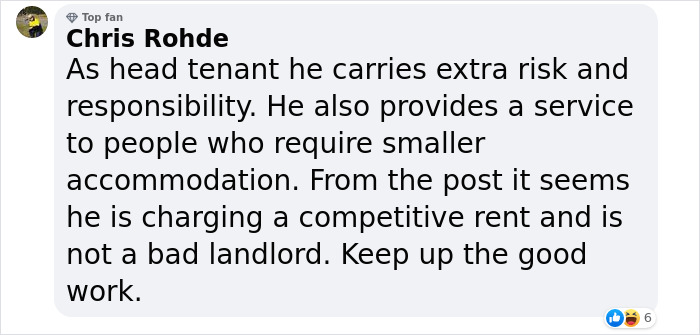
We’ll be looking at the discussion that took place—with some people being absolutely appalled, and others seeing nothing wrong with the tenant’s actions. Make sure you leave your thoughts on this in the comments below, dear readers, and if you’re interested in another article similar to this, we have you covered with a story right here. Now let’s get into it!
Image credits: chlosarge
Image credits: chlosarge
Image credits: coldsnacks
Image credits: poungsaed_eco (not the actual photo)
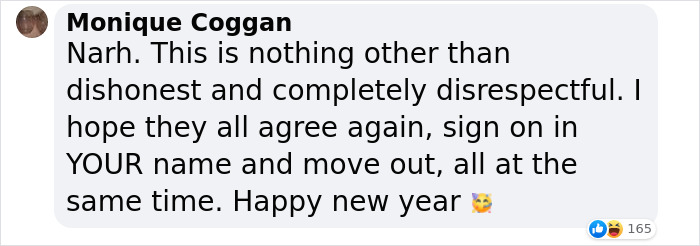
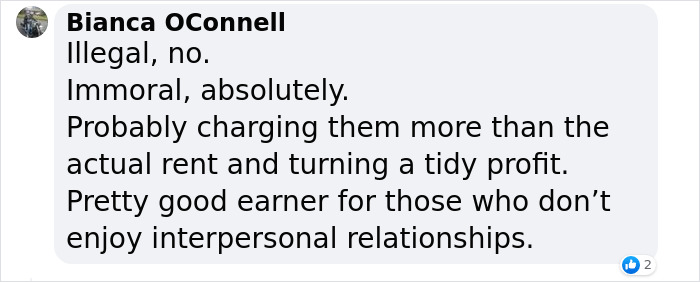
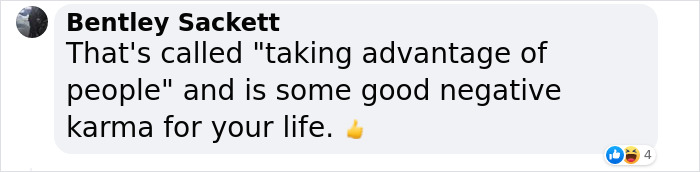
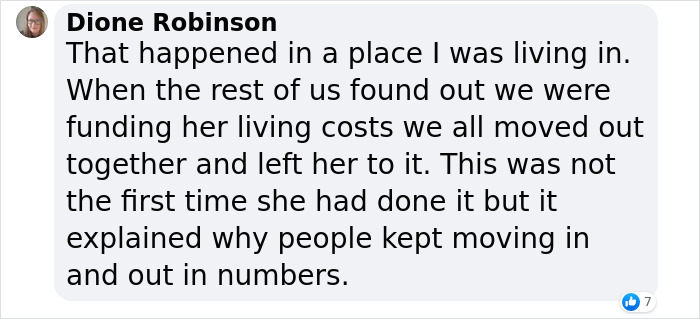
As my mom used to say—don’t look for friends where there’s money involved. The greed within human nature seems to find a way to creep out, regardless of the kind of relationship you may have with a person: be it a family member, a friend, a lover, a random acquaintance, or a new roommate. Some may call it being smart; others, however, find it despicable.
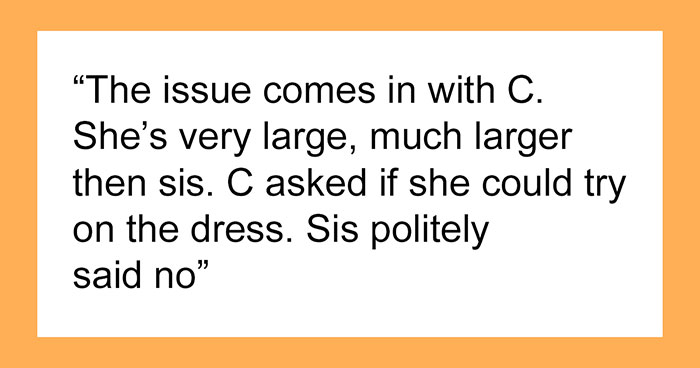
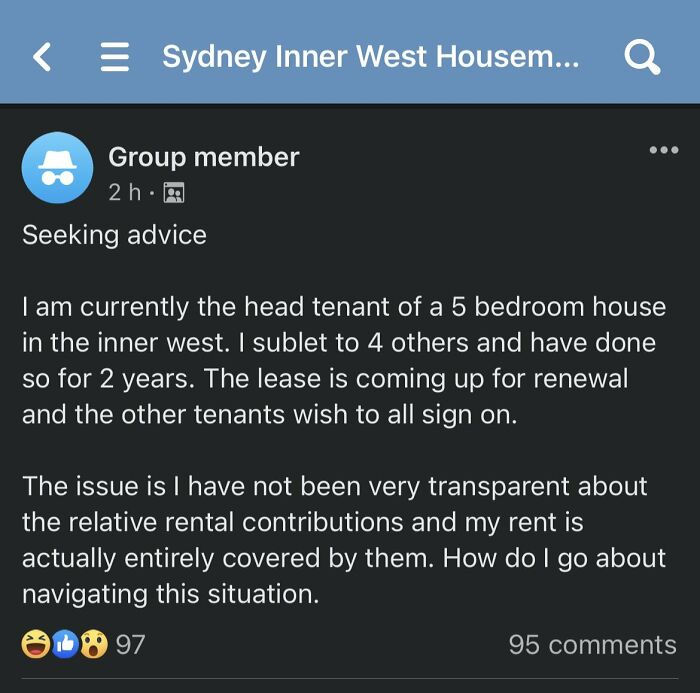
A heated debate broke out online after Twitter user @chlosarge shared a post she found on the “Sydney Inner West Housemates” Facebook group. One “head tenant” was looking for advice as to how to approach their roommates after the four of them had been paying enough to ensure the head tenant was living in the home for free.
As the opinions of humans from both Twitter and Facebook fill up this article, let’s talk about rental scams and how to avoid them, regardless of whether you’re a tenant or a landlord. According to Stephen Michael White of RentPrep, rental scams can hurt both tenants and landlords, although the way these scams occur differs depending on the target.
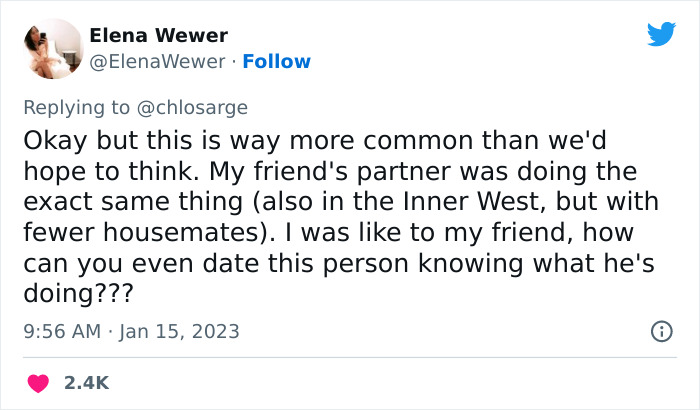
Image credits: ElenaWewer
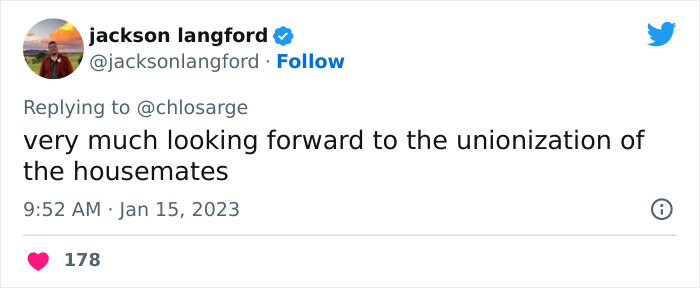
Image credits: jacksonlangford
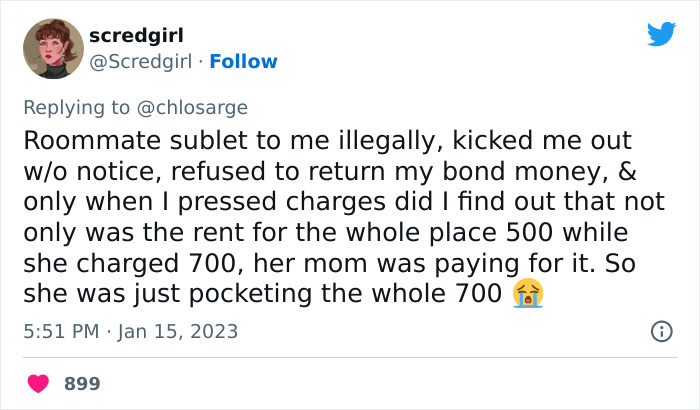
Image credits: Scredgirl
Image credits: jacksonlangford
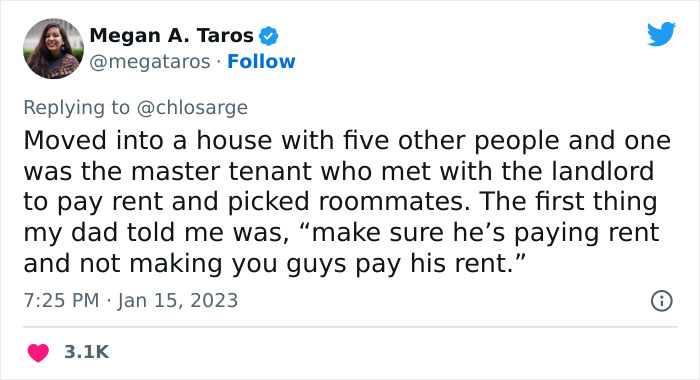
Image credits: megataros
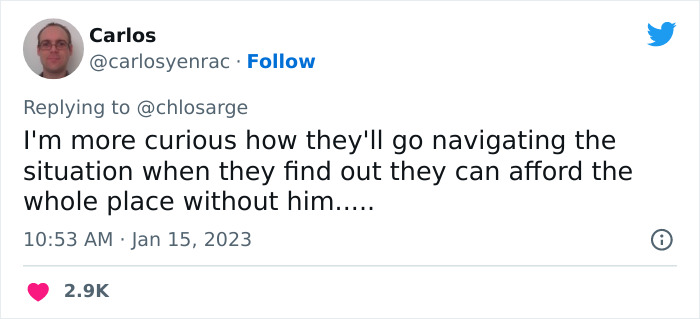
Image credits: carlosyenrac
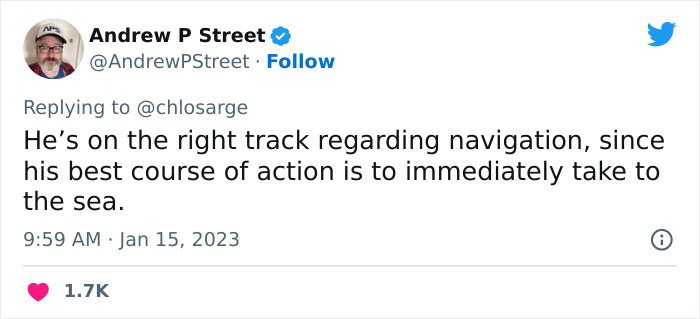
Image credits: AndrewPStreet
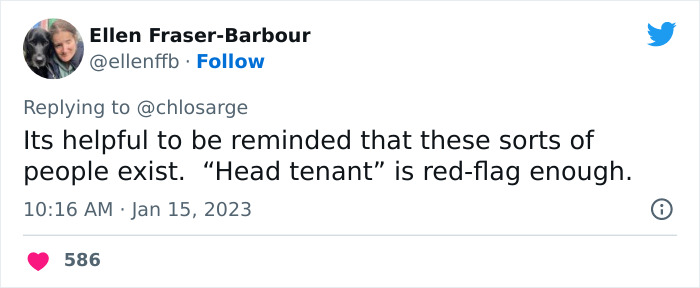
Image credits: ellenffb
Rental scam artists are usually trying to make a quick buck when scamming tenants. They tend to collect application fees or deposits and then disappear. Tenant scammers are typically trying to live rent-free, like the person in the tweet, but others will sometimes try to steal appliances or money from the landlord.
Let’s look at some of the most common scams that everyone should be aware of. The first one—sending too much money in the form of a check. The tenant suggests that the landlord simply refund the difference. In reality, the check is not real, and the landlord will lose money if they pay the difference. Always return this kind of check and provide receipts when possible.
Another scam comes in the form of faking employment, credit, and rental history. Applicants can write anything on their rental application, and that leaves room for lies. Some applicants will even suggest providing a copy of their credit checks rather than paying another application fee, but that can hide their true identity or financial troubles. Thus, make sure you’re always screening potential tenants.
Last but not least, is the “swap to sublease” scam. Scammers may rent out property only to illegally rent it out to someone else. Subleasing is not illegal in and of itself, but it is illegal if it’s forbidden in the lease agreement or not disclosed to the landlord. So the terms regarding this need to be clarified in the contract to ensure one can pursue eviction and restorative compensation.
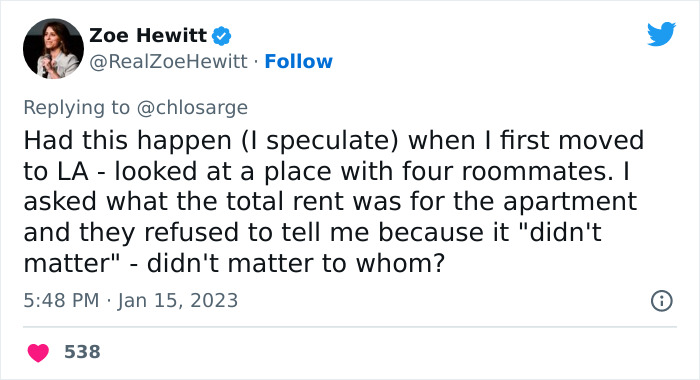
Image credits: RealZoeHewitt
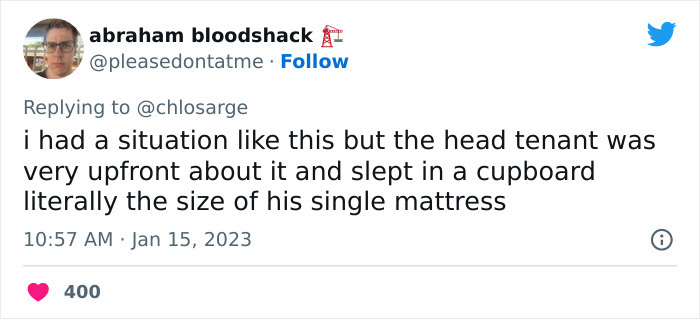
Image credits: pleasedontatme
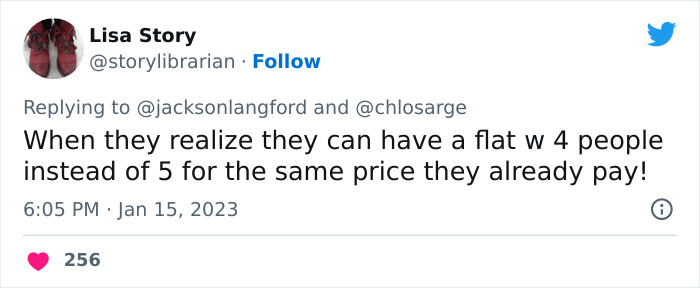
Image credits: storylibrarian
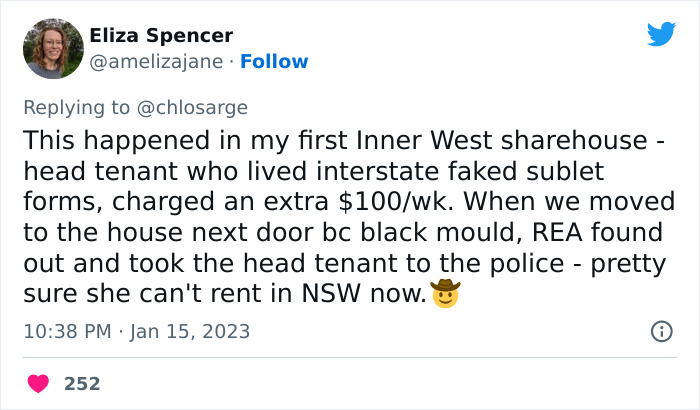
Image credits: amelizajane
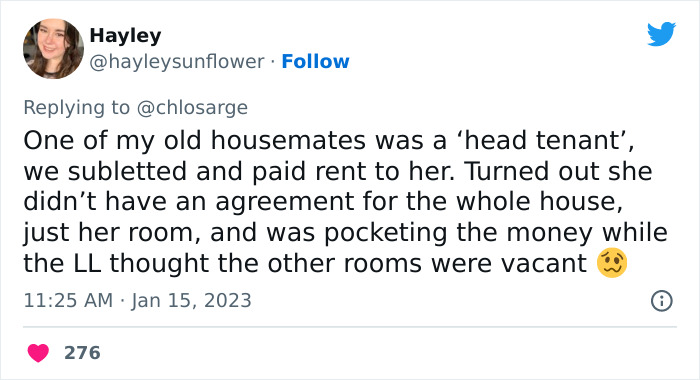
Image credits: hayleysunflower
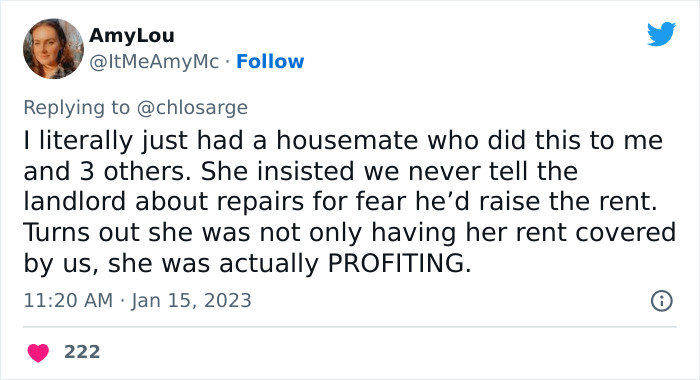
Image credits: ItMeAmyMc
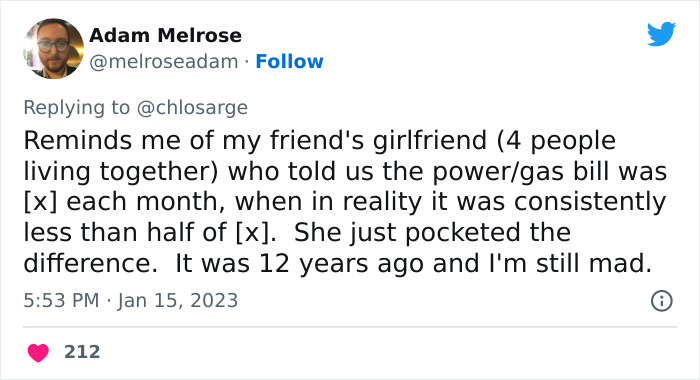
Image credits: melroseadam
Although a lot of these scams concern landlords more often than tenants, it’s good to be aware of the scams out there, as it’ll help you not get caught in nasty situations in the long run, especially if you’re opting to rent a room in a house full of others. Make sure a proper contract is established between all parties involved, including the landlord, and that you read the fine print. May not be the most entertaining piece of your life, but heck is it important.
For renters, USA.gov has some pointers as to what to look out for before putting down a deposit. Be suspicious if the advertised price is much lower than that of similar properties, the ads for the property have grammatical and spelling errors, and if the agent says that the owner is too busy, out of the country, or otherwise unavailable to handle the rental.
Never sign the lease before you see the property yourself or have someone trustworthy go see it for you. If people can catfish, they can housefish! Also, run for the hills if the owner or agent isn’t able to let you into the property or charges you to view it. And lastly, if the owner or agent is using high-pressure sales tactics. Yes, rentals tend to go quick, but if the place isn’t for you, it ain’t for you.
If you find yourself in the middle of a scam, losing money, you should always contact your local authorities. Unless it’s signed off on paper, it’s negligible and potentially illegal, so know you have the chance to press charges and possibly get back any money you may have lost. Also, contact the listing website where you found the rental so they can take it down and report the lister.
It’s unclear what will happen to the “head tenant” and their roommates, but we can hope that justice will be served. Make sure to leave your opinions on this in the comments section below, and I shall hope to see you in the next one! Stay safe, y’all!
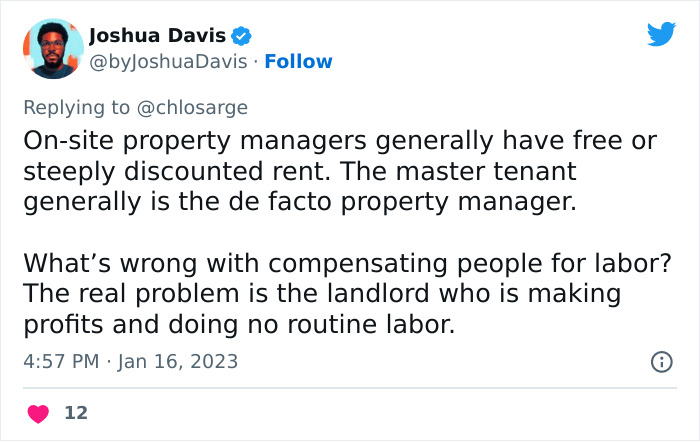
Image credits: byJoshuaDavis
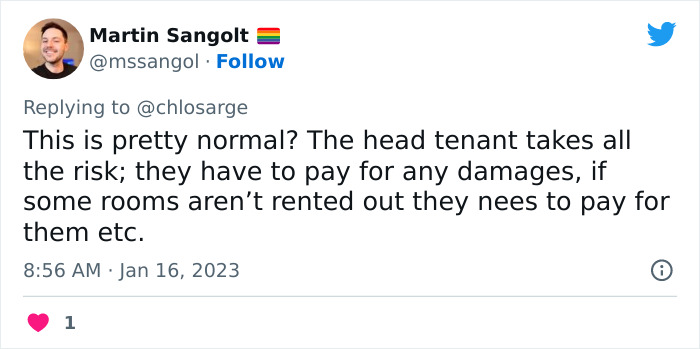
Image credits: mssangol
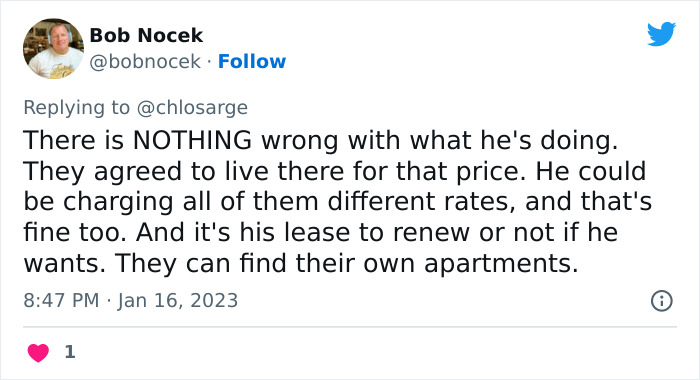
Image credits: bobnocek
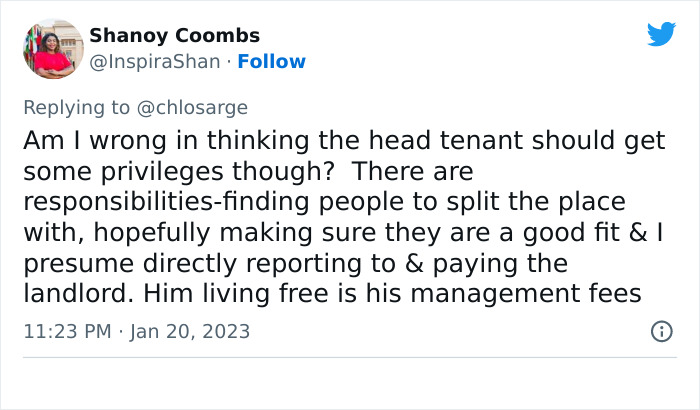
Image credits: InspiraShan
Image credits: chlosarge
Image credits: chlosarge
43Kviews
Share on Facebook
The problem here is rather the lack of honesty and openness. There might (and might not, who am I to know?) be risks and extra responsability involved in being a head tenant, but always be upfront with your co-tenants, before they sign on.

Yes! I believe transparency is the only issue. It should be simple. But in this case, they chose to deceive their housemates and they should face the music.
Load More Replies...
Lack of transparency (i.e. not discussing total monthly payments) likely beats lying about finances. Long ago, we bought an older two-story California 'territorial' house, with our living quarters upstairs, and three units downstairs that we rented to friends. Their rents paid most of the mortgage, but they did not NTK (Need To Know) of the details. One stipulation: If renters throw loud parties, we (landlords) must be invited. 8-)

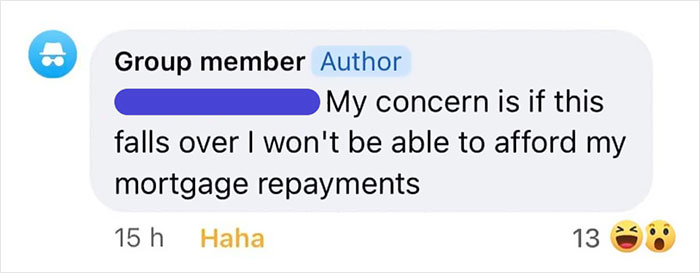
I'm just confused. The "head tenant" is paying a mortgage. Do they own the place, and so they're actually the landlord? Or is the mortgage for some unrelated property?

I think it's the latter. They probably rent out their own home, and then rent this other place effectively for free. Kinda risky (if there's a vacancy at both places, you're on the hook for mortgage and rental) but profitable if you can find good long term tenants.
Load More Replies... The problem here is rather the lack of honesty and openness. There might (and might not, who am I to know?) be risks and extra responsability involved in being a head tenant, but always be upfront with your co-tenants, before they sign on.
Yes! I believe transparency is the only issue. It should be simple. But in this case, they chose to deceive their housemates and they should face the music.
Load More Replies... Lack of transparency (i.e. not discussing total monthly payments) likely beats lying about finances. Long ago, we bought an older two-story California 'territorial' house, with our living quarters upstairs, and three units downstairs that we rented to friends. Their rents paid most of the mortgage, but they did not NTK (Need To Know) of the details. One stipulation: If renters throw loud parties, we (landlords) must be invited. 8-)
I'm just confused. The "head tenant" is paying a mortgage. Do they own the place, and so they're actually the landlord? Or is the mortgage for some unrelated property?
I think it's the latter. They probably rent out their own home, and then rent this other place effectively for free. Kinda risky (if there's a vacancy at both places, you're on the hook for mortgage and rental) but profitable if you can find good long term tenants.
Load More Replies...



























 No fees, cancel anytime







78
18