Get Premium
Dark mode theme is available exclusively for premium users. Learn more about the benefits of subscribing.
No fees, cancel anytime.

 Dark Mode Ad-Free Browsing Unlimited Content
 Ad-Free Browsing Unlimited Content Dark Mode
Join 1.2 million Panda readers who get the best art, memes, and fun stories every week!

Caring for a loved one with dementia can be an emotional and challenging responsibility, especially when professional caregivers are involved. Families often place immense trust in live-in nurses to provide both safety and companionship, hoping their loved ones can maintain comfort and routine at home.
However, what happens when that trust is called into question? Today’s Original Poster (OP) noticed her grandmother’s live-in nurse crossing boundaries, wearing her clothes, moving family photos, and even handling a cherished wedding ring. When she made a decision about the nurse, her family accused her of jealousy.
More info: Reddit
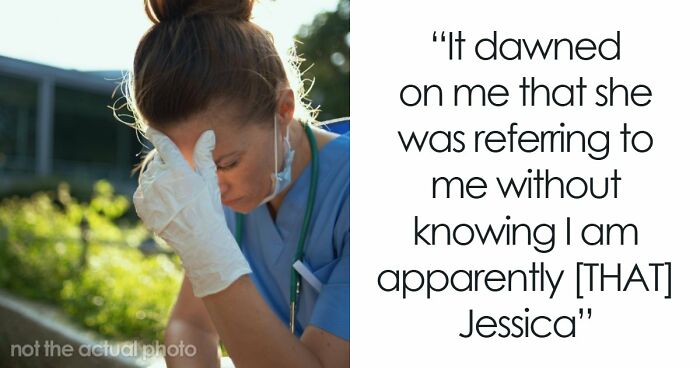
Image credits: zinkevych / Freepik (not the actual photo)
Image credits: freepik / Freepik (not the actual photo)
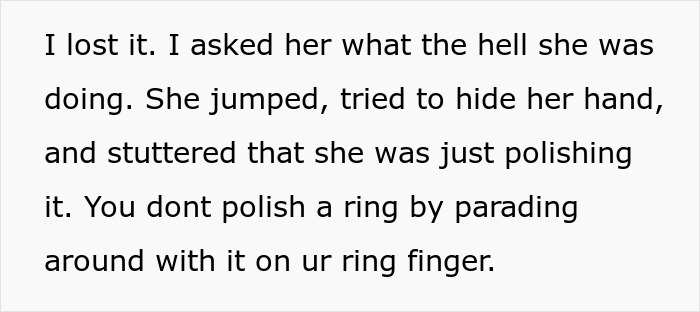
Image credits: stefamerpik / Freepik (not the actual photo)
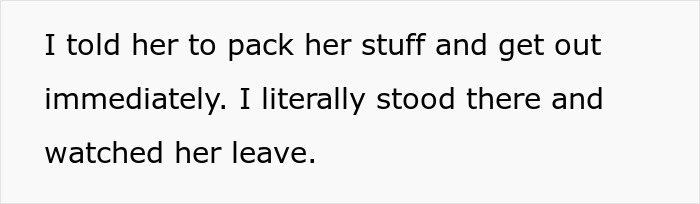
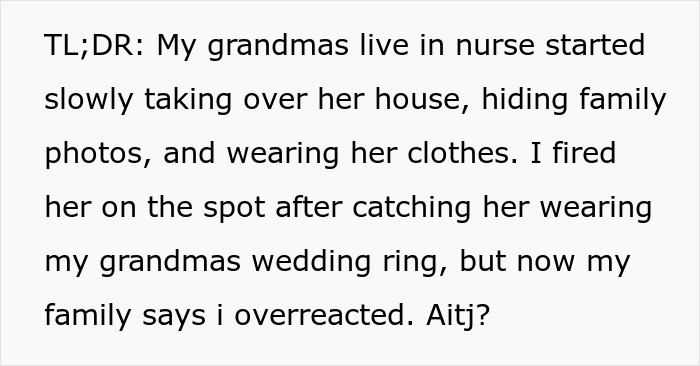
Image credits: NoStore146
When the OP’s 82-year-old grandmother with mild dementia needed help staying at home, her family hired a live-in nurse. At first, the nurse appeared to be a blessing as she was attentive, warm, and seemingly devoted to keeping the grandmother comfortable. However, as months passed, the OP began to notice some red flags.
First off, the nurse started wearing the grandmother’s old vintage sweaters and dresses around the house. When the OP confronted her, she claimed that the grandmother had insisted she take them. However, it was slightly complicated because her grandmother couldn’t remember giving anything away.
Next, the nurse began controlling access to the grandmother. Whenever the OP dropped by, the nurse would tell her grandmother was having a bad day and couldn’t see her, yet the OP would hear laughter from the television inside. In fact, the nurse had also removed family pictures and replaced them with framed selfies of her and the grandmother.
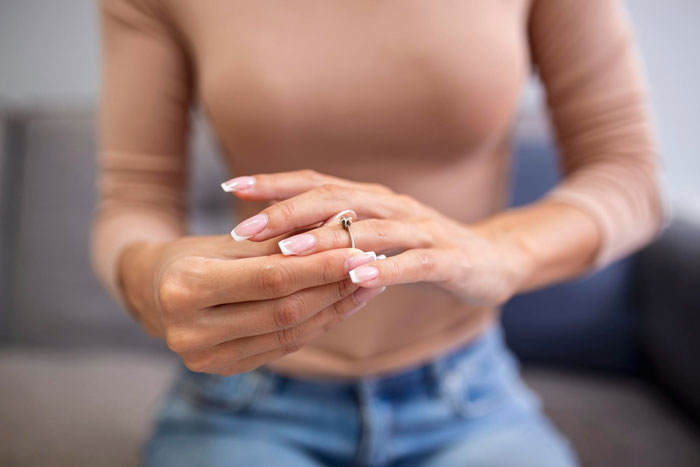
The final incident that made the OP snap happened when she used her spare key to enter the house unannounced. She walked into her grandmother’s bedroom, and was surprised to see the nurse by the vanity putting on makeup and putting on the grandmother’s diamond wedding ring. Immediately, the OP asked her to pack up and leave, but this didn’t sit well with her family members who insisted it was hard to find good care these days.
Image credits: gzorgz / Freepik (not the actual photo)
Caring for a loved one with dementia at home can be both a blessing and a challenge. The University of California, San Francisco (UCSF) notes that about 60% of people with dementia remain in their own homes rather than moving to institutional care. While staying at home provides comfort and preserves familiar routines, it also places significant responsibility on those providing care, making trust and reliability essential.
Memory gaps, a hallmark of dementia, add another layer of complexity. As noted by Physiopedia, these lapses can make everyday decision-making difficult and complicate consent. Clear communication, careful supervision, and ethical awareness then becomes critical in supporting individuals with dementia without overstepping boundaries.
This delicate balance is further complicated when social isolation comes into play. The HelpGuide emphasizes that isolation is a red flag for potential emotional or financial exploitation. In caregiving situations, limiting family visits or controlling interactions can make elders more vulnerable, whether intentionally or unintentionally.
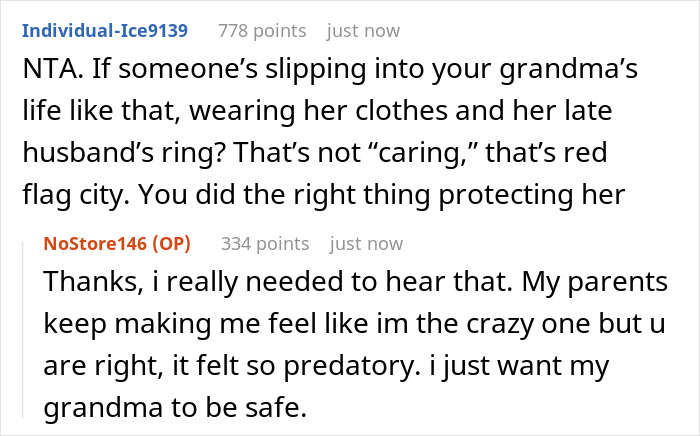
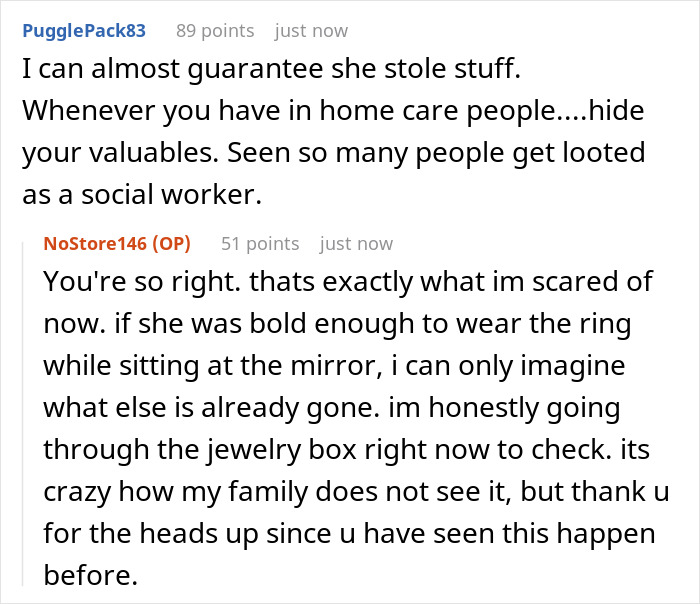
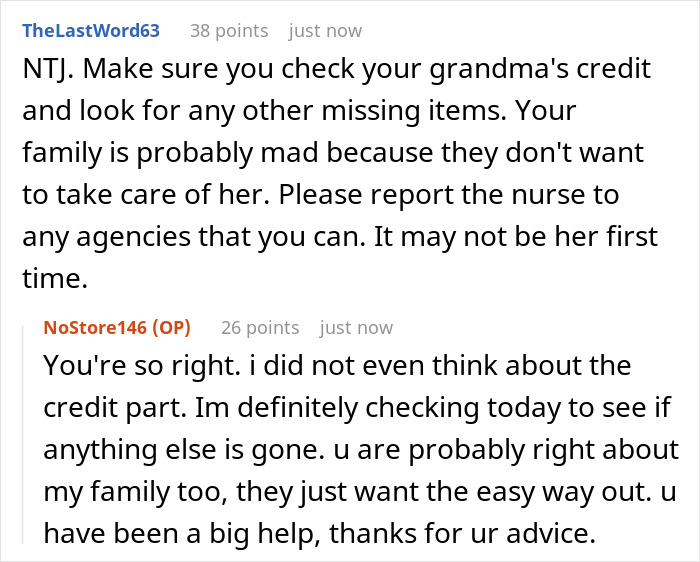
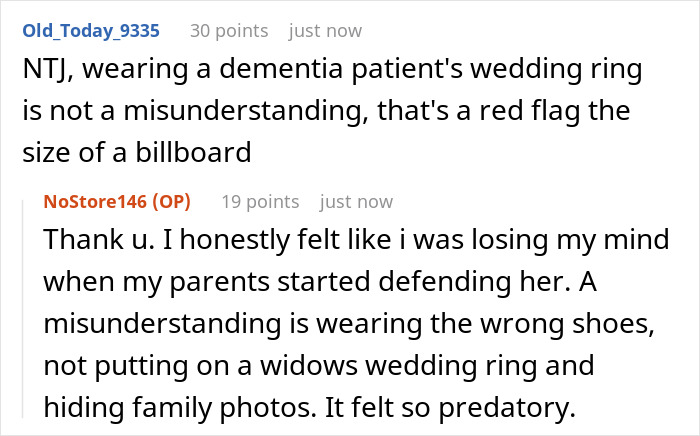
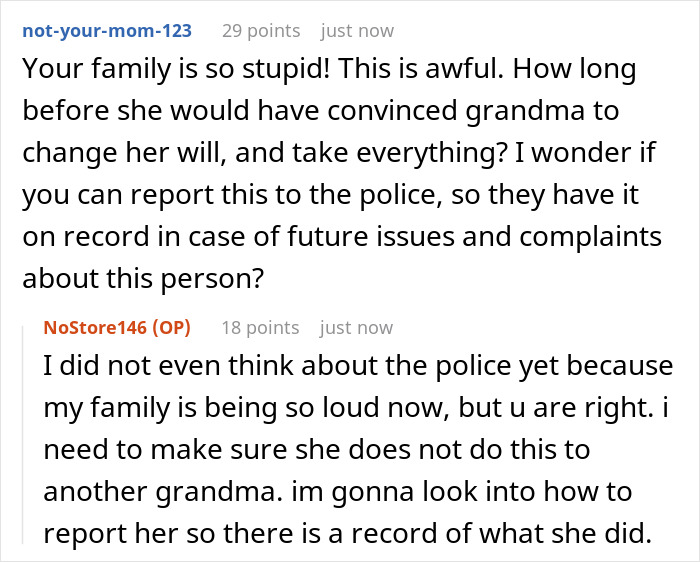
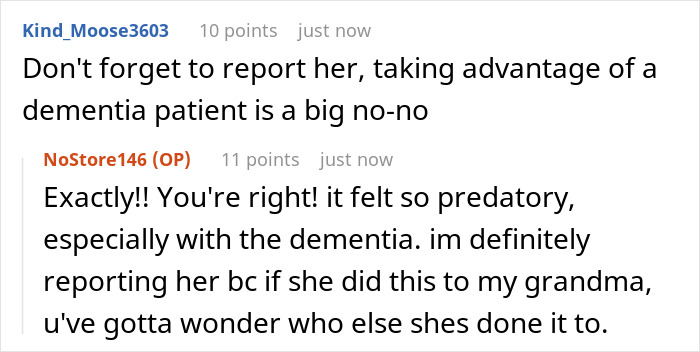
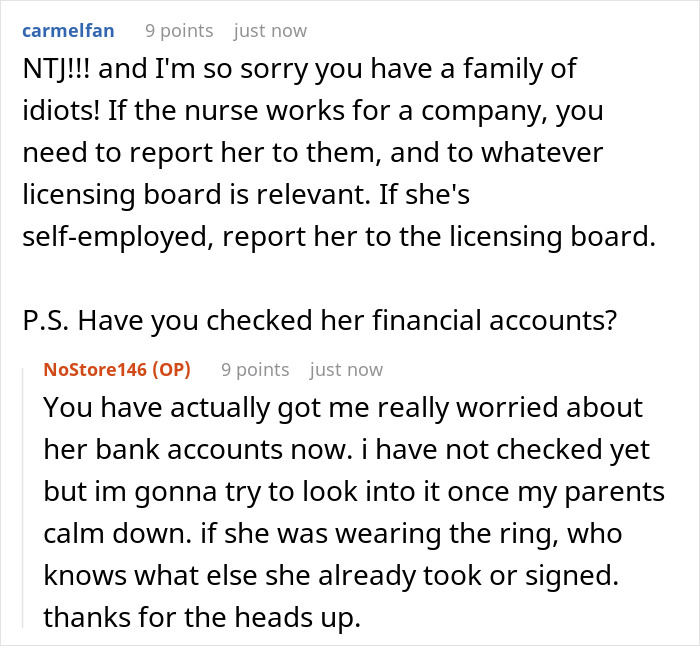
Netizens supported the OP’s actions, criticizing the family for prioritizing convenience over the grandmother’s wellbeing, suggesting that they were enabling risky behavior. What do you think about this situation? Do you think the OP overreacted, or was she right to step in immediately? We would love to know your thoughts!


























 No fees, cancel anytime









22
0