Get Premium
Dark mode theme is available exclusively for premium users. Learn more about the benefits of subscribing.
No fees, cancel anytime.

 Dark Mode Ad-Free Browsing Unlimited Content
 Ad-Free Browsing Unlimited Content Dark Mode
Join 1.2 million Panda readers who get the best art, memes, and fun stories every week!
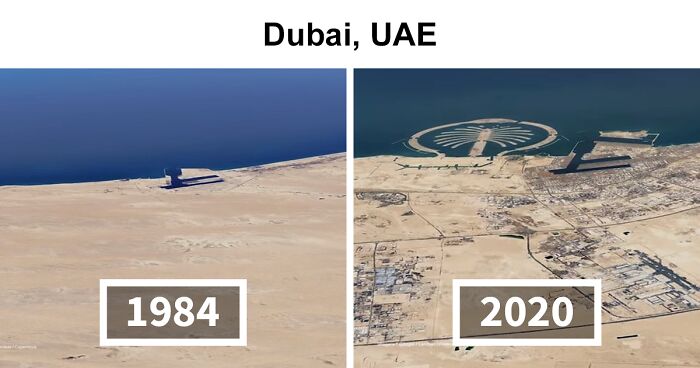
Change is a natural part of life. However, what kind of change we want to see in our lives and to leave for our children and grandchildren—good or bad—is still a question that we need to answer. And if we look at what Google Earth is telling us, we have a long way to go to properly make up for what we’ve been doing to our pale blue dot, our home, Planet Earth.
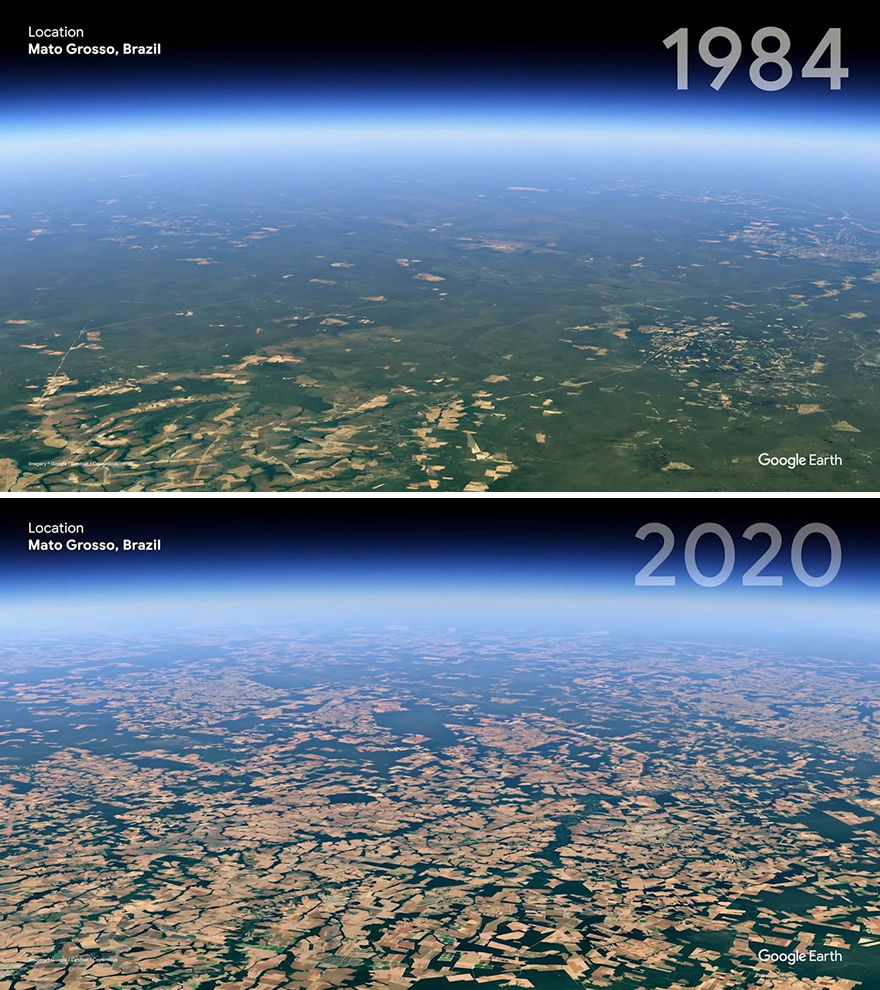
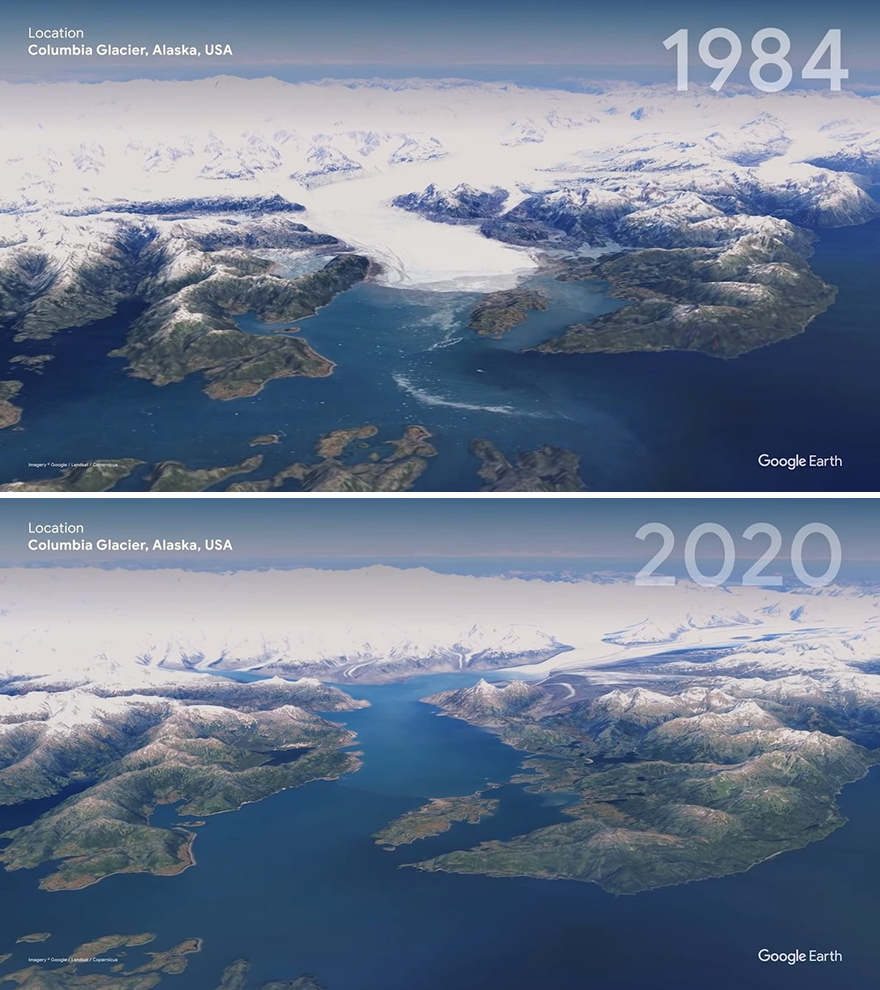
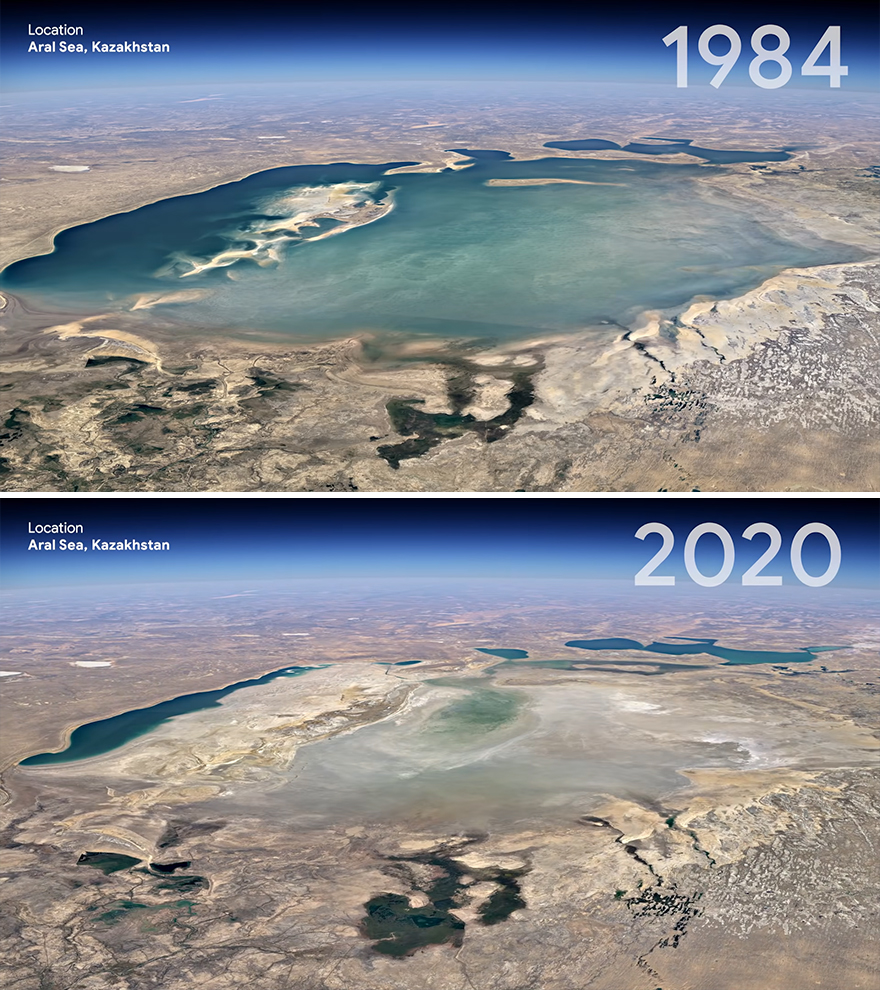
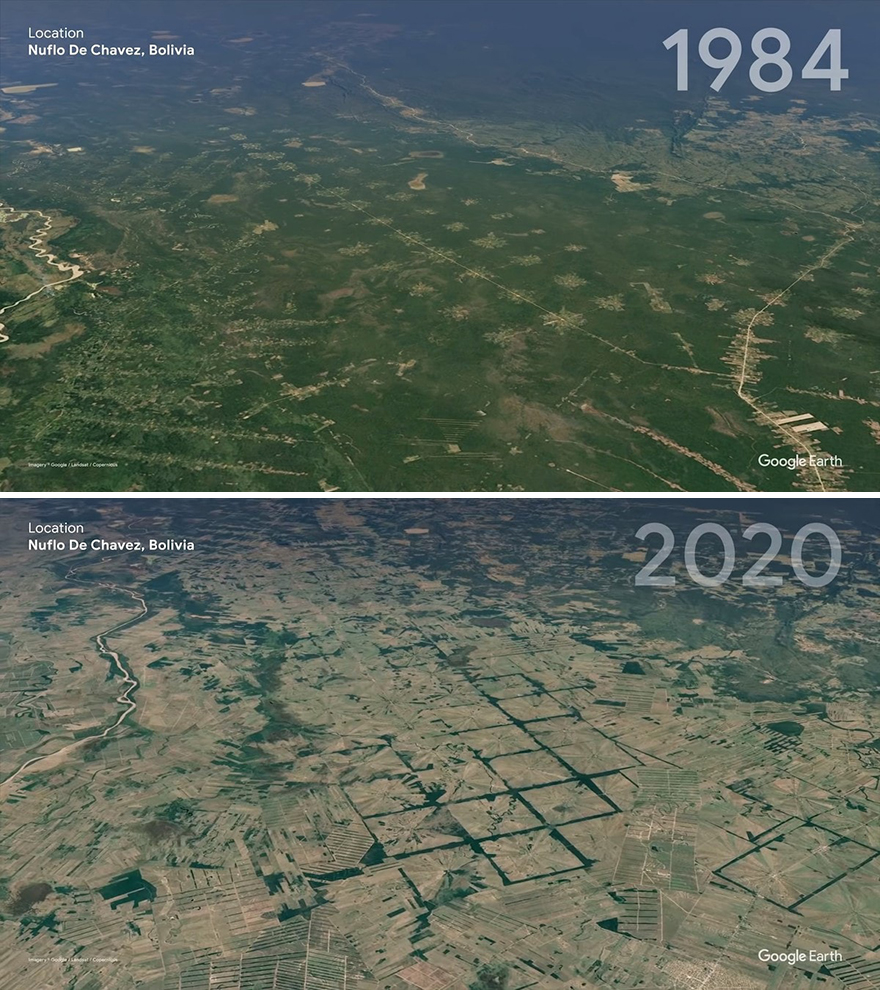
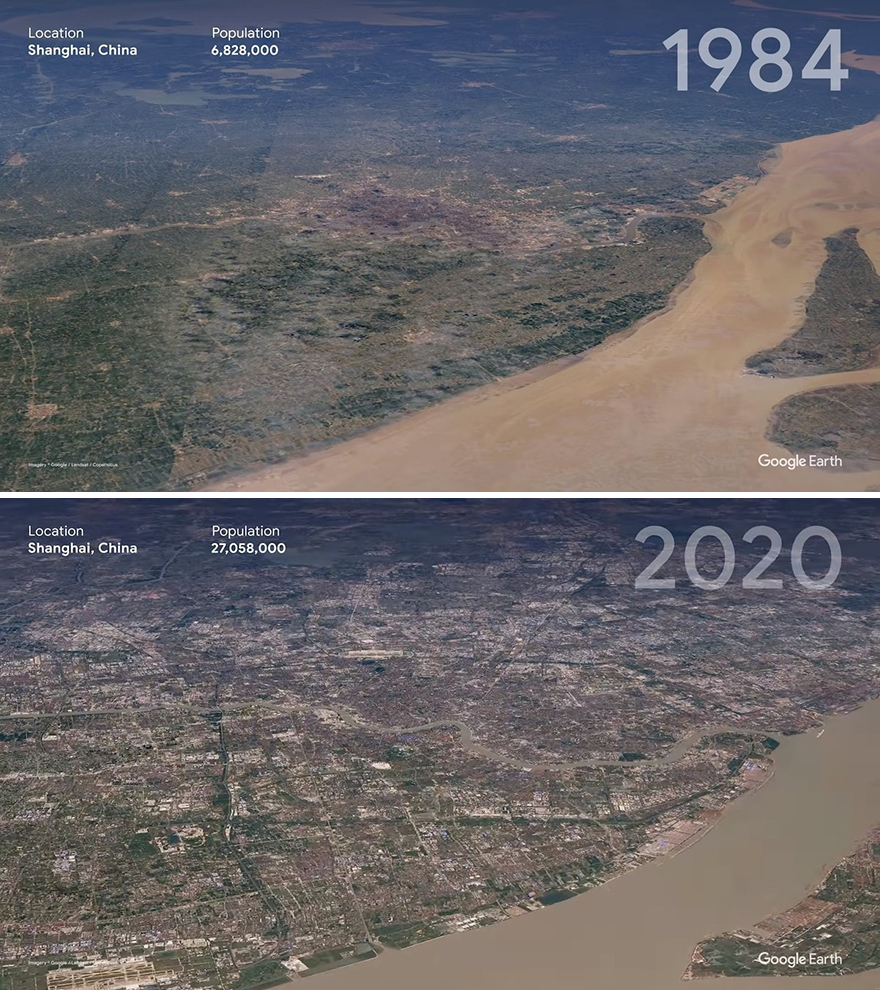
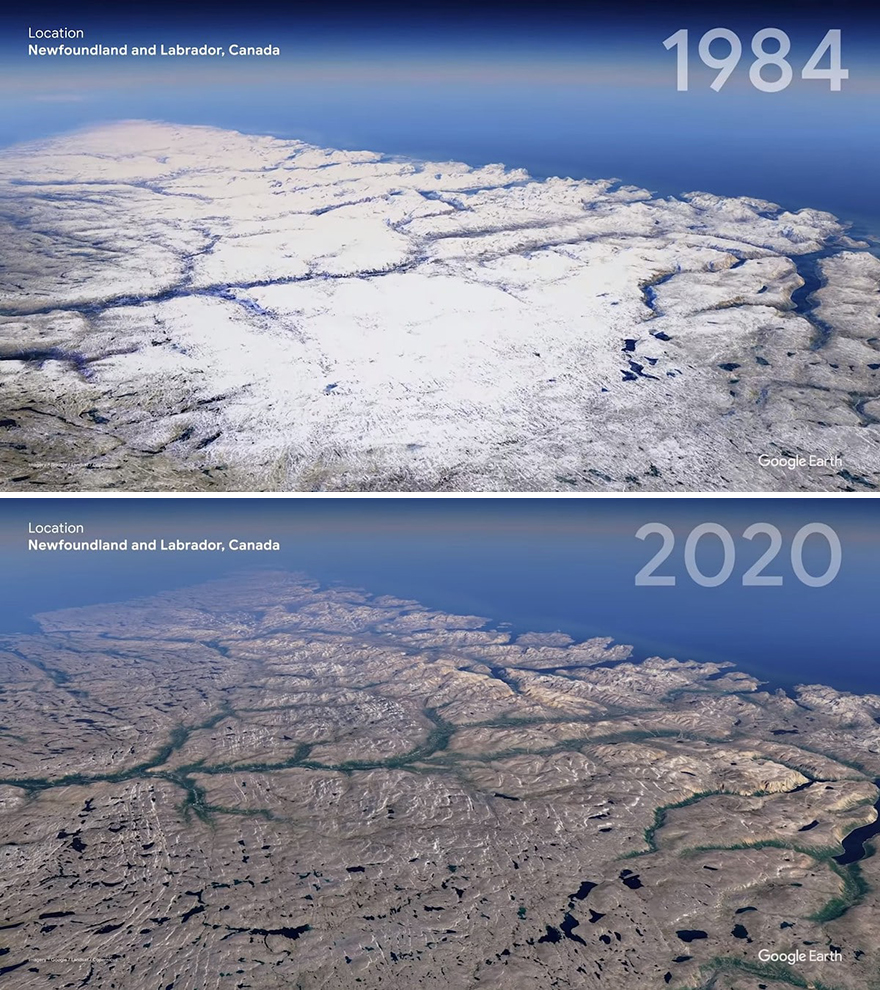
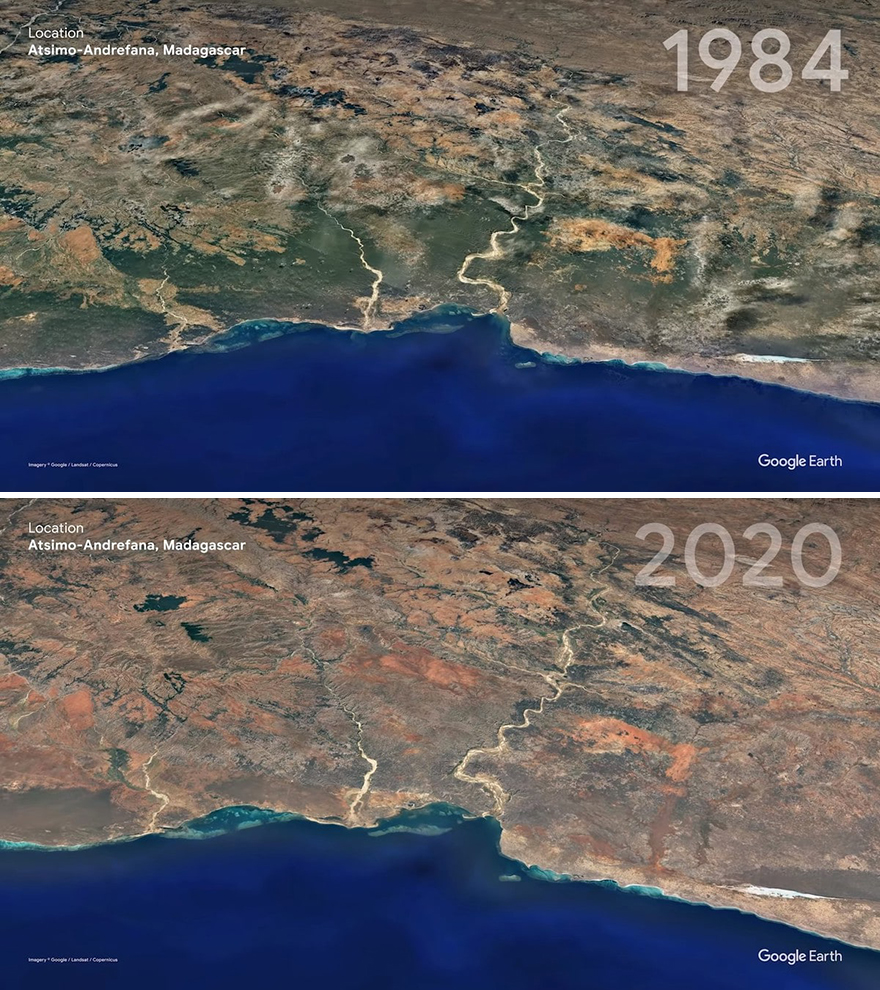
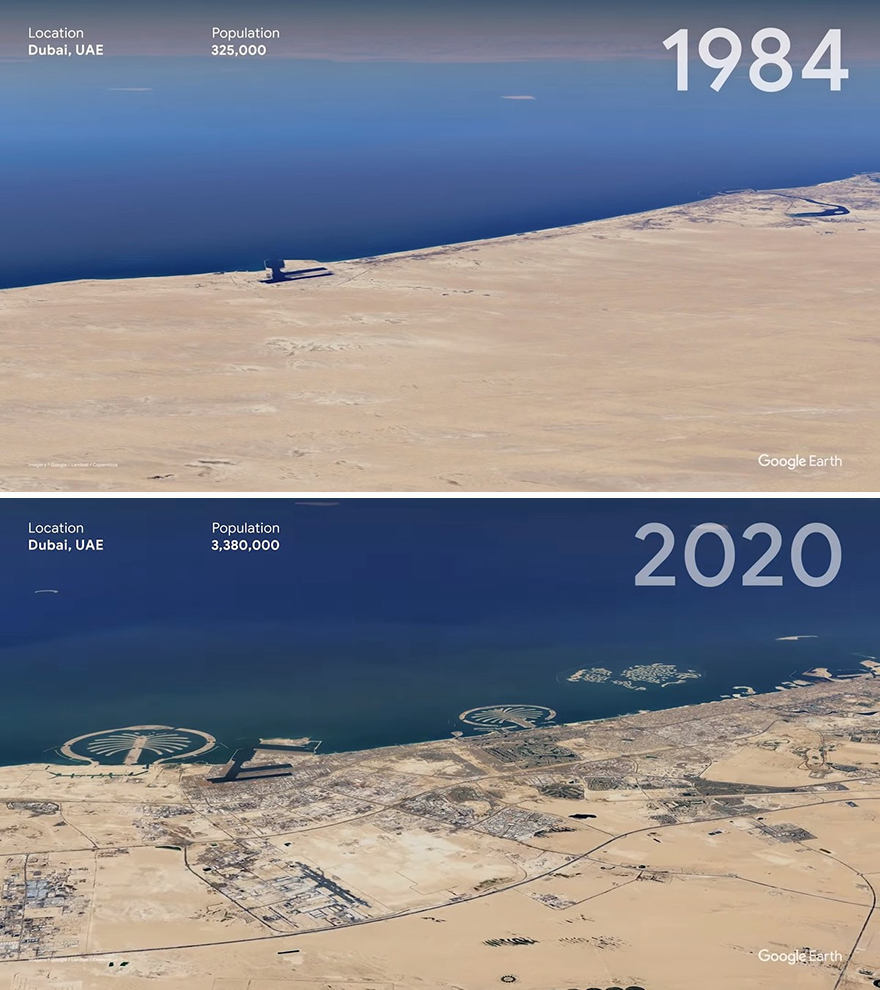
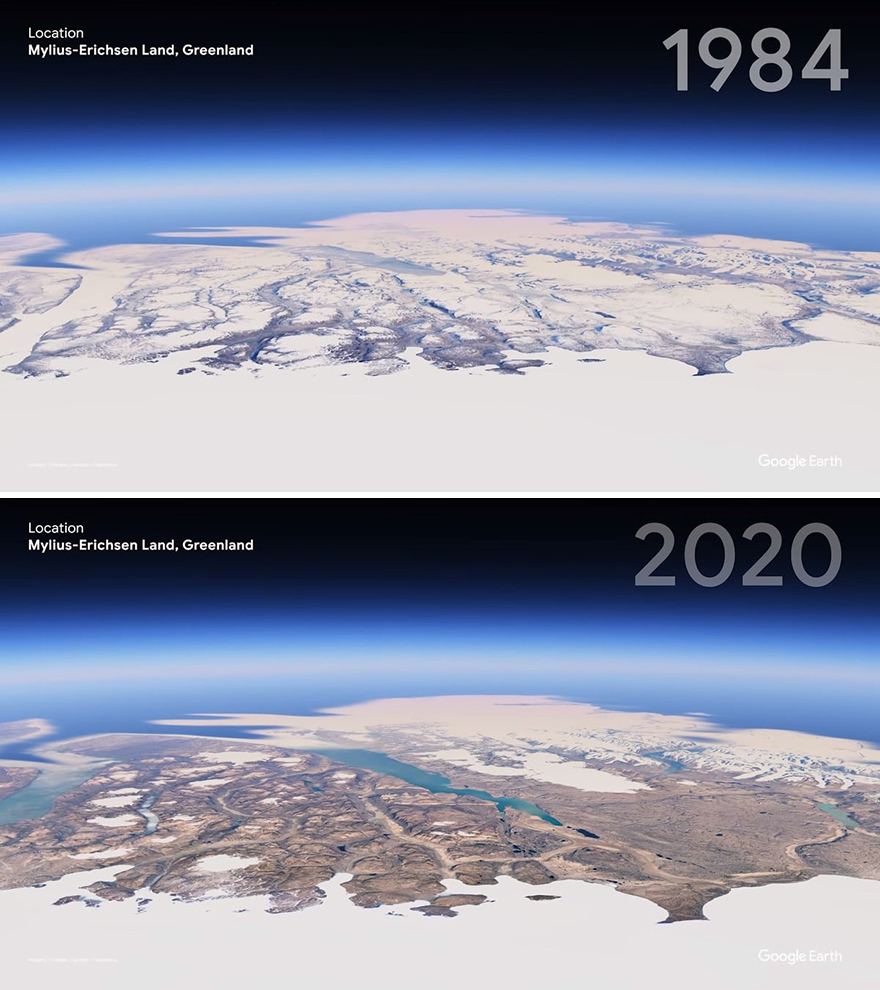
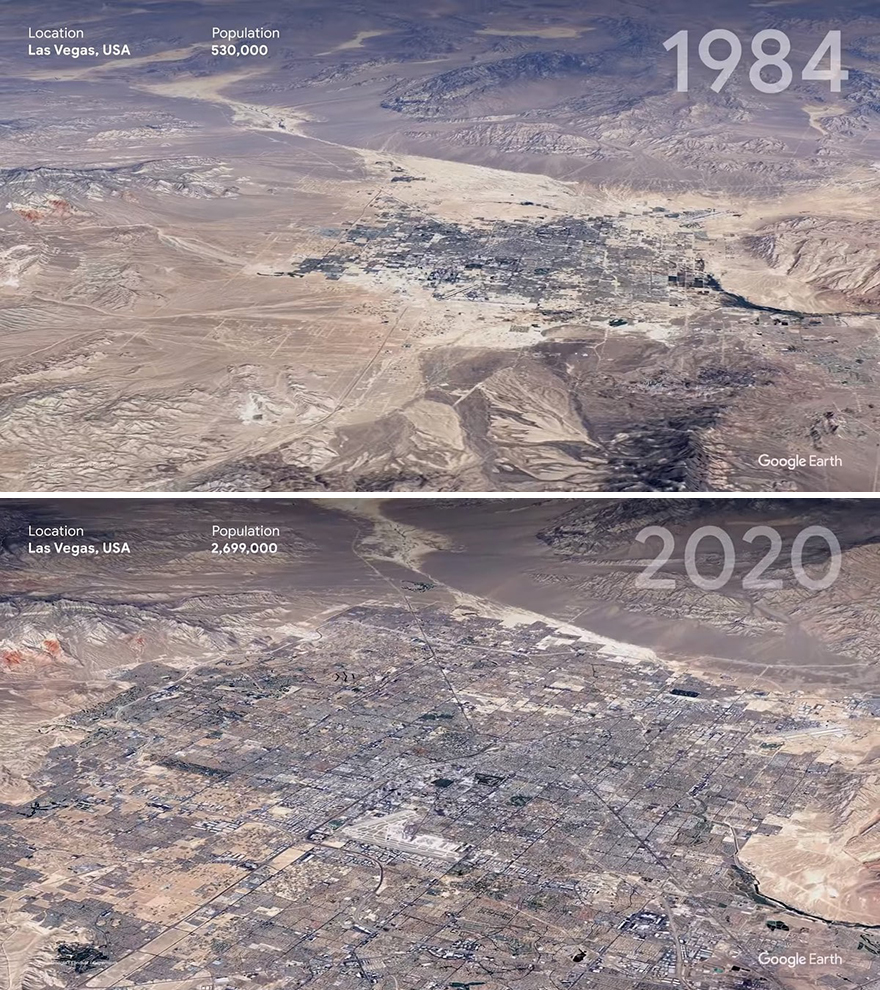
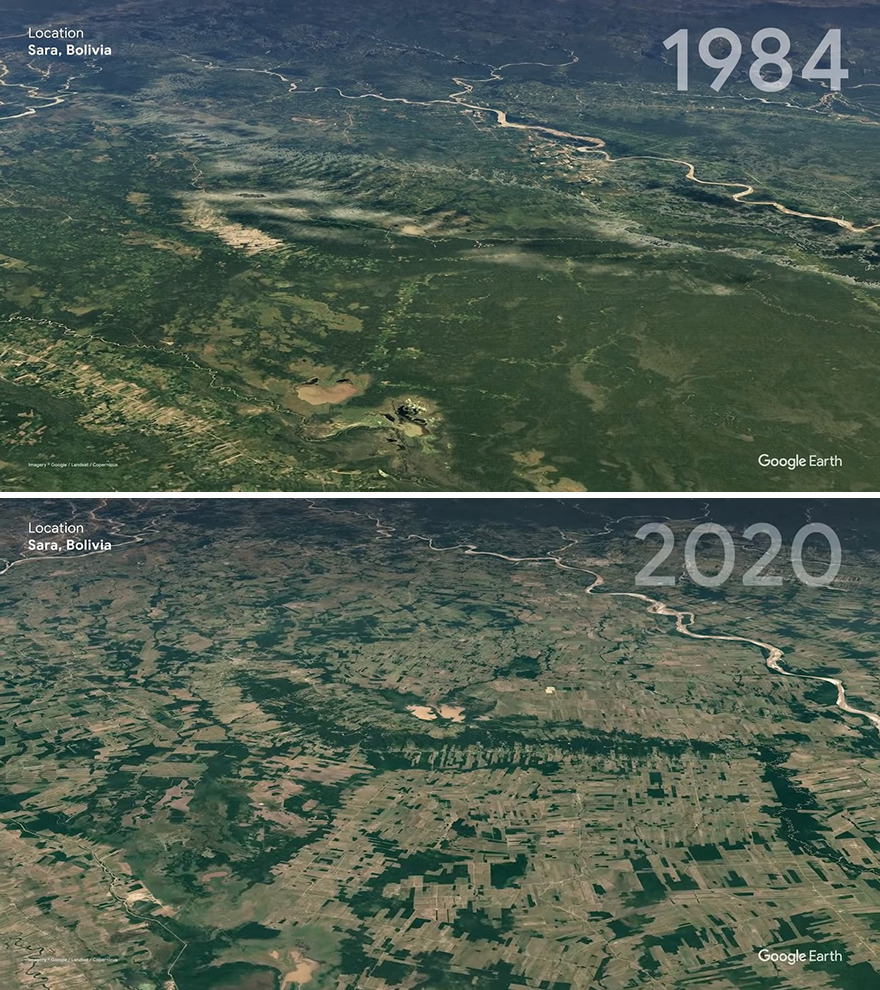
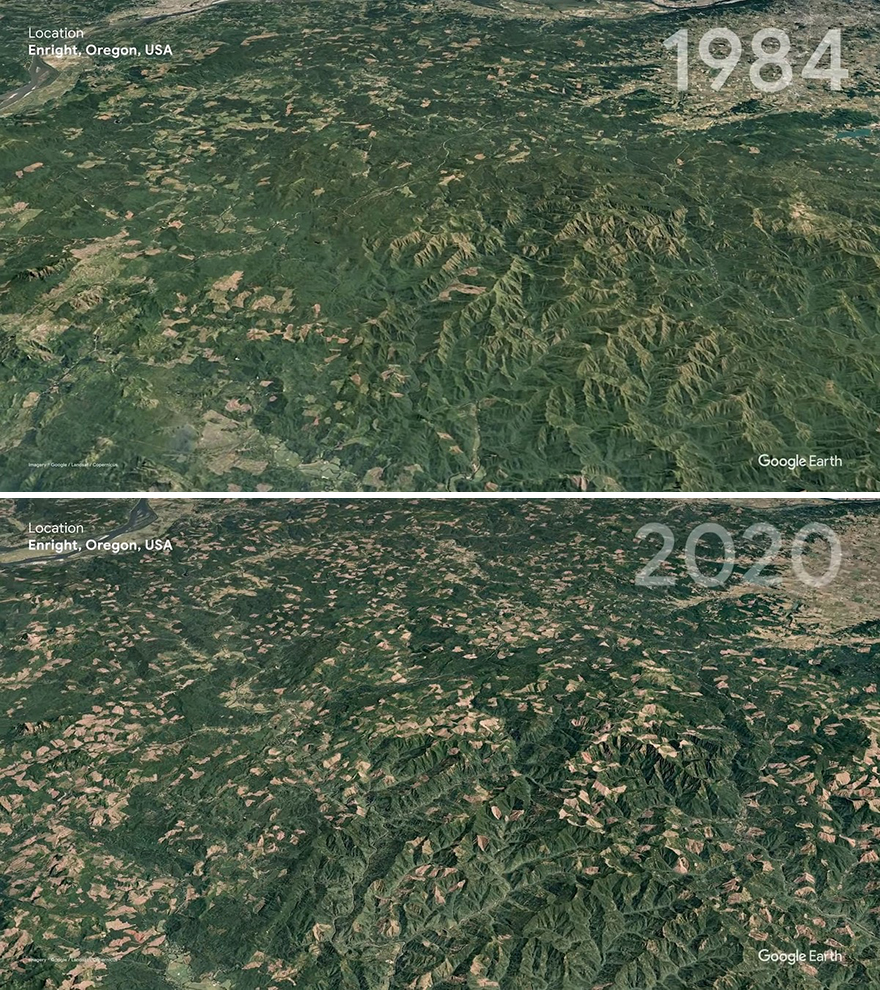
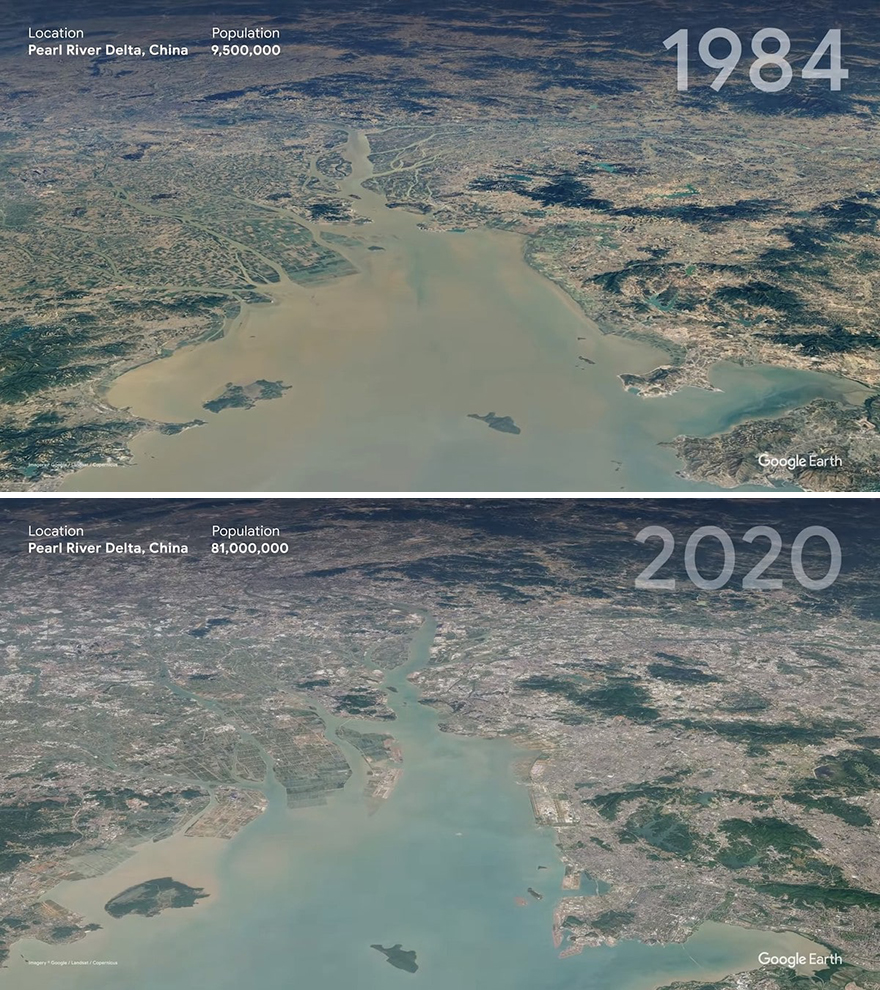
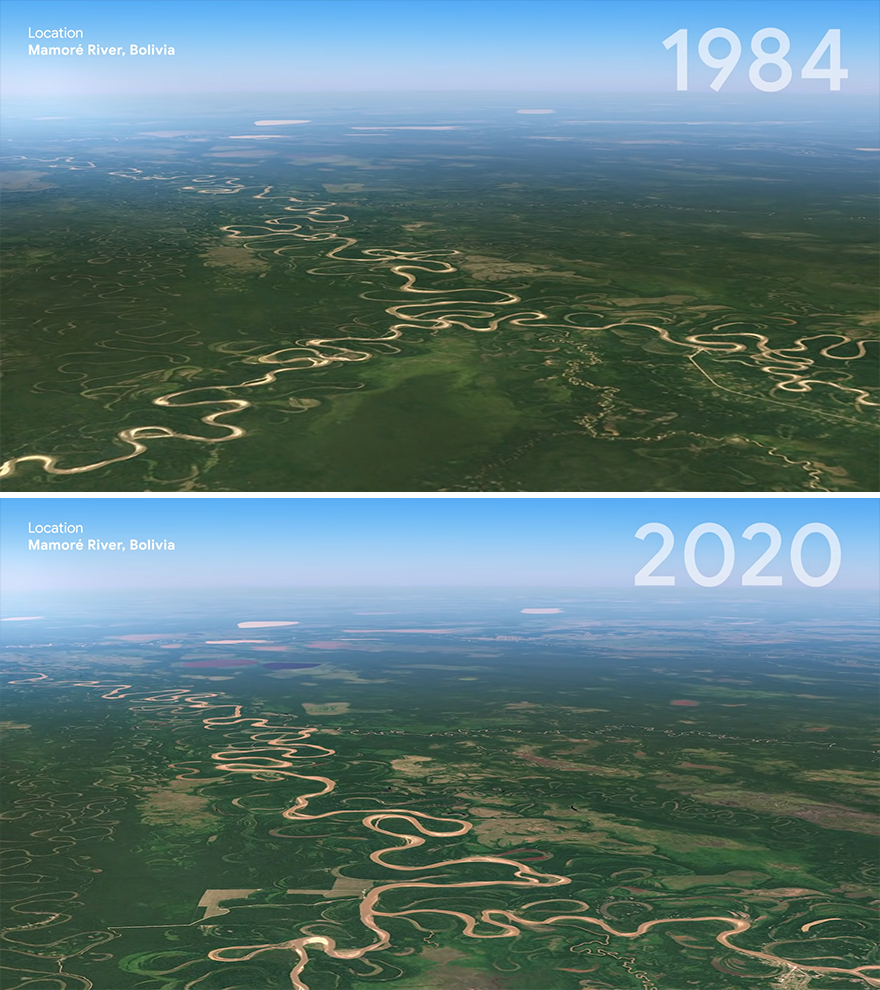
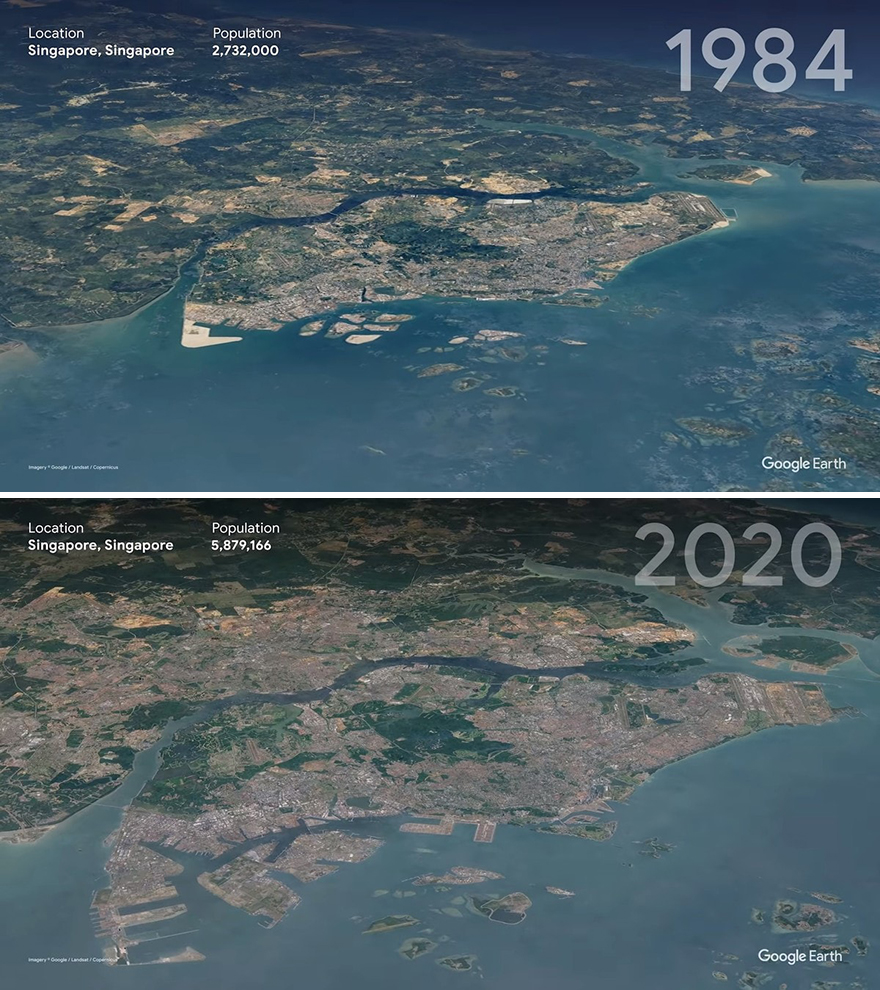
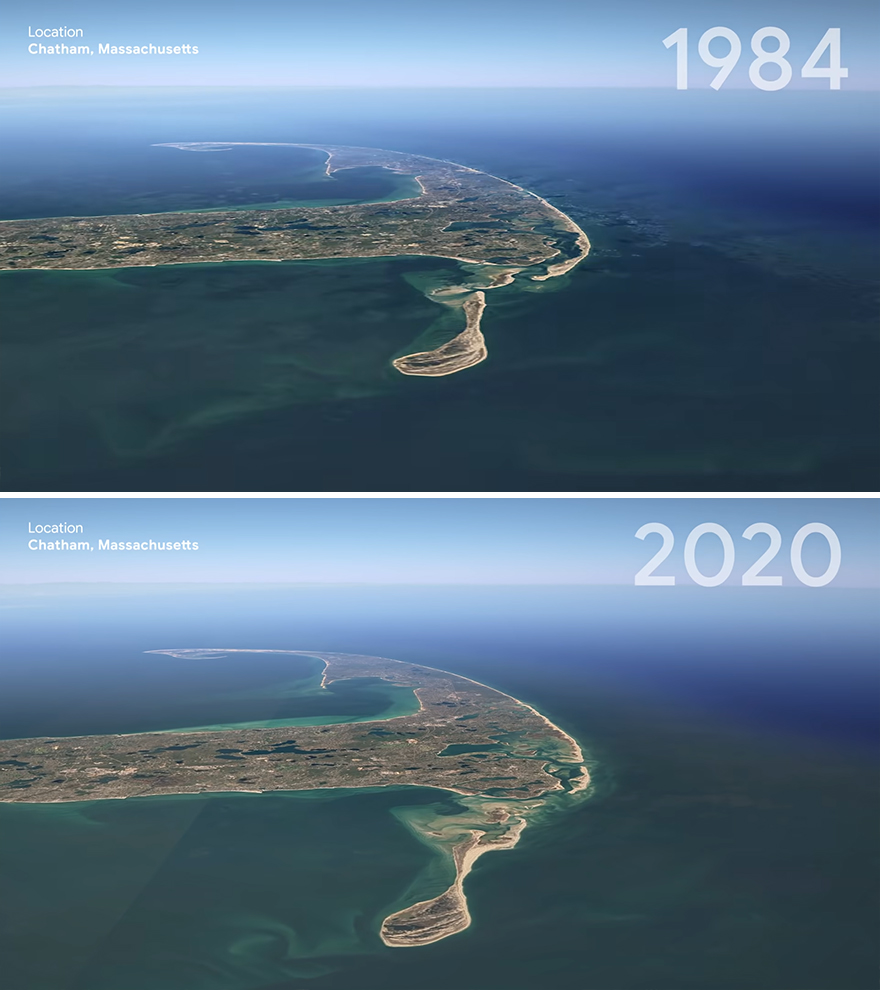
Google Earth posted a series of videos over on YouTube showing how much our world’s oceans, forests, glaciers, beaches, and cities have changed from 1984 to 2020, as a way to promote climate awareness through its new timelapse feature.
Have a look below at how human activity and natural forces have changed the Earth, dear Pandas. You'll find the links to the original videos underneath each photo in this list. And remember, stopping climate change is up to us. Even if things seem grim from the four decades’ worth of video imagery we’ve seen, there’s always hope.
Natalie M. Mahowald, an American Earth scientist who is the Irving Porter Church Professor of Engineering at Cornell University, told Bored Panda that a lot of the impact that climate and environmental change have happens so slowly, it's hard for us to see.
"Revisiting different locations and seeing the change from either land use conversion or from climate change in one 30 second film, can really help humans understand the huge spatial scale of all the changes that are occurring," Professor Mahowald said about Google Earth's new timelapse feature.
Image credits: Google Earth
This post may include affiliate links.
It's about time we realize we are not killing the planet - we are killing ourselves, the planet would do just fine without us.

You are looking at clearcut. Nasty and profitable practice. Timber: not sustainable despite the adverts.
In comes the sea. This emergency is happening so slowly that humans basically ignore it. We can’t seem to comprehend the time scale.

Depressing....no water, no trees, accelerating at an awesome rate....



Your Average Pooh, that's a great idea, but how it supposed happen? Every day about 227,000 people are added to our planet, and because of their cruel, destructive way of life, the rapid human population is the number 1 problem in poor countries as is the overconsumption in rich countries. There's simply too many irresponsible, unconscionably cruel, destructive people on this planet..... and they are absolutely unwilling to "properly make up for what "we" have been doing to our planet."
Load More Replies... Depressing....no water, no trees, accelerating at an awesome rate....
Your Average Pooh, that's a great idea, but how it supposed happen? Every day about 227,000 people are added to our planet, and because of their cruel, destructive way of life, the rapid human population is the number 1 problem in poor countries as is the overconsumption in rich countries. There's simply too many irresponsible, unconscionably cruel, destructive people on this planet..... and they are absolutely unwilling to "properly make up for what "we" have been doing to our planet."
Load More Replies...
































 No fees, cancel anytime