Get Premium
Dark mode theme is available exclusively for premium users. Learn more about the benefits of subscribing.
No fees, cancel anytime.

 Dark Mode Ad-Free Browsing Unlimited Content
 Ad-Free Browsing Unlimited Content Dark Mode
Join 1.2 million Panda readers who get the best art, memes, and fun stories every week!
School books and fitness influencers make it seem like we know everything there is to know about the human body. But our anatomy hides some seriously creepy, yet fascinating secrets that are rarely talked about.
For instance, did you know your brain literally eats itself under certain conditions? Or that we possess an ancient, specialized neural pathway that can detect snakes?
Netizens recently jumped on an online thread to share the absolutely disturbing facts that prove that our body is a wildly unpredictable ecosystem.
We’ve gathered the most mind-blowing highlights, along with evidence to show how little we actually know.
This post may include affiliate links.
 Your brain named itself, studies itself, and somehow still forgets why you walked into a room.
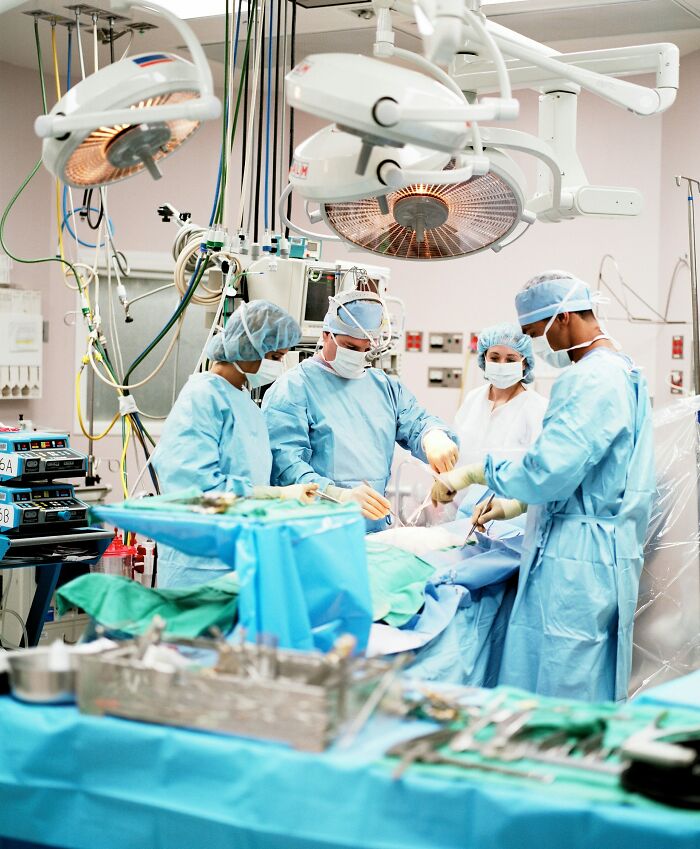 If a procedure is done and your organs need to be taken out, you don’t need to place them back where they belong like a puzzle piece. You just kinda shove them back in and they rearrange themselves accordingly.
 If you are in critical enough condition, your body will simply give up. It will stop trying to preserve itself. It doesn't like pain either.
After decades of autopsies, X-rays, and advanced scans, it feels like the map of the human body should be finished by now. But it isn’t.
Experts agree there is still a long way to go before we uncover all of our body’s secrets. Middle school textbooks only show a simplified blueprint, but real human biology is quite messy.
“One of the most important shifts in modern anatomy has been recognizing that variation is the rule rather than the exception… Human anatomy varies across several dimensions at once. Differences exist between males and females, across the lifespan as the body develops and ages, and between populations shaped by genetics and environment,” says Michelle Spear, professor of Anatomy at the University of Bristol.
 For every pound of weight you gain, your body creates 5 miles of blood vessels to supply the extra weight. When you lose weight, they get reabsorbed.

"Every pound of weight we put on is 5 miles of blood vessels. If your heart beats 100,000 times a day, that's 500,000 miles a day for one pound of fat," says Dr. Kopecky. "So you do the math. If you're 10 pounds overweight, it's a lot and your heart gets tired. The blood pressure goes up. The heart attack rates go up, etc." (Mayo Clinic Minute: Fat is not inert)
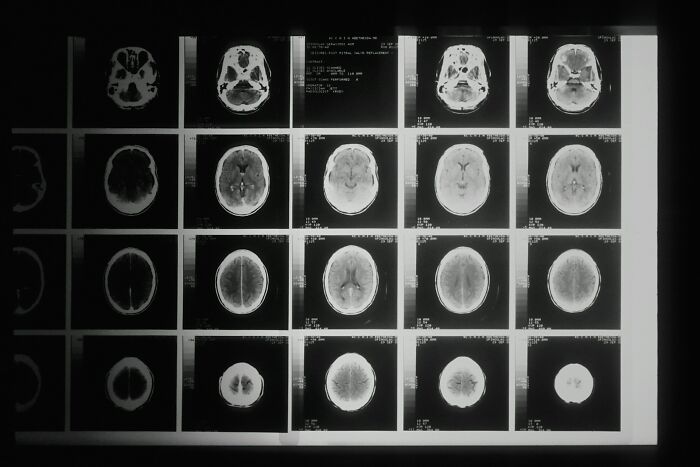 You can literally have multiple strokes and have absolutely no idea until you get a brain scan. You just walk around living your life while these tiny mini-strokes are secretly damaging your brain in the background, until BOOM, one massive one hits you out of nowhere and ends you.
"… a silent stroke is caused by the disrupted blood supply to that part of your brain that doesn’t control any visible functions like speaking or moving". "Silent strokes are more common than other types of strokes that have classic symptoms. According to reports by the American Stroke Association, one in four people over 80 have had one or more silent strokes." (Silent stroke: Everything you need to know, Doral Health and Wellness)
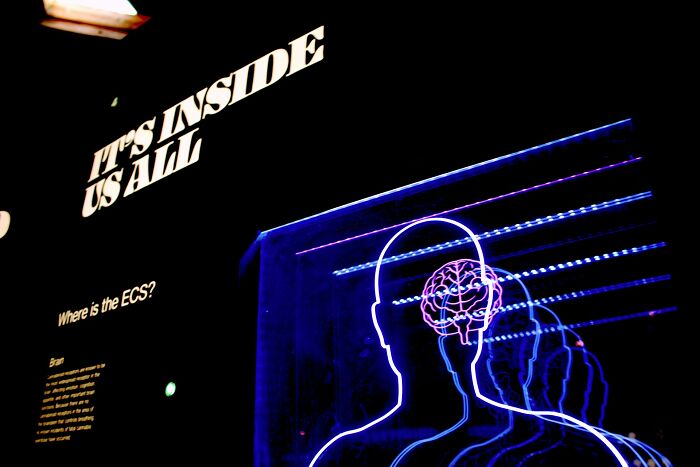 The human brain creates false memories to fill in gaps, that's why there's a disagreement that happens whenever you're talking with your friends about what happened a long time ago.
Scientists are also making new discoveries all the time.
For example, in one study published just this week in the journal Nature, researchers used artificial intelligence to analyze around 27,000 patient scans and medical records. They revealed that the health of the thymus — the little-known gland that sits inside the chest next to the heart and the lungs — may be linked to whether an individual develops cardiovascular disease or lung cancer.
Study’s senior author Hugo Aerts, a researcher at Mass General Brigham, said the finding is in an important “puzzle piece” for understanding long-term health.
Similarly, scientists only recently realized that much of the tissue surrounding our organs contains a hidden network of fluid-filled spaces called the interstitium. It is so extensive that some researchers argue it should be considered a new organ.
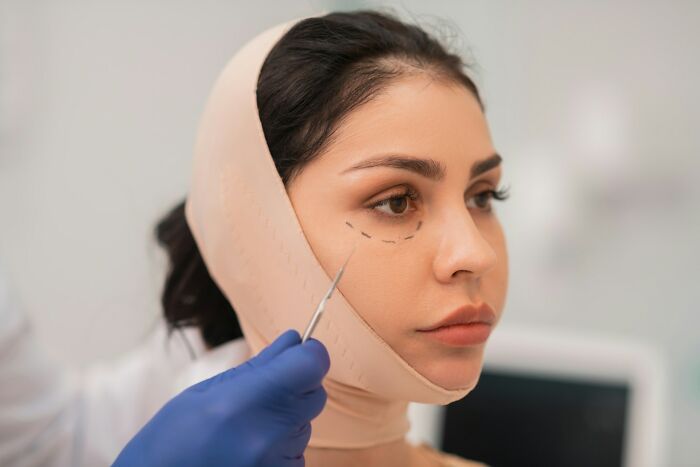 Scar tissue isn't stable, the body has to maintain it. Vitamin C is essential to this process, so one of the lesser known symptoms of scurvy is that all of your old scars dissolve and become open wounds.
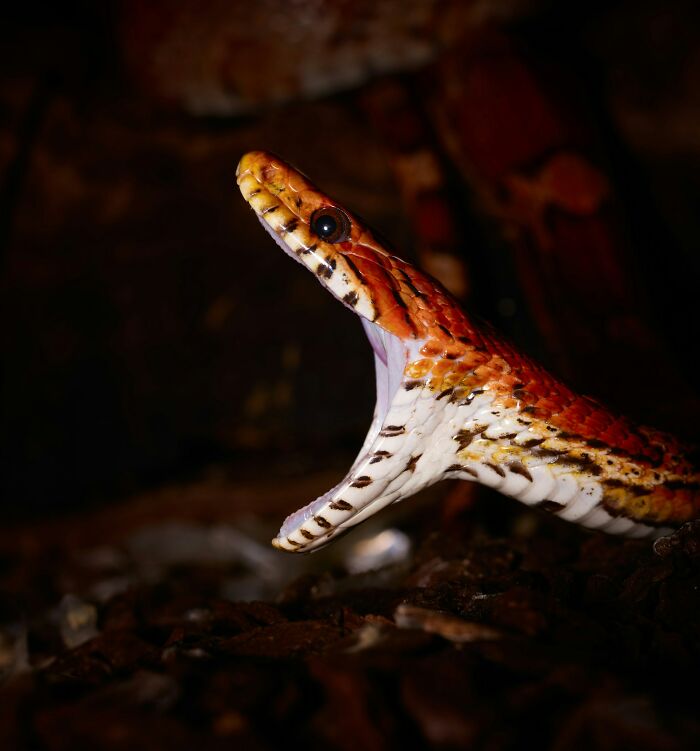 **Your brain has a snake detector:** We possess an ancient, specialized neural pathway dedicated entirely to rapidly detecting snakes. It is an evolutionary leftover from the days when slithering predators were a major threat to our survival.
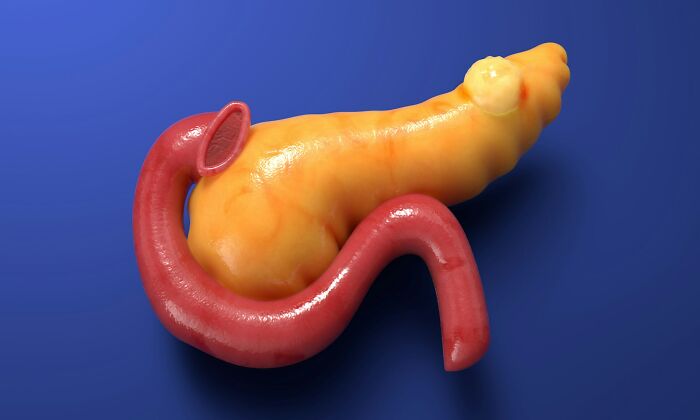 The pancreas produces digestive enzymes. When the pancreas is inflamed (pancreatitis), the digestive enzymes activate prematurely and attack the pancreas itself. In other words, you end up digesting your own pancreas.
These hidden anatomical secrets matter far beyond the operating room. Subtle differences in your nerves, blood vessels, and organs completely change how diseases show up and how doctors read your scans. It also affects how your body handles injuries.
Researchers in 2024 mapped over 1.6 million cells in the human gut and uncovered previously unknown cell states and subtypes. This breakthrough is helping scientists better understand why inflammatory diseases like Crohn’s vary so widely between individuals.
The Gut Cell Atlas is freely available, and the team has developed new processes to allow future studies to be added. It has basically created an evolving and accessible resource for scientists.
 Muscles tear themselves when you exercise. It then rebuilds and becomes bigger once you eat protein.

Can't reply to David because too many downvotes for saying something stupid. Trust me, exercise is important. I pulled my back pretty badly in December (and it responding by simply giving up supporting me, I basically tumbled face first out of bed and took over an hour to get into an upright position), and following weekly exercise sessions (kinesotherapist - however you spell it) plus doing my own exercises at home, my back isn't perfect, but half a year later it is pretty good. Would it have healed if I didn't exercise? Yes, but in a much less mobile state. Those exercises are not so much to "fix" things but to retain mobility. Keeping at the exercises, however, does help to make the muscles stronger (think of pelvic floor exercises).
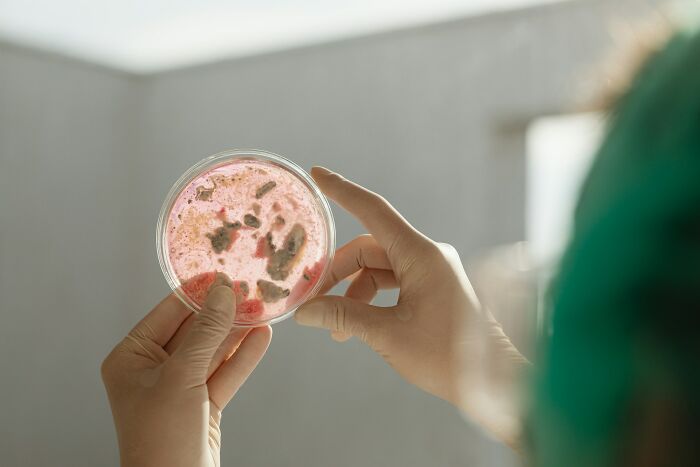 The microbes that live in your body and are absolutely necessary and vital for your survival are also the same ones that will eat you once you are d**d.
Even more interestingly, recent studies have found and matched peptidoglycan in tissues all over the body, including the brain, to strains prominent in the gut microbiome.
So if the first statement made you wonder how they know when we are d**d, the answer is 'they don't '. At every moment your body is fighting the same microbes it depends on to function. And it is a fight it cannot win.
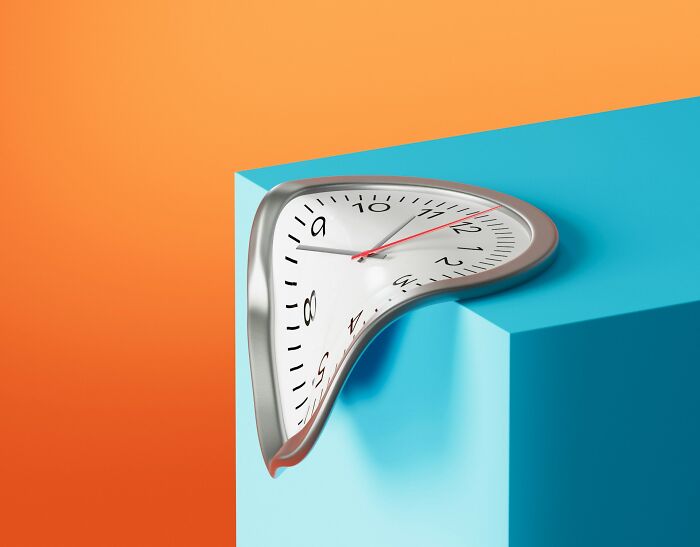 Consciousness lags behind actual events by a fraction of a second, your sense of experiencing things in real time is a constructed illusion.

I think I know an example of this. Like if you look at a clock and the hand to indicate seconds seems to stay still for a tiny bit longer, just once when you first look at it.
One of the reasons we are still clueless about our own insides is that, for decades, medical research funding shifted heavily away from traditional anatomy. Because the human body had been studied for thousands of years, global health organizations mistakenly assumed the discipline was outdated and fully completed.
However, advanced modern scanning tools have triggered a massive revival in the field.
Scientists now recognize that the standard human anatomy shown in school textbooks is only a simplified model.
They also recognize that anatomical atlases are products of both the individuals and the culture that produced them.
 The average number of skeletons in a human body is greater than one. .
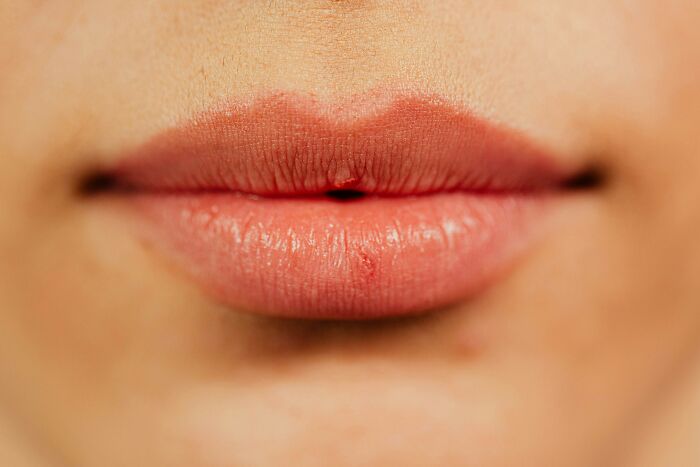 Your mouth makes around 1 liter of saliva daily, which works out to roughly \(40,000\) liters over an average lifetime!
At the same time, medical science is correcting long-standing biases.
For instance, the male body was often treated as the default reference, while female anatomy was highly underrepresented.
“From the very basic fundamental research on cells and animals through to human clinical trials and healthcare delivery, we’ve systematically ignored half the population,” says professor Bronwyn Graham, a psychologist and the inaugural national director of UNSW’s Centre for Gender Equity in Health and Medicine.
This leaves women facing a dangerous medical disadvantage. Today, they are far more likely than men to get misdiagnosed, suffer terrible side effects from prescription medications, and receive subpar treatment for everyday health conditions.
Modern research is now actively, albeit a bit slowly, trying to correct this gap by including more women in clinical trials and building gender-specific datasets.
Rehydration can be done through ur colon.
This is might be true for other animals, but I know for a fact it's true for humans. If you were to literally starve yourself eventually your body starts eating away at itself. First it goes for the stores sugars and simple carbs in you body, then the complex carbohydrates. After that it starts eating away at your fat reserves (thats actually what they are there for, they're reserves for a reason). Finally your body will start eating the protein in your body, meaning muscle and other protein rich tissues. This actually causes bad breath as your body is essentially being decomposed from the inside.
And speaking of the smell of decomposition, that's also why old people have that "old person smell". At a certain age your cells stop replacing the old cells. Previously the old cells would be shed as new cells were formed to replace them, but if you aren't forming new cells to replace them those old cells are basically just sitting there on your body and start decomposing, thus creating the smell.

Old cells do not "sit there" Research shows that old adults smell less intense and more mildly sweet than younger people. 2-Nonenal Production: The skin's natural antioxidant protection decreases, leading to increased lipid peroxides and the breakdown of omega-7 fatty acids. When these fatty acids degrade, they produce 2-nonenal.The Scent Profile: This chemical compound produces a faint, musty, grassy, or mildly sweet odor
 You shed all the time especially when asleep. But instead of it being fur or scales, it's skin cells.
Even as science leaps forward, most of us remain oblivious to our own basic anatomy.
A study of patients and the public revealed that most people are completely incapable of pointing out where major organs are located. This was true even for patients currently receiving medical treatment for those exact organs.
John Weinman led a team of researchers from King's College London to see if our medical knowledge had improved. They expected that better education, heavy media coverage of health topics, and easy internet access would make people smarter about their bodies.
“As it turns out, there has been no significant improvement in the intervening years,” he said.
In their study, less than 47% of people could correctly point out where the heart is located, and nearly 69% completely missed the position of the lungs.
 Your brain eats itself due to lack of sleep.

If you're too smart for your own good and never get any sleep, that's just the body's way of eating up the excess brains.
Every 5 years or so the human body basically does a Ship of Theseus. That is to say within that time every single cell in your body is replaced with new cells. So you are not the person you were 7 years ago. You have all their same memories, scars and you have the same DNA, but you are made up of completely different body parts.
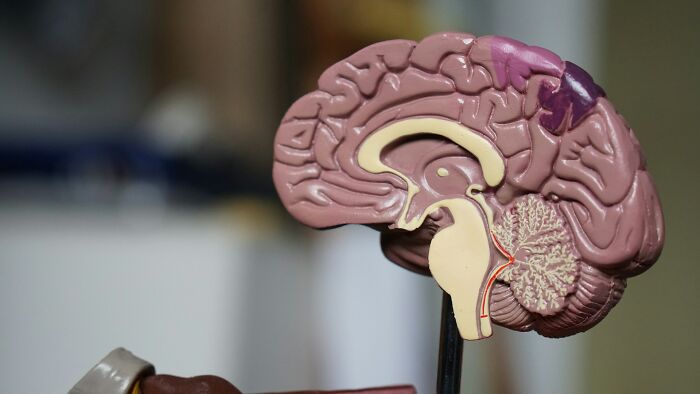 You can get a brain aneurysm at any time. Some factors exacerbate them, sure, but sometimes it’s genetic.
Uncovering these disturbing truths matters because they change how you navigate your own health. When you know the basics, you can spot early warning signs, ask doctors the right questions, and advocate for yourself.
These facts are also a reminder that millions of microscopic processes are firing off inside you right now just to keep you alive. And your daily habits and choices actively dictate how this entire unpredictable ecosystem runs.
Mammary glands are modified sweat glands. Milk is just essentially chunky sweat.
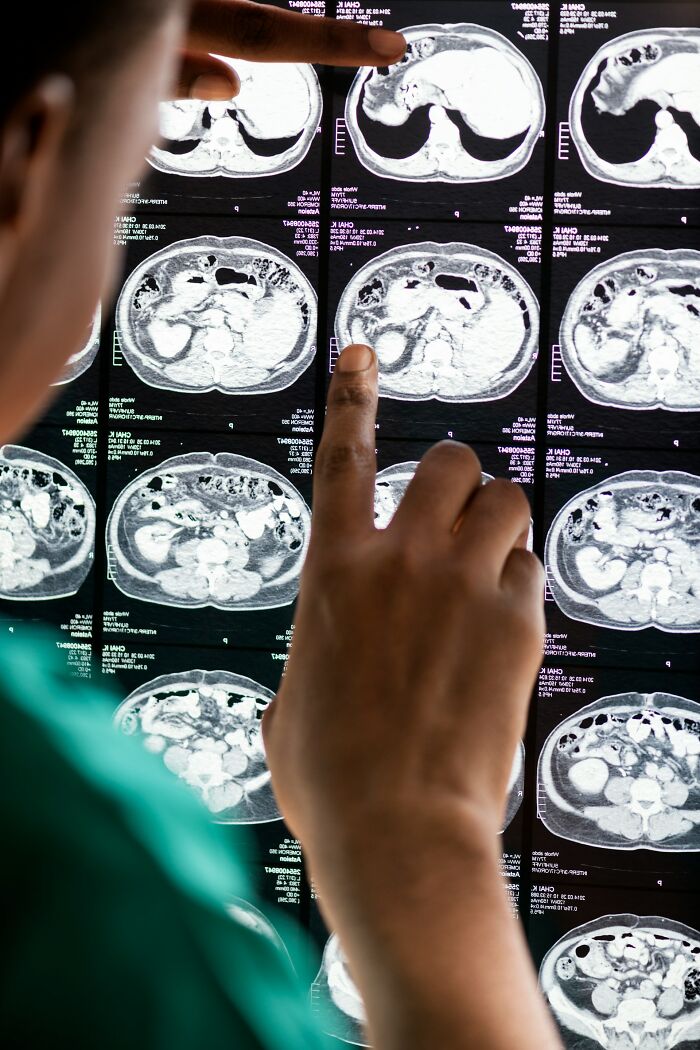 Cancerous tumors can take 40 or more years to reach detectable size. Your binge drinking in college (alcohol is a potent carcinogen) could be the cause of cancer you get diagnosed with after you retire.

Completely depends on the type of cancer. Some "cancers" are very indolent and never grow to any significant size. Some grow very, very fast and k**l you in weeks/months.
Everyday you body destroys a cell that would eventually become a cancer.
Every day your body destroys probably millions of cell that could have become cancer. It's a key component of cell regulation and the immune system.
We have about 100,000 different types of proteins in our body, but only about 22,000 different genes. Some mechanism we don't understand yet "spells" the amino acid sequences for our proteins by combining the RNA transcribed off of various different genes in highly sophisticated ways such that the majority of our proteins are not directly encoded in their entirety in a gene of their own.
This encoding system has all the features of digital information management: it has compression, error correction, polymorphism, inheritance (in the sense of object oriented programming), and others that we don't have corresponding technologies for. It is incredible how sophisticated our hereditary system is.
Our cells are following a simple sequence, what they are programmed to do. They join together to form larger structures that follow more complex sequences, but still programmed (like your bladder doesn't pump blood and your heart doesn't digest food). All of this makes you. Are you programmed? Maybe (and here we can dive straight into some pretty hardcore philosophy).
Your eyes are not part of your immune system, and if your immune system ever discovered them, it would attack them.
That's why if someone is injured in one eye, they could potentially go fully blind due to the immune system "finding" both eyes due to the injury.
The bacteria responsible for damaging the enamel on your teeth are typically endemic to mouths. This means that if you've gotten cavities, it's likely from bacteria that comes from another person's mouth originally.

That's why you're not supposed to share spoons with, or otherwise share saliva with, babies and toddlers - you don't want to introduce harmful bacteria any earlier than necessary.
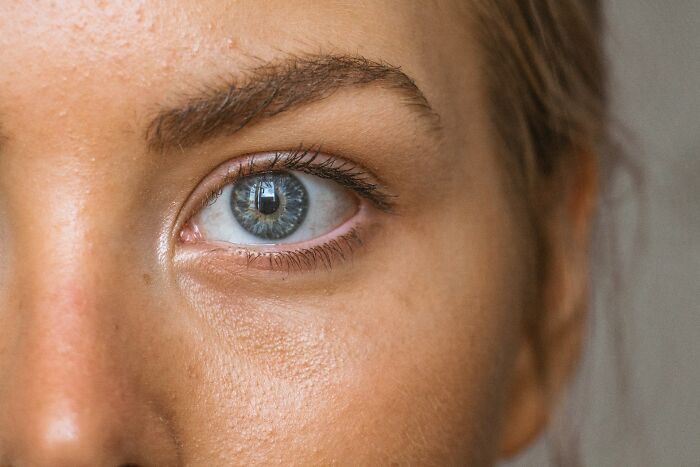 Learned this one years ago and it still messes with me. Pretty much everyone has microscopic mites called Demodex living in the follicles around their nose and eyelashes. They come out at night to move around on your skin, and they have no way to excrete waste their whole life, so it all releases at once when they d*e. Right there on your face.
Busted myth (circa 2023). Electron scanning microscope discovered these things *do* have a pøøphole, it was just too small to be seen *optically* leading people to assume that it doesn't exist.
We never get clean. No matter how intensively you bath, the bathing towel still gets dirty.
 Your tongue will never fit comfortably in your mouth.
The human body is constantly eating itself, a process called "autophagy".
Mitochondria is not a natural part of your body. it's more like a living bacteria that live inside your cells for mutual benefits.

Not true. Mitochondria was originally a bacteria that lived inside our cells, but that was in the early Precambrian circa 2 billion years ago. By about 1.45 billion years ago they had become a natural part of eukaryote bodies.
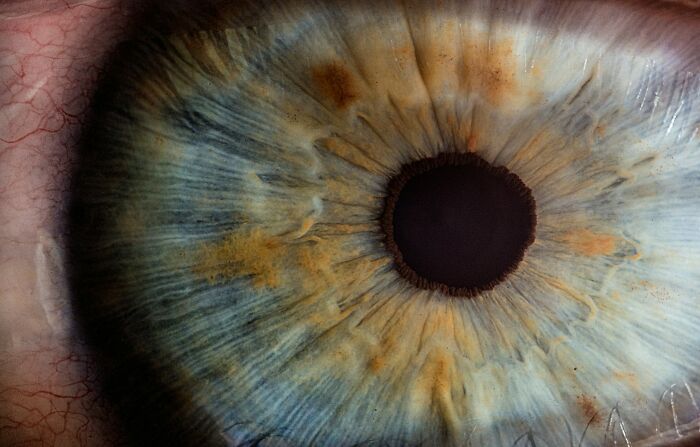 Your immune system does not actually know your eyes exist and if it ever finds out, it will mistake them for foreign parasites and permanently blind you.
"… certain areas of the body have something called immune privilege. This means that the body’s normal inflammatory immune response is limited here. Scientists think the purpose of immune privilege is to protect these important areas from damage that may occur with swelling and higher temperatures from the immune response. The eye is one of a few areas of the body with immune privilege. The eye limits its inflammatory immune response so that vision isn’t harmed by swelling and other tissue changes. Other sites with immune privilege include the brain, t e s t e s, placenta and fetus." (The Eye and Immune Privilege, American Academy of Ophthalmology)
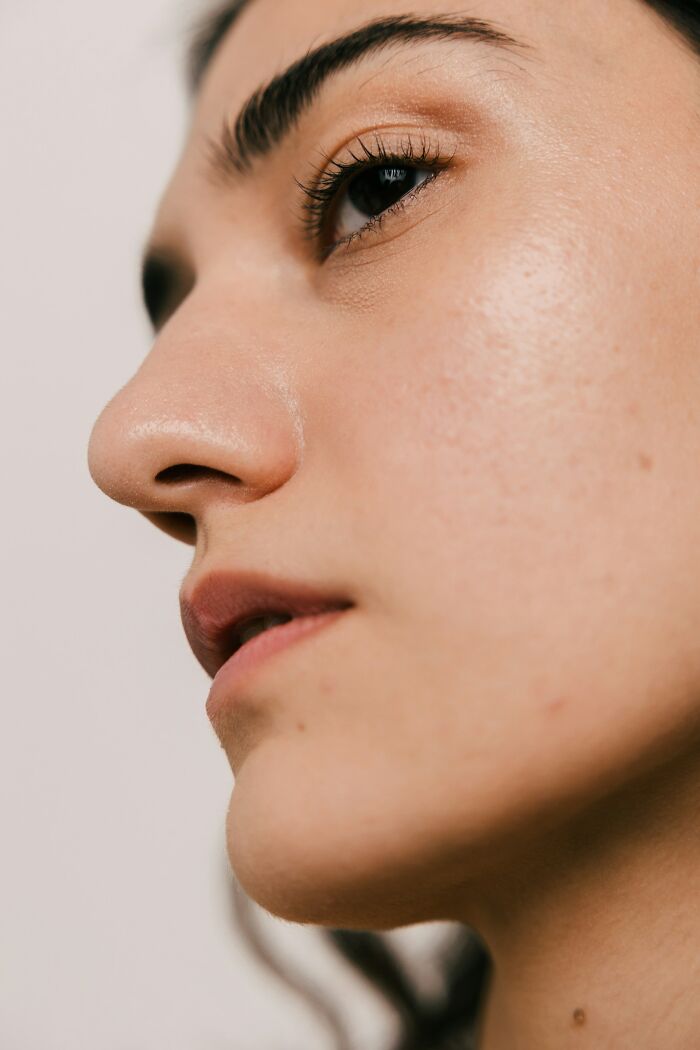 You can’t move your upper jaw, it’s fixed into your skull. All that movement in your mouth is produced by your lower jaw and tongue. This realization gave me a claustrophobic feeling.
Your brain can chew itself to pieces under stress.
A brain does not chew. Not sure what you think you are describing.
Farts can be deadly on the operating table, due to bacteria spreading.
In all my years in medicine I have not ever once heard of this happening. Farts are essentially volatile gases, not fecal matter. I call BS on this one.






























 No fees, cancel anytime