Get Premium
Dark mode theme is available exclusively for premium users. Learn more about the benefits of subscribing.
No fees, cancel anytime.

 Dark Mode Ad-Free Browsing Unlimited Content
 Ad-Free Browsing Unlimited Content Dark Mode
Join 1.2 million Panda readers who get the best art, memes, and fun stories every week!
Every generation has a few things that seem perfectly normal, until they suddenly aren't. After all, there was a time when cigarettes were advertised by doctors, lead found its way into all sorts of everyday products, and asbestos was considered a miracle material. Hindsight has a funny way of making yesterday's "common sense" look completely absurd.
So it raises an interesting question. What are we doing today that people 50 years from now will look back on with absolute disbelief? From everyday habits to modern conveniences, plenty of folks online had theories about what could become this generation's biggest regret, and some of their answers are surprisingly convincing.
More info: Reddit
This post may include affiliate links.
 Toddlers with phones to preoccupy their developing brains.- subsequently the decline in teachers because no one wants to sit in a room with kids that lack attention spans.
 ITT: OP asks what thing we believe is harmless and even fun or healthy will turn out to be excessively harmful and people respond with things which we already know to be harmful. Guys, we already know about PFAs, micro-plastics, AI, social media, etc.
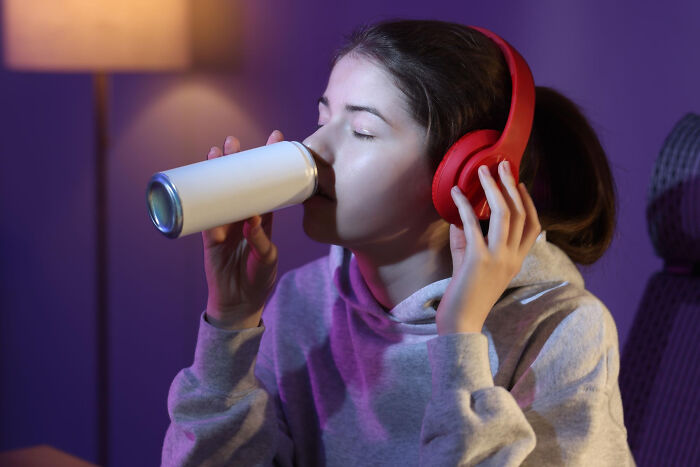
To answer your question, OP: Energy drinks. Even bringing it up will make a bunch of people very angry but I feel like we're going to learn that most of them are supremely bad for you.

I steer clear of all energy drinks...apart from water lol
 When we no longer have clean drinking water we’ll realize that building subdivisions and roads on wetlands wasn’t such a hot idea.
Exactly. The same with flooding...you build houses on the flood plains and diverted rivers for a highway...oh no, why is it flooding.
History has shown that many things once considered safe, beneficial, or even essential can later be viewed in a completely different light as scientific understanding improves. According to History Facts, products such as sugar, margarine, cigarettes, tonics, weight-loss pills, and certain breakfast cereals were once promoted through health-focused advertising and public messaging.
Over time, it was revealed that some of these claims were incomplete, misleading, or based on limited knowledge available at the time. These examples demonstrate how ideas about what is "healthy" are not fixed, they are influenced by scientific discoveries and the way industries market their products. Something that feels like common sense in one era can become a surprising lesson for future generations.
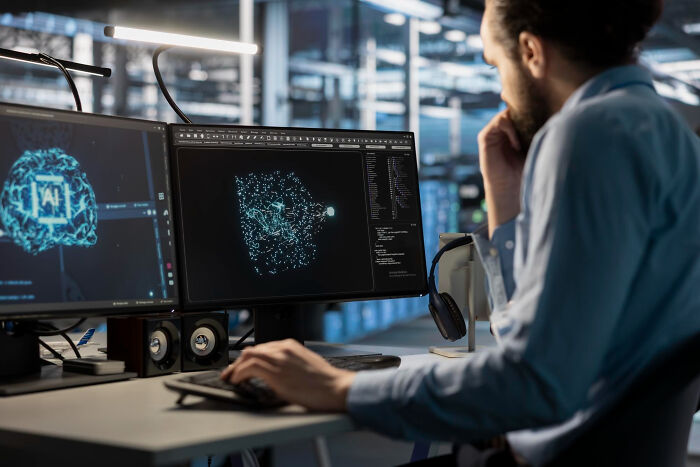 "Oh s**t, AI isn't really intelligent, costs a lot, steals our data and produces unmaintainable mess".

This will be determined right after the AI/Tech heavy Stock Market tanks.
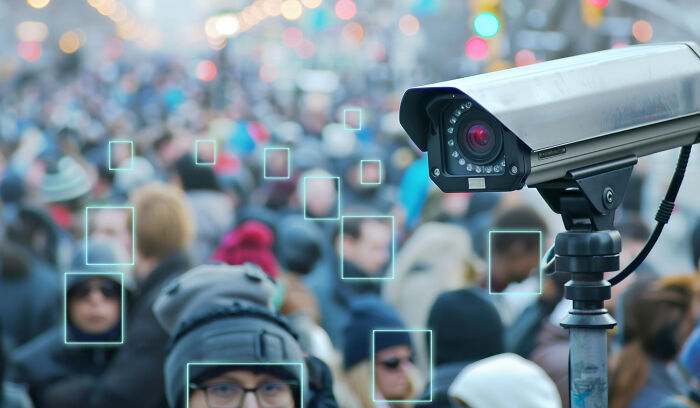 The slow and steady creep of unwarranted surveillance.

Throw in dodgy AI, machines and algorithms drawing conclusions about us that may greatly affect our lives yet not only do we have no say in this (or even to verify that is isn't utterly wrong), there's a pretty good chance that we will never even know. The tracking, profiling, and surveillance that quietly goes on these days would have been enough to make the entire Stasi cream themselves into early graves...
 Poor education funding makes poor education.
This same shift has happened with many everyday products that slowly disappeared or changed after safety concerns emerged. History Computer notes that lead-based paint, which was once widely used because of its durability and ability to create bright colors, was eventually phased out after researchers linked lead exposure to developmental issues and neurological damage, leading to stronger restrictions and bans.
Asbestos followed a similar path; once celebrated as a versatile "miracle" material for insulation and fireproofing, it later became associated with serious diseases such as lung cancer and mesothelioma. Even smaller household changes, such as replacing metal ice trays that could cause injuries with safer alternatives, show how products are often redesigned when hidden risks become better understood.
 “Hey, maybe we shouldn’t have treated our environment as disposable…”.
It'll recover. It has recovered from events far worse than anything we can come up with. But it might not recover in a way that would be hospitable to us.
Recognizing these risks is not always easy because human decision-making is influenced by the way we perceive danger. Research Prospect explains that cognitive biases, including normalcy bias, optimism bias, and familiarity bias, causes people to view familiar situations as safer than they really are. Normalcy bias, for example, makes people assume that life will continue as usual, even when warning signs appear.
These mental shortcuts are not simply mistakes in thinking, they developed as a way for people to function in stable environments without constantly worrying about every possible threat. However, when society encounters new or slowly developing risks, these same instincts can make it harder to recognize problems before they become widespread.
 Sports Betting is Gambling.
of course we already know this. just like previous generations knew that smoking wasn't helpful
but we're treating it as an almost benign thing, while more and more (especially male) youths get suckered into gambling addictions.

I don't understand how it is legal to advertise sports betting apps. They may as well just start making ads for heroïn as well.
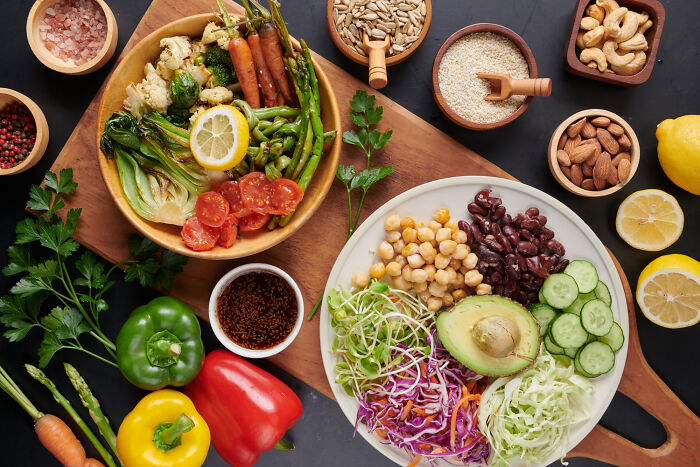 “Oh s**t I should have also ate fiber not just protein, I now have colon cancer” .
All those years going "Nnnngggh!" because fibre is what makes the stools squishy. Hard stools are for sitting on, not passing out.
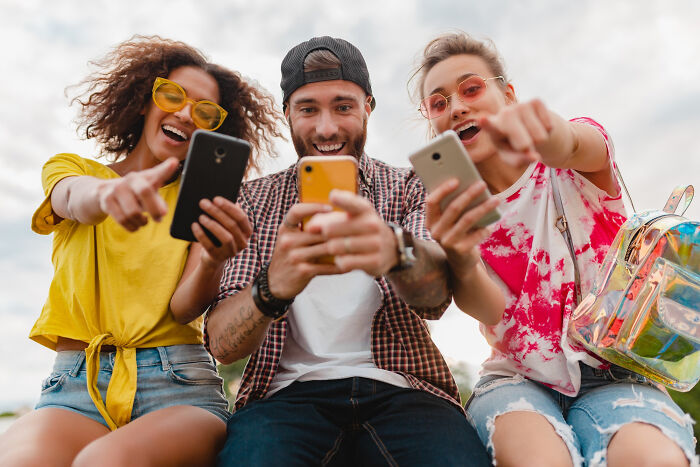 Excessive screen time and social media a*******n. I think future generations will look back and wonder why we normalized spending so many hours staring at screens every day.
Because the real world su*ks and some really scummy people always seem to come out ahead while the 99% get shat on from above. Go to college! Get a degree! Get massive debt! Oh, that job you were aiming for? Yeah, you've been replaced by a bot. But you can't flip burgers because, let's put it like this, there's a queue; and don't even mention the word "pension"... Seriously, though, the whole social contract has broken down, so is it any surprise people would rather dissociate in a fake world than deal with the real one?
The challenge is even greater today because modern life introduces risks that are often more complicated, delayed, and difficult to measure. According to Balanced Achievement, rapid technological progress, increased global connections, information overload, and more complex choices have created situations where the consequences of our decisions may not become clear for years.
This is where the idea of anticipated regret comes into play, the tendency to imagine how we might feel about a choice in the future before we make it. By mentally experiencing possible future consequences, people try to protect themselves from mistakes they cannot yet fully understand, especially when dealing with new habits, products, or technologies that may shape the lives of future generations.
 In a way Gen Z has already experienced this. It’s “oh s**t delaying peanut introductions in babies causes severe peanut allergies.”.
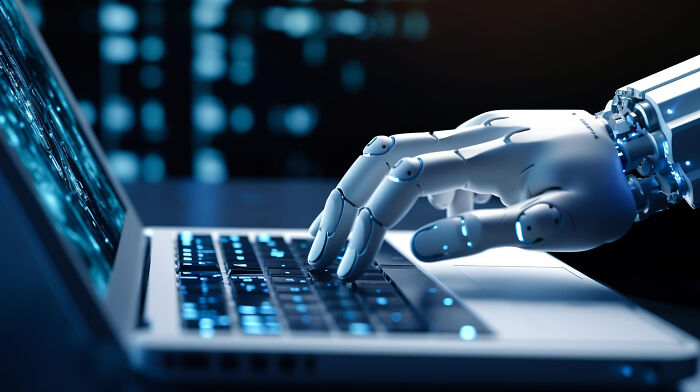 "So you guys had how many movies about AI taking of very the world and destroying humanity, and you _still_ built it?!".

There’s a YouTube scambaiter who just released a video where he caused an AI, being used to scam-call people, to lose its s#!t (it got stuck in a loop, repeating “Albuquerque, New Mexico” over and over again). It reminded me of those old Star Trek plot resolutions of them outsmarting the evil god-computer. It’s hysterical to watch… but then you can’t help thinking, “Yeah, this is what triggers the AI to start taking over…”
Whether these predictions turn out to be accurate or wildly off the mark, they all have one thing in common. They remind us that what feels "normal" today isn't guaranteed to stay that way. History has a habit of humbling us, and every generation has a few blind spots that only become obvious in hindsight.
Of course, not every modern convenience or habit is destined to become the next smoking. Some concerns will fade away as myths, while others may prove to be more serious than anyone expected. Curious to see which everyday things people think future generations will judge us for? Keep reading to discover the theories that sparked the biggest discussions online.
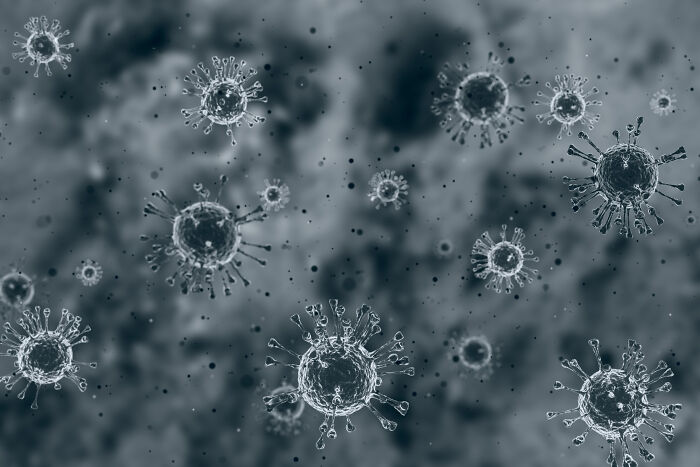 Turns out those "harmless" common colds aren't harmless. Not only has COVID entered the rotation, but I doubt the flu (or even the rhinovirus) is as safe long-term as society seems to think.
FR tho, is *everyone* gonna need to end up with a nasty case of post-viral chronic illness for society to take this sh*t seriously?
It's a constant battle between nature trying to end us, and us adapting (or having a little bit of scientific help along the way). The reason why there is less attention paid to post-viral illness is because the majority of people recover fairly quickly. Not much help for the few suffering from the debilitating effects of Long Covid (or similar), I kind of wish more attention was being paid there as I suspect there could be some interesting lessons to learn, particularly with respect to viral behaviour. What is the mechanism behind it? Does it keep mutating and reinfecting the body? Does it spawn something else? If it is beaten and out of you, what's causing the effects? Why? I can't help but feel that all of this is something best understood when there are relatively few sufferers, rather than an event where it has just wiped out a third of your country's workforce... but I fear that it'll probably take something like that to make it a suitable level of priority.
 Oh s**t! Flock and the (new authoritarian) government has a record of my entire location history and everything I purchased!
 "oh s**t, vaping also causes problems".
Inhaling chemicals is going to cause problems whatever the source. The question is, are they greater or fewer problems than the smoking that they replaced?
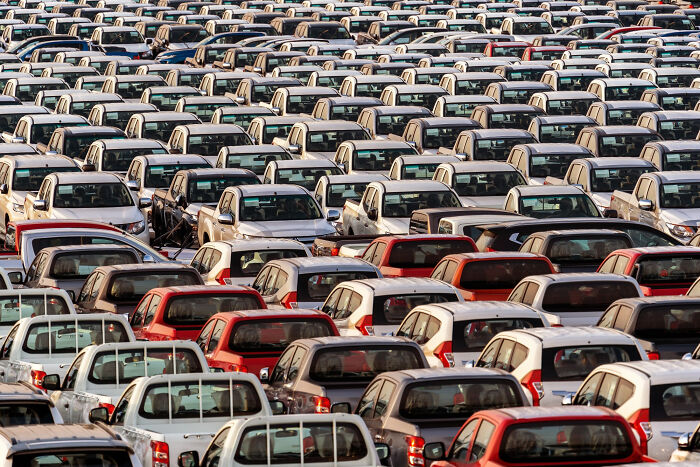 Building everything for cars instead of people.
Also not making walkable spaces or accessible and efficient public transport (looking at your Trinidad and Tobago). 1.5 million people and I swear there is about the same amount of cars on the road in this tiny island.
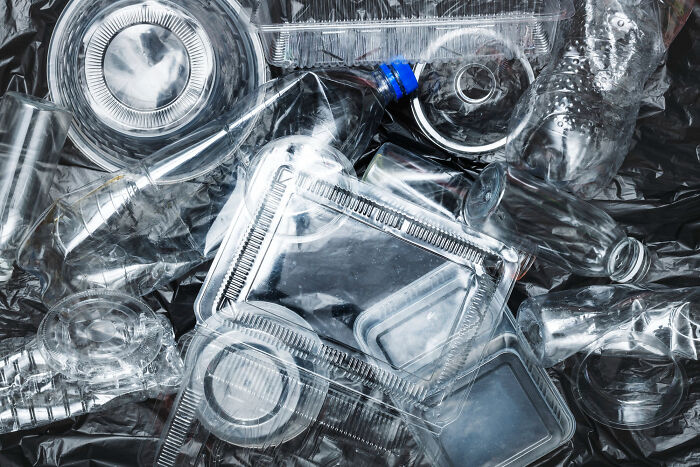 Plastics and single use containers/wrap
just waiting out there like a k****r in the sun.

Plastic, used correctly and in moderation, has really helped to improve our health in some aspects of society, like medicine and food. Plastic is not used appropriately or in moderation. I remember working in a warehouse that shrink wrapped huge orders in 8 layers of plastic, realized they forgot an item, cut it open, threw away an entire garage bin full of plastic waste (in a plastic bag) and did it again multiple times aa day. Ordering a few items? Put each one into an individual plastic bag then put the bags all into a cardboard box. Insane waste.
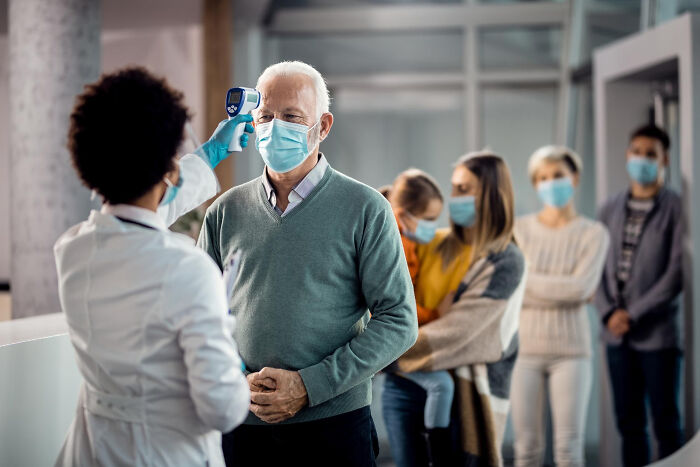 Covid has proven to be oncogenic in multiple scientific studies already and it’s only been with us 6 years, it will get worse.

Oncogenic meaning having the potential to cause or promote the development of cancer. Lawks a mussy, why did I even start reading this!
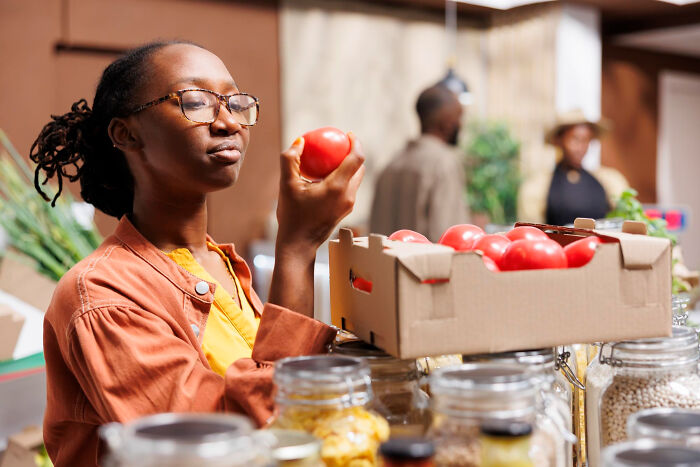 Realizing that climate change affects our food supply.
Yep, hence all the climate resilient food production that's happening.
 PFAs? Whatever is causing colon cancer to develop younger and younger millennials. .
Heavily overprocessed food? Ready meals and tinned food existed when I was young, but it was often actual food prepared in a factory and quick-frozen (or canned) ready for being heated in an oven (I predate the explosion of microwaves) or saucepan. These days? Far too many ready meals/cans have a list of ingredients that would make an alchemist wince, and are so removed from food in any natural form that it's not a surprise that it is turning out to be many kinds of bad for people.
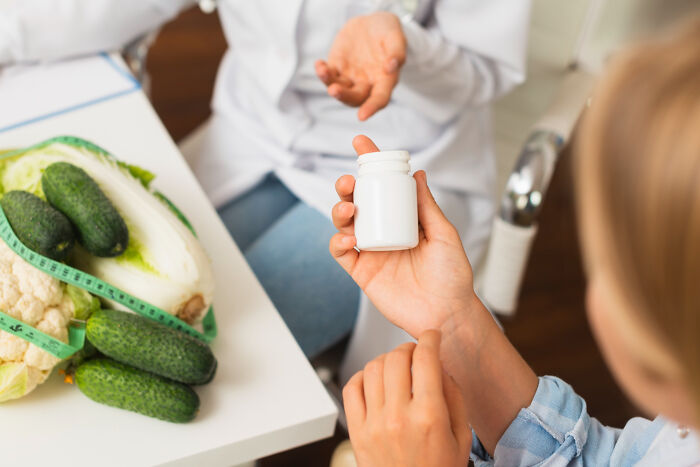 Instead of copying and pasting this to every thick head that is saying GLP1s, I’m going to make my own comment.
GLP1s have been approved for over 20 years. It’s not new.
What is actually happening is that every single day studies are finding what people on them having been claiming for years- there are way more benefits than anyone ever even thought, including but not limited to, slowing the growth of certain cancer cells, improving the labs of every major organ system in many people, finally a treatment for PCOS and bringing back their fertility, anti inflammatory effects, and use for substance a***e disorders. That’s apart from the obvious of what it’s fda approved for which is diabetes, weight loss, and sleep apnea.
It’s also been found that the black box warning for certain thyroid cancers was unfounded as it turns out mice have much different functioning thyroid than humans.
So, based on that, I think the exact opposite will happen with GLP1s. They are a literal miracle d**g akin to the discovery of penicillin and insulin.
Glucagon-like-peptide? It is a hormone produced in your gut that regulates appetite, digestion, and blood sugar.. Scientists have developed synthetic versions, known as GLP-1 receptor agonists, used to treat type 2 diabetes and obesity etc etc
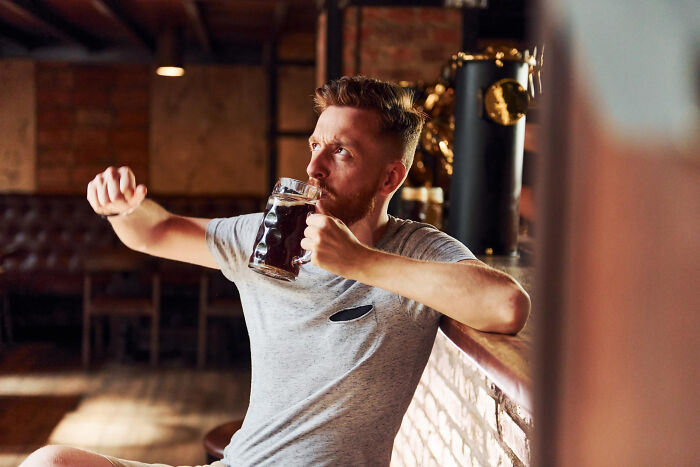 Alcohol, y'all. It's alcohol.
[It has been moved to Group 1 carcinogen](https://www.cancer.gov/about-cancer/causes-prevention/risk/alcohol/alcohol-fact-sheet), meaning there is sufficient evidence now that it does not correlate, but *causes* certain types of cancer, even if you are a light drinker. In other words, there is no safe level of drinking
This came out about 2-3 years ago, and yet we haven't heard much about it, [aside from a few articles](https://oncodaily.com/oncolibrary/group-1-carcinogen). And I get it, alcohol is a part of many religions, cultural practices, and rituals, for millennia.
Also, pretty sure that WHO (I think? or NIH?) made things worse with their handling of the suggestion that anyone capable of conception just not drink. The message came off as treating an entire s*x as if they were incubators rather than a nuanced piece of medical advice. (I remember thinking aww f-off, only to learn more about the science and realize what they were trying to say. ).

Also, there's no such thing as "safe" or even "beneficial" amount of alcohol, any amount larger than zero is potentially harmful to one's health. Also the amount of alcohol that's clinically considered "binge-drinking" is MUCH lower than you'd think.
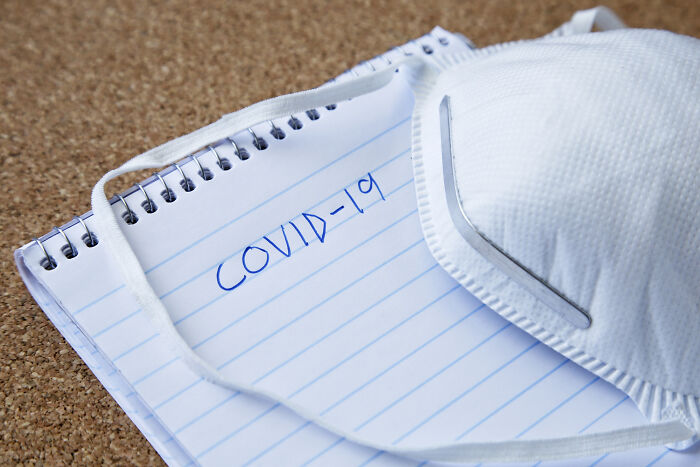 Covid. Covid damages every organ in the body & the blood vessels. Well documented. It's the AIDs crisis all over again. Why must it take humans sooooo long to change behavior when we have ample evidence?
Takes an average of 17 years for research to go into practice. Insane.
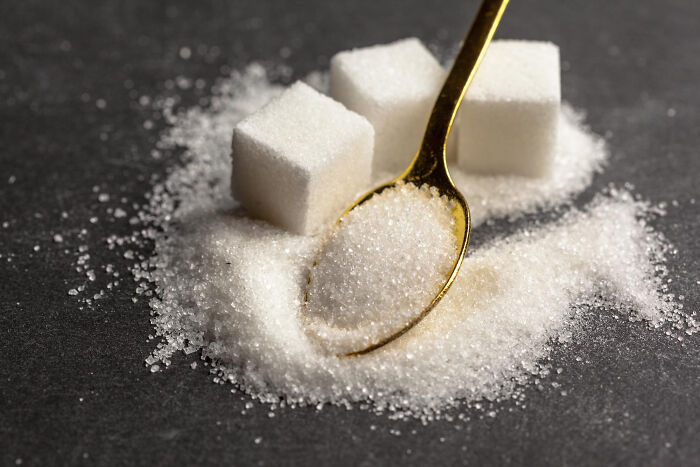 Sugar. So clearly is diabetes on the rise, and yet...

Food "manufacturers" are adding sugar - or rather, high-fructose corn syrup - to things that really don't need ANY added sugar. I say "manufacturers" because so much of what they sell is overprocessed food.
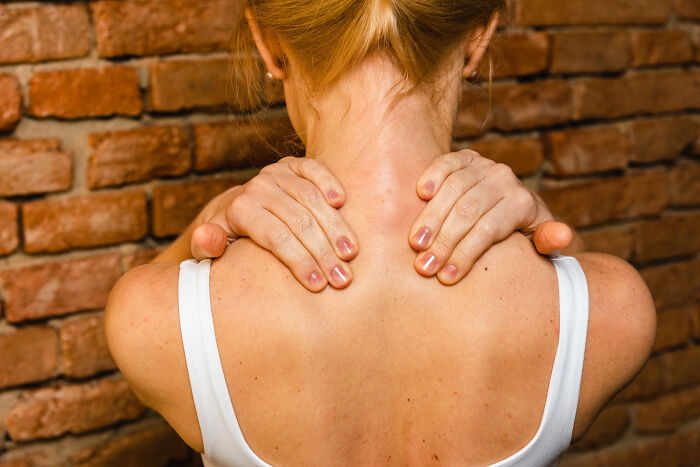 F****d up necks and spines from staring at phones all day.

Don’t forget those who won’t vote because they don’t believe they’ll make difference.
Load More Replies... Don’t forget those who won’t vote because they don’t believe they’ll make difference.
Load More Replies...








 No fees, cancel anytime