Get Premium
Dark mode theme is available exclusively for premium users. Learn more about the benefits of subscribing.
No fees, cancel anytime.

 Dark Mode Ad-Free Browsing Unlimited Content

 Ad-Free Browsing Unlimited Content Dark Mode

Join 1.2 million Panda readers who get the best art, memes, and fun stories every week!
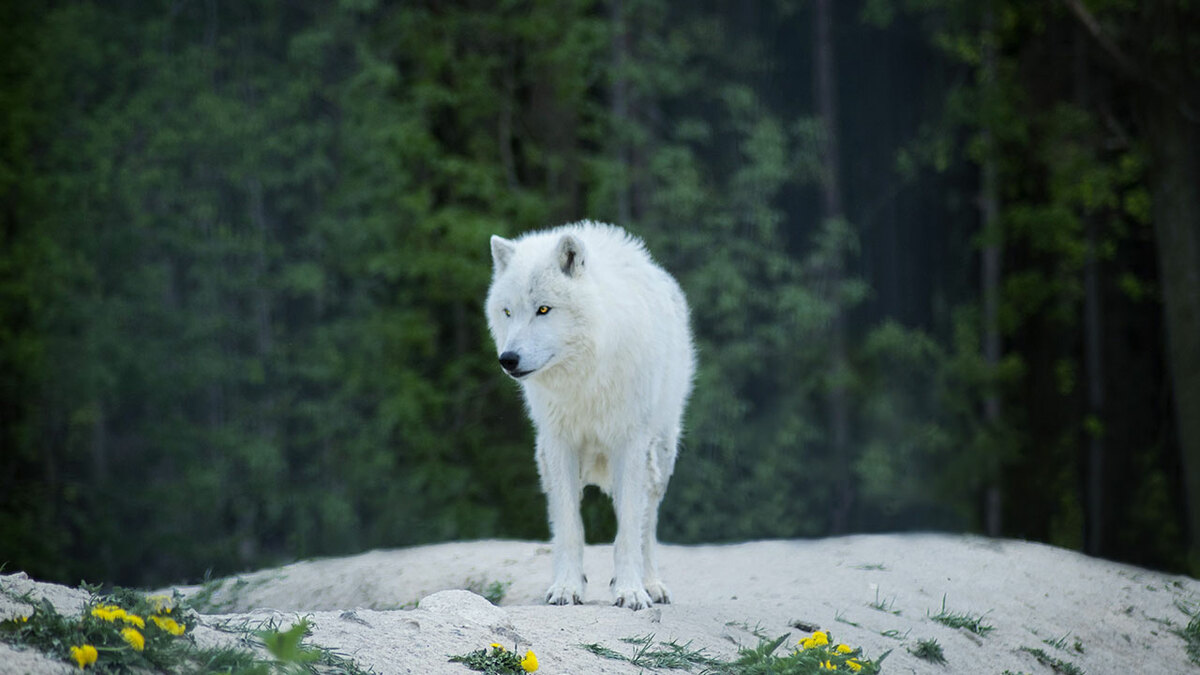
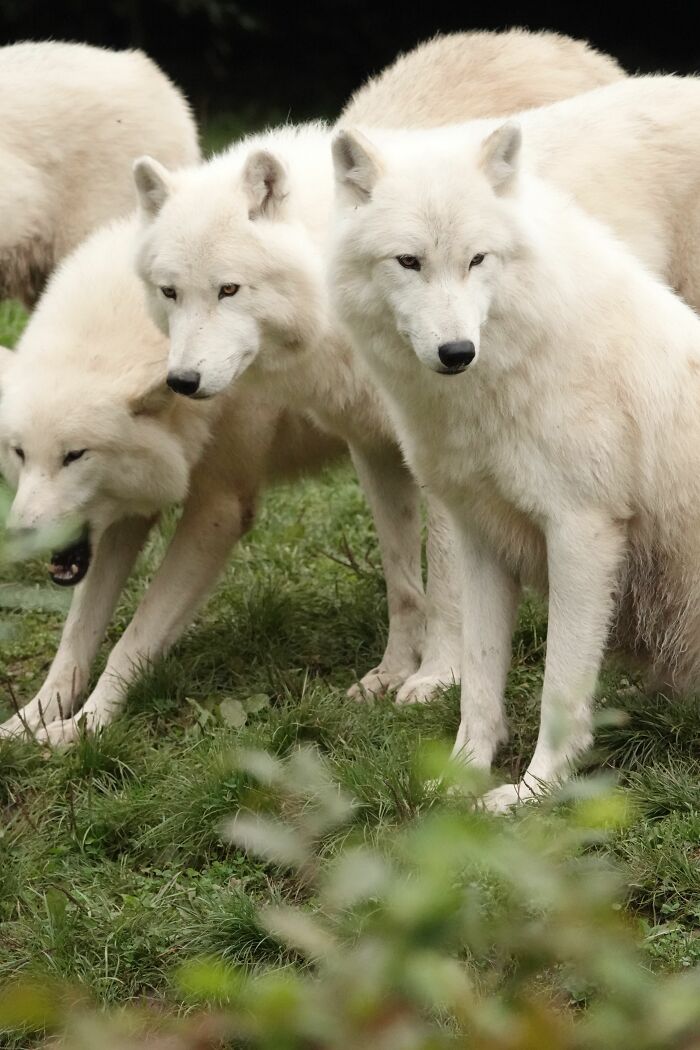
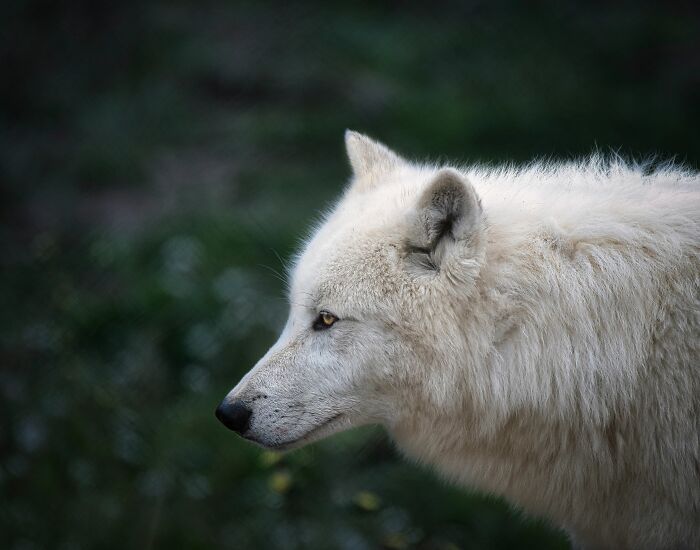
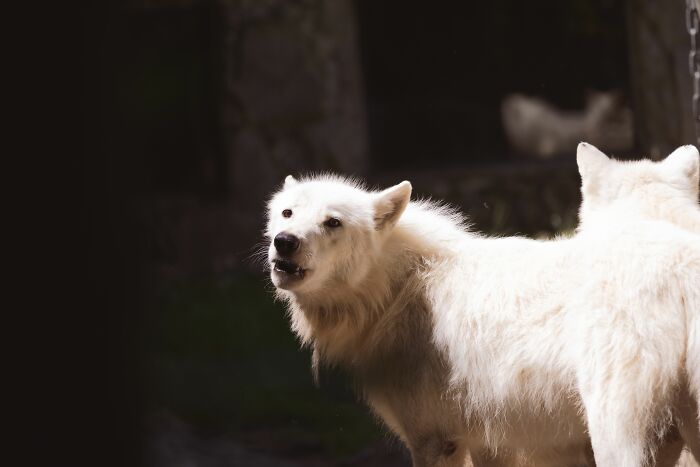
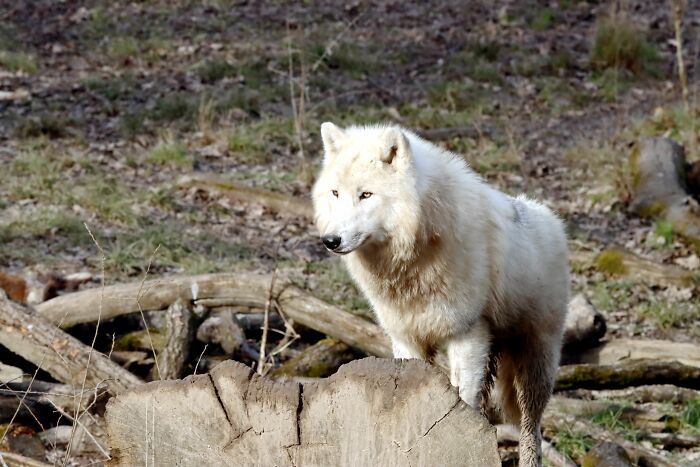
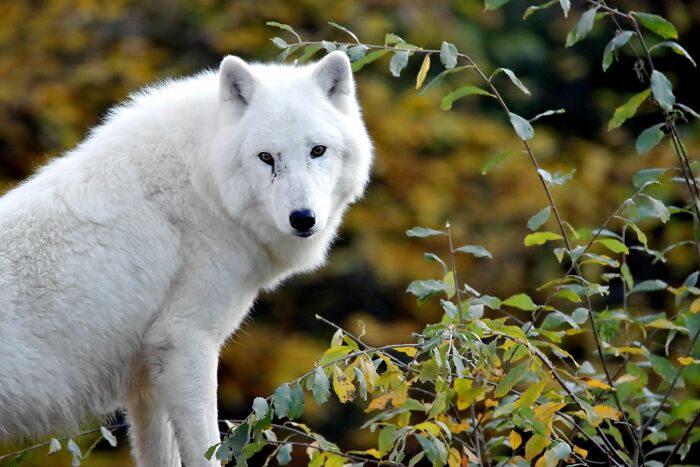
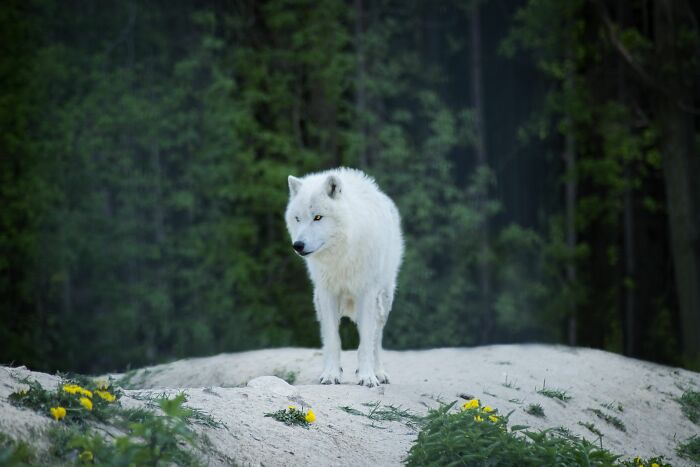
Romulus and Remus, the gene-edited wolves created by Colossal Biosciences, have turned two, and the company says they have reached the size researchers predicted from dire wolf fossil records. Along with their younger sister, Khaleesi, the brothers are healthy and thriving under human care, giving scientists a rare opportunity to study how genetically engineered animals develop over time. The trio was introduced to the public in April 2025, when Colossal announced that it had edited gray wolf DNA to recreate selected traits of the extinct dire wolf, which disappeared more than 10,000 years ago. Although the animals resemble their ancient relatives, they are genetically edited gray wolves, not exact genetic copies of the extinct species.
According to a health report obtained by PEOPLE in October 2026, Romulus now weighs 61 kg (134 pounds), while Remus weighs 60.25 kg (about 132 pounds). Both are in ideal body condition, and their growth plates have closed, indicating that they have reached their full size. Their measurements match estimates from a 2006 study of dire wolf fossils discovered at the Rancho La Brea fossil site in Los Angeles. The brothers also weigh roughly one-third more than an average gray wolf. Colossal’s chief science officer, Beth Shapiro, told PEOPLE that the genetic edits were intended to give the animals larger, more muscular bodies and the white coats associated with dire wolves. Now that the brothers have reached adulthood, the team says their size matches its expectations.
Matt James, Colossal’s chief animal officer, says the team has conducted extensive examinations over the past two years, including CT imaging, scans, and blood tests. According to the company, the results have been encouraging, with both brothers and their sister showing good overall health. Their size is particularly striking in person: James, who stands 6 feet 4 inches tall, says their shoulders reach just below his hips. Shapiro also remembers meeting Khaleesi when she was around six months old, when the young wolf ran up to her and placed her large paws on her shoulders.
Khaleesi is now 20 months old and weighs 46.35 kg (102 pounds). She measures approximately 94 centimeters (37 inches) at the shoulder and 201 centimeters (about 6 feet 6 inches) from nose to tail. Unlike her brothers, she is still growing and is expected to remain around 20% smaller than them, which James says is normal for a female. Khaleesi also has an unusual genetic characteristic: all three wolves were cloned from the same male gray wolf donor and carry XY chromosomes, but the gene that typically triggers male development did not activate in her. According to the report, similar cases have been documented in dogs and a wild gray wolf in Alaska. Shapiro told PEOPLE that Khaleesi is healthy despite this finding.
The team recently spayed Khaleesi and used the procedure to examine her reproductive tract. According to the health report, she received anesthesia through a hand injection at the enclosure fence while being petted, without being restrained, and was eating again within hours of surgery. The three wolves will not be bred together because they share the same genetic line. Instead, James says Colossal plans to expand the pack by introducing wolves from different genetic backgrounds to increase genetic diversity before relying on natural breeding in future generations.
The latest examinations have revealed few health concerns. Imaging found no masses, stones, or structural disease, while examinations of the wolves’ hips, spines, and teeth, along with their bloodwork, returned normal results. Their only reported illness over the past two years was intestinal coccidiosis, which they developed as juveniles and have since recovered from. The veterinary team continues to monitor one minor finding: all three wolves have slightly wider-than-expected collecting spaces in their kidneys. The company believes this variation may have been inherited from their genetic donor.
The wolves have also developed distinct personalities. Although Romulus is slightly larger than his brother, Remus appears to lead the pack, with both Romulus and Khaleesi deferring to him. “He’s got a little Napoleon in him,” James joked. Khaleesi is the most comfortable around people and often seeks attention from her keepers, while her brothers tend to keep their distance. The trio has also begun hunting together on the preserve where they live, catching rabbits and pursuing deer. They will remain in this protected environment rather than being released into the wild.
For Colossal, the wolves’ development offers more than an opportunity to study animals with traits resembling those of an extinct species. The company says the experience is helping its team understand how to care for and monitor gene-edited animals over time. That knowledge could inform other conservation projects, including efforts involving species threatened in their natural habitats. One example is Colossal Australia’s work with quolls, small spotted marsupials that can die after eating invasive cane toads. The company says it created a quoll with a single DNA change intended to make it resistant to the toads’ toxin.
Shapiro believes gene editing could help conservationists respond to environmental changes that happen faster than some species can naturally adapt. Rather than waiting for a beneficial genetic change to spread through a population over many generations, researchers may be able to introduce certain traits more quickly. However, the approach remains one tool among many in conservation, and its long-term effects need careful assessment. As Shapiro explained to PEOPLE, gene editing could speed up evolution when habitat changes outpace natural selection.


This article and its title promote misinformation. These are NOT dire wolves in any way, shape, or form. They are 100% genetically gray wolves with a FEW gene edits to their external appearance to make them "look" more like what the research team THOUGHT that dire wolves "should look like". The BP article does state this, but many people overlook this - dire wolves were not even "wolves" as we understand the term today. They were ancient canids in the extinct genus Aenocyon. The canid that became the dire wolf split off from the canid that became the modern gray wolf 5.5 to 6 million years ago. You cannot "bring back" the "dire wolf" with a few gene edits to a modern gray wolf, because the modern gray wolf's ancestors are/were NOT the dire wolf. Colossal Biosciences has spread a lot of BS about these "dire wolves" and (as you can tell) it really angries me up XD I love wolves and extinct animals (bring back the thylacine!!) but this misleads people.
Final thoughts - there is no evidence that real dire wolves were white and incidental evidence that they absolutely would NOT have been white-furred. They were plains/grasslands hunters and white fur would have been incredibly visible to the prey they were hunting. Colossal Biosciences purposefully gave these wolves white fur so that people would think of Ghost, the dire wolf from Game of Thrones. Additionally, real gray wolves are still threatened/endangered, and "phenotypic proxies" like these gene-edited "dire wolves" can sometimes work against extant endangered species. These wolves, while cool, are unable to be released into the wild OR bred to existing real gray wolves in order to improve the gene pool/conservation of the real gray wolf. They're really neat, but they're just a novelty and a weird "status symbol" for Colossal Biosciences. They are, in essence, of no value to conservation, preservation, actual science, or the protection of the real gray wolf.
Load More Replies...

"Just because we can, doesn't mean we should".
Load More Replies... This article and its title promote misinformation. These are NOT dire wolves in any way, shape, or form. They are 100% genetically gray wolves with a FEW gene edits to their external appearance to make them "look" more like what the research team THOUGHT that dire wolves "should look like". The BP article does state this, but many people overlook this - dire wolves were not even "wolves" as we understand the term today. They were ancient canids in the extinct genus Aenocyon. The canid that became the dire wolf split off from the canid that became the modern gray wolf 5.5 to 6 million years ago. You cannot "bring back" the "dire wolf" with a few gene edits to a modern gray wolf, because the modern gray wolf's ancestors are/were NOT the dire wolf. Colossal Biosciences has spread a lot of BS about these "dire wolves" and (as you can tell) it really angries me up XD I love wolves and extinct animals (bring back the thylacine!!) but this misleads people.
Final thoughts - there is no evidence that real dire wolves were white and incidental evidence that they absolutely would NOT have been white-furred. They were plains/grasslands hunters and white fur would have been incredibly visible to the prey they were hunting. Colossal Biosciences purposefully gave these wolves white fur so that people would think of Ghost, the dire wolf from Game of Thrones. Additionally, real gray wolves are still threatened/endangered, and "phenotypic proxies" like these gene-edited "dire wolves" can sometimes work against extant endangered species. These wolves, while cool, are unable to be released into the wild OR bred to existing real gray wolves in order to improve the gene pool/conservation of the real gray wolf. They're really neat, but they're just a novelty and a weird "status symbol" for Colossal Biosciences. They are, in essence, of no value to conservation, preservation, actual science, or the protection of the real gray wolf.
Load More Replies... "Just because we can, doesn't mean we should".
Load More Replies...


































 No fees, cancel anytime








30
9