Get Premium
Dark mode theme is available exclusively for premium users. Learn more about the benefits of subscribing.
No fees, cancel anytime.

 Dark Mode Ad-Free Browsing Unlimited Content
 Ad-Free Browsing Unlimited Content Dark Mode
Join 1.2 million Panda readers who get the best art, memes, and fun stories every week!
39submissions
1week left
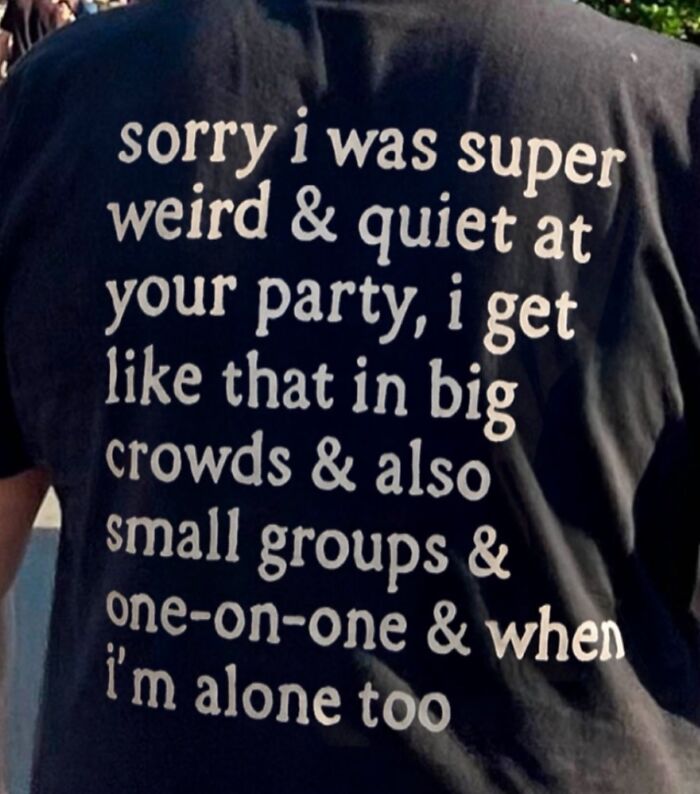
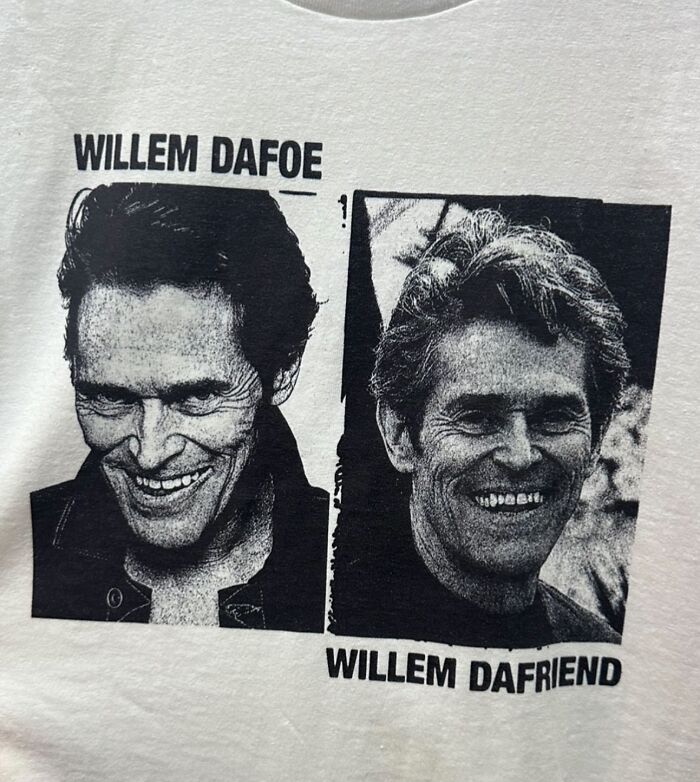
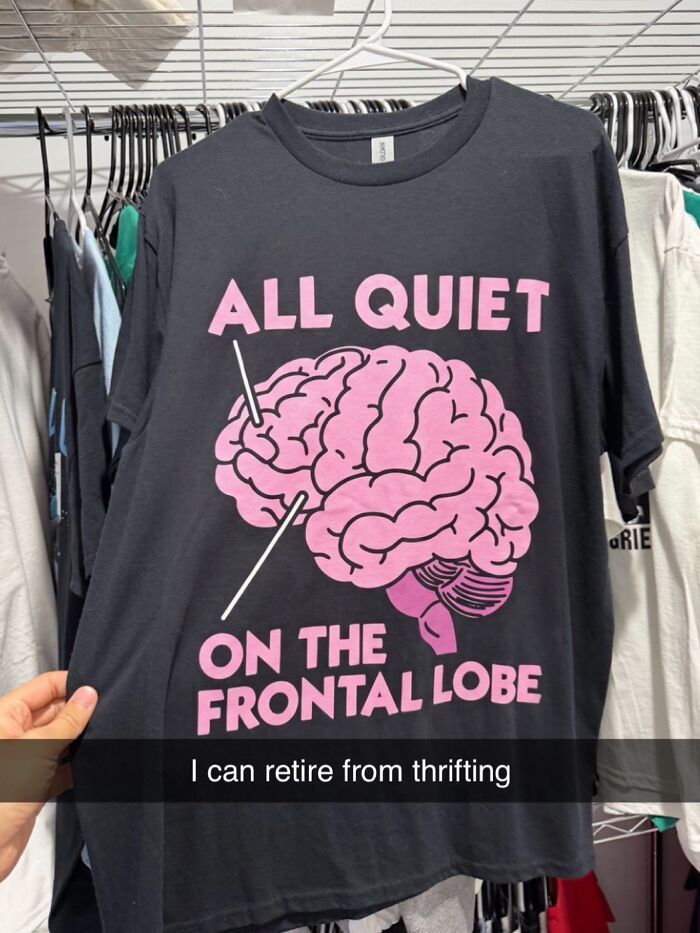
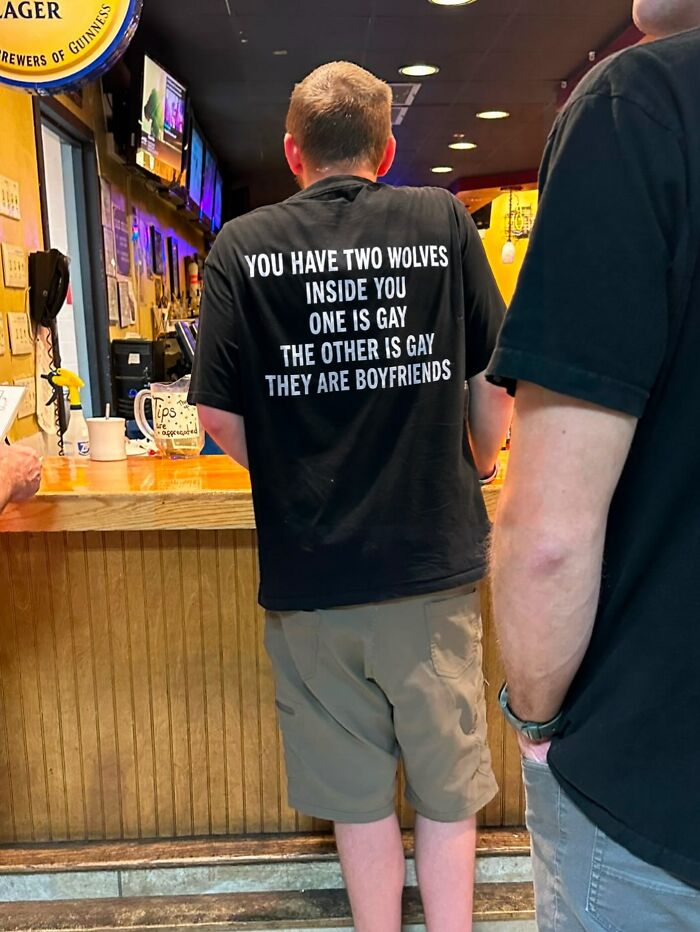
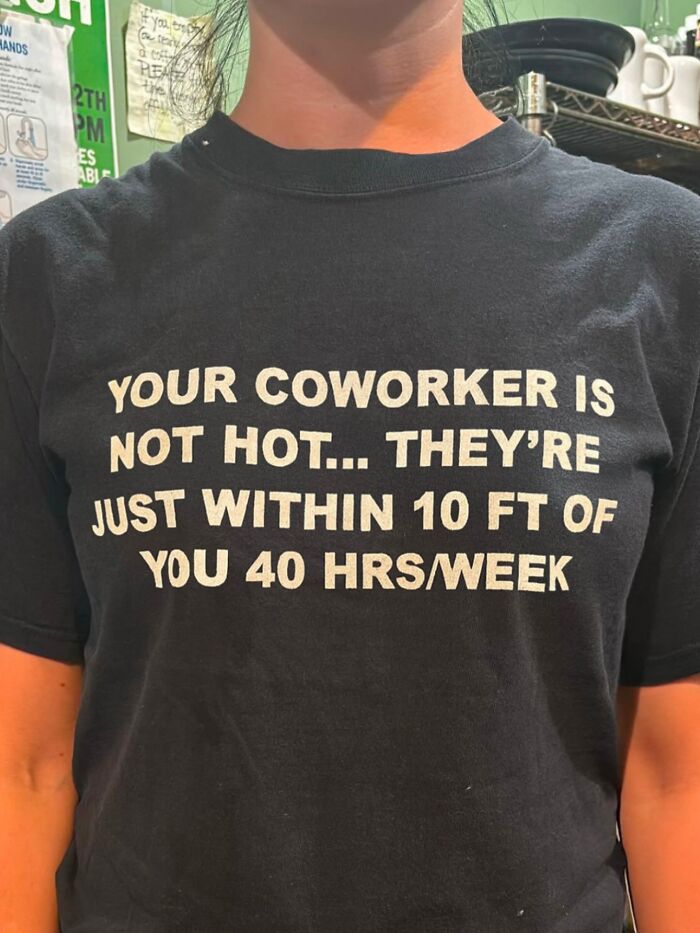
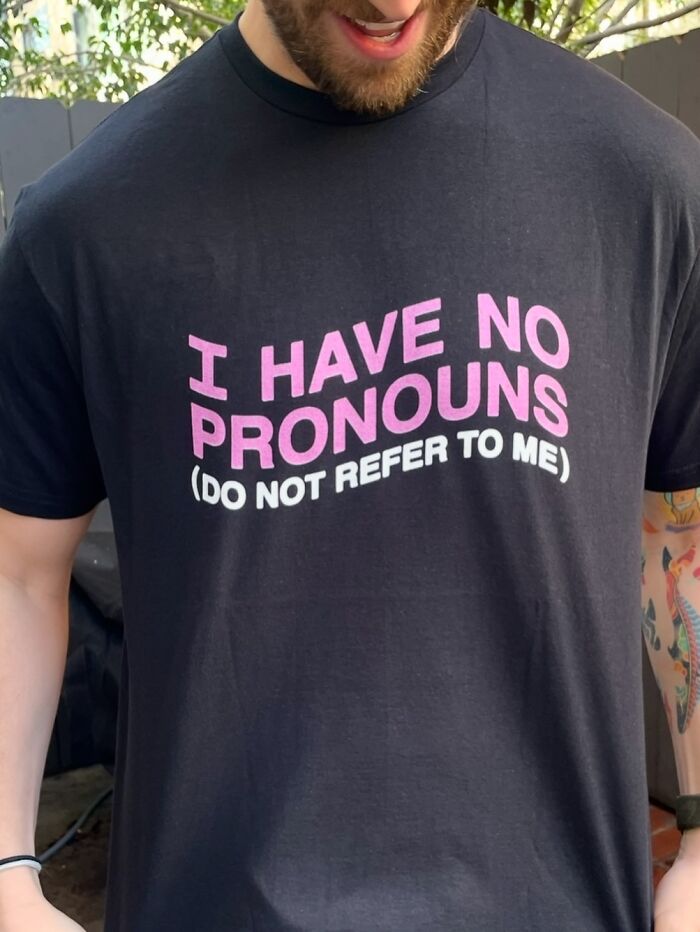
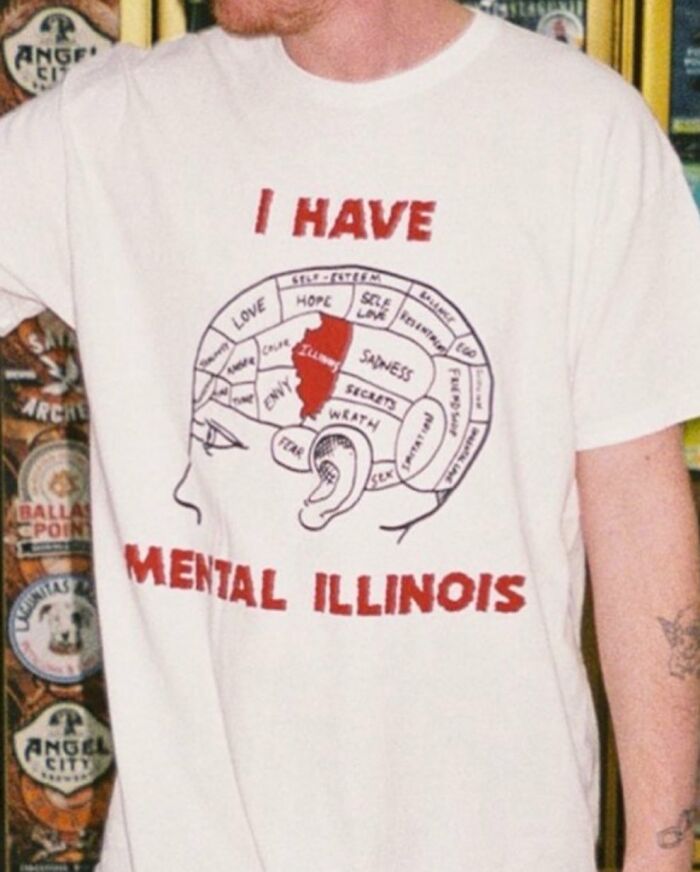
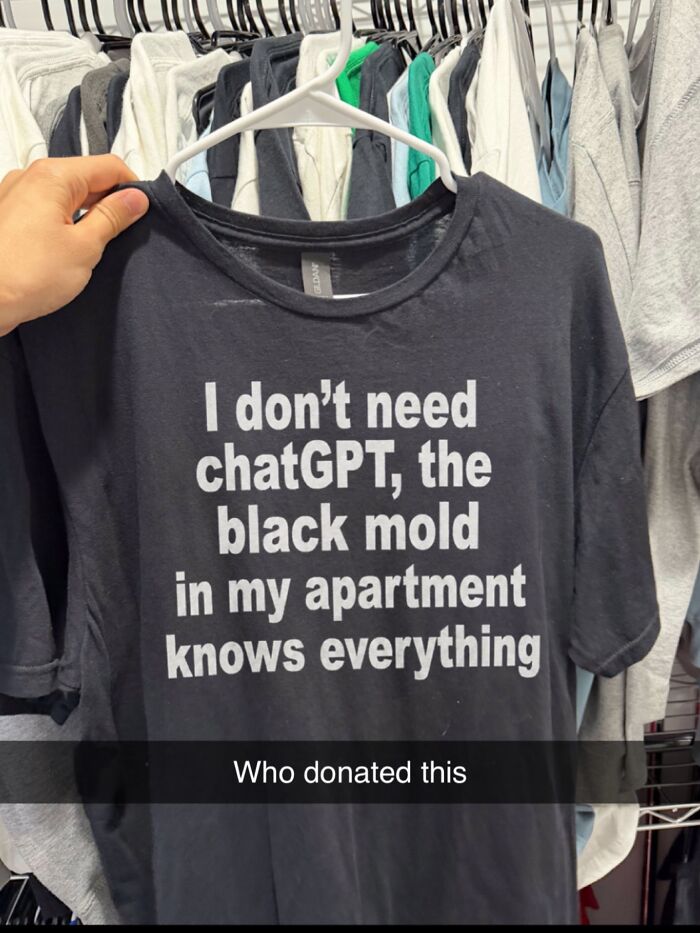
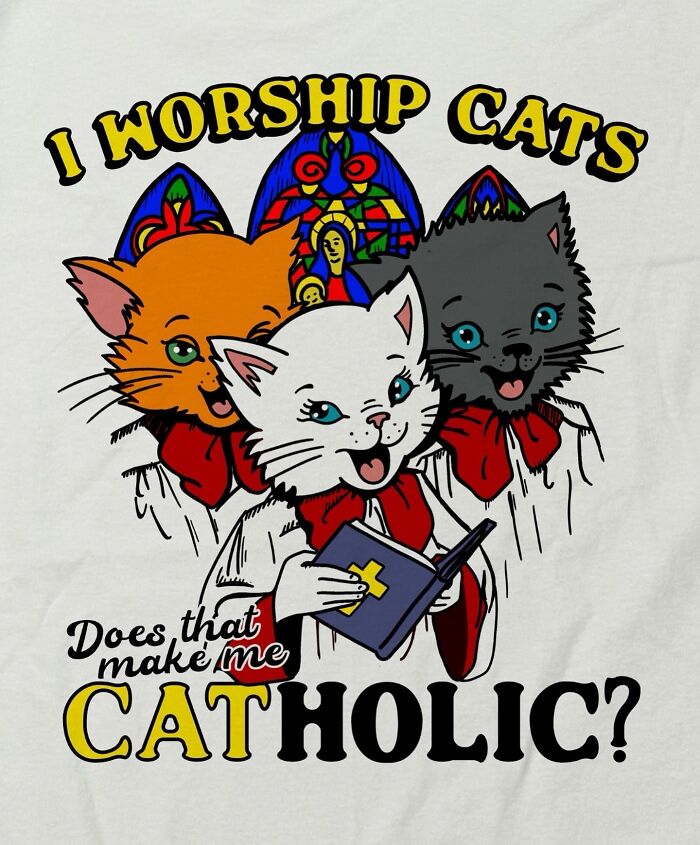
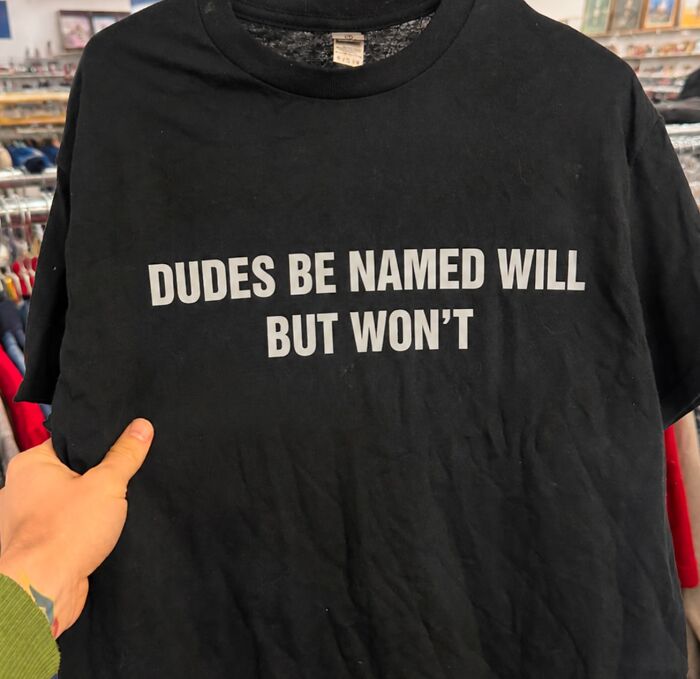
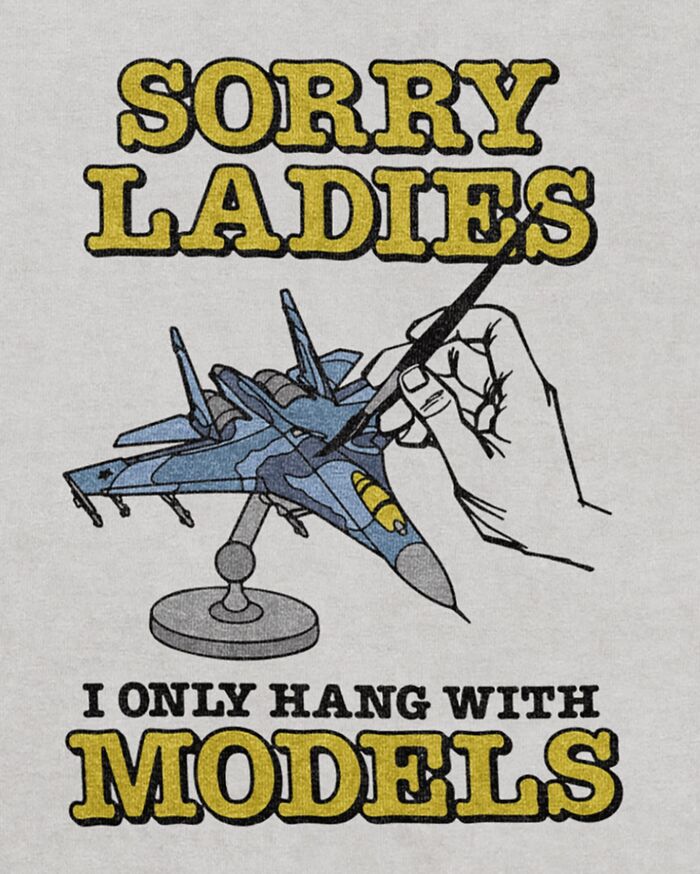
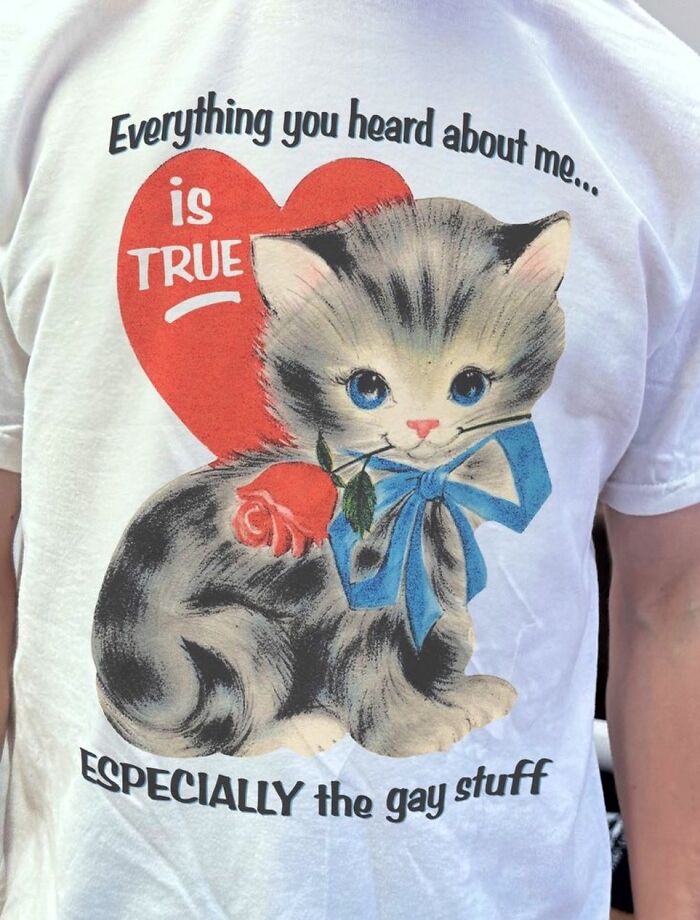
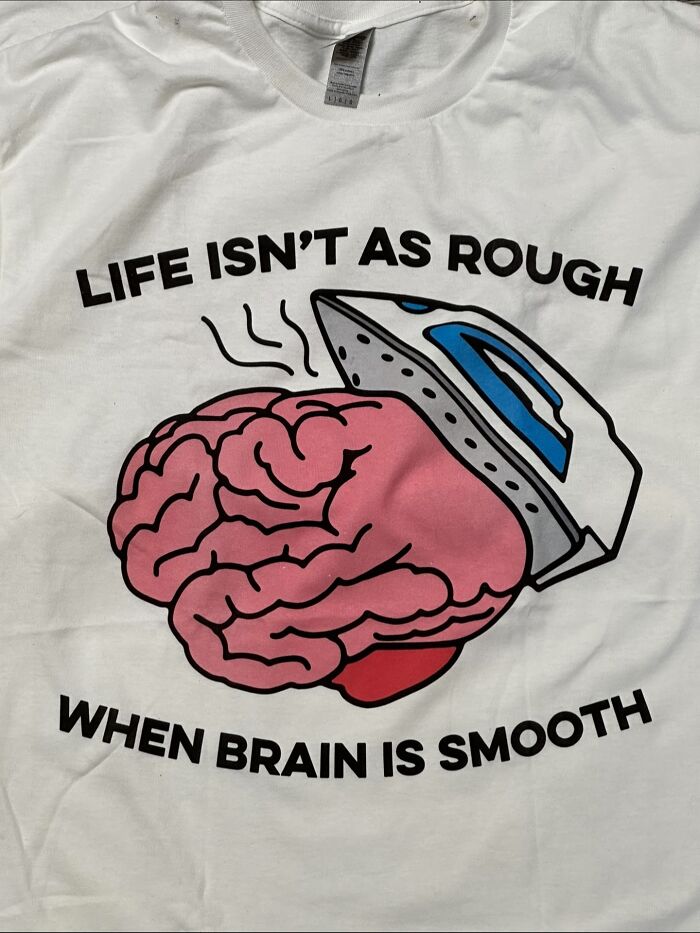
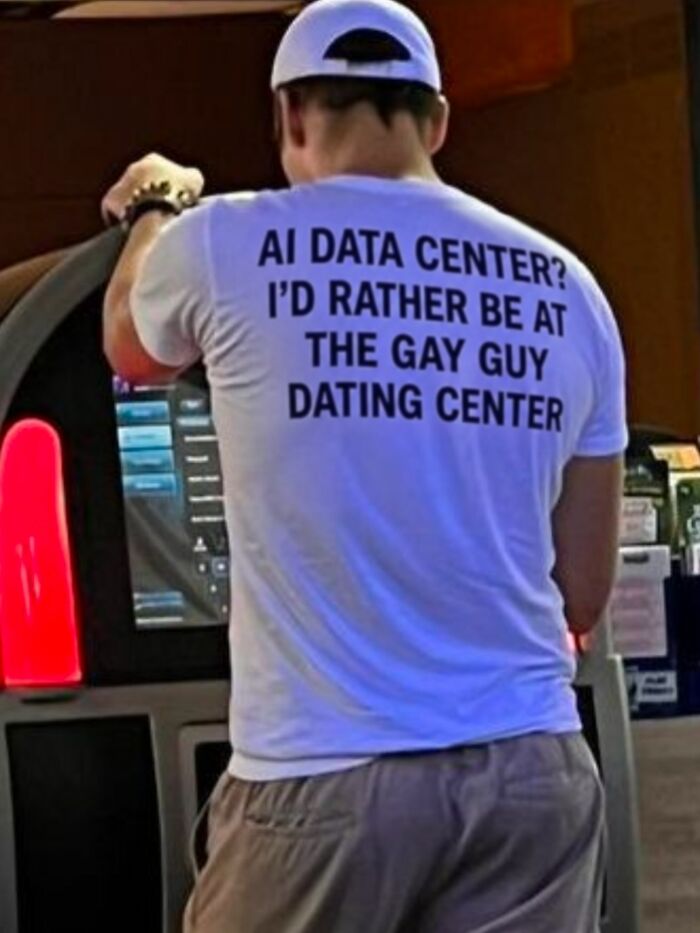
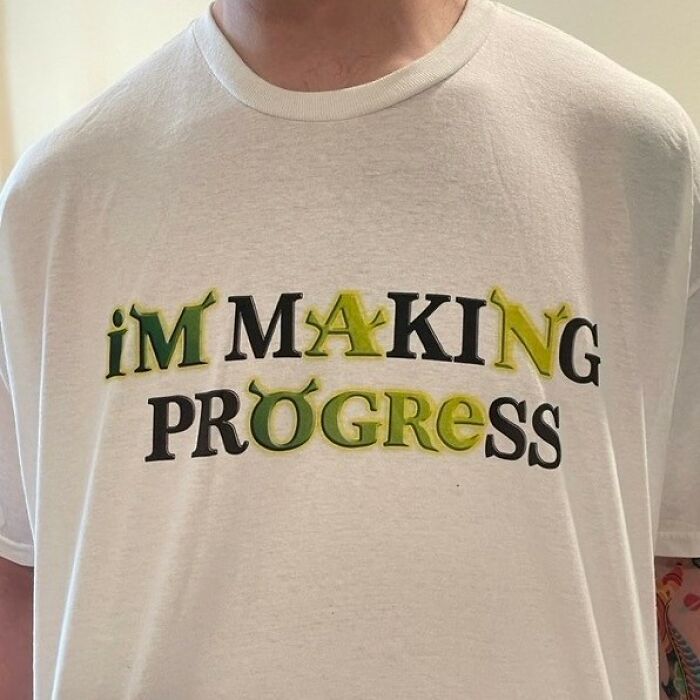
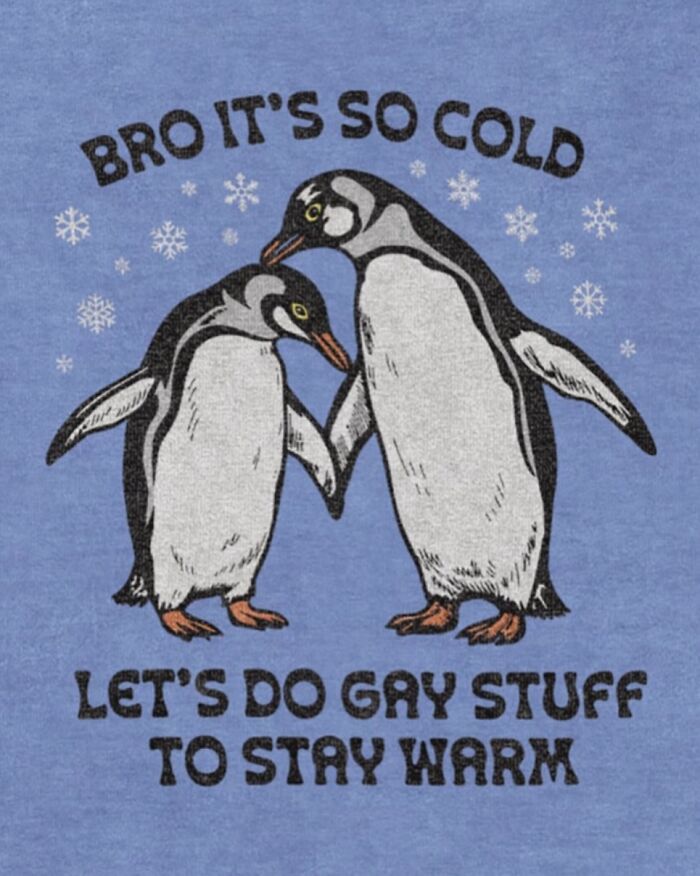
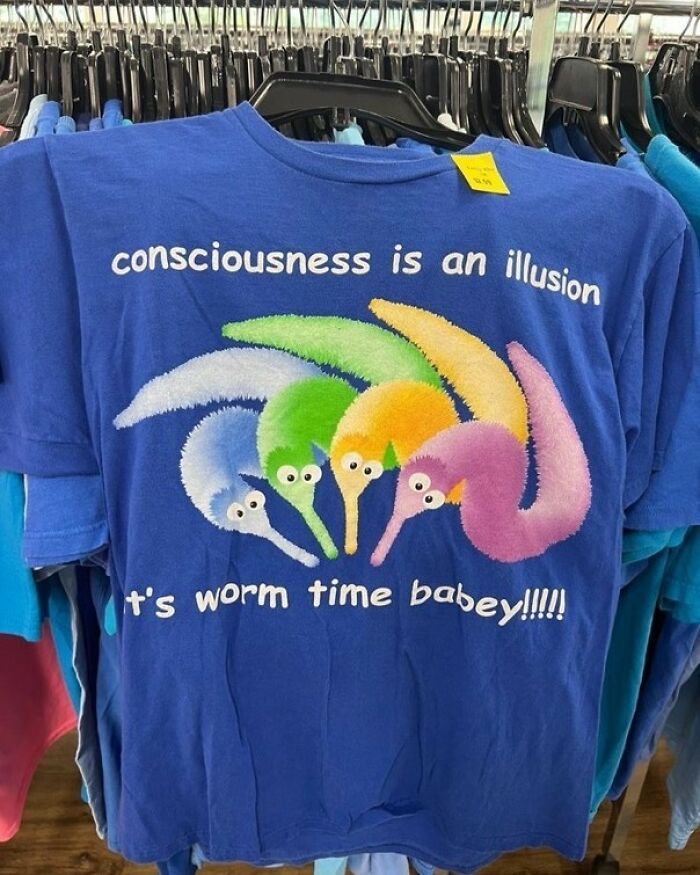
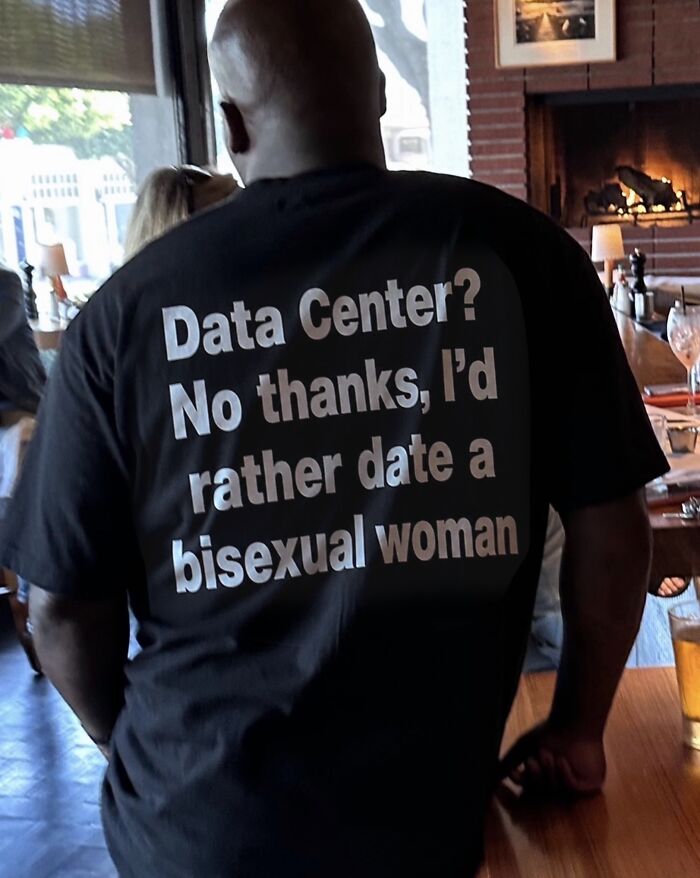
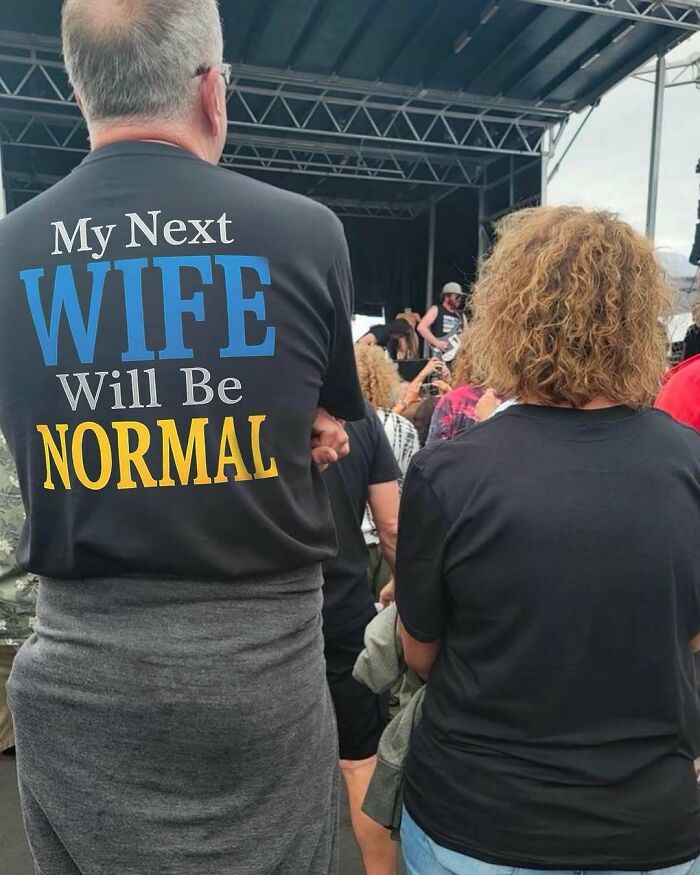
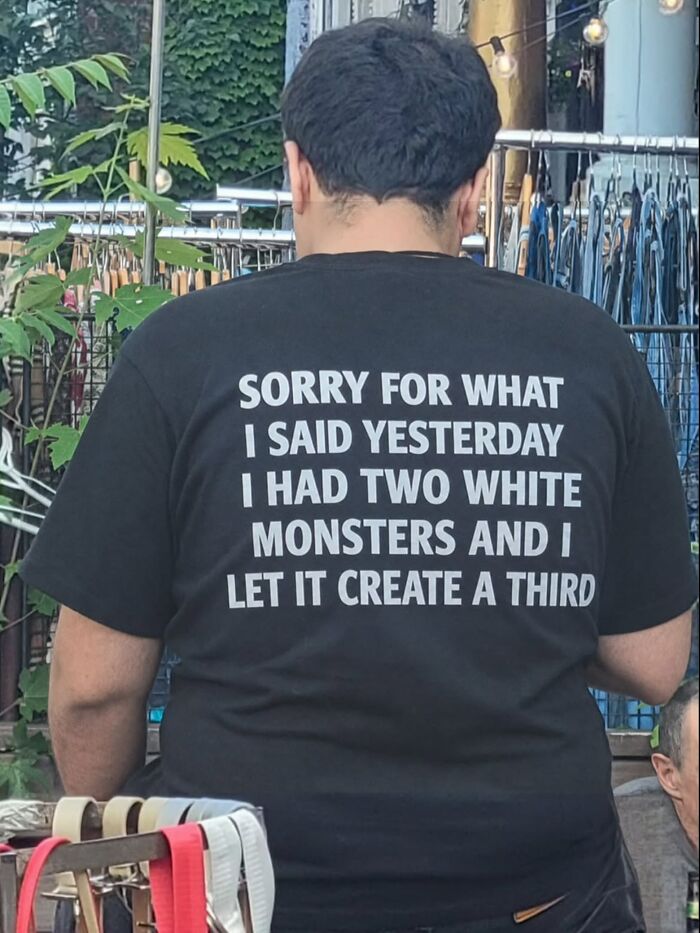
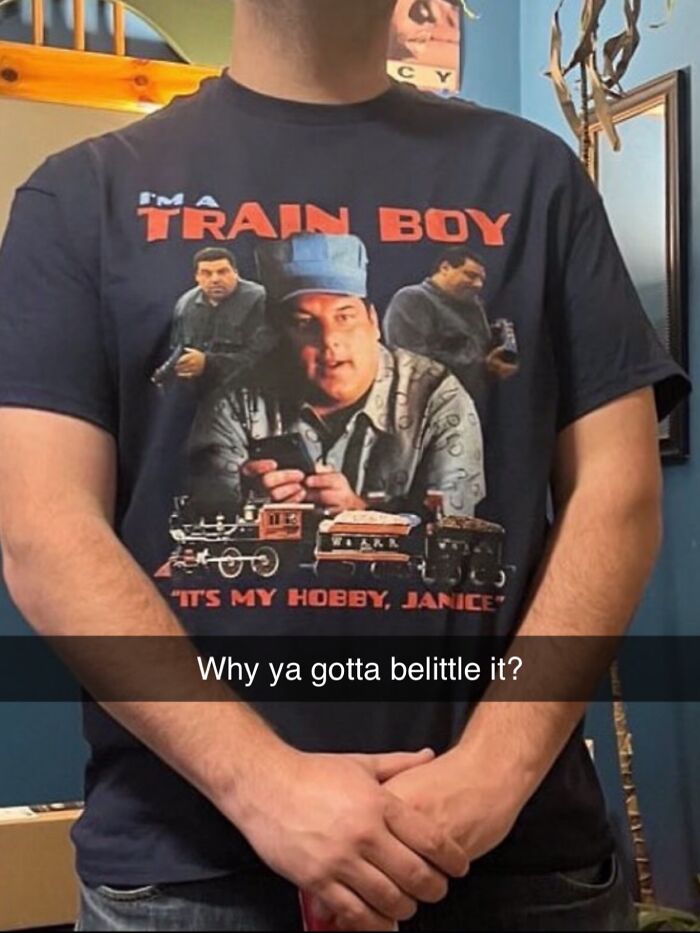
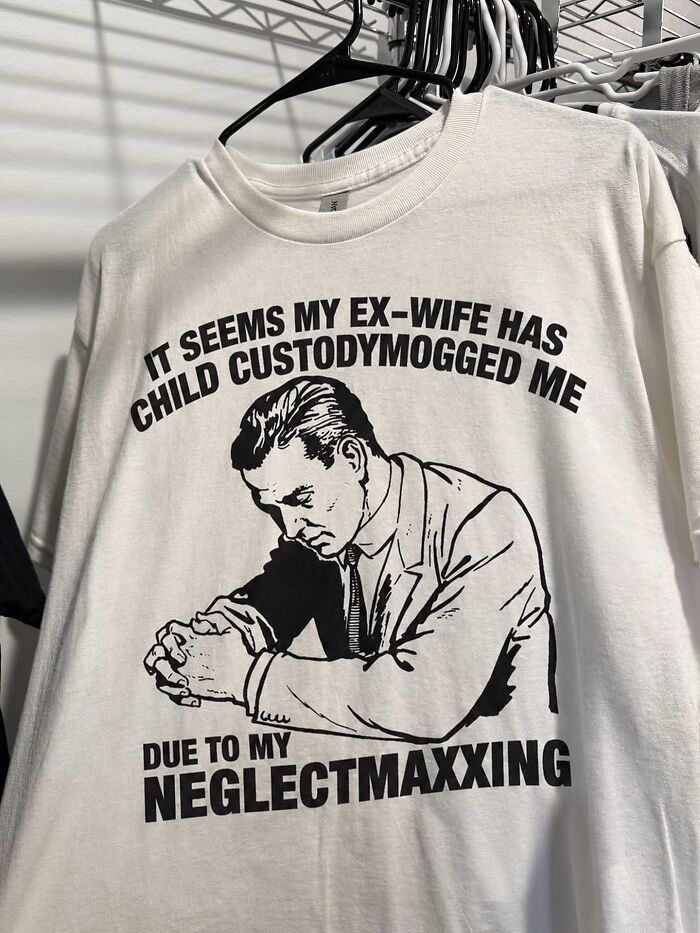
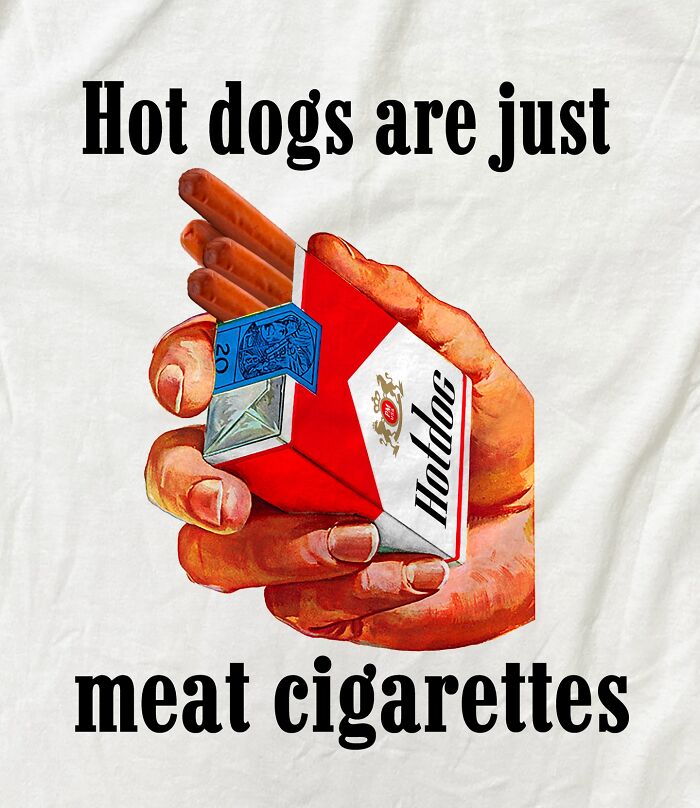
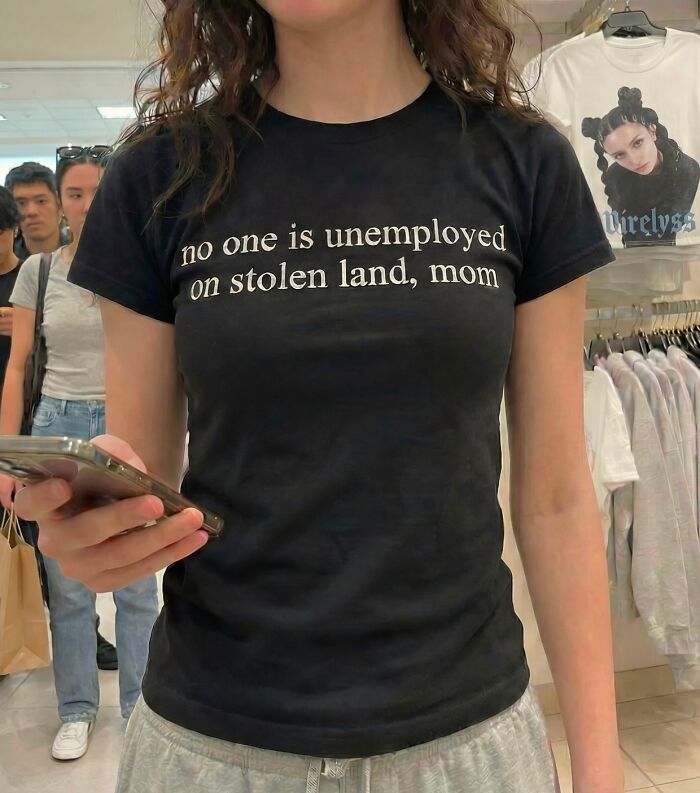
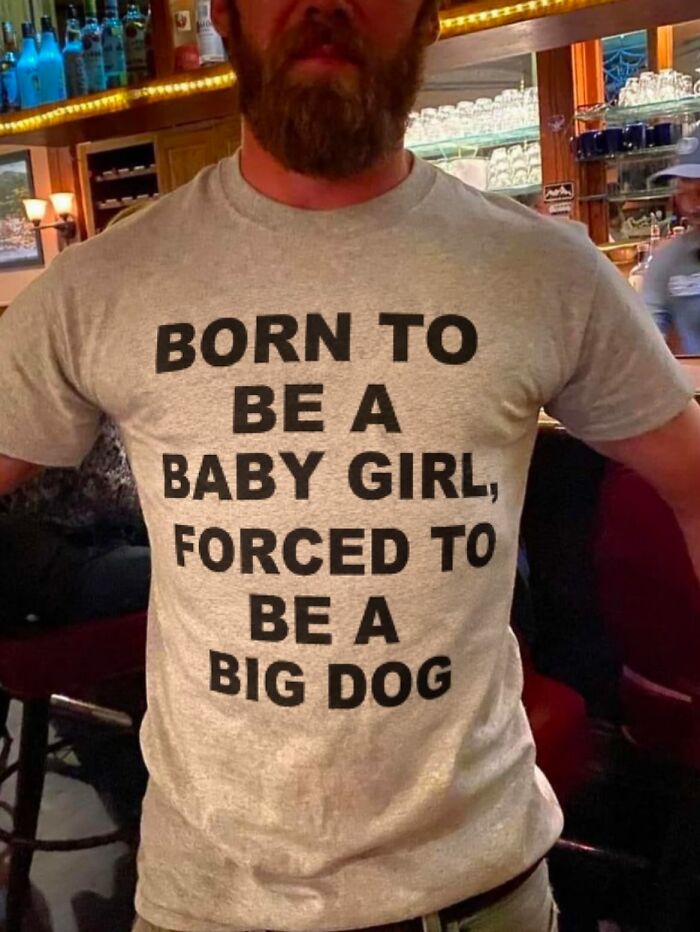
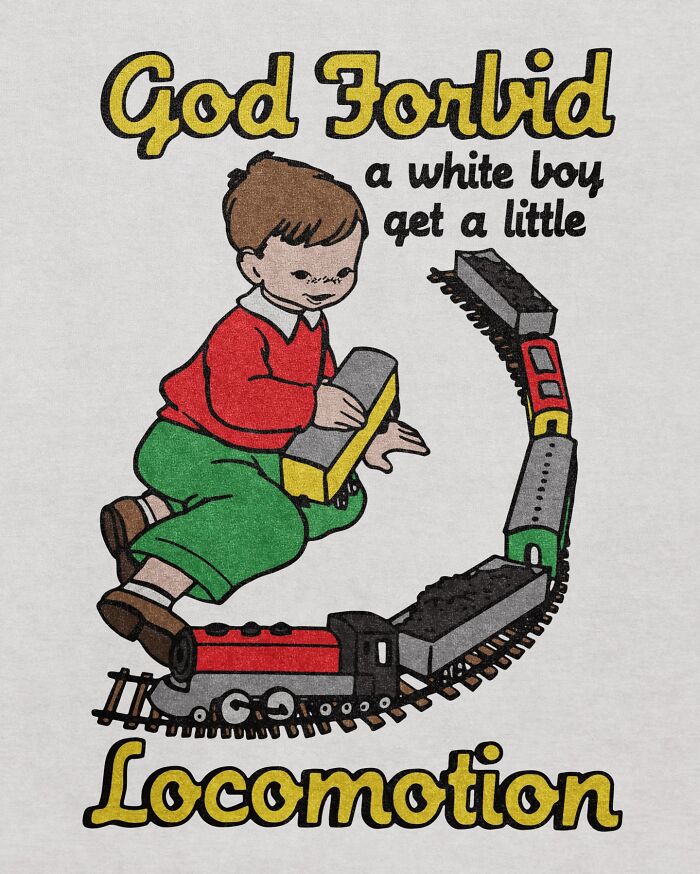
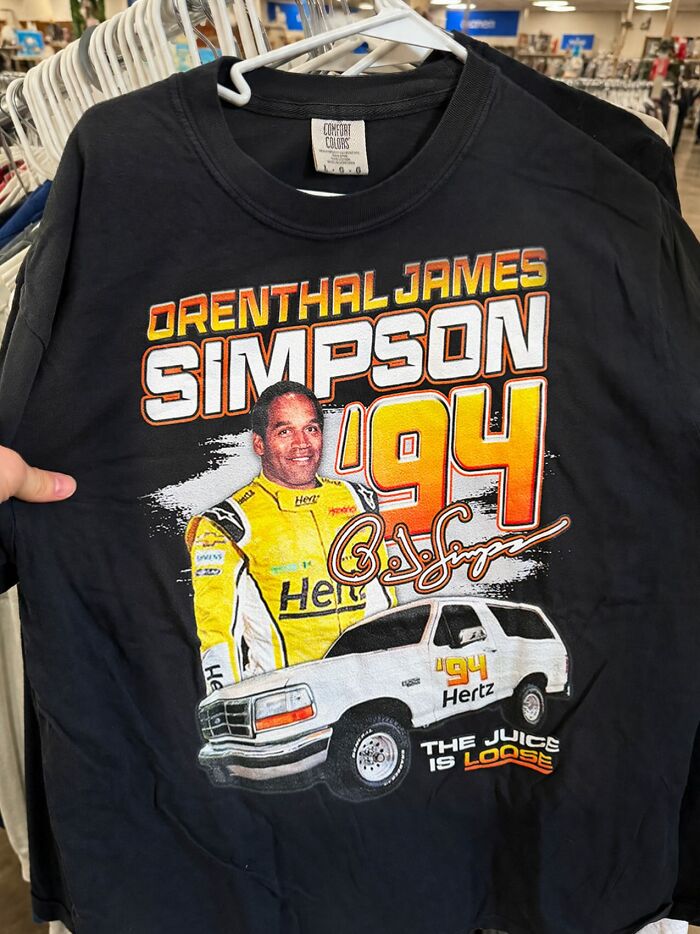
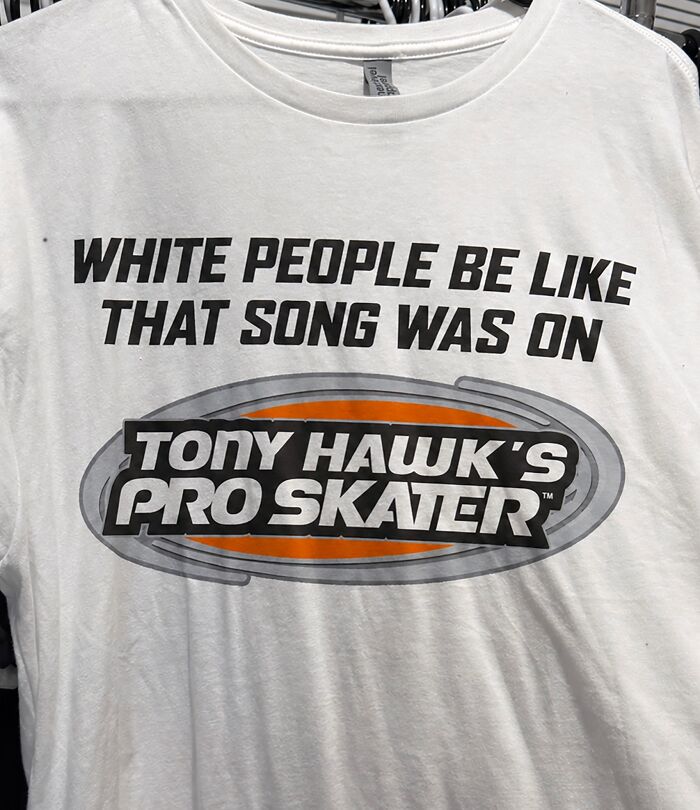
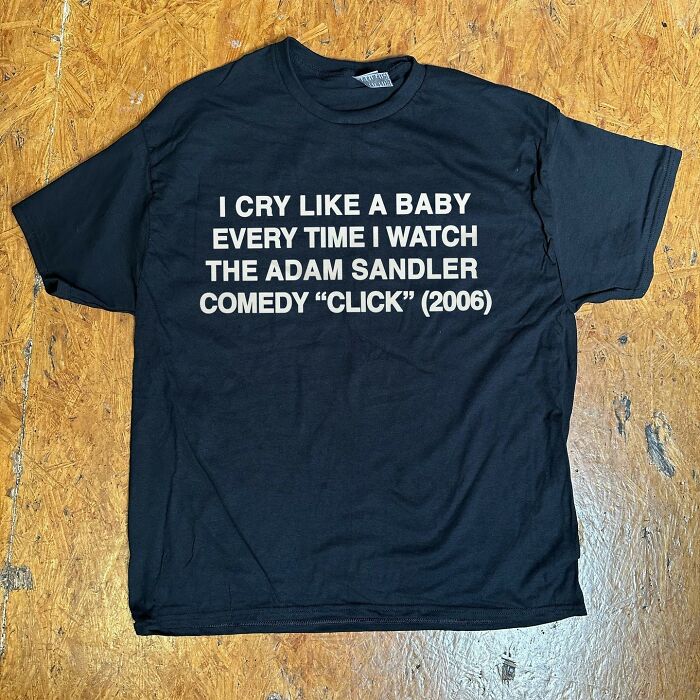
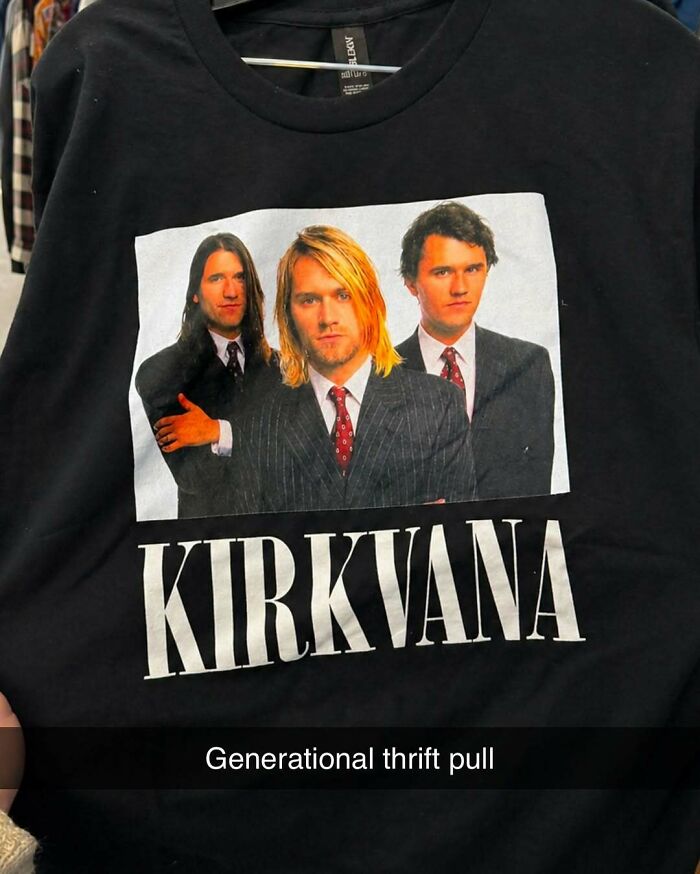
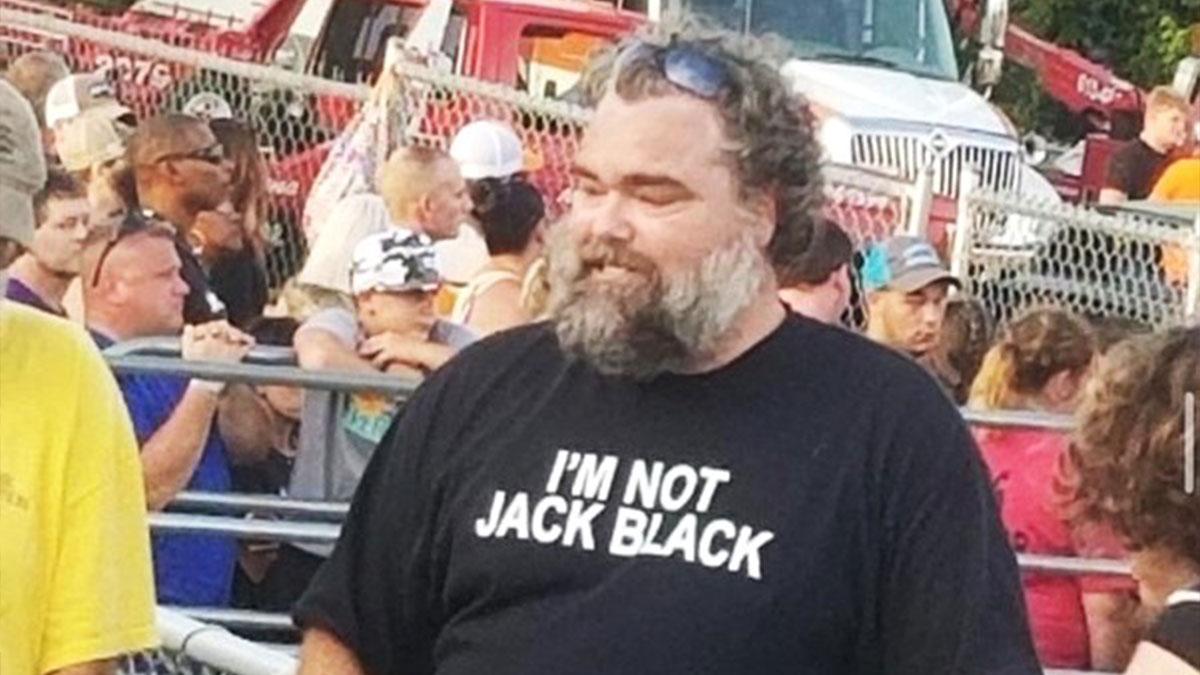
Fashion is more than just clothes, fabrics, and keeping up with the latest trends. It is also a chance to make a statement. And sometimes, the easiest way to do that is by wearing one that is literally printed across your chest.
That is exactly what the folks in this list decided to do. They stepped out into public wearing shirts so bold and unexpectedly hilarious that strangers had to whip out their phones and document the moment. Scroll down for the full lineup.
Click here & follow us for more lists, facts, and stories.
This post may include affiliate links.
The T-shirt is one of the most basic staples in our wardrobes. You can find one in classic white or black, or in almost any other color you can imagine, from forest green to cerulean blue. There are band tees, shirts covered in sparkly embellishments, and simple designs with nothing on them at all.
Some feel light and soft, while others are thick and structured. You can pick one up for a few dollars or spend several hundred on a designer version. Yet for all the variety we have today, the T-shirt is actually a fairly new addition to fashion history.
According to Printful, the modern T-shirt can be traced back to the late 19th and early 20th centuries. At first, it was mainly worn under a uniform to protect the skin. The first manufactured versions appeared around the time of the Spanish-American War.
Then, in 1913, US Navy regulations officially introduced a white cotton undershirt with short sleeves, a crew neck, and no buttons. It was practical because it dried quickly and felt more comfortable in hot weather.
Sailors soon started ditching their uniform jackets and wearing the undershirts on their own while working on submarines or in hot climates. This was an important change, as the T-shirt slowly made its way out from under the uniform and became something people wore for everyone to see.
The name took a little longer to catch on. F. Scott Fitzgerald is believed to have been the first author to use the term “T-shirt” in print, including it in his 1920 novel, This Side of Paradise.
During the 1930s, T-shirts began spreading beyond the military. Miners, farm workers, and other laborers adopted them because they were affordable and easy to wash. They were also comfortable enough for physical work.
By the time of the Great Depression, they had become a common choice for farm and ranch chores. In 1938, Sears helped bring the T-shirt into everyday fashion by selling white cotton versions for 24 cents and advertising them as both undershirts and outershirts.
It was only a matter of time before people started adding words and images. One early example appeared in The Wizard of Oz in 1939, where workers in Oz briefly wore bright green shirts printed with the word “OZ.”
Around the same period, soldiers were also decorating their own shirts. According to the news and education website Heddels, servicemen used paint and stencils to add unit names, ship references, and custom logos.
These military designs started reaching a much wider audience during World War II. According to Heddels, a 1942 cover of Life magazine featuring a soldier in a T-shirt with a small illustrated logo became especially popular and helped introduce graphic tees to the wider public.
At the time, most designs were still painted by hand or produced in small batches. Mass-produced graphic tees were still a little way off.
That began to change in 1959, when Plastisol ink made it much easier to print detailed designs onto cotton shirts in large quantities. Artists could suddenly turn almost any image or phrase into something people could wear and buy.
Underground and counterculture groups quickly took advantage of it. Many early designs carried rebellious messages or expressed frustration, turning the graphic T-shirt into a new way for people to share their opinions.
Screen printing gained even more attention in the early 1960s, when Andy Warhol helped popularize methods for turning photographs into prints. The process soon found its way into fashion and music, where band merchandise became a huge business.
According to Printful, the Reliant Shirt Corporation paid $100,000 for a Beatles license and sold more than one million T-shirts in just three days. The exact profit is unclear, though canceled orders were later valued at $78 million, showing just how much money was t*****p in the craze.
By the 1980s and 1990s, the T-shirt was everywhere. Musicians, models, streetwear labels, and major brands all found their own way to use it. Logos became part of someone’s identity, while band tees and funny slogans let people show off what they liked without saying a word.
These days, creating a graphic T-shirt is easier than ever. Almost anyone can come up with a design, have it printed, and wear it proudly across their chest. A garment that started out as a simple undershirt has become one of the easiest and most fun ways to show a little personality.
You might also like: 43 absurdly funny memes shared online that make little sense

























 No fees, cancel anytime