Get Premium
Dark mode theme is available exclusively for premium users. Learn more about the benefits of subscribing.
No fees, cancel anytime.

 Dark Mode Ad-Free Browsing Unlimited Content
 Ad-Free Browsing Unlimited Content Dark Mode
Join 1.2 million Panda readers who get the best art, memes, and fun stories every week!

34submissions
1week left
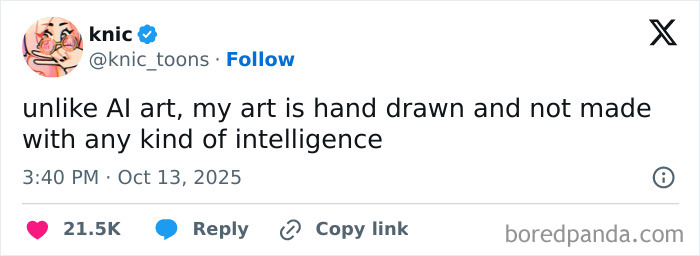
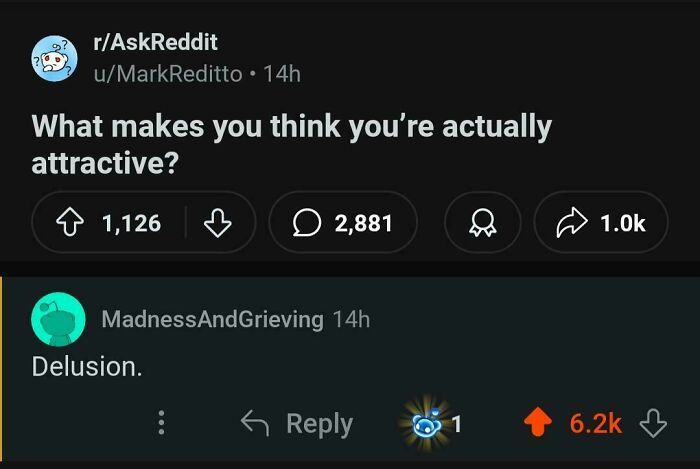
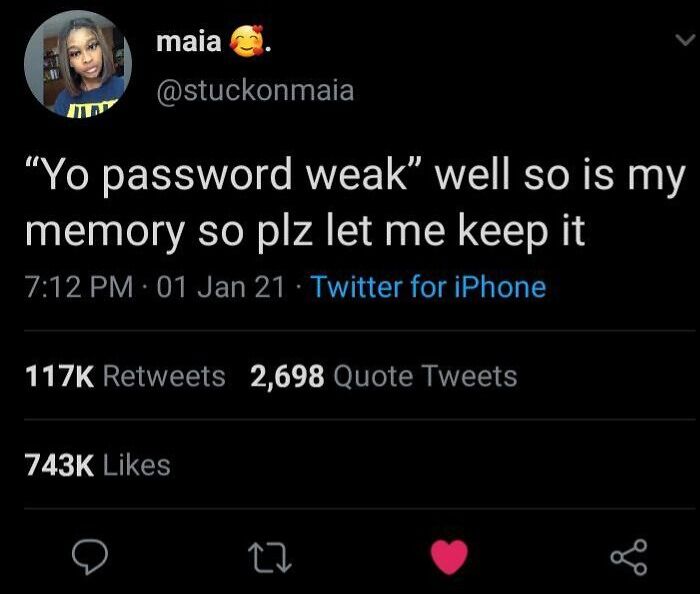
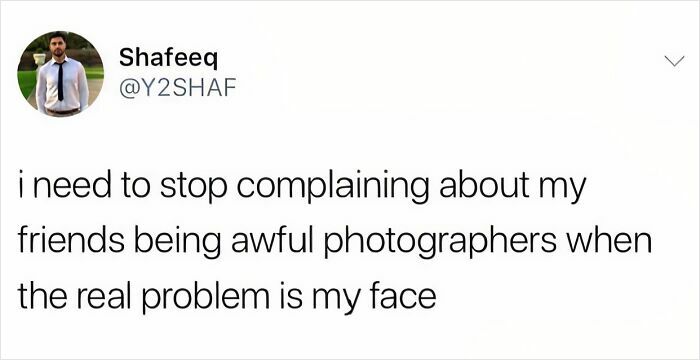
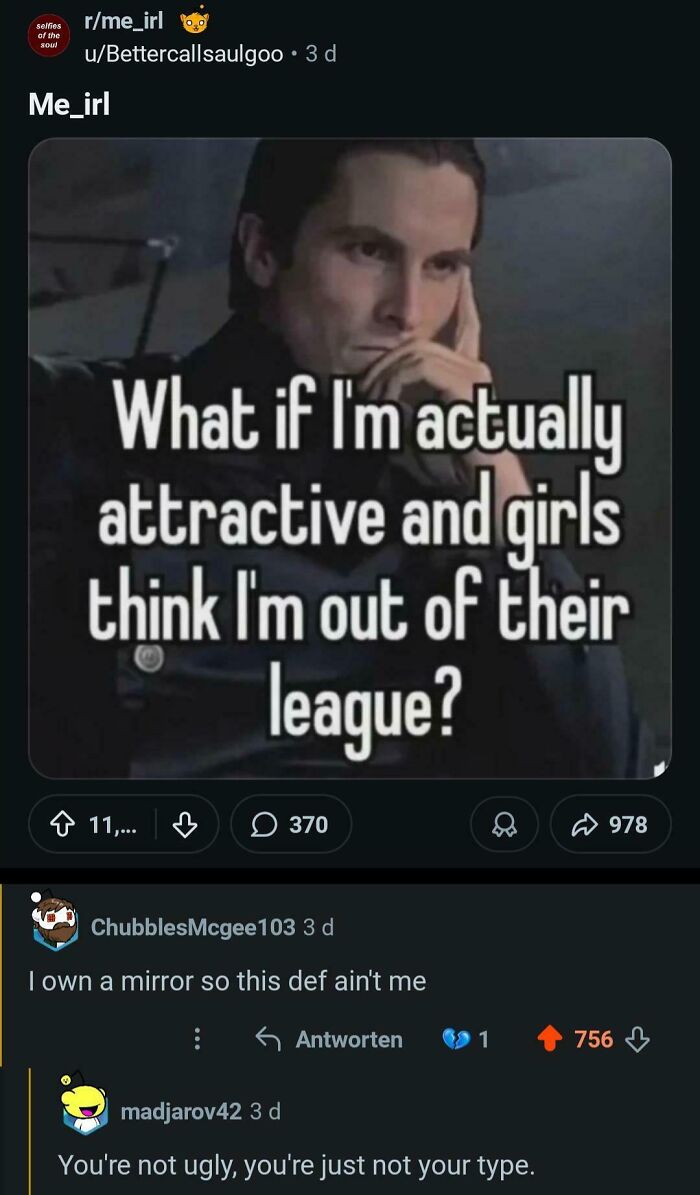
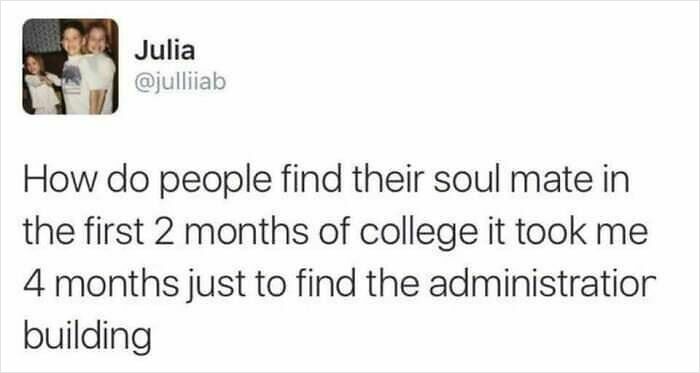
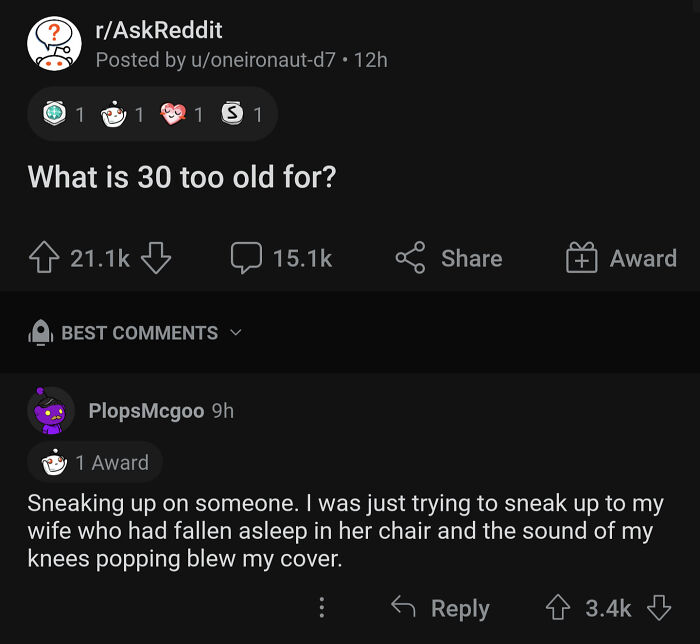
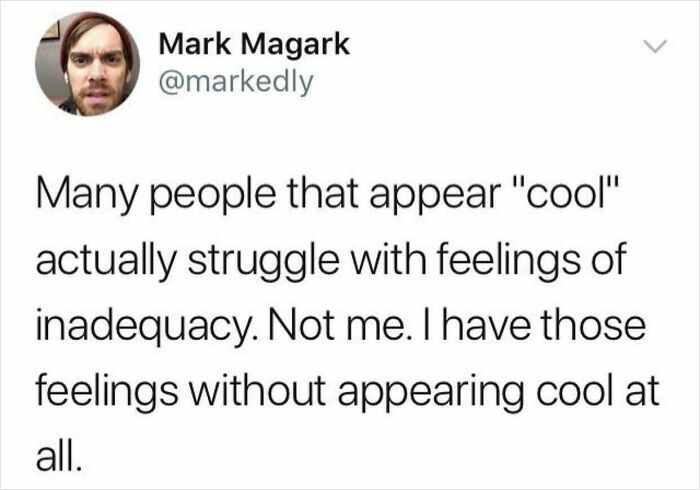
There’s no harm in admitting it, but we’re all a little bit of a mess sometimes. Maybe you waved back at someone who wasn’t actually waving at you or confidently said “you too” when the waiter told you to enjoy your meal.
You know, the kind of everyday awkwardness that makes you want to disappear and start a new life in the woods.
Honestly, you’re not alone. These little slip-ups have happened to pretty much all of us at some point. And the best way to handle them… just laugh at yourself and move on.
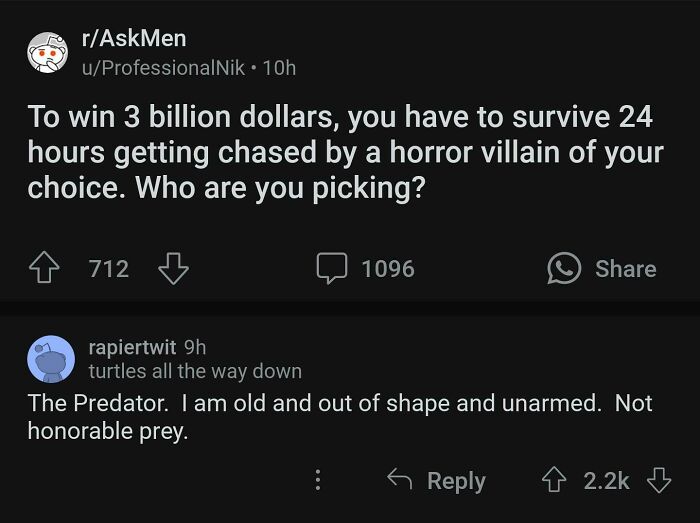
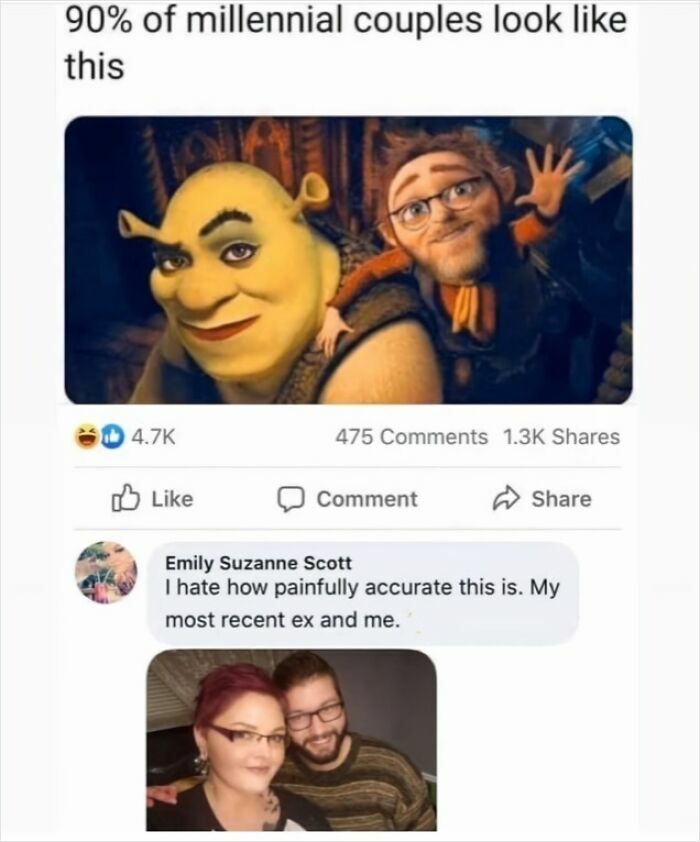
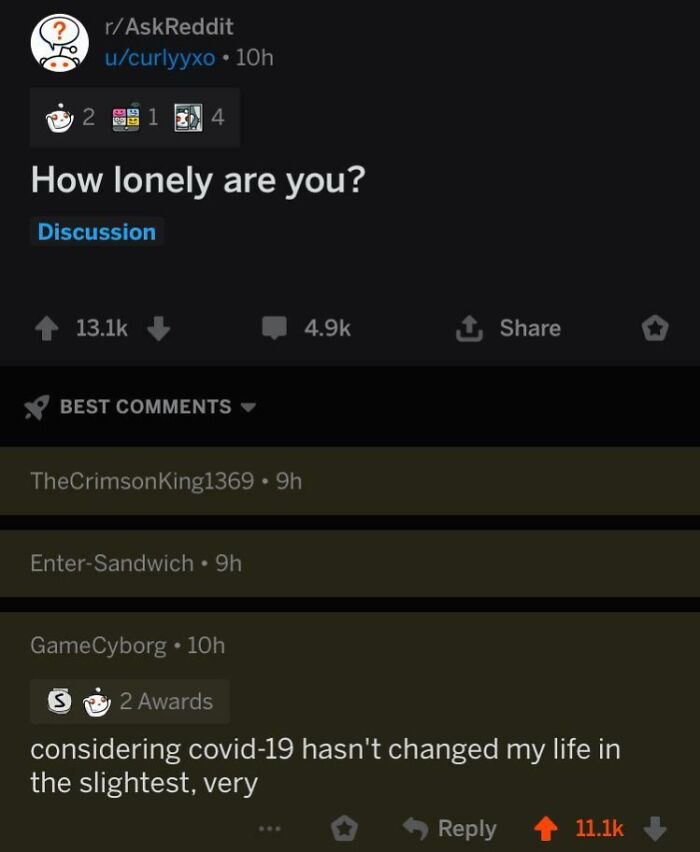
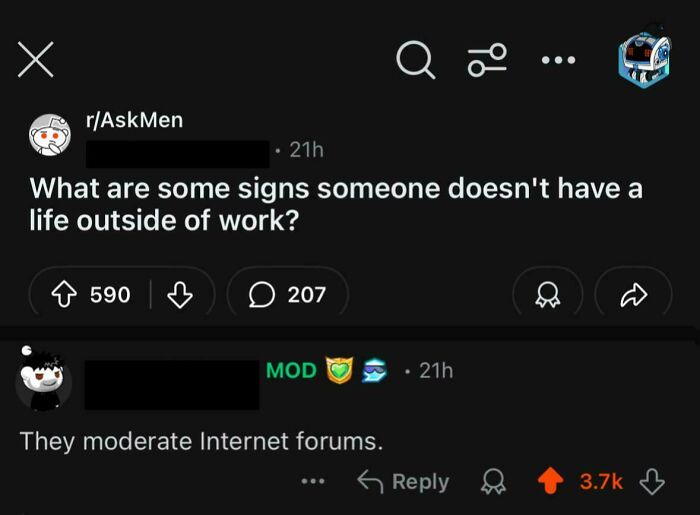
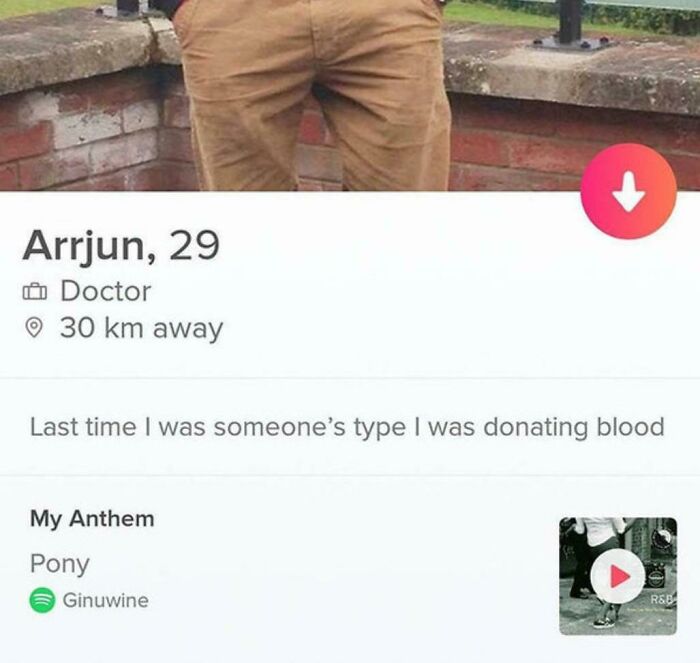
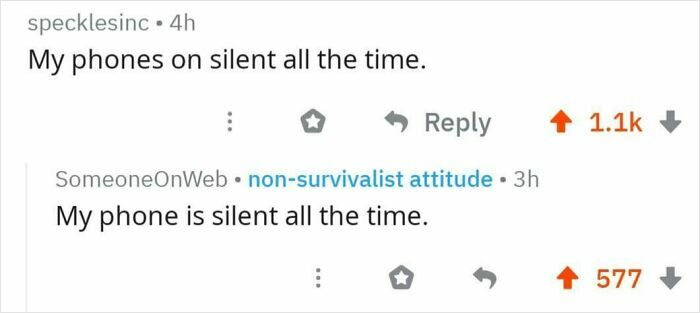
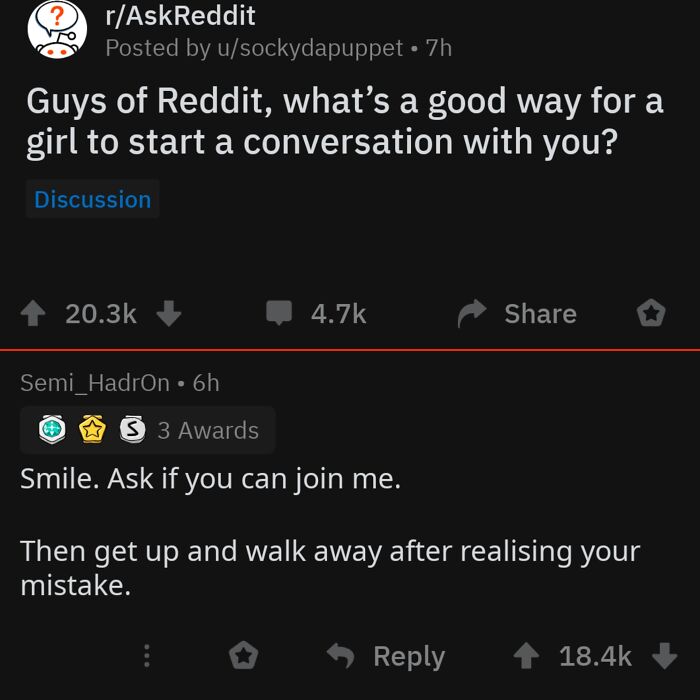
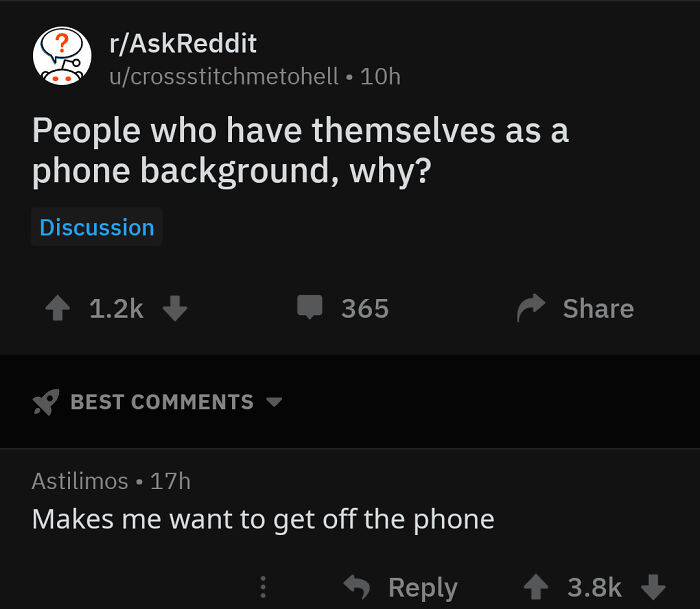
And if you can’t, take a cue from these humble people on the internet who couldn’t help but sacrifice themselves for a good laugh. In their honor, Bored Panda has rounded up the best and funniest self-roasts that prove if you can’t avoid the awkwardness, you might as well own it.
Click here & follow us for more lists, facts, and stories.
This post may include affiliate links.
Long before viral self-roasts, comedians like Charlie Chaplin and Buster Keaton were already proving that the easiest way to make people laugh was to make yourself the joke.
Even some of the best comedies are built around self-deprecating humor. For example, Steve Carell’s painfully awkward Michael Scott in ‘The Office’ or Lucille Ball in ‘I Love Lucy,’ whose physical comedy and constant mishaps made her one of the most beloved comedians of all time.
Many comedians lean into self‑deprecating humor because it’s one of the most effective ways to connect with an audience.
Research shows that a performer seems more authentic and relatable if they call attention to their own flaws or vulnerabilities in a light, humorous way.
Self‑deprecation also allows the comedian to give up a bit of authority and show they’re not above being part of the joke. It breaks the tension and invites the audience to laugh with them, rather than at someone else.
Self‑directed humor can actually make people like you more, especially if they don’t know you well. It shows you’re confident and comfortable with yourself, instead of coming across as defensive or arrogant.
“For minor, harmless blunders, laughing at yourself can signal social confidence, reduce tension, and communicate that the mistake was accidental. Owning your mistake and laughing first can completely shift the room — you move from being judged to being relatable,” says Övül Sezer, an assistant professor at the Cornell University SC Johnson School of Business.
Her study found that laughing at yourself sends a reassuring message to whoever’s nearby: “You don’t even have to comfort me anymore — it’s the best of both worlds.”
Imagine you trip and fall in a public place. Even though you didn’t hurt yourself that badly, it can instantly make you go red in the face, especially if there are people around.
But by owning it with humor, you turn an embarrassing moment into something relatable. You show that you don’t take yourself too seriously and that it’s okay to be imperfect.
It’s a simple trick, but quite powerful. A quick laugh at your own expense can turn judgment into connection and make the situation a little less awkward. After all, it’s the minor blunders that make some of the best memorable, human moments.
The best takeaway is that the humor doesn’t just stop there. You can look back at the moment years later and still laugh about it with a friend, retelling the story and finding the same joy in your clumsy self.
Science says that humor is literally good for your overall health. It can lower stress, improve memory, boost self-esteem and even spice up your social life.
Of course, laughing at yourself isn’t always simple. We all mess up or get awkward from time to time. But if you can find the humor in those moments, it often makes them a lot easier to handle.
That’s exactly why many people use jokes as an adaptive coping strategy — it helps them soften negative experiences by reframing them in a humorous way.
Self-roasts are funny, but they can also go a bit too far if you’re not careful. If you find that you’re constantly putting yourself down or being too harsh, it can actually hurt your self-esteem and stress you out.
It only works when it’s light and playful… not when it turns into serious negative self-talk.
If you find that every compliment gets shot down with a joke about your flaws, or you can’t enjoy a win without making fun of yourself, that’s a sign you might be taking it too far.
Sometimes, joking about your mistakes can even make other people uncomfortable. They might think you’re avoiding serious topics or covering up insecurity.
Studies show that people only get brownie points for laughing at themselves when the mistake is minor and harmless. Self-roasting can come off as tone-deaf or inappropriate if it leads to serious consequences.
For example, if you trip and accidentally spill someone’s coffee all over their laptop, laughing it off probably would make things worse.
“If someone else is hurt, laughter doesn't look confident anymore — it actually looks insensitive, because it signals disregard. The key thing is to match your reaction to the seriousness of the moment,” says Sezer.
Next time you send a text to the wrong group chat or spill coffee on your shirt right before a meeting, remember this — we usually overthink how much other people notice or care about our little screw-ups.
Most of the time, it’s not going to ruin your day, and honestly, nobody else is replaying it like you are. People are way more focused on their own lives than yours.
So, just keep calm and laugh it off.




























 No fees, cancel anytime