Get Premium
Dark mode theme is available exclusively for premium users. Learn more about the benefits of subscribing.
No fees, cancel anytime.

 Dark Mode Ad-Free Browsing Unlimited Content
 Ad-Free Browsing Unlimited Content Dark Mode
Join 1.2 million Panda readers who get the best art, memes, and fun stories every week!

26submissions
Finished

It is said that sarcasm is the lowest form of wit. But we beg to differ. It takes a special type of smart, sassy person to put their tongue in their cheek and execute a well-timed show of ironic humor. Those fluent in sarcasm might come across as a little passive-aggressive, but scientists say there's a whole lot of good going on in the minds of men and women who make sarky remarks.
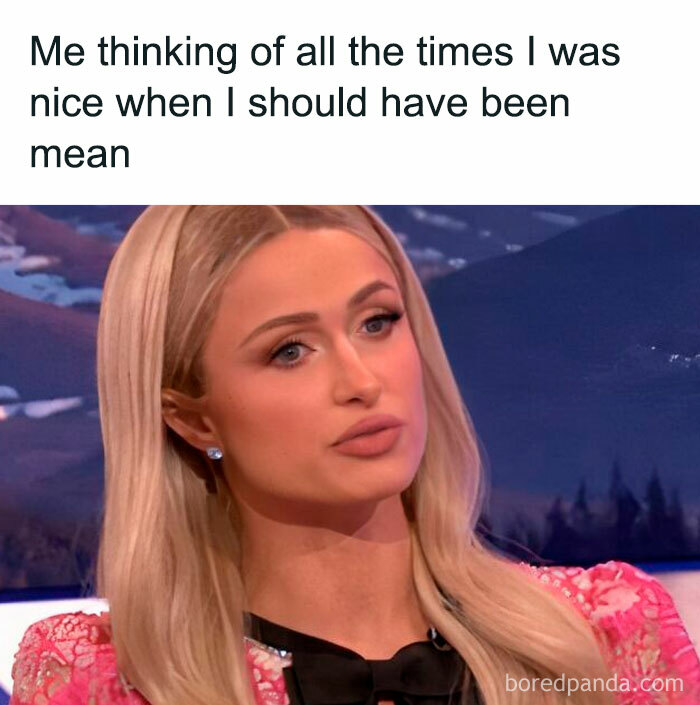
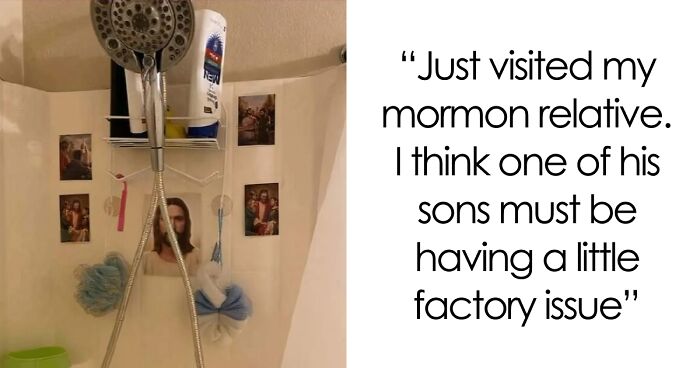
Research shows that people with a penchant for the sarcastic things in life are creative, clever and good at interpreting those around them, among other things. If you think sarcastic is fantastic, you very well might appreciate an IG page called Sarcasm Only. It's clocked up an impressive 16.5 million followers, and has a wall of relatable and hilarious memes that will have you rolling on the floor laughing... with a straight face. Bored Panda has picked our personal favorites for your sarcastic pleasure.
Click here & follow us for more lists, facts, and stories.
This post may include affiliate links.
Sarcastic people are seen by some as "smart [butts]." But ironically, that insult itself reeks of sarcasm. While the sarky folk were getting a bad rep, scientists were delving deep into the minds of those who use their words as a witty weapon. And it turns out that whoever said "sarcasm is the lowest form of wit" didn't know what they were talking about.
In fact, there's a Harvard Business School research paper titled "The Highest Form of Intelligence: Sarcasm Increases Creativity for Both Expressers and Recipients." It found that "despite its role in instigating conflict, it can also be a catalyst for creativity."
Some scientists say that those fluent in sarcasm are anything but stupid. Using and interpreting sarky remarks requires complex mental skills and a full brain workout.
Sarcastic quips are filled with irony. And according to psychology professor Penny Pexman, understanding ironic language requires “an ability to appreciate the mental states of other people... because you need to know what the speaker actually believes when they’ve given you this example of verbal irony, because their words aren’t necessarily going to tell you.”
We aren't born with a sarcastic spoon in our mouth, or the ability to understand or make sarky remarks. This is a "skill" we only start grasping (in a very basic way) around the age of 5 or 6, says Pexman.
Around that age, children may understand that the speaker means the opposite of what he or she has said. But they don't understand why the speaker would talk that way, and therefore don't find it funny.
"At younger ages, the jokes that children find funny usually involve unexpected words ('How did the farmer fix his jeans? With a cabbage patch!') or situations (like falling on a trampoline)," Pexman writes in one research paper.
According to the expert, children only start to see the humor in sarcasm at around 8 or 9 years old, and that's when they might start using it or teasing others. But not everyone will be able to easily decipher a bout of verbal irony, even as they grow up.
"Understanding sarcasm is a challenge for young children, for individuals with autism spectrum disorders, and for some patients with brain damage," says Pexman. "Understanding sarcasm depends on advanced language skills and reasoning about other people’s minds, and it is supported by a network of brain regions."
The expert believes that sarcasm can be taught and says it's important to do so because when it isn't properly understood, sarcastic remarks or jokes can lead to awkward social situations.
"Most adults hear sarcastic speech every day and understand it without much difficulty. To understand sarcasm, they rely on the speaker’s tone of voice, facial expression, and their knowledge of what the speaker is referring to and how the speaker might feel about it," she explained.
But for those who struggle, they often interpret the speaker literally. "The literal meaning is the actual, dictionary meaning of the words used. If you do not understand the sarcasm in what a person says, you miss the joke and may feel left out of the conversation," Pexman says.
That's why, during Covid, Pexman created a storybook for kids called "Sydney Gets Sarcastic." It teaches children about sarcasm, why and how we use it, and how it's understood. The book has since been translated into 15 languages.
While sarcasm can be put to good use, like boosting creativity or playful teasing, experts say it's never okay to use your words as a weapon to make someone else feel bad or "less-than". And sarcasm at its worst can really hurt.
The word sarcasm actually derives from its Greek root, "sarkazein," which translates to "tear flesh like dogs." It is "hostility disguised as humor," writes psychotherapist Sarah Swenson. "That’s why when someone says something sarcastic to you, you don’t feel good. Sarcasm is unsettling... It feels like veiled criticism."
If you find yourself on the receiving end of constant sarcasm, and you're finding it hard to cope, Swenson suggests raising it with the sarky remarker. She says you should try to verbalize how their words and and actions affect you.
"Perhaps you feel minimized; perhaps criticized; perhaps even showered with contempt," she said. "Helping someone see how painful such comments feel to you, regardless of the conscious intention of the speaker, has the potential to relieve you of having to endure sarcasm from them."
The expert adds that you can let the person know it's okay to tell a joke, and you're able to take one "when it is a joke and not veiled hostility."































 No fees, cancel anytime