Get Premium
Dark mode theme is available exclusively for premium users. Learn more about the benefits of subscribing.
No fees, cancel anytime.

 Dark Mode Ad-Free Browsing Unlimited Content
 Ad-Free Browsing Unlimited Content Dark Mode
Join 1.2 million Panda readers who get the best art, memes, and fun stories every week!

51submissions
1week left
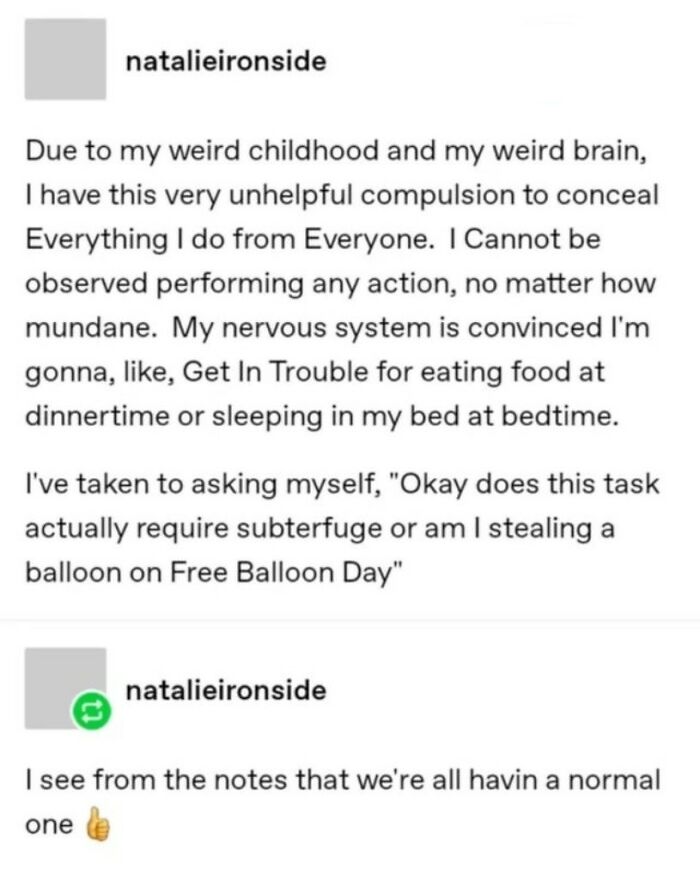
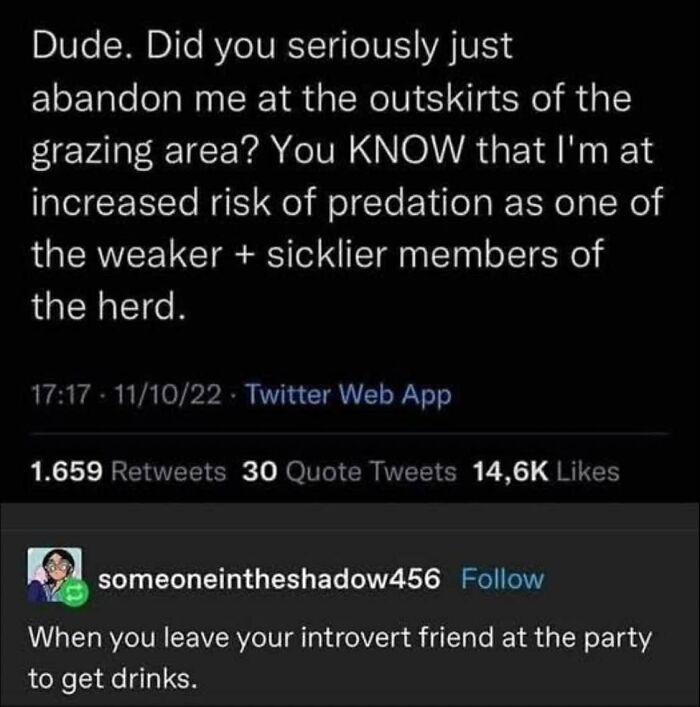
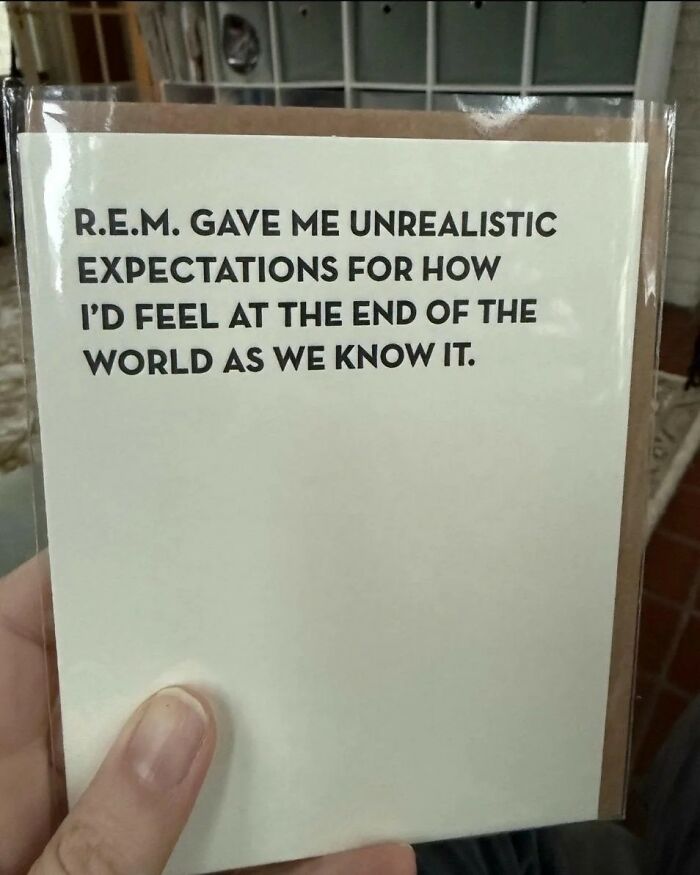
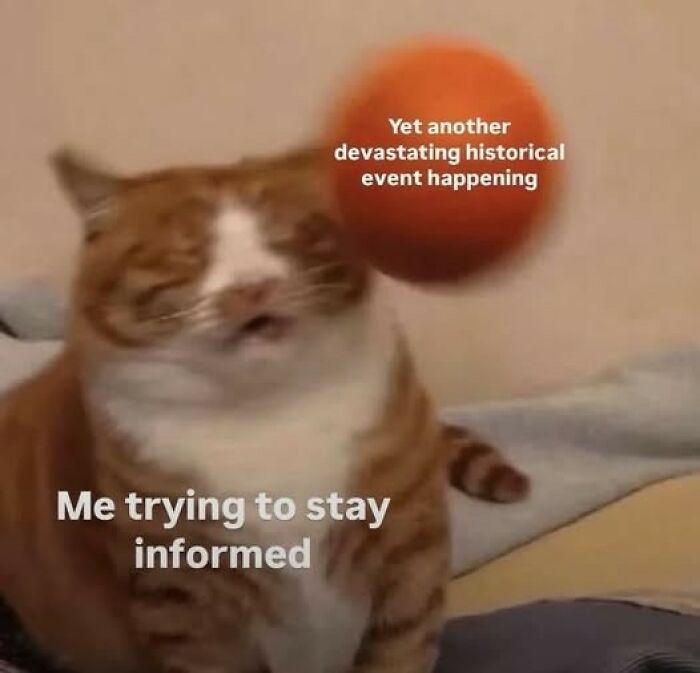
If you really think about it, the world is pretty crazy. But realistically, how much can the average person change? Sure, we can vote, protest, choose which brands to boycott, and try to make small changes in our daily lives. But on an individual level, in the grand scheme of things, we’re often limited.
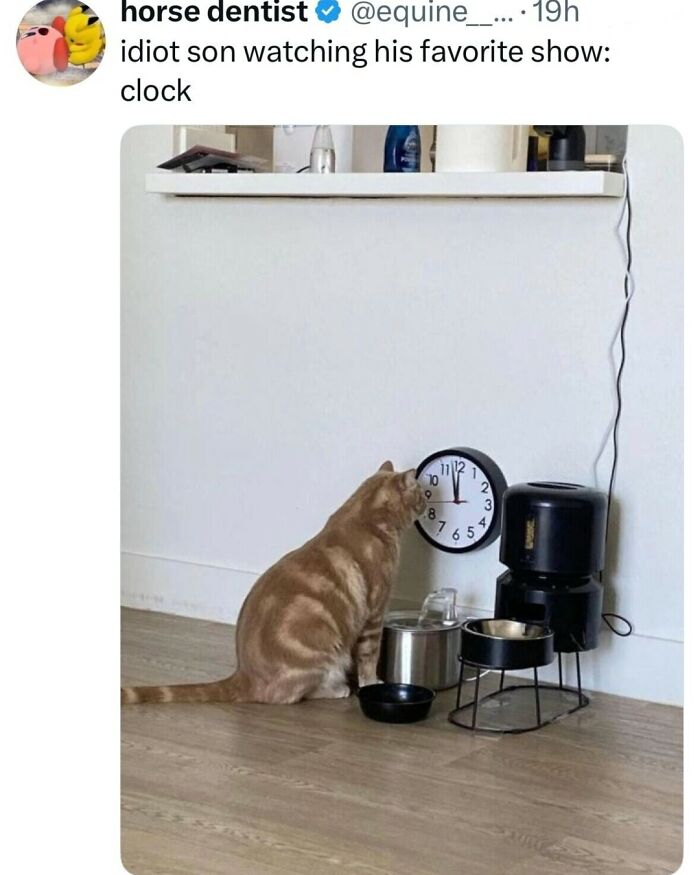
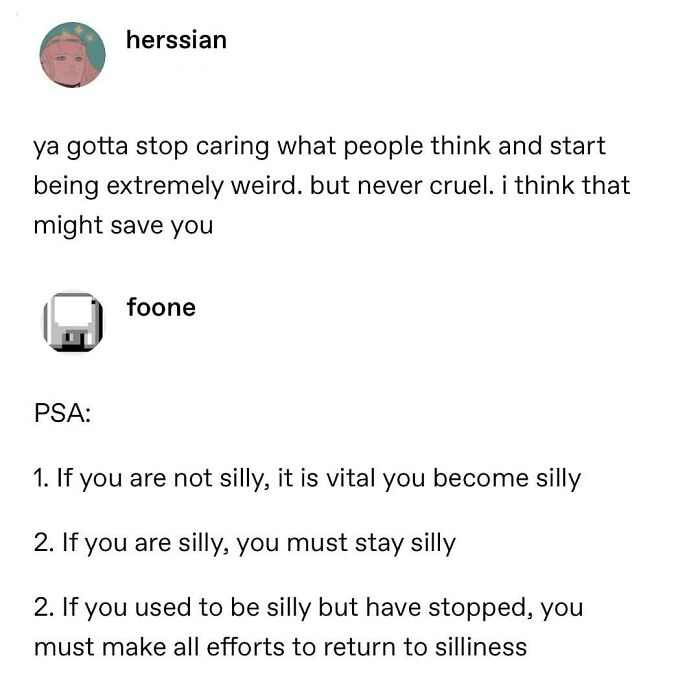
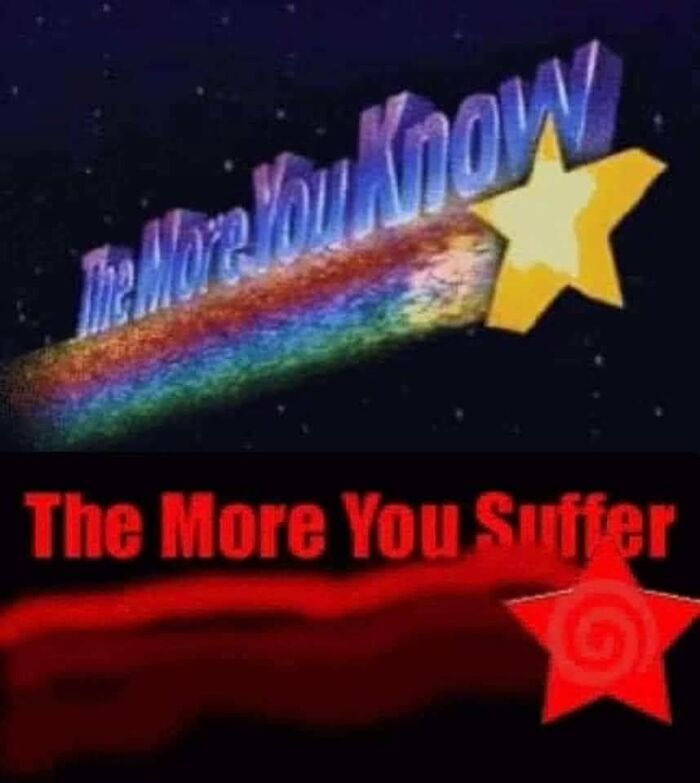
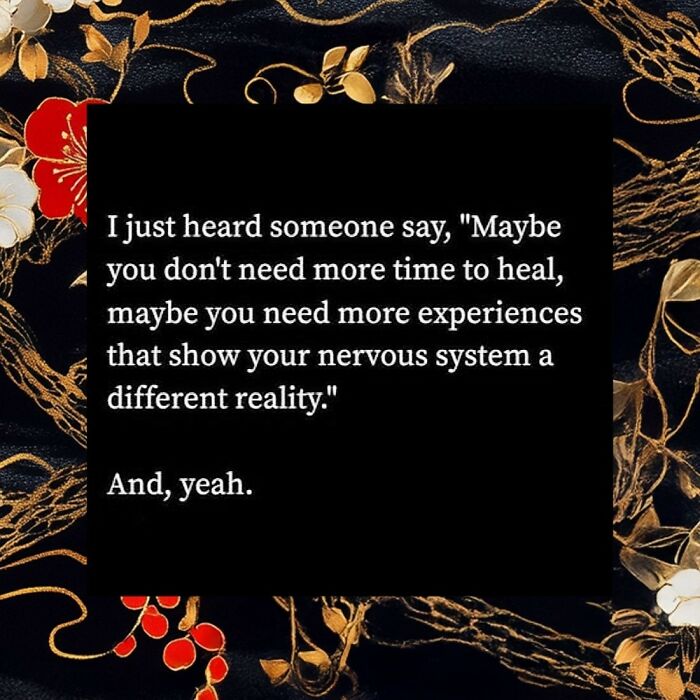
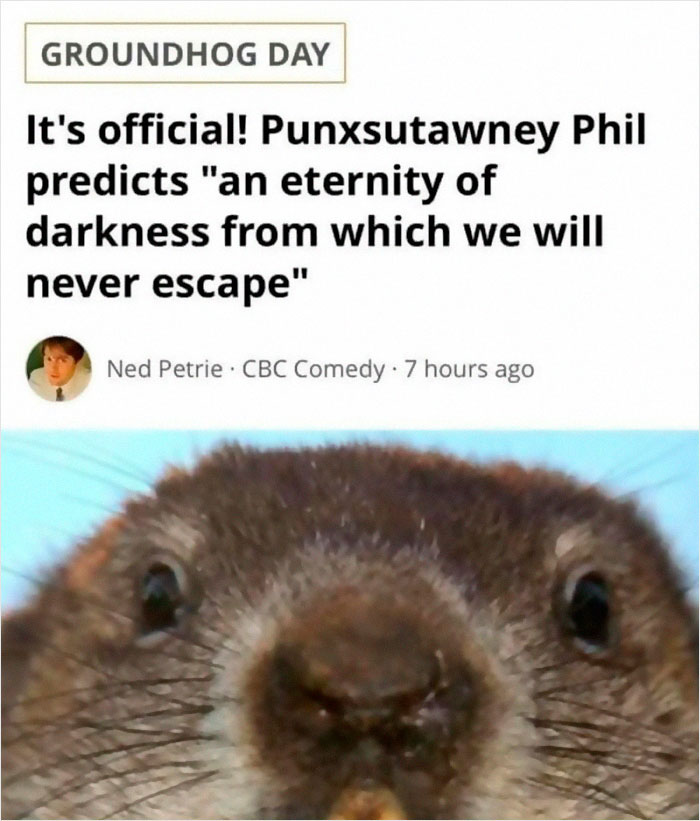
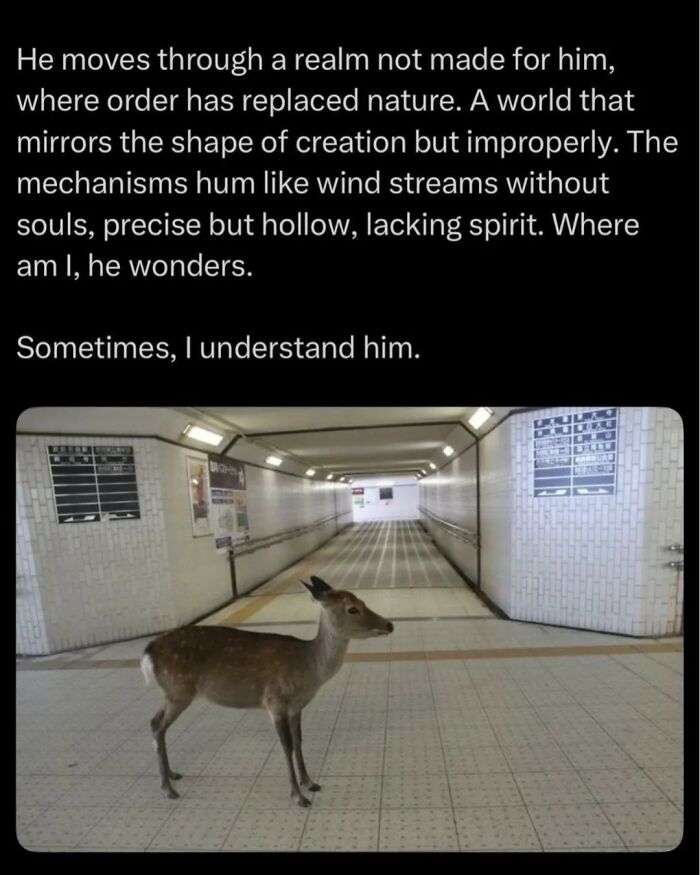
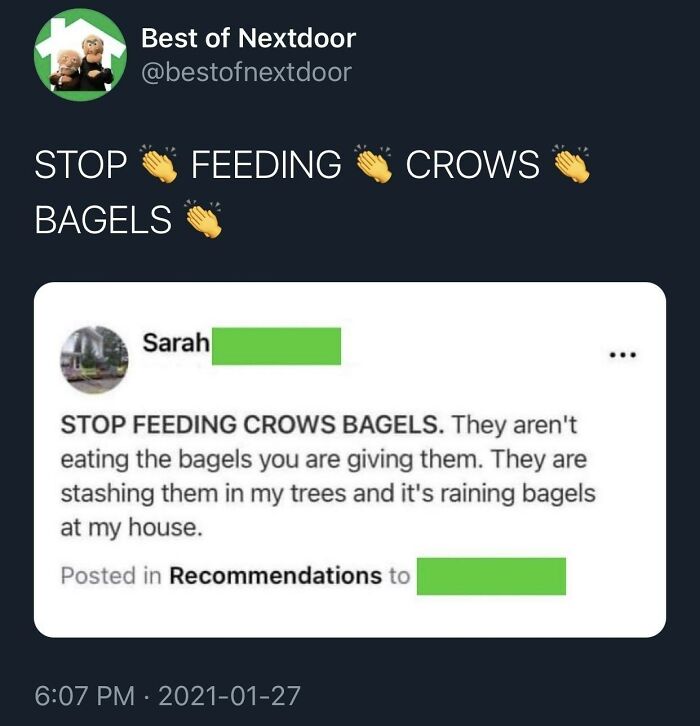
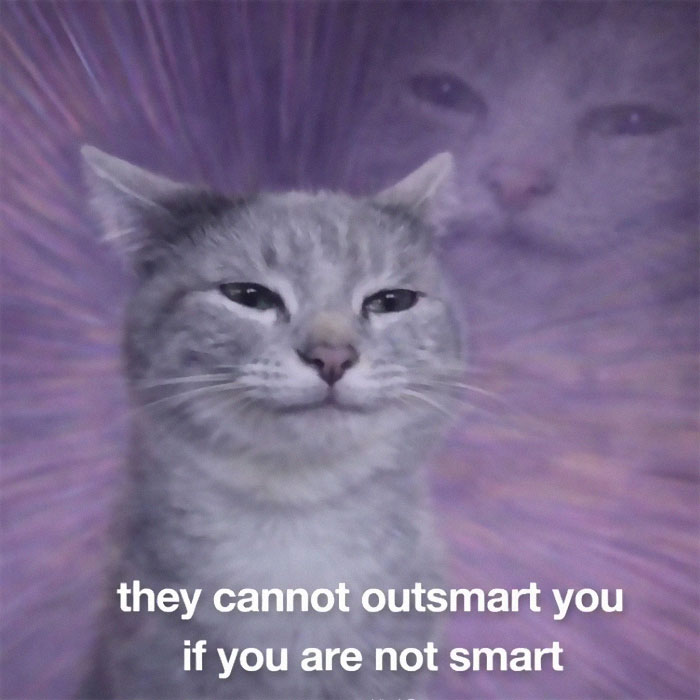
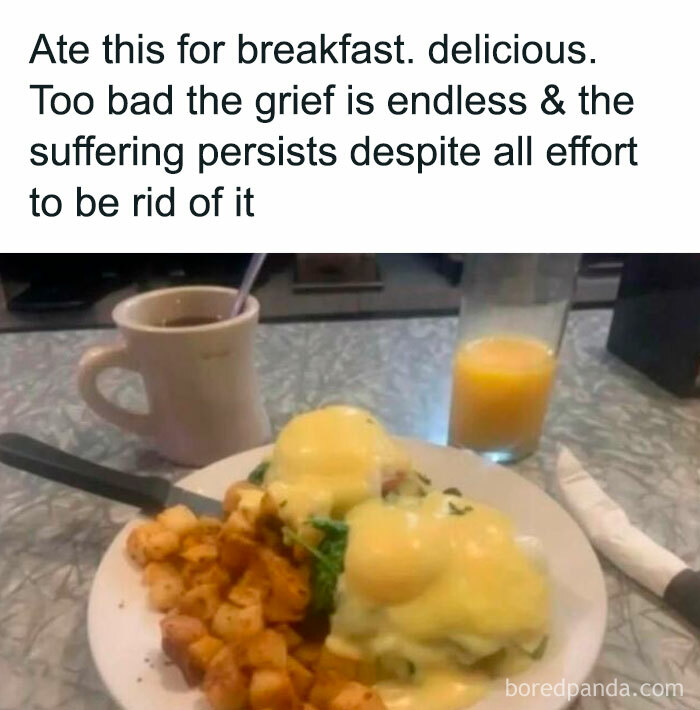
We can rage against the machine, even reject it and go live in the woods. Or we can say, “It is what it is.” That’s not a bad mindset if we need to find the strength to keep going. The Instagram account ‘Cheerful Nihilism’ embraces these words and shares memes that help us laugh at all the meaninglessness. Hard times persist, but so do we.
More info: Instagram
Click here & follow us for more lists, facts, and stories.
This post may include affiliate links.
Worrying for the sake of worrying doesn’t help us. “Anxiety and stress are disruptors,” says psychotherapist Phil Lane, MSW, LCSW.
“They get in the way of our ability to live our lives and to successfully fulfill our daily obligations and responsibilities. Worse, they take us out of present moments of joy, contentment, and peace and replace them with future thoughts, suppositions, and inaccurate conclusions. When we are overcome with worry, our minds attach to ‘what if’ rather than to ‘what is.’”
According to the psychotherapist, this type of thinking serves to distract us, disturb our daily lives, and rob us of a sense of stability and equilibrium.
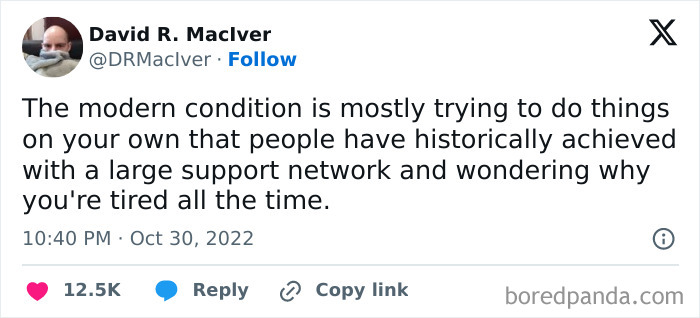
The effects of a worry-filled lifestyle can manifest themselves in multiple ways. For example, it’s probably no coincidence that according to a recent survey of 2,000 people, we think we need double our current energy levels to feel fully capable of keeping up with daily demands. And not just for health and happiness boosts, but also for our wallets.
Seventy-four percent of respondents feel they’d be earning more if they had higher energy levels. When asked what they’d do with unlimited energy, the top response was spending more time with friends or family (18%).
“In psychological terms, daily functioning and activities of daily living are essentially the things we would ideally and healthily be able to accomplish on a daily basis when we are unimpeded by worry, stress, or overwhelm,” says Lane.
“However, when stress and worry get in the way, we can find it difficult to complete even the most necessary and basic tasks. This is due not to laziness or lack of accountability but, rather, to the feeling of paralysis and fatigue that can come with overwhelming worry and stress.”
For instance, some areas of daily functioning that can be negatively affected by anxiety include:
When any of all of these areas of daily living are impacted by anxiety, Lane says we “narrow” ourselves and live incompletely.
So other than scrolling through memes, what can we do about our worries? Lane says the first step is to honestly assess what is happening in our lives (work, family, personal relationships, physical health, financial strain, etc.).
“Paying attention to the specific elements that are causing us to stress and worry is an integral step in formulating a plan for reducing the negative impact of overwhelm,” he explains.
Then, it becomes easier to envision what restored daily functioning might look like. “Think about how we would like our lives to look if we were at optimal functioning. Perhaps this means we would have time to spend with our families, to exercise and engage in personal interests, and to leave work ‘at the door’ when we leave the office.”
Imagining what restored functioning would look like helps us to think pragmatically about how to implement positive changes.
If, for instance, we are struggling with how many hours we are working, we may consider taking a personal day, speaking with a supervisor, or implementing stronger boundaries at work. When we honestly assess how much time and energy we devote to different areas of our lives, we can acknowledge where help is needed.
And it’s definitely worth a try. Lane highlights that reducing stress and worrying can lead to:
It’s not just about obligations, but also about being present.
You Might Also Like: 41 Funny Photos Without Context That Get Weirder The Longer You Look At Them

































 No fees, cancel anytime