Get Premium
Dark mode theme is available exclusively for premium users. Learn more about the benefits of subscribing.
No fees, cancel anytime.

 Dark Mode Ad-Free Browsing Unlimited Content
 Ad-Free Browsing Unlimited Content Dark Mode
Join 1.2 million Panda readers who get the best art, memes, and fun stories every week!
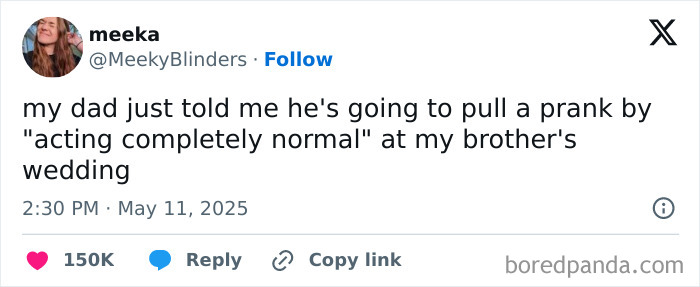
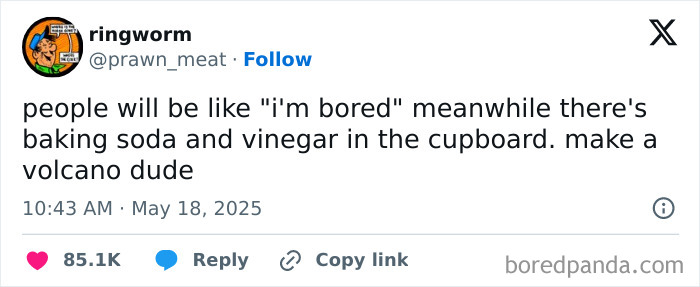
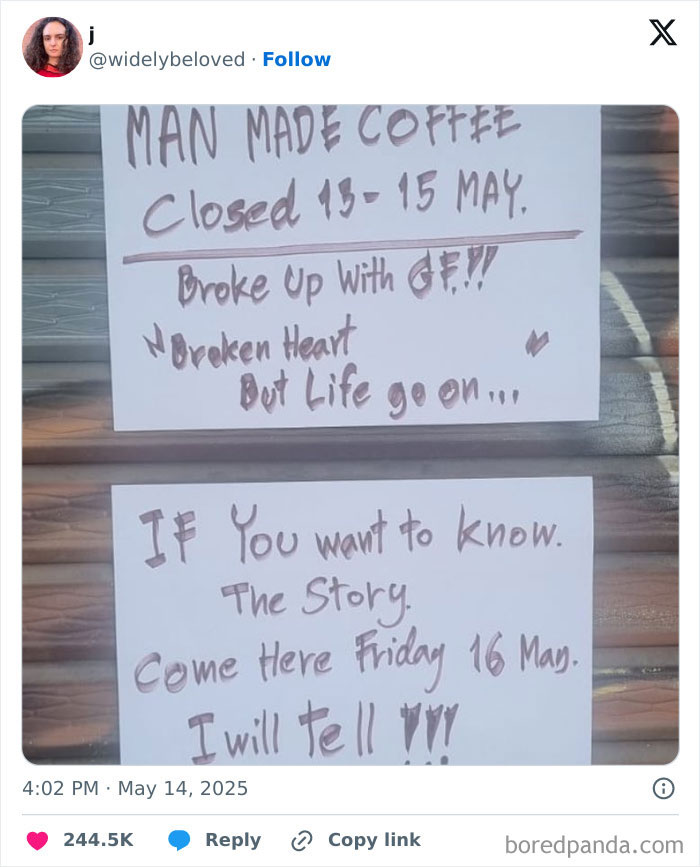
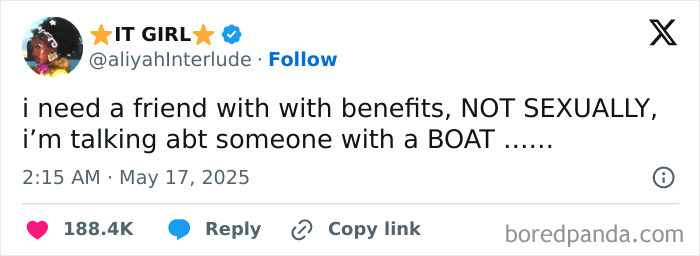
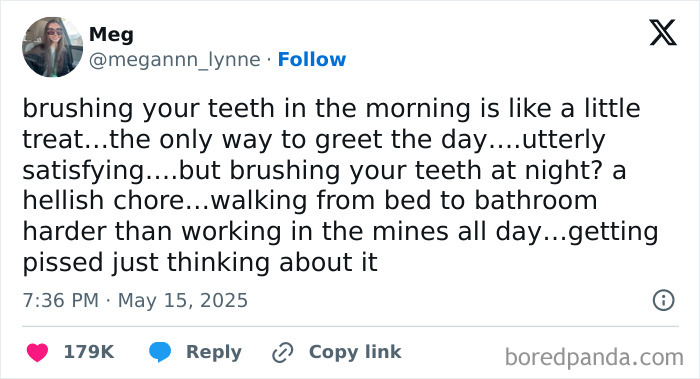
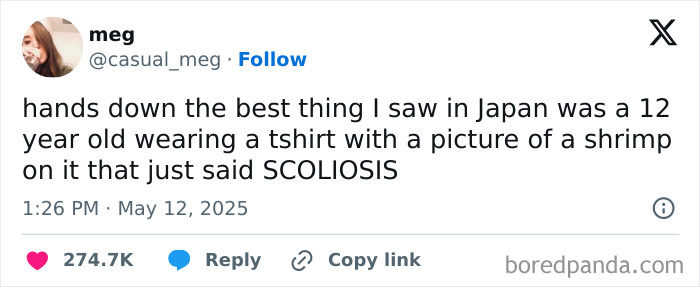
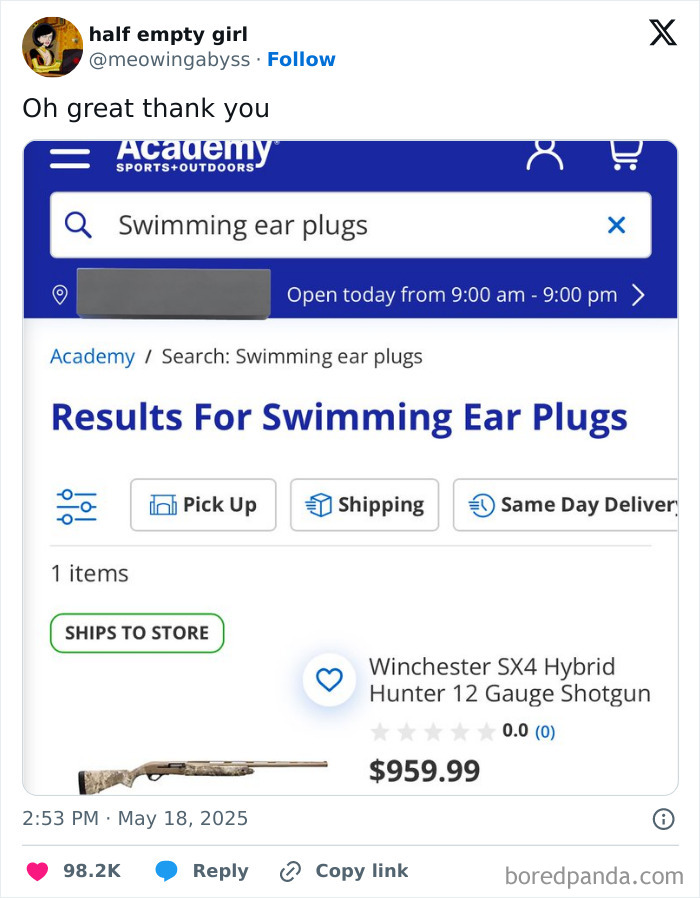
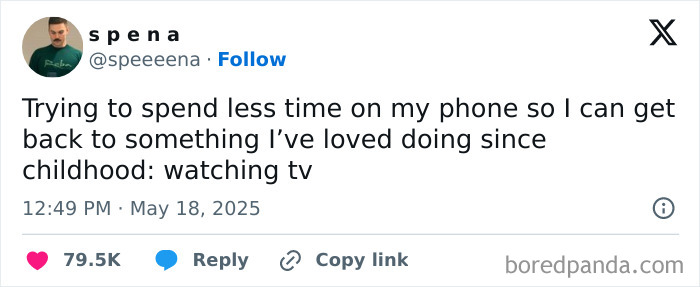
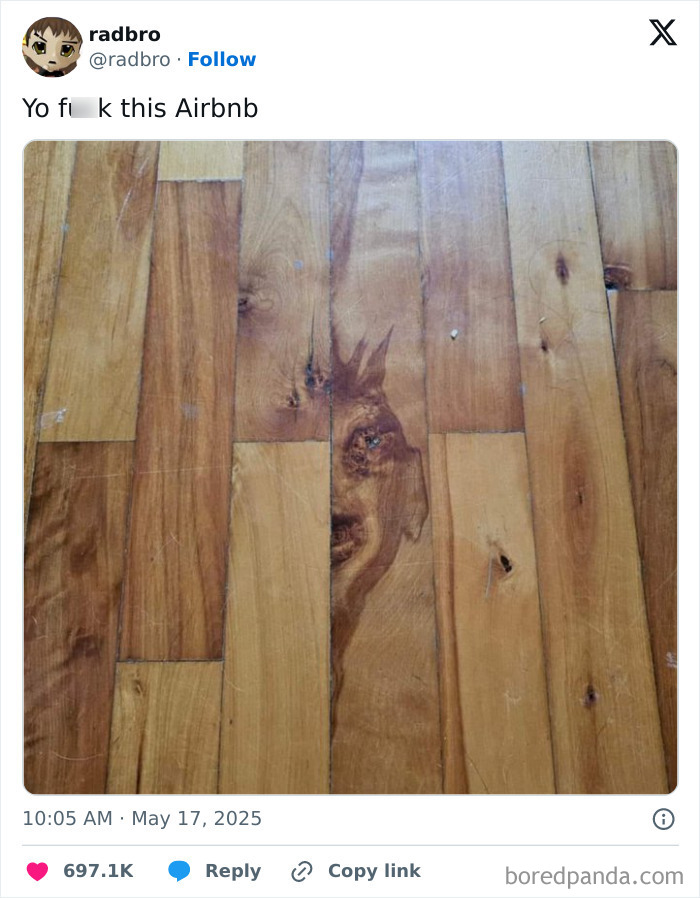
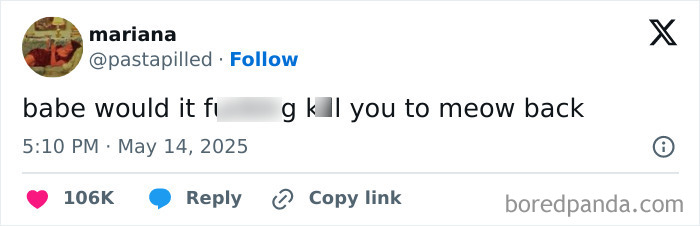
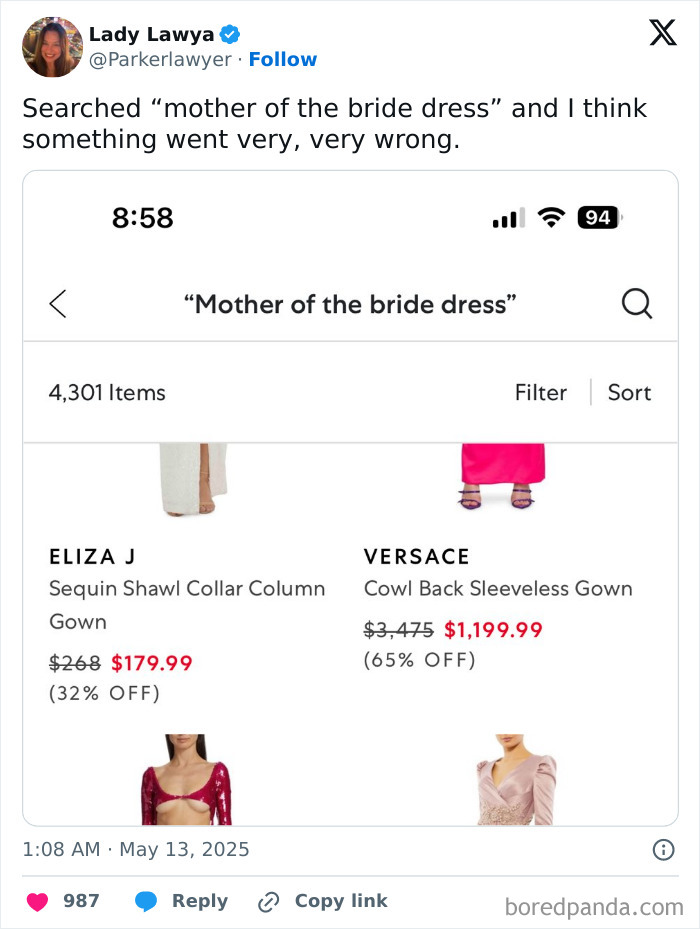
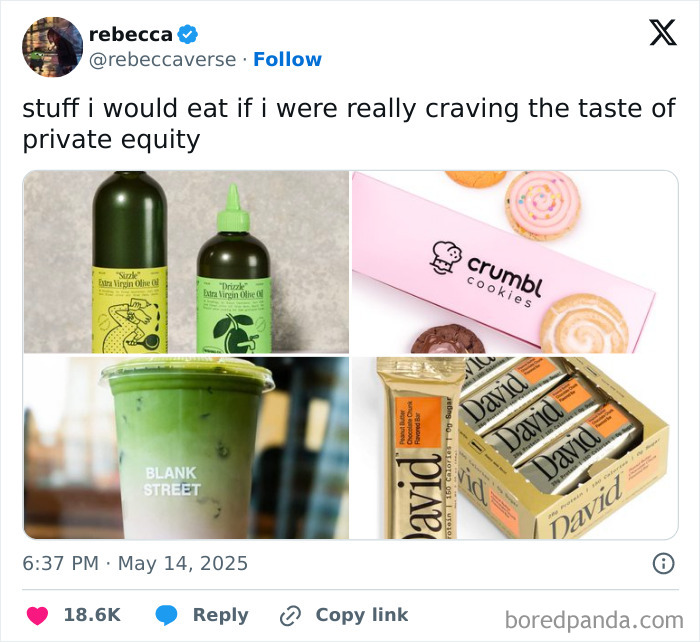
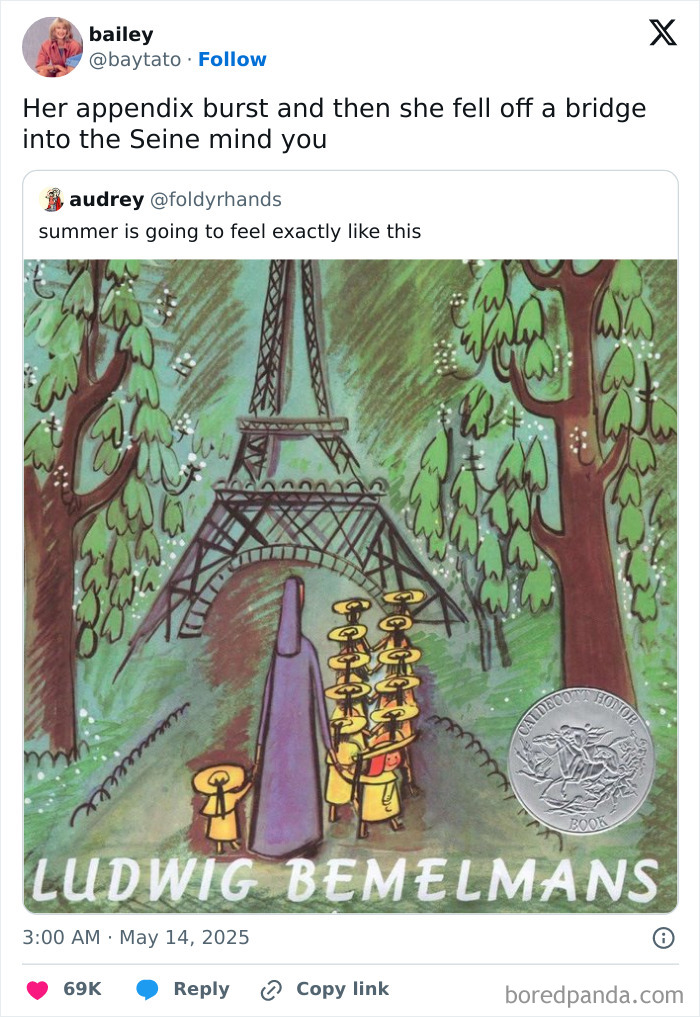
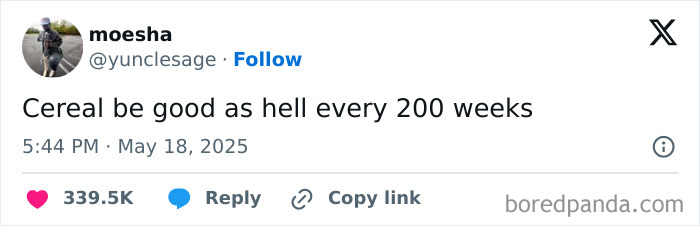
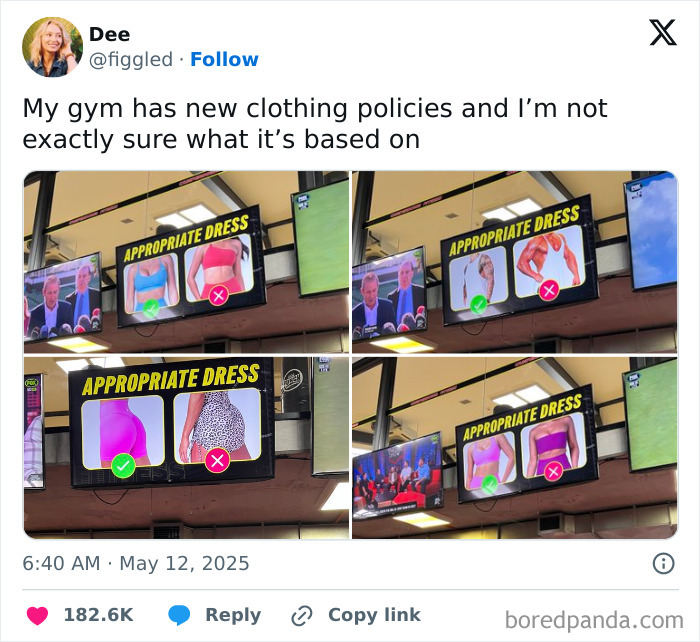
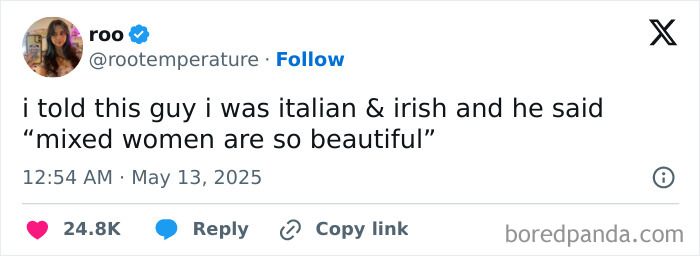
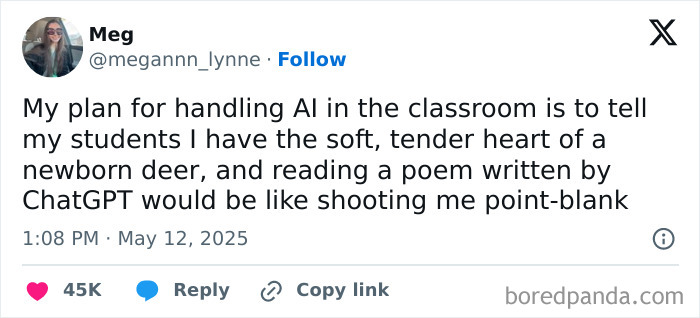
X (formerly Twitter) is such a wild platform, and not just because of its extravagant, high-profile owner and the changes he’s made to it. The posts come at you quickly, loudly, and often without context, ranging from unhinged political takes to raw personal confessions, random flashes of profound wisdom, and much, much more. No matter how long you’ve been on the internet, you can't prepare yourself for everything. The content is so colorful that we even have a monthly series to show off the most memorable stuff we discover. Hi! Here’s May’s.
This post may include affiliate links.
The way people interact on X has been changing. Research has shown hate speech increased on the platform immediately after Musk took over, and so too did the prevalence of most types of bots.
A new paper from earlier this year replicated those findings. The study was conducted by a team of researchers led by Daniel Hickney from the University of California, Berkeley, and examined 4.7 million English-language posts on the platform from the beginning of 2022 through June 9, 2023. This period includes the ten months before Musk bought X and the eight months afterwards.
It measured overt hate speech, the meaning of which was clear to anyone who saw the posts—it did not measure covert types of hate speech, such as coded language used by some extremist groups to spread hate but plausibly deny doing so.
The study found "a clear increase" in the average number of posts containing hate speech following Musk’s purchase of X.
The volume of posts containing hate speech was "consistently" 50% higher after Musk took over X compared to before, a jump from an estimated average of 2,179 to 3,246 posts containing hate speech per week.
Transphobic slurs saw the highest increase, rising from an average of roughly 115 posts per week to about 418.
The level of user engagement with posts containing hate speech also increased under Musk's watch. The weekly rate at which hate speech content was liked by users grew by 70%.
The researchers say these results suggest either hate speech wasn't taken down, hateful users became more active, the platform’s algorithm unintentionally promoted hate speech to users who like such content, or a mix of all of these factors.
Researchers also reported a “potential increase” in the number of bot accounts, partly associated with a large upswing in posts promoting cryptocurrency.
Dr. Michael J. Jensen, who is an associate professor at the University of Canberra, Australia, also noted that the researchers' access to X data was cut off during the study due to a policy change by the platform, which replaced free access to approved academic researchers with payment options that are more or less unaffordable.
Only time will tell if this trajectory toward more hate will continue on X and elsewhere on the internet, but many industry experts aren't very optimistic about the future.
Bill Ready, the chief executive of the image-sharing platform Pinterest, thinks artificial intelligence is largely to blame. "This question of tuning AI is central to how social media became so toxic," he said. "Think about how your own social media world has evolved over the past decade. When social media started out, it was a chronological view of what your friends posted, right? And, over time, it more and more became a view of what the algorithms thought you should see."
"The AI was told to maximise your view time, and it figured out that the things that would make you watch the longest were the ones that triggered you the most — whether it was the politician that really got you fired up, or whether it was things that made you covet somebody else's fake perfect life," Ready said.
"As human beings, we're still wired the same way we were 100,000 years ago, when your brain was given a choice. Which thing should you pay more attention to? The thing that could be a nice lunch, or the thing that could make you [its] lunch? And, obviously, the thing that could make you [its] lunch required more of your attention. Things that drive fear, anger, envy, greed will grab the base of your brainstem, and the AI figured that out."
To describe the shift, Ready uses a metaphor where we see a car crash in front of us. "We all know you shouldn't look, right? But everybody peeks. With algorithmically derived feeds, the AI says: 'You looked, [so] I should show you another car crash. And you looked at that one, too. [So] I should show you another car crash. You looked at that one, too... ' Until, eventually, your feed is filled with nothing but car crashes. That is what has happened with social media."
Folks, let's make an agreement. You keep up the demand for more light-hearted lists, and we'll keep delivering them. Let's resist.


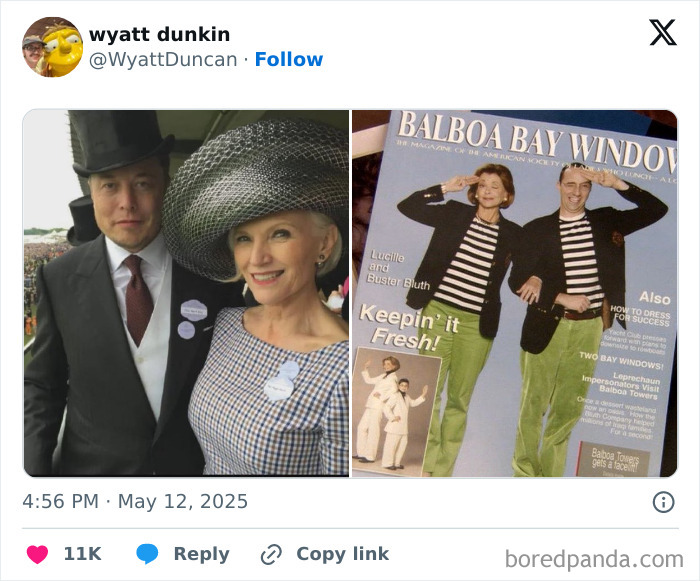
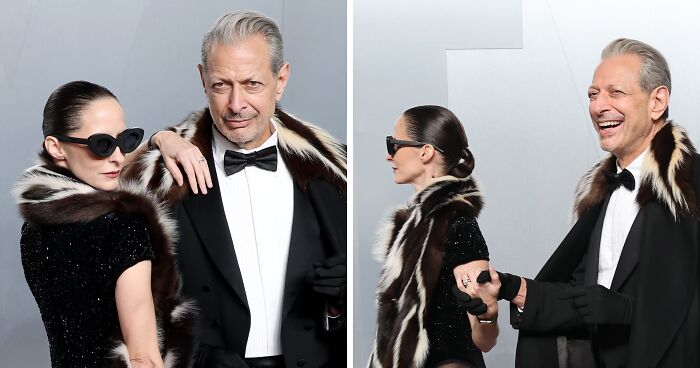
The motherboy Lucille and buster bluthe next to Maye and Elon Musk was hilarious. My partner and I were cracking up.
The motherboy Lucille and buster bluthe next to Maye and Elon Musk was hilarious. My partner and I were cracking up.











 No fees, cancel anytime