Get Premium
Dark mode theme is available exclusively for premium users. Learn more about the benefits of subscribing.
No fees, cancel anytime.

 Dark Mode Ad-Free Browsing Unlimited Content
 Ad-Free Browsing Unlimited Content Dark Mode
Join 1.2 million Panda readers who get the best art, memes, and fun stories every week!
The human ability to adapt is one of the reasons we’re still around. After all, we’re pretty frail if you think about it, not as fast as predators, we get cold easily, no claws or horns to speak of. But we always manage to take something bad and extract that silver lining, even if it’s just some humor.
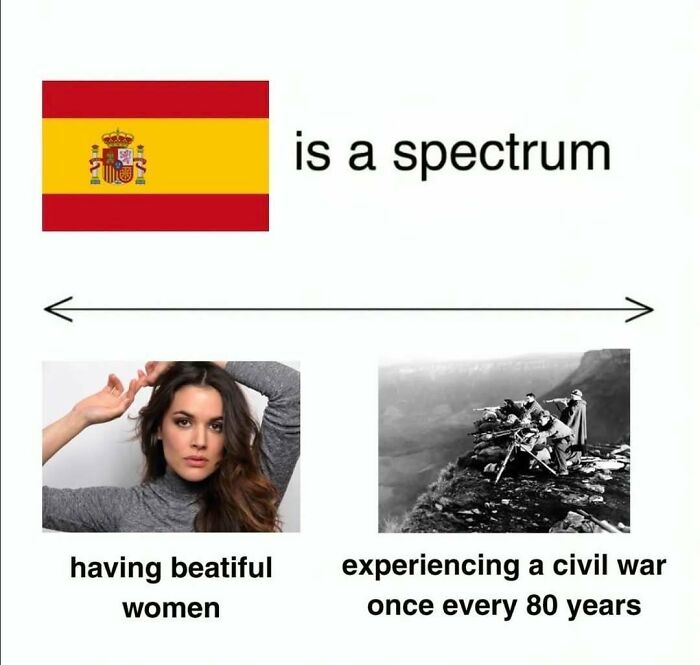
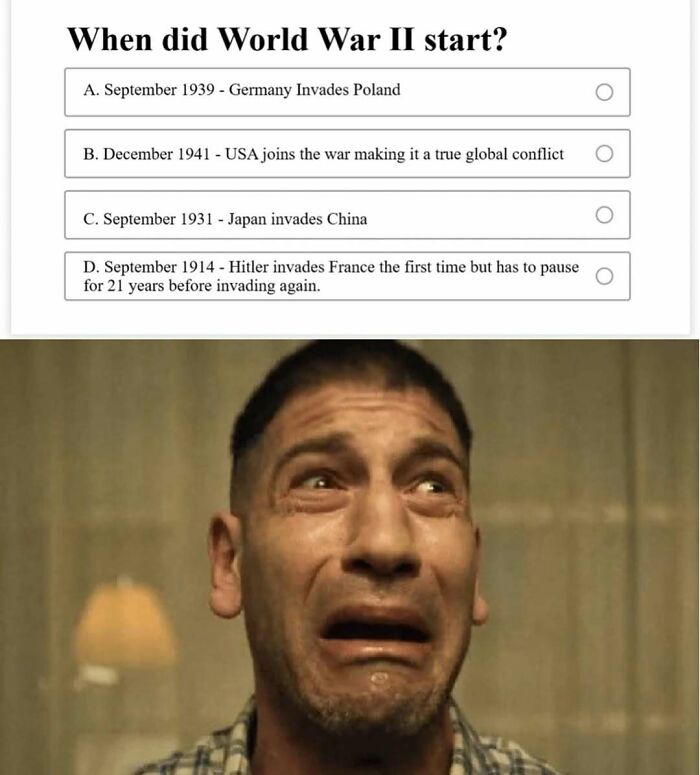
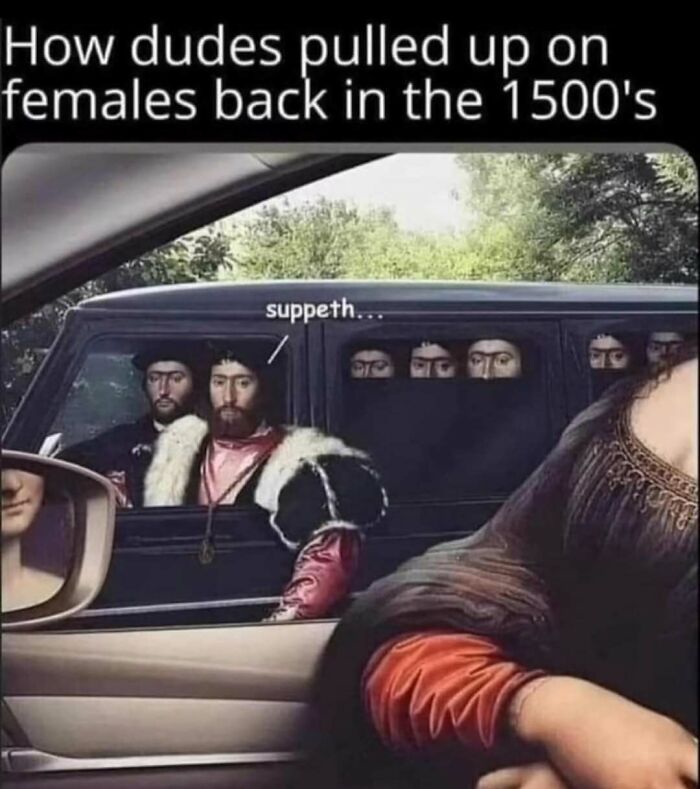
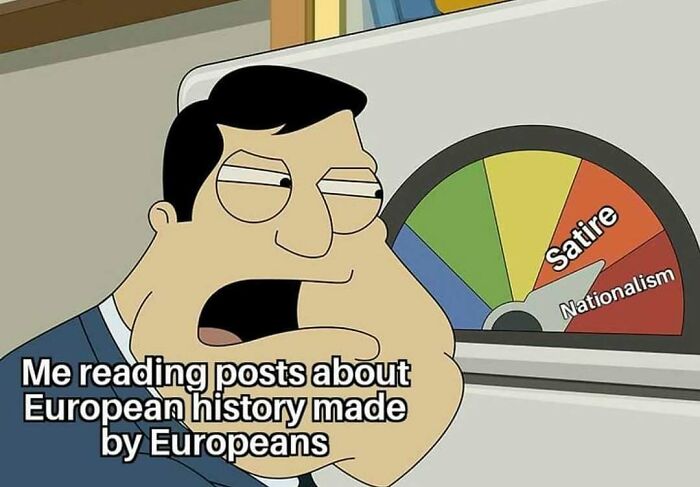
So we’ve gathered some of the most interesting posts from the “Dark History Memes” Instagram page that are hopefully as educational as informative. Get comfortable as you scroll through, upvote your favorites and be sure to share your thoughts in the comments below.
More info: Instagram
This post may include affiliate links.
In 1932, Australia declared war. Not on another nation, but on emus. Thousands of the flightless birds were trampling wheat fields in Western Australia, and the government's solution was to send in soldiers armed with machine guns. The birds won.
They scattered into small groups, dodged gunfire with what witnesses called almost tactical precision, and generally made the Australian military look silly in front of the whole country. By the time the operation quietly ended, officials had spent a small fortune on ammunition for what became known as the Great Emu War, a conflict Australia is still a little embarrassed about.
Now picture something stranger. In the summer of 1518, a woman in Strasbourg stepped into the street and started dancing. She didn't stop. Within a week, dozens of her neighbors had joined her, and within a month hundreds of people were dancing through the streets, seemingly against their own will, some until they collapsed from exhaustion.
Physicians at the time actually encouraged more dancing as a cure, hiring musicians to keep the rhythm going. Historians still argue about what caused this so-called dancing plague, with theories ranging from mass stress hysteria to contaminated rye bread, but nobody has a definitive answer even five centuries later.
History also has its share of accidents that sound made up but weren't. In January of 1919, a massive steel tank in Boston's North End burst open and released more than two million gallons of molasses into the streets. The wave reportedly moved at around 35 miles per hour, fast enough to sweep away buildings and part of an elevated train line. There were 21 casualties and over 150 people injured.
Locals swore for decades afterward that you could still catch a whiff of molasses on hot summer days near the harbor. The Great Molasses Flood remains one of the strangest industrial disasters in American history, proof that even something as sweet and harmless sounding as molasses can turn deadly under the wrong conditions.
Then there's the time a pig nearly started an international war. In 1859, tensions between American settlers and British authorities on San Juan Island had been simmering for years over an unclear border. Things boiled over when an American farmer shot a pig that belonged to a British company because it kept digging up his potatoes.
Both sides sent troops, and for a while hundreds of soldiers and several warships faced off over some pork. Remarkably, not a single human life was lost during the entire standoff, which dragged on for over a decade before diplomats finally settled the border peacefully. To this day, the Pig War holds the distinction of being one of the only wars in history where the sole casualty had a curly tail and a snout.
If that all still feels too drawn out, consider the opposite extreme. On the morning of August 27, 1896, British warships opened fire on the palace of the Sultan of Zanzibar after a disputed succession left an unapproved ruler on the throne. The palace defenses collapsed almost immediately, the sultan fled, and the fighting was over before it really began.
Depending on which historical account you trust, the entire war lasted somewhere between 38 and 45 minutes, which is shorter than most people's lunch breaks. The Anglo-Zanzibar War is widely recognized as the shortest war ever recorded, a reminder that some conflicts are decided before most people even realize they started.
What ties all of these moments together isn't tragedy or triumph so much as sheer unpredictability. Humans have gone to war over livestock, lost battles to birds, danced themselves into exhaustion for reasons nobody fully understands, and been undone by their own storage tanks. It's a good reminder that history isn't just a straight line of important dates and famous names. Sometimes it's a farmer yelling about his potatoes, or a city block smelling like dessert for thirty years afterward. The past is full of these strange little detours, and honestly, they're often more memorable than the events we're taught to take seriously.





























 No fees, cancel anytime