Get Premium
Dark mode theme is available exclusively for premium users. Learn more about the benefits of subscribing.
No fees, cancel anytime.

 Dark Mode Ad-Free Browsing Unlimited Content
 Ad-Free Browsing Unlimited Content Dark Mode
Join 1.2 million Panda readers who get the best art, memes, and fun stories every week!
36submissions
1week left

We’ve never had it easier when it comes to buying and selling secondhand stuff. That unworn top gathering dust in your closet? Someone out there wants it. Looking for a cute bag without the boutique price tag? A few clicks online and it’s yours. At least, that’s the theory.
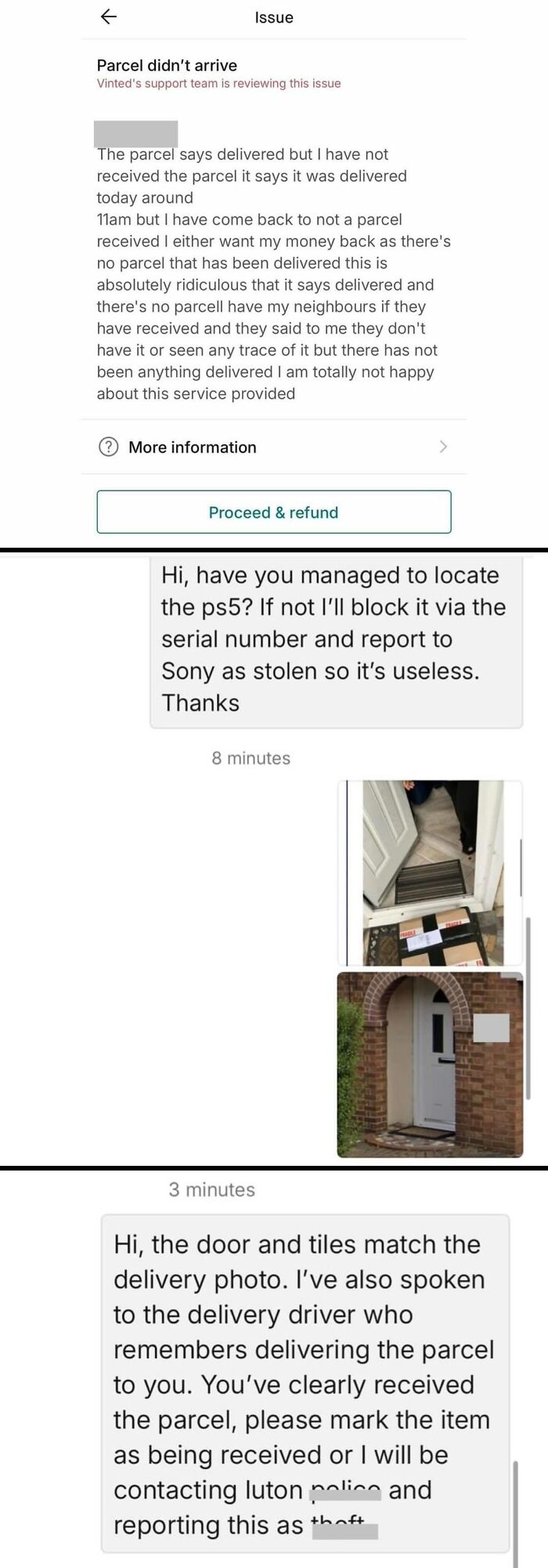
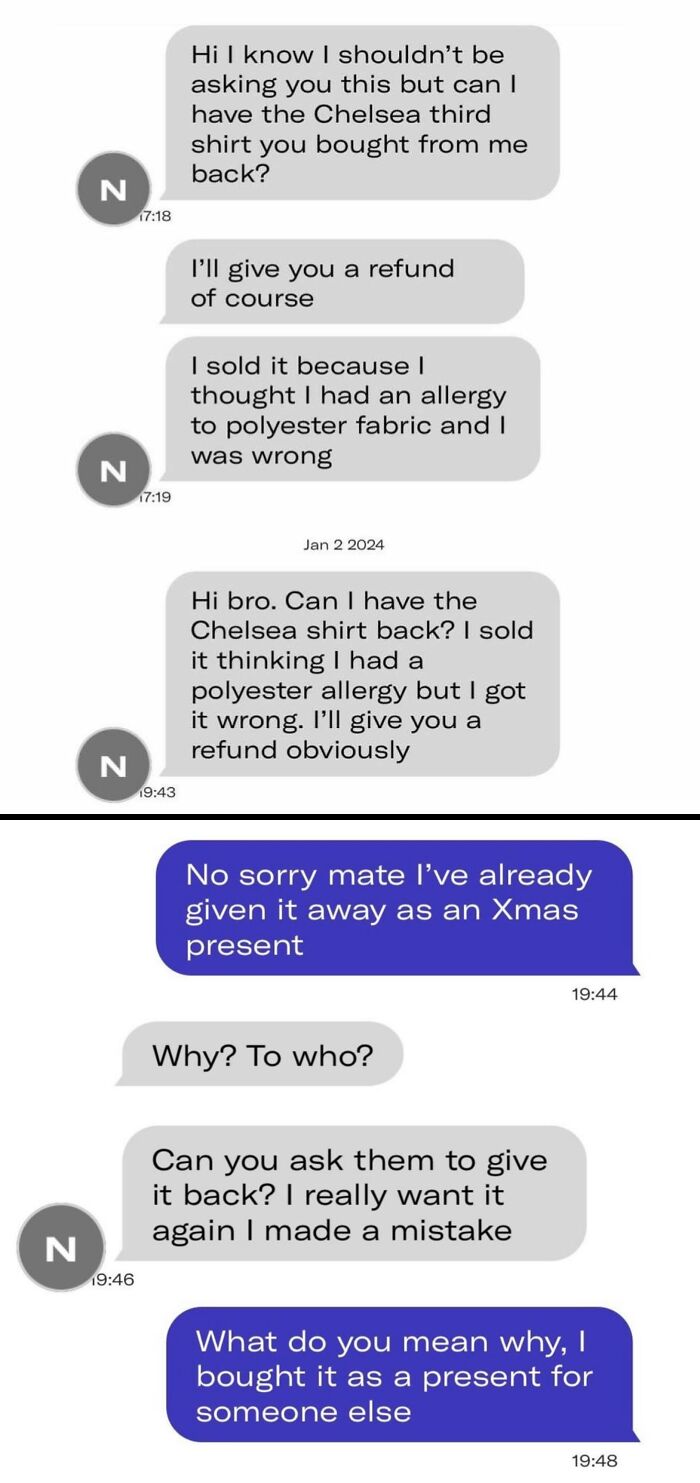
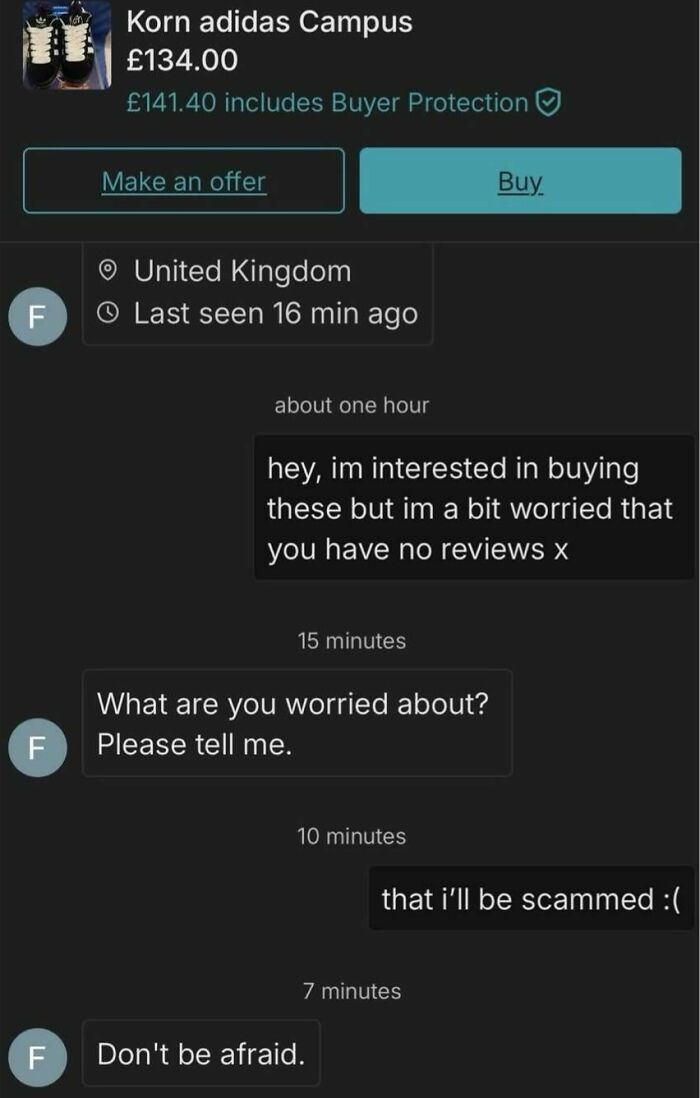
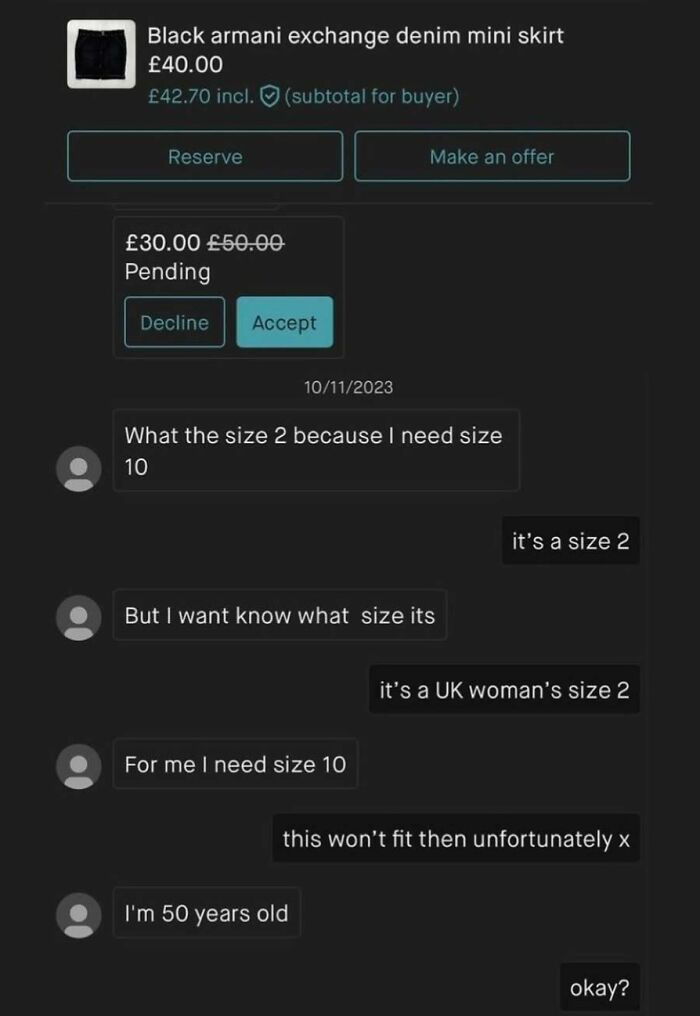
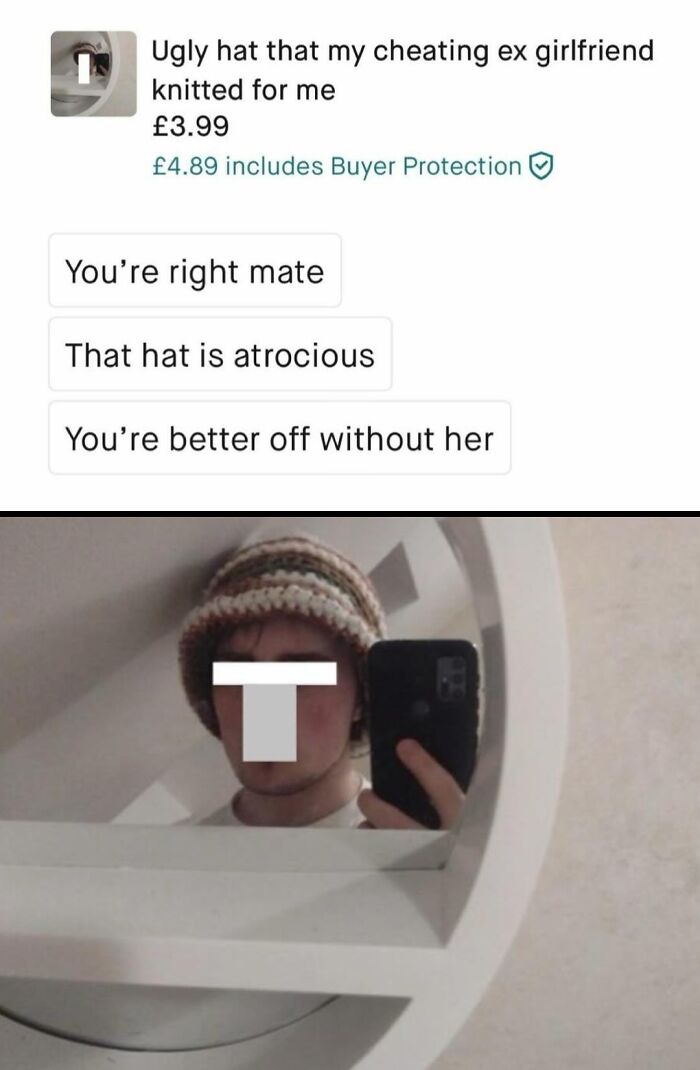
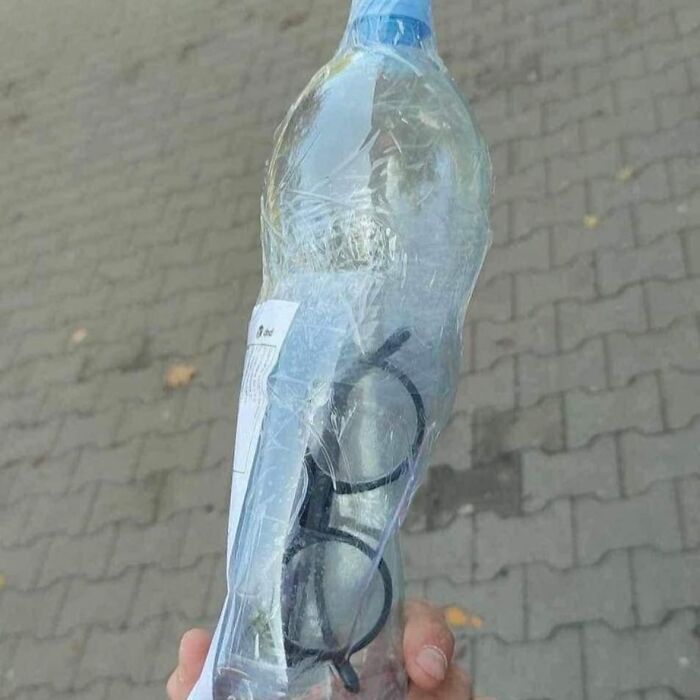
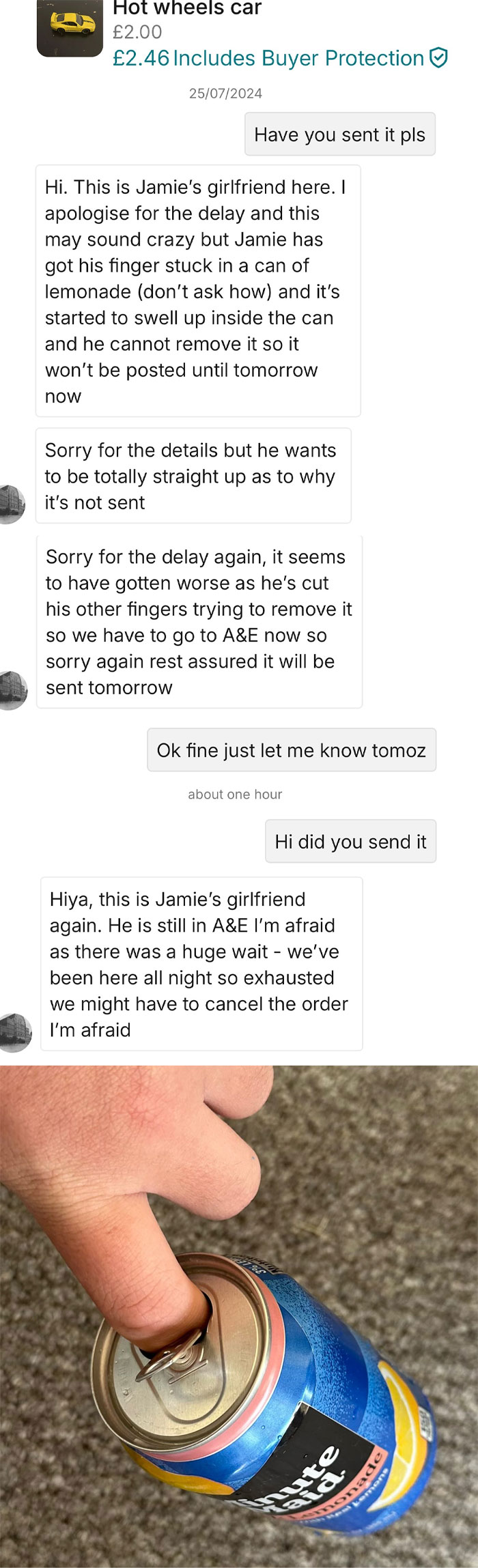
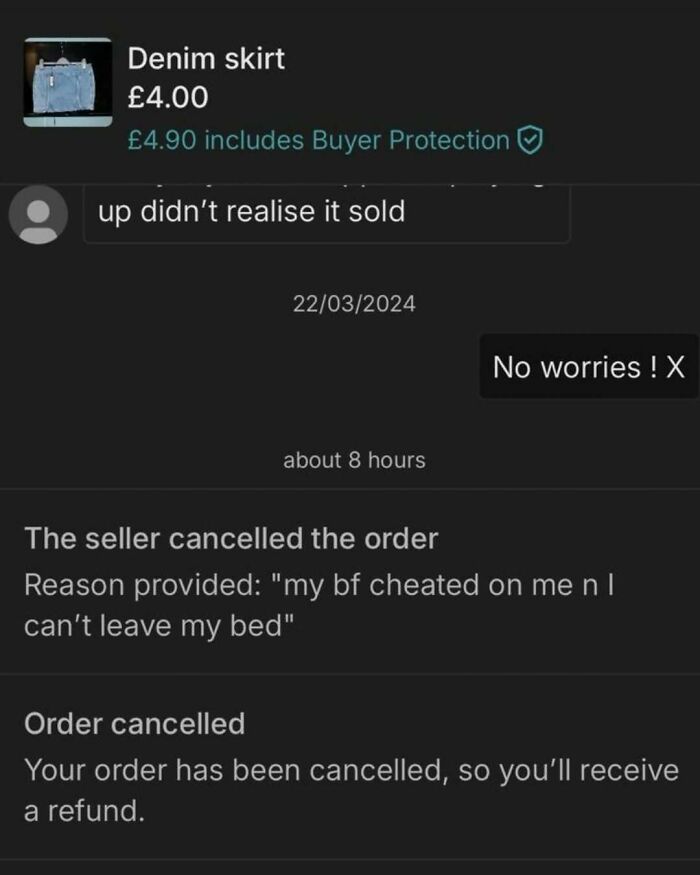
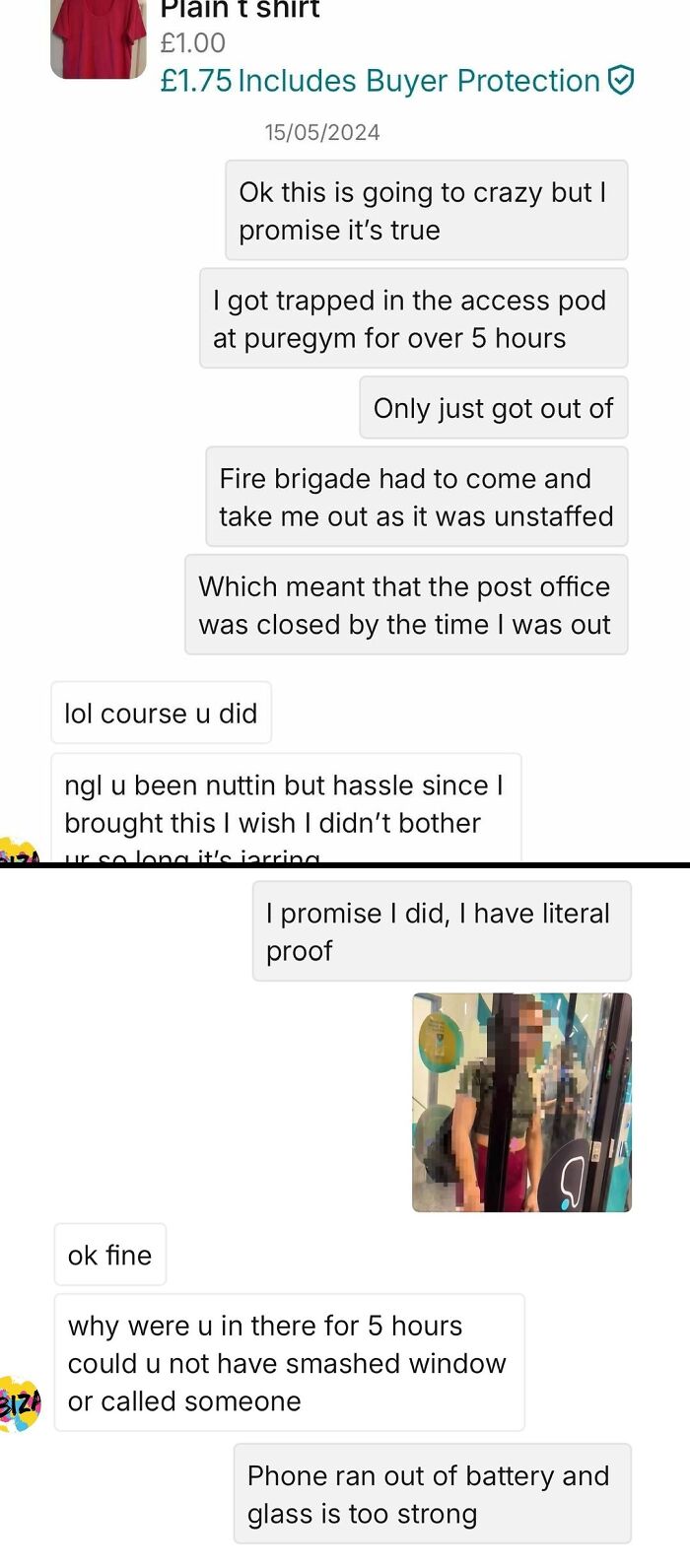
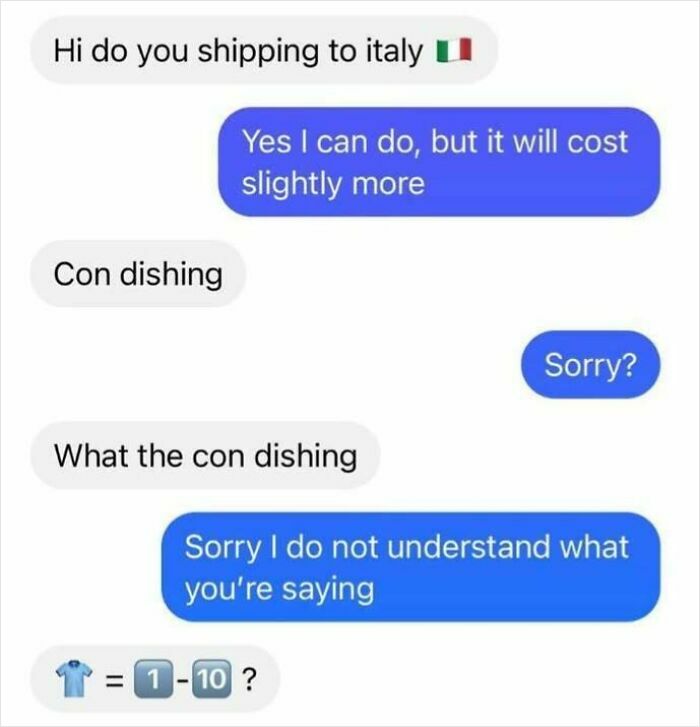
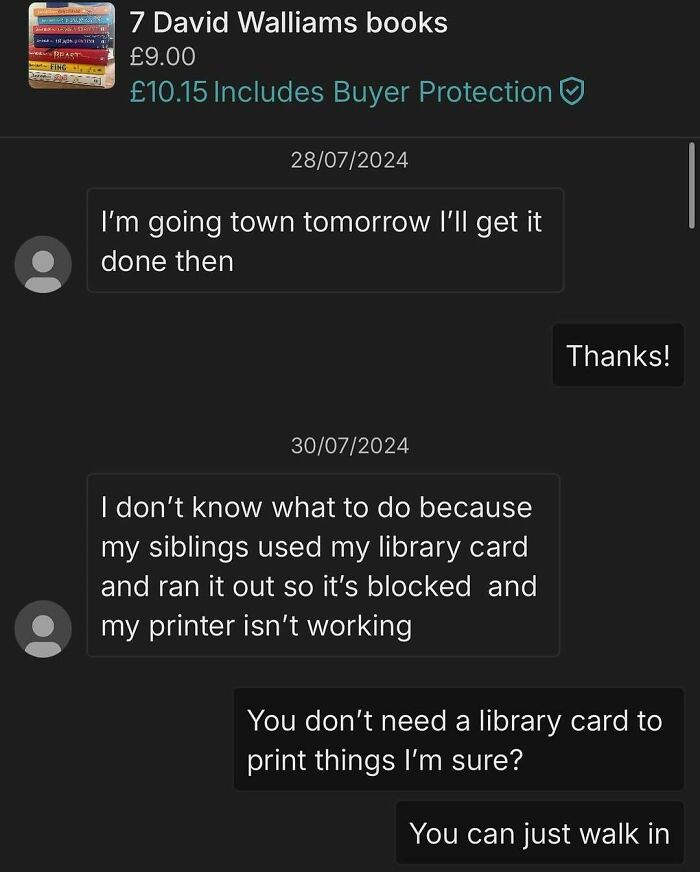
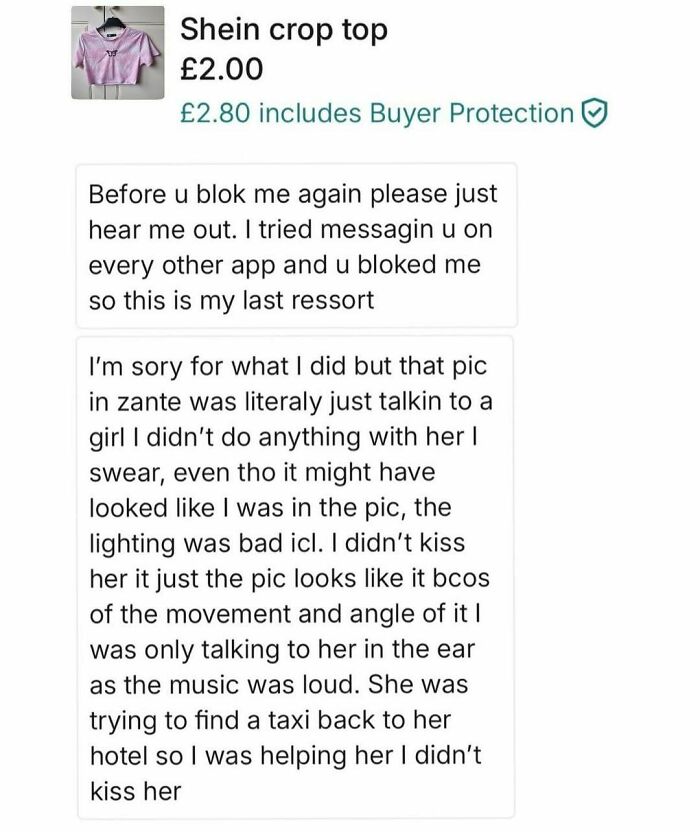
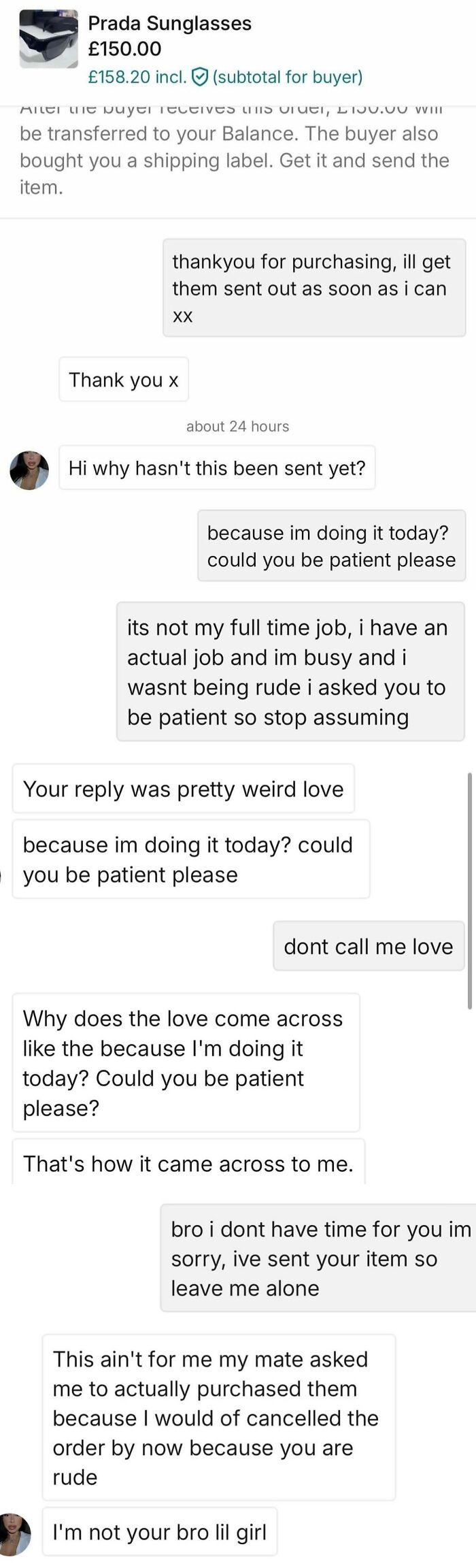
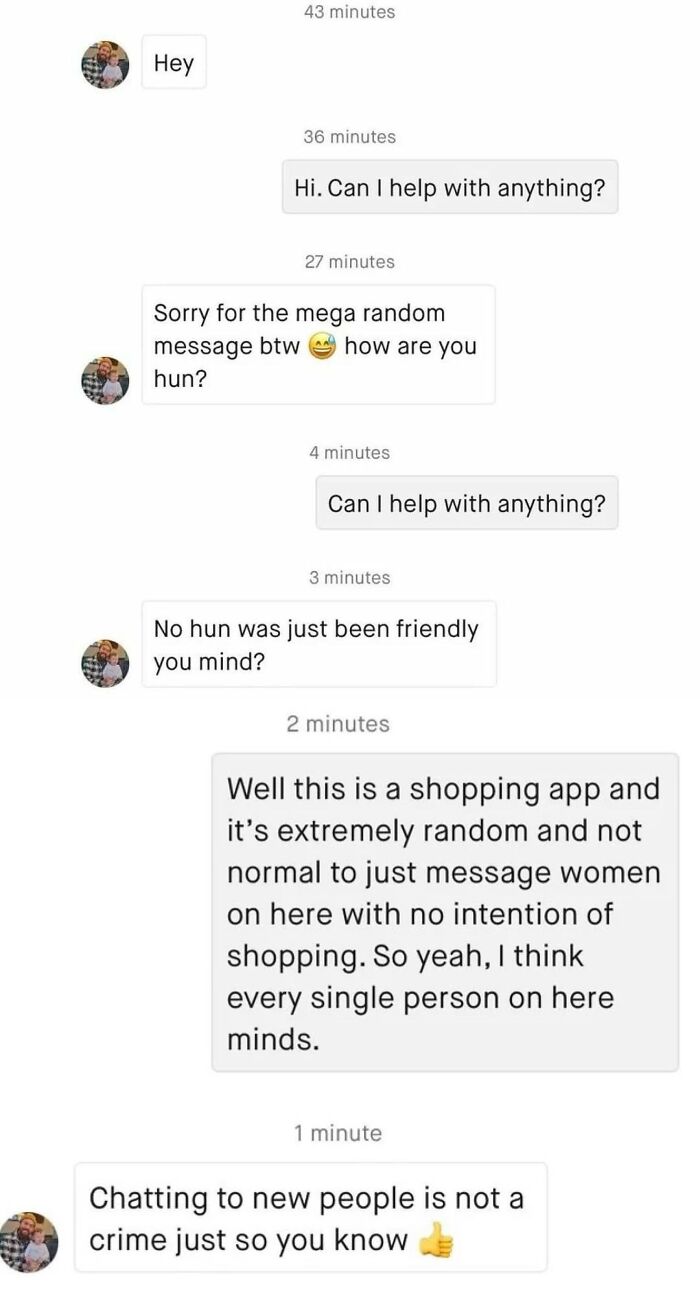
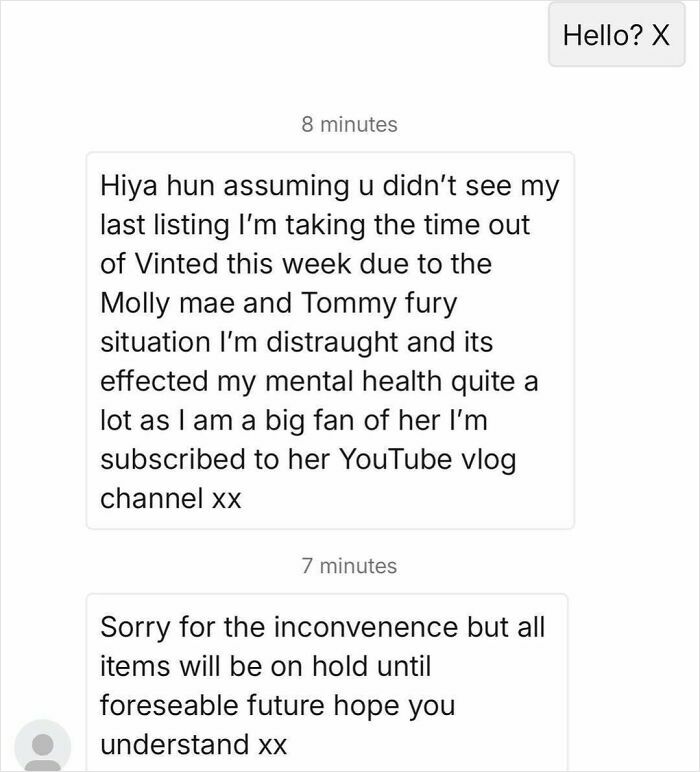
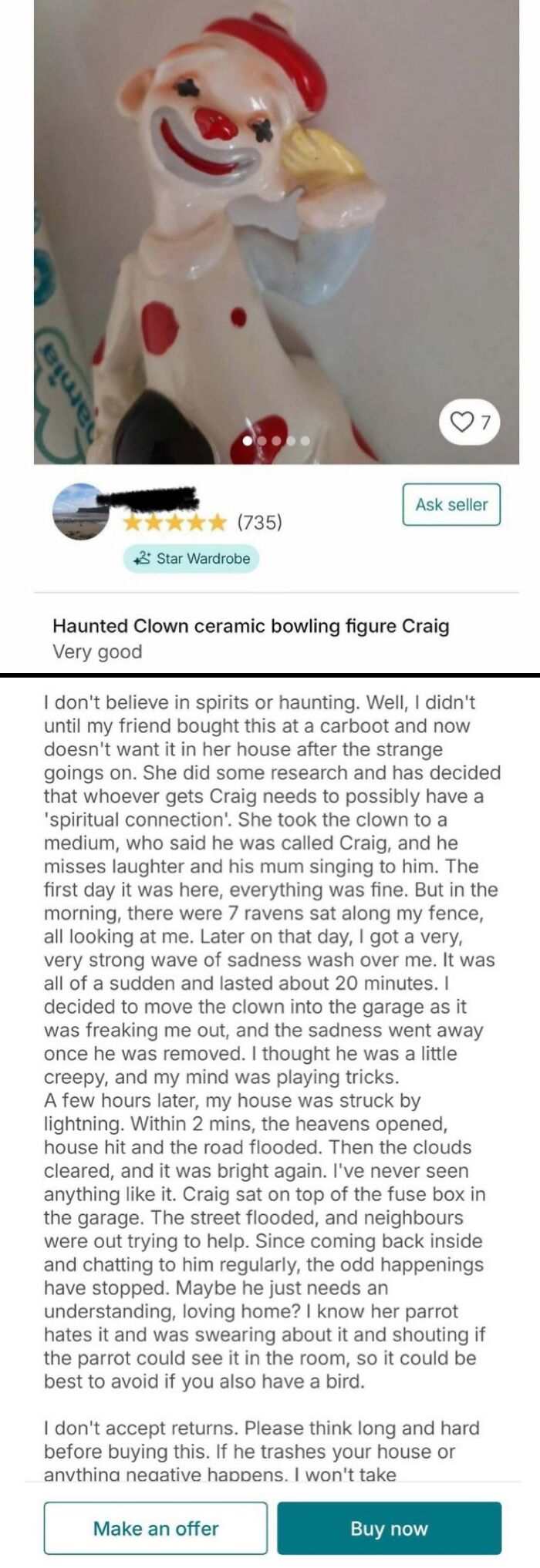
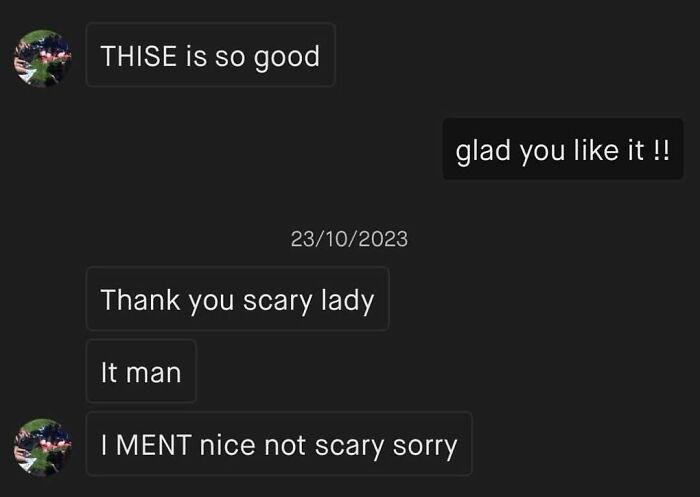
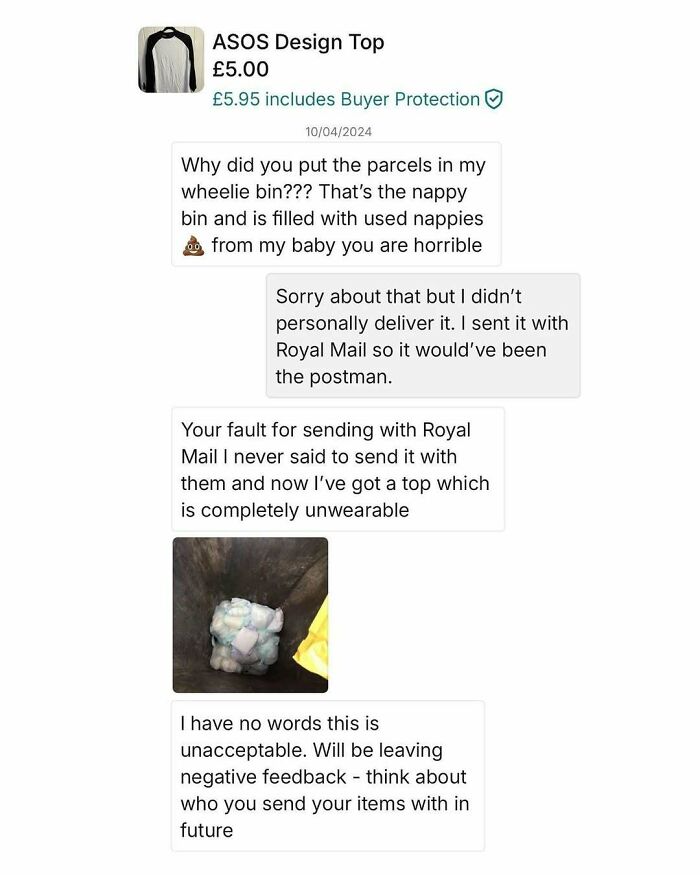
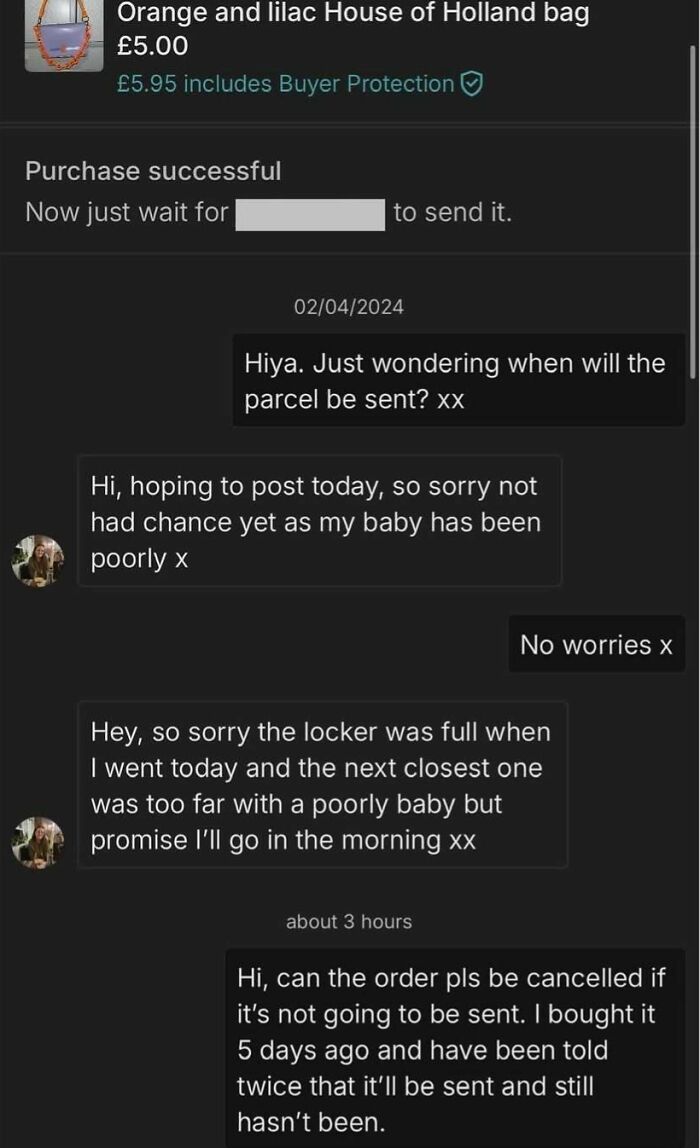
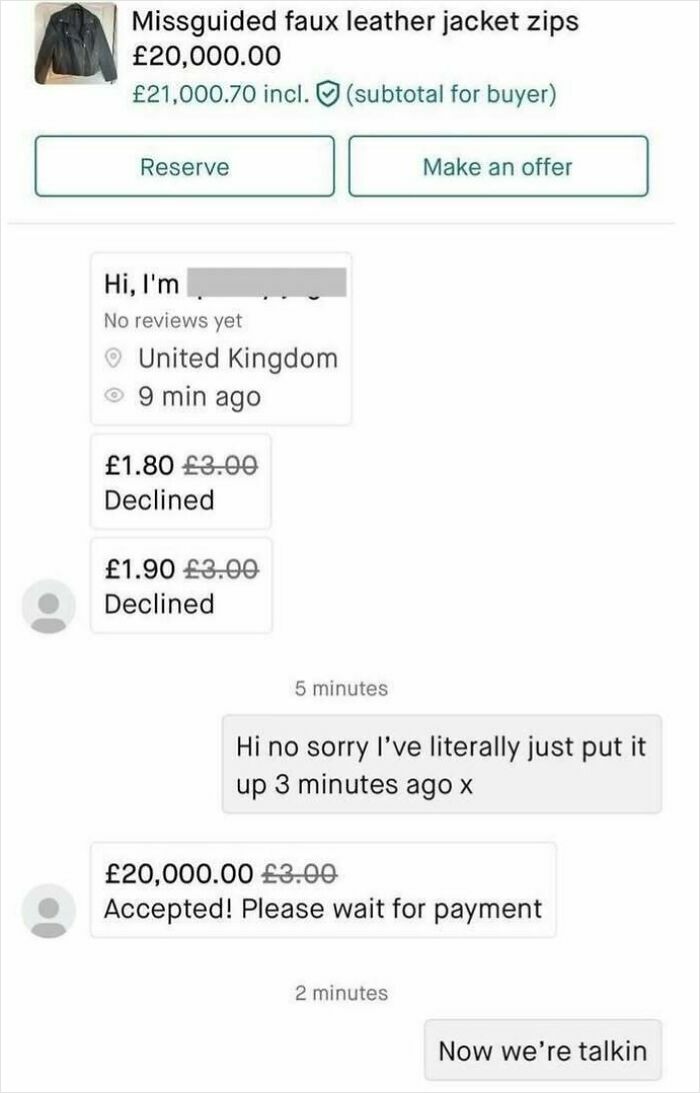
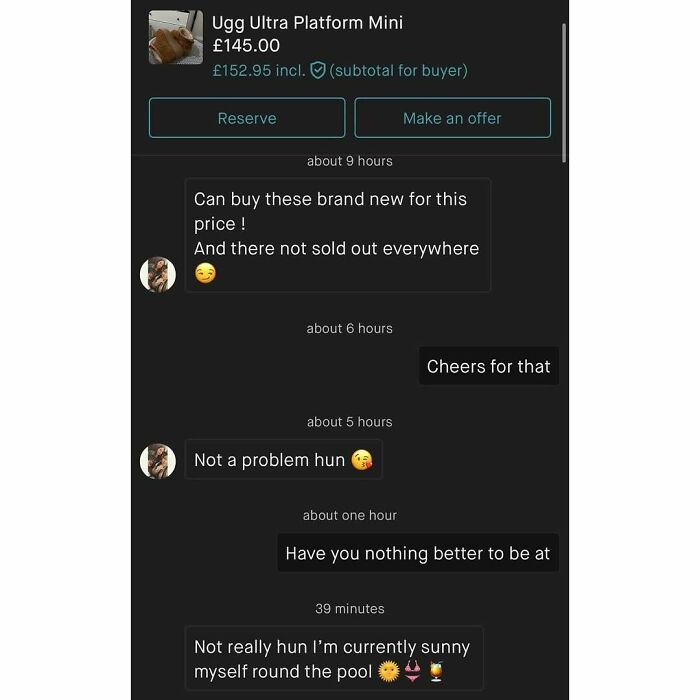
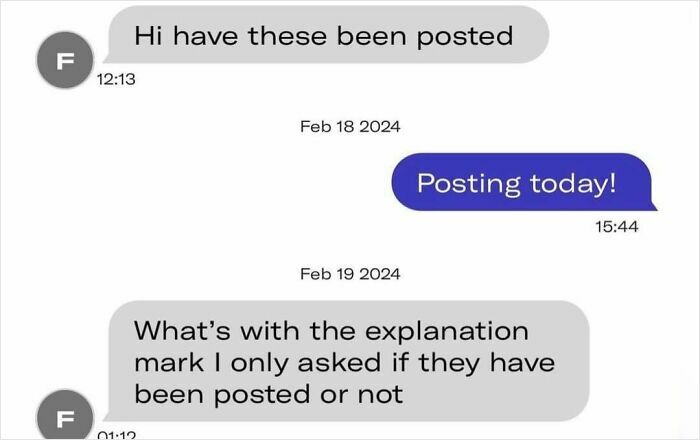
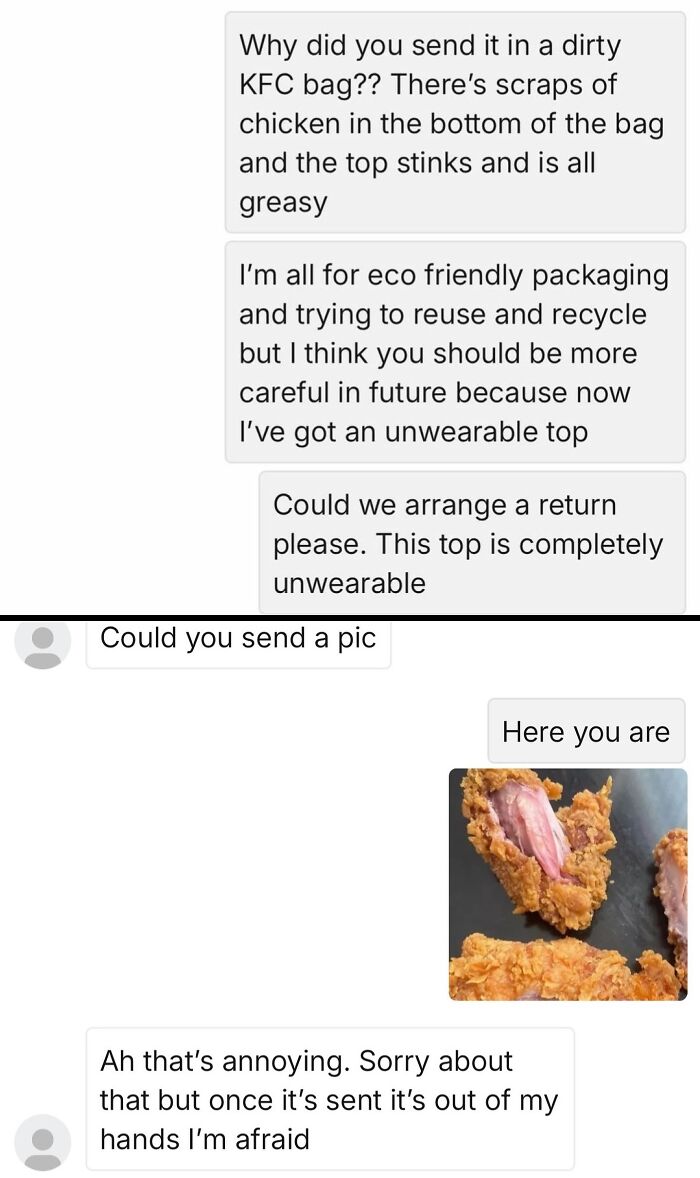
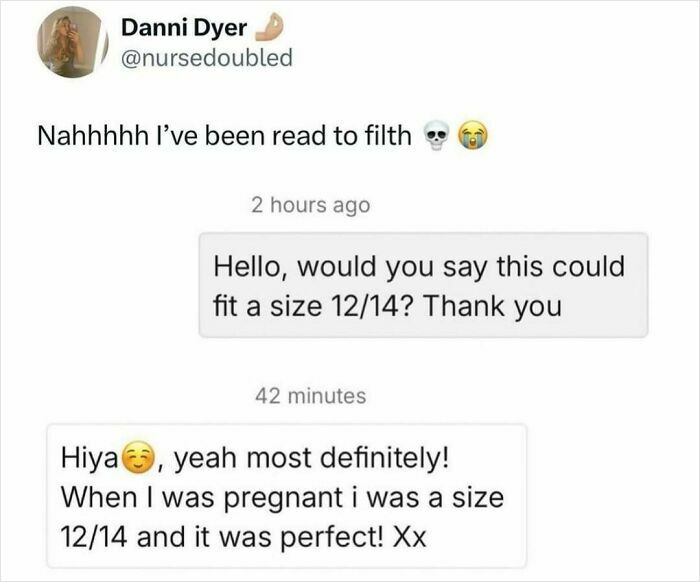
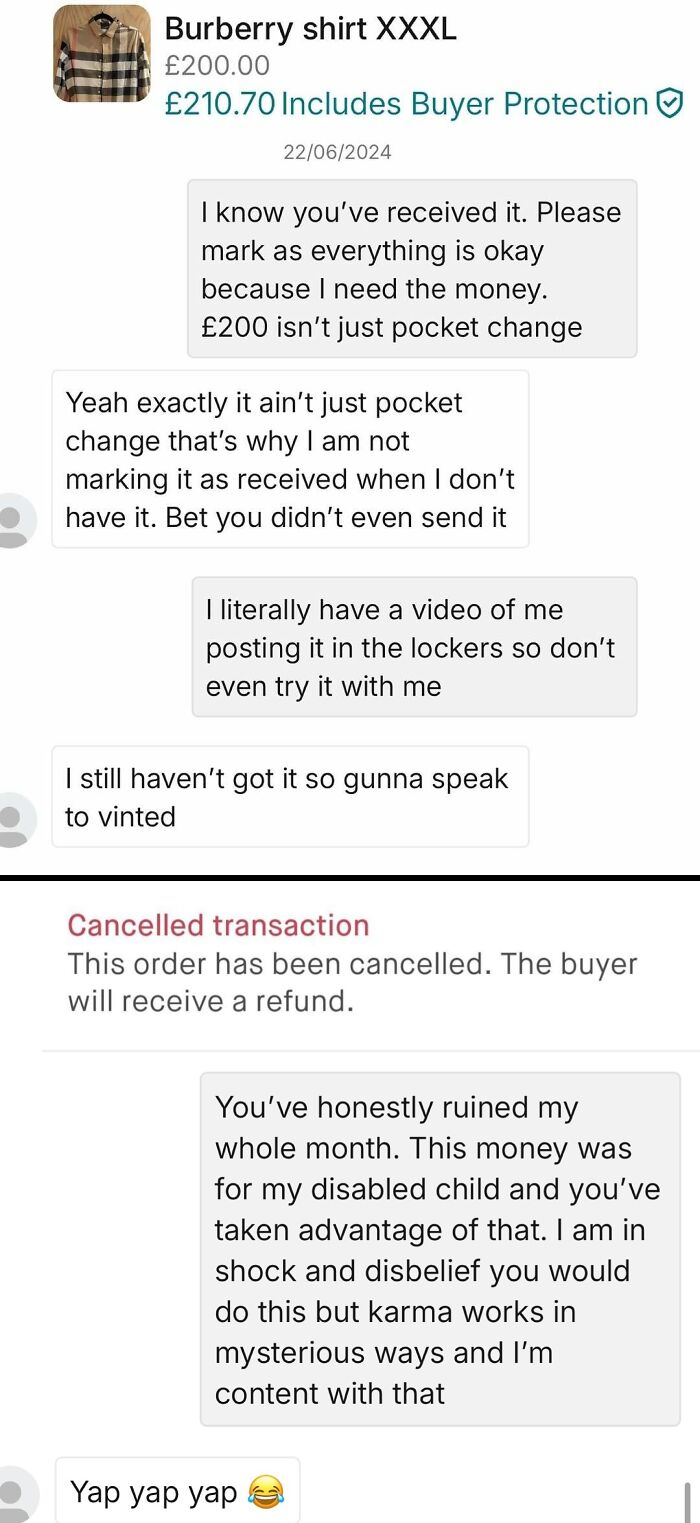
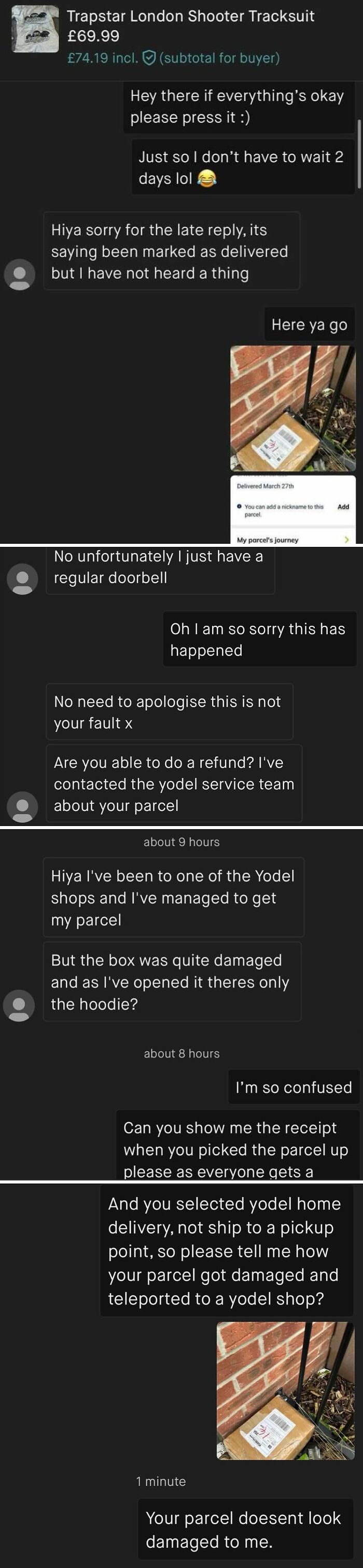
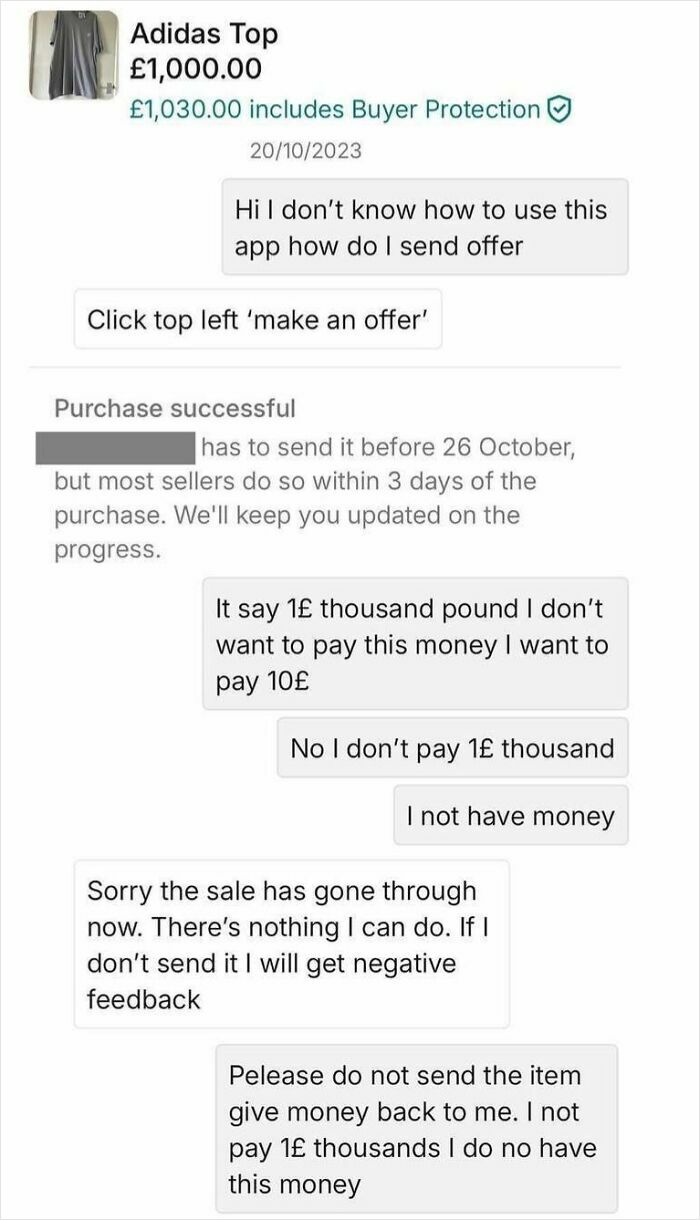
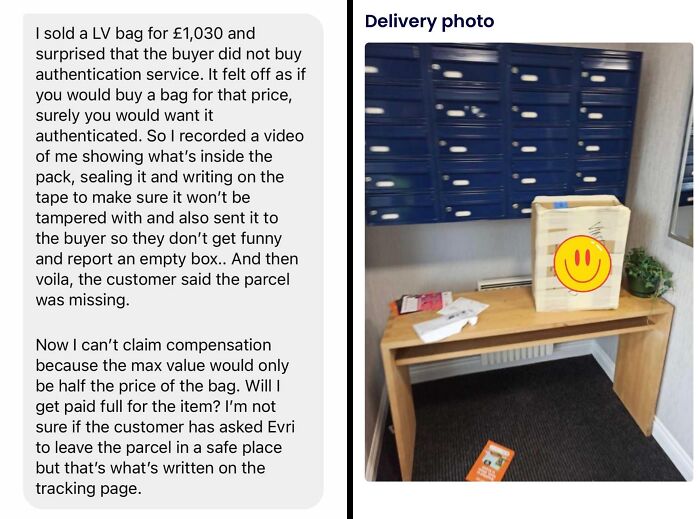
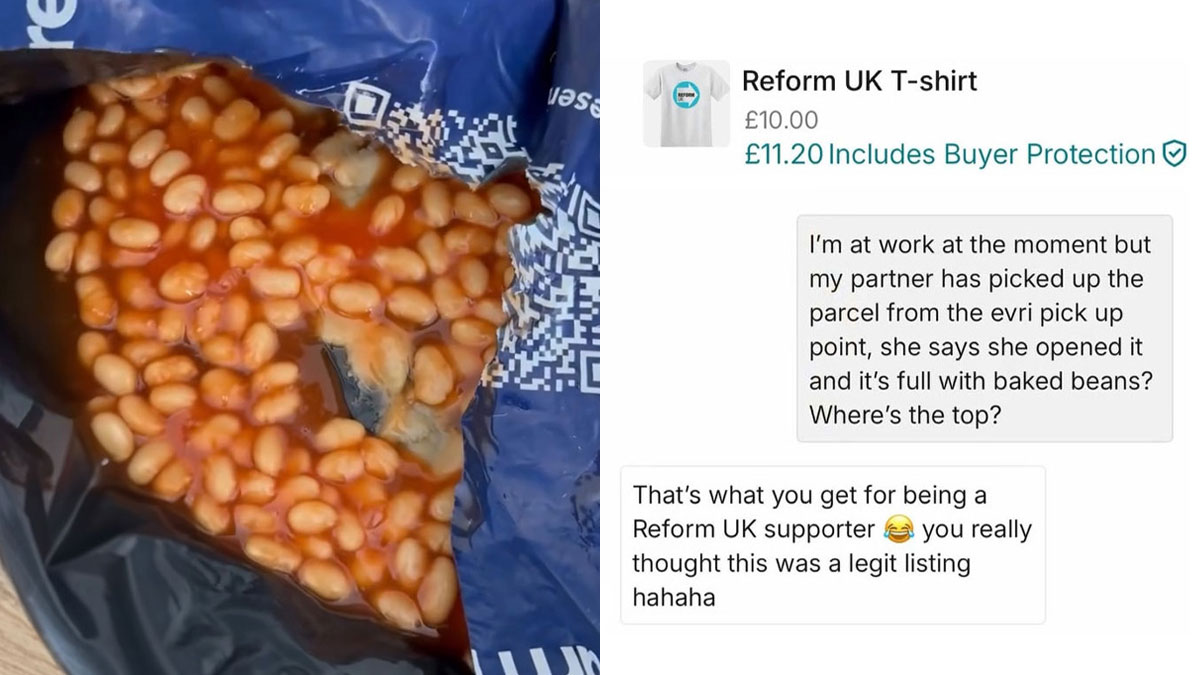
In practice, anything involving other humans is destined to go sideways. Which is why both buyers and sellers regularly find themselves in increasingly unhinged DM exchanges that would make Tarantino dialogue look reasonable.
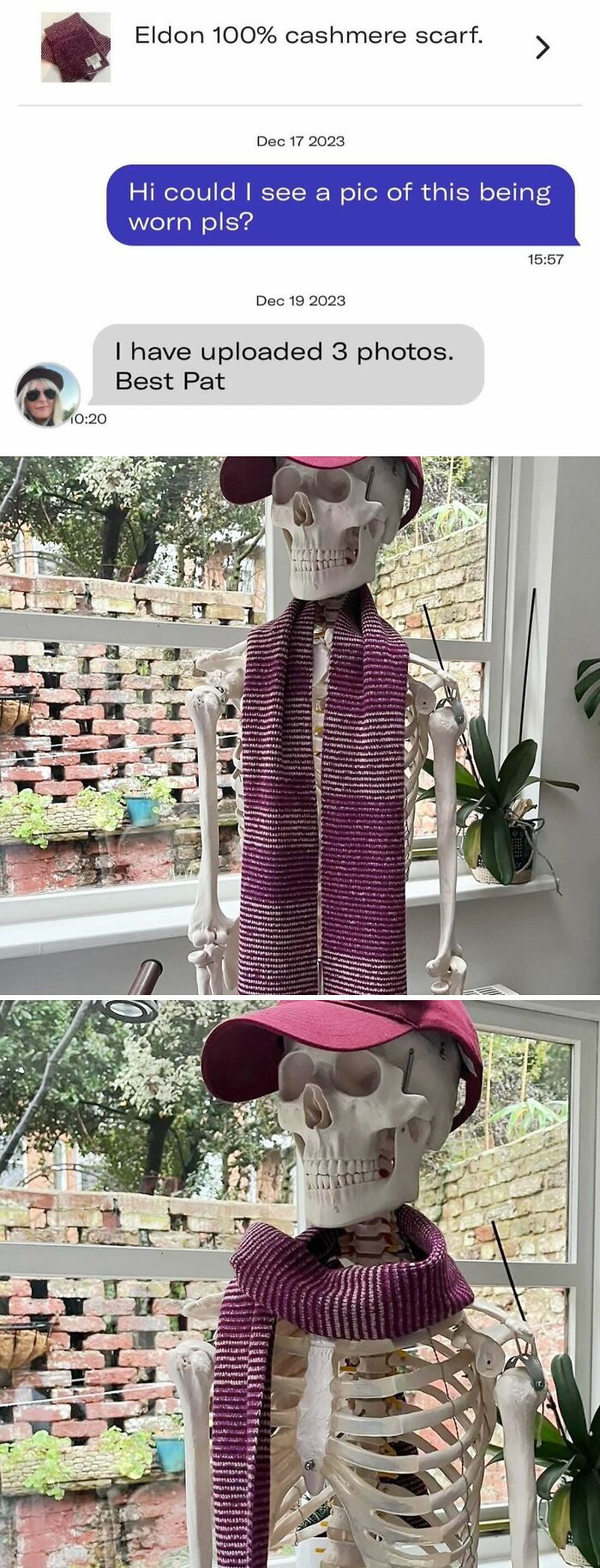
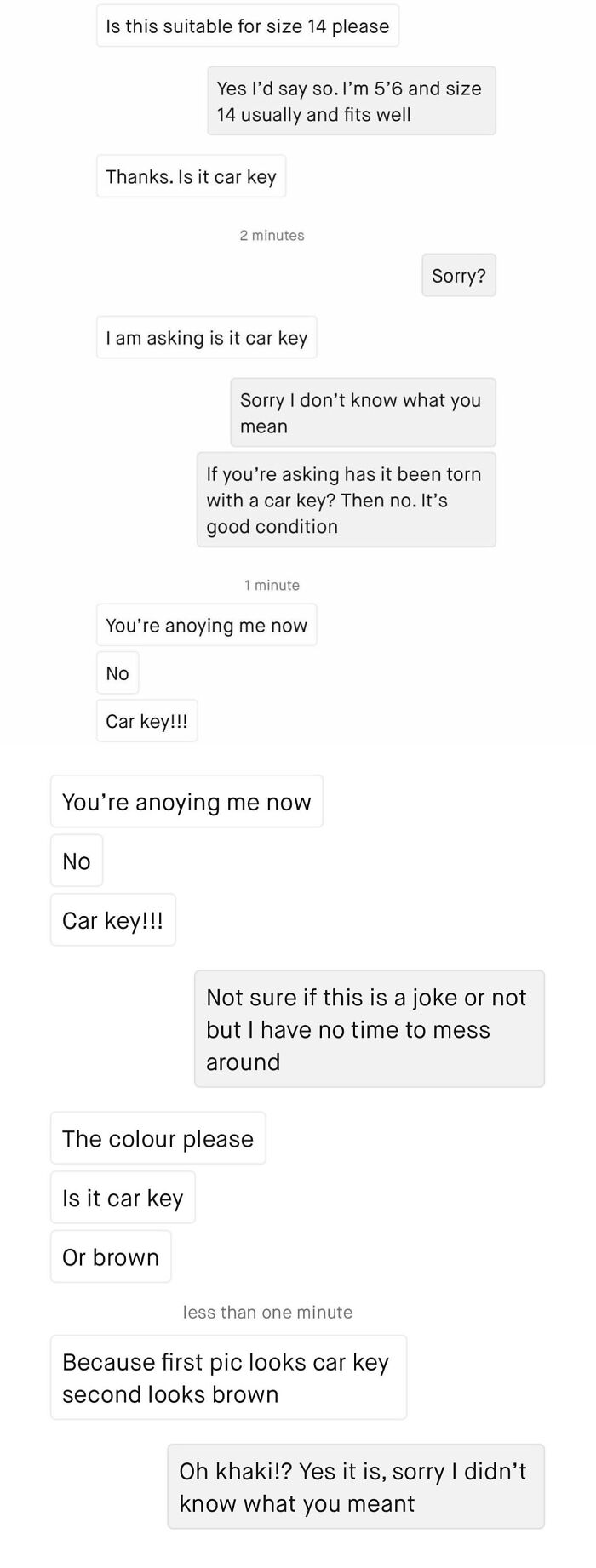
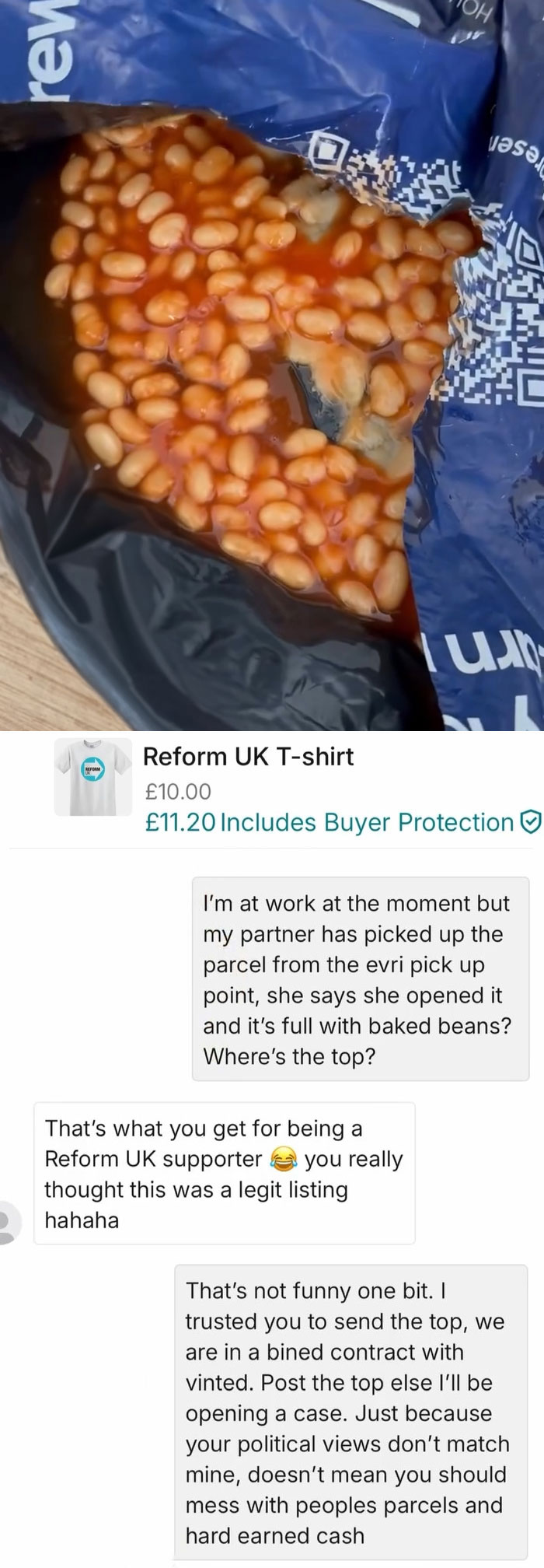
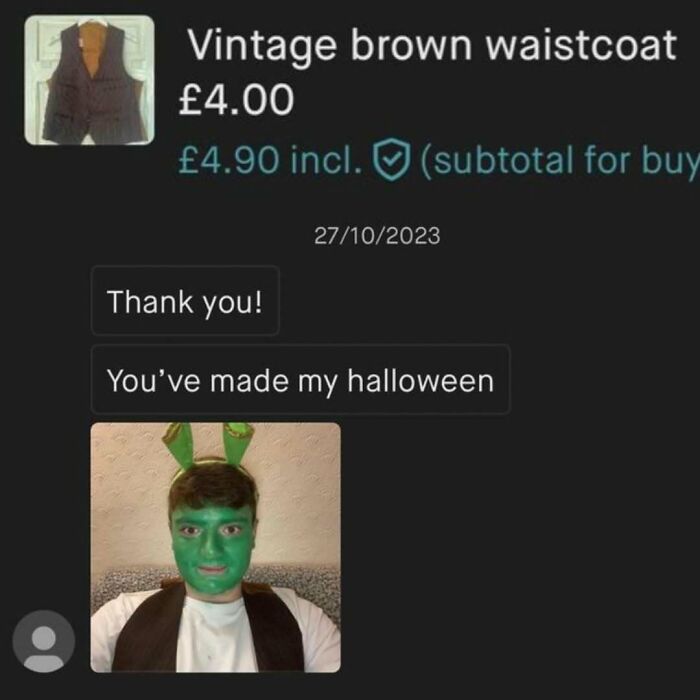
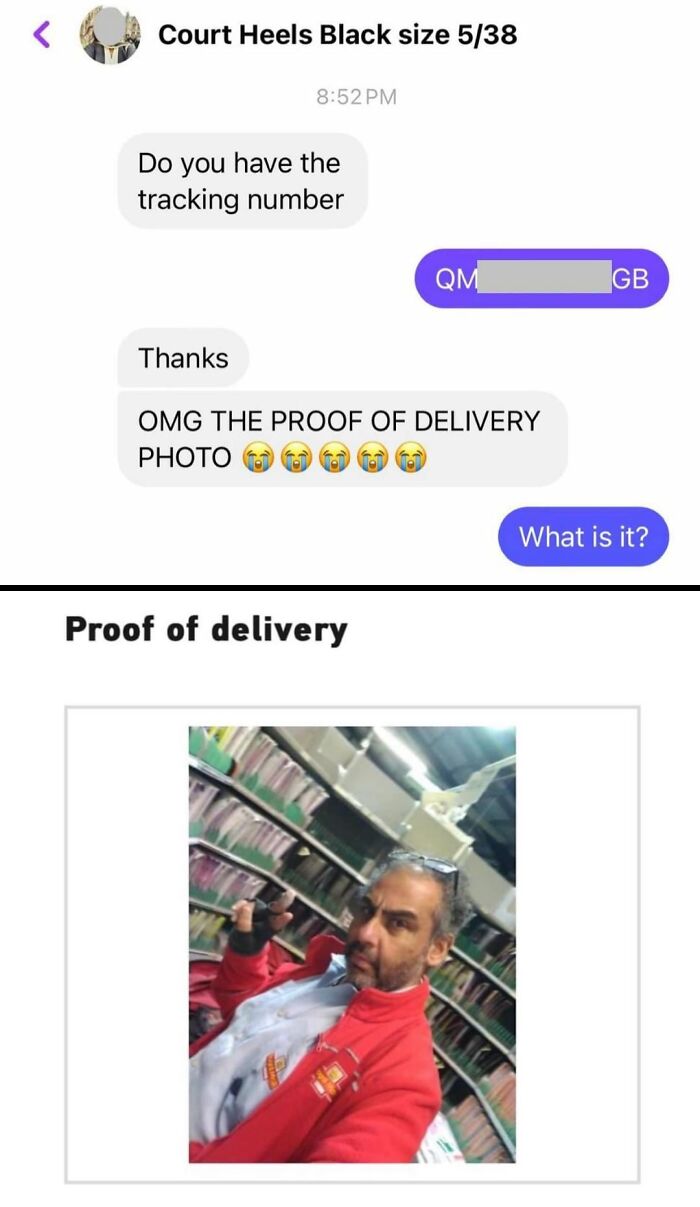
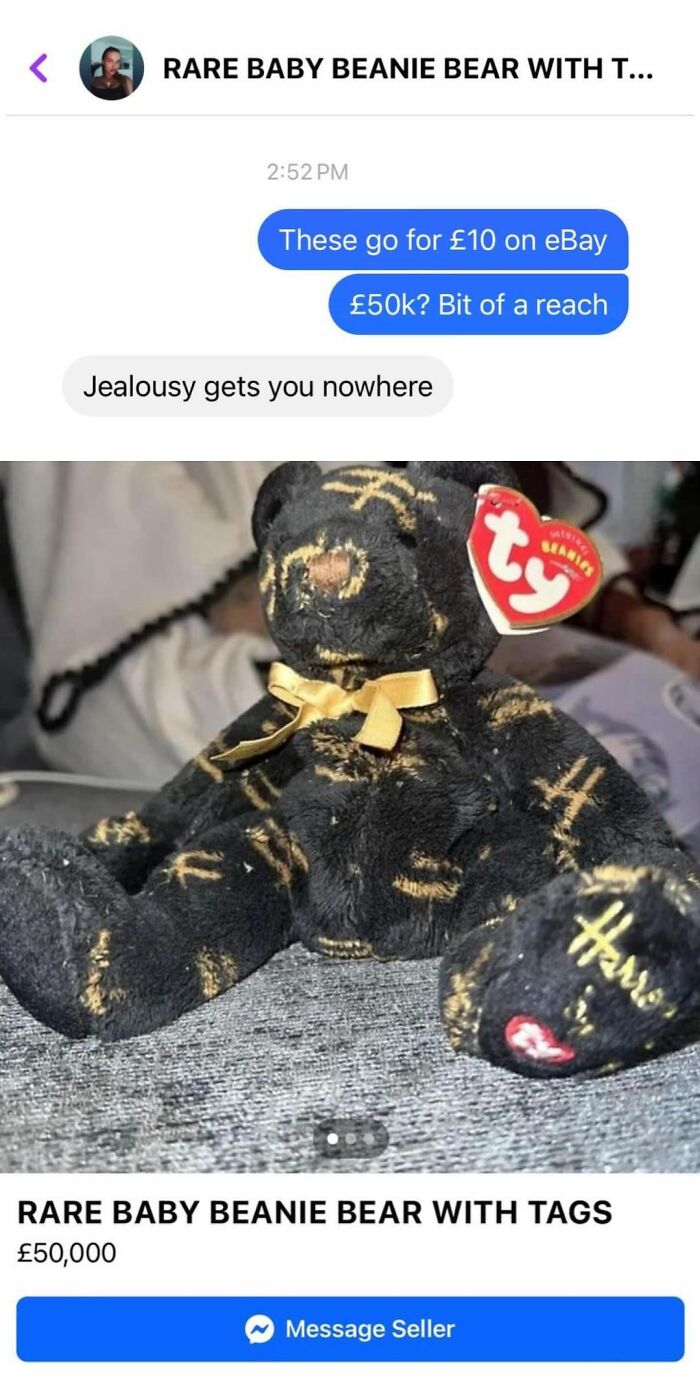
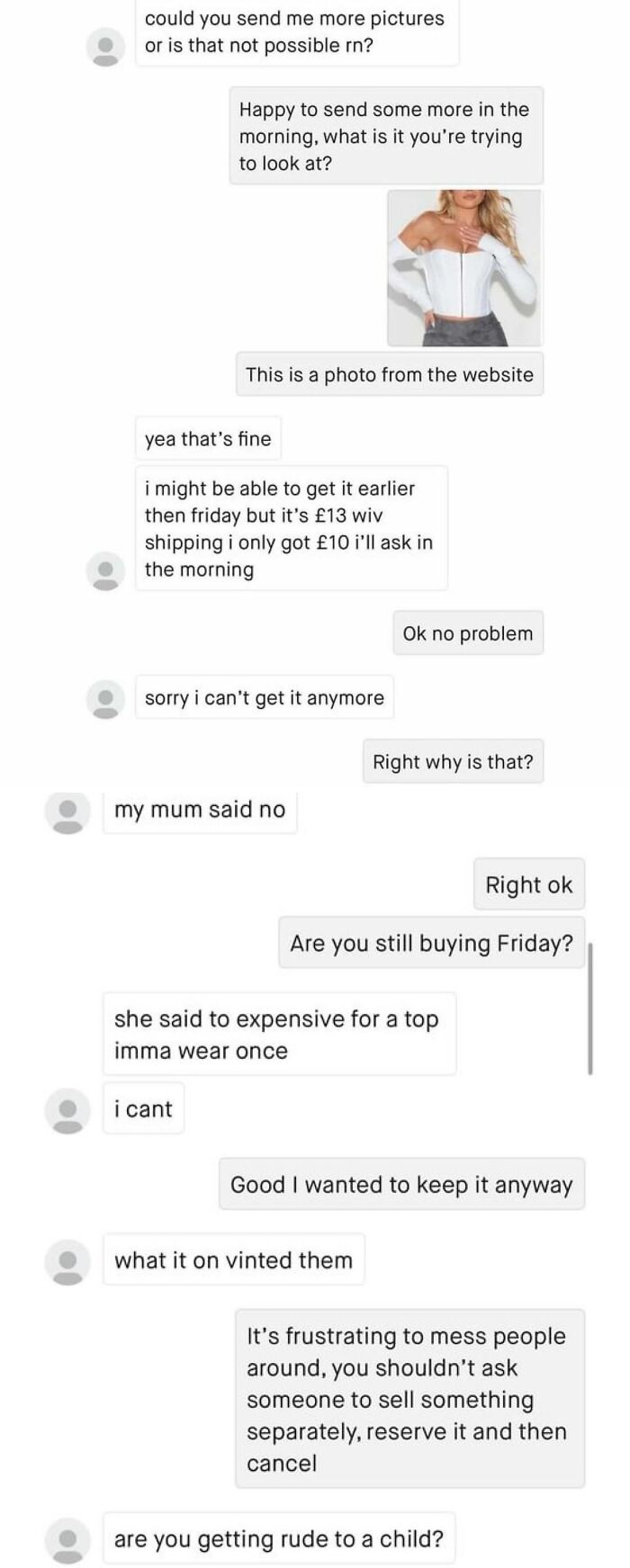
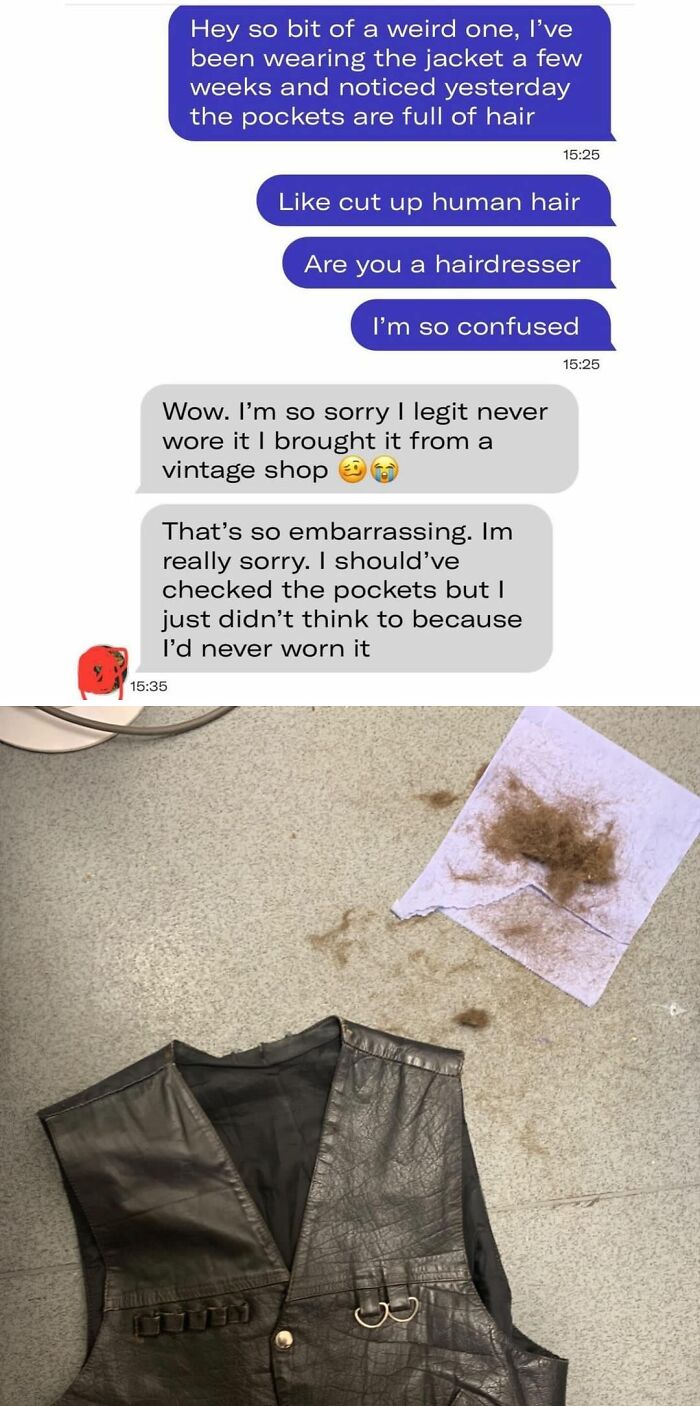
The Instagram account DM Drama captures these gloriously painful conversations in all their chaotic glory. We’ve rounded up the best of them below.
Click here & follow us for more lists, facts, and stories.
This post may include affiliate links.
The ferocity in some of these DMs makes you wonder if people think they’re wrestling over the last discounted flatscreen on Black Friday instead of a used sundress.
The haggling, the indignation, the dramatic standoffs over a $15 shirt would make a medieval marketplace merchant proud. It’s absurd, and yet completely entertaining to witness strangers go to war over secondhand clothes.
The word “thrift” itself dates back to 1300s Middle English, meaning “fact or condition of thriving” and “prosperity, savings.” The concept grew not from desperation but from using resources carefully to prosper.
According to Dennita Sewell, professor of practice and fashion expert at Arizona State University’s Herberger Institute for Design and the Arts, “The secondhand trade is one of the oldest forms of clothing for the common man. Every era it comes to provides a reflection of the ideals of that period.”
This trade has ancient roots. Piles of used clothes appeared in market squares across Europe as early as the 1300s. As society modernized, secondhand clothing operated as a bartering system, serving low income communities during the Middle Ages. The practice was practical and unremarkable for centuries.
The Industrial Revolution changed everything. Mass production made clothing more affordable and disposable, which sounds positive until you consider what it did to perceptions of secondhand goods.
As Sewell told The State Press, economic divides widened and classism became more rampant. Secondhand consumption became stigmatized, particularly targeting immigrant communities and fostering xenophobia.
The modern idea of thrifting as we know it emerged between the mid 1800s and early 1900s with organizations like the Salvation Army and Goodwill.
“The popularity of thrifting has come and gone throughout the years,” Sewell explained. “Sometimes it represented something greater than itself, other times it represented staying in the past. It all has to do with the culture of the time.”
The early 1900s carried that unjust stigma until the Great Depression hit and consumer demand for secondhand clothes exceeded supply. Suddenly, thrifting wasn’t shameful anymore.
The later half of the 20th century proved more open minded. The 1970s in particular sparked a new wave of thrifting tied directly to counterculture movements.
“The 1970s was all about expressing individuality to the youth counterculture,” Sewell said. “Thrifting represented freedom for them. The hippie movement allowed secondhand clothing to have more value and become chic again.”
Today, the secondhand clothing market is massive. According to ThredUp’s 2025 Resale Report, the global secondhand apparel market is expected to reach $367 billion by 2029, more than double its size from 2023.
Online platforms have supercharged this growth, making it easier than ever to buy and sell used clothes from your couch.
Take Vinted, one of Europe’s largest secondhand fashion platforms. The company has 80 million registered members across 18 countries as of 2023. That’s a staggering number of people actively buying, selling, and browsing used clothing.
In the UK alone, one in three people bought secondhand fashion in 2023, a trend driven largely by younger shoppers.
The business model behind these platforms is straightforward but effective. Sellers list items, set their own prices, and ship directly to buyers. The platforms typically take a small commission or service fee.
Vinted operates slightly differently by charging buyers a protection fee instead of taking commission from sellers, while Depop and Poshmark take a percentage of each sale. This peer-to-peer model eliminates the middleman of traditional retail.
What’s driving this boom isn’t just affordability. A McKinsey report on fashion found that sustainability concerns are increasingly influencing purchase decisions, particularly among younger, urban consumers.
The fashion industry is one of the world’s biggest polluters, and buying secondhand is one tangible way people can reduce their environmental impact. Fast fashion’s overproduction has created mountains of waste, and secondhand markets help extend the life of garments that might otherwise end up in landfills.
But beneath all the environmental virtue and economic sense, there’s something delightfully chaotic about the human element. The platforms are smooth, the algorithms are smart, but the actual interactions between buyers and sellers remain wonderfully, messily human.
Which brings us back to those DMs, where someone’s offering $3 for a vintage leather jacket and acting personally victimized when it gets declined.
You might also like: 50 People Who Tried To Be Creative With Their Homes And Failed (New Pics)






 No fees, cancel anytime