Get Premium
Dark mode theme is available exclusively for premium users. Learn more about the benefits of subscribing.
No fees, cancel anytime.

 Dark Mode Ad-Free Browsing Unlimited Content
 Ad-Free Browsing Unlimited Content Dark Mode
Join 1.2 million Panda readers who get the best art, memes, and fun stories every week!
Everyone is fighting their own demons, but some of them are terrorizing multiple people at the same time. According to the WHO, anxiety disorders affect roughly 4.4% of the global population, making them the most prevalent mental health conditions.
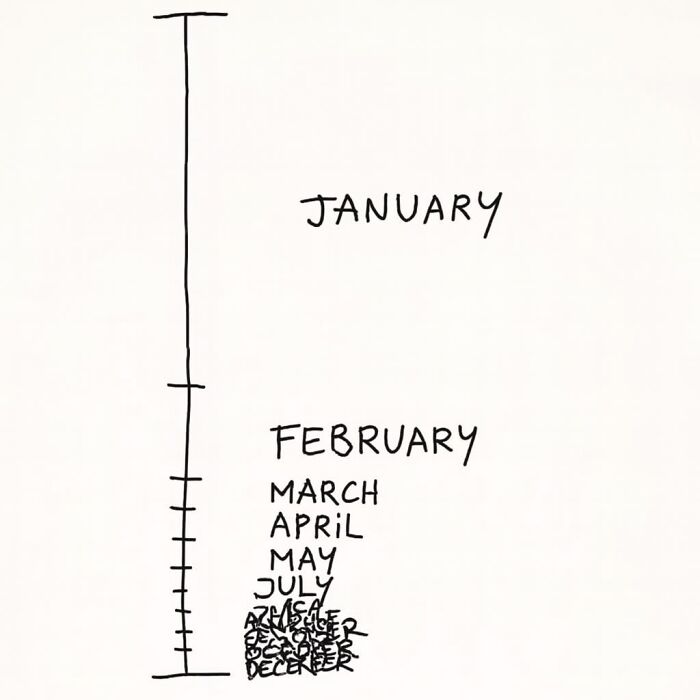
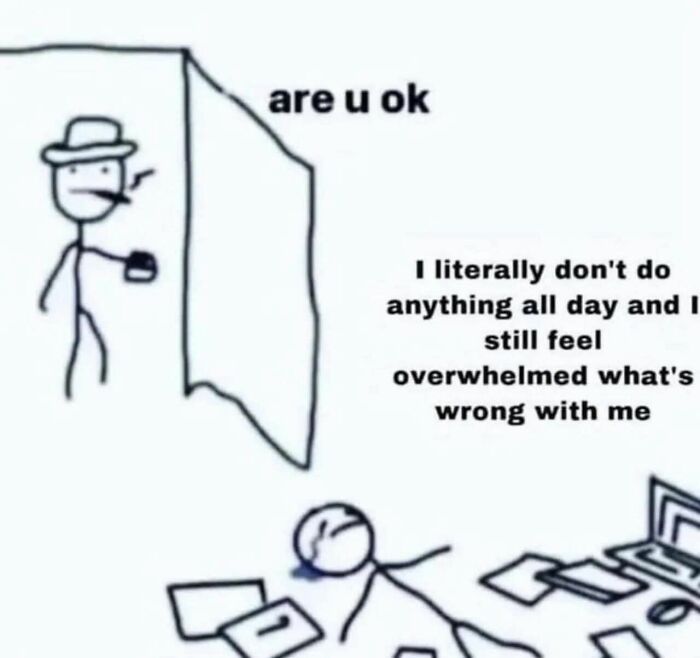
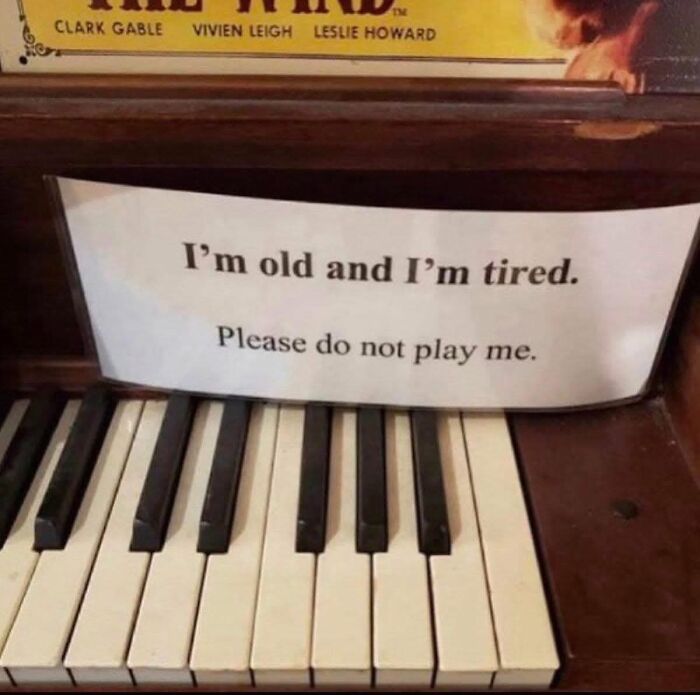
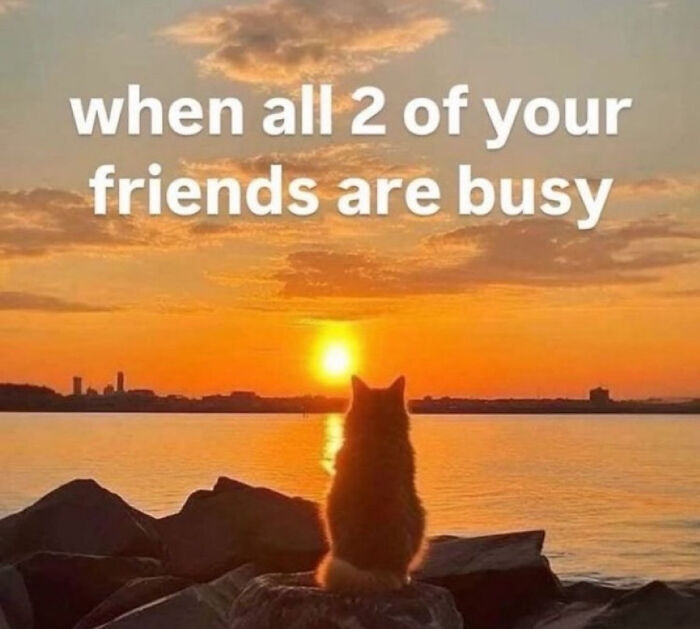
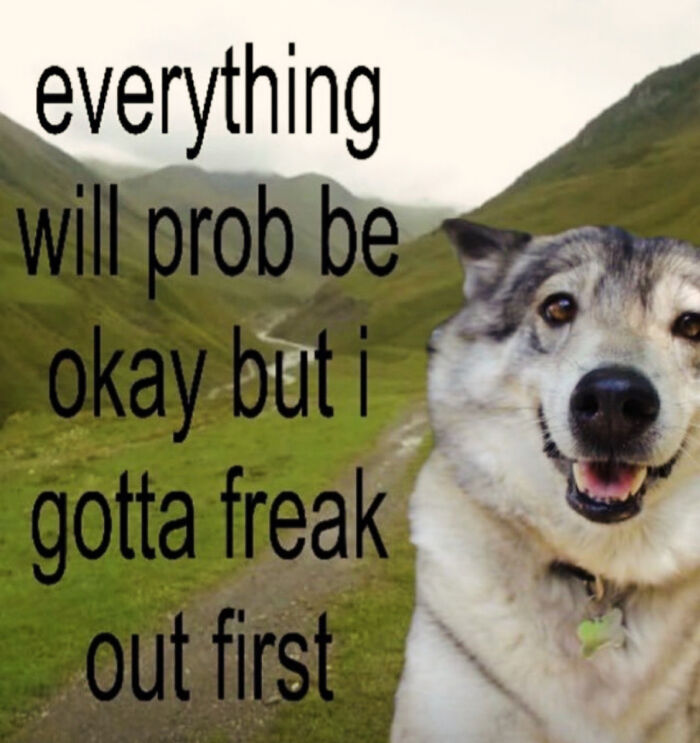
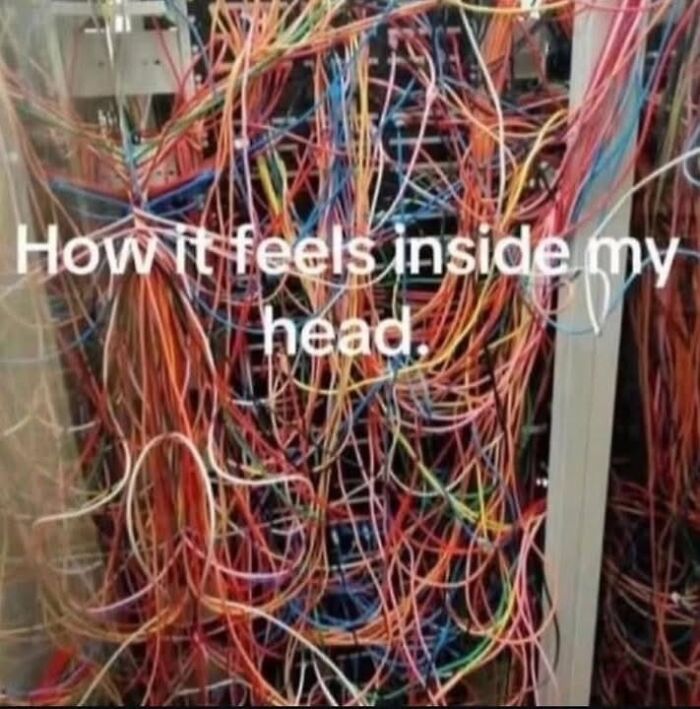
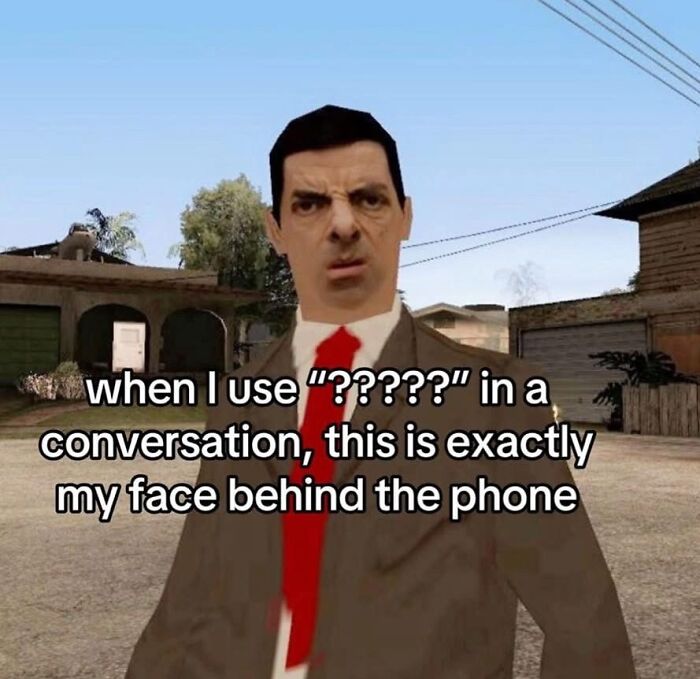
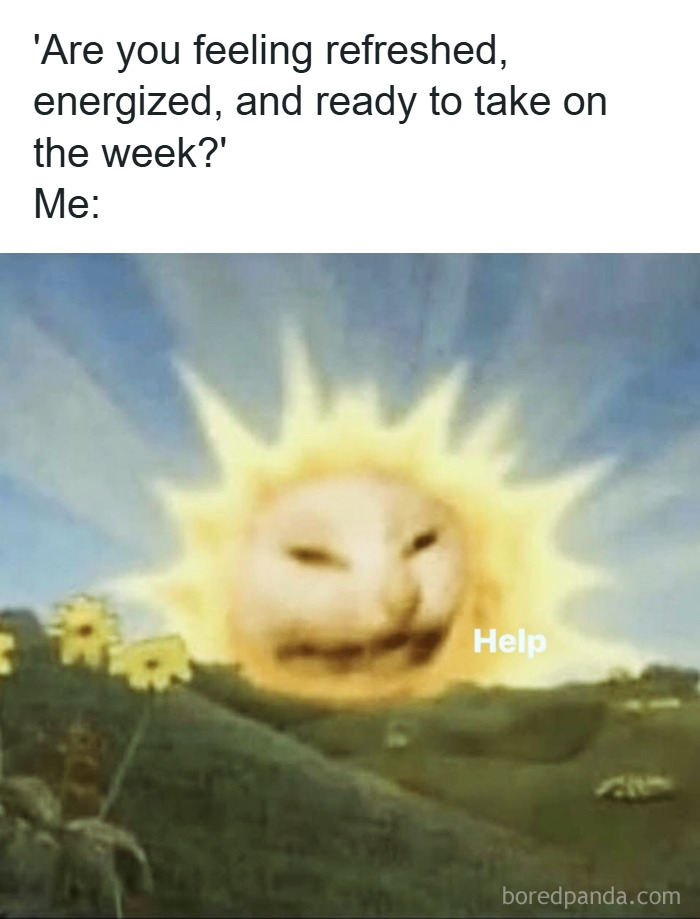
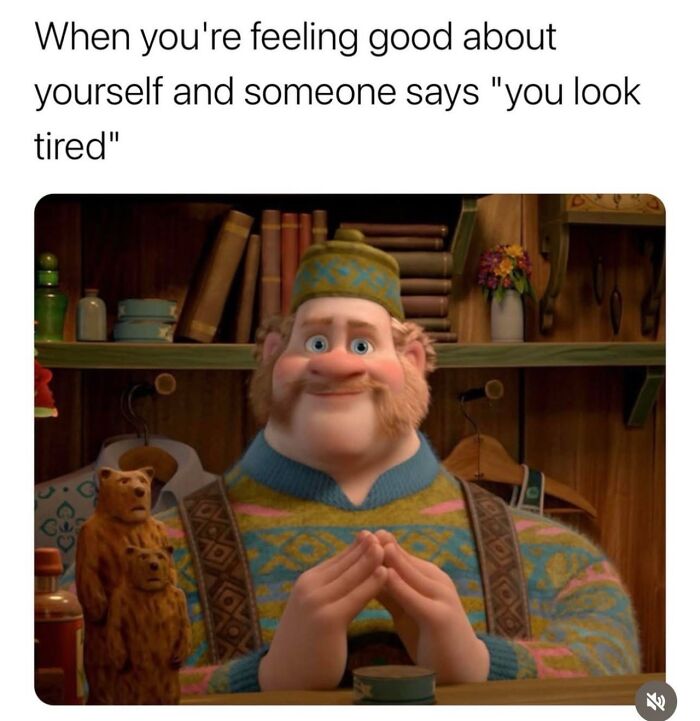
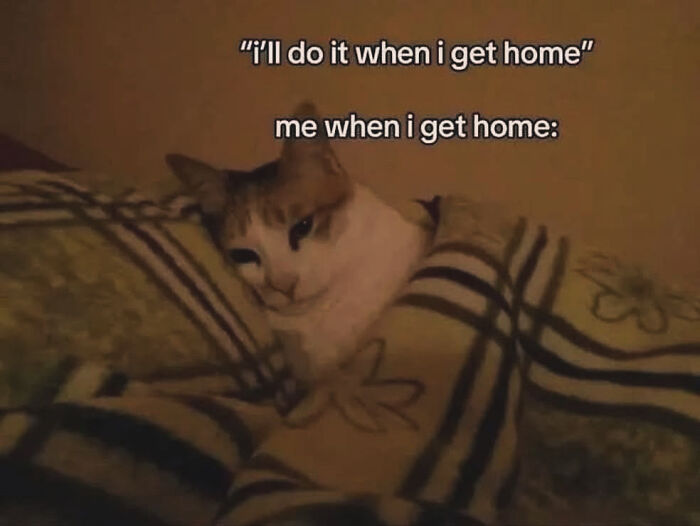
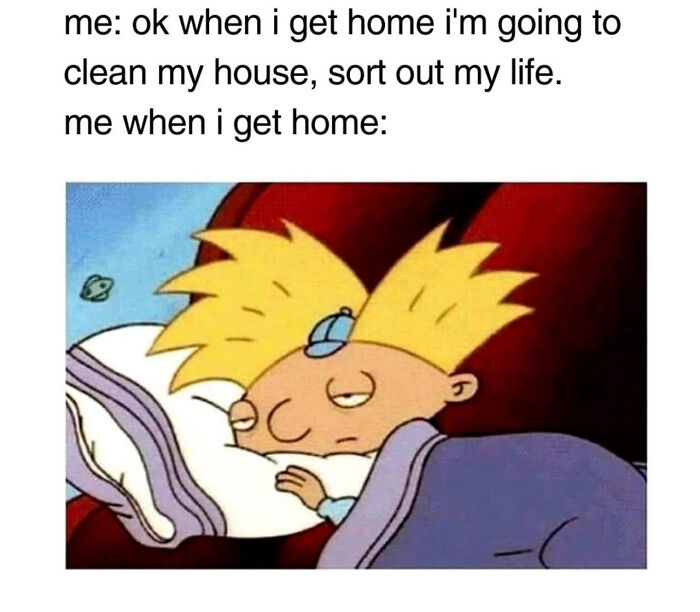
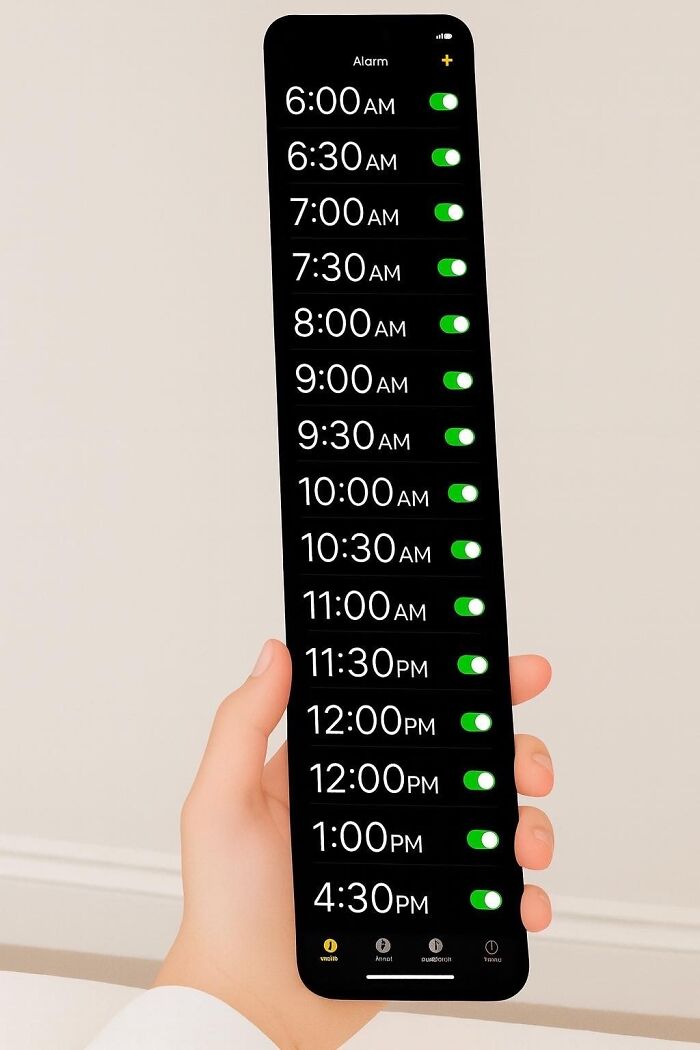
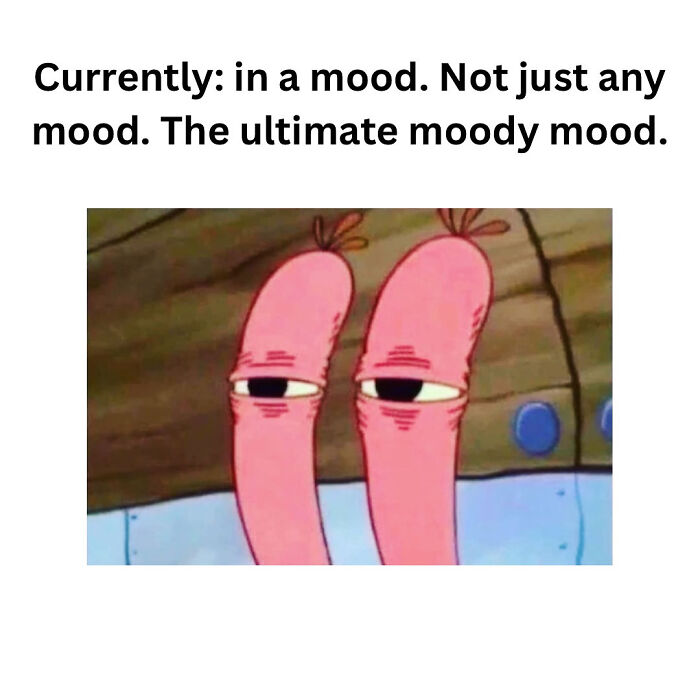
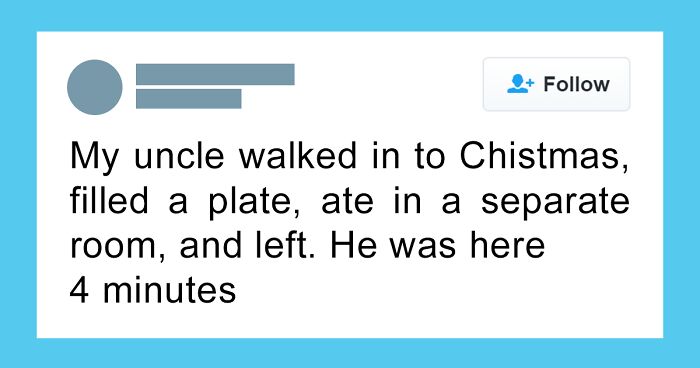
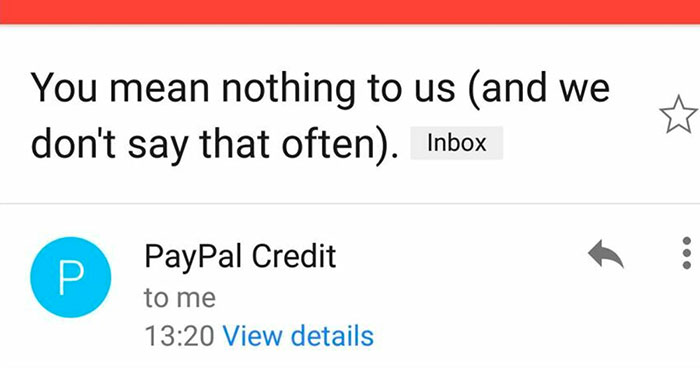
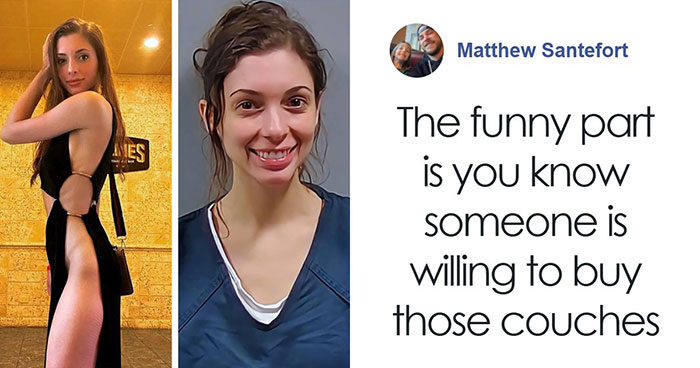
To illustrate what it's like to have one, Tumblr page 'Anxiety Problem' shares memes about all the ways constant and excessive worrying affects your daily life. Silly jokes on the internet will never replace professional care or an honest conversation with someone who cares, but they can provide you with a quick laugh, and that's better than nothing.
More info: Tumblr
This post may include affiliate links.
Of course, many of the issues depicted in these images can affect us even if we don’t meet the criteria for a clinical diagnosis.
Earlier this year, the American Psychiatric Association (APA) released poll data revealing that two-thirds (67%) of adults in the United States feel anxious about current events happening around the world.
Respondents also identified several other major sources of anxiety:
"There are many factors within and beyond our control that can cause significant stress," said APA CEO and Medical Director Marketa M. Wills, M.D., M.B.A.
"It's important to understand that there are normal levels of anxiety around these factors as part of being human. But if stress and anxiety are impeding your day-to-day life and making you feel unwell, please reach out for help. Your mental health matters."
When asked to select two factors among the six pillars of lifestyle that have the greatest impact on their mental health—either positively or negatively—Americans most commonly chose:
The survey also found that about 8% of respondents had recently lost a job, and 26% knew someone who had. Two-thirds of those who were employed said they were somewhat or very concerned about their financial well-being.
Additionally, one-third of employees reported experiencing changes in their in-person work requirements over the past few months. Among them, 14% were required to work in the office more than before or full-time, 6% had shifted to a hybrid schedule, and 12% were given the option to work either hybrid or fully remotely.
"Not everyone's anxiety is related to some deep-seated trauma hidden under layers of dysfunction and poor coping skills," says Dr. Daniel Bates, who is a licensed professional clinical counselor and an assistant professor at Truman State University.
"Your anxiety could be due to a wonky daily, weekly schedule, and routine. 'Wonky' is a clinical term, by the way. Okay, it's not really. [But] it's not uncommon for me, as a therapist, to discover that a client's anxiety is largely influenced by a poorly managed and disorganized schedule. There will always be unexpected events throughout your week, but for the most part, you can structure your day and week in such a way as to reduce your anxiety."
Here's a set of simple anxiety reducers that Bates recommends:
Bates says that since anxiety can impact our mood or thinking without cause, there is no resolution to be sought, and the best strategy is to distract yourself. Here are some ideas that might help to do that:























 No fees, cancel anytime