Get Premium
Dark mode theme is available exclusively for premium users. Learn more about the benefits of subscribing.
No fees, cancel anytime.

 Dark Mode Ad-Free Browsing Unlimited Content
 Ad-Free Browsing Unlimited Content Dark Mode
Join 1.2 million Panda readers who get the best art, memes, and fun stories every week!
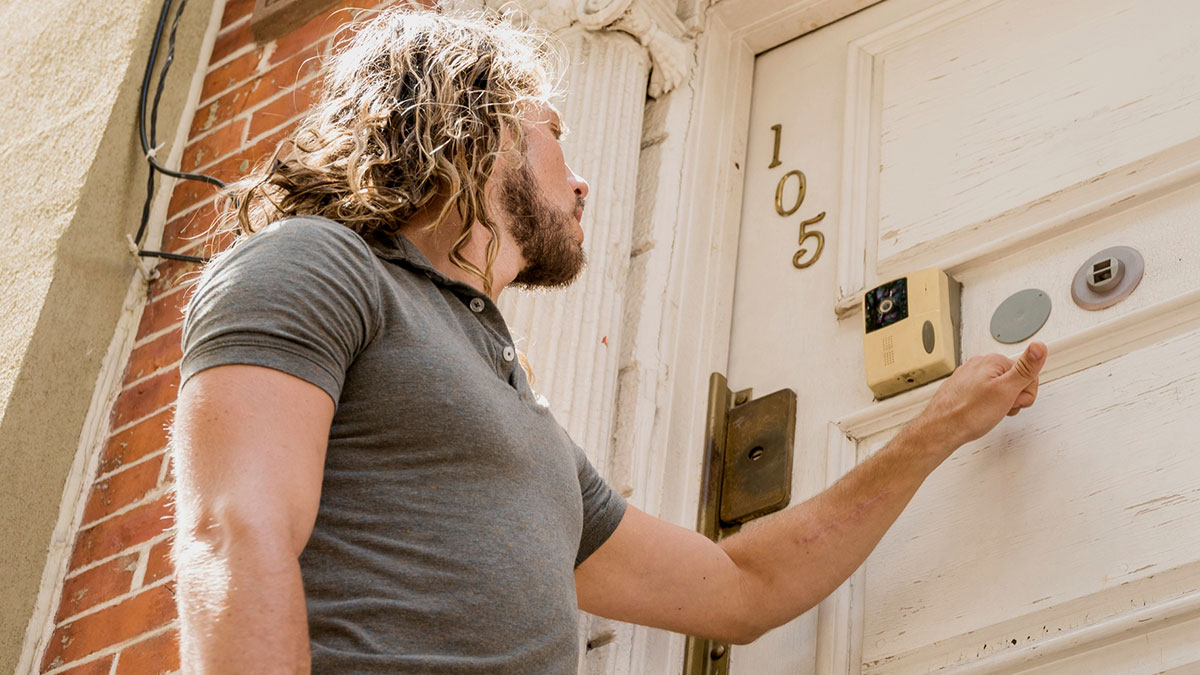
There’s a very specific kind of panic that hits when your phone lights up late at night, especially when you’re miles away from home, in a hotel room that suddenly feels a lot less safe than it did five minutes ago. It’s the kind of moment where your brain runs through every worst-case scenario at lightning speed, even if nothing has technically happened yet.
You tell yourself you’re overthinking, but something about it just doesn’t sit right. Unfortunately, today’s Original Poster (OP) found himself in that situation when he realized that his friend’s harmless visit when his wife was home alone, was probably not harmless after all.
More info: Reddit
Image credits: freepik / Magnific (not the actual photo)
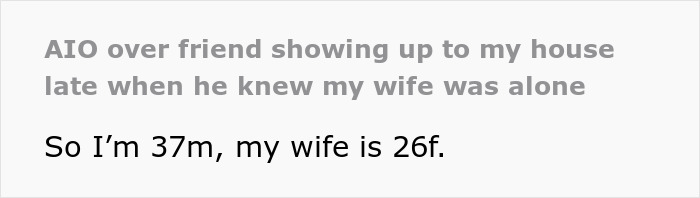

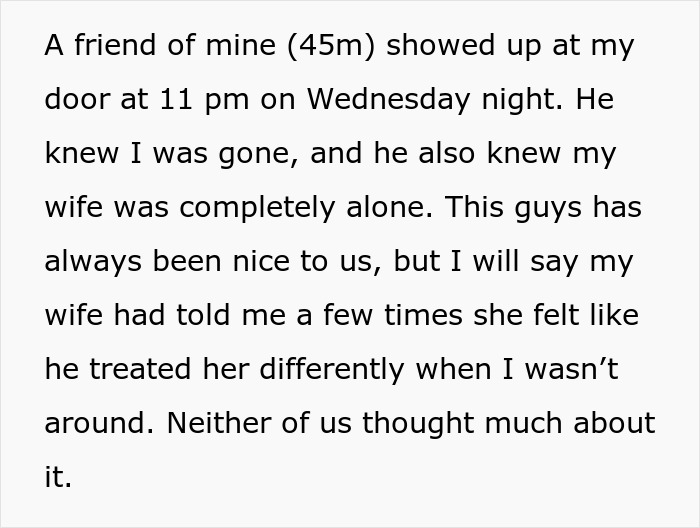
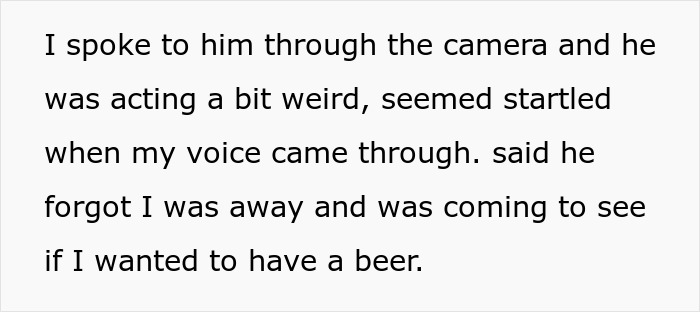

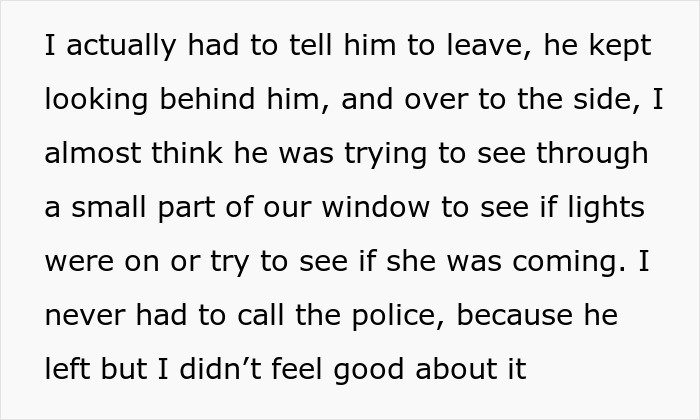
Image credits: freepik / Magnific (not the actual photo)
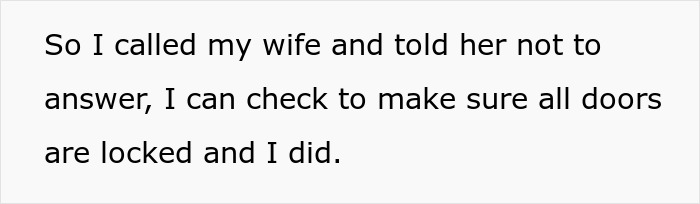
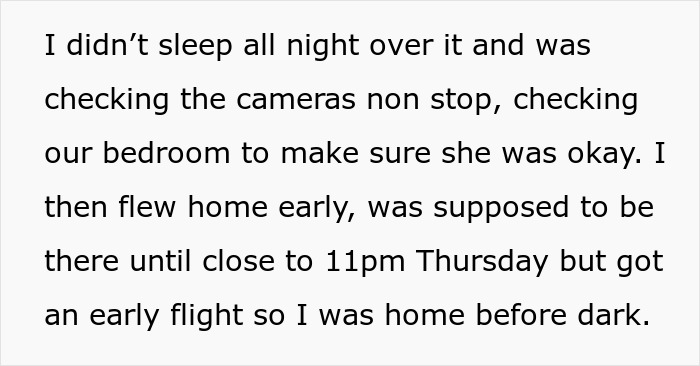
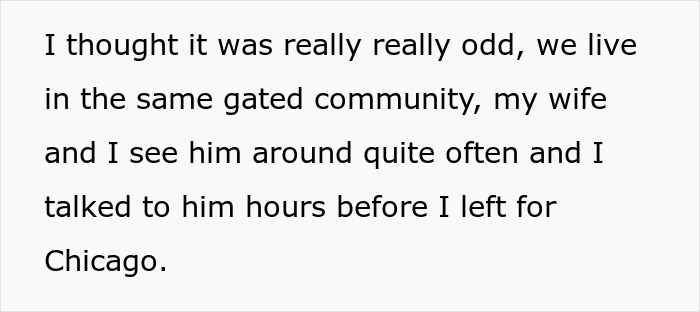
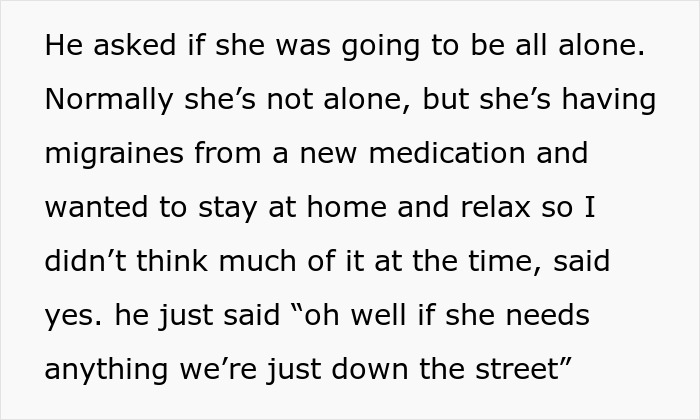
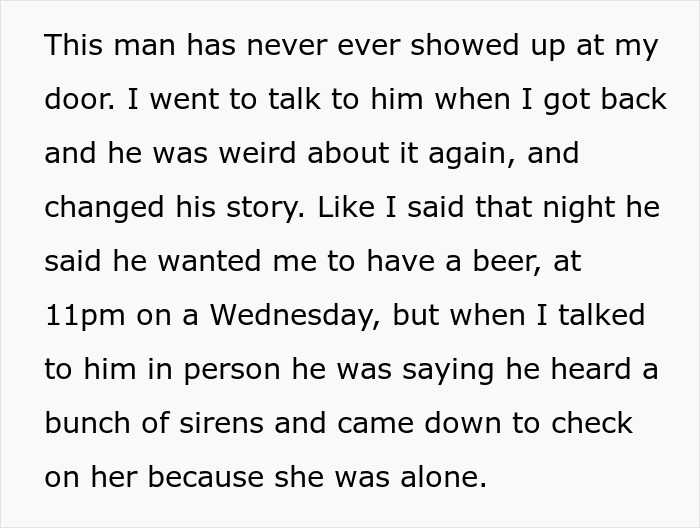
Image credits: freepik / Magnific (not the actual photo)
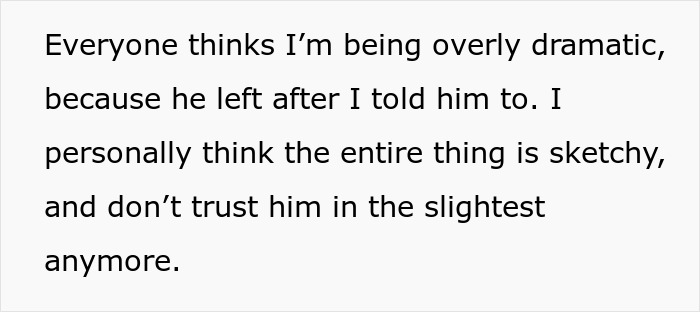
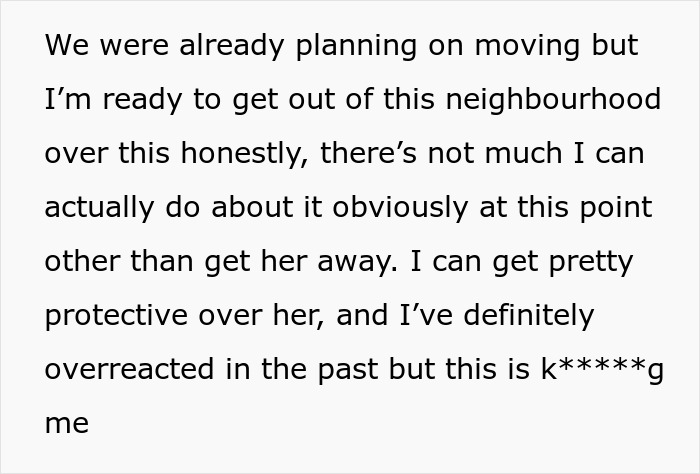
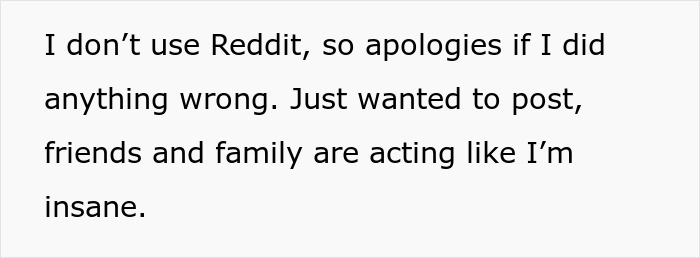
Image credits: throwra19387744
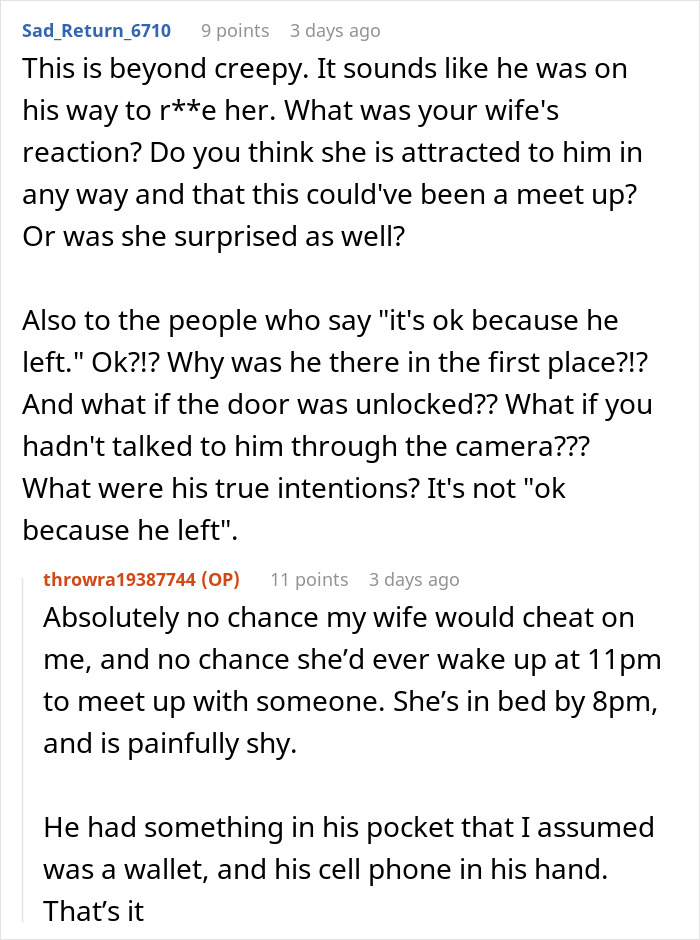
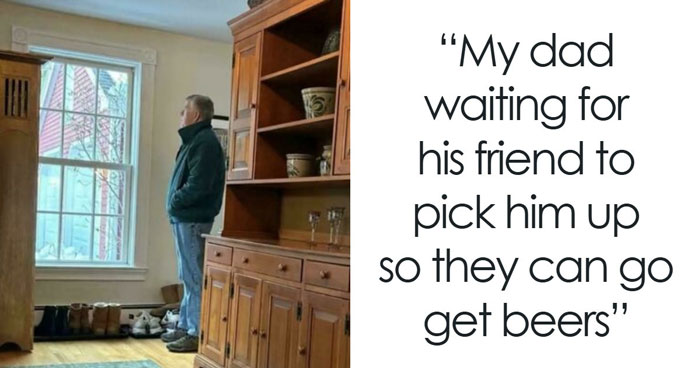
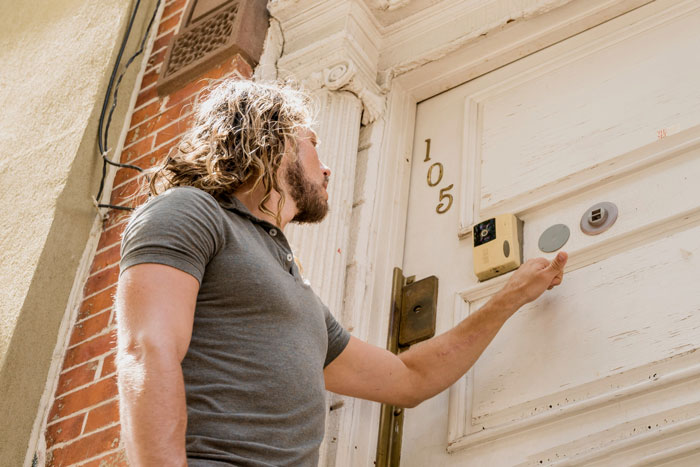
While away on a business trip, the OP was alerted to something unusual happening back home. Late at night, his friend showed up at his house, despite knowing he was out of town. The visit itself wasn’t announced with a doorbell ring but with an attempt to open to the door. When the OP confronted him through the security camera, he seemed startled and gave a vague excuse about wanting to grab a beer with him.
Even after being told to leave, his lingering behavior outside the house added to the OP’s discomfort. However, what made the situation more unsettling was that his wife was home alone at the time. Besides, she had previously mentioned feeling slightly uncomfortable around this friend. The OP, now aware of the situation, spent the night anxiously monitoring cameras and checking in on her safety.
For the OP, the timeline of events raised even more questions. Earlier that same day, the friend had asked whether the wife would be alone. At the time, it seemed like harmless curiosity, paired with a polite offer to help if needed, but in hindsight, the late-night visit made that question feel more deliberate.
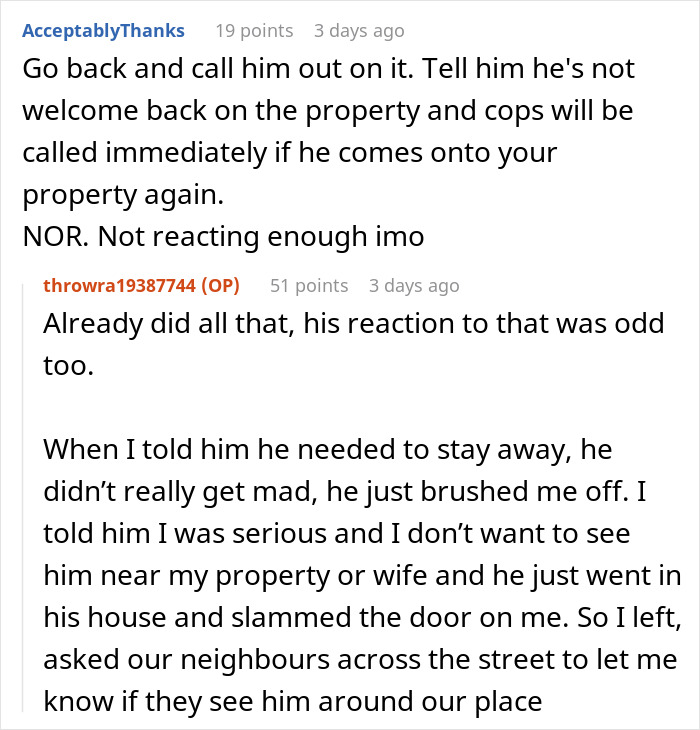
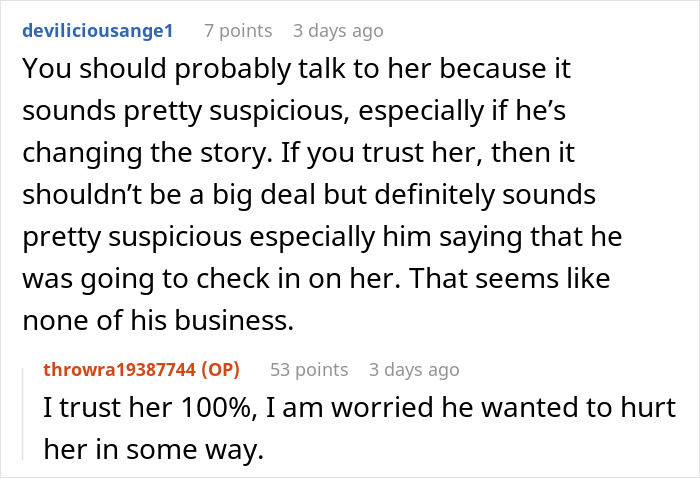
To make matters worse, when the OP confronted the friend later, he changed his story, now claiming he came by because he heard sirens and wanted to check on her. Despite the friend leaving when asked and even others dismissing his concerns and suggesting he might be overreacting, the OP couldn’t shake the feeling that something was off.
Image credits: dusanpetkovic / Magnific (not the actual photo)
Sometimes our reactions to things are often shaped long before we can fully explain them. According to Psychotricks, gut feelings aren’t random or mystical instincts, they are the result of a rapid, non-conscious process called “thin-slicing”. In moments of uncertainty, the brain quickly gathers tiny information like shifts in body language, tone of voice, or subtle facial expressions, and forms an immediate impression.
Building on that, research highlighted by Women’s Aid adds important context about where risks often actually come from. While people are generally conditioned to fear strangers, data consistently shows that harassment or stalking is far more likely to be carried out by someone already known to the victim, such as an acquaintance or someone within their social circle.
At the same time, Psychology Today explains how boundary violations often develop through small, gradual steps. Behaviors like casual over-familiarity, probing personal questions, or seemingly harmless visits can be framed as “concern”, makes it harder to question in the moment. Because each individual action may seem minor, the person on the receiving end may hesitate to push back, unsure if their discomfort is justified.
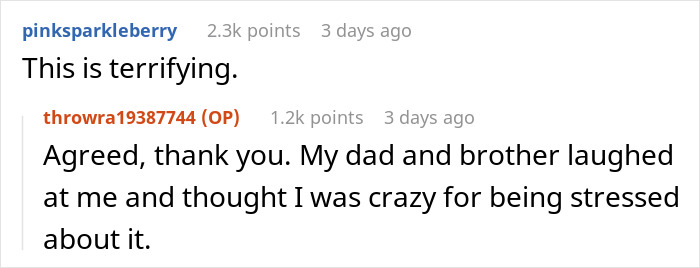
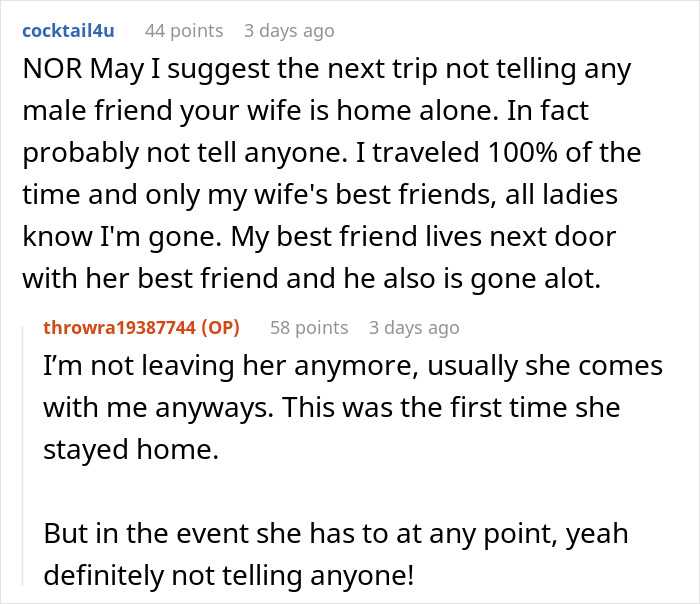
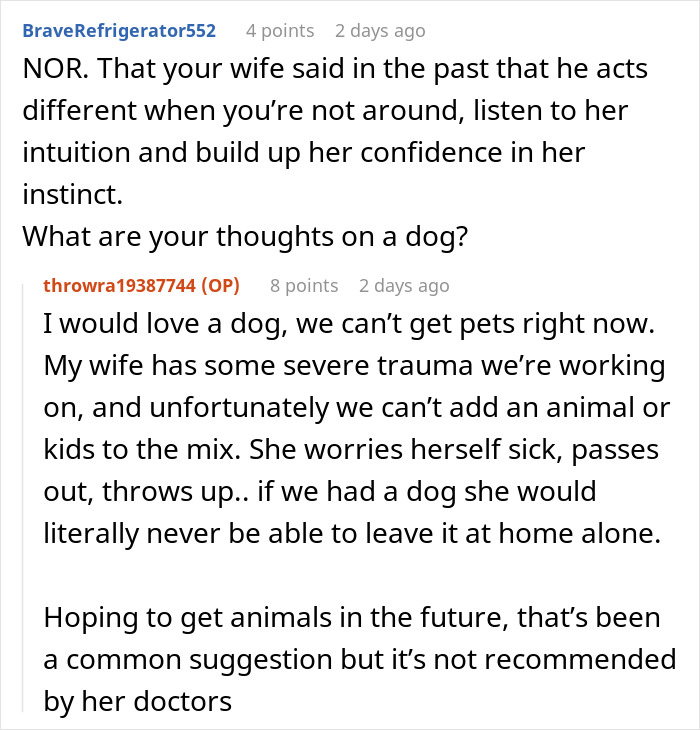
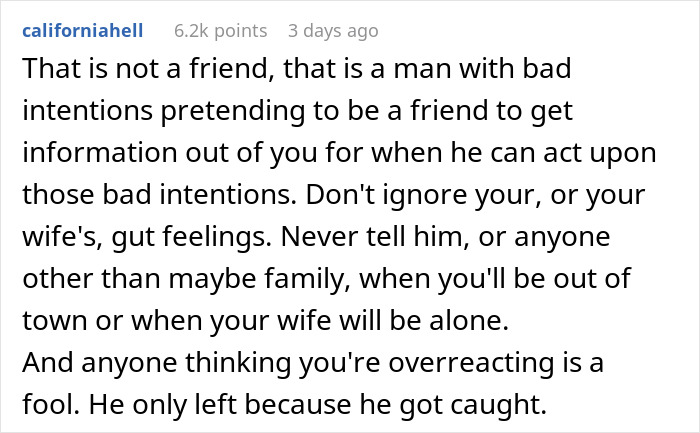
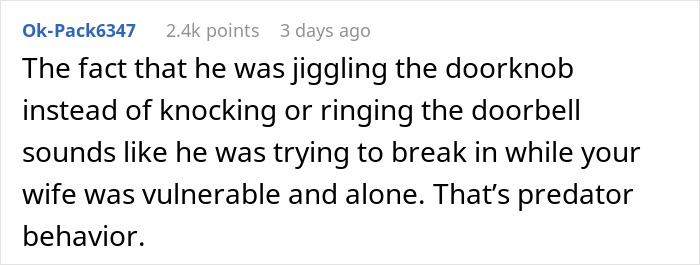
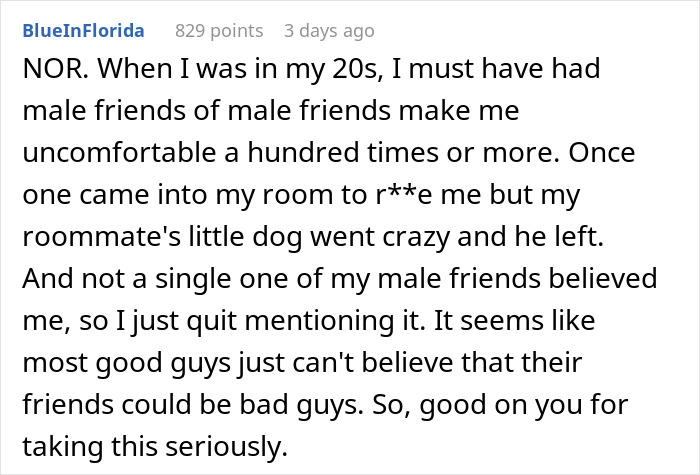
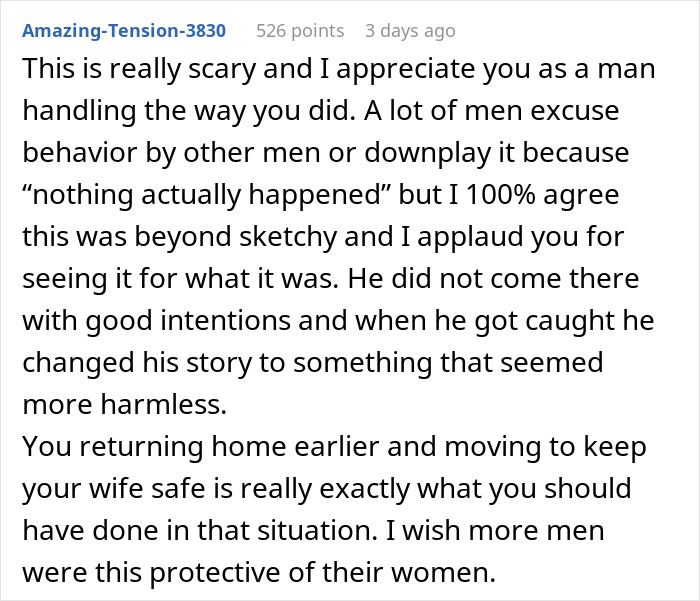
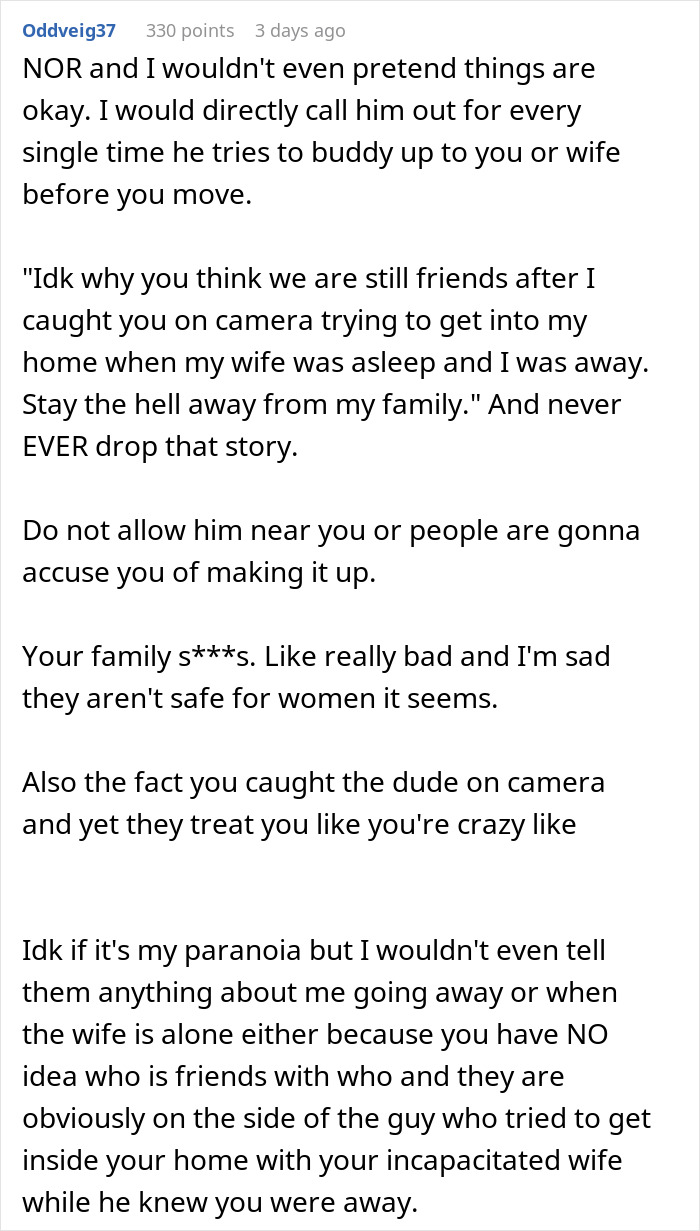
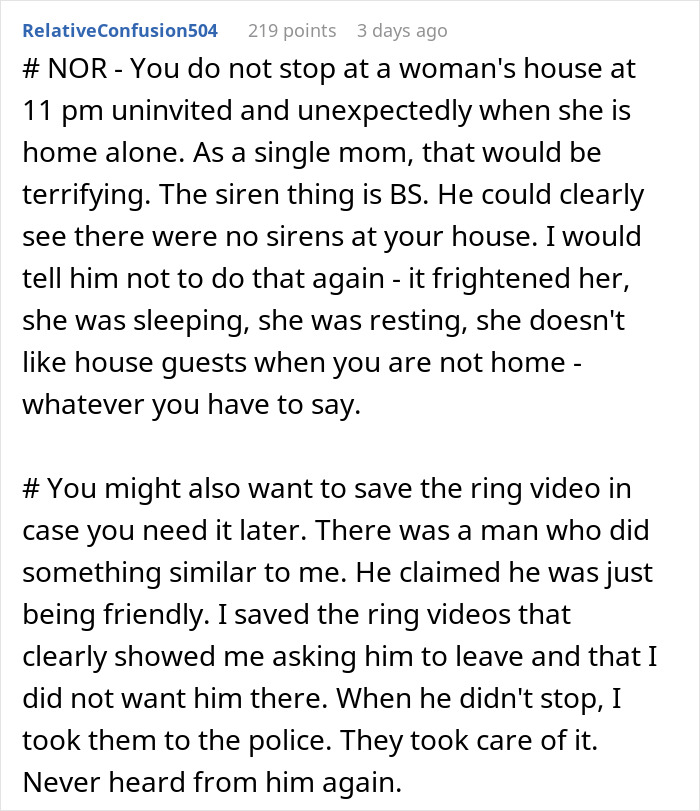
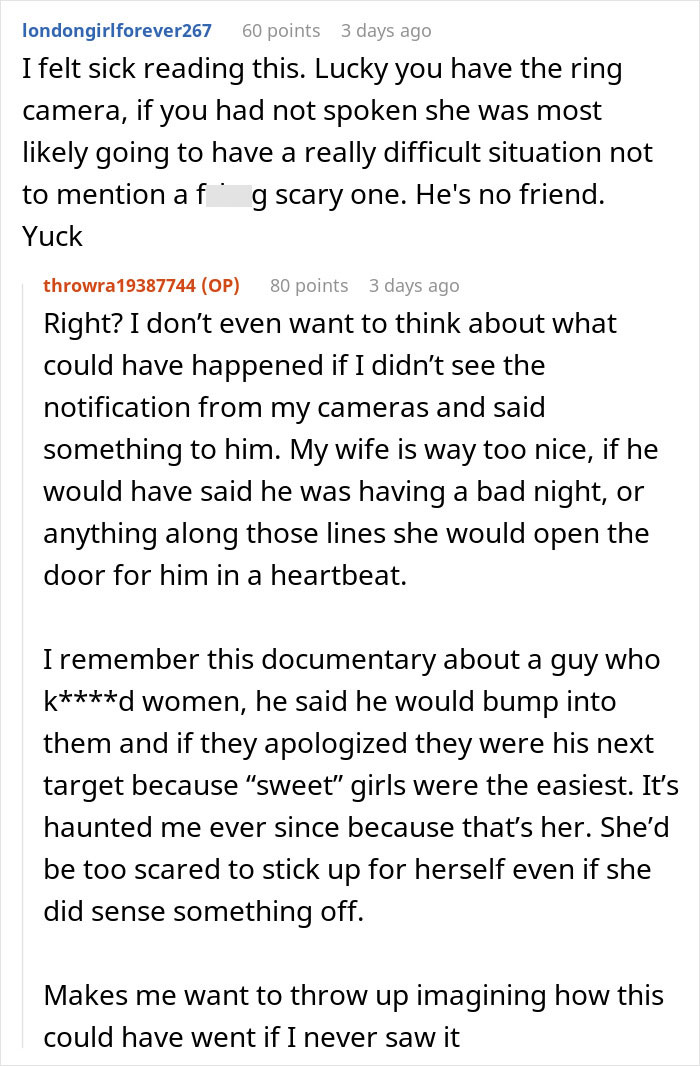
Netizens were filled with concern and alarm, with many interpreting the friend’s behavior as intentional and potentially predatory rather than harmless. What do you think about this situation? If you were in this situation, would you still consider this person a friend afterward? We would love to know your thoughts!



By entering your email and clicking Subscribe, you're agreeing to let us send you customized marketing messages about us and our advertising partners. You are also agreeing to our Privacy Policy.
Thank you! You've successfully subscribed to newsletters!



So do the Pandas who voted that it seemed “harmless.” I don’t want them coming to my place, either!
Load More Replies...
So do the Pandas who voted that it seemed “harmless.” I don’t want them coming to my place, either!
Load More Replies... 























 No fees, cancel anytime








51
7