Get Premium
Dark mode theme is available exclusively for premium users. Learn more about the benefits of subscribing.
No fees, cancel anytime.

 Dark Mode Ad-Free Browsing Unlimited Content
 Ad-Free Browsing Unlimited Content Dark Mode
Join 1.2 million Panda readers who get the best art, memes, and fun stories every week!

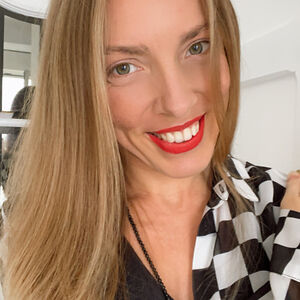
Some artists arrive with a concept. Catharina Suleiman arrives with a life already lived, and her work carries that weight. Born in São Paulo in 1977, raised by women, and shaped by both urban environments and nature, her path into art didn’t begin in a studio. It began much earlier, through experience, movement, and responsibility.
She became a mother in her teens and spent her twenties raising her child alone, while moving across South America, Asia, Europe, and the United States. It wasn’t until her mid-thirties that she began formally studying art, including alternative and historical photography at Central Saint Martins in London and graphic processes in Havana. But by then, she wasn’t searching for direction, she was giving structure to something that had been forming for years.
More info: catharinasuleiman.store | Instagram
This post may include affiliate links.
Suleiman describes herself as “an eternal researcher,” and that feels accurate. Her work moves across photography, sculpture, embroidery, installation, performance, and natural materials — not to experiment for the sake of it, but to follow a question wherever it leads.
“Although always establishing a thorough research, I speak from experience on every piece that I make,” the artist shared in the interview with Bored Panda.
At the center of her practice is a recurring idea: bodies. Not just individual bodies, but bodies as evidence — of history, of systems, of control. She looks at the female body and the Earth as connected, shaped by the same structures over time.
“I call ‘bodies’ as a representation of the whole, with the profound understanding that the subjugation of the female body and the exploitation of the Earth are not dissociated processes… where both women and nature are treated as territories available for conquest,” Suleiman explained.
In her work, the body becomes a record, of the so-called “primitive woman,” inseparable from nature, and of the modern woman, whose connection to that nature has been suppressed. The Earth itself appears not as background, but as something that asks for recognition, a reminder of what has been lost and what still shapes us. There’s always a sense that her work is looking both backward and forward at the same time.
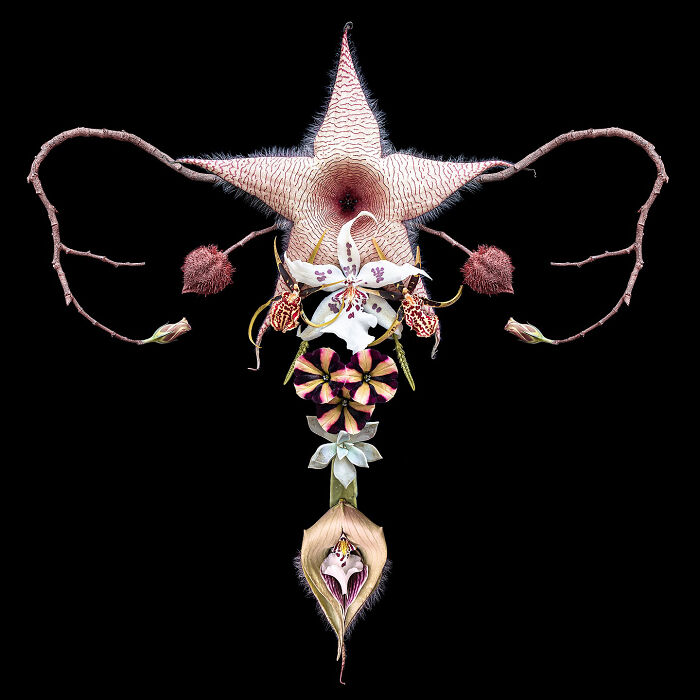
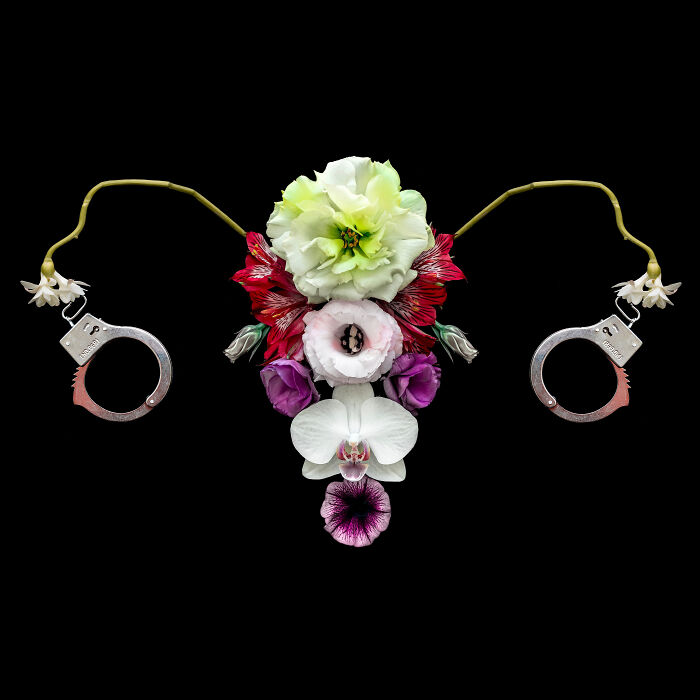
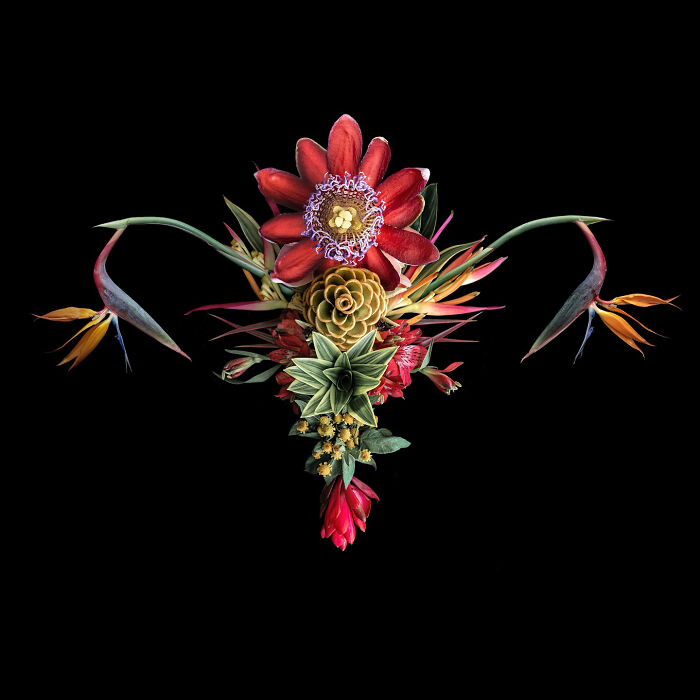
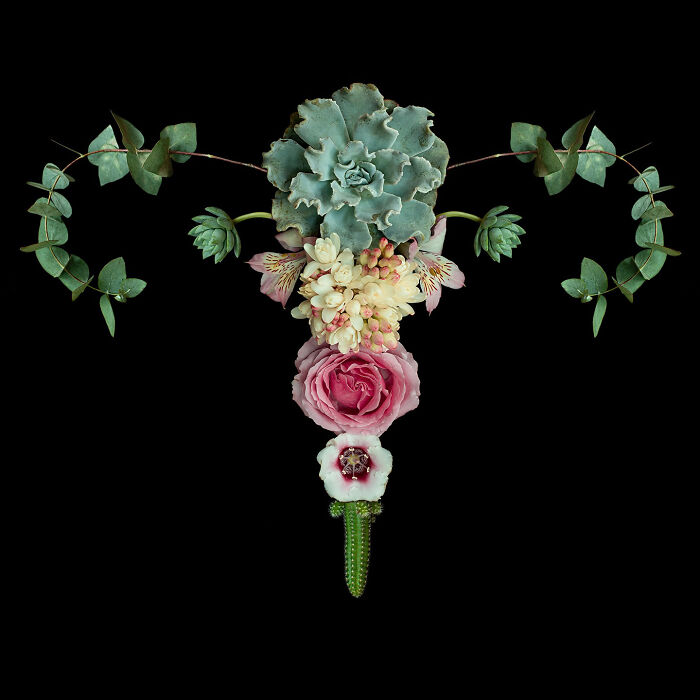
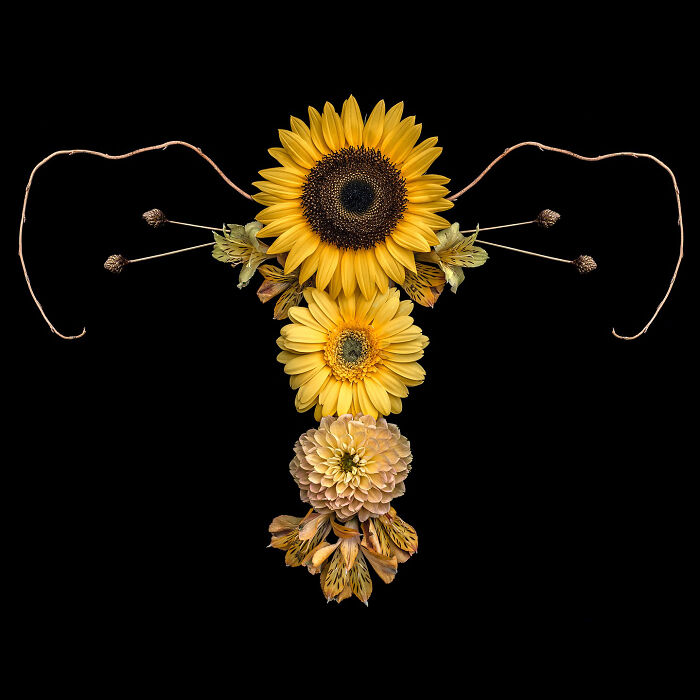
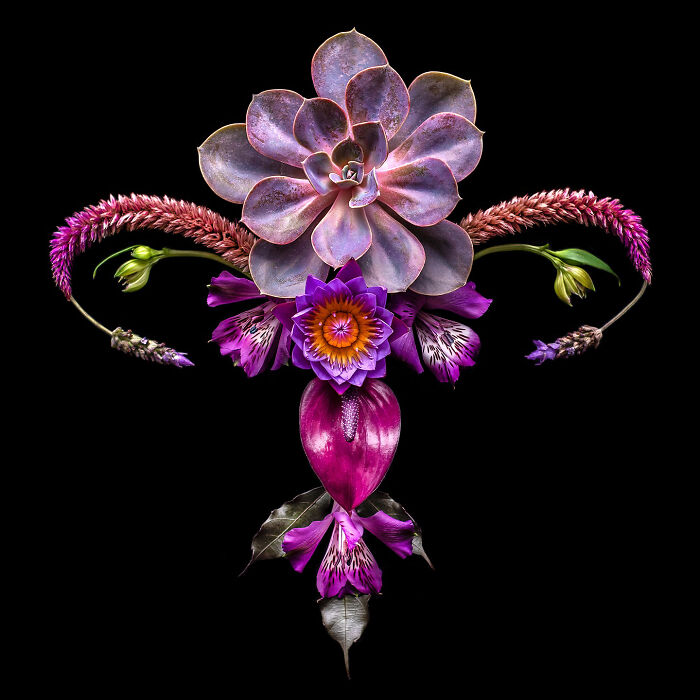
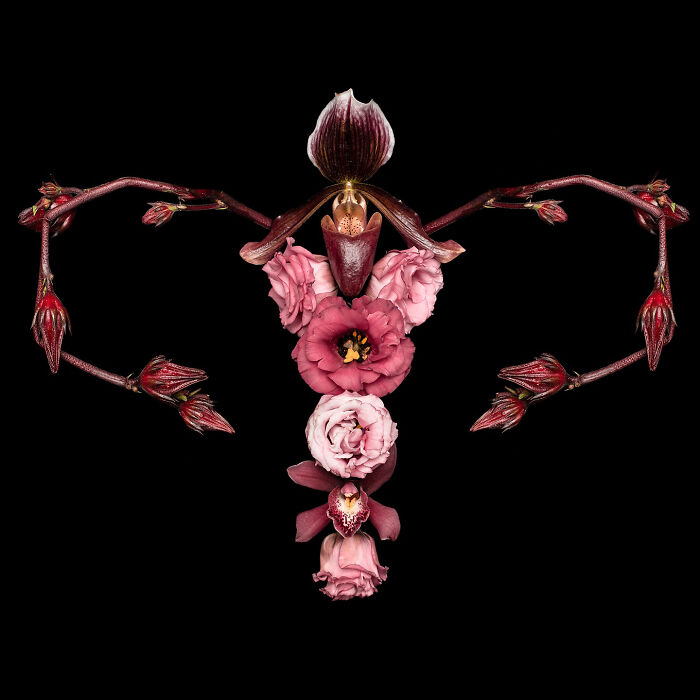
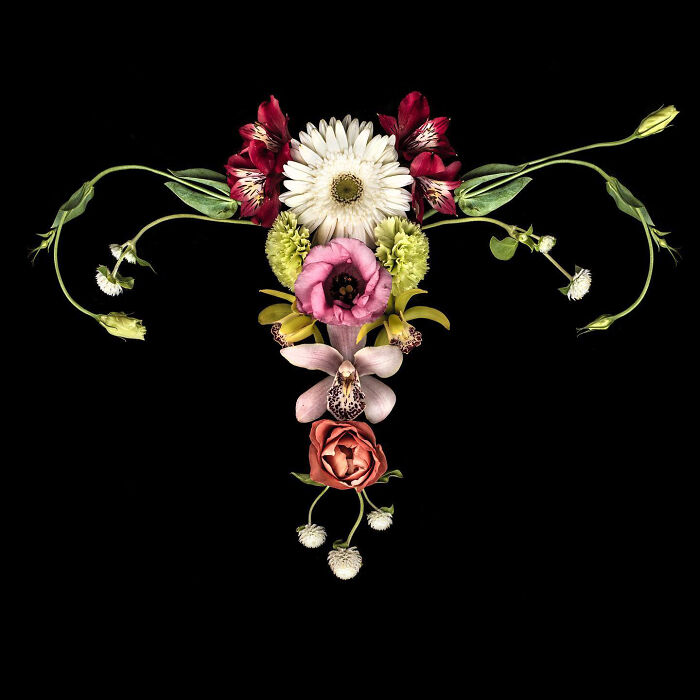
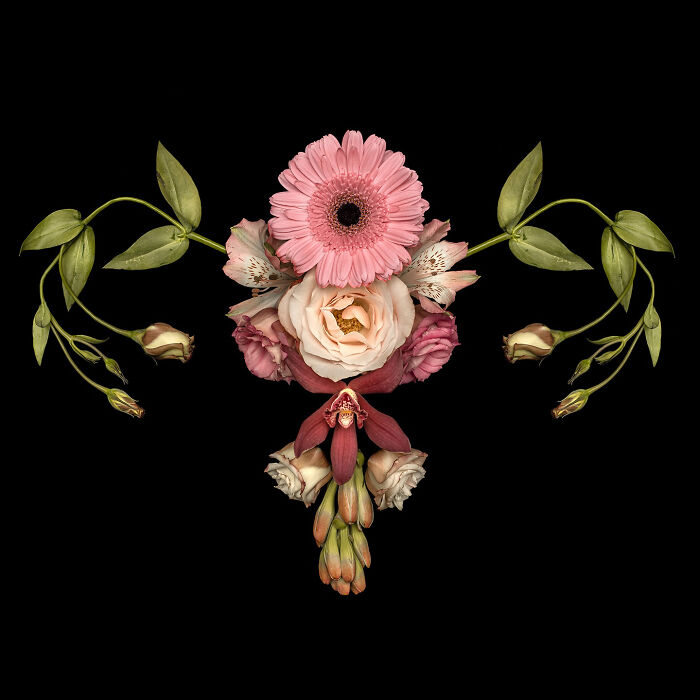
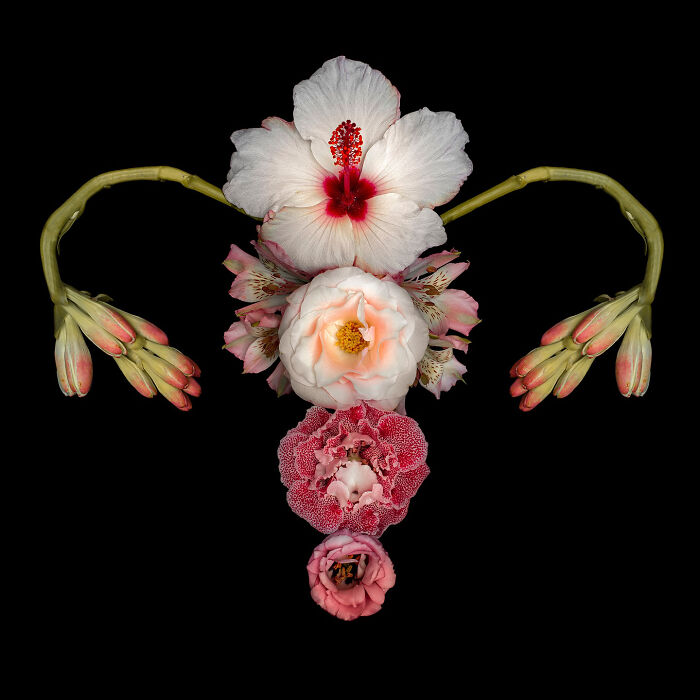
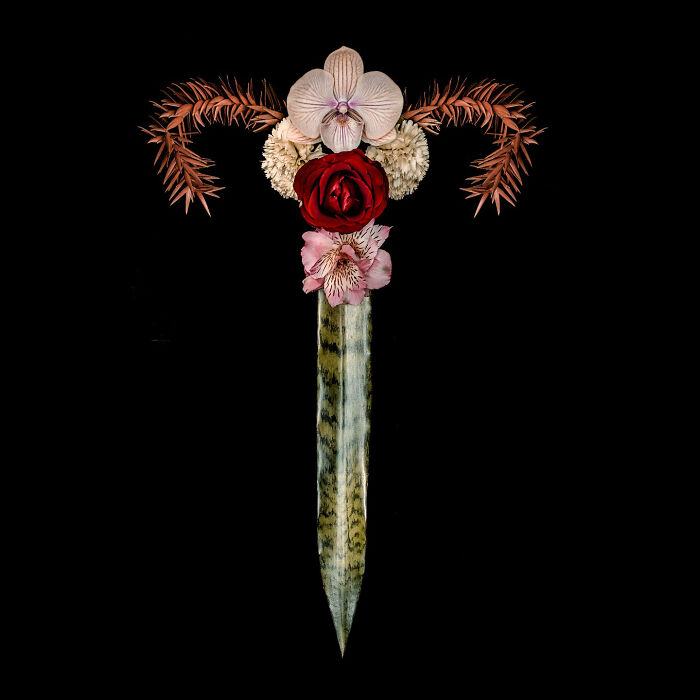
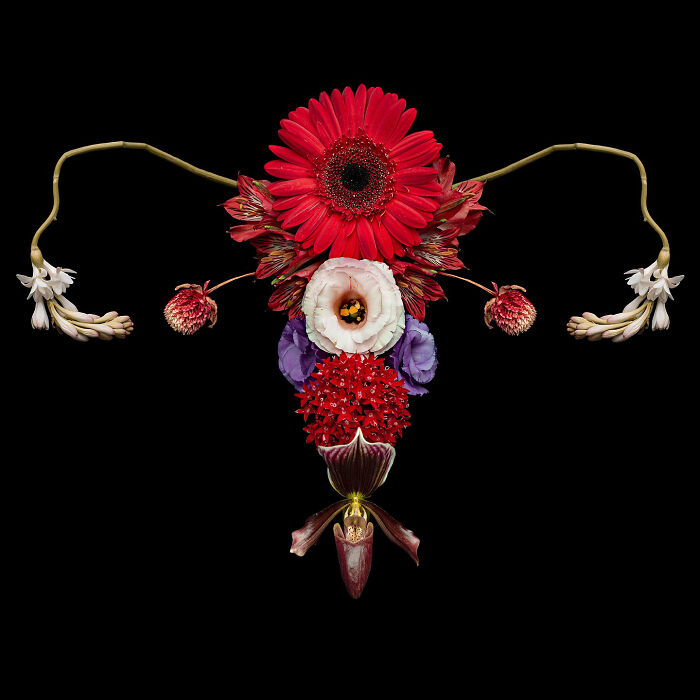
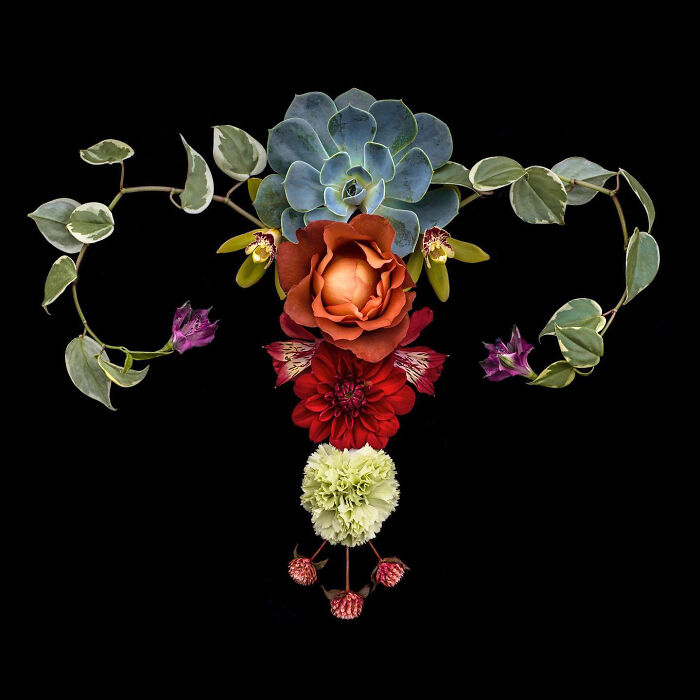
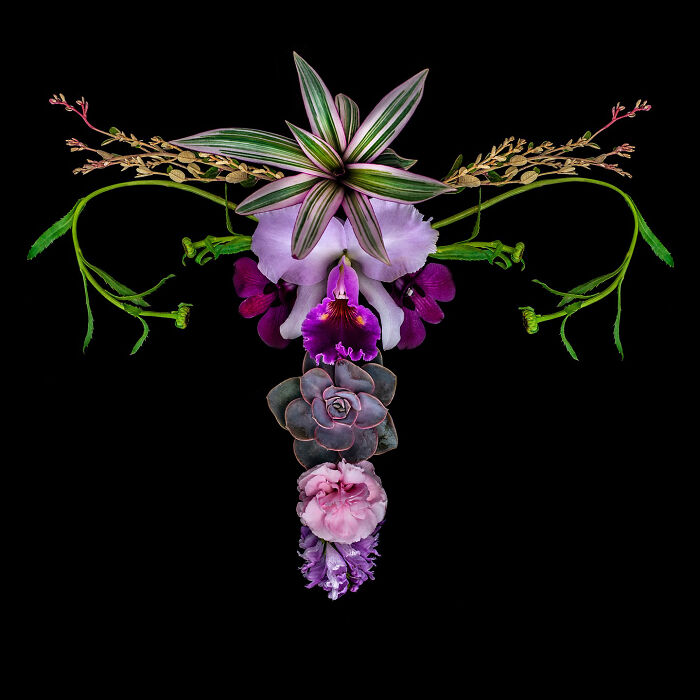
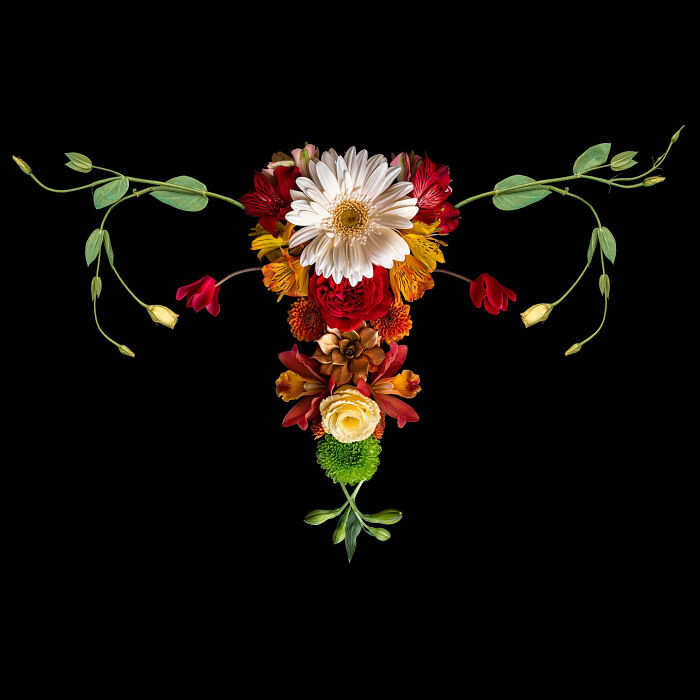
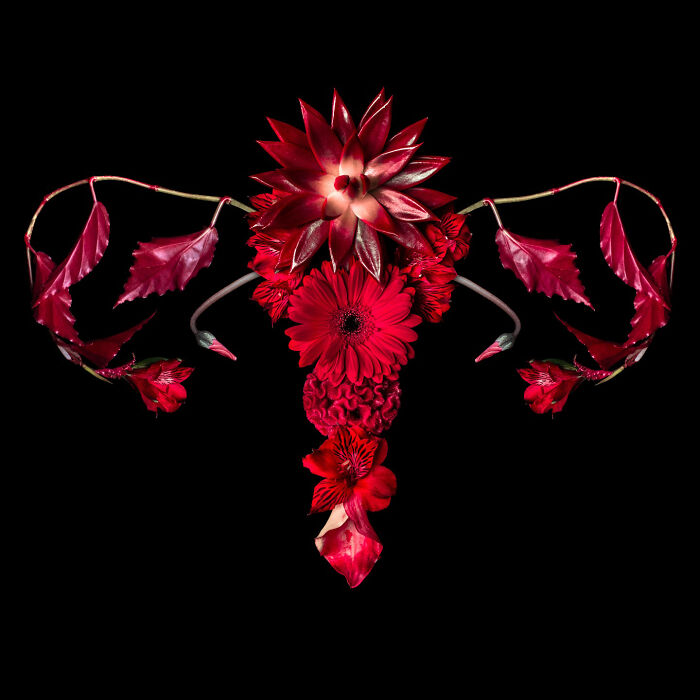
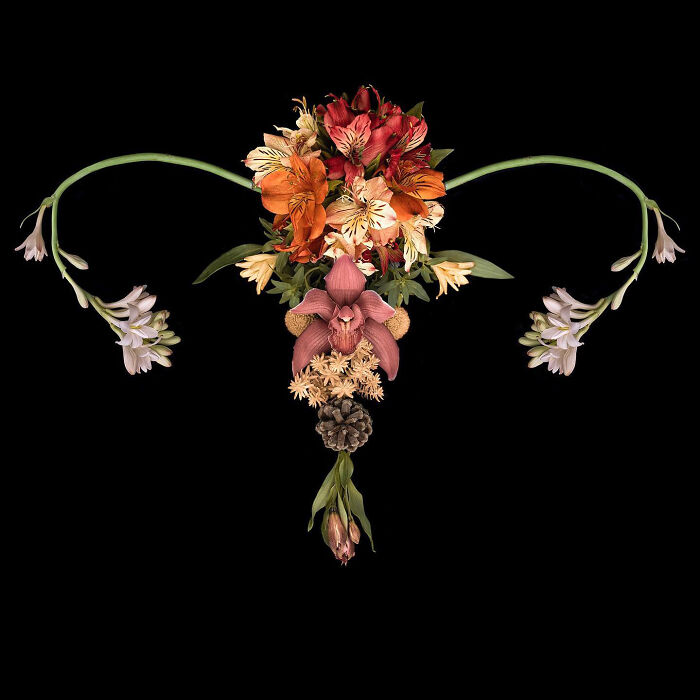
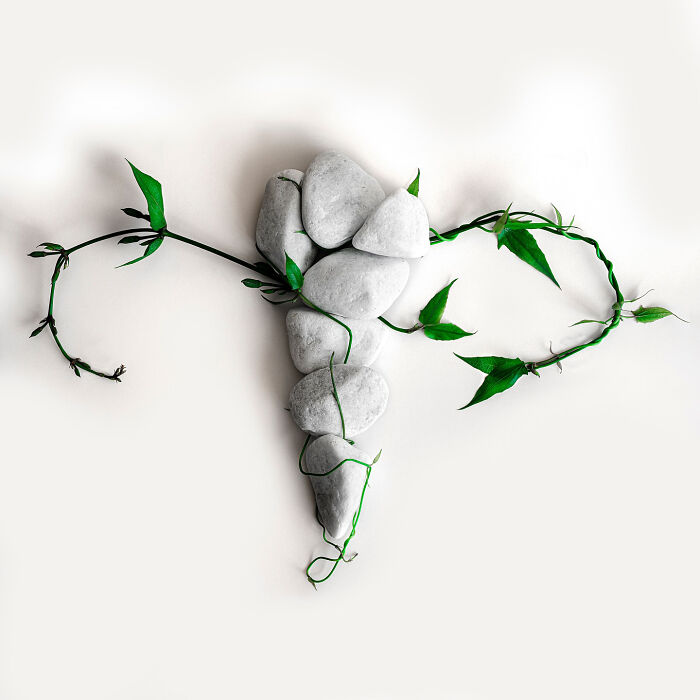
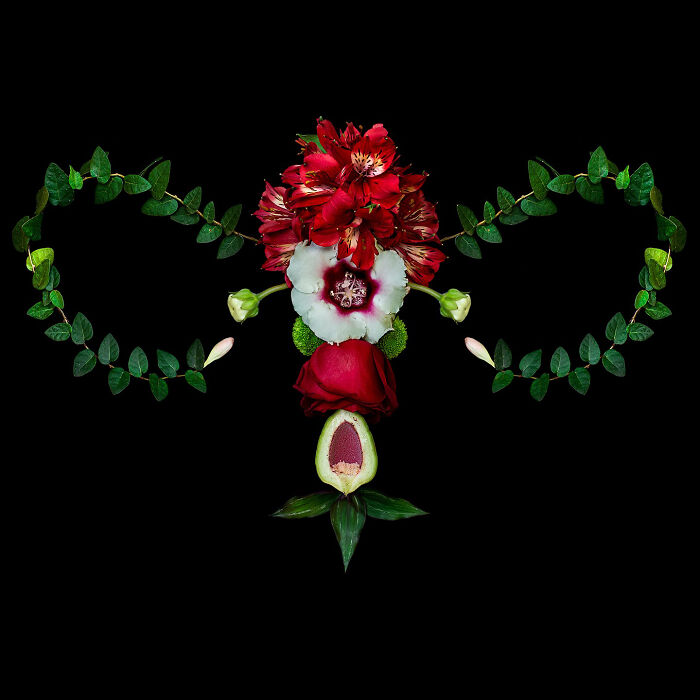
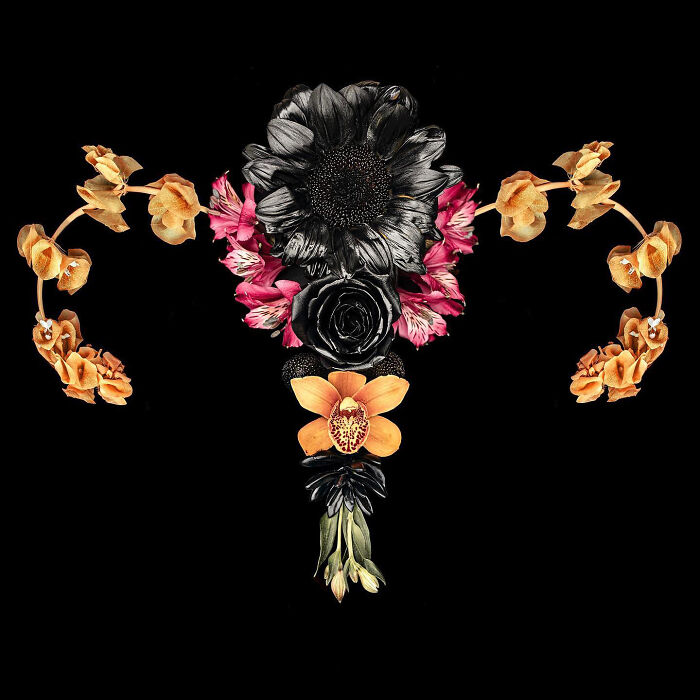
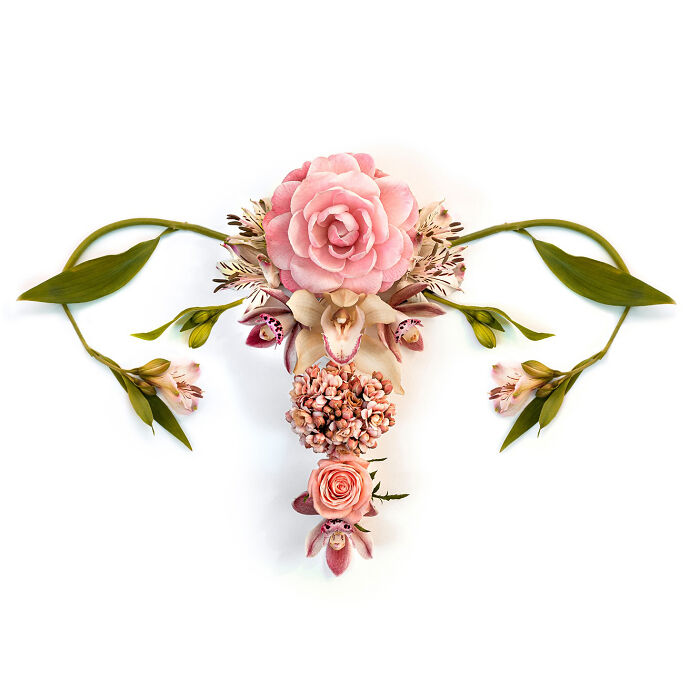
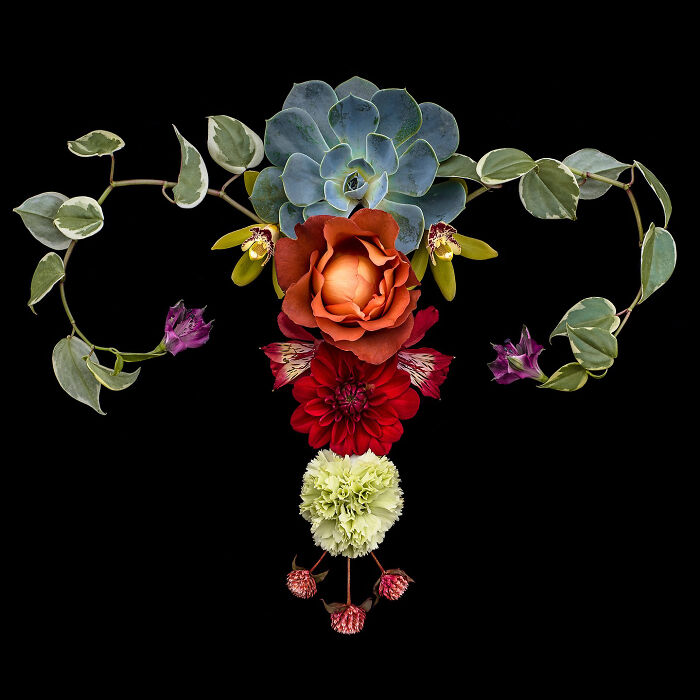
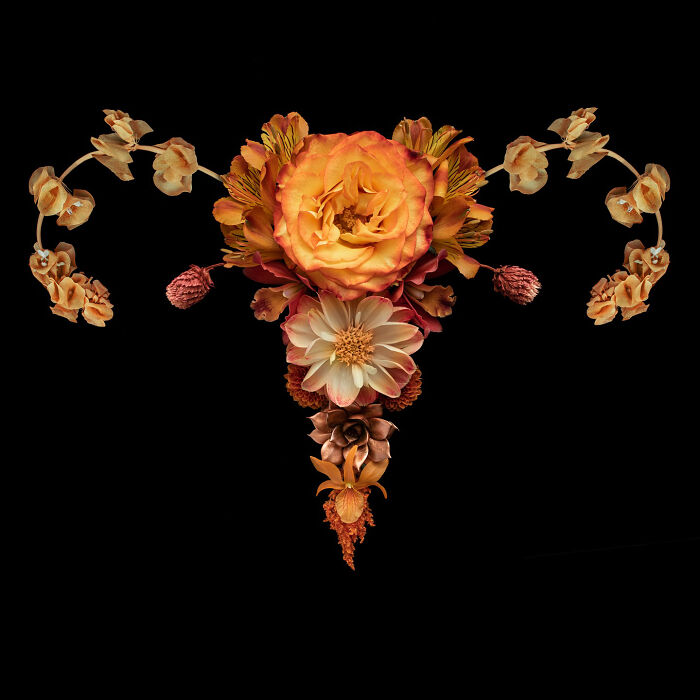
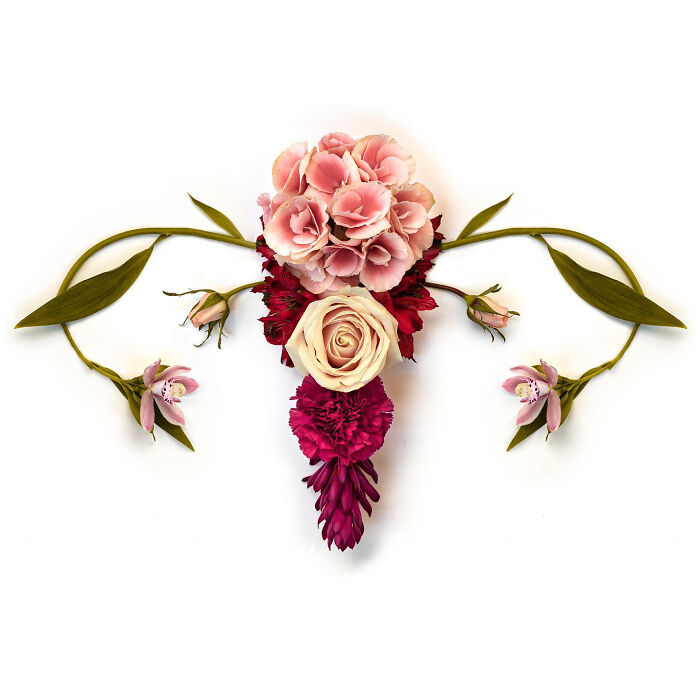
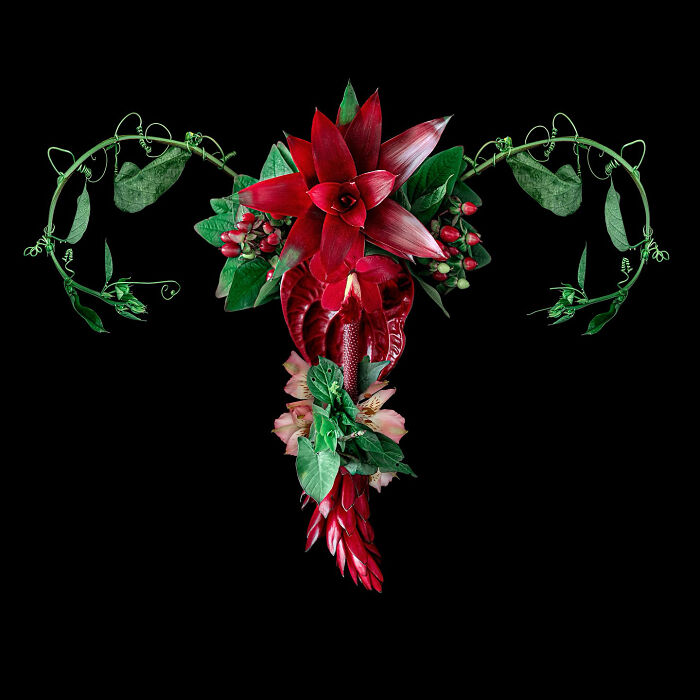
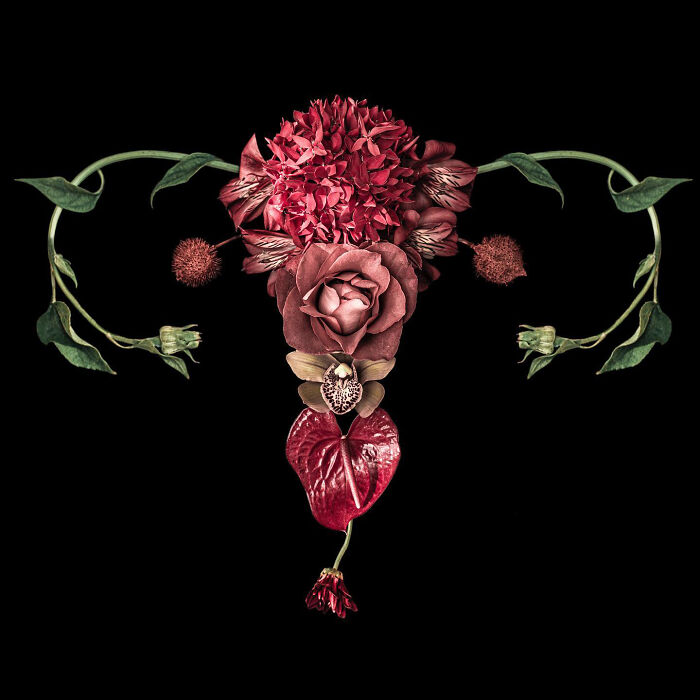
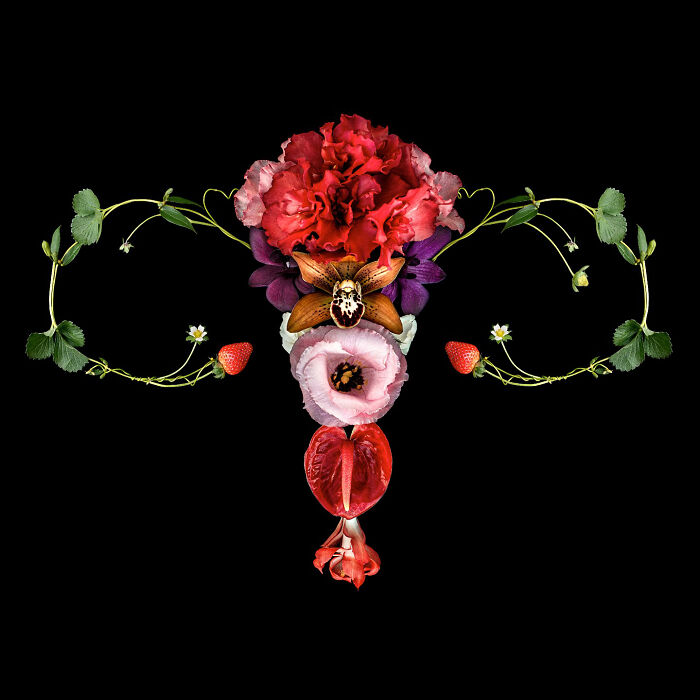
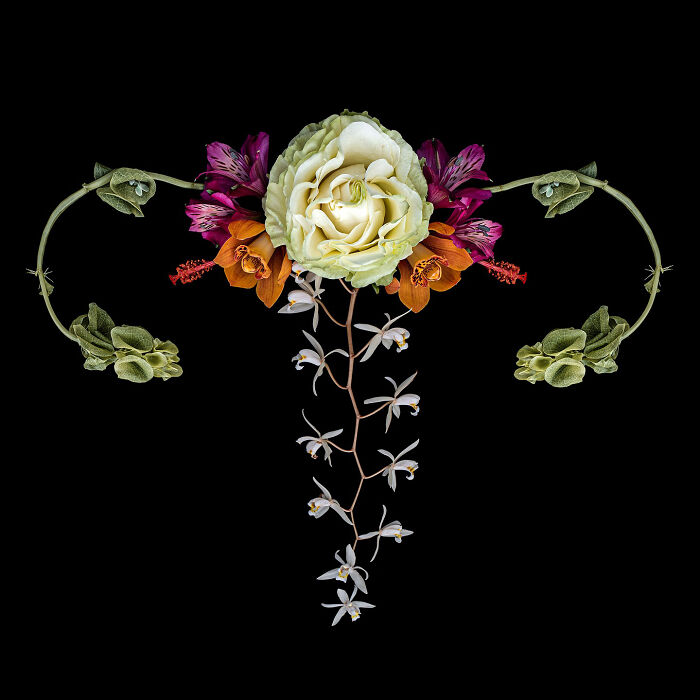
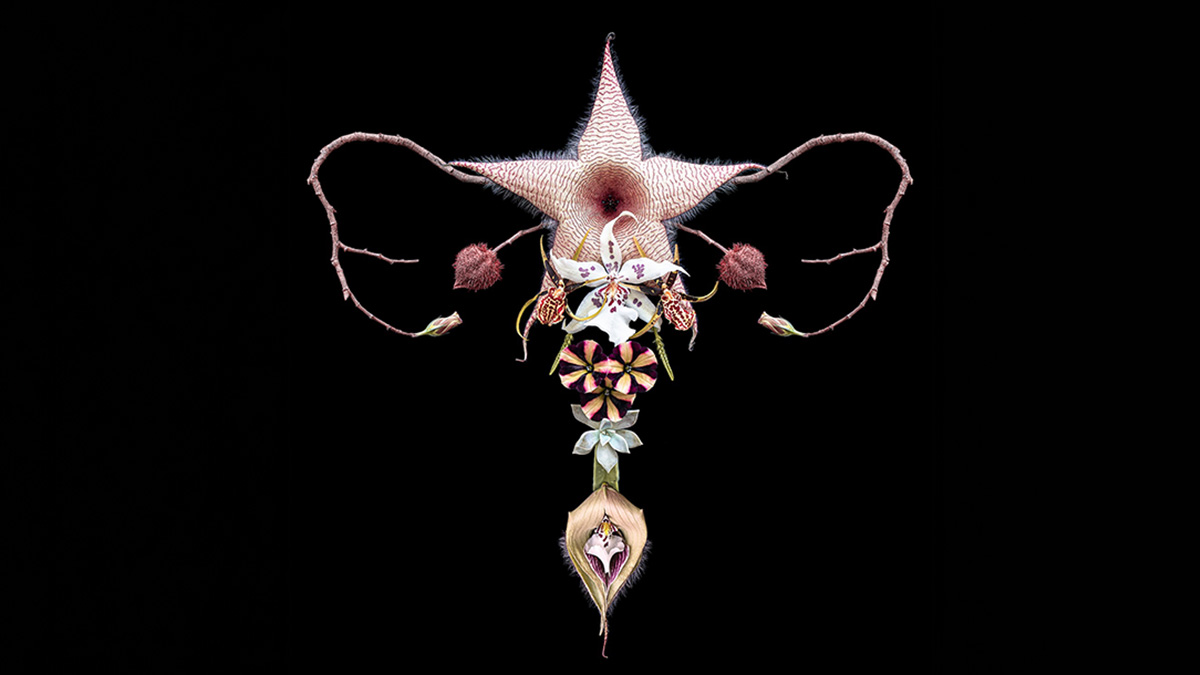
This tension becomes especially visible in her ongoing Uterus series, which began in 2019. The starting point wasn’t conceptual, it was personal. Raised in a Catholic Lebanese-Brazilian family, she grew up in a culture where silence around the female body was expected, where the body itself was something to hide or reduce to an object.
“The series ‘uterus’ was born out of the need to regain the power and the narrative regarding women's bodies back,” Suleiman said.
The first form she created was a copper nest — indirect, almost protective. But over time, the work shifted. The uterus became more visible, transforming into sculptural flowers — forms that are both familiar and difficult to ignore. What’s striking is how the world around the work changed as well. When the series began, it was repeatedly censored for showing parts of the internal female reproductive system.
Today, those same themes — menstruation, motherhood, menopause — are part of open conversations. The series has grown to around 70 pieces, quietly tracking that change.
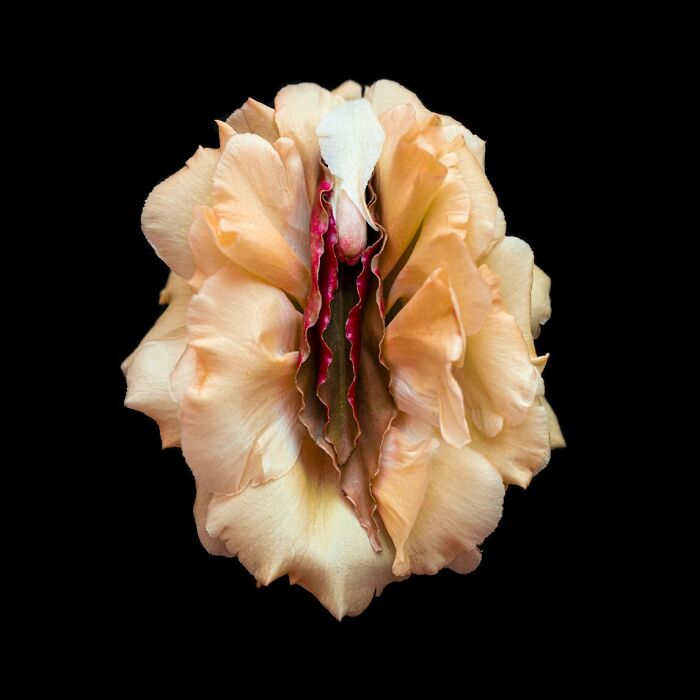
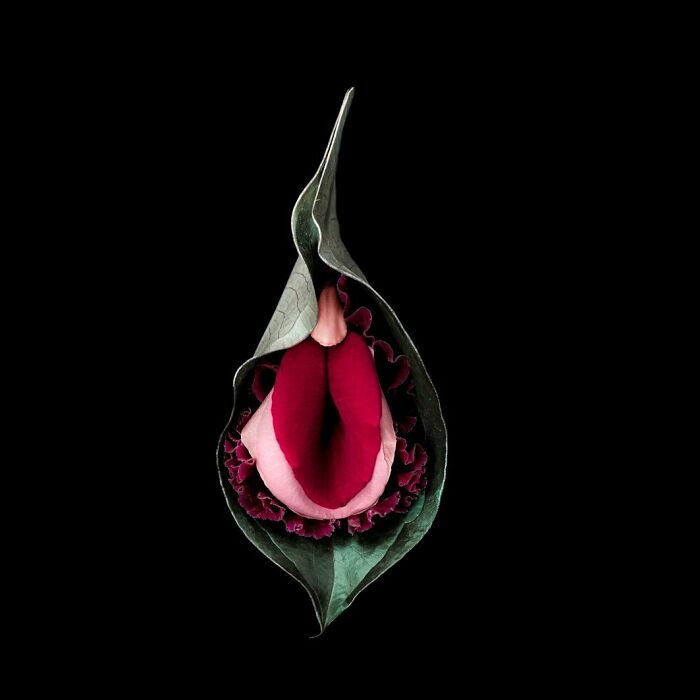
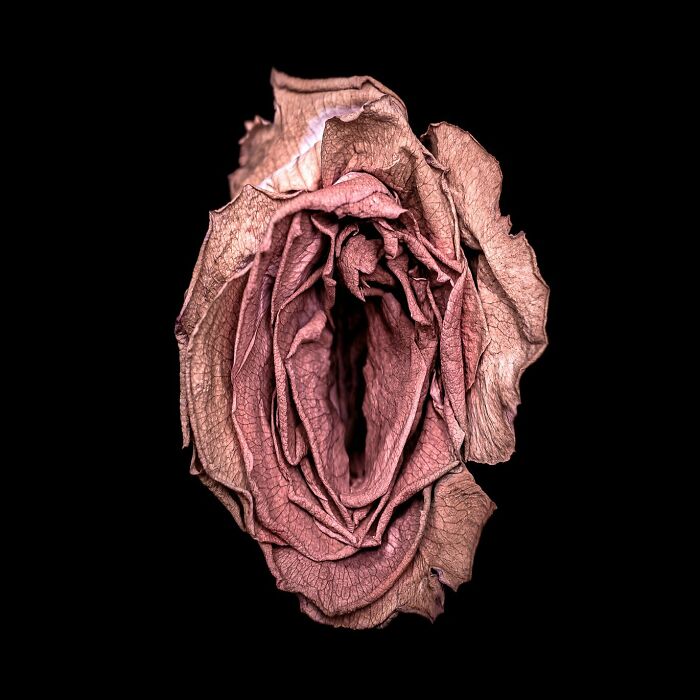
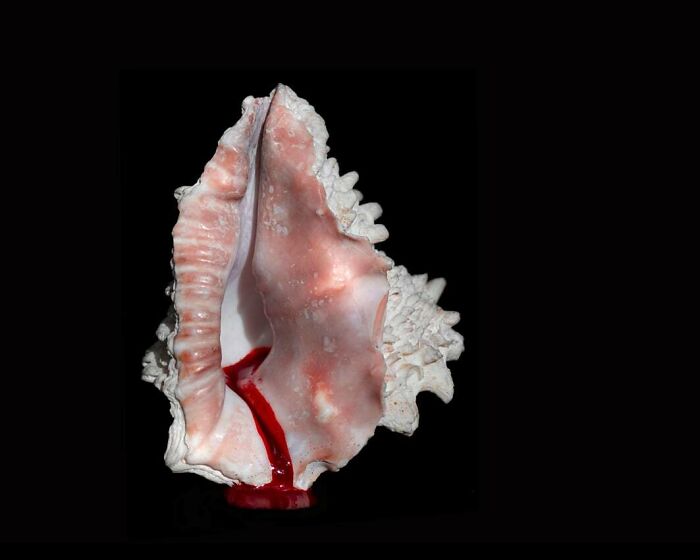
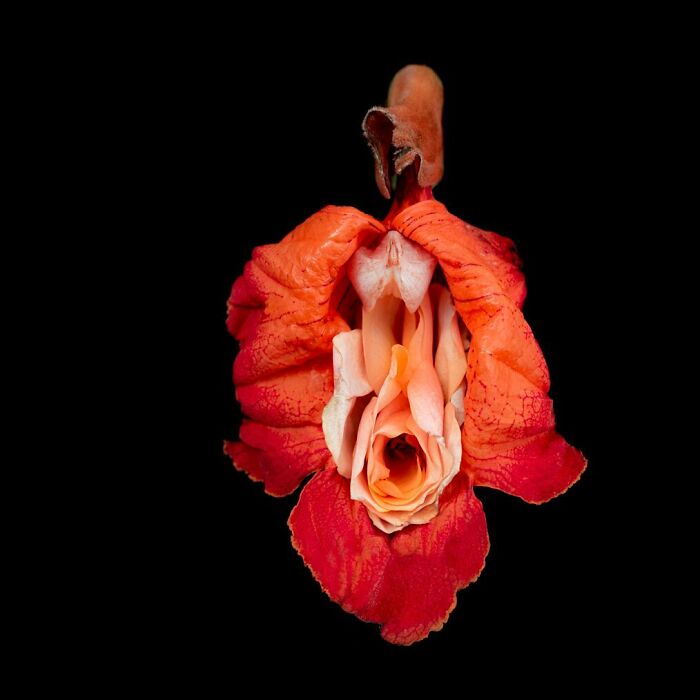
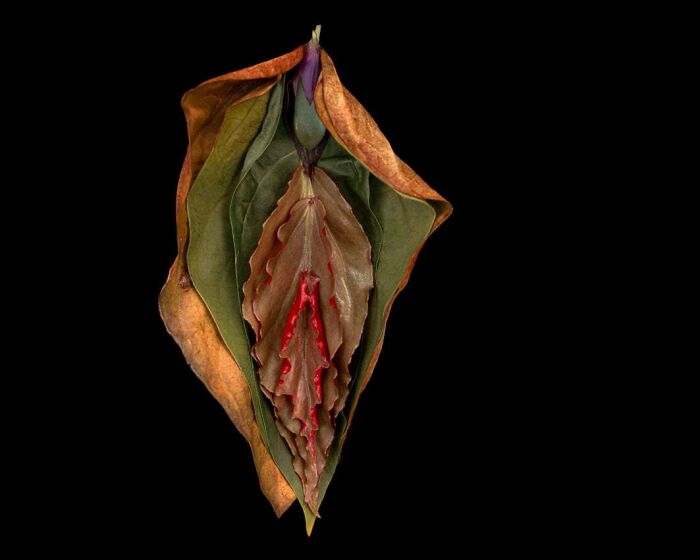
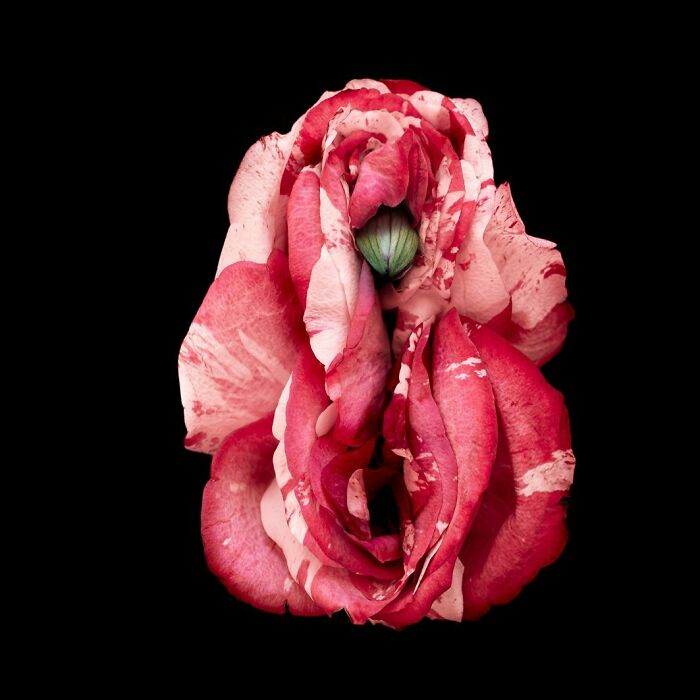
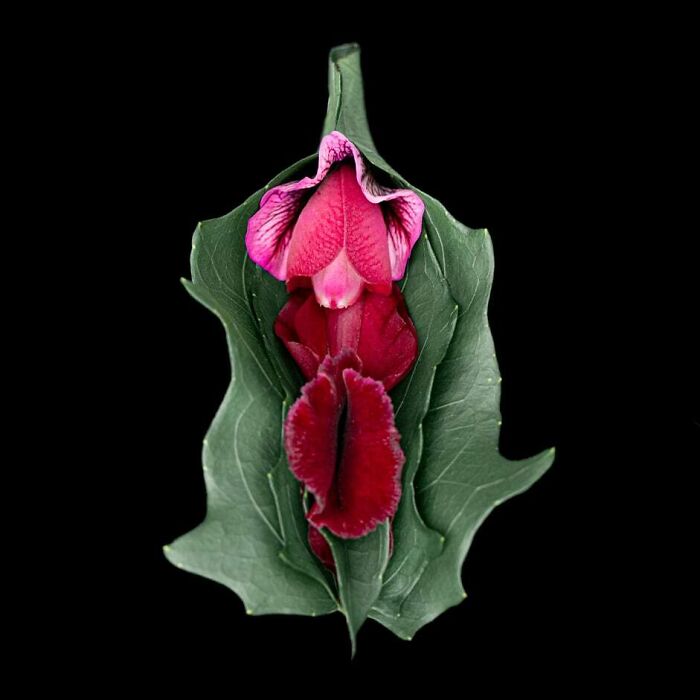
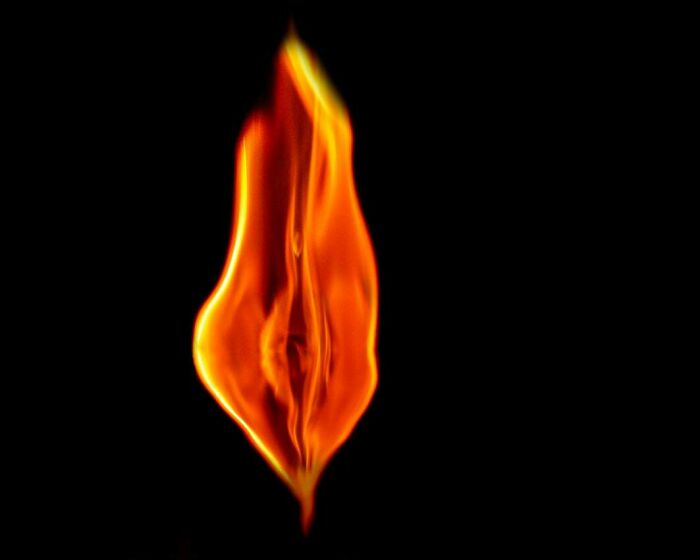
The vulvas entered her work differently. They weren’t planned, they appeared. During experiments with natural dyes, she began noticing the shapes forming on fabric. Then they reappeared in flowers she sculpted. Later, even in fire.
“It’s a gift and all I did was learn to see it, organize it and document it,” the artist shared.
That idea, learning to see, runs through everything she does. Her work doesn’t force meaning. It reveals patterns that were already there, waiting to be recognized.
Her approach often carries a poetic tone, but it’s never detached from reality. It deals with memory, struggle, and archetypes of the feminine, moving between personal and collective experience. This balance has brought her work into major collections, including UNESCO’s Latin American collection and institutions like the Oscar Niemeyer Museum and MAC RS. Since 2013, she has also developed large-scale installations and urban works, exhibited across Latin America and internationally — from Memorial da América Latina to Instituto Tomie Ohtake, and more recently at Expo da Paulista, one of the largest open-air exhibitions in the region.
Still, despite this recognition, the core of her work remains focused and consistent.
When Suleiman speaks about femininity, she avoids easy definitions. Referencing Clarissa Pinkola Estés, she connects to a more instinctive understanding of what it means to be a woman, but she’s also critical of how strength is often interpreted.
“There is often this misunderstanding that ‘strong’ women are the ones who take traditional masculine social roles… For me, being a woman takes a special kind of force that cannot and will not fit within these made up traditional standards.”
Instead, she turns to something more fundamental.
“Like nature itself, women are always growing flowers… and I want you to envision all that it takes for a flower to grow… how aggressive, delicate, perfect and difficult the whole process is until that wonderful thing painfully explodes into existence,” the artist explained.
It’s not a soft image. It’s a demanding one. A reminder that what is often dismissed as simple carries complexity, pressure, and necessity.
Art critic Fabricio Brandão once described her work as “a vast landscape steeped in secrets and mysteries,” where the human body becomes a language, revealing gestures, tensions, and something that goes beyond the visible. It’s an accurate description, but what stands out more is how grounded her work remains, even when dealing with something intangible.
It doesn’t try to resolve things. It doesn’t simplify. It stays with the complexity — and asks you to do the same.
Not sure what this one is trying to say, but it makes me feel sad.

lets also not censor these normal words then? m'kay? 🙃
Load More Replies...
The Georgia O'Keefe effect to the tenth power. (O'Keefe denied it, but the very first time I saw one of her floral images I thought, "Wow. That's a vùlvà." An awful lot of other people thought the same thing when the looked at her work.)

So did she. It just wasn't as acceptable to admit it back then.
Load More Replies... lets also not censor these normal words then? m'kay? 🙃
Load More Replies... The Georgia O'Keefe effect to the tenth power. (O'Keefe denied it, but the very first time I saw one of her floral images I thought, "Wow. That's a vùlvà." An awful lot of other people thought the same thing when the looked at her work.)
So did she. It just wasn't as acceptable to admit it back then.
Load More Replies...



















 No fees, cancel anytime