Get Premium
Dark mode theme is available exclusively for premium users. Learn more about the benefits of subscribing.
No fees, cancel anytime.

 Dark Mode Ad-Free Browsing Unlimited Content
 Ad-Free Browsing Unlimited Content Dark Mode
Join 1.2 million Panda readers who get the best art, memes, and fun stories every week!
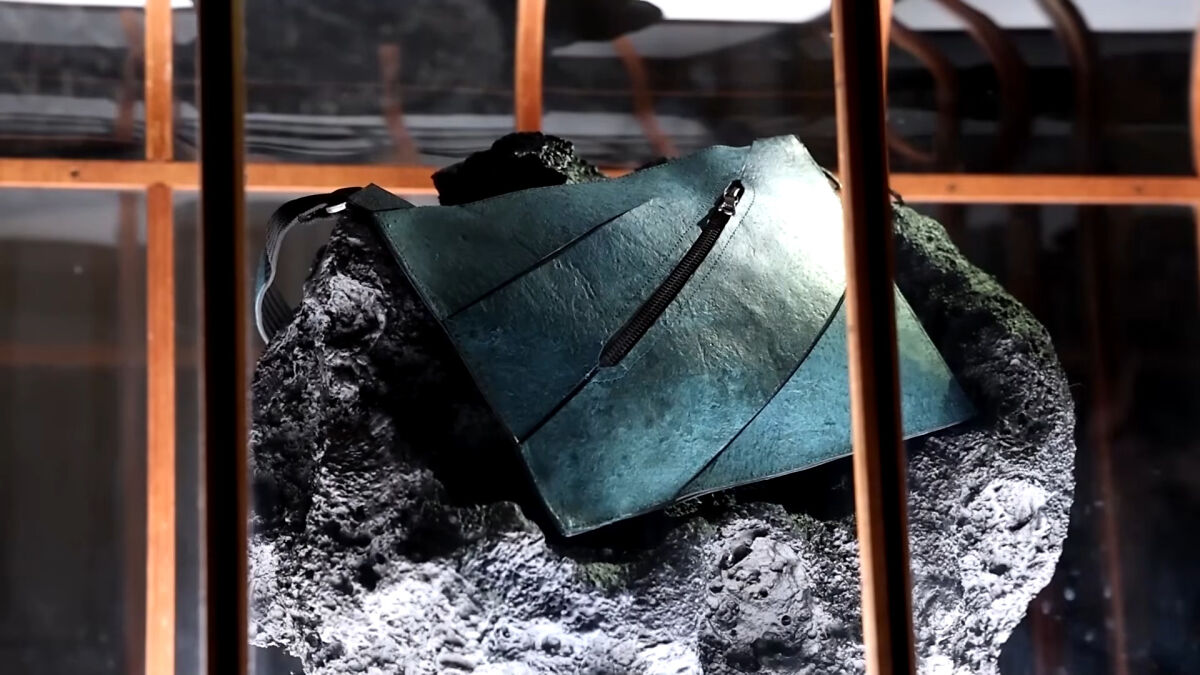
It looks like crocodile-skin handbags may have some competition. The market, however, does not seem particularly interested at the moment.
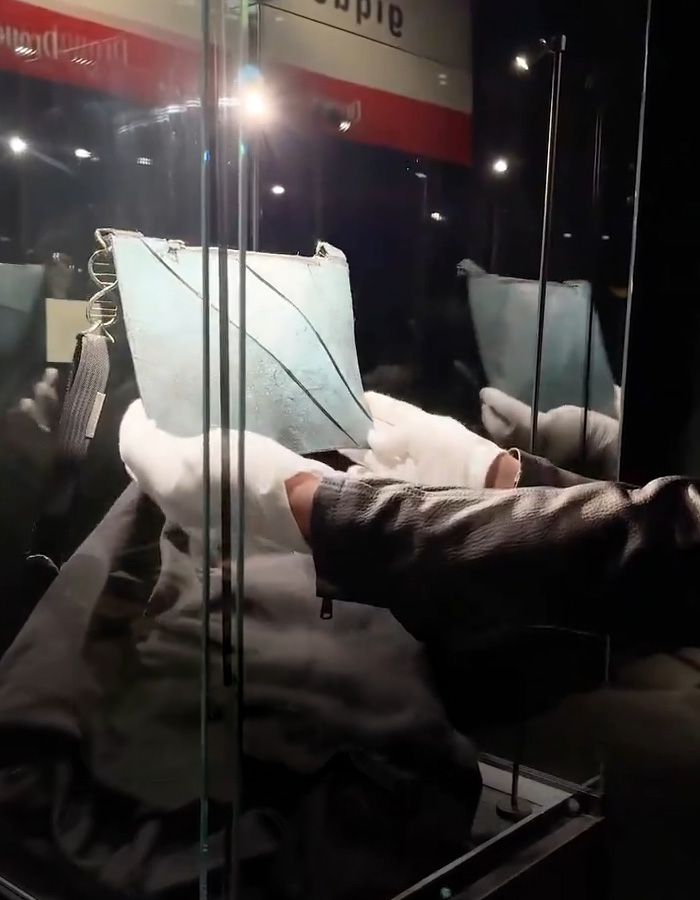
A handbag reportedly made of “lab-grown T. rex leather” was up for auction on Thursday (June 11) after being unveiled at the Artis Zoo Museum in Amsterdam earlier this year.
In a market where finding the next luxury collectibles niche could be extremely lucrative, auctioneer Alexandre Giquello had expected the prehistoric “one-of-a-kind” accessory to fetch more than $500,000.
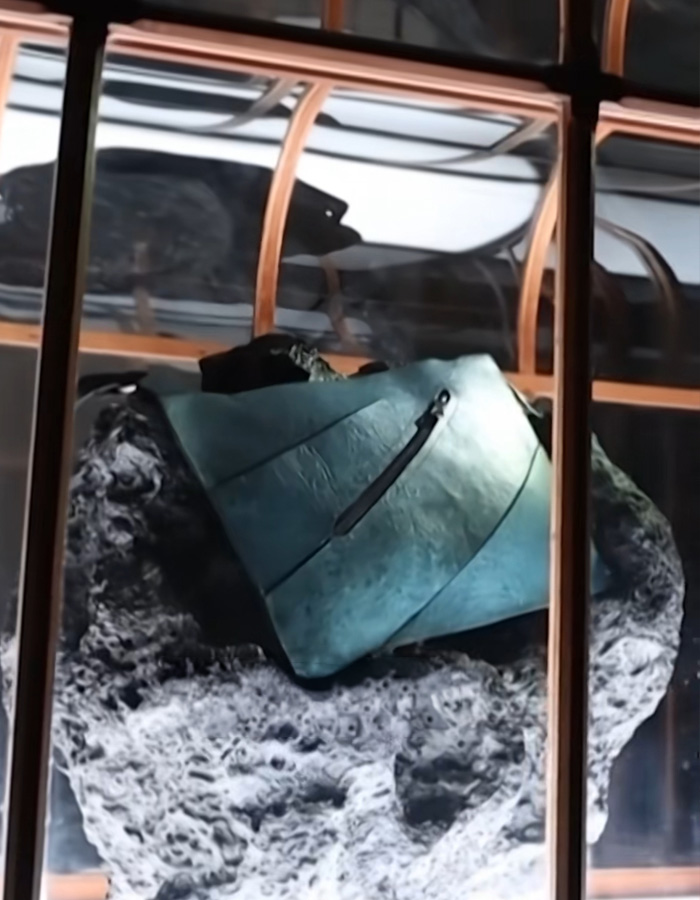
Image credits: cnn/TikTok
With no precedent to go on, Giquello told the AFP that his auction house had to “come up with a price” that reflected both the item’s rarity and the investment required to create it.
But the “T-rex leather” bag failed to impress potential buyers. According to Paris auction house Drouot, bids barely broke the $150,000 mark, so the accessory remained unsold.
The auction house had described it as “an object without precedent in the history of luxury” and a “scientific feat.”
Image credits: Wikipedia
Image credits: malinaswanson
Image credits: UncleChuck28
Iacopo Briano, a palaeontologist involved in the auction, said, “In this case, it’s derived from a cell culture, so it’s 100% skin. And at the same time, it comes from an animal that went extinct 67 million years ago!”
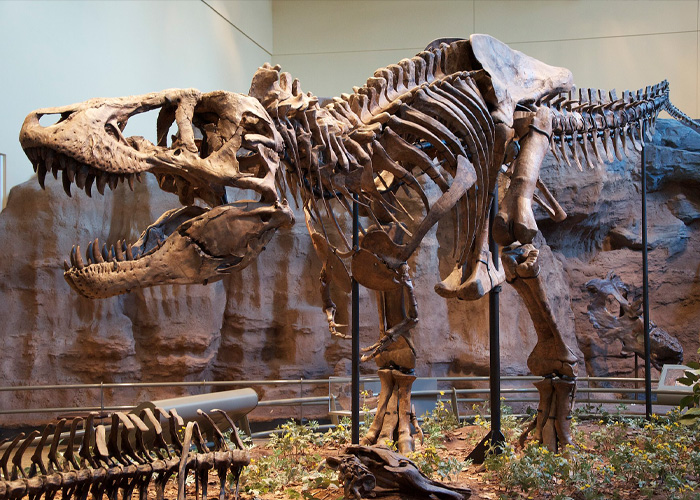
The controversial handbag was created using traces of collagen—a protein found in skin and other connective tissues—recovered from the femur of a T. rex discovered in the US state of Montana 25 years ago.
“It has a character unlike anything we’ve handled. Dense, primal, operating on its own logic,” said Polish fashion label Enfin Leve, which designed the bag.
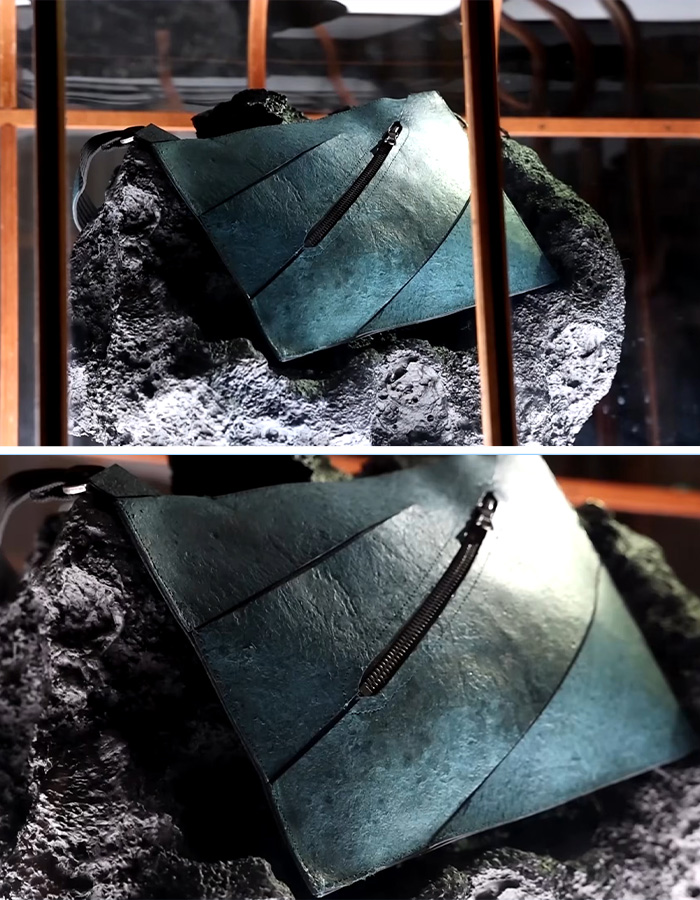
Image credits: Reuters/YouTube
In 2000, paleontologist Mary Higby Schweitzer announced that her team had found soft tissue remains, including protein fragments, inside the bones of a Tyrannosaurus rex skeleton in Montana.
The announcement baffled scientists, who were convinced that DNA material could not survive for more than 60 million years.
Image credits: TaraBull/X
Image credits: TVLPPAPV
Image credits: Stars_dweller
In response to the findings, many paleontologists argued that bacteria colonizing the bones may have created what Schweitzer identified.
Her findings remain contested today.
Thomas Mitchell and Ernst Wolvetang, founders of The Organoid Company, which helped develop the lab-grown leather, compared the process to completing a puzzle.
“It’s like having a puzzle, but you only have a few pieces, and then you have to fill in the rest,” they said.
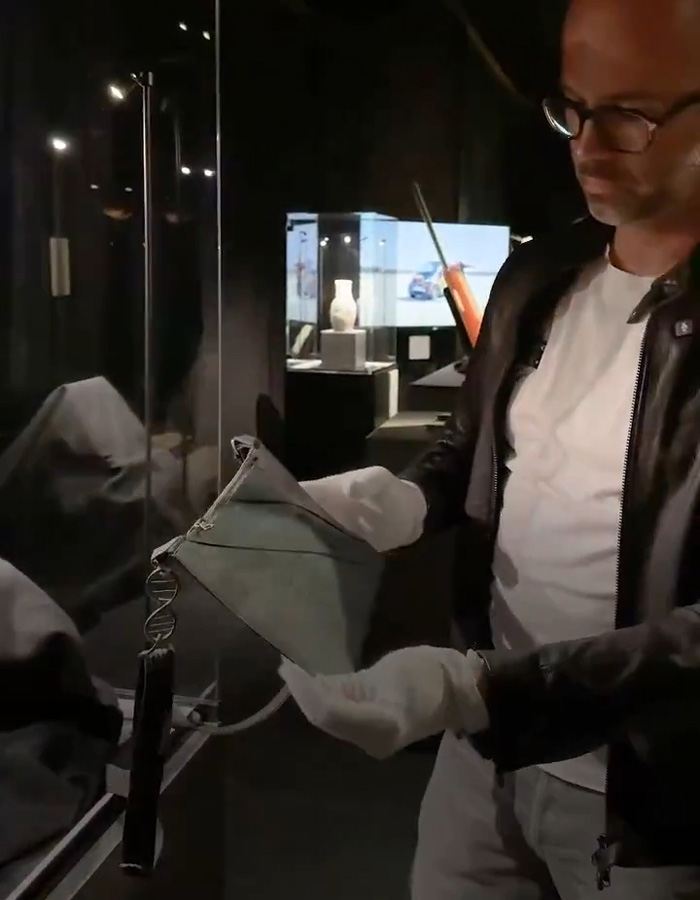
Image credits: TaraBull/X
Scientists used the protein fragments discovered two decades ago to create a leather-like fabric.
They then used artificial intelligence to reconstruct a complete protein sequence, basing the framework largely on chicken proteins, as birds are the closest living relatives of dinosaurs.
View this post on Instagram
Image credits: missxmakaveli
Image credits: d4v3_cl4rk
Jan Dekker, a researcher at the University of Turin, told DW that even if the original fragments did come from a T. rex, about 90% of the resulting genetic blueprint used by scientists would still come from a chicken rather than a dinosaur.
“What they have done is create synthetic collagen using an AI model trained on a variety of different species, mainly chicken,” Dekker said.
“A very interesting development in itself, but it is not a dinosaur. In fact, it’s more chicken than anything else.”
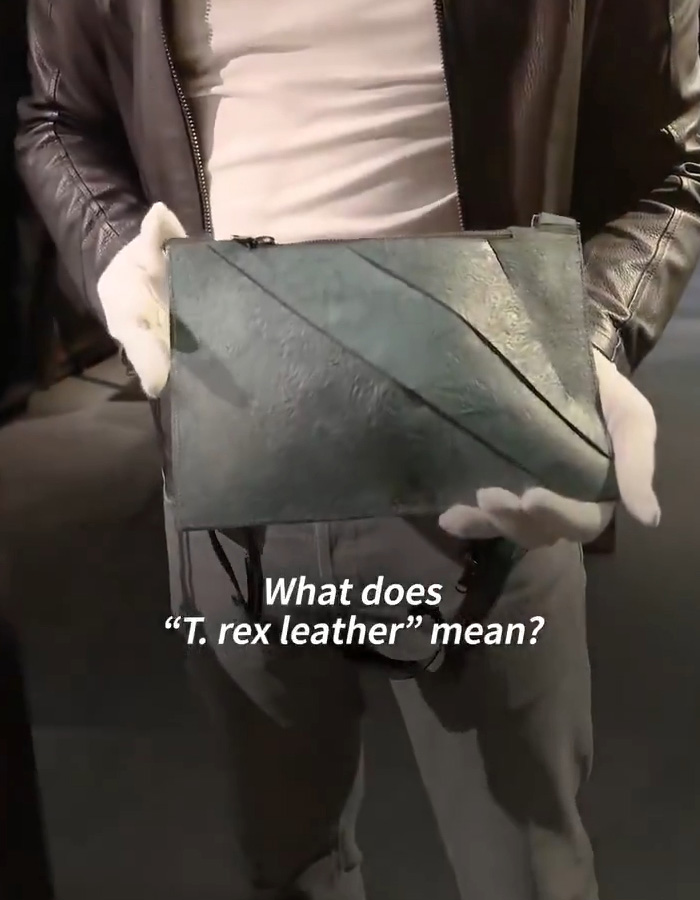
Image credits: TaraBull/X
Newcastle University tissue engineering professor Che Connon, who was behind the handbag project, pushed back against the criticism of the product, stating, “Some people have got the wrong end of the stick, saying, ‘Well, you can’t do it.’ But that’s not true.”
Scientists and fashion brand Enfin Levé just dropped the world’s first “T. rex leather” bag
A Jurassic Park fantasy come to life. Bidding starts today at $500,000. Absolute madness. pic.twitter.com/jnzkoh9BA5
— TaraBull (@TaraBull) June 11, 2026
Image credits: slaychicabonita
Image credits: Dr_drackle
In recent years, biotech firms have been exploring ways to produce durable materials without relying on livestock, while fashion brands have been investing in lab-grown alternatives to animal skin.
According to The Post, one of the most expensive handbags in history did not offer a glimpse into life 60 million years ago. Instead, it went back just a few decades.
It was Jane Birkin’s 1984 original Hermés handbag, which sold for $8 million at an auction to a Japanese mogul last year.
Image credits: Antonio Mistretta/Pexels (Not the actual image)
The iconic handbag was created for the late actress and singer after she had a chance encounter with Hermès CEO Jean-Louis Dumas on an airplane.
Dumas reportedly sketched the bag on an airplane vomit bag. A few months later, it was in Birkin’s closet.
The London-born star used the original “Birkin” almost every day before selling it in 1994 to benefit AIDS research. In 2000, the famous accessory was sold to French collector Catherine Benier for an undisclosed sum at a private auction. Benier remained the bag’s owner until last year.
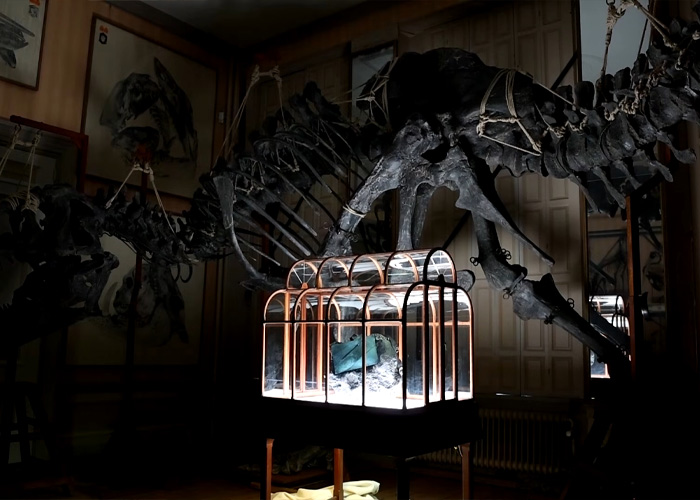
Image credits: Reuters/YouTube
Last July, Sotheby’s auctioned off the vintage item in Paris during a tense bidding session between nine collectors that lasted for 10 minutes, per Forbes.
Previously, the most expensive handbag ever sold at auction was a Himalaya Crocodile Birkin, which fetched $450,000 in 2022.
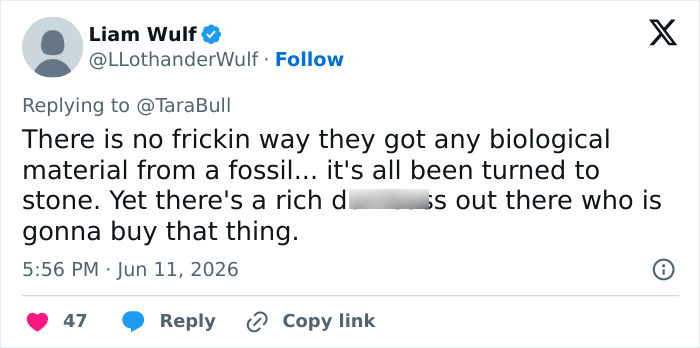
Image credits: LLothanderWulf
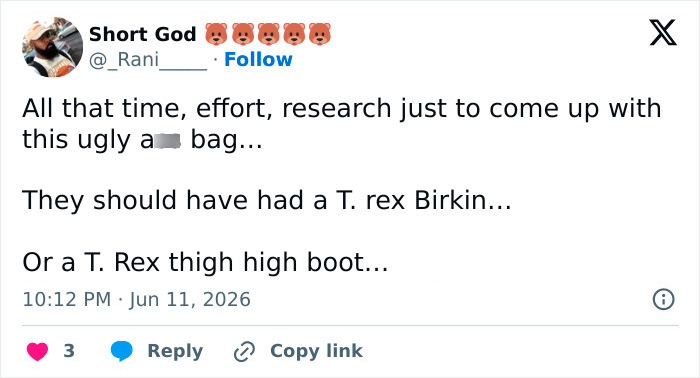
Image credits: _Rani_____
Image credits: brodyis4doge
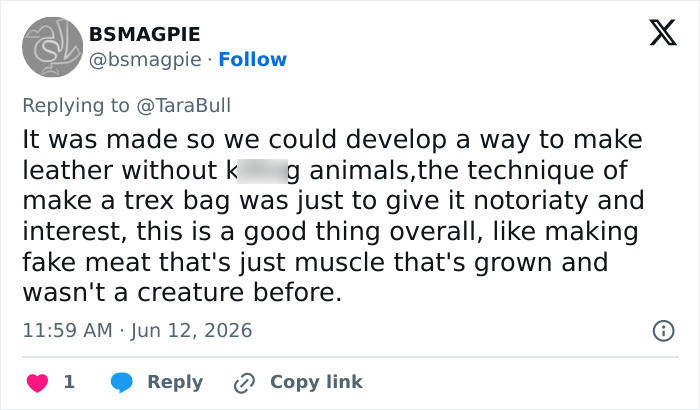
Image credits: bsmagpie
Image credits: Bigfootpool
Image credits: warcroft
Image credits: TheRealWizar
Image credits: Franklin6900
Image credits: VeiledVibes
Image credits: yelcat2

By entering your email and clicking Subscribe, you're agreeing to let us send you customized marketing messages about us and our advertising partners. You are also agreeing to our Privacy Policy.
Thank you! You've successfully subscribed to newsletters!


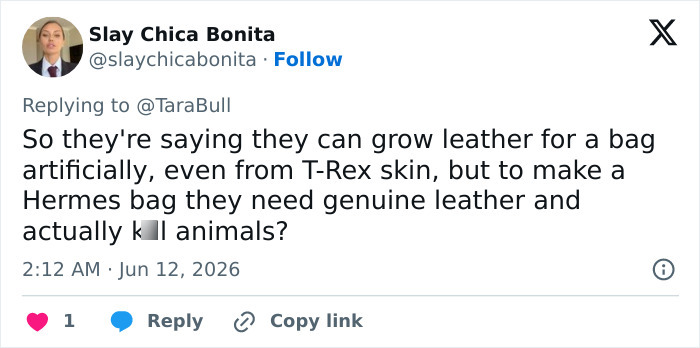
If it were really possible to grow leather in a lab, using the DNA of cows or chickens or crocodiles or whatever, and it actually had the same properties as real leather (as opposed to "vegan" a.k.a. plastic "leather"), this would be an absolute GOLD MINE, without any need to involve extinct animals. People want ethical leather that won't fall apart like fake leather does, not a stupid gimmick.

If it were really possible to grow leather in a lab, using the DNA of cows or chickens or crocodiles or whatever, and it actually had the same properties as real leather (as opposed to "vegan" a.k.a. plastic "leather"), this would be an absolute GOLD MINE, without any need to involve extinct animals. People want ethical leather that won't fall apart like fake leather does, not a stupid gimmick.






























 No fees, cancel anytime


















23
8