Get Premium
Dark mode theme is available exclusively for premium users. Learn more about the benefits of subscribing.
No fees, cancel anytime.

 Dark Mode Ad-Free Browsing Unlimited Content
 Ad-Free Browsing Unlimited Content Dark Mode
Join 1.2 million Panda readers who get the best art, memes, and fun stories every week!
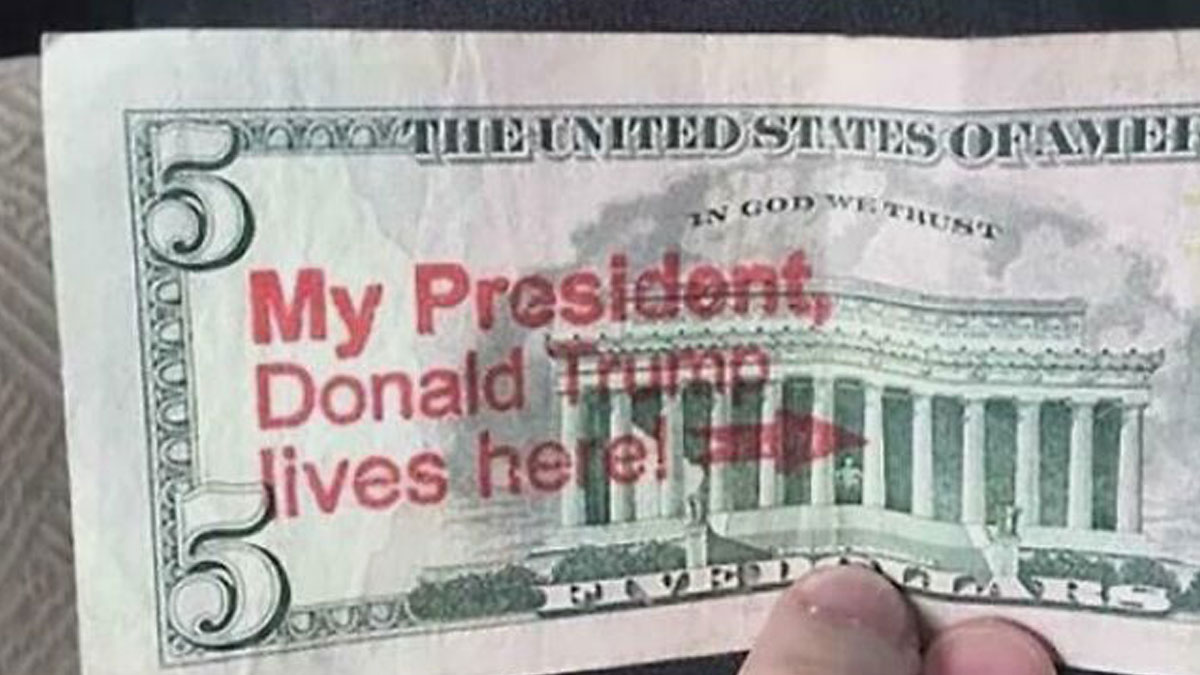




A lot of internet fads come and go, but there are a few things that seem to have a constant demand online, and fails definitely belong to this category. Similar to cats, no matter how many you've seen, every single one is still unique in its own way. And nowhere is that better showcased than on the legendary subreddit r/facepalm. It's full of bad luck, questionable decisions, and secondhand embarrassment. After all, nothing brings comfort quite like realizing someone out there manages to mess up even harder than you.
This post may include affiliate links.
Susan Krauss Whitbourne, Ph.D., ABPP, is a Professor Emerita of Psychological and Brain Sciences at the University of Massachusetts Amherst. She says the idea that you should feel bad when someone else encounters a loss or other form of misfortune is hammered into most people’s sense of moral responsibility.
"Little children may shout with joy when they win a family board game, but this ignoble reaction ordinarily becomes less and less acceptable in anyone over the age of 8 or 9," Whitbourne writes. "As adults, you may still experience this sense of delight when you've vanquished your opponents, but you know that you have to hold back on expressing it openly."
So what is it about fails that makes them feel so entertaining? Feeling happy at the expense of someone else’s losses is what psychologists refer to as schadenfreude, a German word combining schaden (harm) and freude (joy).
Although this is a common enough emotion, is it inevitable that people take pleasure in the misfortunes of others? Perhaps you see your neighbor hop an electric fence and get shocked by it. Shouldn’t you feel more sympathetic toward them rather than triumphant?
According to research by Lea Boecker and her colleagues at the University of Lüneburg (2022), emotions that fall under the category of “fortunes of others” (FOEs) can range from assimilative—meaning empathetic—to contrastive, or unempathetic. In their model of FOEs, the researchers explore what determines whether people respond to others’ fortunes and misfortunes—what they call “(mis)fortunes”—with empathy or detachment.
The four FOEs depend on whether people make upward or downward comparisons in response to good or bad outcomes. If someone you compare yourself to has something good happen, you’ll probably feel envy. Maybe you weren’t invited to a friend’s outdoor party and wish you had been. If the weather is perfect, you’ll envy everyone who went. But if those same people have something go wrong—say, a sudden rainstorm ruins the party—you might feel a bit of schadenfreude, or pleasure at their bad luck.
When the two dimensions align, assimilative emotions tend to emerge. Returning to the electric fence example, you'd likely feel sympathy for your neighbor if you could "look down" on their misfortune without feeling inferior.
On the flip side, you might experience what the researchers call happy-for-ness when something good happens to someone you don't see as better off than yourself. Without any trace of envy, you can genuinely share in their good fortune.
As Boecker and her colleagues highlight, part of what drives the FOE model can be explained by our perception of fairness. This is because, in their words, "A plethora of studies have shown that individuals do not like inequality, also known as inequity aversion."
Because of this belief in fairness, "fortunes and misfortunes that increase inequality elicit unpleasant emotions, whereas those that reduce inequality produce pleasant emotions."
In other words, the further someone moves ahead or behind you in relative standing, the stronger your emotional reaction will be.




























 No fees, cancel anytime