Get Premium
Dark mode theme is available exclusively for premium users. Learn more about the benefits of subscribing.
No fees, cancel anytime.

 Dark Mode Ad-Free Browsing Unlimited Content
 Ad-Free Browsing Unlimited Content Dark Mode
Join 1.2 million Panda readers who get the best art, memes, and fun stories every week!

Often in life, we meet people who instantly make everything better. For many, it’s friends; you share your joys, your sorrows, your successes, and your failures. But sometimes, those same people are the ones who stab you in the back.
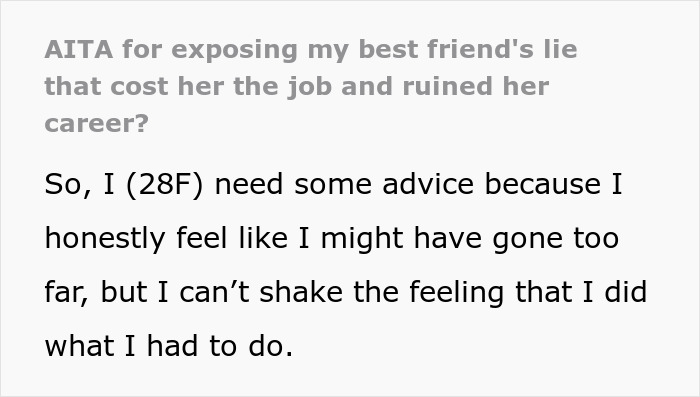
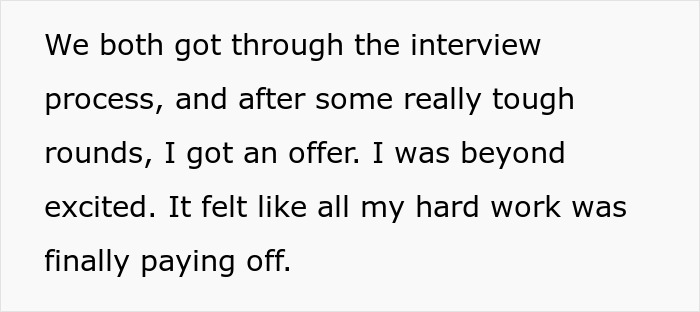
One woman discovered that harsh truth when her best friend sabotaged her during a crucial job interview, spreading false claims that threatened her dream career. Refusing to stay silent, the author took matters into her own hands. Keep reading to find out what happened next.

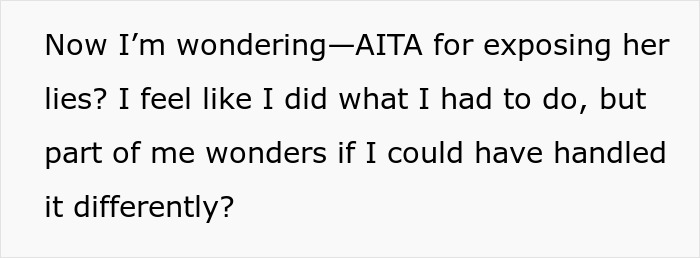

Making friends as a kid was easy, right? Playground games, shared snacks, sleepovers; it all just clicked. But adult friendships? A totally different story. Now it’s about trust, respect, shared values, and making time in our already-busy lives. Finding people who “get you” and actually make life better can feel like searching for a unicorn. And let’s be honest; sometimes we try really hard to hold onto friendships that just aren’t right for us.
But here’s the tricky part: not all friendships are obvious. Toxic friends can sneak in quietly, sometimes pretending to be supportive or fun at first. They don’t always wear a label that says, “I’ll mess with your life.” And even once you spot a red flag, it’s not always easy to pull away—especially when memories, history, or guilt are involved.
One classic type is the friend who’s sweet to your face but talks behind your back. Psychology Today points out that this kind of friend often disparages you to multiple groups, subtly spreading gossip or negative comments. You might not notice it at first, but over time it can chip away at your confidence and leave you questioning who you can trust. These friendships might feel comfortable initially, but they’re emotionally draining in the long run. It can even affect how you interact with new friends, leaving you cautious or skeptical.
Jealous friends are another tricky type. A little envy is natural, but some friends actively belittle your achievements or try to one-up you at every turn. If someone can’t be genuinely happy for you during life’s good moments, that’s a red flag. These friends may disappear when you succeed, leaving you to celebrate alone. A close cousin of jealousy is judgmental friends—those who critique every choice you make and subtly make you feel inferior. Constant comparison and criticism can sneakily make you doubt yourself, even when you know you’ve done well.
Possessive friends are a whole different story. These are the ones who act like they “own” your time, your decisions, or even your other friendships. They may guilt you for spending time with anyone else or demand constant updates about your life. Their behavior can feel suffocating, and it often erodes your ability to set healthy boundaries. It’s important to recognize that your friendships should be based on mutual respect, not control. When you let go of possessive friends, it can feel liberating and open the door for more balanced connections.

Then there are friends who treat you like a personal punching bag. Dr. Sarah Quaratella, a psychiatrist in Denver, explains that these friends dump all their emotional baggage on you without giving back. “You’re listening to their concerns and offering advice, but you’re not getting the same kind of support or respect in return,” she says. Over time, this one-sided relationship drains your emotional resources, leaving you exhausted and unappreciated. You may even start to feel guilty for wanting your own needs met, which can create long-term stress.
Toxic friendships aren’t just inconvenient; they can have real consequences. Brooke Sprowl, a therapist in Santa Monica, notes in Time that toxic friends can erode your self-trust. “You start questioning yourself constantly—if you set boundaries, you’re selfish; if you don’t give in, you’re letting them down,” she explains. People stuck in these relationships often experience anxiety, depression, or low self-esteem, making it even harder to recognize the pattern or leave. Over time, it can distort your sense of normalcy in relationships, leaving you tolerating behaviors you wouldn’t accept elsewhere.
The key takeaway? Healthy friendships should uplift and support you, not drain or control you. It’s essential to set boundaries, prioritize your well-being, and step away from relationships that leave you feeling anxious or undervalued. While cutting ties with toxic friends can be difficult, doing so creates space for connections that truly nurture your happiness. A life with fewer toxic ties allows you to focus your energy on people who genuinely add joy, support, and growth to your journey.
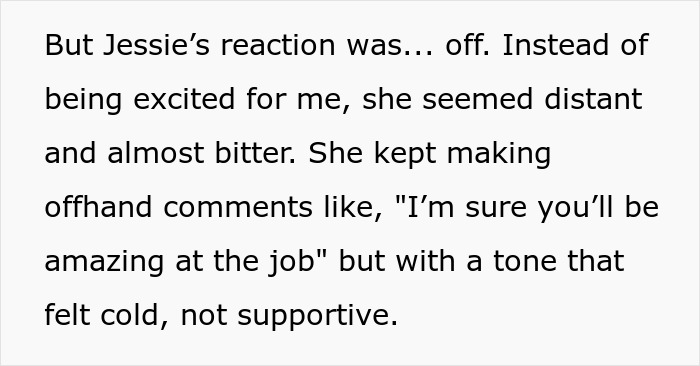
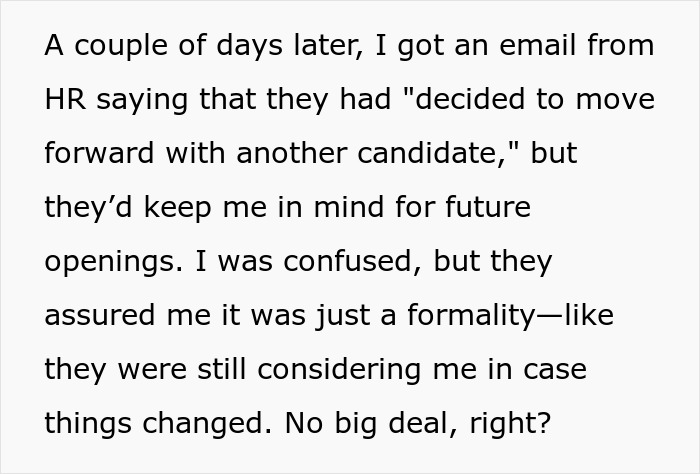
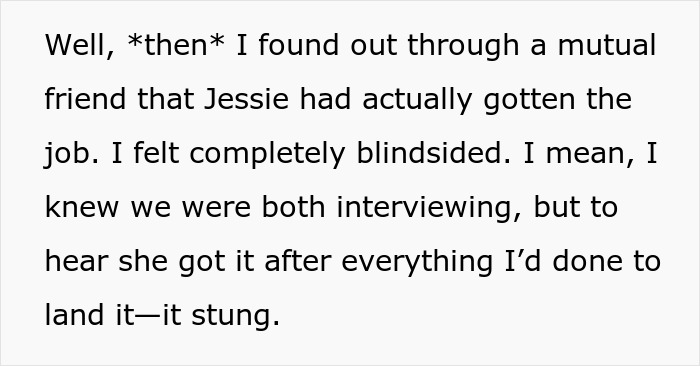
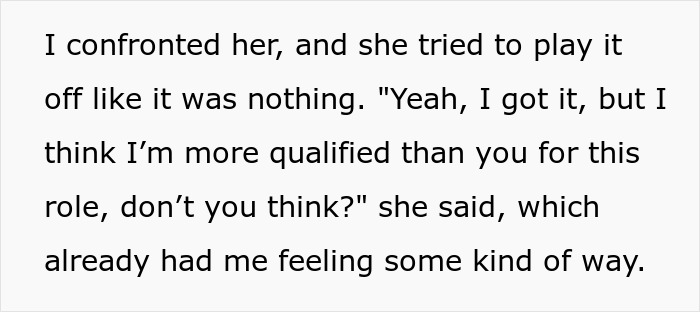
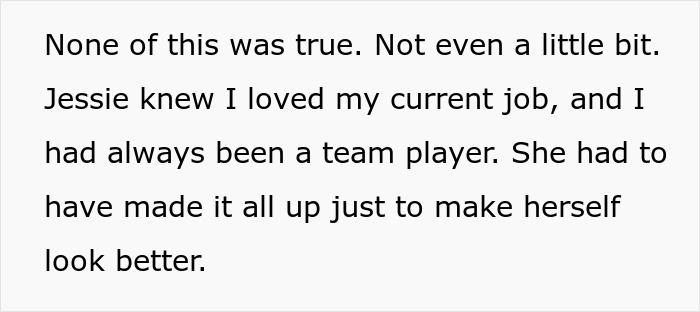
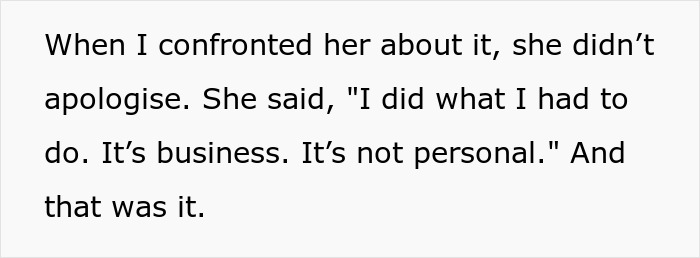
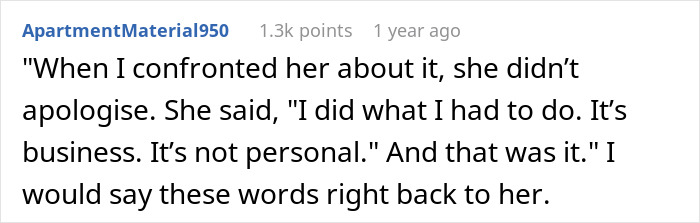
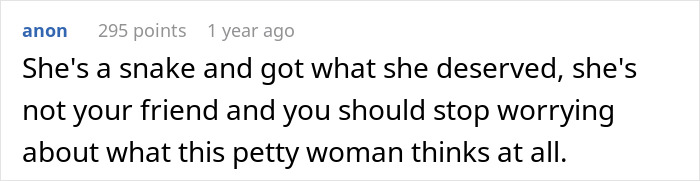
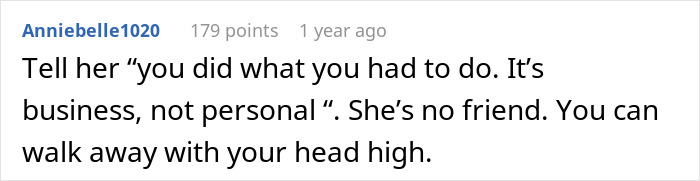
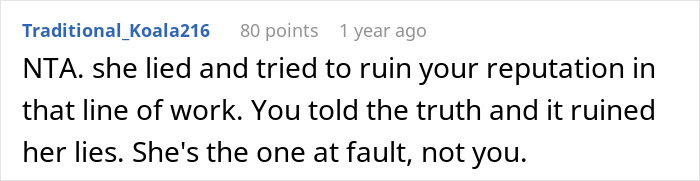
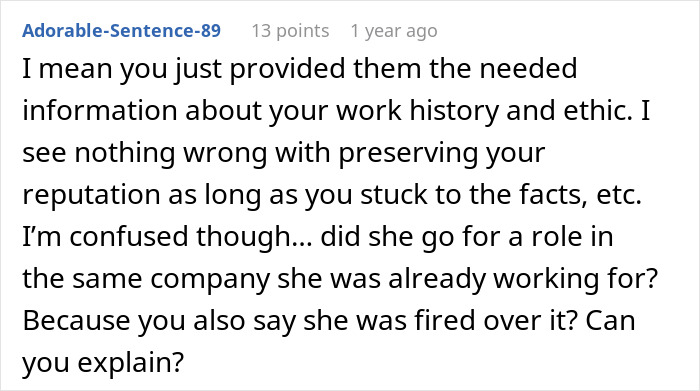
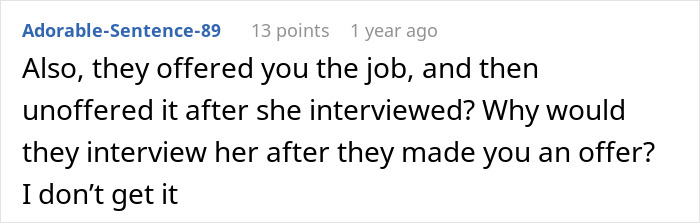
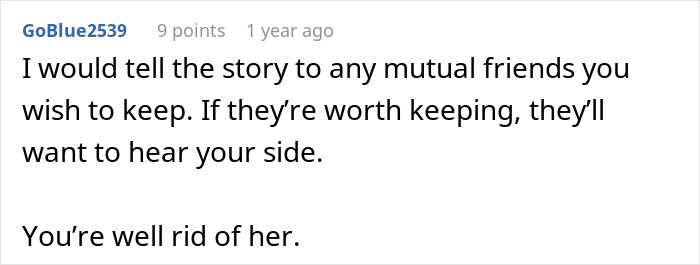
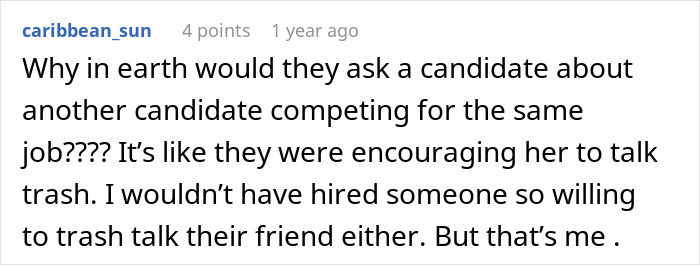
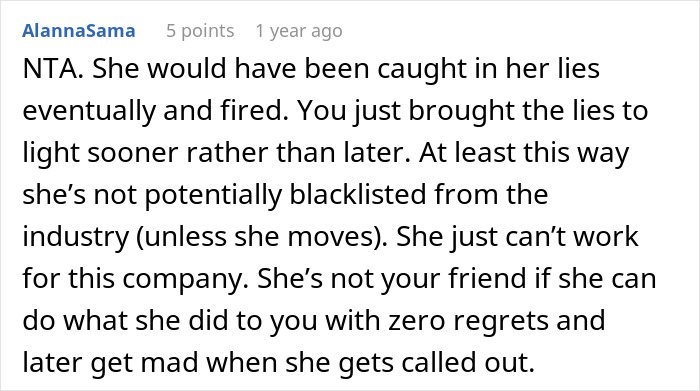
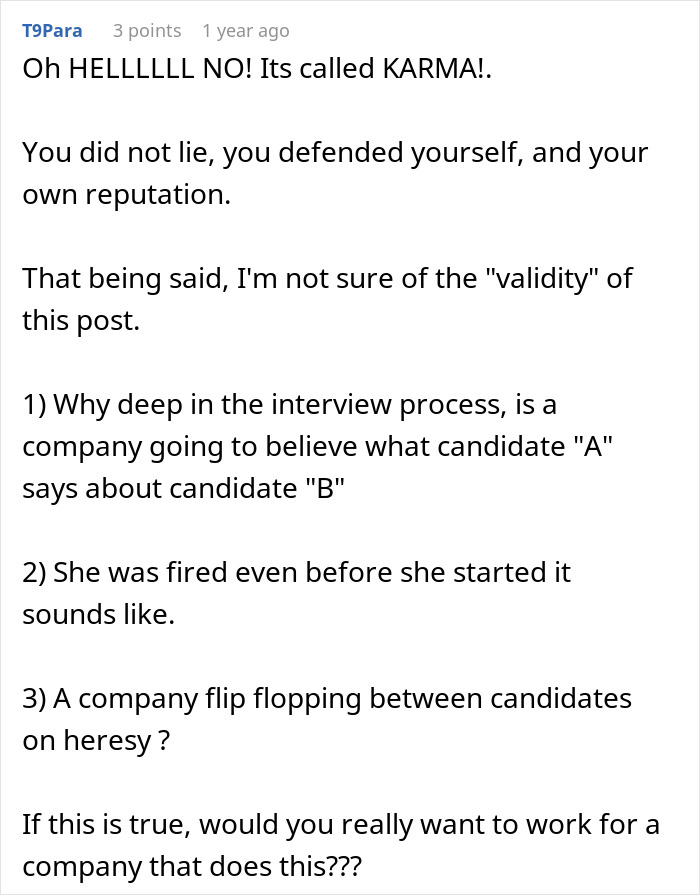
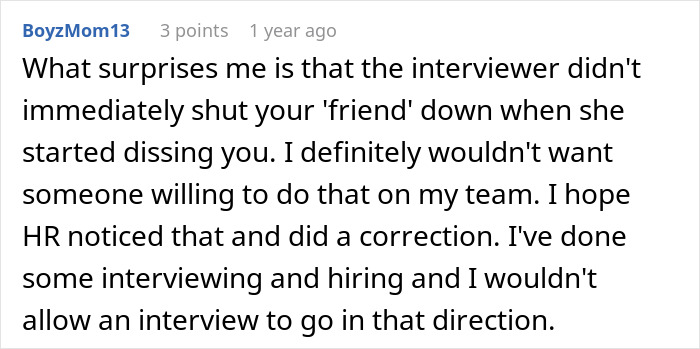
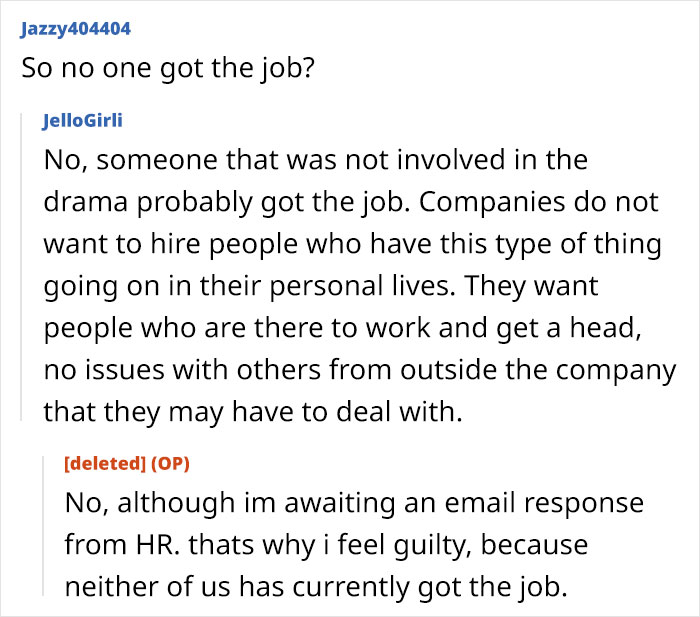
In this case, it looks like the author’s friend was a total red flag; she not only tried to steal her job but also lied to HR about her and bad-mouthed her to mutual friends. Talk about betrayal! Pandas, what are your thoughts? Have you ever had a friend act like this, and how did you handle it?

By entering your email and clicking Subscribe, you're agreeing to let us send you customized marketing messages about us and our advertising partners. You are also agreeing to our Privacy Policy.
Thank you! You've successfully subscribed to newsletters!






































 No fees, cancel anytime









33
2