Get Premium
Dark mode theme is available exclusively for premium users. Learn more about the benefits of subscribing.
No fees, cancel anytime.

 Dark Mode Ad-Free Browsing Unlimited Content
 Ad-Free Browsing Unlimited Content Dark Mode
Join 1.2 million Panda readers who get the best art, memes, and fun stories every week!

A parent remarrying is typically difficult in its own right, but often more so as it follows a divorce or someone passing away. Sometimes those concerns are unfounded, even if there are growing pains, but some step-parents are legitimately horrible.
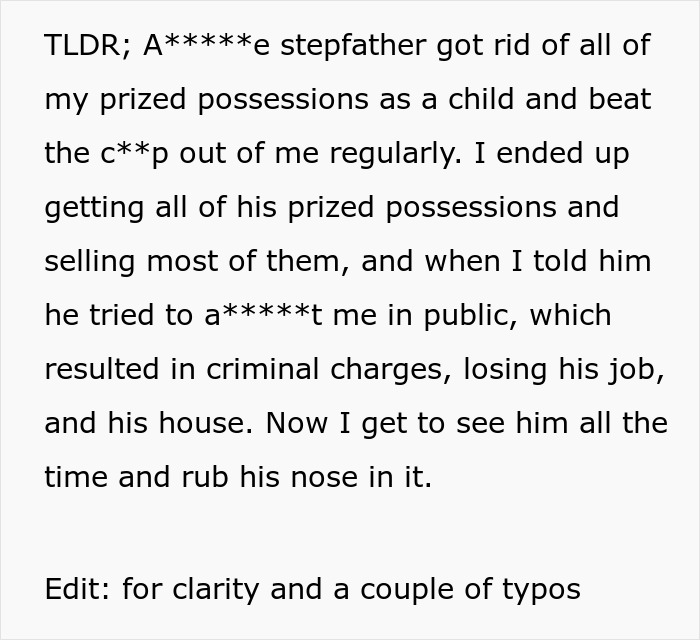
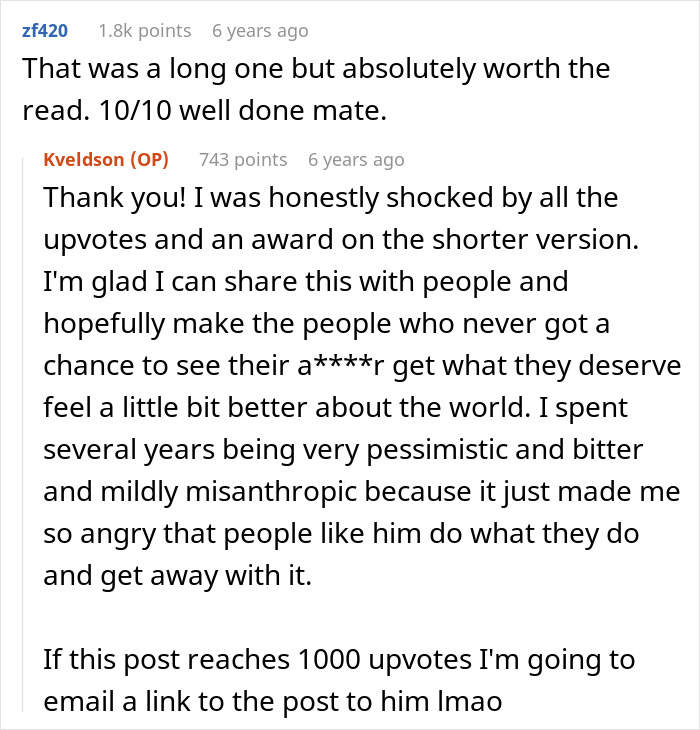
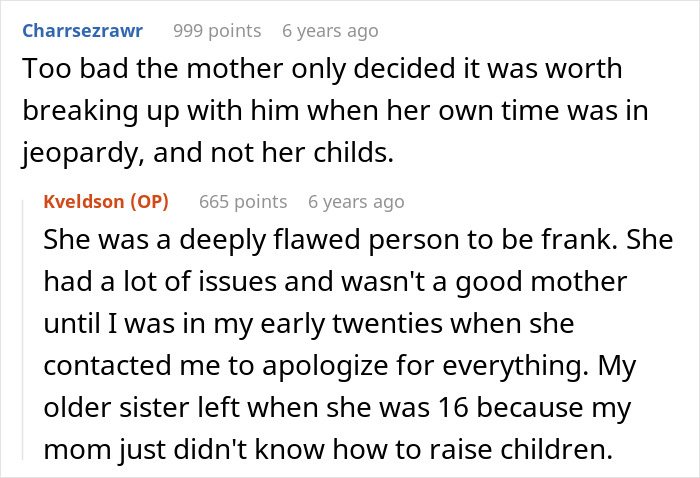
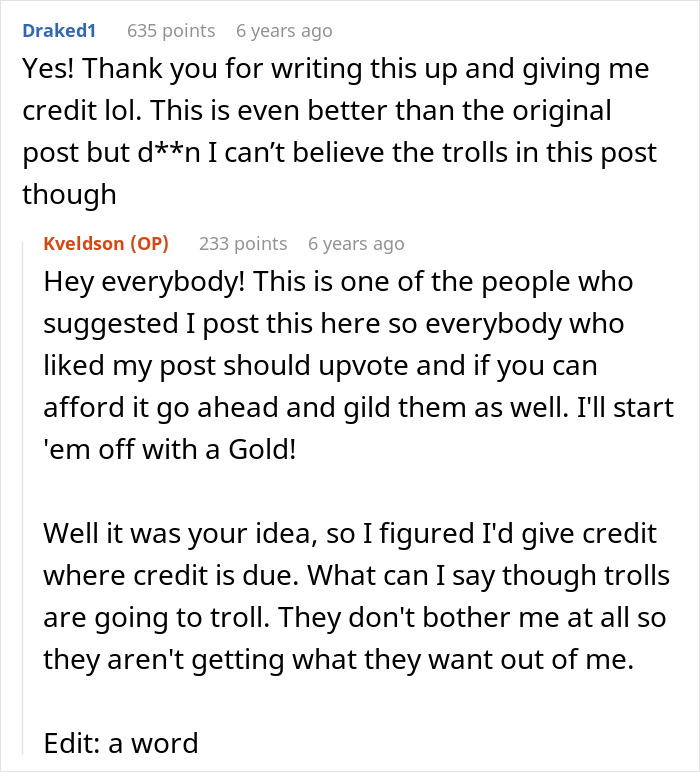
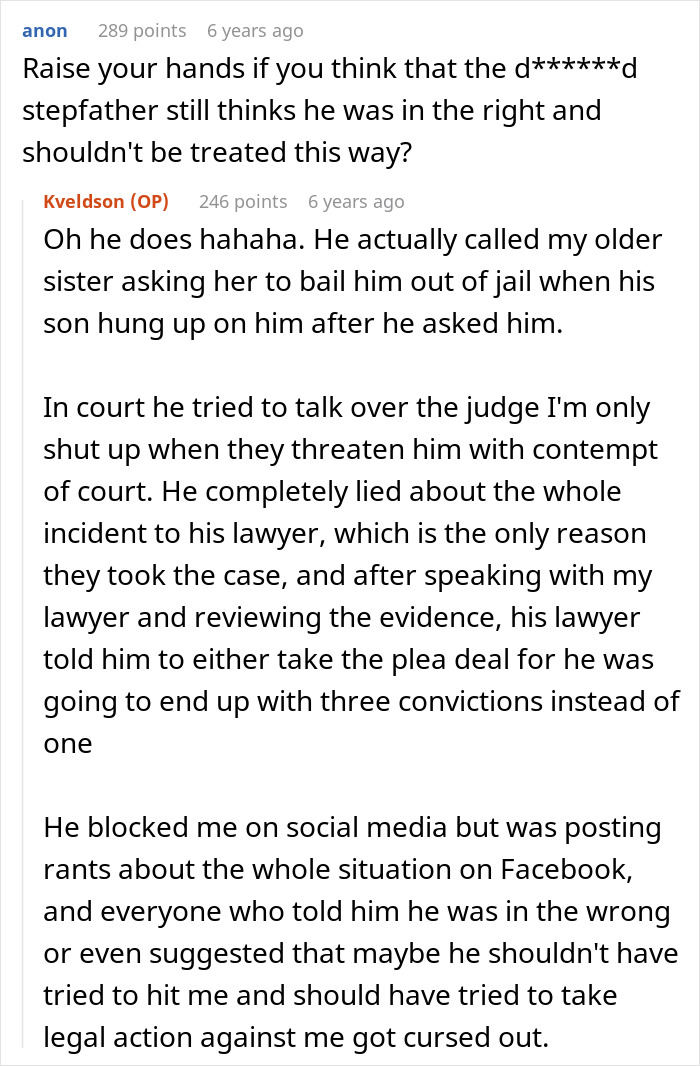
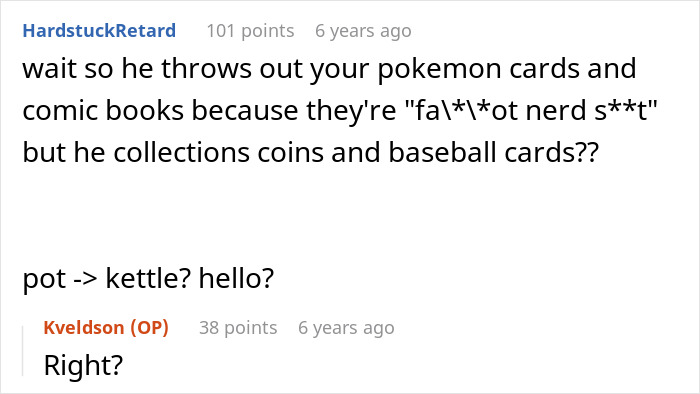
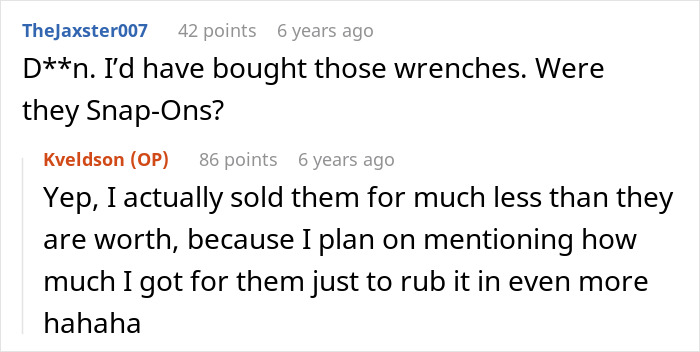
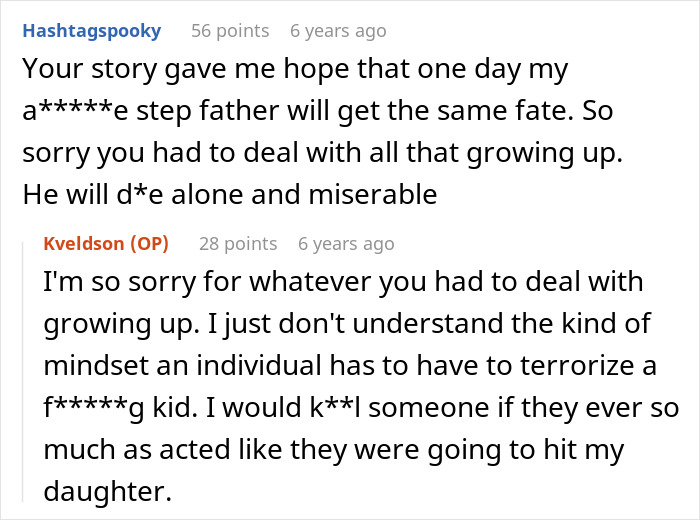
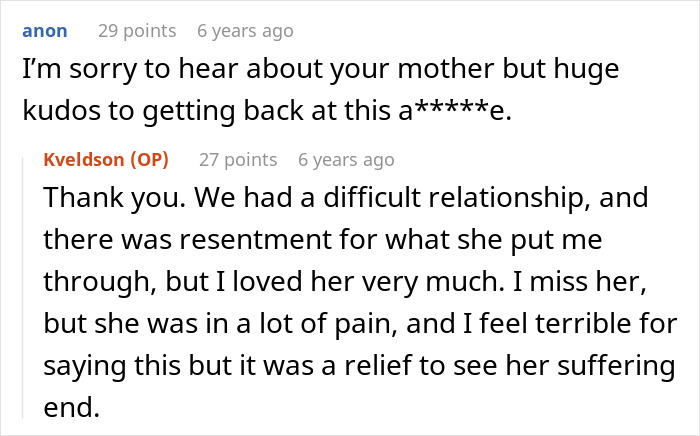
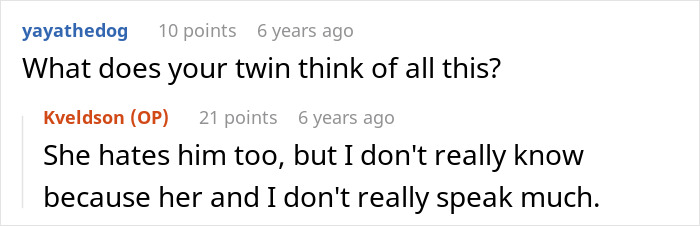
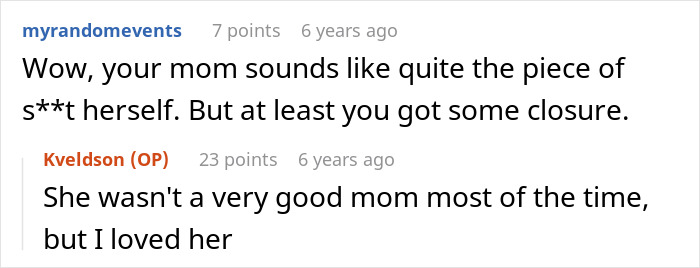
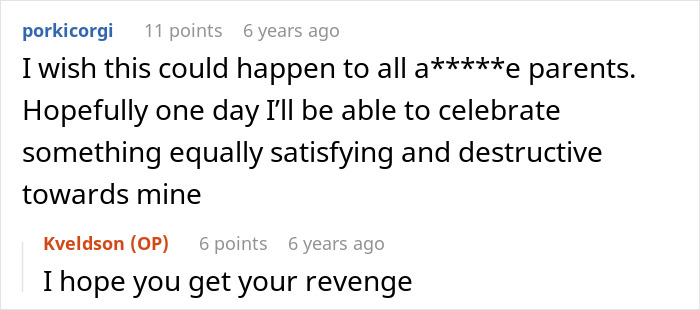
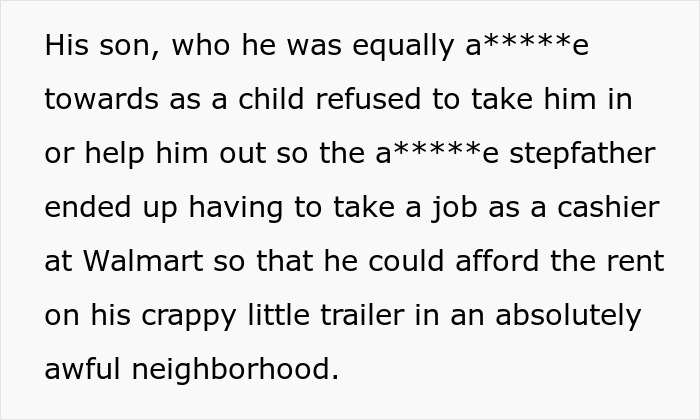
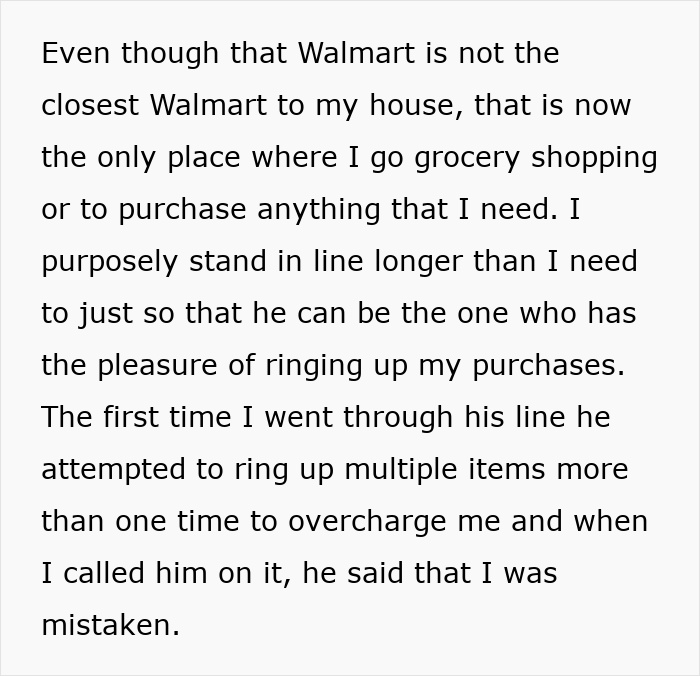
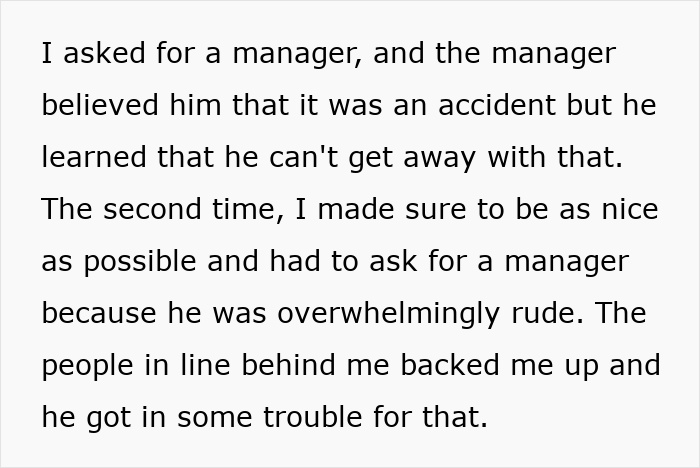
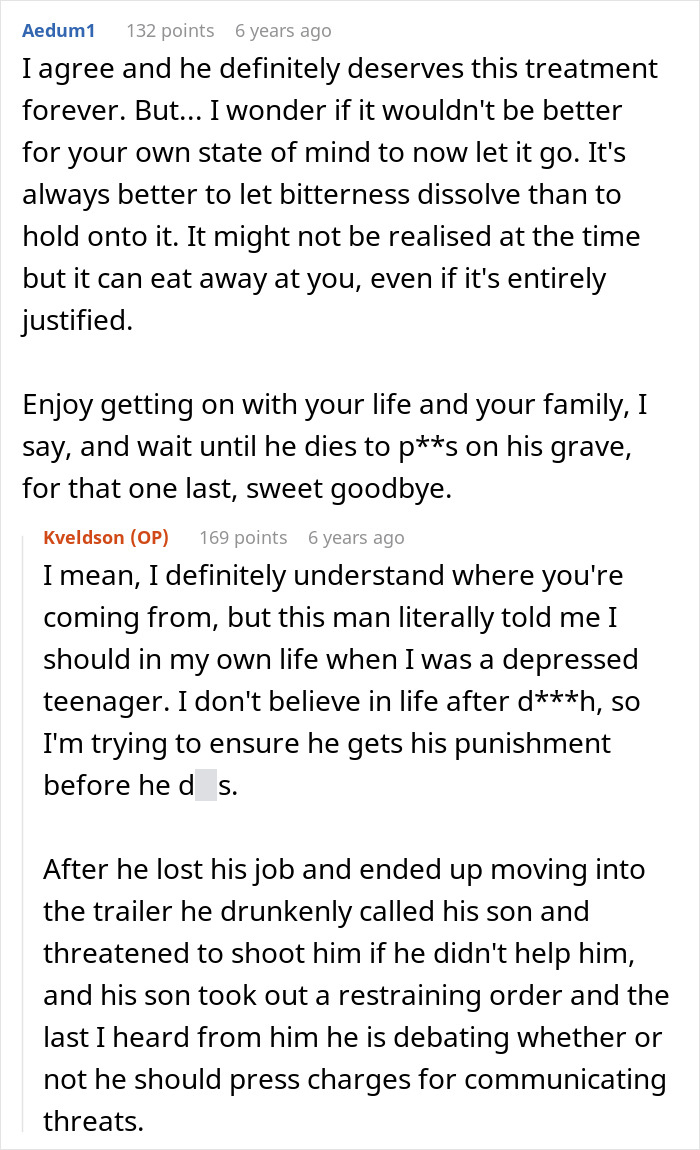
A man shared his saga of revenge that in some ways rivals the great payback stories out there. After his mom remarried, he ended up stuck with a truly terrible stepfather. So years later, he finally put his plan into place. Be warned, some of the details about the stepfather might be unpleasant to read.
Image credits: cottonbro studio / pexels (not the actual photo)
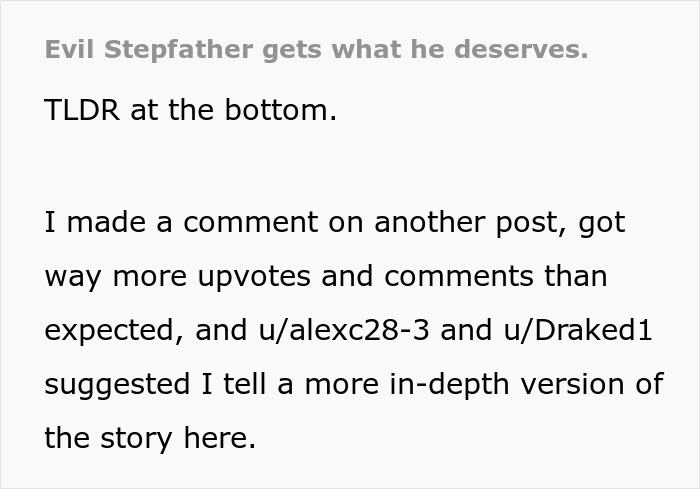

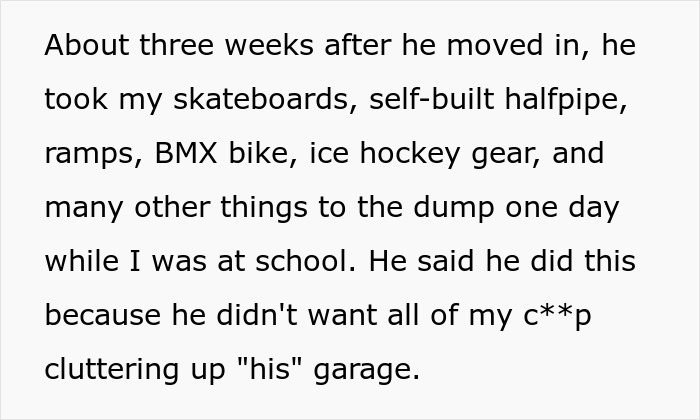
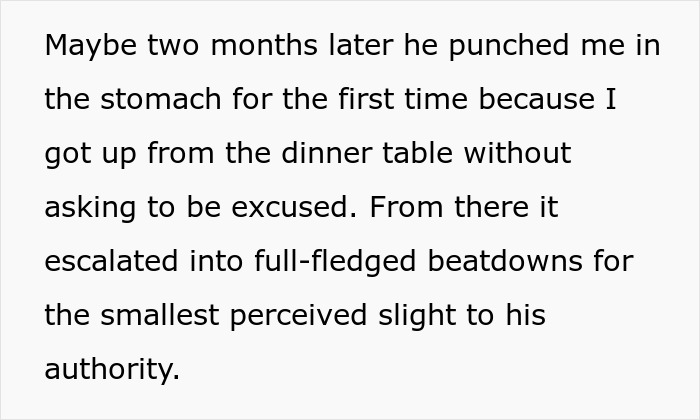
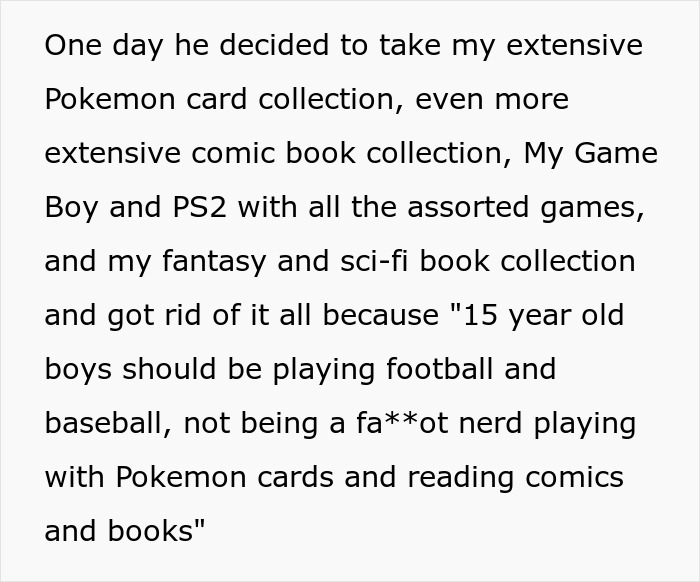
Image credits: Getty Images / unsplash (not the actual photo)
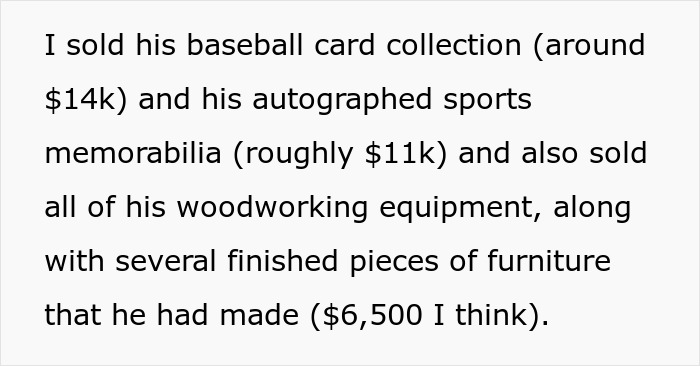
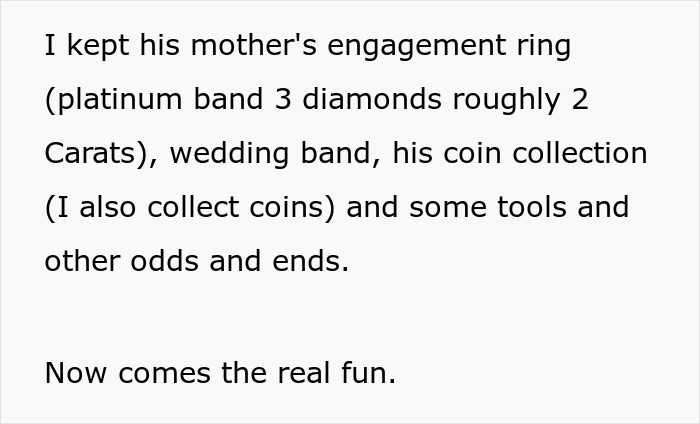
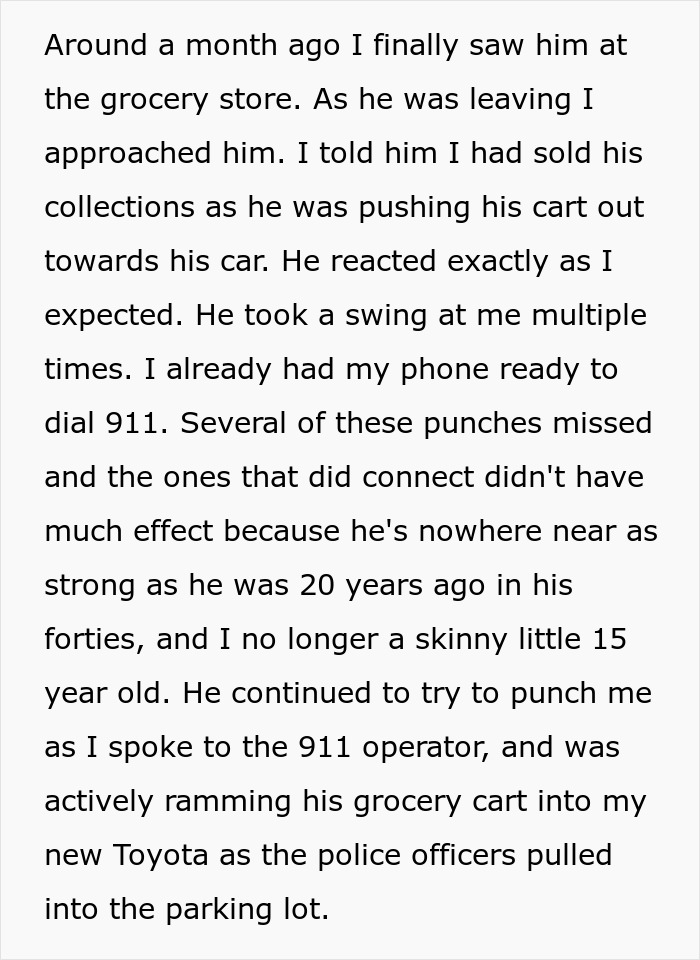
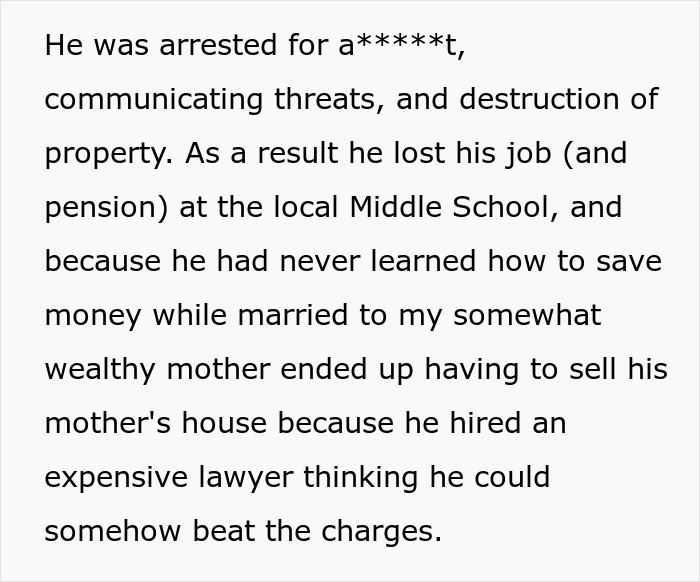
Image credits: KDavid Montero / unsplash (not the actual photo)
The human brain is remarkably sensitive to the concept of fairness and it often reacts to injustice with a physical sense of discomfort. This biological drive for equity explains why stories of calculated retribution resonate so deeply with audiences across the world. When we see someone break a social rule or treat another person with unearned cruelty, our internal sense of balance is disrupted. We feel a natural urge to see that balance restored. This is not just a cultural preference but a deeply rooted evolutionary trait that helped our ancestors survive in small groups. For a community to thrive, every member had to contribute and follow the rules. If one person took more than their share or mistreated others, the group had to find a way to correct that behavior to ensure collective stability. Modern stories of people getting their comeuppance are simply a digital version of this ancient social policing.
Psychologists have spent decades trying to understand why the act of seeing justice served feels so satisfying to the observer. One of the most famous studies on this topic was published in the journal Science in 2004 by Dominique de Quervain and a team of researchers. They used PET scans to look at the brain activity of people who were playing a game involving trust and money. When a player was treated unfairly by a partner, the researchers gave them the chance to punish that person. The scans revealed that when the participants were deciding to deliver a punishment, the dorsal striatum lit up. This is a part of the brain that is closely linked to the processing of rewards and the feeling of satisfaction. The research suggests that our brains are actually wired to find the delivery of justice pleasurable.
It feels good to see the scales tip back into place because our biology treats the correction of a wrong as a successful achievement. This feeling is often tied to the concept of altruistic punishment. This occurs when an individual takes it upon themselves to punish a rule breaker even if the punishment costs the individual something or provides them with no direct material benefit. In the context of reading stories online, we are participating in a form of secondary altruistic punishment. We are not the ones delivering the retribution, but we are validating the act of the storyteller. By reading and supporting these accounts, we are collectively reinforcing the idea that bad behavior has consequences. This creates a sense of social cohesion and safety. It reminds us that even when the official legal or professional systems fail to address an injustice, there is still a way for the truth to come out and for the wrongdoer to face the results of their actions.
Another psychological layer at play is the Just World Hypothesis (or fallacy, depending on where you stand). This is a cognitive bias where people want to believe that the world is inherently fair and that people get what they deserve. In everyday life, we see many instances where this is clearly not true. We see people get away with being mean or dishonest while kind people suffer through no fault of their own. This creates a state of cognitive dissonance which can be quite stressful. Reading a story where a bully is finally outsmarted or a dishonest boss is exposed provides a much needed relief from that stress. It serves as a narrative evidence that the world can be a just place after all. These stories function like modern fables that offer a sense of closure and moral clarity in an often chaotic and unpredictable world.
There is also a specific kind of joy found in the cleverness of these stories. Unlike simple tales of aggression, the most popular accounts of retribution usually involve the storyteller using the rules of the system or the ego of the wrongdoer against them. This is often referred to as poetic justice. It is engaging because it requires intelligence and patience rather than raw force. We admire the protagonist for their restraint and their ability to wait for the perfect moment to act. This intellectual element makes the story more than just a venting of anger. It turns it into a puzzle where the pieces finally fit together to reveal a fair outcome. We leave the story feeling lighter and more satisfied because the social contract has been defended in a creative and effective way. It turns out that our love for these tales is simply a reflection of our deep and enduring desire for a world where everyone is held accountable for how they treat others.









By entering your email and clicking Subscribe, you're agreeing to let us send you customized marketing messages about us and our advertising partners. You are also agreeing to our Privacy Policy.
Thank you! You've successfully subscribed to newsletters!

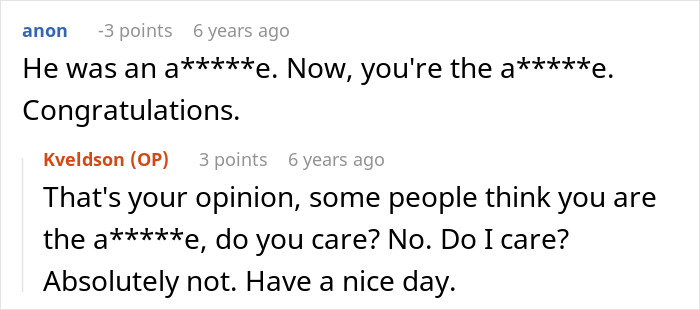
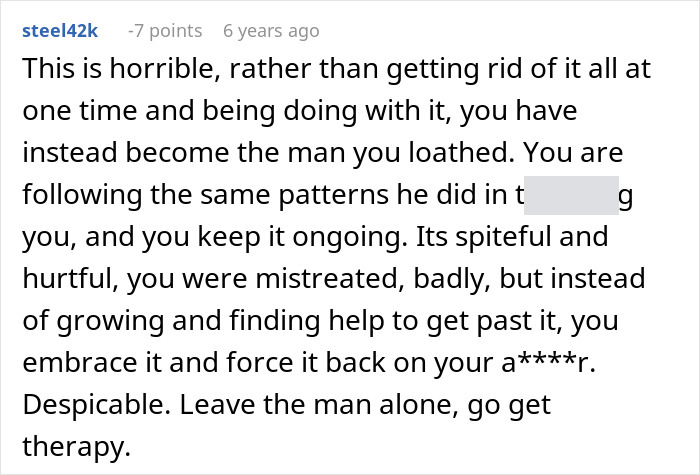
You're leaning into ESH here - you got him back, he got fired but now you are being an a*****e by continuing to pick fights. Step away now.

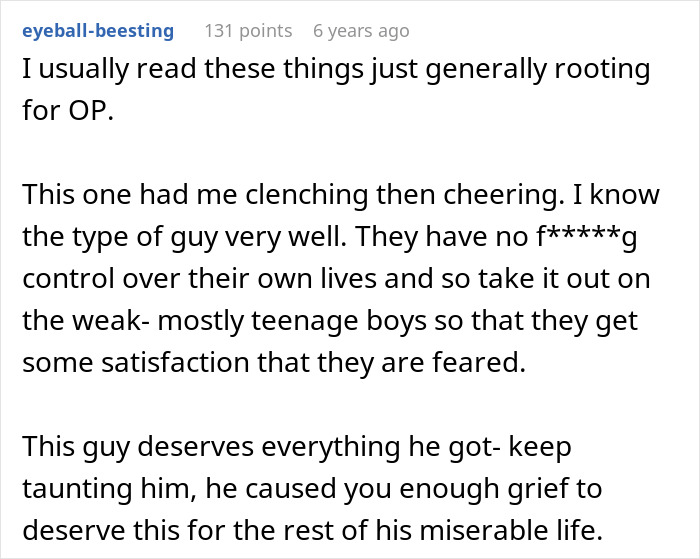
Awesome. I would not have the inner strength to be that petty (the walmart stuff) to someone who a****d me like that. This story makes me want to toughen up!
You're leaning into ESH here - you got him back, he got fired but now you are being an a*****e by continuing to pick fights. Step away now.
Awesome. I would not have the inner strength to be that petty (the walmart stuff) to someone who a****d me like that. This story makes me want to toughen up!




































 No fees, cancel anytime











32
2