Get Premium
Dark mode theme is available exclusively for premium users. Learn more about the benefits of subscribing.
No fees, cancel anytime.

 Dark Mode Ad-Free Browsing Unlimited Content
 Ad-Free Browsing Unlimited Content Dark Mode
Join 1.2 million Panda readers who get the best art, memes, and fun stories every week!
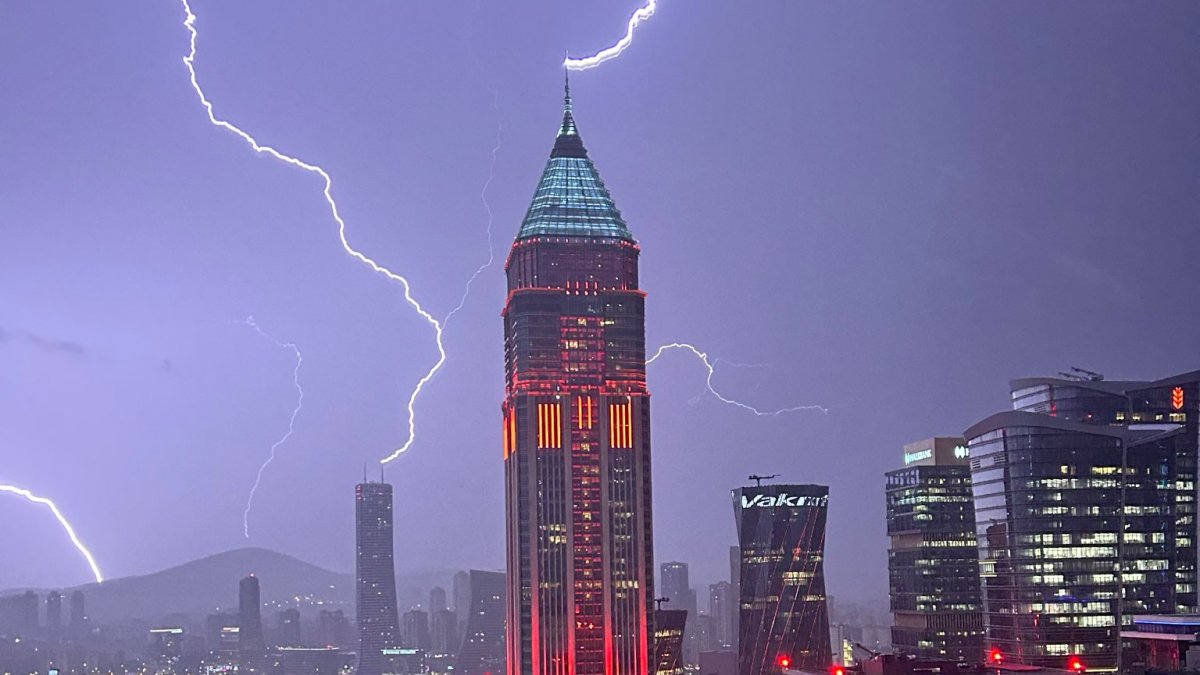
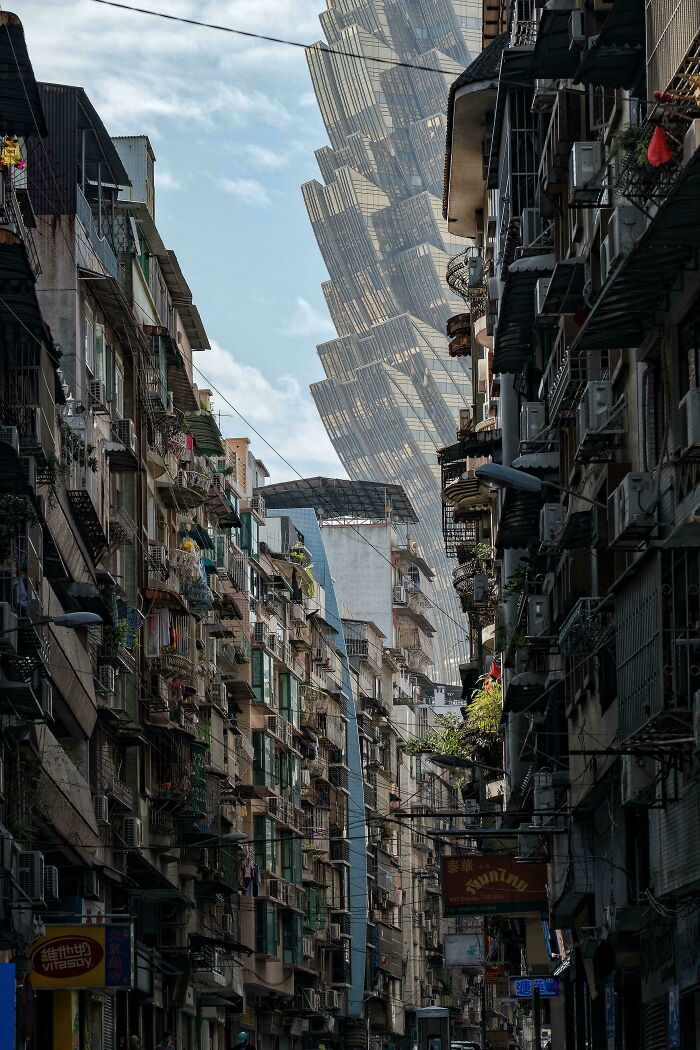
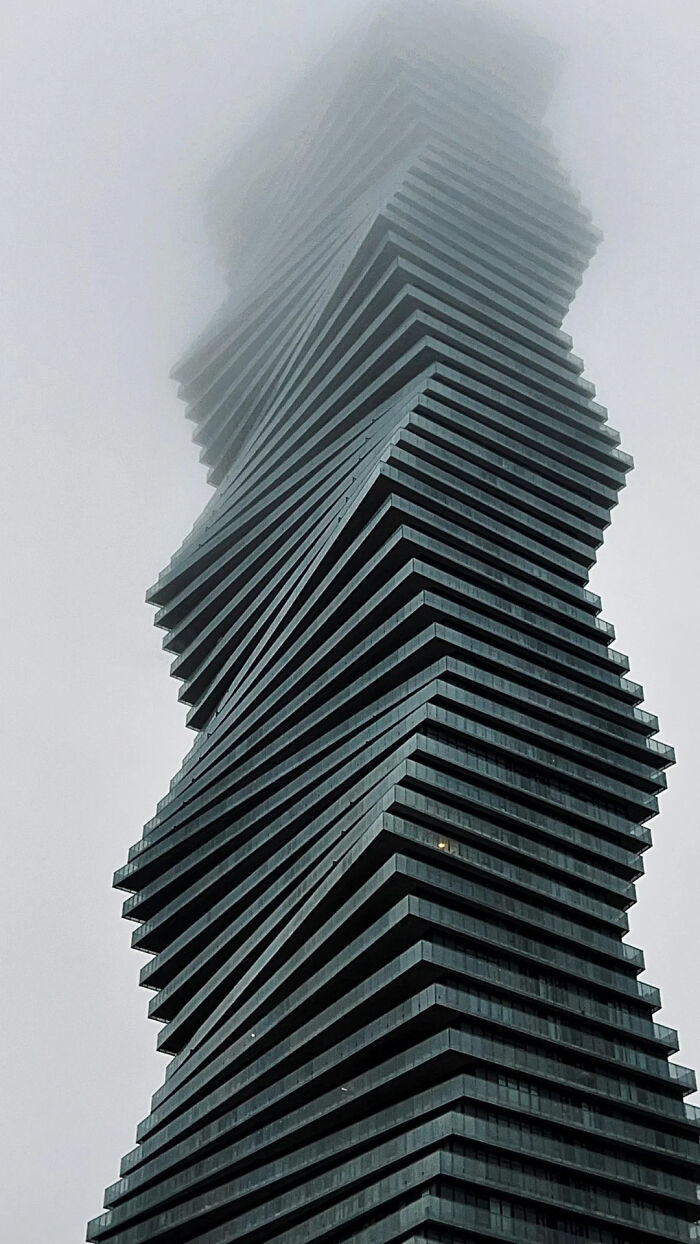
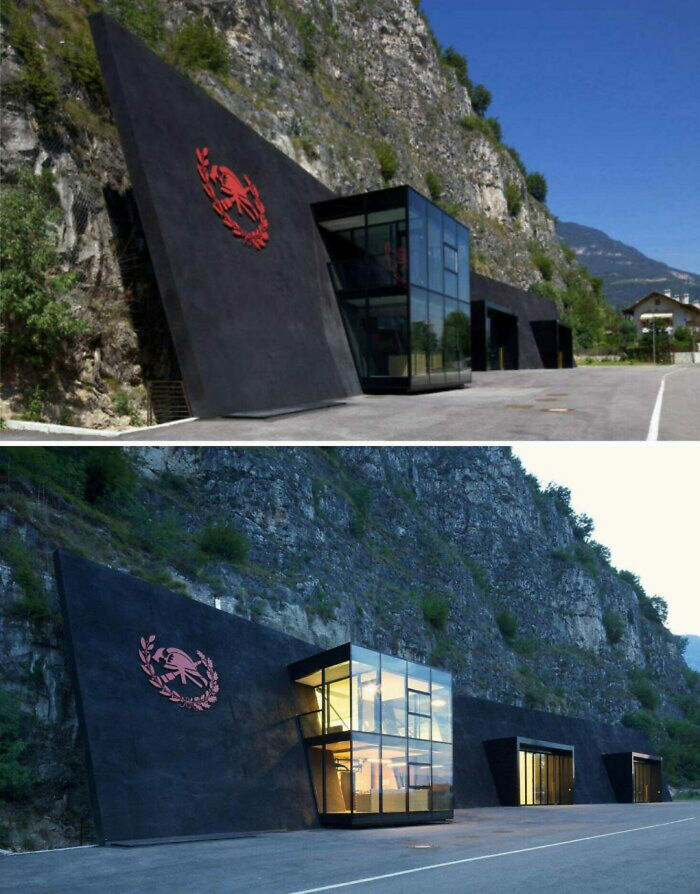
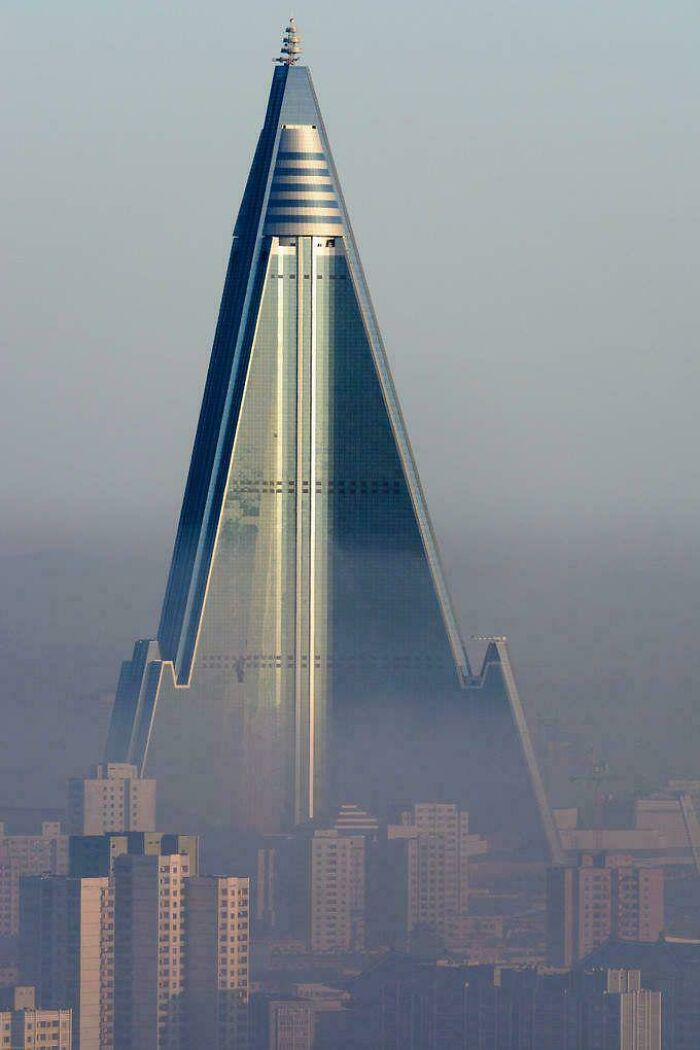
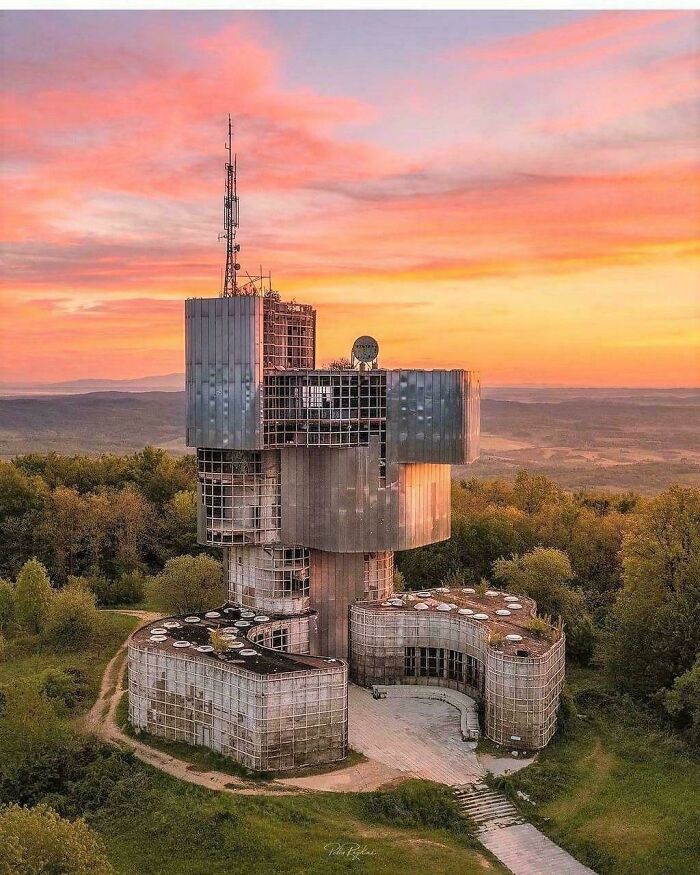
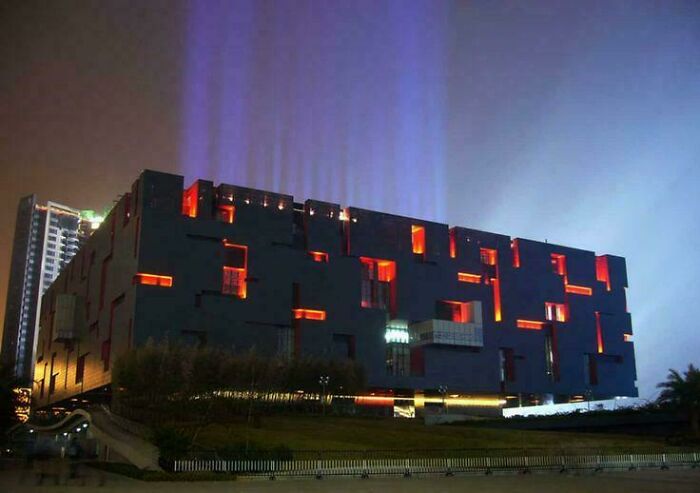
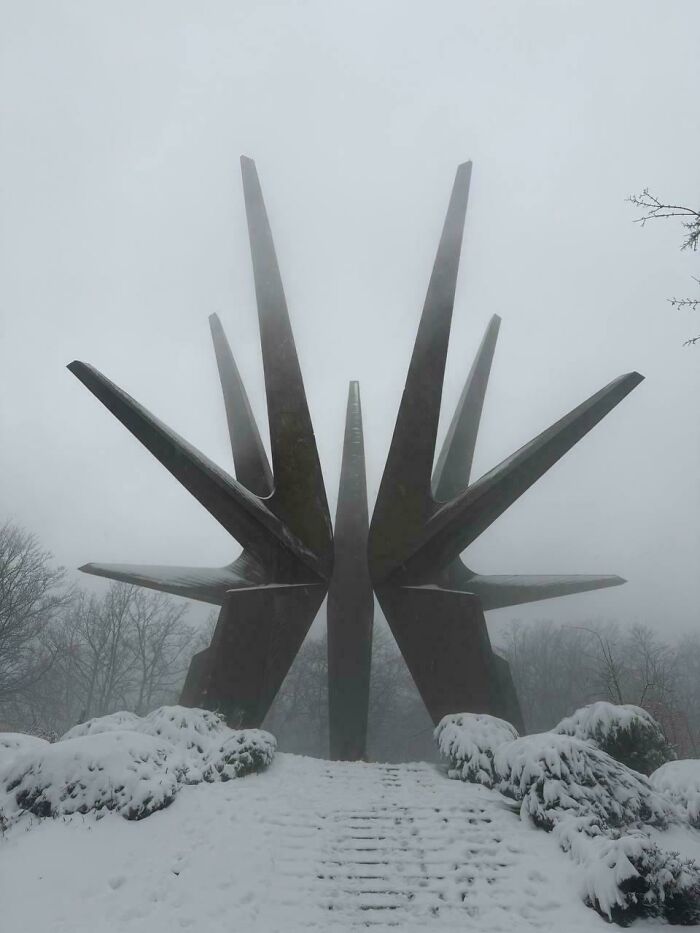
Thanks to their bold architecture, some buildings look genuinely intimidating, creepy, or, as some people claim — straight-up evil. They aren’t actually haunted, but their dramatic shapes and shadowy angles certainly make them look the part.
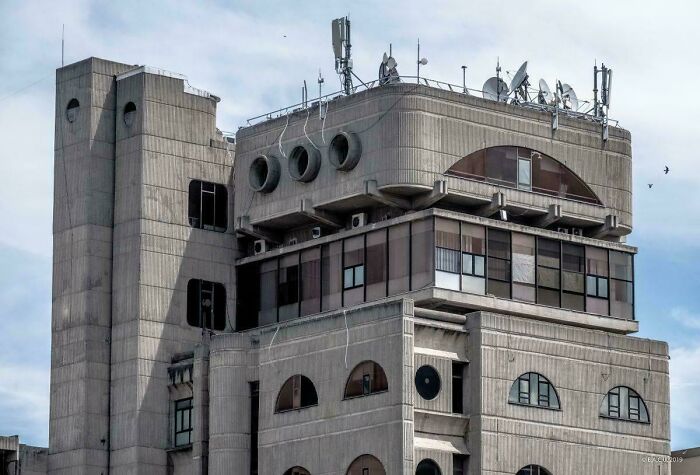
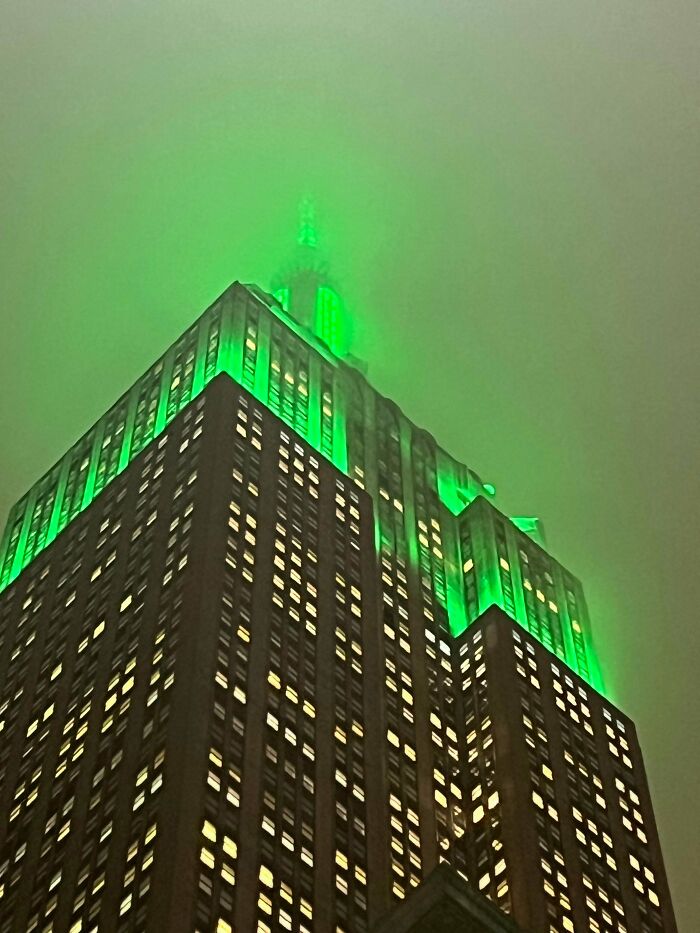
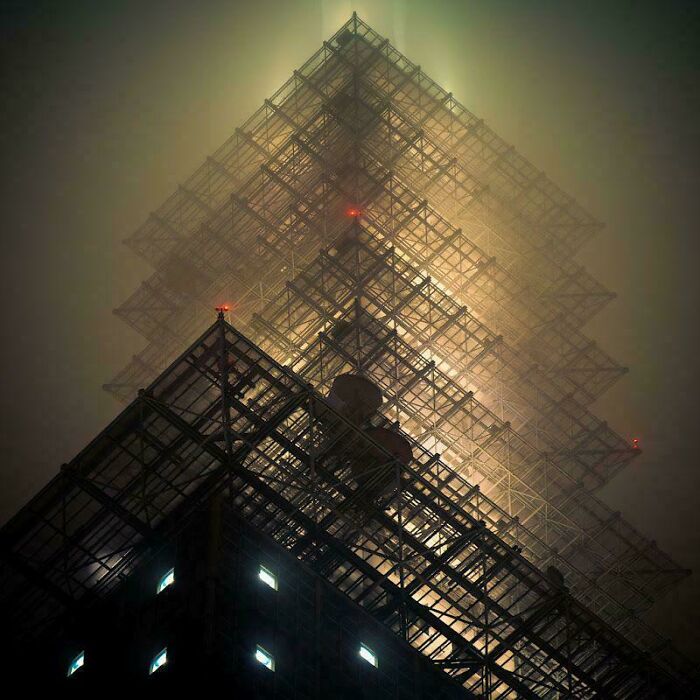
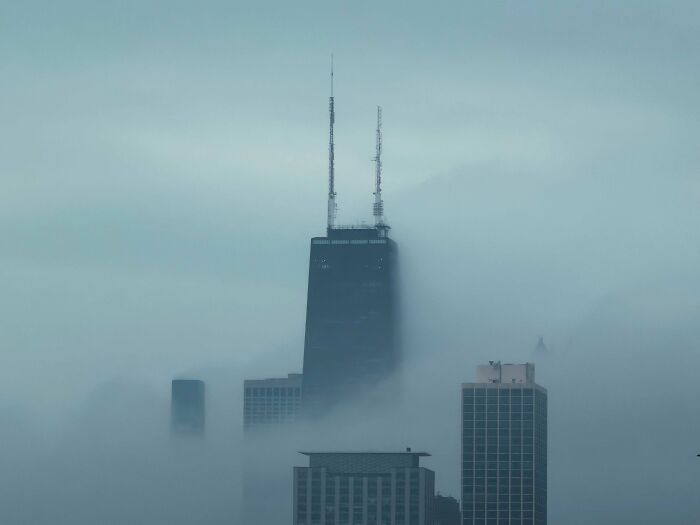
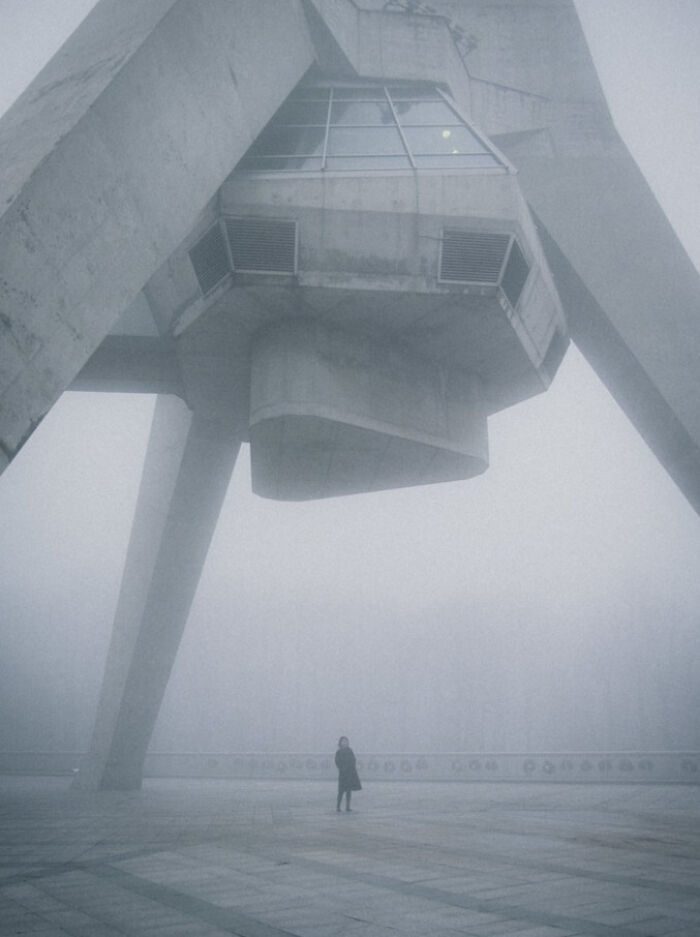
For example, the central post office in Skopje, North Macedonia, resembles a giant spaceship that crash-landed in the city center. Even iconic landmarks like the Empire State Building in New York City can give off serious dystopian fortress energy if you catch them on a foggy night.
But you do not have to travel the globe or trek through bad weather to see them for yourself — because Bored Panda has gathered a collection of the strangest, coolest, and most fascinating structures from r/evilbuildings right here.
Step inside the lair, because when it comes to concrete, some architects clearly had a few sketchy plans up their sleeves.
This post may include affiliate links.
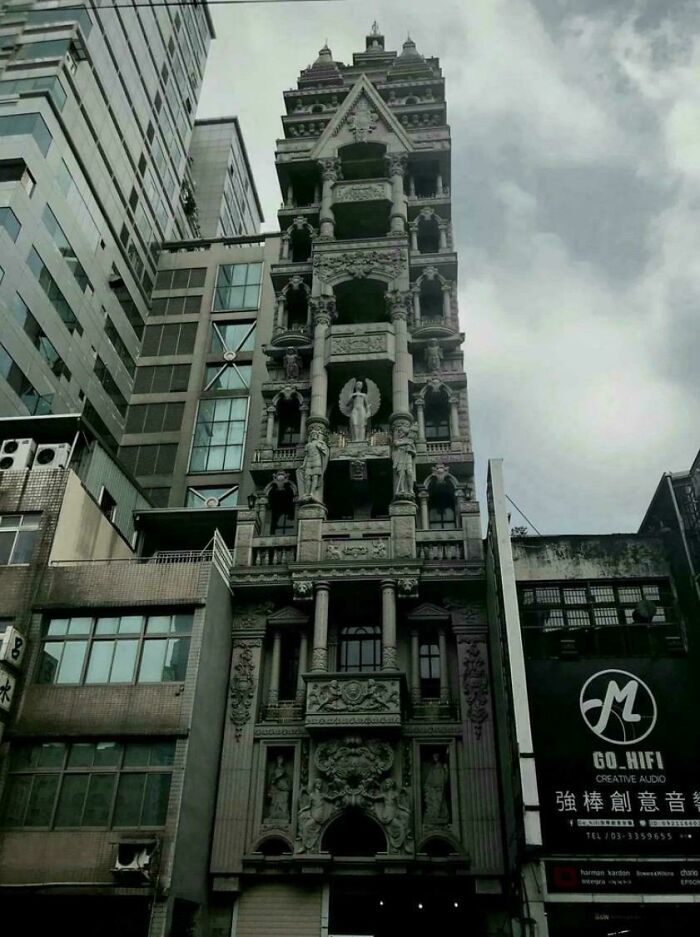
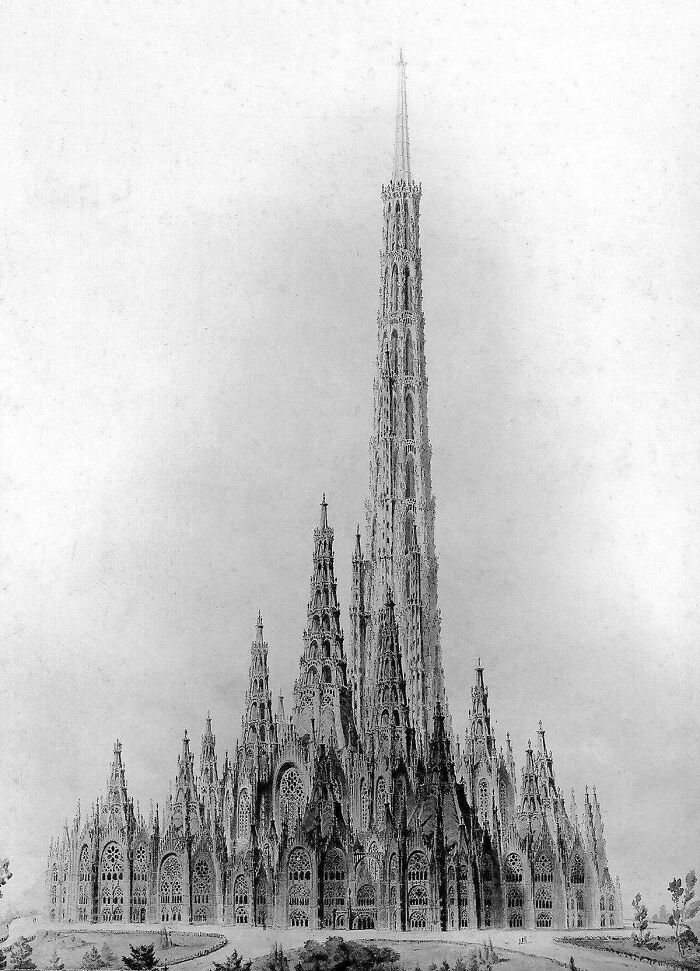
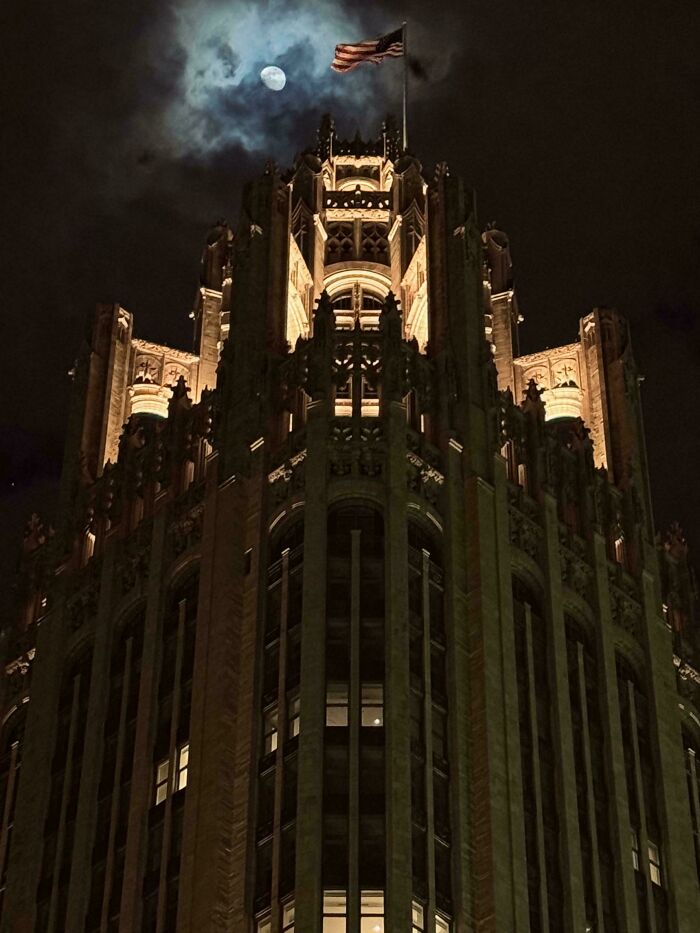
Most of the structures on this list are textbook examples of famous design movements. Some are towering Gothic masterpieces, recognized immediately by their iconic pointed arches, soaring spires, flying buttresses, and intricate stained glass.
When medieval builders put those together, they were trying to reach toward the heavens and inspire awe — never to scare anyone.

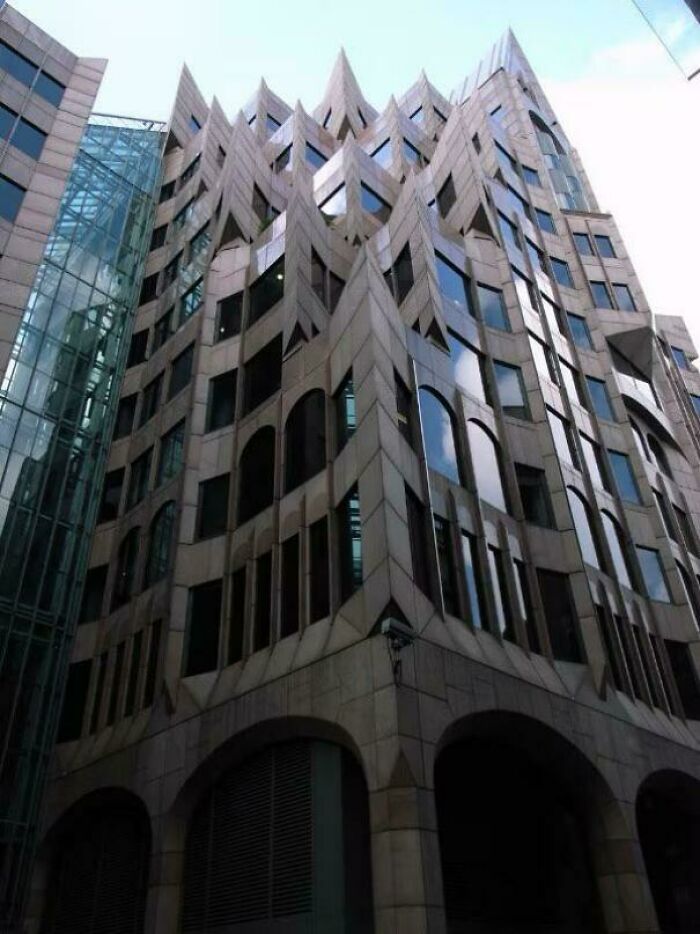
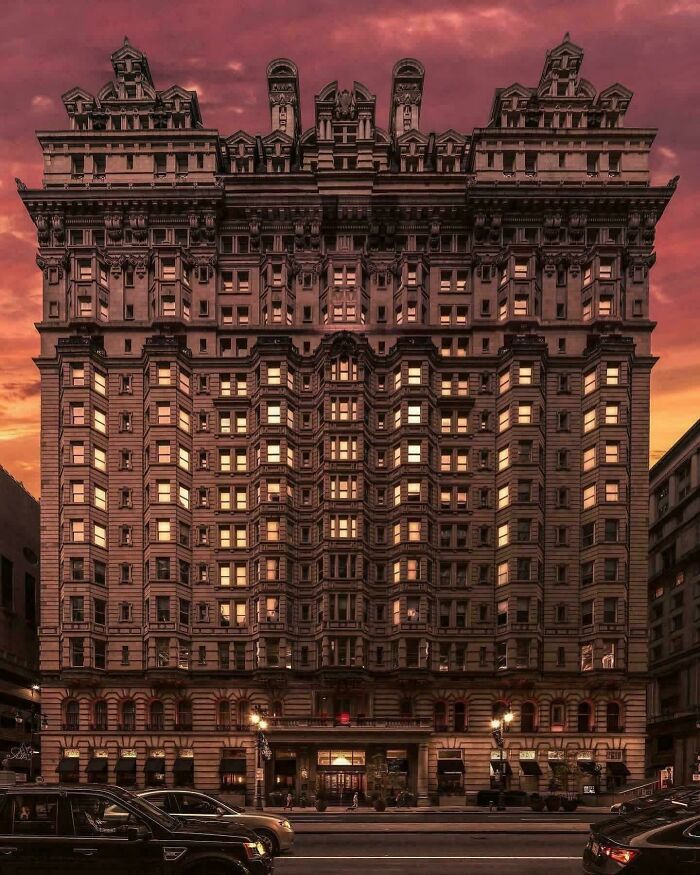
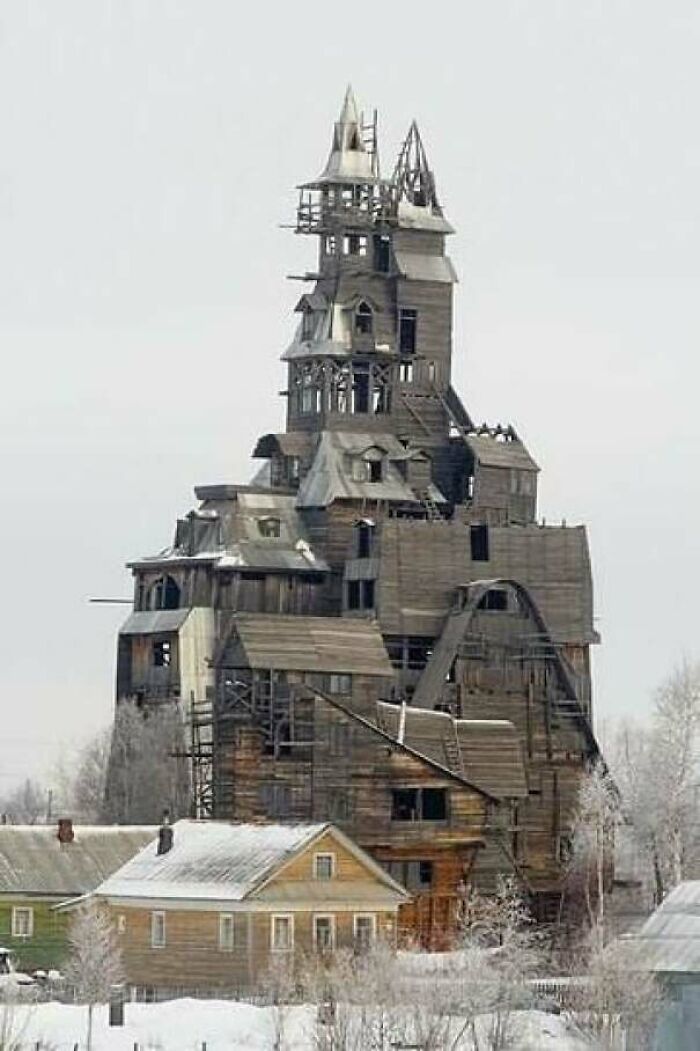
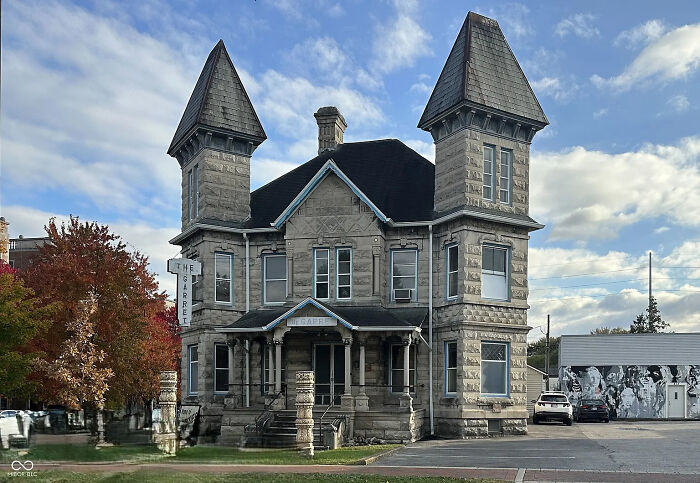
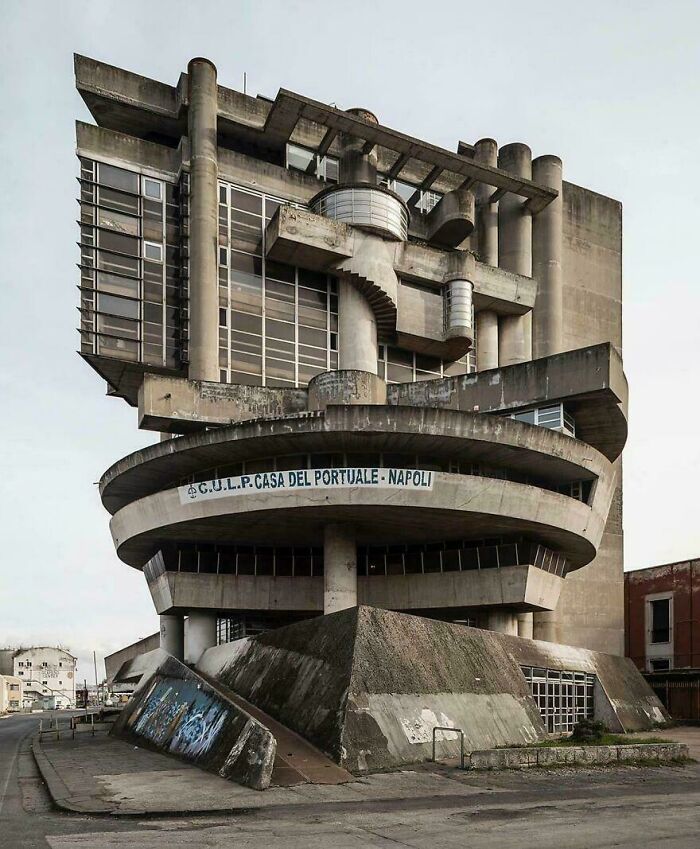
Aged villain be sitting on the top floor grousing "This used to be a nice neighborhood. Now look at it!"
Research shows that 18th-century Romantic literature and 20th-century Hollywood rewired much of our perception of Gothic architecture. Filmmakers realized that soaring spires, jagged silhouettes, and cavernous interiors were perfect for creating tension. Horror and fantasy classics like Dracula and Harry Potter consistently cast Gothic spaces as the ultimate backdrop for danger and mystery.
“The idea of Gothic buildings being scary or haunted is fairly recent. In the early to mid-20th century, there were a lot of Gothic buildings in movies that showed them as haunted places,” says architect and professor Michael Crosbie.

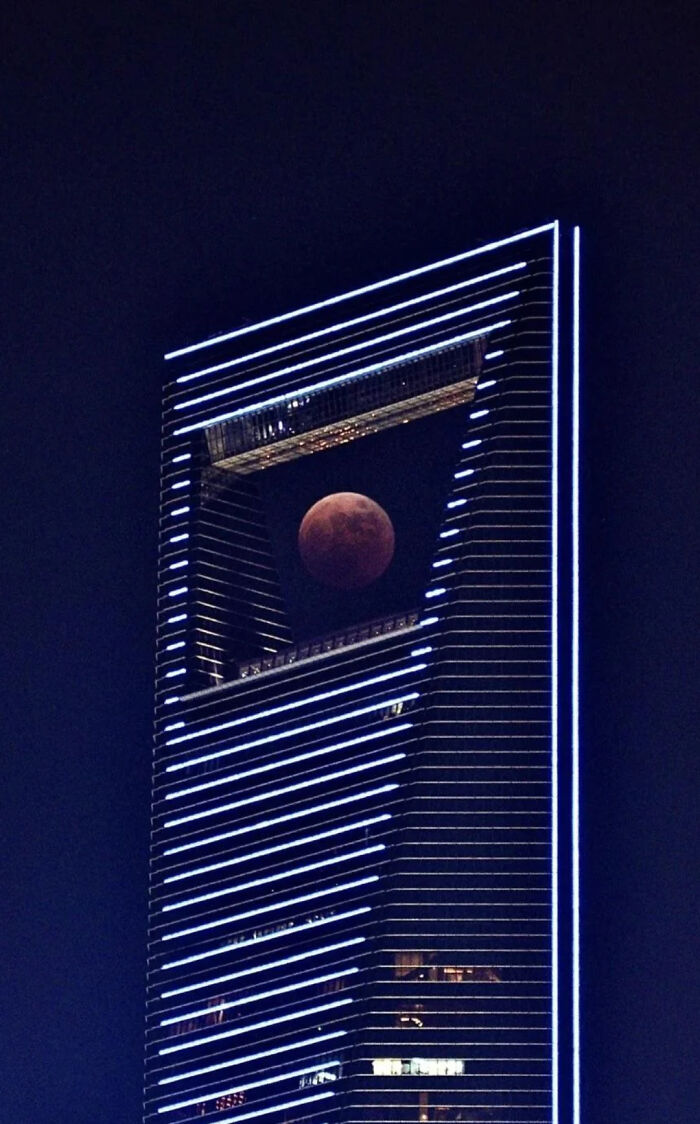
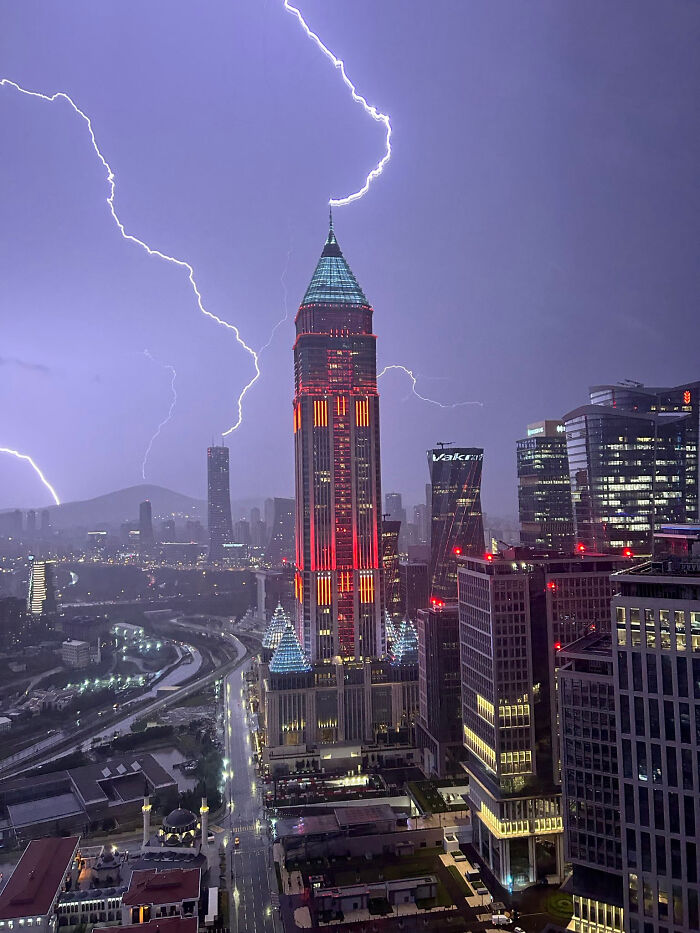
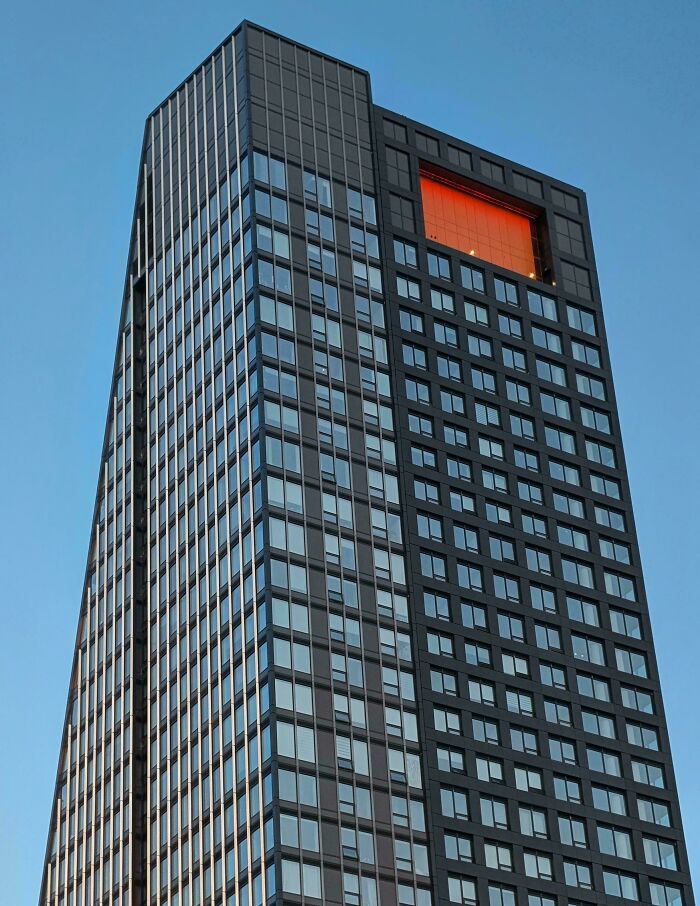
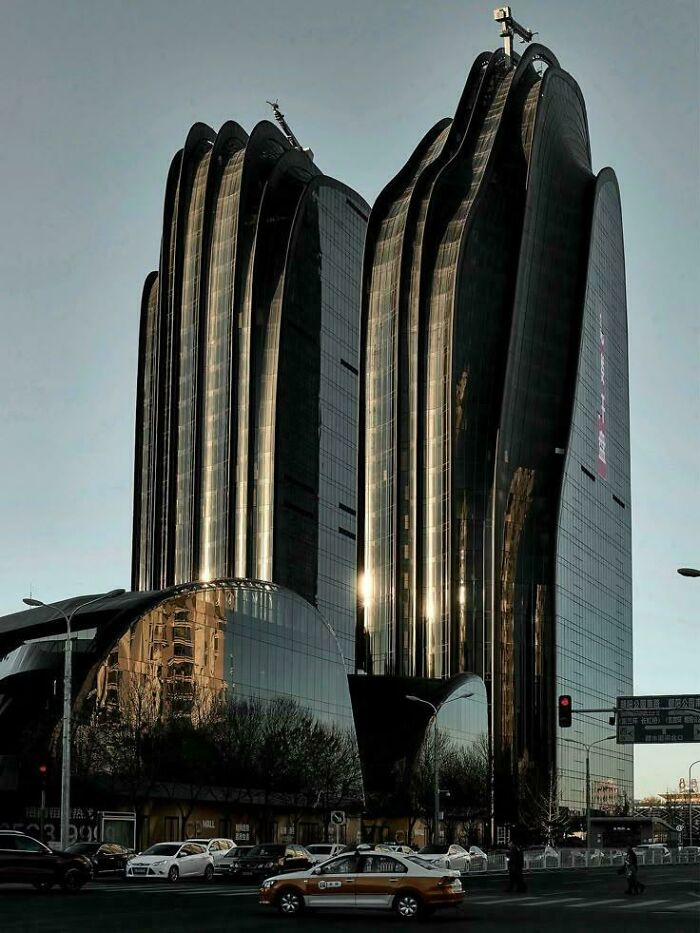
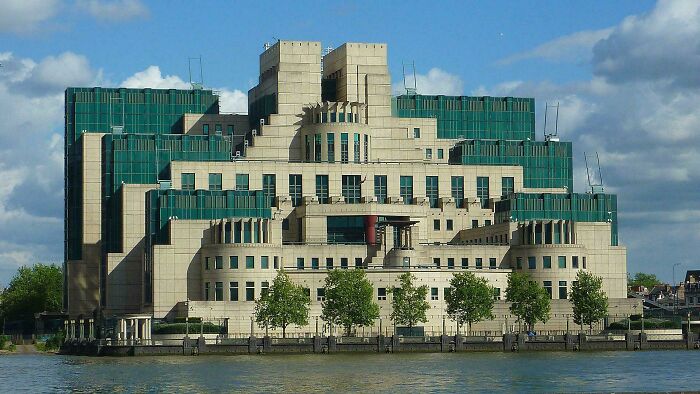
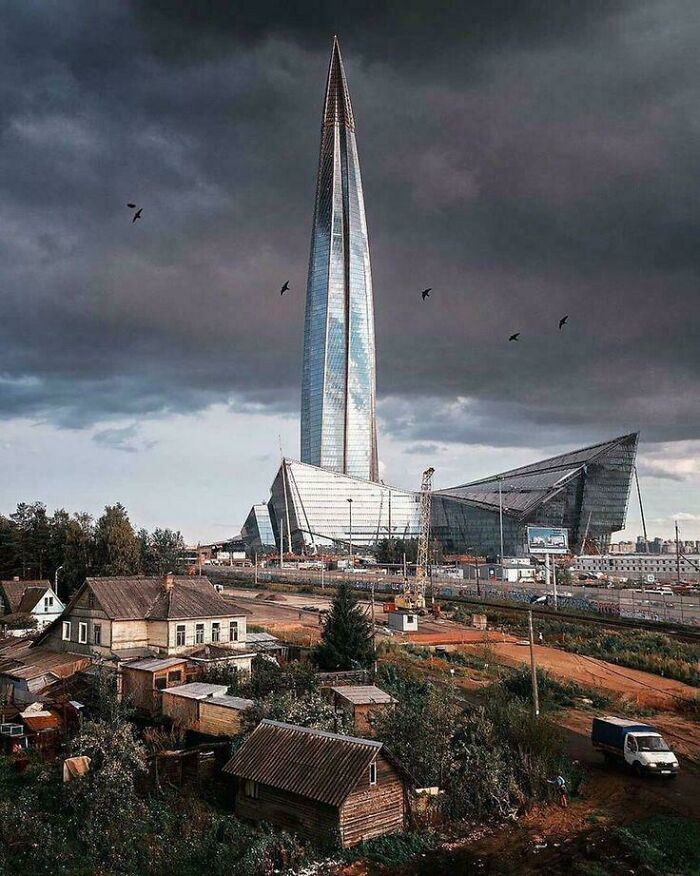
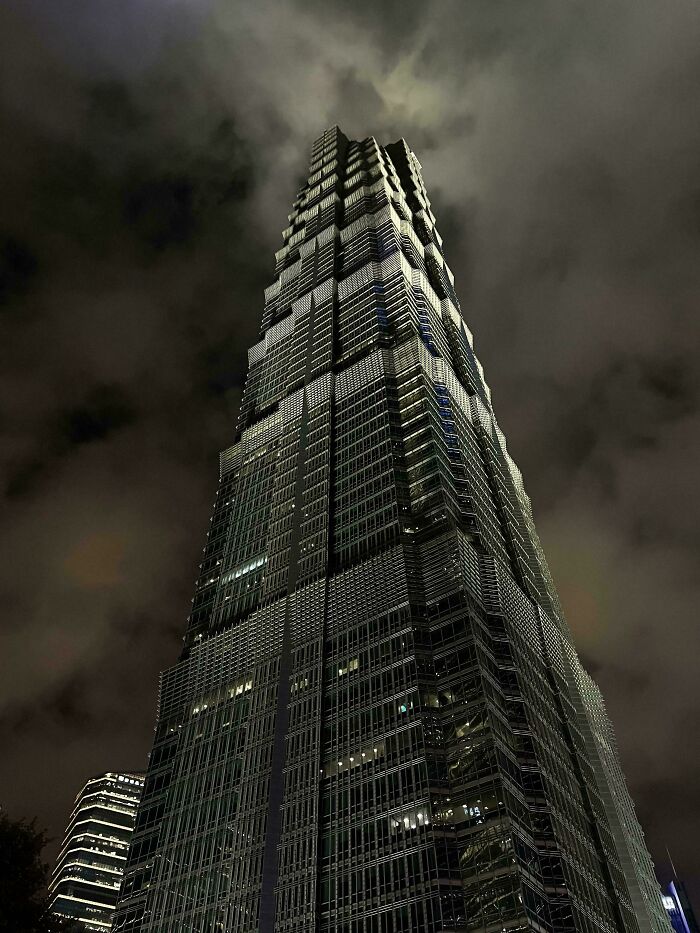
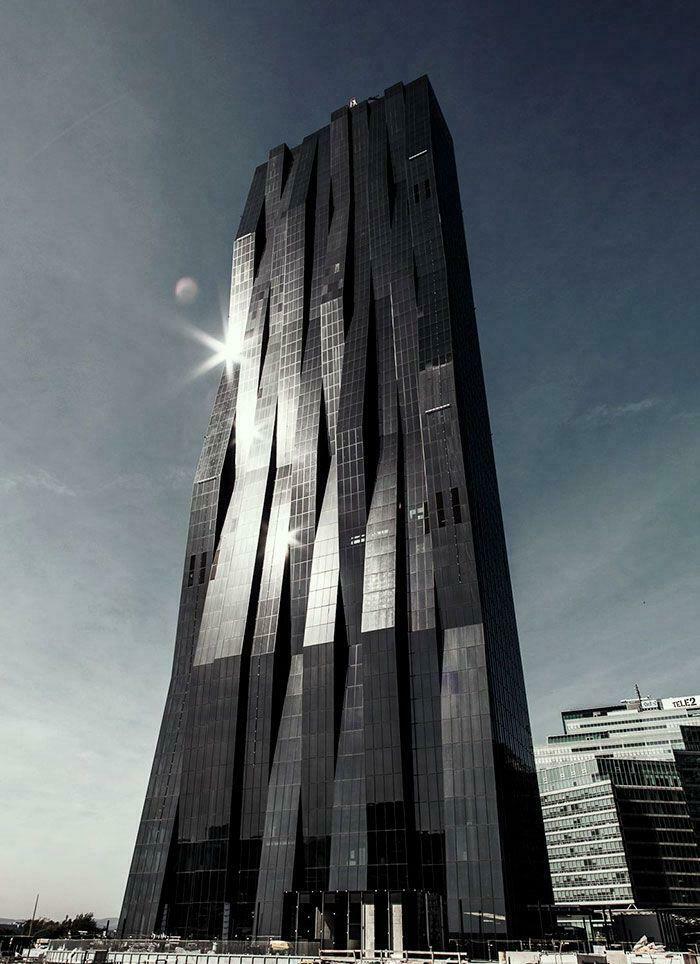
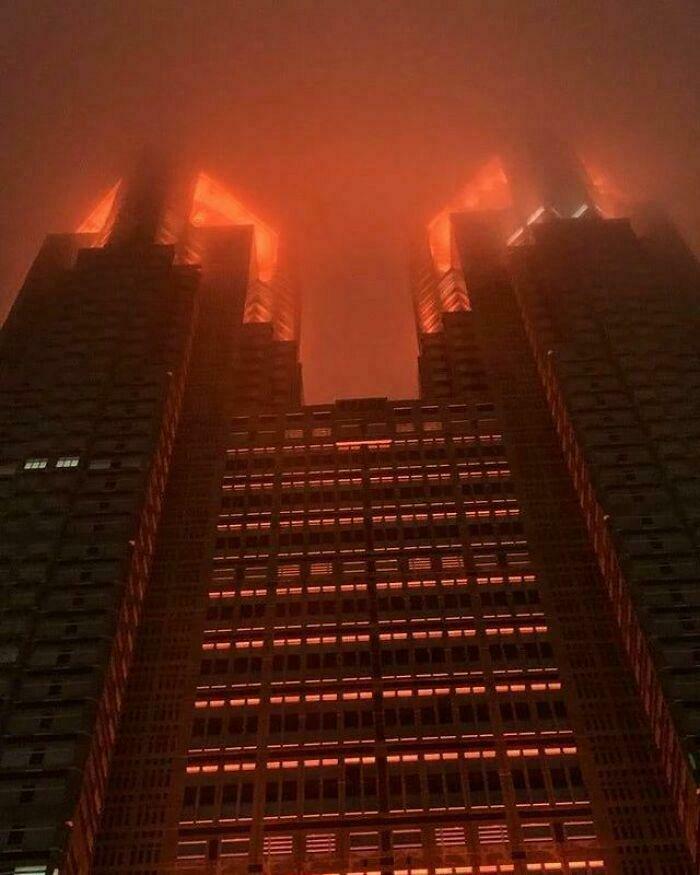
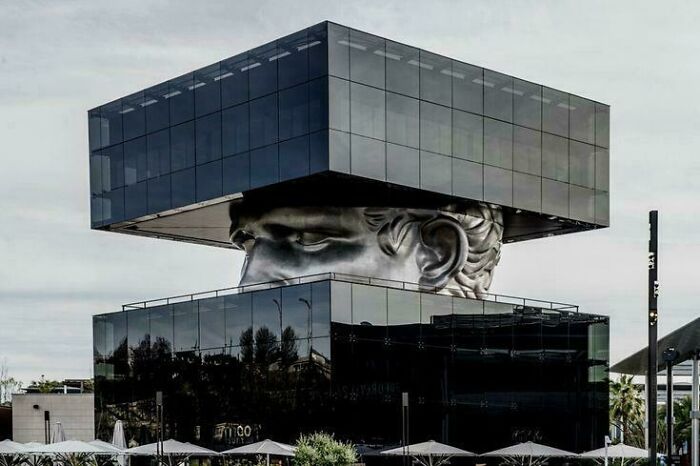
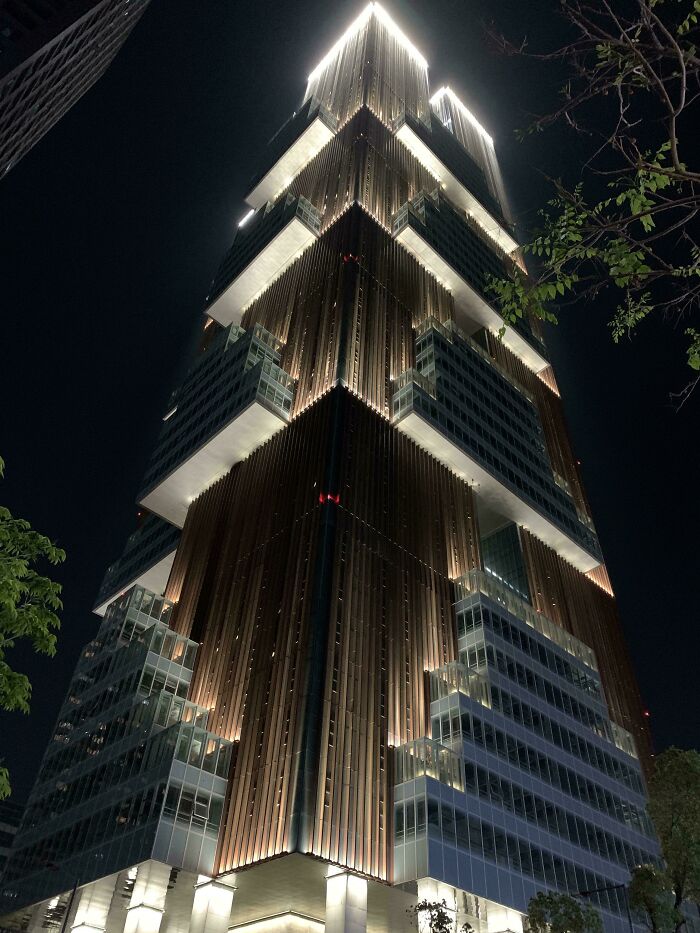
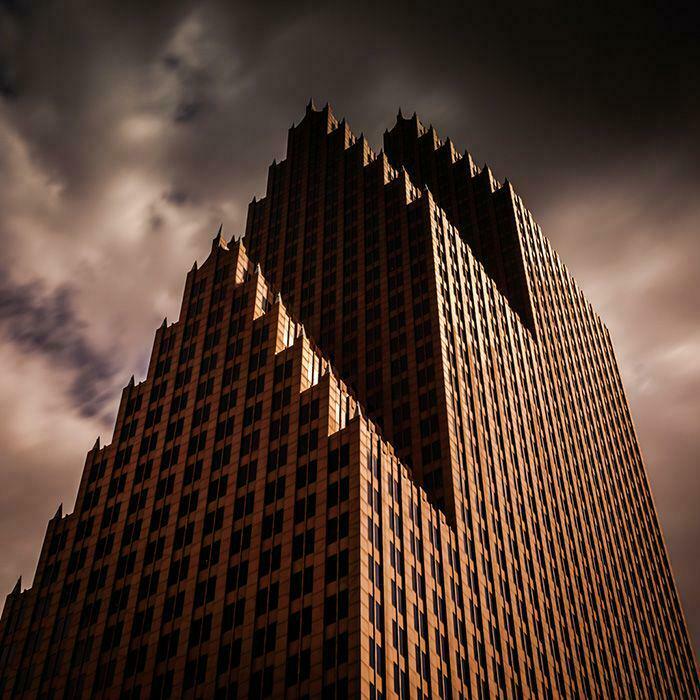
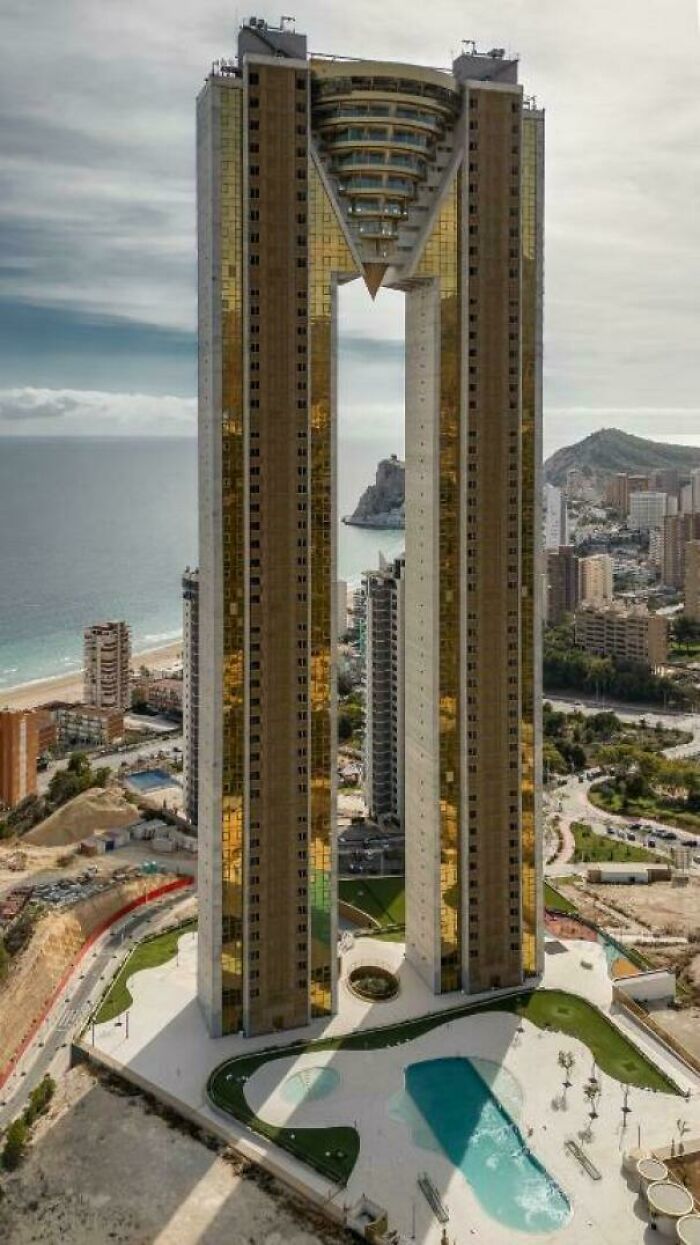
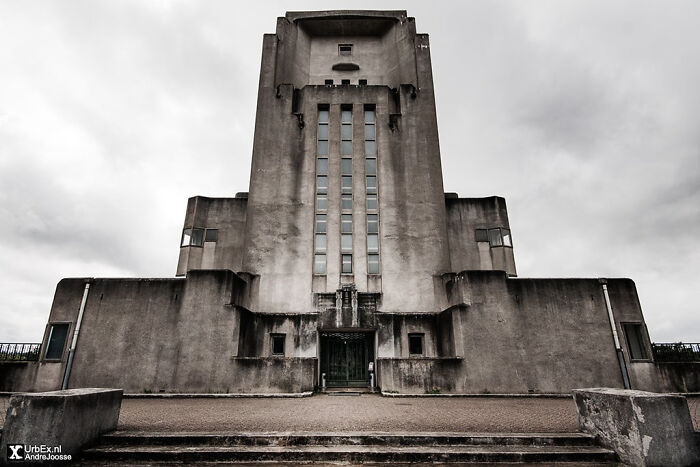
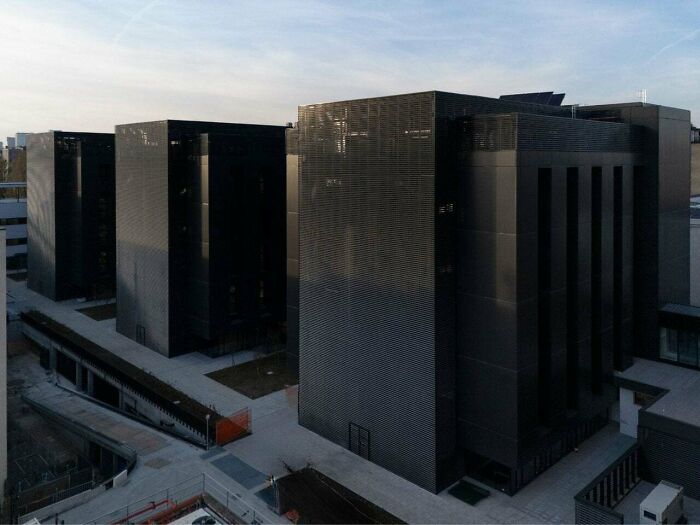
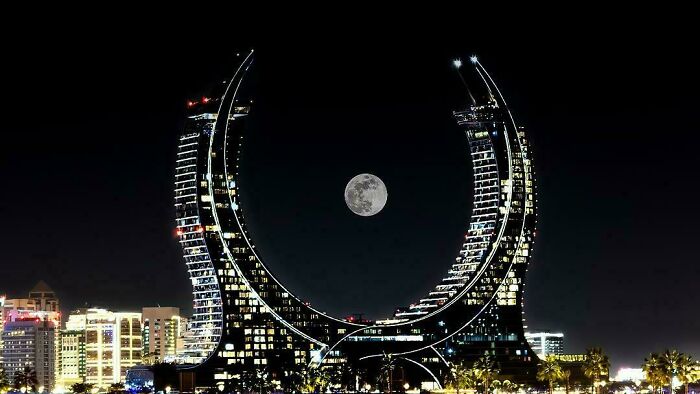
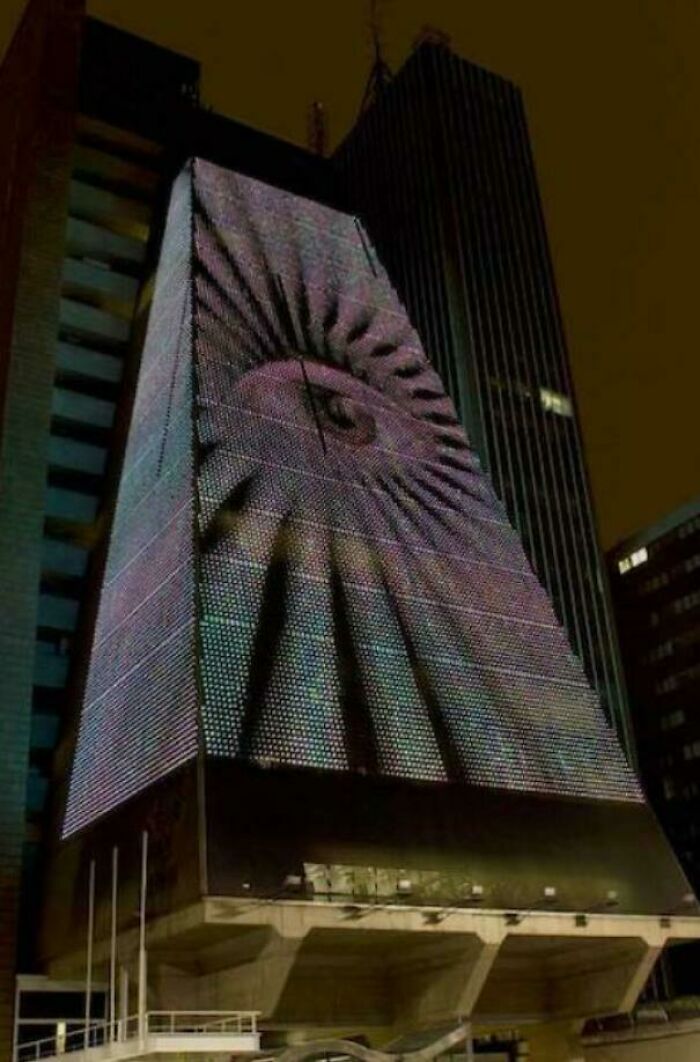
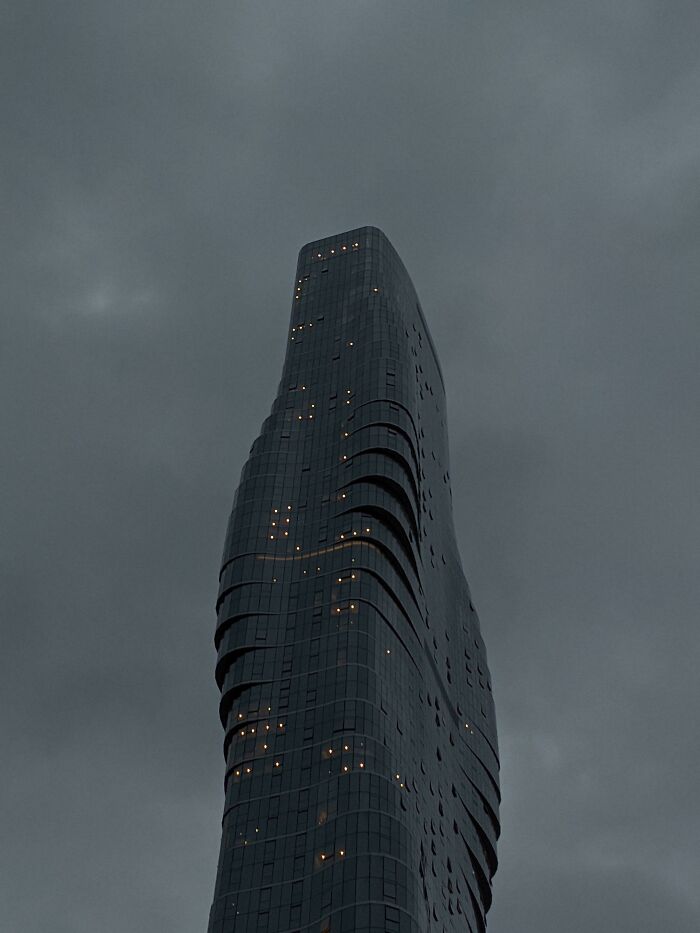
Other photos feature Expressionist skyscrapers. They achieve their evil-lair status through deliberate design choices: towering height, sharp angular forms, tinted reflective glass, and cold, sterile materials like polished steel. These pristine structures feel unapproachable and imposing, almost like high-tech headquarters built to monitor everything below.
Sci-fi thrillers, post-apocalyptic films, and video games routinely use sleek high-tech towers and bleak concrete blocks to represent dystopian futures, ruthless mega-corporations, and authoritarian regimes.
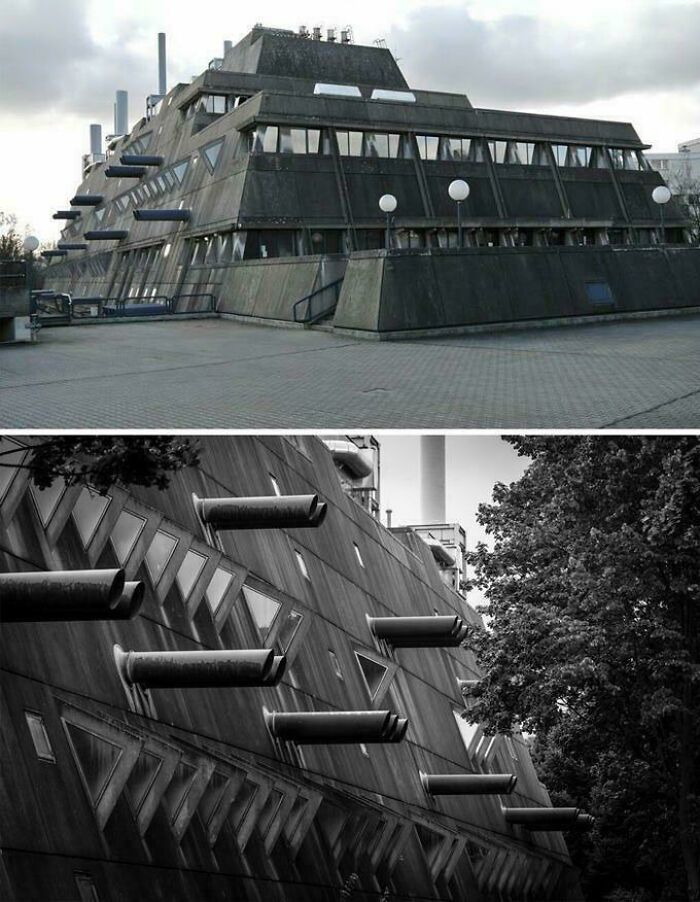
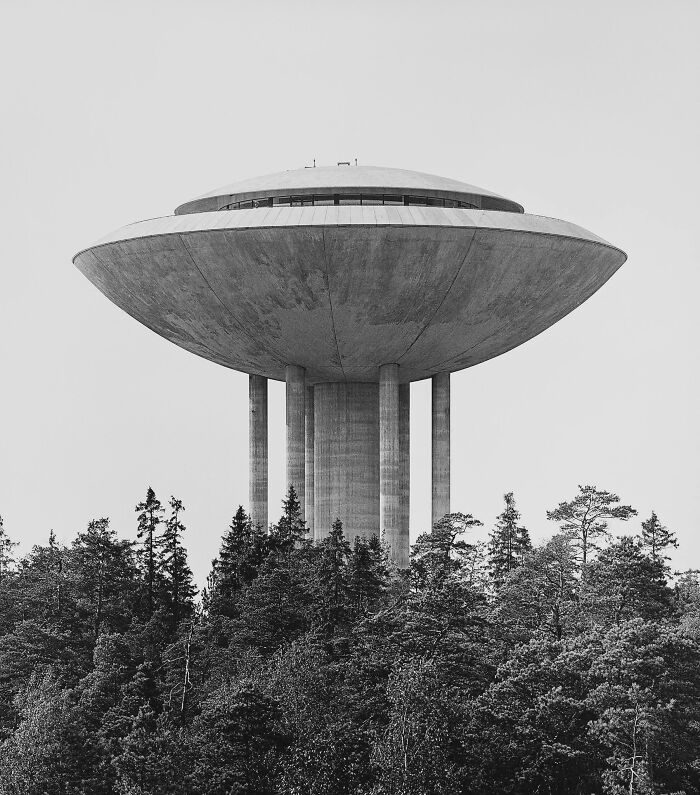
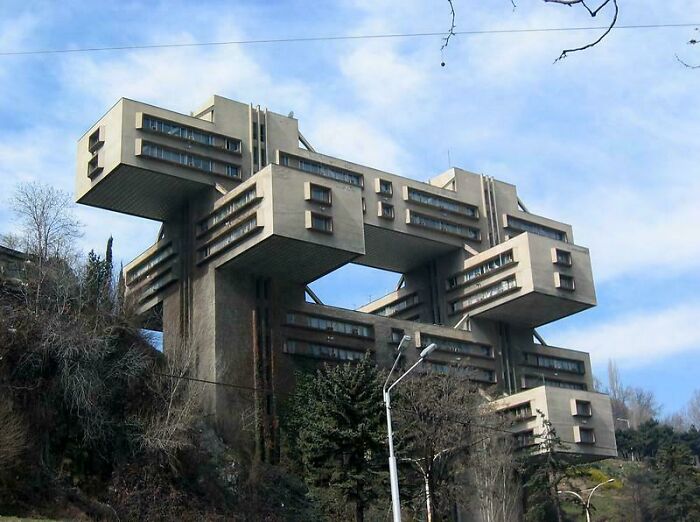
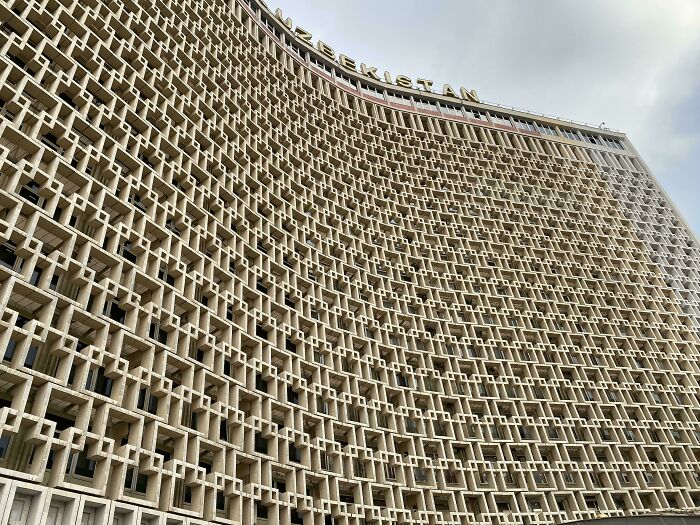
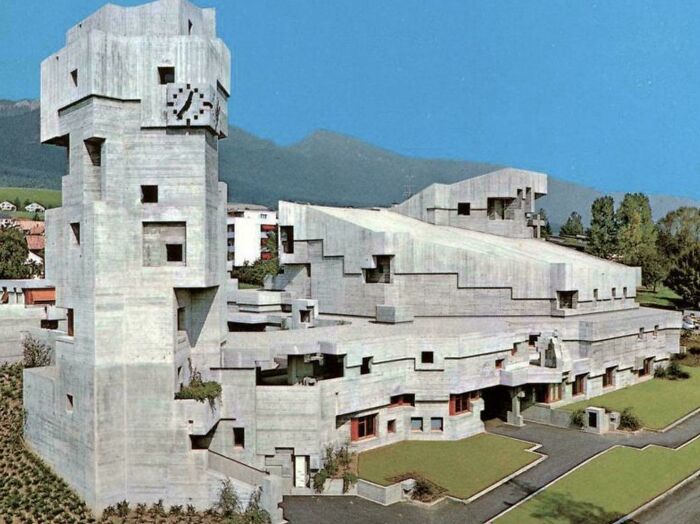
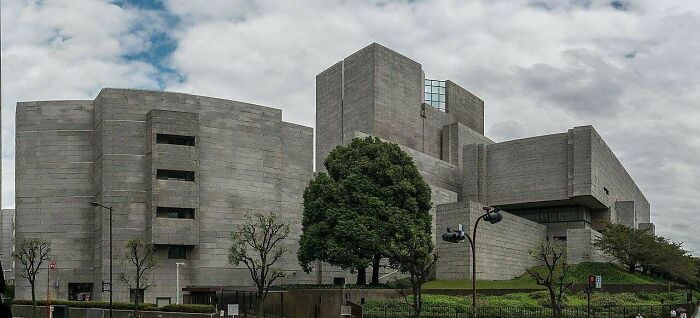
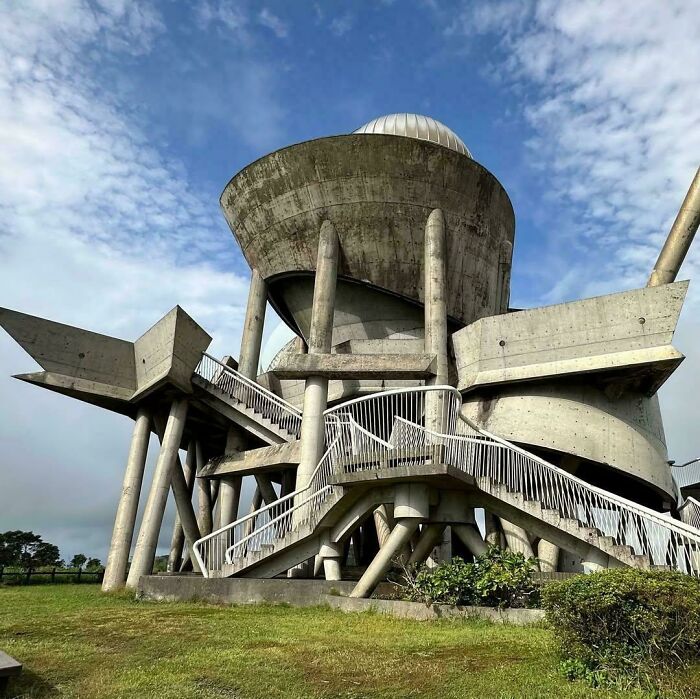
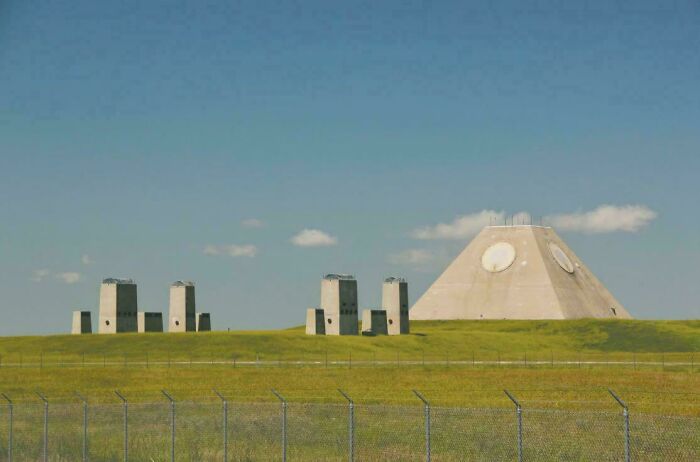
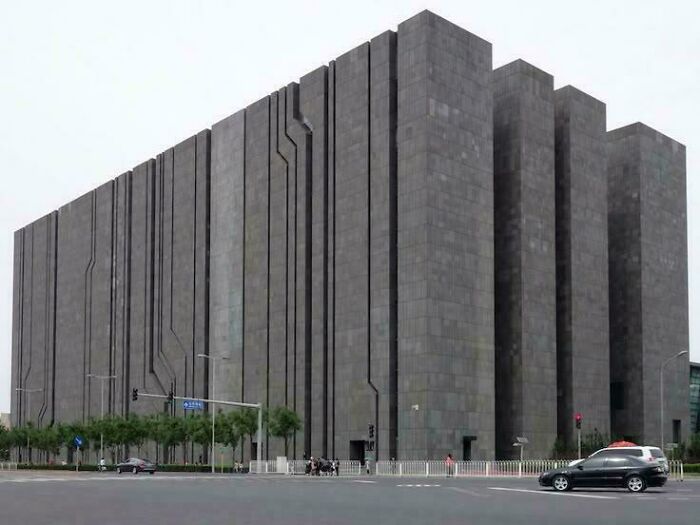
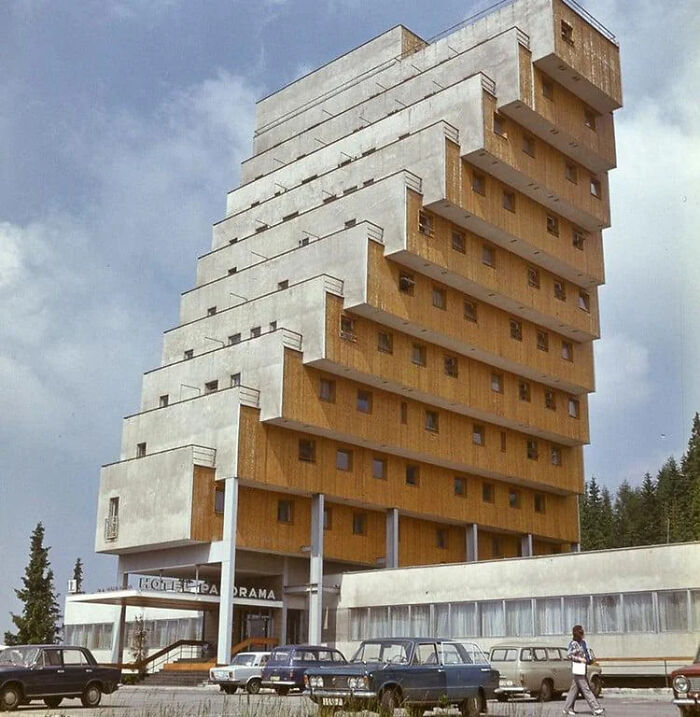
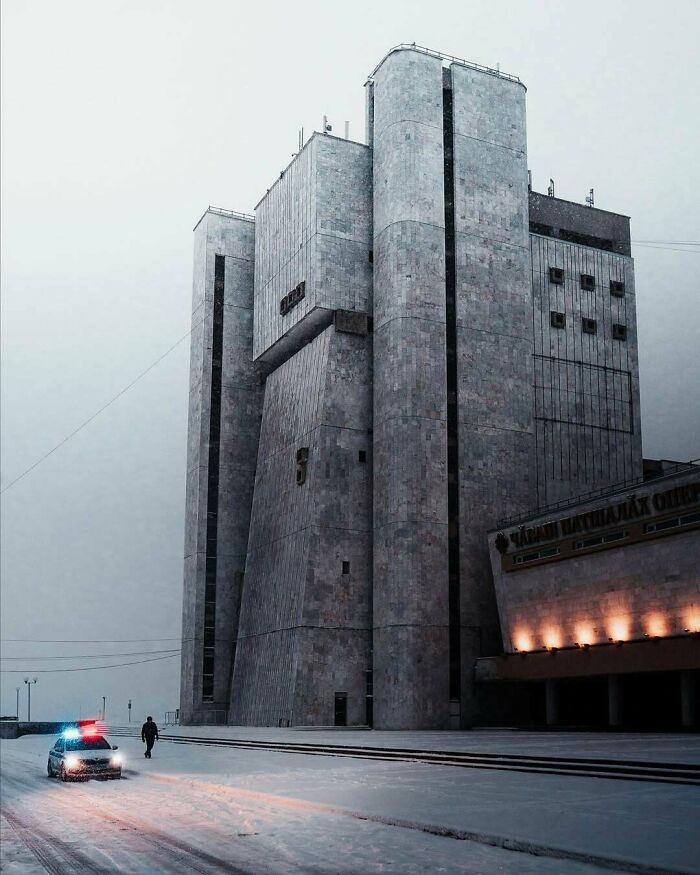
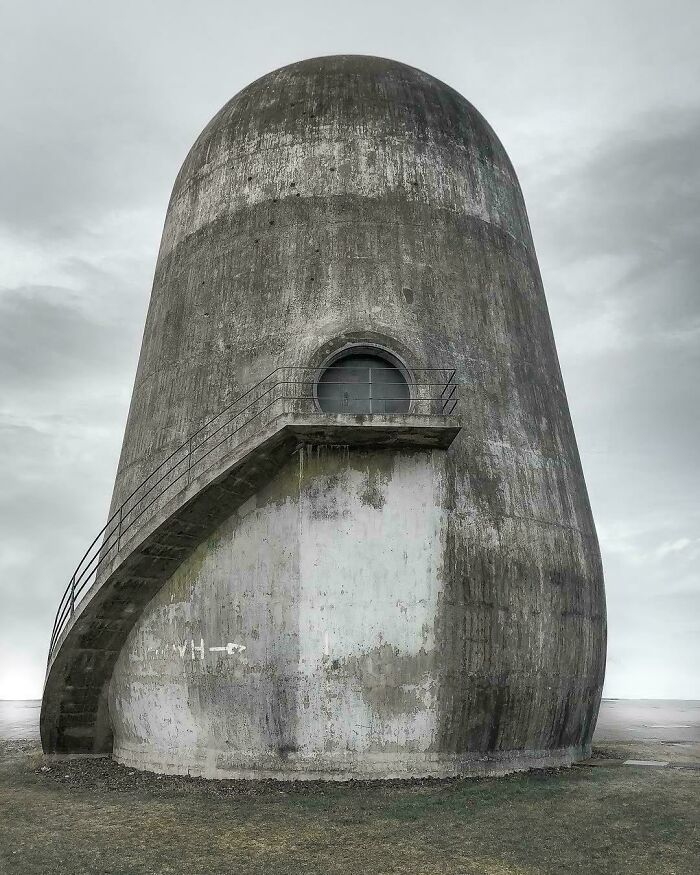
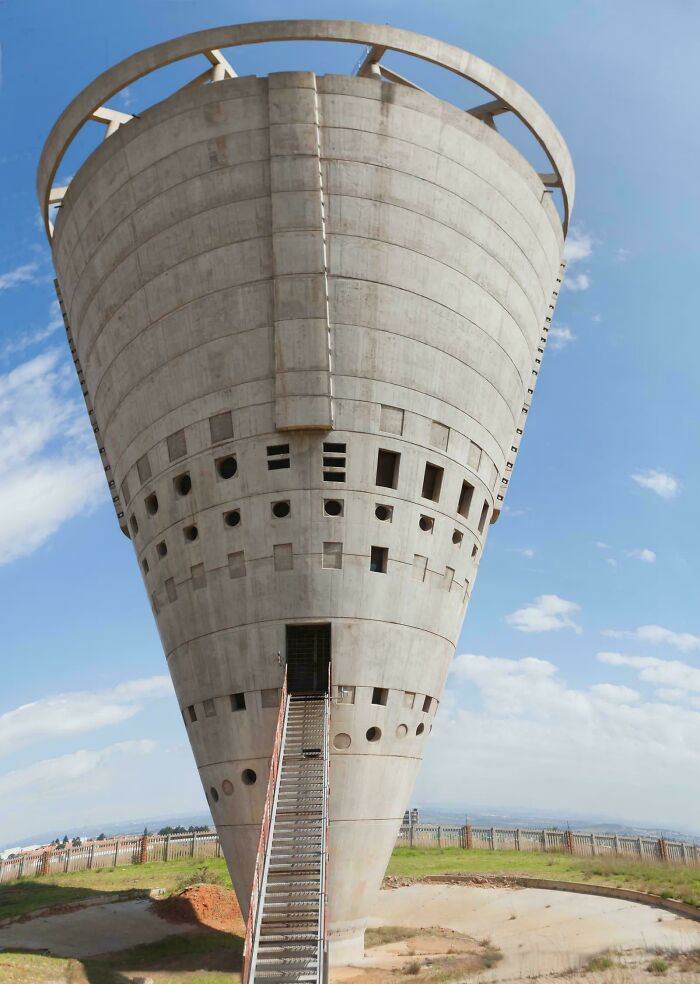
Then there is Brutalism, the undisputed king of villain-lair architecture, built from bare, unpainted concrete and massive geometric blocks.
The story began back in 1928, when top European architects formed the International Congresses of Modern Architecture (CIAM).
Their mission was radical: throw out centuries of ornate, classical styles and rethink architecture from the ground up to solve pressing post-war urban problems. In 1933, they published the famous Athens Charter, which argued that modern cities should be strictly divided into functional zones — living, working, recreation, and circulation — and that housing should take the form of high-density, multi-story tower blocks surrounded by open green spaces.
CIAM prioritized mass-scale efficiency over decorative details. Instead of traditional human-scaled streetscapes, they championed massive, self-contained concrete blocks designed to hold entire communities or government operations under one roof. When viewed out of context today, the scale and repetitive geometry can feel overwhelmingly monolithic and imposing.
When CIAM eventually disbanded in 1959 after younger members pushed for even rawer, more expressive designs, the floodgates opened for full-scale Brutalism.
Architects Alison and Peter Smithson popularized it, believing in showing “the woodness of wood and the sandiness of sand.”

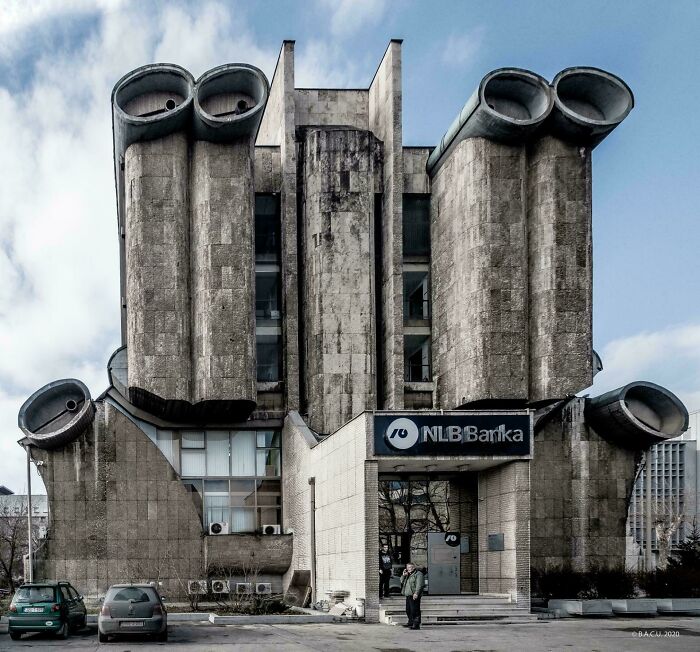
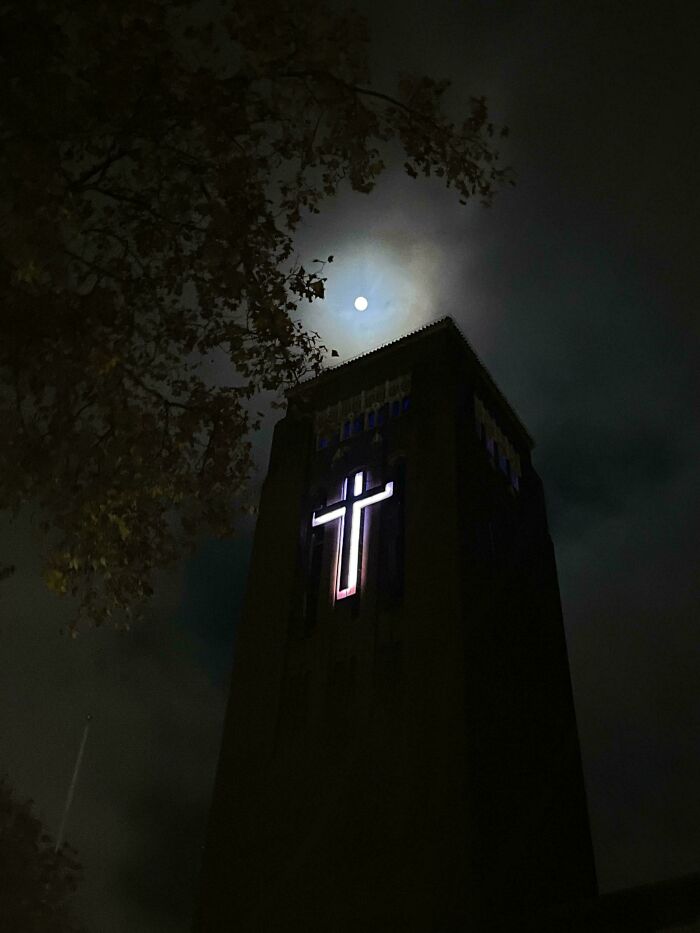
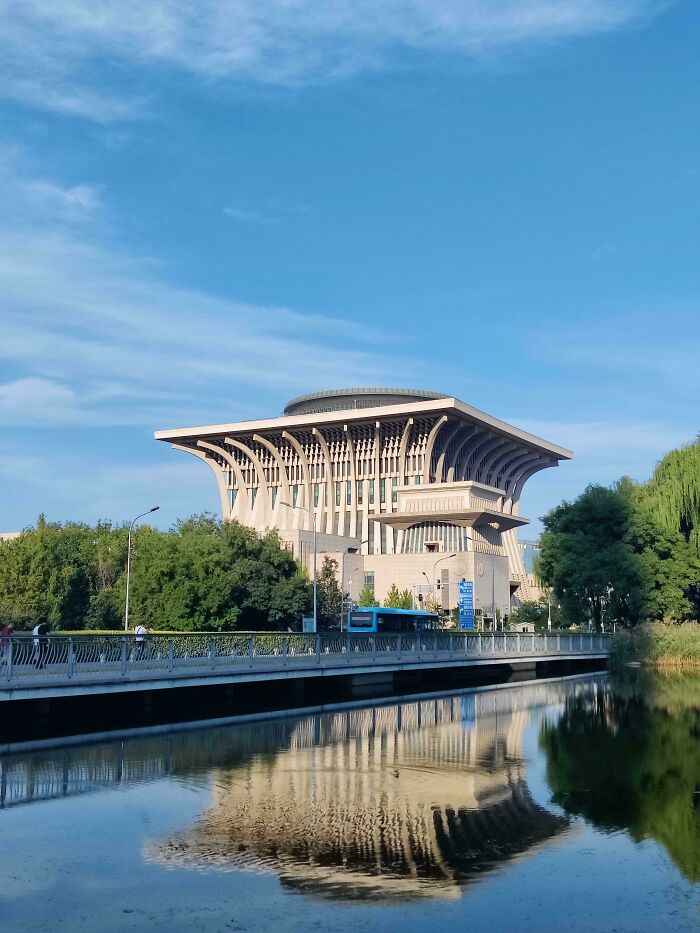
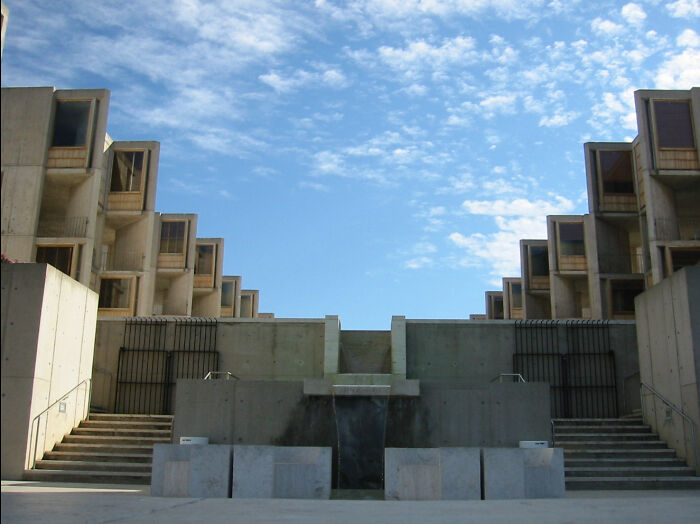
I've misread that as "LSD Temple". Now THAT would get you closer to God.
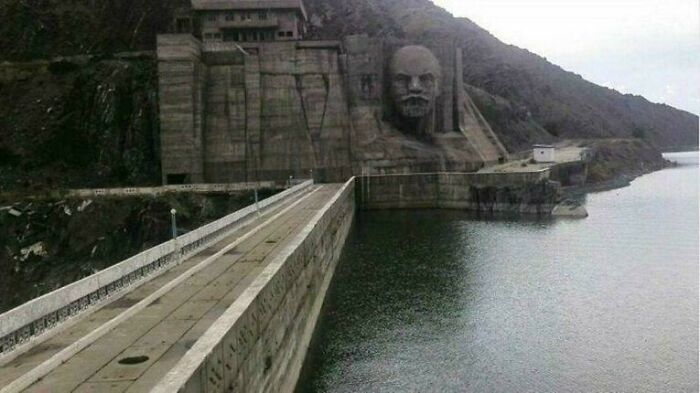
After World War II, this low-cost style exploded in popularity. It was heavily used for public housing, universities, courts, and city halls. Socialist and communist nations embraced it because concrete felt democratic and equal, unlike the ornate styles historically tied to the wealthy elite.
For instance, in Tuzla, Bosnia and Herzegovina, a bank was built with massive, raw concrete slabs to project financial stability and modern progress. To locals then, it meant safety and strength. To us today, it looks like an impenetrable sci-fi bunker.
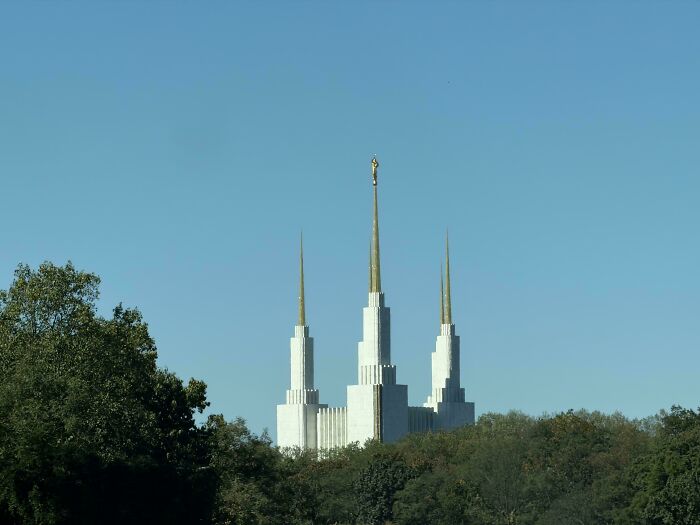
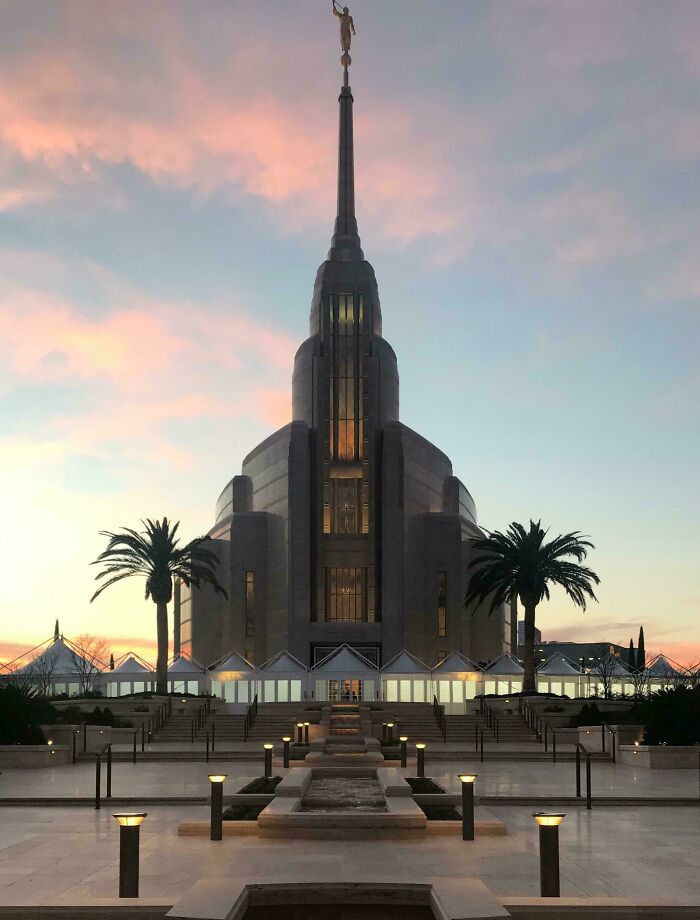
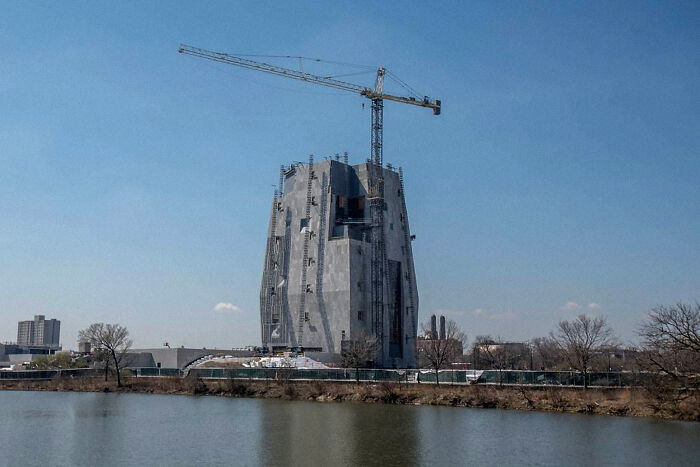
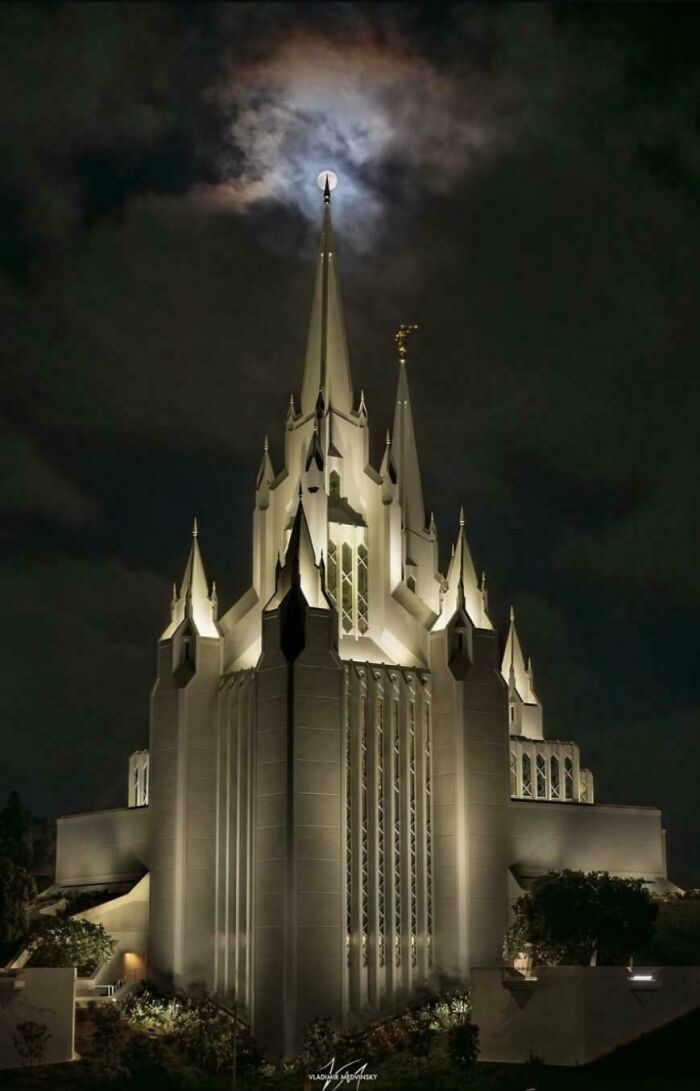
😁 Now here you can be sure actual villains live there. Mormons are a weird cult. Not as bad as Scientologists but still.
Sometimes, whole cities were rebuilt around this brutalist vision. After a devastating earthquake flattened Skopje, North Macedonia, in 1963, over 80 countries teamed up under the United Nations to rebuild it. They turned the capital into one of the densest collections of Brutalist architecture, a futuristic concrete metropolis designed to withstand future disasters.
Similar projects also popped up across London — like the famous Barbican Estate and Hayward Gallery — and throughout Eastern Europe.
So why do these brutalist designs look so menacing to us now?
Part of it comes down to simple age and neglect. Decades of harsh weather, poor maintenance, and slashed budgets have left many concrete facades stained, crumbling, and dark.
Studies also indicate that, with the rise of social media platforms and global tourism, modern Brutalist buildings have gained a new wave of popularity, especially as many of them face demolition or neglect.
In countries such as the Czech Republic and the UK, to name a few, Brutalist buildings have faced criticism — as many people associate the style with socialist ideals or the welfare state.
At the same time, movements like #SOSBrutalism have emerged online, advocating for preserving these striking buildings. Supporters argue that beyond their imposing appearance, they also hold historical and architectural significance.
What makes these structures so captivating is the way they force us to stop and look twice.
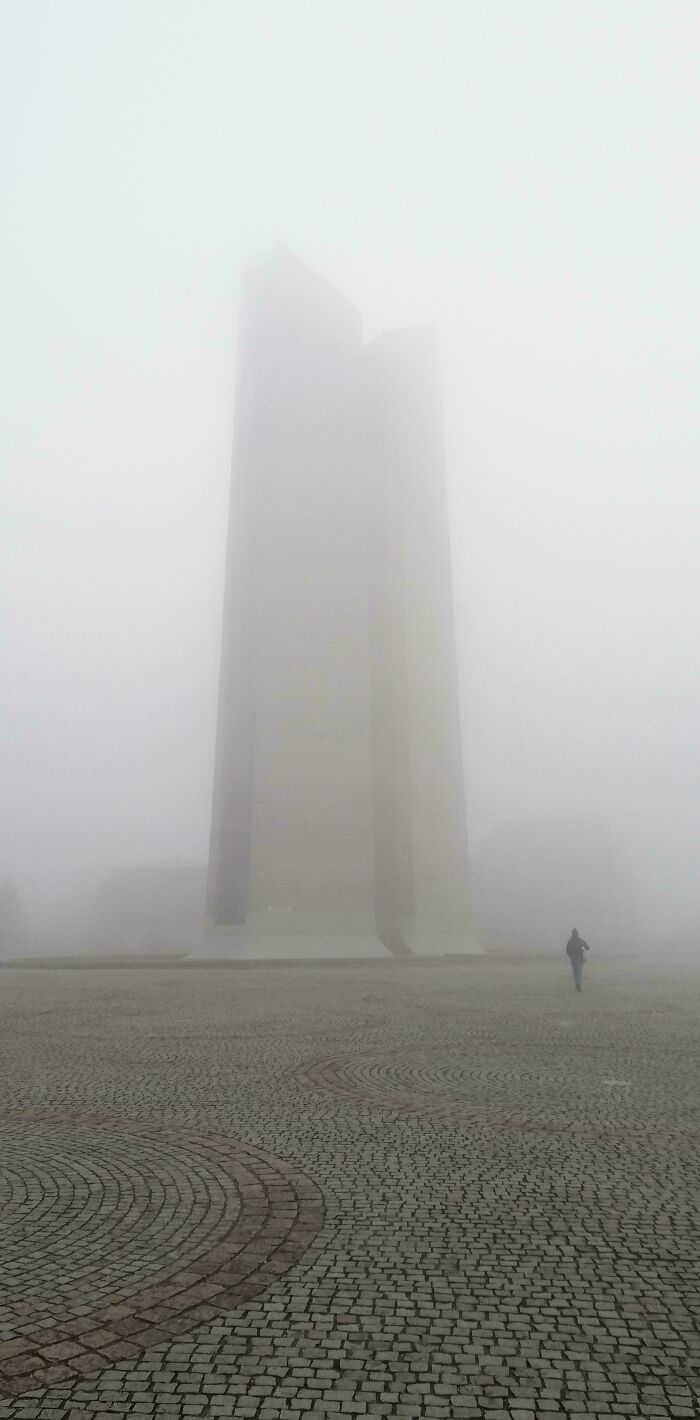
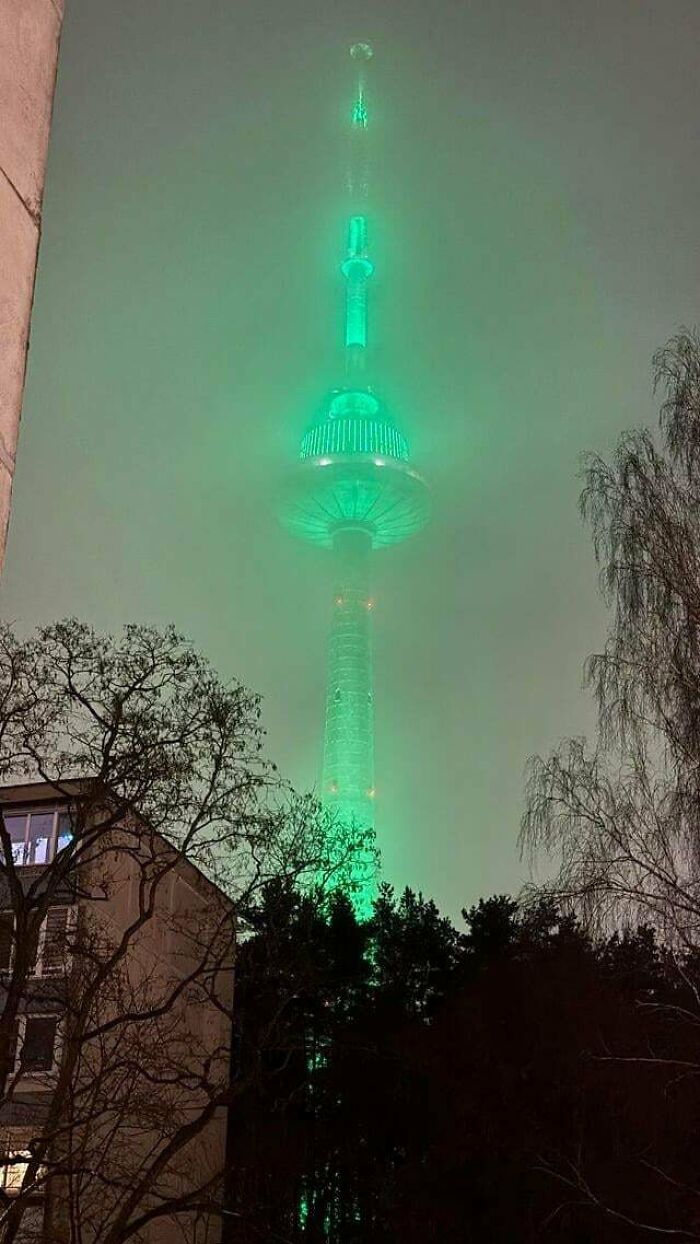
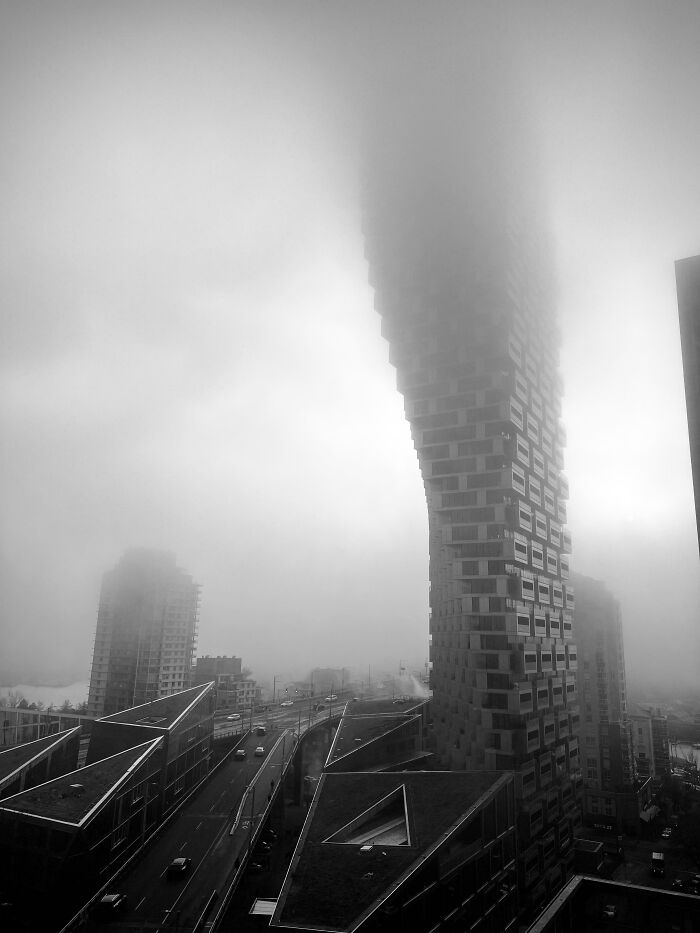
Whether it’s a centuries-old church shrouded in fog or a weird-looking skyscraper, these buildings refuse to blend into the background. They spark passionate debates, inspire viral online communities, and occasionally rally locals to protect forgotten history from the wrecking ball.
So the next time you pass an “evil-looking” building, remember that it might just hold far more secrets than sinister appearances.
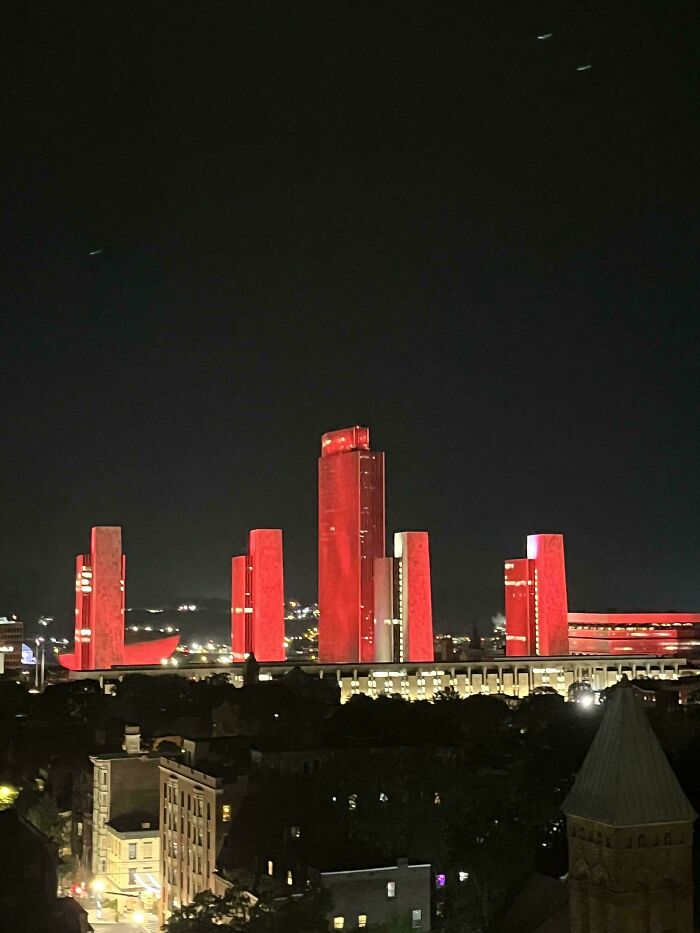
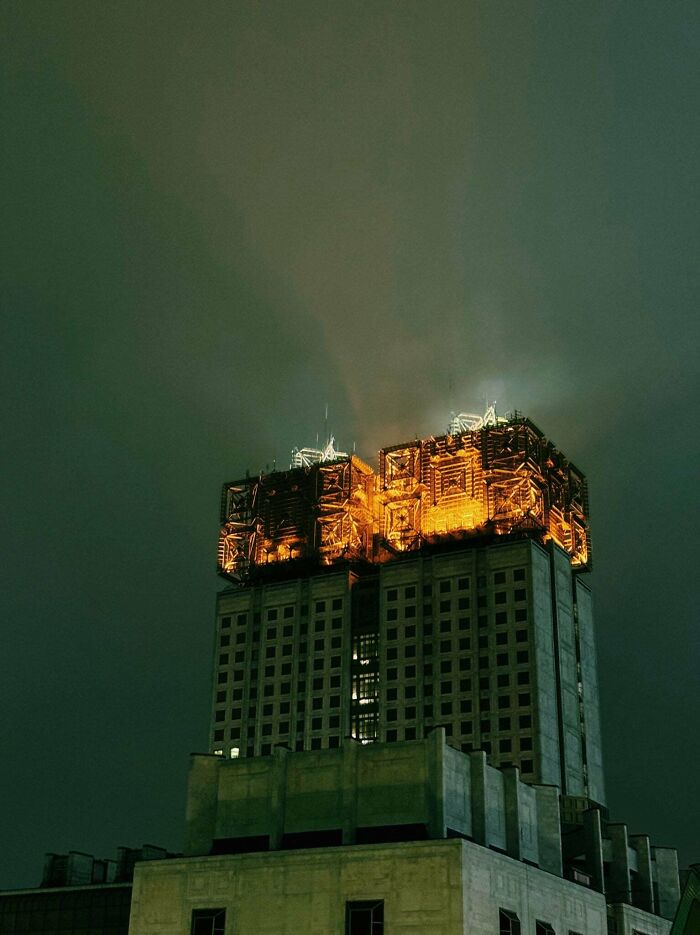
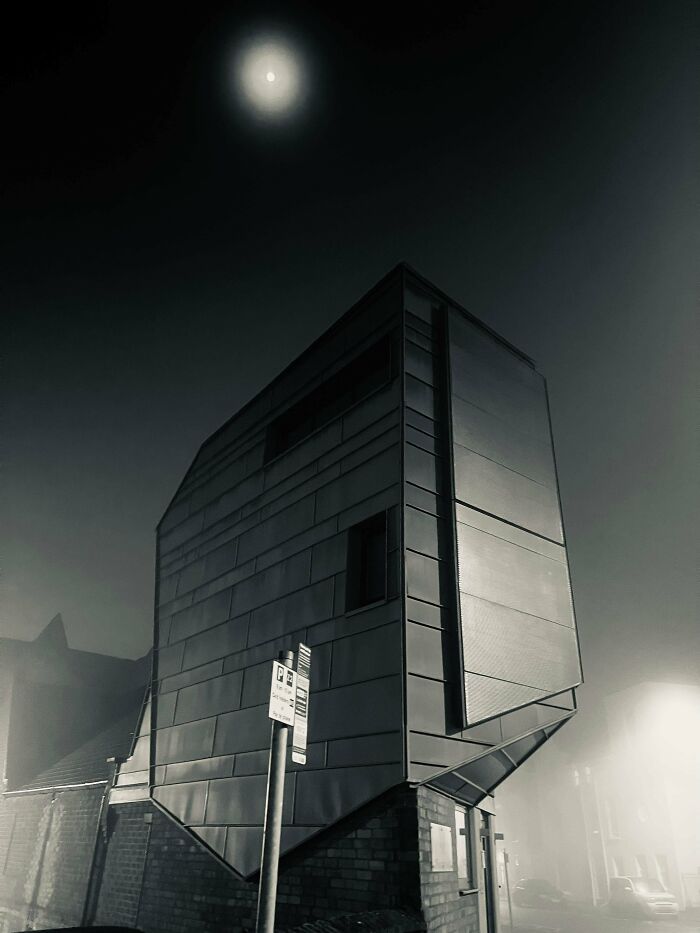
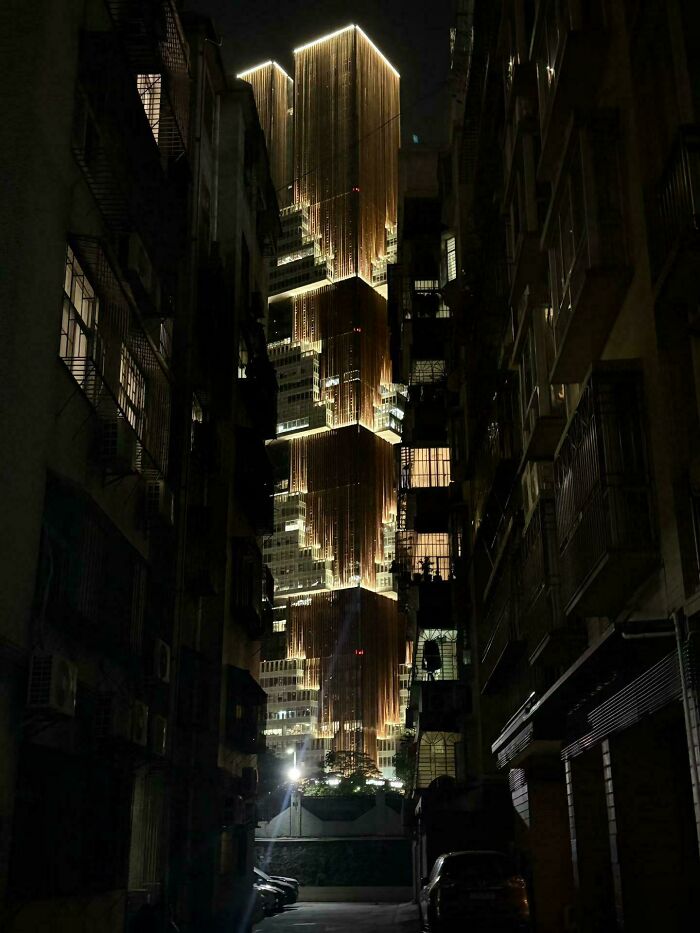
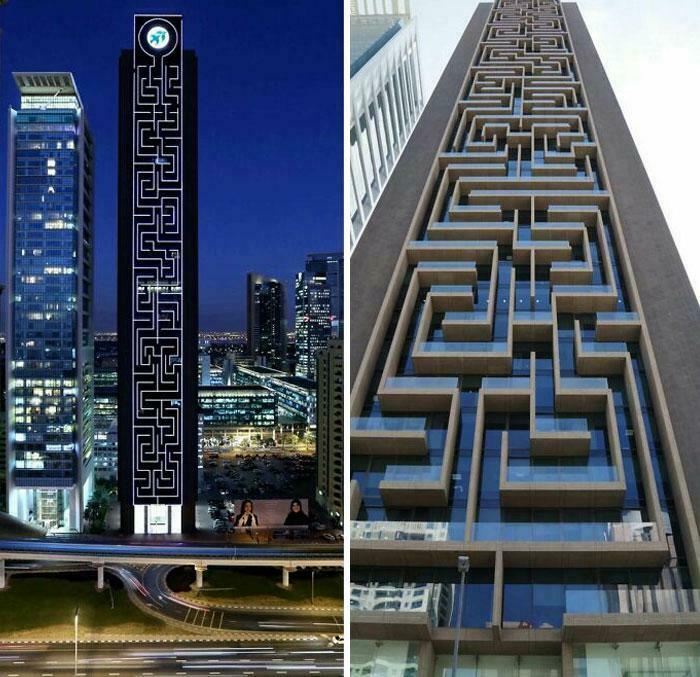
Needs to be animated with little Pac-Man figures moving about at night.


I really don't understand the hate on brutalism as long as it isn't a town full of it
I don't hate Brutalism because I rather like the forms. But those vast seas of bare concrete really put me off. They look bleak when they're new and just get worse as they age.
Load More Replies... I really don't understand the hate on brutalism as long as it isn't a town full of it
I don't hate Brutalism because I rather like the forms. But those vast seas of bare concrete really put me off. They look bleak when they're new and just get worse as they age.
Load More Replies...

































 No fees, cancel anytime