Get Premium
Dark mode theme is available exclusively for premium users. Learn more about the benefits of subscribing.
No fees, cancel anytime.

 Dark Mode Ad-Free Browsing Unlimited Content
 Ad-Free Browsing Unlimited Content Dark Mode
Join 1.2 million Panda readers who get the best art, memes, and fun stories every week!
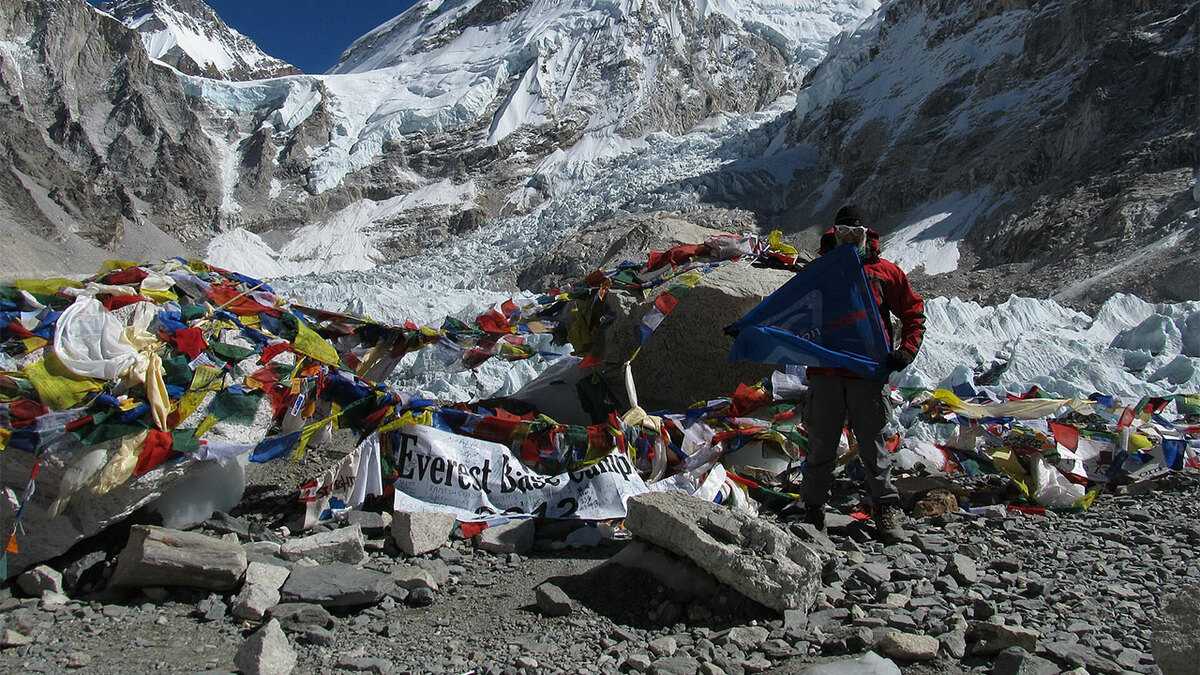
In the olden days, when our parents walked to school barefoot uphill in both directions, the idea of someone climbing Everest was astonishing. A pure feat of human endurance that stopped the world. Edmund Hillary took seven weeks from base camp to the peak in 1953, and the fact that I even know his name without Googling it should tell you everything about what that achievement meant.
Now we talk about that girl who got frostbite and posted it on Instagram. Names mean nothing anymore. The summit has become an Oprah Winfrey moment: you get a summit, you get a summit, everybody gets a summit. Nepal issued a record number of climbing permits in 2026, breaking the previous record of 479 set in 2023, and the mountain that once represented the absolute outer limit of human capability has become a very expensive item on a bucket list.
The achievement has been made so ordinary by social media documentation that the main talking point of the last climbing season was not a record broken or a life saved. It was the human waste. Three tonnes of it, sitting between camp one and camp four, visible on the rocks, making people ill. “Our mountains have begun to stink,” says Mingma Sherpa, chairman of the Pasang Lhamu rural municipality.
Now, Everest has two major issues. Number 1 and number 2. You might think that under 500 people climbing this frozen hell isn’t a lot. But this is only a small fraction of the nearly 40,000 people that make their way to Base Camp. Nature has called, and now regrets it, because yellow snow is taking over, and it’s not a pretty sight.
Exclusive Content Ad-Free Browsing Dark Mode Exclusive Content Ad-Free Browsing Dark Mode 































 No fees, cancel anytime