Get Premium
Dark mode theme is available exclusively for premium users. Learn more about the benefits of subscribing.
No fees, cancel anytime.

 Dark Mode Ad-Free Browsing Unlimited Content
 Ad-Free Browsing Unlimited Content Dark Mode
Join 1.2 million Panda readers who get the best art, memes, and fun stories every week!

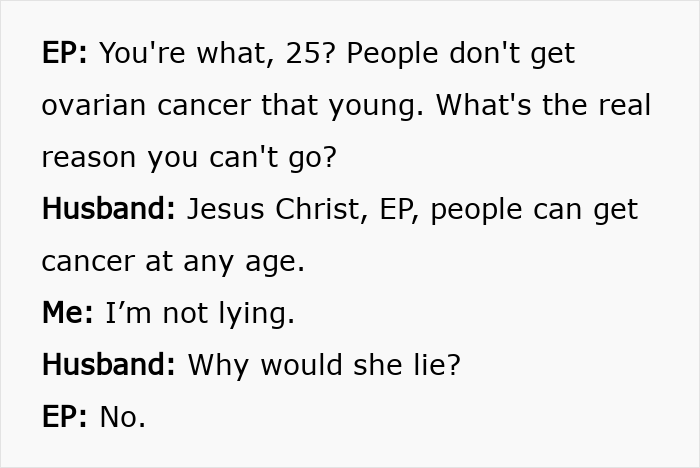
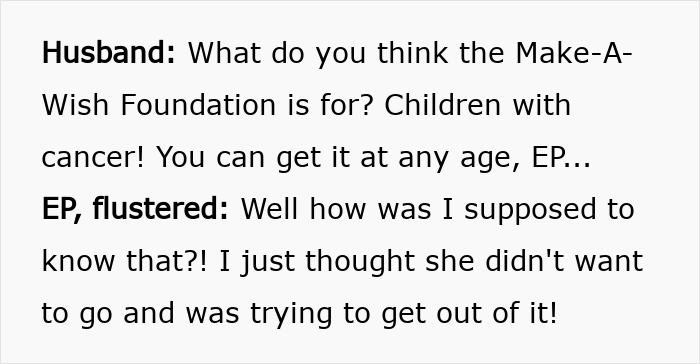
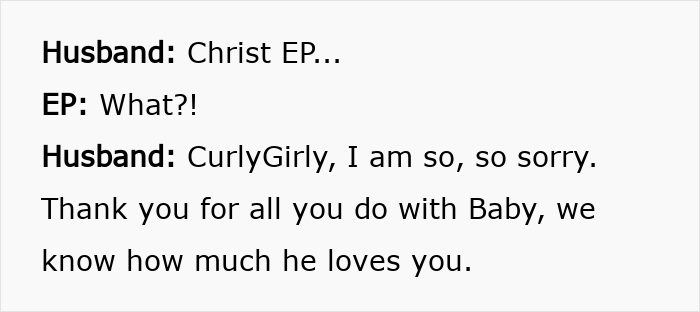
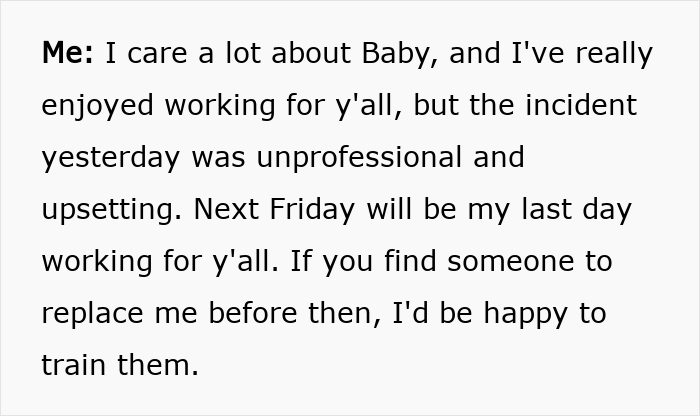
Finding out that you have cancer is one of the most shocking things that can ever happen to you. When you’re this vulnerable, it is normal to expect a bit of empathy from the people around you—including from your clients. Basic kindness should be common sense, right? Well, as it turns out, common sense is quite in rare supply.
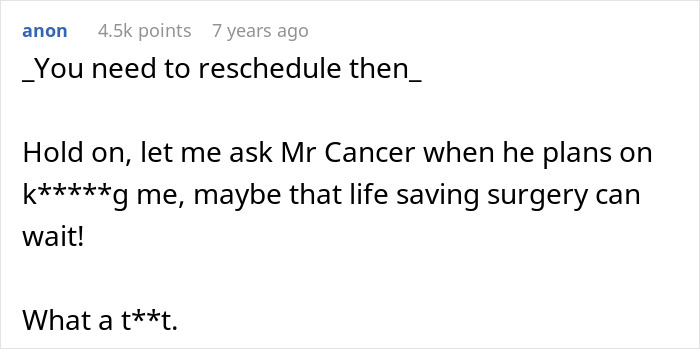
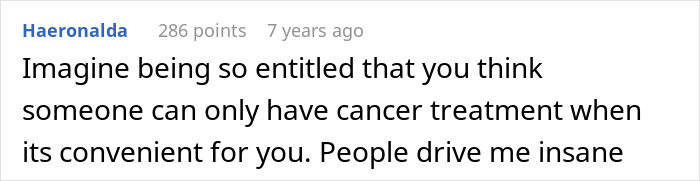
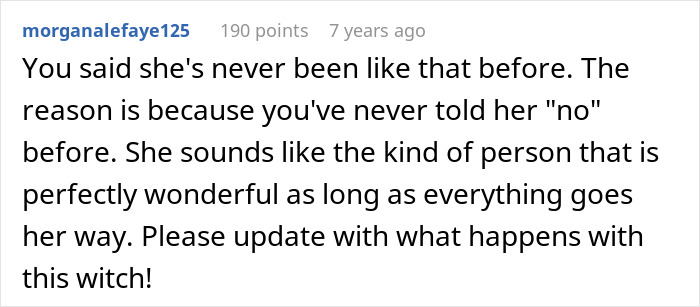
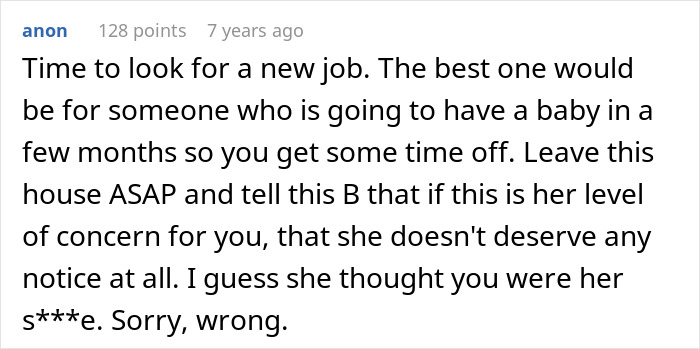
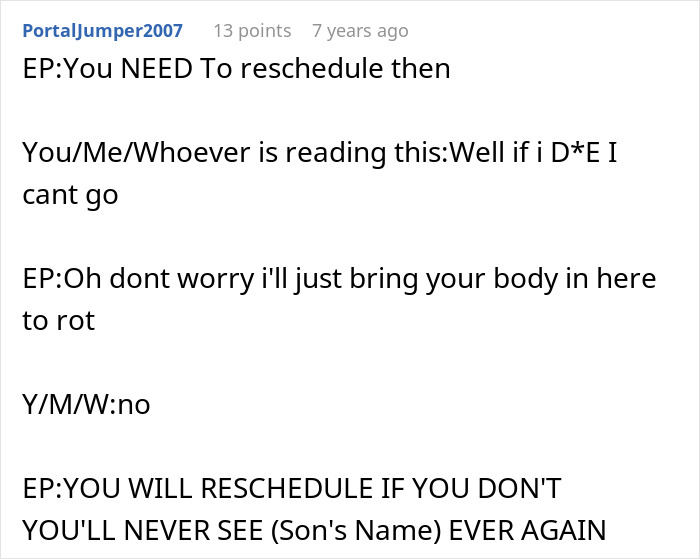
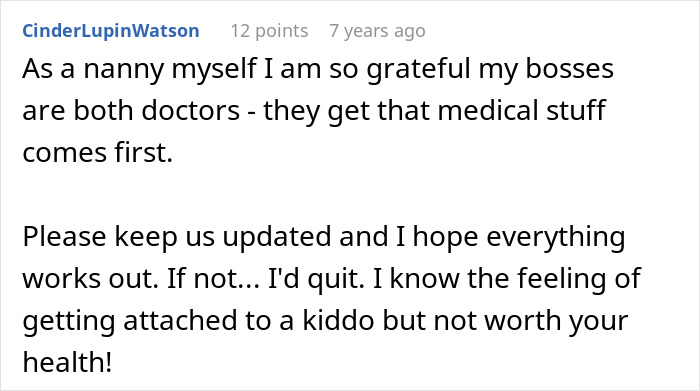
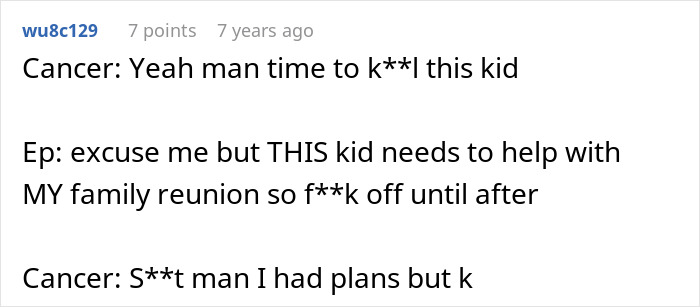
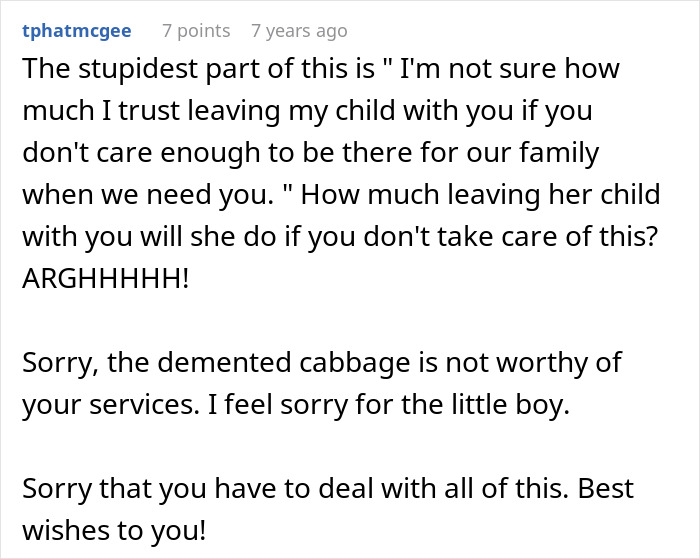
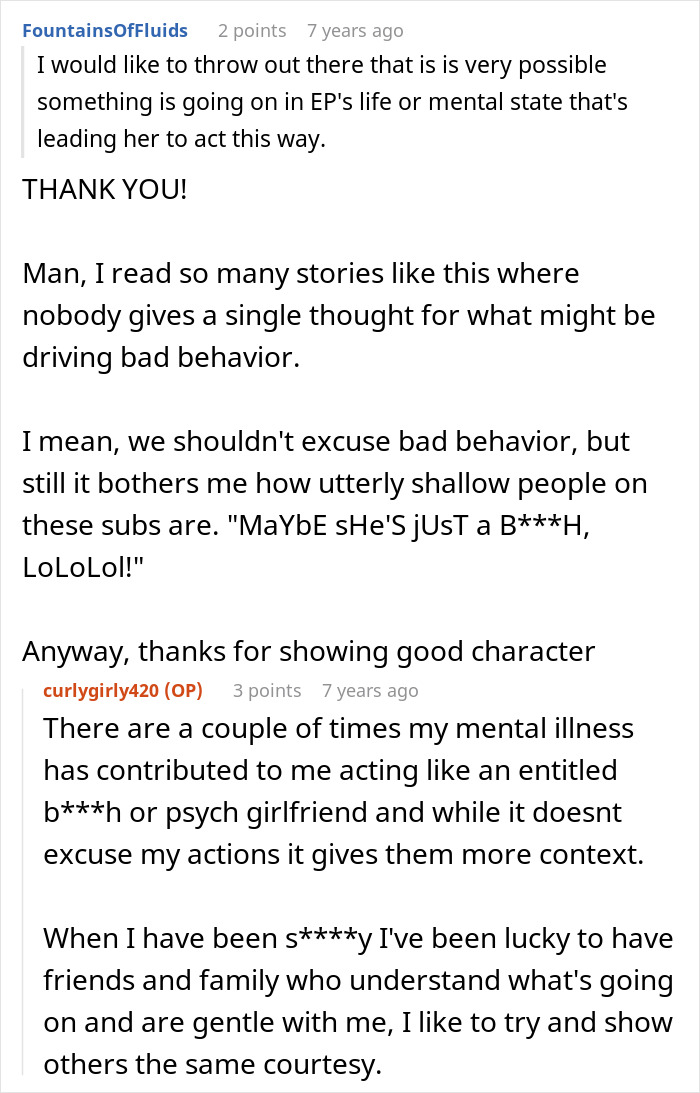
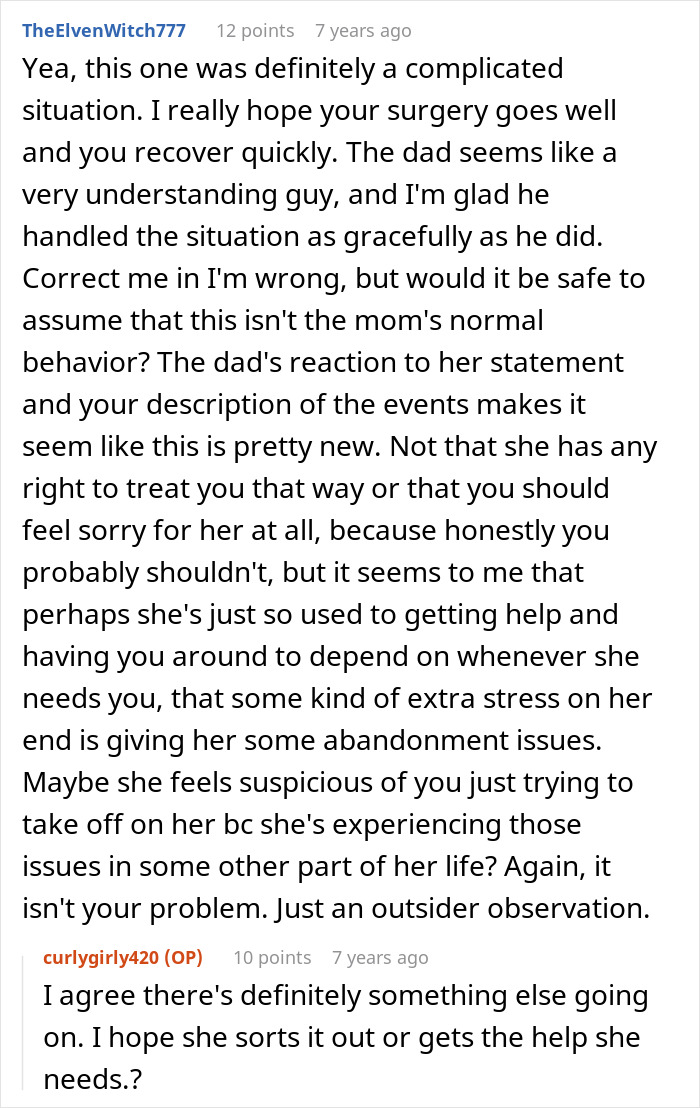
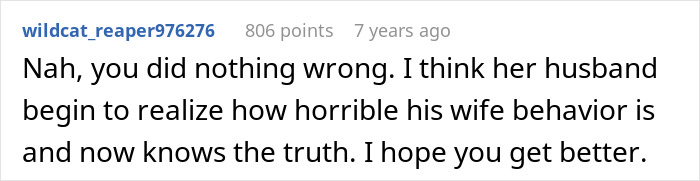
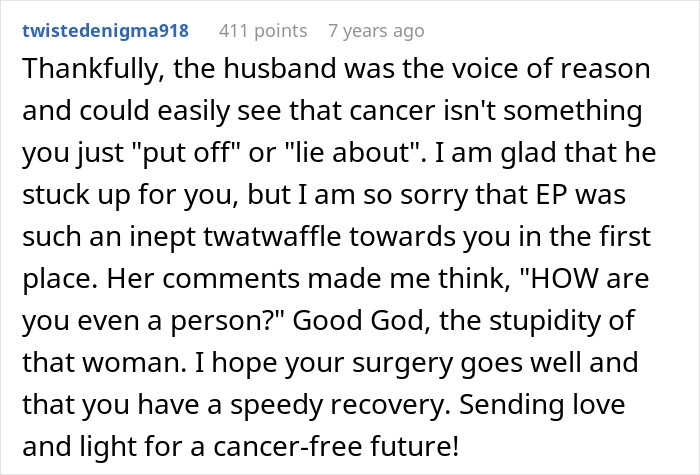
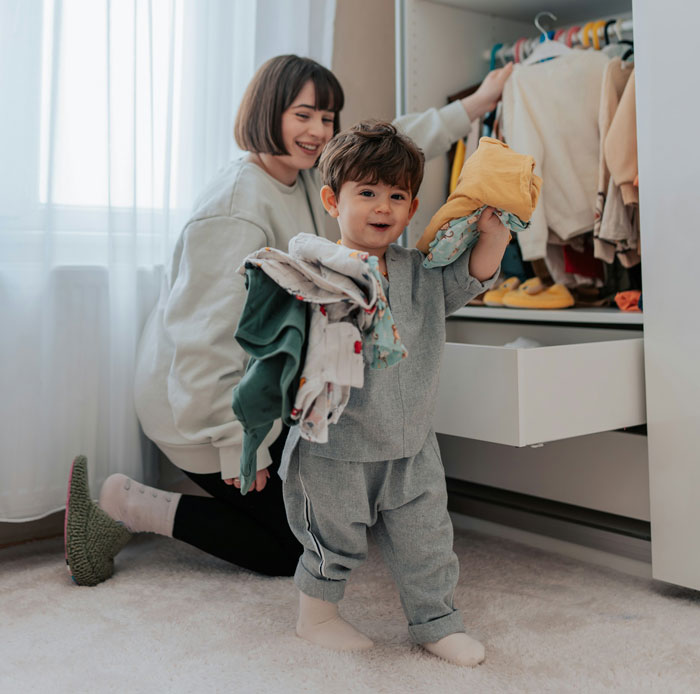
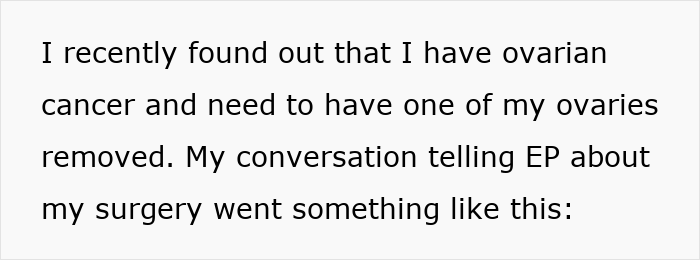
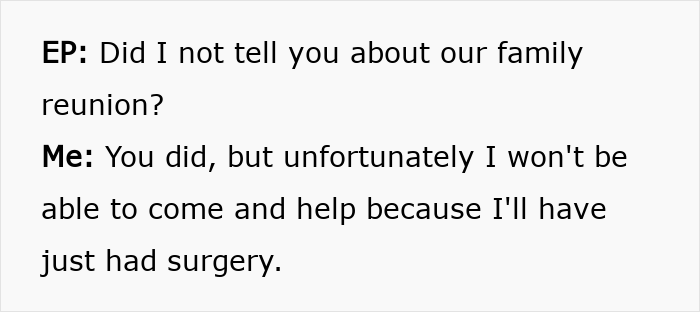
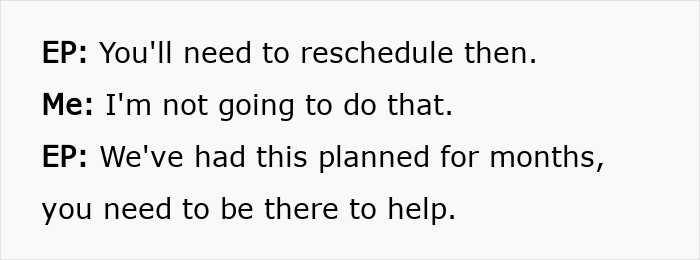
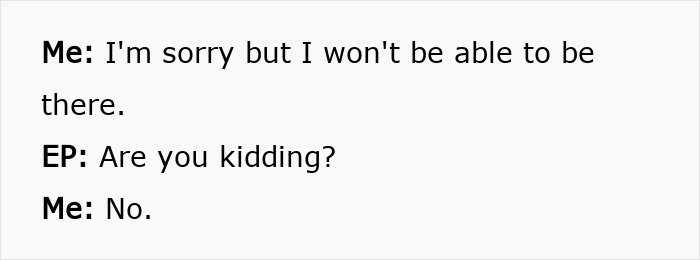
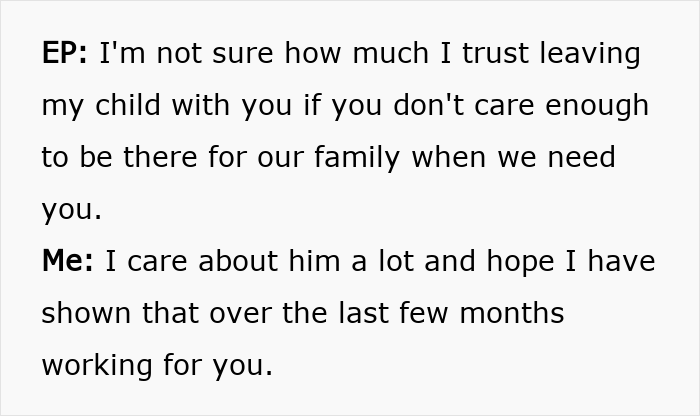
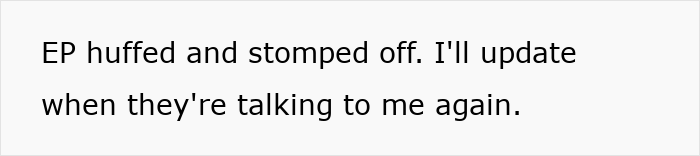
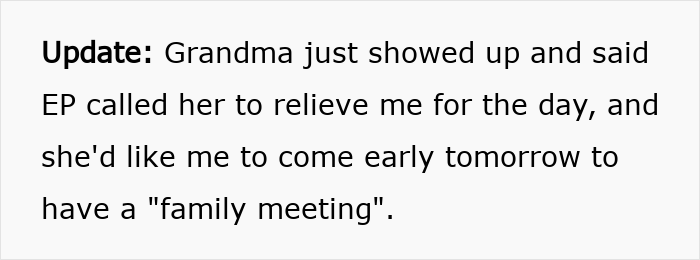
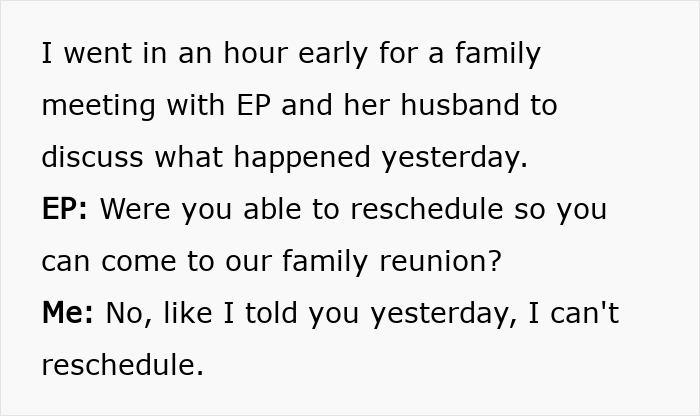
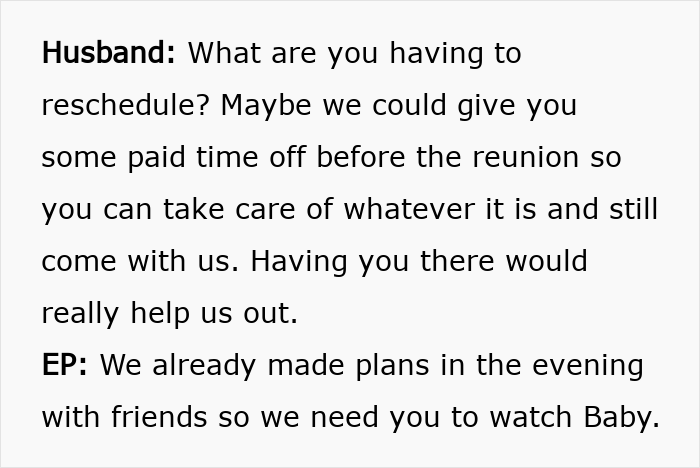
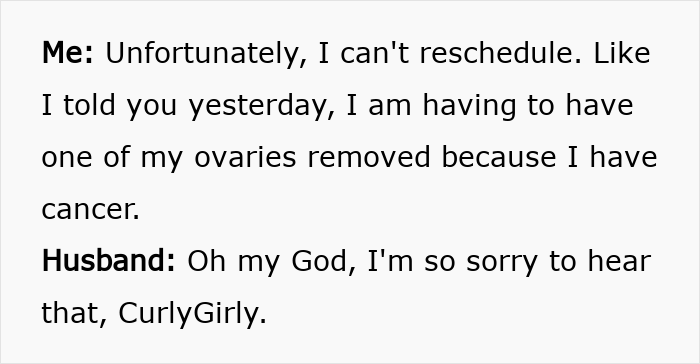
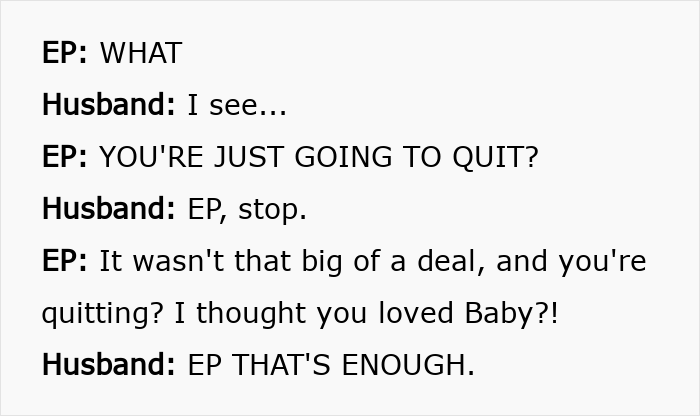
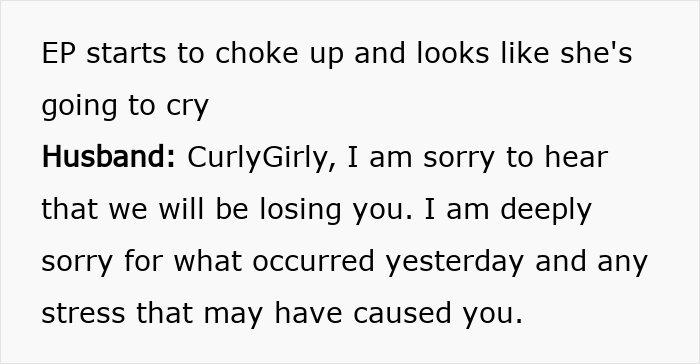
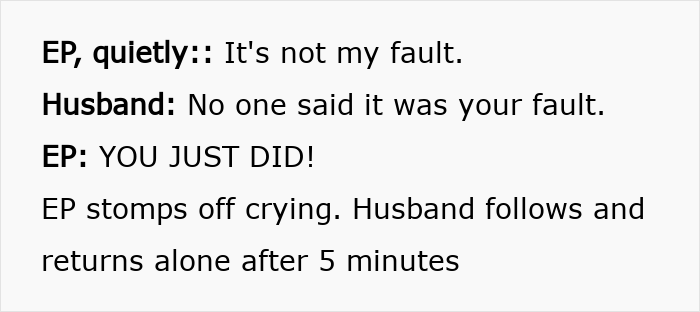
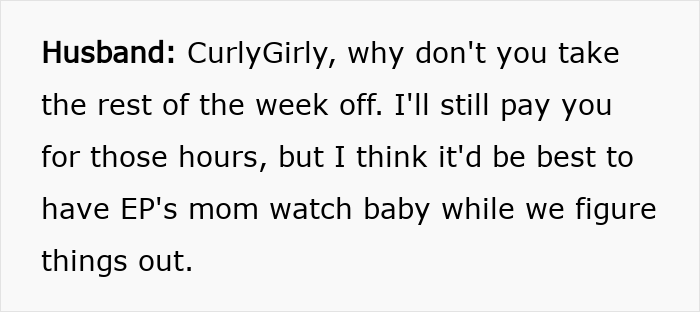
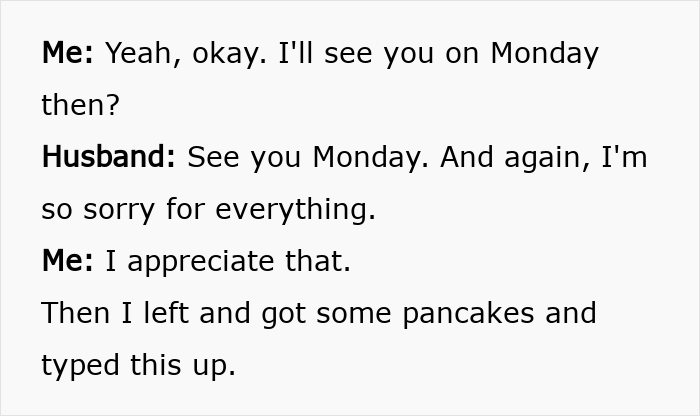
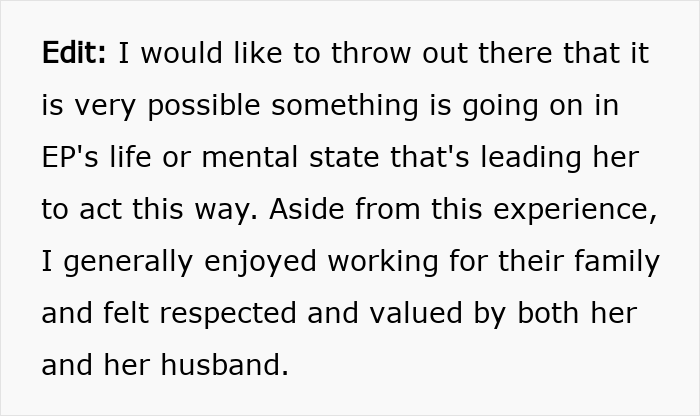
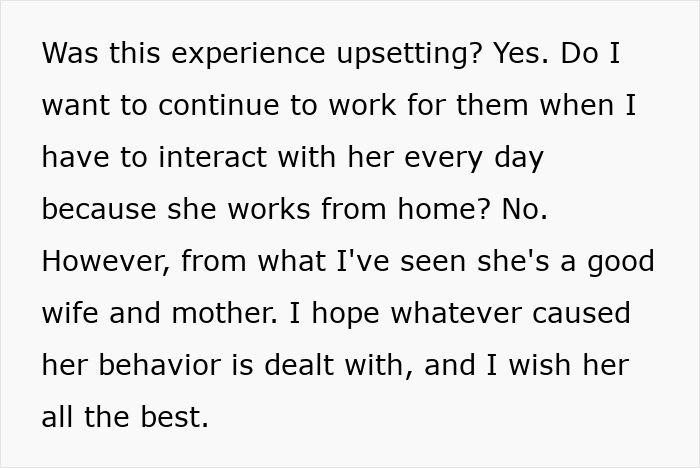
Babysitter u/curlygirly420 spilled the tea about how one heartless, toxic, and overly entitled mom tried to force her to work instead of getting life-saving cancer surgery. Keep reading for the full story and the drama-filled update, in the author’s own words.
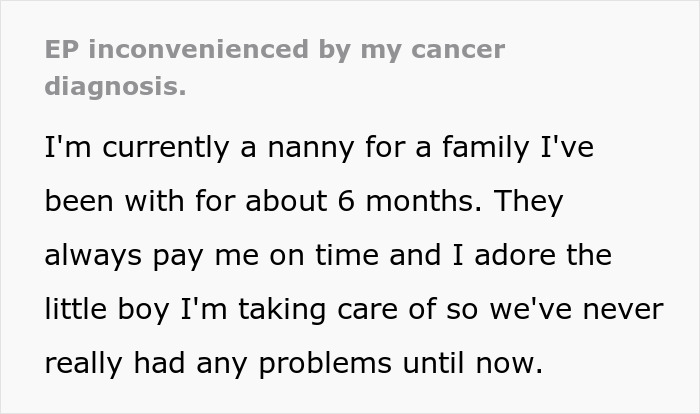
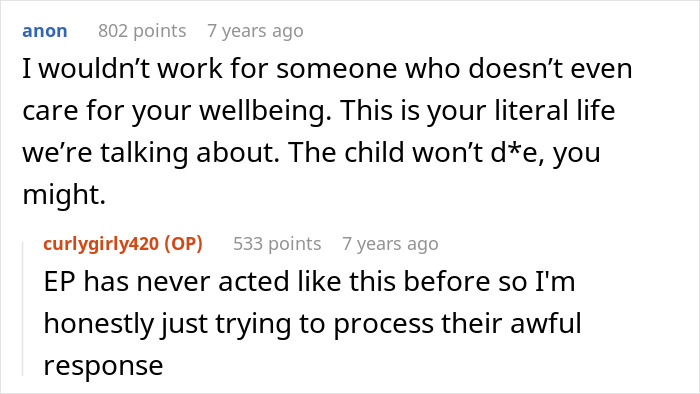
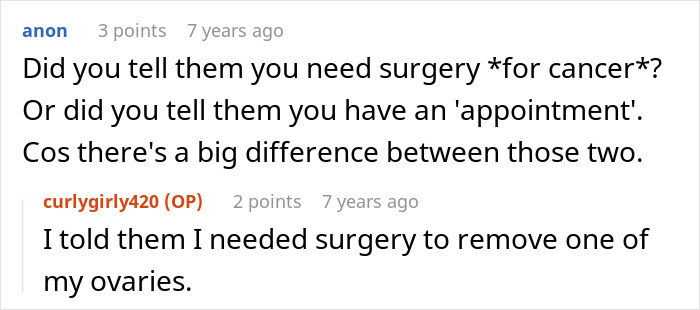
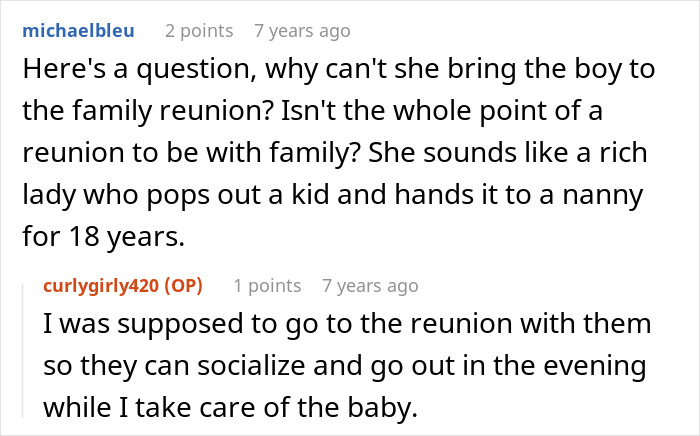


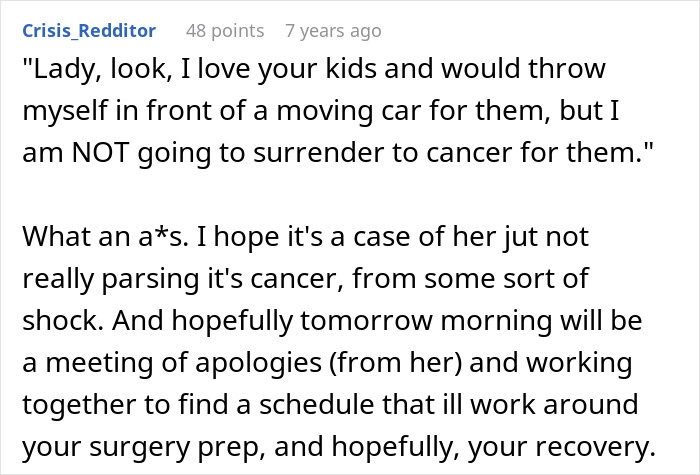

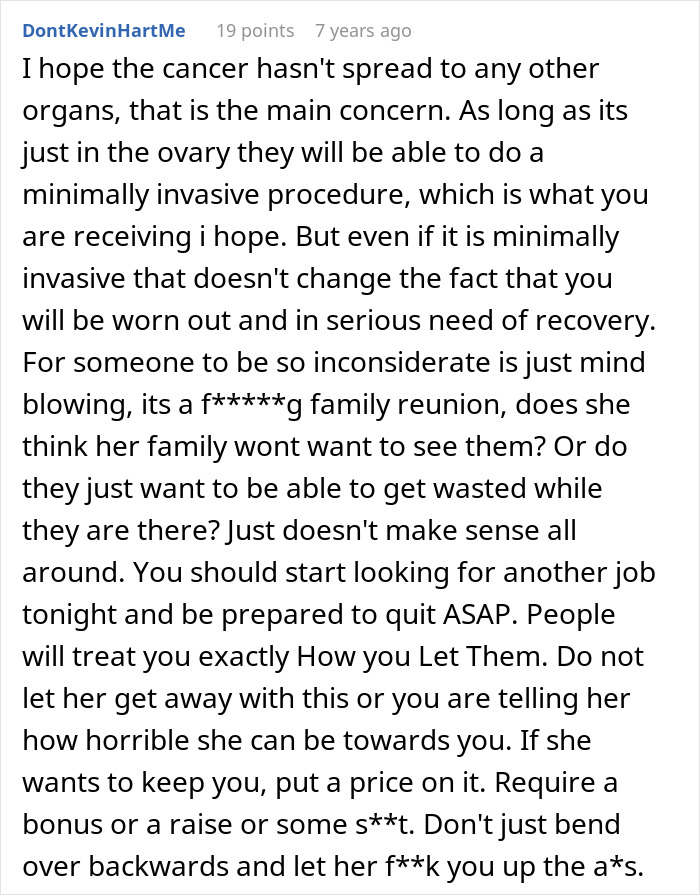
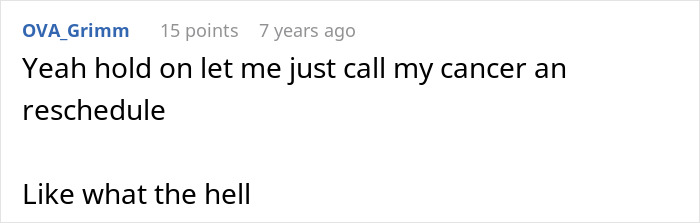
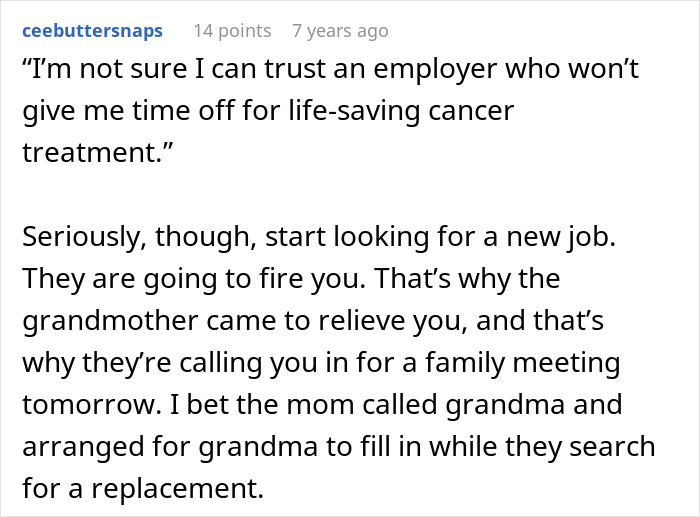




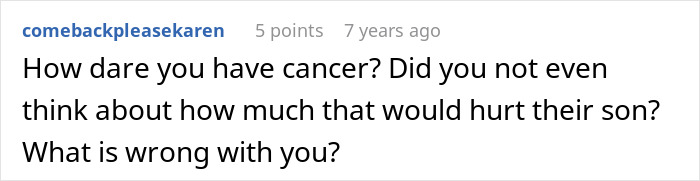
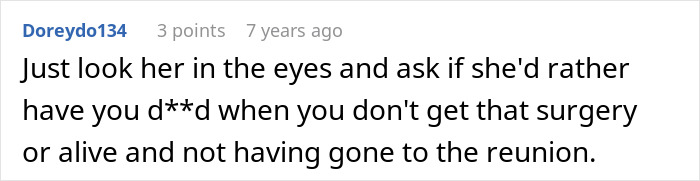
There will be moments in everyone’s lives when we are unkind or lack empathy. We might be stressed, anxious, struggle with physical or mental health issues, or there’s something else going on. In some cases, a lack of empathy can result from things like depression and unhealthy family dynamics, PsychCentral points out.
Other times, low empathy is linked to factors such as narcissistic personality disorder, psychopathy, antisocial personality disorder, autism, borderline personality disorder, Machiavellianism, etc.
Typically, individuals who lack empathy are incredibly critical and judgmental, call other people too sensitive, behave inappropriately in social situations, struggle to understand how their behavior affects others, and have issues maintaining relationships.
For example, a person who has a lower baseline for empathy might criticize others for experiencing or expressing emotions. Or they might blame the person for what they’re experiencing.
Furthermore, they might boast about how they’d handle similar situations far better, and how they’d never make ‘mistakes’ that land them in distressful situations. In short, there’s an underlying tone of smugness, arrogance, and superiority. Low-empathy individuals also struggle to actively listen to you and might be indifferent when you’re super stressed or sad.
Long story short, a lack of empathy is disturbing because it undermines relationships, cooperation, and social interactions.
“In general, empathy is a powerful predictor of things we consider to be positive behaviors that benefit society, individuals, and relationships. Scholars have shown across domains that empathy motivates many types of prosocial behaviors, such as forgiveness, volunteering, and helping, and that it’s negatively associated with things like aggression and bullying,” social psychology professor Karina Schumannopens, at the University of Pittsburgh, told the American Psychological Association.
The good news is that empathy can be cultivated with enough practice and patience, even if you’re not naturally gifted in social situations. According to Sara Konrath, PhD, an associate professor of social psychology at Indiana University, it is best to focus on an other-oriented perspective, more commonly known as compassion. “It’s a cognitive style of perspective taking where someone imagines another person’s perspective, reads their emotions, and can understand them in general.”
John Dovidio, PhD, the Carl I. Hovland Professor Emeritus of Psychology and a professor emeritus in the Institute for Social and Policy Studies and of Epidemiology at Yale University, adds that simply understanding that someone is in trouble might not spur you to act. However, “emotion energizes me.”
One of the main ways to grow your capacity for empathy is to actively try to be open-minded. Expose yourself to differences between people, consume diverse media, and pay attention to different experiences and perspectives. The goal is to connect with others and listen to them, even if you don’t (initially) agree with their views.
Meanwhile, try to look for common ground, similarities, and identity overlaps to foster those social connections with others. “You perceive the person as a member of your own group, or because the situation is so compelling that your common humanity is aroused. When you experience this empathy, it motivates you to help the other person, even at a personal cost to you,” Dovidio told the APA.
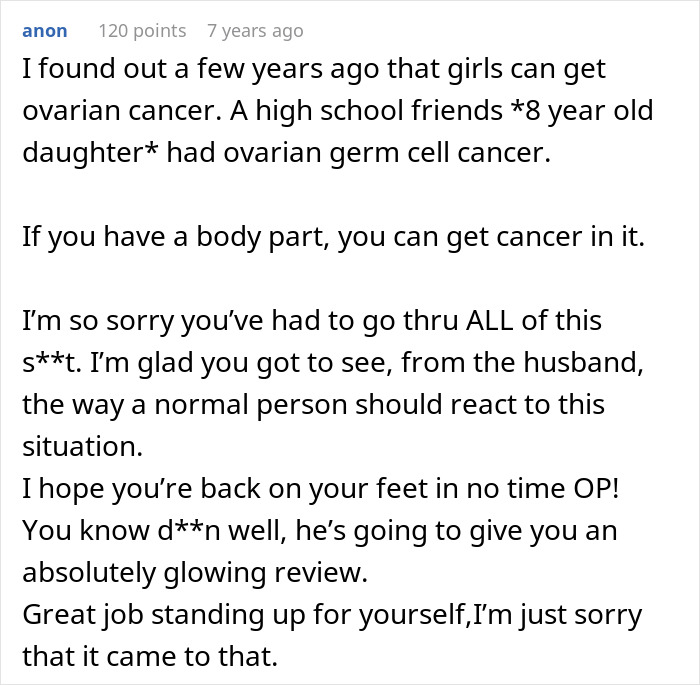
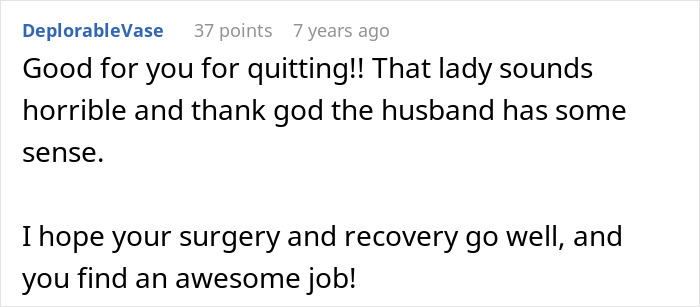
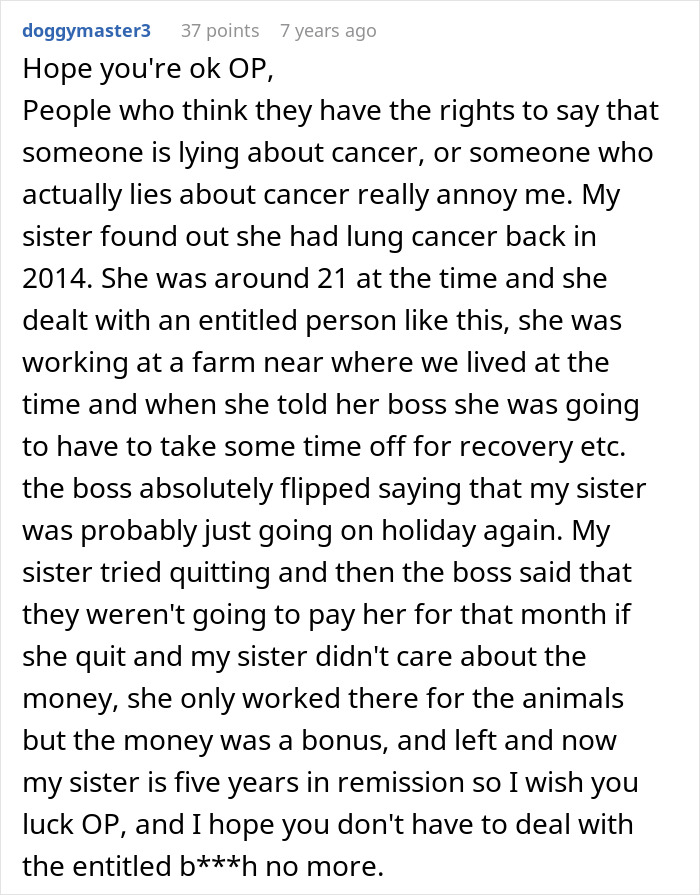
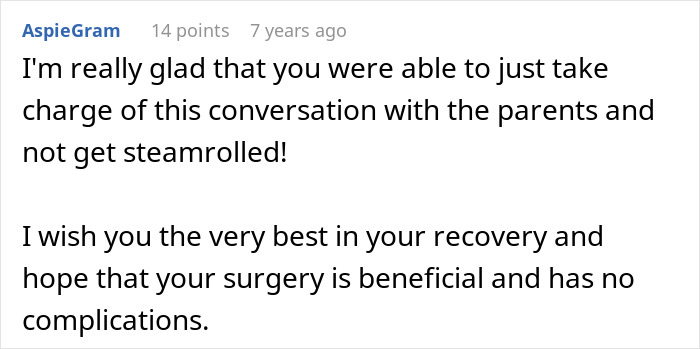
We know this is a sensitive topic, but if you feel like sharing your insights and experiences, we want to hear from you in the comments. If you’ve ever been diagnosed with a serious illness, how have the people around you reacted? Did you ever encounter a disturbing lack of empathy or bizarre comments?
If you’ve ever worked as a babysitter before, what are your biggest client red flags? Have you ever struggled with low empathy before, and if so, how did you manage to improve for the better? Join the conversation below.
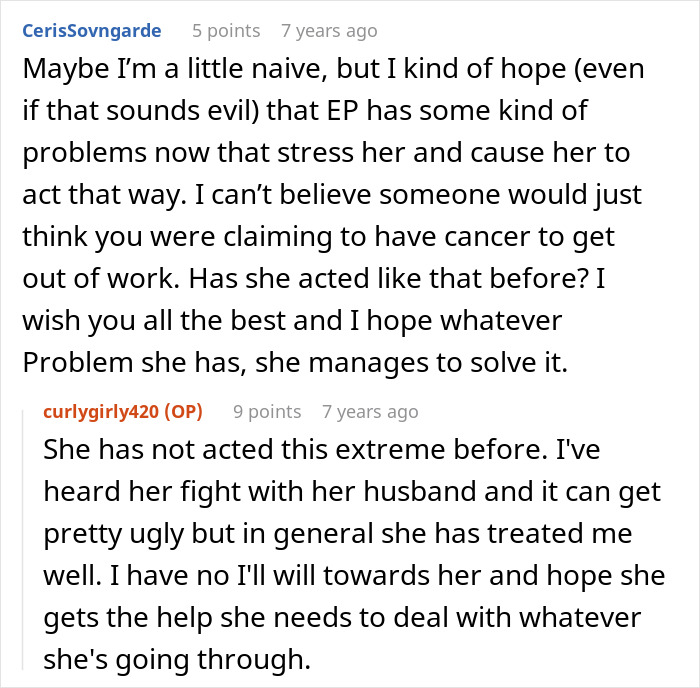
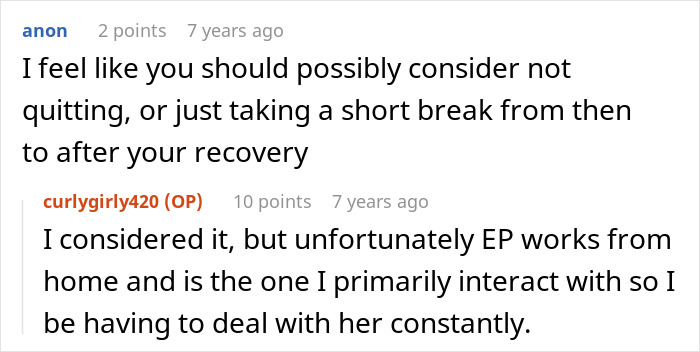





















 No fees, cancel anytime












32
0