Get Premium
Dark mode theme is available exclusively for premium users. Learn more about the benefits of subscribing.
No fees, cancel anytime.

 Dark Mode Ad-Free Browsing Unlimited Content
 Ad-Free Browsing Unlimited Content Dark Mode
Join 1.2 million Panda readers who get the best art, memes, and fun stories every week!
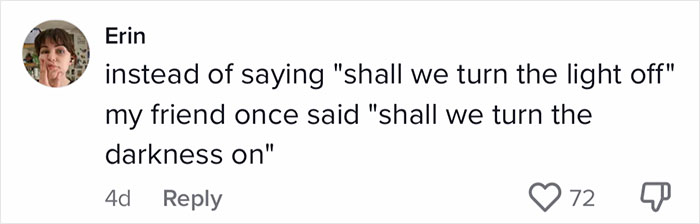
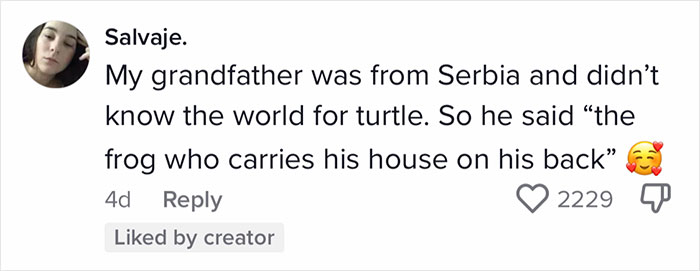
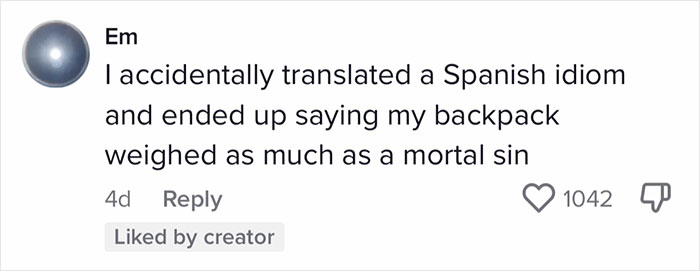
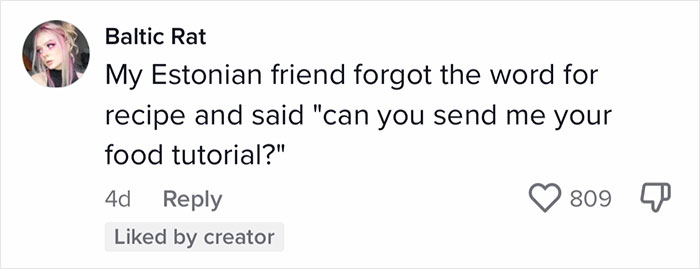
A TikToker shared a funny story of a non-native English speaker creating some beautiful, unintentional poetry when trying to discuss moths and it spawned a frenzy of similar stories, phrases, and wonderful expressions. We reached out to Chris Rory, who created the original TikTok, to hear more about his experience and see some other examples. So get comfortable, pick up a notebook, and get ready to write down some excellent expressions that you should include in your everyday vocabulary. Be sure to upvote your favorites and check out Chris’ TikTok account here.
More info: TikTok
Image credits: chris.rory
This post may include affiliate links.

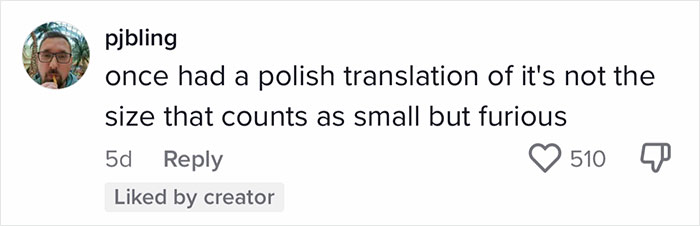
My Italian friend always says, “the pieces are eating each other!” Whenever we play chess. It’s hilarious and adorable.




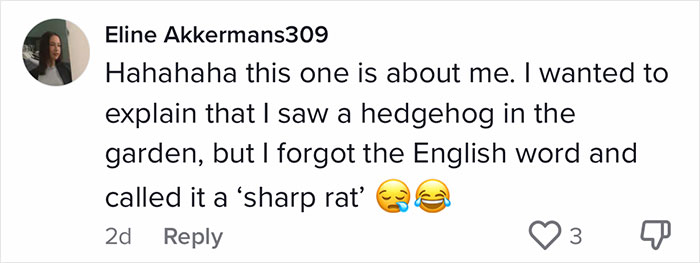
The Japanese direct translation of hedgehog is "needle mouse". I don't remember the actual word though.

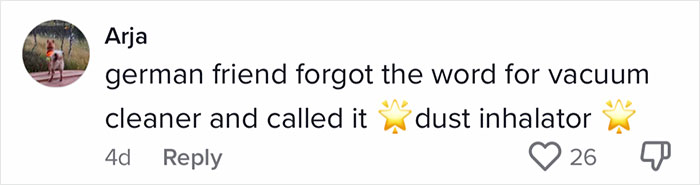
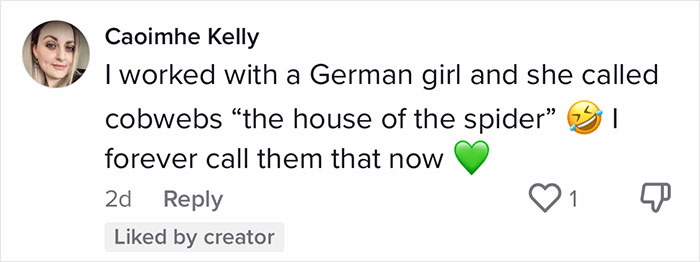
It is a word to word translation of the german Word „Staubsauger“
Okay but that phrase is so raw that I had to pause and ponder it for a moment
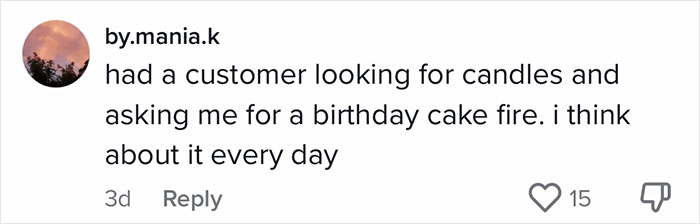
One of my Grandmas had a birthday cake fire when she turned 90.... it was awesome

Reminds me of my brother at an American wedding. He forgot the name for "best man" and called him "spare groom".

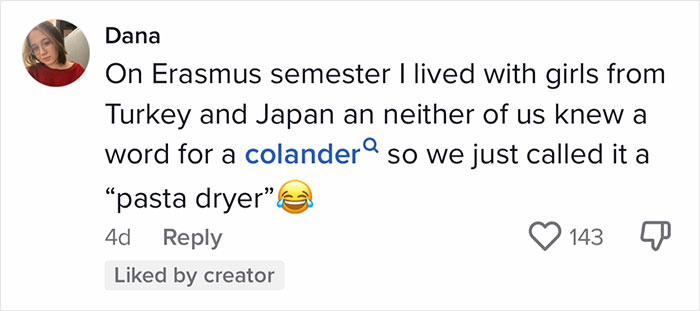
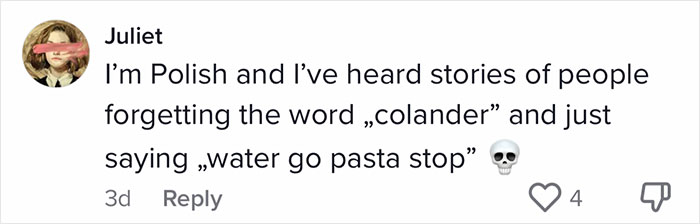
I've had trouble remembering the word colander, so I called it the 'hole bowl'. 🕳 🥣 ☺️
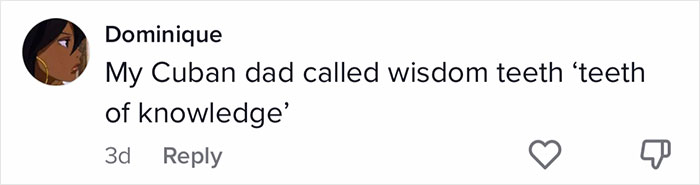
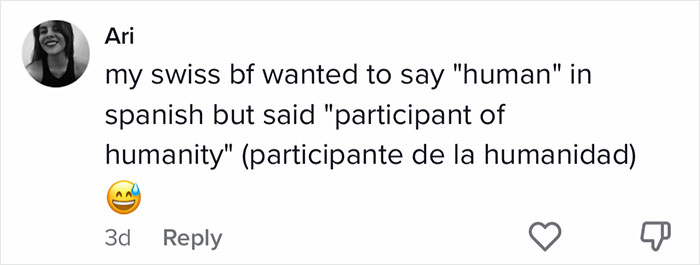
Literally, they translate in Spanish as "Molars of Judgment" (Muelas del Juicio)

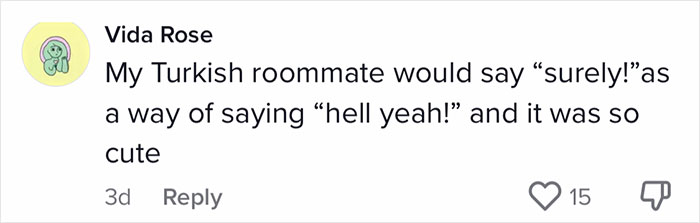
When my Pakistani friend was first learning English he would say "I have believe in you!" in place of *I believe in you*. I have never used the latter again. 😂 ❤️

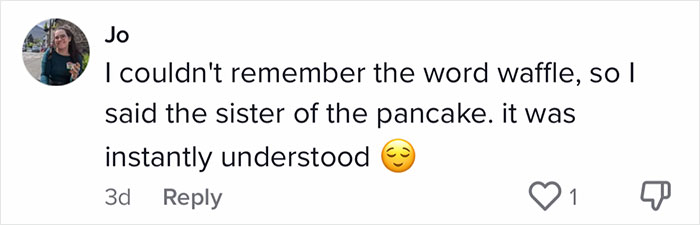
I've heard both "manhole pancake" and "bumpy pancake" for waffle

Long ago my wife had a Japanese room mate in college, who called the shower "the little rain room." The term still gets used occasionally.
Have you ever been to a classical music concert and seen the kettle drum?!


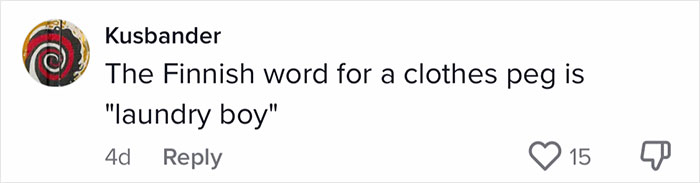
As a Finn, I didn't know the correct English word, so I said a claw that prevents laundry from flying away.

The first thing everyone should know about learning foreign languages is that no matter how good you know a language, if you don't speak it a lot, you won't remember words. So creatively describing stuff in your own words is a very usefull skill to keep the conversation going. These stories here aren't just funny anecdotes, but are testaments to human creativity and our unbreakable will to successfully communicate with each other.

One of the ways people are officially tested for different levels of language proficiency (European Board of language proficiency which starts from level A1- complete beginner to C2 (complete native speaker fluency) is just how creatively non-native speakers can use clever anecdotes or descriptions if they don’t know a specific term. One of the questions you are sometimes asked for c1 or c2 fluency is to teach someone how to tie teach a child how to tie their shoes which is actually a lot harder than you think.
Load More Replies...
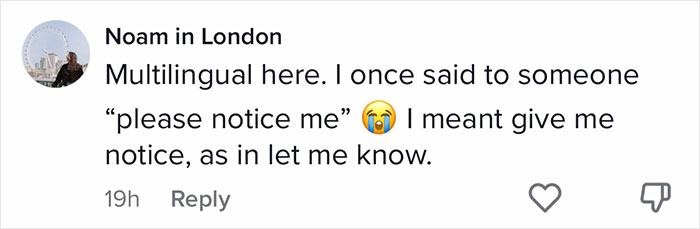
Because we Brits are so good at foreign words...I once tried to ask my French teaching assistant if I could call her "tu" by saying "puis-je tu toyer", but it came out as "tu tuer", which meant "can I kill you"?


when i was still learning english i once said “i want to utilize your toilet” and have never lived it down amongst my friends

Take some comfort in knowing that a friend of mine once described red, horn-shaped peppers as "horny peppers"😁🌶🌶🌶
Load More Replies... The first thing everyone should know about learning foreign languages is that no matter how good you know a language, if you don't speak it a lot, you won't remember words. So creatively describing stuff in your own words is a very usefull skill to keep the conversation going. These stories here aren't just funny anecdotes, but are testaments to human creativity and our unbreakable will to successfully communicate with each other.
One of the ways people are officially tested for different levels of language proficiency (European Board of language proficiency which starts from level A1- complete beginner to C2 (complete native speaker fluency) is just how creatively non-native speakers can use clever anecdotes or descriptions if they don’t know a specific term. One of the questions you are sometimes asked for c1 or c2 fluency is to teach someone how to tie teach a child how to tie their shoes which is actually a lot harder than you think.
Load More Replies... Because we Brits are so good at foreign words...I once tried to ask my French teaching assistant if I could call her "tu" by saying "puis-je tu toyer", but it came out as "tu tuer", which meant "can I kill you"?
when i was still learning english i once said “i want to utilize your toilet” and have never lived it down amongst my friends
Take some comfort in knowing that a friend of mine once described red, horn-shaped peppers as "horny peppers"😁🌶🌶🌶
Load More Replies...




























 No fees, cancel anytime