Get Premium
Dark mode theme is available exclusively for premium users. Learn more about the benefits of subscribing.
No fees, cancel anytime.

 Dark Mode Ad-Free Browsing Unlimited Content
 Ad-Free Browsing Unlimited Content Dark Mode
Join 1.2 million Panda readers who get the best art, memes, and fun stories every week!
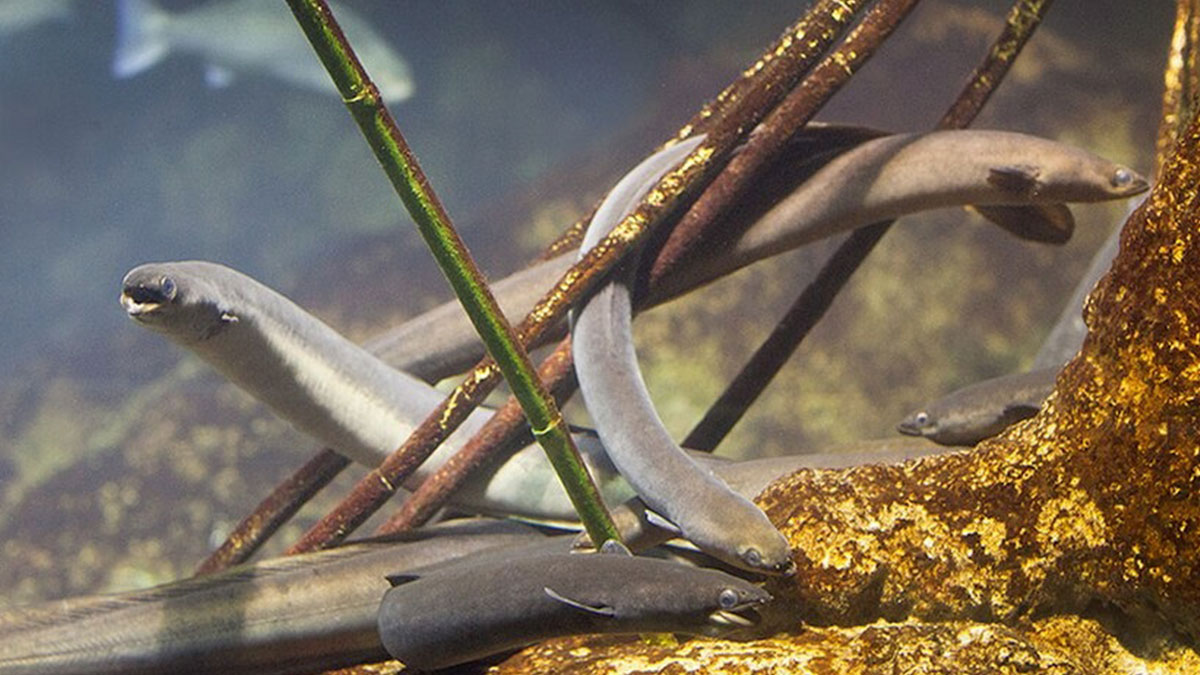
Somewhere in the rivers and lakes of Europe right now, there is an eel that has been sitting in the mud for twenty years, growing slowly, eating whatever comes close enough, and waiting for something. We do not know what eels think about, or even if they think, or really much about them at all beyond the basic biographical facts, which are already so strange that the thinking part barely matters.
What we do know is that at some point, this particular eel will stop eating, its eyes will double in size, its belly will turn silver, and it will begin a four thousand mile journey to a specific patch of ocean in the middle of the Atlantic that it has never visited, to do something it has never done, after which it will expire.
No scientist has ever followed one all the way there. No one has ever witnessed what happens when it arrives. The European eel, Anguilla anguilla, has been confusing people for so long and so comprehensively that it has accumulated a hall of fame of baffled experts. Starting with Aristotle, but by 350 BC, a lot of things were still confusing. Sigmund Freud spent way too much time dissecting eels in search of their testicles. He cut open hundreds of them, only to be outsmarted by an animal that only developed the apparatus on the way to its own funeral. Or so we assume.
The mystery of the eel is not simply that it is unusual. It is that somehow we still cannot answer the most basic questions about an animal that is this abundant. We have never seen them mate. We have never found their eggs in the wild. We cannot breed them in captivity. And every single one of them, from every river and lake across Europe and North America, makes the same impossible journey to the same patch of warm Atlantic water, navigating thousands of open ocean miles without a map, without prior experience, and without anyone having the faintest idea how.
Exclusive Content Ad-Free Browsing Dark Mode Exclusive Content Ad-Free Browsing Dark Mode 
































 No fees, cancel anytime