Get Premium
Dark mode theme is available exclusively for premium users. Learn more about the benefits of subscribing.
No fees, cancel anytime.

 Dark Mode Ad-Free Browsing Unlimited Content
 Ad-Free Browsing Unlimited Content Dark Mode
Join 1.2 million Panda readers who get the best art, memes, and fun stories every week!
A woman in 1840s Vienna was sometimes safer giving birth with an untrained midwife than at the city’s most respectable teaching hospitals. If a pregnant woman chose the latter, the day of her childbirth would determine if she was treated by the Vienna General Hospital’s physicians and their students, or by resident midwives, who would alternate when they worked. In the doctor-run First Division, maternal mortality rates from childbed fever were as high as 18%, roughly three times the rate of the midwives’ ward.
The First Division’s reputation got so bad that pregnant women reportedly begged to be admitted on “safe” days, or sometimes preferred to avoid the hospital in general. The leading cause, not just in the Vienna General Hospital, but across Europe, was Childbed fever. This deadly infection of the reproductive tract typically followed delivery and has been recognized since antiquity, even if physicians remained ignorant to its cause. Despite the measurable disparity in mortality rates, no one could explain why one ward was more dangerous than the other next door.
The 1840s was still the era of miasma theory, imbalance bodily humors and poorly explained “epidemic influences.” Germs, as a medical concept, were still unknown. Physicians of the period regarded themselves as highly educated gentleman-scientists. The idea that perhaps the doctor’s actual hands might be to blame was seen as scientifically unfounded and even insulting.
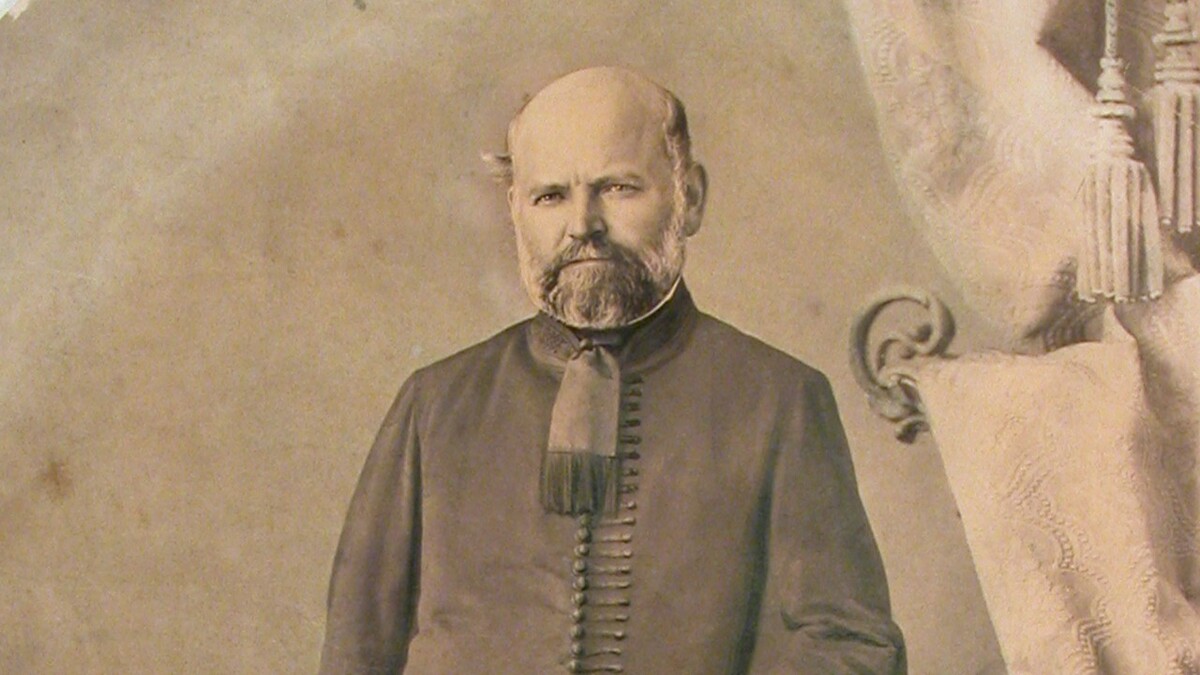
But there was no denying that something in the First Division was causing more women to die. In 1846, a young Hungarian obstetrician named Ignaz Semmelweist began working at the Vienna General Hospital and turned his attention to solving this conundrum. He would go on to suffer the fate of many medical minds who were ahead of their time, discovering something new and then seeing his ideas repeatedly rejected.
Exclusive Content Ad-Free Browsing Dark Mode Exclusive Content Ad-Free Browsing Dark Mode 










































 No fees, cancel anytime