Get Premium
Dark mode theme is available exclusively for premium users. Learn more about the benefits of subscribing.
No fees, cancel anytime.

 Dark Mode Ad-Free Browsing Unlimited Content
 Ad-Free Browsing Unlimited Content Dark Mode
Join 1.2 million Panda readers who get the best art, memes, and fun stories every week!
While many articles reference common experiences like exhaustion, work-life balance, and health challenges when addressing sleep disorders, they rarely tackle the myth of gender-based sleep needs head-on.
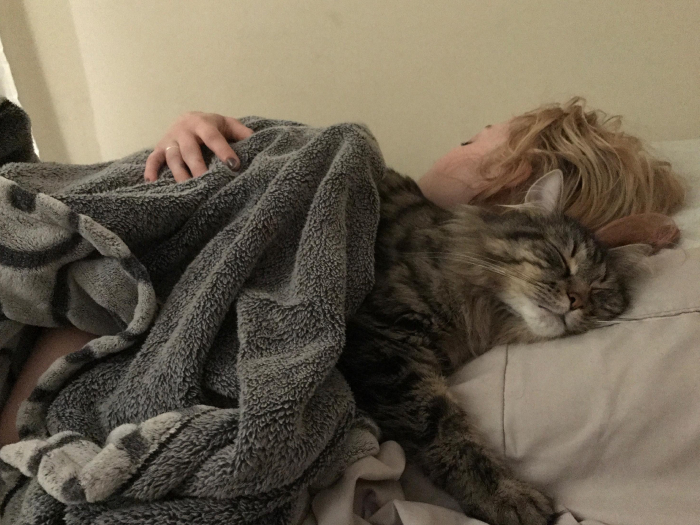
Image credits: Relationship Goals / Facebook
In this piece, we examine the roots of that myth, tracing its origins, unpacking what sleep science shows, and separating fact from fiction in the gender sleep debate.
An analysis of studies on biology, hormones, mental workload, and lifestyle differences makes it clear that the question of whether women need more sleep is far more nuanced than it seems.
The question “Do women need more sleep than men?” didn’t come from a single major breakthrough. Instead, it evolved gradually from layers of scientific findings, internet buzz, and long-held cultural beliefs.
Early research on sleep patterns found differences between men and women in brain activity and risk of certain sleep disorders.
A 2004 study in the Journal of Psychosomatic Research reported that women experienced more sleep disturbances than men. It also suggested that standard criteria for measuring sleep quality were more aligned with male patterns, which may have contributed to skewed conclusions.
Many studies were male-focused, leaving gaps in how women’s sleep problems were measured and understood. Although these findings primarily addressed sleep quality rather than duration, they’ve often been cited as evidence that women require more sleep.
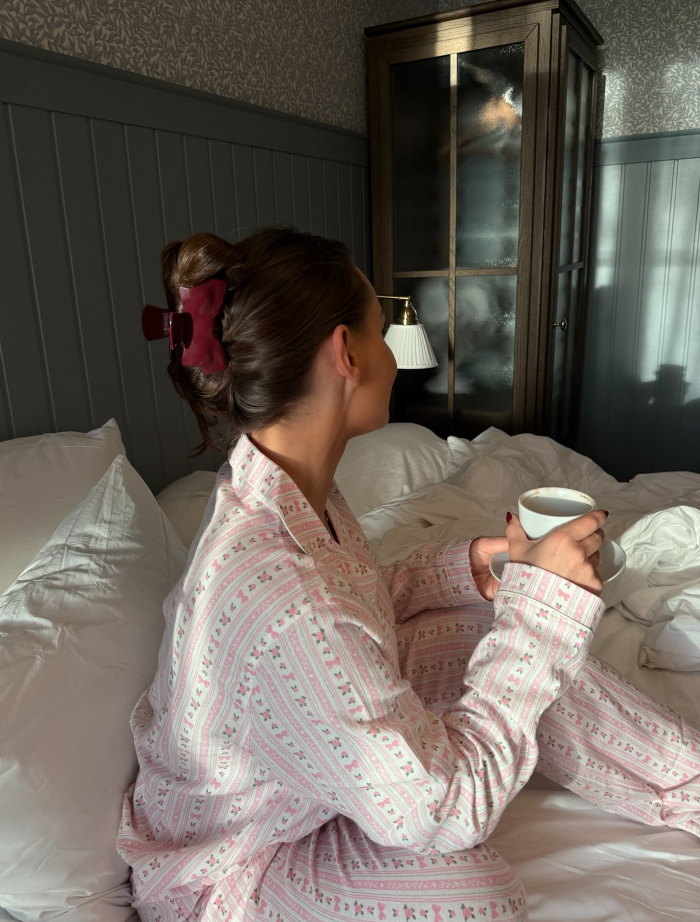
Image credits: letthelordbewithyou / Instagram
Outside of clinical research, these nuances were stripped away. The core idea has spread widely across news media, wellness blogs, and social platforms, with headlines declaring that women definitely need more sleep, often without providing appropriate context.
Sleep medicine and neuroscience don’t provide a clear yes-or-no answer to whether women need more sleep than men. Most large-scale studies agree that adults, regardless of gender, should aim for seven to nine hours of quality sleep per night.
The National Sleep Foundation recommends a minimum of 7 hours and a maximum of 9 hours for individuals aged 18 and older. The American Academy of Sleep Medicine also warns that consistently getting six hours or less is inadequate to maintain good health and safety.
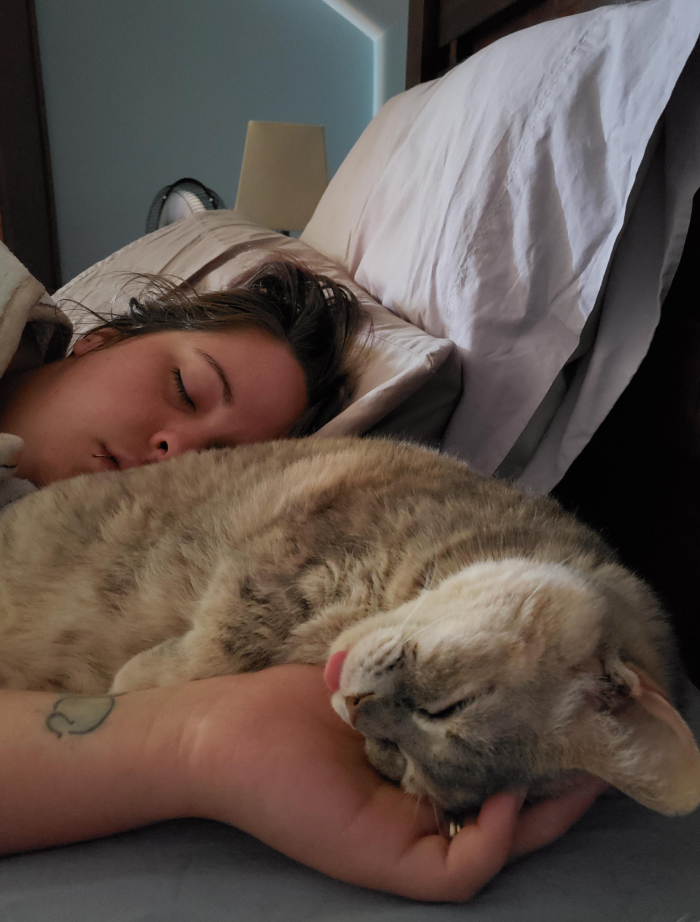
Image credits: medron / Reddit
Some studies have found that women sleep slightly longer than men, but this usually reflects behavioral patterns, not biological necessity. Research published in the American Sociological Review showed that factors such as marital status, caregiving duties, and leisure time influence the amount of uninterrupted sleep a person receives.
Married women often have less time to rest and feel more drained, which may explain the perceived need for more sleep.
Biologically, there are differences in how women sleep. Hormonal shifts across the menstrual cycle can impact REM cycles, sleep onset, and the frequency of nighttime awakenings.
Pregnancy disrupts sleep due to discomfort and hormonal changes, while menopause is often linked to insomnia and night sweats. The environment also plays a role in whether women get quality sleep.
Men have a higher risk of developing obstructive sleep apnea, but women are underdiagnosed. For menopausal women, a drop in estrogen can increase sleep apnea risk and lead to exhaustion even after a full night’s rest. In many cases, women may believe they need more sleep when what they actually need is more effective, restorative sleep.
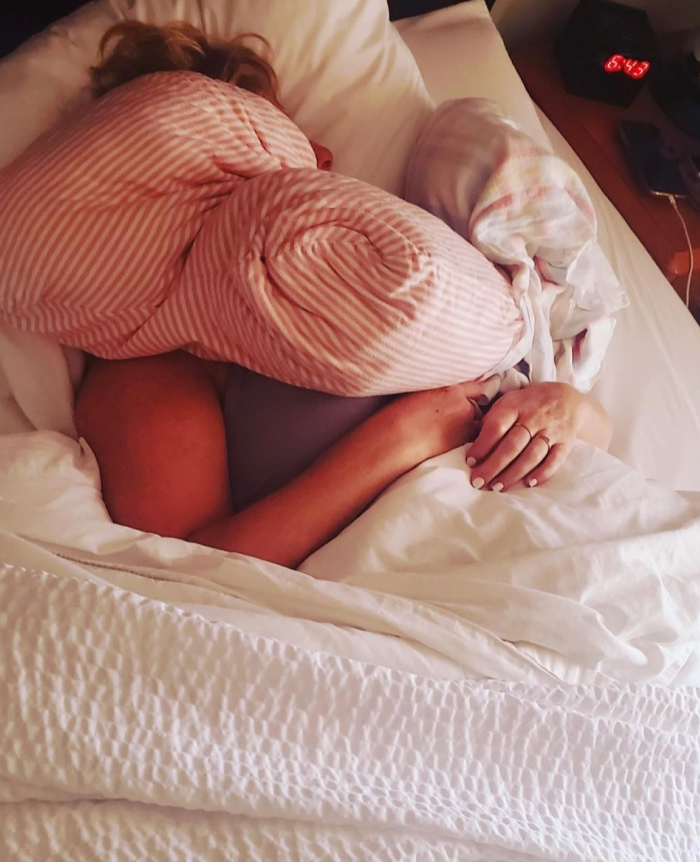
Image credits: r/ForeverAlone
Circadian rhythm research adds further context. A study in Sleep Medicine Reviews found that women tend to enter REM sleep earlier and experience slightly higher sleep efficiency than men. While this might suggest women sleep more deeply, it doesn’t indicate a universally greater sleep requirement.
At most, some women may benefit from an additional 20-30 minutes of rest, depending on life stage.
A widespread myth online claims that women need more hours of sleep than men, despite scientific evidence suggesting a modest difference at most.
This idea often shows up in viral TikToks, wellness blogs, and lifestyle sites, but peer-reviewed studies don’t support such a dramatic gap. Most references to women’s sleep needs pertain to sleep quality rather than quantity.
Another false assumption is that women’s greater fatigue automatically implies a higher biological sleep requirement. In truth, tiredness alone isn’t proof of needing more sleep.
Studies have shown that women often report worse sleep quality and more interruptions, even if they log the same total hours as men. These findings point to disrupted sleep rather than an increased sleep need.
Image credits: gertrudetornvall / Instagram
Social stressors are often ignored in oversimplified explanations. Factors like caregiving demands, mental load, and chronic stress are frequently replaced by vague biological reasoning that fails to tell the whole story.
These simplified claims can contradict one another, further complicating the topic. Online content often reduces complex research to brief headlines, thereby removing essential context.
This results in a distorted picture. Nuanced findings about hormones, sleep cycles, and circadian differences are reduced to blanket statements that reinforce the “women need more sleep” myth.
While the debate may sound scientific, it often departs substantially from what the evidence supports regarding gender and sleep.
Even if men and women have similar biological sleep needs, daily life rarely provides the ideal conditions for getting enough rest. Real-world demands often interfere, and women tend to be hit harder by both poor sleep quality and chronic sleep loss.
A 2024 analysis in the Archives of Women’s Mental Health found that women take on more unpaid labor than men, including childcare, elder care, and household duties.
Nighttime caregiving, morning routines, and mental load all chip away at sleep time and disrupt its quality. As a result, women often get less and lower-quality sleep than men.
Image credits: Lieutelant / Reddit
Career stress only deepens the divide. Many women juggle both paid jobs and domestic responsibilities, which makes them more vulnerable to sleep-disrupting stress. Sleep experts point out an important distinction here: the difference between how much sleep your body needs and how much sleep your life allows.
A woman may not require more biological rest, yet still become more exhausted and more prone to sleep problems.
Other real-life variables matter, too. Regularly interrupted nights, poor alignment with circadian rhythms, or sacrificing sleep to meet demands all affect the amount of restorative sleep a person actually gets.
So the debate isn’t just about whether women need more sleep, it is about why they often don’t get the sleep they already need.
When women consistently lack sleep, the consequences reach far beyond just feeling tired. Physically, chronic sleep deprivation raises the risk of heart disease, weakened immunity, weight gain, and metabolic problems.
Hormonal systems are especially sensitive to sleep loss, which can worsen menstrual irregularities, intensify menopause symptoms, and increase pregnancy-related risks.
Image credits: lexielimitless / Instagram
Ongoing lack of sleep also contributes to inflammation, which is linked to many chronic health issues. Disorders like restless legs syndrome and some circadian rhythm conditions are tied to systemic inflammation and affect women more often.
One study in the International Journal of Vascular Medicine found that inflammatory markers, such as C-reactive protein, rise more steeply in women than in men, which may explain their greater susceptibility to sleep-related health conditions.
The emotional toll is just as serious. While both men and women face mood issues from poor sleep, women are more vulnerable due to hormonal fluctuations. Periods, menopause, and pregnancy all affect emotional health, and when paired with inadequate rest, they can lead to insomnia, anxiety, or depression (via Sleep Foundation).
Chronic poor sleep might also raise the risk of neurodegenerative diseases in women later in life. Although these risks are shaped by complex biological and social factors, the short- and long-term cognitive effects, such as poor focus, memory lapses, and emotional instability, are often more severe for women who juggle work, caregiving, and household responsibilities.
Image credits: sleepcrown / Instagram
All of this evidence points to a clear conclusion: it is not that women need more sleep than men, but that they are less likely to obtain the high-quality sleep they require.
Ignoring this distinction and focusing only on duration can do more harm than good. Framing the issue as “women just need more sleep” risks minimizing the deeper causes of sleep deprivation and prevents meaningful solutions that support better rest.

By entering your email and clicking Subscribe, you're agreeing to let us send you customized marketing messages about us and our advertising partners. You are also agreeing to our Privacy Policy.
Thank you! You've successfully subscribed to newsletters!


The person who consistently does more work is likely to need more sleep. I'll let you do the math.

The person who consistently does more work is likely to need more sleep. I'll let you do the math.


































 No fees, cancel anytime









26
3