Get Premium
Dark mode theme is available exclusively for premium users. Learn more about the benefits of subscribing.
No fees, cancel anytime.

 Dark Mode Ad-Free Browsing Unlimited Content

 Ad-Free Browsing Unlimited Content Dark Mode

Join 1.2 million Panda readers who get the best art, memes, and fun stories every week!
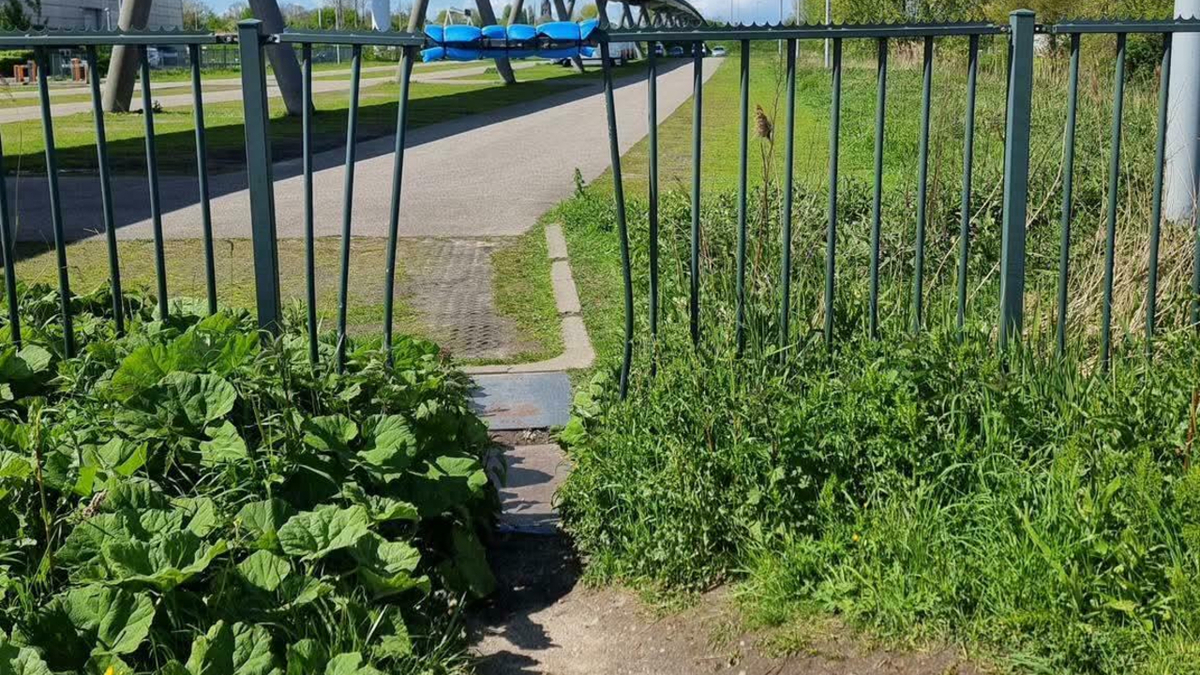
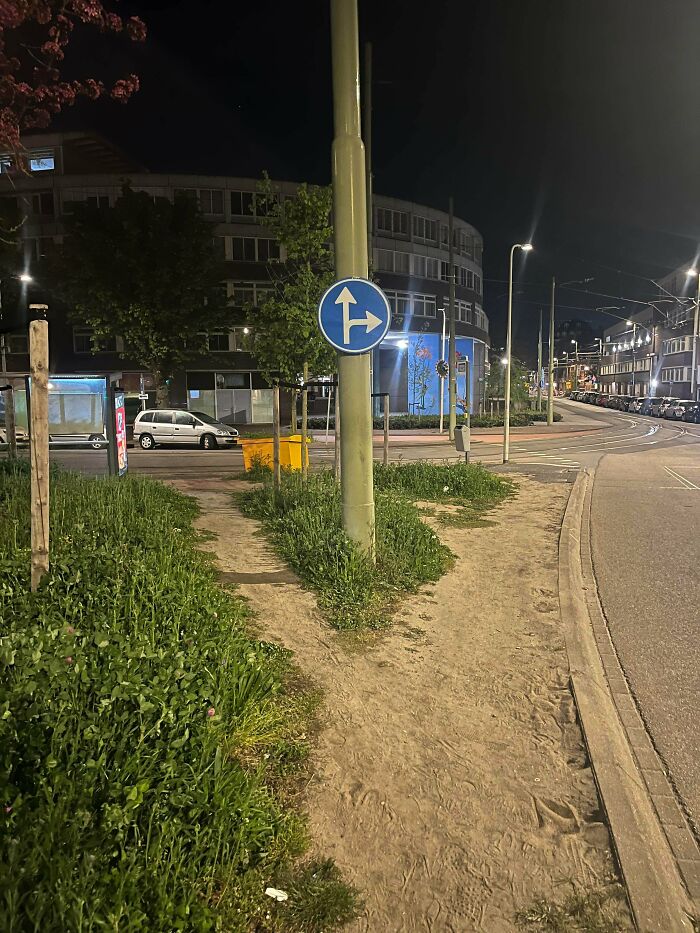
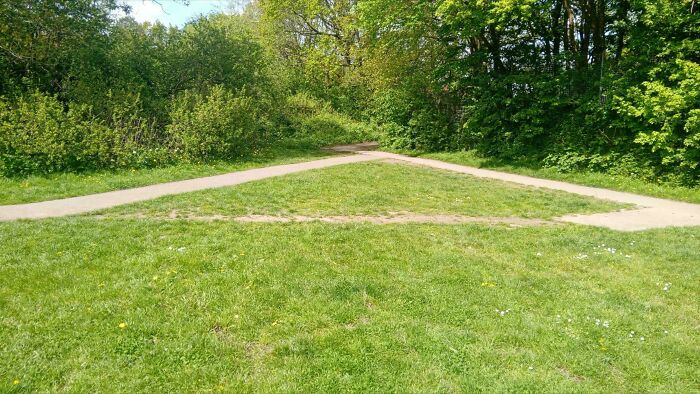
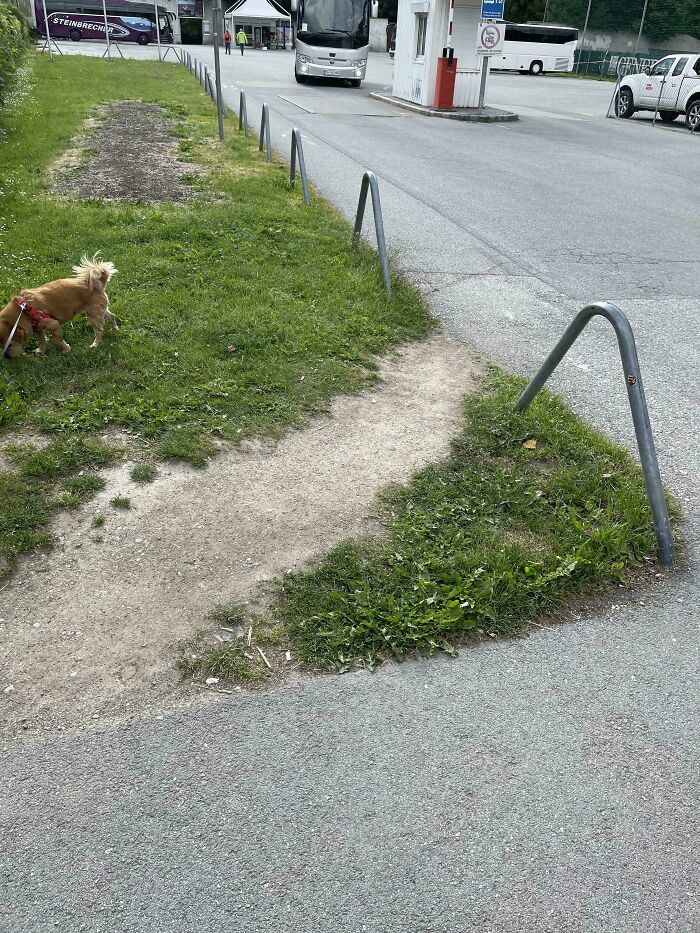
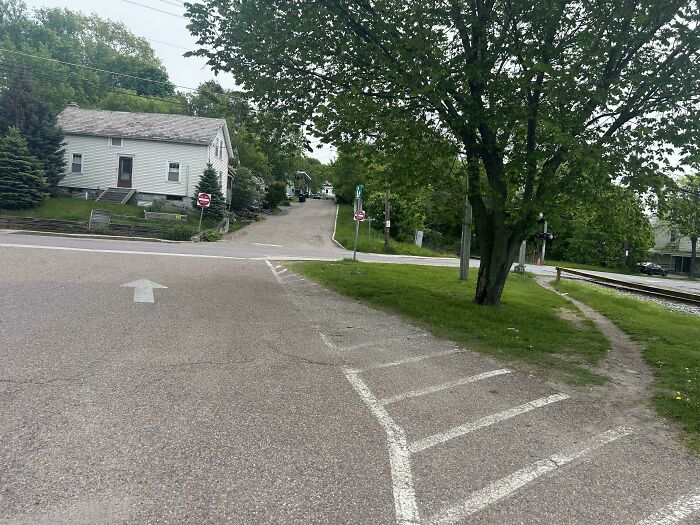
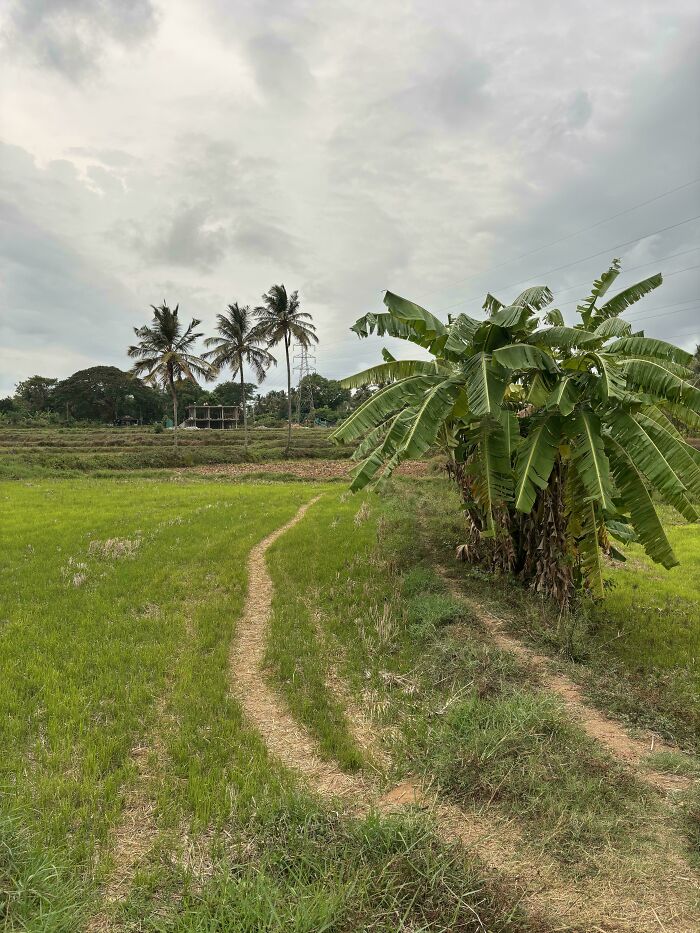
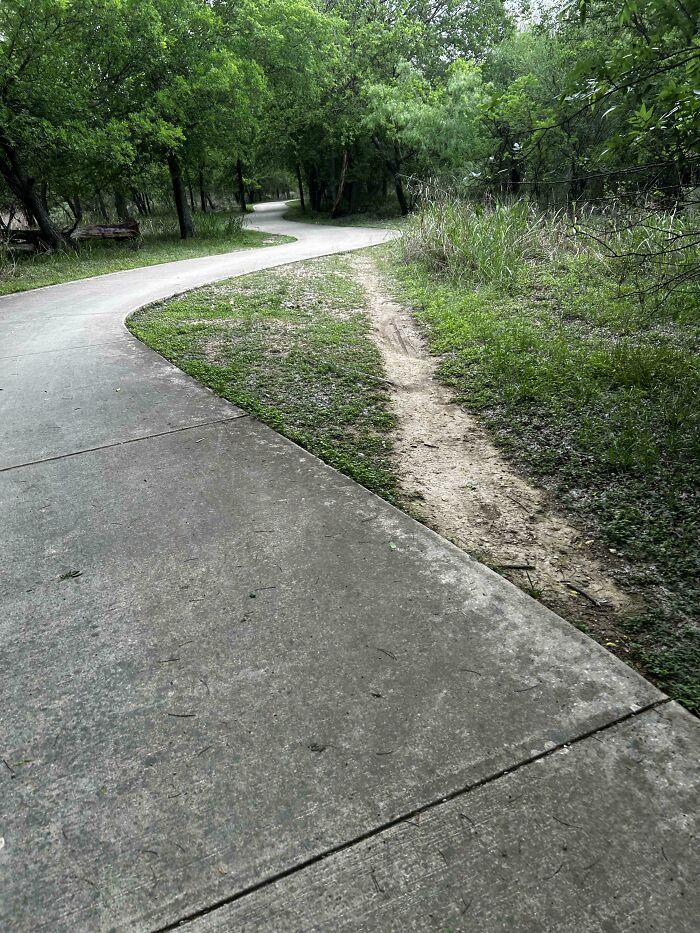
City planners spend years in school learning how to design the perfect pedestrian experience. They study human movement, traffic flow, and spatial logic. They draw blueprints, consult with engineers, and produce beautifully considered layouts for every space you could imaginably use. Then they open the site to the public and watch every single person cut diagonally across the grass to save split seconds.
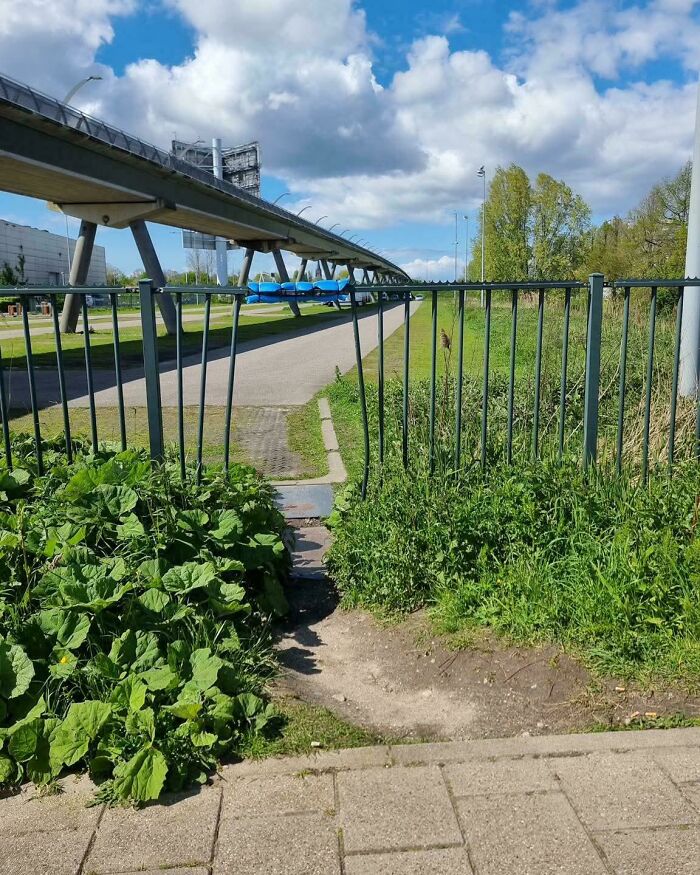
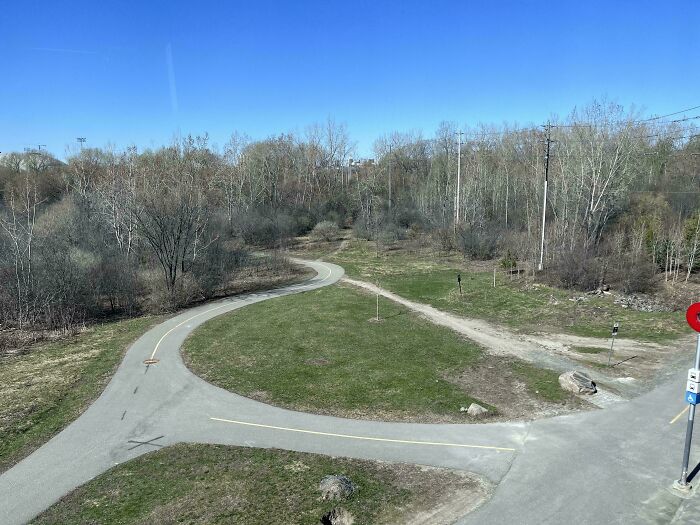
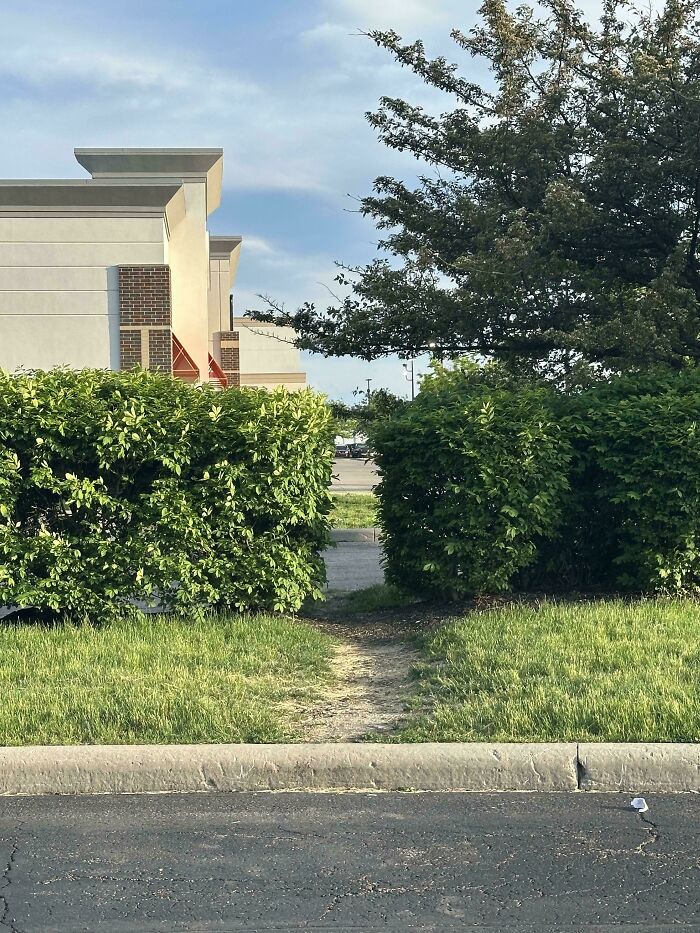
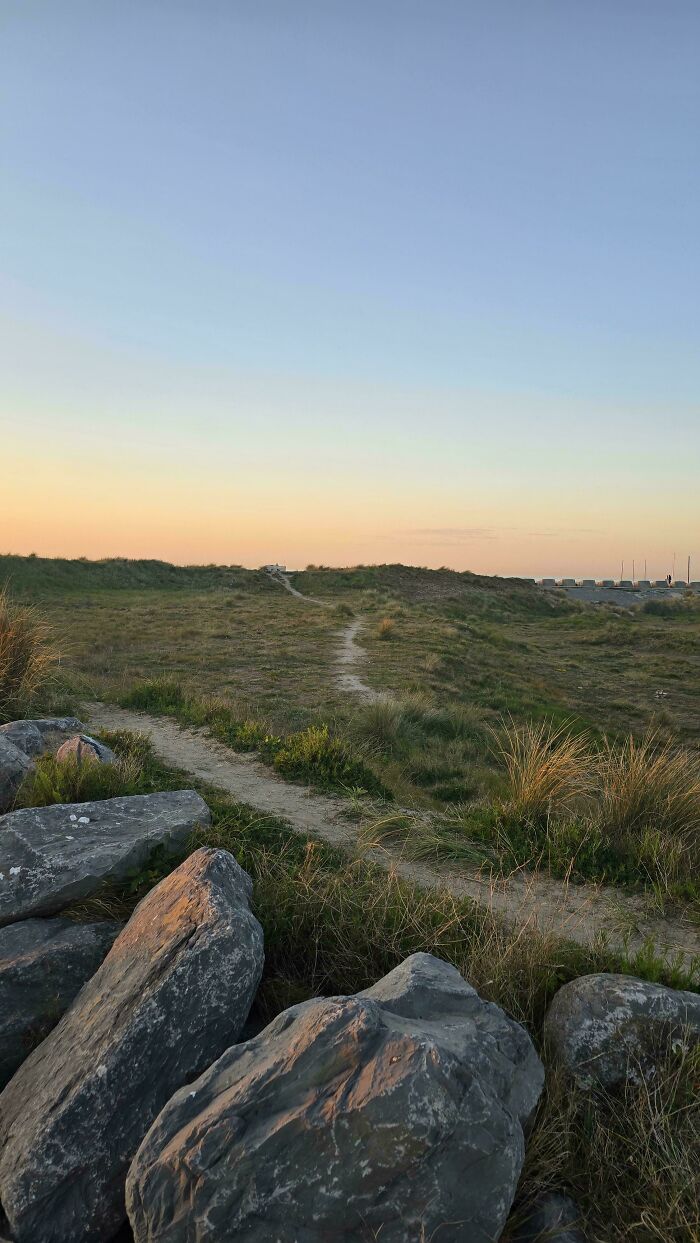
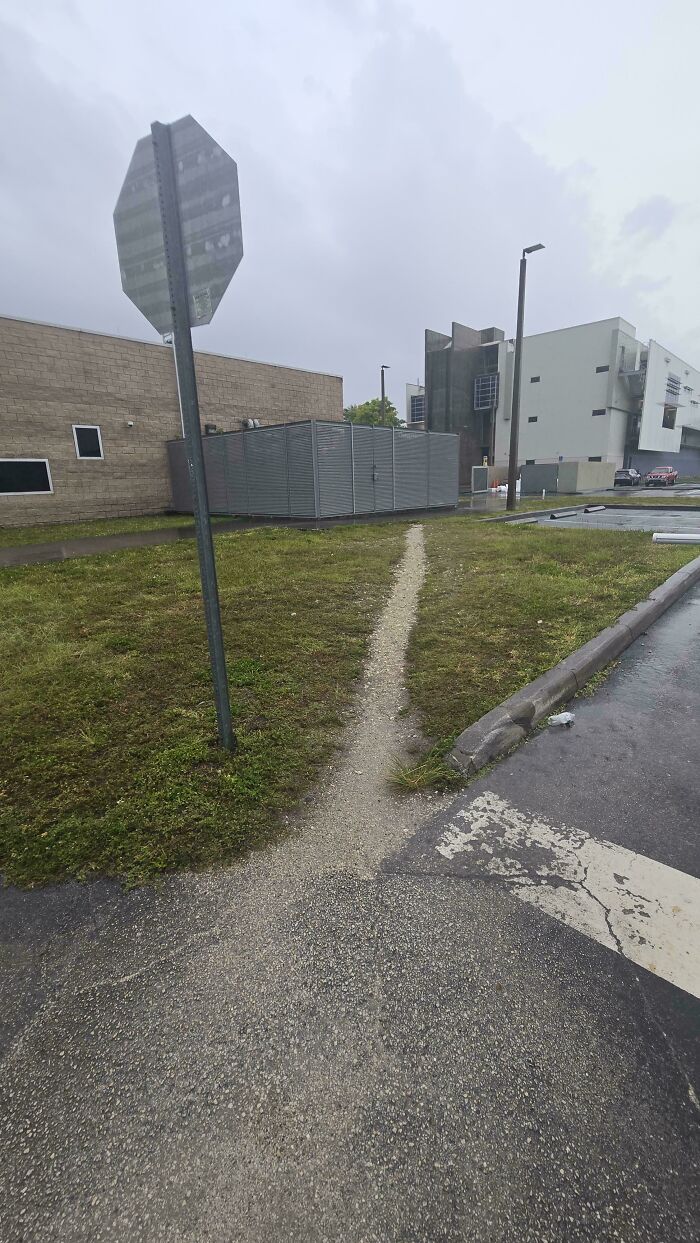
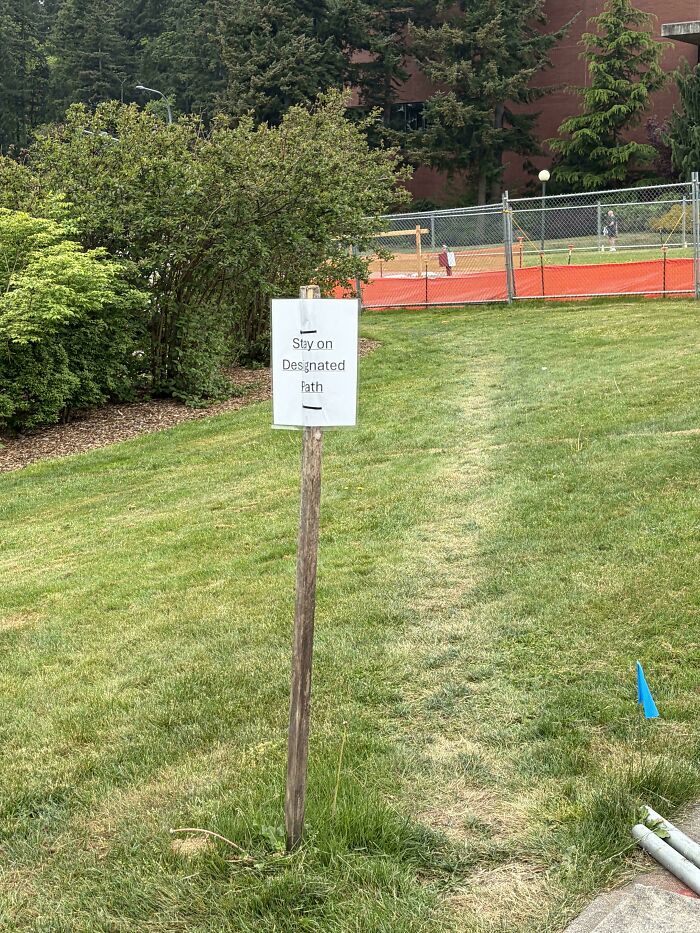
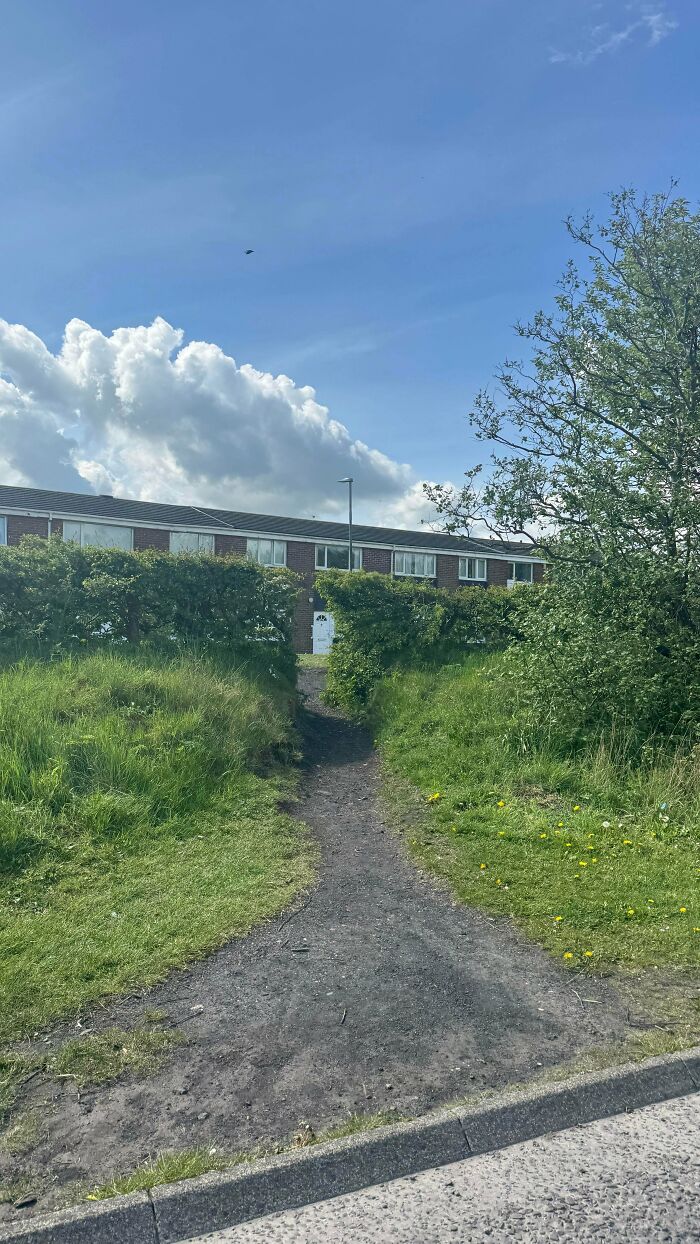
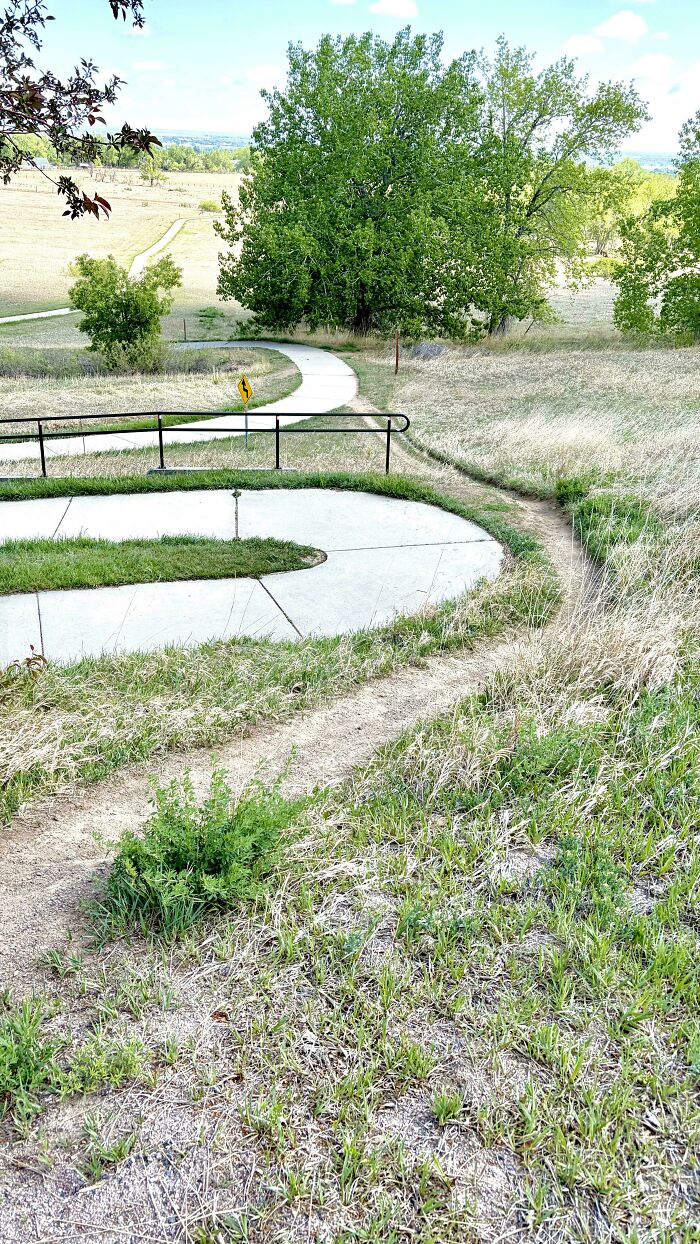
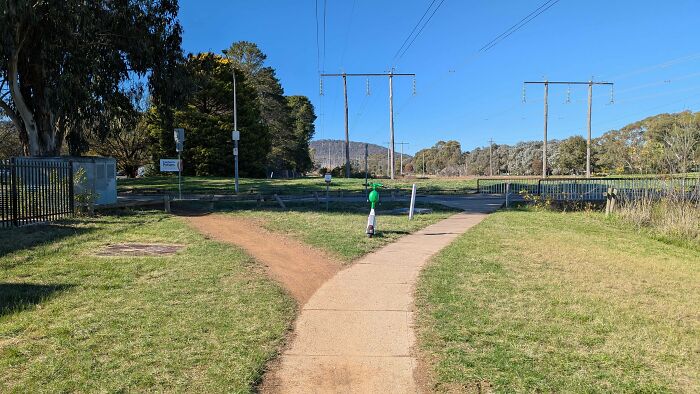
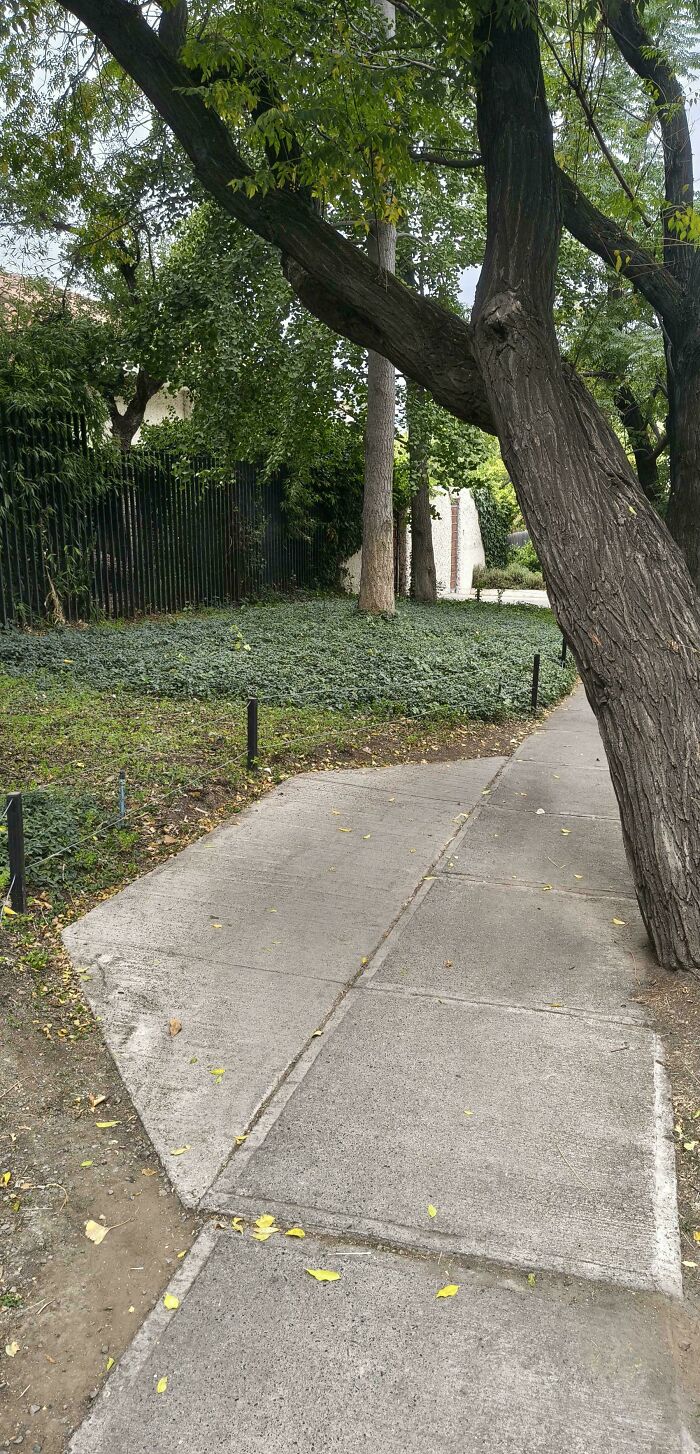
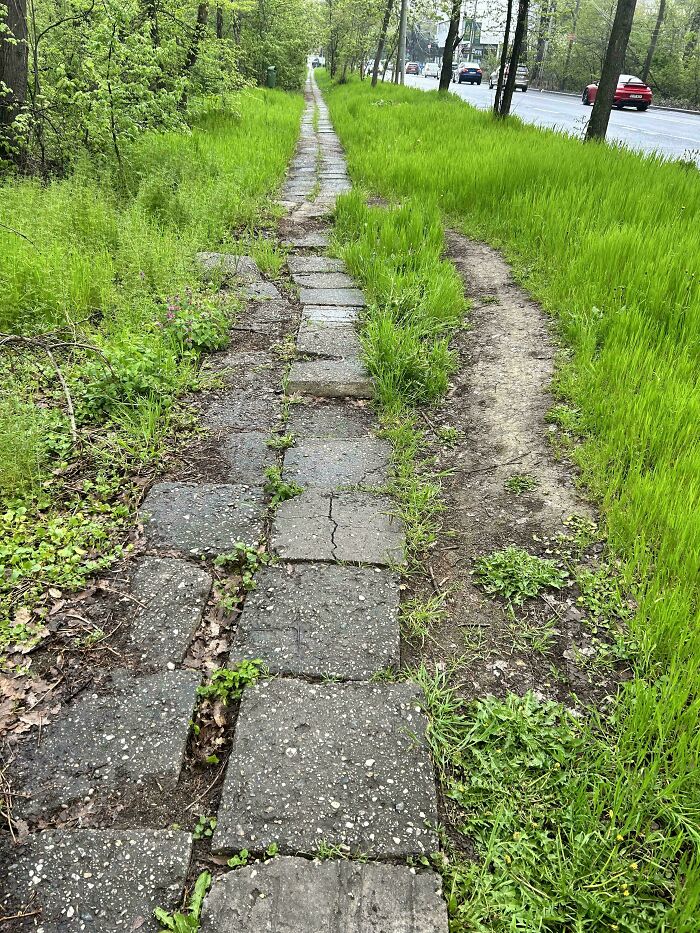
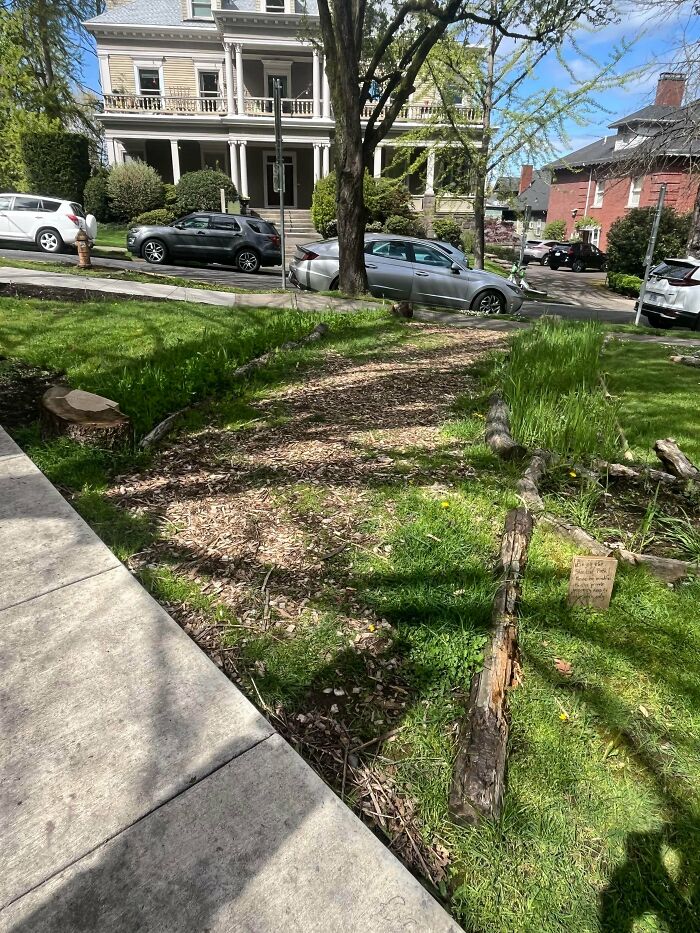
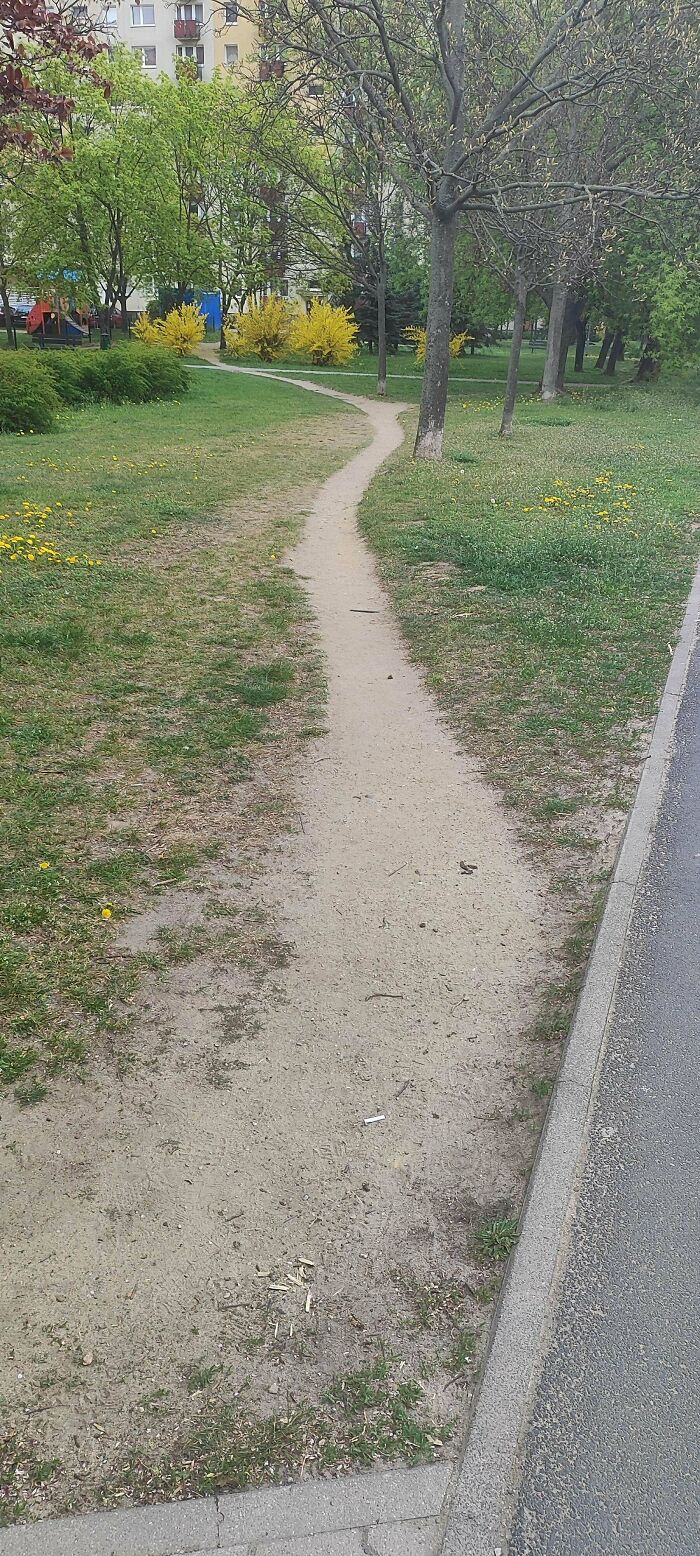
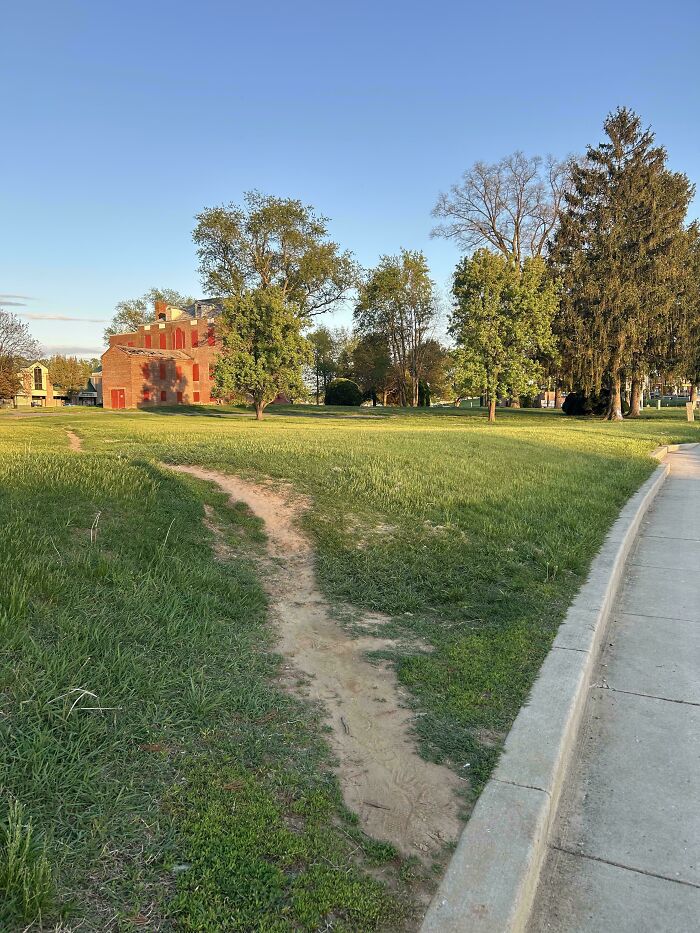
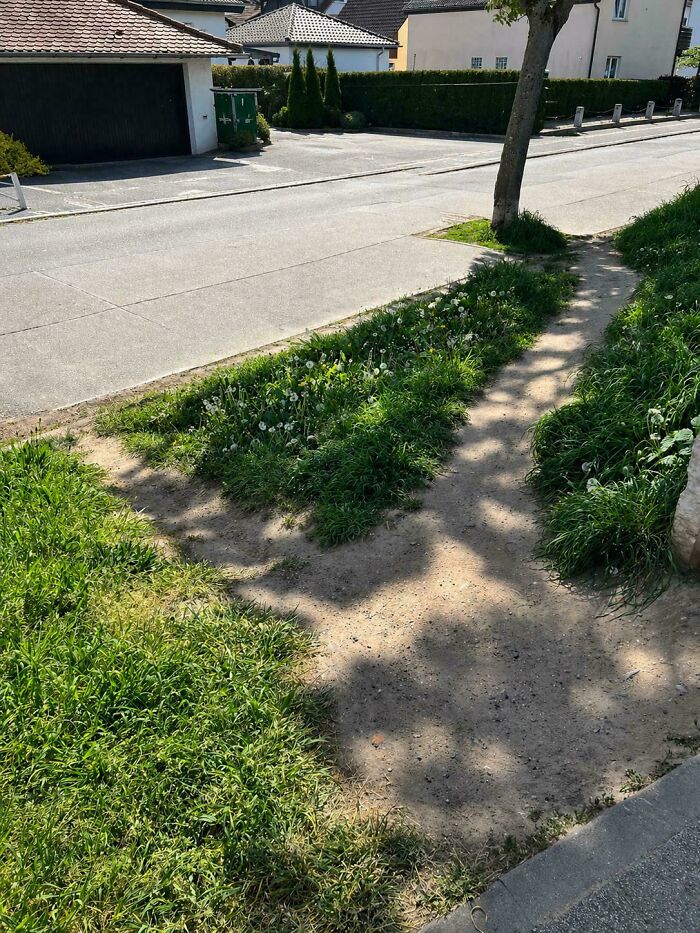
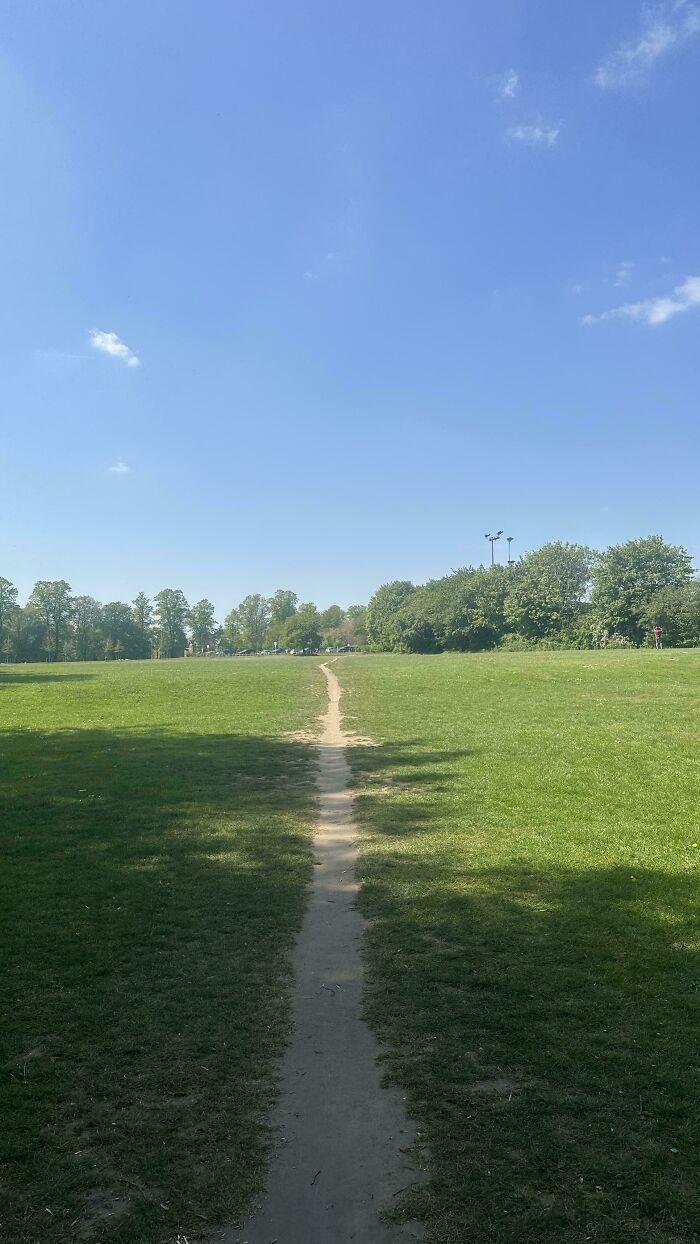
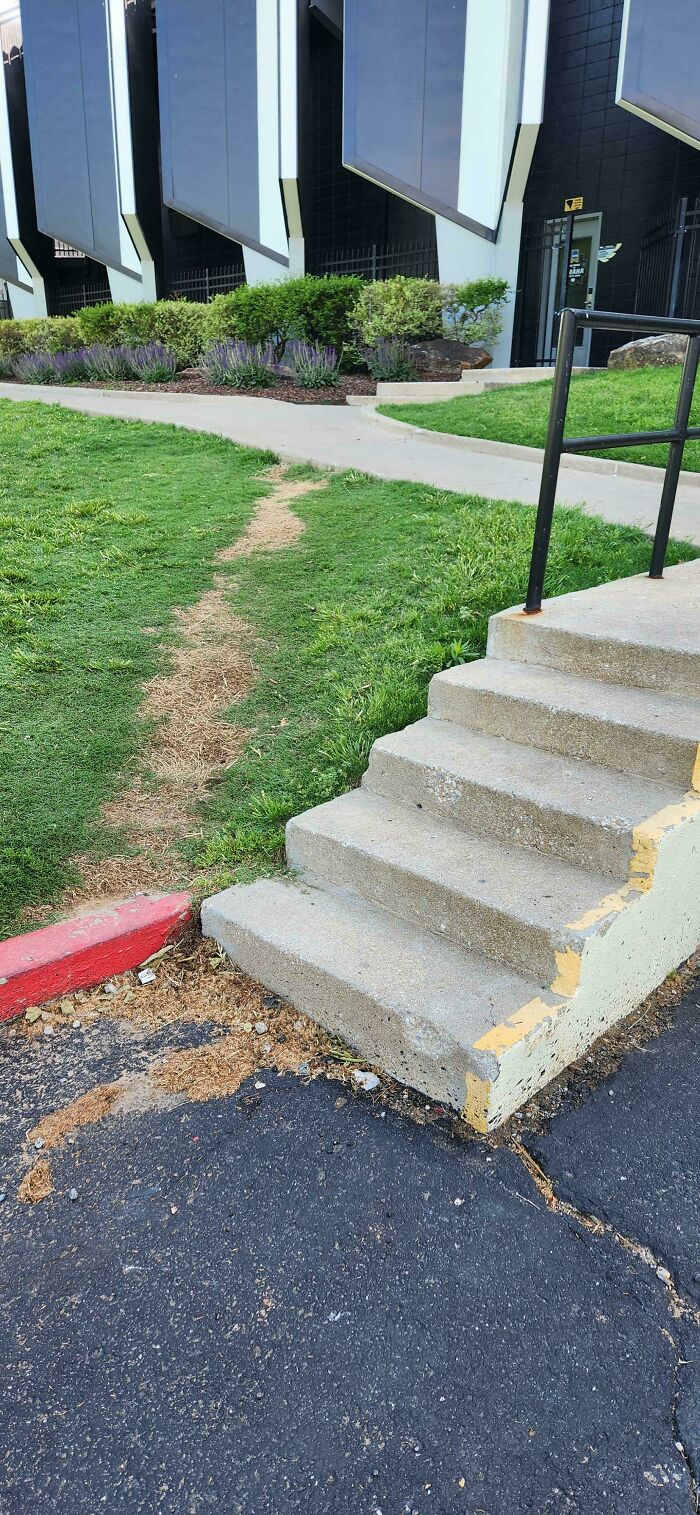
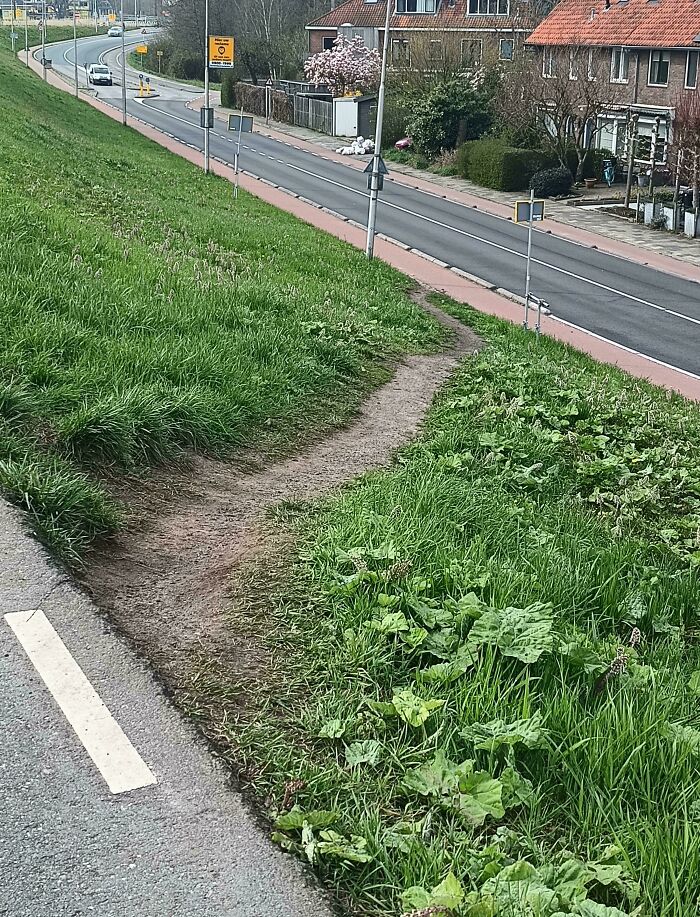
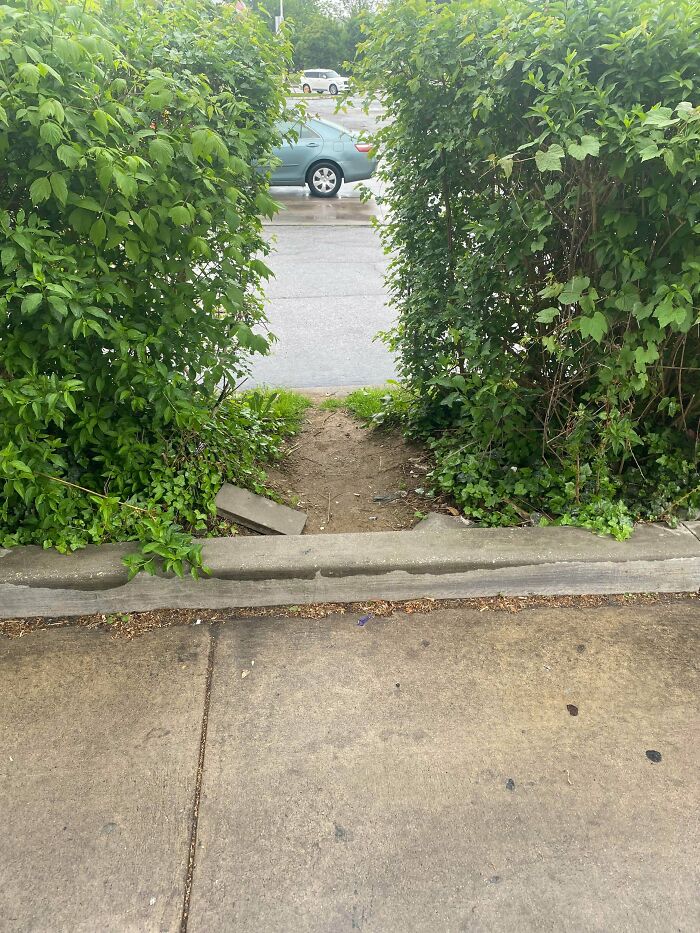
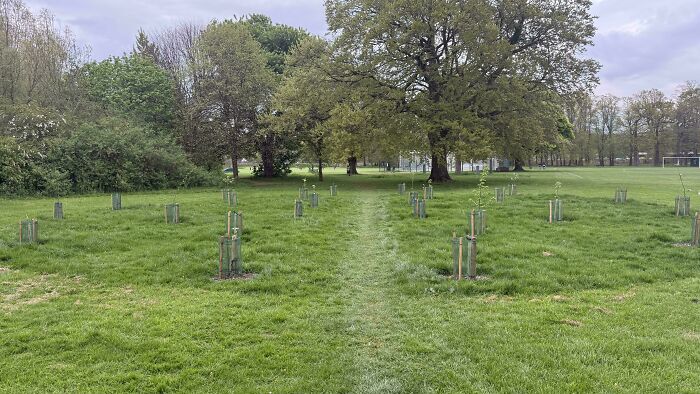
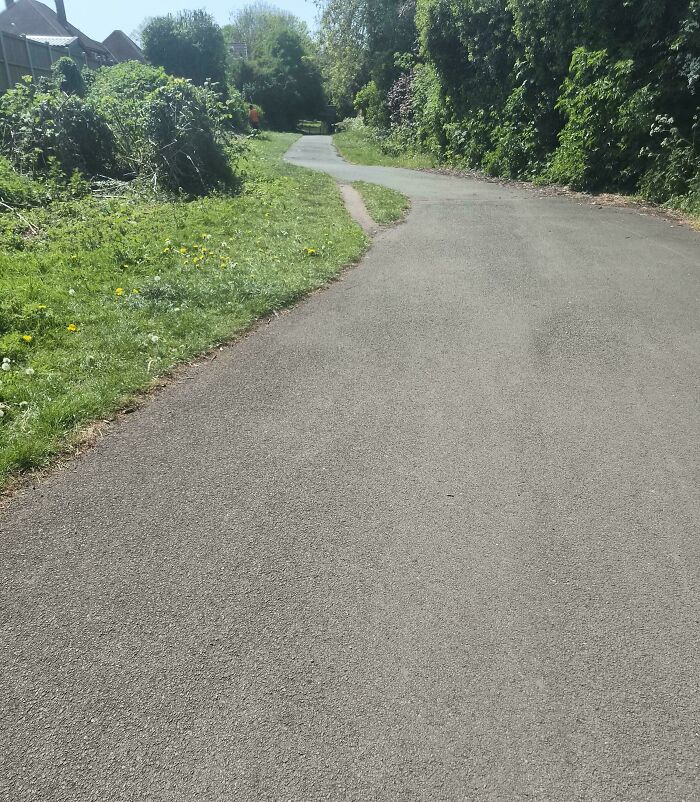
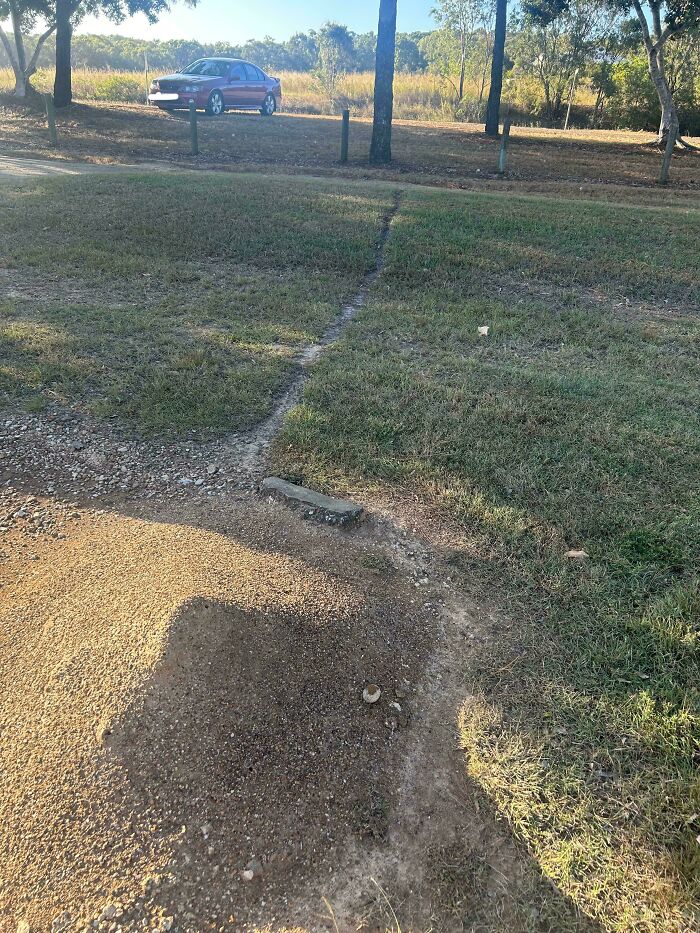
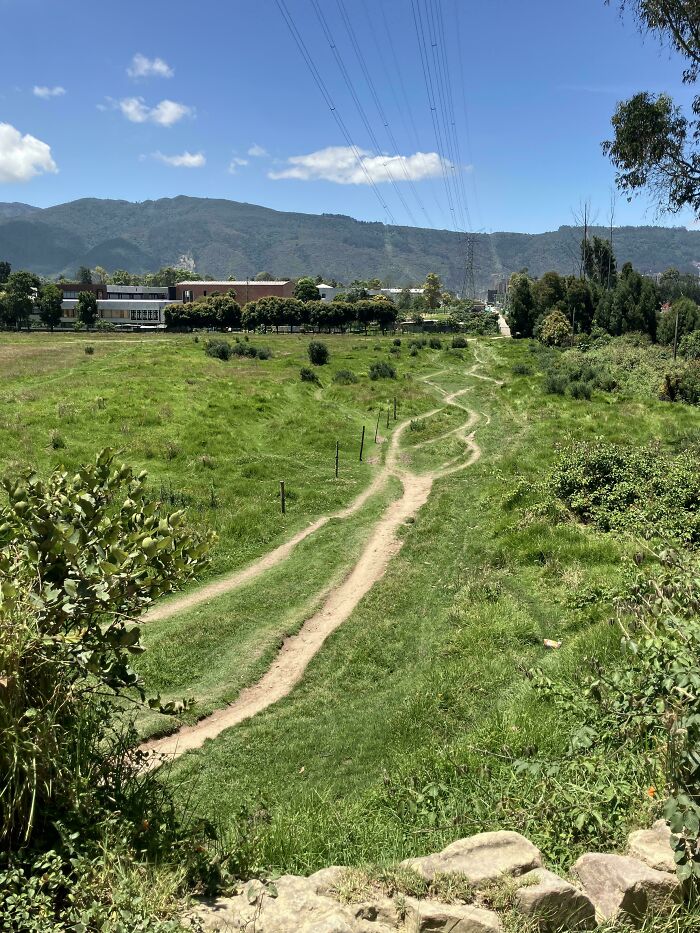
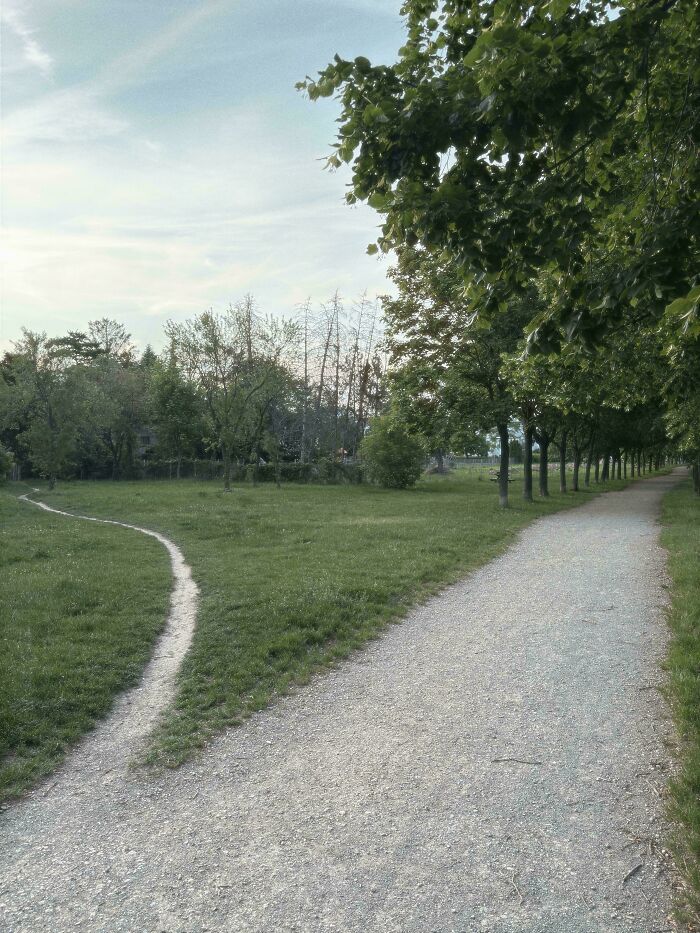
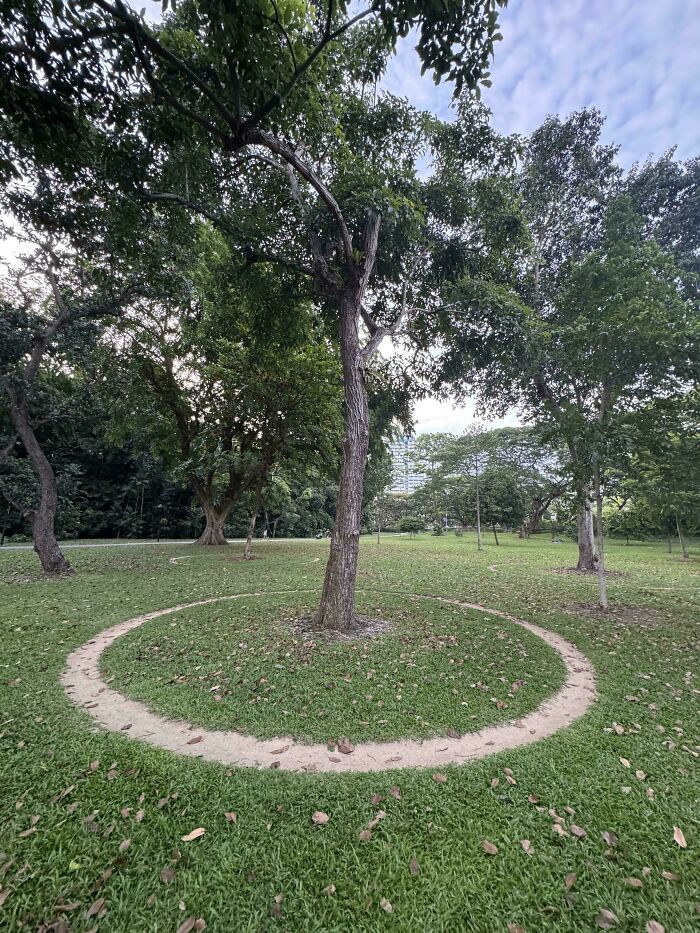
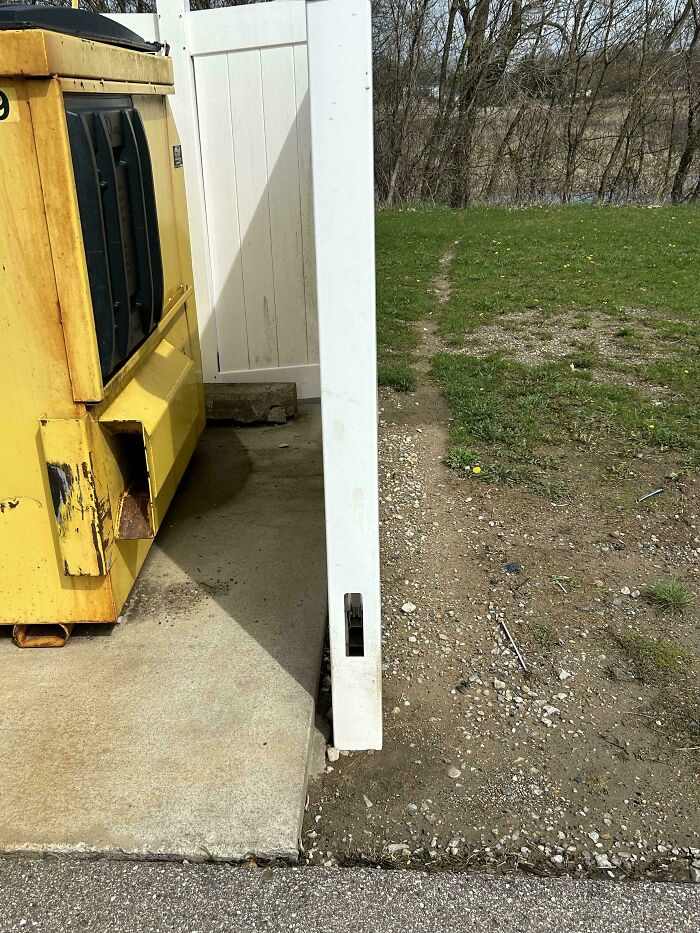
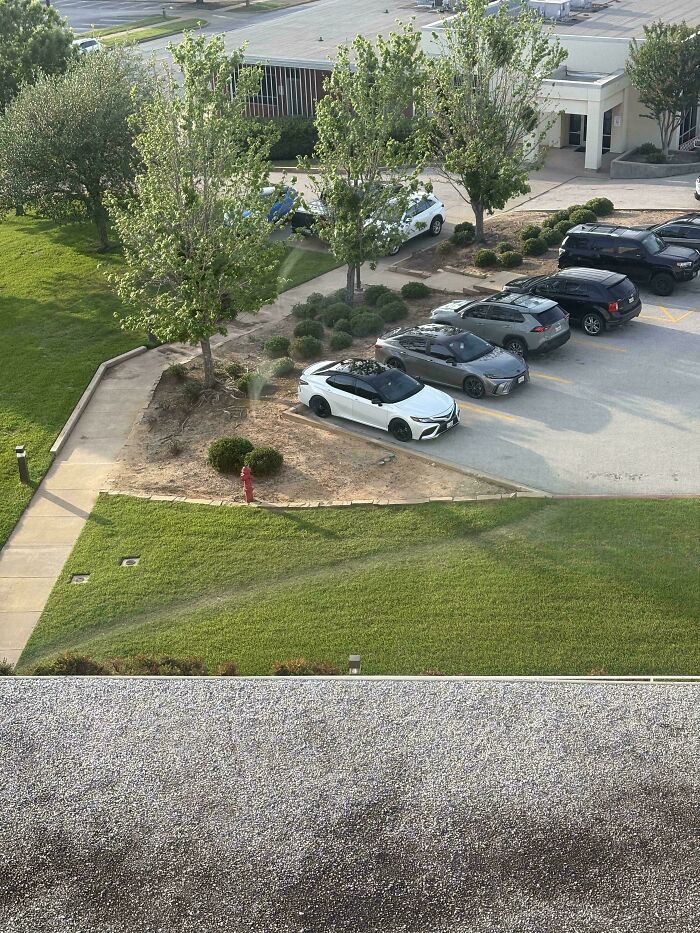
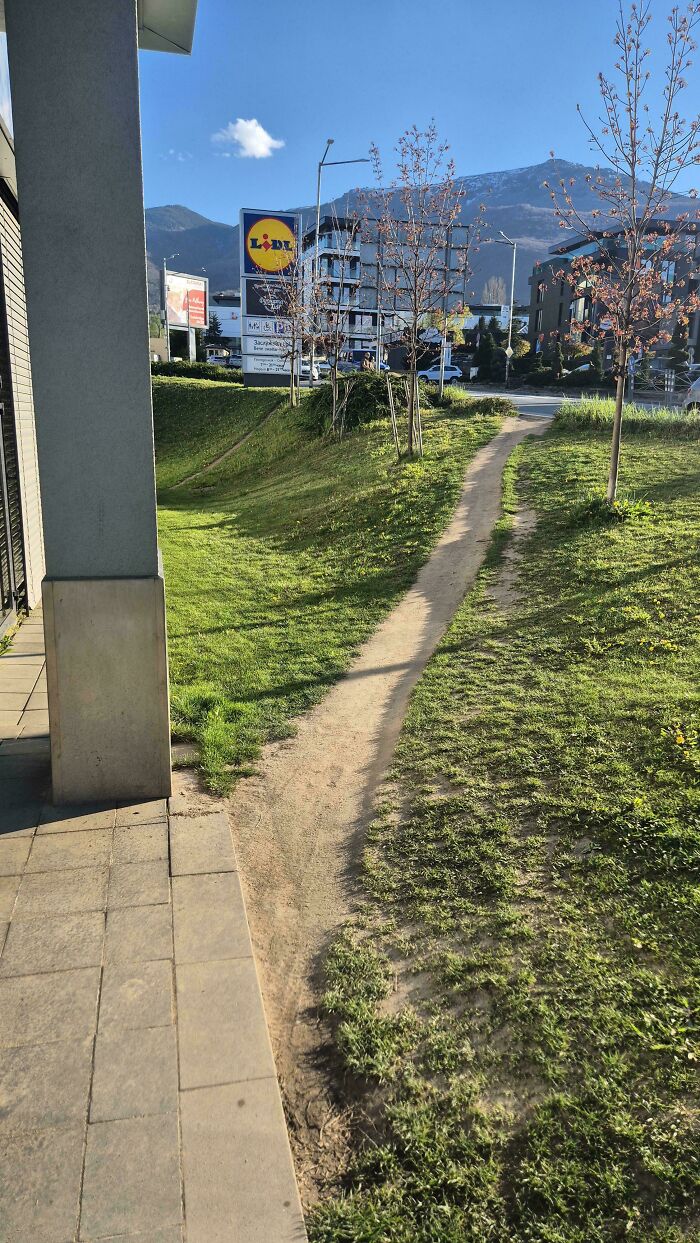
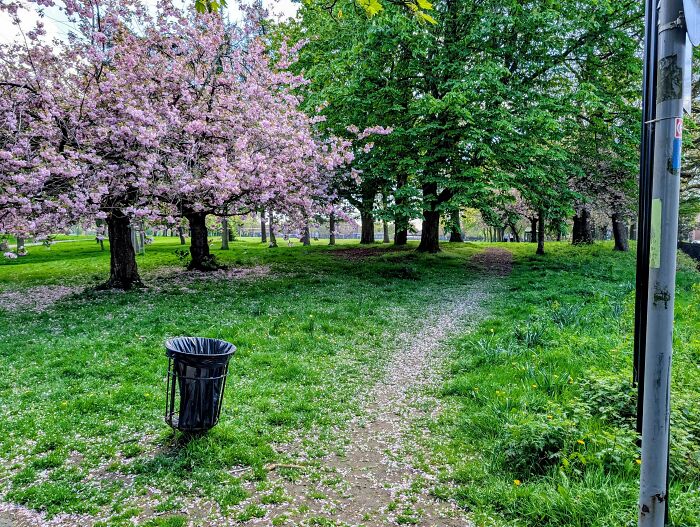
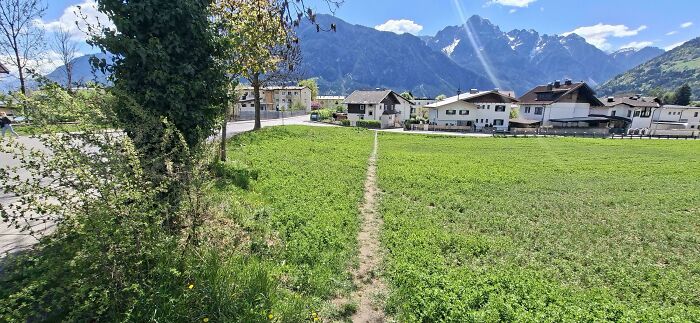
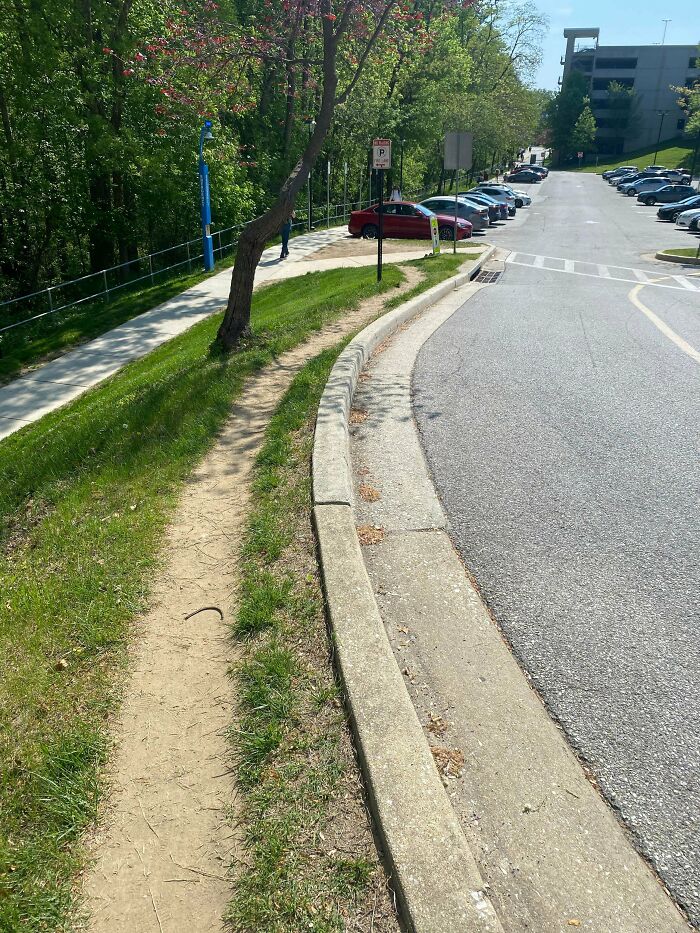
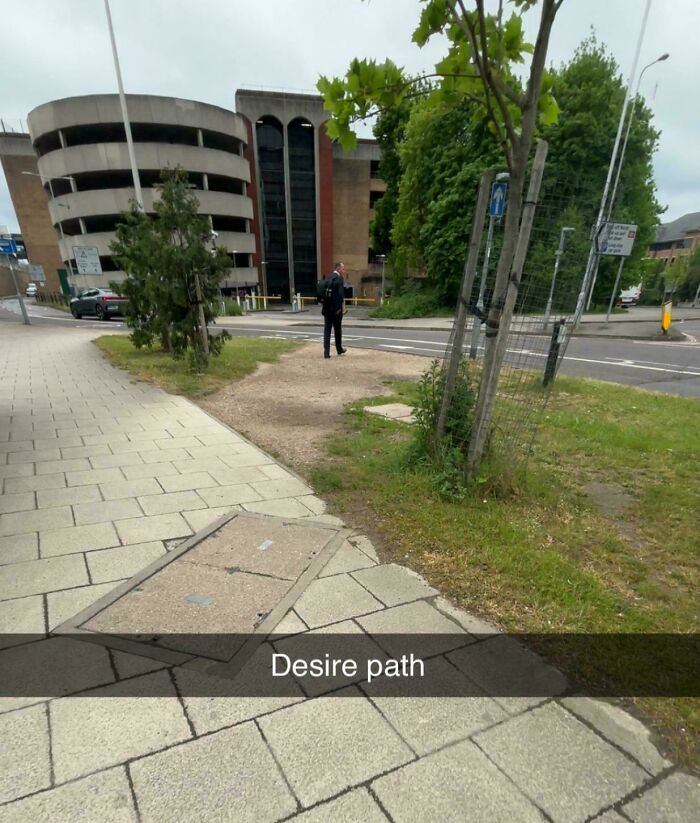
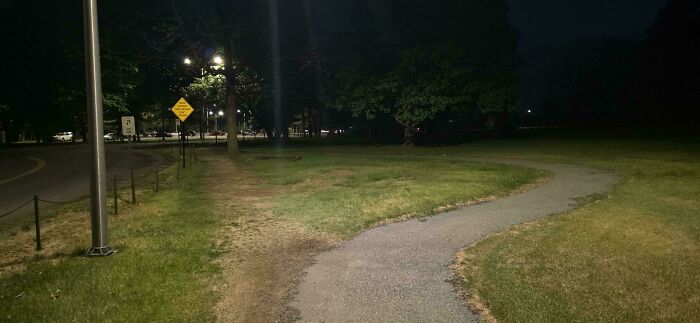
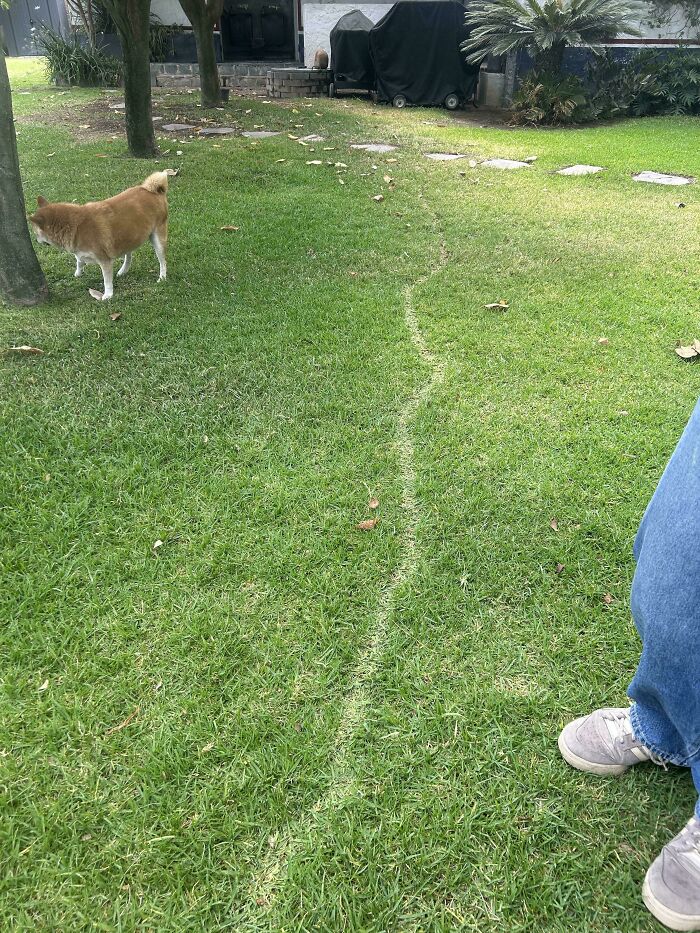
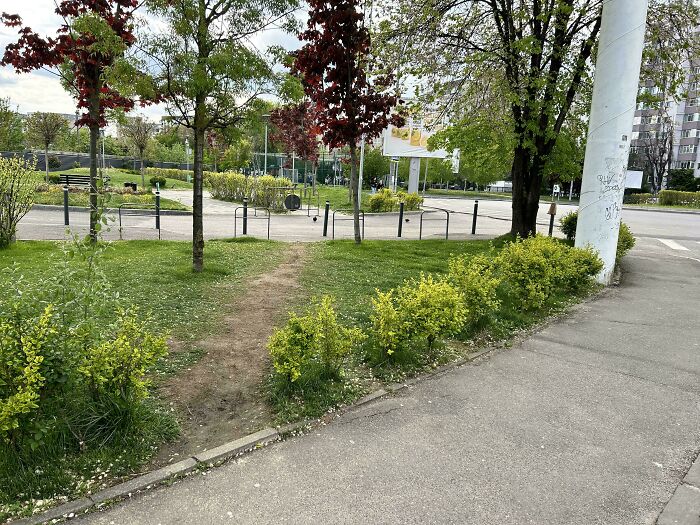
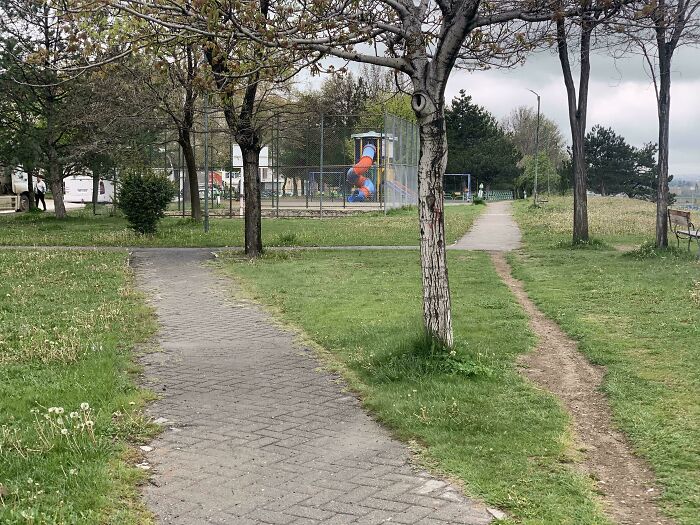
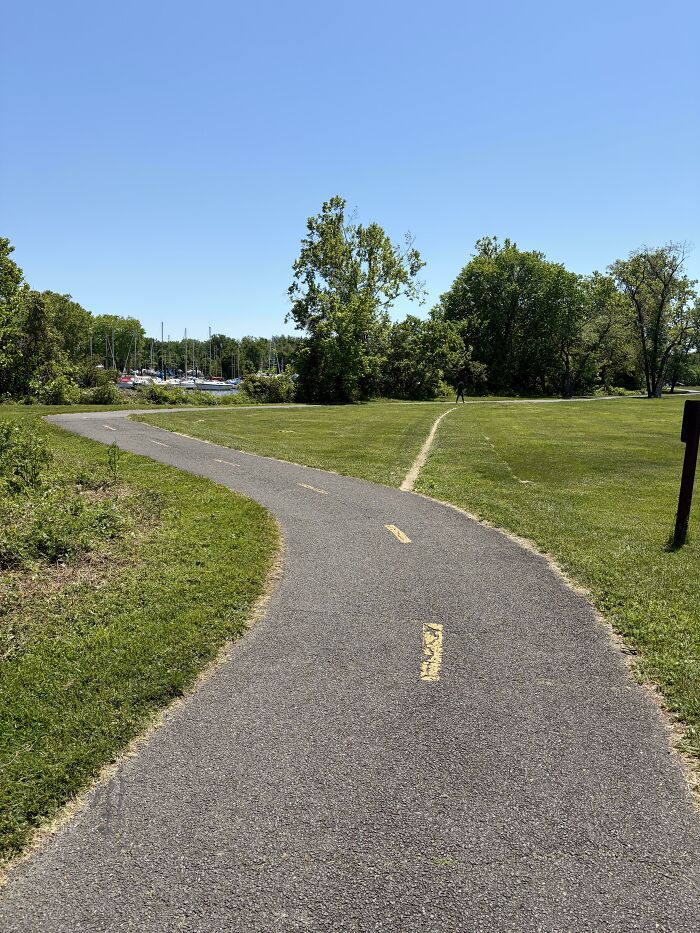
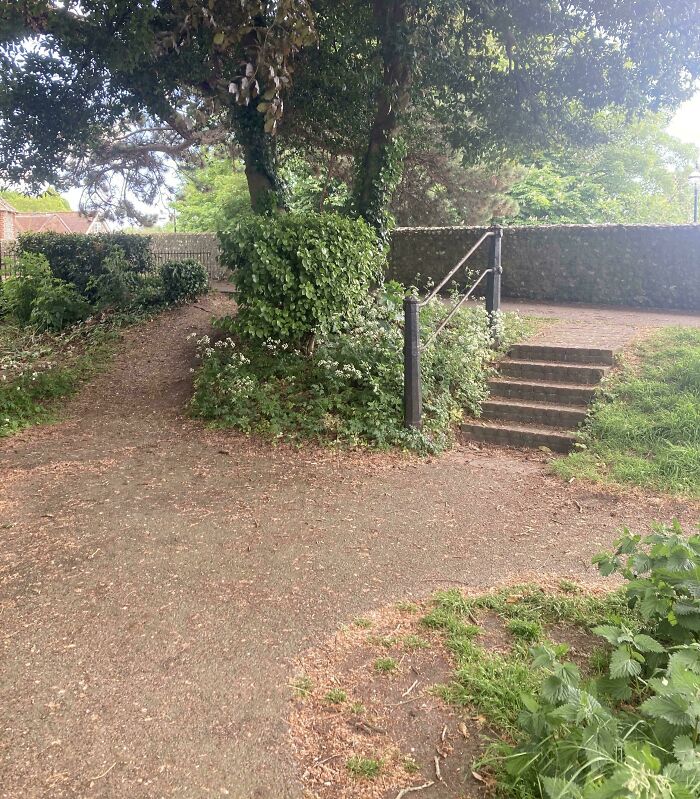
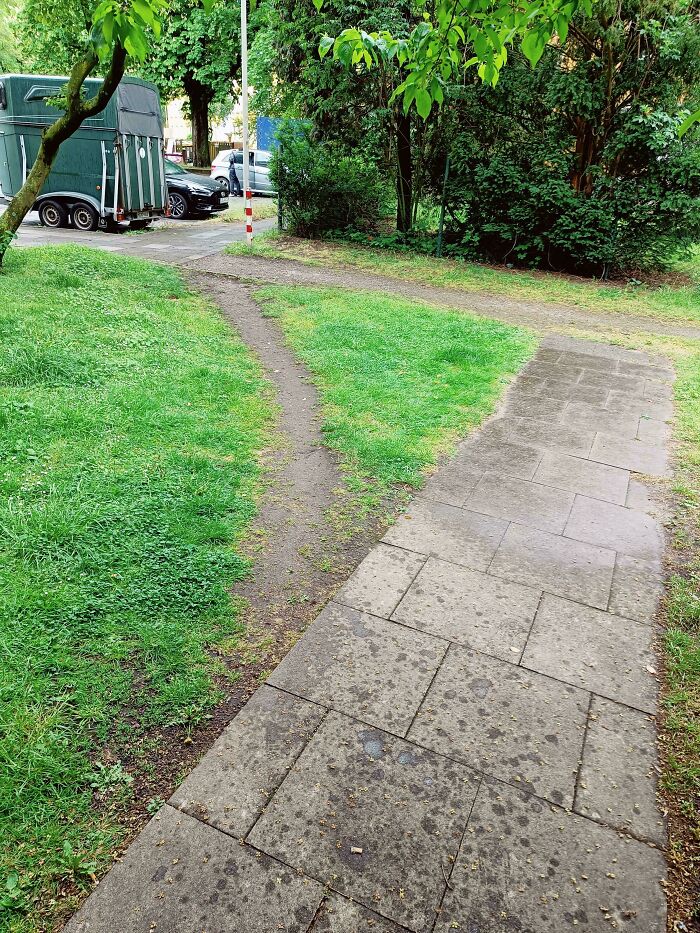
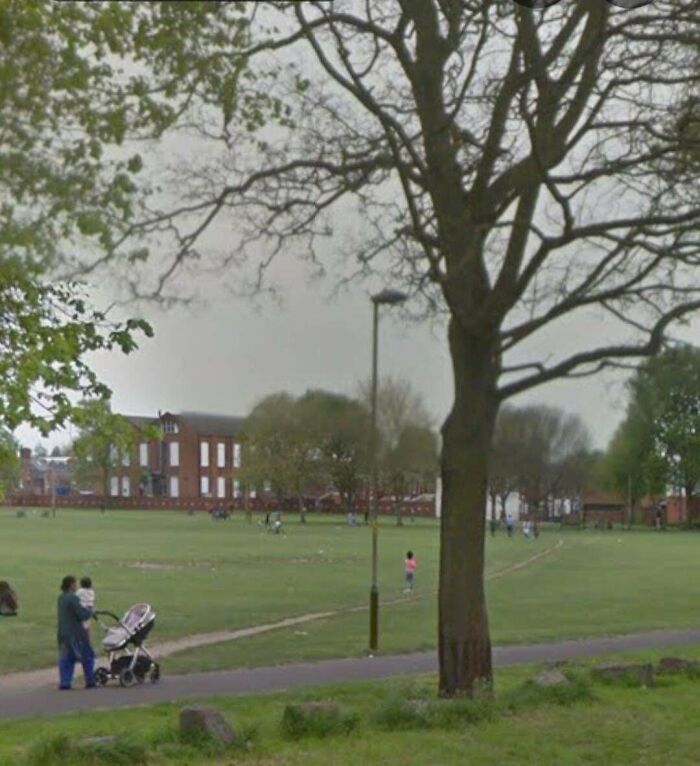
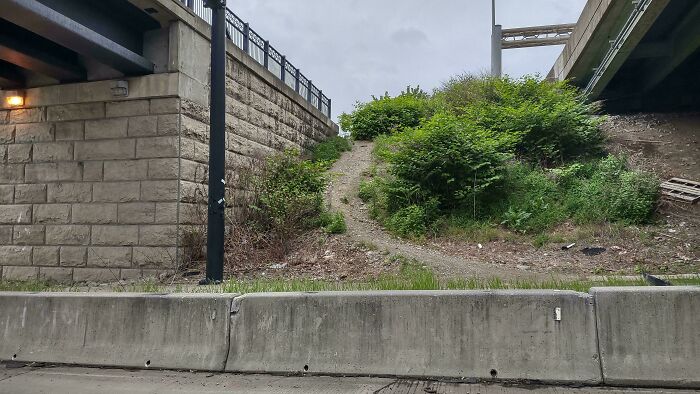
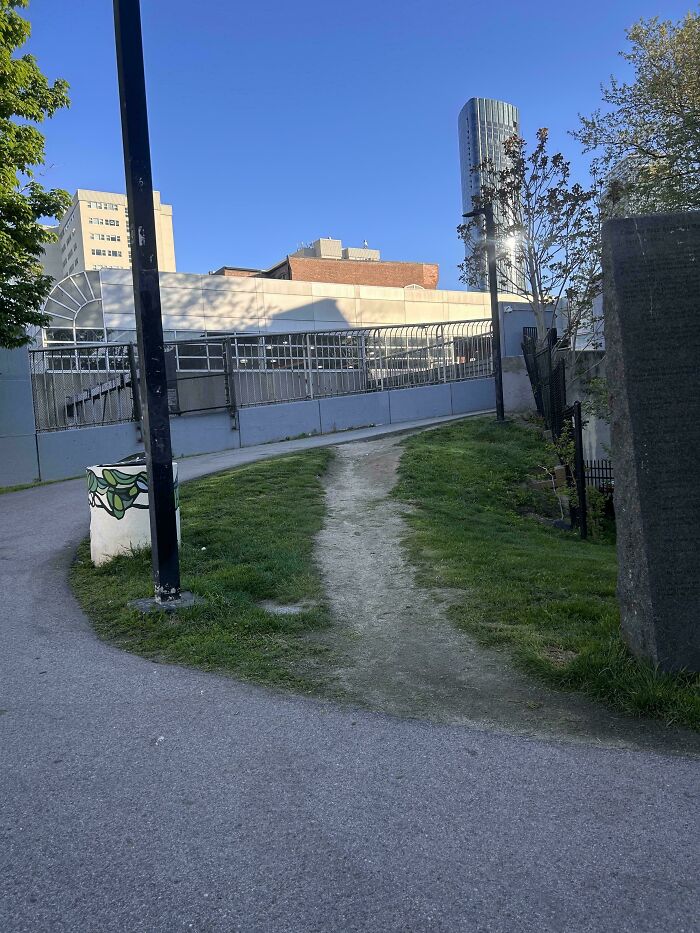
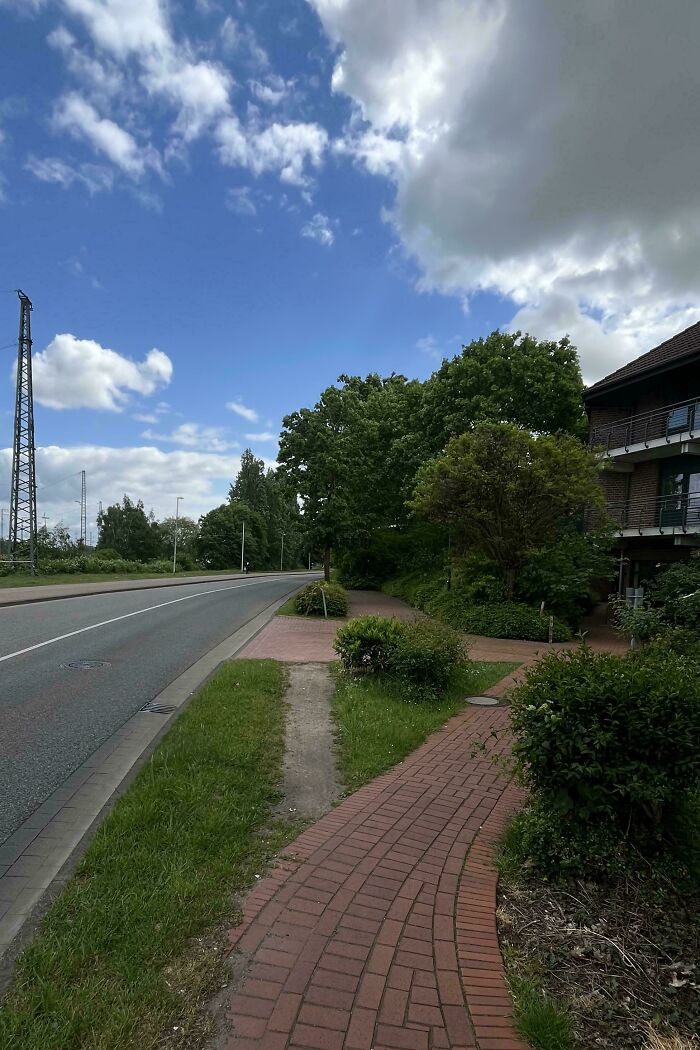
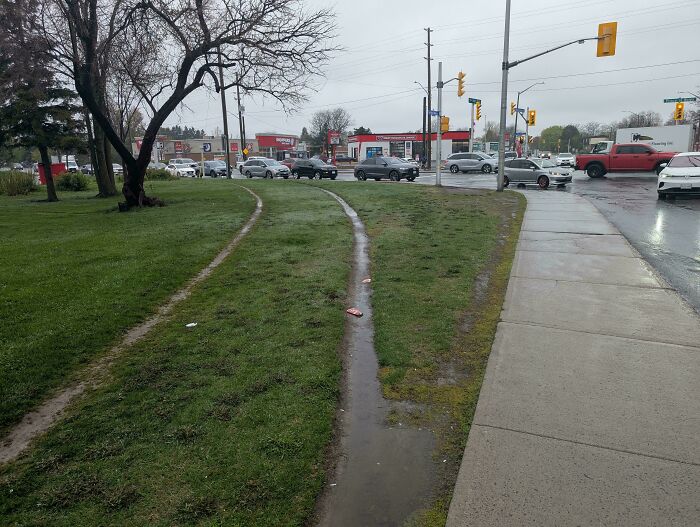
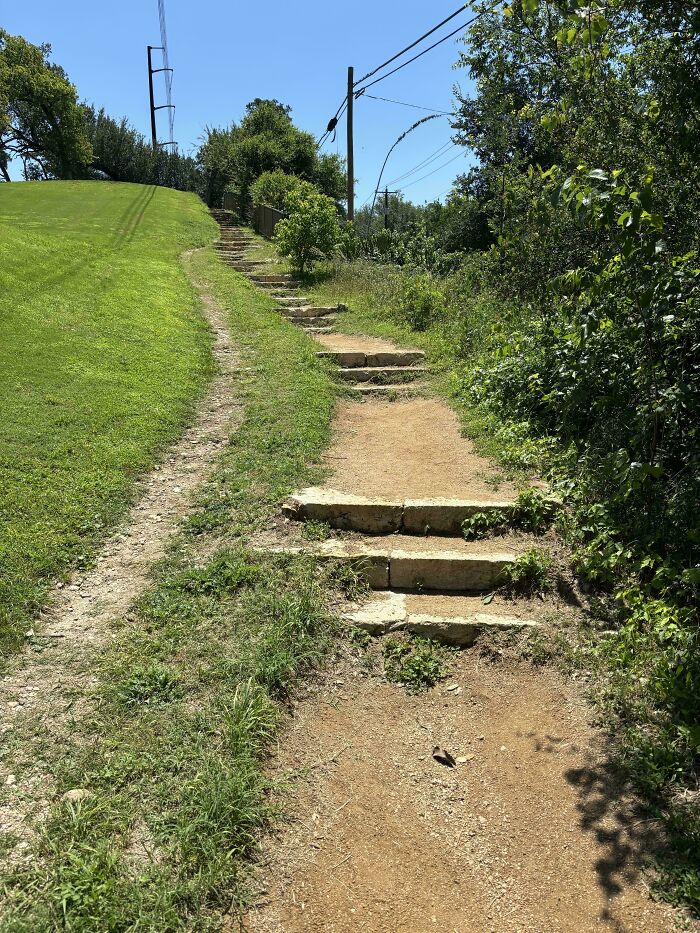
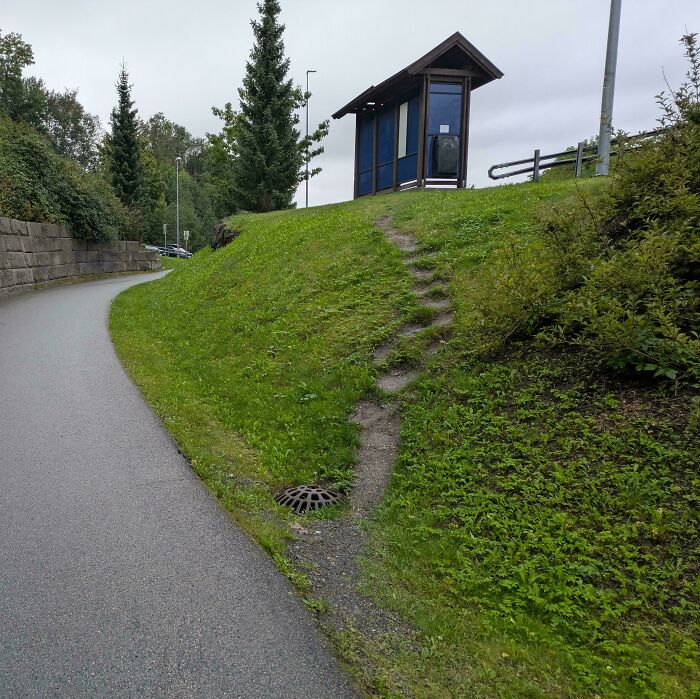
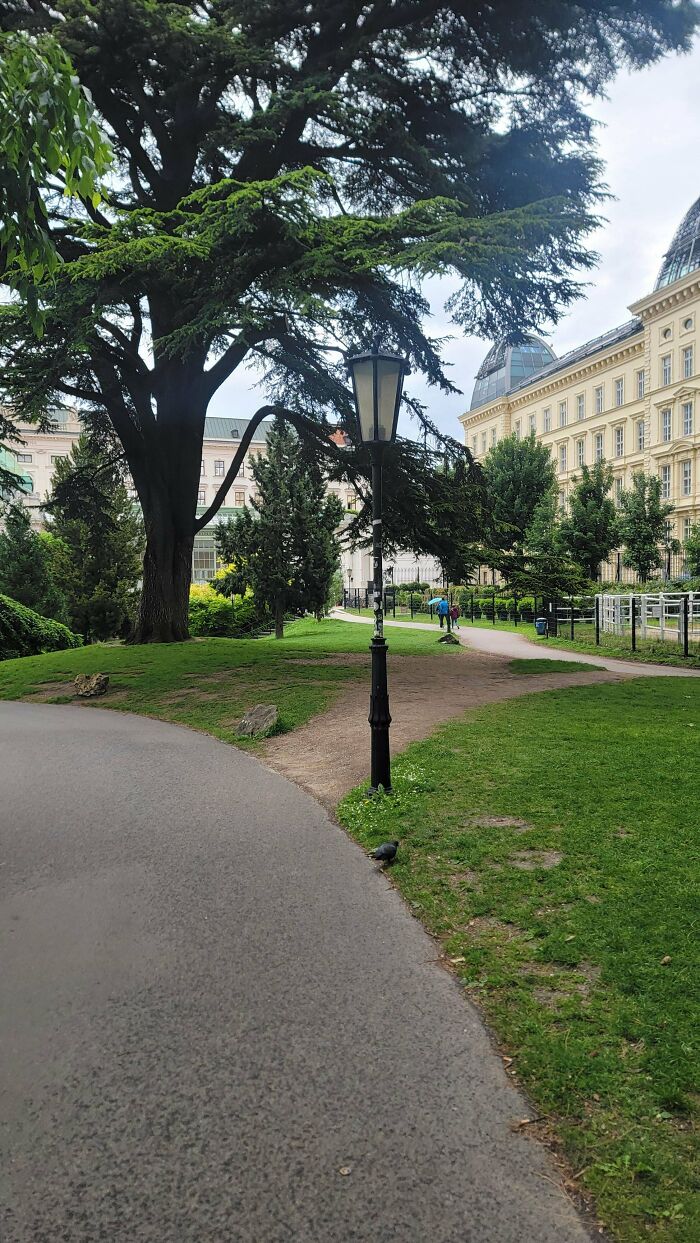
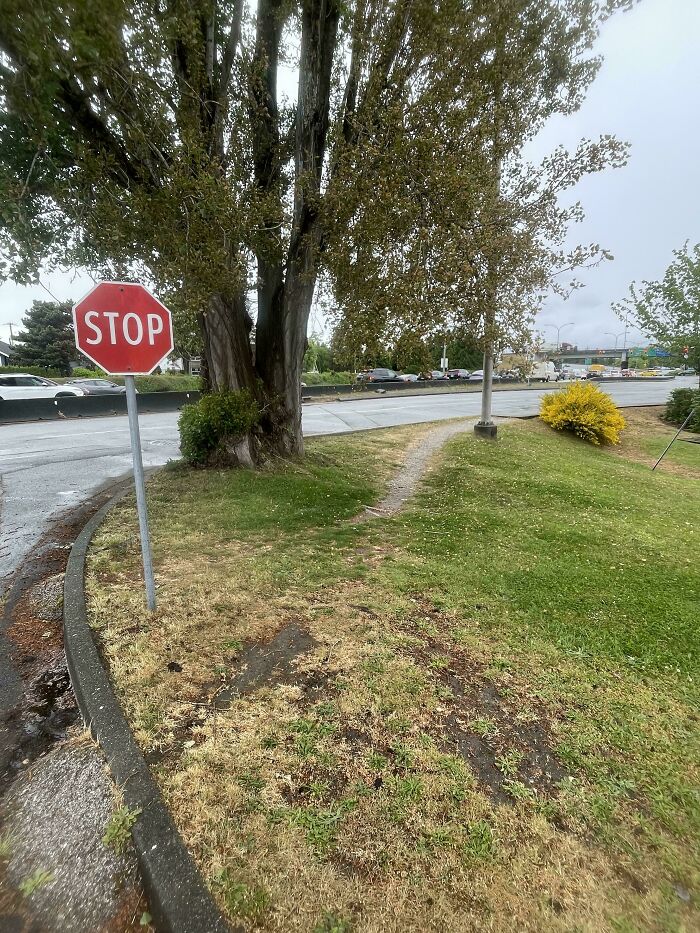
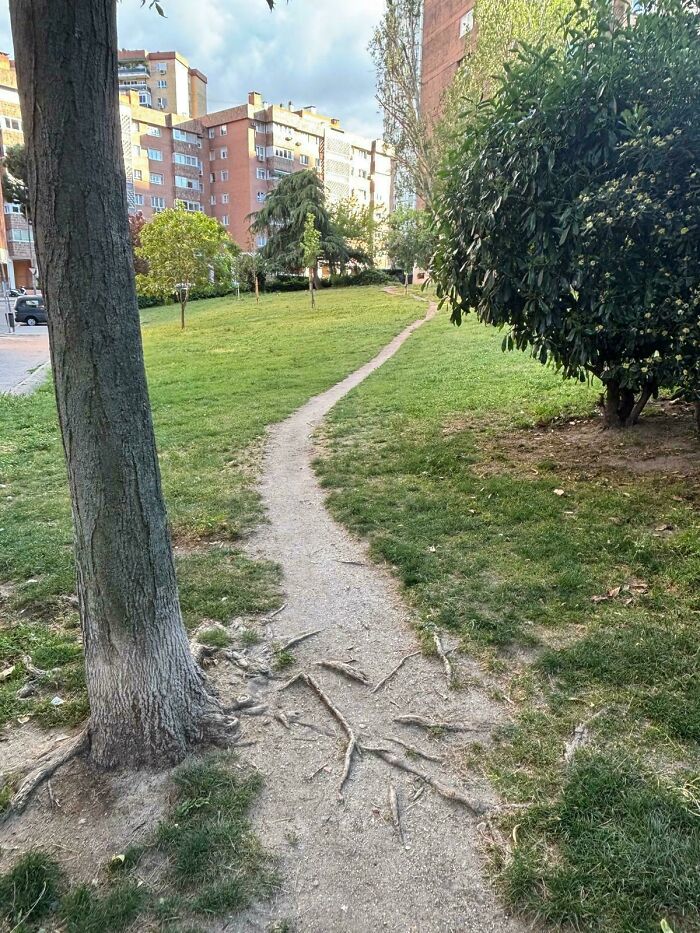
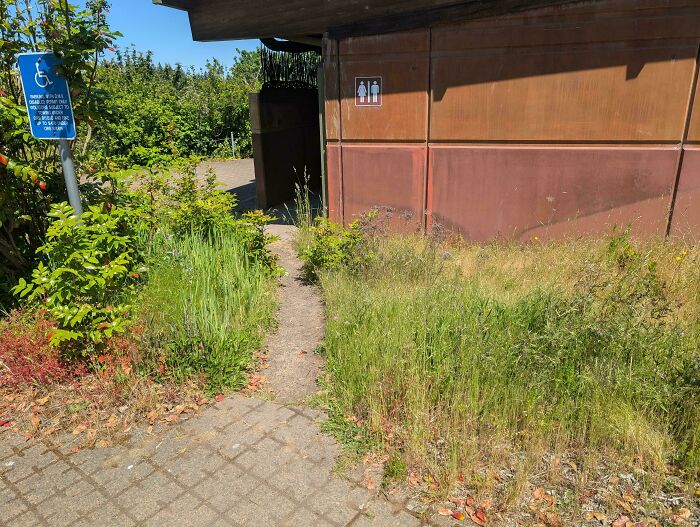
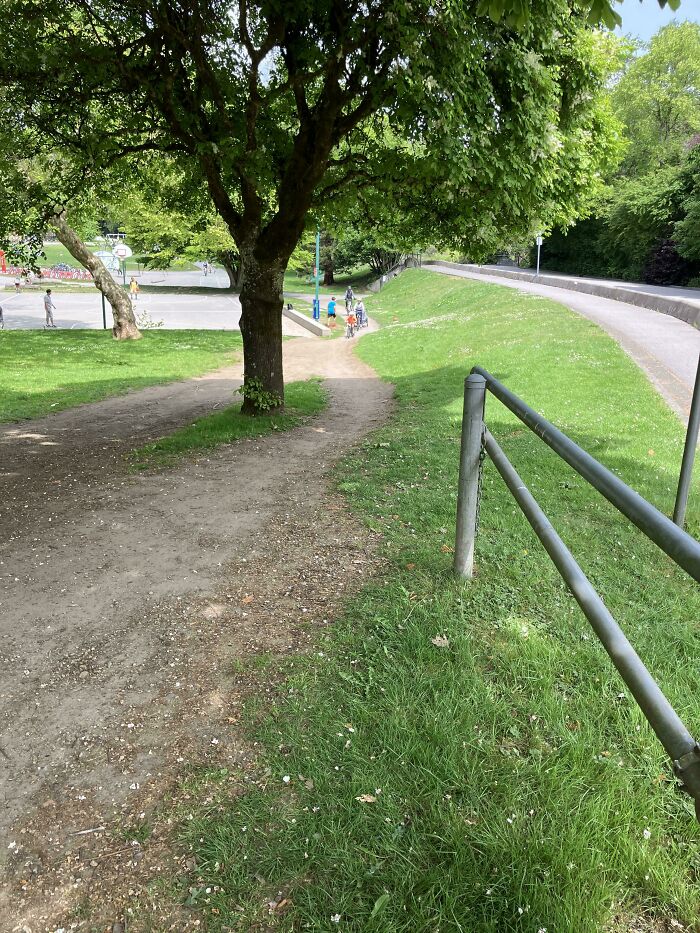
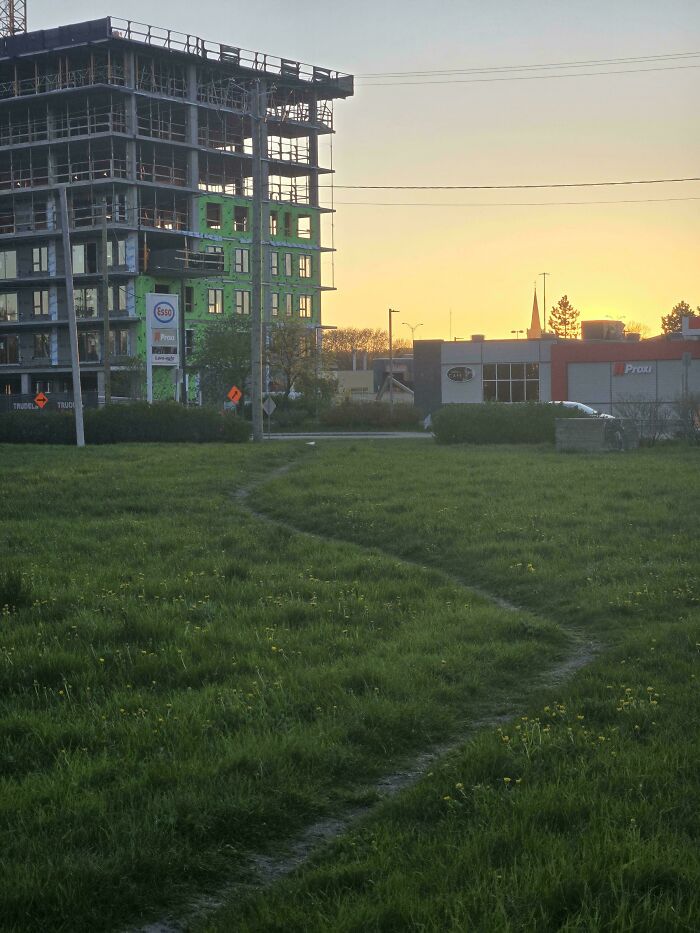
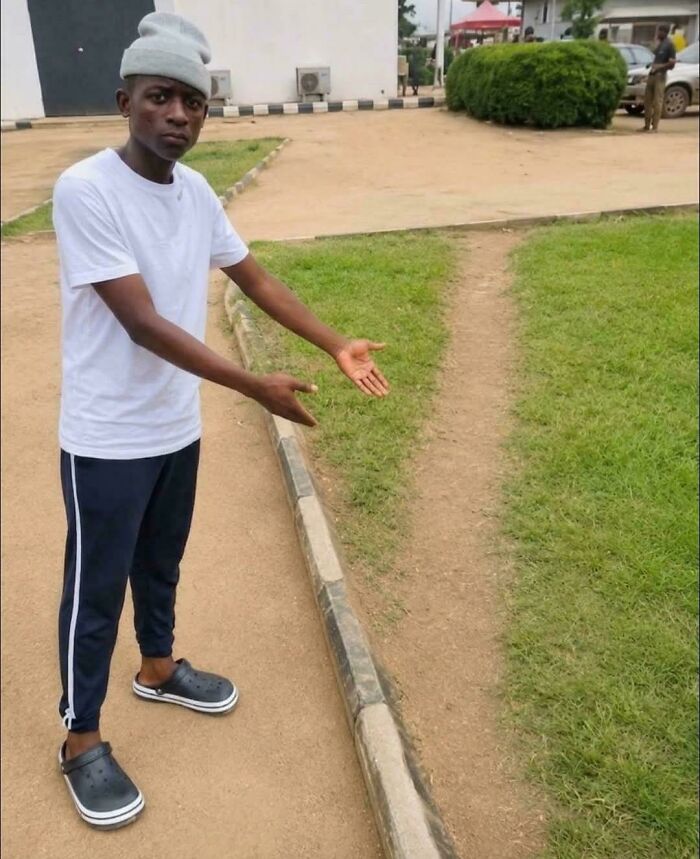
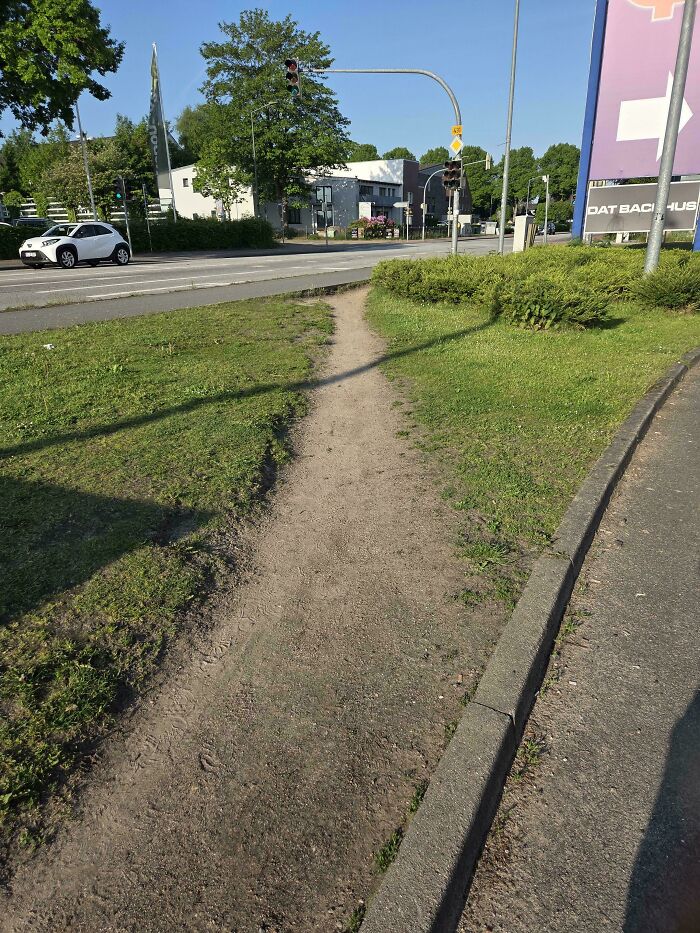
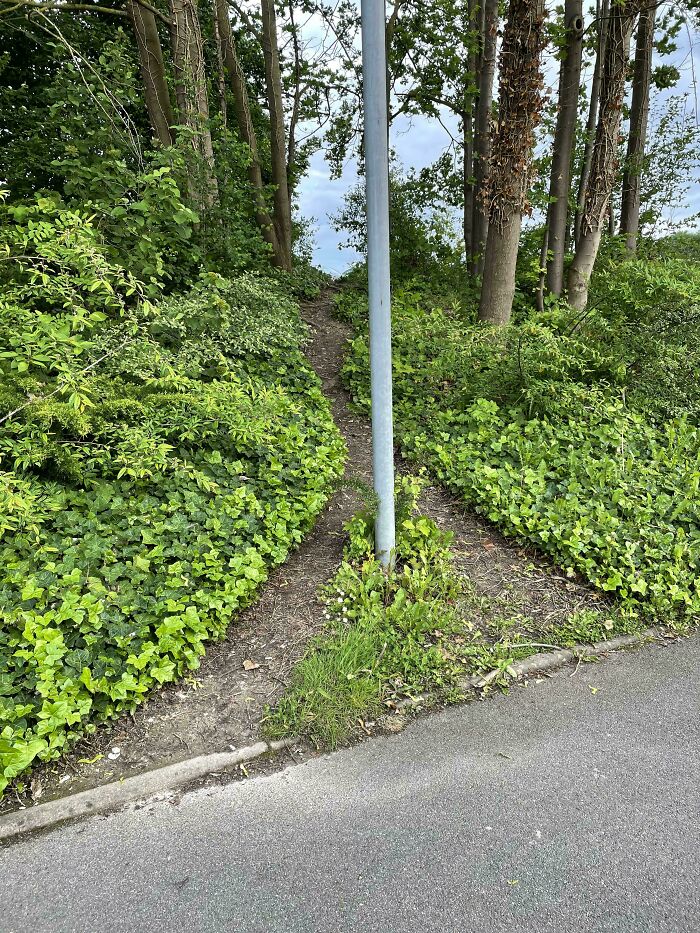
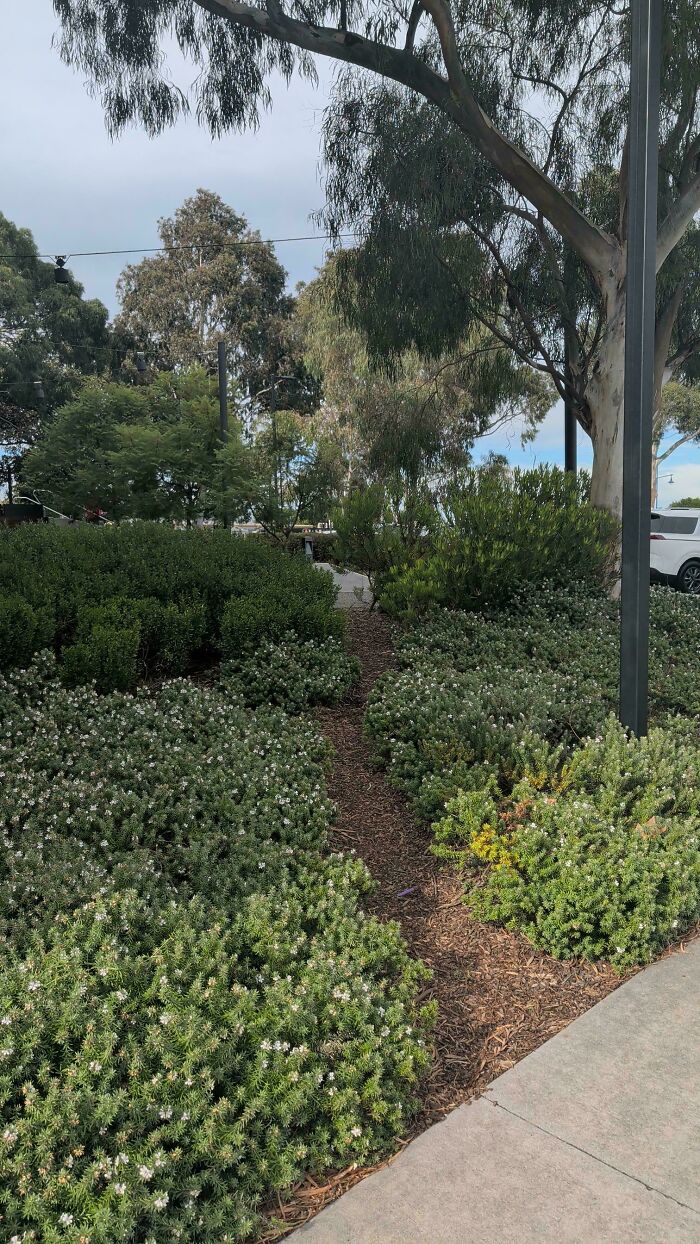
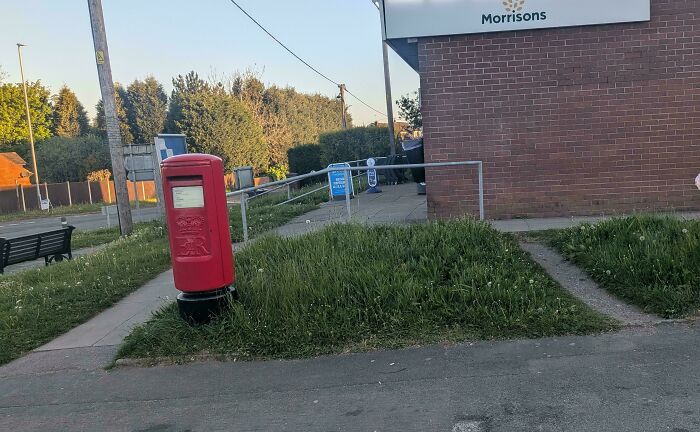
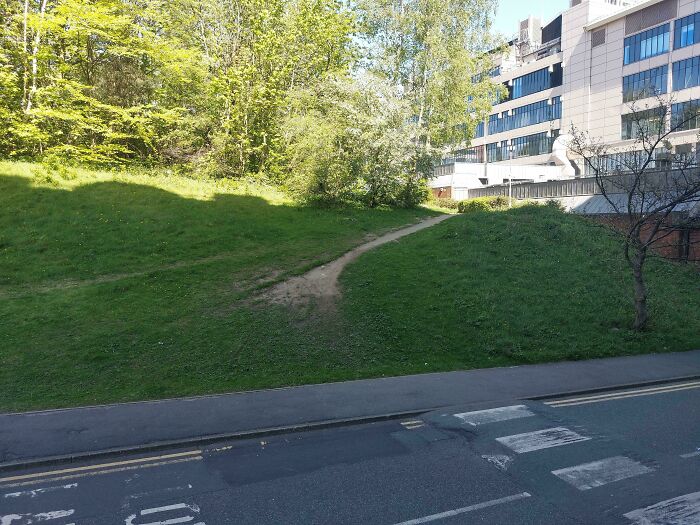
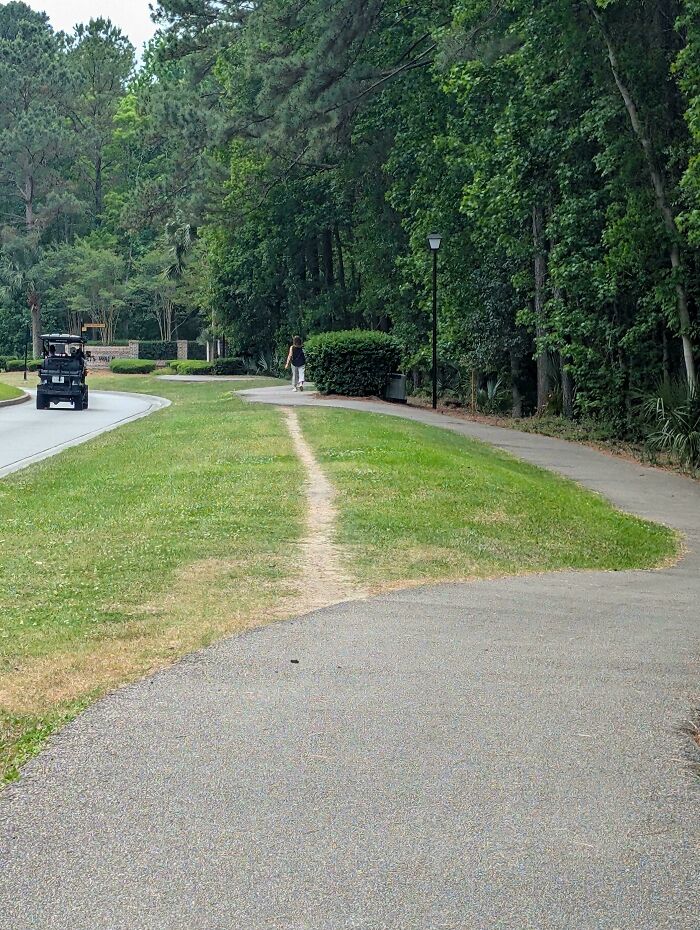
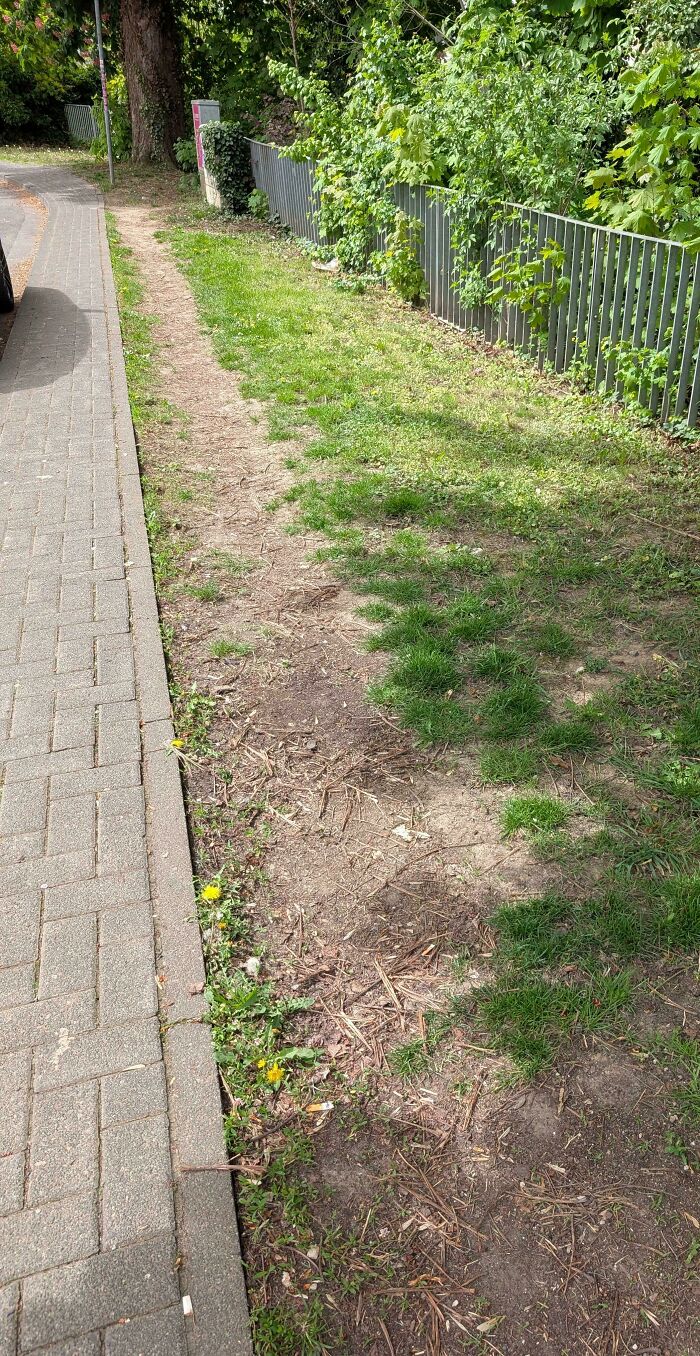
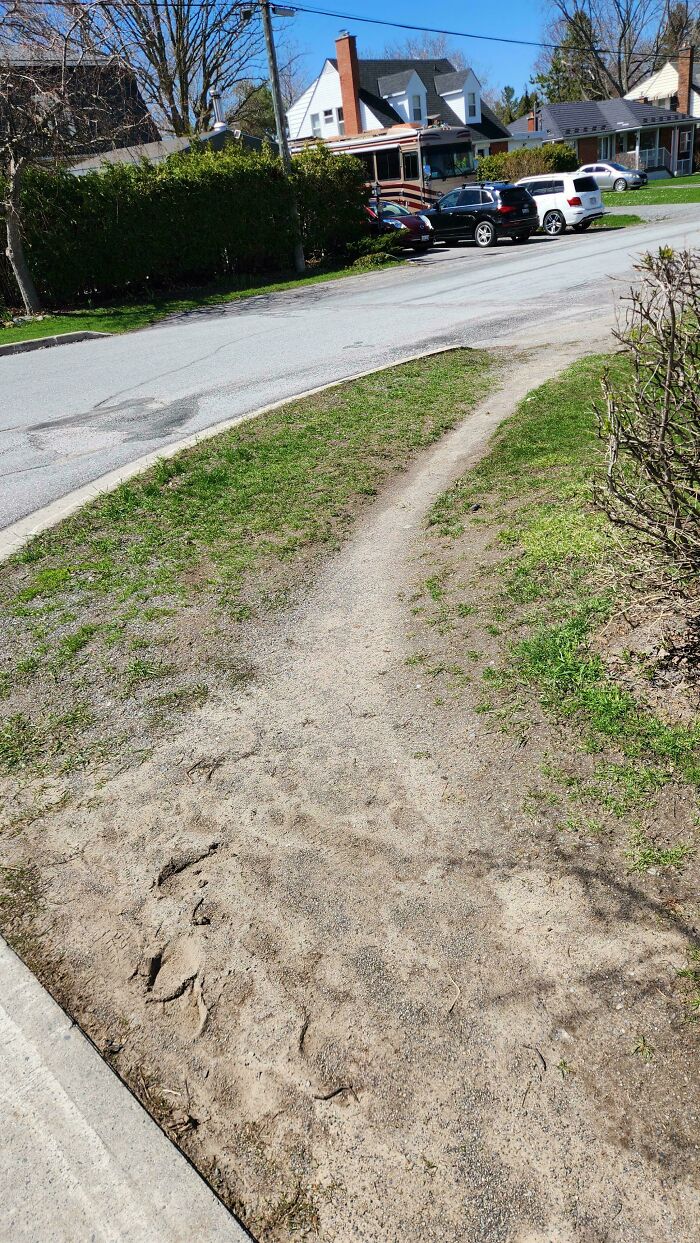
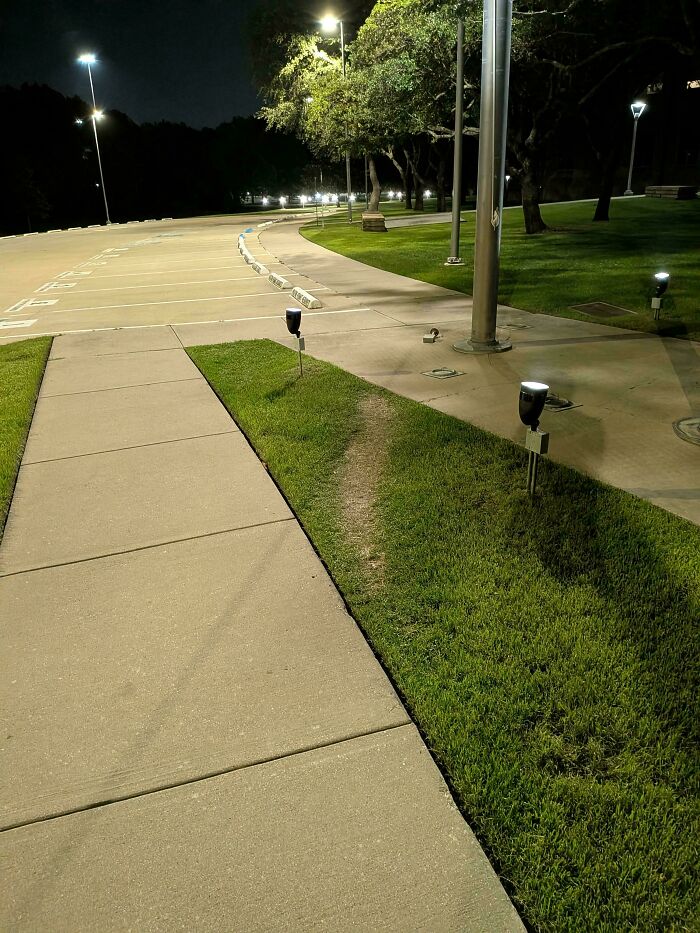
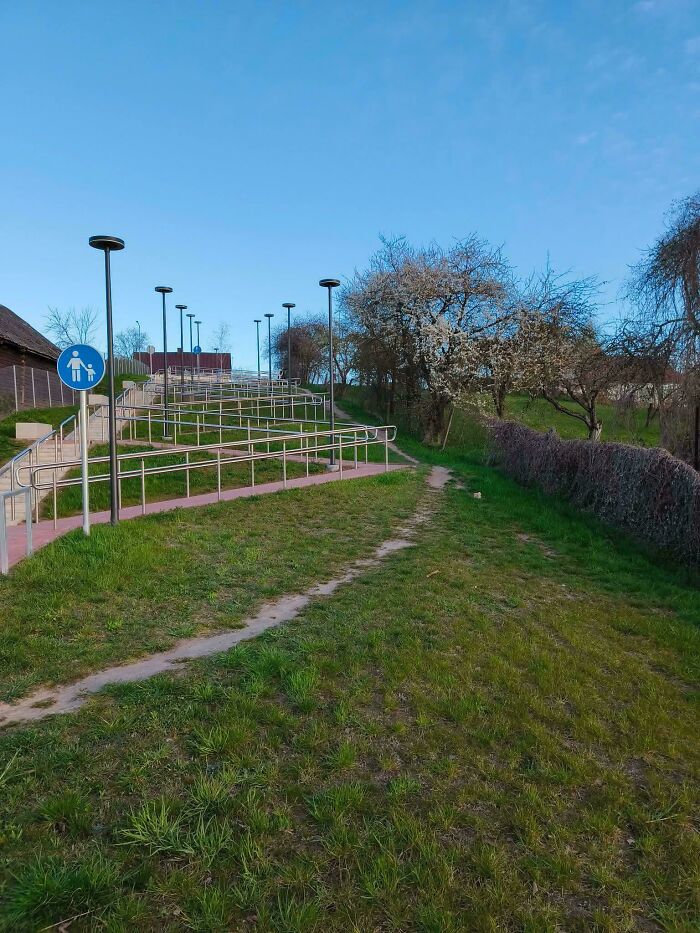
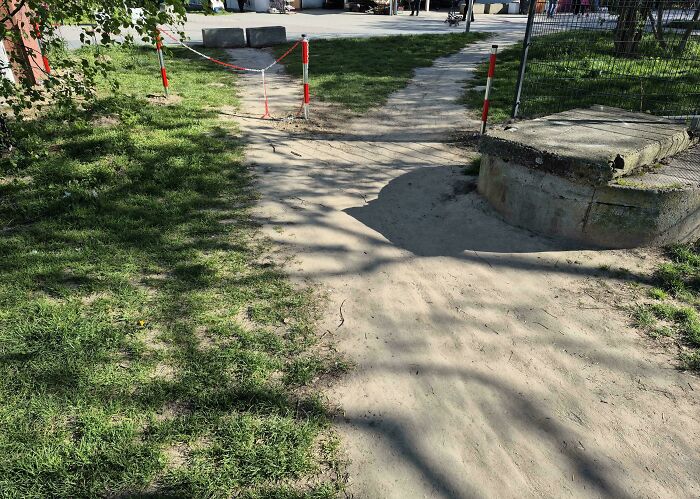
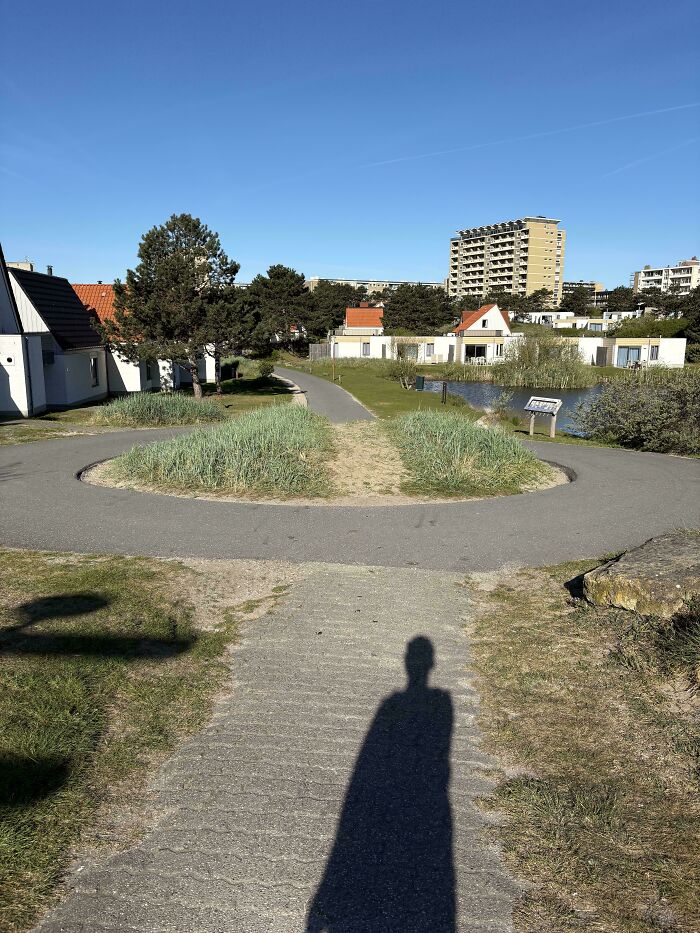
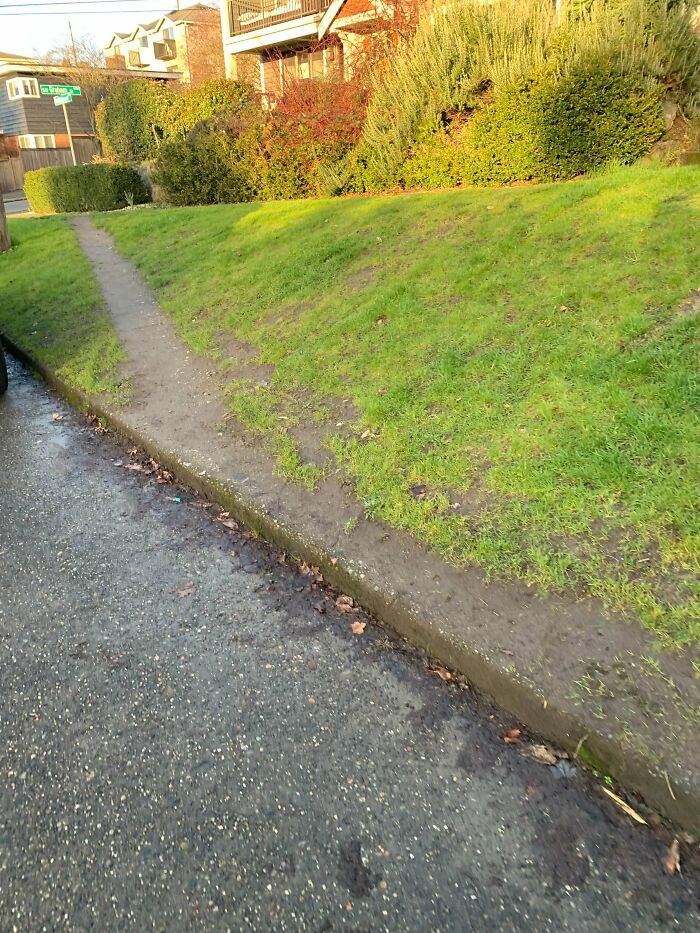
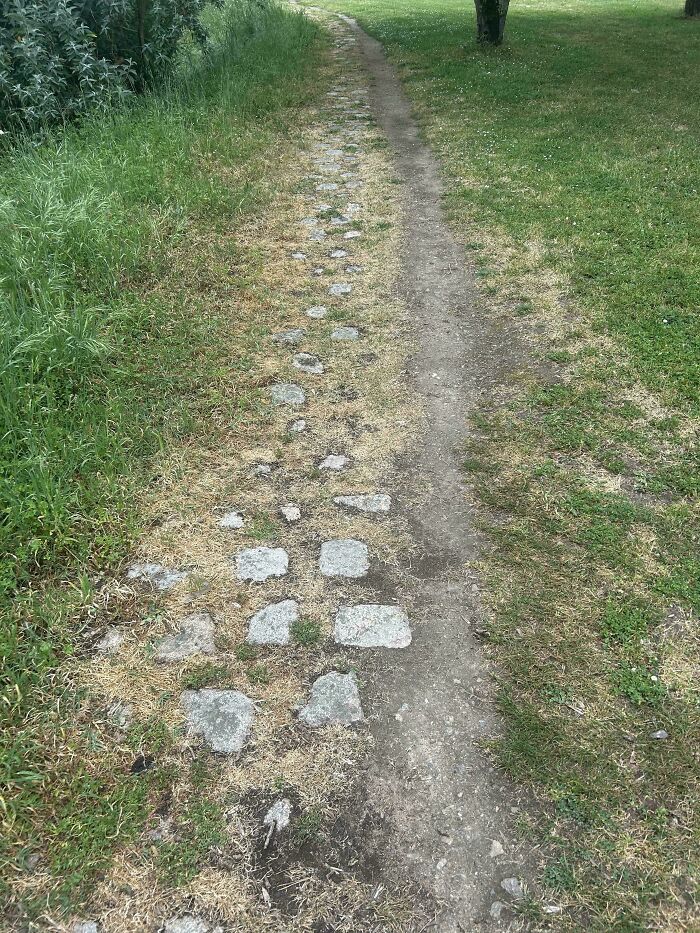
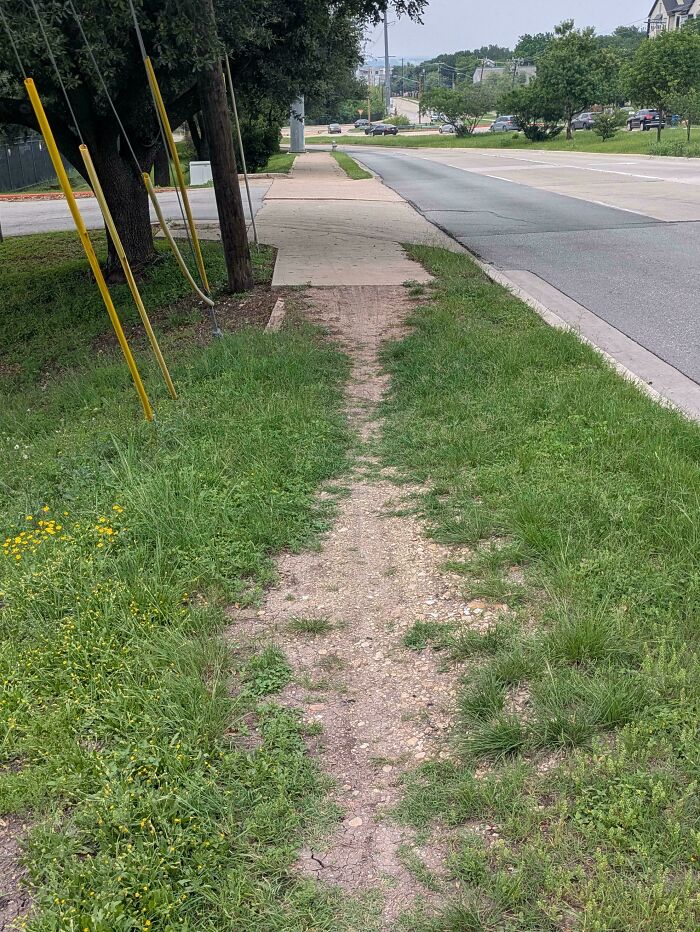
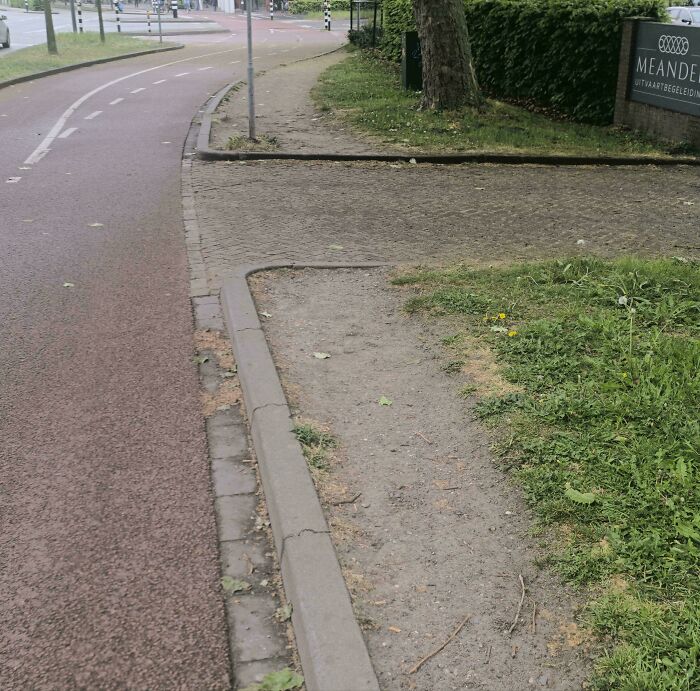
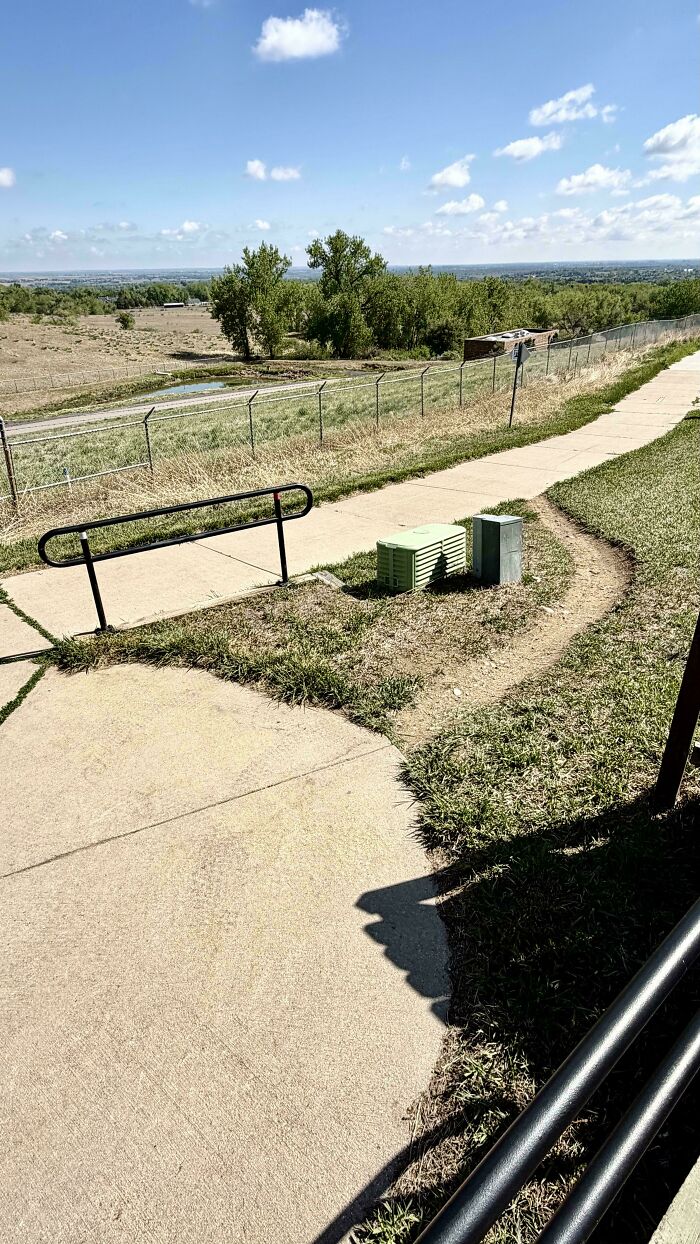
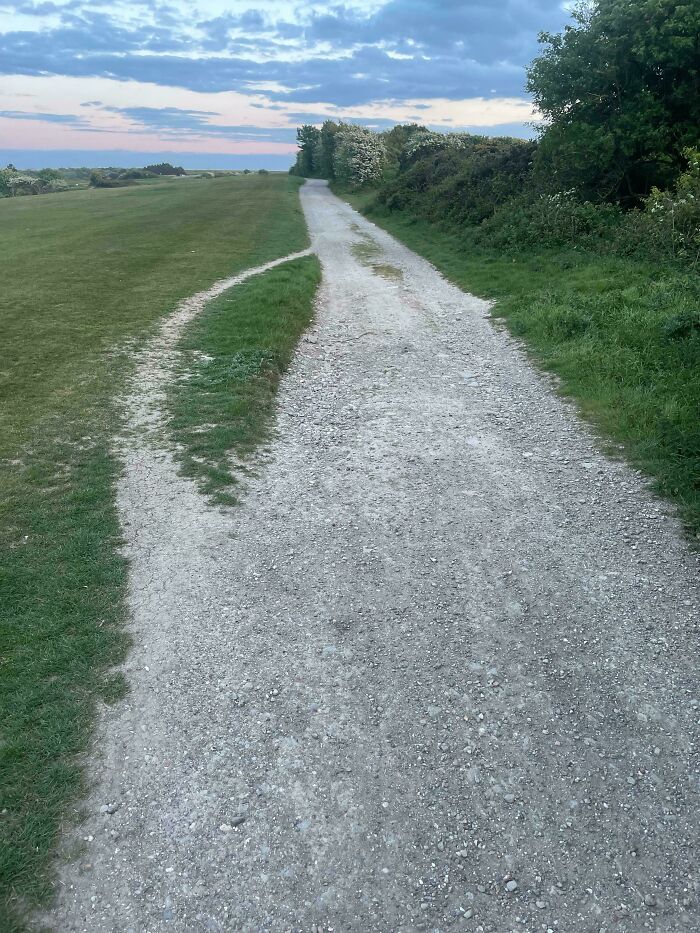
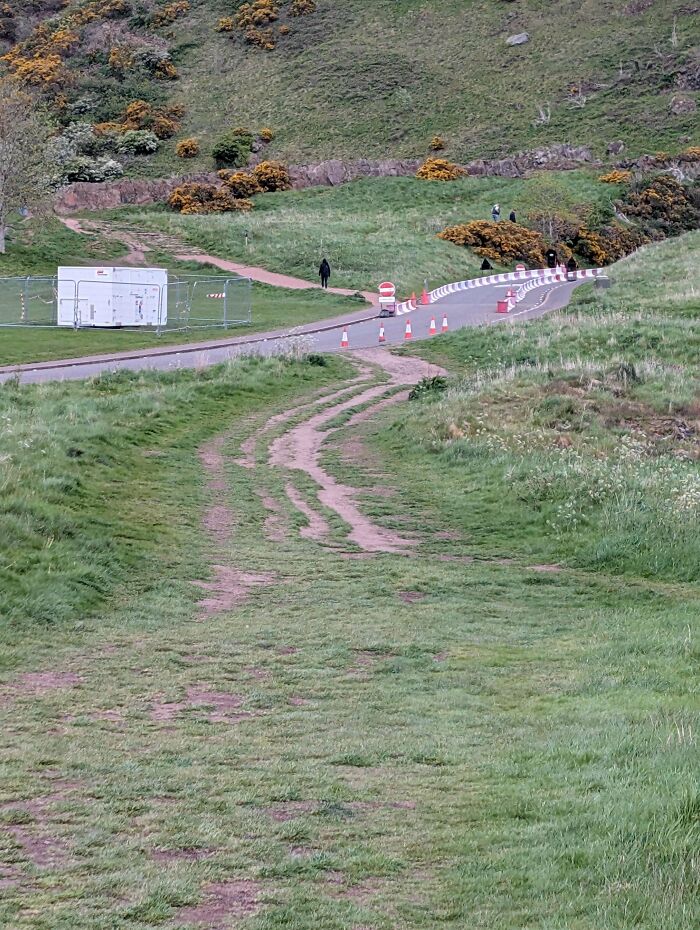
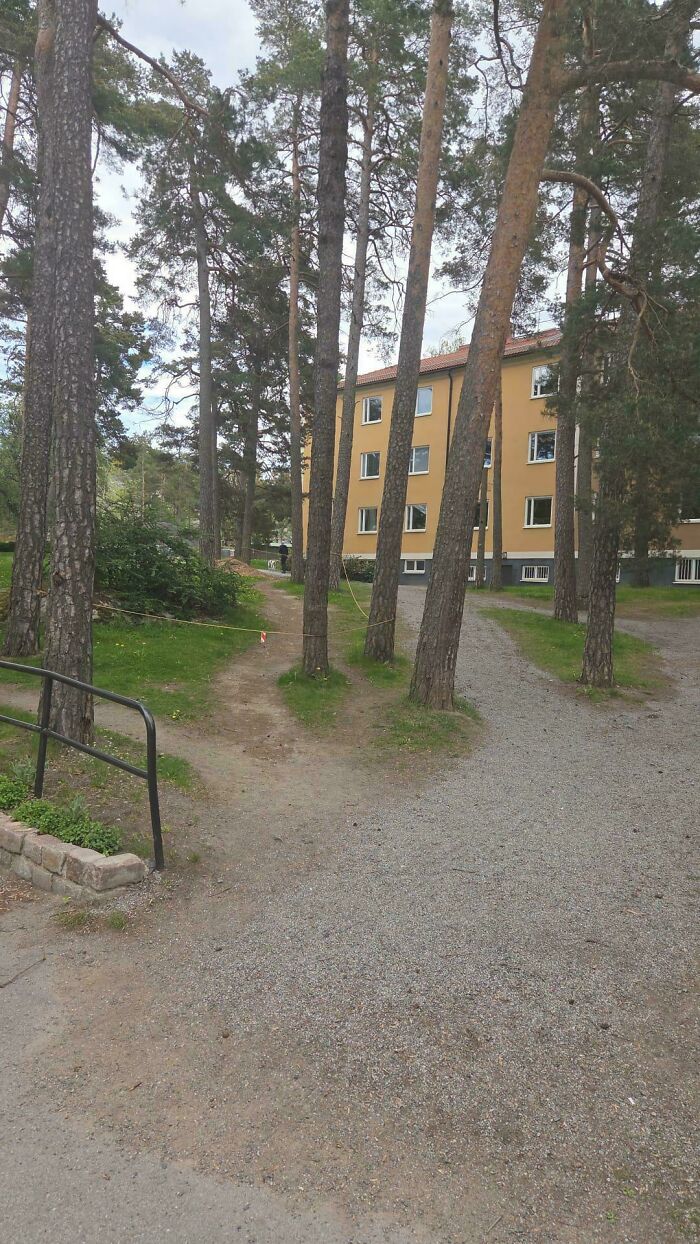
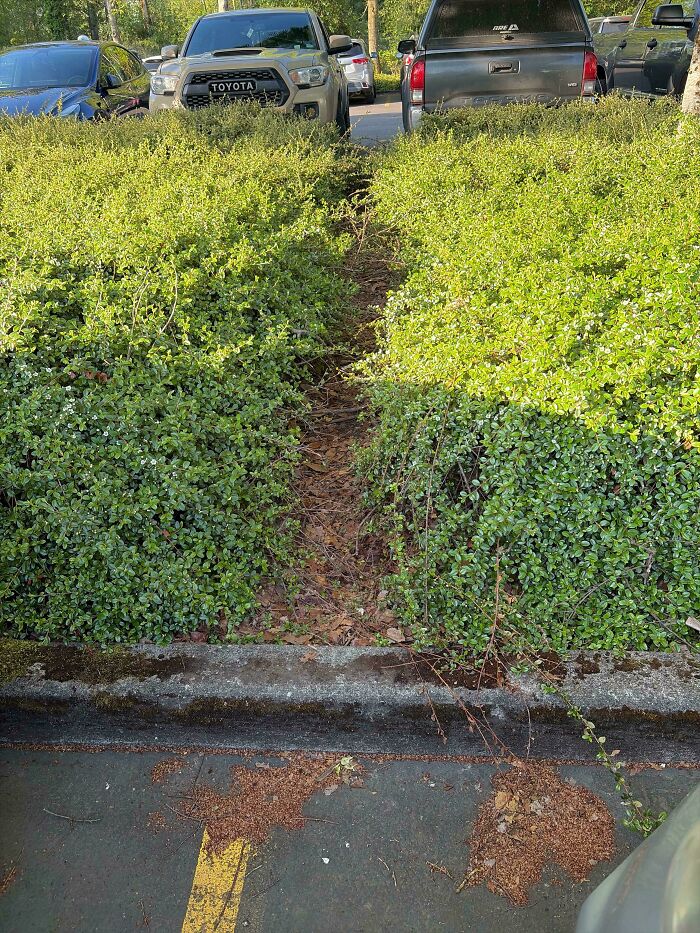
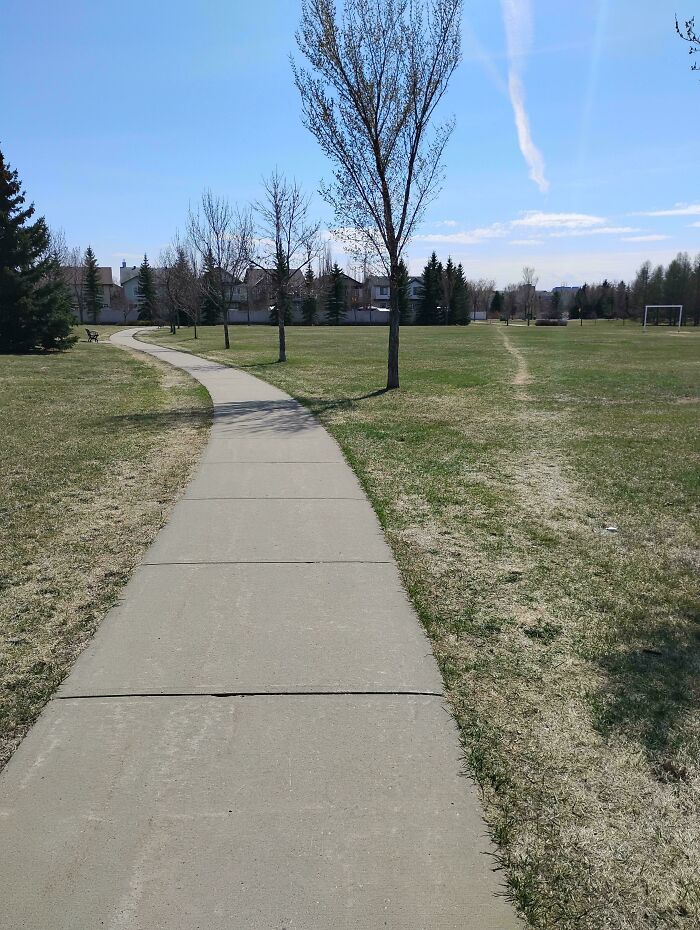
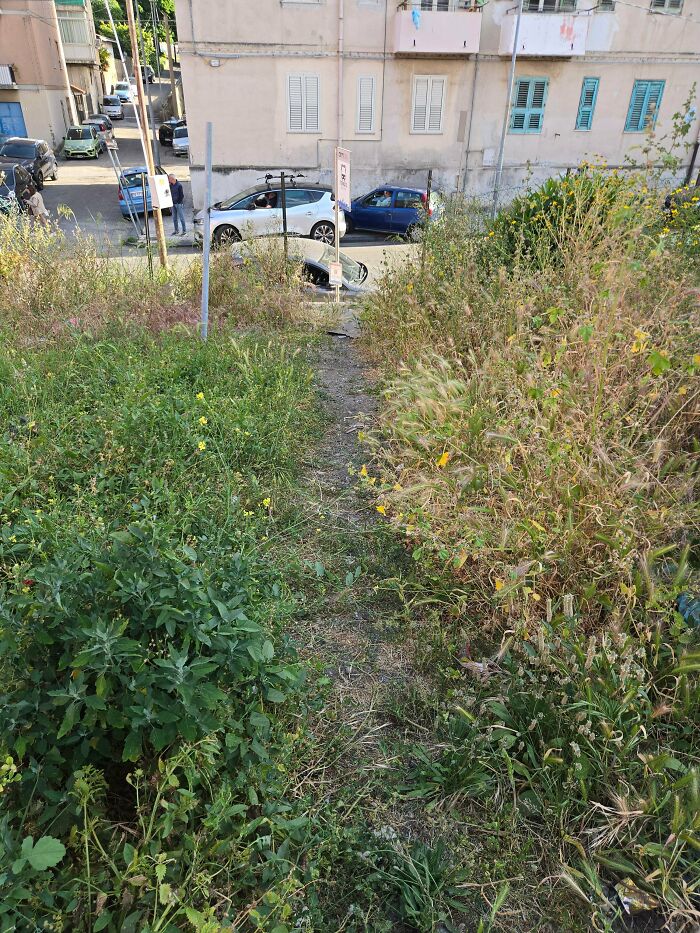
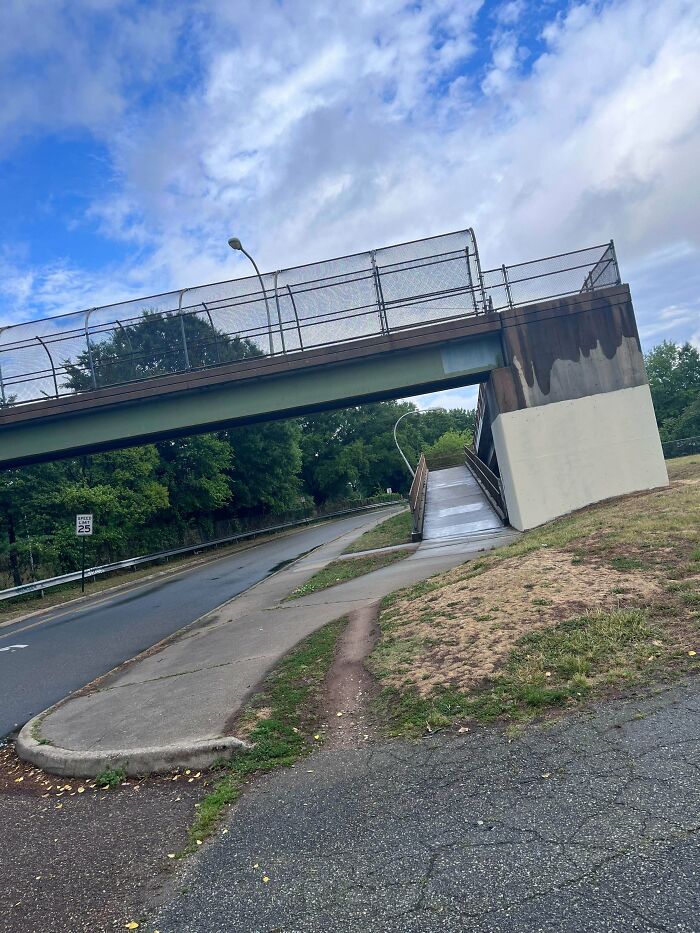
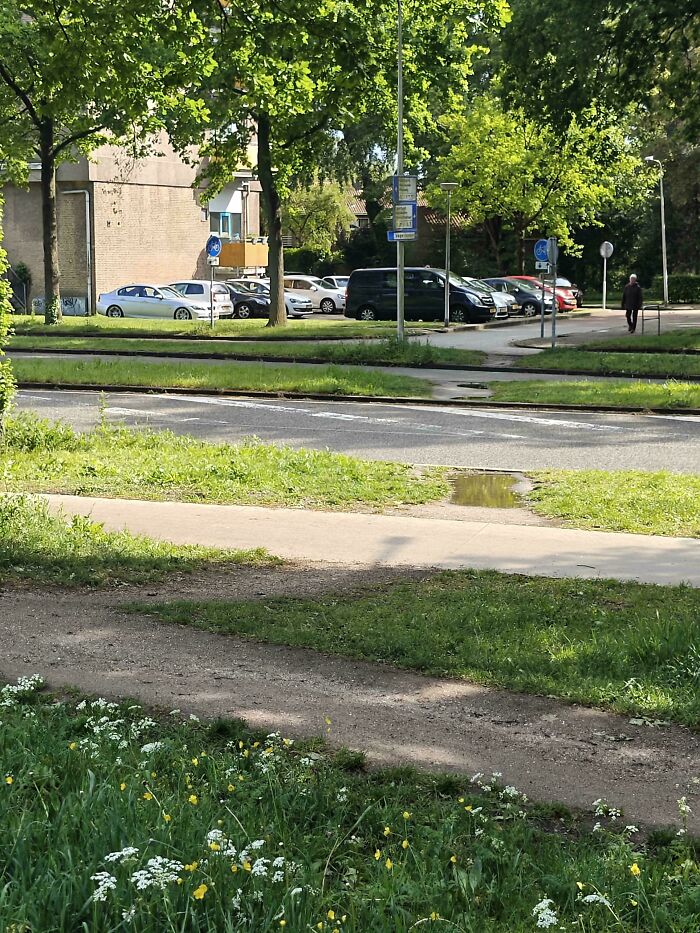
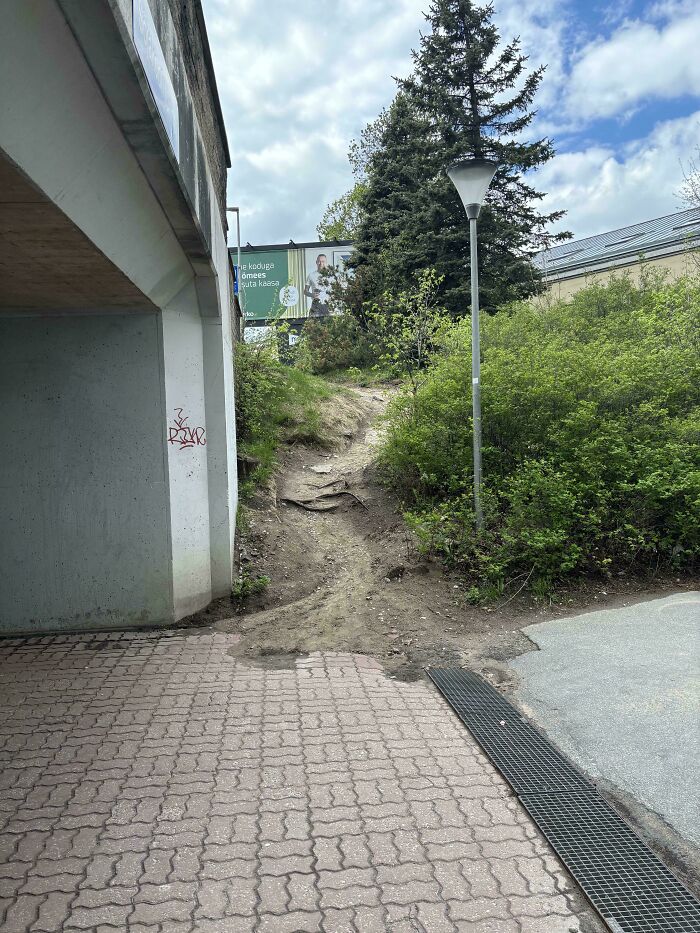
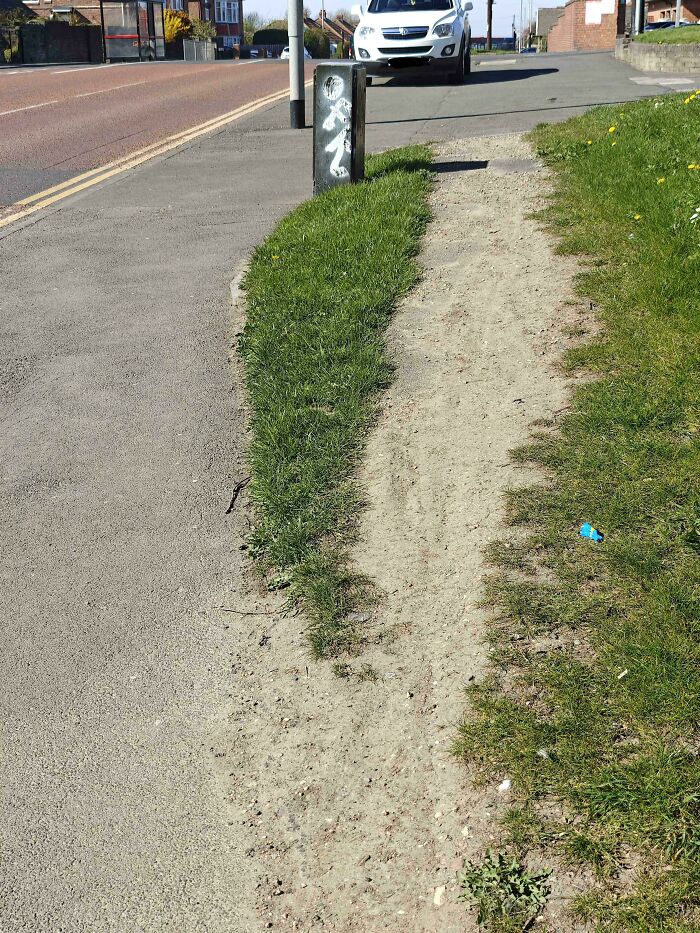
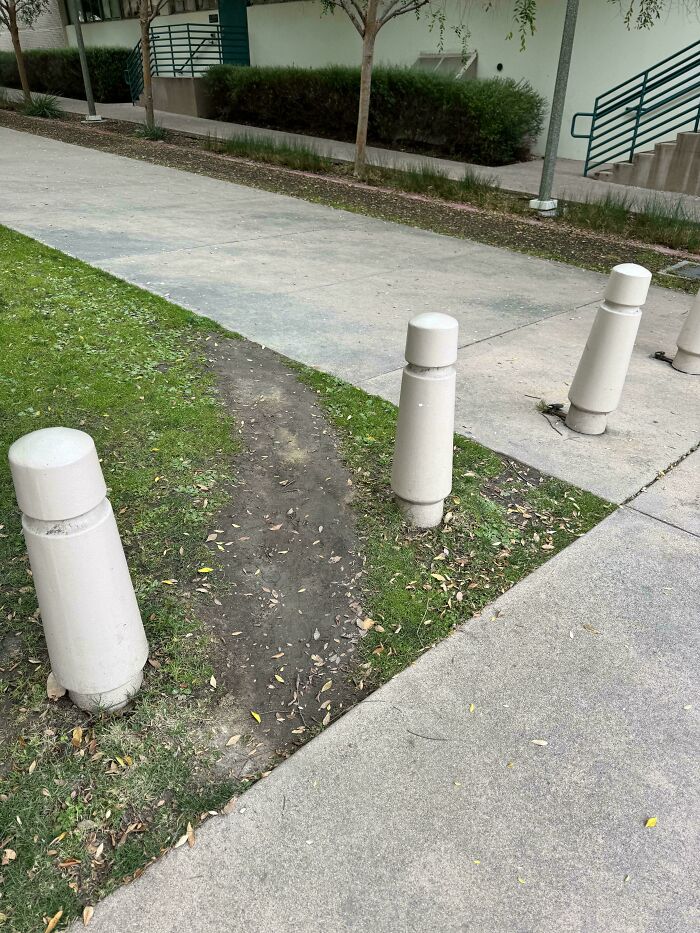
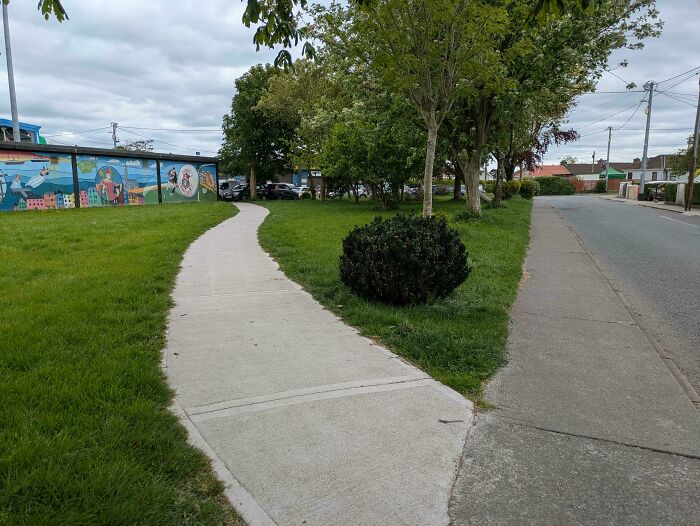
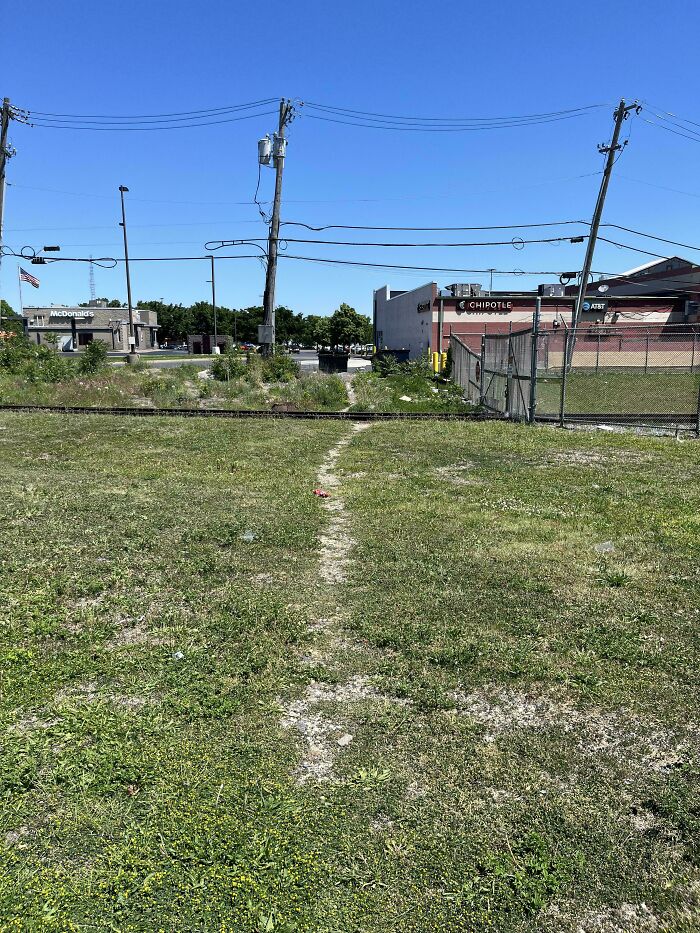
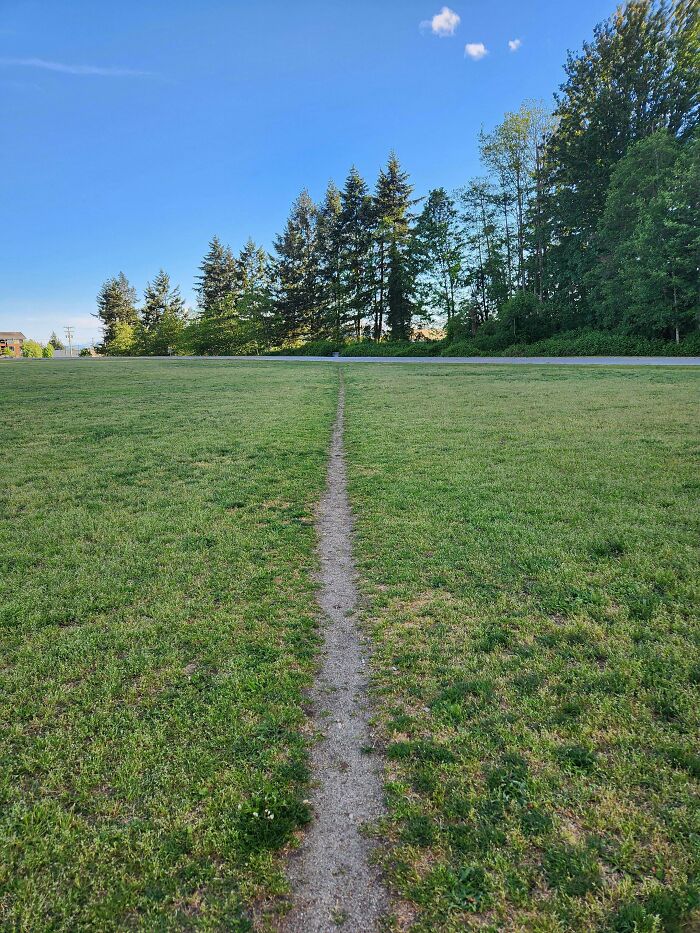
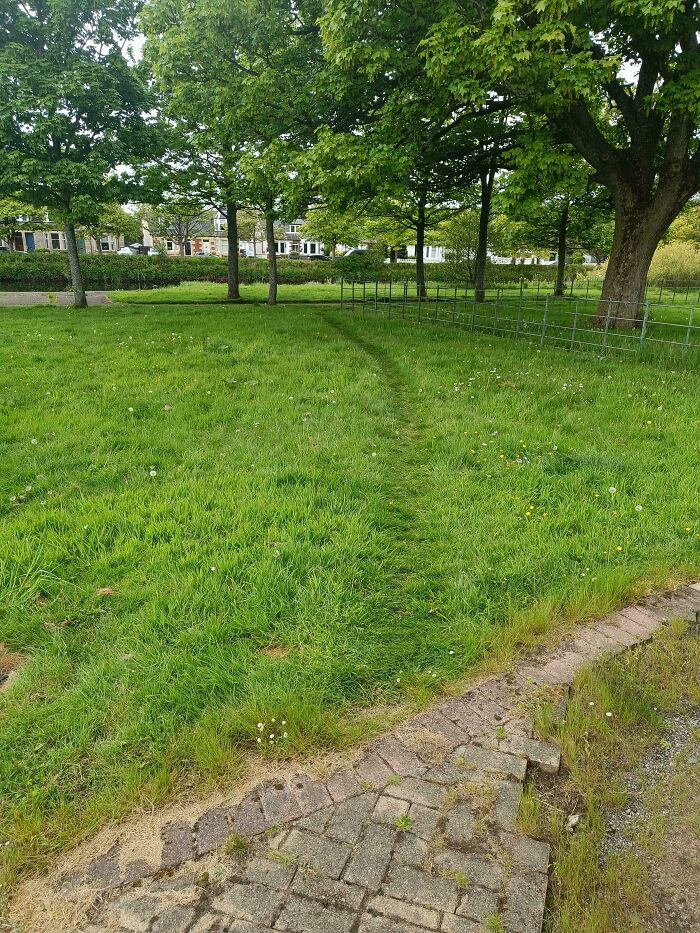
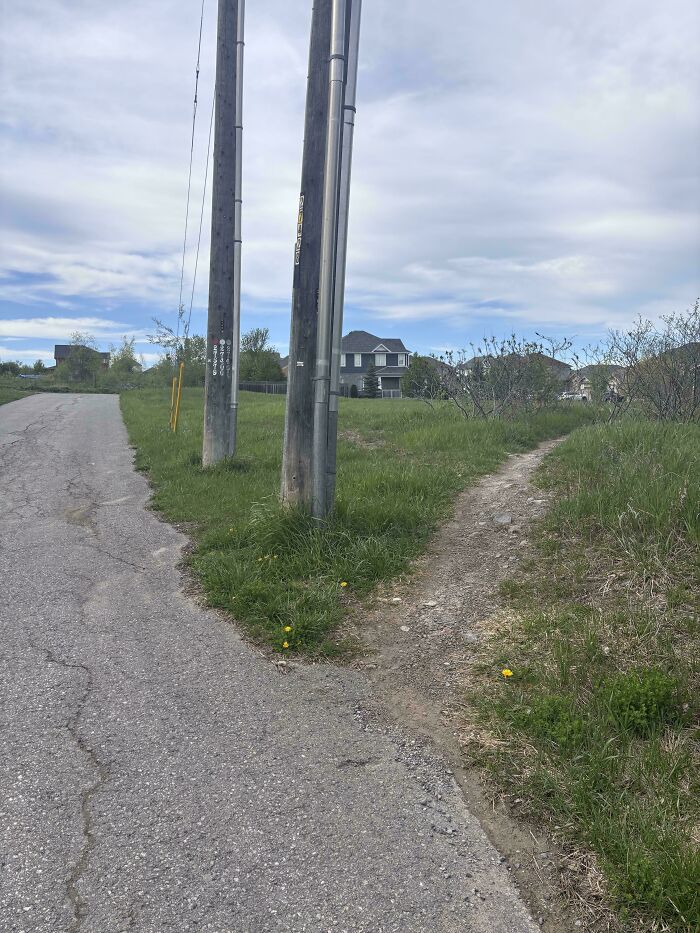
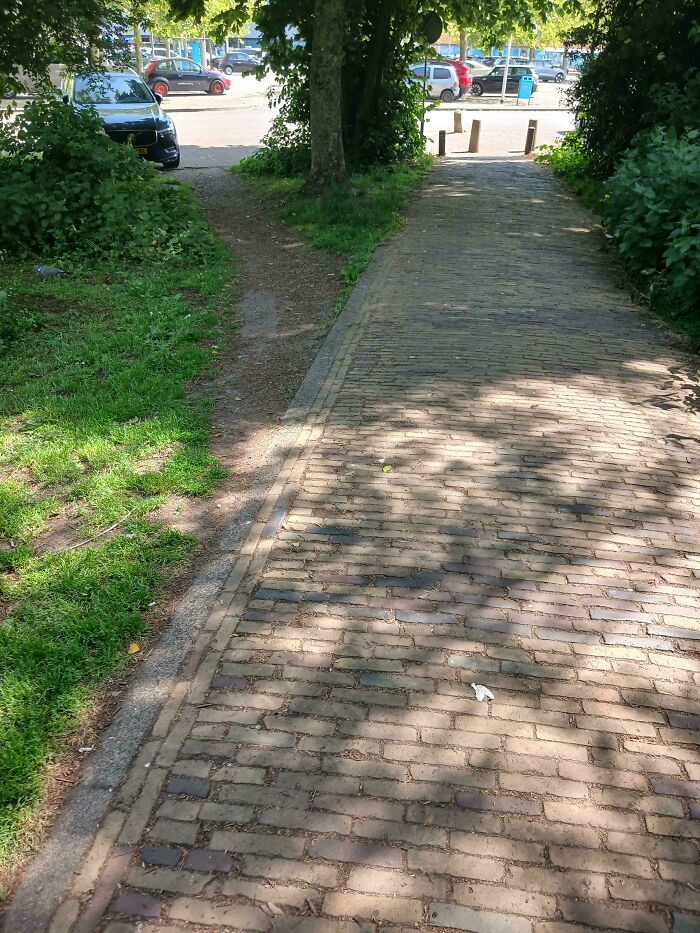
The desire path, also called an elephant path, a social trail, and several less printable names by frustrated urban planners, is the unofficial route worn into existence purely by people choosing the most logical way to get from one point to another. No planning permission or construction crew, just enough feet going the same way often enough until the ground gives up and accepts its fate. These are the most satisfying among them.
This post may include affiliate links.
Nobody agrees on who first called it a desire path. Plenty of sources credit the French philosopher Gaston Bachelard, but that is an urban myth, and the real origin is lost somewhere in the grass. The concept has traveled the world under better names anyway. The Dutch say olifantenpad, or “elephant path.” In Japan it is kemonomichi, “a beast path.” English speakers say cow path or goat track, which might hint at how planners feel about the people using them.
The math is on the walkers' side. Say a paved path runs 100 feet along one side of a lawn and 100 feet along the other, meeting at a right angle. The diagonal across the grass is about 141 feet instead of 200, so the shortcut saves nearly 59 feet. Pythagoras worked that out about 2,500 years ago, and planners keep drawing the right angle anyway.
Dwight Eisenhower gets the credit for the smartest response. The story goes that when he was president of Columbia University, he told staff to hold off on paving the walkways until students had worn their own routes into the grass. Whether it happened exactly like that is hard to confirm, but the idea has stuck around because it's so sensible. Let people walk, watch where the mud forms, and pave the mud.
Christopher Alexander built a whole philosophy around that instinct. His 1977 book "A Pattern Language" laid out 253 patterns for designing towns, buildings, and the spaces in between, and the through line was that design should follow how people actually live in a place. Paths were no exception. He wrote it before most of us had ever seen a desire path on a phone screen, and the grass has been backing him up all the way.

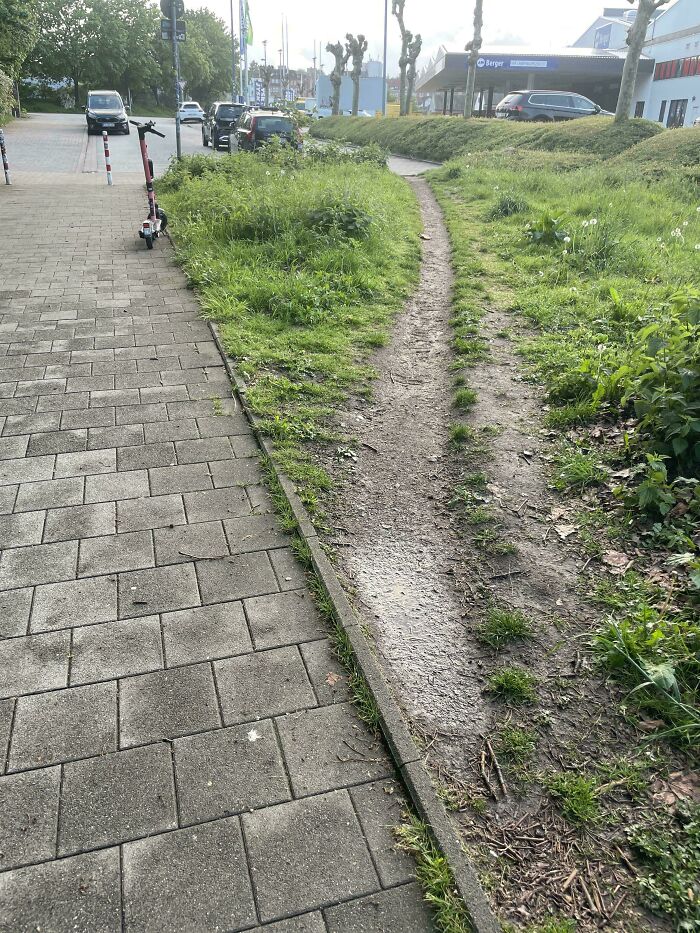
The stone path is often flooded. People walk around to avoid getting wet.
The software world got there too. "Pave the cowpaths" is a design principle meaning you should formalize the workarounds your users have already invented instead of forcing them down the route you built. It's the same lesson with a different vocabulary, and tech companies charge a lot of money for it.
Every desire path in this collection started with one person who looked at the official route and said "no thanks." Someone else followed, then ten more, then a few thousand, and none of them ever spoke to each other. Nobody held a meeting or took a vote. The grass just kept the minutes. Somewhere in there is a greater philosophical principle, but we are still trying to take a shortcut to figure it out.
Are you the kind of person who follows a desire path, or do you stick to the paved road? Tell us in the comments.







































 No fees, cancel anytime