Get Premium
Dark mode theme is available exclusively for premium users. Learn more about the benefits of subscribing.
No fees, cancel anytime.

 Dark Mode Ad-Free Browsing Unlimited Content
 Ad-Free Browsing Unlimited Content Dark Mode
Join 1.2 million Panda readers who get the best art, memes, and fun stories every week!
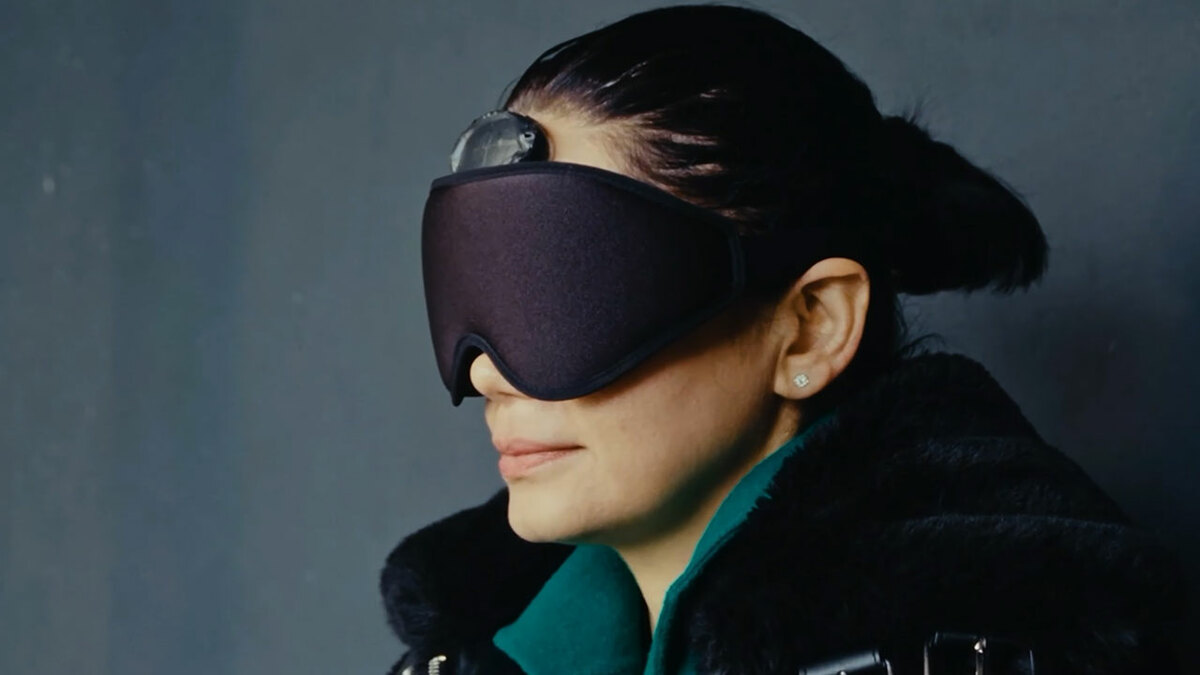
Life can get pretty loud sometimes, and it can feel like it’s moving at breakneck speed. We’re constantly on the go, constantly online, and sometimes, “unplugging” from it all seems like the only way to get some proper rest.
For bioengineering professor Kiana Aran, it’s no different. “As a faculty, my mind has been always racing. I have tried yoga, meditation to just calm my brain down, because I’m constantly thinking of, ‘Okay, what’s next, what’s next, what’s next.’ I cannot sit still, and sometimes it gets too much,” she told The Scientist.
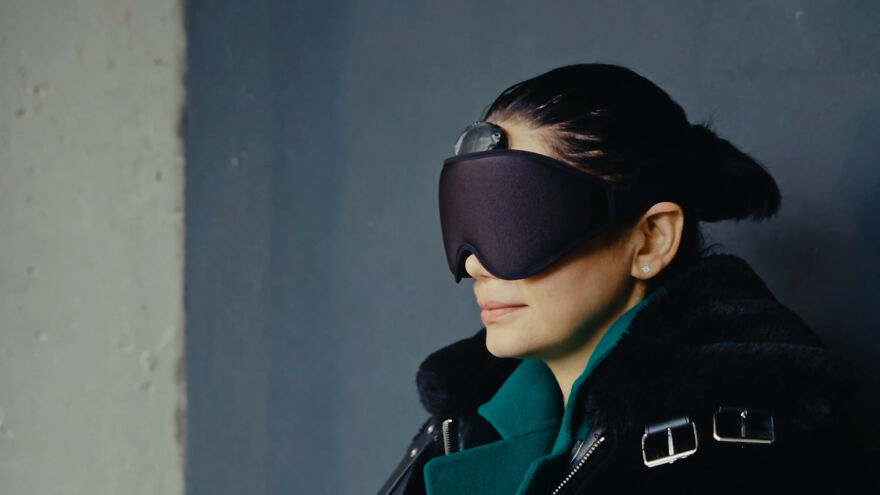
But while most of us might settle for switching off our phones or taking a quiet weekend away, Aran decided to take things a whole lot further. She spent five days in a pitch-black “cave” in Poland, turning a darkness retreat into a scientific experiment to investigate what happens to the body when it is deprived of external stimulation.
Darkness retreats involve spending several days in a completely dark space, often in the hope of finding rest or gaining a new perspective. Cherilyn Parsons, writing for Condé Nast Traveller, describes the experience as “an antidote to our over-lit, fast-paced lives” and “arguably the most radical wellness trend of 2026.”
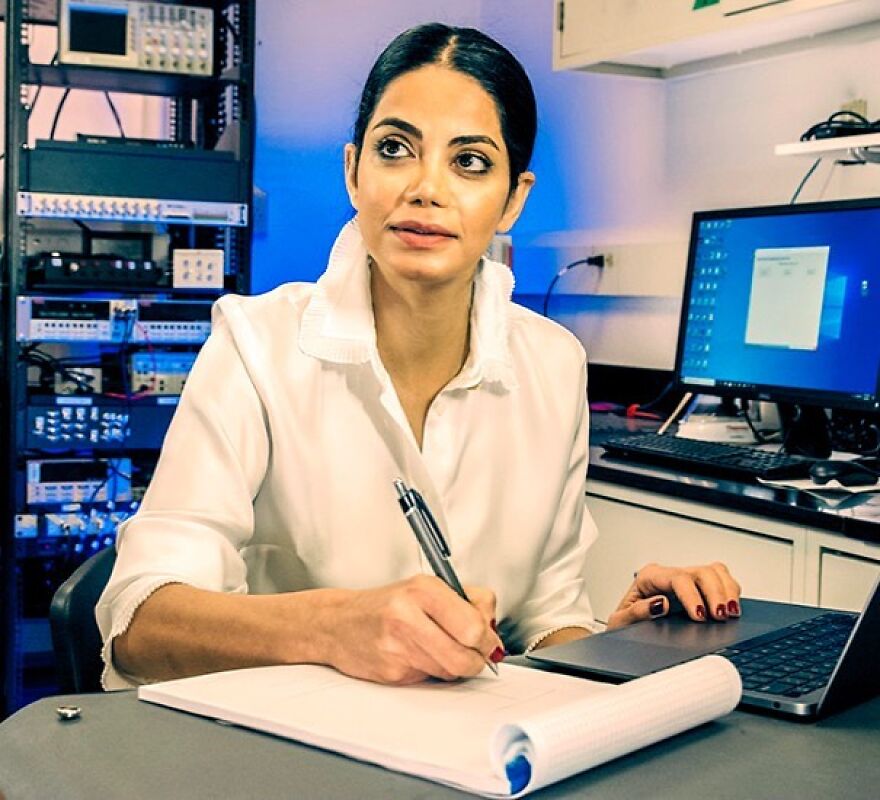
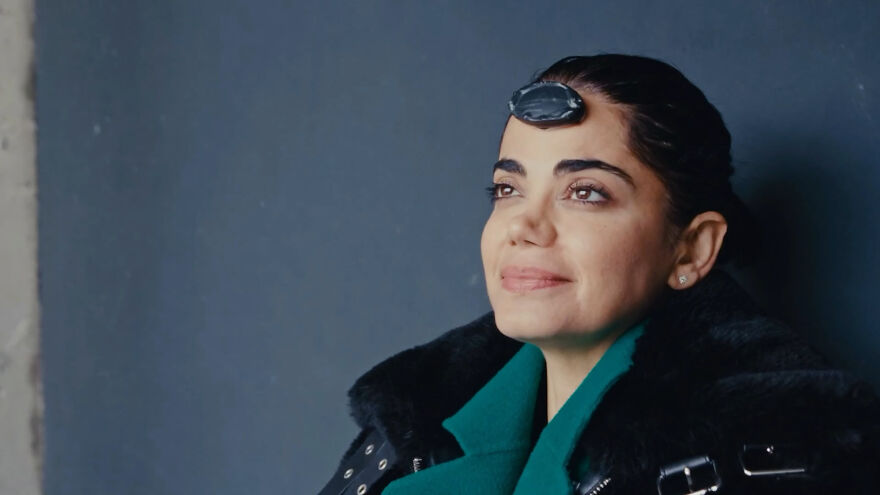
Although the practice has ancient spiritual roots, the science behind its potential benefits and risks remains limited. But Dr. Kiana Aran, a scientist and engineer at the University of California, San Diego, had the opportunity to investigate the effects firsthand.
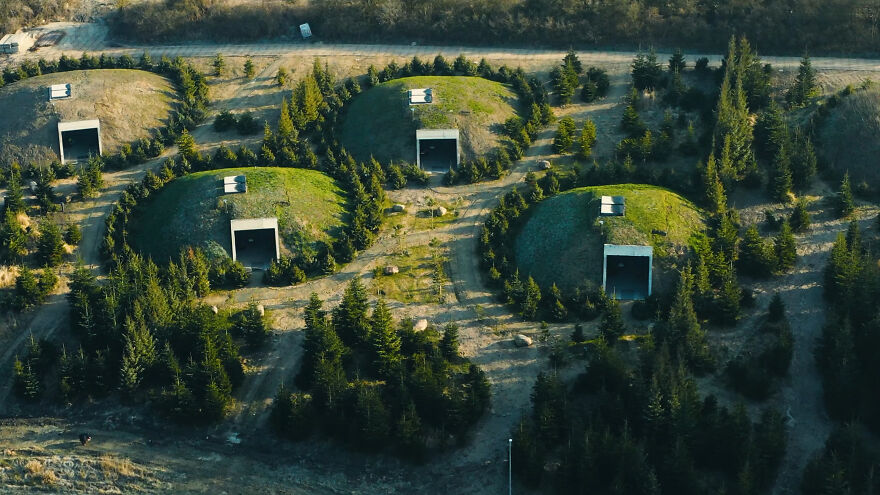
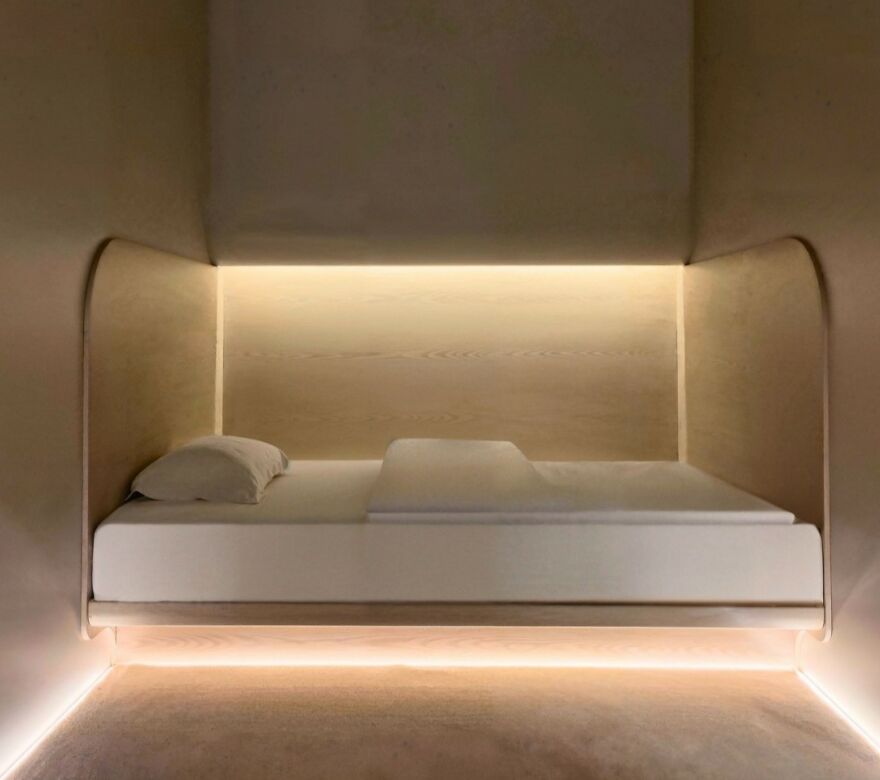
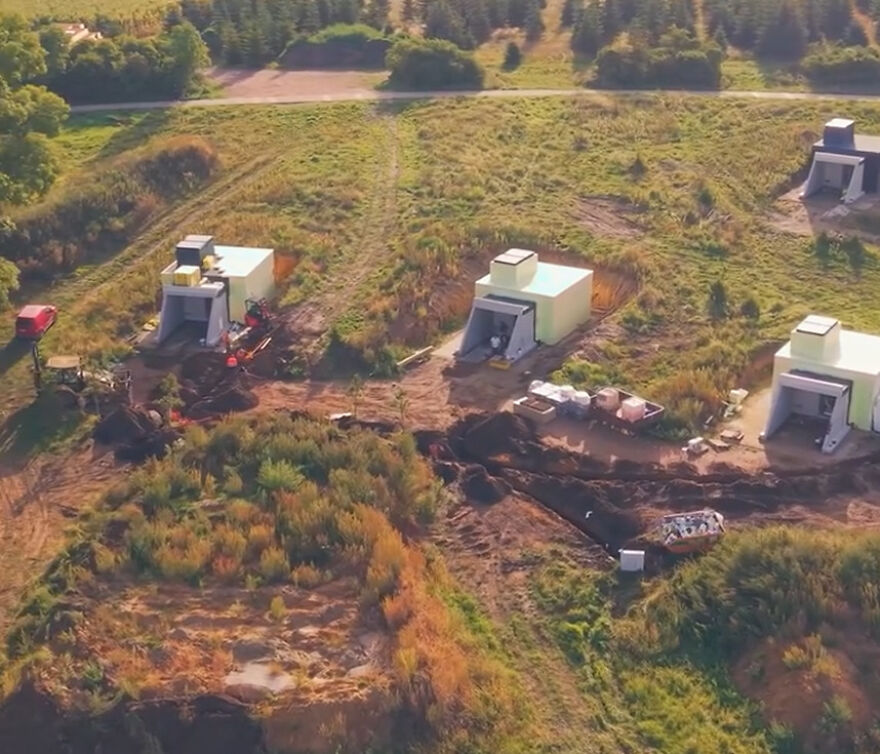
In November 2024, Aran spent five days at the Ultimate Darkness Retreat in rural Wróblewo, west-central Poland. The “cave” was actually a comfortable cabin-like space built into a hillside, complete with a bed, bathroom and shower.
Aran and her colleagues planned to compare her biomarkers before, during and after her stay. During the experiment, she wore a wireless electroencephalography (EEG) device to record brain activity and sleep stages, while the Oura Ring tracked her sleep, heart-rate variability and circadian rhythms. A glucose monitor allowed her to follow metabolic responses in real time.
She also collected biological samples for analysis of her microbiome and proteins linked to metabolism, immune function and stress.
With external stimuli completely removed, one of the first changes Aran noticed was that food tasted more intense. “Food was intense and delicious,” she writes in Nature. “I never knew exactly what I was eating but I remember the certain food by texture alone: the firmness of broccoli, the smoothness of soups, the crunch of nuts.”
Her biological data offered a possible explanation. Analysis revealed significant changes in proteins linked to taste and smell, consistent with her heightened sensory experience. Her glucose levels also remained remarkably stable, even after meals, while proteins associated with glucose uptake showed an increase.
Other changes emerged over the five days. Aran’s skin and saliva microbiomes shifted, while her gut microbiome remained relatively stable. Her sleep and brain activity data also showed that her circadian rhythm had become disrupted, with REM and REM-like dream states occurring throughout the day. Her resting heart rate dropped below its usual level on some days, and it also fluctuated more than it had before the retreat.
For Aran, however, the significance of the data went beyond the individual findings. “The beauty of data is that they made my inner experience something I could share,” she writes in Nature. She could show her colleagues changes in her sleep architecture, glucose curves and microbiome. “They couldn’t feel what I felt in the darkness, but they could see it.”
The measurements offered a glimpse of how her body responded to prolonged darkness, but Aran is cautious about drawing firm conclusions from the results. Several of the biological changes also returned to baseline within a few days of her leaving the retreat.
“I know these are studies that I can’t really make a conclusion, because it’s n of one. We have to do more. It was just interesting to observe how my body was responding,” she told The Scientist.
At first, Aran found the experience surprisingly pleasant. Away from her phone, laptop and everyday responsibilities, she slept well and enjoyed the calm. But the novelty soon wore off. With no distractions or reliable sense of time passing, she struggled to occupy her mind: “By day two I was just asking myself how I could survive, why time wasn’t passing,” she told ABC Life Matters. “I didn’t know if it was day or night, my circadian rhythm completely shifted; it became extremely difficult by day three.”
Aran received one meal a day through a double-window system designed to prevent light from entering the cabin. Initially, counting the meals helped her keep track of the days, but when staff began varying the delivery times, even that reference point became unreliable.
“I think it was when I received the second meal. After that, I was like, ‘How am I going to stay another three days here?’” she told The Scientist.
Despite having learned meditation and breathing exercises to help her cope, Aran struggled to settle her mind. She also experienced a vivid vision of her mother, cousin and late grandmother sitting together, laughing softly over an iPad. She couldn’t tell whether it was a dream or a hallucination. “They looked so alive, so close, separated from me only by a glass door,” she writes in Nature.
By the third and fourth days, she told The Scientist, she “just couldn’t wait to come out.” Still, she was determined to see the experiment through. She knew that her colleagues were waiting for her outside and that they were counting on her to collect the data. And although the isolation pressed heavily on her by the fourth day, she came to feel immense appreciation and gratitude.
“I began to realize that my world of science and experiments meant nothing without the people around me, without shared experiences, without even the small challenges I had once resented,” she writes in Nature.
That realization stayed with her after she left the retreat. According to Meenakshi Prabhune, writing for The Scientist, Aran scored higher on an NIH-designed questionnaire measuring compassion after the experience.
“I still carry [that feeling] with me,” Aran said. “Every time I get upset with something, I remember the darkness, and I’m like, ‘No.’ I appreciate everything I have right now all around me.”
By entering your email and clicking Subscribe, you're agreeing to let us send you customized marketing messages about us and our advertising partners. You are also agreeing to our Privacy Policy.
Thank you! You've successfully subscribed to newsletters!

To be clear, it wasn't sensory deprivation, unless the only sense that counts is sight.

She was alone and no mention of a radio or anything like that so I assume it was also d**d quiet, unless she talked to herself. She still had taste and smell but that would mostly only be noticed when eating. It's a controlled indoor environment so not many smells to work with. Touch could be a major input if she moves around and touches things but I would mostly stay in one spot if I couldn't see what was in front of me for fear of walking into walls.
Load More Replies...
To be clear, it wasn't sensory deprivation, unless the only sense that counts is sight.
She was alone and no mention of a radio or anything like that so I assume it was also d**d quiet, unless she talked to herself. She still had taste and smell but that would mostly only be noticed when eating. It's a controlled indoor environment so not many smells to work with. Touch could be a major input if she moves around and touches things but I would mostly stay in one spot if I couldn't see what was in front of me for fear of walking into walls.
Load More Replies... 
































 No fees, cancel anytime















34
7