Get Premium
Dark mode theme is available exclusively for premium users. Learn more about the benefits of subscribing.
No fees, cancel anytime.

 Dark Mode Ad-Free Browsing Unlimited Content

 Ad-Free Browsing Unlimited Content Dark Mode

Join 1.2 million Panda readers who get the best art, memes, and fun stories every week!
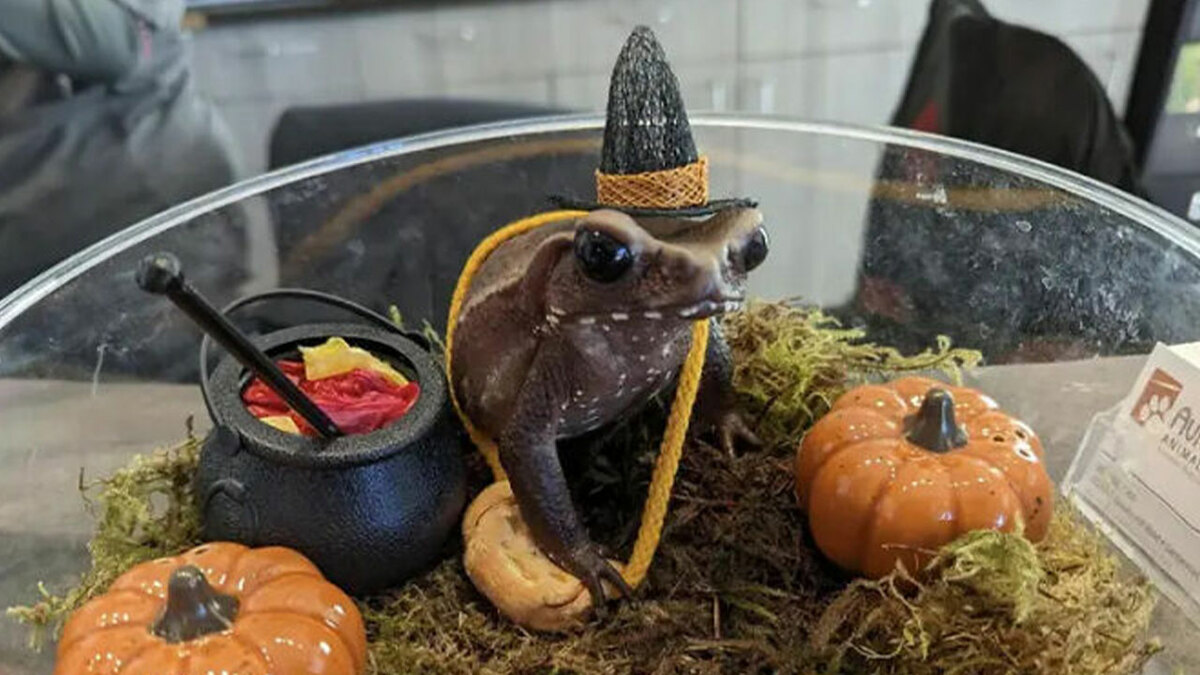
Depending on one’s level of commitment, Halloween might just be throwing a sheet over yourself and calling it a day (or a night?) while others are arranging a skeleton army in their yard and hand-crafting costumes, and not just for themselves.
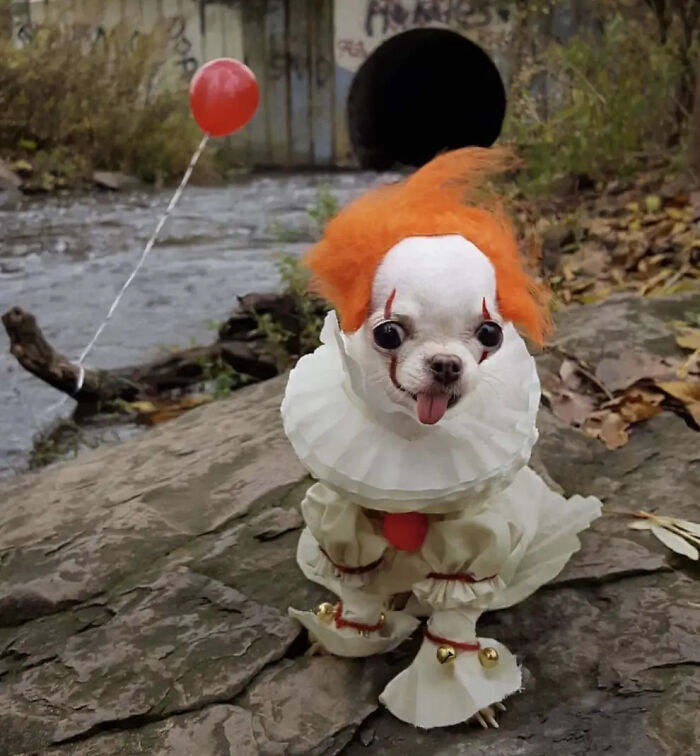
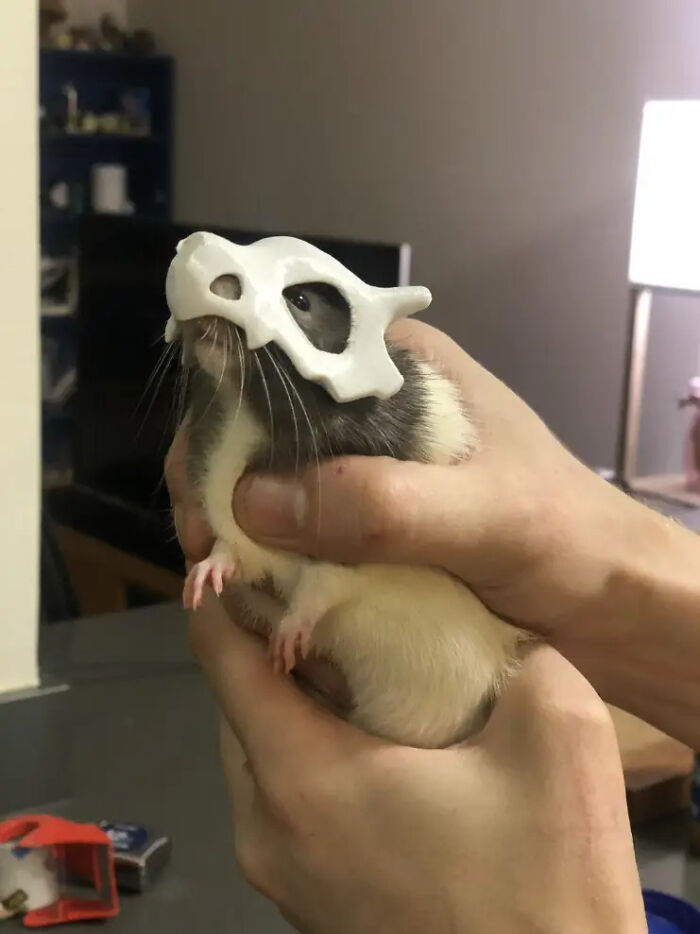
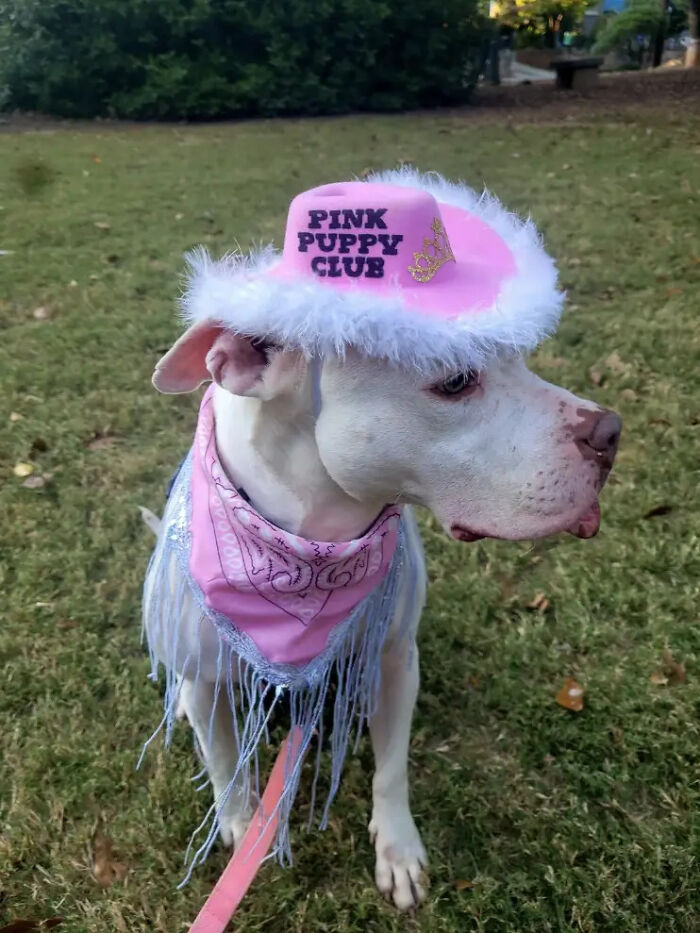
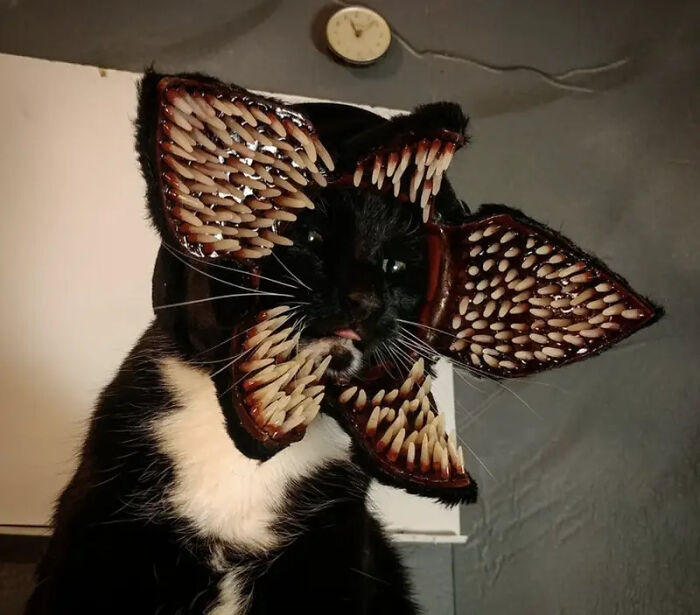
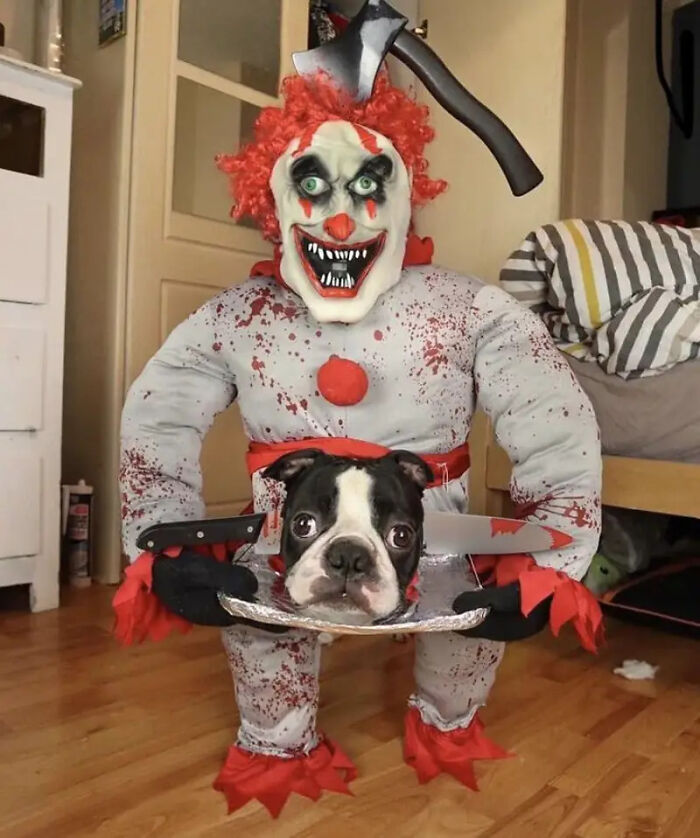
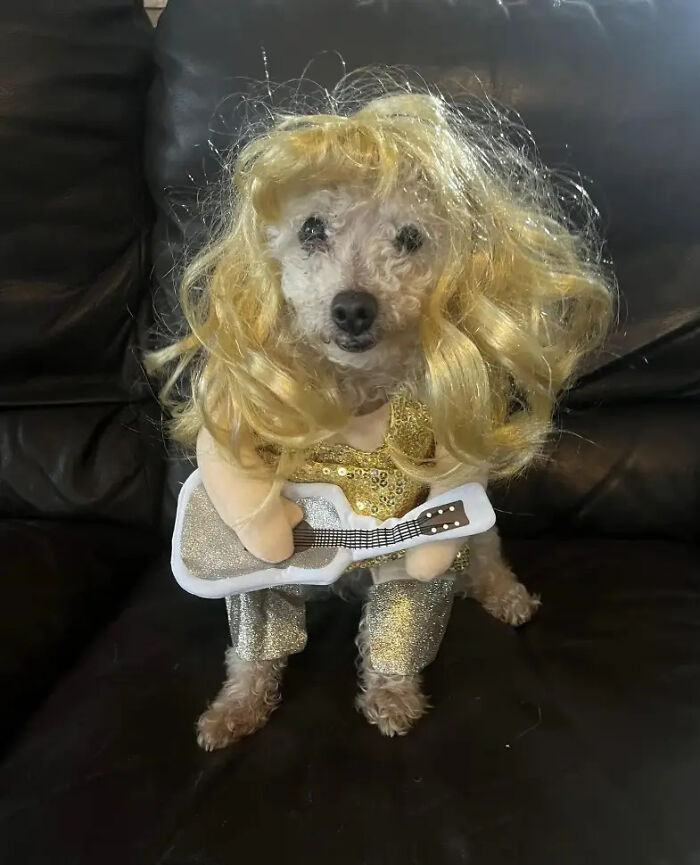
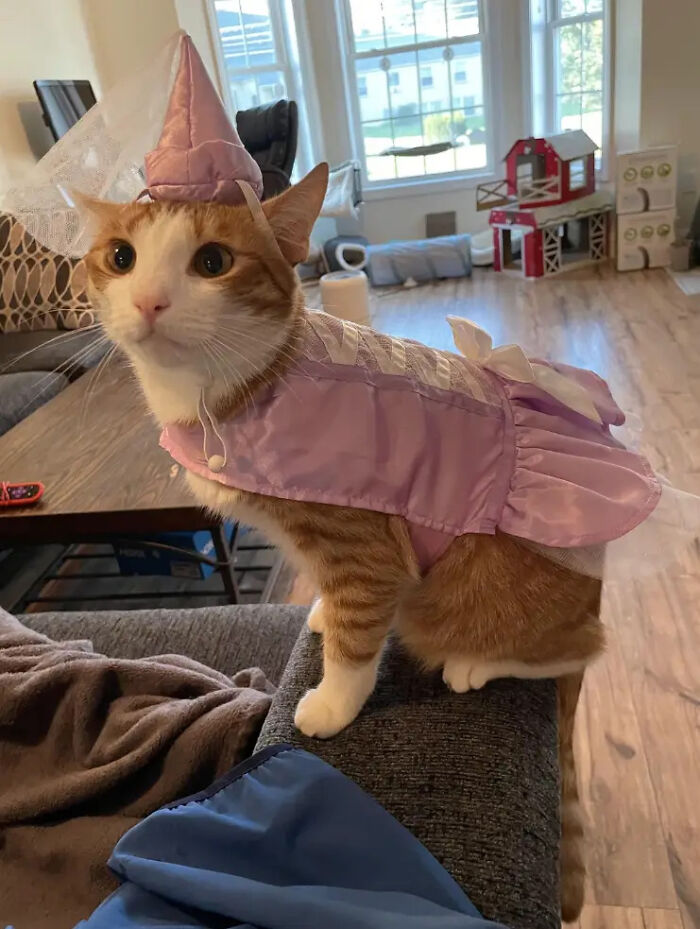
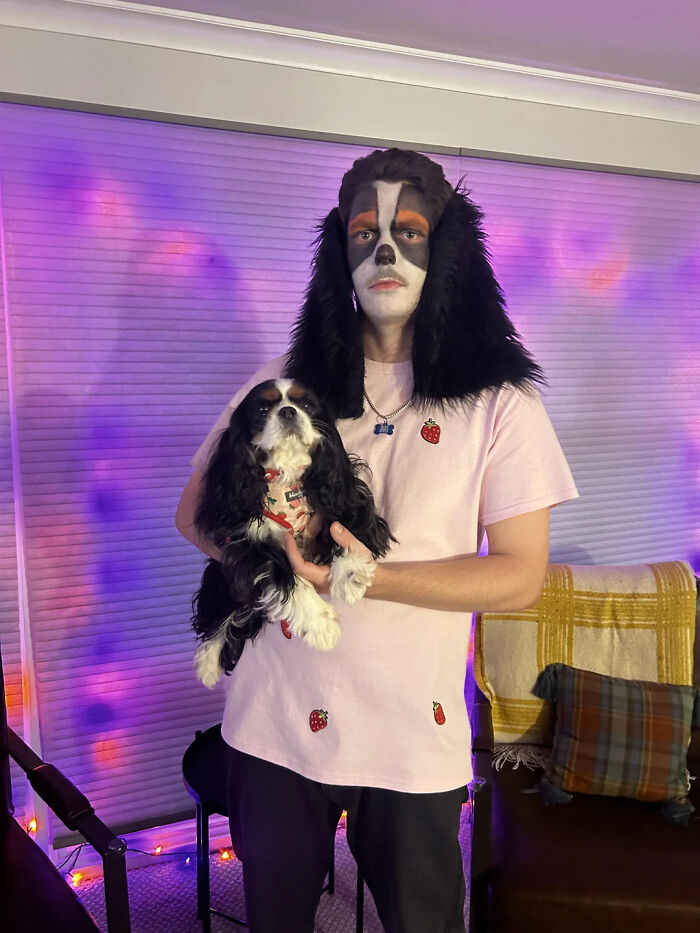
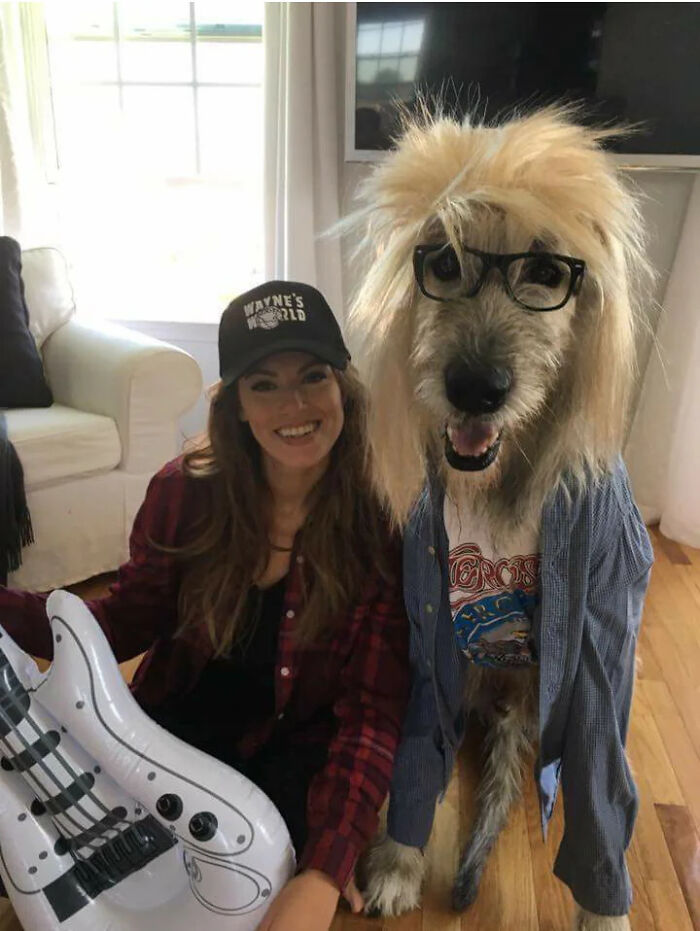
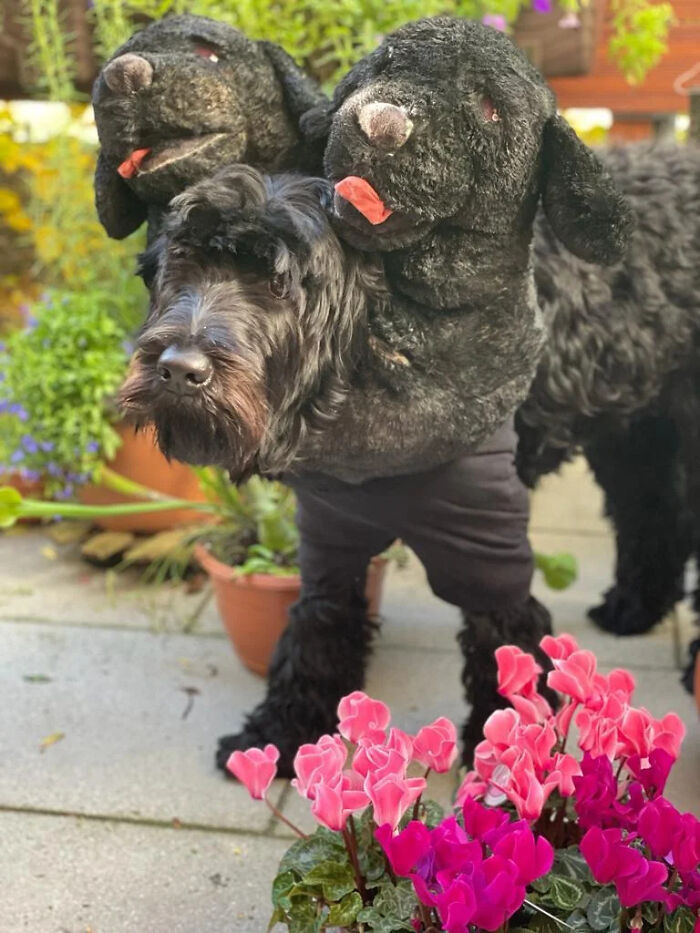
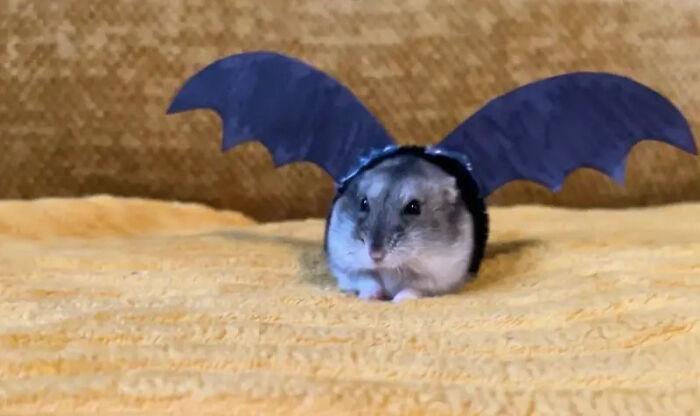
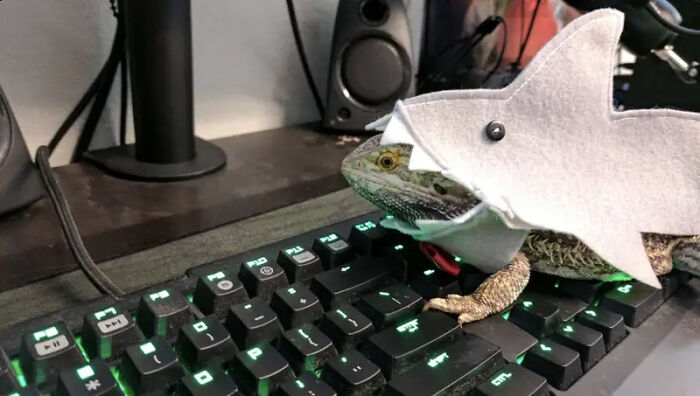
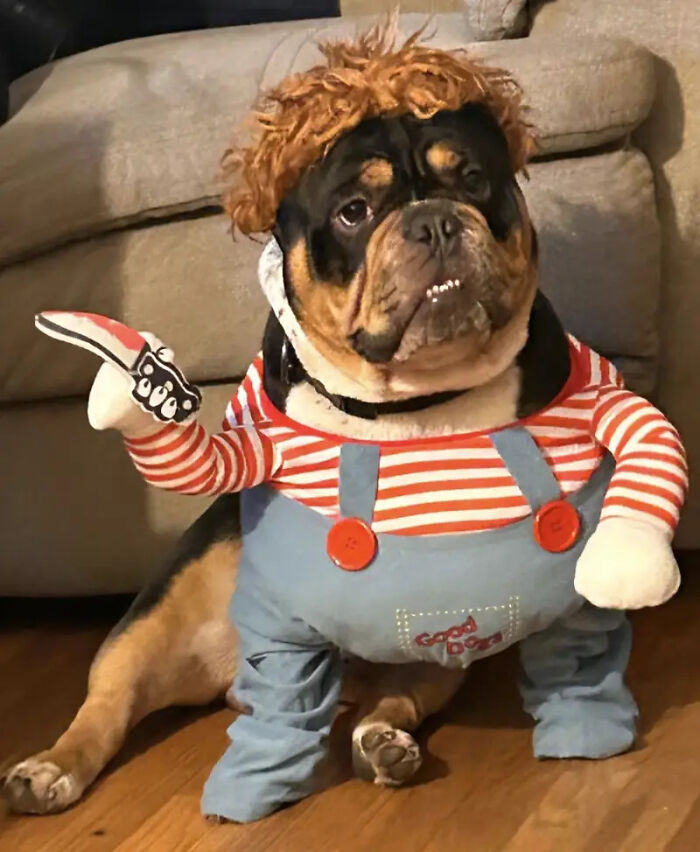
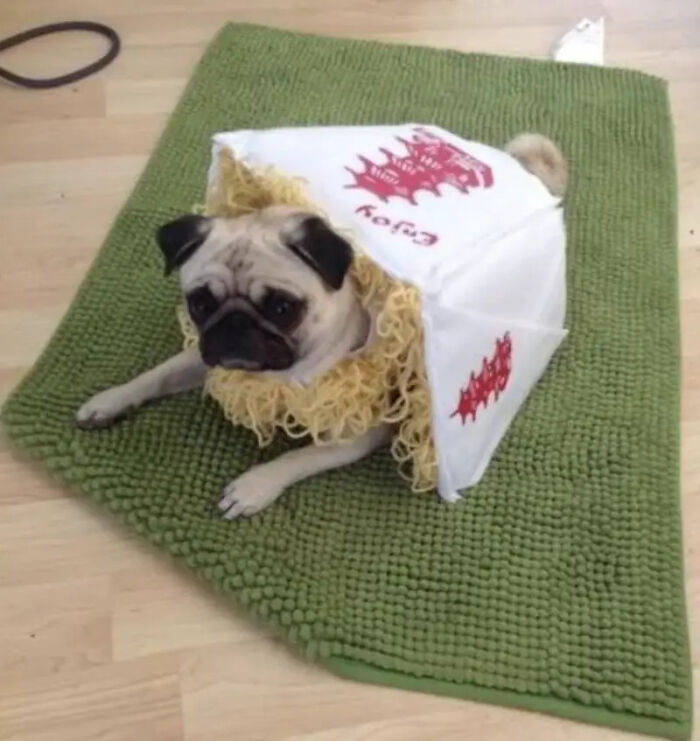
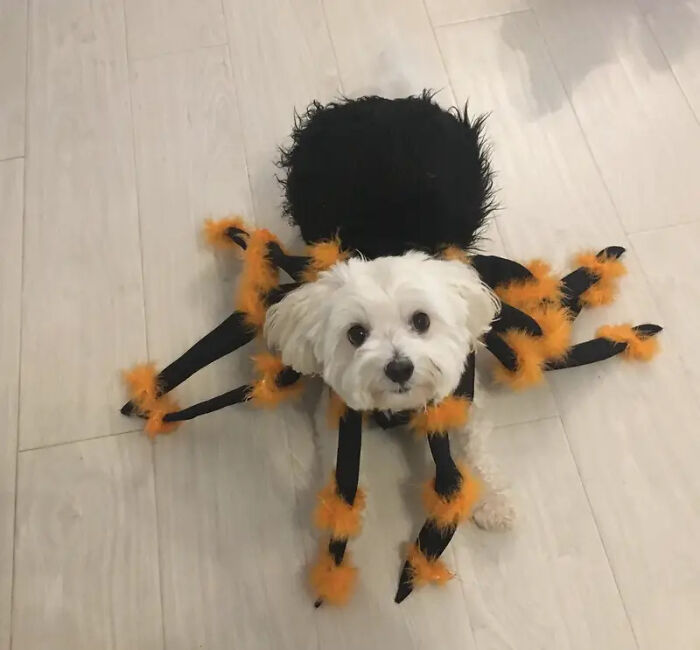
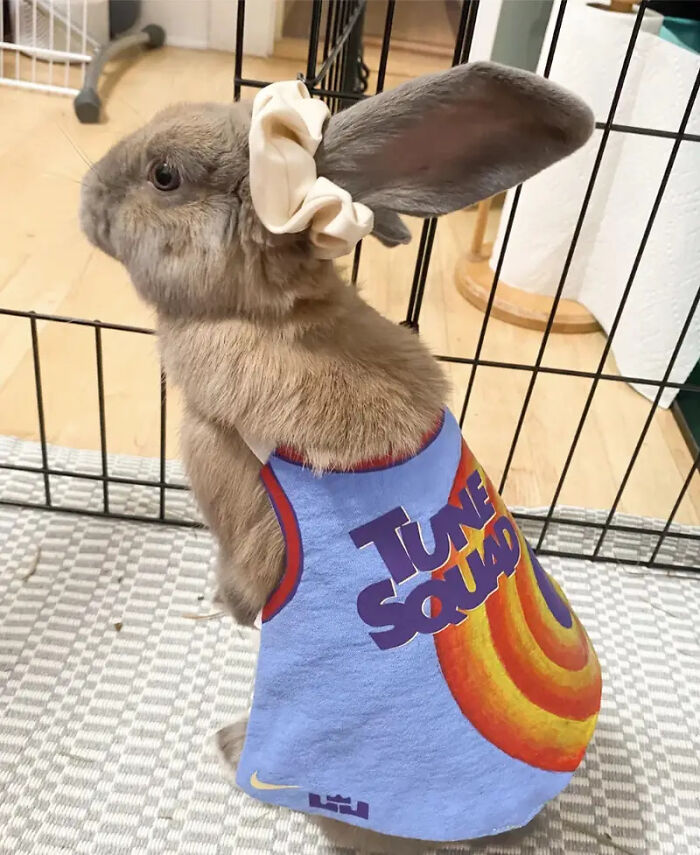
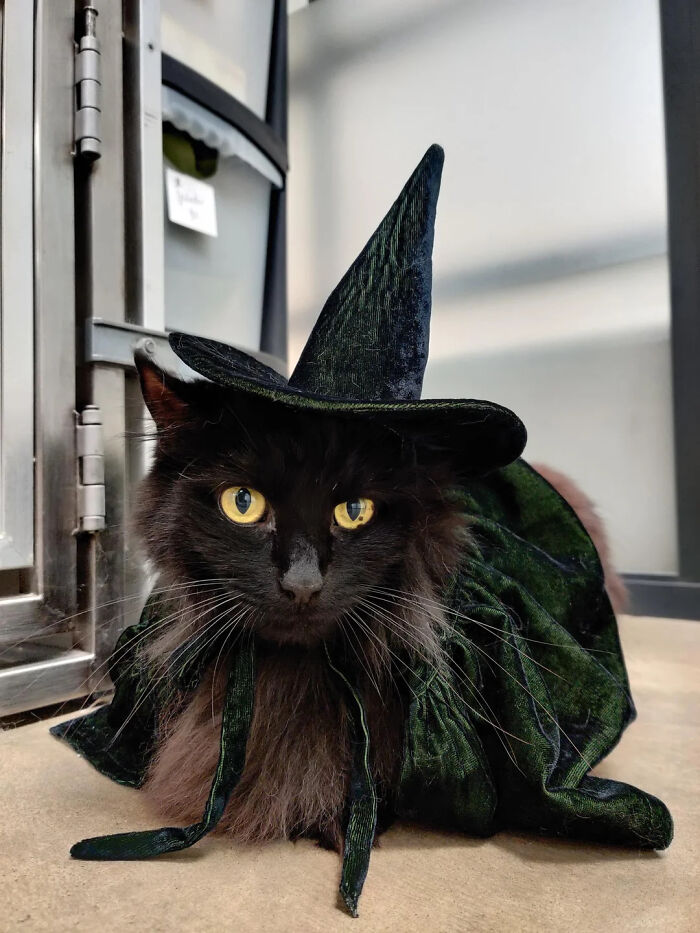
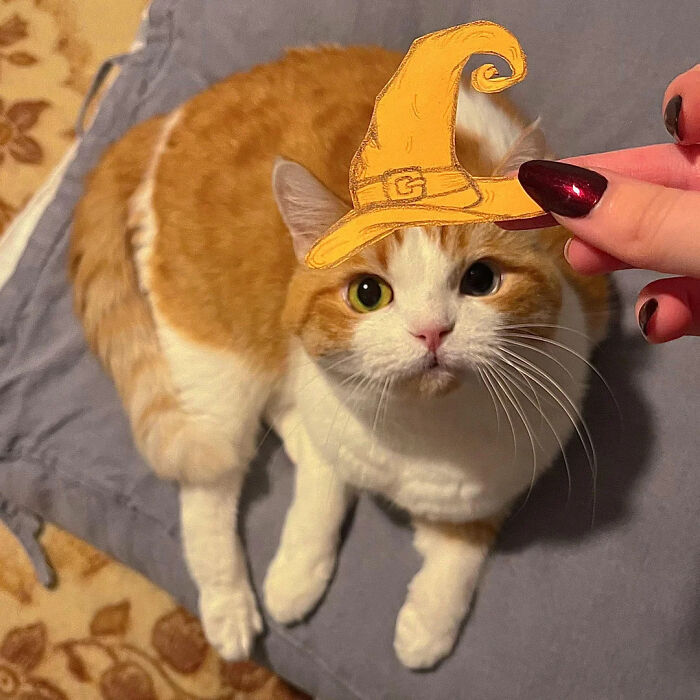
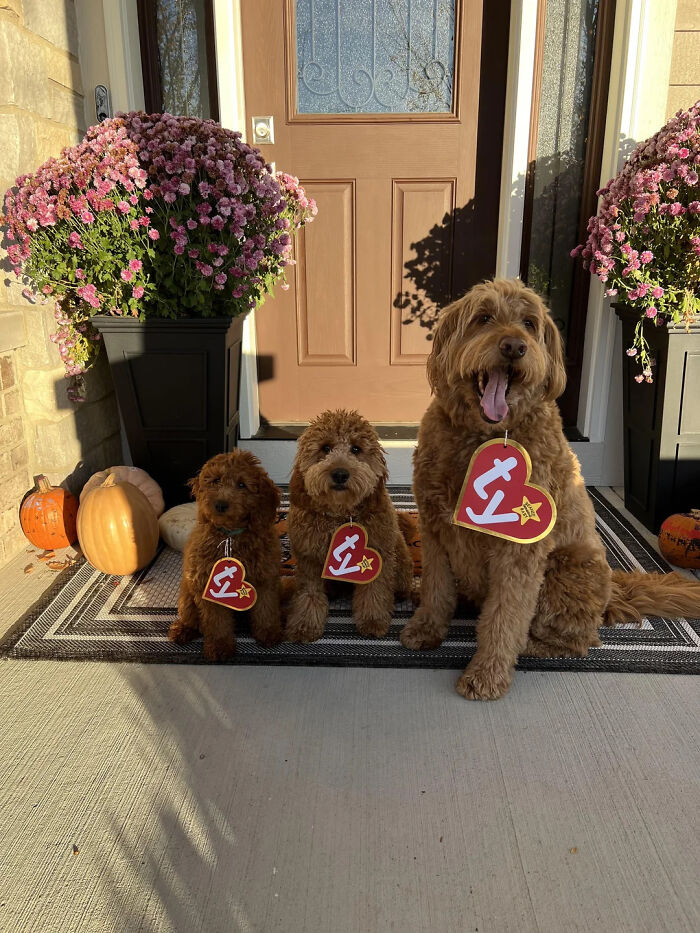
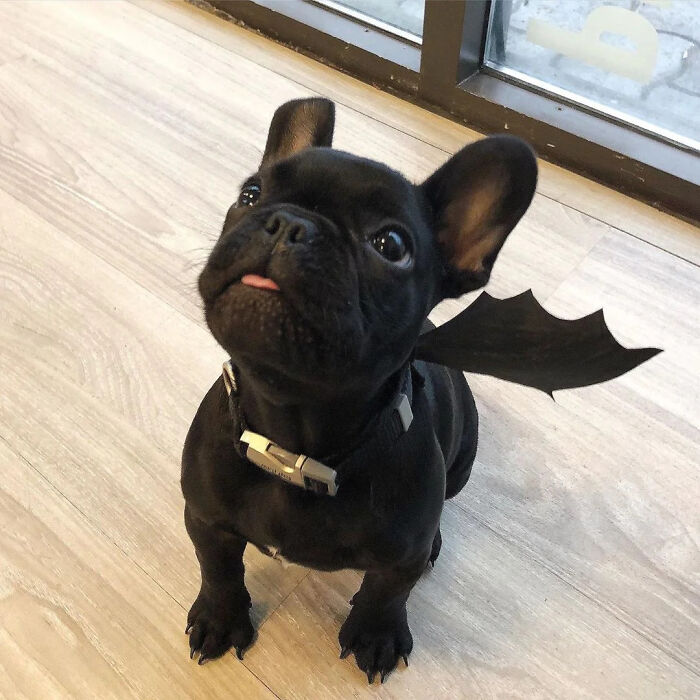
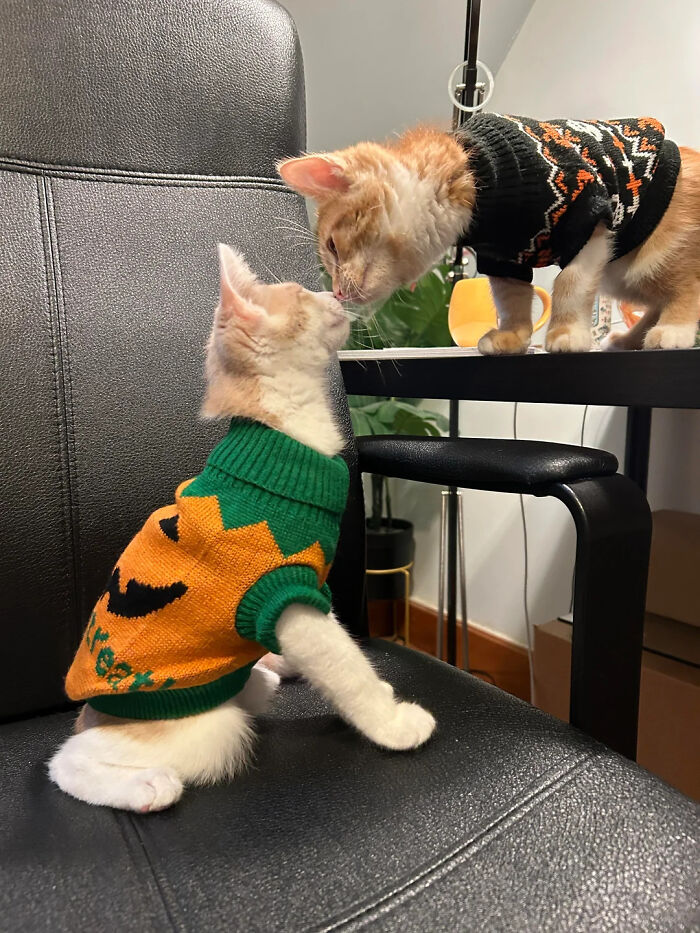
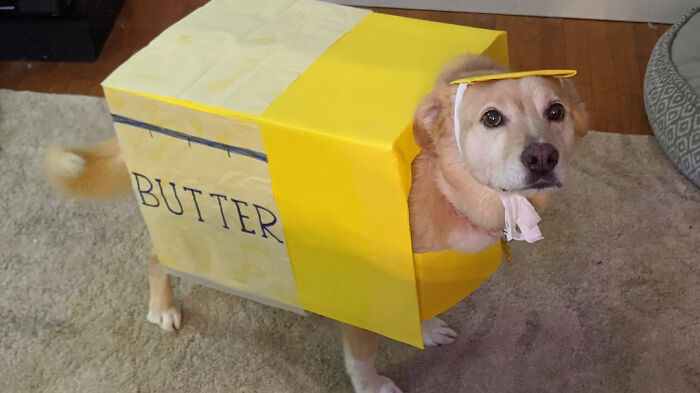
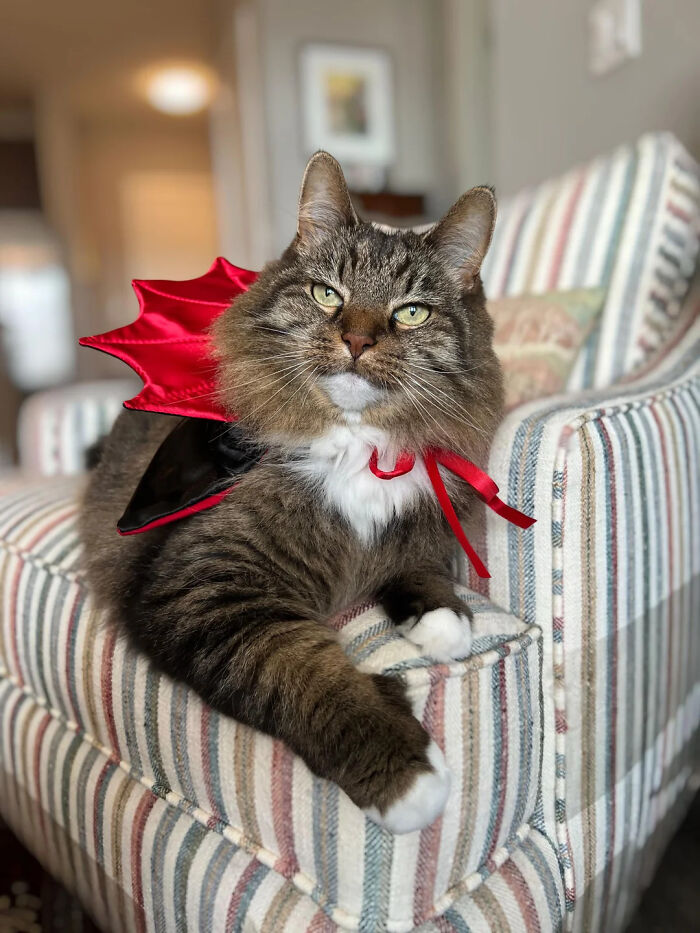
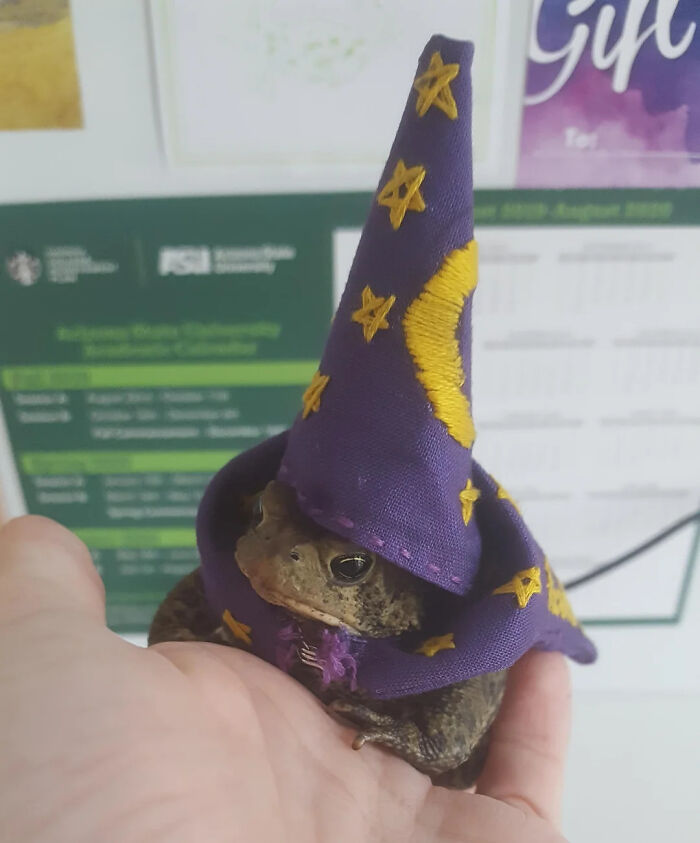
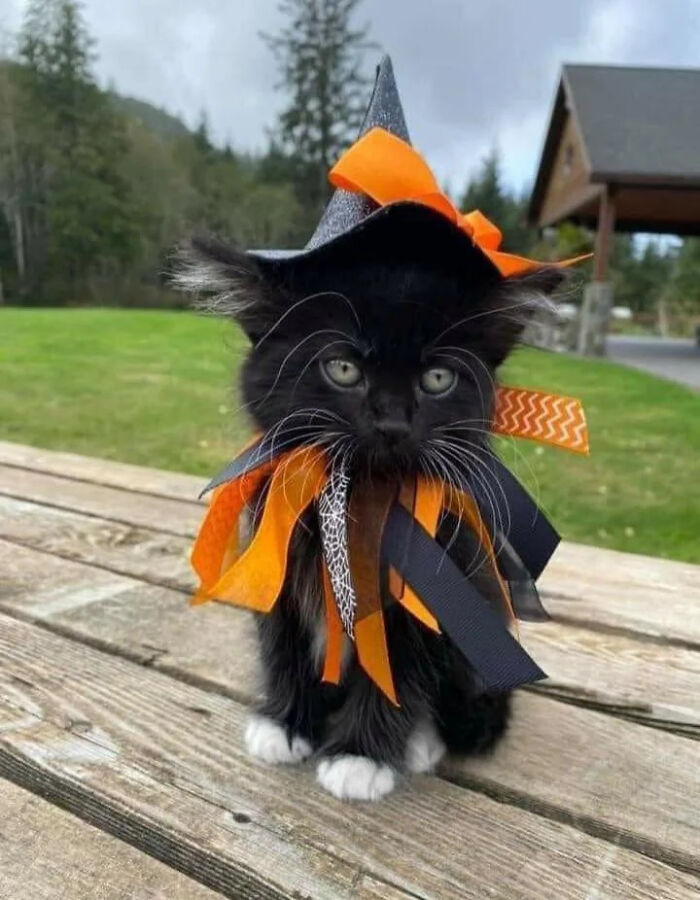
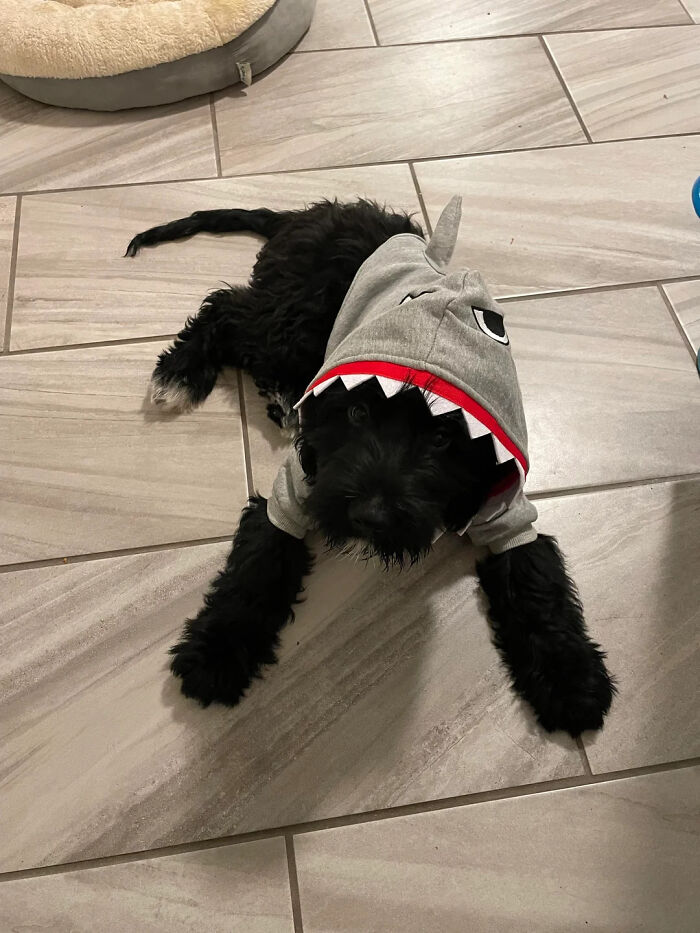
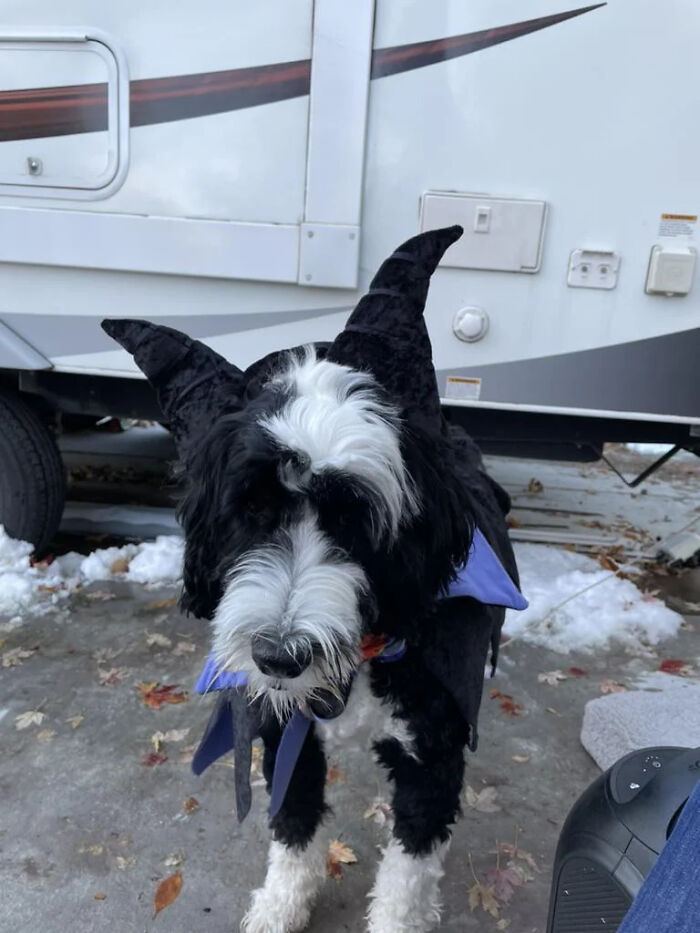
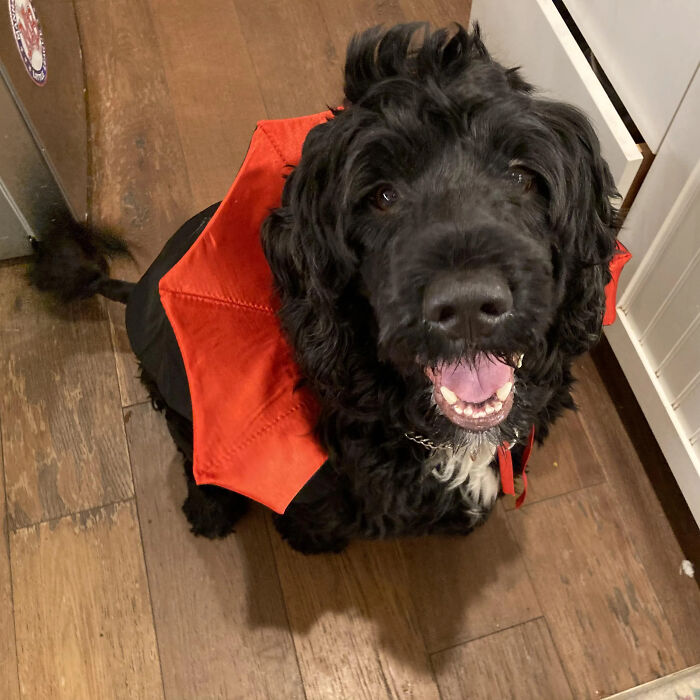
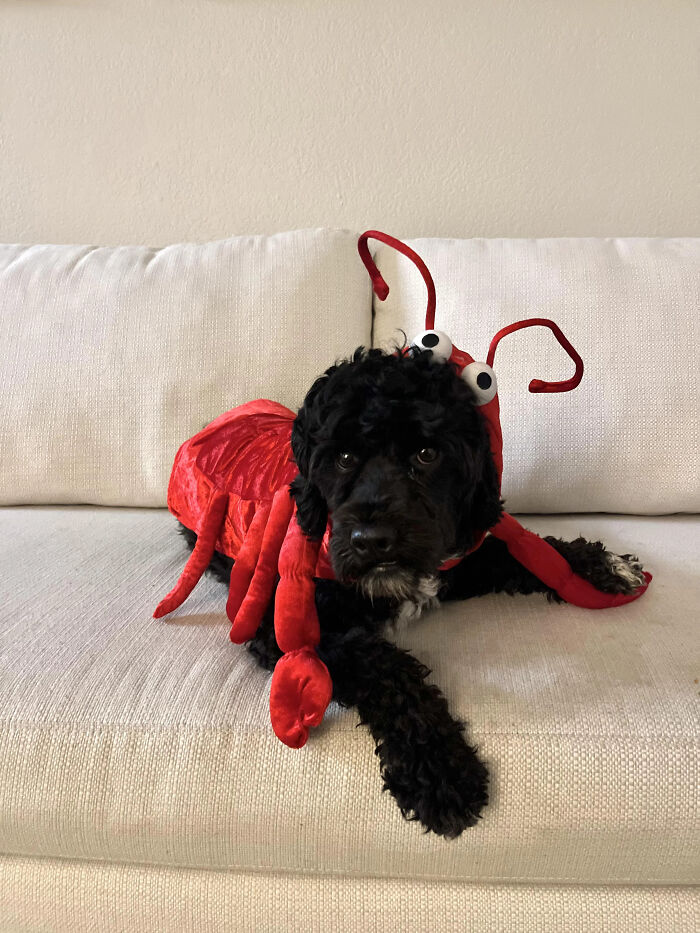
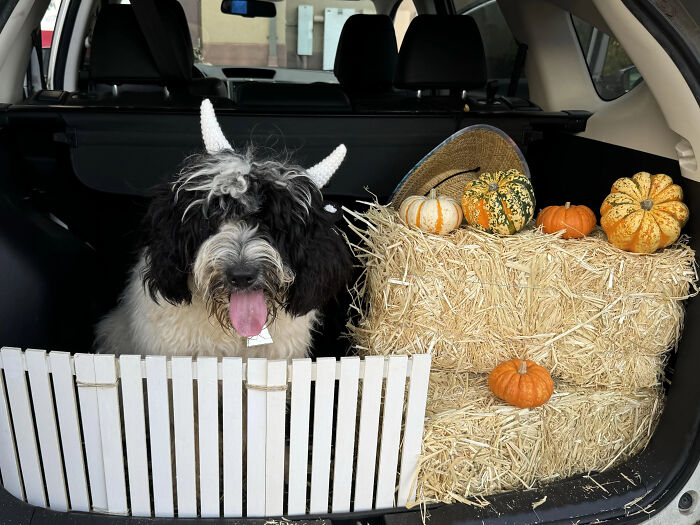
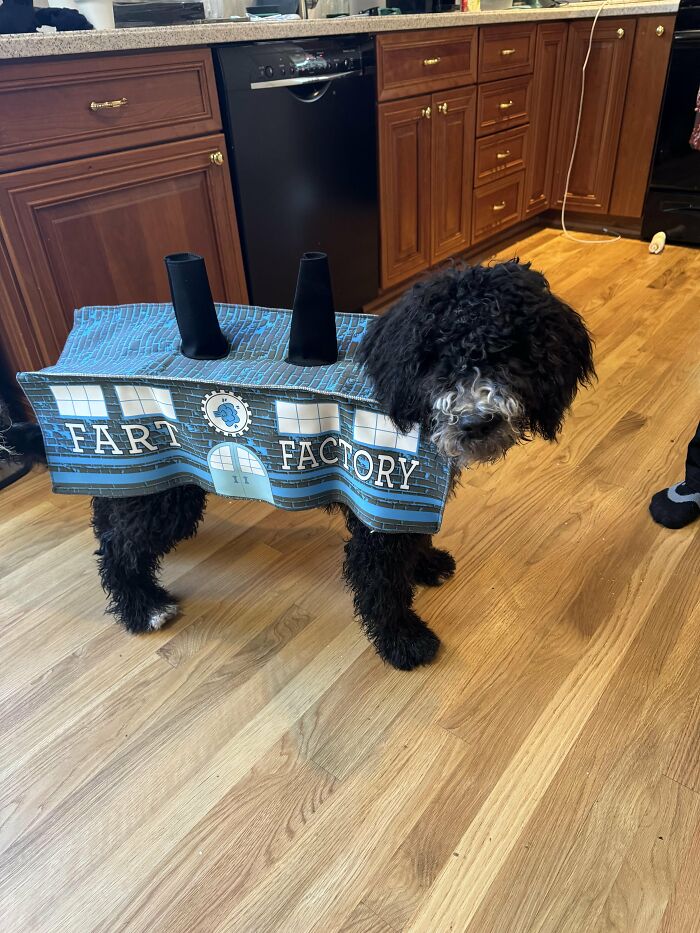
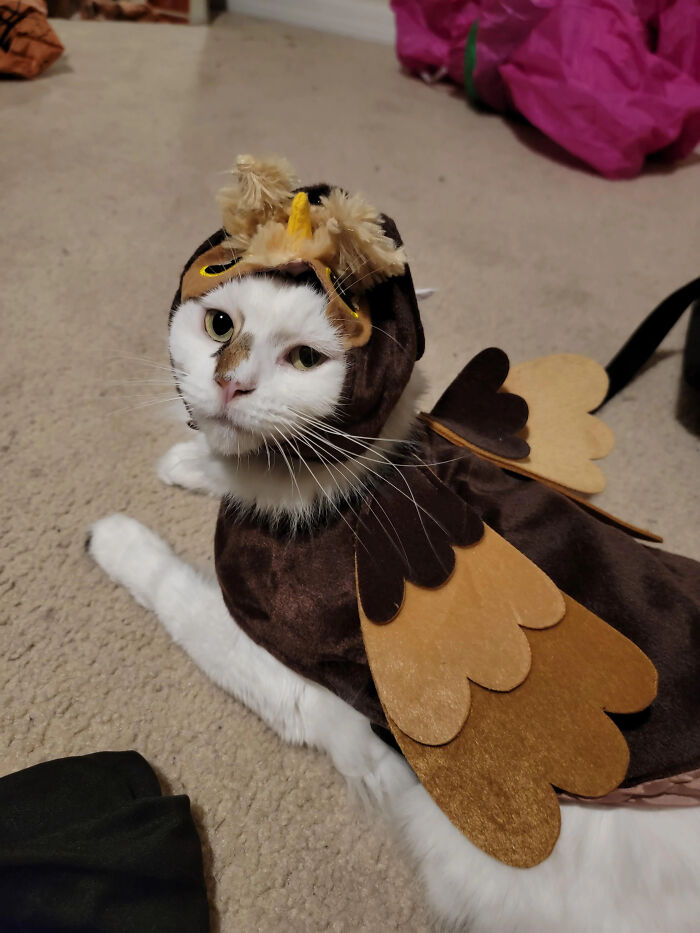
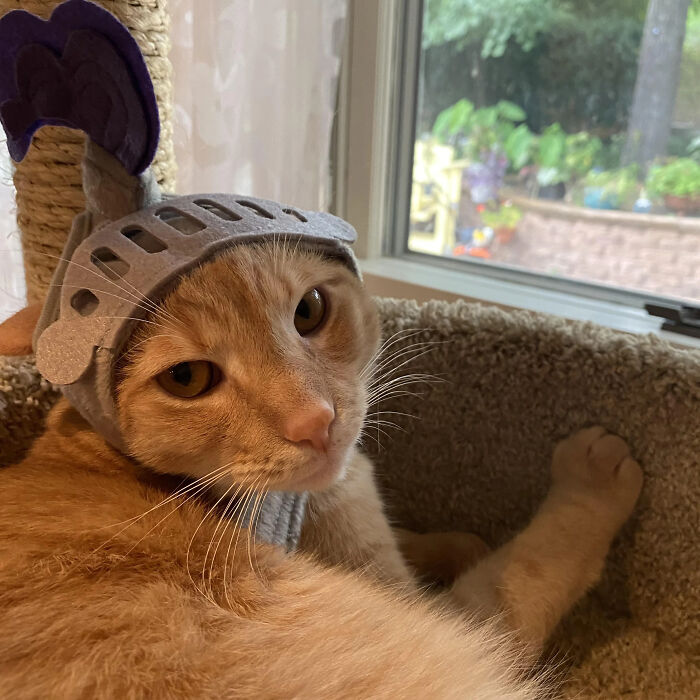
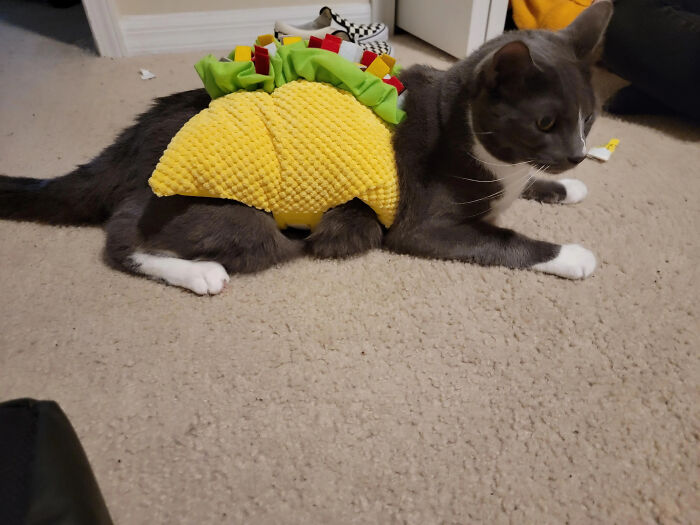
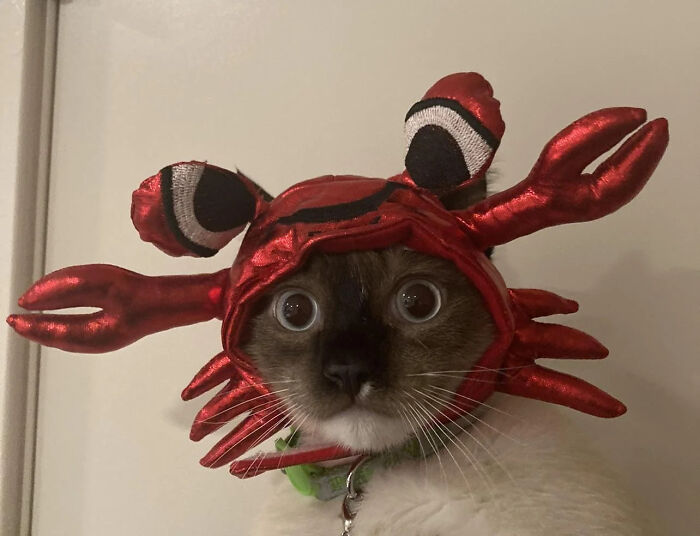
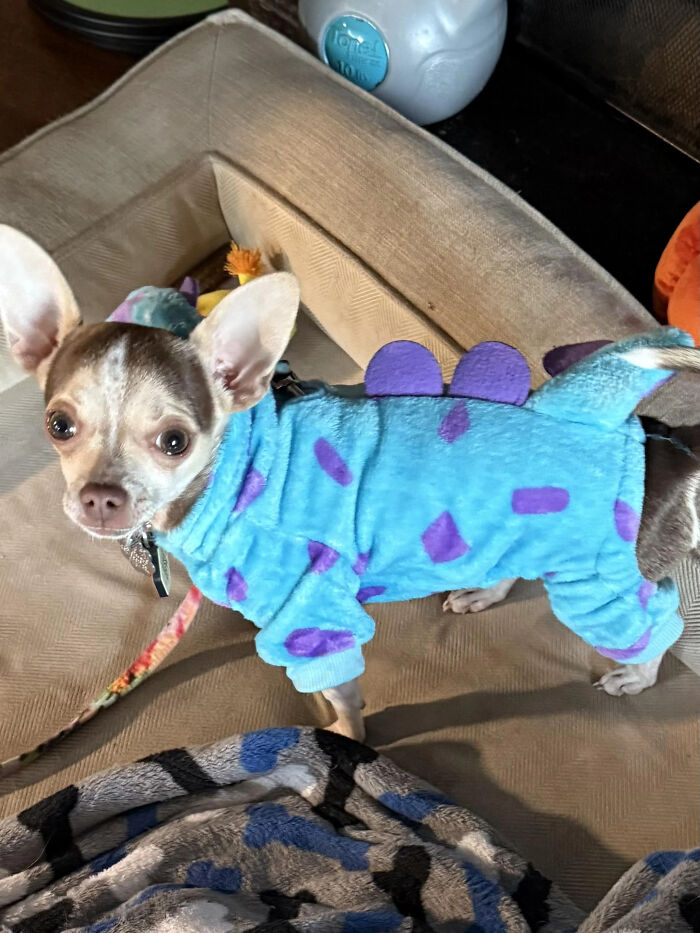
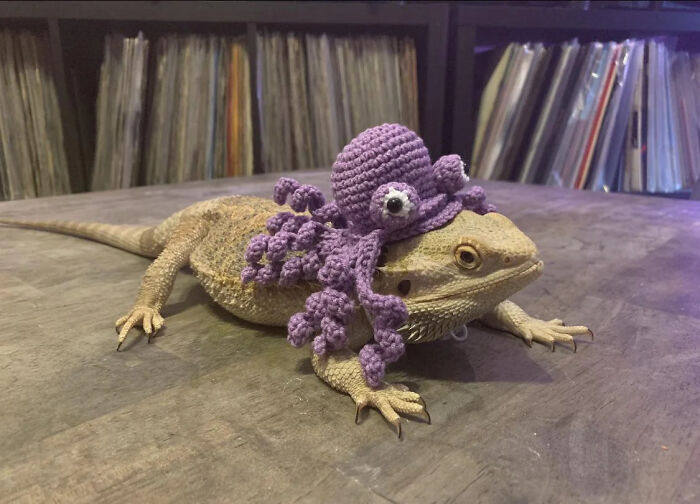
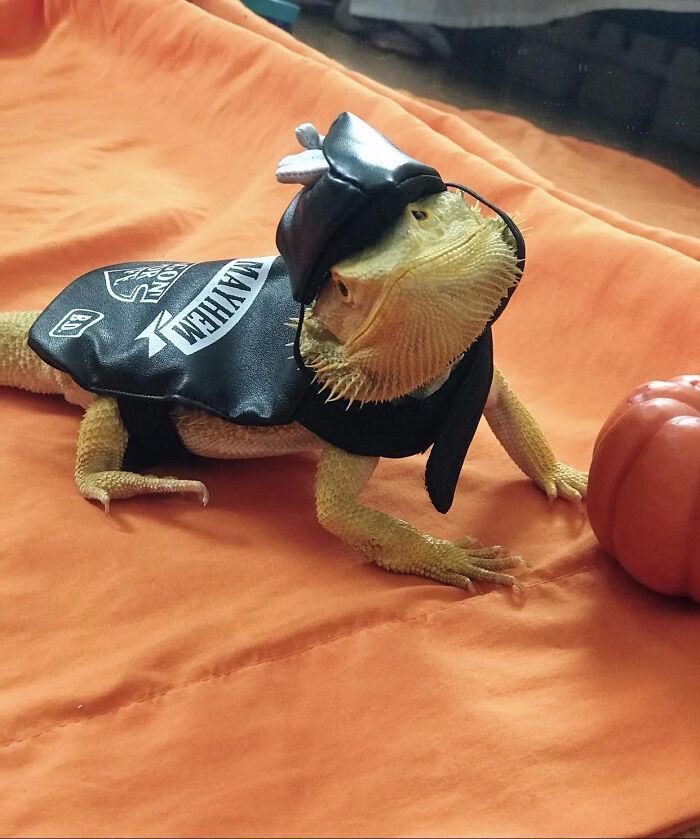
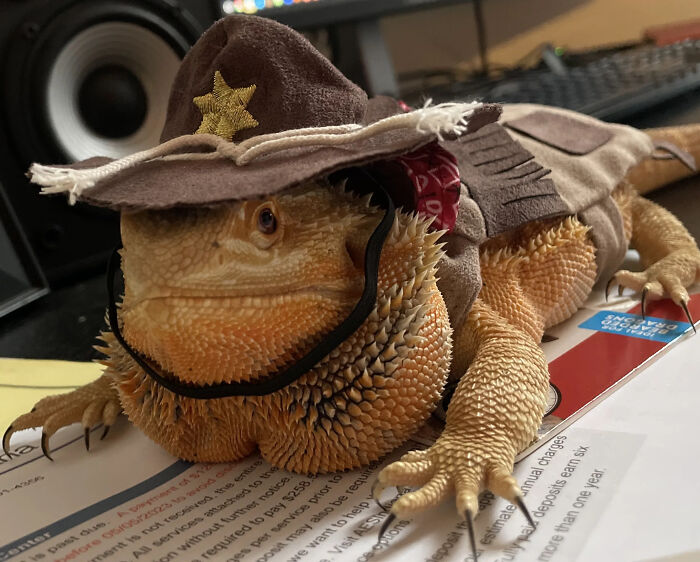
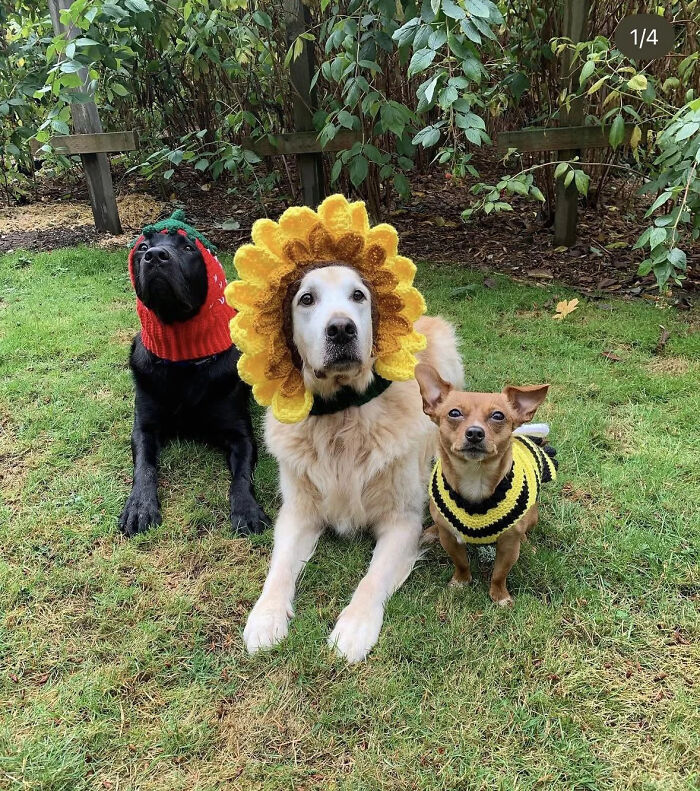
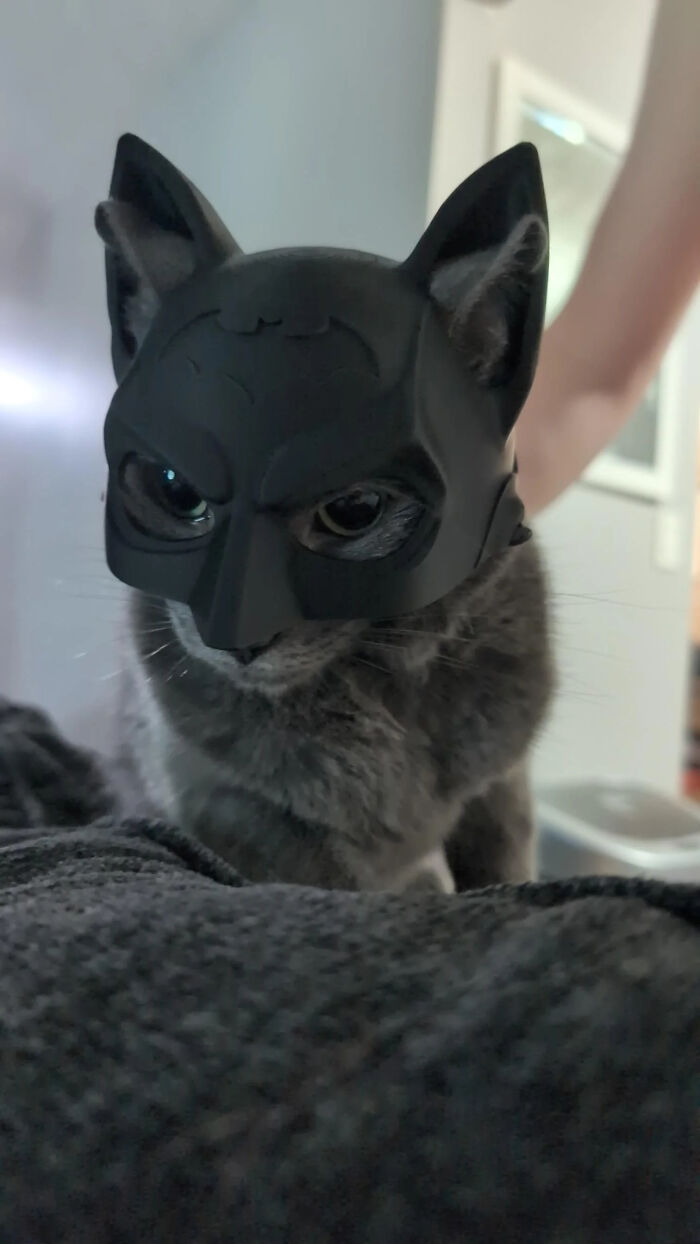
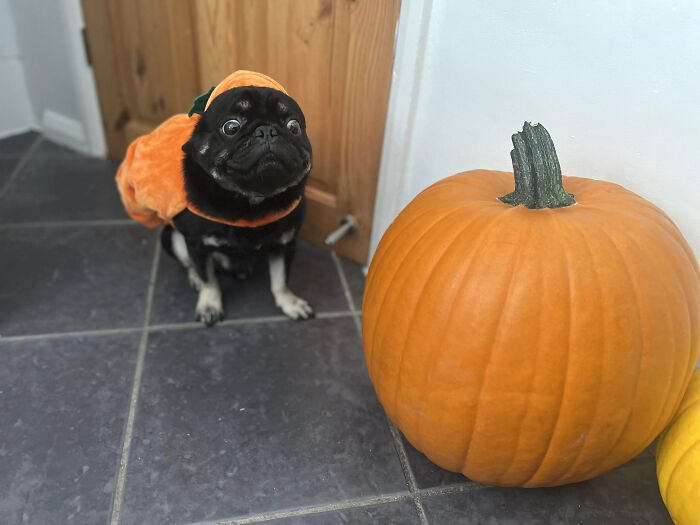
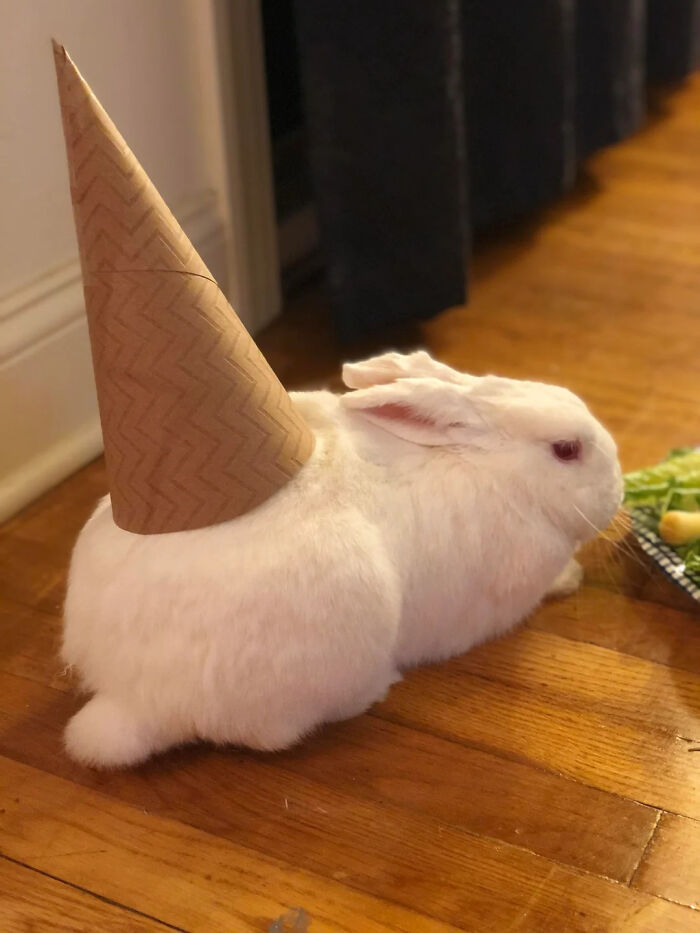
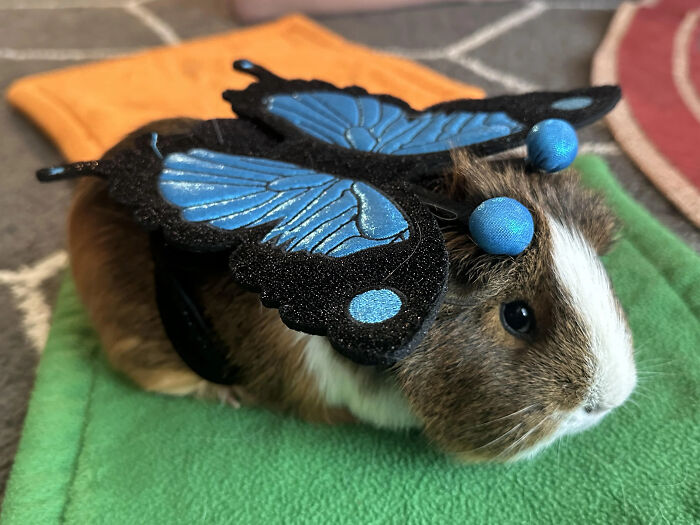
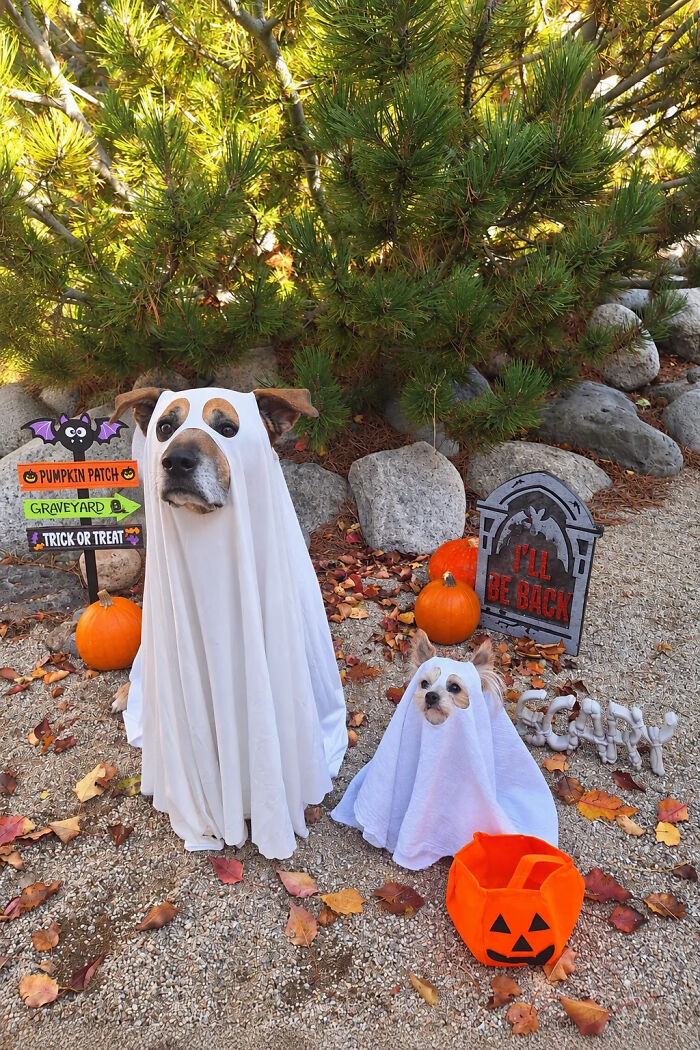
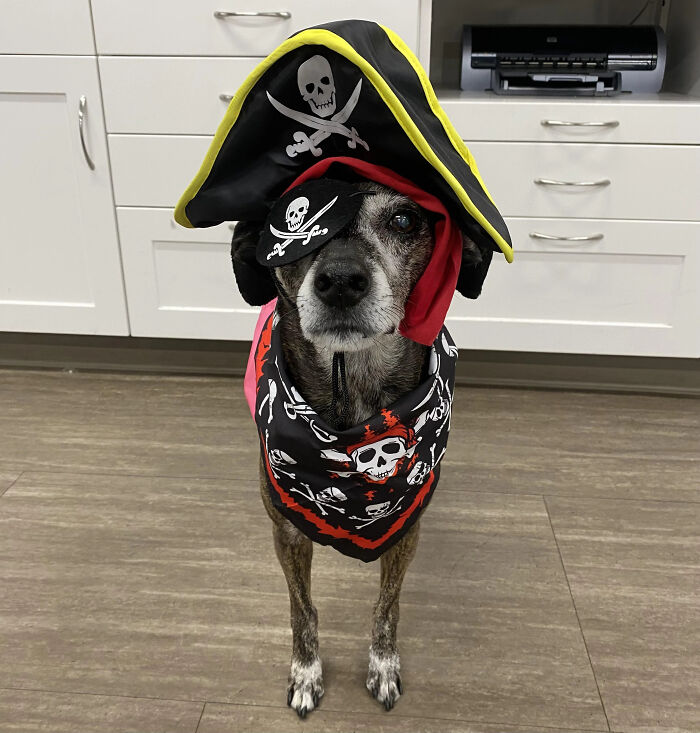
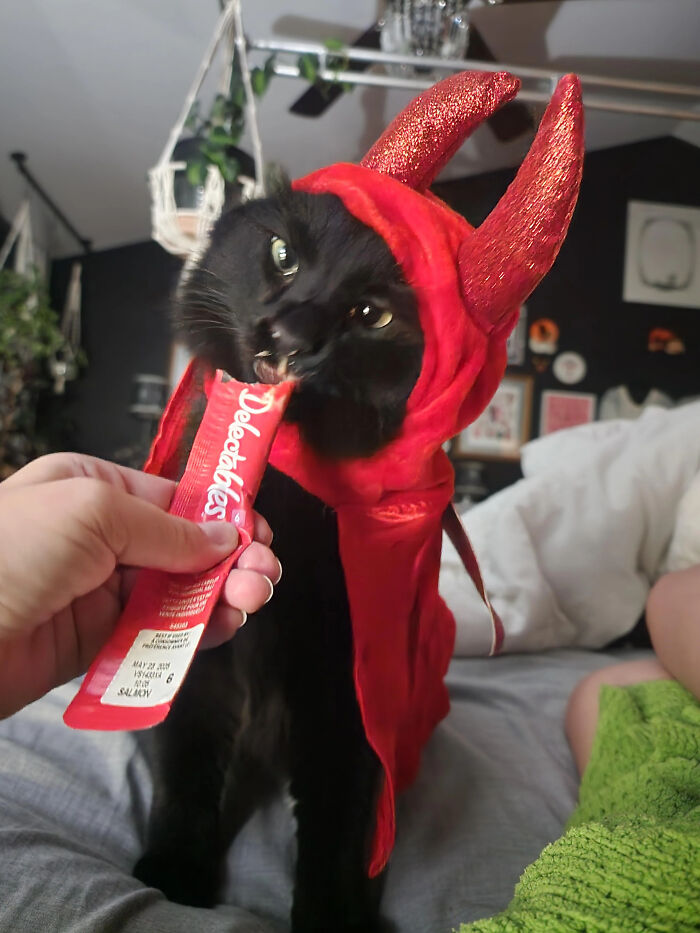
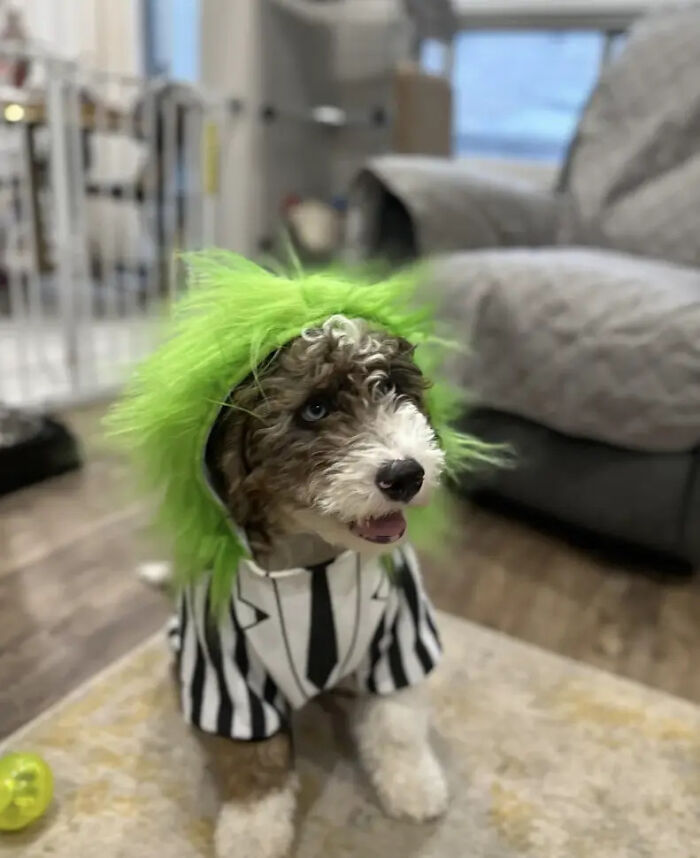
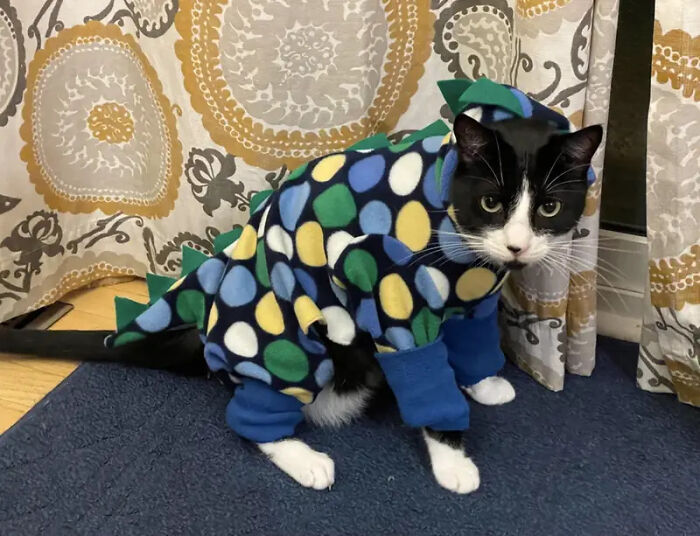
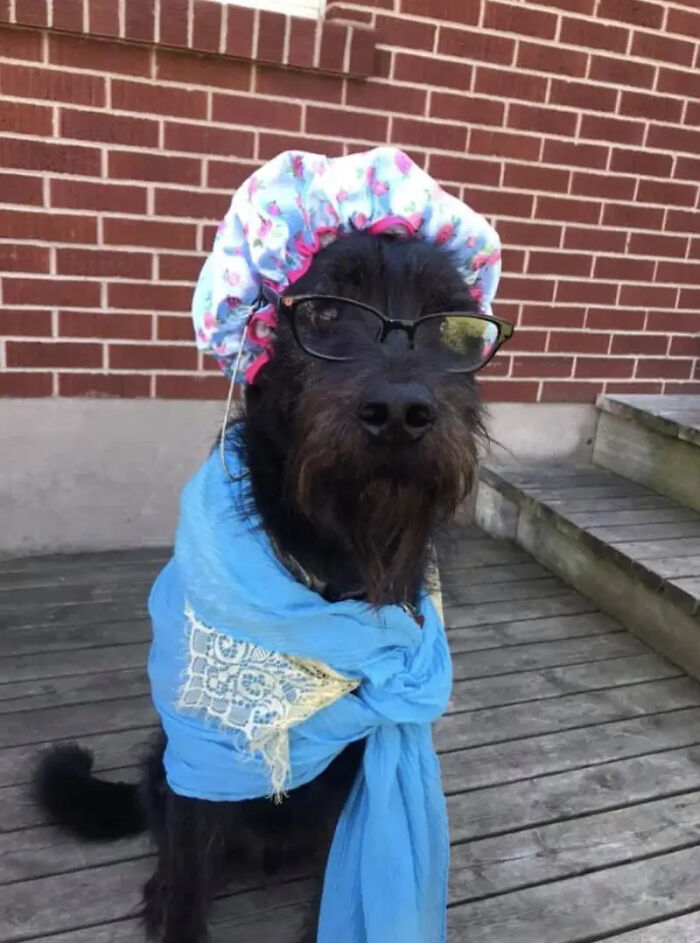
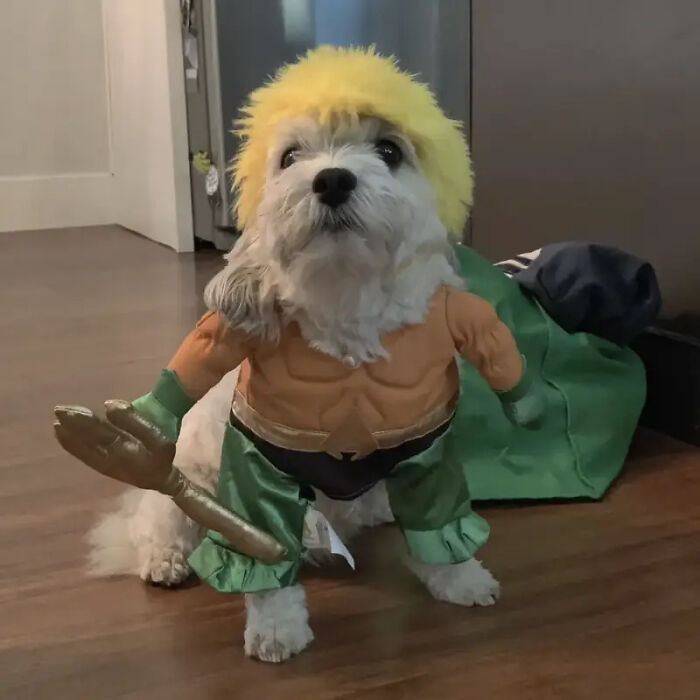
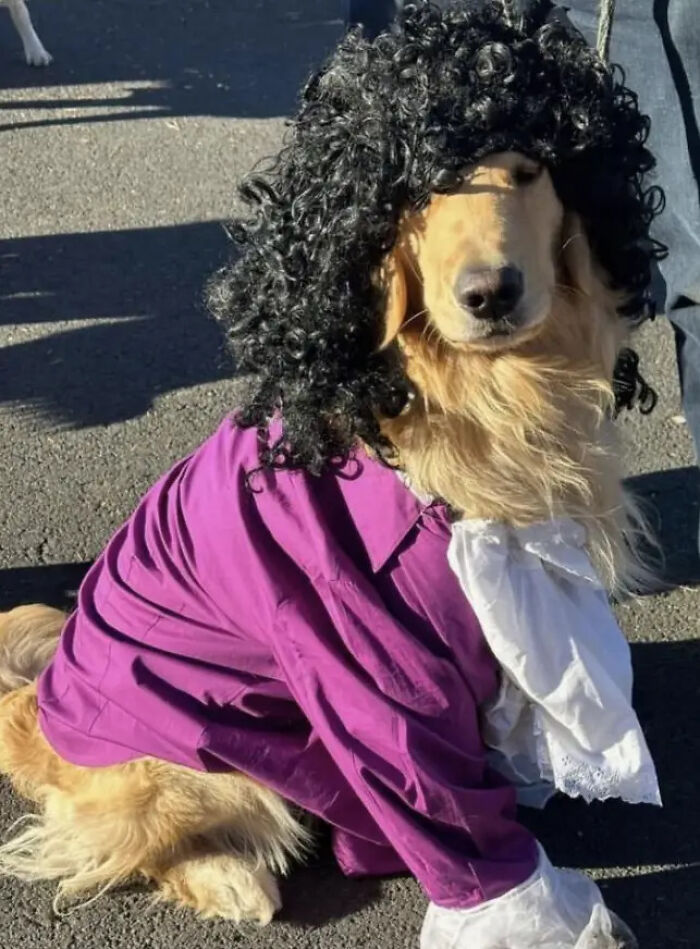
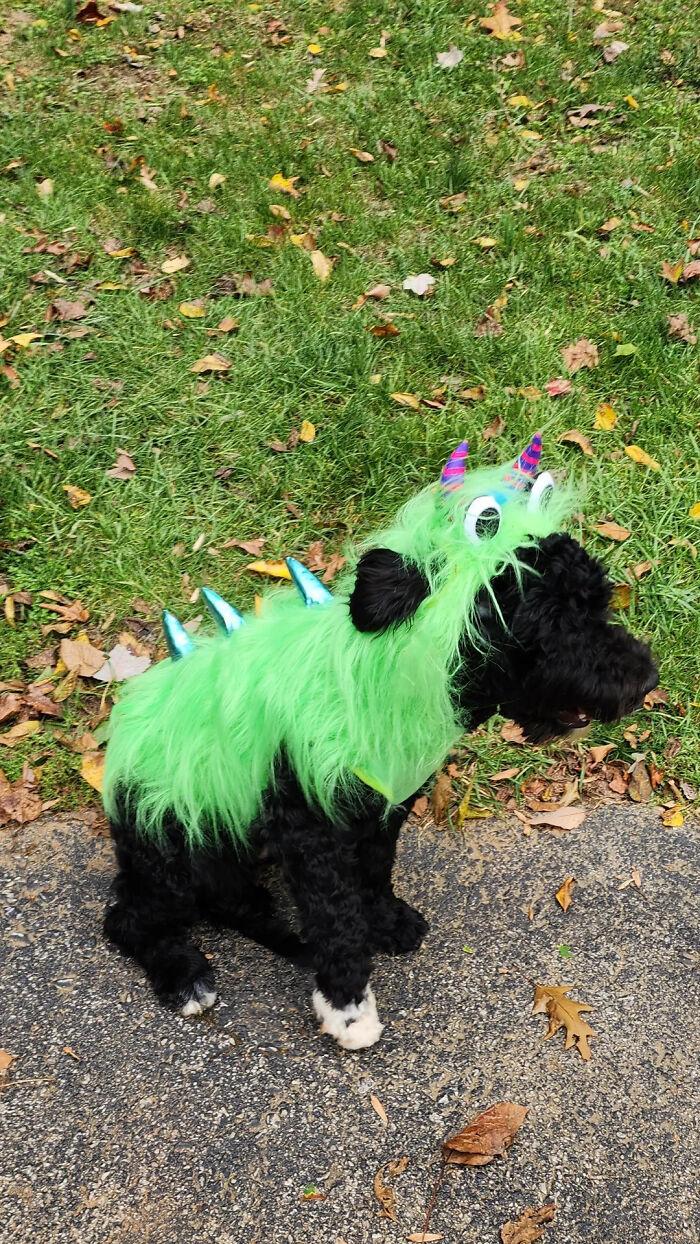
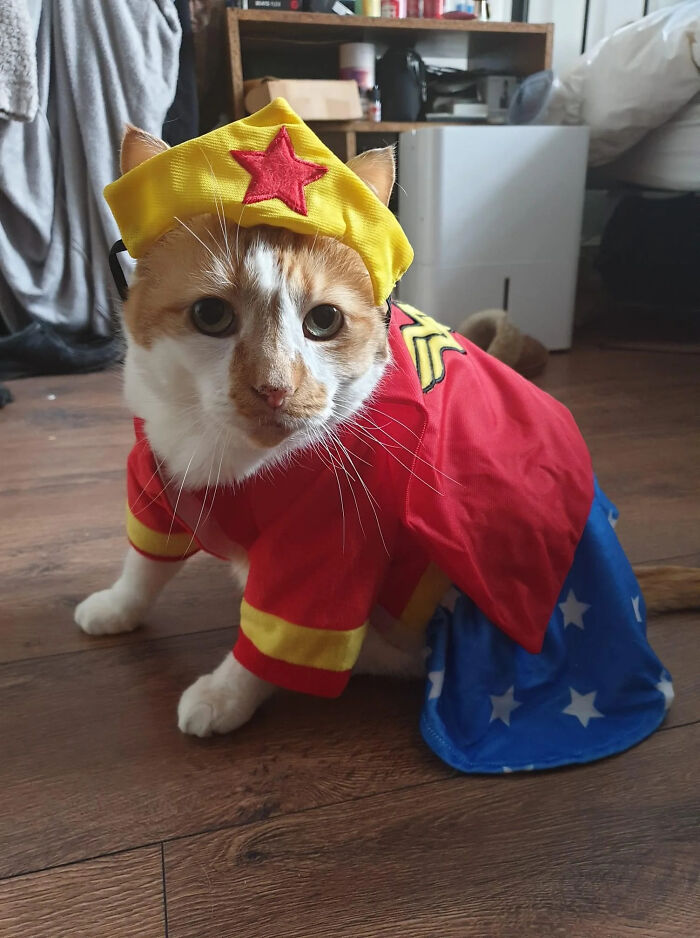
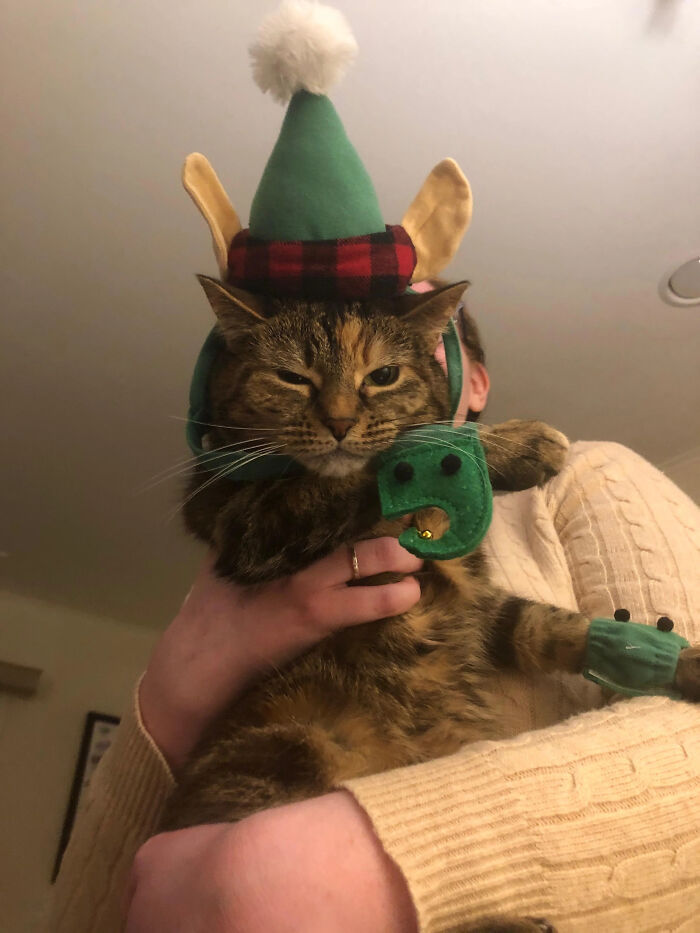
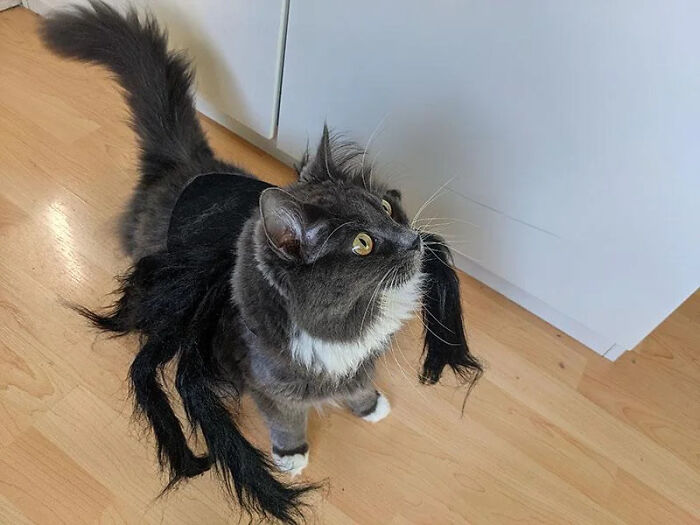
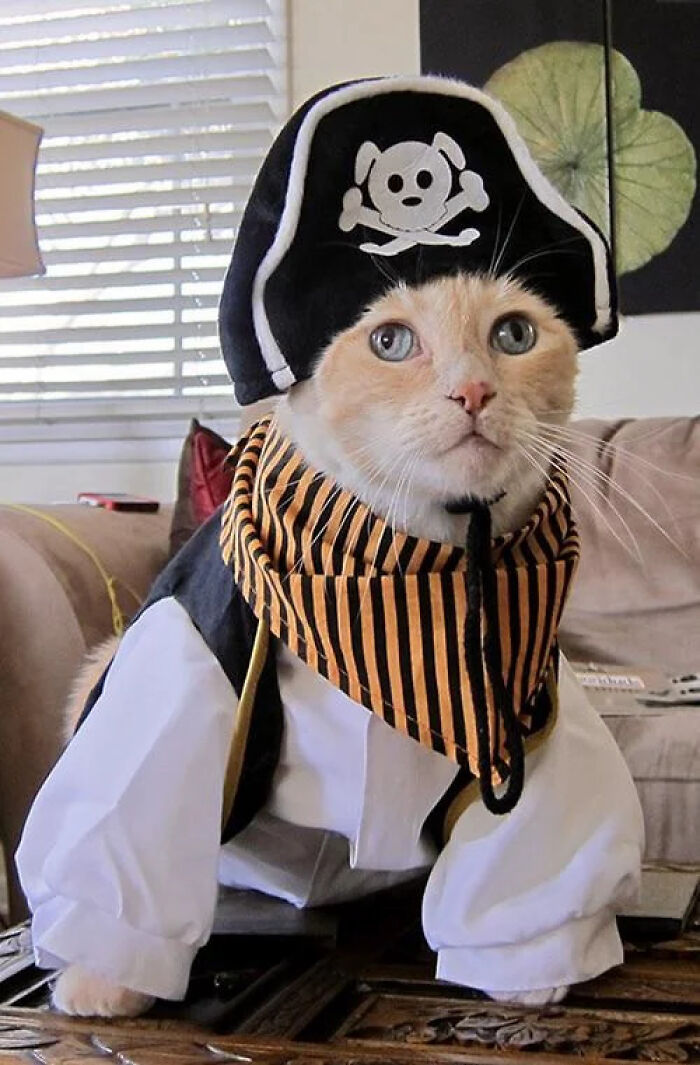
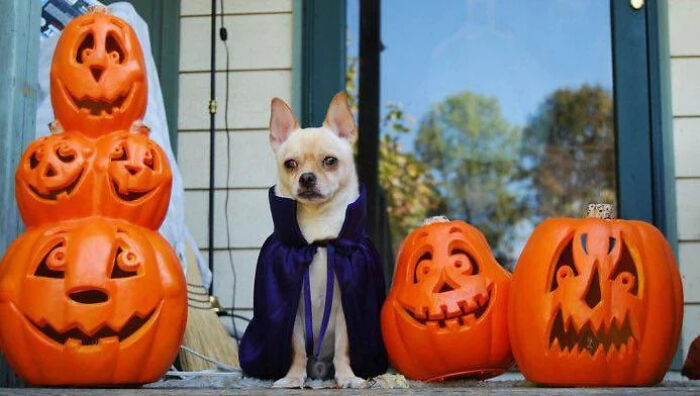
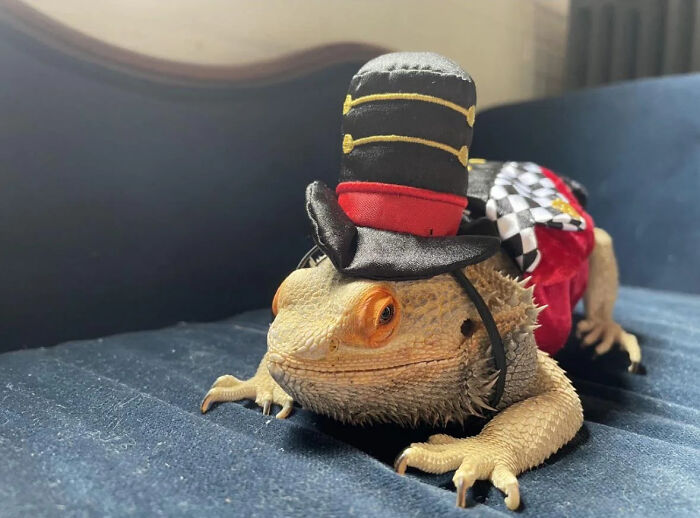
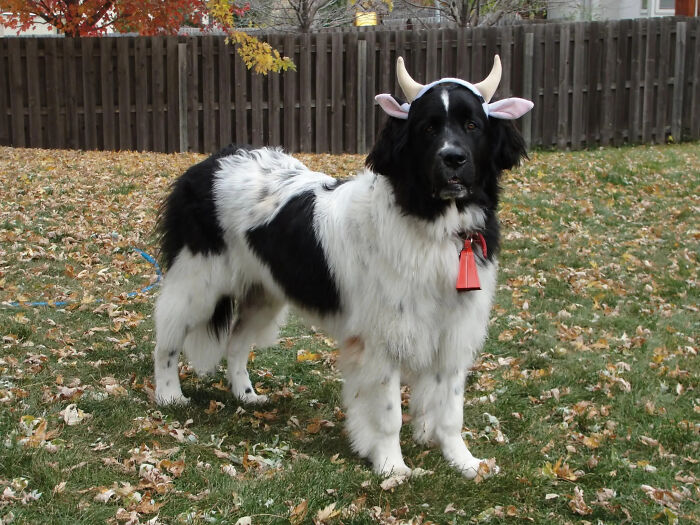
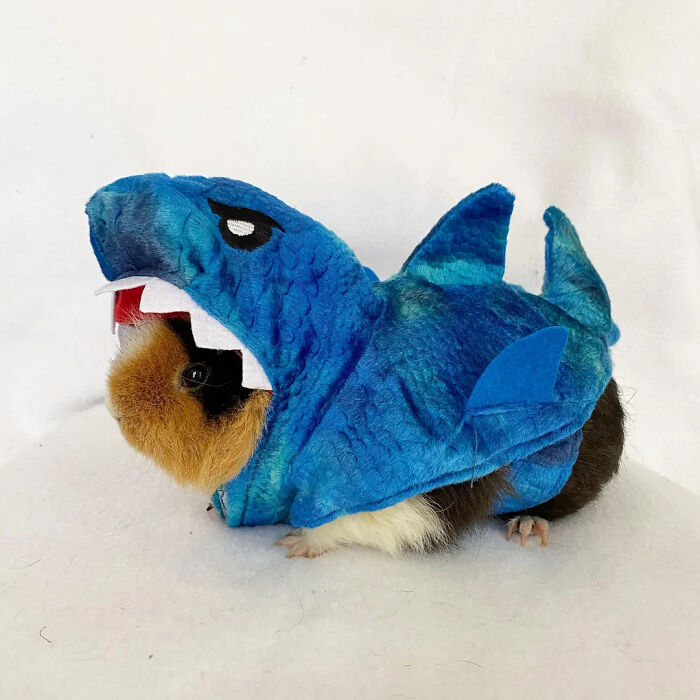
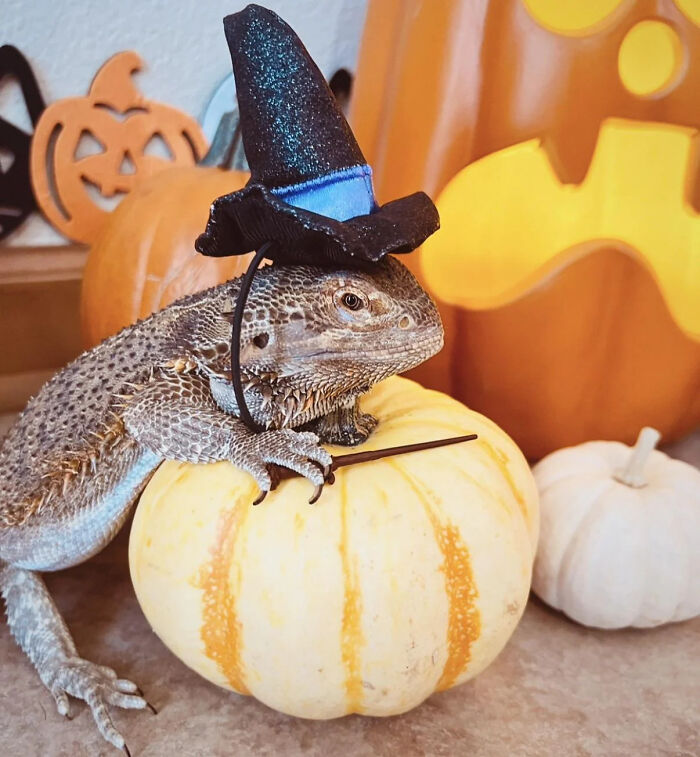
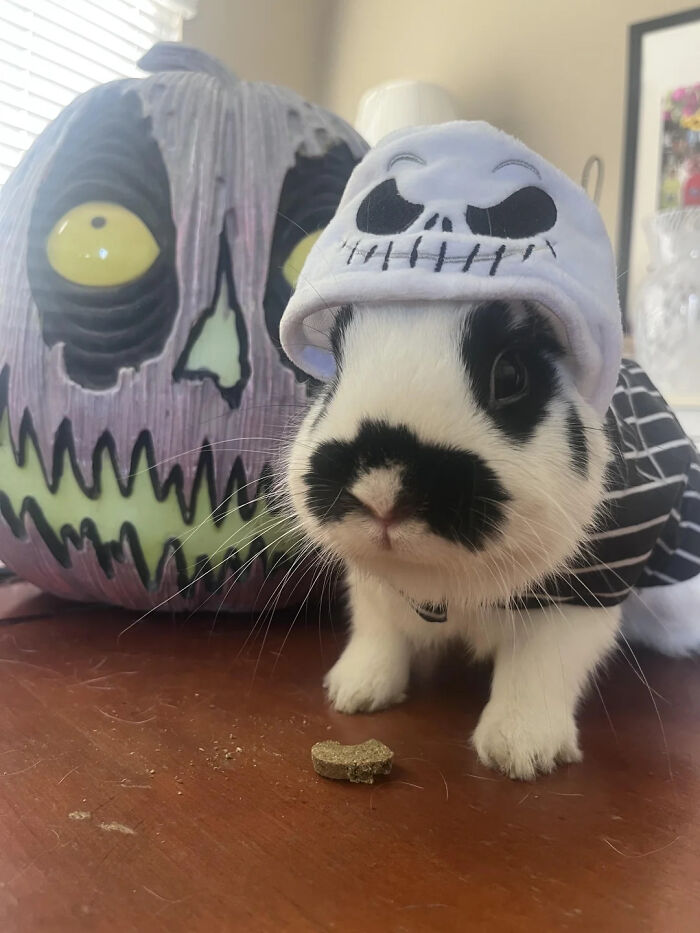
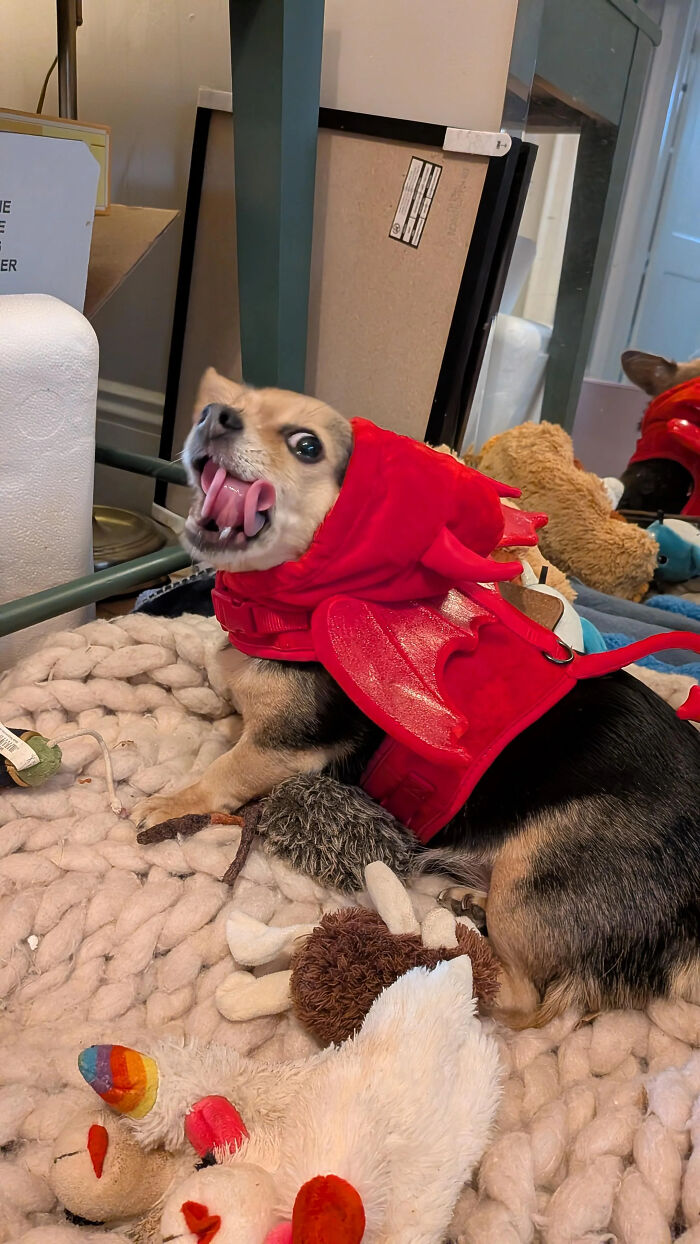
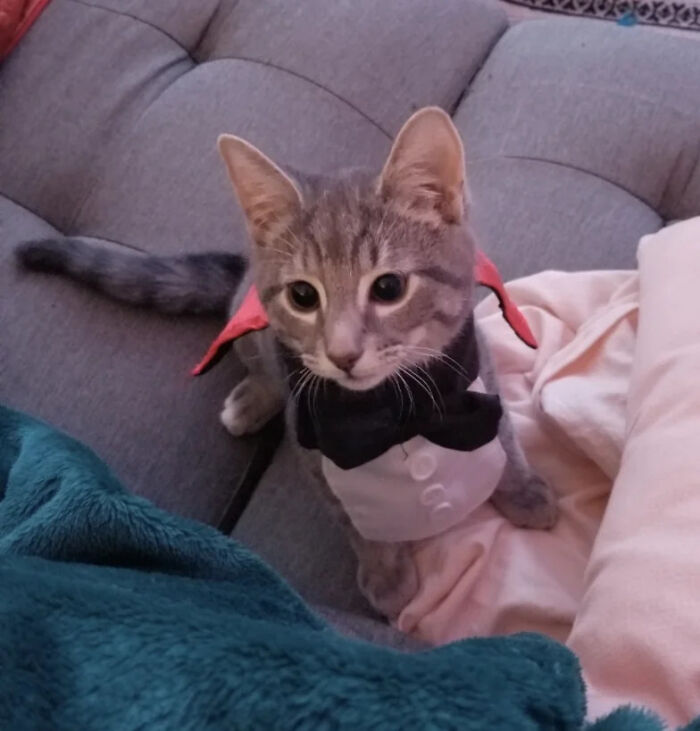
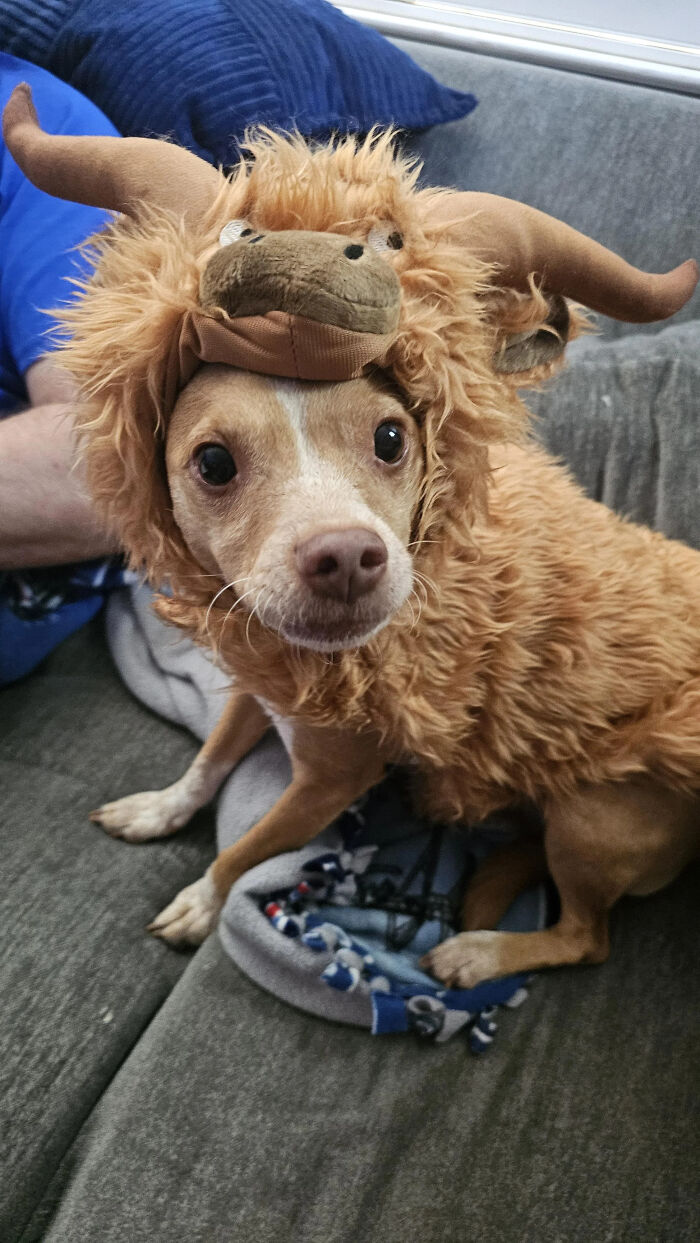
So we’ve gathered some of the cutest and most creative pet Halloween costumes from across the internet for your viewing pleasure. Get comfortable as you scroll through, prepare to go “aww” and be sure to share your own examples and stories in the comments down below.
This post may include affiliate links.
Long before anyone bought a plastic vampire cape, dressing up for Halloween was serious business. About 2,000 years ago, the Celts celebrated Samhain at the end of the harvest, and History UK explains that they believed the border between this world and the next grew thin on the final night of October.
Spirits were thought to wander freely, so people disguised themselves to blend in or to scare the visitors away. Those earliest outfits relied on animal hides and heads, which makes the very first Halloween costume a very committed hat.
Then the calendar did some shuffling. In the 9th century, the church moved All Saints' Day to November 1, so the evening before became All Hallows' Eve, a name that eventually wore down into Halloween. Costumes got theatrical next. By the 15th century, people across Britain were going door to door in disguise, offering songs or short performances in exchange for food.
The custom was called mumming or guising, and in Scotland children still often perform a song or a joke for their sweets. English and Scottish guising traditions later crossed the Atlantic with immigrants, as Syfy's history of Halloween costumes describes, and Americans eventually turned it into trick or treating.
For decades, most costumes were homemade, and Ripley's notes that rural Americans were especially drawn to frightening designs about death. Then the 1950s arrived, manufacturers spotted a business opportunity, and ready made outfits based on popular TV characters filled the shelves.
Adults rejoined the fun as well, and the mood shifted from scary to silly. Not every idea survived the century, though. Syfy mentions a 1950 effort to rebrand the holiday as Youth Honor Day, which went absolutely nowhere. People will happily wear a bedsheet ghost for generations but refuse to rally behind a new name.
Which brings us to the newest guisers in the neighborhood, the ones with four legs, wagging tails, and strong opinions about hats. NRF's 2026 Halloween survey shows consumers planning to spend $0.92 billion on pet costumes out of a projected $13.5 billion in total Halloween spending, and a separate NRF report says 23 percent of people intend to dress up their pets, compared with 17 percent in 2019.
The pumpkin tops the pet costume chart at 11.6 percent, followed by the hot dog at 5.9 percent and the ghost at 2.8 percent, according to WDBO. A dog dressed as a hot dog is basically a pun with legs, so its staying power makes sense. Superheroes, witches, lions, dragons, and sharks round out the popular picks, which suggests pets have no shortage of ambition. The same report notes that cat owners are less likely to dress up their pets, which will not surprise anyone who has ever tried to fit a tiny hat on a cat.
Trends are shifting too. Audacy reports that a Manhattan costume shop has been selling out of Pupasaurus Rex outfits, and dogs dressed as Krypto the Superdog are turning up as well. Owners are clearly all in. A MetLife Pet Insurance survey covered by Global Pet Industry found that nearly one in three respondents spent more on their pet's outfit than on their own. That is either pure devotion or an excellent photo strategy.
Of course, a costume is only cute when the pet agrees to it. The ASPCA recommends dressing a dog or cat only if they love it, and says the outfit should never limit movement, sight, or the ability to breathe, bark, or meow. It also suggests a test run well before the big night, a check for small or dangling pieces that could be chewed off, and skipping headpieces altogether. Identification matters as well, since a spooked pet with a tag or microchip is far easier to return home. A festive bandana still counts as a costume, and a comfortable pet makes for a much happier photo shoot.
There is a nice symmetry in all of this. The Celts pulled on animal heads to fit in with the spirits, and today animals pull on pumpkin heads to fit in with the family. The purpose has shifted from survival to snapshots, but the heart of the tradition is unchanged, a little disguise, a little mischief, and a lot of people gathering to enjoy it. So whether your pet is a roaring dinosaur, a sleepy taco, or a very serious bee, the costumes below prove that the oldest Halloween tradition is still going strong.
















 No fees, cancel anytime