Get Premium
Dark mode theme is available exclusively for premium users. Learn more about the benefits of subscribing.
No fees, cancel anytime.

 Dark Mode Ad-Free Browsing Unlimited Content
 Ad-Free Browsing Unlimited Content Dark Mode
Join 1.2 million Panda readers who get the best art, memes, and fun stories every week!

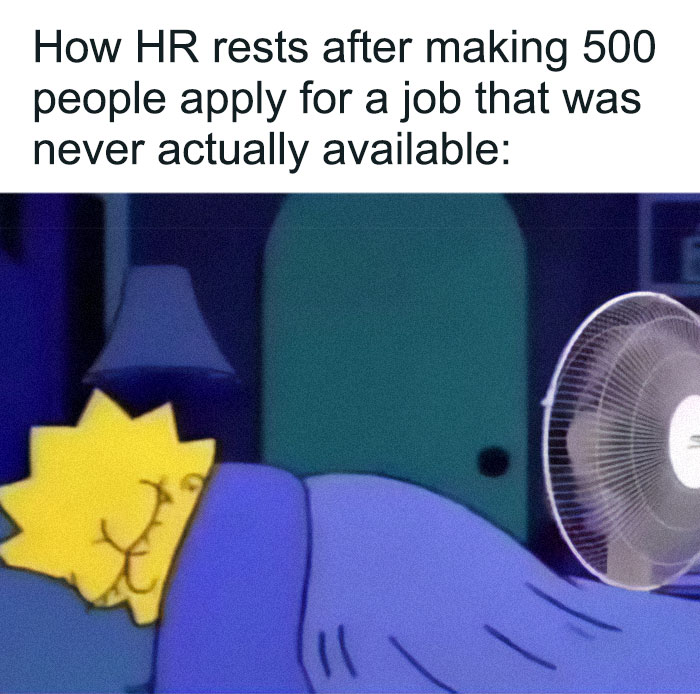
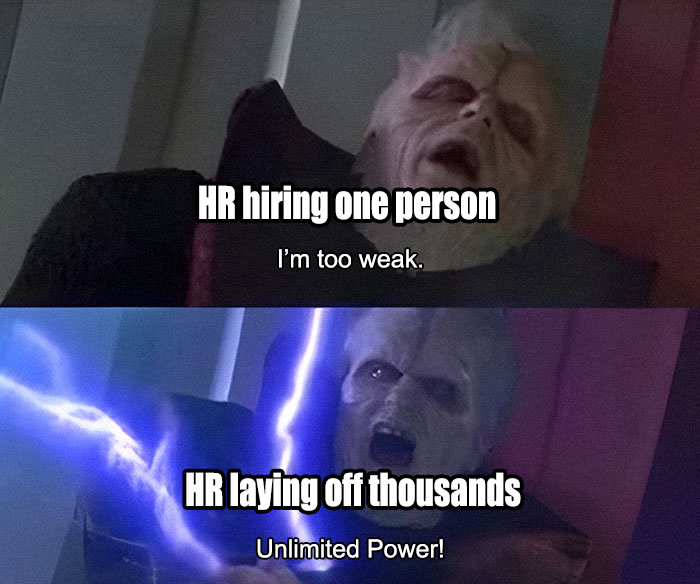
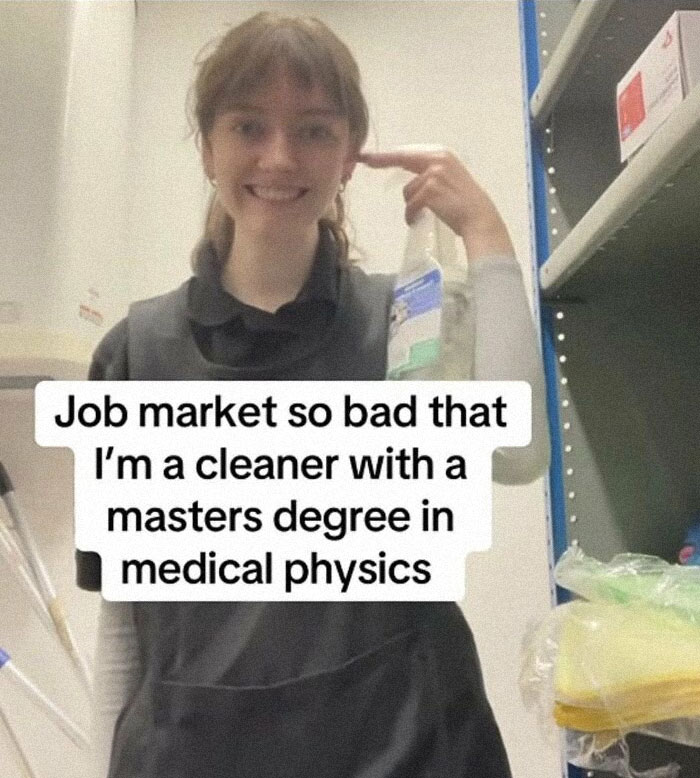
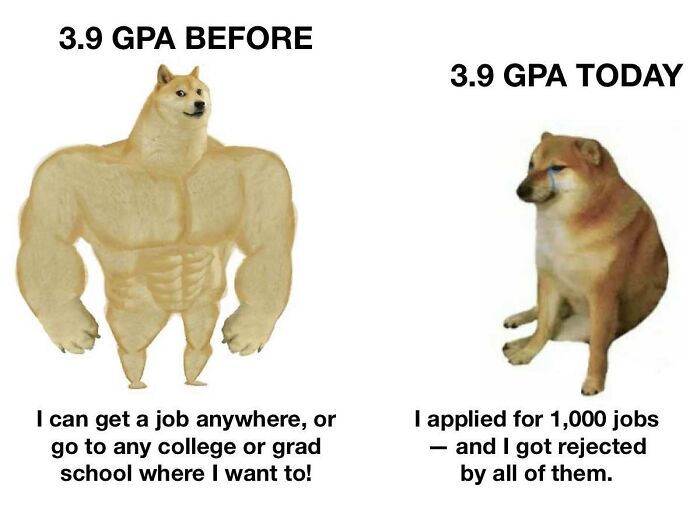
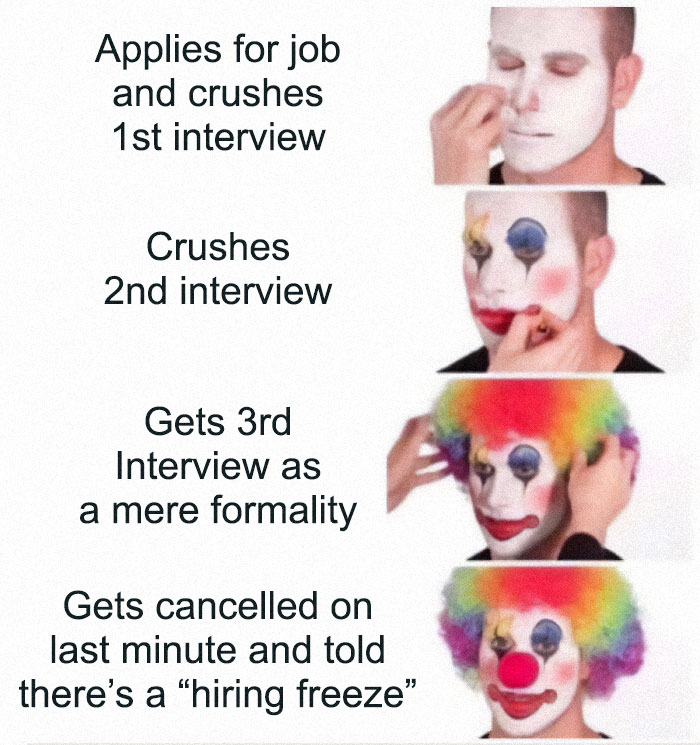
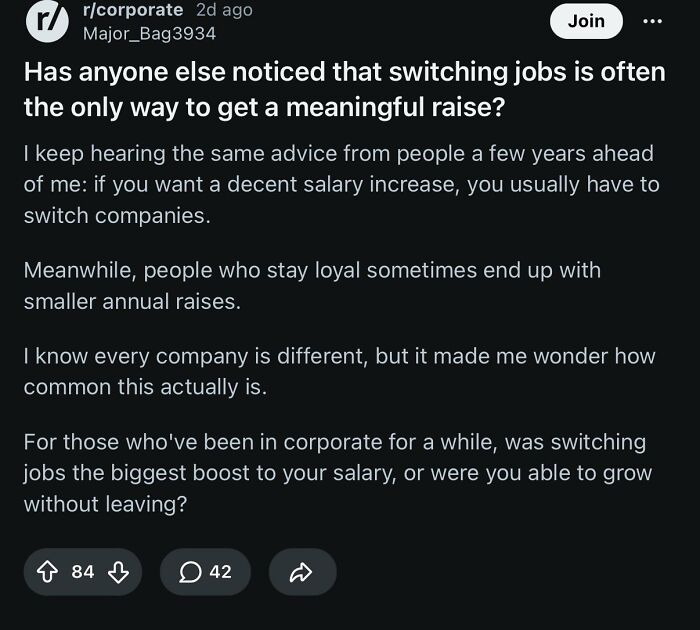
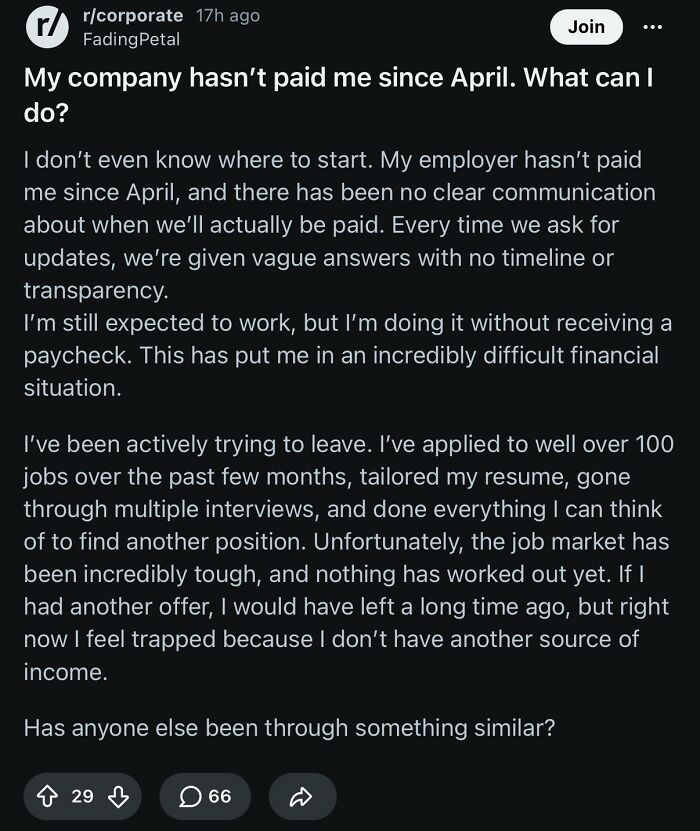
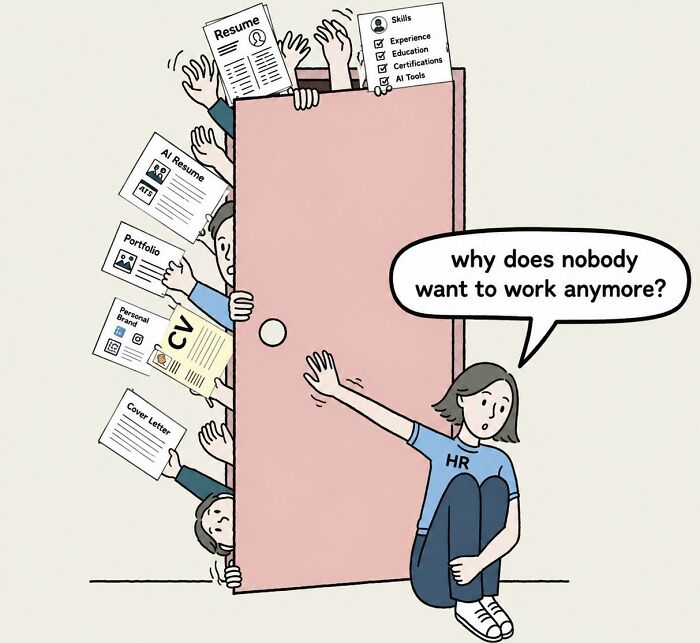
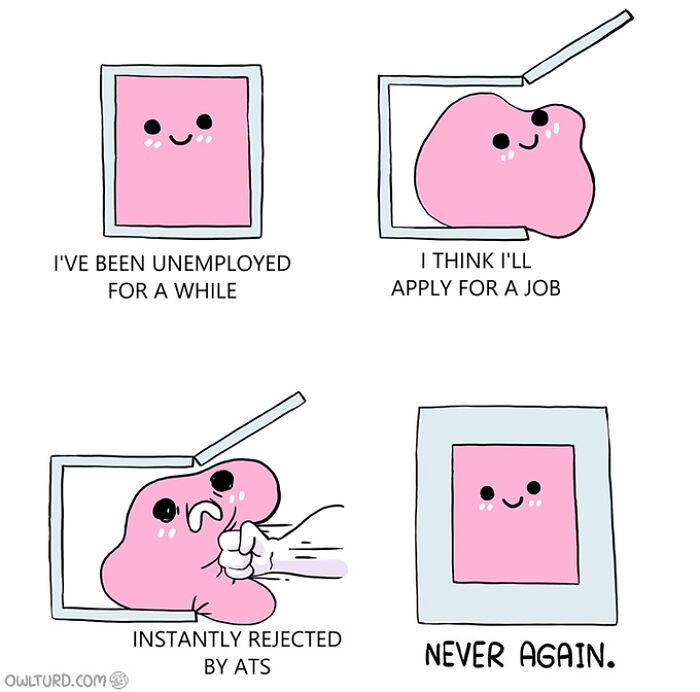
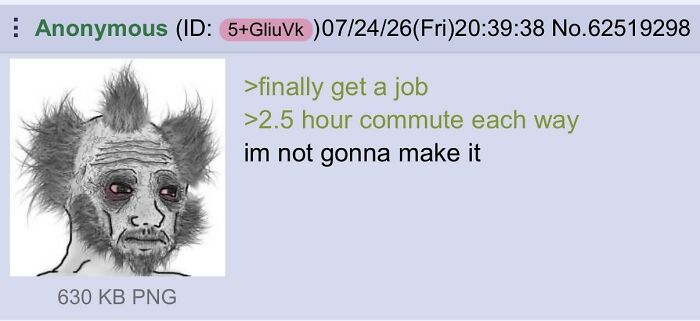
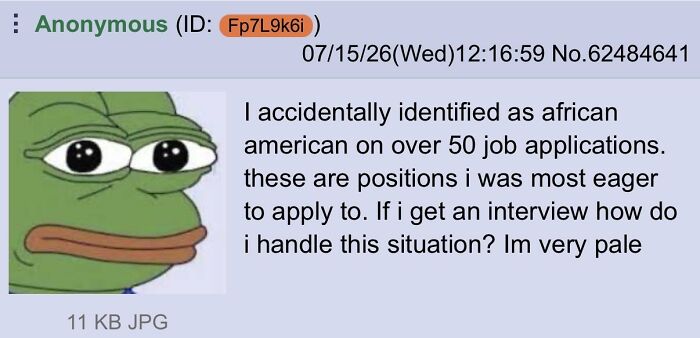
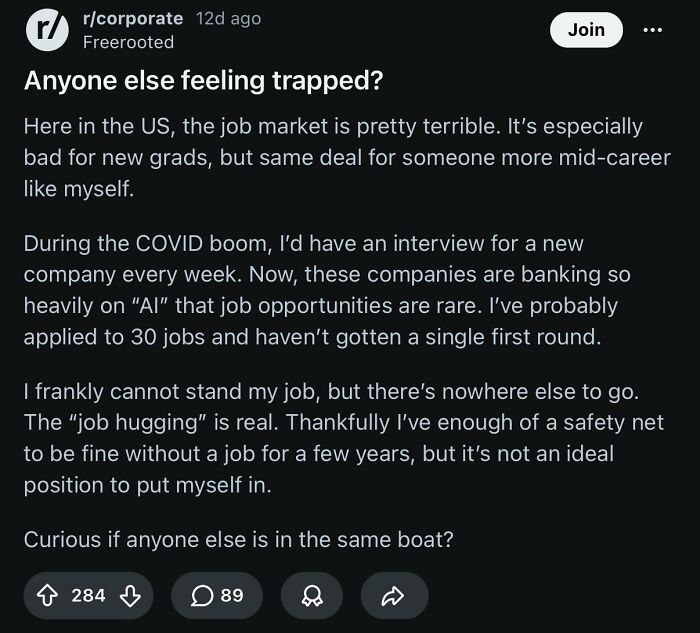
The job industry is in a bizarre place right now. It’s rough out there. Graduates are finding it hard to land even entry-level jobs. Even veteran professionals are struggling to get hired. AI hype is driving panic and layoffs. And raises and promotions aren’t guaranteed even for great employees and top performers.
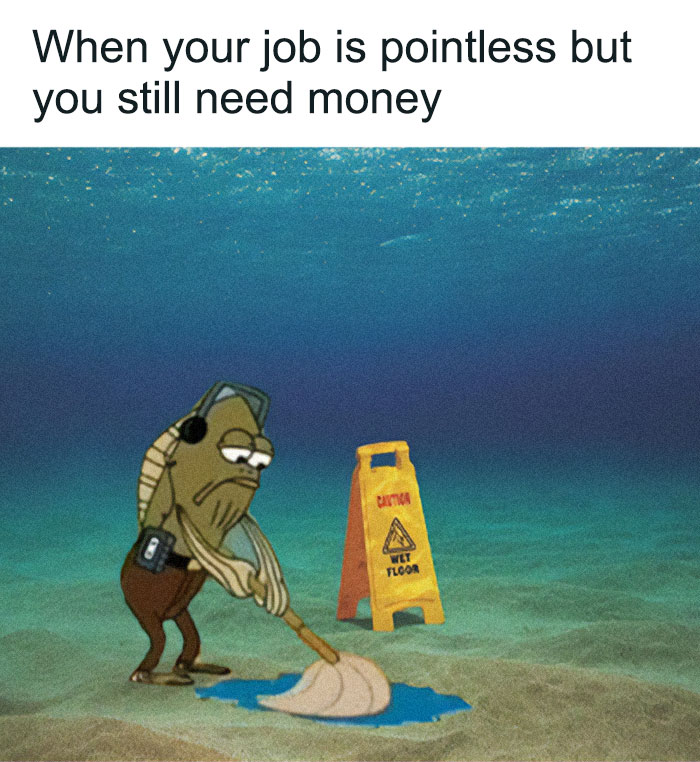
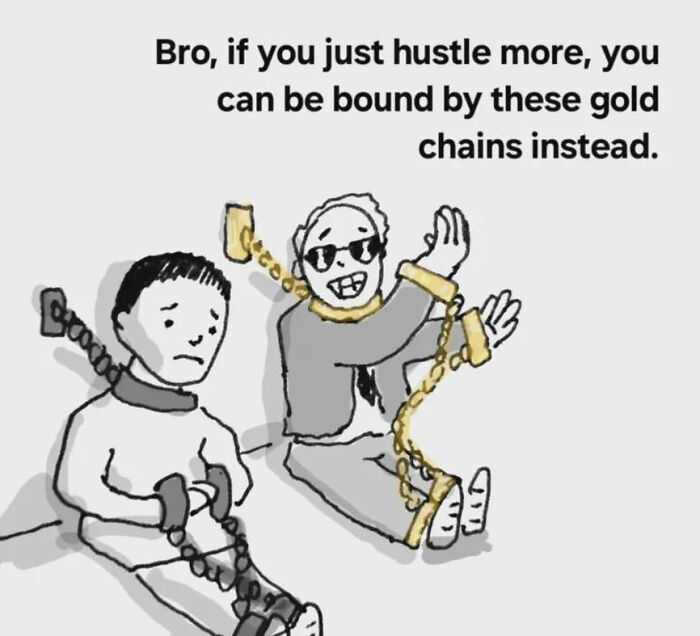
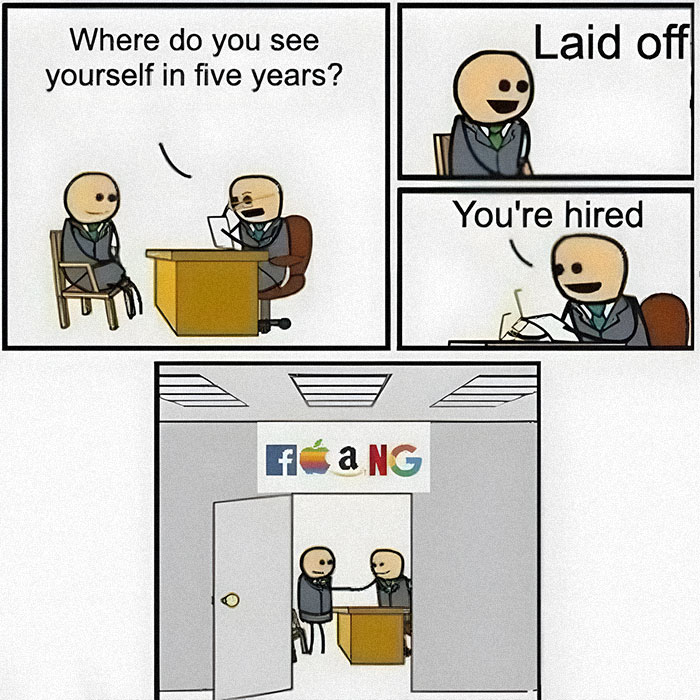
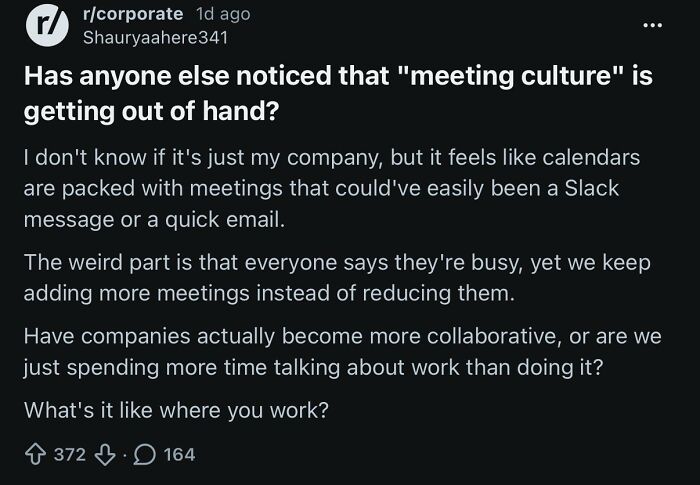
‘Corporate Absurdity’ is a social media account that posts painfully relatable memes about work life that hit a bit too close to home and feel very personal. We’re featuring our favorites, and we think you should definitely show them to your boss, HR, and work besties at your next big meeting (which, let's be honest, could have probably been an email).
This post may include affiliate links.

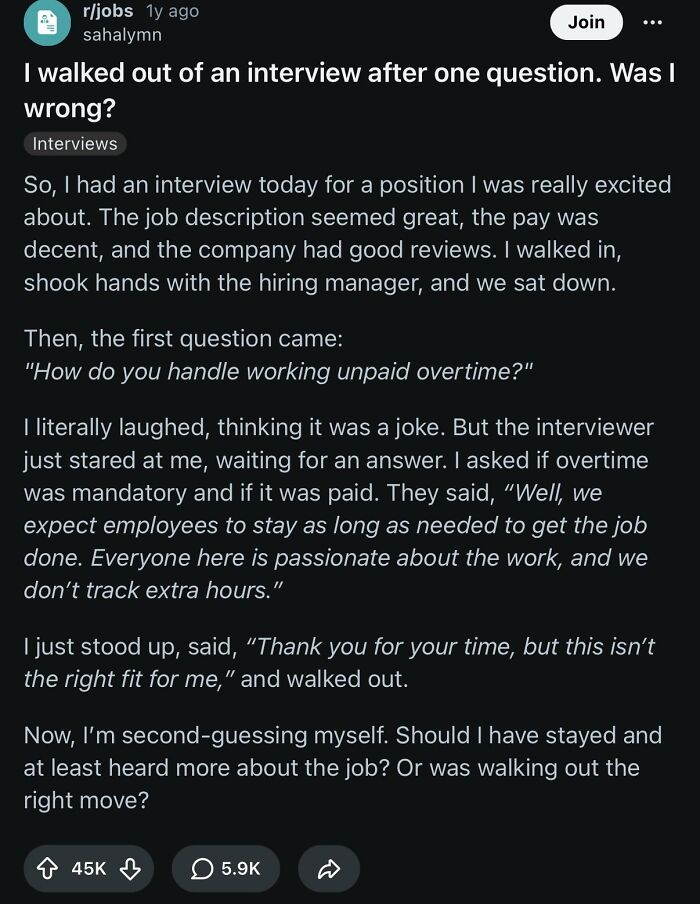
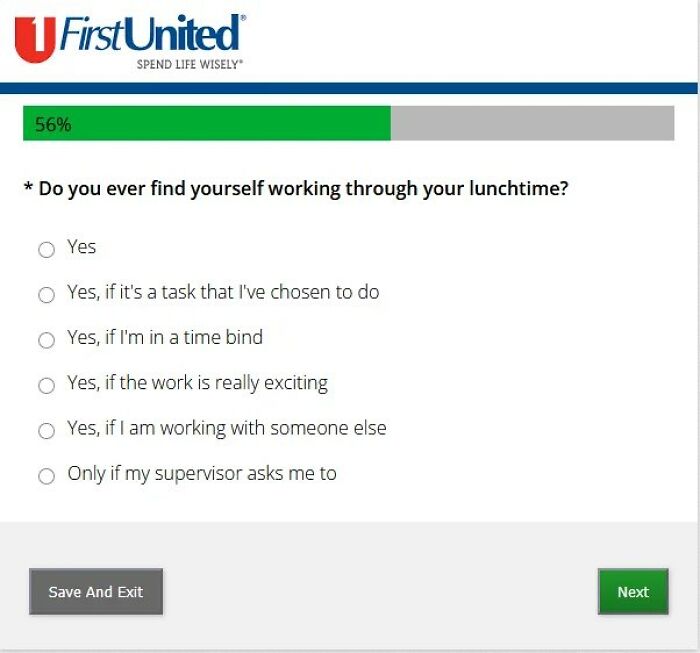
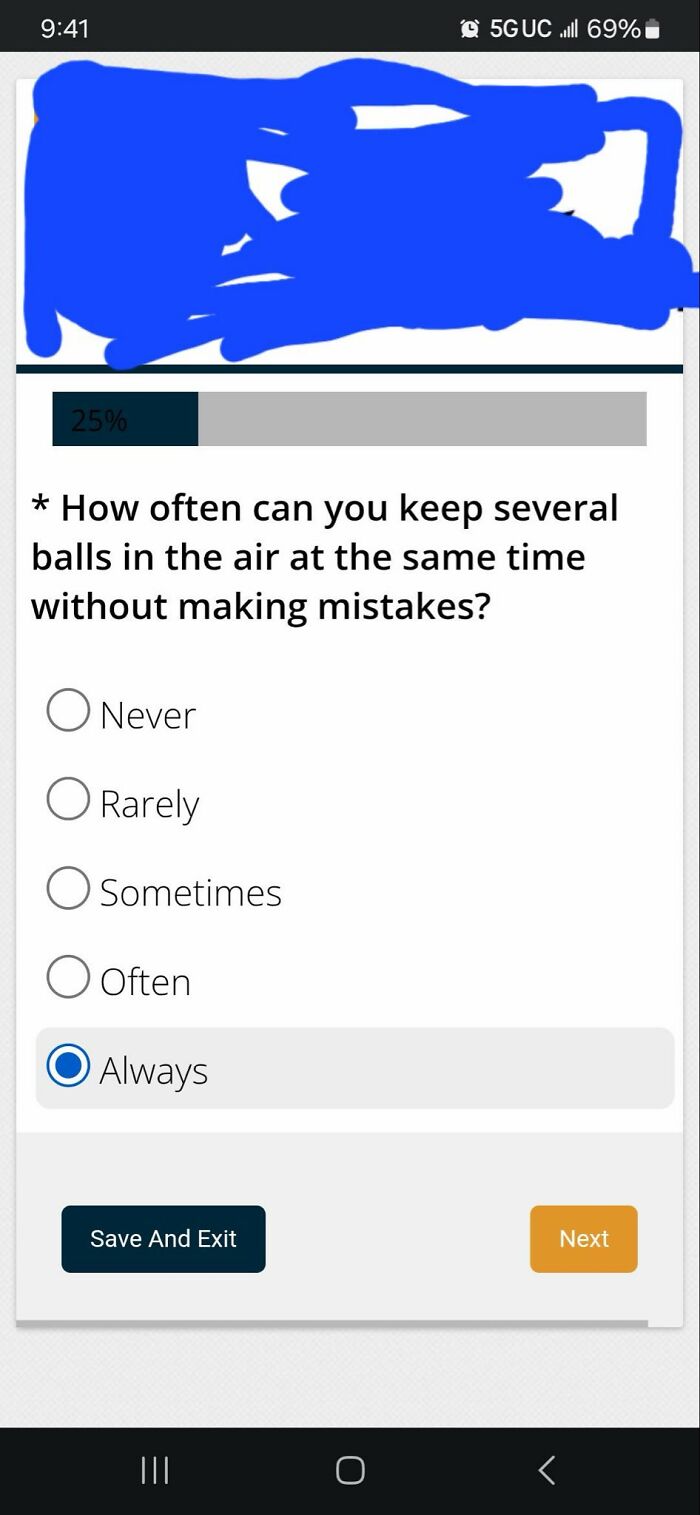
Potential answer: "Haha! That's a trick question isn't it? After all, we know that high-quality, ethical companies believe in investing in things that value. Unpaid overtime? Well, you get what you pay for. You and I have both seen THOSE companies -- not naming names -- where they take advantage of their employees that way, and it just opens the door for all sorts of cheating (and probably criminal!) behavior on all sides. Really drove those companies into downward spirals. They saved pennies but it cost them pounds. I know that X company here is far too honorable to create that sort of poisonous environment where people are out to steal from one another. It's what drew me to apply here ". It won't work of course, but let's them wiggle uncomfortably for awhile
shhhh, it's a secret. we pay so little that we are embarrassed to tell you.
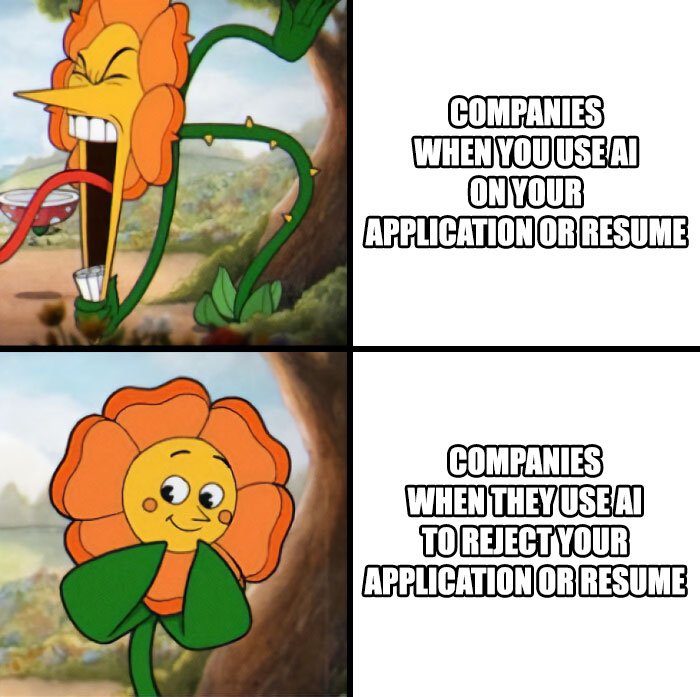
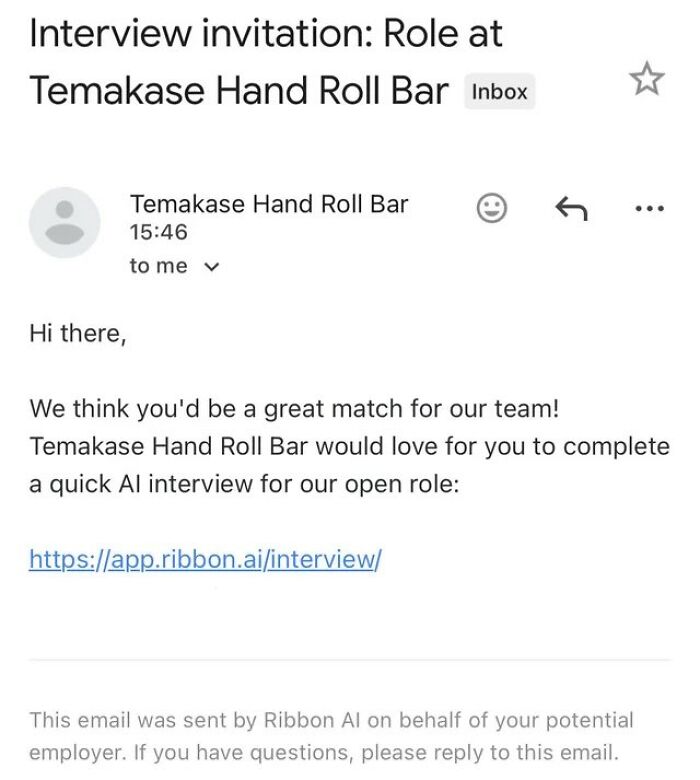
A well-timed and relevant opinion piece in The New York Times notes how machine learning, which has been evaluating potential employees for more than a decade, is now being supercharged with another layer of artificial intelligence and surveillance.
“As employers continue to use A.I. to rationalize the process of identifying strong applicants, applicants have begun to use similar tools to game the systems evaluating them. The vicious cycle thus begins: Employers buy or build new tools, which job seekers cotton on to, and on and on. It becomes a futile ‘Spy vs. Spy’ showdown instead of a useful way to meet the ostensible goal of giving qualified people jobs,” writes Jessica Grose.
According to Grose, the job market is very tough for applicants right now.
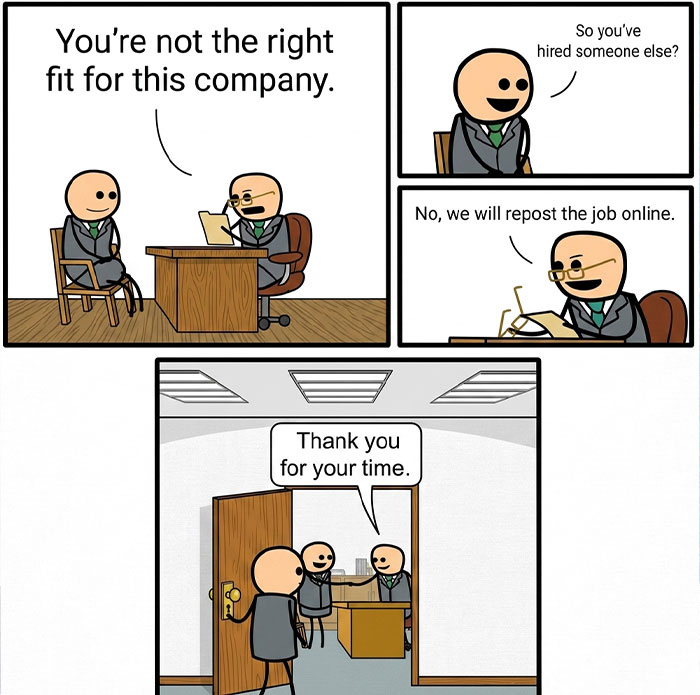
“There are more applicants for open roles than there were a few years ago, and many employers do not seem to be looking for diamonds in the rough; human resources experts are telling me that corporations are ramping up their expectations and requirements because they’re in a buyer’s market,” she writes.

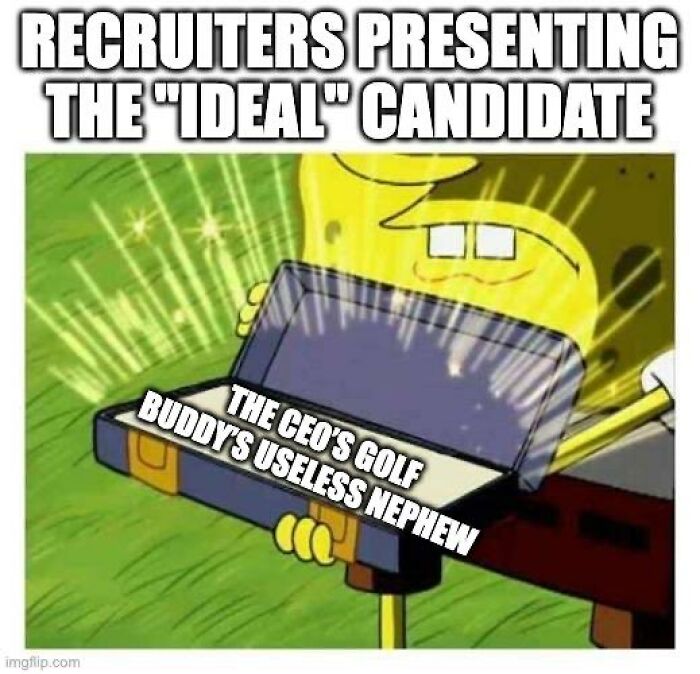
Goddamit! NOW I want to imagine THAT'S what was in the briefcase in Pulp Fiction.
“Forcing employers to offer some kind of transparency and even feedback to potential employees would help correct the power imbalance and make the process of looking for a job feel at least slightly more human.”
One potential solution might be to turn back the clock and opt for old-school analog recruiting methods, such as referrals, local job boards, headhunters, and alumni networks.
According to mentorship and leadership development expert Ruth Gotian, Ed.D., Chief Learning Officer and Associate Professor of Education in Anesthesiology at Weill Cornell Medicine, there are four attributes that top performers share.
These are intrinsic motivation, perseverance, a strong foundation, and constantly learning through informal means, she writes in The Success Factor: Developing the Mindset and Skillset for Peak Business Performance.
However, it’s not enough to be great at what you do. How you communicate your achievements has a massive impact on your career path and growth.
The cold, harsh truth is that, in the corporate world, what matters isn’t just working hard but also being visible. Gotian emphasizes how excellence without visibility can often lead to workers being overlooked.
“Your work no longer speaks for itself. You must speak for it,” she stresses in a post on Psychology Today.

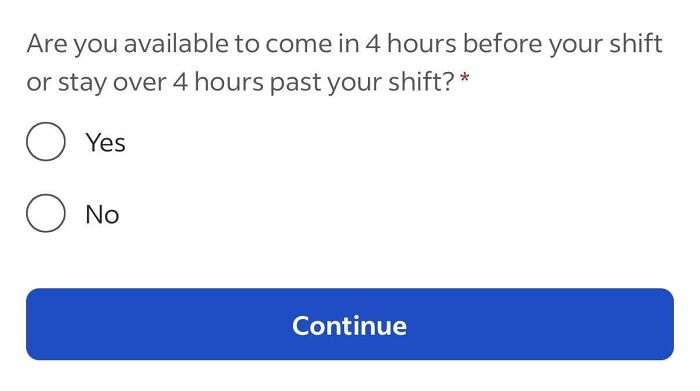
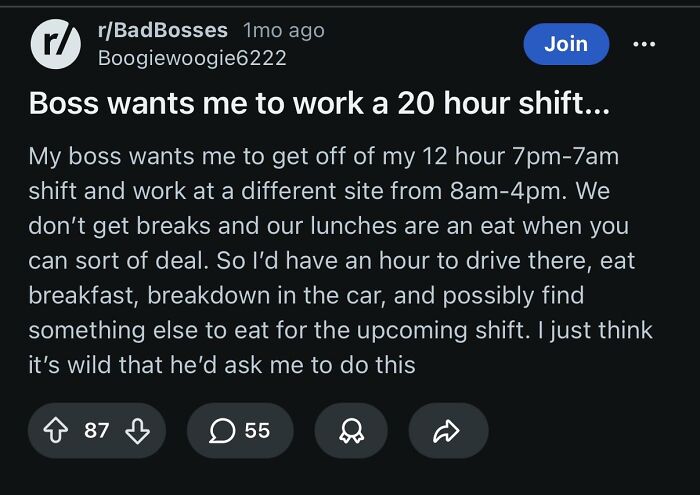
For 4 hours of time-and-a-half pay I might be. I used to work doing mail sorting while at school. I worked from 5-10pm after classes and the pay scale went up as soon as we got past 6pm. Boring, nearly mindless work, but there was music and we could chat amongst ourselves all we wanted.
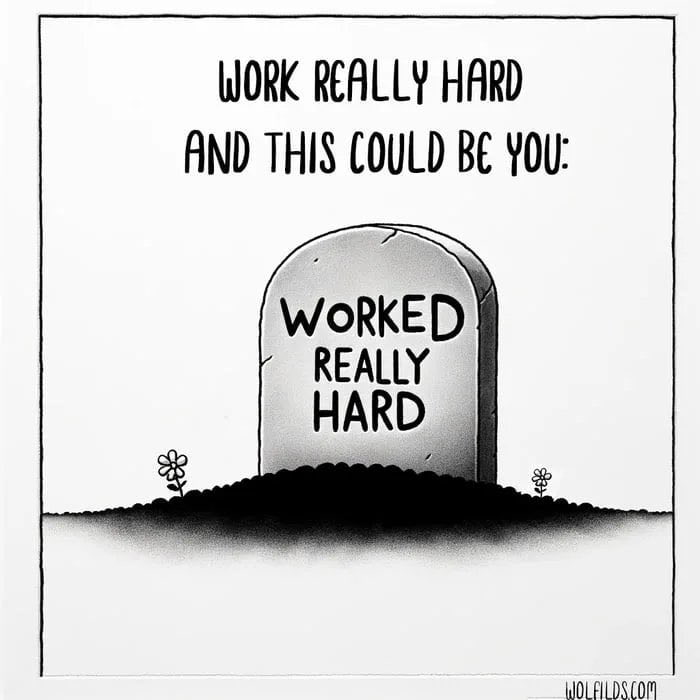
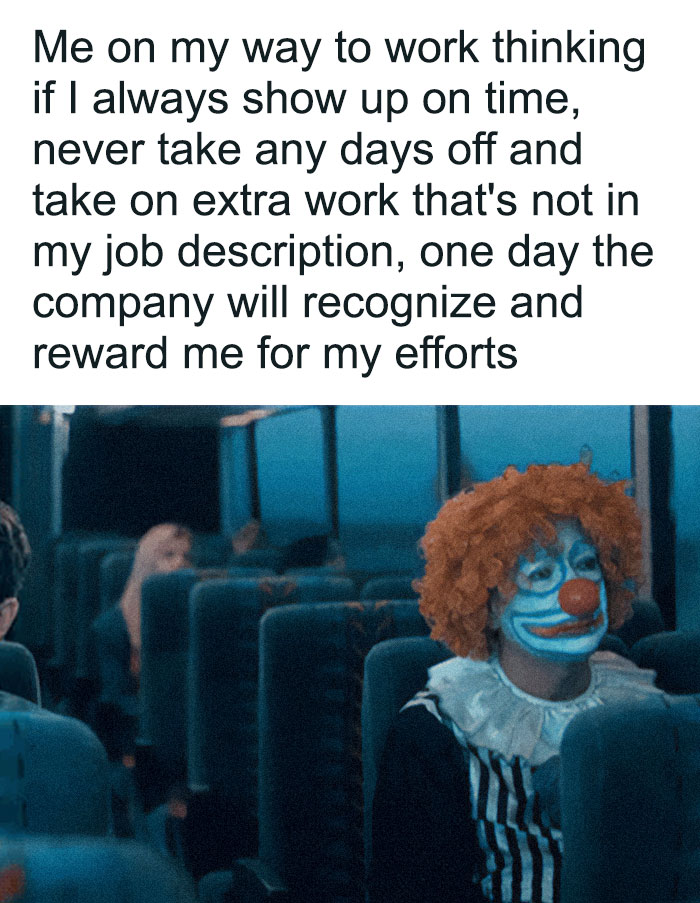
Working long hours and doing a good job may not lead to rewards, raises, and promotions in the corporate world.
“The rules of career advancement have changed with the generations and advancement of social media and artificial intelligence (AI). Those who rise are not simply those who work the hardest. They are those who are visible,” Gotian explains.
Talented, ambitious, and competent top performers can fall behind because they are not being seen.
Top performers tend to find it uncomfortable to promote themselves and may underestimate their competence. So, they end up underselling themselves. On the flip side, employees who are underskilled often overestimate their abilities because they are unaware of what they still need to learn.
“Not everyone is comfortable with the ‘humble brag’ and they don’t want to market themselves. They feel that if they do excellent work, others will notice. But at a time when job applications have doubled and creator activity has become mainstream, excellence without visibility equals invisibility.”

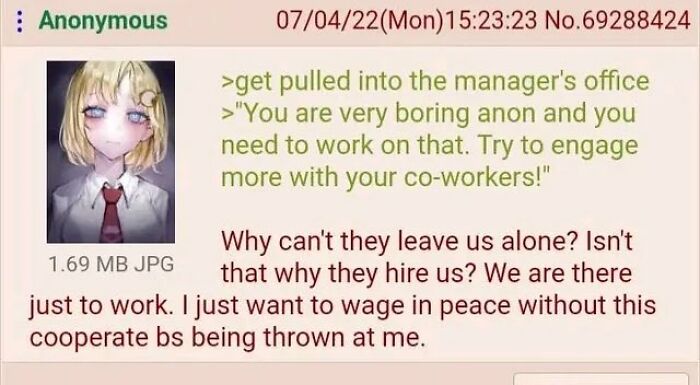
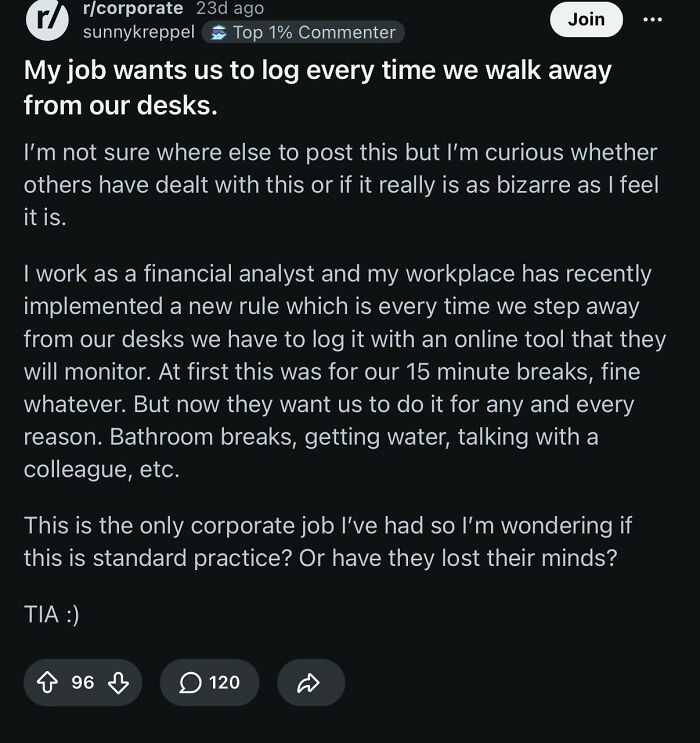
Is 'engaging with my co-workers' part of my contract duties? I can't seem to see it on my copy ...

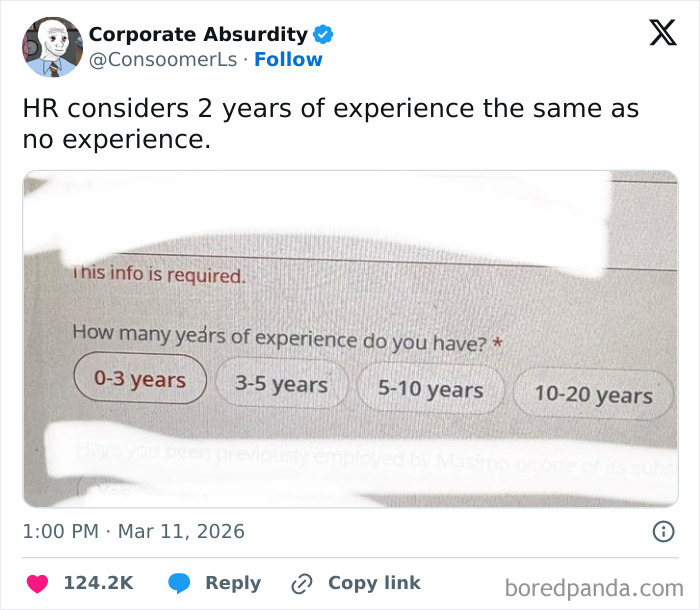
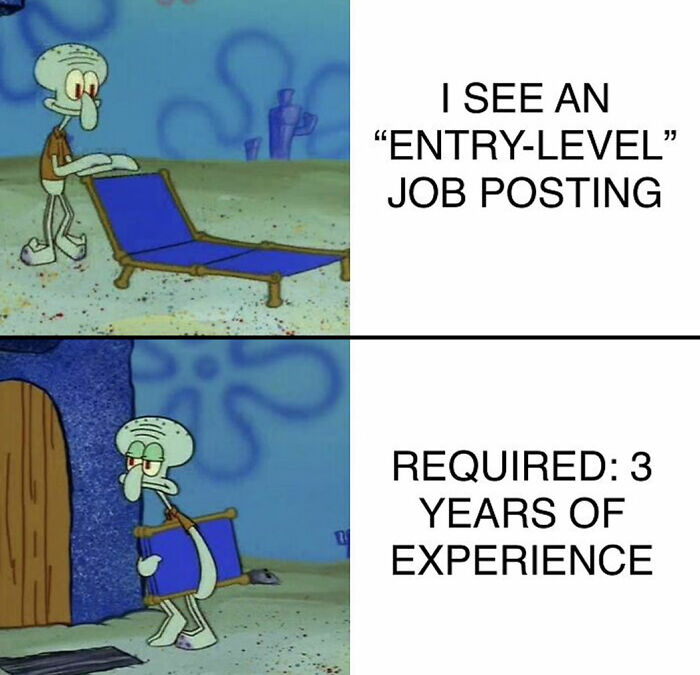
I think it depends on the job. If you're a brain surgeon, 0 and 3 years of experience are pretty much the same. If you're sorting beer bottles at a brewery, 1 month of work experience is equivalent to having done it for 20 years.
In a nutshell, visibility is not bragging. Rather, it is communicating with your employers in such a way that they see your work, achievements, and thinking process. There are times when your approach is more important than the results you (do not) get.
“In engineering and software development job interviews, it is not uncommon for the person running the interview to ask the applicant to build something. Recruiters consistently report that they care less about whether a prototype works and more about how the applicant approaches the challenge. They want to see curiosity, problem solving, and a healthy relationship with failure.”
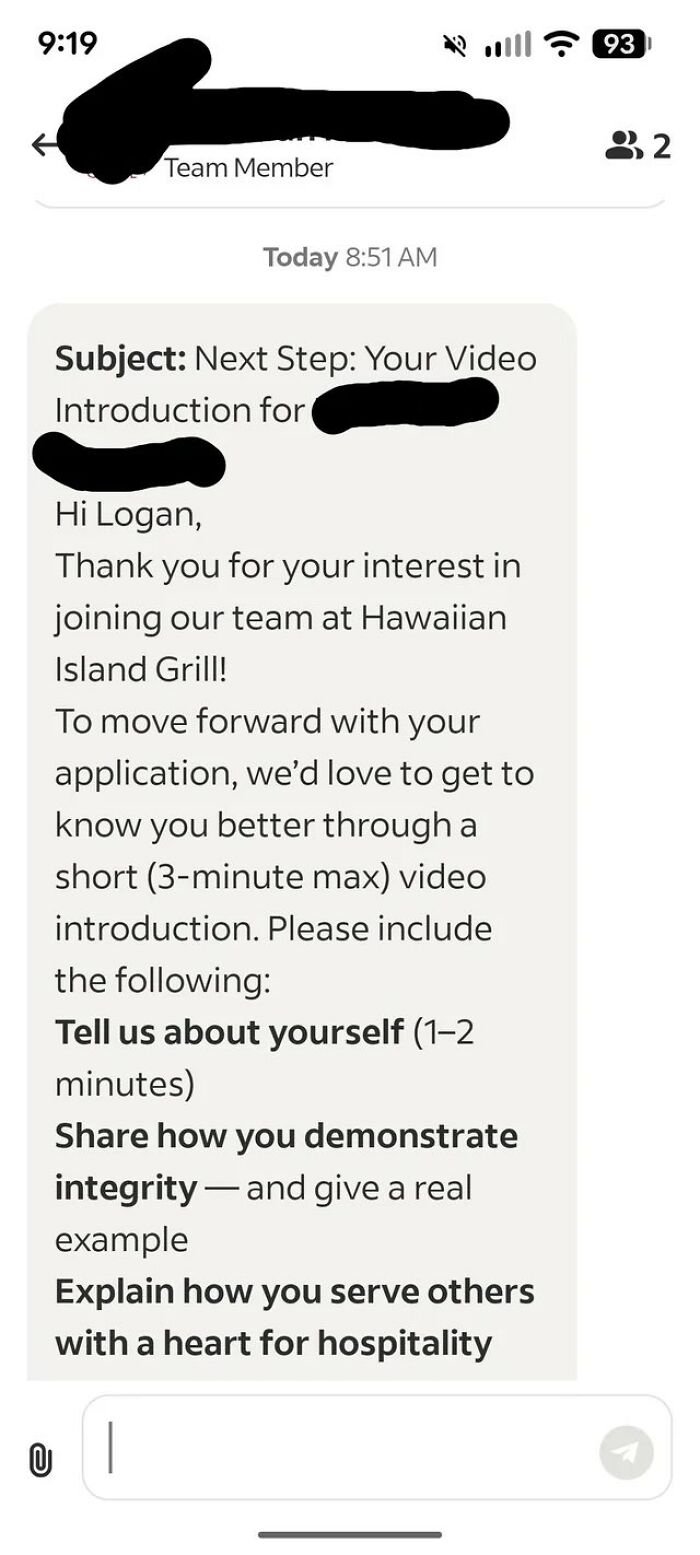
People hurry to do what pleases them - or to avoid what displeases them. Who knew ?
So, what can you do? Simply put, you need to get better at articulating how awesome you already are.
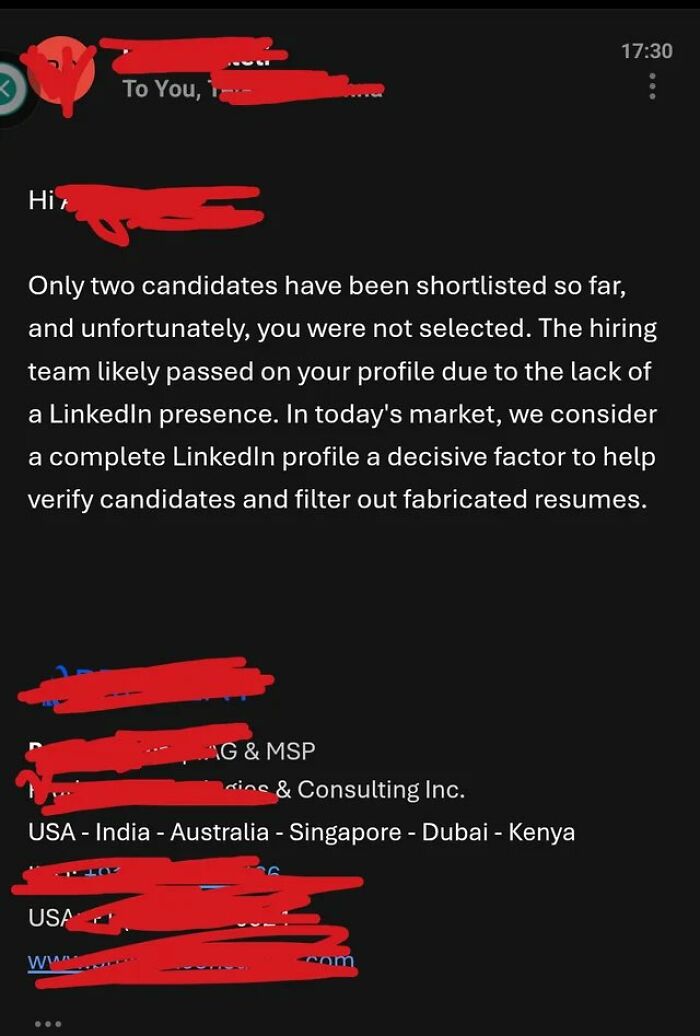
For one, you have to make your skills discoverable. Be more specific about what you do and achieve in your in-office communication, resume, and on LinkedIn.
Meanwhile, even if you’re not a content creator, you might want to share your industry insights and lessons in posts, videos, newsletters, etc.
“You cannot help people if they do not know what you do. You will not be promoted if people cannot find you. Self-promotion is for attention. Visibility is to spark curiosity, share your thinking, and your unique value. If you want to stay ahead of the rapidly shifting job landscape, you will need more than ability. You will need to be seen,” Gotian writes.

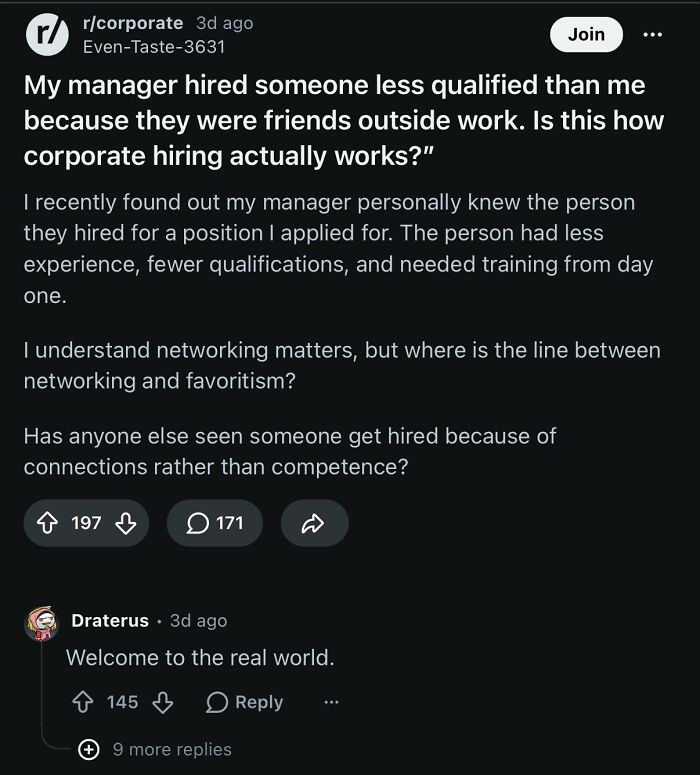
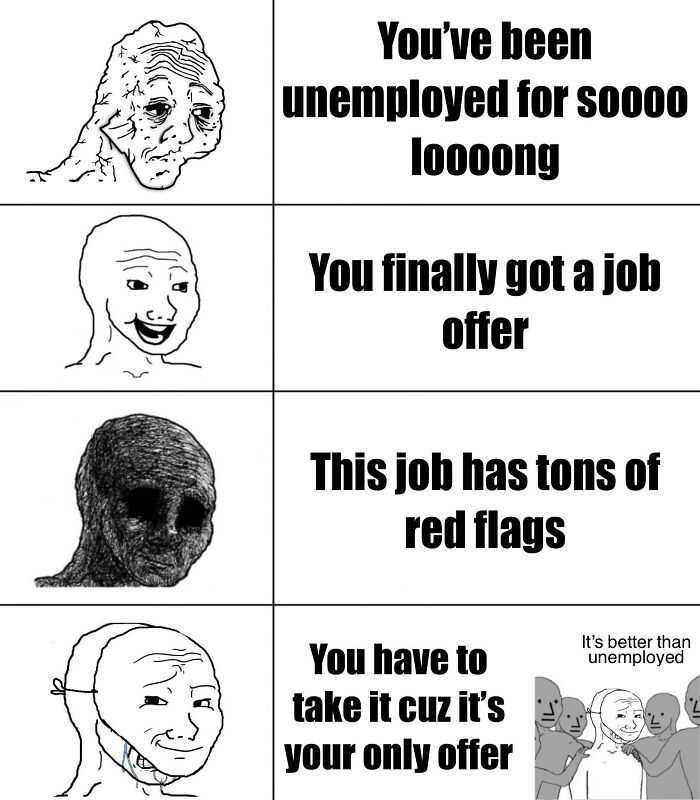
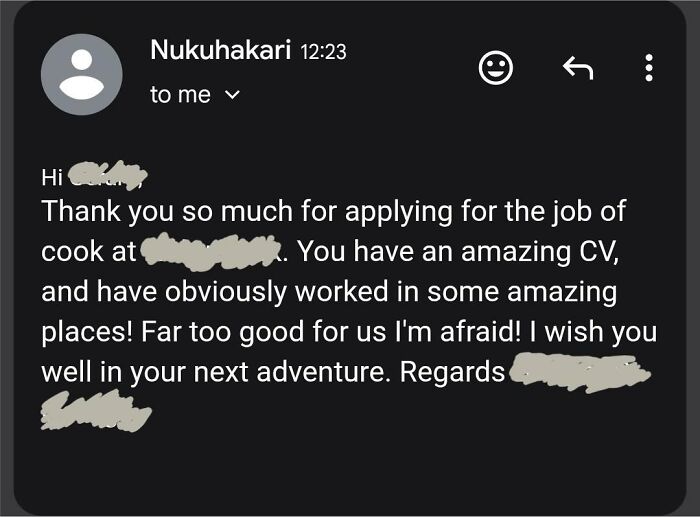
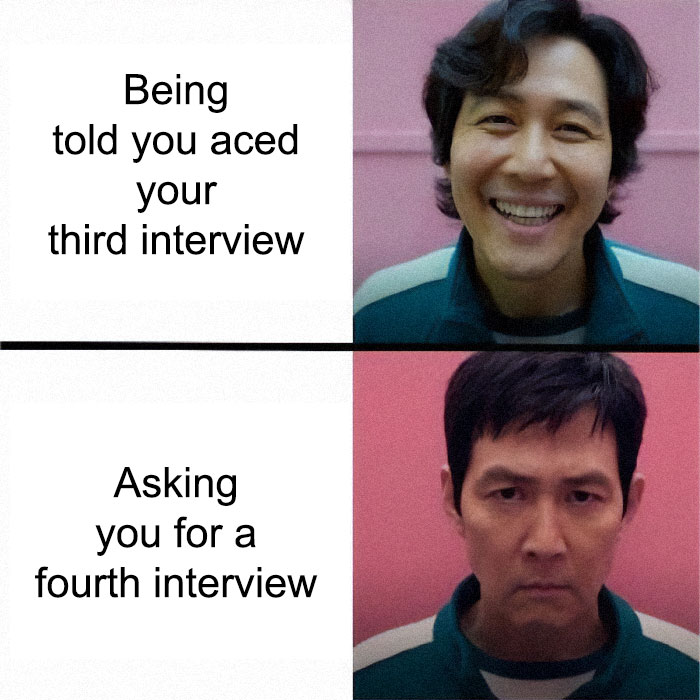
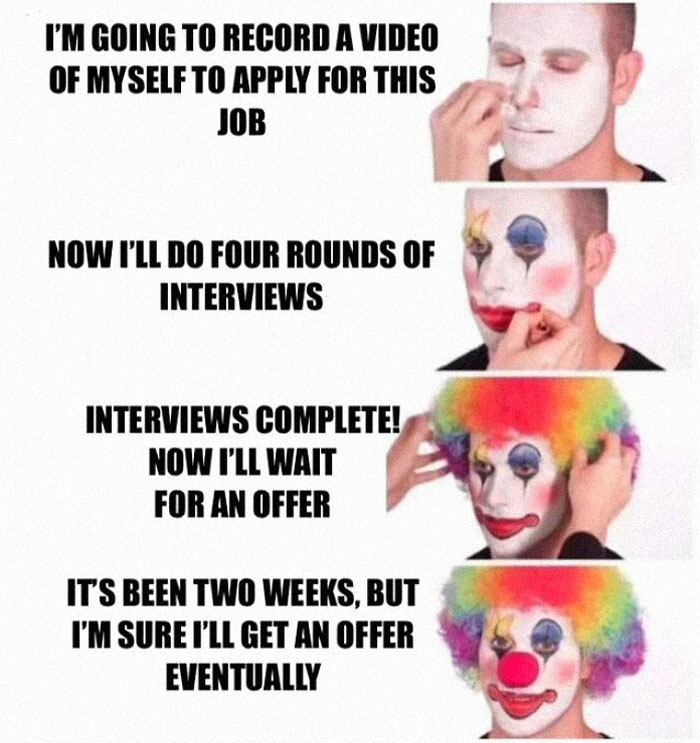
I was made redundant 18 months ago, after 4 interviews in 8 months I got a part time minimum wage job so, should I actually manage to find what looks like a decent job in my previous career, I will not take it just because it's a job and I am desperate. Been caught out before like that.
Which of these corporate life memes resonated with you the strongest, and why?
What are the biggest work-related challenges that you’re personally dealing with? What steps are you taking to avoid becoming replaceable?
Who do you know who’s struggling to find a job in this bizarre job market? How are they staying motivated?
We want to hear from you! Share your perspectives, experiences, and words of wisdom in the comments.

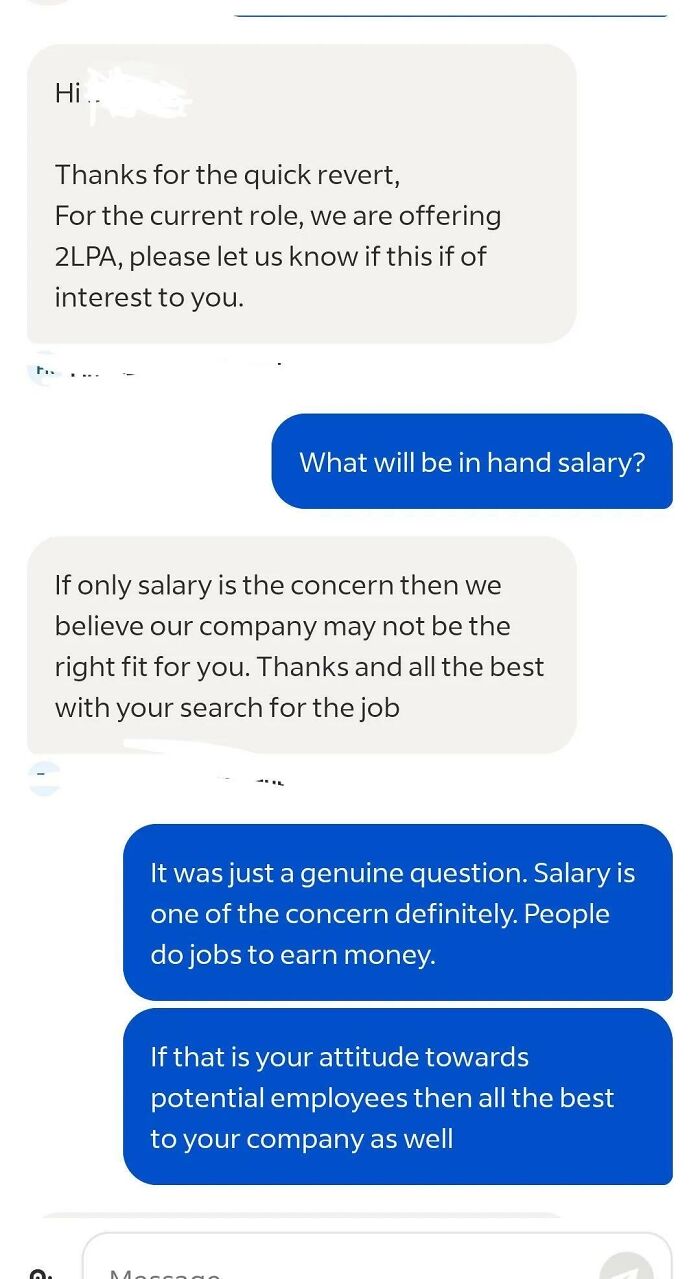
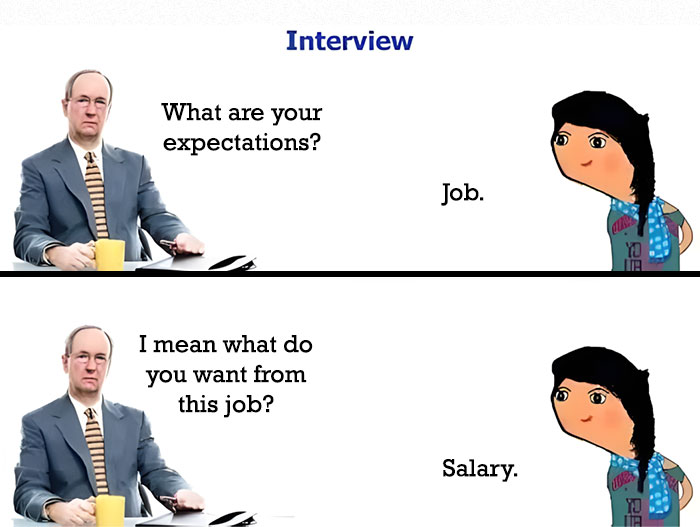
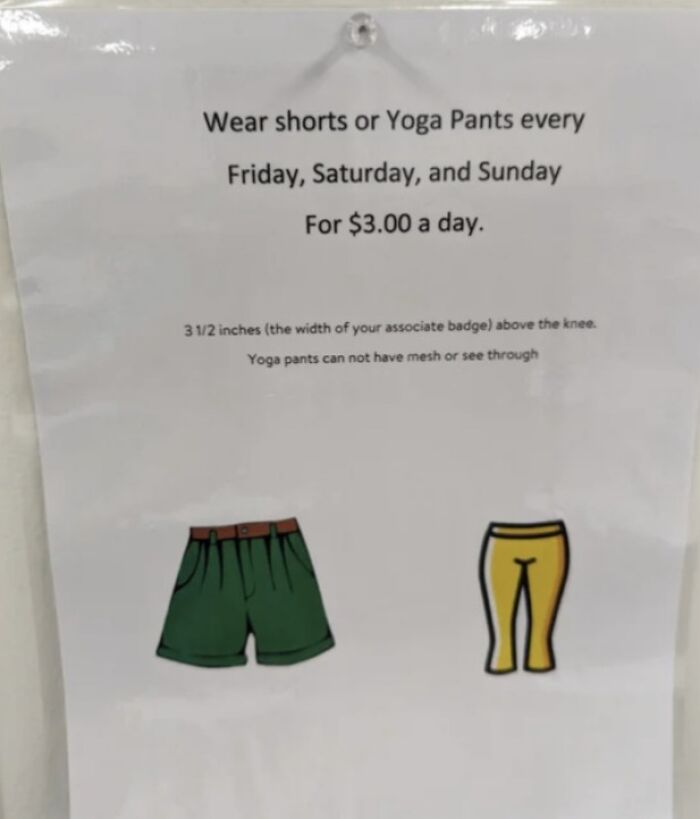
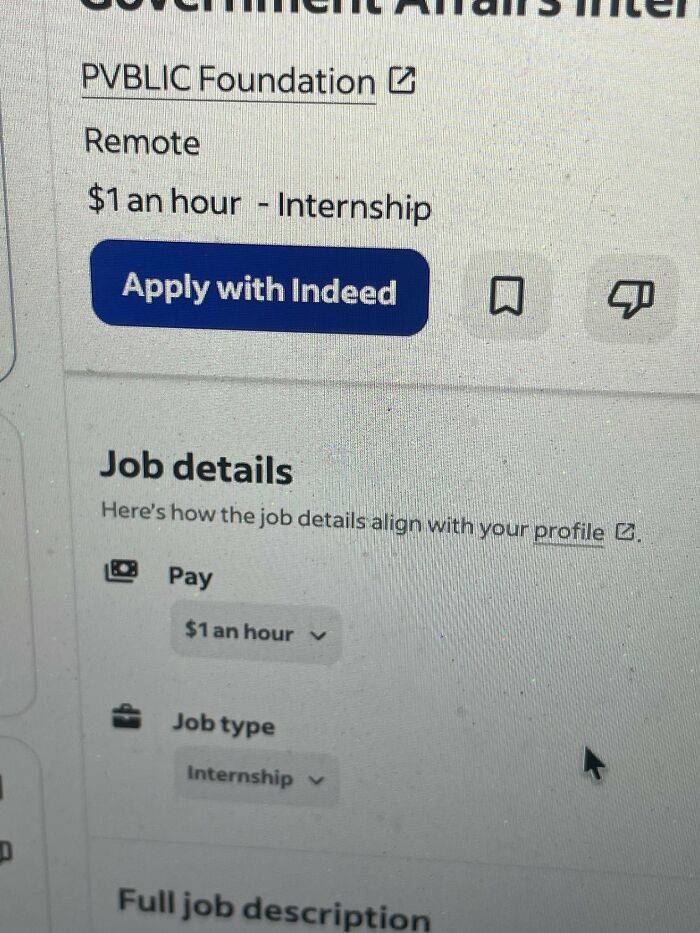
Translation: you will probably want to be paid more than 6 pennies an hour

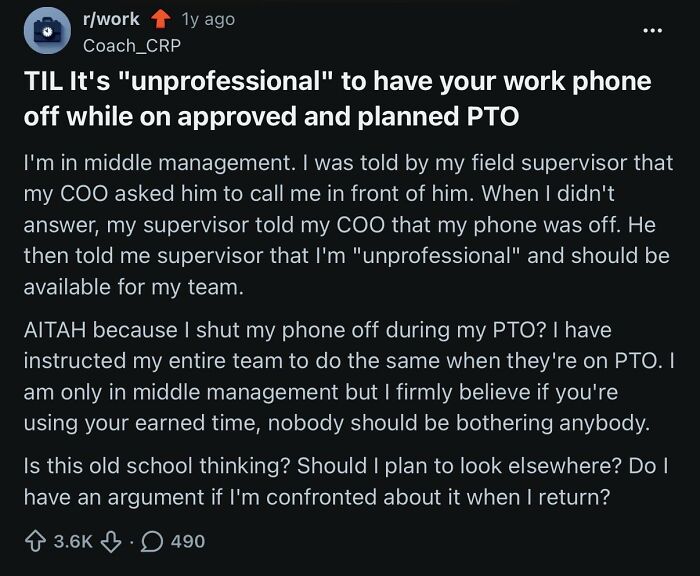
Just quit my job yesterday. I've not taken a day off in 2 years and have worked at least 75 hours/week since February. I told myself that by sacrificing myself I was protecting my co-workers, but it has absolutely destroyed me. My mental health is very poor right now; I am in a dark place that I have not been since 2011. It's not worth it, guys. You are worth so much more than any company or monetary value. Life itself is priceless and is far bigger than any job.
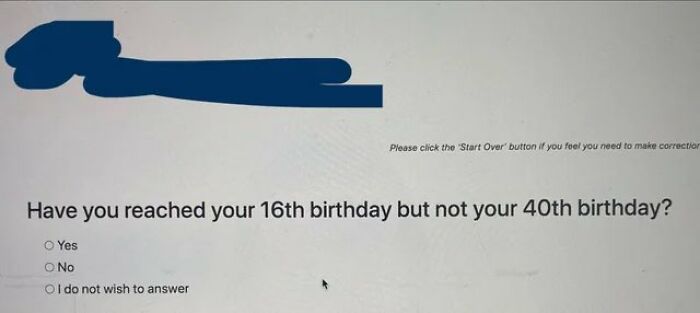
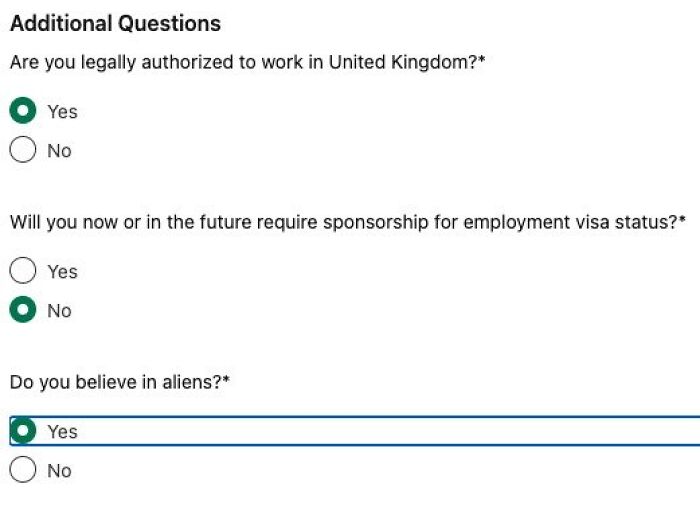
Isn't that question illegal in many places? Requiring someone to be legally employable and able to sign binding contracts is fine. Discrimination due to age is not. Though I am fine with mandatory retirement age for government work so that maybe some people who aren't old men get the chance to be in office.
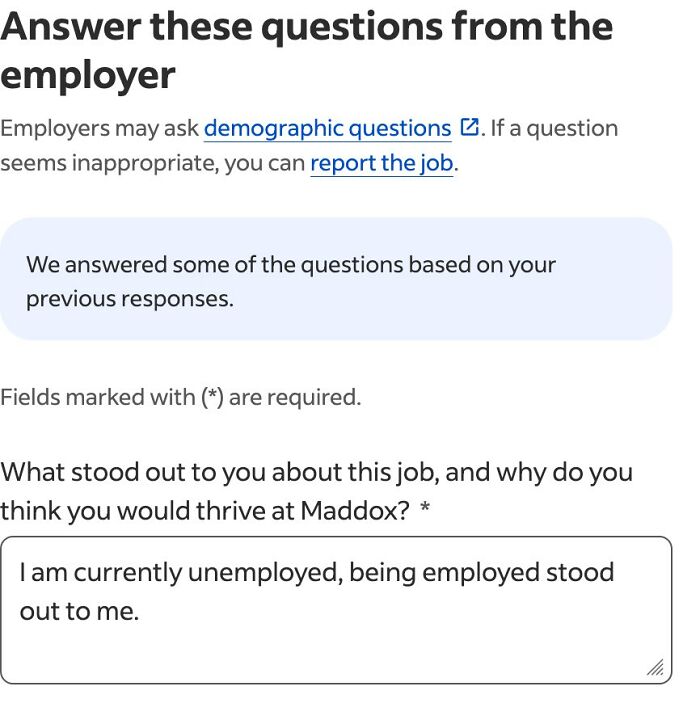
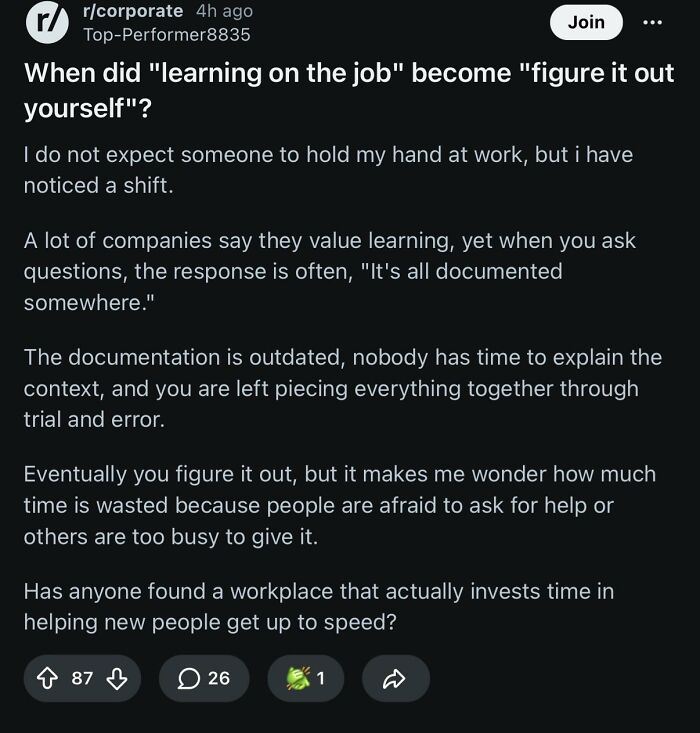
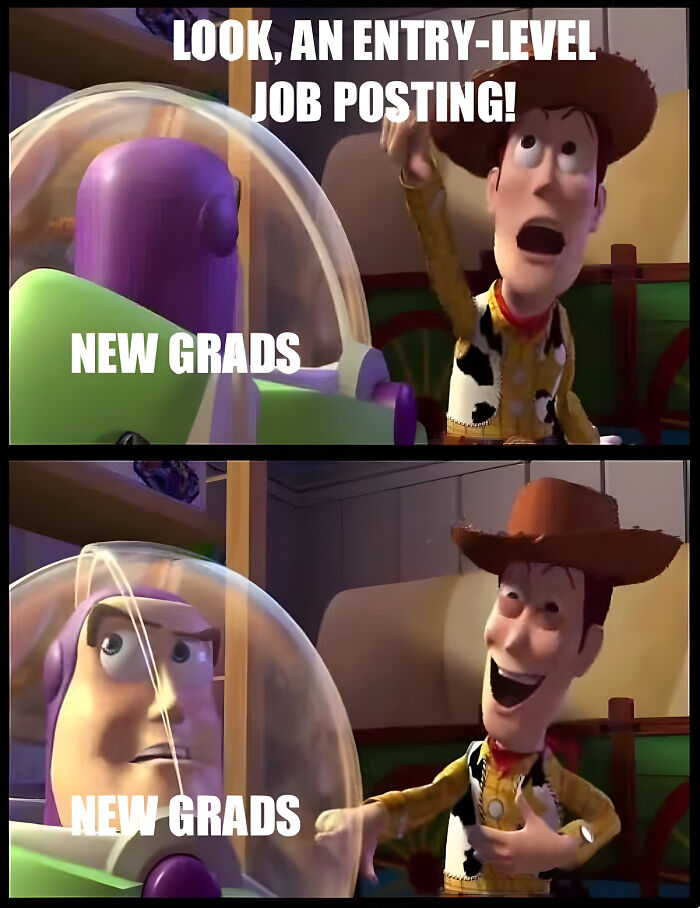
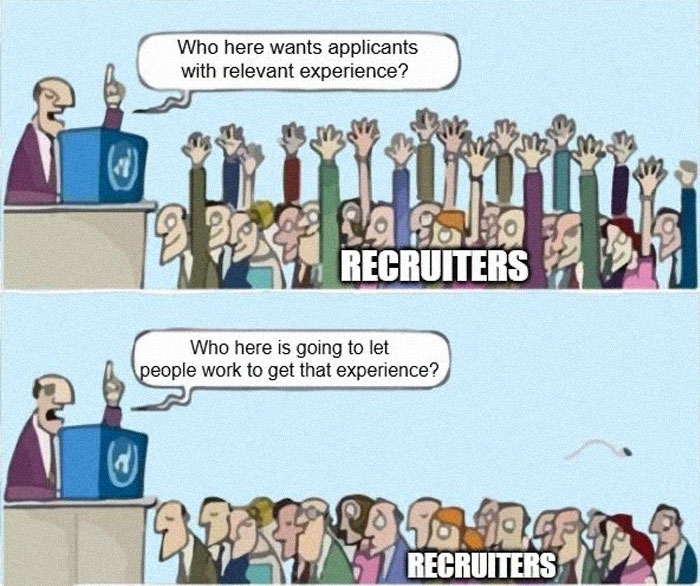
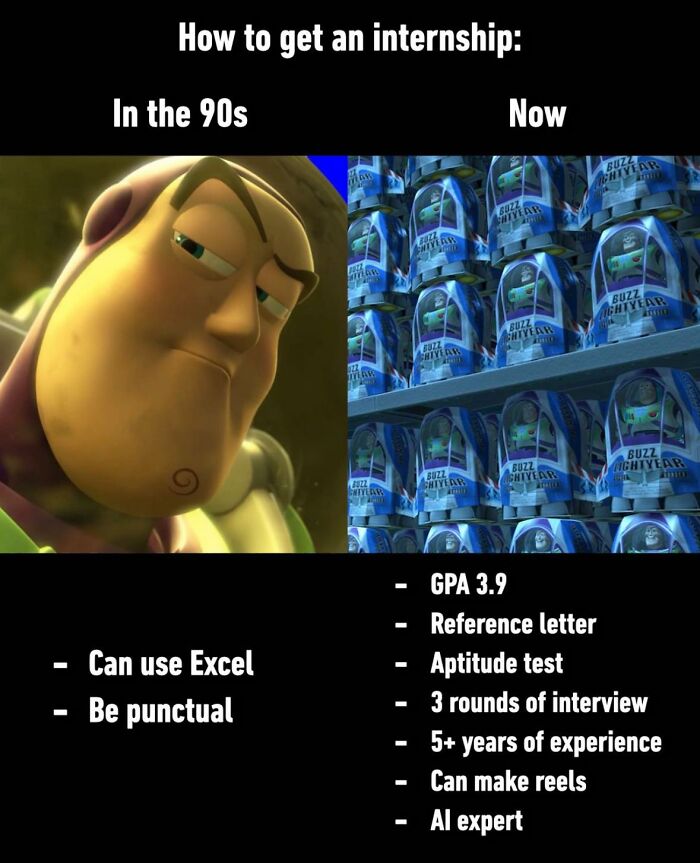
Everyone wants trained staff, nobody will make the slightest effort to train them
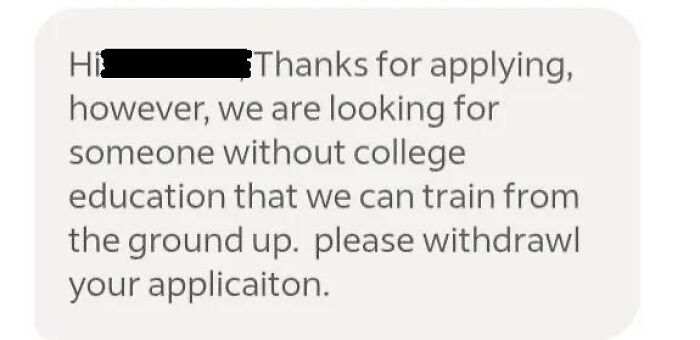
I've heard this often for the corporate world. I think it is because, in that sphere, employers are excited what is 'new and fresh' and attribute a high value to that. It can be fallacious thinking, however, as it doesn't think critically about the value of the actual product/person, and it discounts actual experience and relationships not because they are worth less but because the employer is easily bored.
Always bring a box of hard candies to any staff meeting. People talk less if there's something in there mouth. Lifesavers are "lifesavers" in this.
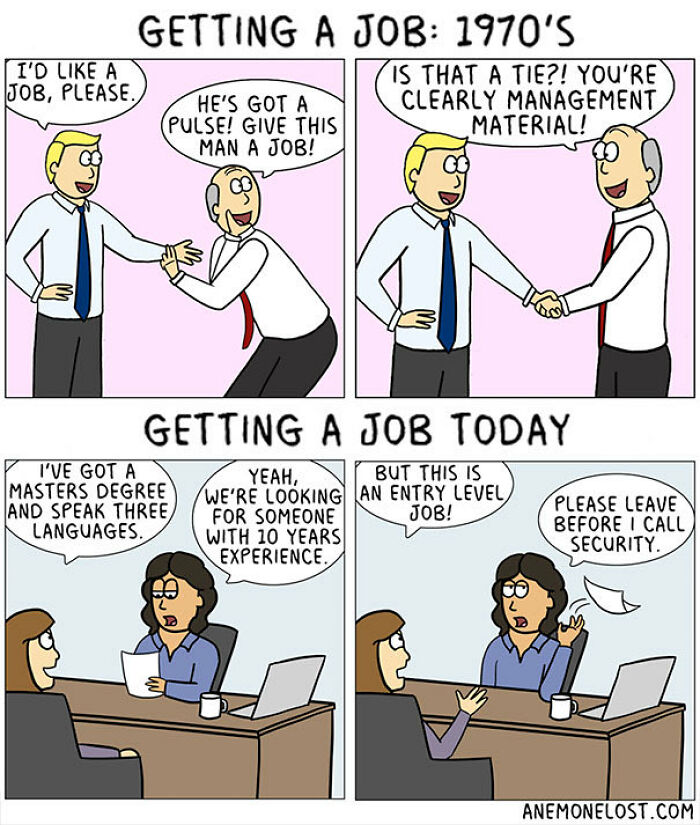
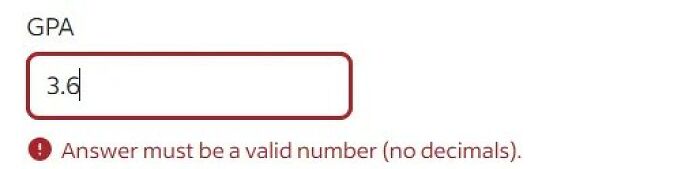
Or, 25 years of experience needed for management post, candidates must be aged under 40

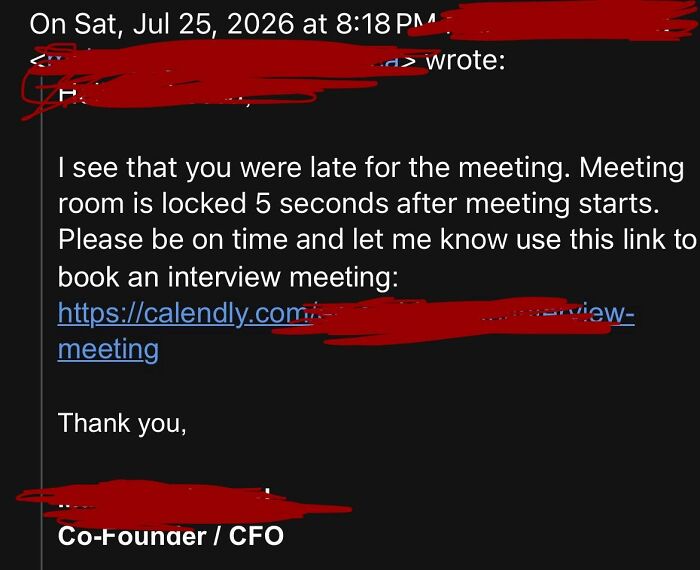
Ngl, when I hosted meetings I'd start the meeting right on time. Whether or not everyone expected was there unless they gave a reason for being late. I'm not trying to waste anyone's time - if you're not early, you're late - have someone responsible catch you up (the meetings were the same time every day).

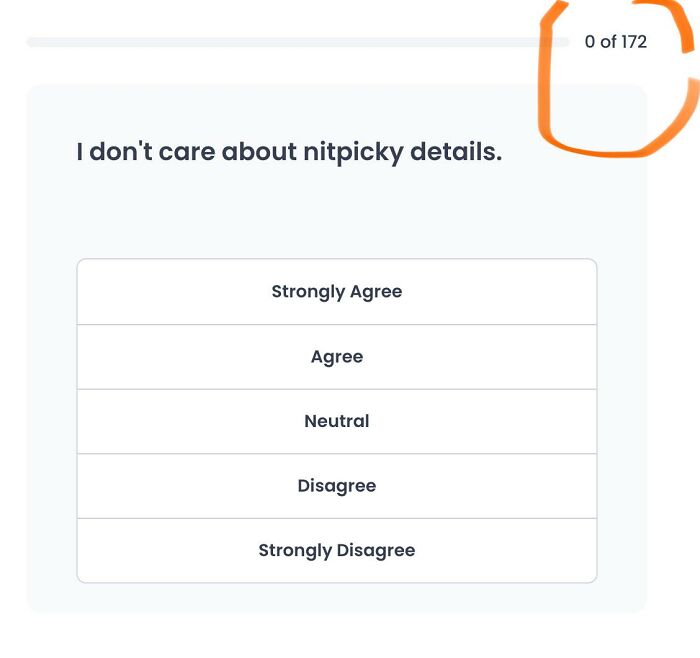
It's probably just a question to make sure they actually read all of them
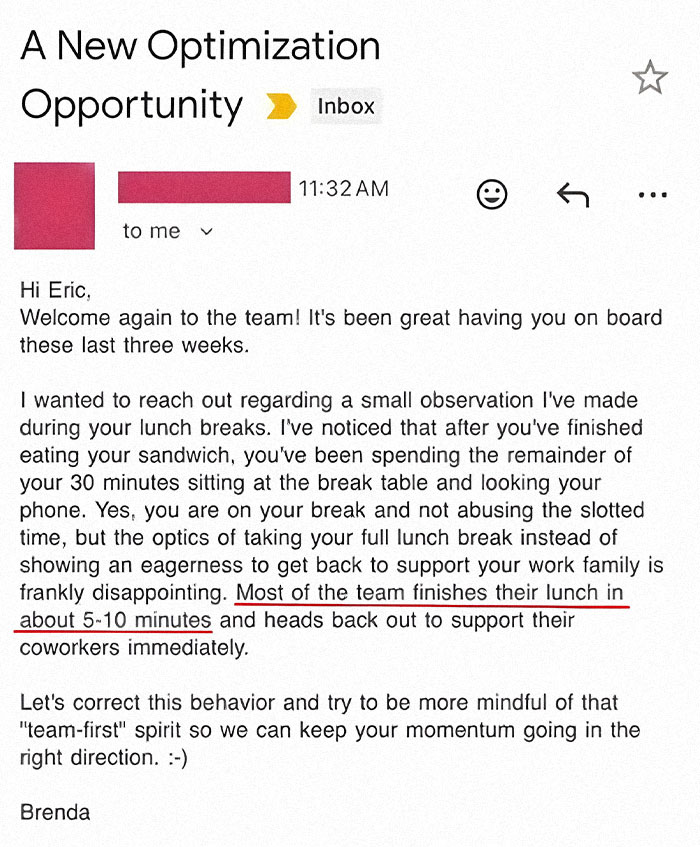
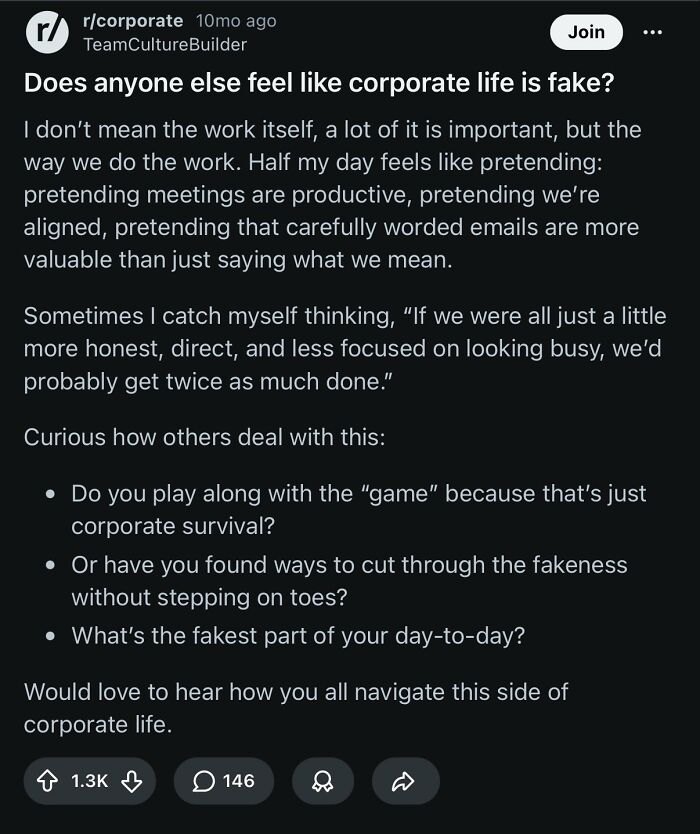
The fakest part of my corporate life was appearing to be busy so that I wouldn't be pressured into taking on more work than my job description included. If all of the tasks in my role happened back to back, there would have only been about 3 hours work in any given day. But the work was spread out throughout the day, as I was support staff to contractors and other employees and had very little proactive work that could be done between reacting to people's needs. But if I was honest and said that I had nothing meaningful to do while waiting for my next task, I would have been pressured into doing jobs that were not in my contract, like answering calls from the public, or taking minutes in meetings that weren't my department. How do I know? Because it happened. So I learned to always appear busy. And it is to the discredit of my manager(s) that none of them knew what the f**k I actually did, or they would have known that there was no way I needed a spreadsheet and Access open at times.

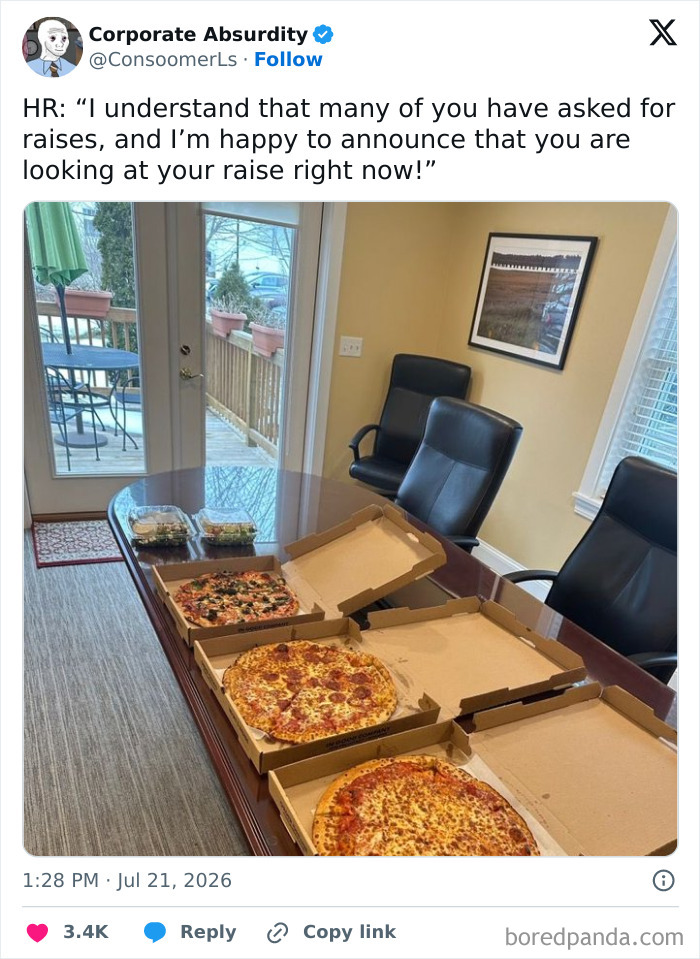
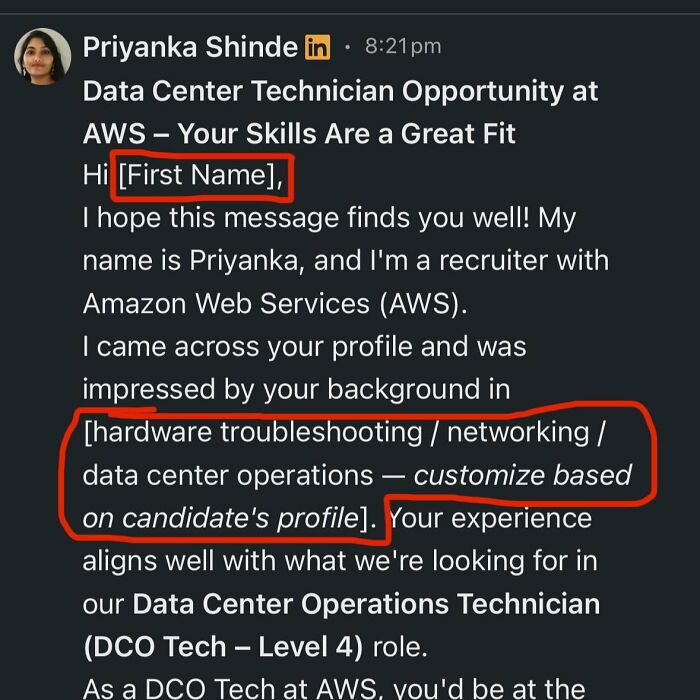
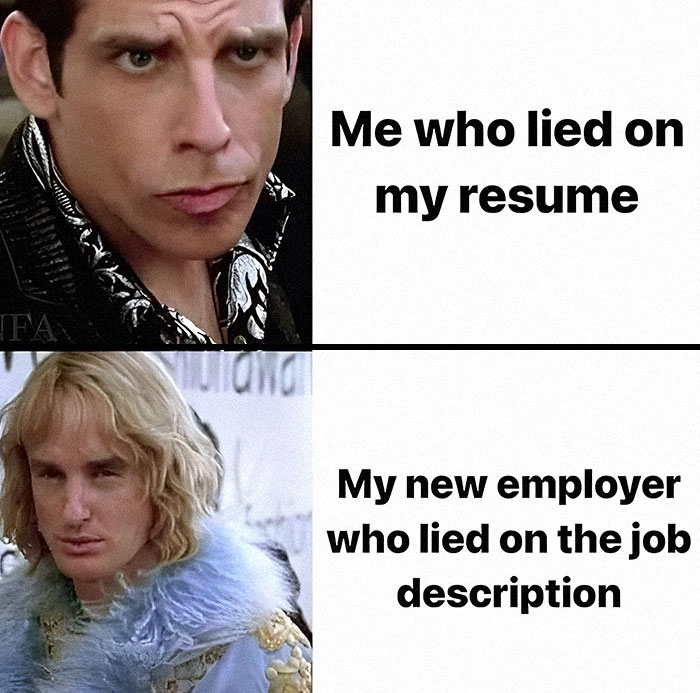
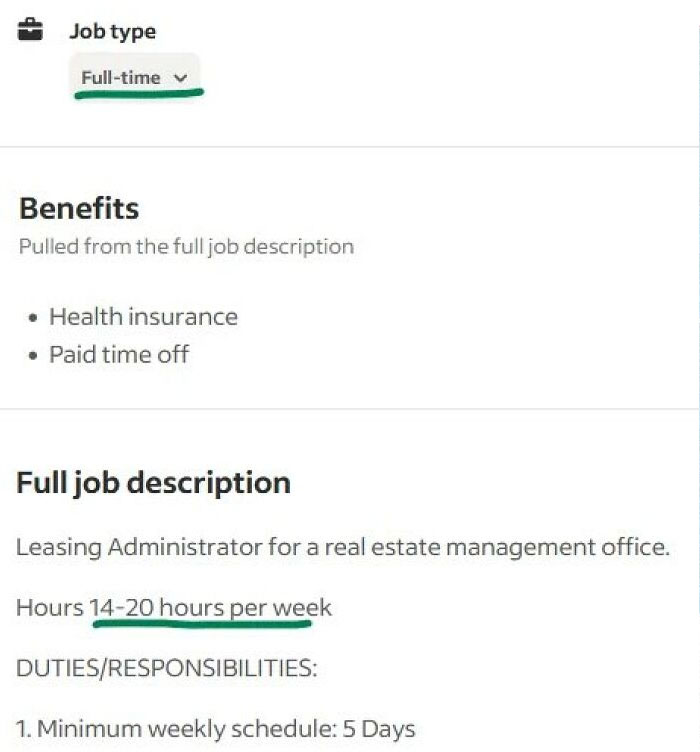
So basically it’s an unpaid internship but they had to add a pay rate to post


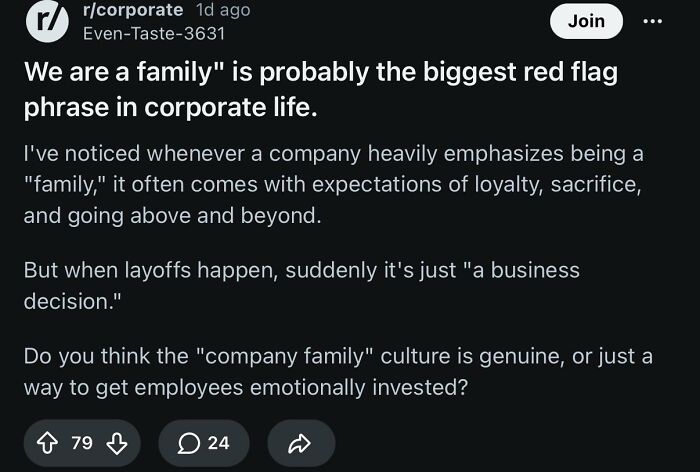
Having retired after 40 years, I can tell you this: the best bosses I had never forgot what it was like NOT to be a boss (which I can see being an issue for young entrepreneurs). The worst assumed that everyone saw the company (and clients) the same way that they did, wanted the same things, and was prepared to devote as much energy as they were.
Having retired after 40 years, I can tell you this: the best bosses I had never forgot what it was like NOT to be a boss (which I can see being an issue for young entrepreneurs). The worst assumed that everyone saw the company (and clients) the same way that they did, wanted the same things, and was prepared to devote as much energy as they were.
































 No fees, cancel anytime