Get Premium
Dark mode theme is available exclusively for premium users. Learn more about the benefits of subscribing.
No fees, cancel anytime.

 Dark Mode Ad-Free Browsing Unlimited Content
 Ad-Free Browsing Unlimited Content Dark Mode
Join 1.2 million Panda readers who get the best art, memes, and fun stories every week!
37submissions
1week left
Some of the habits that people currently have might be childhood coping mechanisms that they picked up as ways to survive. They might have lived in a toxic family environment and faced neglect or abuse. They might have had to deal with constant fear, stress, and anxiety. And it only occurred to them way later, when they grew up, that the habits they grew to rely upon aren’t ‘normal’ at all.
Reddit users revealed the childhood coping methods that they unknowingly developed in an incredibly honest and impactful thread. They wrote about being hyper-aware of people’s microexpressions, shutting down their emotions, and creating imaginative scenarios to make their situations more tolerable. Scroll down for the most powerful things you will likely read today.
Bored Panda had a very open conversation about hardship, mental health, and childhood coping mechanisms with the author of the thread, redditor u/GreggOfChaoticOrder. They were very candid about their own struggles, the massive impact their r/AskReddit thread had, as well as their thoughts on dealing with trauma. Their hope is that by shedding light on these topics, others can know that they’re not alone in their struggles and it helps make the world a better place.
Click here & follow us for more lists, facts, and stories.
This post may include affiliate links.
 I look for signs, such as micro-expressions, about what kind of mood the other one is in. My therapist told me not all people do this, and I do it a lot. He also told me I developed it because I was always on the lookout because of my often angry, drunken stepdad.
Redditor u/GreggOfChaoticOrder, the author of the viral thread, was incredibly open about what made them ask the question on r/AskReddit. “I was inspired to make that post because I was at a low point. I was so depressed and I just wanted to feel better,” they told Bored Panda.
“I had been commenting encouragement on other people's posts in r/bipolar, telling them things I'd want to hear, but it didn't feel like I was doing enough. After some soul searching and self-reflection I just kinda realized that many of the things I do are actually just coping mechanisms. So I decided to make a post about it and reply to whoever commented. Which was easy… for the first hour or two.” The thread quickly went viral, mainly because of how supportive the redditor was of everyone. But the author was quickly overwhelmed by the massive response.
“I couldn't reply to everyone at a certain point. I'd be getting 100-200 notifications every thirty minutes for a few hours at a time. I think it really took off because of all the work I did at the beginning. I tried encouraging people and letting them know it was a safe place. A place you could just scream into the void and find others there doing the same thing. A place you could even find people you can relate to. I never expected it to take off at all. I was ready for 20 or so comments and maybe as many upvotes,” the redditor told us that they were shocked that their thread then spread to YouTube, TikTok, and the media.
 I can cut people out of my life and stop caring about people at the snap of my fingers, and I do it far too often to people who sometimes may not deserve it to keep myself safe.
The author, u/GreggOfChaoticOrder, said that it felt good to have helped people know that they aren’t alone.
Bored Panda wanted to get the author’s opinion on whether hardships always lead to resilience and greater emotional toughness. They told us that, in their opinion, it depends on the situation and the individual.
“The hardships everyone has endured can sometimes make them stronger. I personally believe that while it does make some stronger it can be absolutely devastating to others. For example, two people subjected to the same emotional traumas can develop differently. For one it can make them stronger and more resilient against future traumas. For the other person, it can make them weaker to future traumas and more accepting of said future traumas,” they said.
“Everyone is built differently. How someone deals with trauma can't be put in black and white terms. How they deal and cope is a spectrum. I myself feel like my traumas have made me weaker in some areas, yet stronger in others.”
 Apparently, I do something called 'disassociating' where I get so deep in thought that I don’t hear anything else around me. It drives my wife nuts.
What’s more, the incredibly supportive redditor shared something that they think everybody should hear. “You are not alone. Many have experienced situations similar to you, and many will experience those situations too. You may be too harsh on yourself, or think you are not enough. Yet you are here and that means you want to do better,” they said.
“You have even a small hope that it will be better. Whenever the lows start coming in and beating you down remember that at least you tried your best that day because that is all you can ask of yourself.”
Psychologist Lee Chambers also believes that not everyone reacts to hardships the same way. Some might get stronger because of them, others become weaker. However, we all have the choice of embracing what has happened to us and growing as individuals.
"Post-traumatic growth isn't always simple to explain or utilize, but often the adversity we face can create a precedent for what we can overcome, help us to see what we need to be grateful for, and give us an understanding of the support we do have. A big part of opening the door to grow from our struggles is finding acceptance and taking ownership over what you can control and finding healthy ways to express the negative emotion that comes with challenges that test us," the mental health expert told Bored Panda during an earlier interview.
 My parents were emotionally and often physically neglectful and cold. I was expected to stay out of the way and raise myself within the household. No mealtimes, bedtimes, bath times, nothing. The attention in the house was always negative. We lived way out in the country, too, so there were no playmates in the neighborhood — and my only sibling was 10 years older and of the opposite [intimacy]. I had this weird mental game from a young age — I must have gotten it from a book somewhere — where I would pretend I was in an orphanage (one of those old-fashioned ones, kinda like from Annie). The school bus dropped me off there. Then the evening was regimented. We lined up for dinner, sat and did homework, had a church-type service, and then were given baths and put to bed. I would pretend that I was one of many children doing these things. I would lie in bed and imagine myself lying in a row of identical twin beds.
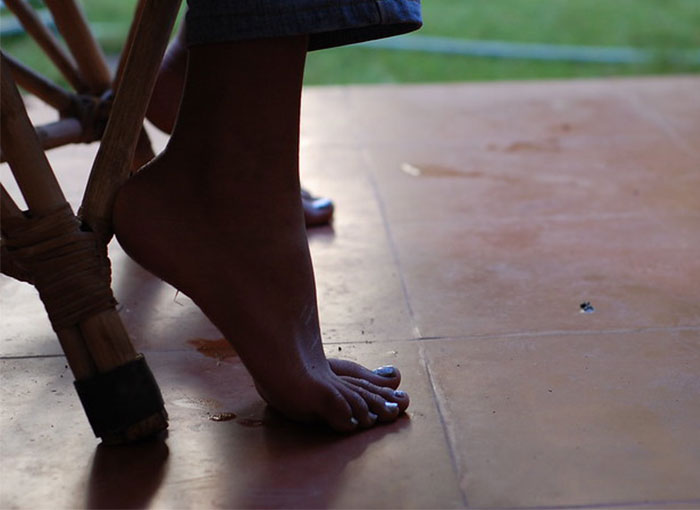 I don't know if it was a coping mechanism so much as a survival tactic. I walk on the balls/toes of my feet all the time. If I'm barefooted, my heels never touch the ground unless I'm standing still. Quietness was the objective.
I talk to myself, like full blown heart felt conversations. I'd keep things to myself because I would get in trouble for saying the wrong thing. I lie because people couldn't know certain things. I'd day dream because it was better then reality. I observed the room, their gestures to know if it's safe to interact. I don't say things about myself because I can't trust easily.
"As human beings, we have a desire for certainty and routine that keeps us feeling safe and able to plan what lies ahead in an organized manner. When unpredictable situations or accidents impact us, it can be traumatic, and we will likely feel a sense of disappointment, frustration, and loss," psychologist Lee said.
"It is important however that we embrace the fact that the world can be unpredictable and uncertain, and become more tolerant of this being a reality. Understanding that things are sometimes out of our control helps us to accept that not everything goes to plan, and accept when things happen to us that are negative. This acceptance allows us to embrace the change and difference, and manage our expectations so we can become more resilient to the ups and downs that all our lives lead."
Over apologizing and always questioning if I come off annoying, mean, or disrespectful. Having little to no self esteem. And self neglect.
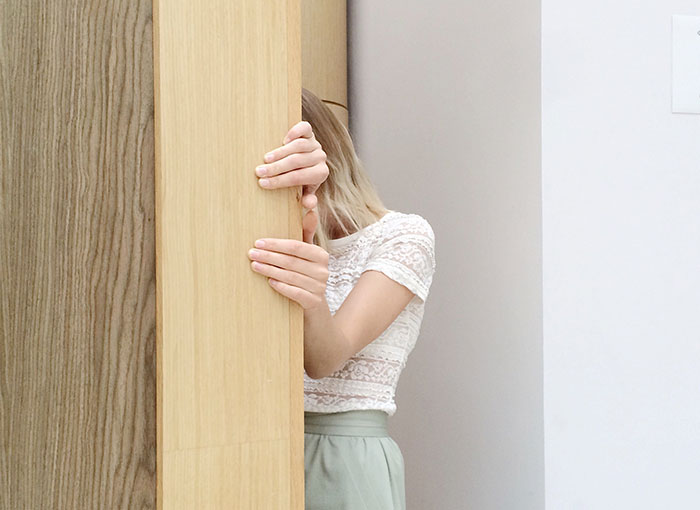 I learned to lie rather convincingly. I was petrified of getting in trouble for the smallest things that I learned to hide quite a bit. I had such high anxiety as a kid.
 Not doing anything till the last minute so I feel pressured to do it — and when I finish doing it, I feel useful.
The psychologist shared that he himself had to learn to walk again. There were certain things that helped him with his struggle.
"Using journaling and talking about how I felt played a significant part in my recovery when I had to learn to walk again, and gave me the space to grow to become mentally stronger as a result. It is also important to reflect on all the hurdles you've overcome, so you can see what skills and lessons you've learned to apply in the future, and adversity often helps us to see what really matters, and gets us closer to knowing our values and purpose."
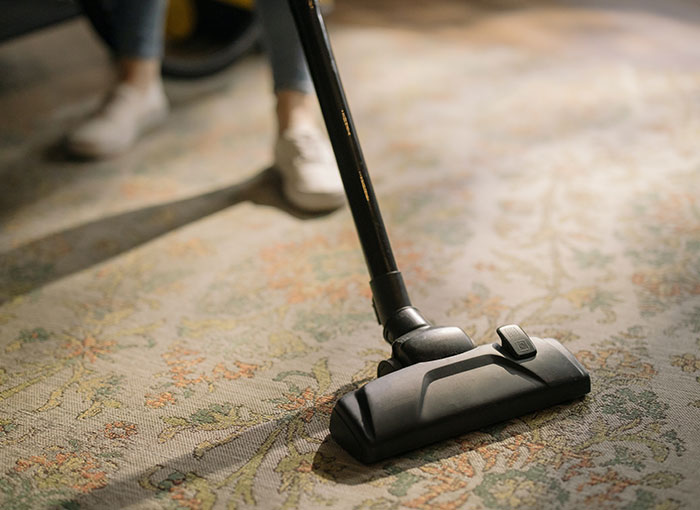 My house is spotless. Everyone is surprised my house is so clean when I have three kids. It's totally a coping mechanism. If I'm upset or stressed, I clean, and with a baby, I'm stressed a lot. This behavior comes from my dad throwing epic fits if the house wasn't clean and tidy. He would yell that he has four daughters, so why aren't things clean? I thought if the house was clean, it was one less thing to be yelled at about. I'm slowly learning that it's OK to leave dishes in the sink or have an unmade bed. A mess still makes me extremely anxious, but I'm doing my best not to pass it on to my kids.
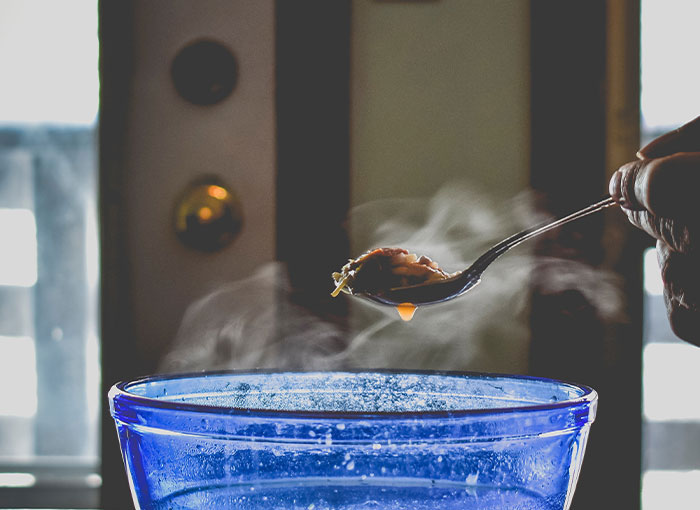 Eating too fast. I remember noticing this even as a child still. I was always done first. And I never out grew it. Neglect and abandonment issues.
 Always being okay having your decisions overridden by others and believing they know best. Examples: For birthdays, we’d get to pick a restaurant to eat at. I’d pick a place and usually my sister would complain and my parents would override. Being asked what I’d want for Christmas and being told 'No, you don’t' when you tell them what you want. I was super into astronomy growing up, so when I asked for a telescope, I was told more than once I didn’t want it. So I started to believe I didn’t want one.
Meanwhile, childhood independence expert Lenore Skenazy explained to Bored Panda why there are so many ‘helicopter’ parents who are overprotective, overbearing, and anxious to let their kids have freedom.
She told us that it’s a result of “our catastrophizing culture” which has scared some parents senseless. By controlling kids to make them safe, some parents force them to live in anxiety.
“The result is not safety, it’s anxiety—kids who absorbed the message that everything is too much for them to handle. When you’re anxious, a simple slip-up doesn’t seem so simple. It seems huge—even life-threatening. How can you avoid those awful threats? That part is simple. You avoid doing anything,” she said.
Self depreciating jokes. If I make fun of myself first it wont hurt as bad when someone else makes fun of me.
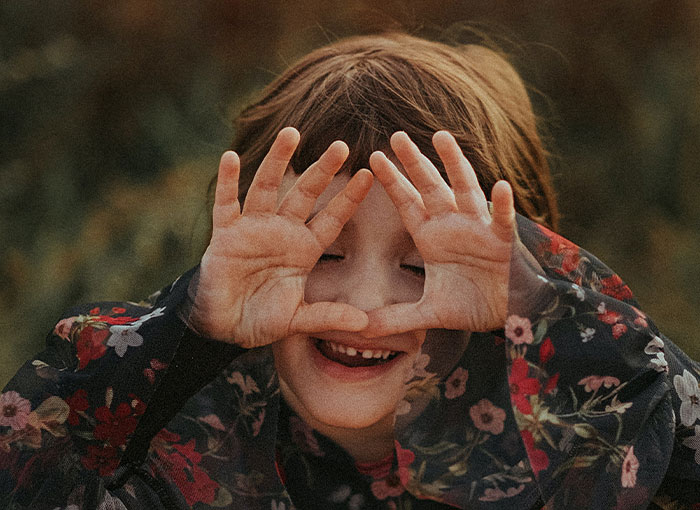 Constantly trying to preempt or diffuse situations. I'm always checking the mood of the room. I'm pretending to laugh to lighten up my parents interactions.
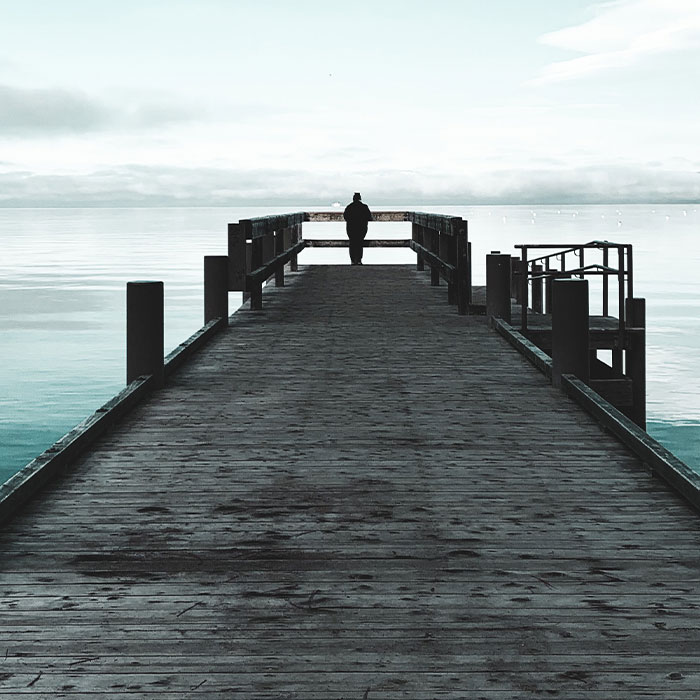 Or shutting down because you have to work out the 'perfect response' in real-time. And no, screaming at me for being quiet will not make this process go any faster or help to resolve the mind-numbing panic that triggered it in the first place.
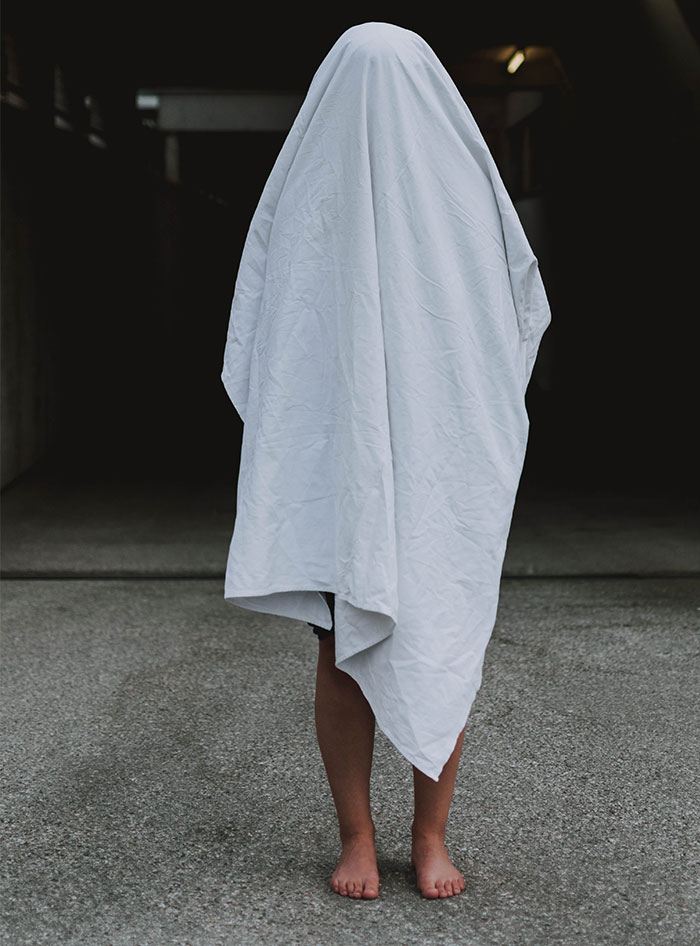 I do this, too — and I terrified co-workers when I materialized behind them like a ghost at the copy machine or café counter. They called me 'The Ghost,' and I laughed along, but kept to myself that I also knew where the exits were and what was between them and myself at any given moment. Both of my parents had terrible tempers and three out of my four grandparents were abusive (of every kind you could name) people. You are absolutely right to call it a survival tactic.
Daydreaming for me. Fantasizing with being loved, cared for, and finding the greatest everlasting unconditional love. This has f**ked me up when attempting relationships as an adult. Having this conundrum today. Wondering whether this is good, problematic, achievable or even realistic, considering my experience and how I see people relate sentimentally to each other around me. Holding on to it or throwing it away for... what? I don't know what I'd want instead.
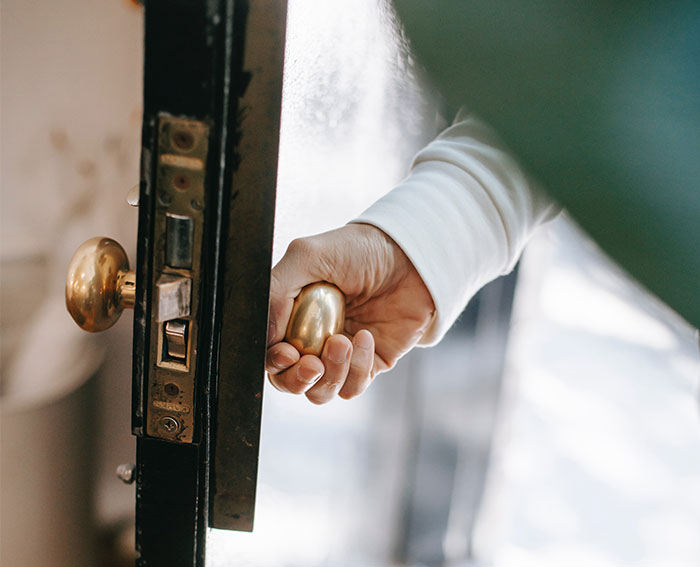 I keep track of where people are in the house. Since you can usually distinguish who is walking by how they sound, you can easily tell where they are. I still do it to this day even when it isn't necessary. The sound of my mom or dad walking down the stairs always made my b***d pressure spike. It was my only warning that they might open my door because they were really bad about not knocking and that meant they were [angry] or wanted something. Unfortunately, they could also be walking downstairs for laundry or something else. So I would get worked up for no reason.
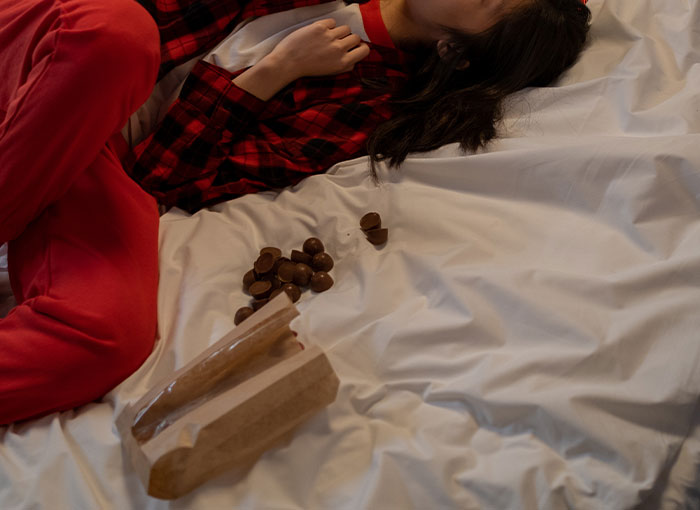 I just found out I have a binge eating disorder. I eat in secret sometimes and overeat. It comes from my childhood and not knowing where my next meal would come from.
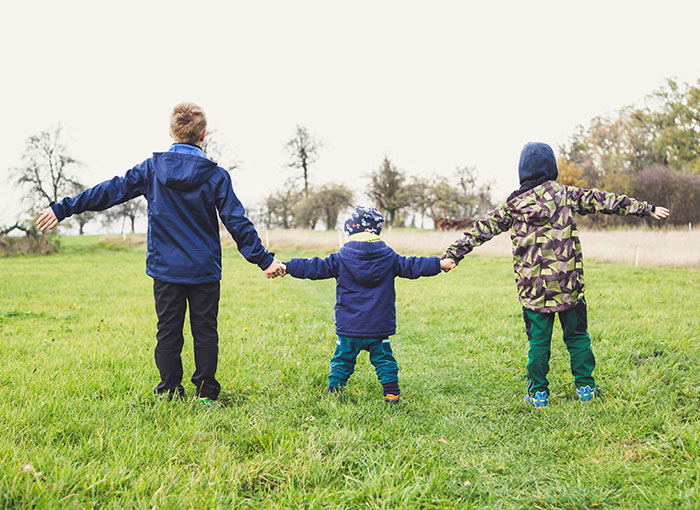 Sometimes I wonder if I'm indecisive for similar reasons. Mine isn't anything malicious. Just being the youngest of three, your opinions generally fall in last for a long time. I became very easy-going/go with the flow, but now I do this thing where I'll be like, 'sure whatever' — and stifle my own desires for others.
This. Gone through my whole life like it, am 24 now. When I say I'm not all here, I'm REALLY not all here. I'm not anchored, I'm constantly slipping into my head in crazy adventures with consistent characters, settings, universes, and themes. It's like constantly slipping out of reality and into a trippy TV show. I guess it's kinda nice sometimes, but it gets in the way of school, work, and EVERYTHING I try to do.
 Having three or four different responses ready for every conversation in advance just to prepare for what might come. My therapist told me this isn’t as normal as I thought it was and apparently other people don’t prepare this much for regular, everyday conversations.
 Trying to think/mentally prepare myself for every possible horrible thing that could happen to me, so that if it did, I wouldn’t be blindsided. It didn’t work. I want to add that my mother died in a freak accident when I was young, and I was blindsided. My coping mechanism was to prepare for situations where a friend or family member is killed out of the blue, so I wouldn’t be caught off guard again. It caused me severe stress and the inability to relax ever. I am older now and therapy has done wonders for me.
 I can’t have an aspiration or a dream because I don’t want to disappoint myself. I can’t even say that I am gonna get a good grade on a specific subject out loud, because I'm scared I will disappoint myself. Same thing happens with other things in my life: when I apply for a specific college, I will just do it and ignore it until I get a result, because I don’t want to get my hopes up and end up not getting accepted. I can’t even have a New Years resolution because somehow I think I would fail, and I would rather already expect that than get my hopes up and fail. I am scared of being disappointed in myself.
Listening for the smallest sounds. Before I was old enough and had enough money to move out, I could hear the faint sound of the garage door opening because it would always squeak when it opens. I would then bolt upstairs to my room because the garage opening meant that my mom was home. I can distinguish her footsteps easily. I developed a hypersensitivity to sound because of her.
Shutting down emotionally. I learned from a young age that if I felt some sort of way about something, it didn't matter because I was "too young to have real problems". Also, being invalidated all the time by being told it didn't matter or wasn't a big deal. So any time something bothered me, I'd just shut down and not want to talk at all. I was trying to sort my emotions myself and not offend anyone, but I was really just hurting myself.
 Having to laugh and smile every time you make a comment to your parents so they don’t immediately start getting offended over everything you say — it’s exhausting.
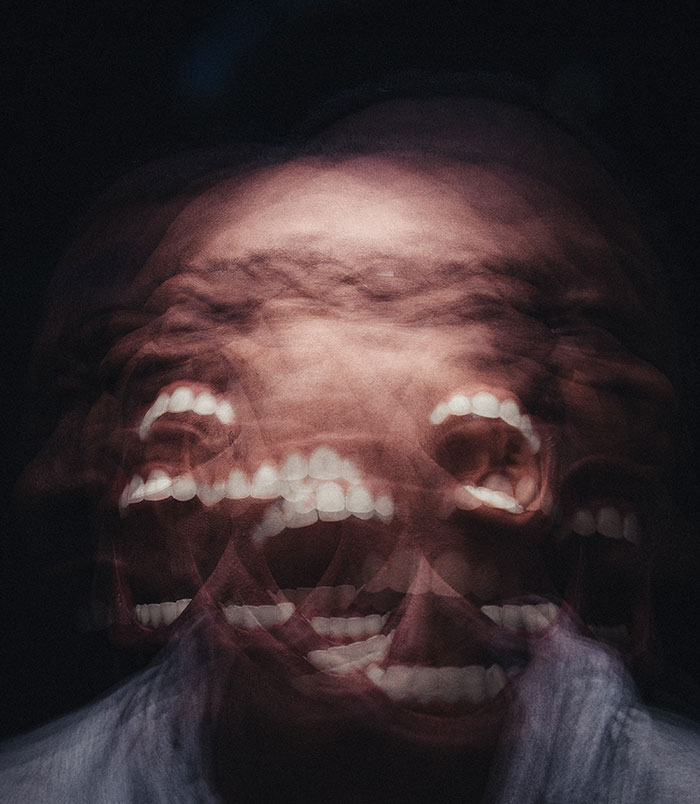 Laughing at pain, if I get hurt I laugh. I do it because I don’t want the people around me feeling uncomfortable. I do it even when people aren’t around. It hurts.
 My mom used to take away things I enjoyed when she was thinking I was behaving badly. At some point, I started to ignore it, finding something new or just lying in bed doing nothing. Now I'm curious if despite all other problems this also had an influence on me being indifferent about other people's presence and emotions.
 Yes, and when someone says, 'You don’t have to say sorry' and/or gets mad at you for saying sorry, and you get in a loop for saying sorry. Nowadays, it’s a lot better than it was. But whenever I feel bad, I just keep repeating it.
 Cleaning or doing things behind the scenes for my family so they're always happy, life goes smoothly, and my life is serene. The latter isn't the case unfortunately; I'm exhausted and always on edge.
 I know that...it's like flipping a switch. It's most noticeable to me when I'm watching a movie and a scene comes on that triggers some kind of memory and so I mentally switch from being in tune with the movie to staring at the box on the wall while the pictures on it move. It completely removes all emotion.
 My dad would get snippy with my sister and me to watch our tone when we wouldn't have one. And then in high school and college, the slightest f****** shift in demeanor of my friends toward me sent me into a [darn] worry spiral. My boyfriend likes to speak frankly and clearly, and my mind makes it sound like he's upset, which makes me apologize and actually annoy him since I apologize too much to begin with.
 My sister and I both do this. Every minute spent at the table increased the likelihood that we would get yelled at for something unrelated, so the only strategy was to get out of there as quickly as possible. I have to make a conscious effort to slow down around other people now.
You might also like: Perfect online, different offline: 34 photos that tell another story















 No fees, cancel anytime