Get Premium
Dark mode theme is available exclusively for premium users. Learn more about the benefits of subscribing.
No fees, cancel anytime.

 Dark Mode Ad-Free Browsing Unlimited Content
 Ad-Free Browsing Unlimited Content Dark Mode
Join 1.2 million Panda readers who get the best art, memes, and fun stories every week!
36submissions
1week left
Esther Mukumbo is a mom from South Africa, trying to find her way toward financial independence. She has over 10 years of experience in Development Finance and Banking and is a director at a black women-owned investment company she co-founded called Malkia Invest.
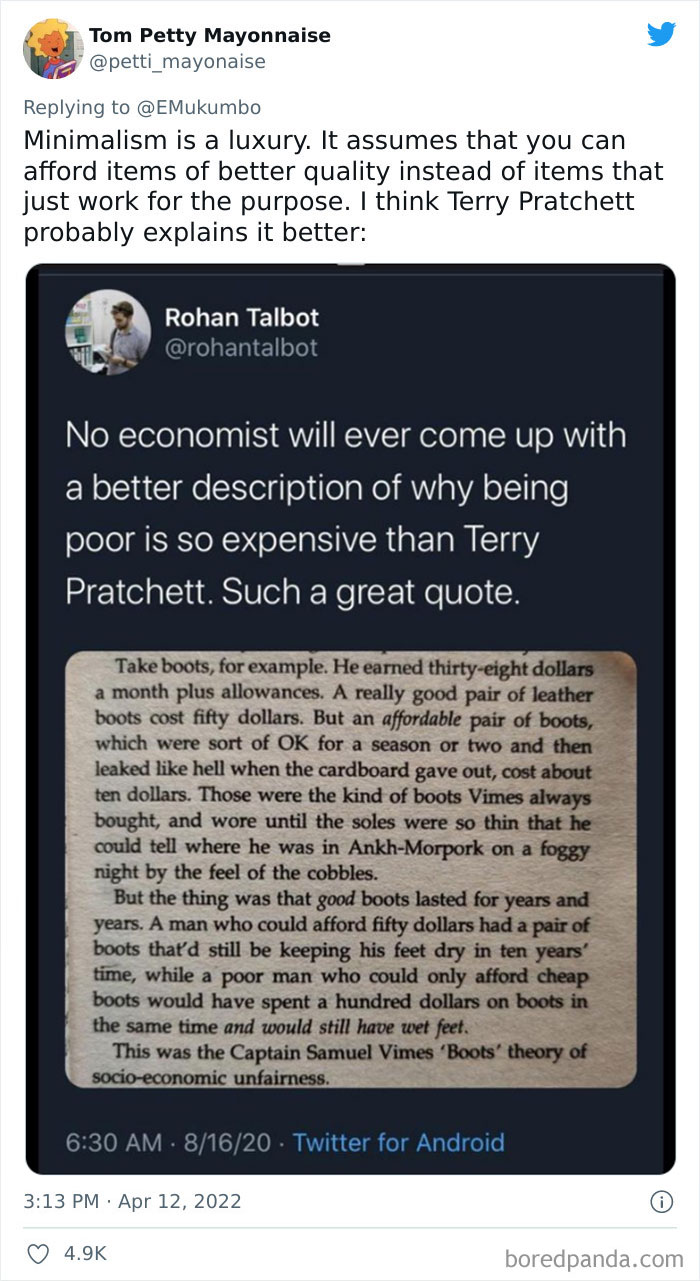
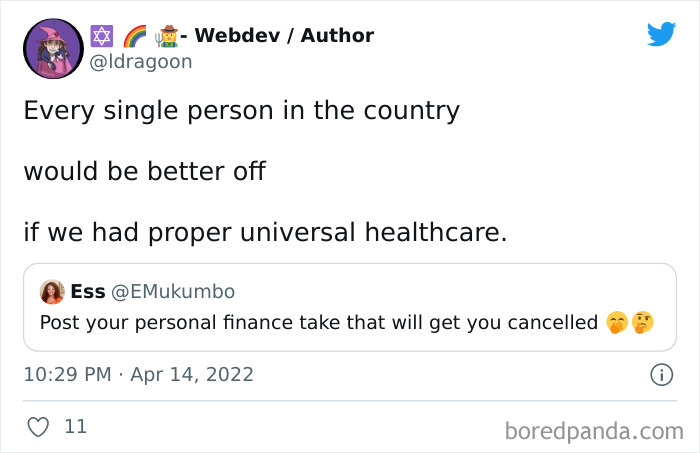
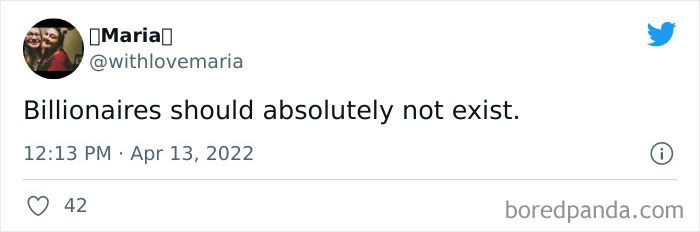
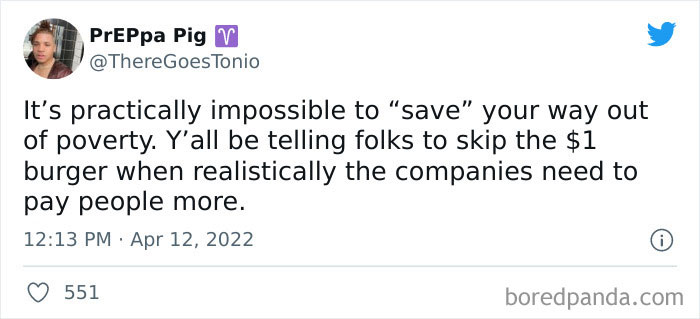
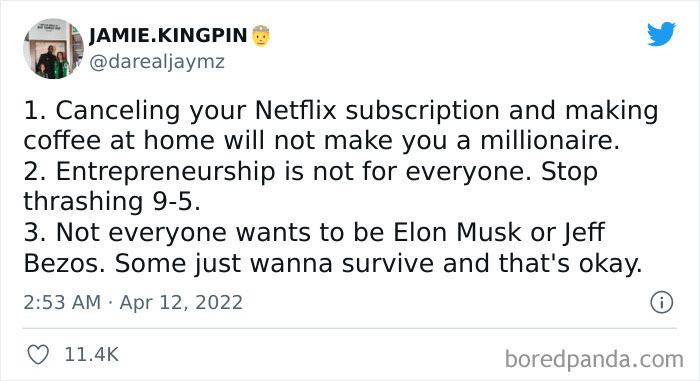
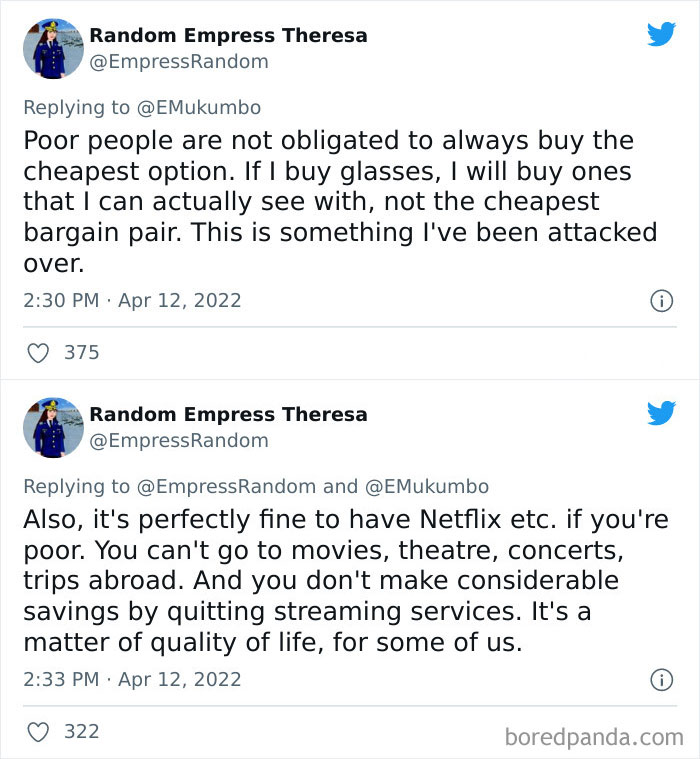
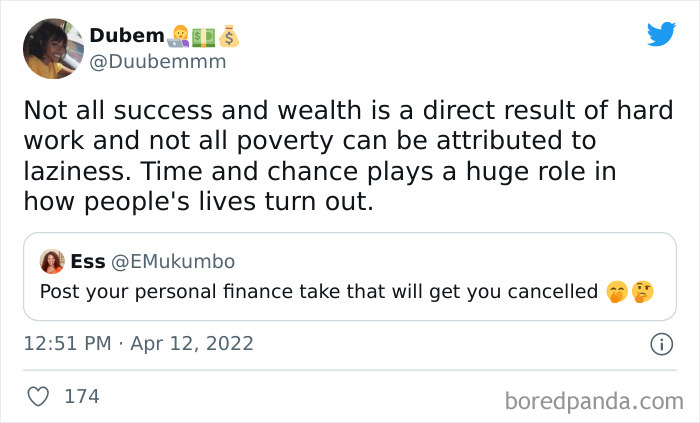
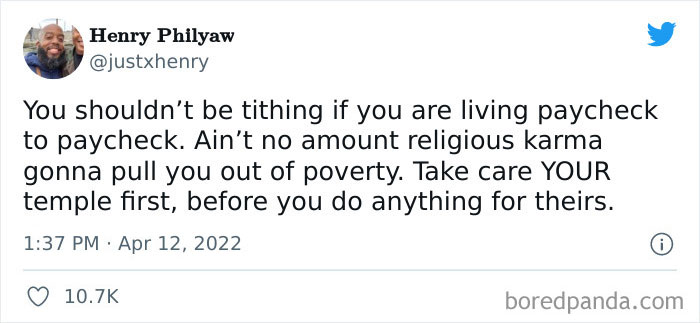
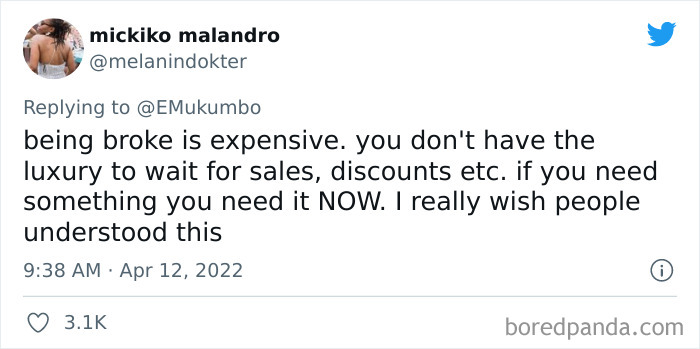
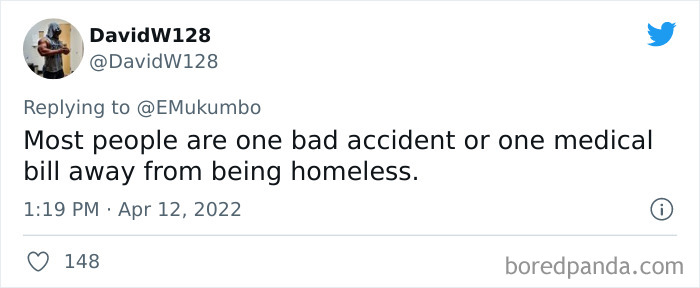
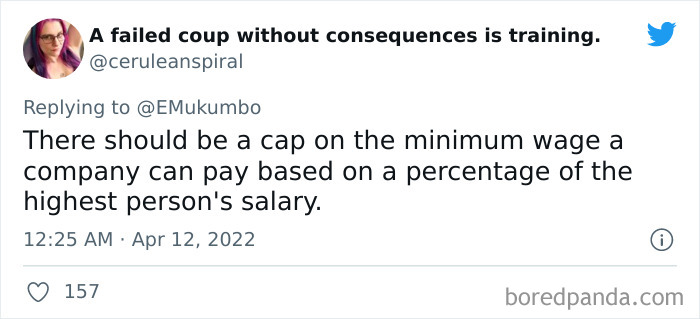
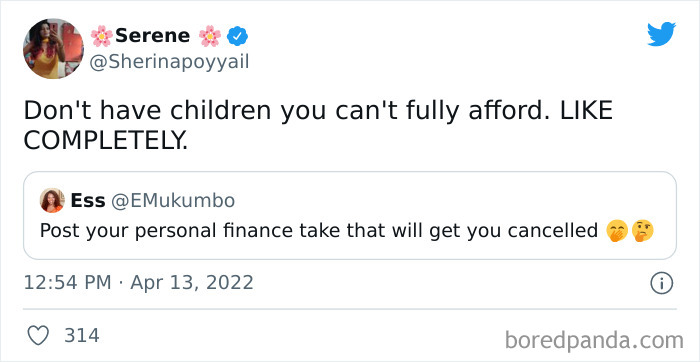
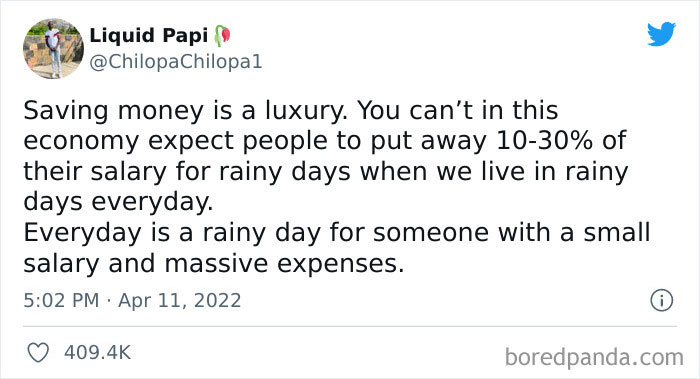
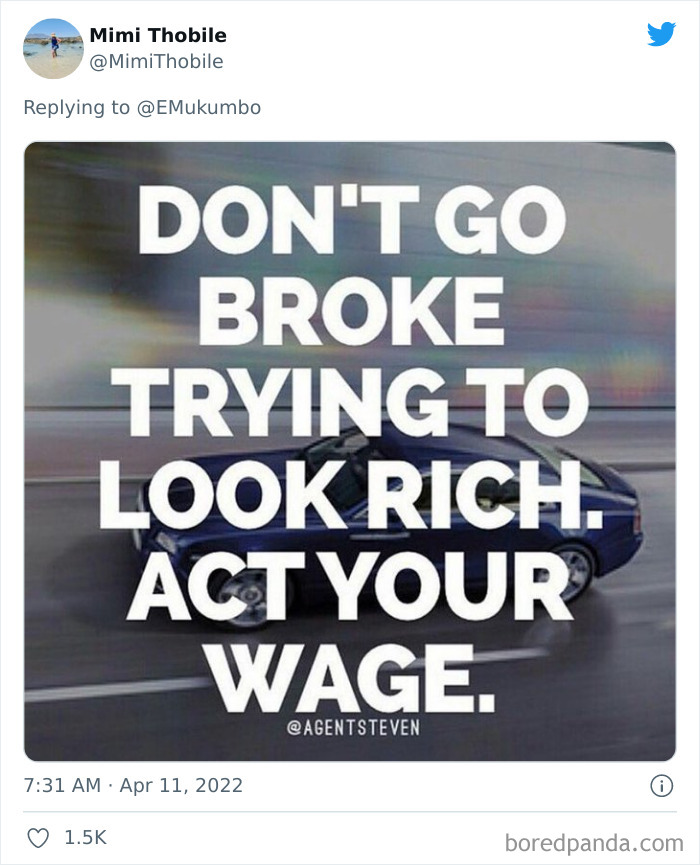
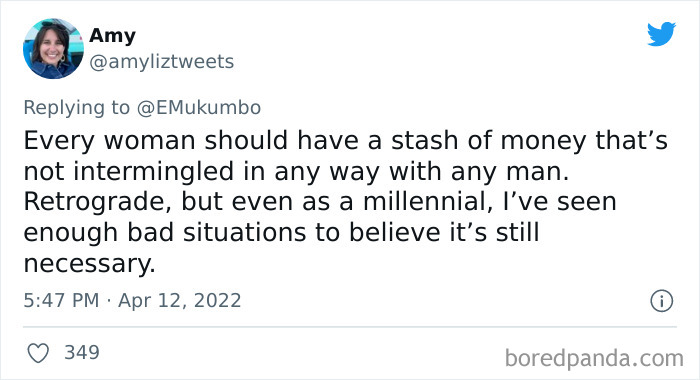
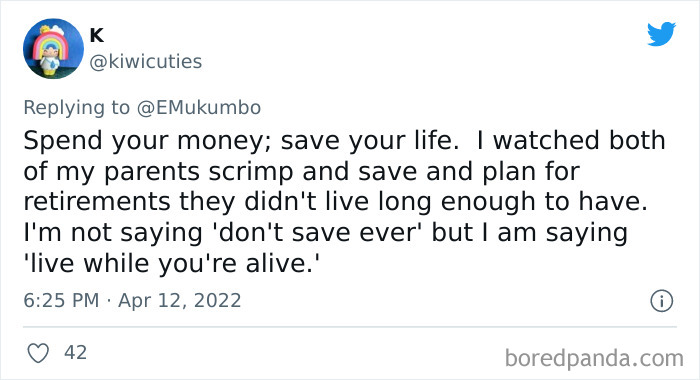
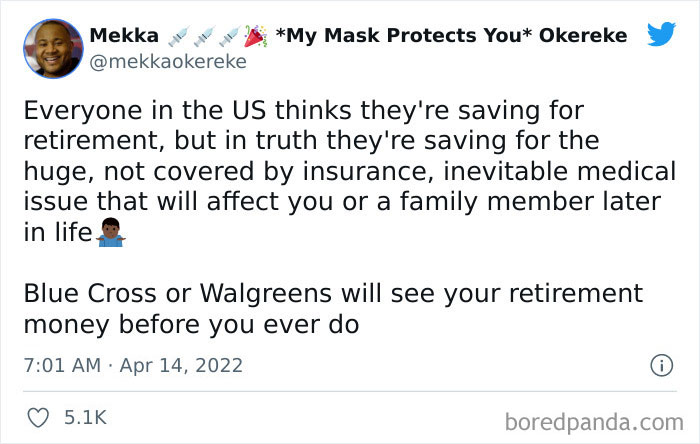
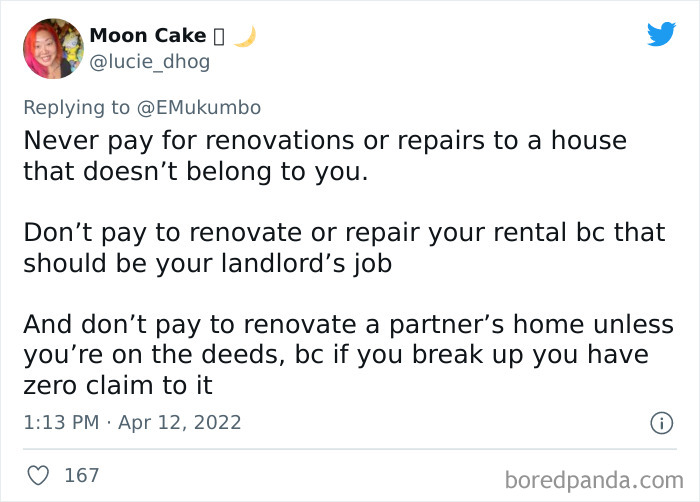
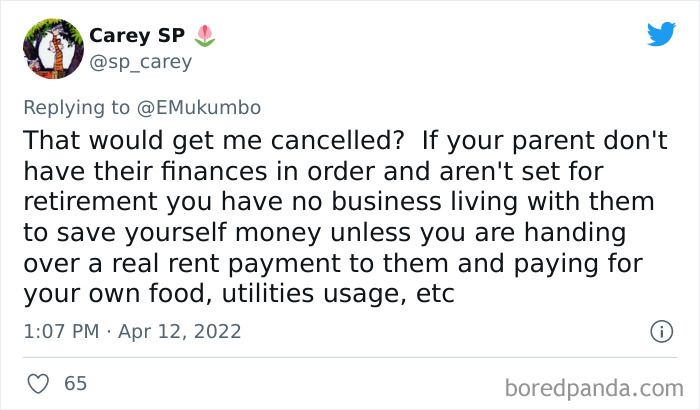
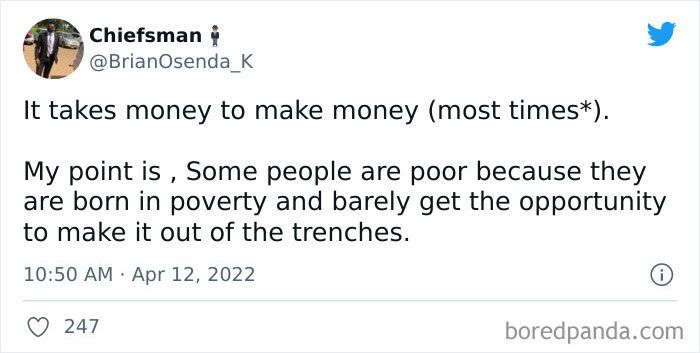
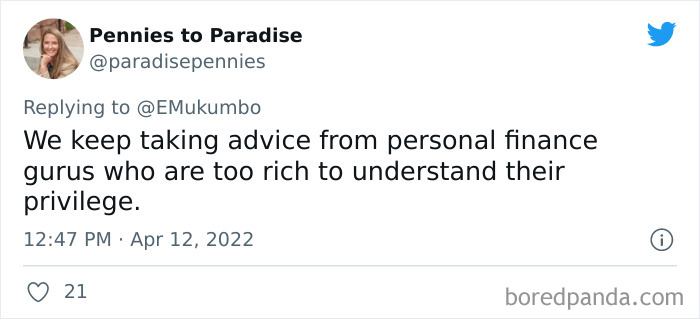
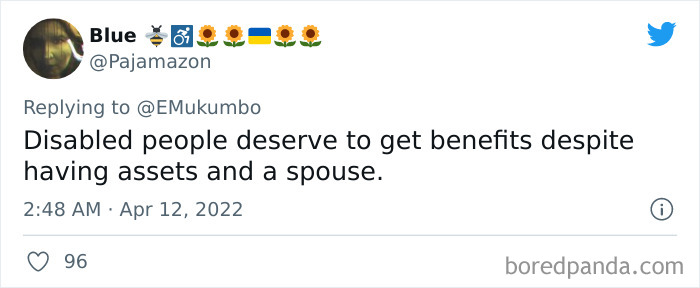
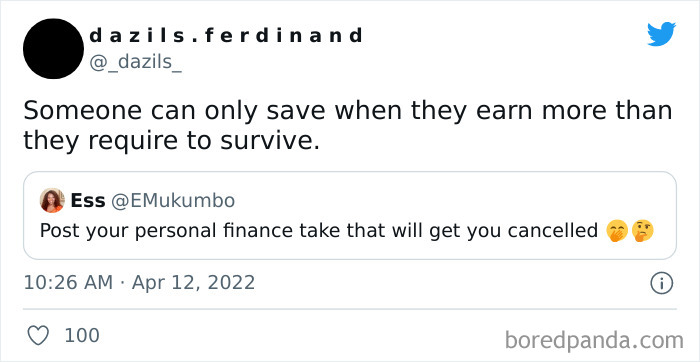
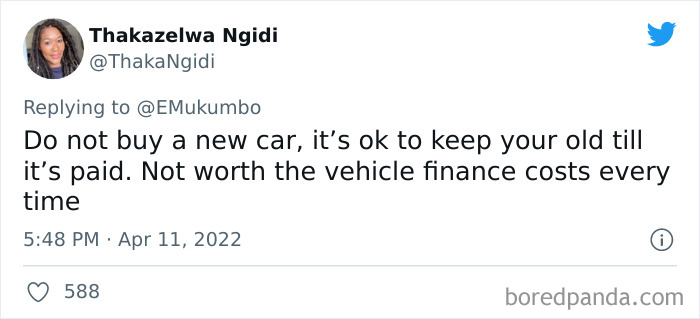
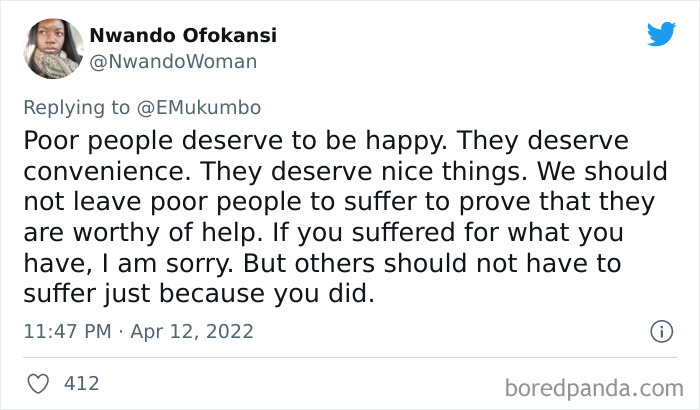
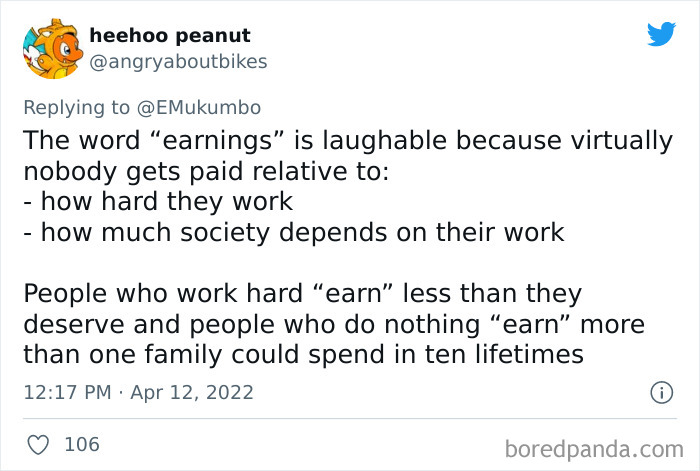
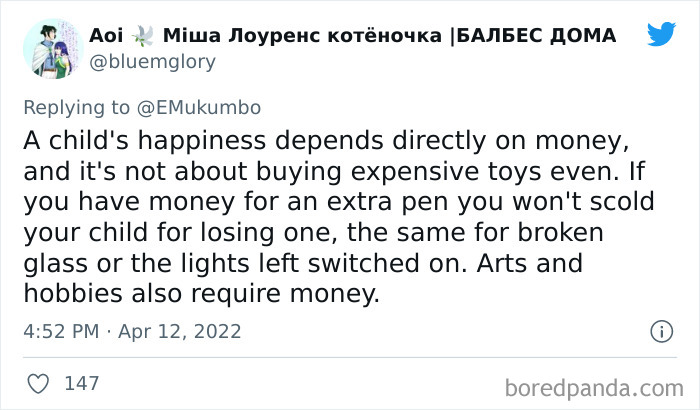
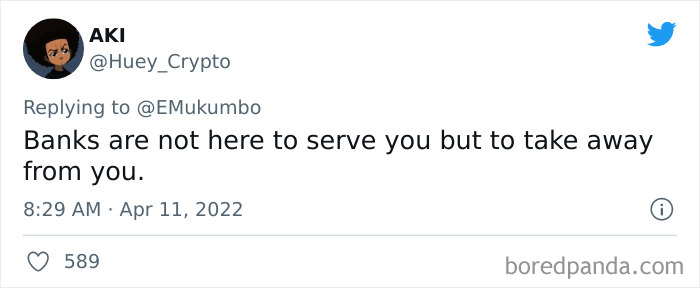
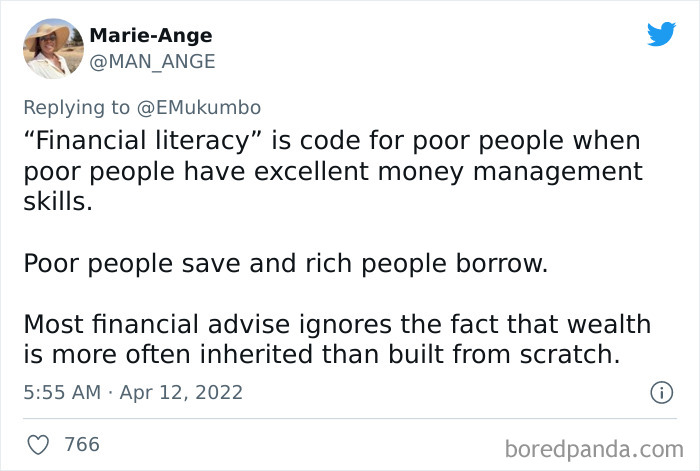
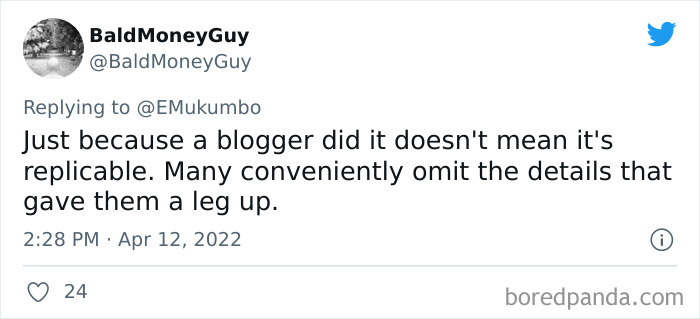
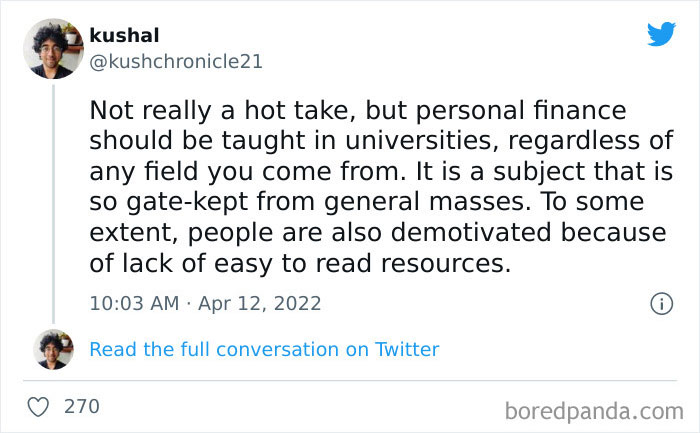
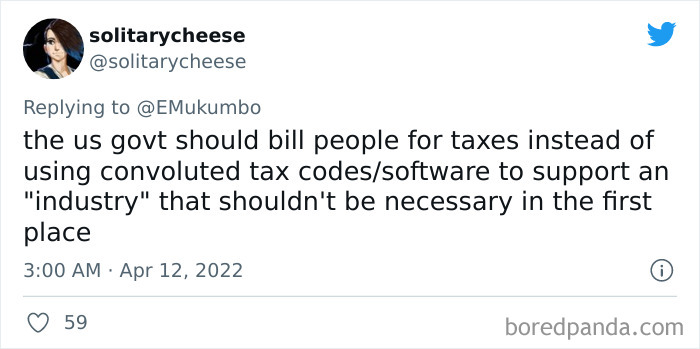
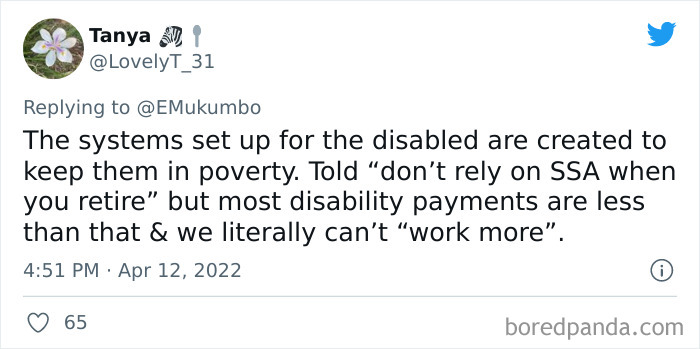
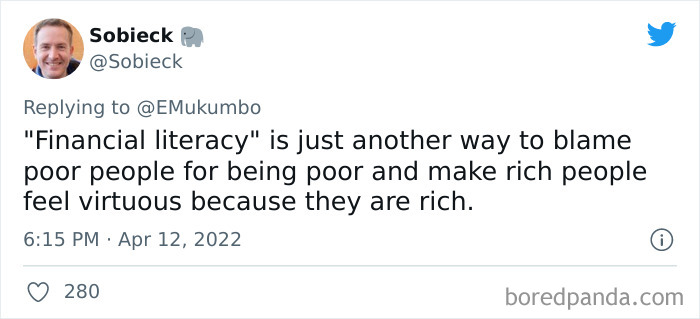
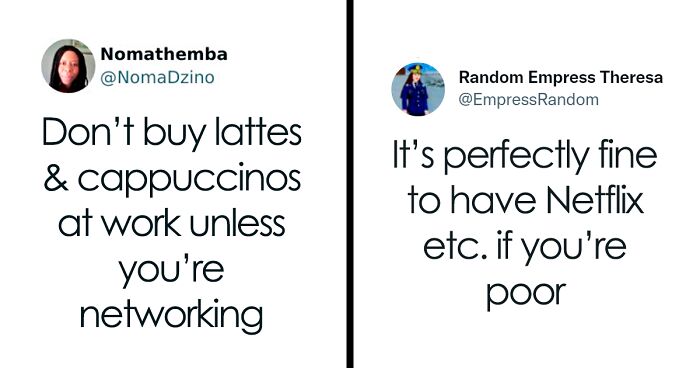
While trying to achieve her goals, Esther also regularly posts on social media and one of her latest tweets has gone viral. In it, the woman asked everyone to share their most controversial takes on personal finance, and people happily obliged.
This prompted an interesting discussion on money, a subject many often avoid in the real world, fearing making a fool of themselves or saying something that would trigger those around them. Yay the internet!
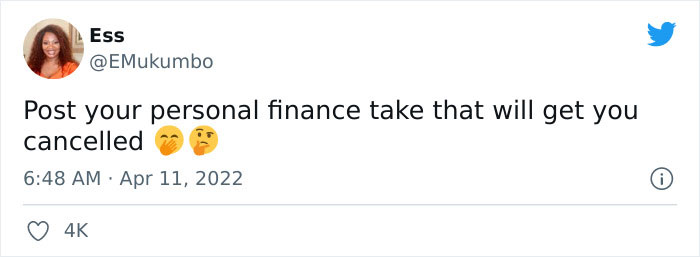
Image credits: EMukumbo
Click here & follow us for more lists, facts, and stories.
This post may include affiliate links.
However, let's challenge this thread from a different perspective. Not because it's inherently wrong—it might allow us to get a better understanding of what these people are talking about. As Kristin Wong pointed out in The New York Times, traditional personal finance advice is often tossed around in blanket statements. While there's nothing wrong with the actual advice in theory, the way we deal with money in reality is often much more nuanced.
Consumer spending is increasing and unemployment rates have fallen, but wage growth has been slow, and income inequality is still very much a problem. With the situation changing so fast and drastically, what can we actually do about money?
"I'm interested in the causes and consequences of inequality, particularly from a labor market perspective," Kate Bahn, director of labor market policy and an economist at the research organization Washington Center for Equitable Growth, told Wong. Dr. Bahn argued there's not enough emphasis on the larger structural barriers that make people's financial lives difficult. Personal finance might sometimes even further de-emphasize these barriers, she said.
There is, for example, a concept called labor monopsony, which is what happens when a single hiring entity gains control over the workforce.
"So employers will take advantage and pay workers less because there's nowhere else to go," Dr. Bahn said. "It's geographically remote areas where there may be only one big employer, and there's no other company to work for, so that company can pay whatever they want because workers can’t say, 'Screw this,' and go somewhere else."
Dr. Bahn's argument is that personal finance is necessary, but not quite sufficient. It's put forth as a solution when what we really need is policy, she said, and places priority on personal choice over issues that are ultimately out of most people's control.
But there are still plenty of folks who think that personal finance remains helpful because it is a way to share information that many are discouraged from seeking. "People have criticized financial education, saying it doesn't work because people are still making mistakes," Billy Hensley, president and CEO at a private nonprofit, National Endowment for Financial Education, also told Wong. "Education can't help access jobs, but it can help people navigate the system as it exists."
But when you think about it, how do you even measure the effectiveness of personal finance? After all, so much of it is... personal.
Rachel Schneider, a researcher and co-author of The Financial Diaries: How American Families Cope in a World of Uncertainty, tried to look at how people handle money in the real world. She and her co-author, Jonathan Morduch, a researcher and professor at N.Y.U., worked with over 200 families for a year, gathering information on every dollar that went in and out of their homes.
"A huge finding was the level of volatility people experience in their financial lives over the course of a year," Ms. Schneider explained.
Although she expected to find income volatility year to year, she was surprised to see how widely income varied within the year, too. A subject could be above the poverty line for the year overall, but that same person could fall below the poverty line in any given month.
"This has a huge impact on how people deal with money," Schneider said. "The economy has been growing and the unemployment rate is relatively low and declining, yet we’re not seeing that growth and prosperity getting distributed down to the bottom."
While Schneider agreed that financial education is necessary and can be useful, she also worried that overemphasizing it as a solution to financial challenges shifts responsibility away from our economy's major players (like banks that offer subprime predatory loans or companies that take advantage of workers).
One thing that both proponents and critics of financial education seem to find common ground on, however, is that if we're going to help people navigate the current system, the way we talk about money has to evolve.
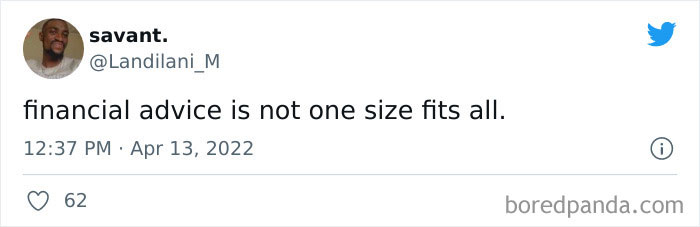
Financial education should not be telling a person to do this and in this exact way or you’re a failure. We need to humanize the topic and try to acknowledge the individual.
You might also like: Perfect online, different offline: 34 photos that tell another story





















 No fees, cancel anytime